Cycling Gear
Winter Cycling Gear Roundup 2026: Lights, Tires, Shoes and Cold-Weather Kit
A practical winter cycling roundup covering a high-output bike light, a four-part cleaning range, winter road shoes, two tire options, a waterproof jacket and a winter-ready gravel bike.
Introduction
Winter riding asks more of your equipment than any other season. Dark commutes, wet roads, salt and grit, and long hours in low temperatures all put pressure on lights, tires, clothing and cleaning routines, and kit that feels fine in July can feel like a compromise by November.
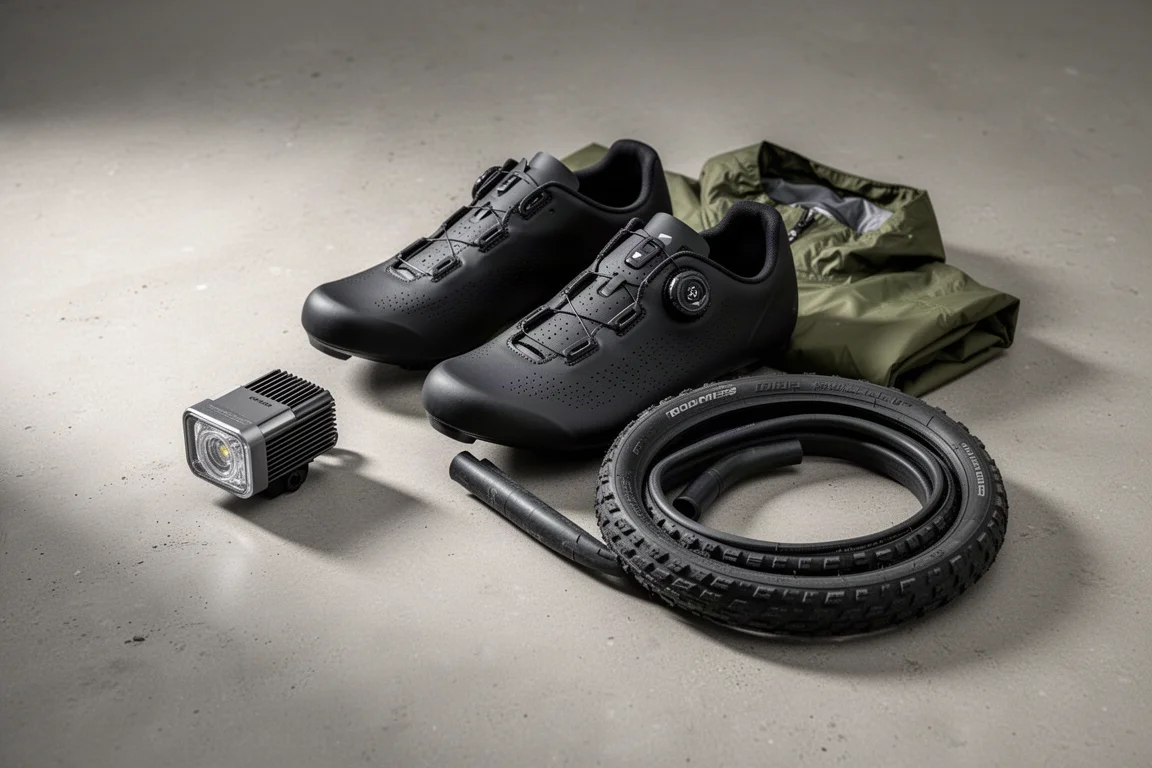
This roundup covers a complete cold-weather setup: a high-output trail light, a four-part bike cleaning range, winter-specific road shoes, two road tire options built for tougher conditions, a fully waterproof jacket and a gravel bike that arrives ready for the worst of the weather. Each entry focuses on what the product actually does, who it suits, and what to weigh up before spending. Prices are included where they are available, and the kit is grouped by the job it does rather than by brand, so you can jump straight to the part of your winter setup you are trying to improve.
What to Look for in Winter Cycling Kit
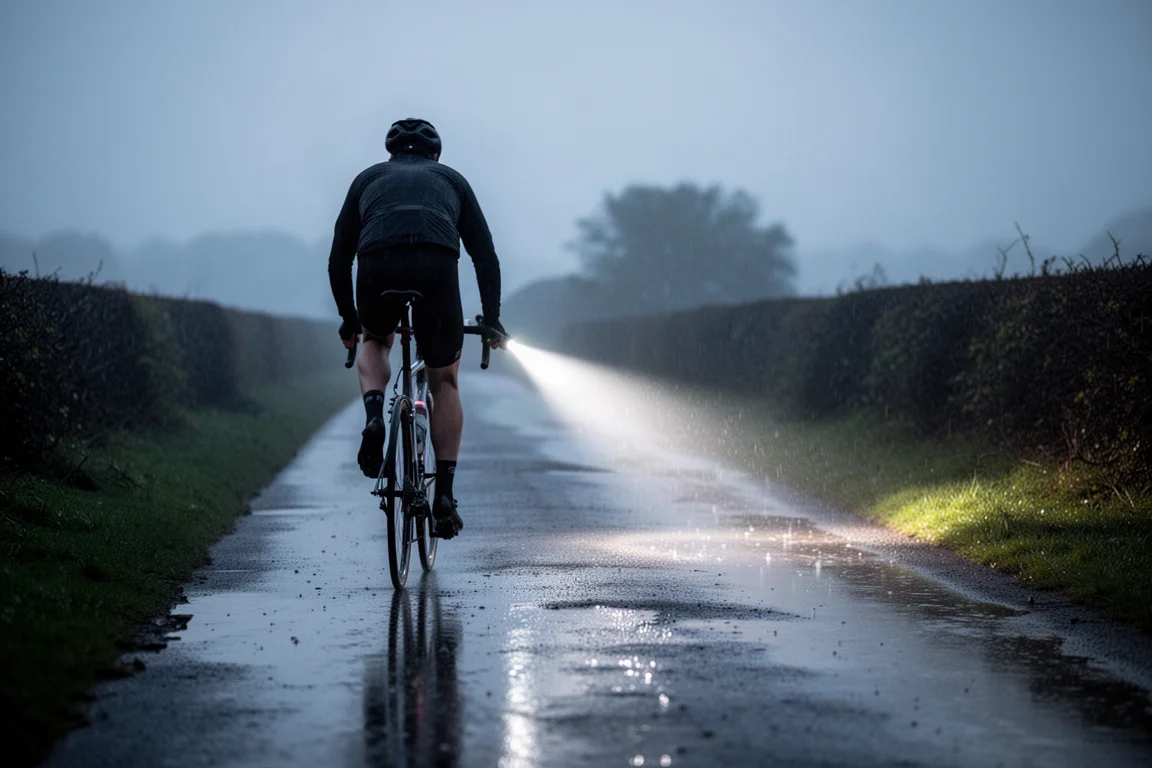
The first priority is visibility. Output figures matter, but so does beam shape: a tight central spot keeps obstacles lit at speed, while peripheral light gives you the context to read a line or spot a pothole early. Daytime modes and simple mode indicators make a bigger difference on the commute than another hundred lumens.
Weather protection comes next. A waterproof membrane keeps rain out, but breathability is what stops a jacket or shoe from turning into a sauna on a two-hour ride. Look for construction details that actually seal: adjustable cuffs, a longer rear hem on a jacket, a hood that clears a helmet, and reinforced areas where grit and road spray hit hardest.
Durability and maintenance round out the picture. Winter tires generally use tougher rubber compounds and more puncture protection than summer rubber, and some add tread for grip on loose or greasy surfaces. Cleaning products matter just as much, because salt and brake dust left on a frame through the darker months do quiet, cumulative damage to paint, chains and bearings.
Fit and adjustability are easy to overlook. Dial closures, Velcro straps, drawcords and mounts are the parts you touch every ride, so they need to work with gloves on and stay serviceable across a season. The products below are worth a closer look because they address these priorities in clear, specific ways.
Best Bike Light: Lupine Alpha
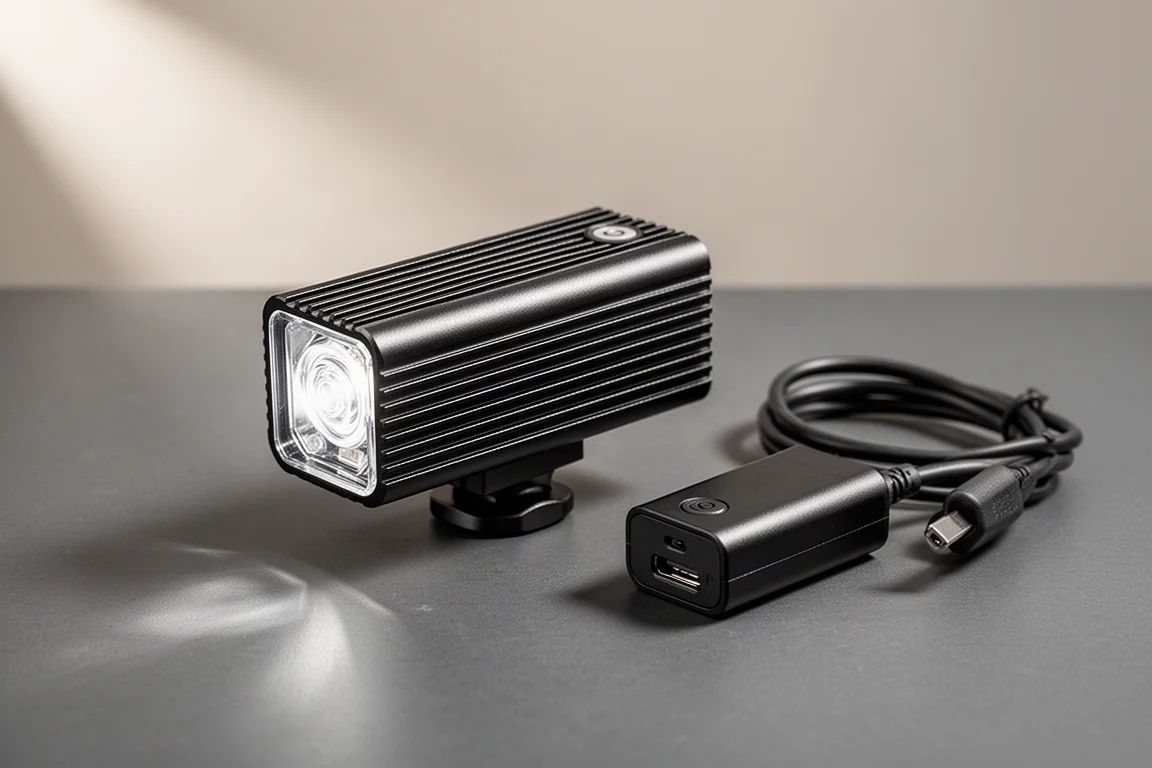
The Lupine Alpha is built around a claimed 7,200 lumen output and a claimed 840 meter beam throw, which puts it firmly in the extreme end of trail lighting. Lupine says the optics and the 16 LEDs have been tuned to deliver strong illumination on the trail, using 22 degree and 18 degree lenses to control how that output is spread.
The sleek head unit hides Bluetooth smartphone connectivity, so Lupine’s light control app can be used to change output levels. That wireless connection also links to the included remote, known as Pepe, which acts as the primary control. The remote’s buttons change color depending on the selected mode and how much battery charge is left, mirroring the mode and charge indicators on the rear of the head unit. The separate battery pack adds a traffic light style LED and an audible charge indicator.
Cooling fins are integral to the design and help manage heat build-up, and the whole system is IP68 water and dust resistant with an IK09 impact strength rating. A single mounting point attaches the head unit to the supplied 31.8 mm, 17 g bar mount, or to an optional 35 mm bar mount and Velcro helmet mounts. The complete system weighed 735 g including mount, cables and remote.
In use, the beam backs up the numbers: a tightly focused central spot that makes obstacles obvious, a broad spread of usable light to the sides for context and line choice, and a throw that lights fast, straight trails as far as you can see. The beam hue balances yellow, green and white, which makes trail detail pop while still feeling natural to the eye. Mode and battery indicators are simple enough to read without studying a manual, and runtime testing put the Alpha at 1 hour and 35 minutes on full power.
Best Bike Cleaning Range: Silca Bicycle Spa
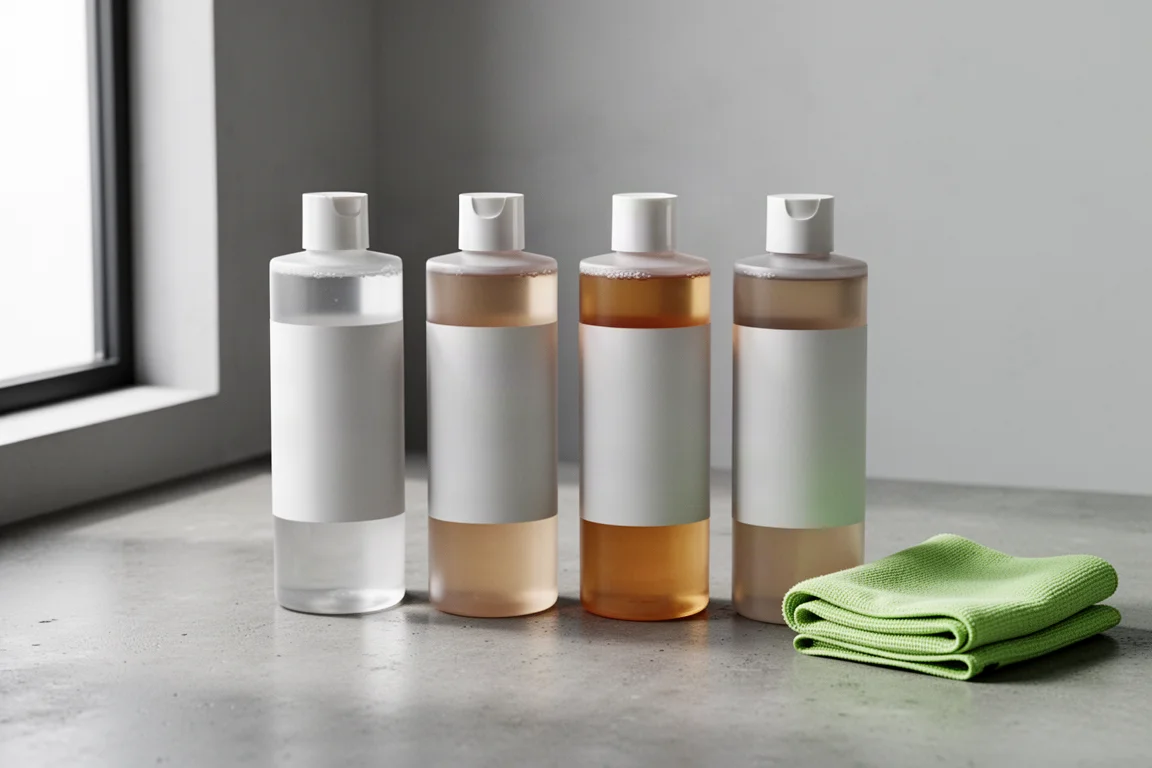
Silca’s Bicycle Spa is a collection of four cleaning products rather than a single bottle, designed so one coordinated range can handle everything from drivetrain grime to a final protective finish. Silca says the range took a year and a half to develop, and the pricing reflects that: the full collection is offered as a bundle at £135 / $130, with individual products from £30 / $25 up to £54 / $45.
The value argument rests on concentration rather than volume. Silca’s position is that the price may be high, but the products last longer because you use less of each one, which is a reasonable proposition if you clean your bike regularly through the winter rather than once in spring.
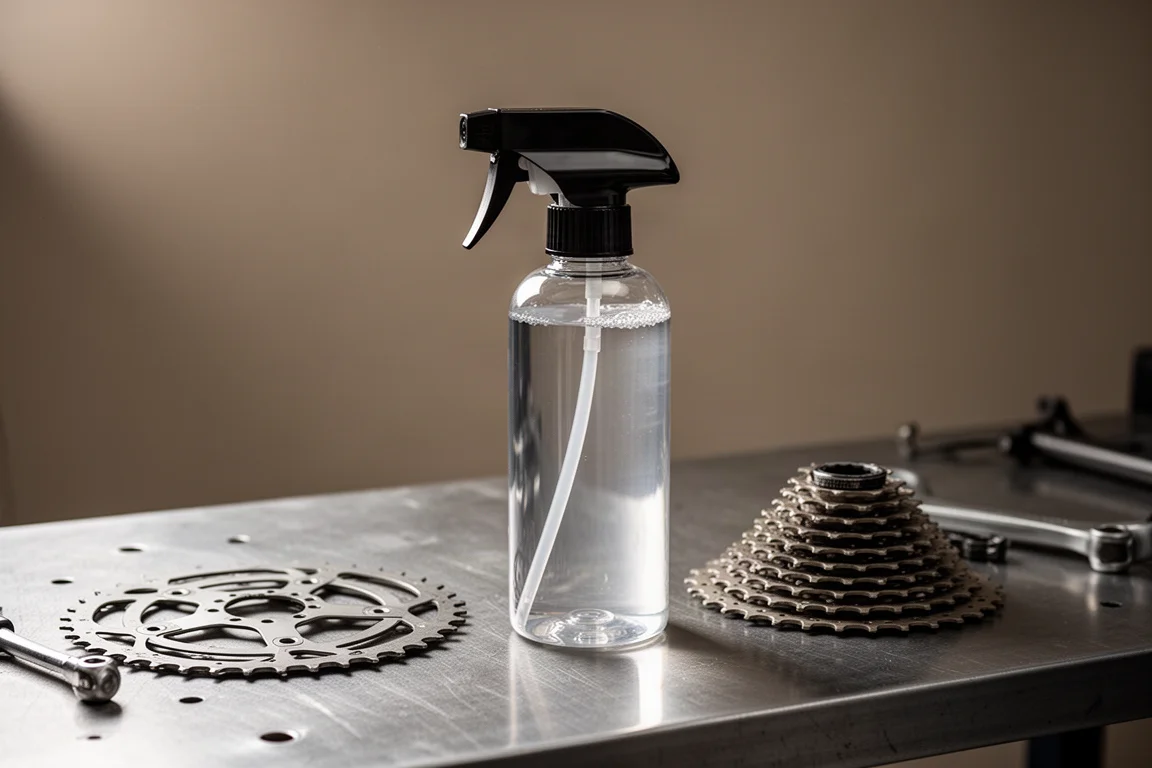
Silca Drivetrain and Brake Cleaner
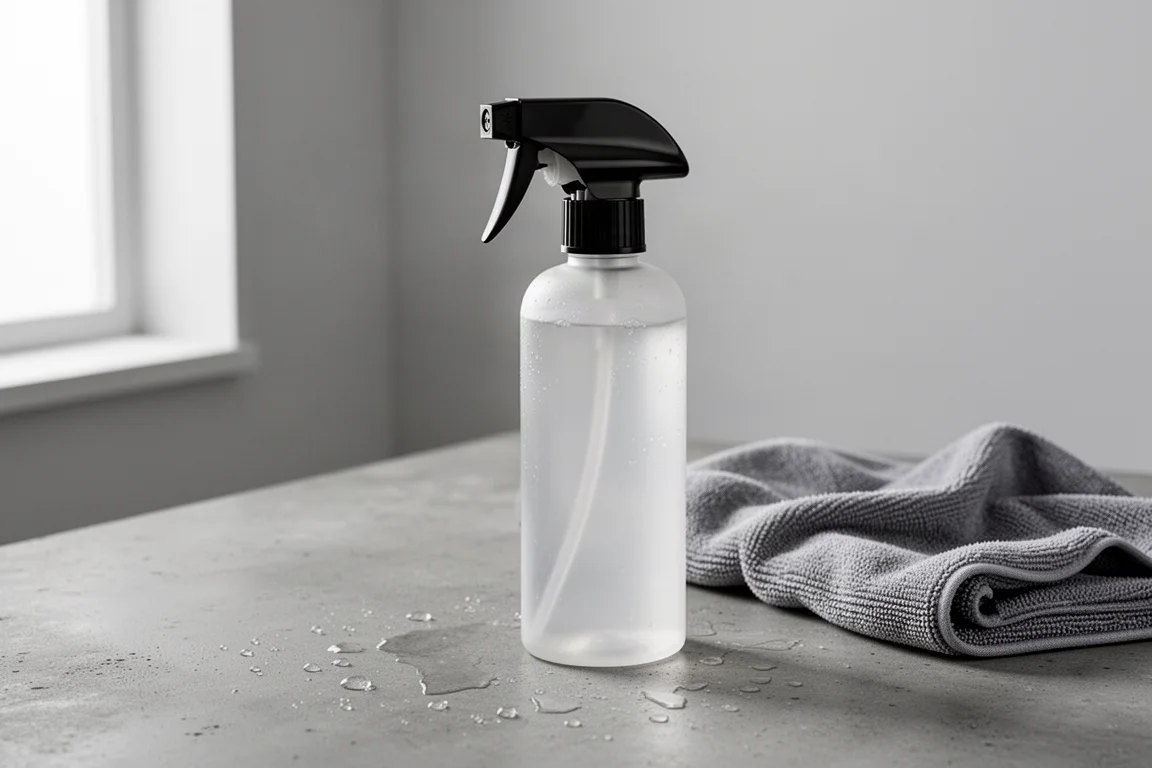
Silca recommends starting with the Drivetrain and Brake Cleaner, a non-aerosol, non-chlorinated solution with a cinnamon scent. It is designed to target brake dust, road grime and oils, and Silca says it will even work with disc brakes and can remove the contaminants that cause squealing.
The formula attacks dirt and turns a reddish purple when it is ready to be rinsed off, which Silca says generally happens after three to five minutes. Importantly for anyone running a waxed chain or a waxed frame finish, the brand states it will not attack wax and will not leave residue behind, which separates it from traditional degreasers. It retails at £36 / $30.
Silca Bike Wash
Step two is the Bike Wash, which Silca claims is the most highly concentrated soap on the market for hand washing techniques, meaning a bucket and a sponge rather than a pressure washer. The cherry scented formula is also described as safe with disc brakes.
The wash works by encapsulating dirt and lifting it away from the frame so it cannot scratch or damage paintwork as you clean. It retails at £30 / $25.
Silca Graphene Spray Wax
The third step is the Graphene Spray Wax, which has a sweet lime margarita scent. Silca recommends applying it to a microfiber cloth and then working it onto the frame, leaving it for two to three minutes to dry. It leaves a white waxy film that you then buff out with a towel for a finished, protected surface.
Two cautions matter here. Silca says to avoid getting this product on your brakes and rotors, and the brand recommends reapplying every three months to maintain the best finish.
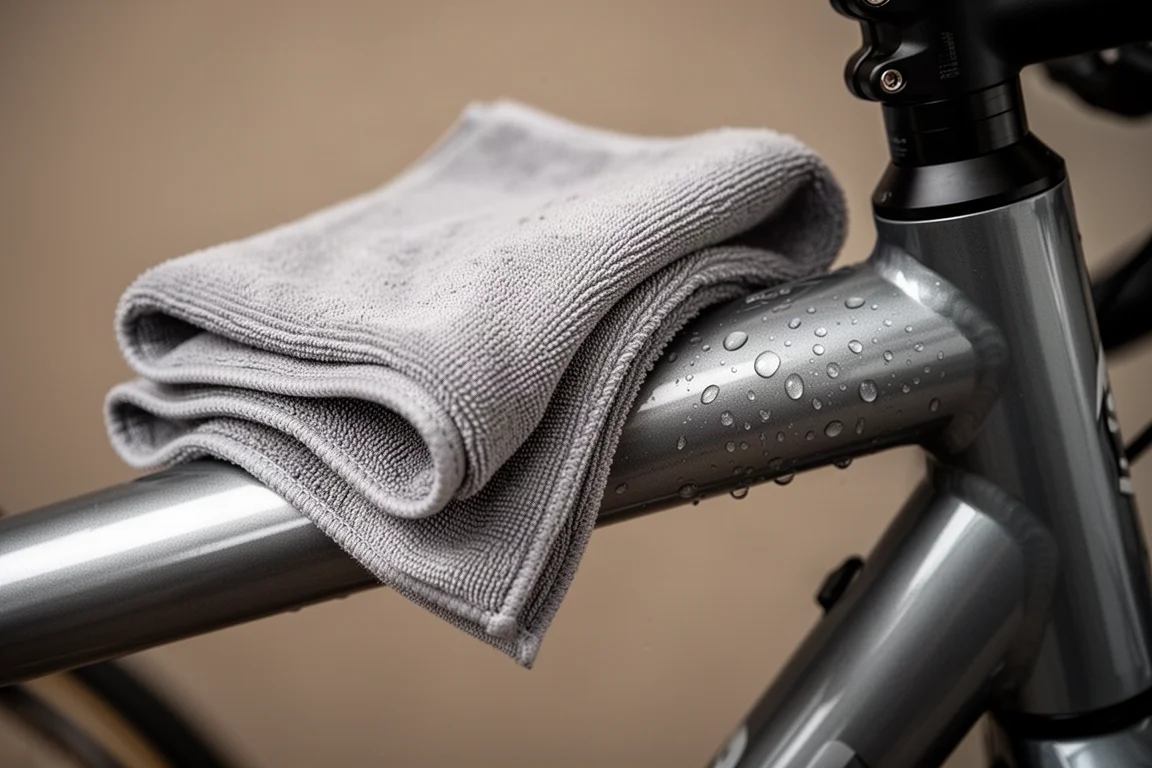
At £54 / $45 it is the most expensive item in the range, which makes most sense if you treat it as a protective layer applied a few times a season rather than an everyday cleaner. Used that way, a bottle should stretch a long way across a winter of riding.
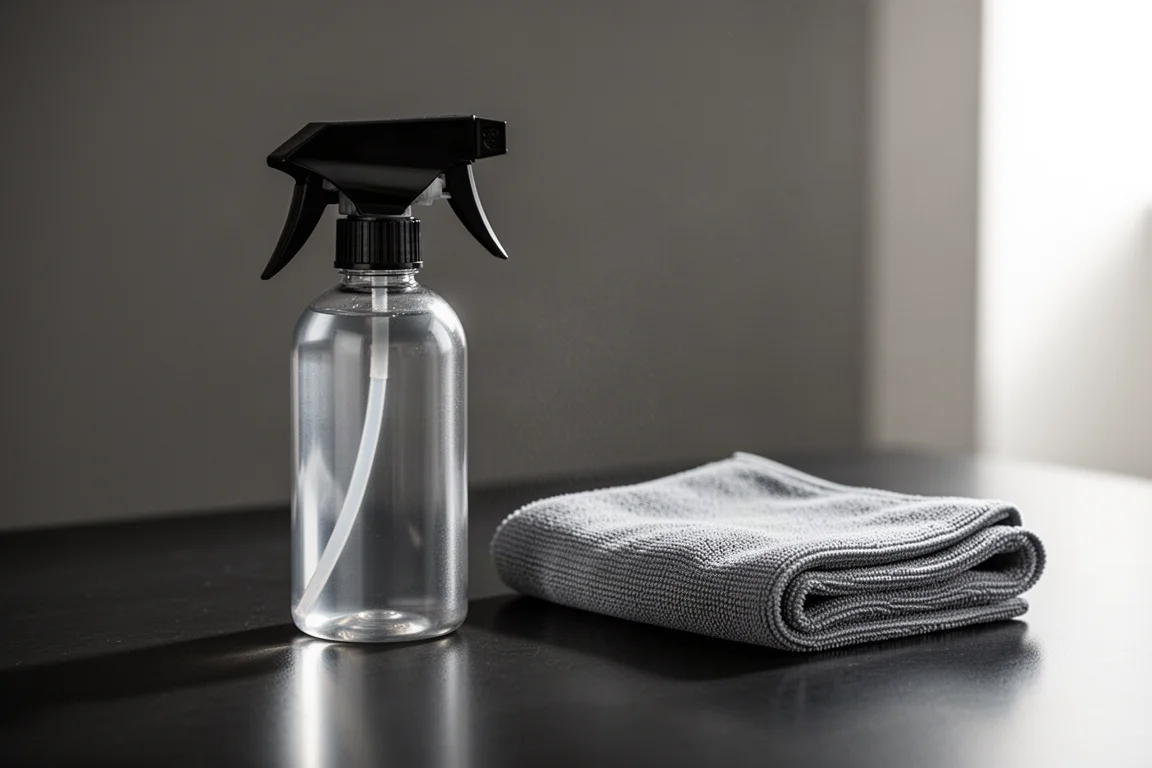
Silca Ceramic Waterless Wash
The Ceramic Waterless Wash is the everyday top-up in the range, with a pina colada scent. The routine is simple: spray it onto the bike after a ride, avoiding brakes and drivetrain, wipe away the film with a microfiber towel, and buff the frame to renew the shine.
It is the product you reach for when a full bucket wash is not realistic, and it retails at £36 / $30.
Best Winter Cycling Shoes: Sidi Zero Gore
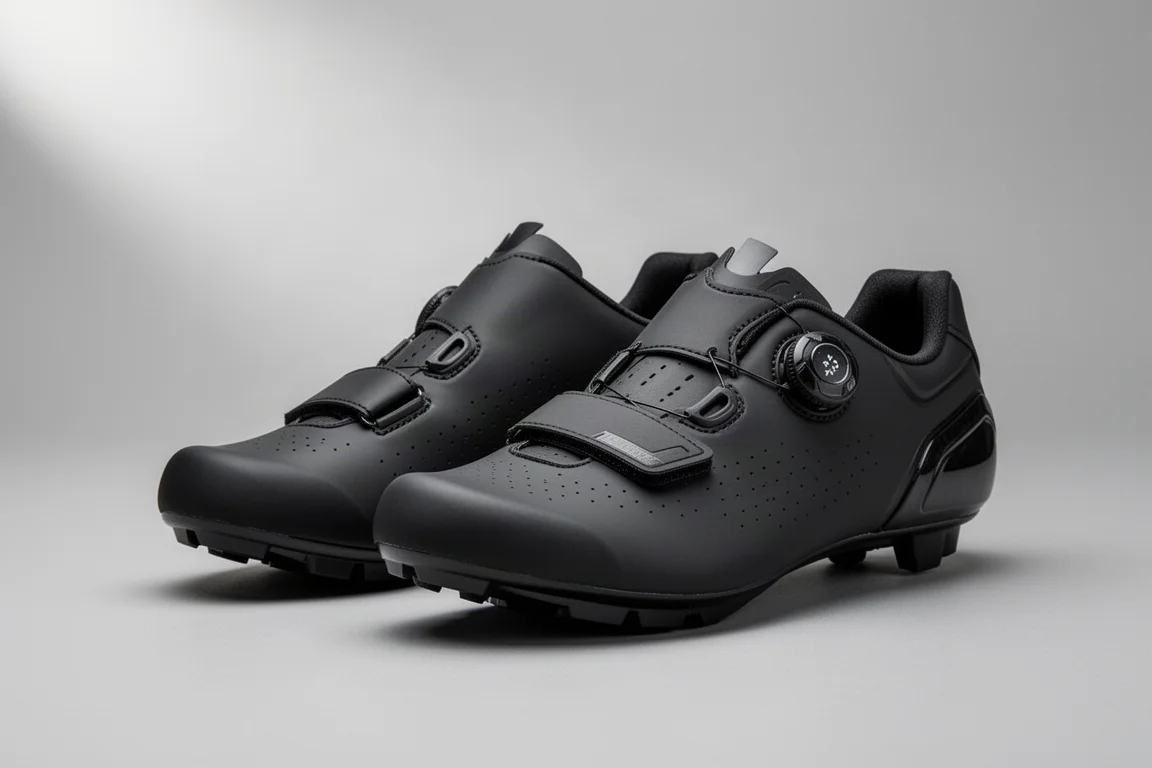
The Sidi Zero Gore is a winter-specific road cycling shoe with a shape that leans toward the look of a winter boot. A Gore-Tex membrane repels water while still allowing breathability, which is the balance that matters on longer rides where a fully sealed shoe traps sweat.
The sole is carbon injected, which means it is predominantly nylon infused with carbon, and Sidi claims it is stiff enough to offer optimum power transfer. It takes three-bolt road cleats. A reinforced heel cup is said to help increase power transfer further while reducing slippage inside the shoe.
Closure comes from Sidi’s own dial system and a Velcro strap rather than a Boa. You lift the lever on the dial and twist to tighten, then press the two spring-loaded release buttons to get out. The dial is serviceable and replaceable, and the heel pads are replaceable too, which is worth knowing if you ride through a wet winter. Sidi says the heel pad design has been tweaked to make the shoe easier to walk in while reducing weight.
The Zero Gore retails at £260 / $268 and comes in a single monochrome black colorway. A size 45 weighed 844 g, so this is a substantial winter shoe rather than a race-day option.
Best Winter Road Tires: Specialized Roubaix Pro and Continental Gatorskin
Winter tires generally bring tougher rubber compounds, greater puncture protection and more strength across the entire construction, and some add special treads aimed at helping you grip the road when conditions would rather you did not. Tubeless setups can help by letting sealant plug holes as they happen, although a clincher setup remains easier to fix with a spare tube when the worst happens. Neither tire here is tubeless compatible.
The two options below represent different philosophies: one favors grip and feel, the other favors toughness and longevity.
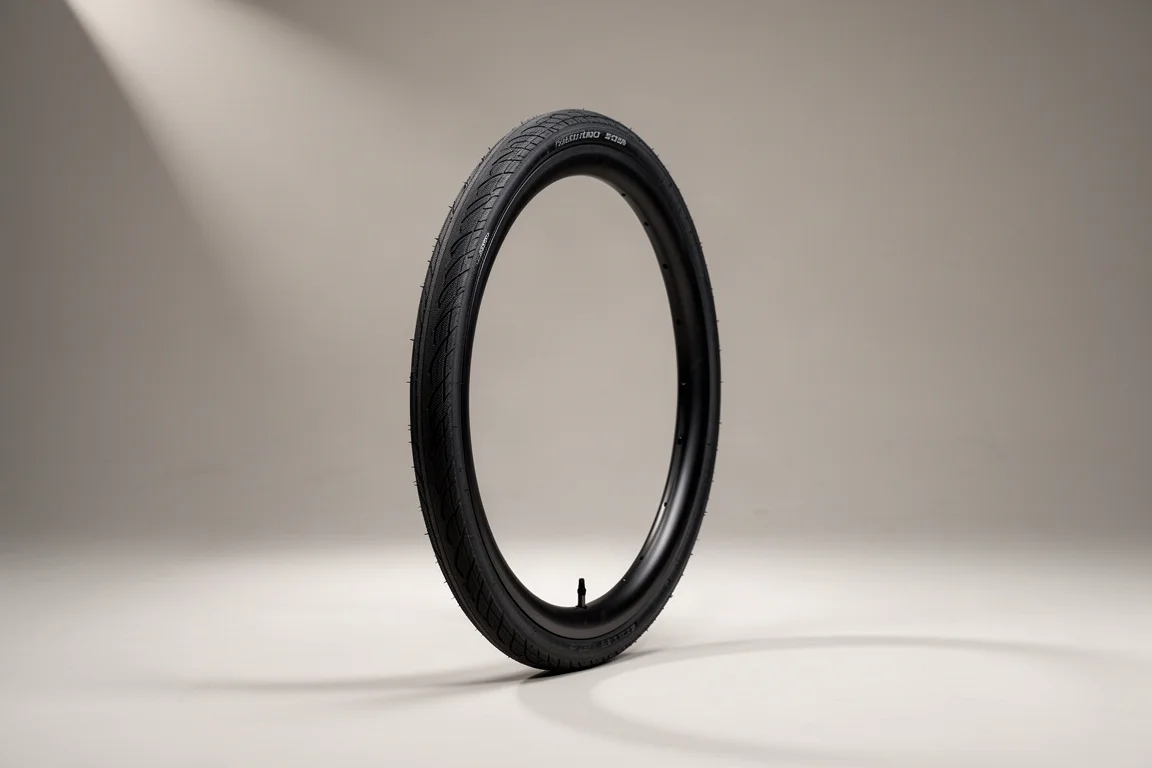
Specialized Roubaix Pro
The Roubaix Pro uses Specialized’s Gripton compound, a blend of synthetic rubber and silica that the brand says maximizes grip and dampens vibration. Underneath the Gripton rubber sits BlackBelt, which is designed to offer puncture protection without compromising speed.
That combination points toward riders who want a winter tire that still feels quick and comfortable on rough tarmac. On the scales, the tire weighed 296 g.
Continental Gatorskin
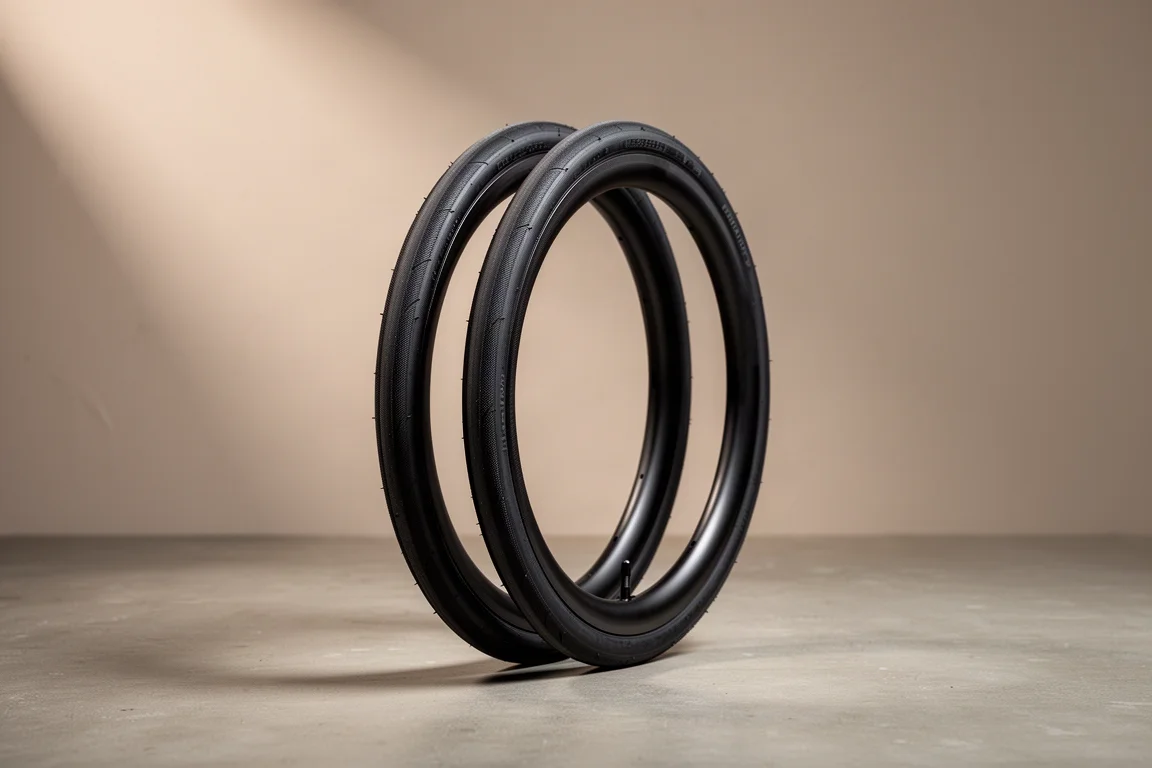
The Gatorskin takes the opposite approach and prioritizes durability over outright performance. It uses a thick rubber compound along with Continental’s PolyX Breaker puncture protection layer, and an additional cut-resistant DuraSkin layer sits underneath that and covers the entire body of the tire.
The result should be a tire that is super tough and reduces the chances of a dreaded puncture. The 28 mm version weighed 272 g, which is reasonable for a construction built around protection.
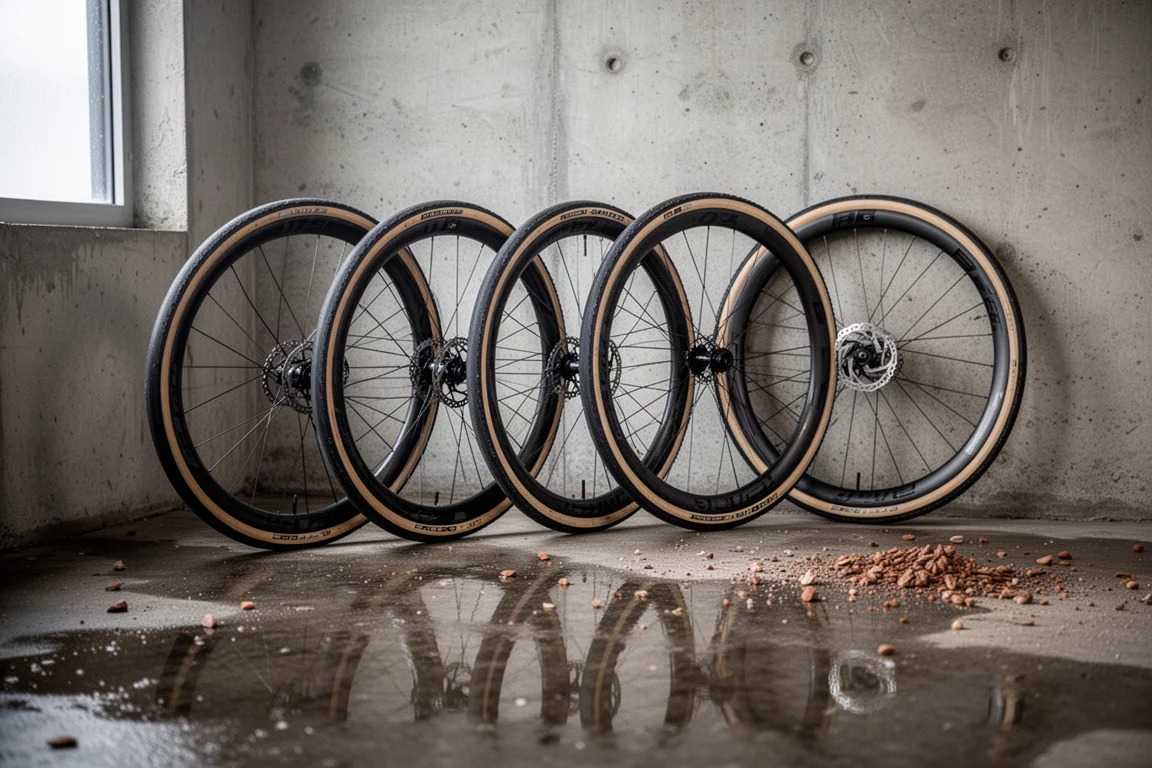
For riders covering a lot of winter miles on gritted roads, that durability-first design is the main argument, and the weight penalty against a pure performance tire is modest. If your priority is fewer roadside stops rather than the last bit of rolling speed, this is the more pragmatic pick of the two.
Best Waterproof Cycling Jacket: Gore Endure Jacket
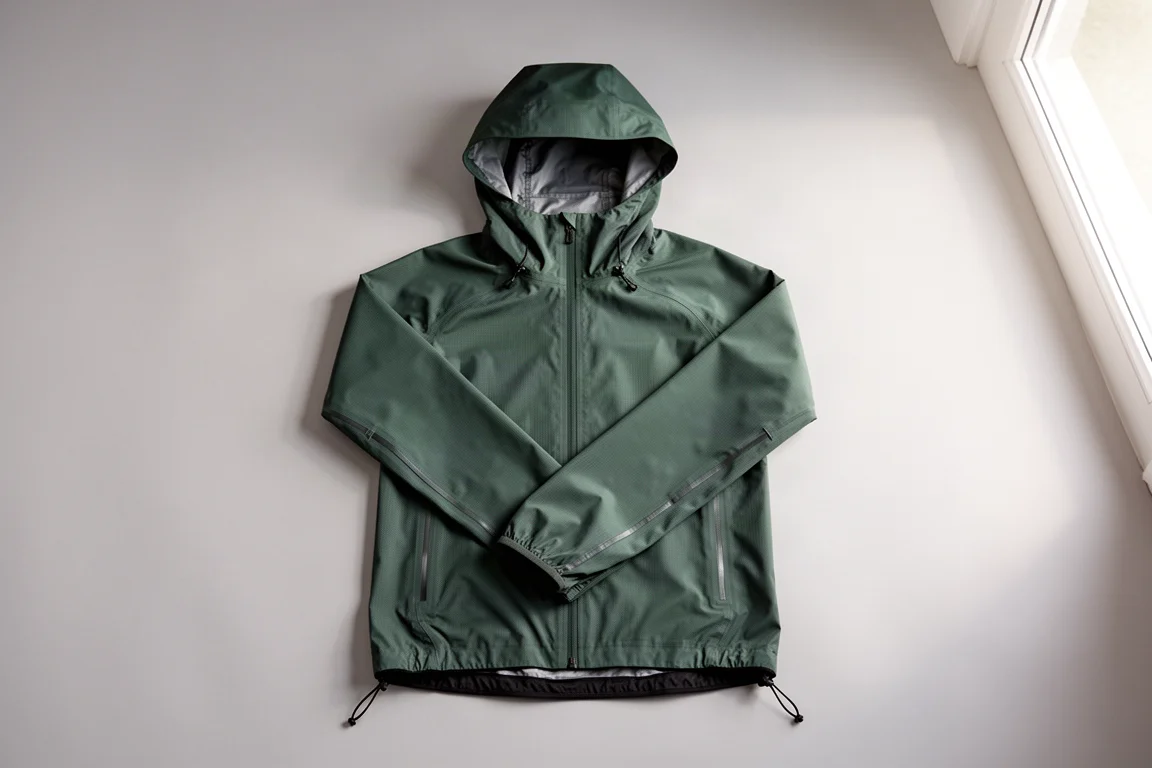
The Gore Endure is a fully waterproof, wind resistant and lightweight jacket, and its hood is designed to fit over a helmet. It fits over a large Met Parachute, which suggests it will clear most helmets on the market.
Adjustability is thorough. There are two elasticated drawstrings at the front and one at the back, so you can take in slack and stop the wind from pulling the hood off mid-ride. Each sleeve has adjustable Velcro straps to improve the fit around the wrists and keep out wet and cold air, and a further elasticated cord inside the bottom hem lets you cinch the jacket down when you want a snugger fit.
Speaking of fit, the rear of the jacket is slightly longer to protect the lower back from splashes and wind chill, and the elbows are shaped for an on-bike pedaling position. The Endure has been used through genuinely grim conditions and does a good job of keeping you dry even in the foulest weather.
That comes down to the Gore-Tex membrane used in its construction. Gore says this thin membrane has over 9 billion pores per square inch, and those individual pores are 20,000 times smaller than a single drop of water, which is what keeps rainwater out while still allowing the jacket to ventilate and breathe. On the scales it weighs 272 g and it retails for £230 / $230, in a range of colors.
Best Winter-Ready Gravel Bike: Canyon Grail 7 AW
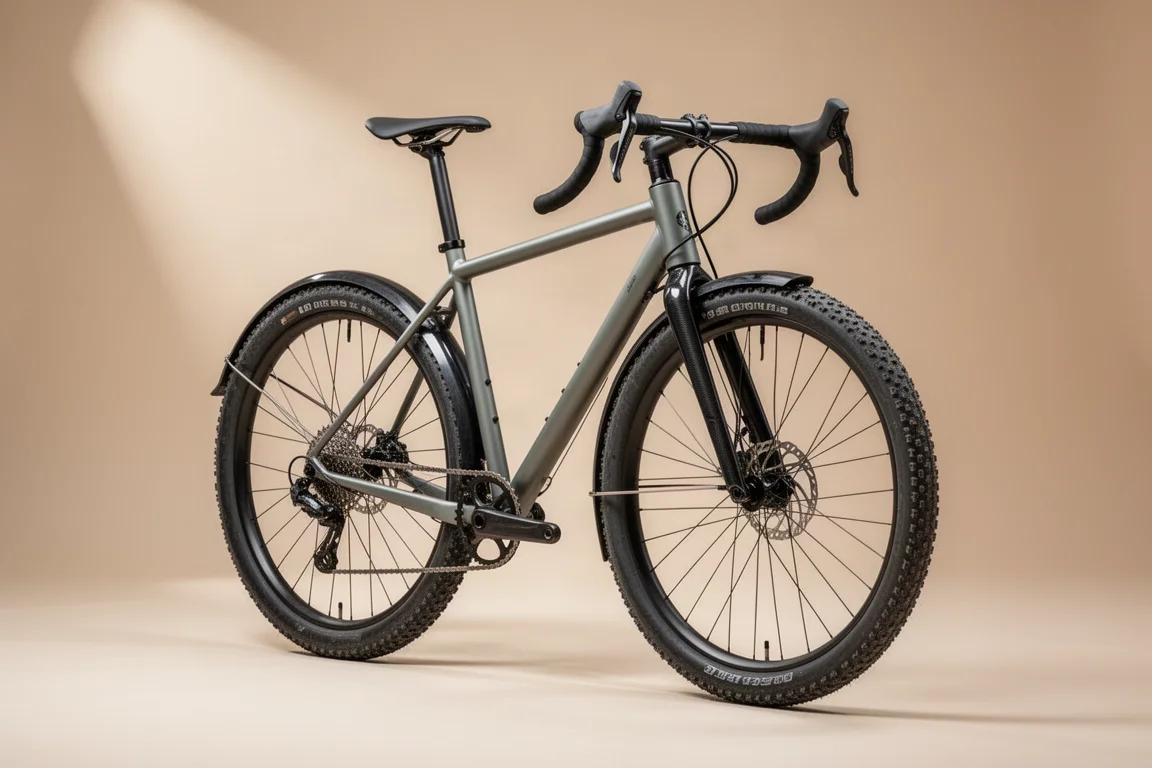
The Canyon Grail 7 AW is a winter-ready version of a well-established gravel platform, supplied with mudguards, lights and grippy tires so it can be ridden through the darker months without extra preparation. The frame is built with lightweight aluminum and uses a carbon fork.
There are mounts for a wide range of fittings, including no fewer than three bottle mounts, which is useful for carrying winter thermoses. A waterproof top tube bag is included as well, which is handy for mid-ride snacks. The frame also has mudguard mounts and comes with full mudguards that give good coverage of the wheel.
Drivetrain duties go to a gravel-specific Shimano GRX 812 groupset with an 11-speed cassette and a 40-tooth single chainring at the front, paired with Shimano RX600 hydraulic disc brakes that should provide plenty of stopping power in the wet. DT Swiss gravel-specific wheels are wrapped in 40 mm Continental Terra Trail tires, whose larger knobs are intended to give you more control on loose surfaces.
Lighting is integrated rather than an afterthought: the Grail comes with a Lupine SL Nano AF light set, a 110 lumen beam that should be more than enough for off-road riding on dark winter evenings, plus a daytime mode so you stay easy to see on the winter commute. The Canyon Grail 7 AW costs £1,999, the same figure in euros, which is a strong price for the amount of winter-specific equipment included.
Buying Advice: Matching Kit to Your Winter Riding
The right order of spending depends entirely on how and when you ride. If your winter miles happen on trails after dark, a light like the Lupine Alpha is the piece that changes the experience most, and the 7,200 lumen output and broad beam are the reasons to pay for it. Just be realistic about runtime: 1 hour 35 minutes at full power is excellent for this output level, but it is not a whole night, so plan around the lower modes or a second battery.
If your winter is mostly road and commuting, protection and durability come first. A fully waterproof shell such as the Gore Endure keeps the foulest days rideable, and the helmet-compatible hood plus drawcords make a real difference when the weather turns. Winter-specific shoes like the Sidi Zero Gore suit riders who want a permanent solution rather than overshoes, while riders who prefer to keep one pair of shoes year-round will get more value elsewhere.
Tires are the cheapest meaningful upgrade. The Specialized Roubaix Pro leans toward grip and comfort, while the Continental Gatorskin leans toward toughness, and either is a sensible swap once temperatures drop and the roads are covered in grit and flint. Pair that with a cleaning routine: the Silca Bicycle Spa range is premium priced, but the bundle at £135 / $130 covers degreasing, washing, protection and a waterless top-up, and concentrated formulas stretch further than they look.
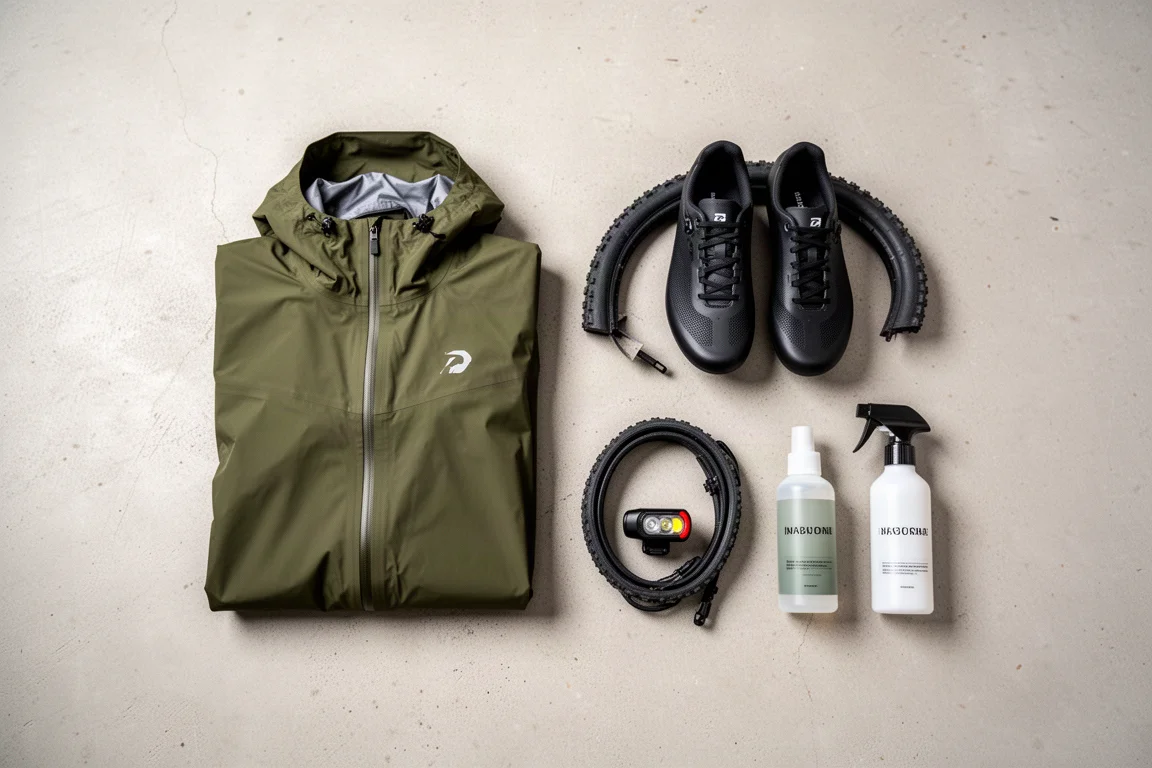
Finally, think about whether a dedicated winter bike makes more sense than adapting your summer bike. The Canyon Grail 7 AW arrives with mudguards, lights, a top tube bag and knobby tires already fitted, so the cost of winter-proofing is baked into the £1,999 price rather than spread across a season of upgrades.
Conclusion
Winter does not have to mean compromised riding, but it does reward kit chosen for the conditions rather than for the best day of the year. Start with visibility and weather protection, add tires that shrug off grit and flint, and keep on top of cleaning so salt and brake dust do not quietly undo the rest. Whether you add one item or build a complete cold-weather setup, each product here solves a specific winter problem, and matching it to the way you actually ride is what makes the spending worthwhile.
Further reading
Related Reviews
Cycling Gear
8 Cycling Products Riders Keep Coming Back To
Eight cycling components and accessories with clear strengths, honest trade-offs and long-standing reputations among riders and mechanics.
Cycling Gear
Aero Helmets and Bottle Setups Tested: Six Options Ranked by Measured Watt Savings
Wind tunnel data on six aero helmets and bottle setups, with real watt savings, practical trade-offs, and guidance on what is worth buying first.
Cycling Gear
Aero Road Bikes and Fast Tires Worth Watching in 2026
Four aero road bikes and one fast road tire, with the real strengths, the open questions, and what to check before you buy.