Emergency Preparedness
Winter Car Emergency Kit: 10 Essentials to Keep Within Reach
A practical top-10 list of basic items every driver should carry in winter, from duct tape and jumper cables to a shovel, insulation, and a spare pair of boots.
Introduction
Recent winters have made one thing clear: a lot of drivers are not prepared for the conditions they actually face. Roads closed, mountain passes shut down by avalanches, blizzards stranding dozens of vehicles for hours in remote areas. Whether the emergency is a snowstorm or something else entirely, there is no excuse for skipping the basics. This list covers the fundamental items to keep in your car, focused on staying warm and staying alive while you wait things out.
Why a Basic Kit Matters More Than Perfect Gear
It is easy to fall into the trap of waiting for the absolute best version of every item before putting anything in the car. Do not. Throw the basics in a pack and get them in there now, then refine later. Almost everything on this list is inexpensive, and several items you can source secondhand.
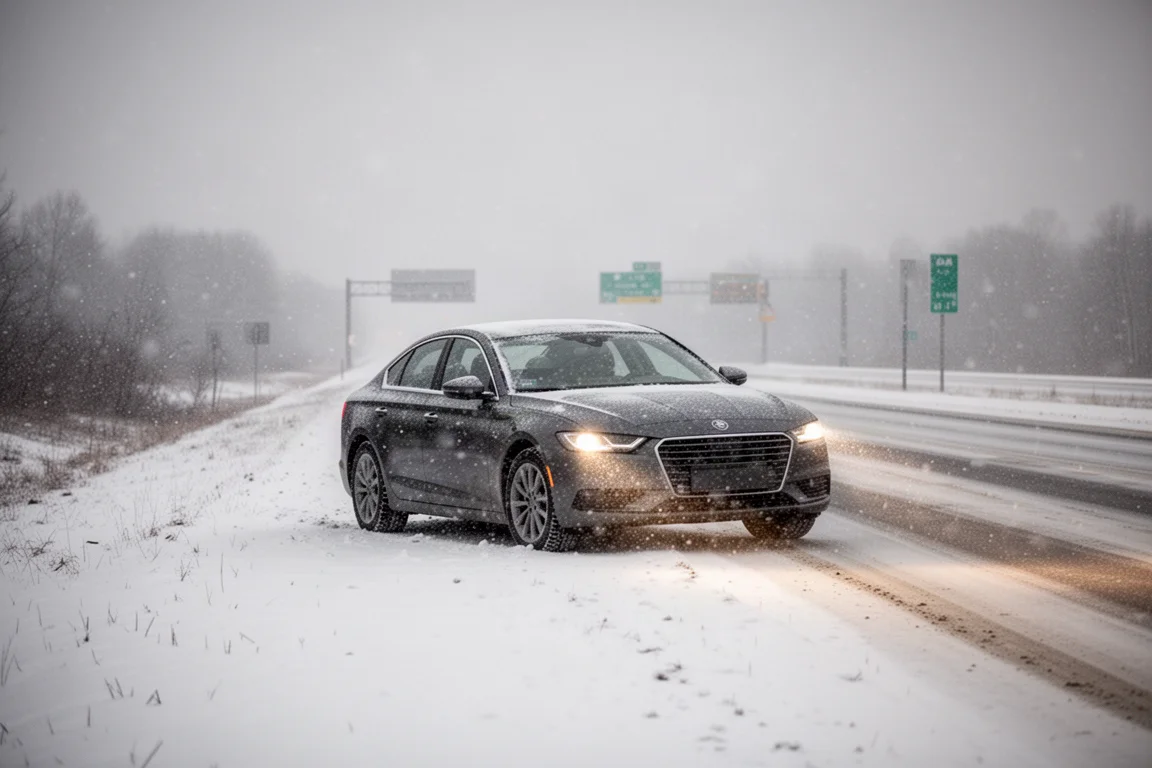
It also helps to understand how the body loses heat, because that knowledge shapes every item below. There are five main mechanisms. Convection is moving air, the source of wind chill. Conduction is direct contact with cold surfaces, like glass or metal. Evaporation happens when you get wet, which is why staying dry is critical. Respiration pulls heat out of you every time you breathe hard during exertion. And finally, your body needs fuel, so eating enough matters as much as insulation. Keep these in mind: wind, contact, and moisture are the biggest killers.
Duct Tape and a Tarp
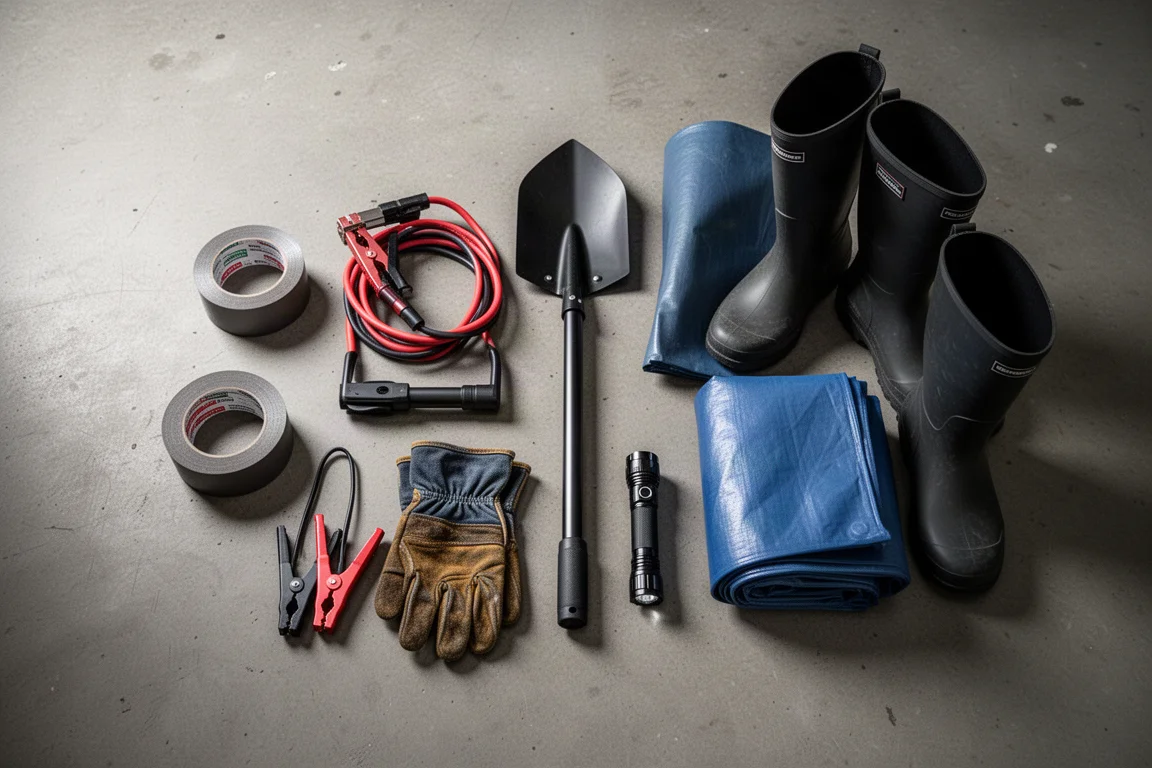
Start with a large roll of good duct tape, not a tiny glovebox version. Cold hands and poor conditions make a big roll far easier to use, and it lets you fabricate on the spot: block wind, patch a broken window, improvise clothing, or make basic repairs. Store it sealed and replace it occasionally, since the adhesive ages in the car.
A blue plastic tarp is plenty good and probably lives wadded under a seat. It breaks the wind, doubles as a pad to sit or stand on so you are not losing heat through conduction, and with duct tape you can turn it into a raincoat, a hat, or reinforced footwear. Glass is an excellent conductor of heat, so pressing a tarp against a window while sleeping in the car makes a real difference. In a stuck situation where doors cannot open safely, it can also reduce incoming snow and wind through a broken window.
Jumper Cables and a Charged Phone Battery
Jumper cables are a simple, low-maintenance, inexpensive solution to a dead battery. Yes, chaining vehicles carries some risk of burning things up, but in an emergency the goal is solving the problem. Be aware that the bigger failure mode is not the connection itself but finding another vehicle to connect to at all, which becomes harder during snowstorms.
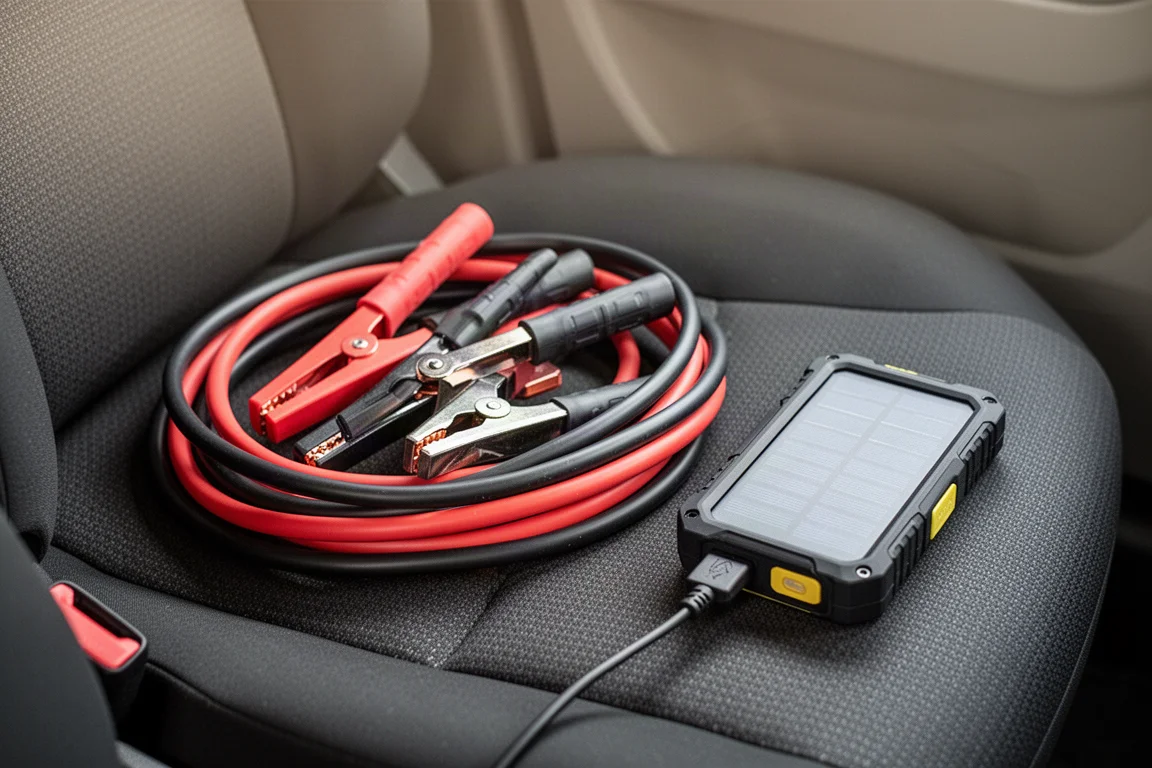
A phone battery is just as essential, and a solar-powered model is a simple option. Keep it charged. Cold does not ruin lithium batteries, it just makes them perform poorly until they warm up, the way ingredients do not change just because the water is cold. Warm the pack up if you can, and carry all the cables you need for whatever connectivity your devices require.
A Flashlight That Just Works
Get a good flashlight you can trust, plus spare batteries. Do not store the batteries backwards inside as a storage trick; keep the light ready to run. Tail-cap activation is a practical choice when your hands are freezing, and lithium batteries perform noticeably better in cold weather than alkaline, while many rechargeables underperform. Metal bodies become a conduction problem at extreme cold, so keep that in mind when choosing.
Tow Straps and Knowing Your Tow Points
You need something that lets another vehicle extract you, or that lets you help someone else. That also means understanding your vehicle’s tow points, including whether a bolt-on tow eye exists and where it lives. A strap with no way to connect it solves nothing, so think through hooks or shackles ahead of time. Most people start with a simple tow strap; a snatch strap is arguably the better tool, and worth learning the difference between before you buy.
A Shovel You Can Actually Dig With
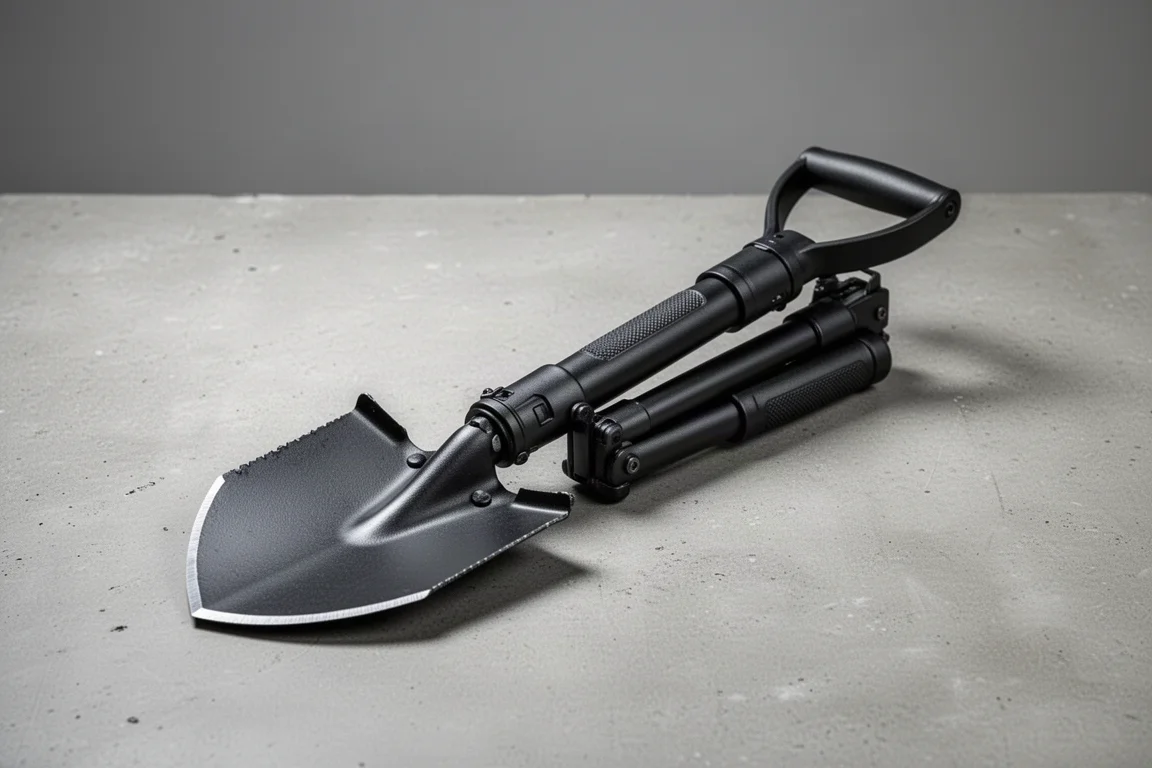
Tiny shovels are tempting, but what matters most is the square area of the blade, because moving snow or sand takes surface area. Digging with your hands or an improvised tool takes far longer, and every extra minute of exertion burns calories you will miss later when the shivering starts.
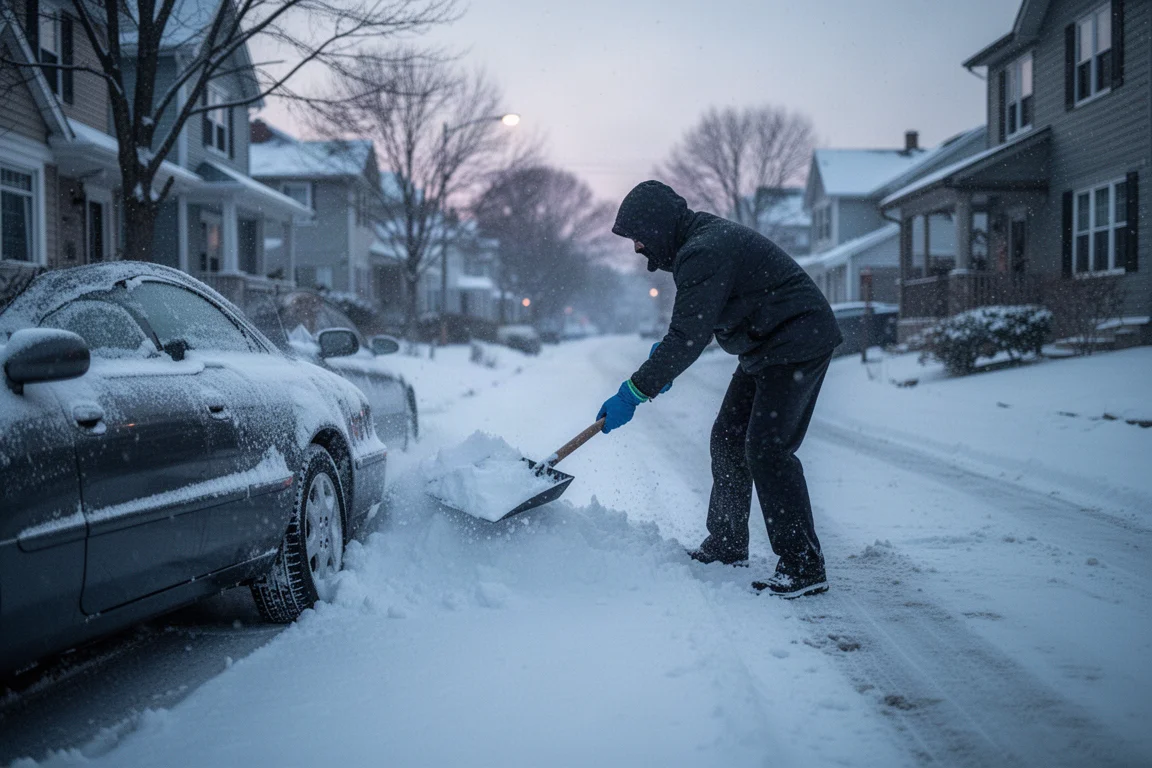
The Glock E-Tool shovel is a standout compact option here. Made by the same company known for its tools, it features an extendable handle and a folding design with a saw built into the handle for good measure. It is a basic folding shovel at heart, but the blade area is enough to move snow efficiently, and it stows easily. For a dedicated deep-snow setup, a larger shovel is worth considering later, but having something capable beats having nothing.
Blankets and Sleeping Bags
Carry some form of large insulation layer: a blanket or a sleeping bag, for sleeping in the car, keeping an injured person warm, or layering over and under yourself. Blankets are sometimes more useful than sleeping bags because a bag is essentially a tube. If you choose a compressible down option in a small stuff sack, keep it within reach, not in the trunk. You may not be able to reach the trunk if you are stuck.
Down does lose insulation when wet, that is true, but in a below-freezing emergency water is not liquid, so melt and sweat are the only realistic moisture concerns. It still works well in this context.
Gloves
Any glove is better than no glove: work gloves, hunting gloves, whatever you have. Even a basic leather glove is not warm, but it protects your hands when you have to grip metal tow hitches or shovels in serious cold. Insulated glove choices can be refined later, but the baseline has to be in the car now.
Boots and Spare Socks: Footwear That Keeps You Standing
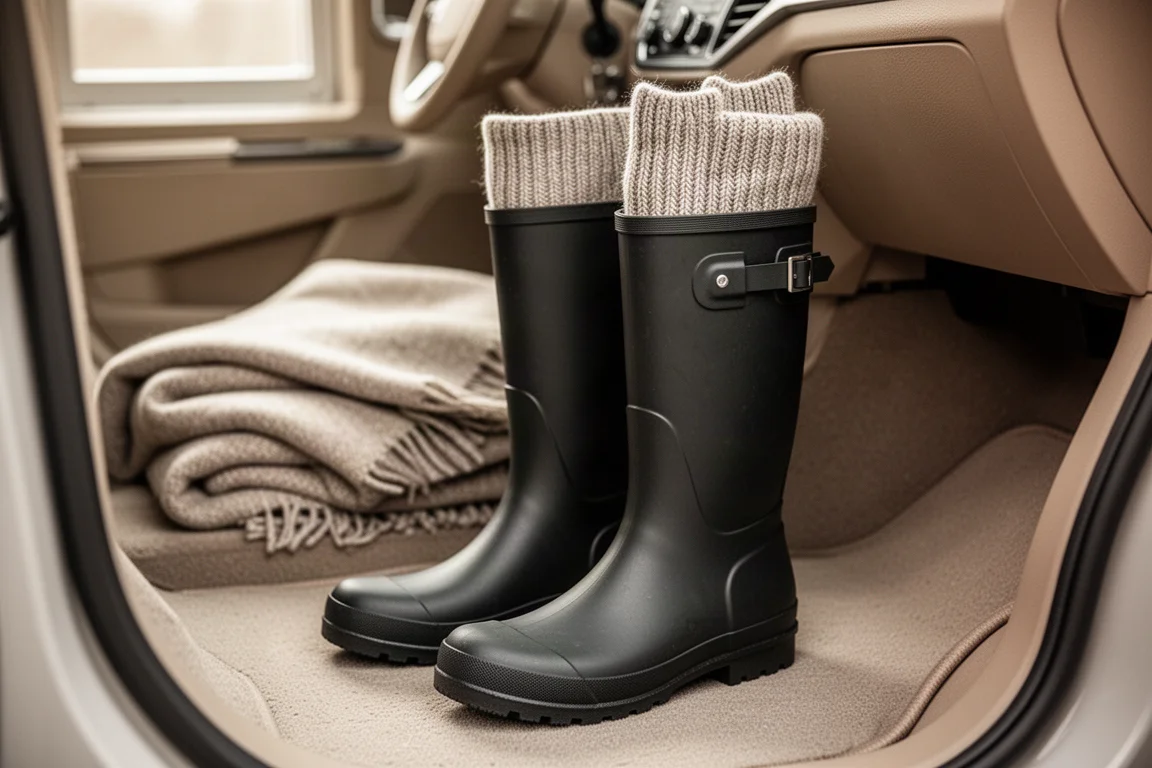
You do not need to drive in boots, and you should not, since control suffers. But keep a pair in the vehicle with thick wool socks stuffed inside, because by the time you need them your feet may be wet. They do not have to be new or a perfect fit; a big old pair from a thrift store works fine. This is a survive bag, not a get-home bag. They just need to stay on and let you walk around.
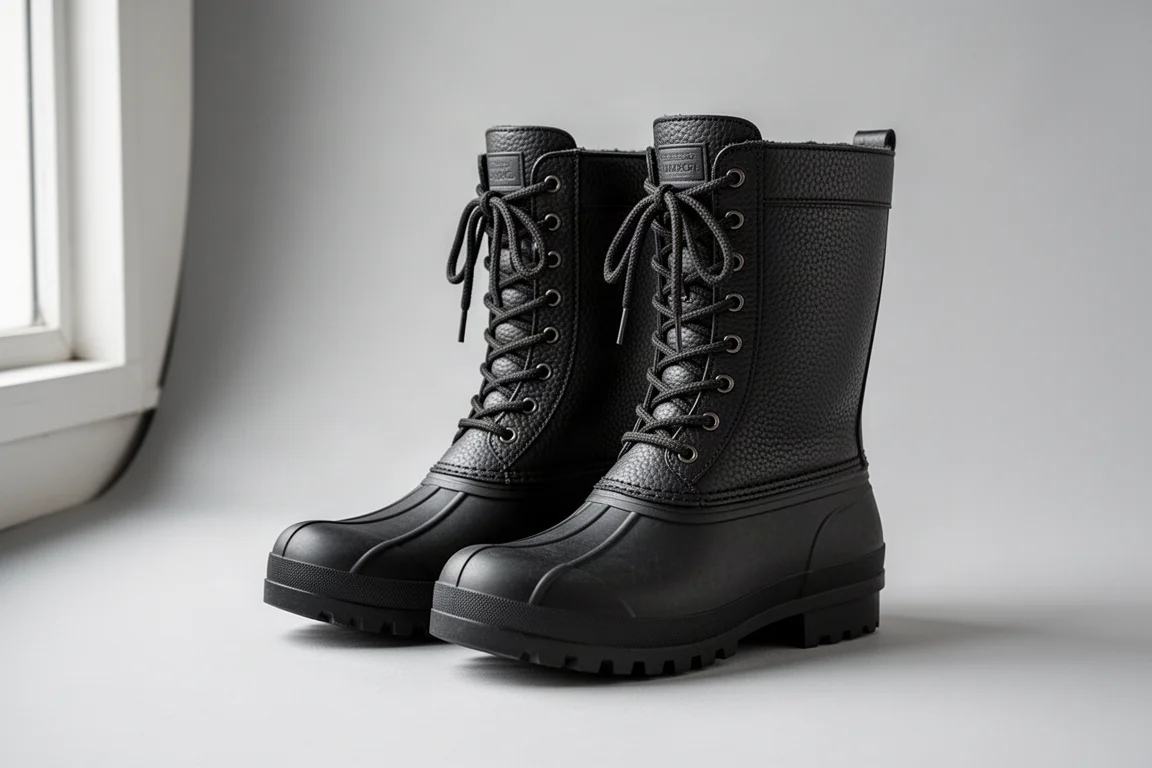
The classic Sorel winter boot, with its Canadian heritage, is a proven cold-weather choice if you want something dedicated and warm for standing around in serious cold.
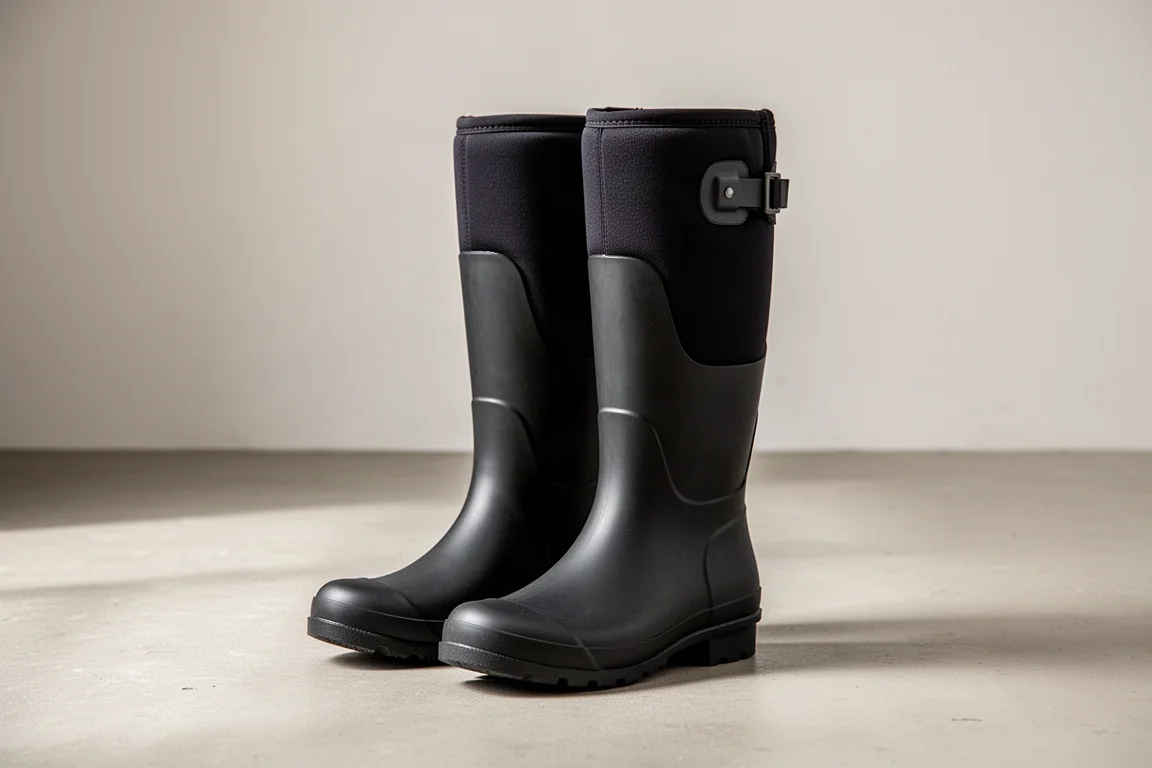
If your environment leans wet and slushy rather than deep-frozen, Bogs boots let you move around without your feet freezing, which is often the more realistic winter scenario.
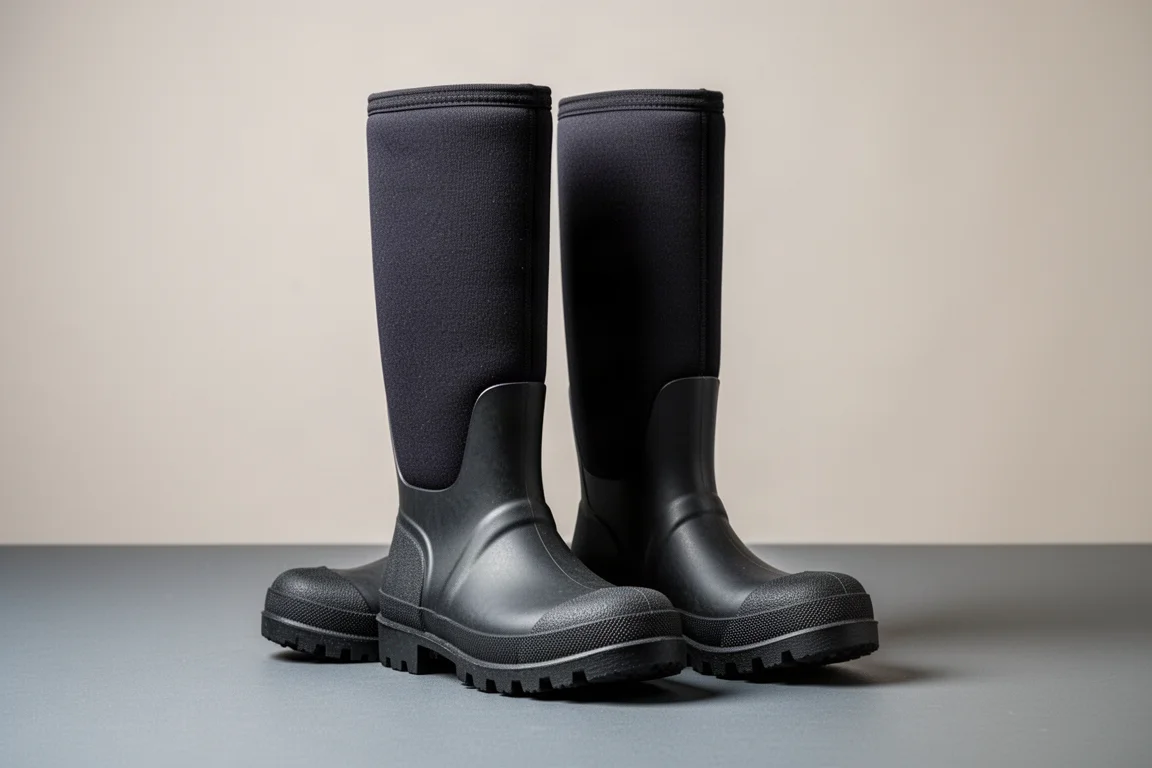
Muck boots fill the same role, and the same caveat applies to all of them: waterproof boots are waterproof in both directions. If water gets inside, they will hold it and behave like a wetsuit. In a survival situation, you live with it.
Conclusion
Get these ten items into your car right now, before the weather does. Duct tape and a tarp, jumper cables and a charged battery bank, a flashlight, a tow strap, a capable shovel, real insulation, gloves, and boots with spare socks. Nothing on this list needs to be perfect, but all of it needs to be within reach of the driver’s seat, not buried in the trunk. The basics are not glamorous, but they are what keeps you warm and alive when the road shuts down.
Further reading
Related Reviews
Emergency Preparedness
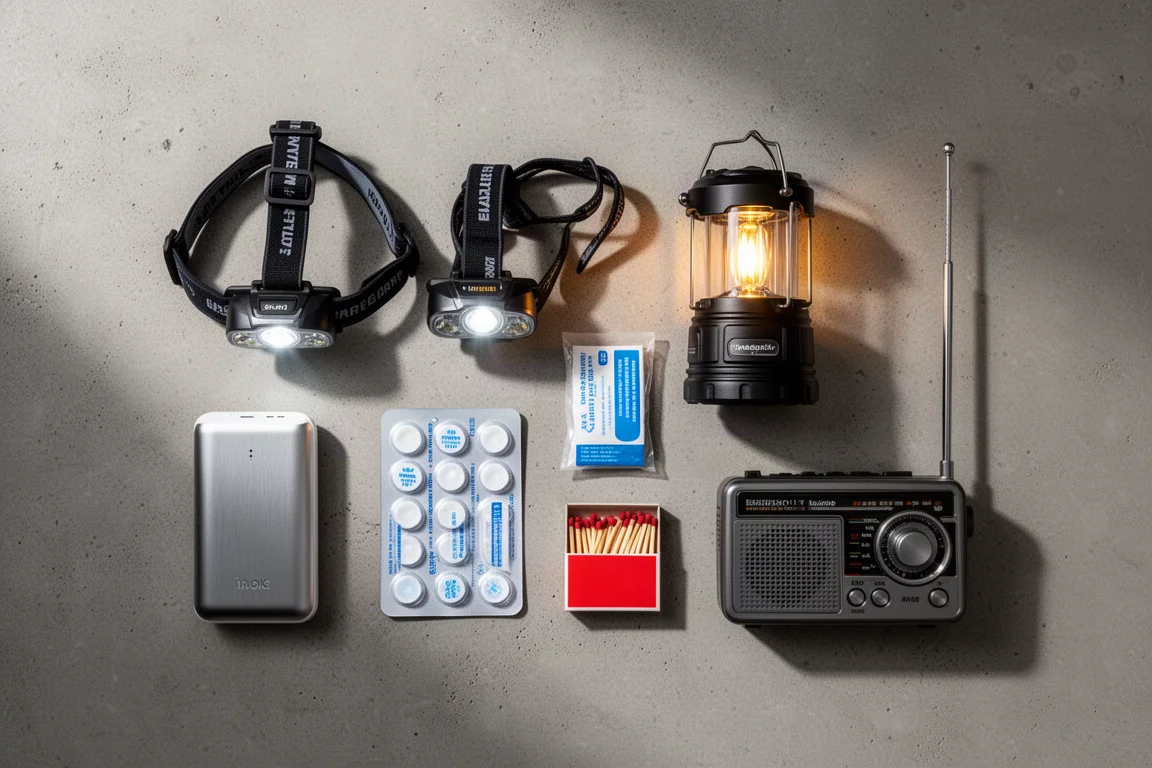
Blackout Kit Essentials: What to Have Ready When the Power Goes Out
Power cuts are becoming more common. This practical blackout kit covers lighting, backup power, emergency heat, and safe drinking water for a one to two day outage.
Emergency Preparedness
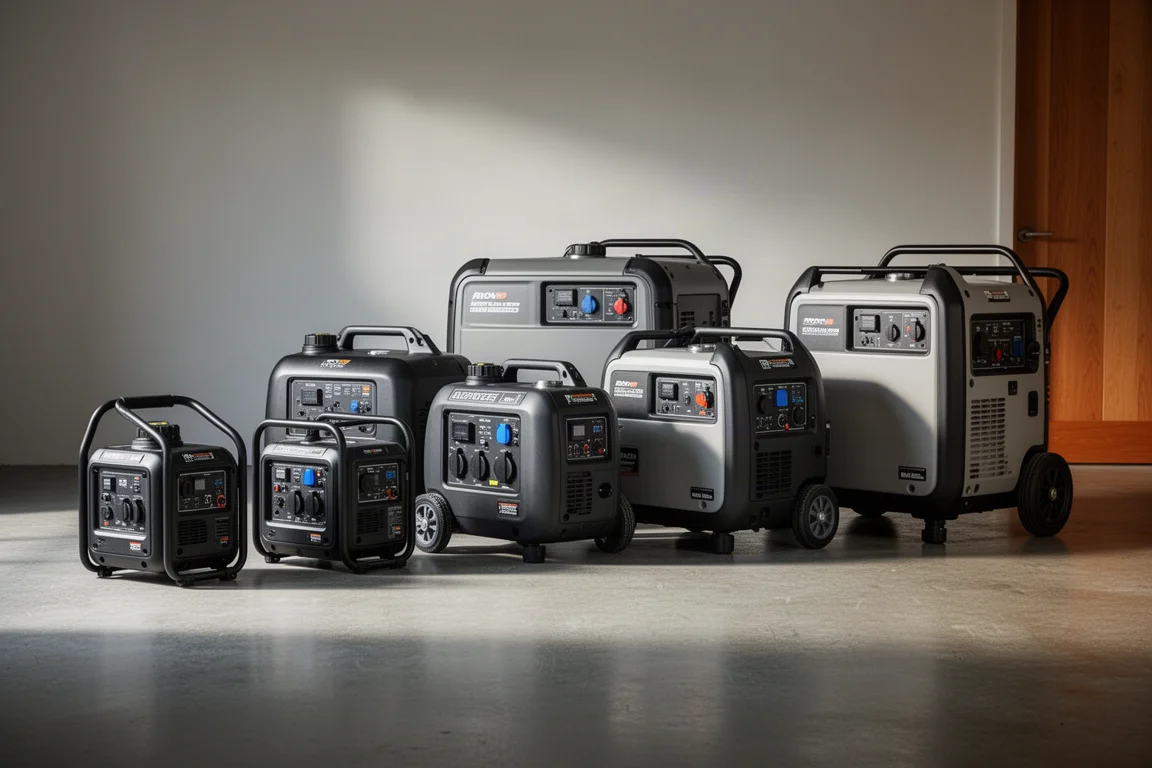
Best Emergency Generator Picks: From Compact 2000W Inverters to Whole-Home Power
A practical tier-by-tier guide to portable inverter generators, covering noise, wattage math, warranties, and the value picks worth watching before storm season.
Emergency Preparedness
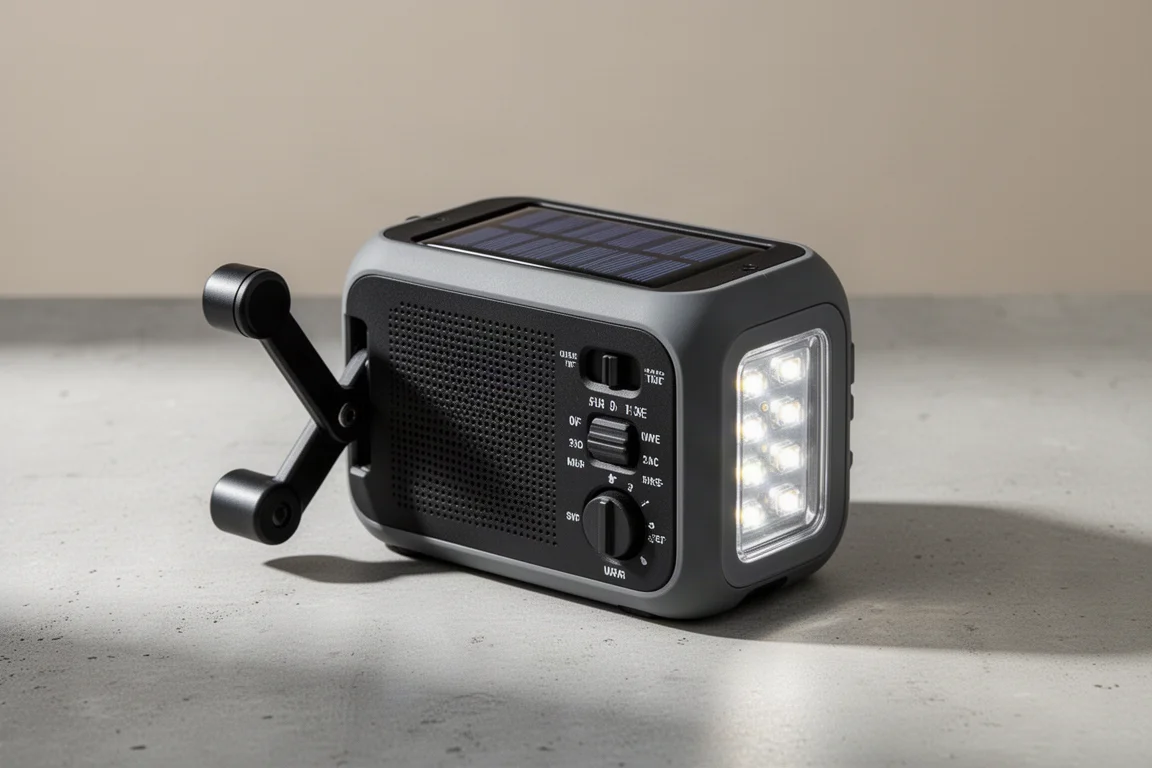
Craftsman Emergency Radio Review: Solar, Hand Crank, and Battery Power in One Compact Unit
A compact emergency radio with solar charging, a hand crank, built-in battery, NOAA weather band, phone charging, and a front light.