Emergency Preparedness
Best Emergency Generator Picks: From Compact 2000W Inverters to Whole-Home Power
A practical tier-by-tier guide to portable inverter generators, covering noise, wattage math, warranties, and the value picks worth watching before storm season.
Introduction
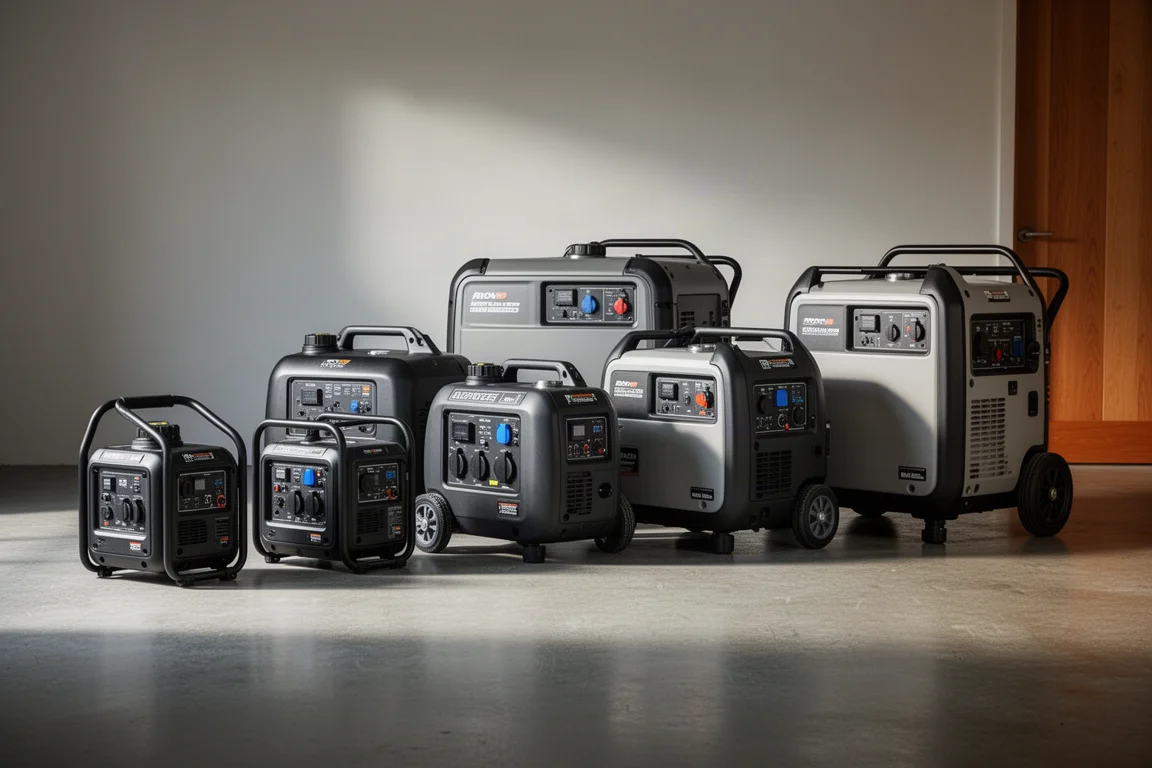
A generator is one of those purchases that feels optional until the night the power goes out. The challenge is that the market is crowded, prices swing wildly between retailers, and the numbers on the box do not always mean what buyers assume they mean. This guide breaks the field into practical tiers, from compact 2000-watt units to whole-home machines, and highlights the picks that stand out on value, noise, and support.
Standard Generator vs Inverter vs Fully Enclosed
A basic generator is a gas engine in a cage with a converter feeding a few outlets. It works, but it is loud, thirsty, and has no smart features. An inverter generator improves on that in three ways: it throttles output to match the load, which saves fuel and extends runtime; it typically delivers clean pure sine wave power, which matters for computers, TVs, and other delicate electronics; and it is noticeably quieter because it does not run flat-out all the time.
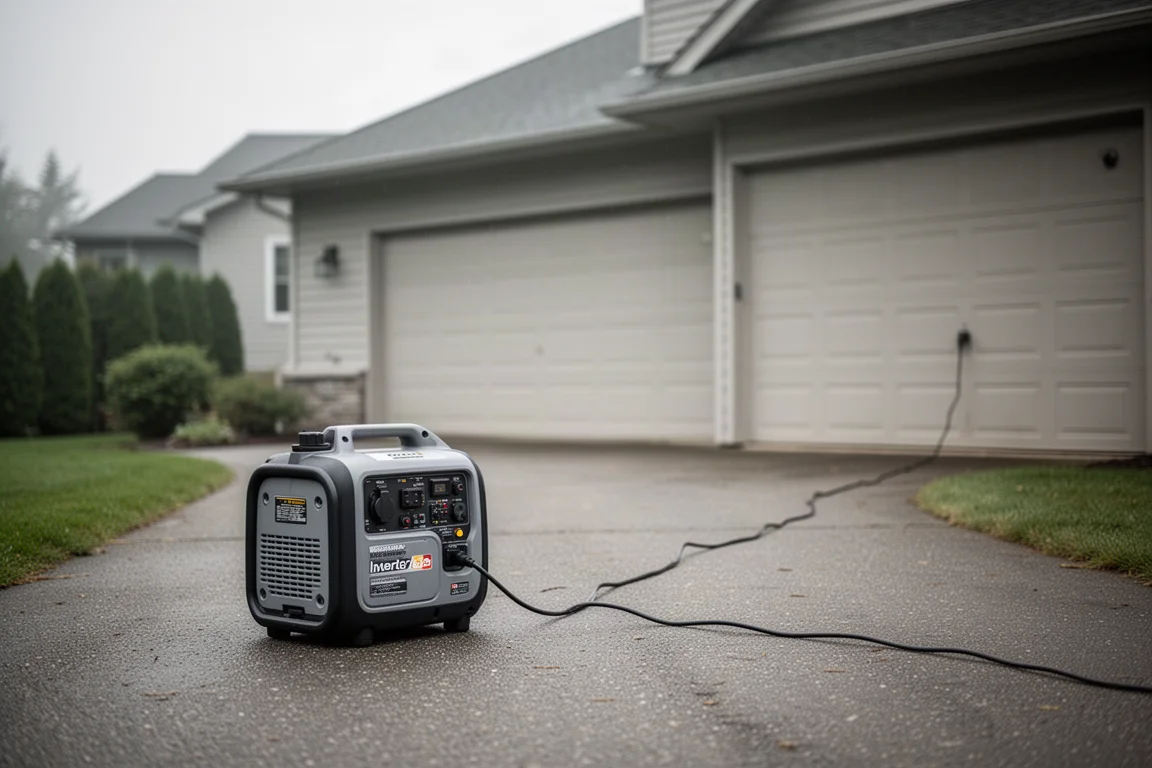
A fully enclosed inverter generator goes one step further. The sealed body protects the internals from dust and adds meaningful muffling. This is the category often called super quiet, and it is the general recommendation for most buyers. One measured open-frame unit ran at 71 decibels from a few feet away, which is roughly office noise or a car on the highway, just above normal conversation and below a vacuum cleaner. Sustained exposure around 85 decibels is where long-term hearing damage becomes a concern, so every step down in noise counts.
Quiet operation has a secondary benefit people rarely consider: obscurity. During extended power outages, loud generators have been stolen from driveways overnight. A machine nobody hears is a machine nobody loads into a pickup truck.
How Much Generator Do You Actually Need
Sizing comes down to two numbers: starting watts and running watts. Motors spike hard at startup, especially air conditioners and refrigerators, then settle to a lower running draw. The math is simple: add up the running watts of everything you want to power, then add the starting watts of the single hungriest item on that list. The result is the capacity you need.
Pay close attention to the label, too. The big number advertised on most units is starting watts, not running watts. A 2500-watt generator may only deliver 2200 continuously.
Finally, use a fuel stabilizer. Running untreated fuel through most of these engines can void the warranty, and stabilizer is cheap insurance.
Budget Tier: The 2000-Watt Camping Generators
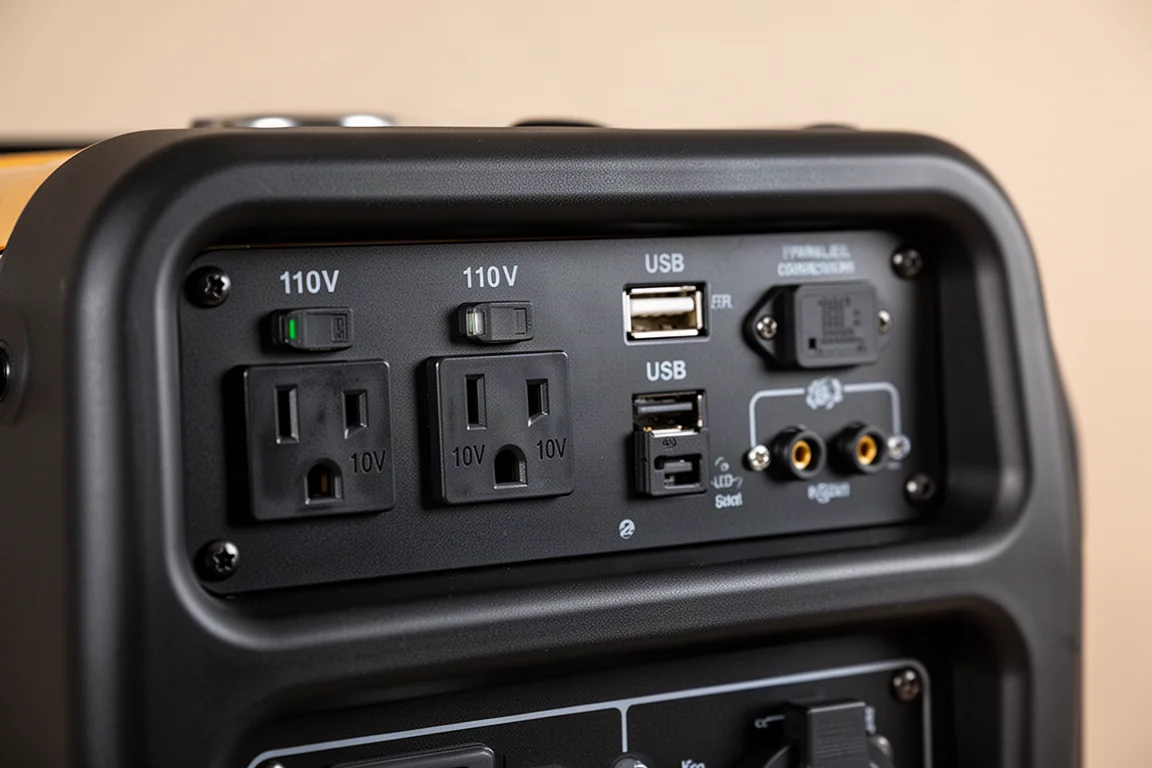
These compact units share a common layout: two 110V outlets, sometimes USB ports, sometimes a 12V cigarette plug, and pull start across the board. They are best understood as camping generators rather than serious emergency backup.
The Sportsman 2200 currently sells for around $400 at Tractor Supply and other retailers. These small generators frequently go on aggressive sales, but build quality is modest, and it comes with only a one-year warranty. It is included here mainly to set the price baseline.
WEN makes some of the best budget benchtop tools around, and its generators have a solid following among owners. The WEN 2250 runs about $451, includes a two-year warranty, and offers fuel shutoff, an oil shutoff as a backup (check the oil manually anyway before every start), and parallel connection support, which matters more than it first appears.
Generac built its reputation on permanent and trailerable power installations, and while the portable line may not match its industrial tier, the brand still carries weight. The Generac 2200 watt portable inverter generator runs about $550 at Ace Hardware with a two-year warranty. It is quiet enough that you likely will not notice it unless it is under full load.
The Champion 2000 watt portable inverter generator is ultra light with an easy-carry handle, includes a 12V cigarette plug, and skips USB ports entirely, throwing in a 12V USB adapter in the box instead. Battery charging cables and oil are included, so it is ready to run out of the box, and it currently lists around $416 on Amazon with a three-year warranty.
Craftsman, now under Stanley Black and Decker and sold mainly through Lowe’s, offers the 2500 watt inverter generator at about $650. It is 2500 starting and 2200 running watts, with a three-year warranty. The main caveat is service: the brand is big, but warranty claims likely go through service centers rather than store returns.
Harbor Freight sells its own vertically integrated Predator 2000 watt generator, and it has become a campsite staple. There is a reason it dominates: proven, cheap, and everywhere. The trade-off is warranty support.
Warranty logistics deserve a moment of thought with any of these. A three-year warranty is only as good as the nearest service center. Generac’s long history makes its service network easier to find than most; smaller brands may leave you shipping a heavy generator across the country.
Honda 2200: The Premium Compact Option
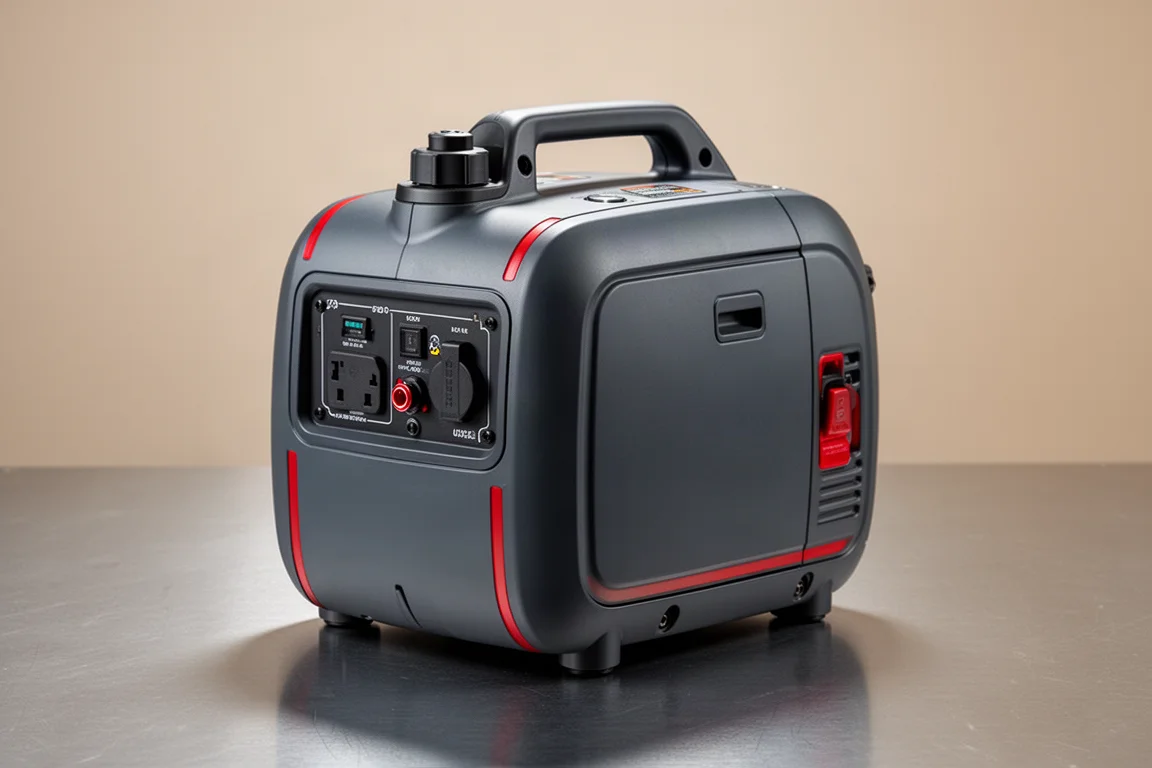
The Honda 2200 with remote start, Bluetooth connectivity, and CO-MINDER automatic shutdown when carbon monoxide is detected sits at the top of this tier at $1,129, backed by a three-year warranty through a dealer network that is genuinely hard to beat. Consumer Reports routinely recommends it, and it is one of the quietest generators you can buy.
The catch is price. You can buy two or three budget inverters, effectively giving yourself a built-in backup unit, for the cost of one Honda. That math is exactly why campsites have shifted heavily toward Predator and Champion units in recent years.
Why Parallel Connection Matters
Almost every brand sells a parallel kit, and it is one of the smartest buying strategies in this category. Two 2000-watt units connected through a parallel kit with 30-amp outlets can approach the output of a single larger generator.
The advantages stack up: you can buy one unit now and add the second when budget allows; you get redundancy if one unit fails; and two small generators are far easier to lift and store than one 4000-watt beast, which matters enormously in RV basement storage where space is at a premium.
Mid-Size Tier: 3000 to 3500 Watts and the 30-Amp Outlet
This is the tier where emergency usability jumps. A 30-amp RV outlet lets you plug a typical 30-amp RV directly into the generator and run it, or feed a home setup. It will not run everything at once, but with basic load management, switching off the heater while running the microwave, it covers a lot.
The Sportsman fully enclosed inverter at $700 on sale adds the enclosed body that cuts noise and keeps dust out, an all-in-one upgrade over the open-frame compacts.
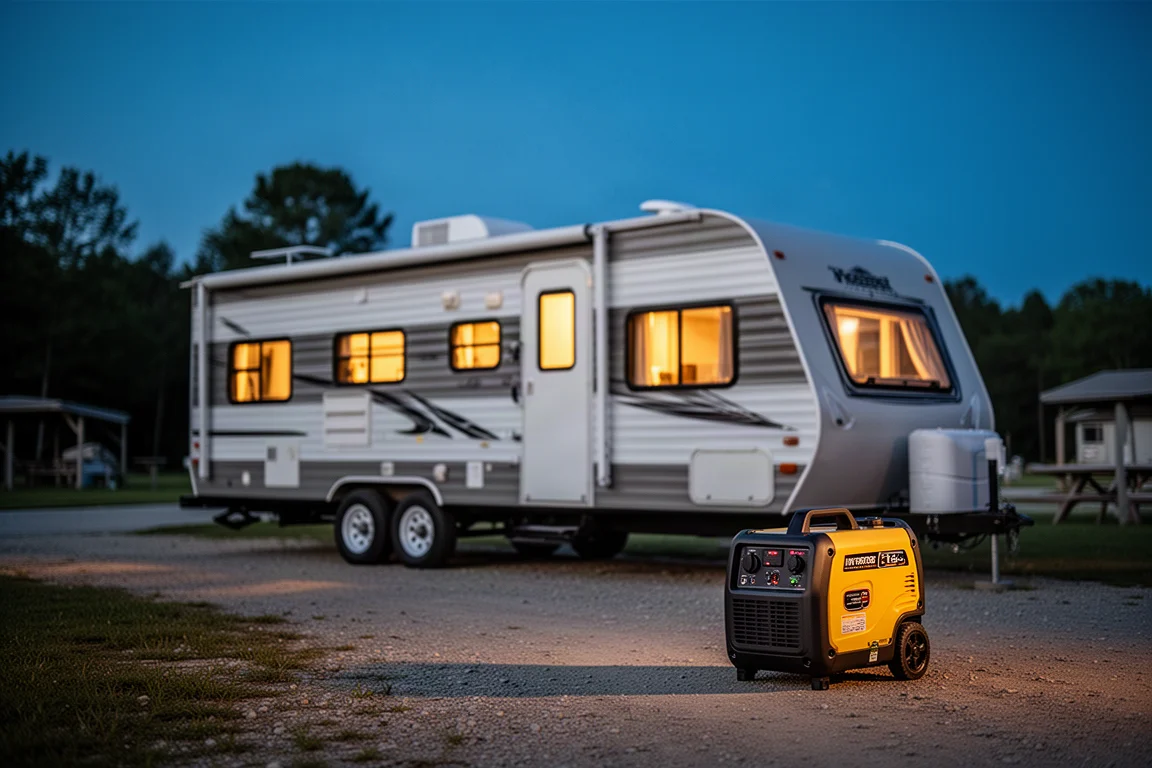
The WEN super quiet 3800 watt (starting) inverter runs $599.48 at Walmart, a strong price, with better controls and readouts, two 110V outlets, a 30-amp outlet, and USB ports.
Generac’s newer portable inverter at $940 for 3500 starting watts is notably quiet, with a slick power-cube form, 30-amp service, two 110V outlets, and two USB ports.
The standout deal in this entire tier is the Champion 4500 watt RV-ready inverter generator at $634.36, shipped and sold by Amazon. Checked against the updated version selling around $860, this appears to be last year’s stock being cleared out, with no capability removed. You get the 30-amp outlet, two 110V outlets, and parallel capability for a price that undercuts nearly everything near it in power.
The Craftsman 3300 watt inverter runs $900 and adds CO detection technology, a built-in handle, and an easy-start choke.
Harbor Freight’s Predator 3500 inverter at $849 is one of the most proven units in the category, with tens of thousands of reviews, digital LCD display, overload protection, throttle switch, four locking wheels, and luggable handles. It delivers the 30-amp circuit and two 110V outlets in a package owners consistently rate as super reliable.
Honda 3000: Benchmark vs Budget
The Honda 3000 inverter at $2,349 is possibly the best unit in this class: among the quietest available, thoroughly tested, and reliably rated among the top portable inverters. The question is whether that quality justifies nearly triple the price of the Predator 3500, especially when Predator offers an affordable extended warranty. For many buyers, buying the Predator plus a backup still costs less than one Honda.
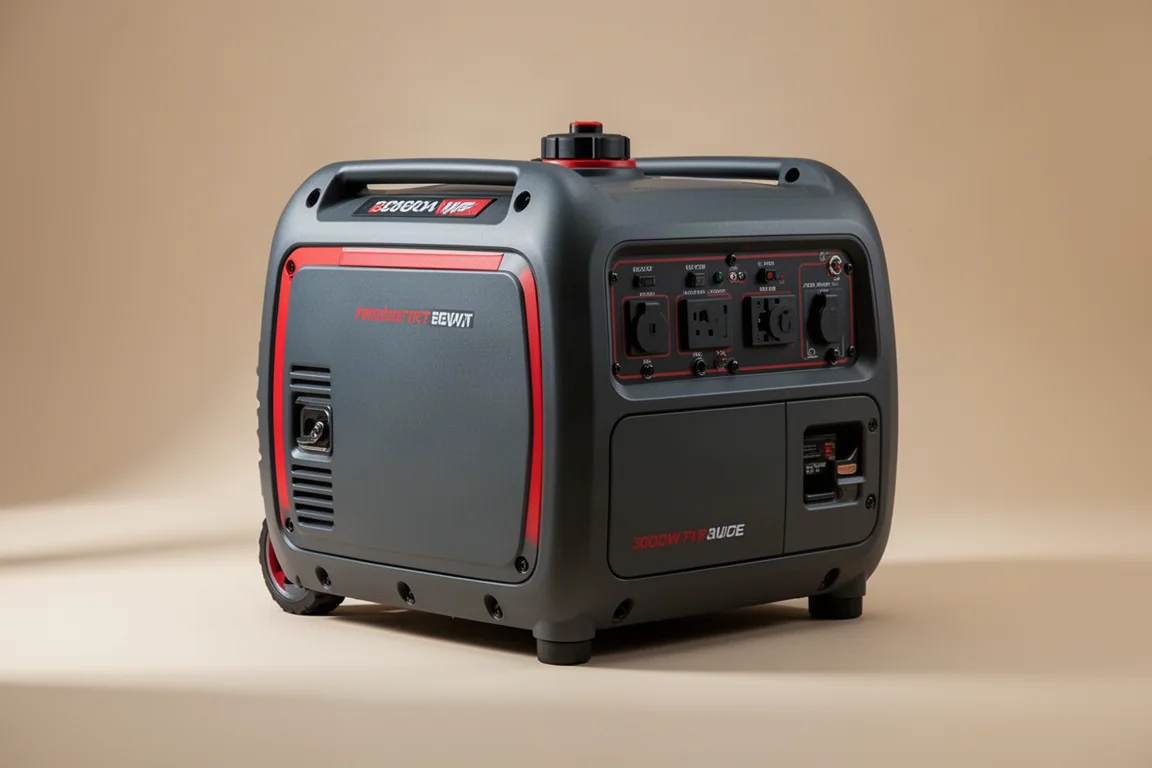
Whole-Home Tier: 7000 to 9500 Watts
For genuinely serious outages, the Predator 9500 watt super quiet inverter is the standout. At $2,000 at the time of purchase, it delivers enormous output with every power option and control you could want, and while it is louder than a compact 2000-watt unit, it is remarkably quiet for its class. With reasonable load management, it can do the same job as machines costing far more.
The Honda 7000 watt inverter at $4,700 is the alternative at this level, and it is a genuinely excellent generator. The honest assessment: with careful power management, both can accomplish similar work. If the extra money is not a concern, the Honda is a fine choice. For most buyers, the value case favors the Predator with an extended warranty, which is exactly what the author’s own family chose for their home backup.
The Power Station Alternative
Battery power stations deserve a mention because they change the fuel equation entirely. The Bluetti AC200Max is a genuinely impressive unit: massive capacity, solar charging, no gas station trips, no propane handling, and a fuel source that replenishes itself.
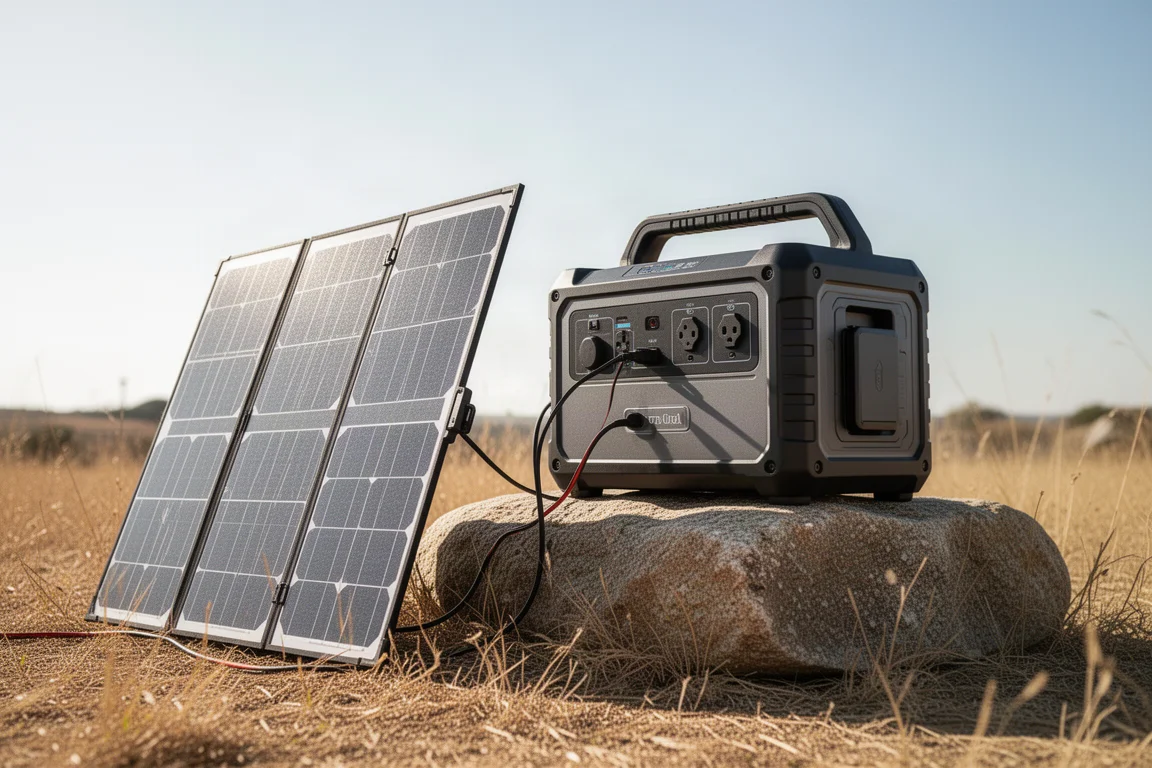
The limitation is scale. If your requirement is thousands of running watts for days, a battery is not the answer. But for essential loads, it is a compelling, silent, fume-free option that every buyer should at least consider alongside gas.
Buying Advice
For most people, the recommendation is clear: choose a fully enclosed inverter generator, matched to a wattage tier based on your running-watts math. If you have a specific reason to deviate, a remote location where noise does not matter, for example, an open frame unit can still work.
On fuel, stick with gasoline for emergency use. Dual fuel models exist in nearly all the same form factors, but in a genuine crisis, propane is harder to source: it requires a special filling station or a large home tank. Alcohol conversion is technically possible but requires carb retuning and replacing hoses and seals, and is not practical for a general-purpose emergency machine.
Timing matters too. Spring storms, tornadoes, and hurricanes do not wait for winter to end, and the people who buy at the last minute get whatever is left on picked-over shelves. Buy before you need it.
Conclusion
The short version: at the compact tier, the Champion 2000 and Predator 2000 deliver the most value, while the Honda 2200 is the premium play if budget is no object. In the mid tier, the Champion 4500 RV-ready clearance deal is the price-to-power winner, with the Predator 3500 as the proven volume favorite. For whole-home coverage, the Predator 9500 with an extended warranty beats the Honda 7000 on value. And if silence and clean energy appeal to you, the Bluetti AC200Max is worth a hard look. Match the tier to your actual wattage needs, buy early, and use fuel stabilizer.
Further reading
Related Reviews
Emergency Preparedness
Blackout Kit Essentials: What to Have Ready When the Power Goes Out
Power cuts are becoming more common. This practical blackout kit covers lighting, backup power, emergency heat, and safe drinking water for a one to two day outage.
Emergency Preparedness
Craftsman Emergency Radio Review: Solar, Hand Crank, and Battery Power in One Compact Unit
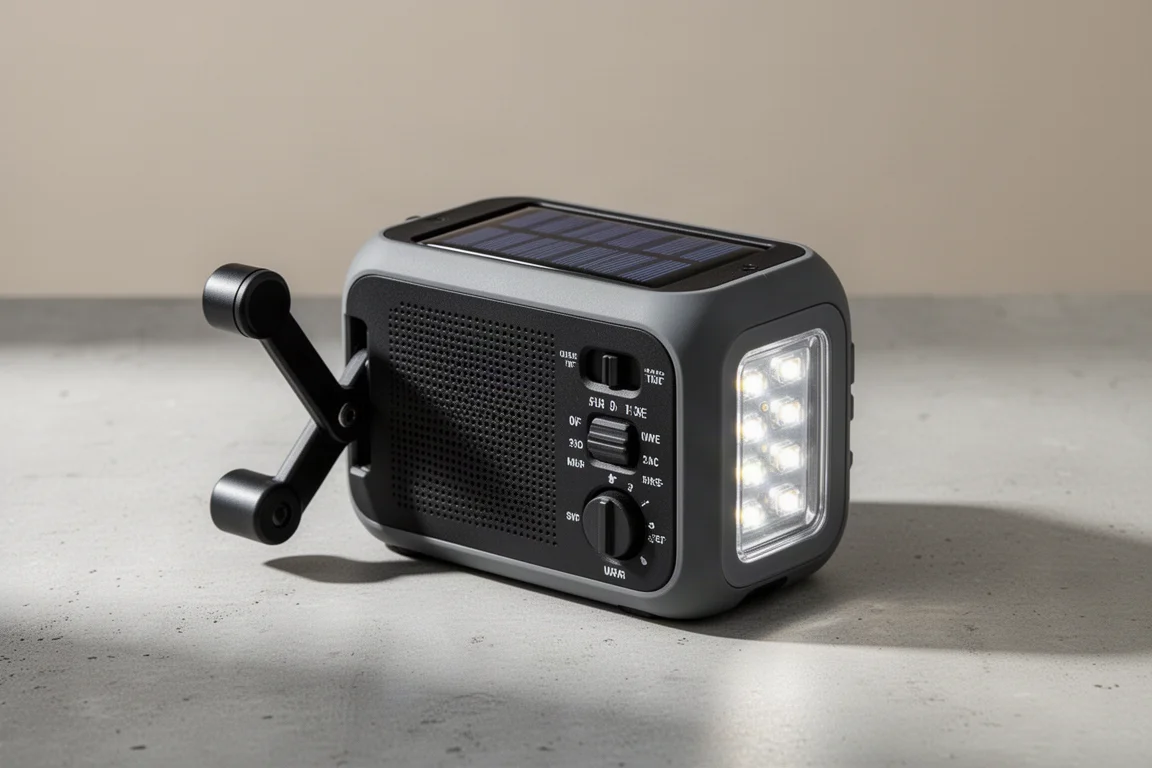
A compact emergency radio with solar charging, a hand crank, built-in battery, NOAA weather band, phone charging, and a front light.

Emergency Preparedness
Uncharted Supply Co Survival Kit Review: A Solid Jump Start for Emergency Preparedness
A ready-made survival kit in a watertight dry bag style backpack, ideal as a starting point you can upgrade piece by piece over time.