Emergency Preparedness
Blackout Kit Essentials: What to Have Ready When the Power Goes Out
Power cuts are becoming more common. This practical blackout kit covers lighting, backup power, emergency heat, and safe drinking water for a one to two day outage.
Introduction
Power outages are no longer rare events. Extreme weather increasingly brings down power lines and damages infrastructure, and grid disruption is a growing risk in the UK and elsewhere. In one recent UK storm, around a million households lost power, and for some it stayed off for a week.
This guide focuses on a short blackout, say one or two days, and the simple practical kit worth keeping at home. The first thing most people think about is lighting, so we start there.
Lighting: Headlamps First
At night, lighting is essential because doing anything in total darkness is difficult and dangerous. Candles are an option, but they carry fire risks, provide only about one candle power of output, and are no help for outdoor tasks. A headlamp keeps your hands free and typically combines a beam and a flood spread, which is ideal for moving around, checking the fuse box, or stepping out to an outbuilding.
Look for good battery life and multiple light levels so you can match battery consumption to the situation. Rechargeable lithium-ion lights generally last longer per charge than alkaline-powered alternatives.
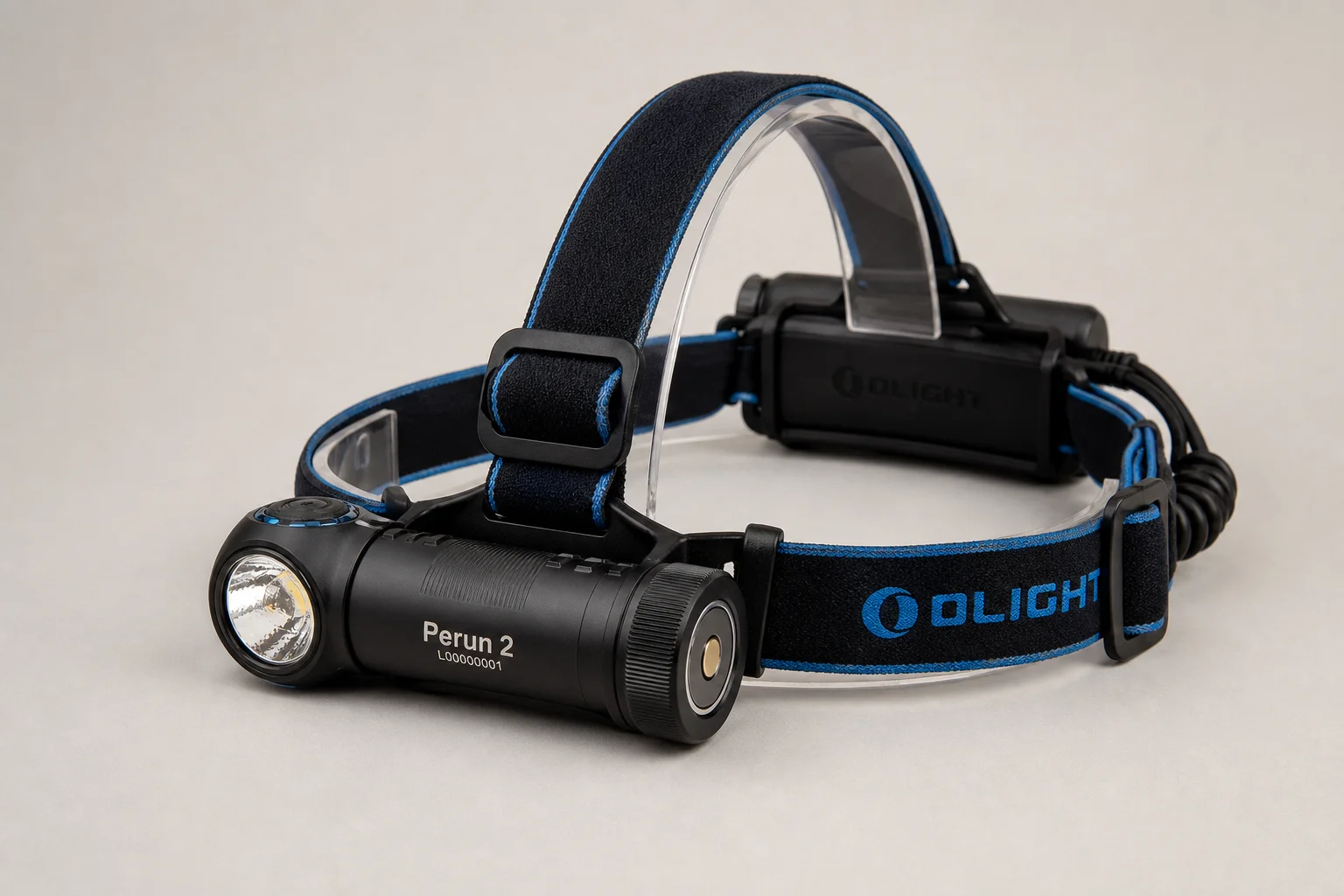
Olight Perun 2
The Olight Perun 2 is a high-end headlamp with very high maximum output and a large battery, which also gives it excellent runtimes. That combination suits a larger property, a farm, or anyone who wants serious power on tap rather than a minimal emergency light.
Petzl Tikka
The Petzl Tikka is a more affordable headlamp that will suit most people. It offers a couple of light levels and runs on three AAA batteries, so keeping spare batteries on hand easily extends its runtime. It is a proven, long-serving design.
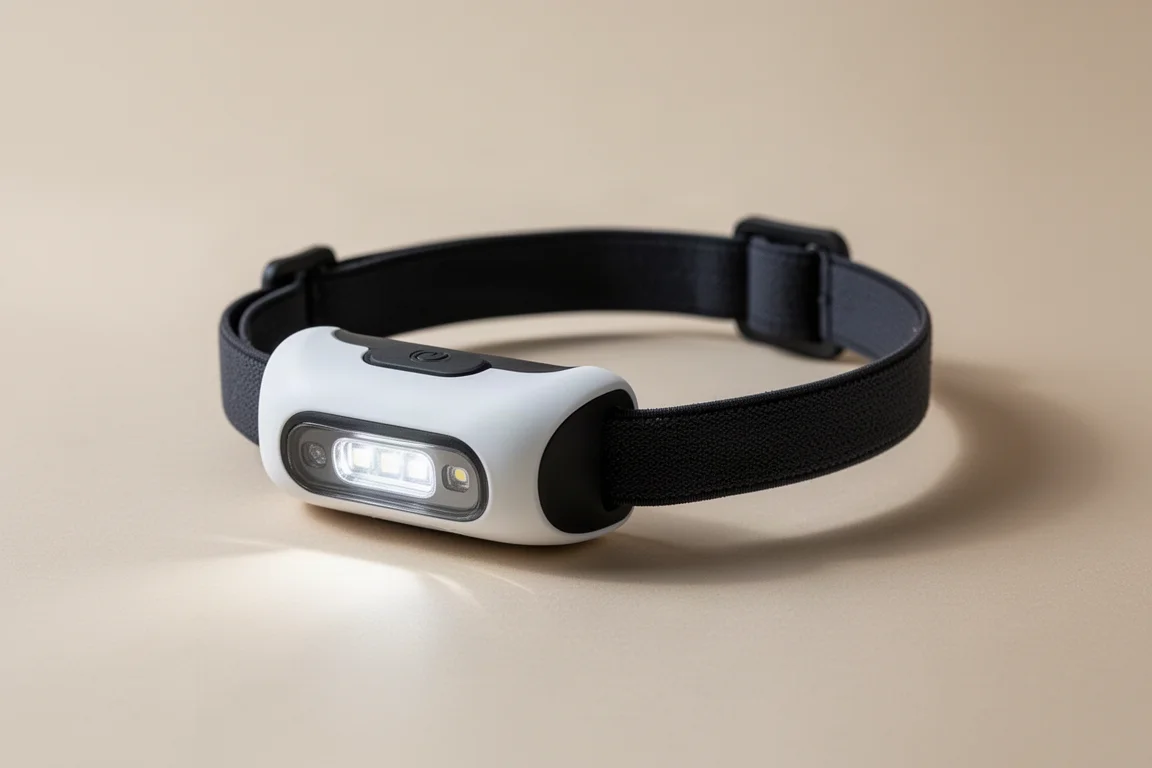
Budget two-packs of basic headlamps, including batteries, sell for around £10 in the UK and likely under $10 in the US. For emergency-only use, these are more than adequate, and giving every family member their own headlamp keeps everyone moving safely with hands free.
Ambient Lighting: Lanterns
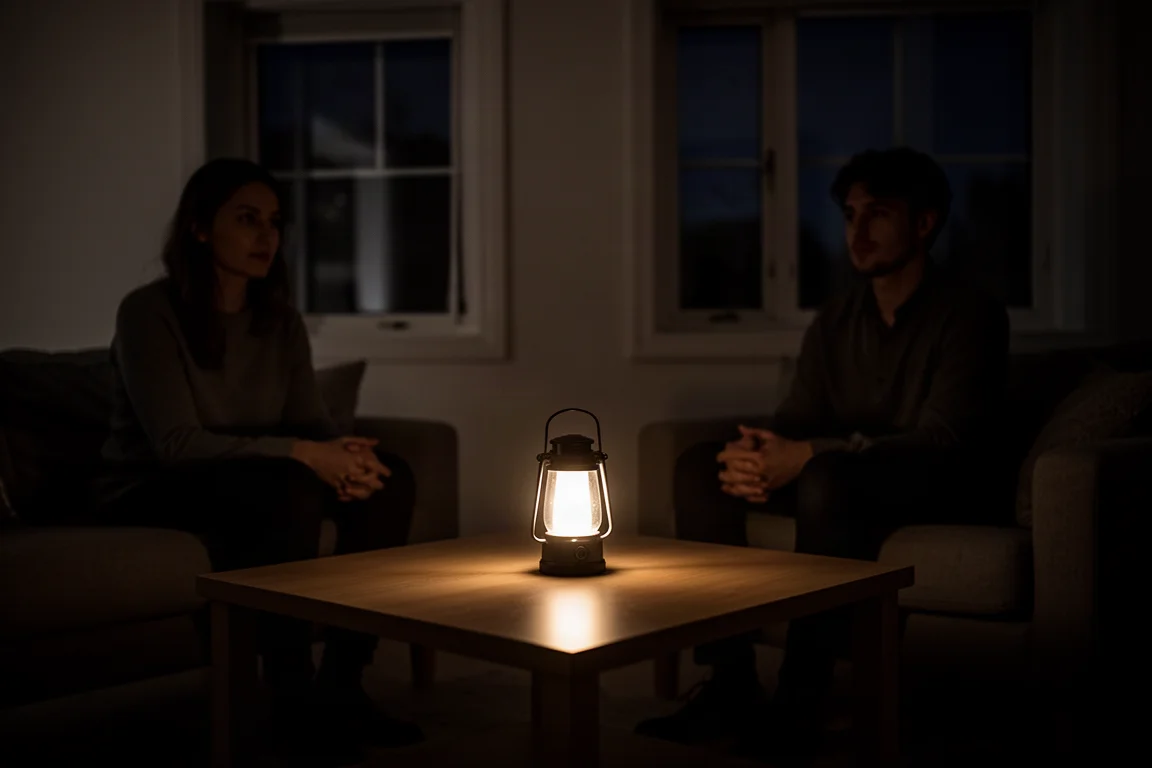
A lantern lights up a whole room, which is perfect when family members gather, or when preparing food in a kitchen. In a group situation, ambient light is far more practical than headlamps, where everyone ends up shining lights in each other’s faces.
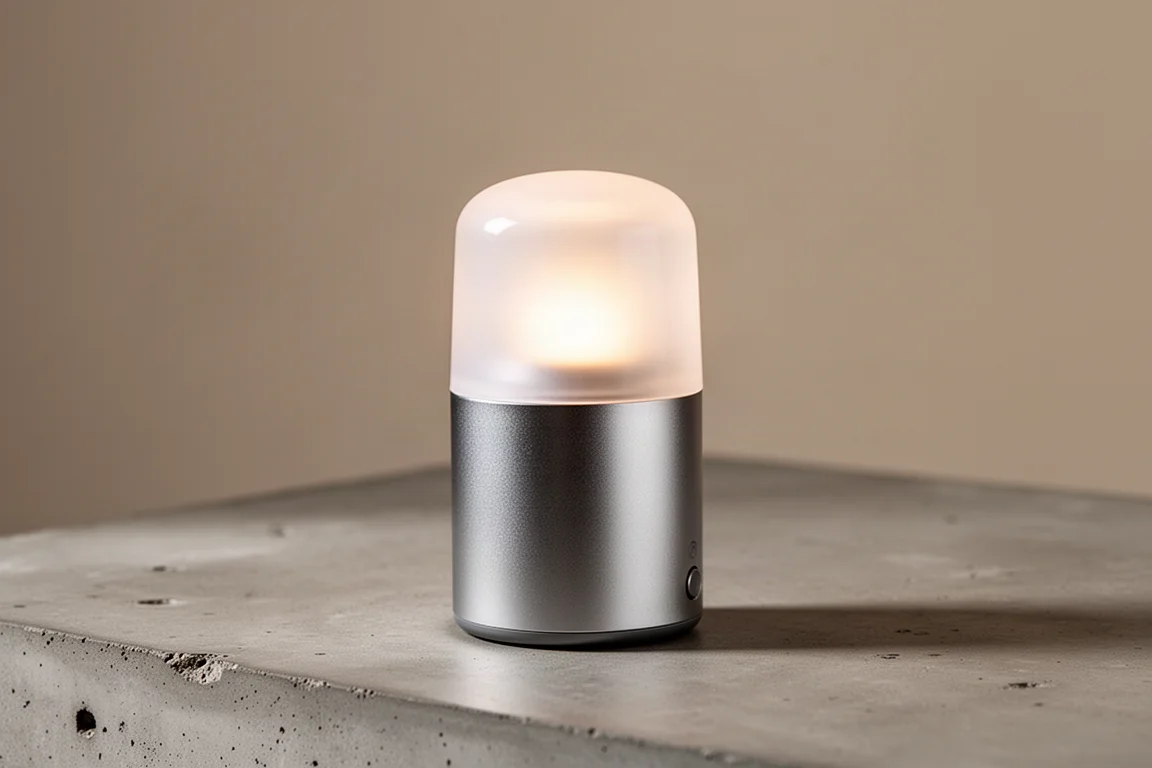
Olight Mini Lantern
The Olight mini lantern runs for 12 hours at 50 lumens or 4 hours at 150 lumens, giving you a choice between long gentle light and brighter output when needed.
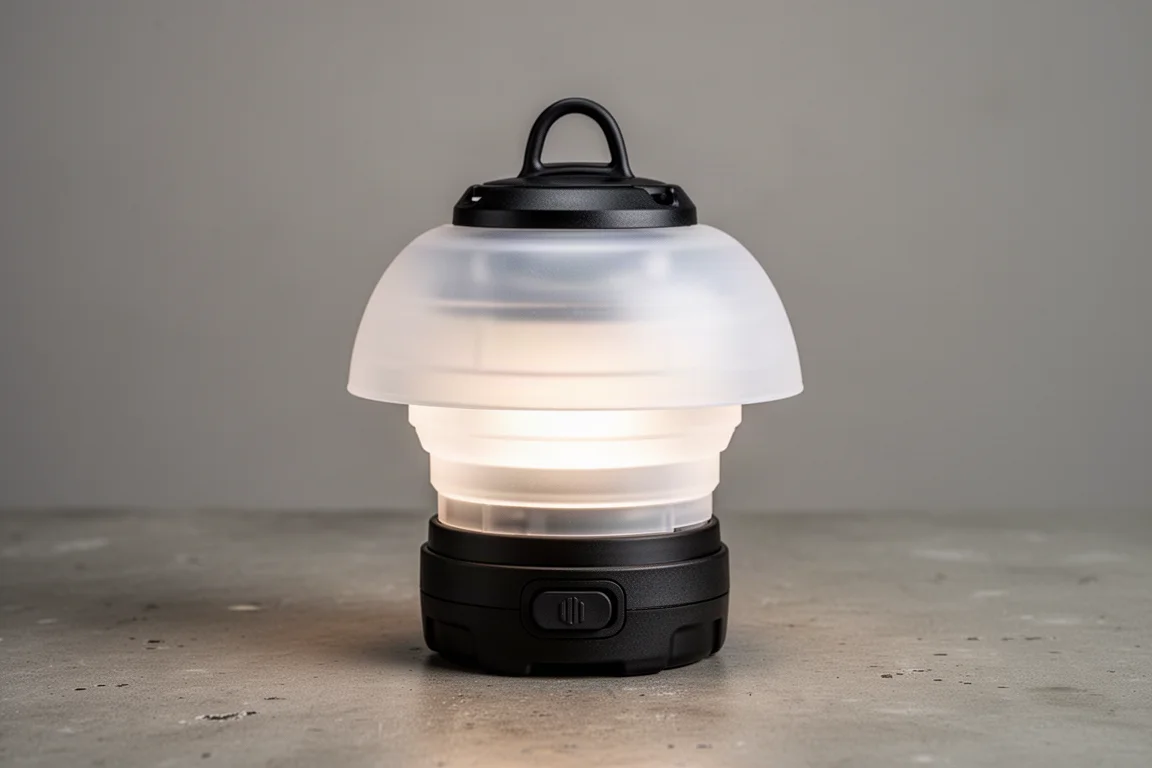
Princeton Tec Helix
The Princeton Tec Helix provides around 6 hours at 150 lumens, a good match for lighting a shared space through an evening. Plenty of other lanterns are on the market, but either of these makes a solid anchor for an ambient-lighting setup.
Glow Sticks for Overnight
Glow sticks are a safe, all-night, low-level light, particularly useful in children’s bedrooms where a constant glow helps them sleep. They do not get hot, the chemicals are not harmful, and once activated the reaction lasts around 12 hours. They are not bright, but they create a nice relaxing glow for about £2 or $2 each.
Communication and News: Battery Radio
A wide-area outage will likely take your phone service with it. A basic copper-wire landline with a simple handset can keep working, but copper lines are being replaced by fibre, which always needs local power, and analog lines are being phased out in the UK entirely. Cordless phone base stations need mains power too.
Mobile phones depend on cell towers. Some fail immediately in an outage, some have battery backup of 1 to 24 hours, and a few have generator backup. Assume voice and mobile data will be lost either immediately or within a few hours, with internet speeds already suffering from a surge in demand.
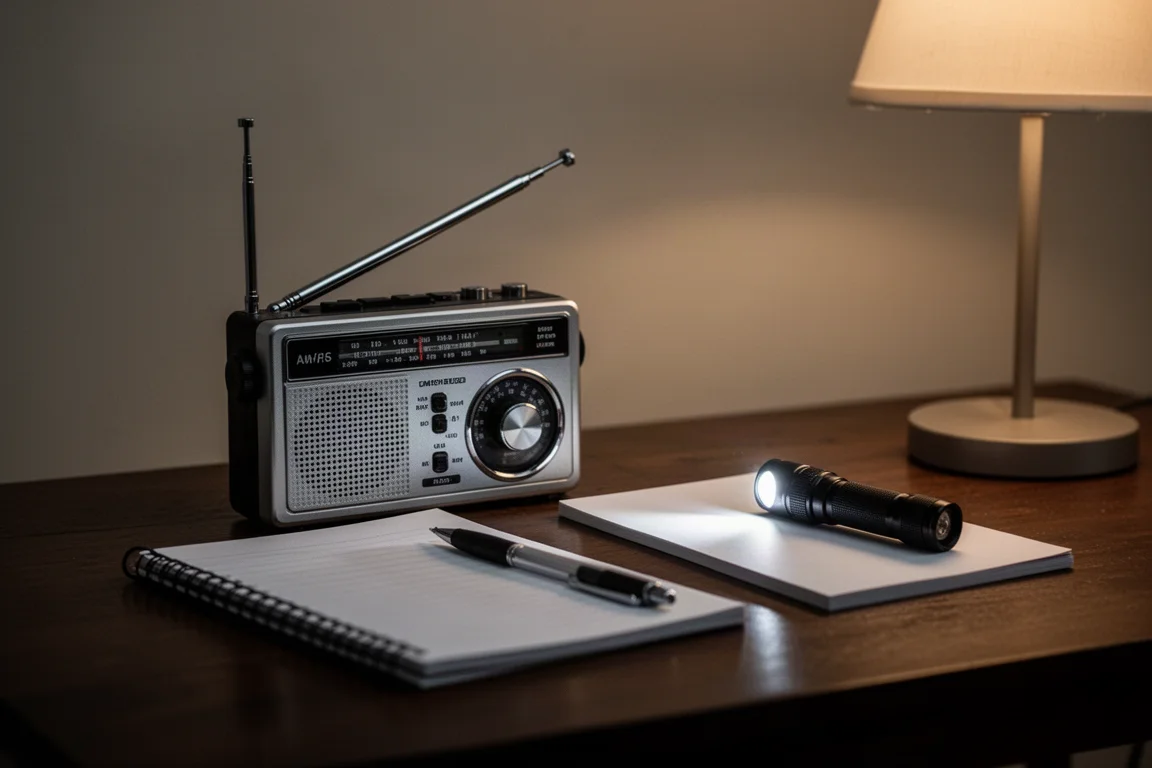
That makes a low-cost AM/FM analog radio, around £15 to £30, or roughly twice that for a DAB model, one of the most valuable additions to the kit. It runs on a couple of AA batteries, is simple to operate, and local news bulletins can tell you whether the situation is improving, where support is available, or whether a boil water advisory has been issued.
Backup Power: Power Bank and Batteries
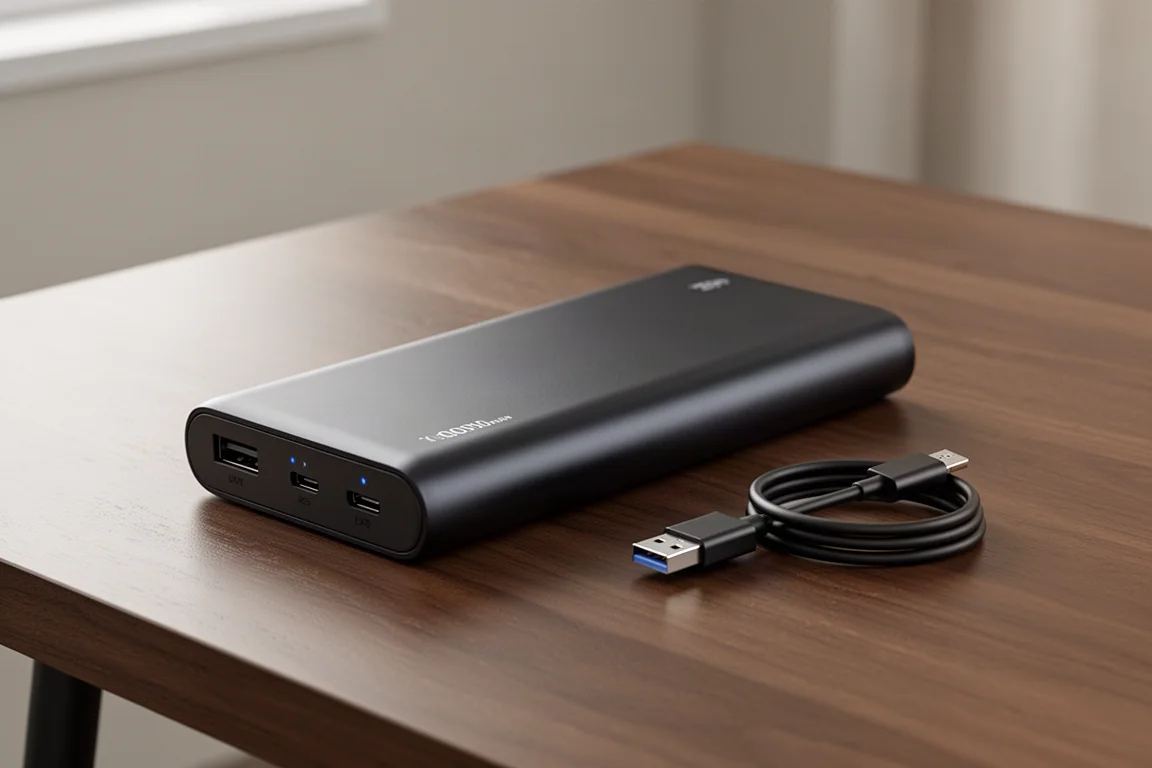
Keep some power banks charged and ready. This hugely extends your phone’s life and can keep flashlights and lanterns charged too, so do not forget the charging cables. If your phone battery is running low, switch it off or onto low power mode.
The Anker 10,000mAh power bank costs around £32 in the UK and will charge an iPhone Pro roughly two and a half times. Also keep some alkaline batteries on hand for battery-powered lights and the radio; they have a shelf life of 12 years.
Heating and Hot Drinks: Spirit Burner
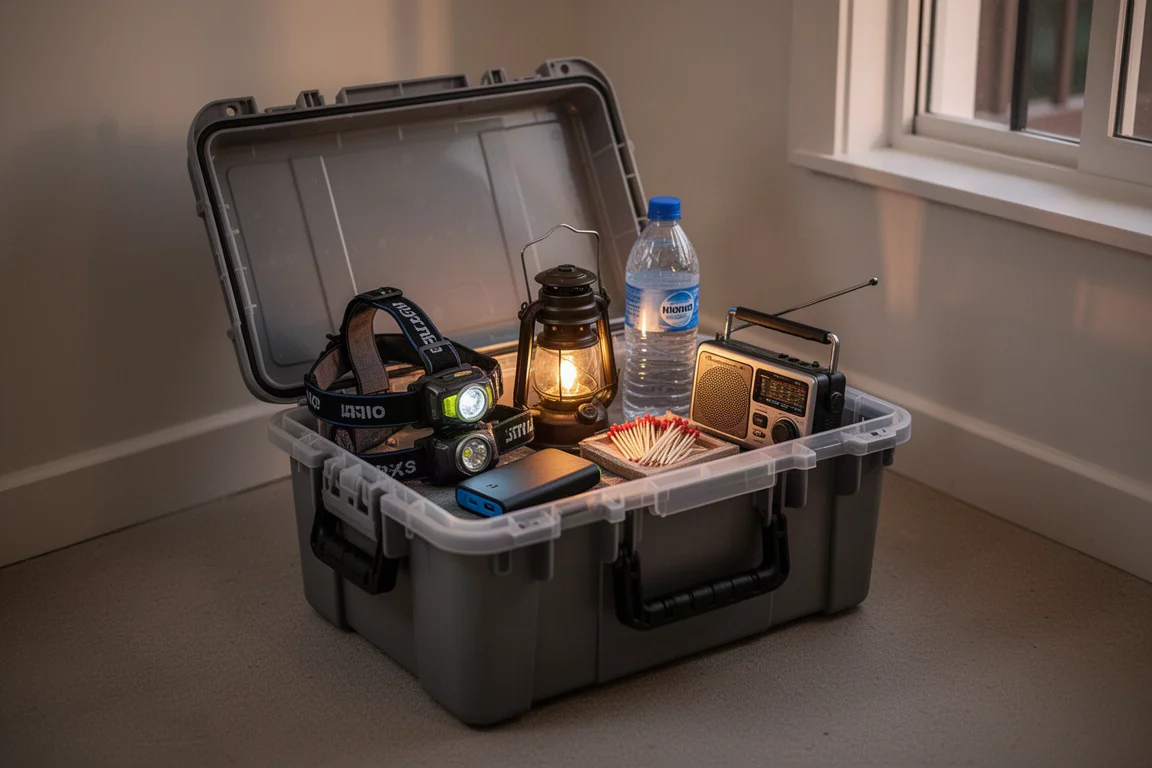
Very few heating systems work without power, so extra layers and blankets are the first resort. If you have a working fireplace or wood burner, lighting a fire helps comfort, morale, and even cooking, so keep a supply of fuel and matches or a lighter ready. Any matches will do; a waterproof case is a nice touch but not essential.
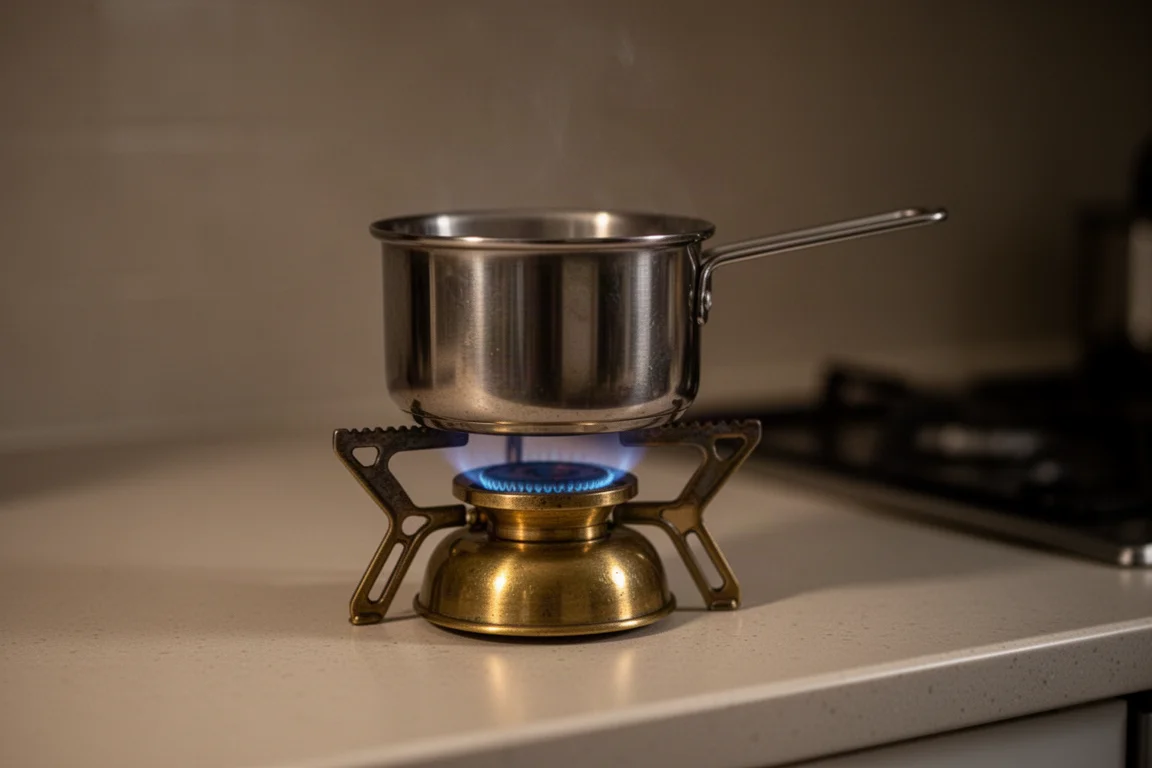
For hot drinks, an electric hob is useless in a blackout, while a gas hob should still work but needs separate ignition. A compact spirit burner burning methylated spirits or denatured alcohol is an excellent backup. It burns cleanly enough for indoor use with care and adequate ventilation. Two ounces, around 60ml, burns for 10 to 15 minutes, enough to boil water for a couple of hot drinks. A 500ml bottle of fuel stores indefinitely and provides about two hours of burn time. The burner cost around £13 and came with a pot stand, making it a very affordable, self-contained emergency stove.
Water and Food
A wide-area outage can affect water twice: treatment may stop, triggering a boil water advisory, and pumps can fail, cutting supply, although emergency generators usually prevent an immediate cutoff.
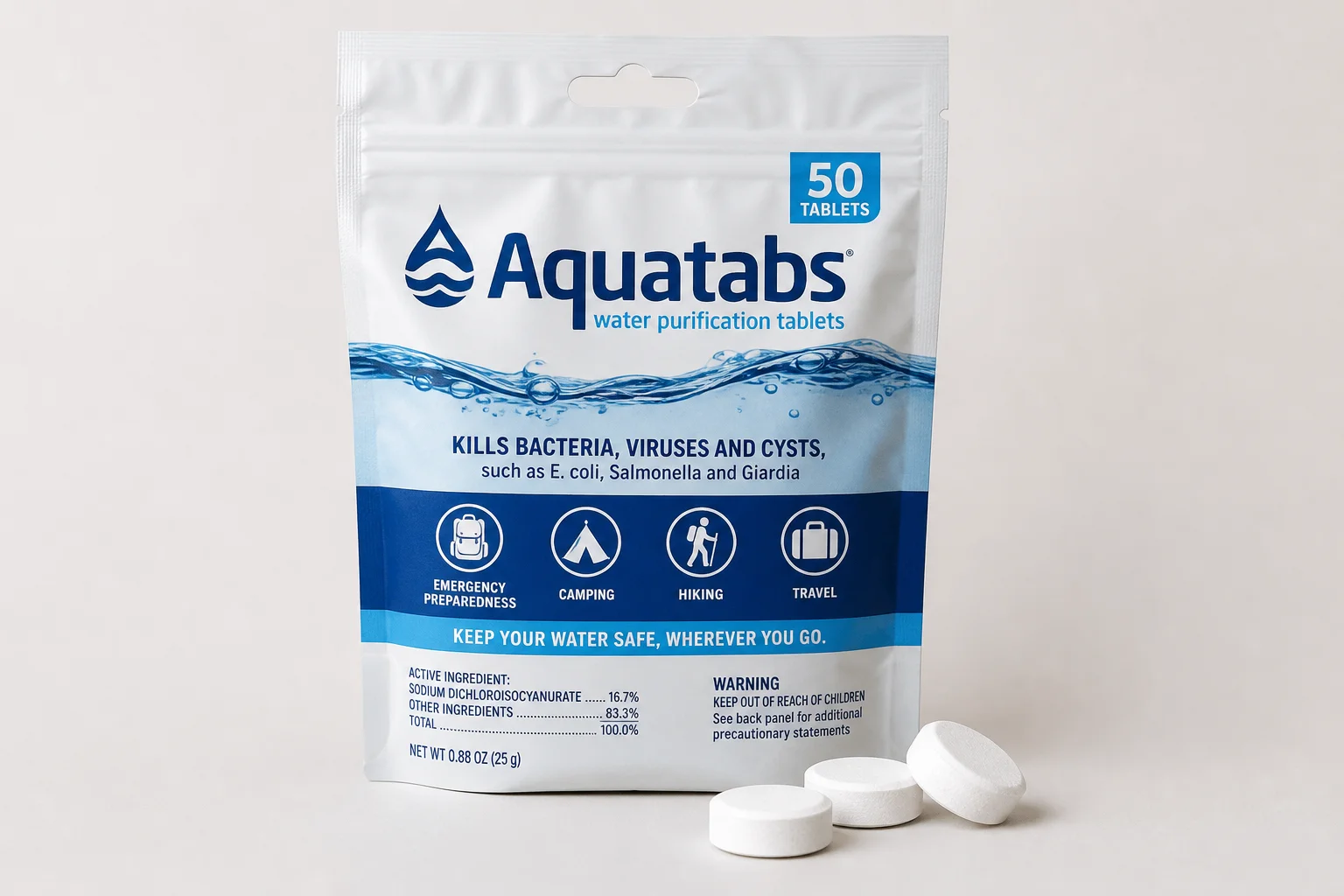
Boil water with your spirit burner if unsure, or use AquaTabs: drop one tablet in and within half an hour the water is safe to drink. The easiest solution for short outages is keeping bottled water on hand. UK guidance suggests two litres per person per day for drinking, so store enough for a couple of days and replace what you use.
For food, a couple of days is not a problem, but know your fridge and freezer timings. A full freezer holds temperature for around 48 hours, about 24 hours if half full, and a fridge holds for around 4 hours. Avoid opening the doors.
Putting the Kit Together
Round out the kit with a notepad and pen for jotting down phone numbers in a hurry, and a multi-tool so a toolkit is always at hand. Pack everything into a waterproof, leak-proof storage box, which is affordable and readily available, and put it somewhere you can find easily in the dark.
Conclusion
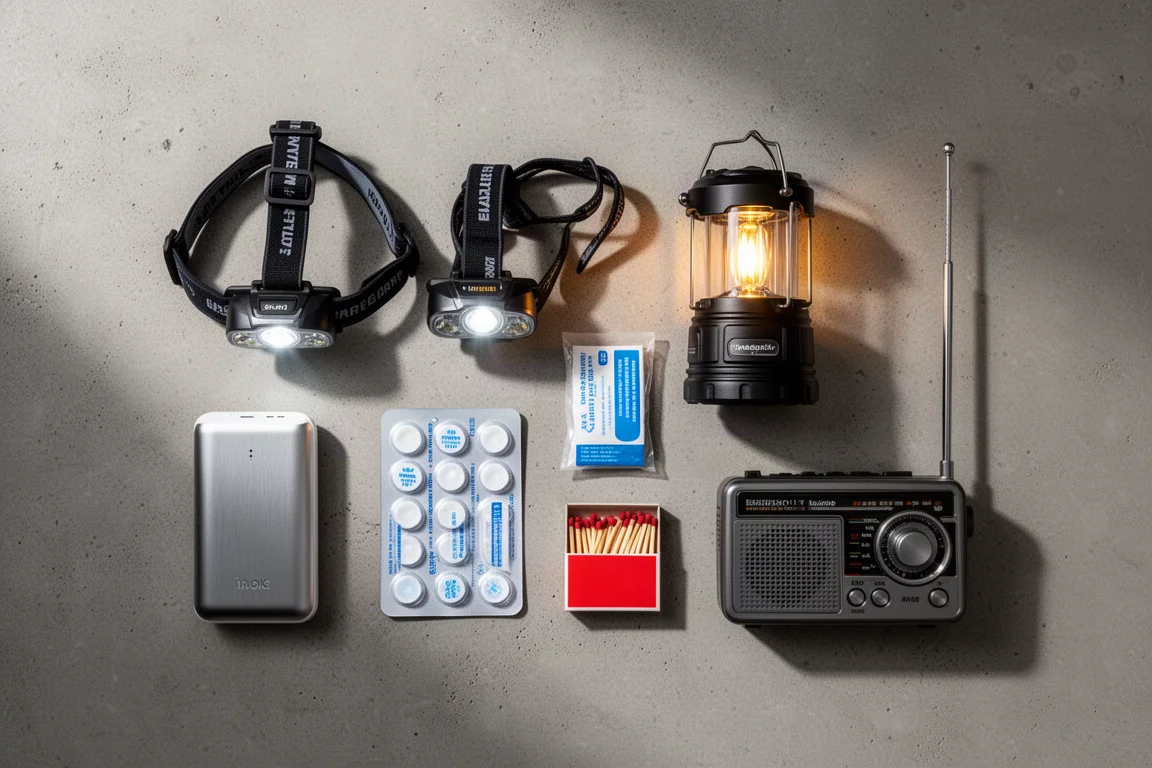
A short blackout is manageable with a modest kit: a headlamp per person, a lantern or two, glow sticks for overnight, a battery radio, a charged power bank, spare batteries, matches and fuel for heat and hot drinks, water purification tablets, and bottled water. Keep it all in one box, know where it lives, and a power cut becomes an inconvenience rather than an emergency.
Further reading
Related Reviews

Backpacking Gear
Building a 10 lb Base Weight: An Ultralight Backpacking Gear List
A practical walkthrough of the ultralight pieces behind a 10 lb base weight, from a 765 g pack and a roomy one-person tent to a full camp chair and a dependable water filter.

Road Bikes
10 New Road Bikes Worth Watching: Aero, Titanium, Steel and Endurance Standouts
A practical roundup of 10 new road bikes, from aero flagships chasing single-watt gains to titanium, steel and endurance platforms built for real roads.
Bikepacking Gear
11 Bikepacking Essentials for Long-Distance Cycling
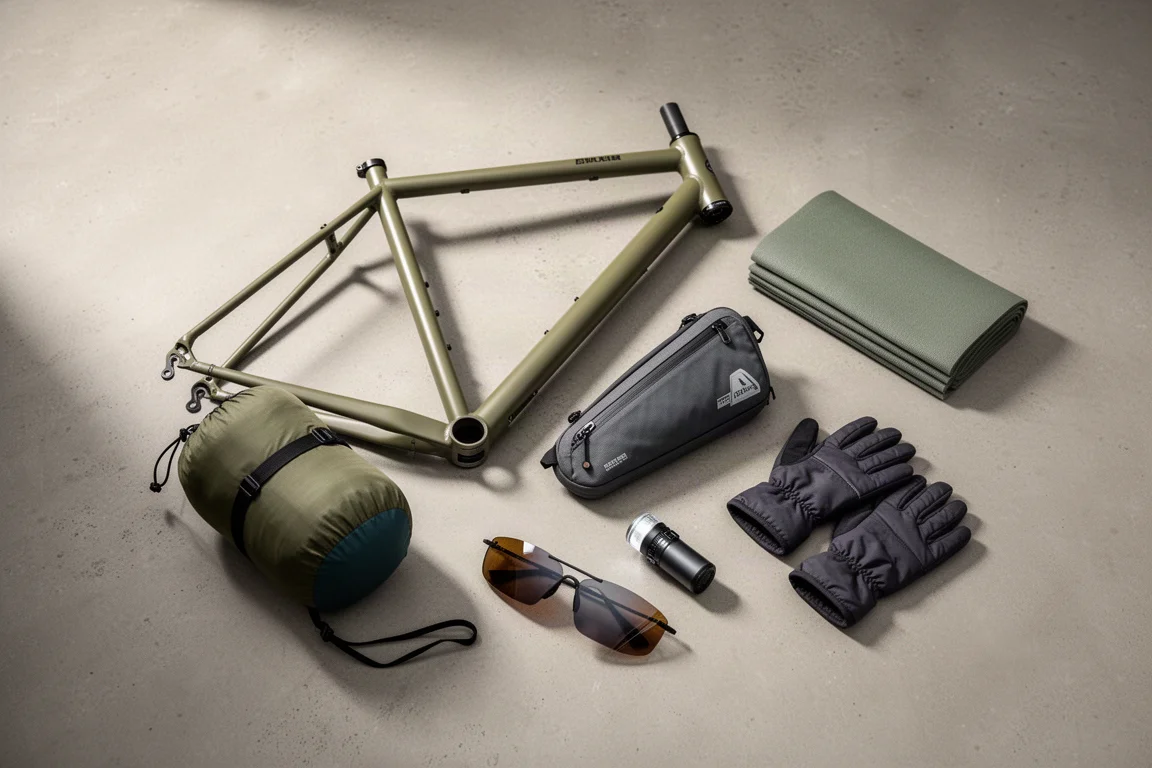
Eleven bikepacking essentials for long-distance cycling, from a steel gravel frame and a two-person tent to helmet lights, packable gloves, and a frame bag that puts weight in the right place.