Winter Camping Gear
Winter Camping Shelter and Sleep Gear: X-Dome Tent and Three Cold-Weather Sleeping Pads
A sub-kilogram freestanding winter tent and three cold-weather sleeping pads, compared on warmth, comfort, and the trade-offs that show up on snow.
Introduction
Winter camping gear has to solve problems that three-season gear never has to think about. The ground is snow, the wind comes across open ridges, and a bad night of sleep carries straight into the next day of moving. Two pieces of kit carry most of that weight: the shelter and the sleeping pad.
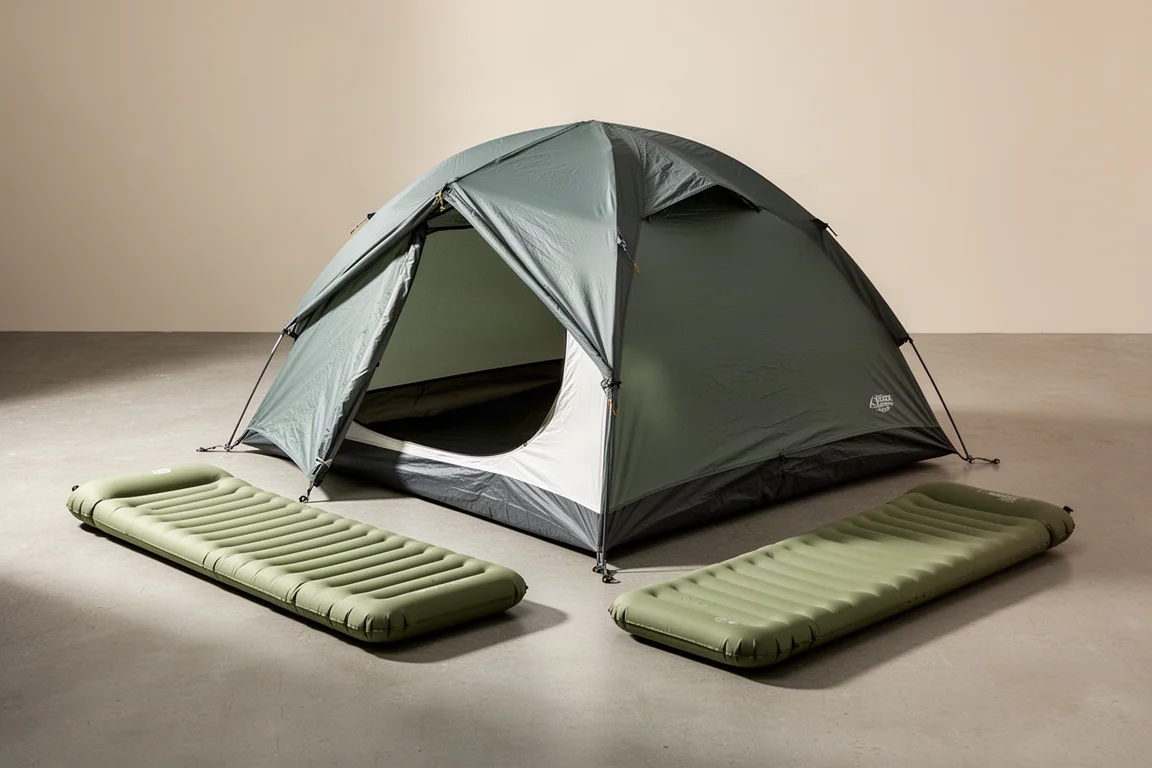
This roundup covers one lightweight freestanding winter tent and three cold-weather sleeping pads. The X-Dome tent is the lightest item here by a wide margin and has already been used across several trips in different conditions. The Exped Ultra 7R, the Nemo Tensor Extreme Conditions, and the Therm-a-Rest XTherm all attack the same problem from different angles: keeping a sleeping body warm and comfortable on frozen ground.
There is no single winner here. Each product is strong in one area and gives something up elsewhere, and the right choice depends on how you camp, what your ground is like, and how much weight you are willing to carry.
How This Gear Was Tested
The conditions behind these notes were cold but not extreme: snow on the ground, an overnight low around -7 °C, and wind moving over an exposed ridge. The tent has also been used in stronger weather, including winds near 65 km/h, which is a useful reference point when judging how much structure a winter shelter actually needs.
For sleeping pads, the test is straightforward. Does the pad feel warm through a full night on snow, and does it stay comfortable when you change position? Warmth and comfort were judged separately, because they do not always arrive together.
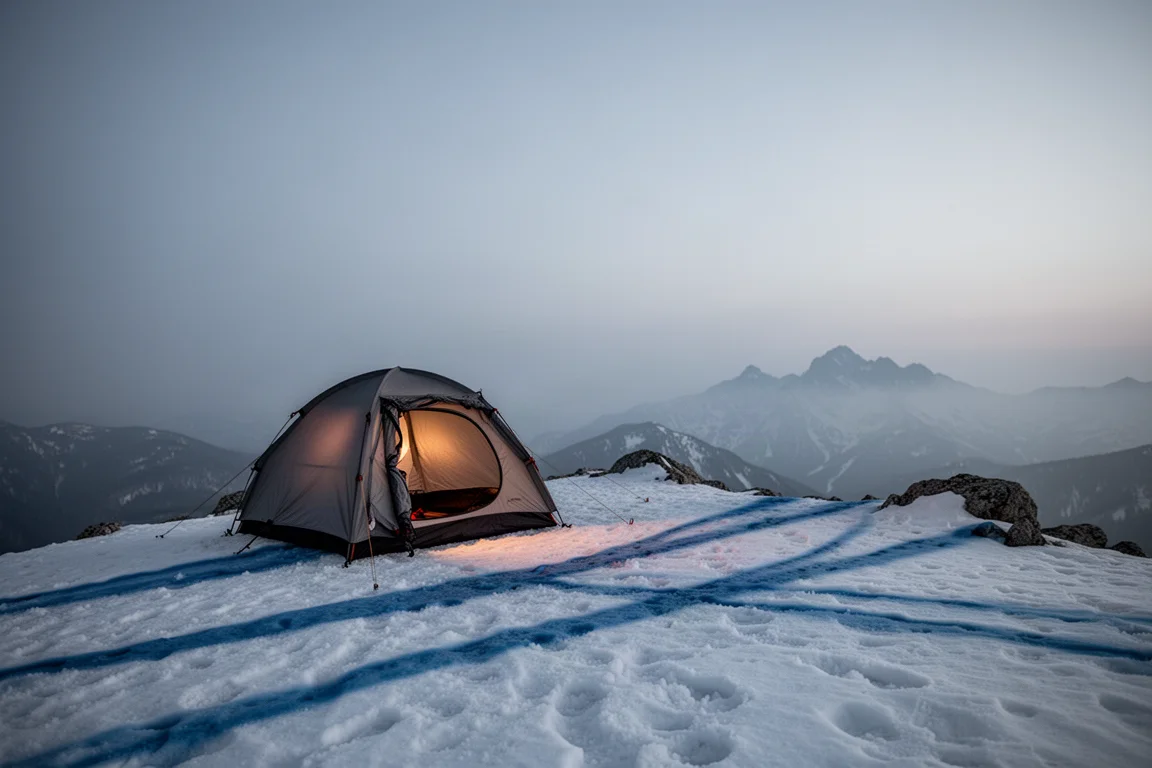
The sleep system matters here as well. Quilts were used instead of a sleeping bag, which removes the problem of compressing insulation underneath the body and eliminates the cold spots that appear when rolling from back to side. That shifts more responsibility onto the pad, since everything below the sleeper becomes the pad’s job.
What to Look For in Winter Shelter and Sleep Gear
Weight and packed volume come first for most winter campers. Winter gear is bulky by nature, and every item competes for space in a pack. A shelter under a kilogram and a pad that packs down small make a measurable difference over a full day of moving.
Freestanding versus staked is the next decision. A freestanding tent is easier to pitch on sugary snow, on rocky ground, or in places where there is not enough snow to bury a deadman anchor. The trade-off has traditionally been weight, and that is exactly where a light freestanding design earns its place.
Wind and snow handling deserve a close look. Check how the poles connect to the tent, where the guyout points sit, and whether trekking poles can be added for extra support. On snow, the ability to pile snow around the outside of the tent is a genuine advantage because it blocks wind from getting underneath.
Mesh versus solid fabric shapes how a shelter feels in a blow. Mesh panels save weight and manage condensation, but they let wind and blown snow reach the inner. Solid fabric up the sides helps, and the direction you pitch relative to the wind matters as much as the fabric itself.
Pad warmth versus pad comfort is the final piece. A pad can be warm and still uncomfortable, or comfortable and still cold. Baffle orientation, insulation type, and thickness all feed into that balance, and side sleepers feel the difference most.
X-Dome Tent: A Sub-Kilogram Freestanding Winter Shelter
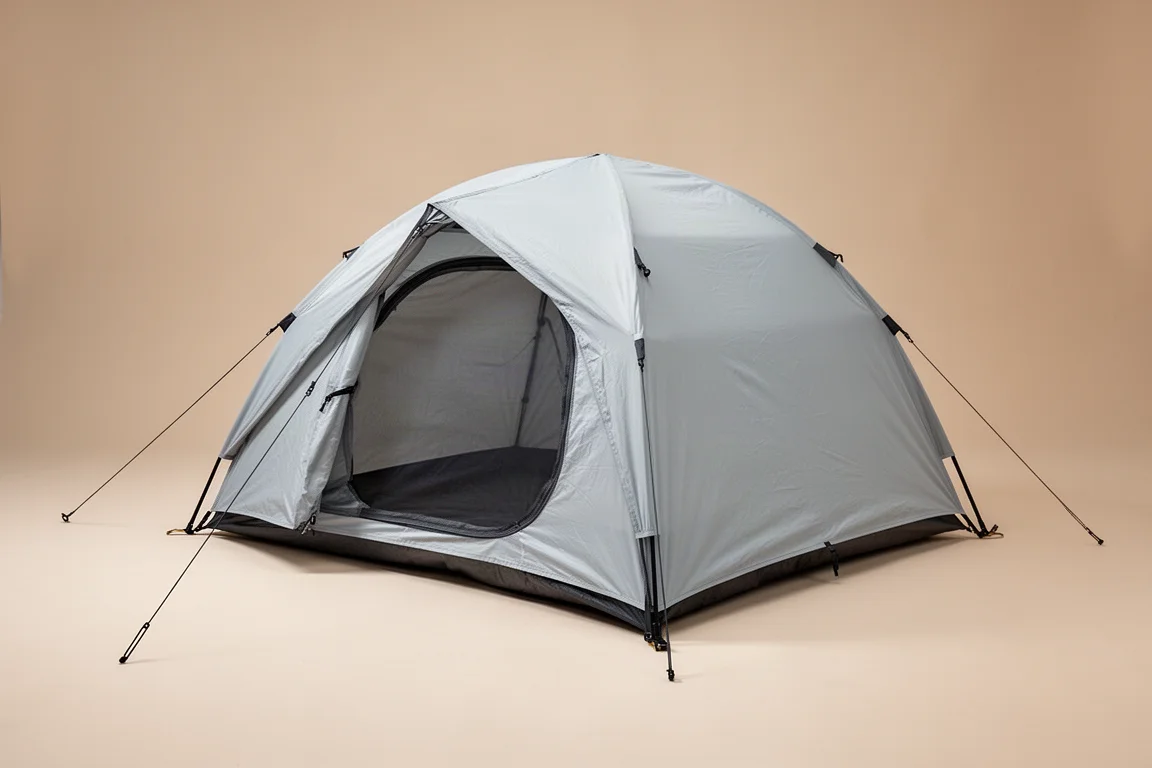
Freestanding winter tents are appealing for a simple reason: they go up quickly on sugary snow, on rocky ground, and anywhere there is not enough snow to bury a deadman anchor. The usual cost is weight and bulk. The X-Dome comes in under a kilogram, which puts it in a different category from most winter-specific freestanding shelters.
The tent can be pitched either inner first or as an all-in-one unit, and the corner pole feet have two slots to accommodate both methods. That flexibility is genuinely useful, but it is also the fiddliest part of the design, particularly in winter when you are wearing gloves. Tying the inner loops to the outer loops is a practical workaround: it makes all-in-one pitches faster and avoids reaching underneath the tent to find the inner attachment points.
Wind performance has been solid. A guyout loop is positioned so it can wrap around the pole, which adds meaningful support at that point, and trekking poles can be added on the broad sides of the tent for additional structure. The shelter has already handled winds near 65 km/h.
Warmth in wind is the question most people raise about this design, because there is a fair amount of mesh on the inner, especially on the door side. In practice, a decent amount of solid material runs up the sides, and piling snow around the outside blocks much of the wind that would otherwise get underneath. Pitching with the side opposite the door facing into the wind improves structural stability and reduces how much wind reaches the inner.
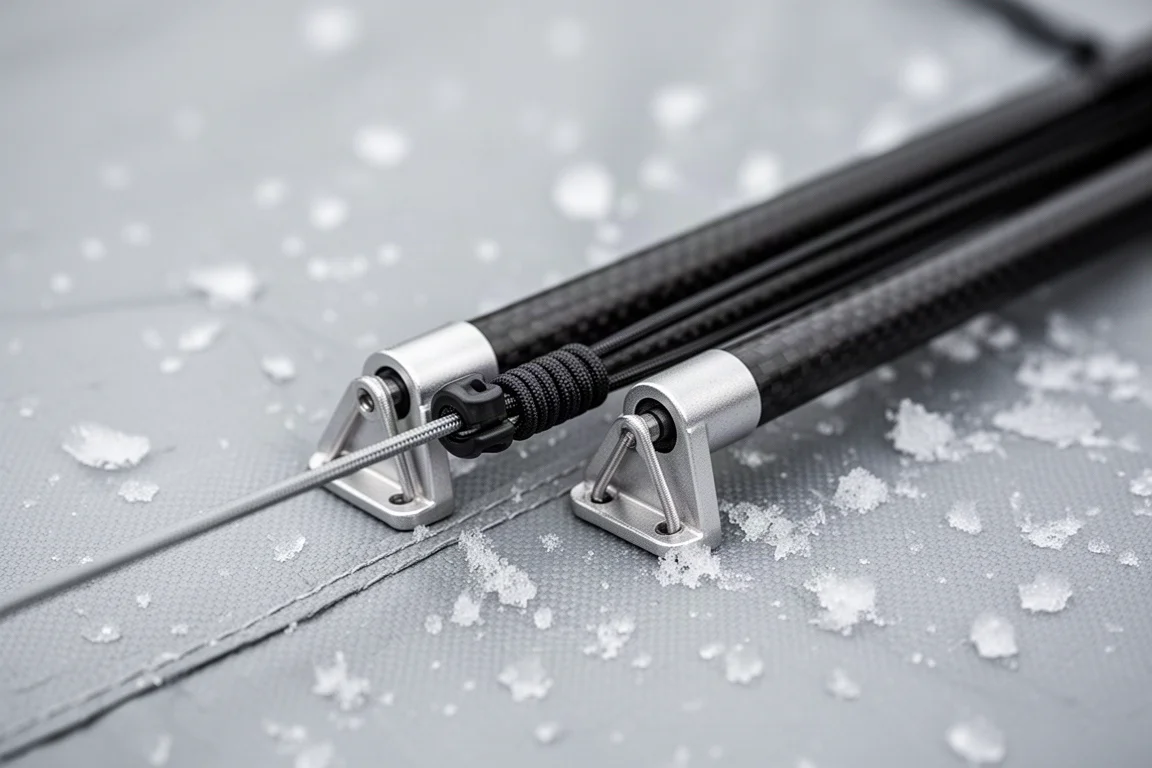
Two details are worth knowing before you buy. The first is the pole inserts. The small tips that seat into the metal feet at each corner are not attached to the poles, so shaking a pole apart can pop an insert loose, and getting it back in takes patience. The inserts are removable by design, which is what allows a bent or broken pole segment to be replaced, so the trade-off is intentional. Wrapping tape around the connection point, or using a glue that softens with heat, are two ways to keep the insert in place while preserving the ability to remove it later.
The second is fabric coverage. In dry cold snow, the current balance of mesh and solid works well. In blowing sand, or in conditions where you cannot pile snow around the base, more solid material on the door side, roughly a third of the way up, would make the tent more secure without giving up much ventilation.
Exped Ultra 7R: Comfortable, but Warmth Was Mixed
The Exped Ultra 7R uses a different insulation approach from the rest of the Exped line. The 5R and 3R pads rely on synthetic insulation stretched between the top and bottom of the pad, and both have been comfortable over long use. The Ultra 7R uses down insulation that sits loose inside each baffle, paired with vertical baffles.
Comfort is where this pad shines. Vertical baffles support the body more evenly than horizontal ones, and the result is a pad that stays comfortable when you sleep on your side. Compared with the Therm-a-Rest XTherm and the Nemo Tensor Extreme Conditions, it is noticeably more comfortable to lie on.
Warmth is where it fell short. On a night with an overnight low around -7 °C, the pad felt cold, and heat loss was already noticeable when going to bed at roughly -10 °C. Shaking the pad before sleep, and again during the night, to redistribute any clumped down did not change the outcome.
So the Ultra 7R passed the comfort test and did not pass the warmth test in these conditions. That does not automatically rule the pad out. A defective or underfilled unit is a plausible explanation, and it is worth checking before writing off a model that has performed well for others in very cold temperatures. Anyone buying it for winter should plan to test it on a cold night close to home or on a short trip before relying on it.
Nemo Tensor Extreme Conditions: A Warmth-First Winter Pad
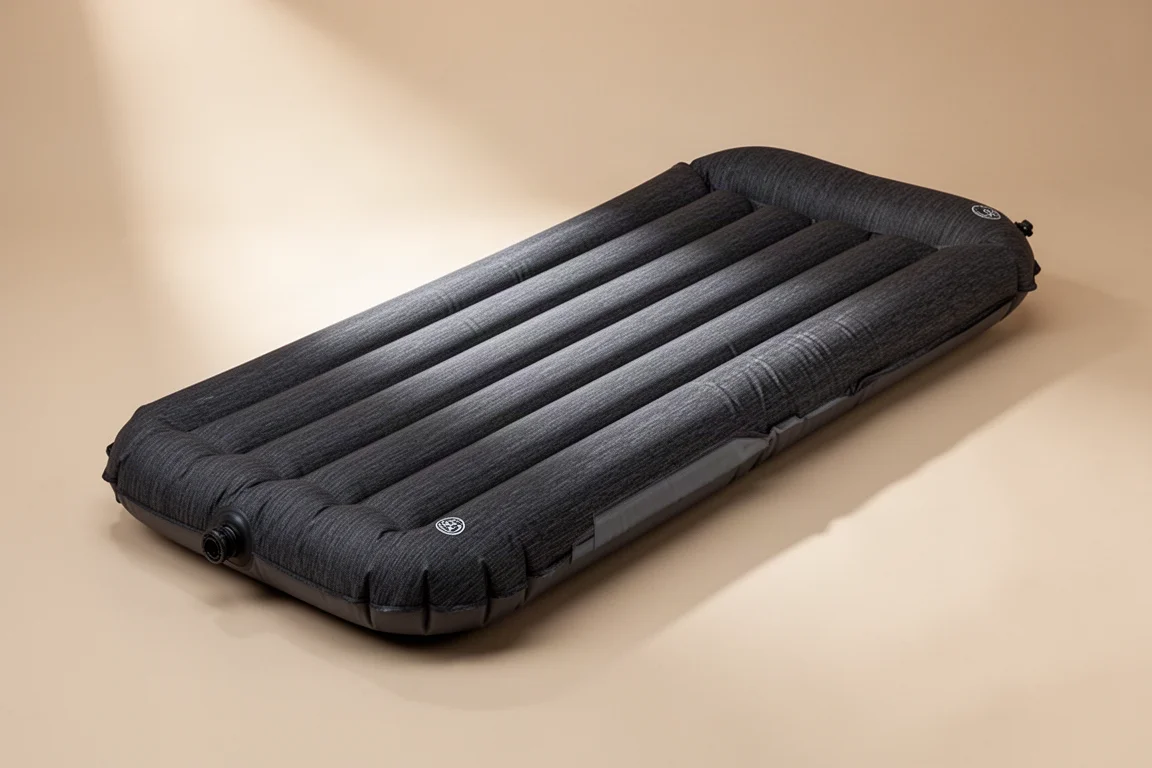
The Nemo Tensor Extreme Conditions is built around winter warmth. It is one of the pads that set the benchmark for cold-weather sleeping, and for anyone whose main concern is staying warm on snow, it starts from the right place.
The trade-off is comfort. Against the Exped Ultra 7R, it is the less comfortable pad to lie on, and that gap is most obvious when sleeping on your side. If you move around a lot at night, or sleep on your side rather than your back, that difference will show up over a long winter night.
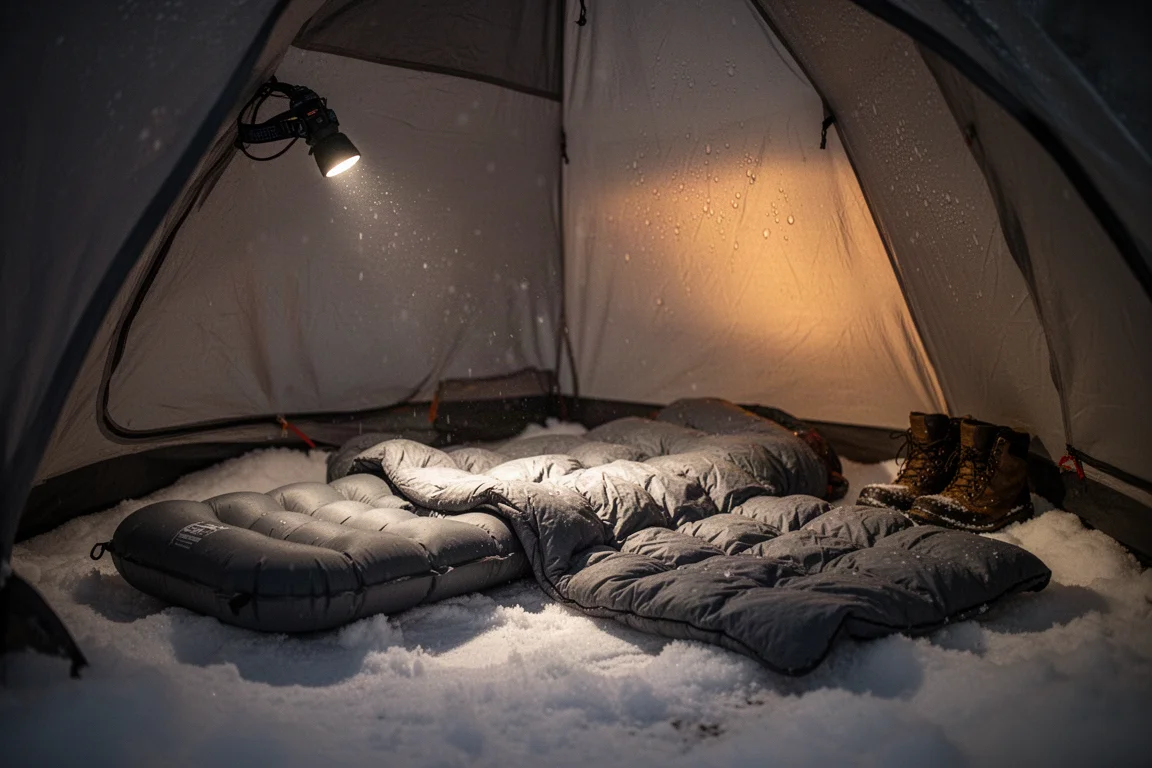
For campers who sleep cold and would rather have a warmth margin than extra cushioning, it remains a reasonable choice. The practical approach is to pair it with a sleep system you already trust and judge it on how you feel after a full night rather than on the spec sheet alone.
Therm-a-Rest XTherm: A Proven Warmth-First Pad
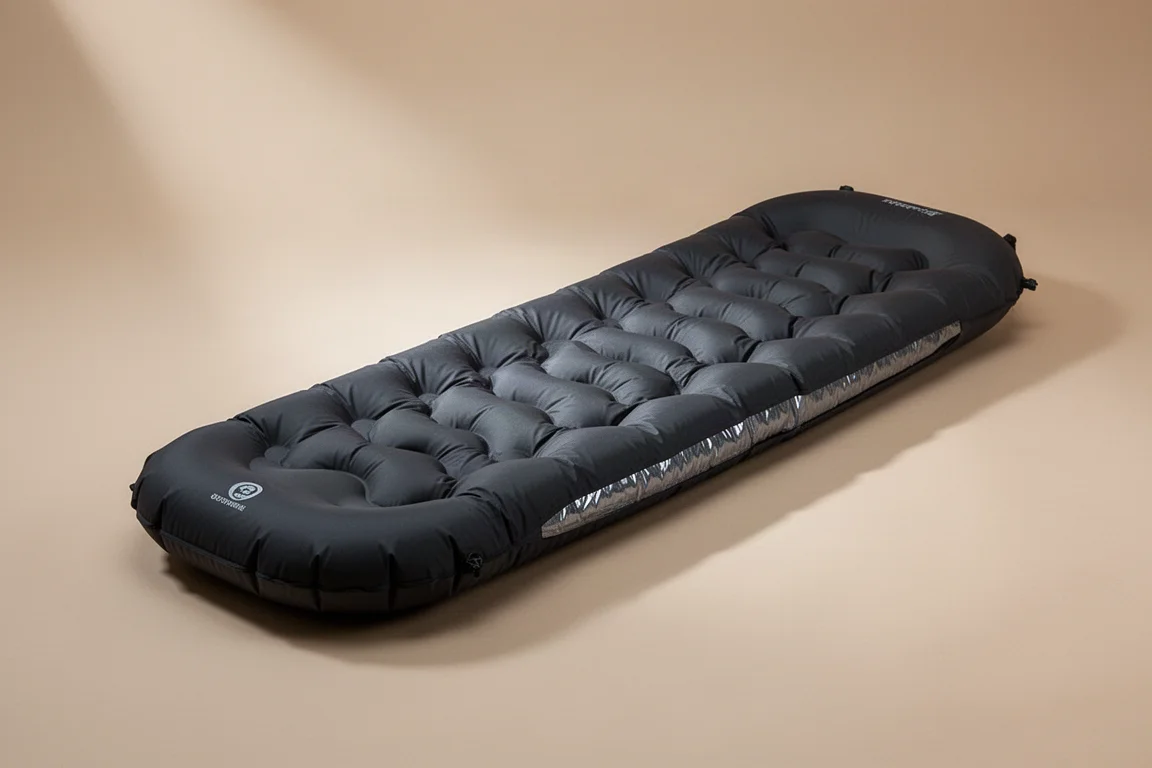
The Therm-a-Rest XTherm follows a similar philosophy to the Nemo Tensor Extreme Conditions: prioritize warmth for cold ground and accept a firmer, less forgiving feel. It is a long-standing option for winter camping, and its reputation rests on warmth rather than plushness.
The same comfort caveat applies. Compared with the Exped Ultra 7R and its vertical baffles, the XTherm is the less comfortable pad for side sleeping. Campers who spend the night on their back may not notice much difference; those who roll onto their side will.
If warmth is the deciding factor and you are comfortable with a firmer pad, the XTherm belongs on the shortlist. If you are chasing comfort first, the Exped Ultra 7R is the more appealing option on feel alone, provided the warmth question is resolved.
Buying Advice: Matching Gear to Your Winter Trips
Start with your ground and your anchors. If you camp on sugary snow, rocky terrain, or places where there is not enough snow to bury anchors, a freestanding shelter like the X-Dome saves real time and frustration. If you usually camp where snow is deep and stakes hold well, a lighter non-freestanding design may suit you better.
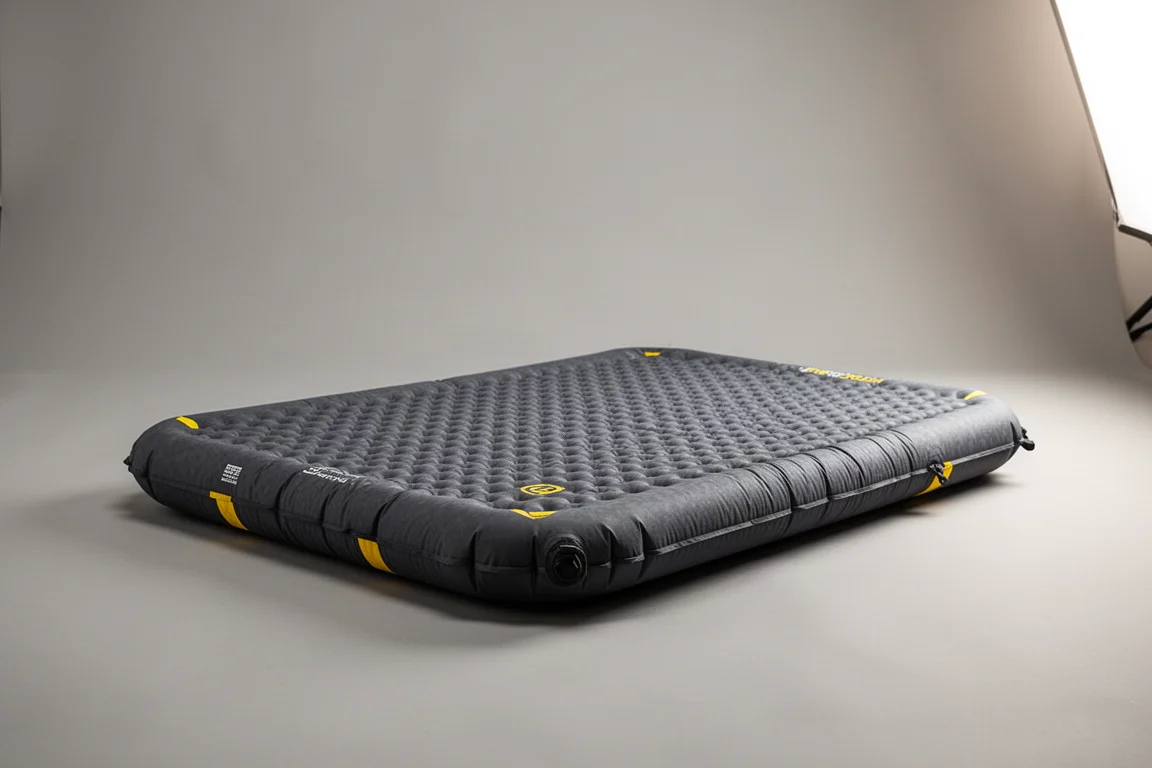
Then decide where to spend your comfort budget. The Exped Ultra 7R is the most comfortable pad of the three discussed here, but it ran cold in the conditions described, so it needs verification before it becomes a winter workhorse. The Nemo Tensor Extreme Conditions and the Therm-a-Rest XTherm trade comfort for warmth, which is the right call if you sleep cold and rarely change position.
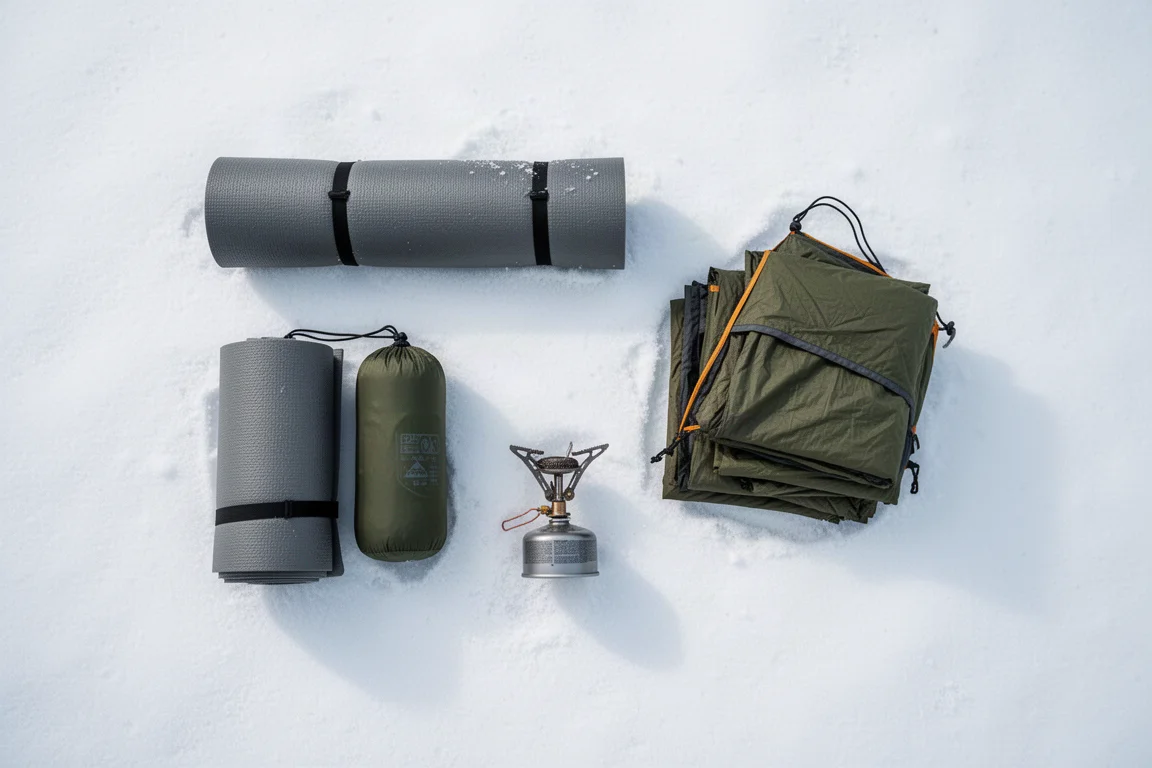
Finally, look at the small hardware details before you commit. Pole inserts, guyout points, and attachment hardware are the parts that decide whether a piece of gear is pleasant or annoying in the cold with gloves on. A tent that pitches quickly and a pad that inflates without a fight matter more on a cold morning than a few grams of weight.
Conclusion
The X-Dome tent earns its place as a lightweight freestanding winter shelter. It pitches in two configurations, has handled winds near 65 km/h, and offers clear paths to more support when the weather demands it. The pole hardware is the weak point, and the mesh-heavy door side is worth weighing up if you camp where sand blows, but the core design does what a winter shelter needs to do at a weight that is hard to match.
The three sleeping pads split along a clear line. The Exped Ultra 7R is the most comfortable of the group, and the warmth shortfall in these conditions is the open question that needs answering before it can be trusted on a cold night. The Nemo Tensor Extreme Conditions and the Therm-a-Rest XTherm take the opposite approach, prioritizing warmth and asking you to accept a firmer, less forgiving surface.
Match the shelter to your ground, match the pad to how you sleep, and test anything new on a short cold trip before you depend on it.
Further reading
Related Reviews
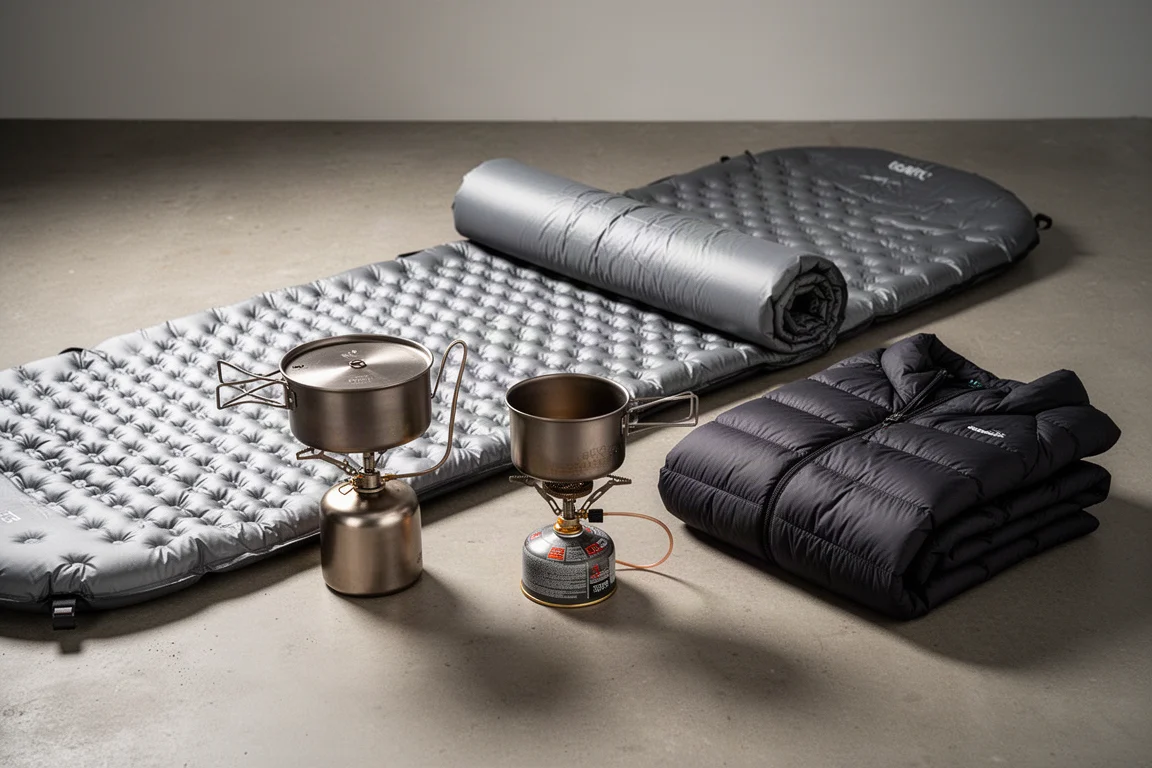
Winter Camping Gear
Affordable Winter Camping Gear: Six Budget Pieces Tested Below Freezing
Three reflective sleeping pads, an updated down jacket, a titanium pot and a $25 winter stove, assessed on frozen ground at around minus 12 degrees Celsius.
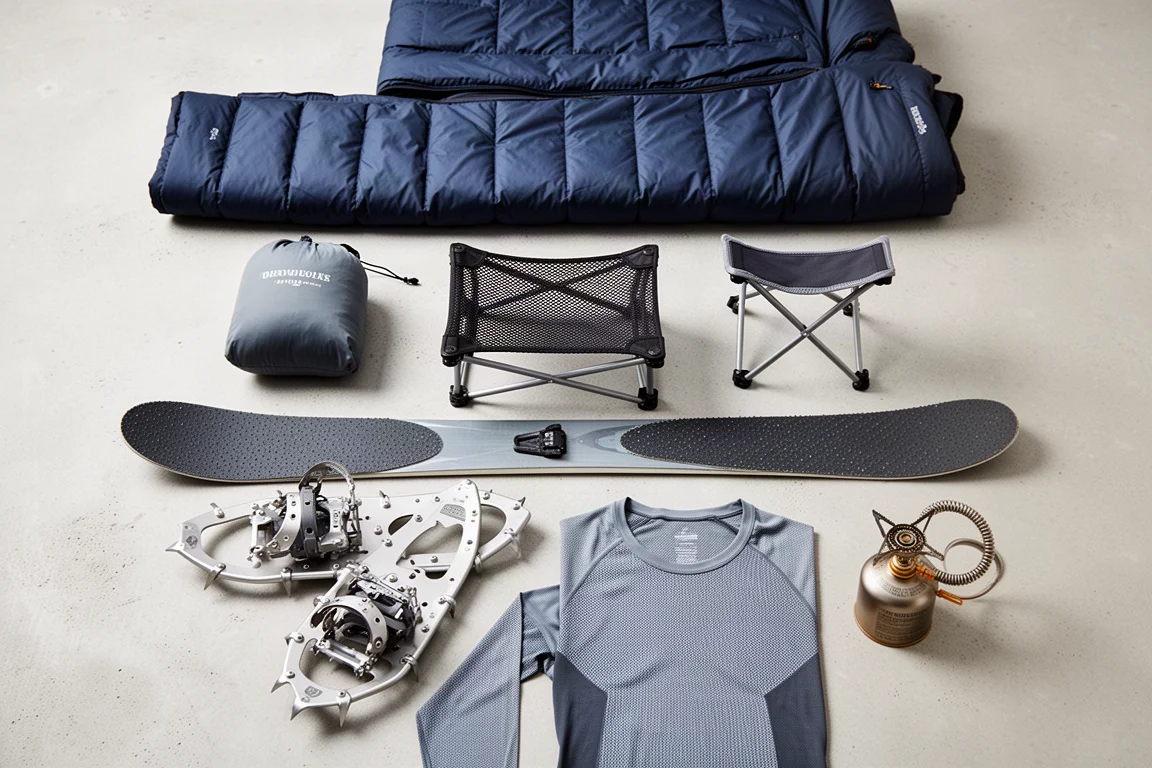
Winter Camping Gear
Best Winter Camping Gear 2026: Seven Pieces Worth Packing
A practical look at seven winter camping items, from an insulated parka rated to minus 20 degrees Celsius to a titanium stove built for cold canisters.
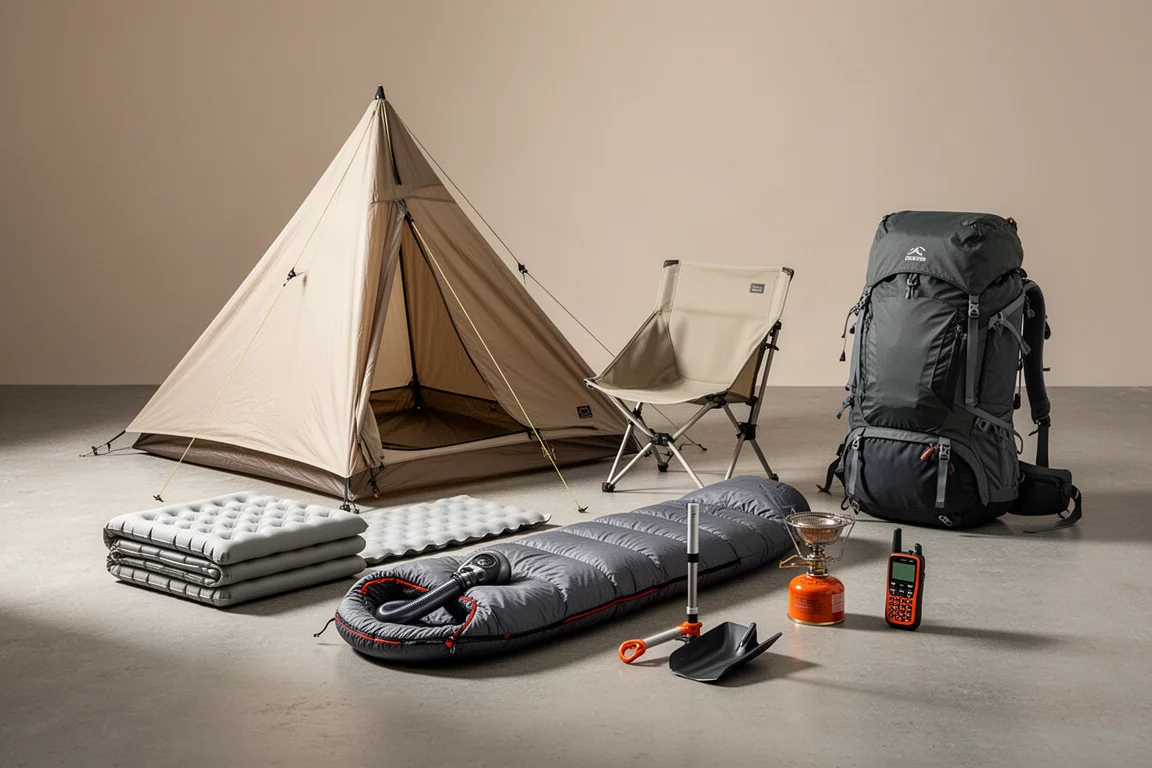
Winter Camping Gear
Ultimate Winter Camping Gear List: Proven Essentials for Cold-Weather Adventures
A curated list of winter camping gear that has proven itself in freezing temperatures, from shelter and sleep systems to cooking and safety essentials.