Winter Camping Gear
Affordable Winter Camping Gear: Six Budget Pieces Tested Below Freezing
Three reflective sleeping pads, an updated down jacket, a titanium pot and a $25 winter stove, assessed on frozen ground at around minus 12 degrees Celsius.
Introduction
Budget winter gear is appealing for obvious reasons, but the consequences of a sleeping pad or a down layer underperforming in sub-zero conditions are serious. Six affordable pieces were taken out to frozen ground in the Canadian Rockies, with overnight temperatures forecast around minus 12 degrees Celsius and a light dusting of snow on top of the ground, to see whether the numbers on the packaging survive contact with real winter.
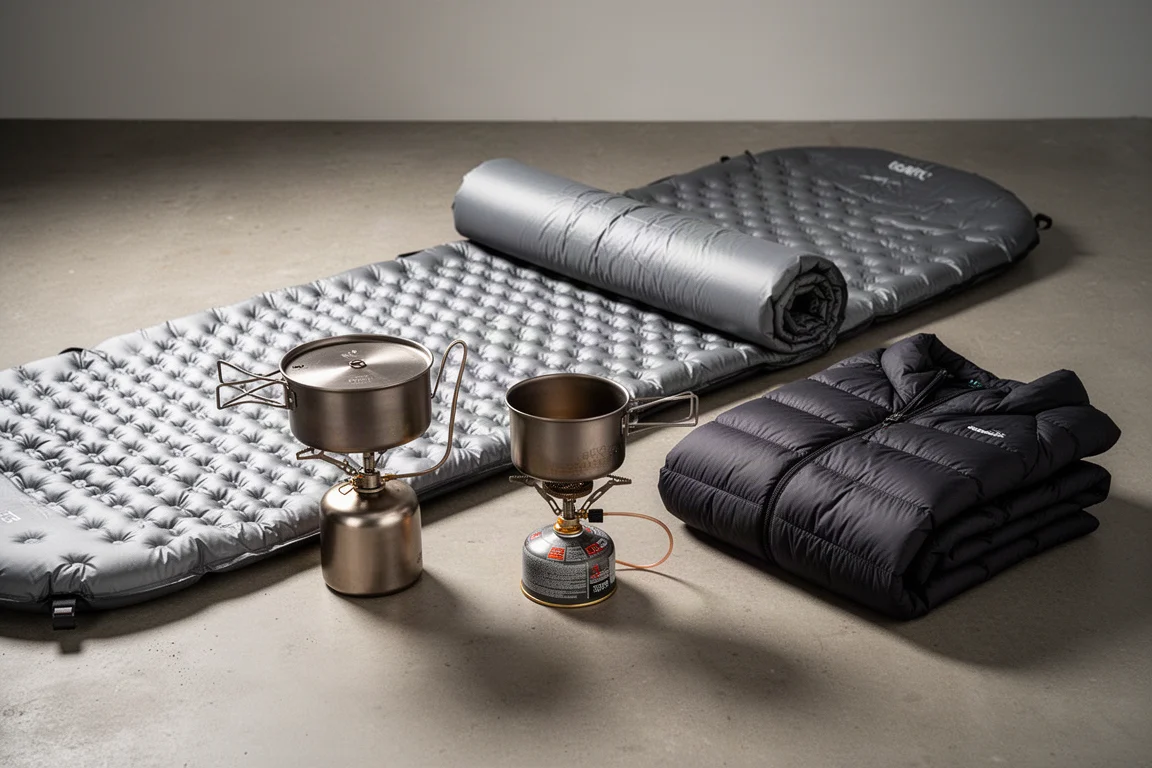
The lineup covered three reflective sleeping pads with advertised R values of 6.2, 7.5 and 8.8, a down jacket selling for around $200, a 2 litre titanium pot, and a $25 canister stove with a preheating tube. Camp was pitched deliberately close to a vehicle, so that if any piece failed badly the trip could end early and safely.
Not every item earned a place in a winter pack. The results are worth reading before spending money on any of them.
How This Gear Was Evaluated
All three pads were fully inflated and kept as firm as possible, since a firm pad maximises the insulating effect of the reflective layers inside. A sleeping bag rated to minus 30 degrees Celsius was used throughout, so the pads were the only variable in the warmth equation.
Worn layers stayed the same for every test: a thin synthetic base layer, an Alpha Direct sweater and trousers, and warm socks. Temperatures were tracked through the evening and overnight with a Bluetooth thermometer.
The comparison method was a simple A/B. Thirty minutes on the Hikenture pad, then thirty minutes on the Light Tour pad, with the colder of the two replaced by the Naturehike pad for the overnight sleep.
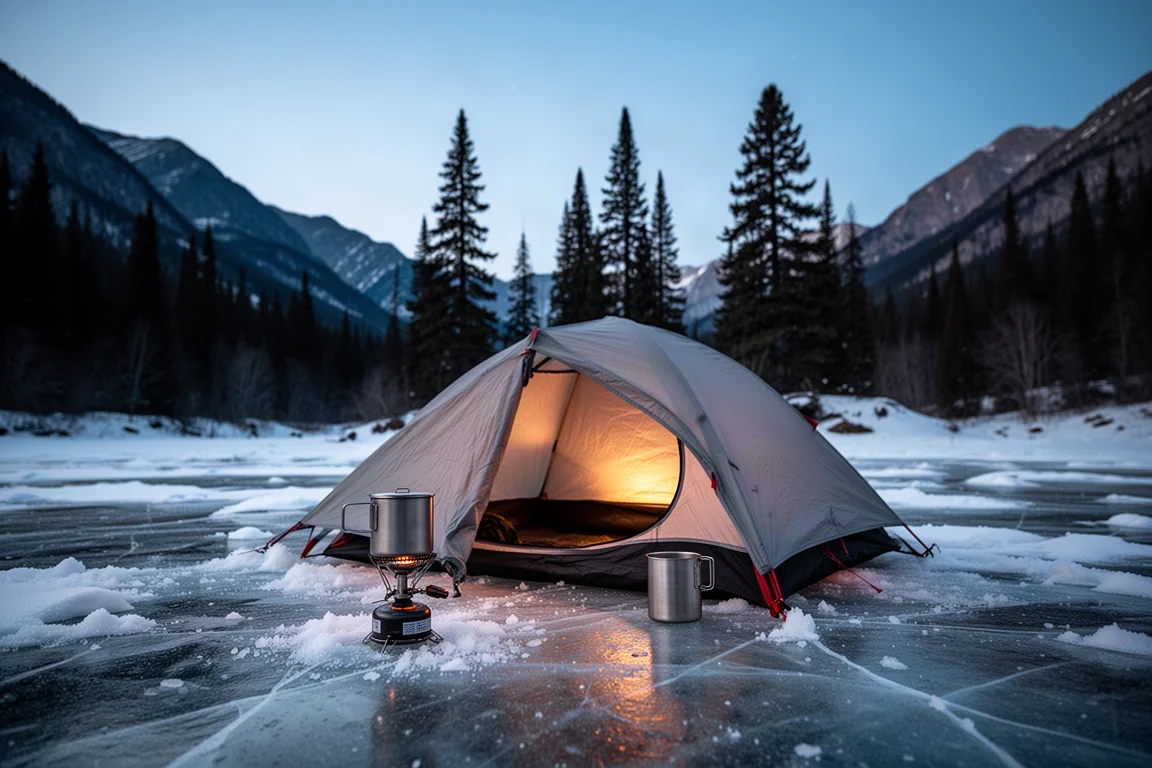
The reason for testing within sight of a vehicle is worth repeating. Budget gear has a higher chance of failing outright or falling short of its claims, and in winter the margin for error is thin. A controlled first test, with an easy exit, is the sensible way to find out what a new pad or stove can actually do before trusting it on a multi-day trip.
Naturehike Sleeping Pad: Advertised R 8.8
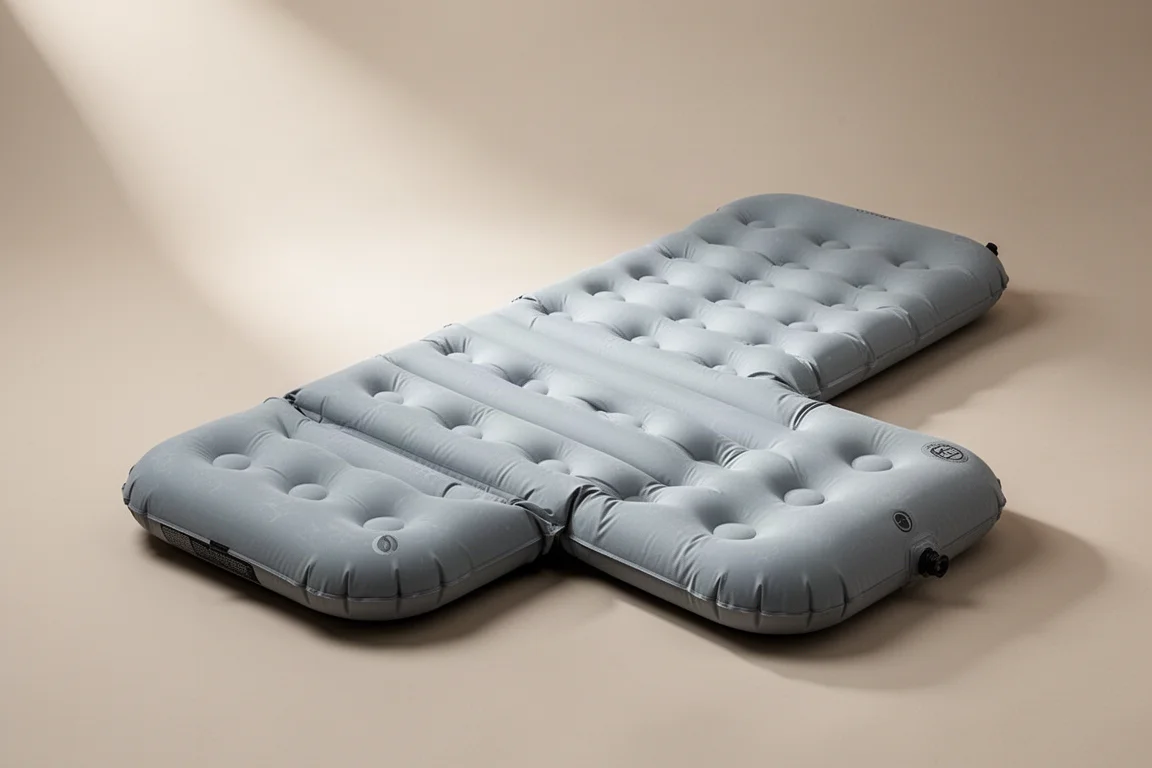
This is the pad that raised the most questions. It advertises an R value of 8.8, weighs 650 g and costs around $115, which is roughly half the price of the premium high R value pads it invites comparison with. It is also the largest of the three: a long, wide rectangular pad, noticeably thicker than the alternatives, with a dimpled baffle pattern rather than the horizontal baffles used on some premium winter pads.
On the first night it slept cold. Heat was drawn out of the body rather than reflected back, and a second attempt a few hours before sunrise produced the same result. The advertised 8.8 figure did not translate into an 8.8 experience on frozen ground.
Two explanations look more plausible than a manufacturing defect. The reflective film inside appears to be arranged in sheets, and a thick pad with a large exposed top surface also loses heat to the cold air around it, not just to the ground beneath it. The comfort side, however, was genuinely good. The thickness and the dimpled baffles provided noticeable pressure relief, and it was the most comfortable of the three pads to lie on.
Read as a comfortable, lightweight, mid-priced pad rather than an extreme cold pad, it still has a case, provided long-term reliability holds up.
Hikenture Sleeping Pad: Advertised R 6.2
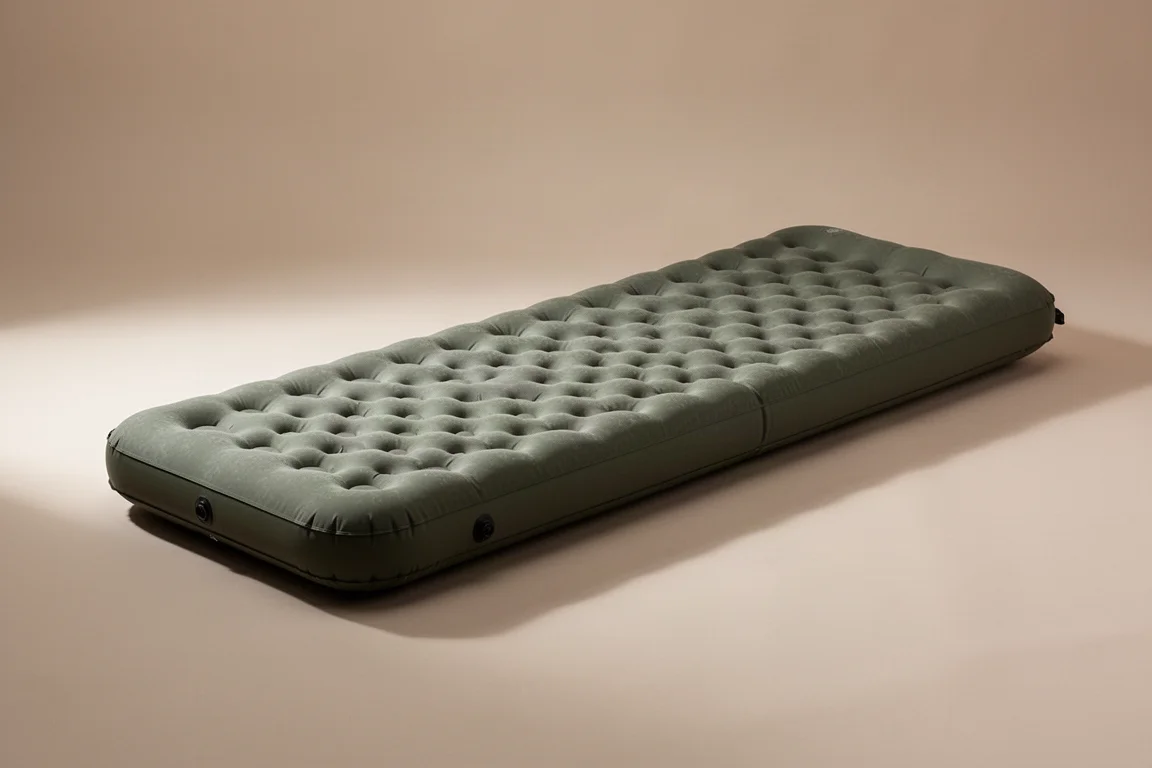
At around $80 with an advertised R value of 6.2, the Hikenture pad is the cheapest of the three. Its baffling sits between the two approaches seen here: a broadly horizontal pattern with a little dimpling worked through it.
Thirty minutes on it in sub-zero conditions was enough to feel heat leaking into the ground. That was unexpected, because an R value of 6.2 should be comfortable in these temperatures. Like the other pads in this group, the insulation is a reflective film suspended inside the pad rather than down or synthetic fill, and the film simply did not return enough warmth.
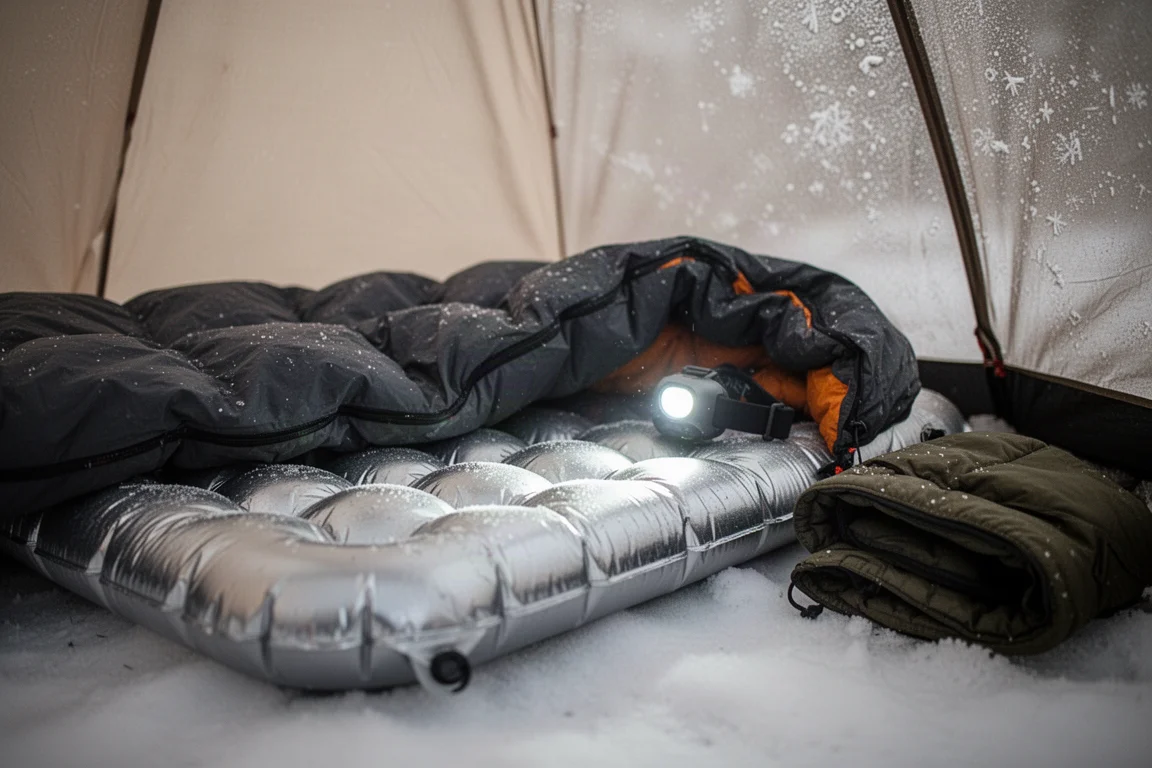
The case against it is not absolute. It is the least expensive pad here, comfort is reasonable, and it may suit shoulder season trips where overnight temperatures stay closer to freezing. Anyone buying at this price should test it in milder conditions first and treat the advertised figure as a starting point rather than a promise.
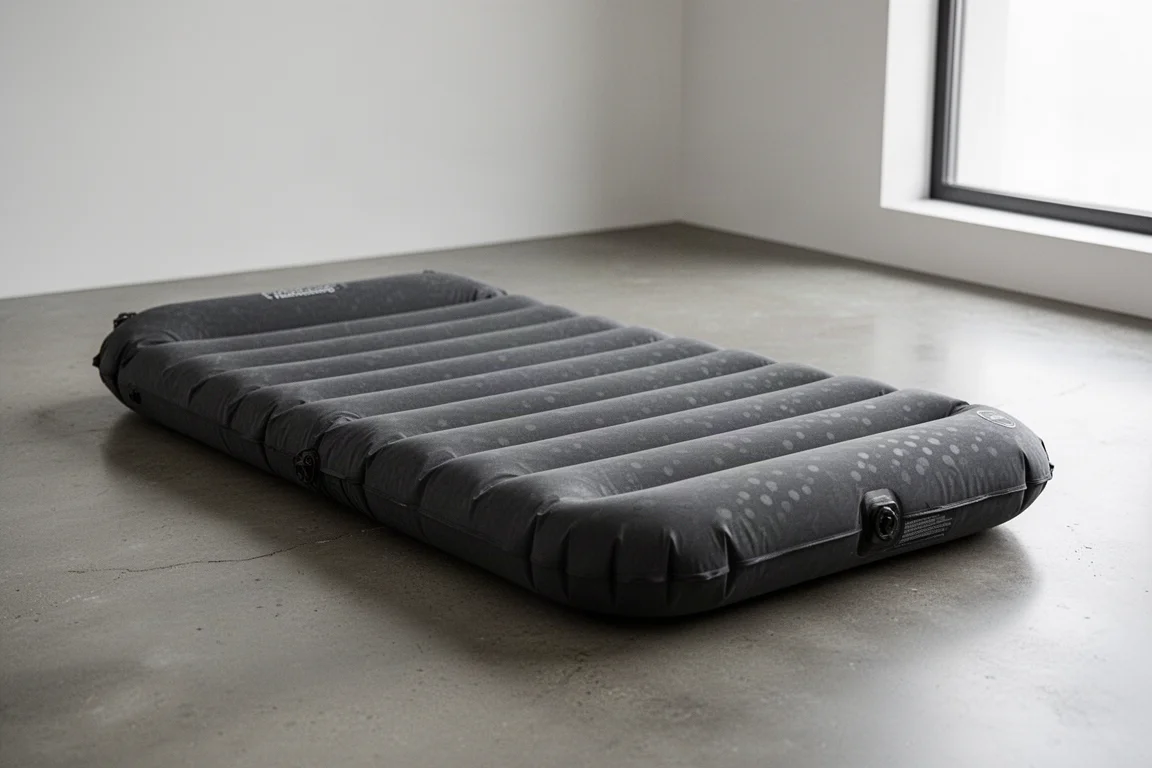
Light Tour Sleeping Pad: Advertised R 7.5
The Light Tour pad sits in the middle of the group on price at around $95, but it is the lightest of the three at 560 g. That is comparable to pads with advertised R values in the fours and fives, which makes the weight figure the standout part of the specification.
In the A/B test it was clearly the warmer of the two lower-priced pads. Heat was reflected back rather than lost into the ground, and overnight at around minus 12 degrees Celsius it was not warm but not uncomfortable either. It did not deliver the full benefit an R value of 7.5 suggests, and it does not match the warmest premium winter pads on the market, but it stayed usable in conditions where the Hikenture pad did not.
Comfort is the trade-off. The dimpled baffles are present but shallow, so pressure relief is limited, and it was noticeably less comfortable than the thicker Naturehike pad.
For a pad under $100 that weighs 560 g, that is still a compelling combination for cold weather trips that stop short of extreme cold.
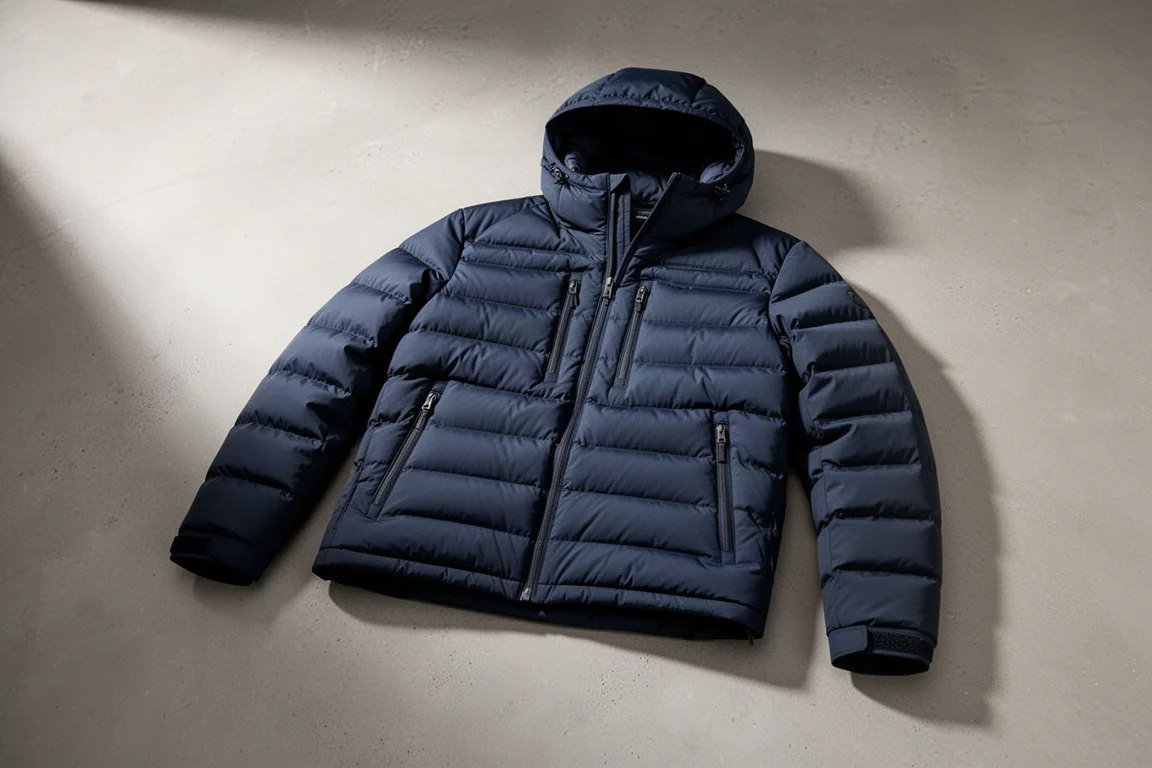
Decathlon MT900 Down Jacket
The updated MT900 down jacket sells for around $200 in the US, weighs just over 600 g, and is cheaper in other markets. It keeps sewn-through baffling, which means it will not be as warm as a box-baffled jacket built for extreme conditions, and it keeps a relatively low fill power down and a straightforward shell fabric. Those choices are what hold the price down.
Worn over a thin synthetic base layer and an Alpha Direct sweater at around minus 12 degrees Celsius, it kept the wearer comfortable: not toasty, but not cold. The advertised comfort limit is minus 5 degrees Celsius in static conditions, which looks conservative. With a fleece layer underneath, minus 20 degrees Celsius is plausible, though again not toasty.
The feature changes are a mixed bag. Waterproofing on the shoulders and hood carries over, and waterproofing has been added to the cuffs, which helps when digging around in snow. Pit zips are gone, which saves weight but removes the quickest way to dump heat when setting up camp. In their place are two chest pockets, useful for keeping batteries, phones and other items warm, plus two internal drop pockets on the left and one on the right. That large internal pocket fits a rehydrating freeze-dried meal neatly.
Anyone who runs hot on the walk into camp may miss the pit zips. Everyone else gets a better organised jacket for the money.
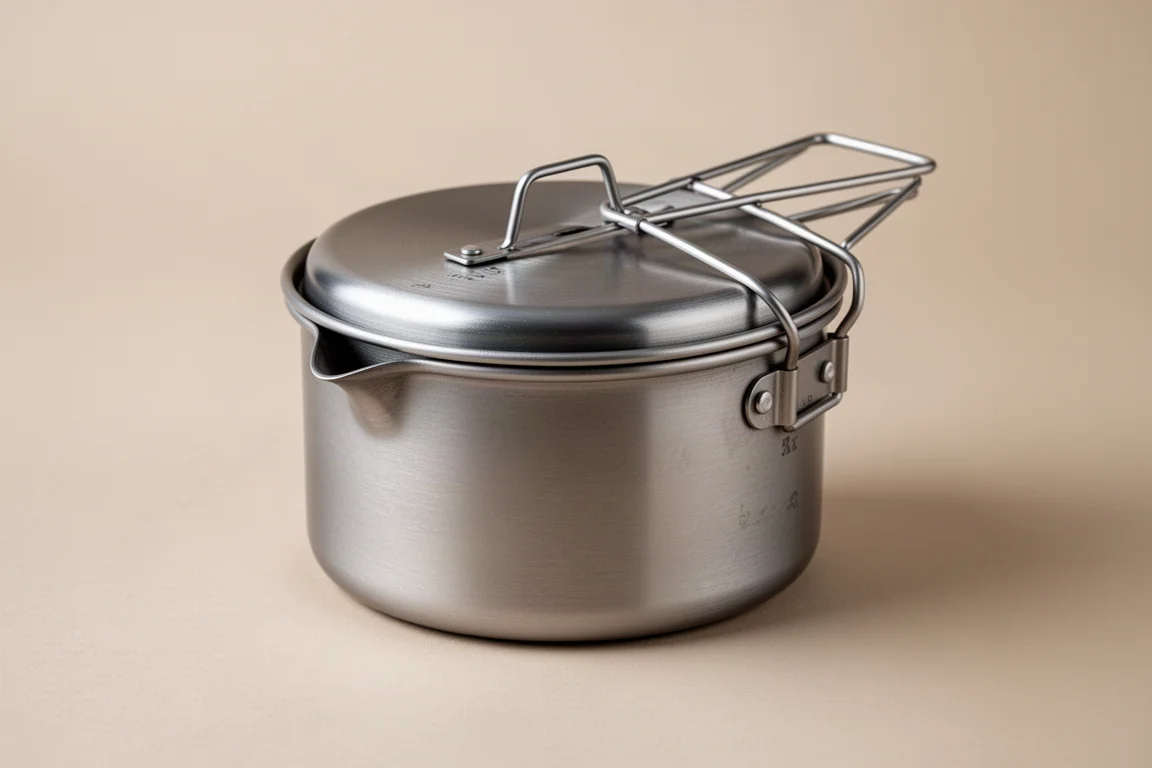
Tomshoo 2L Titanium Pot
The Tomshoo titanium pot holds 2 litres right to the brim, which makes it more compact than a 2 litre pot whose stated capacity fills only about three quarters of the vessel. In winter, where melting snow is often the main job, that difference matters for packing.
The handle is the best part of the design. There is a spout at the rim for pouring into a bottle or a freeze-dried meal, and the handle folds over the lid and locks everything in place, so no bag or elastic band is needed for storage.
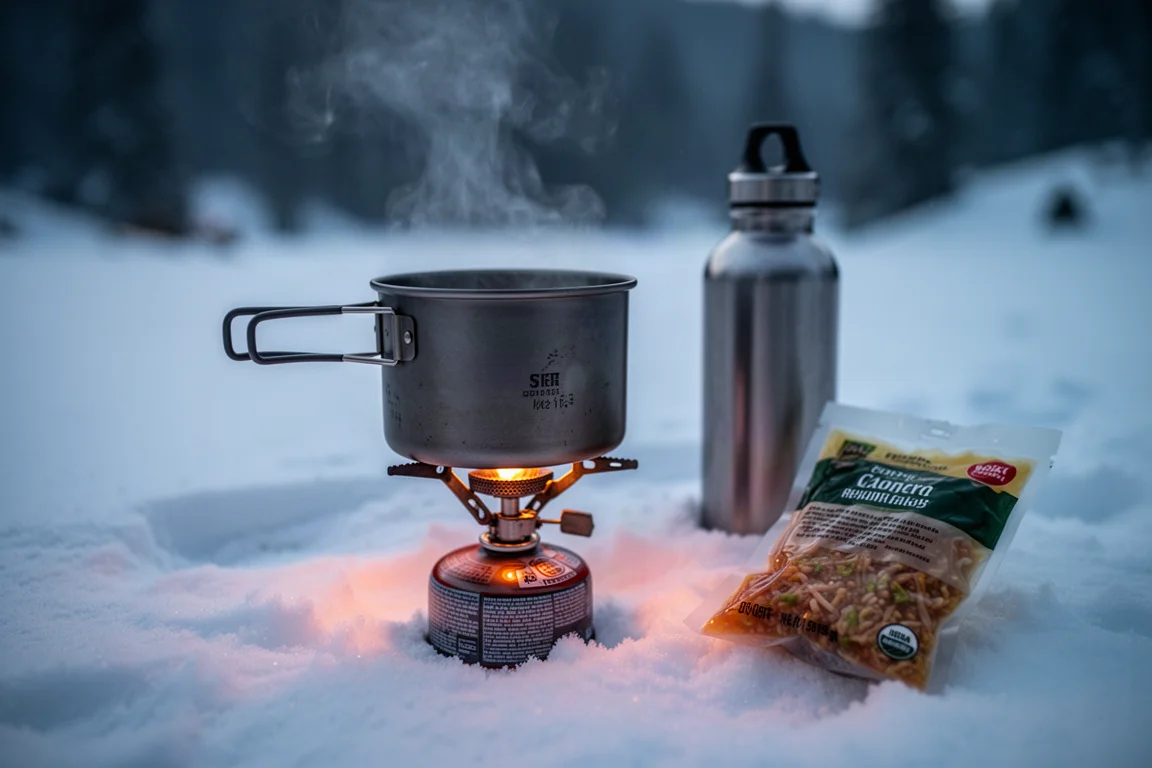
Capacity is easy to overestimate when a stove is underpowered, and that lesson landed later in the evening. Even so, the pot itself was easy to pour from and easy to pack, and it handled a stream water collection and a rehydration without fuss. The lid is a little tight, and the handle needs more long-term testing for reliability, but the pot was the clear win of the cooking pair.
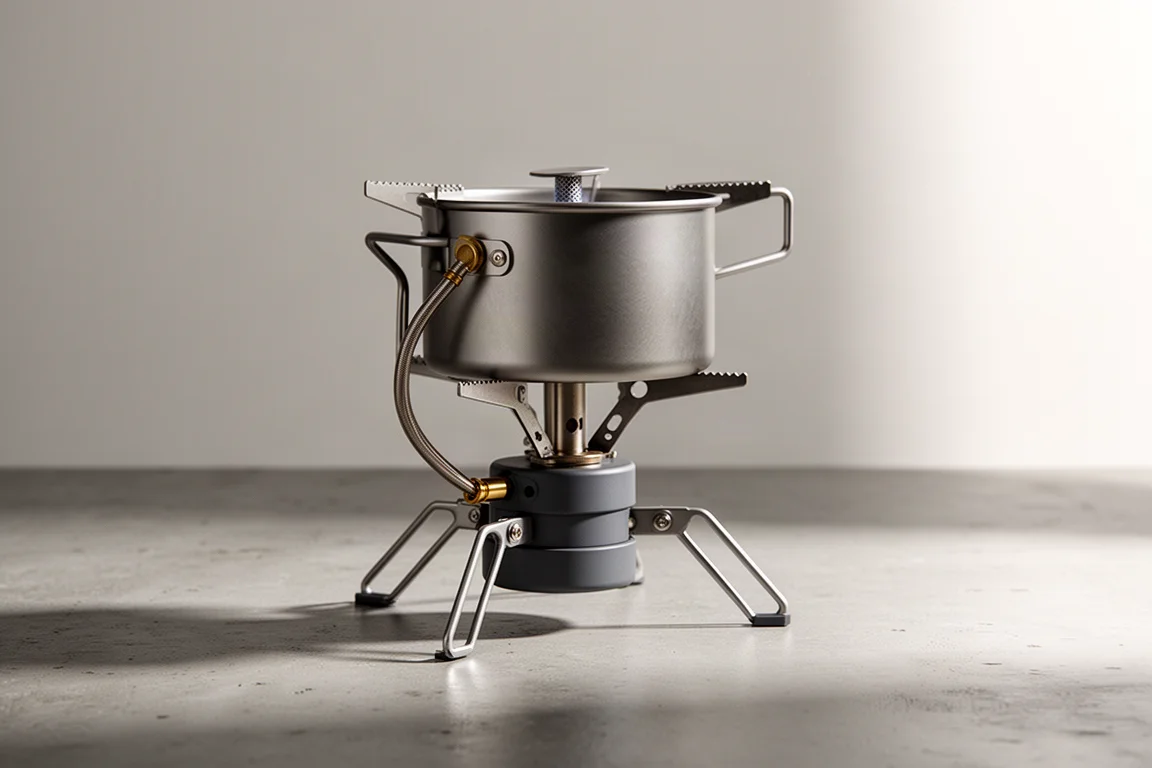
Martin Winter Stove
At $25 and 155 g, the Martin winter stove is a liquid-feed canister stove with a preheating tube, the design that lets a stove keep working when temperatures drop and canister pressure falls. The procedure is straightforward: attach the stove to the canister upright, light the small amount of propane that remains gaseous, let the flame warm the preheating tube for about 30 seconds, then invert the canister so liquid fuel feeds through the heated tube and vaporises.
In practice it sputtered and pulsed from the start, most likely because the preheating tube is too narrow to pass enough liquid fuel to sustain a clean burn. With roughly 500 to 800 ml of water in the pot, a boil took about 30 minutes, and the water had to be decanted to get even that far. Boiling 1.6 litres was never realistic.
The verdict was blunt: this stove is not worth carrying, in winter or in summer. A stove that cannot reliably deliver a boil is a liability in cold conditions, and the preheating tube design only works when it is implemented properly.
Buying Advice
All three pads use reflective film rather than down or synthetic fill, and none of them slept as warm as the advertised R value suggested. That does not make them bad purchases, but it does change how they should be chosen. Ignore the headline R value and judge each pad on weight, comfort, price and the temperatures it has actually been used in.
On that basis: the Naturehike is the comfortable one, at 650 g and around $115, best treated as a mild to cool weather pad. The Light Tour is the light one, at 560 g and around $95, and it stayed usable overnight at about minus 12 degrees Celsius. The Hikenture is the cheap one, at around $80, and it needs warmer conditions than the other two to make sense.
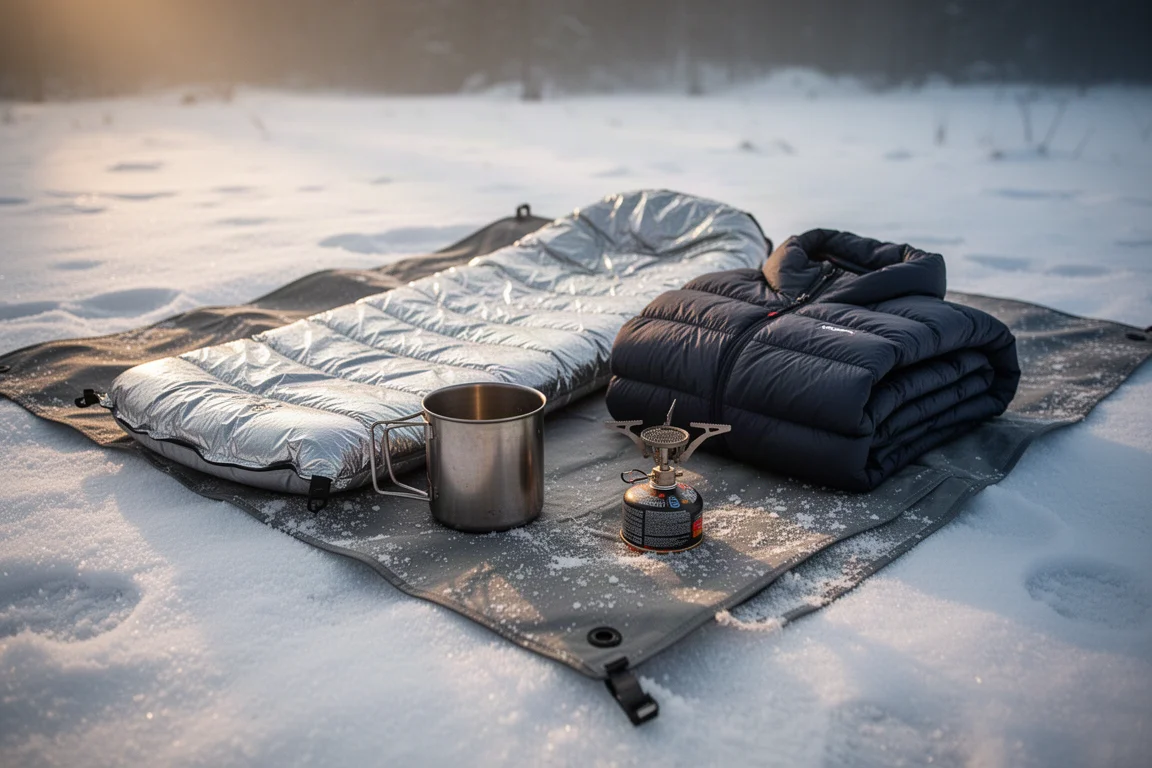
Reliability is the open question with all three, and it matters more in winter than in summer. A pad that fails at minus 12 degrees Celsius is not an inconvenience, it is a safety problem. Test any budget pad close to home, on a night with an easy exit, before trusting it on a multi-day trip.
The jacket and the pot are easier recommendations. The MT900 update is a sensible $200 layer for cold, static camp use, provided the missing pit zips are not a dealbreaker, and the Tomshoo pot is a well-designed piece of cookware for snow melting and rehydration. The Martin stove is the one item here that should stay on the shelf.
Conclusion
Affordable winter gear can work, but the specifications on the box deserve scepticism. The pads here ranged from around $80 to around $115, and each one is a reasonable purchase at the right temperature for the right camper, as long as the advertised R value is treated as marketing rather than a guarantee. The down jacket delivered real warmth for its price, the titanium pot was a genuine improvement over a bulkier alternative, and the cheap winter stove was a failure that no price can excuse.
Buy the piece that matches the conditions you actually camp in, test it somewhere you can retreat from, and let real nights out, not the label, decide what goes in the pack.
Further reading
Related Reviews
Winter Camping Gear
Best Winter Camping Gear 2026: Seven Pieces Worth Packing
A practical look at seven winter camping items, from an insulated parka rated to minus 20 degrees Celsius to a titanium stove built for cold canisters.
Winter Camping Gear
Ultimate Winter Camping Gear List: Proven Essentials for Cold-Weather Adventures
A curated list of winter camping gear that has proven itself in freezing temperatures, from shelter and sleep systems to cooking and safety essentials.
Winter Camping Gear
Winter Camping Gear 2026: Five Pieces Worth Packing
A practical look at five winter camping pieces, from a lightweight mountaineering tent to two sleeping pads, a down parka, and glide skis for faster snow travel.