Winter Camping Gear
Best Winter Camping Gear 2026: Seven Pieces Worth Packing
A practical look at seven winter camping items, from an insulated parka rated to minus 20 degrees Celsius to a titanium stove built for cold canisters.
Introduction
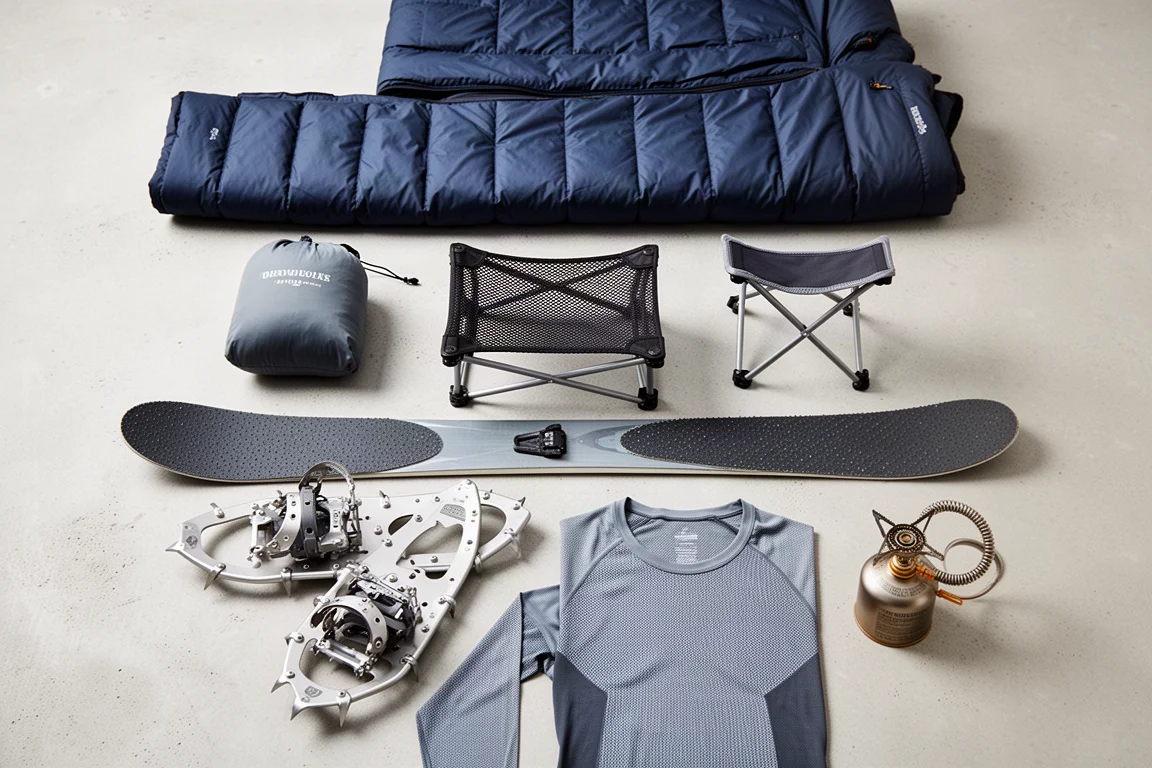
Winter camping gear has one job: keep you comfortable when the temperature drops and the daylight runs out. The seven pieces below all earn a place in a winter kit for different reasons, and each one solves a specific problem, whether that is staying warm while standing still, moving faster across flat terrain, or getting a stove to burn properly in the cold.
Some of these items are inexpensive, others cost more than a weekend of fuel and food. The notes below cover what each piece does well, what it costs you in weight or money, and the situations where it makes the most sense.
What to Look For in Cold-Weather Gear
Four things separate gear that works in winter from gear that only looks the part. Warmth to weight matters most on long approaches, because every extra kilogram you carry costs energy. Packed size decides whether an item actually travels with you or stays in the car. Cold-weather function is its own category, since fuel delivery, traction and insulation all behave differently below freezing. Finally, price has to be weighed against how often you will realistically use the item.
Fit deserves a mention too. Several of these pieces run small, so it is worth checking the sizing chart or going up a size before you commit, especially for clothing that will be worn over a base layer.
Decathlon SH500U Warm Winter Jacket
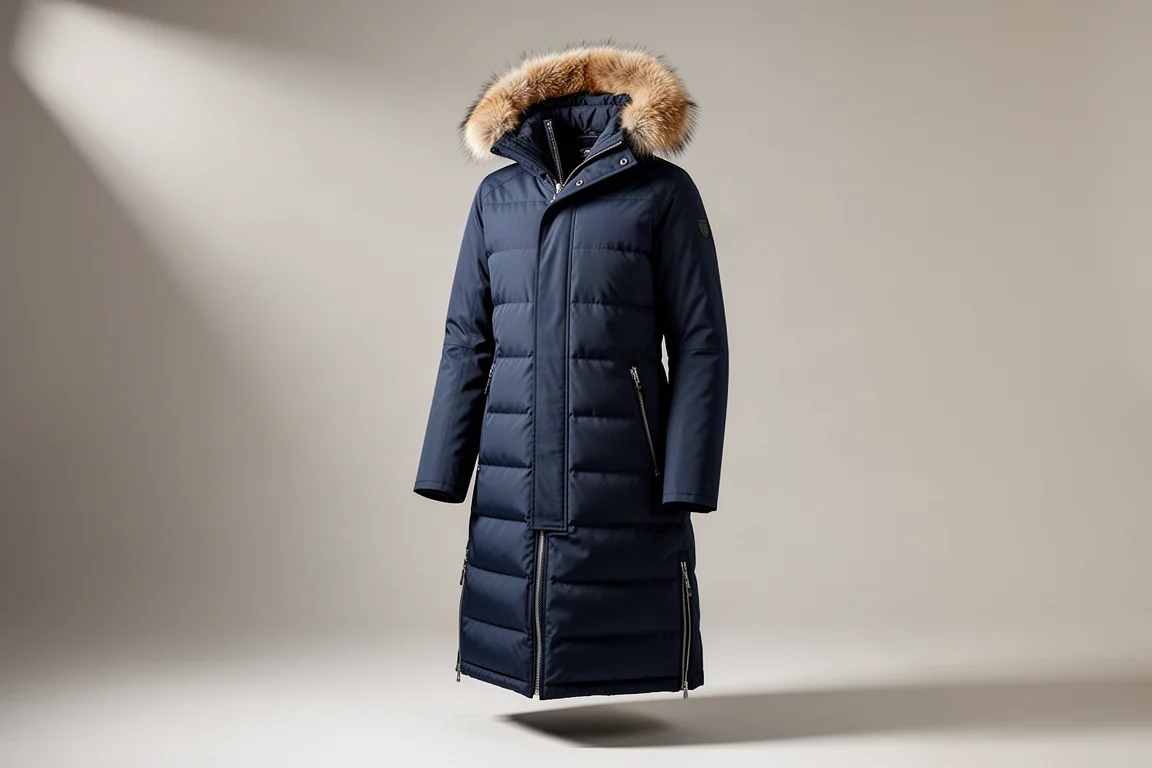
The SH500U is the warmest piece in this roundup and the one built for standing around in serious cold. Decathlon rates it for temperatures down to minus 20 degrees Celsius, and it reaches that figure with 400 grams per square meter of synthetic insulation through the core and 200 grams per square meter in the arms, which cuts bulk where you need to move.
The fur-lined hood is the detail that stands out in use. It blocks wind and holds a pocket of warm air around your face, which matters more than the number on the label once the wind picks up. A 2,000 mm water column and fully taped seams keep wet snow out, and the long cut covers your legs and seat.
Long jackets usually fight you when you start moving, so Decathlon added side zippers. Open them up and you get noticeably more leg mobility for snowshoeing or cross-country skiing, which makes the SH500U far more usable than its length suggests.
The trade-off is weight. In size XL the jacket comes in at two kilograms, or just over four pounds, and it is warm enough that a sunny day will have you overheating. For anyone who wants that much warmth for around 170 US dollars, it is a lot of jacket for the money.
Naturehike Down Pants
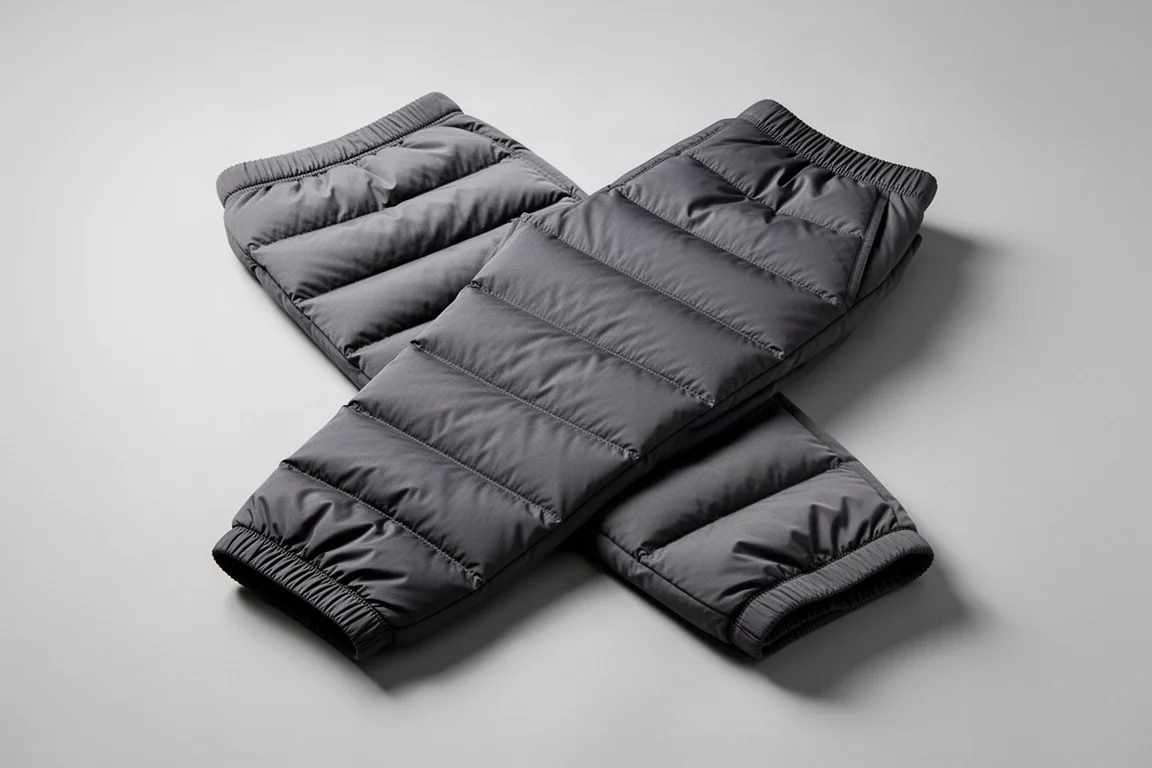
Down pants solve a problem that jackets cannot: they keep your legs warm when you stop moving. The Naturehike pair uses a 20 denier shell fabric with 800 fill power down, which keeps the overall weight under 250 grams and lets the pants compress into a very small package in a pack.
That packed size is the whole point. They are light enough to carry without noticing and warm enough to pull on once you reach camp and your activity level drops.
Sizing runs small, which is common for gear in this category. In XL they fit a 5 foot 10 inch, 185 pound frame well, so it is worth sizing up if you are between sizes. At under 50 US dollars, they are an easy item to add to a winter kit.
Hillsound BTR Stool
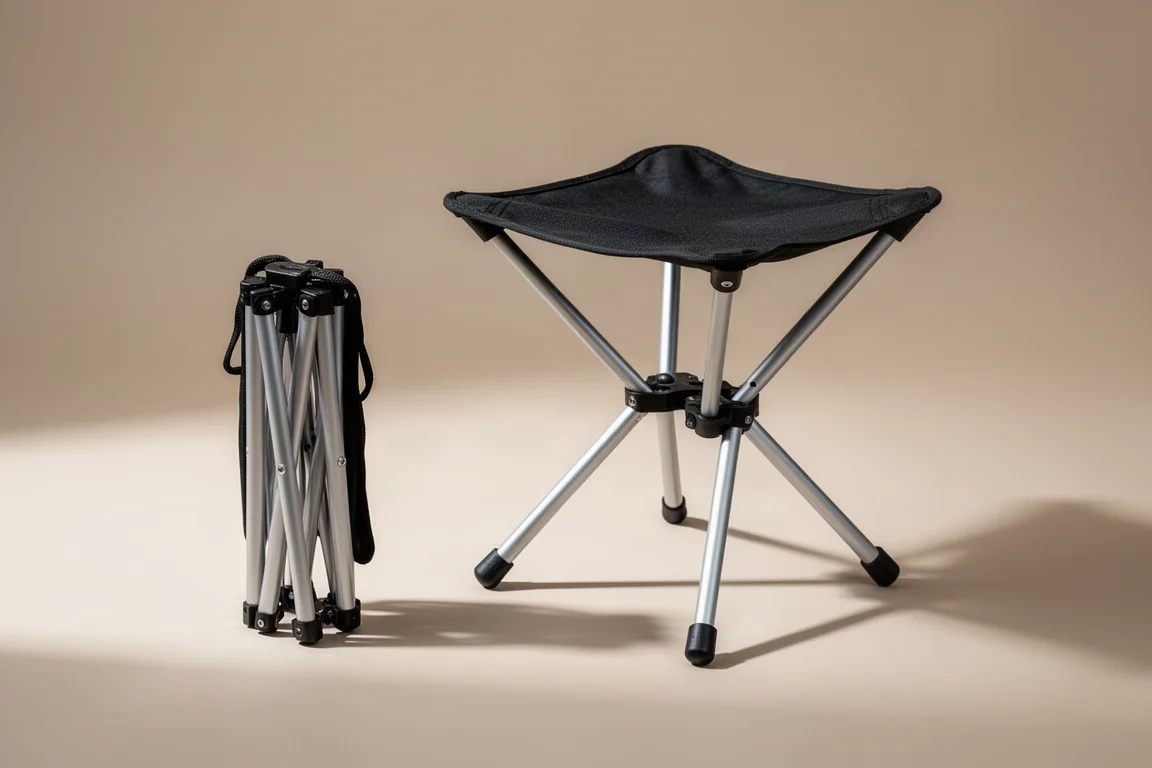
A stool beats a log or a snow mound in winter because it spreads your weight and stays stable on soft ground. The Hillsound BTR weighs 399 grams, supports loads up to 240 pounds, and offers a 17 inch seat that is genuinely comfortable rather than a token perch.
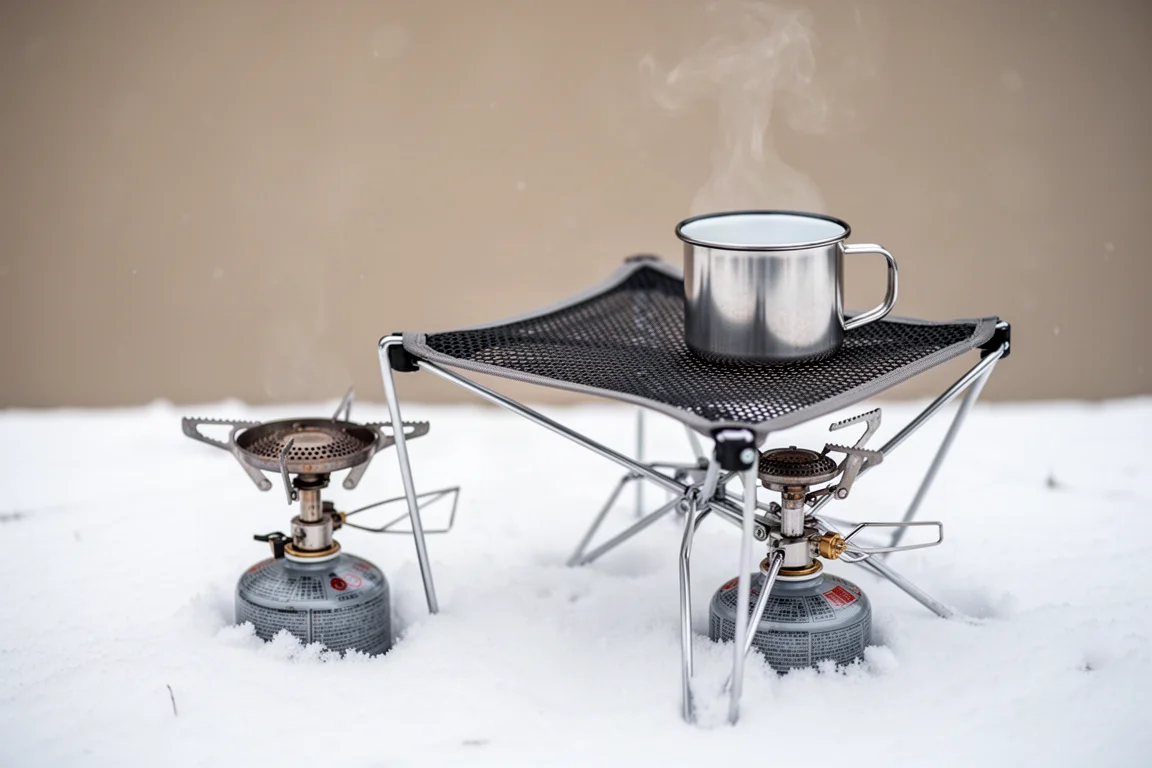
The weight savings come from a mesh seat and aluminium legs, and the result is the lightest and most compact stool of the options considered for winter camping. It packs down small enough to disappear into a pack until you need it.
If you spend evenings in camp rather than sitting in a tent, this is one of those small items that changes how a trip feels.
Black Diamond GlideLite Skis
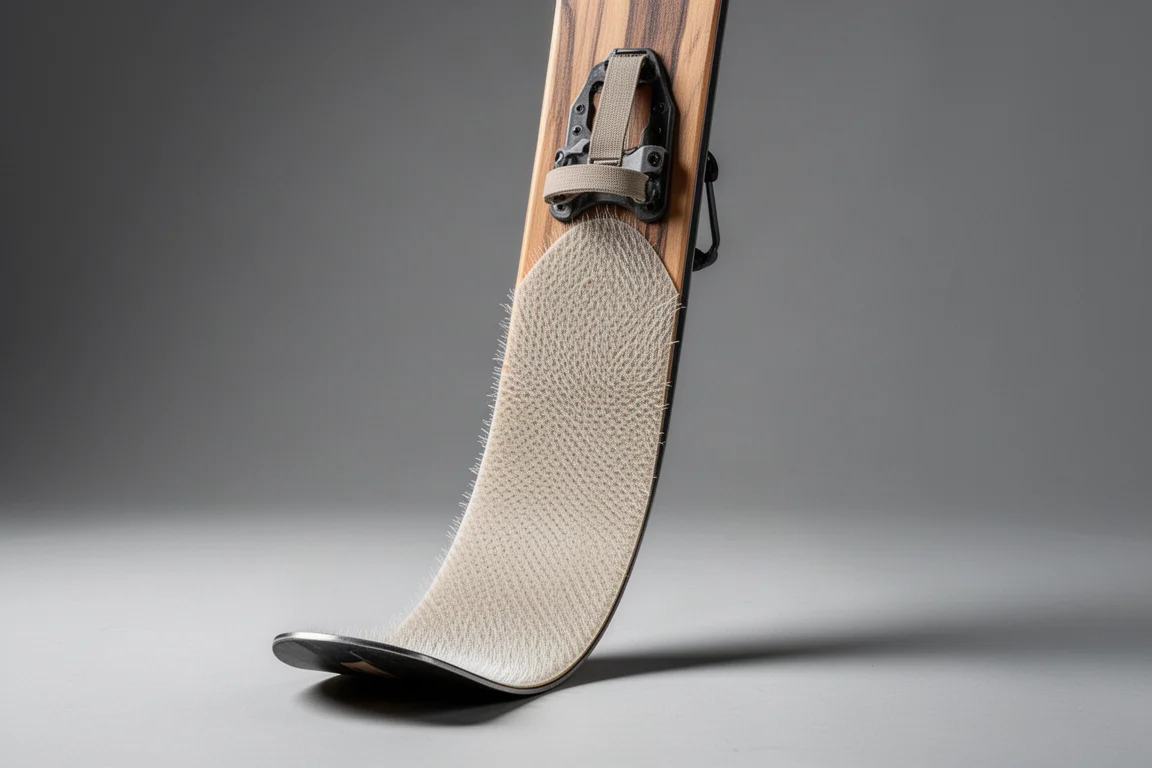
The GlideLite is a short, fat ski with a built-in skin on the base. The skin hairs run in one direction, so the ski glides forward and grips when you try to slide backwards. That single feature makes it a genuinely different tool from a snowshoe on rolling or flat ground.
On rolling or flat terrain, the GlideLite runs around 50 percent faster than snowshoes or hiking boots. You can wear standard winter or hiking boots in the binding, which works like a snowboard binding but pivots like a cross-country ski, so you can kick and glide without specialist footwear.
At 147 centimetres, they are short enough to manoeuvre and wide enough to float. They cost 470 US dollars, which is the main obstacle. Riders who get out on a lot of winter backcountry trips over untracked terrain will get more from them than from a pair of snowshoes, but steeper ground still calls for a different tool.
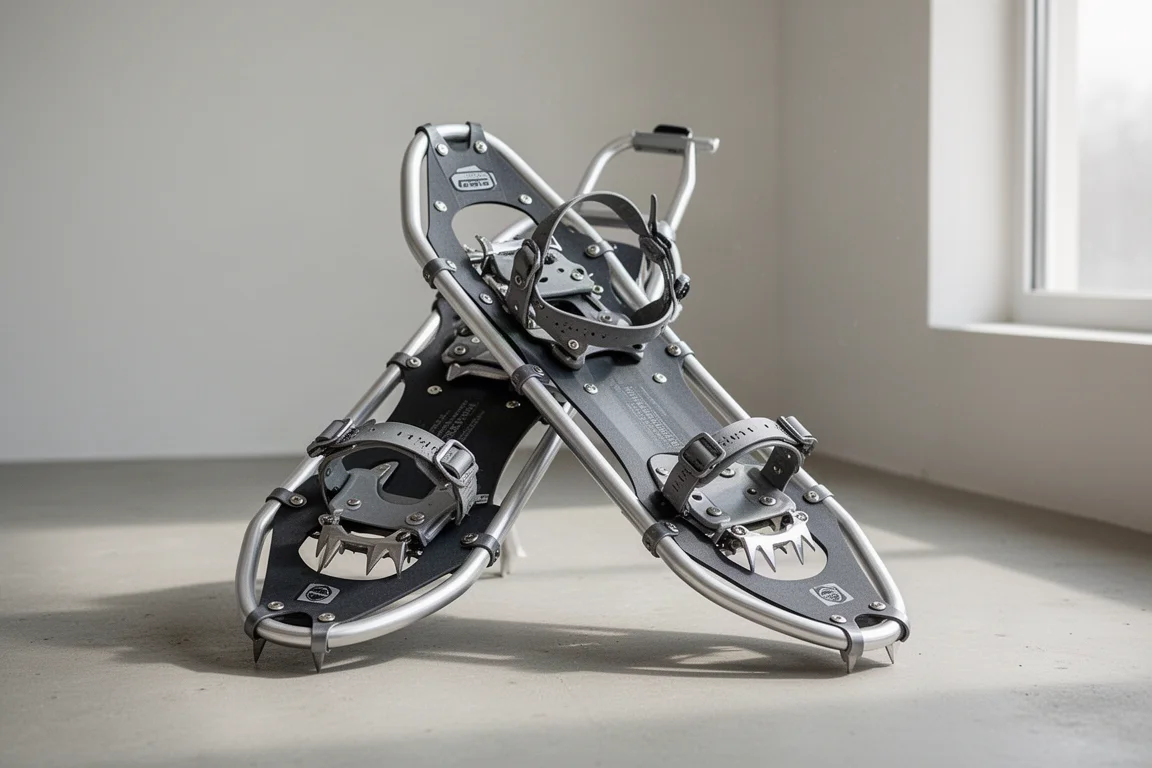
Decathlon SH520 Snowshoes
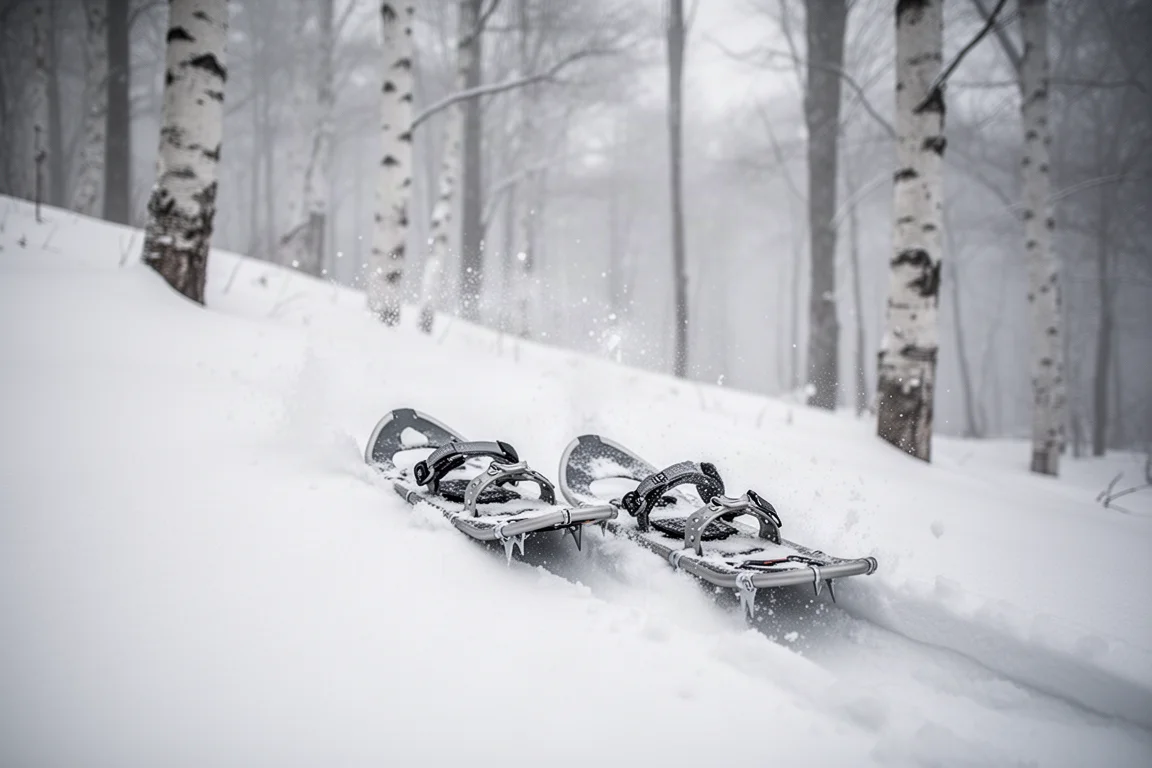
The SH520 is a budget-friendly snowshoe that does not feel like a compromise. It costs just over 100 US dollars and includes a heel riser that snaps up to make climbing easier on the calves and leg muscles, plus crampons at the toe and heel for traction on firm or icy ground.
They are larger than the snowshoes they replaced, which should help them float better in deeper snow. Build quality looks solid as well, with metal rivets and metal attachment points throughout rather than plastic fittings.
Decathlon also offers a smaller, simpler snowshoe for under 100 US dollars for anyone sticking to established trails where that level of technical capability is not needed.
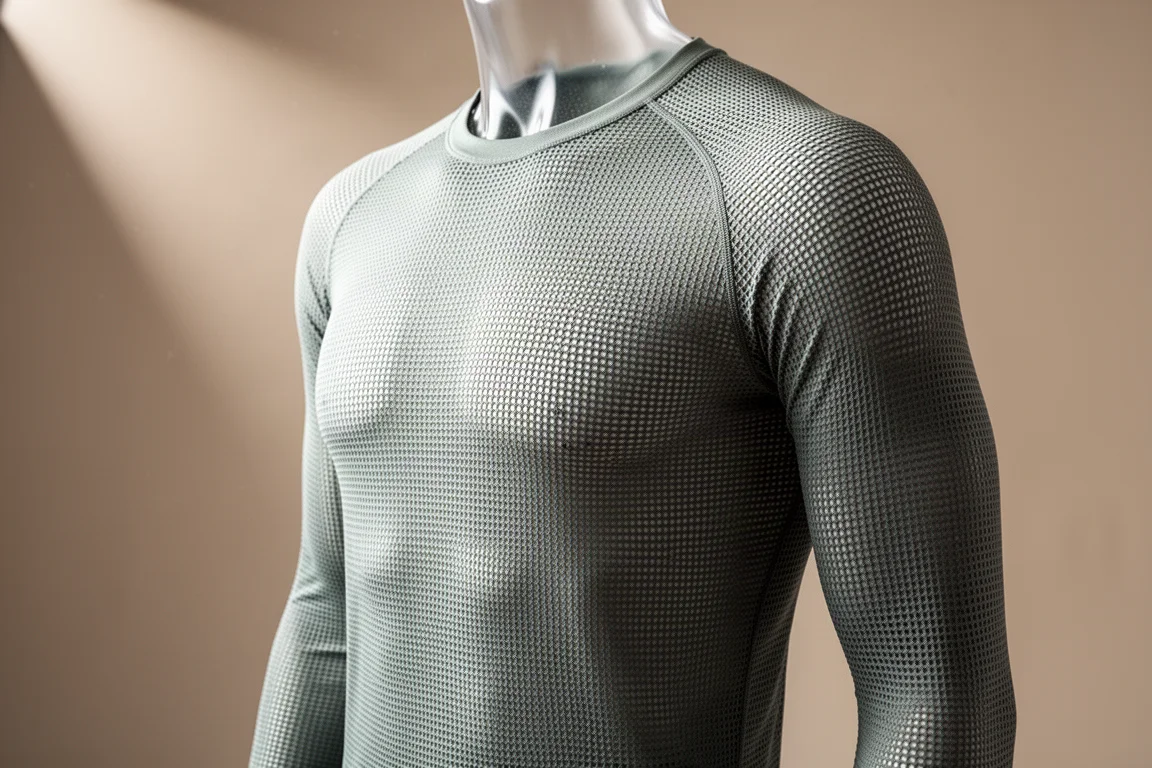
Mountain Hardwear AirMesh Shirt
The AirMesh shirt uses a newer insulation technology built around small hair-like fibres on the inside of the fabric, paired with a mesh outer layer. The result is a shirt that weighs 150 grams and still provides a surprising amount of warmth for its weight.
It has been used down to minus 5 degrees Celsius while active, and it does a good job at that temperature. The fibres also help regulate heat, because wind passing through the mesh pulls sweat away from the body rather than relying on a fabric to wick it.
For high-output winter activities where you would otherwise be juggling layers, this is a compelling option.
Fire Maple Blade 2 Stove
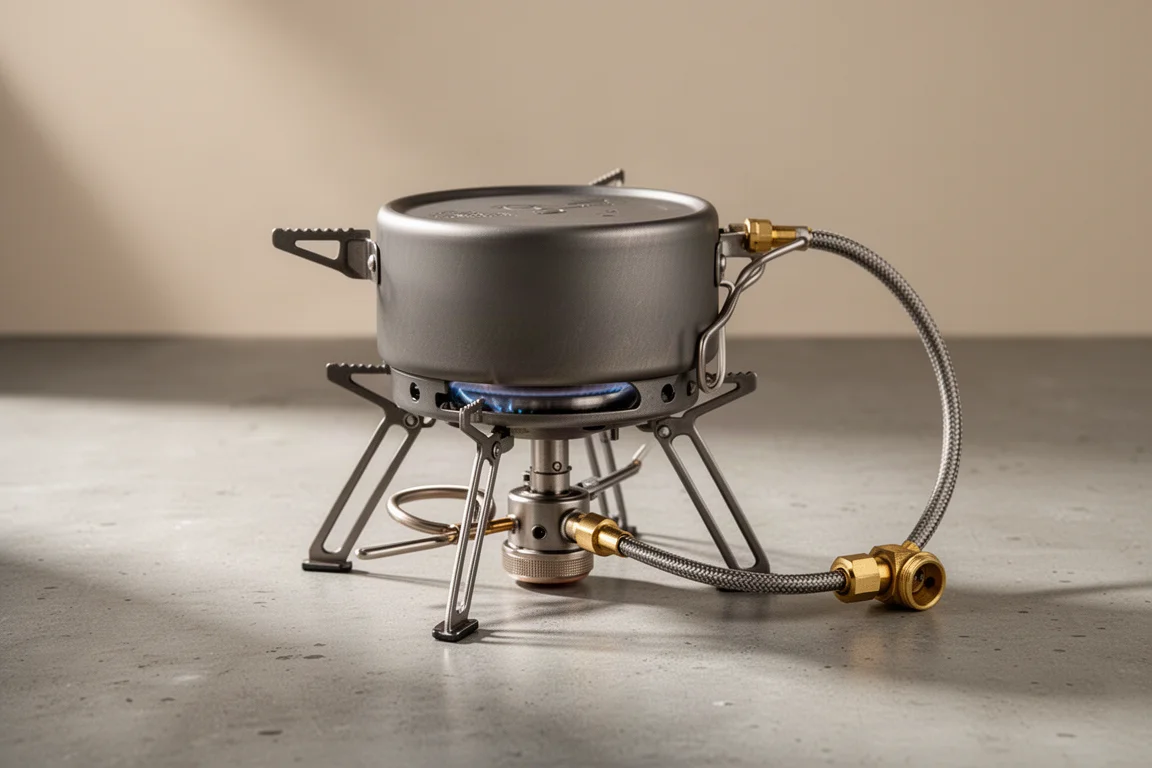
Cold weather is hard on canister stoves because the isobutane inside the canister tends to stay liquid instead of vaporising. The Blade 2 addresses that with a preheating tube, which turns liquid fuel into gas before it reaches the burner, and the remote canister design lets you invert the canister to keep liquid flowing into the stove.
It is made of titanium, weighs 135 grams, and is the lightest remote canister stove with a preheating tube that could be found. It is also more compact than a typical white gas stove, which matters when pack space is tight.
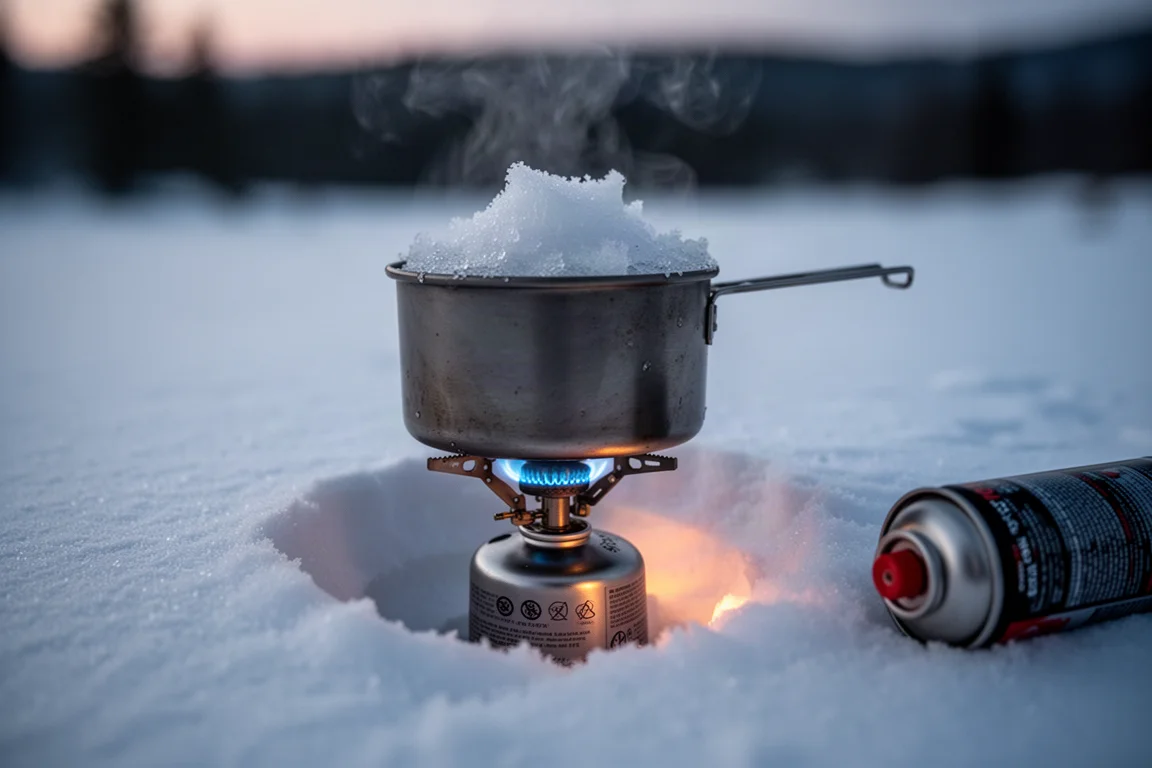
At around 70 US dollars, it is a reasonable price for a cold-weather capable stove. Anyone who has fought a sputtering canister at minus 10 degrees will appreciate what the preheating tube does.
That combination of low weight, small packed size and reliable cold-weather performance is what makes it worth carrying on winter trips.
Buying Advice
Start with the problem you actually have. If you get cold standing around at camp, the insulated jacket and the down pants will do more for your comfort than anything else on this list. If you want to cover flat or rolling terrain quickly, the short skis with a built-in skin change how far you can travel in a day. Snowshoes remain the better answer on steeper or more technical ground, and the budget pair here covers that need without much outlay.
Weight and packed size matter as much as warmth once you are carrying everything on your back. The down pants, the stool and the titanium stove are all light enough to bring along without thinking twice about it.
Finally, consider how each item fits into the kit you already own. Several of these pieces are designed to work alongside standard boots and existing layers, which keeps the total cost of a winter setup lower than it first appears.
Conclusion
None of these seven items is essential on its own, but each one removes a specific source of discomfort in cold conditions. Warm layers handle the standing-still problem, light accessories handle the carrying problem, and the right traction and stove choices handle the terrain and the temperature. Buy for the trips you actually take, and the value is easy to see.
Further reading
Related Reviews
Winter Camping Gear
Affordable Winter Camping Gear: Six Budget Pieces Tested Below Freezing
Three reflective sleeping pads, an updated down jacket, a titanium pot and a $25 winter stove, assessed on frozen ground at around minus 12 degrees Celsius.
Winter Camping Gear
Ultimate Winter Camping Gear List: Proven Essentials for Cold-Weather Adventures
A curated list of winter camping gear that has proven itself in freezing temperatures, from shelter and sleep systems to cooking and safety essentials.
Winter Camping Gear
Winter Camping Gear 2026: Five Pieces Worth Packing
A practical look at five winter camping pieces, from a lightweight mountaineering tent to two sleeping pads, a down parka, and glide skis for faster snow travel.