Winter Camping Gear
Winter Camping Gear Worth Testing: Eight Pieces That Stood Out in Deep Cold
Eight winter camping pieces with clear strengths and honest trade-offs, from removable-liner boots to an extreme cold down set, a tent phone holder, and a sleep system for deep sub-zero nights.
Introduction
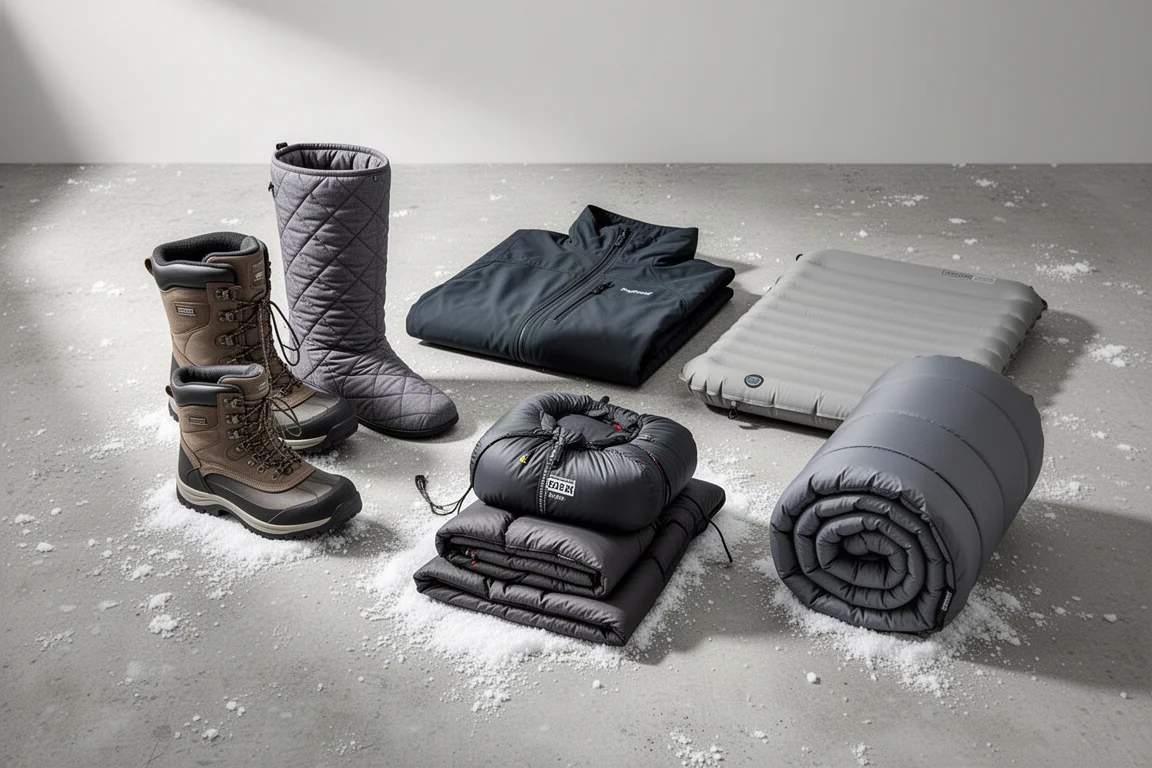
Winter camping gear almost always involves a compromise somewhere. A layer that breathes beautifully on a steady climb can leave you overheating the moment you push the pace. A boot that keeps your feet warm all day can be stubbornly difficult to put back on in the morning. The eight pieces below each arrived with a clear strength and at least one thing worth knowing before you spend money on them.
This roundup covers boots with a removable liner, a soft shell jacket and pant combination, an extreme cold down jacket and down pant set, a small tent accessory for the long dark hours, and a sleep system built for deep sub-zero nights. Each entry explains what the product does, where it performed well, and where the trade-offs sit.
What to Look For in Winter Camping Gear
The first decision is whether you actually need a waterproof breathable membrane. In cold, dry conditions there is no rain to keep out, and a membrane mostly traps moisture generated by hard effort. A soft shell without a membrane lets that moisture escape more easily, which keeps you drier from the inside. The trade-off is less protection when snow turns wet, which is more typical of spring conditions.
The second consideration is mechanical ventilation. Pit zips and thigh zips let you dump heat quickly when your output spikes, and they matter most when you wear mesh base layers, because mesh only cools you when air can move through it. Layers without vents rely on fabric breathability alone, which works well at a steady pace but can fall behind during harder efforts.
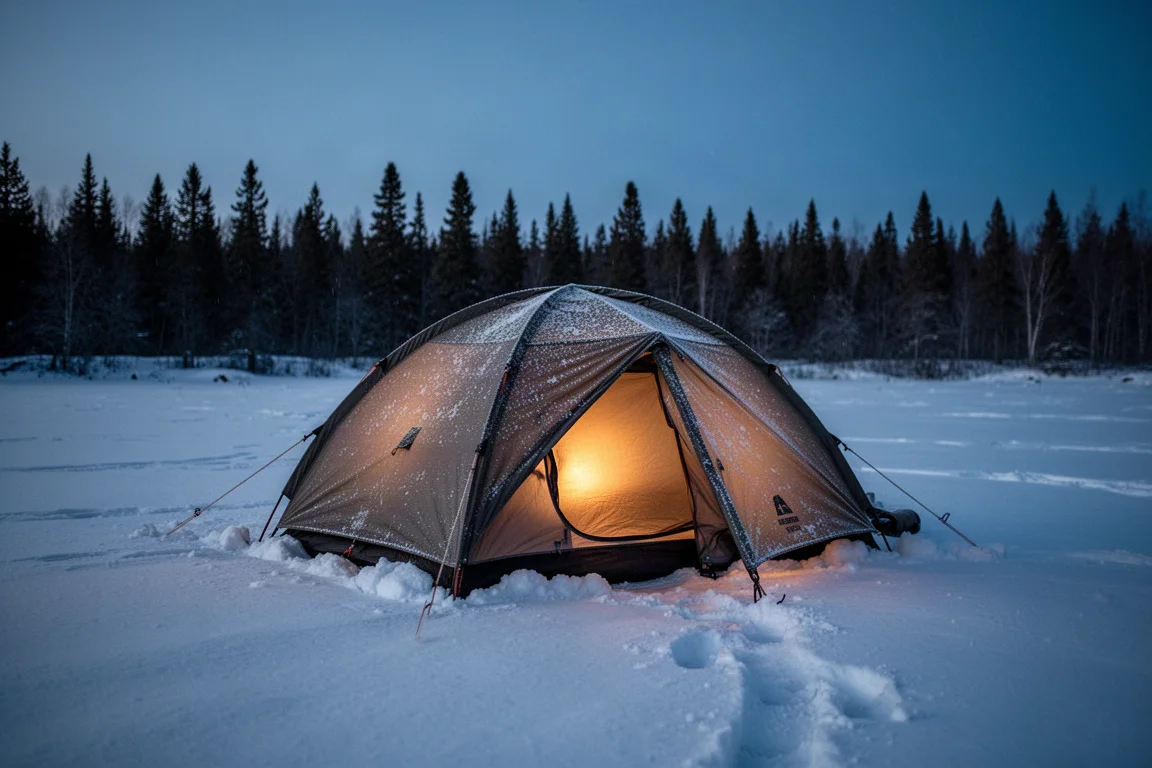
Beyond that, look at how the gear handles moisture overnight. Removable boot liners, packable down layers, and a sleep system with a roomy foot box all address the same problem: everything you wear and sleep in collects moisture, and in deep cold that moisture freezes if it has nowhere to go.
Baffin Borealis: Winter Boots With a Removable Liner
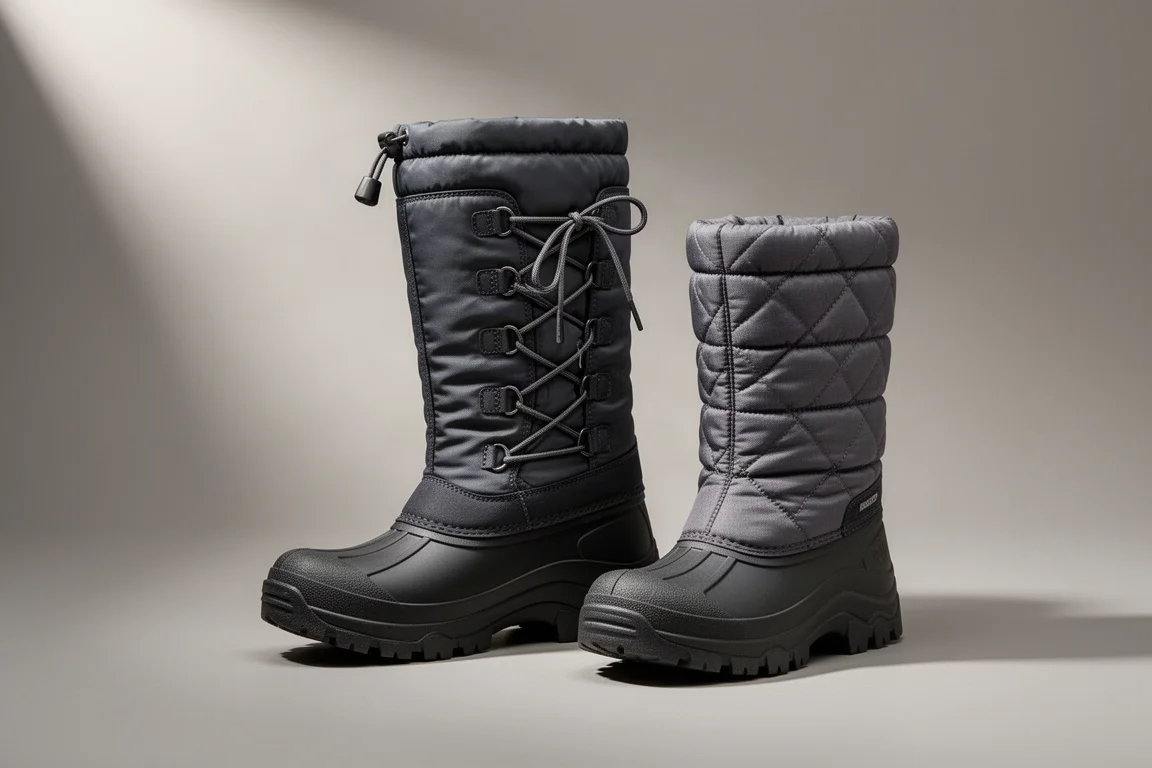
The Baffin Borealis is a lightweight winter boot built around a removable liner, a feature that normally appears only on much heavier expedition footwear. Taking the liner out and putting it inside a sleeping bag or quilt overnight keeps it warm and lets the sweat from the day dry instead of freezing, so the boot goes on soft in the morning rather than stiff.
The boot uses a TPU shell that stayed soft in cold temperatures, and on the move at around -5 C it proved extremely comfortable. It molds to the foot as it warms up, with no pinch points and no constriction, while still offering solid support on descents and rougher terrain. Warmth was not an issue at that temperature, and the boots may even run too warm for high exertion skiing in milder sub-zero conditions.
The main friction point arrives the next morning. Getting a liner back into a cold boot takes patience. Loosening the laces as far as they will go helps, and doing the job while the liner is still soft from the sleeping bag is noticeably easier than waiting. Expect a temperature sweet spot that deserves more testing before committing to a full season.
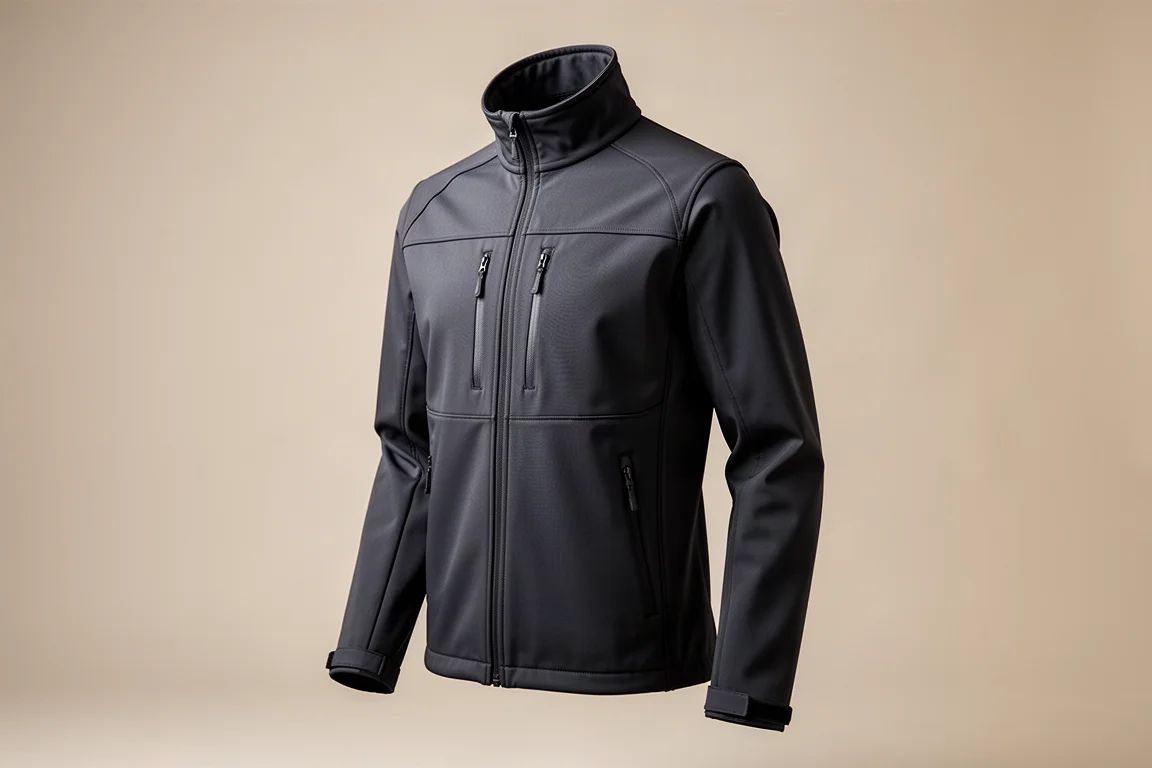
Mountain Hardwear Chalkstone Soft Shell Jacket
The Chalkstone is a soft shell jacket with no waterproof breathable liner. In cold, dry conditions that is a deliberate advantage: nothing traps your sweat, so moisture escapes during high exertion far more easily than it would through a membrane. Worn over mesh base layers at a steady pace, it kept temperature remarkably balanced, warming up slightly and then breathing enough to settle back down.
Storage is generous. There are two chest pockets for items you want to keep warm and reachable, two hand pockets, and two internal drop pockets, which turned out to be a handy place to keep a meal warm before eating.
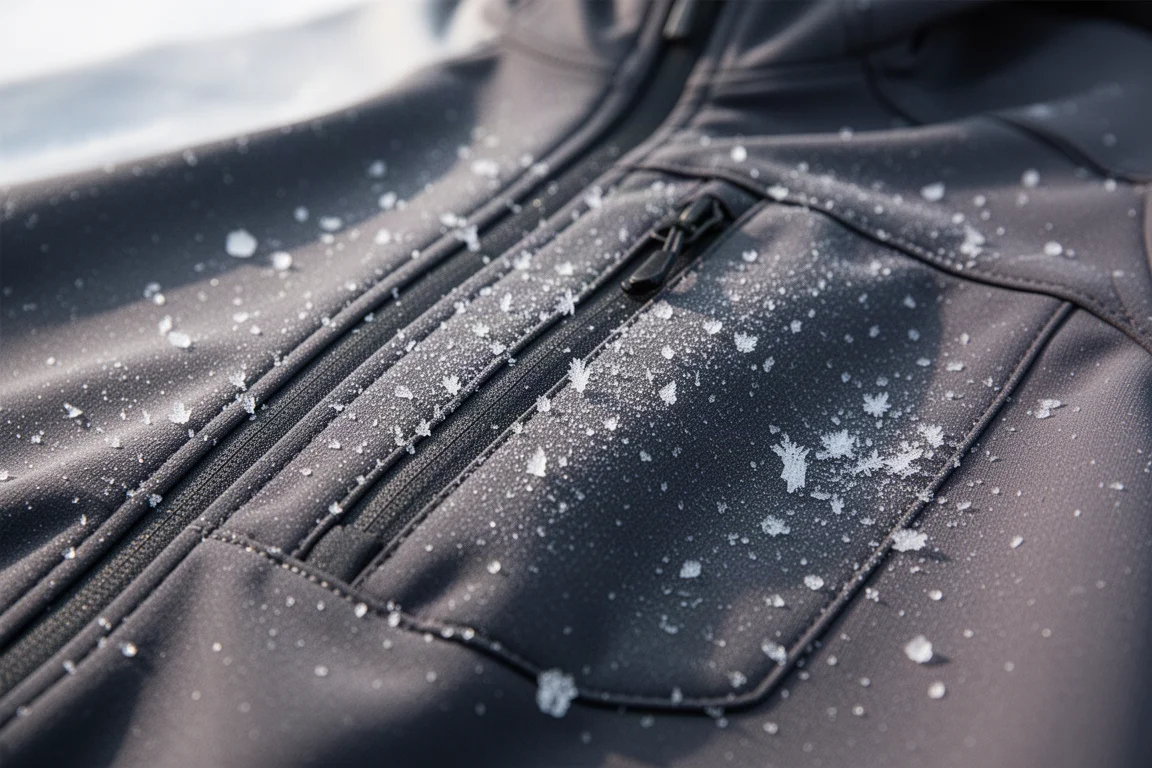
The limitation is ventilation. The center zip is the only mechanical vent, with no pit zips, so when the pace picked up at around -5 C the heat built faster than the fabric could release it. Opening the front zip and removing sunglasses became necessary. For cold, dry trips around -10 C and below, the breathability and pocket layout make far more sense than they would in wet spring snow.
Outdoor Research Cirque 3 Pants
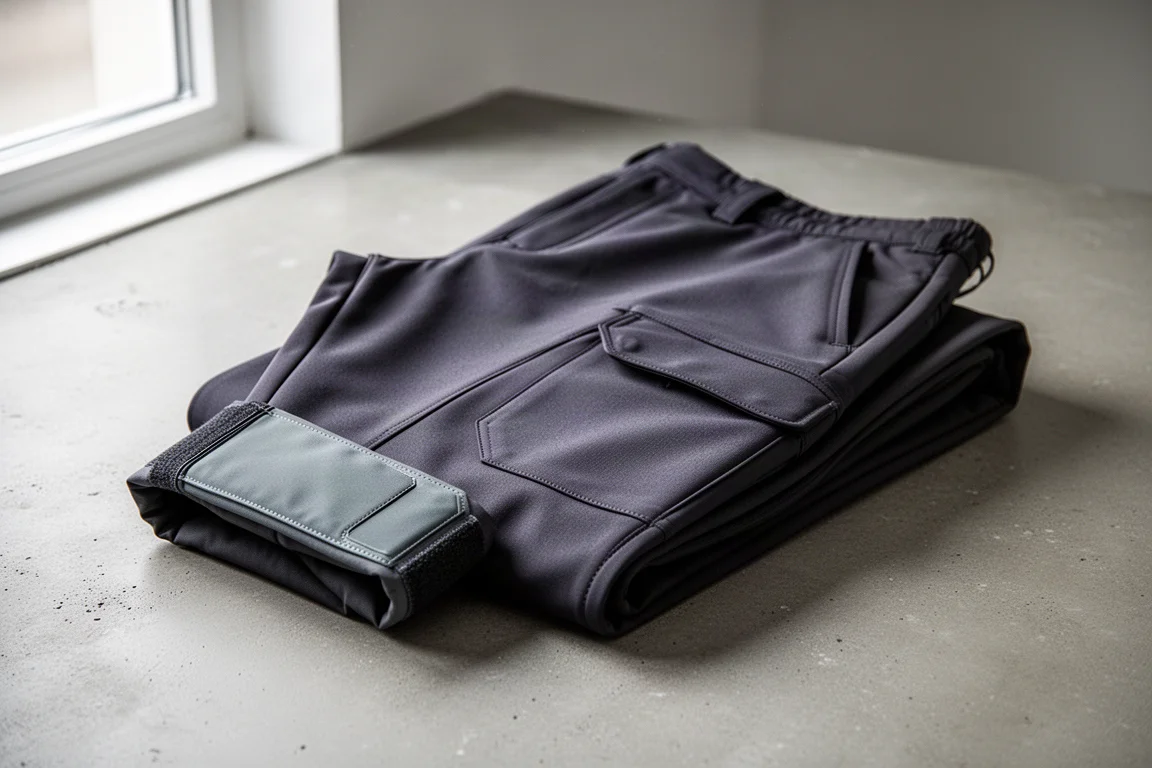
The Cirque 3 pants follow the same soft shell logic as the jacket, with no waterproof breathable membrane and a deliberately minimal feature set. There is a cuff guard to protect against ski edges, one large pocket, and two hand pockets.
Paired with mesh base layers, the fabric breathed well during steady effort and held temperature in a comfortable band. The same caveat applies as with the jacket: with no thigh zips, there is no fast way to dump heat when you push harder, so temperature is managed by pacing and by adjusting layers instead.
Stellar Equipment Expedition Guide Down Jacket
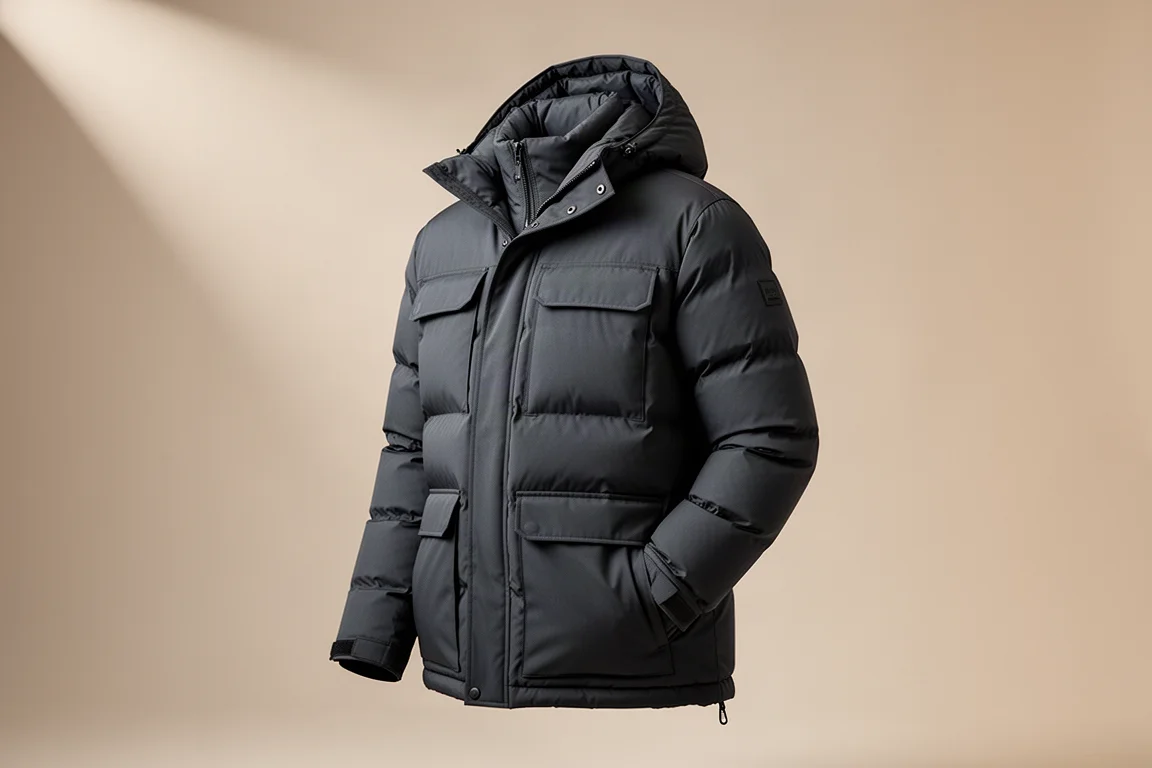
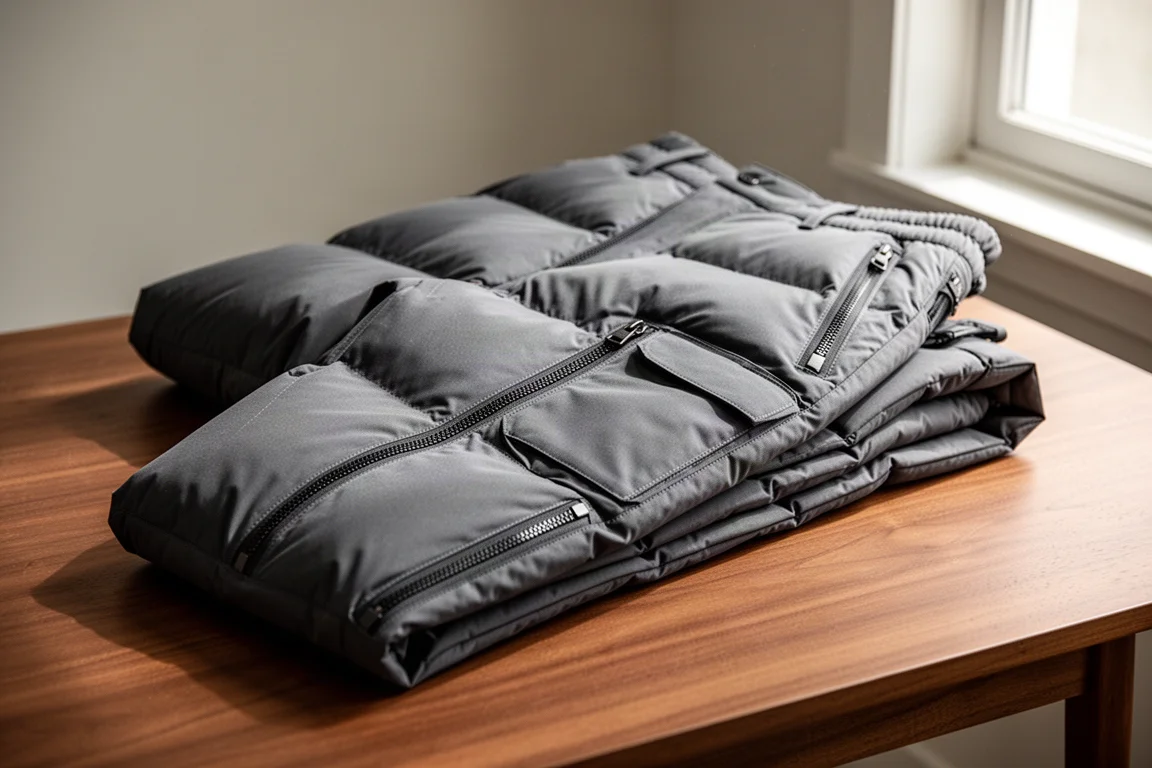
The Expedition Guide down jacket is part of a jacket and pant system built for extreme cold, with a claimed comfort range down to -30 C. The jacket weighs right around a kilogram in size large and costs $1,000 on its own, or $1,750 for the full set with the pants. It is lofty and warm, and it carries the features that matter in camp: two chest pockets, two hand pockets, internal drop pockets, and a proper hood.
Two improvements stand out. First, a draft tube around the neck, since the neck is the weakest point for heat loss and the jacket only cinches at the hem. Second, an internal zippered chest pocket for a phone or anything you cannot afford to lose. A third option would be to keep waterproof breathable fabric only where it earns its weight, on the shoulders and cuffs, rather than across the whole jacket.
Packability is better than the bulk suggests. The jacket and pants together compressed into a size medium pack liner, small enough that they are worth bringing on trips that will never reach extreme lows.
Stellar Equipment Expedition Guide Down Pants
The matching down pants are the standout piece of the set. At 843 g in size large and $750, they are extraordinarily lofty, bulky, and warm. Thigh pockets hold small items, and full-length side zips make them easy to pull on and off while still wearing boots.
The only change worth making is the fabric. A lighter, non-waterproof, breathable material would preserve the warmth while cutting weight, and at this price the pants still look like strong value for the warmth they deliver.
Together with the jacket they form a system that stayed comfortable well below freezing, and one that compresses down enough to travel on more trips than its bulk would suggest.
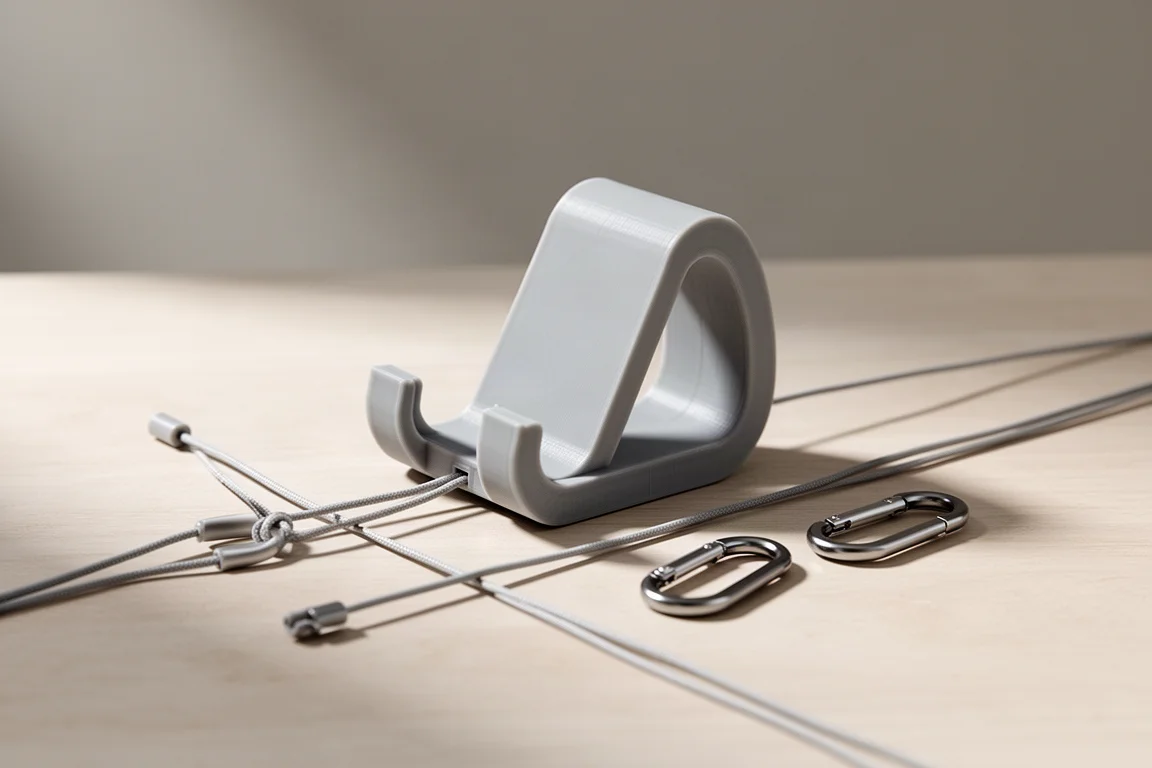
Atote Caveman TV
The Caveman TV solves a very specific winter camping problem: what to do with the long dark hours inside a tent. It suspends a phone overhead using a cord that clips into tent attachment points, plus a 3D printed plastic cradle that holds the phone and angles it toward your face. It ships with the cord and two carabiners.
Set-up takes a little practice, and once the rig is dialed in for one tent it goes up quickly. Lying down, the viewing angle worked without neck strain, and a full movie played through comfortably. The one wish is more range of adjustment toward the head end of the tent, which a triangulated line system could solve.
One practical note for extreme cold: a phone left suspended in a freezing tent may need warming to keep its battery happy, and a chemical toe warmer stuck to the back of the case is one way to manage that.
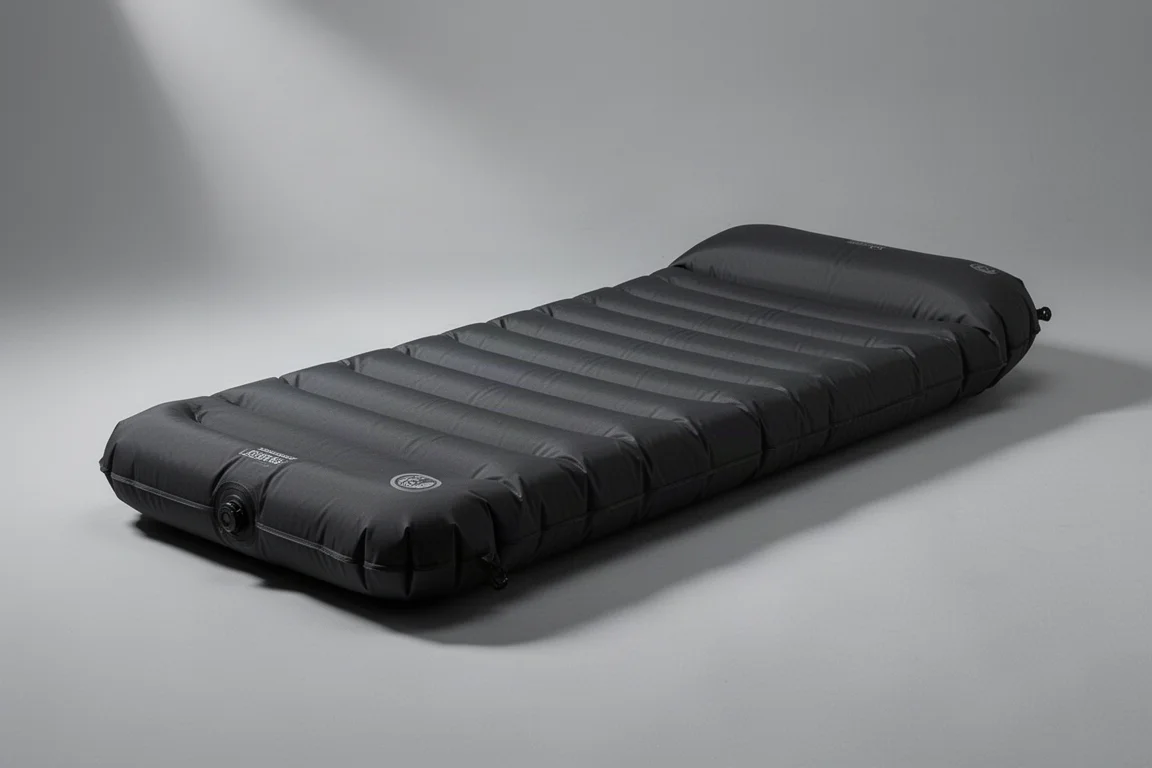
Eolite XR Pro Sleeping Pad
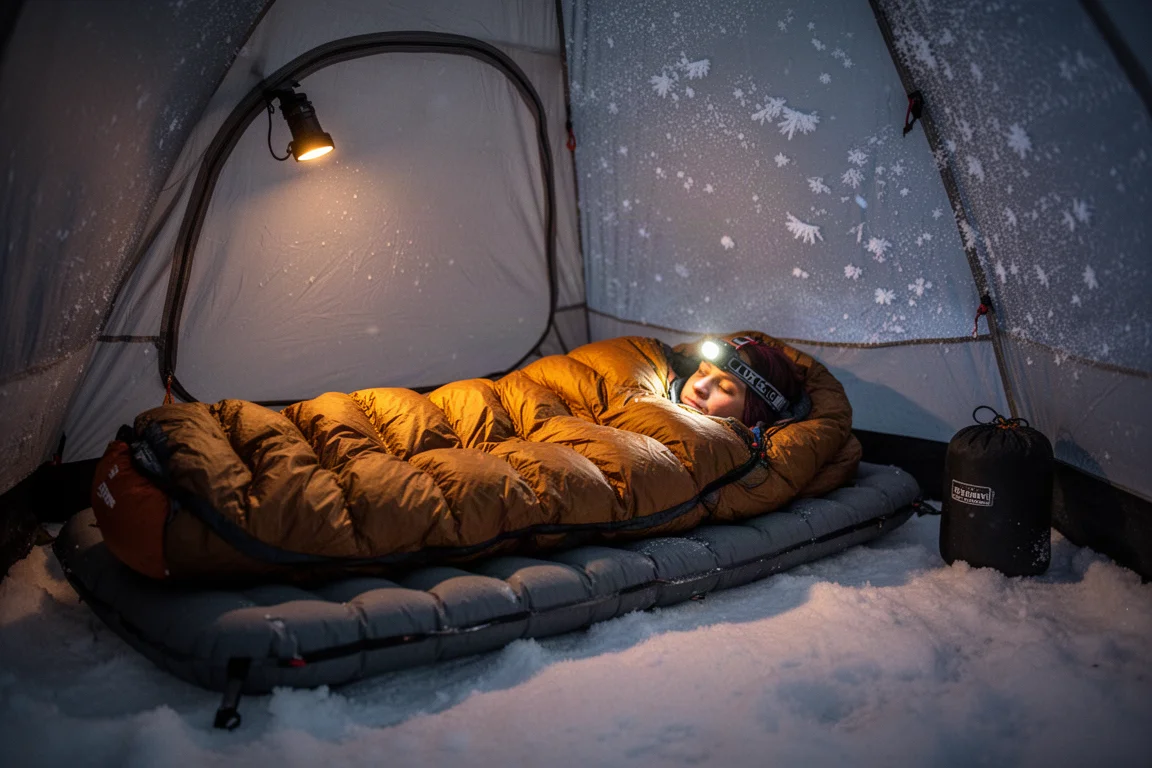
The Eolite XR Pro sleeping pad anchors the sleep side of this setup. It is comfortable and genuinely warm, and combined with a winter bed system it handled overnight temperatures down to roughly -20 to -25 C without complaint. Below that range it would likely start to struggle.
For anyone who sleeps cold or camps in deep winter, a pad this warm is the difference between a good night and a miserable one, and it pairs naturally with a quilt or bed system that has a large foot box.
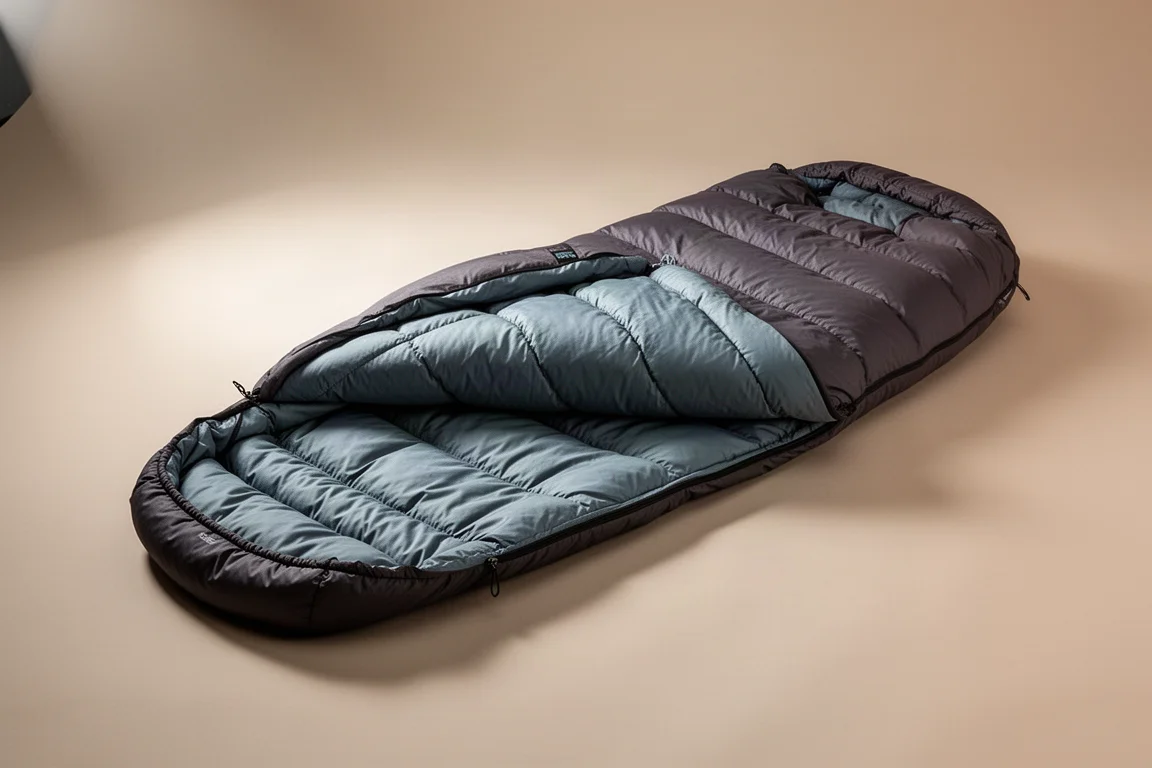
ZenBivy Winter Bed
The ZenBivy Winter Bed, used in size large, completes the sleep system. Its foot box is very large, which turned out to matter more than expected: boot liners tucked to the side overnight were barely noticeable, and there was no pressure or bulk where they sat. That is a real advantage over sleeping with full boots in a bag, which would be heavier and would shift the whole setup around.
ZenBivy pack liners with a one-way valve also made short work of the bulky down layers, pushing air out without letting it back in and compressing a jacket and pant combination into a surprisingly small sack.
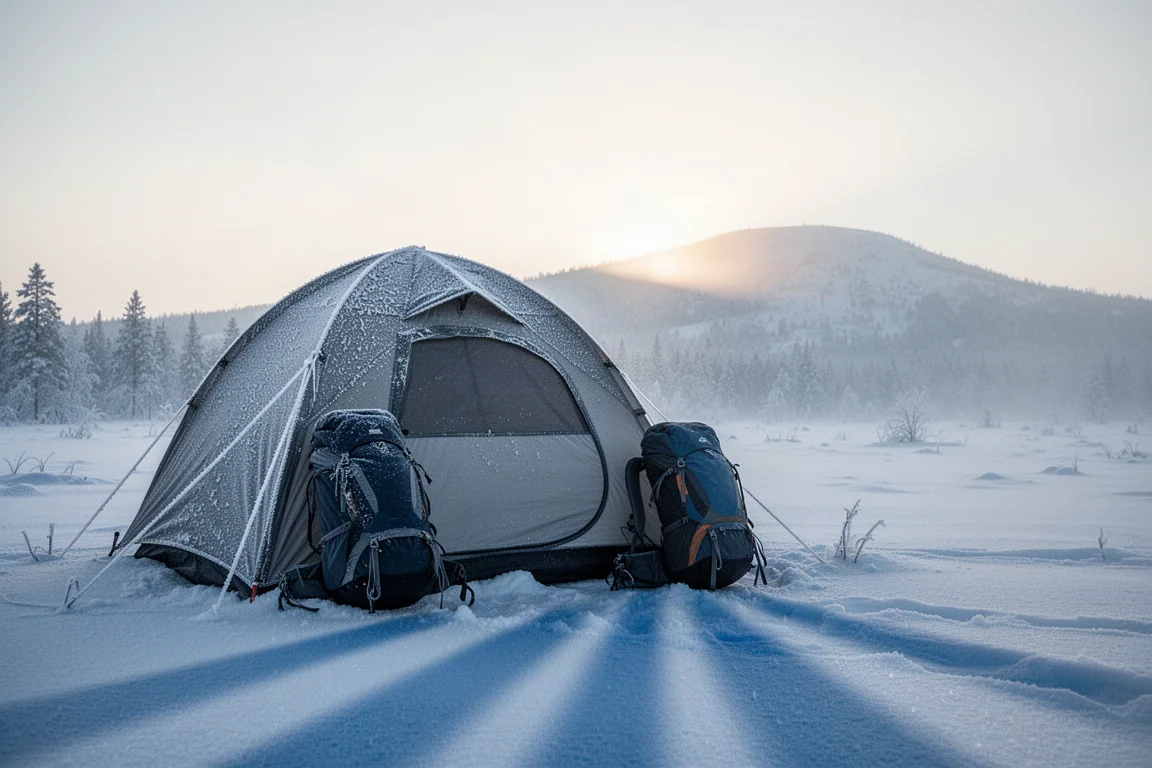
Together with the Eolite pad, the bed system stayed warm through the night at deep sub-zero temperatures, and the practical range tops out around -20 to -25 C.
Buying Advice
Start with your conditions rather than the spec sheet. If your winter trips are cold and dry, a soft shell jacket and pant combination will breathe better than a membrane and keep you drier from the inside. If you tend to push hard on the climb, look for pit zips and thigh zips, because breathable fabric alone has a ceiling.
If dry, warm boots in the morning matter most, a boot with a removable liner is worth the morning wrestling match, especially on multi-night trips. If you need the warmest possible camp layer, a lofty down jacket and pant set delivers the most warmth, and packability decides whether it actually comes along.
For sleep, a warm pad plus a bed system with a roomy foot box covers most deep winter nights down to about -20 to -25 C. And if you camp solo, a small tent accessory that holds your phone overhead can make a fifteen-hour night far more pleasant.
Conclusion
Every piece here earned its place by solving something specific: dry boots in the morning, breathable layering on the move, extreme warmth in camp, and something to do after dark. None of them is perfect, and the trade-offs are the useful part. Match the gear to the temperatures and the pace you actually travel at, and most of these will serve you well for years.
Further reading
Related Reviews
Winter Camping Gear
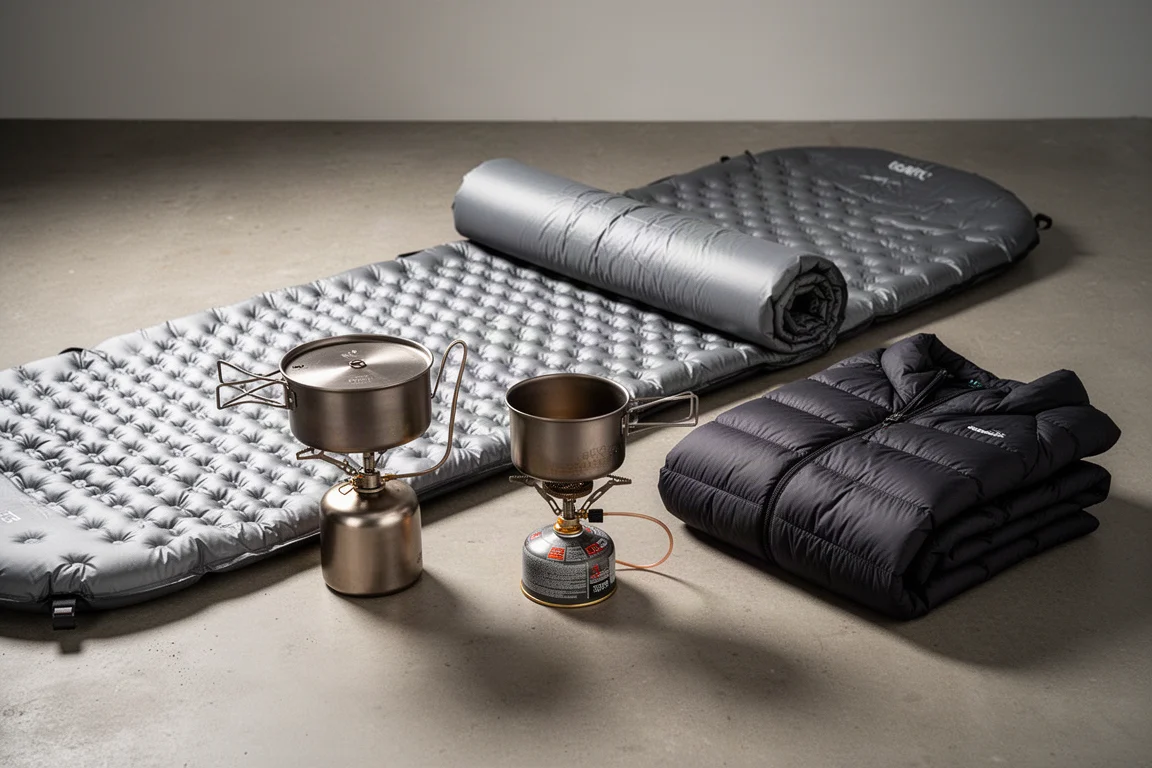
Affordable Winter Camping Gear: Six Budget Pieces Tested Below Freezing
Three reflective sleeping pads, an updated down jacket, a titanium pot and a $25 winter stove, assessed on frozen ground at around minus 12 degrees Celsius.
Winter Camping Gear
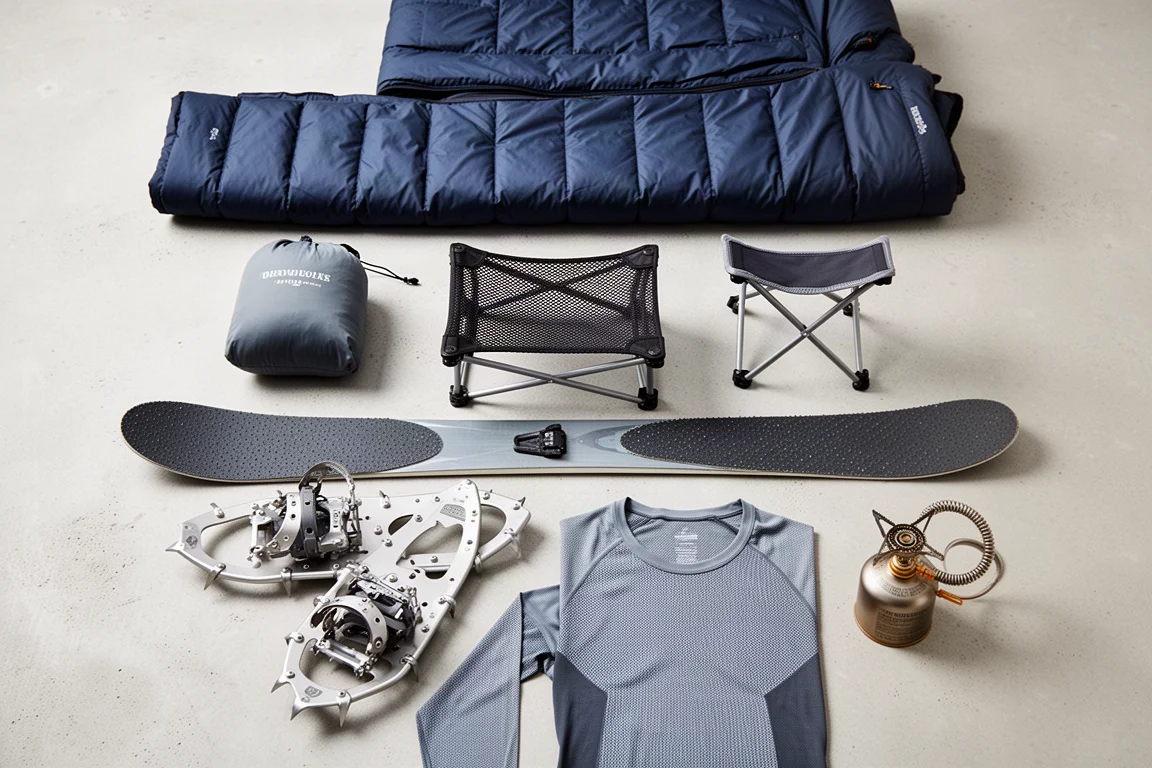
Best Winter Camping Gear 2026: Seven Pieces Worth Packing
A practical look at seven winter camping items, from an insulated parka rated to minus 20 degrees Celsius to a titanium stove built for cold canisters.
Winter Camping Gear
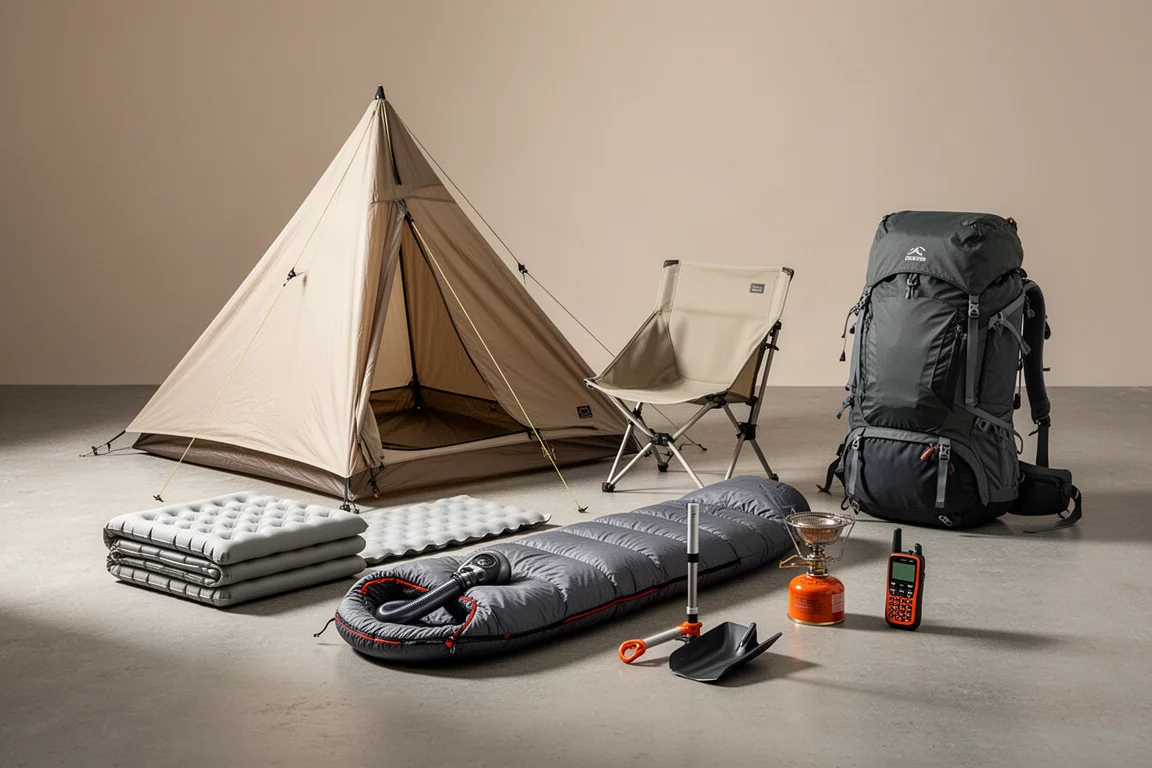
Ultimate Winter Camping Gear List: Proven Essentials for Cold-Weather Adventures
A curated list of winter camping gear that has proven itself in freezing temperatures, from shelter and sleep systems to cooking and safety essentials.