Winter Camping Gear
Winter Camping Gear Tested: Four Standouts Worth Considering
A storm-worthy shelter, a down-insulated sleeping pad, an unusually efficient stove and a 100 g headlamp, tested in sub-zero overnight conditions.
Introduction
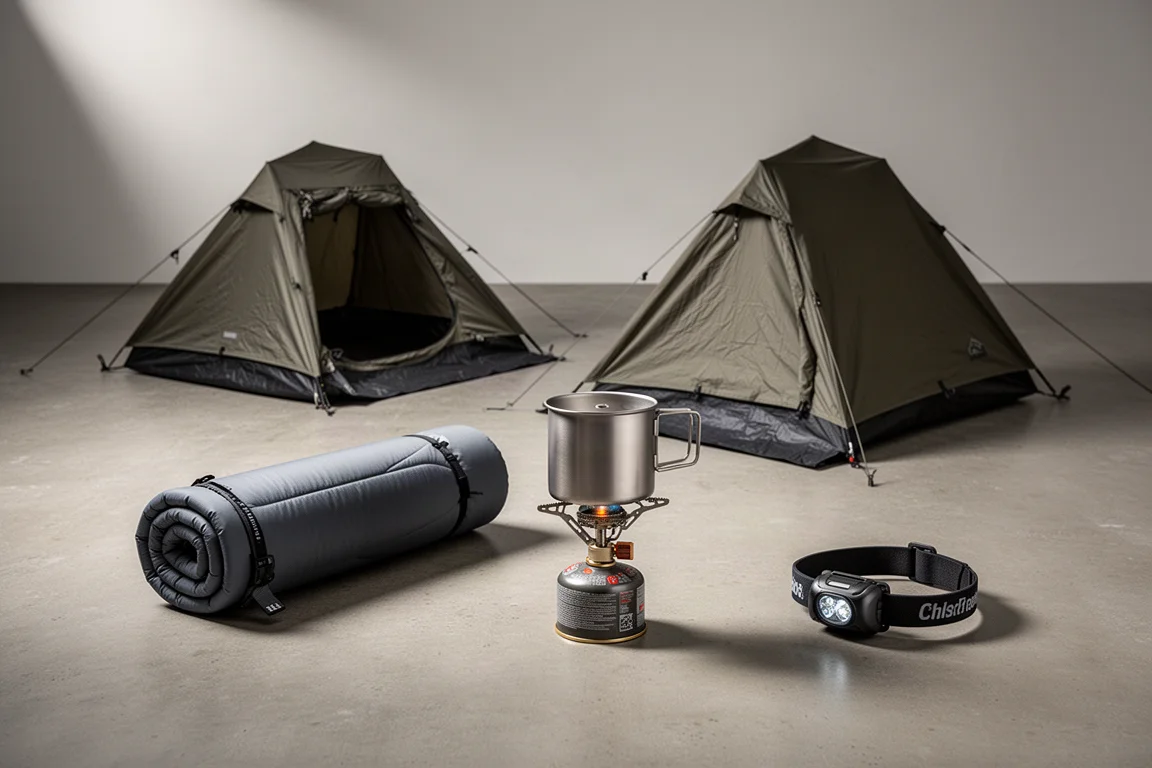
Winter camping punishes gear choices faster than any other season. Forecast lows around -12 °C, gusts building toward 40 km/h and the chance of overnight snow put four pieces of equipment under real pressure: a shelter, a sleeping pad, a stove and a headlamp. Each was selected because it addresses a specific winter problem, from staying upright in wind to boiling water efficiently in the cold.
What follows is what held up, what did not, and who each item actually suits.
How These Four Were Tested
The test was a single overnight camp on frozen ground with snow cover, and air temperatures fell to about -10 °C. The shelter was pitched using 12 stakeout points and left standing through the night. The sleeping pad was paired with a winter bivy providing top insulation. The stove was measured with a timed one-litre boil test at roughly -8 °C, with the fuel canister weighed before and after each run. The headlamp was tested after dark against trees at increasing distances.
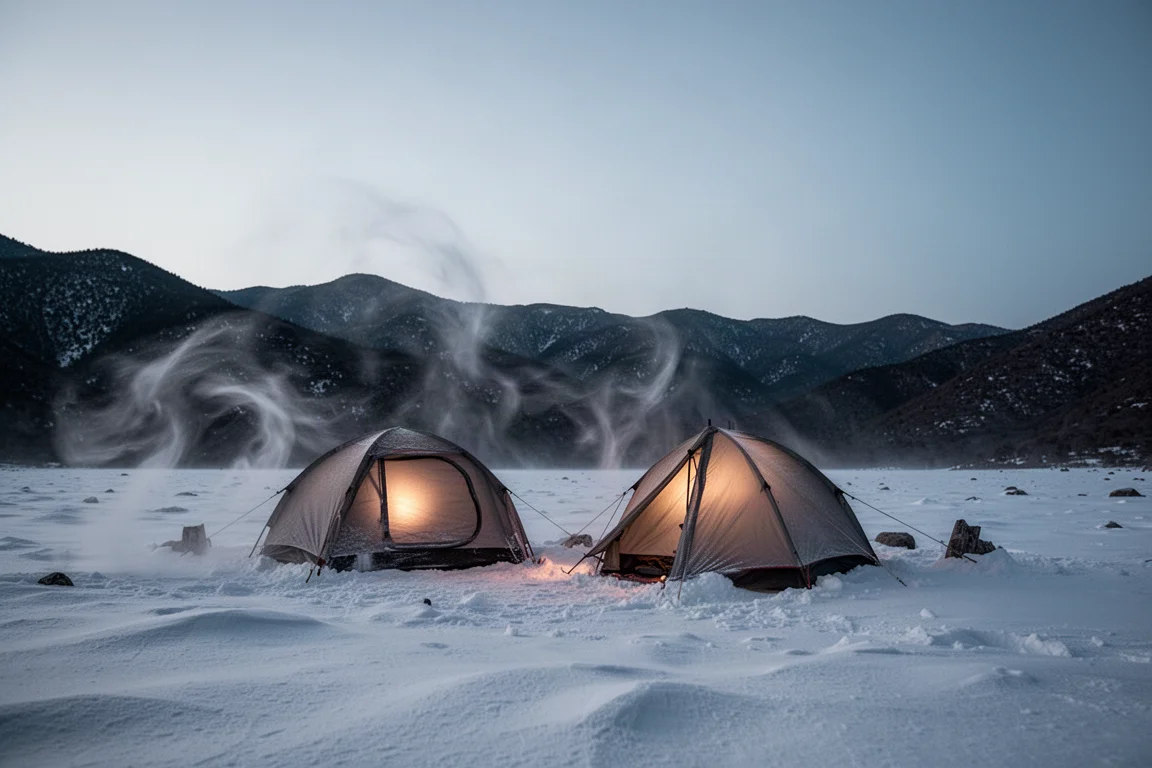
Conditions were cold enough to expose weak points but mild enough to keep the results fair. Wind stayed lighter than forecast, so storm performance was judged partly on how the shelter responded to hand pressure and partly on its structural design.
Tarptent ArcDome 1 Plus
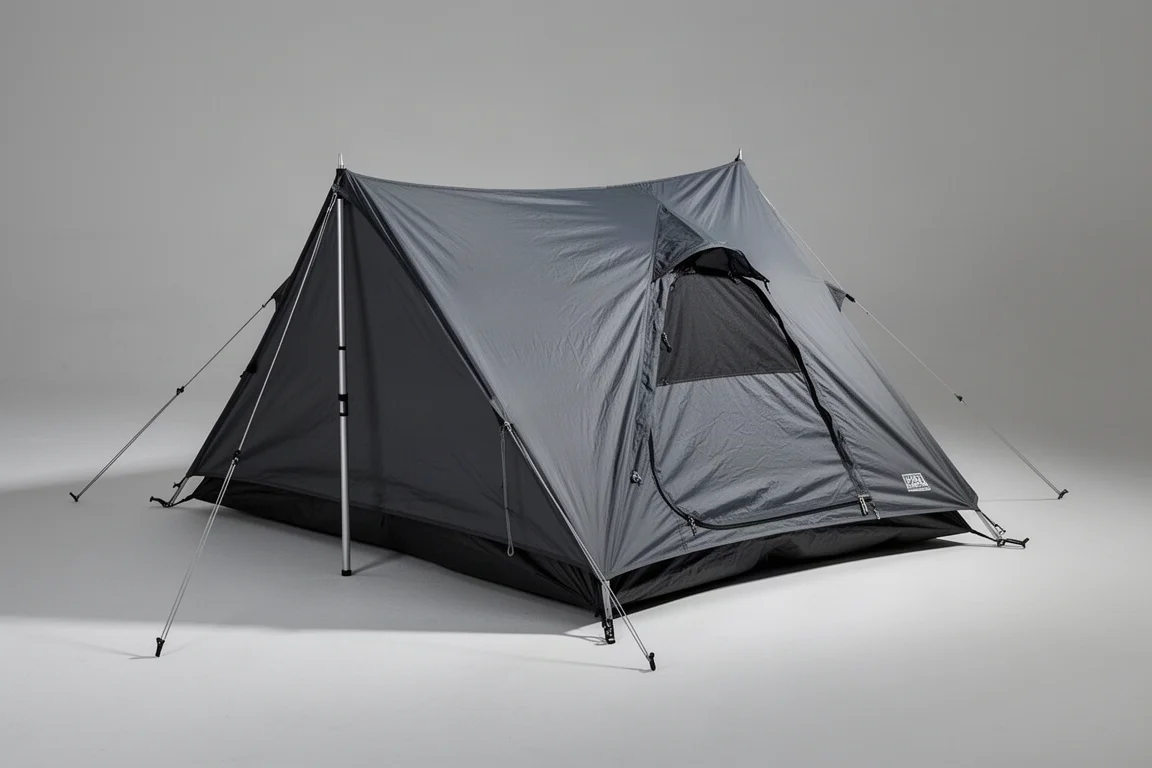
The ArcDome 1 Plus is a single-door winter shelter that claims to be ready for heavy snow and strong wind without trekking pole support. It weighs a claimed 1,500 g and uses a 30D polyester fly with a 30D nylon floor. The version tested here ships with DAC 9.3 aluminium poles, which sit in the middle of the range: thicker aluminium poles and carbon fibre options are also available. The inner is a partial solid design, a compromise that keeps some breathability while blocking wind and spindrift, and a fully solid inner and a two-person inner are also offered.
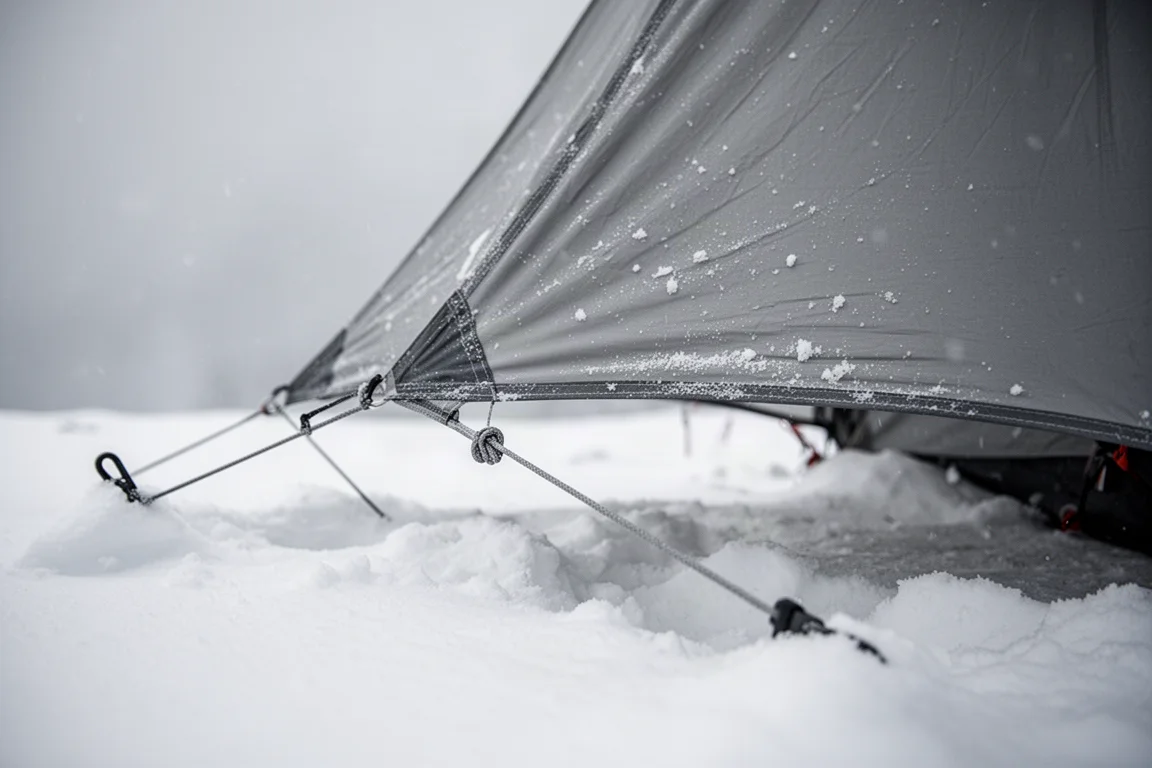
Setup made an immediate impression. The structure had almost no give when pressed from above or from the side. It can be anchored at up to 20 stakeout points, with three along each pole side and two per panel. A dual anchor point on each panel lets a single stake tension both a lower and a mid-panel line, and a second stake can be added through the mid-panel loop for extra stability.
Inside, the floor plan is unusual. Rather than cutting a corner away, the inner has a dip in the middle that creates two storage corners, a larger one at the foot end and a smaller one near the head. A 30-inch wide pad fits with room left over for gear, and the single large door opens onto a vestibule that is deliberately bigger on one side, which held a full pack with room to stack items on top.
Interior storage is the weakest area. There is one large elevated mesh pocket and two small pockets at the peak, and reaching up for small items during the night let warmth escape from the sleep system. A second large pocket and some low perimeter pockets would help.
Overall functionality is workable rather than refined. The door gets the job done but feels fiddly compared with smoother designs.
At 1,500 g this is not a tent for ultralight backpackers, and it weighs more than many two-person shelters. For exposed alpine camps, above-treeline pitches and consistently windy regions, trading weight for stability looks reasonable, and the interior space is genuinely usable.
Rab Ultrasphere 7.5
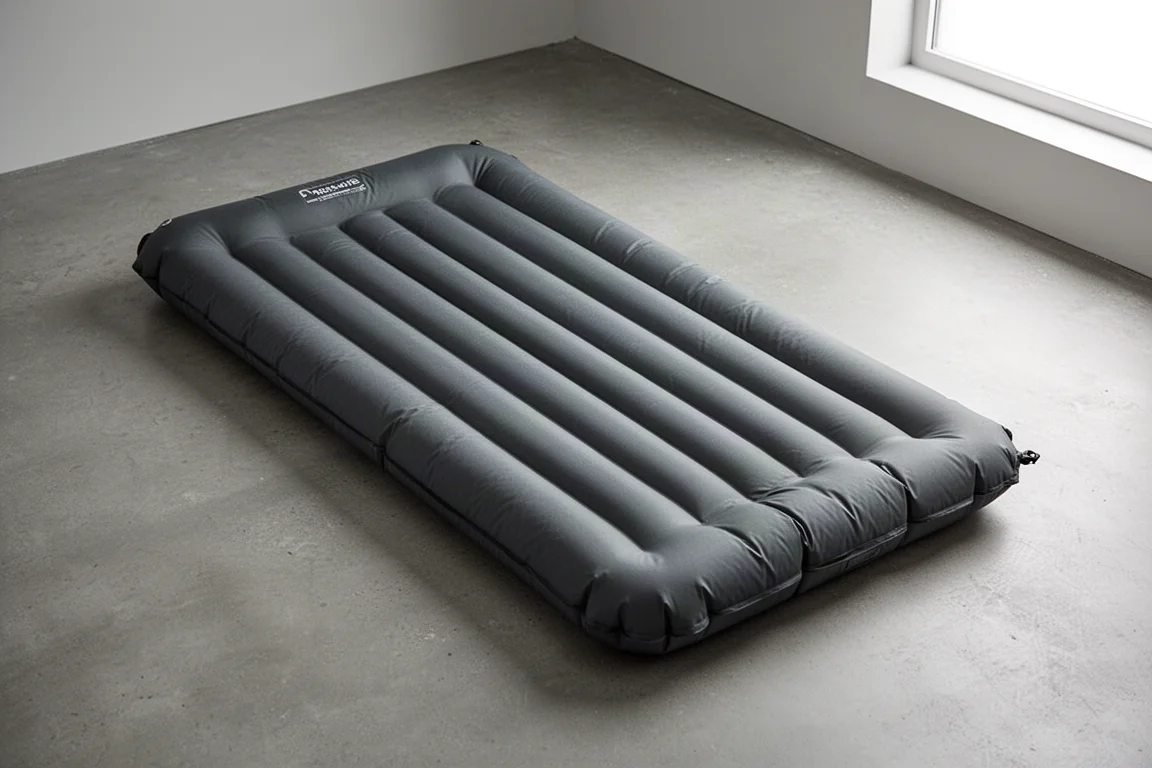
Rab positions the Ultrasphere 7.5 as an incredibly warm yet light and packable down air mat for fast-moving pursuits in extreme conditions. The headline figure is a 7.5 R-value, paired with 800 fill power down distributed through vertical baffles.
Weight and packed size are where the claims stretch. In the long and wide size tested, the pad weighs 810 g and packs down noticeably bulkier than the lightest winter pads. It is not the bulkiest option available, but it is not a fast-and-light item either.
Warmth was the main question. Down insulation in sleeping pads has a poor reputation in practice, because the fill migrates and leaves gaps that leak heat. The Ultrasphere performed better than expected. After a shake and a quick redistribution, the down stayed reasonably even through a night on snow at about -10 °C. There was one cold spot around the knees, a reminder that down still moves, but nothing that interrupted sleep and no significant heat loss through the pad. Convective heat loss, a genuine risk on long and wide pads, appeared well controlled by the vertical baffles.
Comfort was good but not class-leading. Vertical baffles feel better than horizontal ones, though cold-weather use requires full inflation, which removes much of the give and pressure relief. Side sleeping was manageable with a few position changes rather than a fully restful night.
Realistically, this pad looks capable of pushing toward -20 °C, not the -25 °C to -30 °C range that the warmest winter pads target. For cold-weather campers who want a warm down pad with a comfortable baffle layout, it is a solid choice, though anyone chasing maximum warmth or maximum comfort will find stronger options.
Primus Ulti Stove System
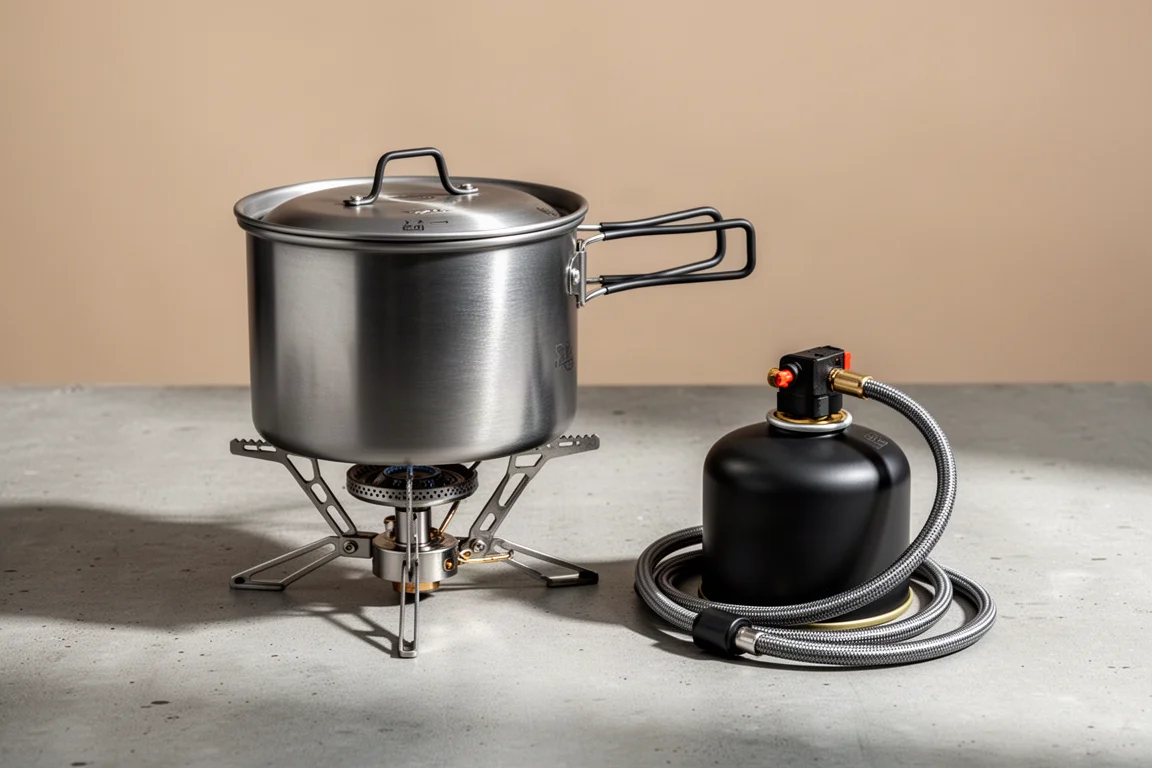
The Primus Ulti is an all-in-one canister stove system built around a 1.7 L pot. The fuel canister and the burner nest inside the pot for transport, which keeps the whole kit compact. Primus describes it as a wind-resistant, powerful stove for extreme environments such as high alpine terrain and deserts.
Two design features matter most in the cold. It is a remote canister stove with a preheating tube, so the canister can be inverted and run in low temperatures, theoretically down to around -30 °C. It also uses a radiant burner, which improves efficiency and wind performance while keeping noise low.
The boil test was decisive. At roughly -8 °C with almost no wind, one litre of water reached a rolling boil in 4 minutes 21 seconds using 14 g of fuel. A comparable lightweight canister stove needed 11 minutes 20 seconds and 29 g of fuel for the same task. Part of that gap comes down to the pot, since the comparison used a titanium pot against the Primus aluminium pot, but the margin is far too large to explain away. This is an exceptionally efficient stove system.
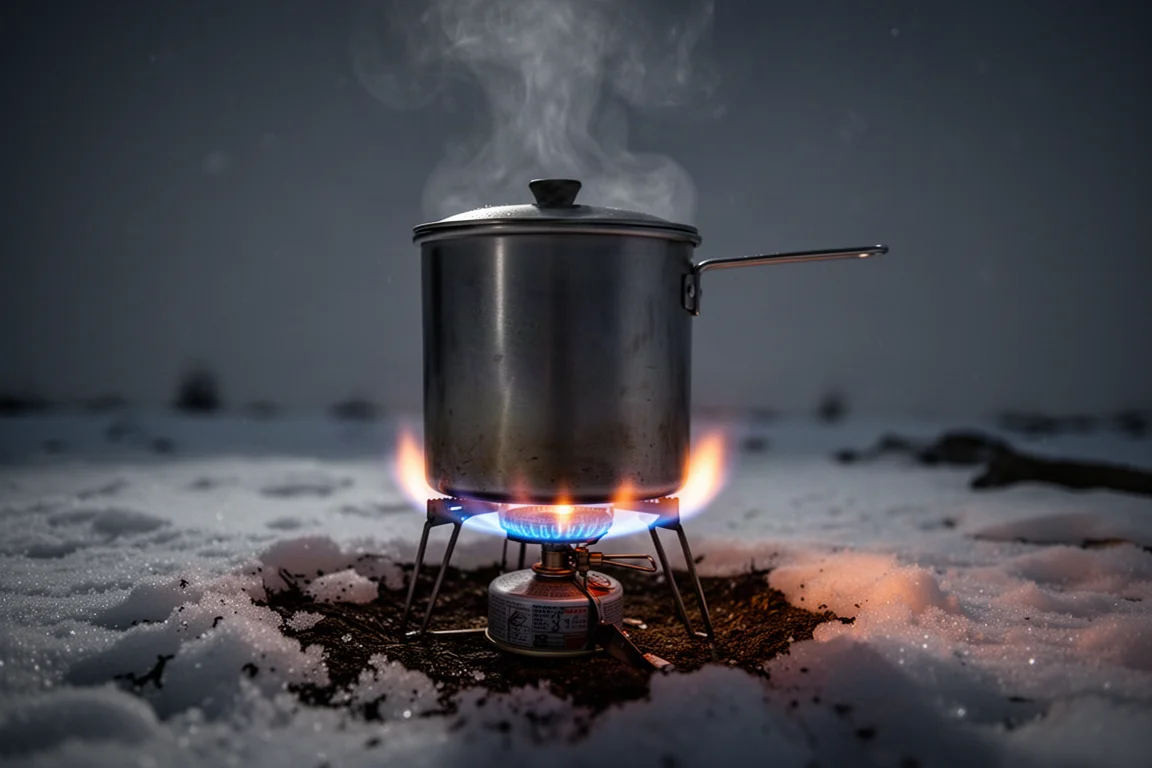
The trade-off is weight: around 700 g for the full system against roughly 556 g for the lighter comparison setup. In exchange you get faster boils, roughly half the fuel consumption, a quieter burner and a design that keeps working once temperatures drop below the point where upright canister stoves start to struggle.
Petzl Swift RL
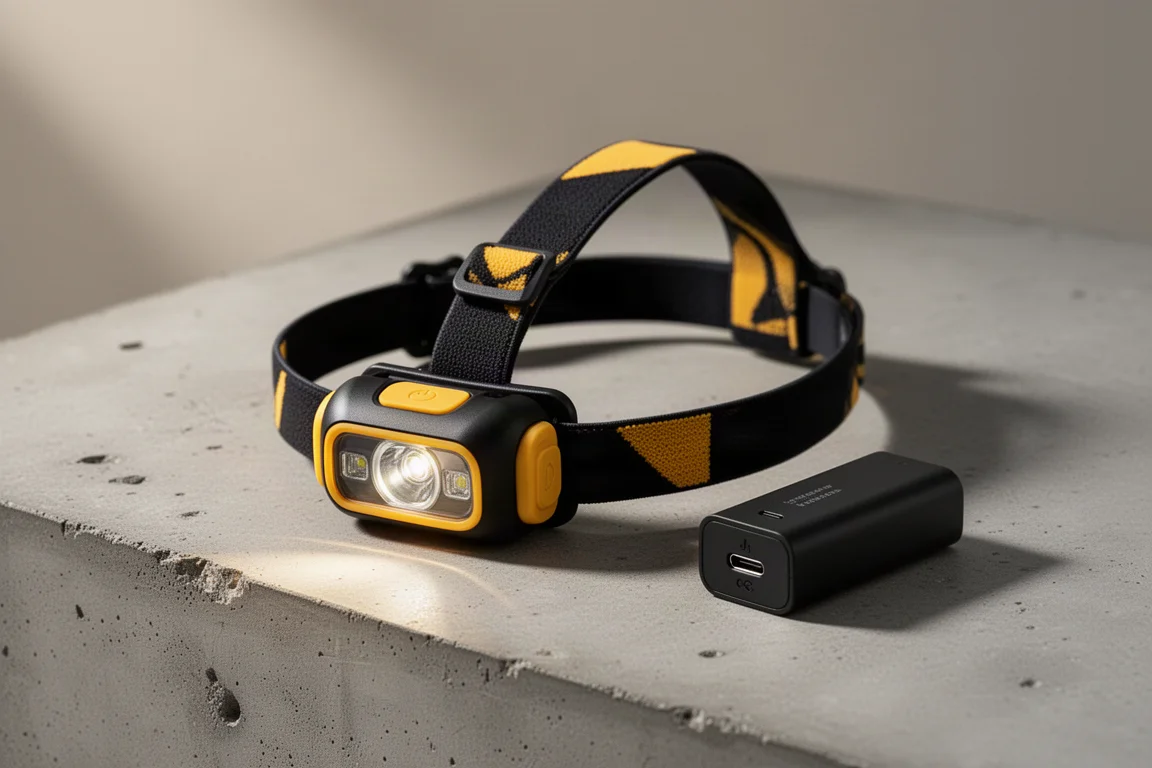
The Swift RL claims to be bright and lightweight, and it delivers on both. It weighs 100 g and produces up to 1,100 lumens. Battery life reaches a claimed 100 hours at 10 lumens, an output that is very dim but useful for tasks around camp.
The battery is the standout feature. It is rated to operate at very cold temperatures, down to around -40 °C, and it is replaceable: rotate the headband, remove the battery and fit a spare. Because the USB-C charging port is built into the battery rather than the headlamp, one battery can charge while another powers the light, which removes any need to charge the unit while wearing it. For back-to-back trips or long nights, carrying a second battery is a practical option.
Beam testing after dark confirmed the brightness claims. At low output, trees roughly 10 metres away were clearly lit. Medium output reached the mid-distance trees, and high output picked out the far treeline without difficulty. A distant mountain slope stayed out of reach, which is expected at this scale.
Overall Buying Advice
Each of these items solves a different winter problem, so the right purchase depends on the conditions you actually camp in.
The ArcDome 1 Plus makes the most sense for exposed pitches, above-treeline camps and windy regions where stability matters more than a low pack weight. Its 1,500 g is the price of that structure. The Ultrasphere 7.5 suits cold-weather campers who want down insulation and a comfortable vertical baffle layout and who accept the extra bulk and 810 g weight. It is a capable pad rather than a record-breaker.
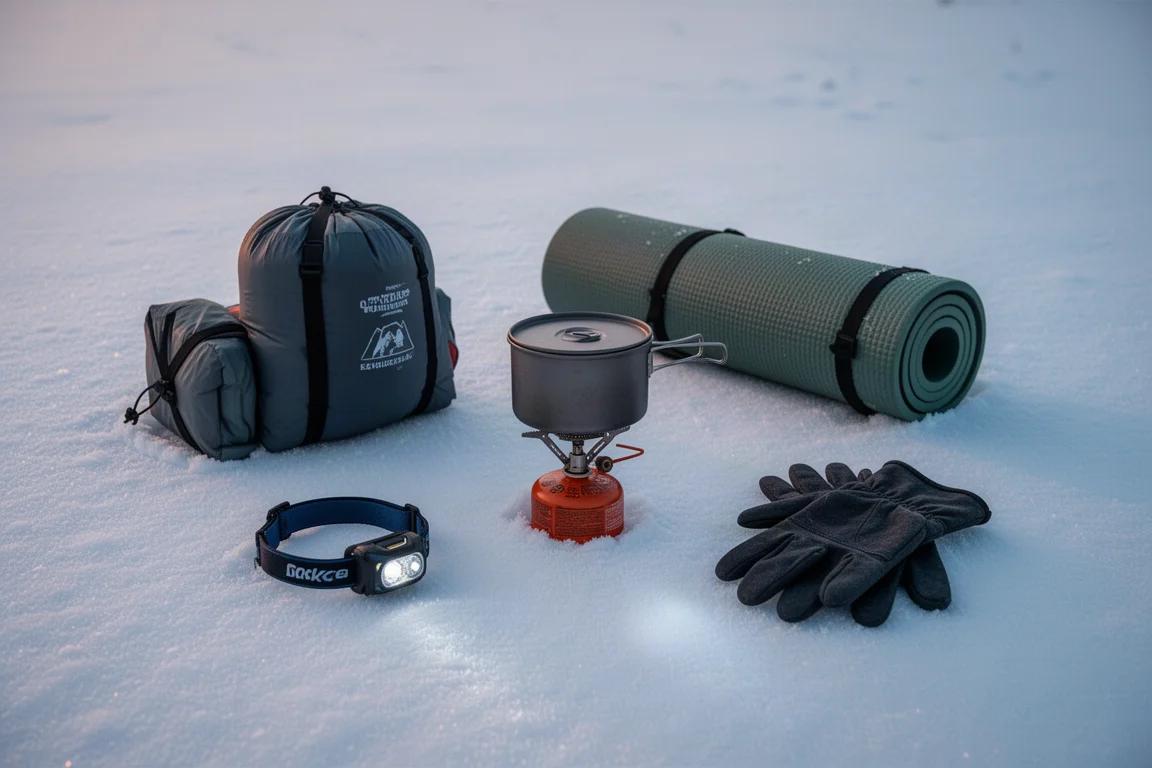
The Primus Ulti is the most compelling item of the group for winter use. It boils faster, uses roughly half the fuel and runs quietly, and it should stay usable on trips where temperatures remain above about -30 °C. The Swift RL is an easy recommendation for anyone who needs brightness and cold-weather reliability, and the swappable battery makes it especially useful across consecutive nights out.
Match the gear to the forecast and the terrain, and these four cover the core of a winter kit well.
Conclusion
Nothing failed on this trip, which is unusual for winter gear testing. The ArcDome 1 Plus is a genuinely storm-worthy shelter with a roomy, slightly unconventional interior. The Ultrasphere 7.5 is warm and comfortable enough for serious cold, with honest limits on weight and packed size. The Primus Ulti Stove System is the standout, combining fast boils, low fuel use and quiet operation. The Swift RL delivers high brightness at 100 g with a battery system built for cold nights.
Check the temperature range and the terrain you camp in most, then pick the items that match.
Further reading
Related Reviews
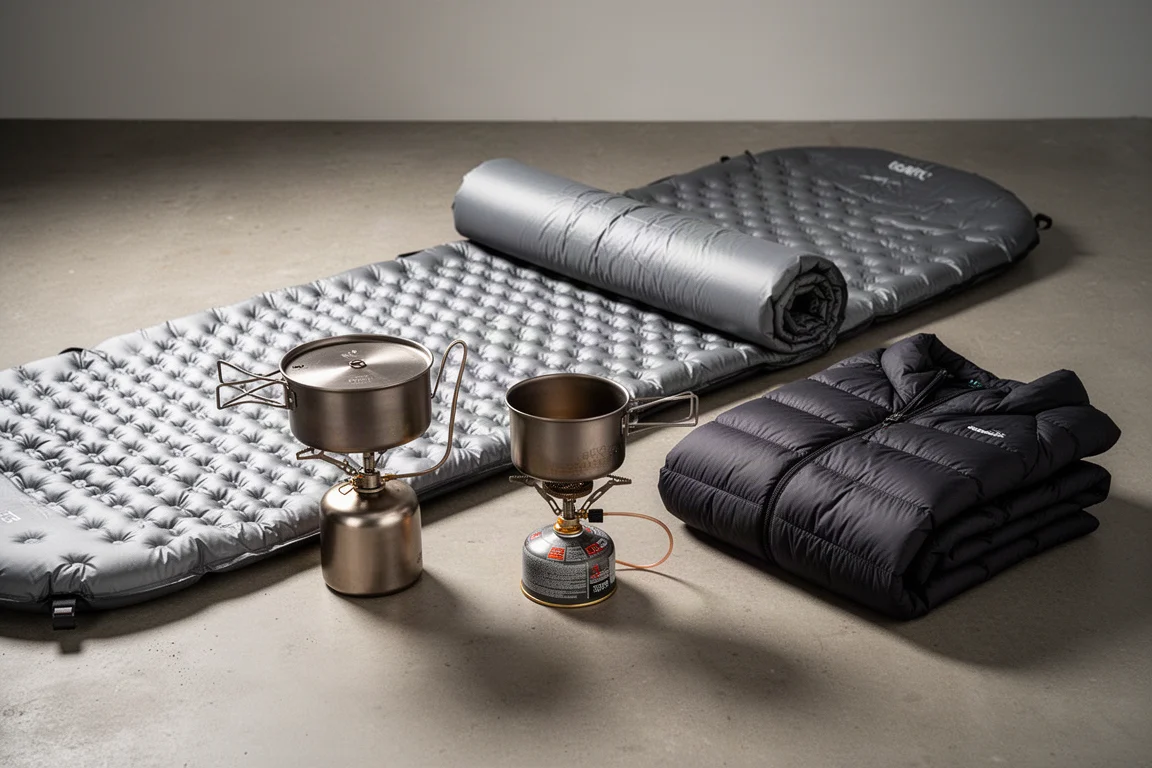
Winter Camping Gear
Affordable Winter Camping Gear: Six Budget Pieces Tested Below Freezing
Three reflective sleeping pads, an updated down jacket, a titanium pot and a $25 winter stove, assessed on frozen ground at around minus 12 degrees Celsius.
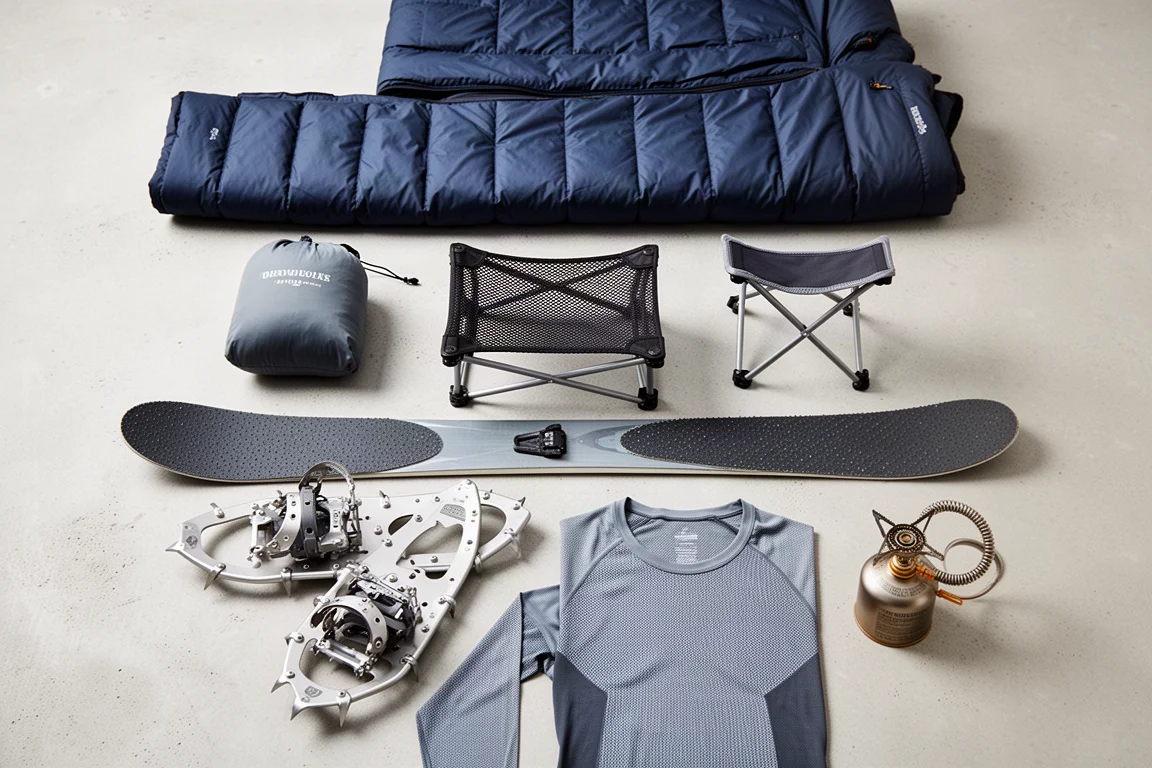
Winter Camping Gear
Best Winter Camping Gear 2026: Seven Pieces Worth Packing
A practical look at seven winter camping items, from an insulated parka rated to minus 20 degrees Celsius to a titanium stove built for cold canisters.
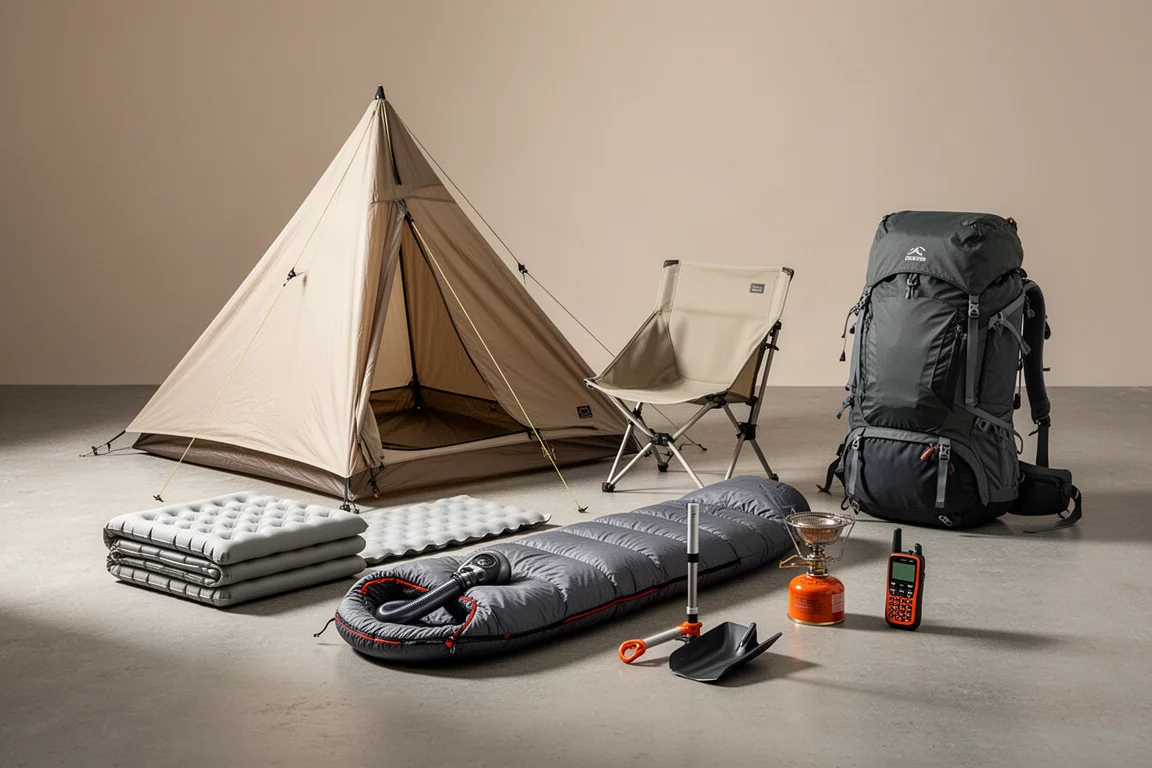
Winter Camping Gear
Ultimate Winter Camping Gear List: Proven Essentials for Cold-Weather Adventures
A curated list of winter camping gear that has proven itself in freezing temperatures, from shelter and sleep systems to cooking and safety essentials.