Winter Camping Gear
Winter Camping Gear Tested Below Freezing: 4 Cold-Weather Pieces and One Clear Failure
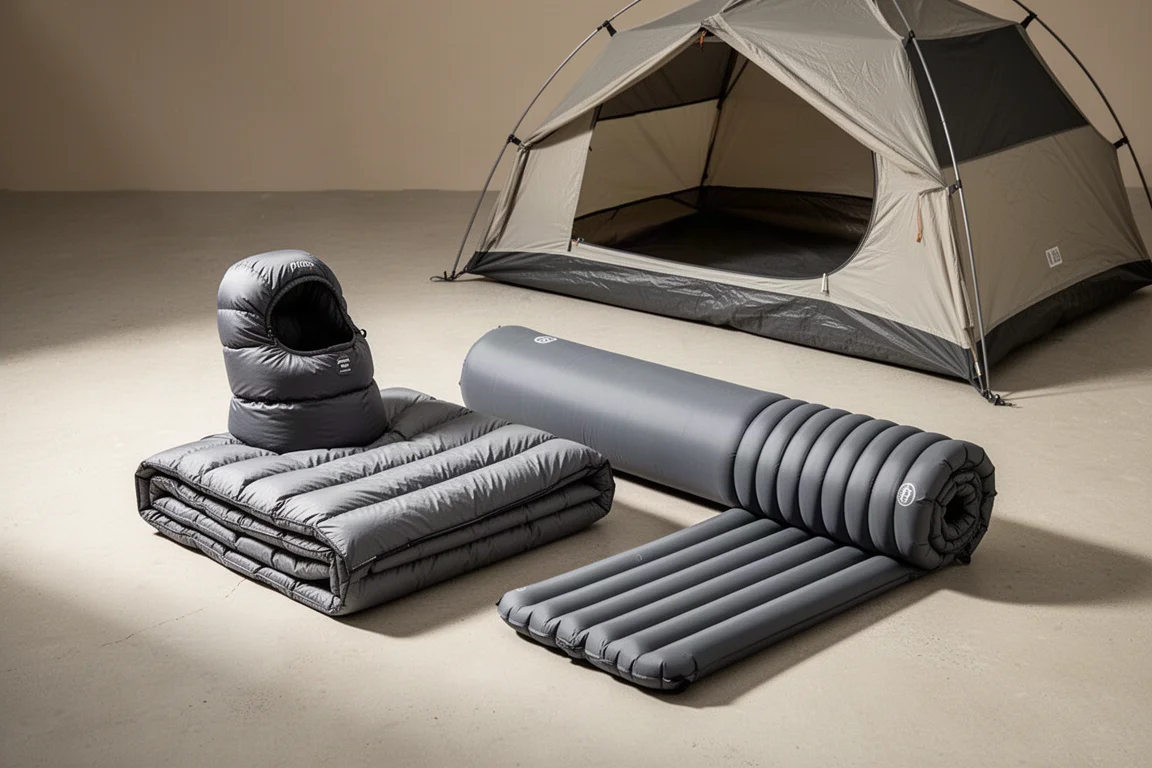
Four pieces of winter camping gear tested overnight on snow, including a solid tent inner, a down quilt, a snorkel hood, and a sleeping pad that lost heat far too quickly.
Introduction
Cold-weather gear is easy to advertise and hard to verify. A rating printed on a product page says very little about how a piece behaves at two in the morning, when the ground is pulling heat out of a sleep system, the air is bone dry, and there is nowhere warm to retreat to.
This roundup covers four pieces of new cold-weather camping gear, each tested across a single overnight on snow with a deliberately thin insulation setup so that any weakness would show up quickly rather than hide behind layers. Three of the four earned a place in a winter pack. One did not, and the reason behind that failure is worth understanding before spending money on any sleeping pad.
How These Four Pieces Were Tested
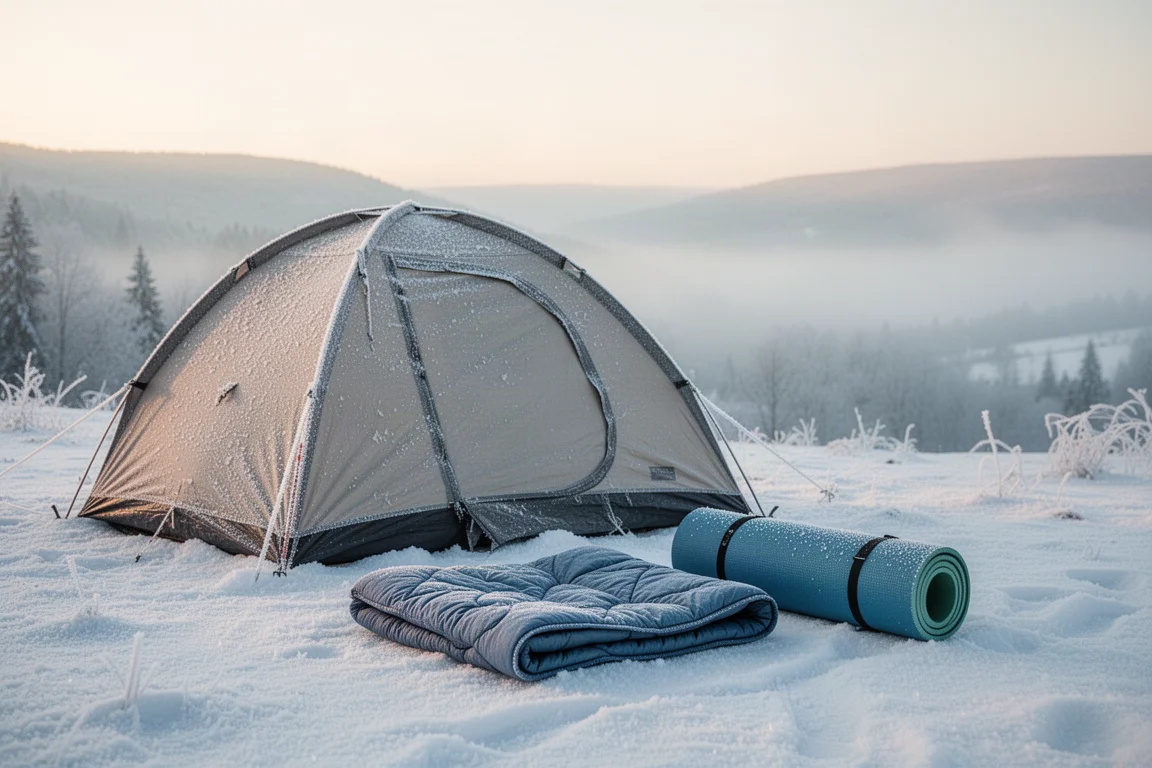
All four items went out for the same night on snow, with air temperatures forecast to fall to around -14 °C and an actual overnight low near -20 °C outside the tent. The setup was intentionally minimal: mesh base layers, fleece socks, no extra head insulation beyond the hood being tested, and no additional body insulation. Two Bluetooth thermometers logged the night, one inside the tent and one outside, to show how much difference a tent inner actually makes. Warm, proven backup gear was kept on hand in case a piece could not keep up.
Comfort and warmth were judged together. The practical questions were whether heat was escaping through the pad, whether shifting position could open a draft in the quilt, whether the hood stayed comfortable around the face for hours, and whether the tent inner collected frost that would later turn into snowballs inside the sleeping area. A mild night with almost no wind made draft prevention difficult to judge, so the tent inner was assessed mainly on temperature difference and frost buildup.
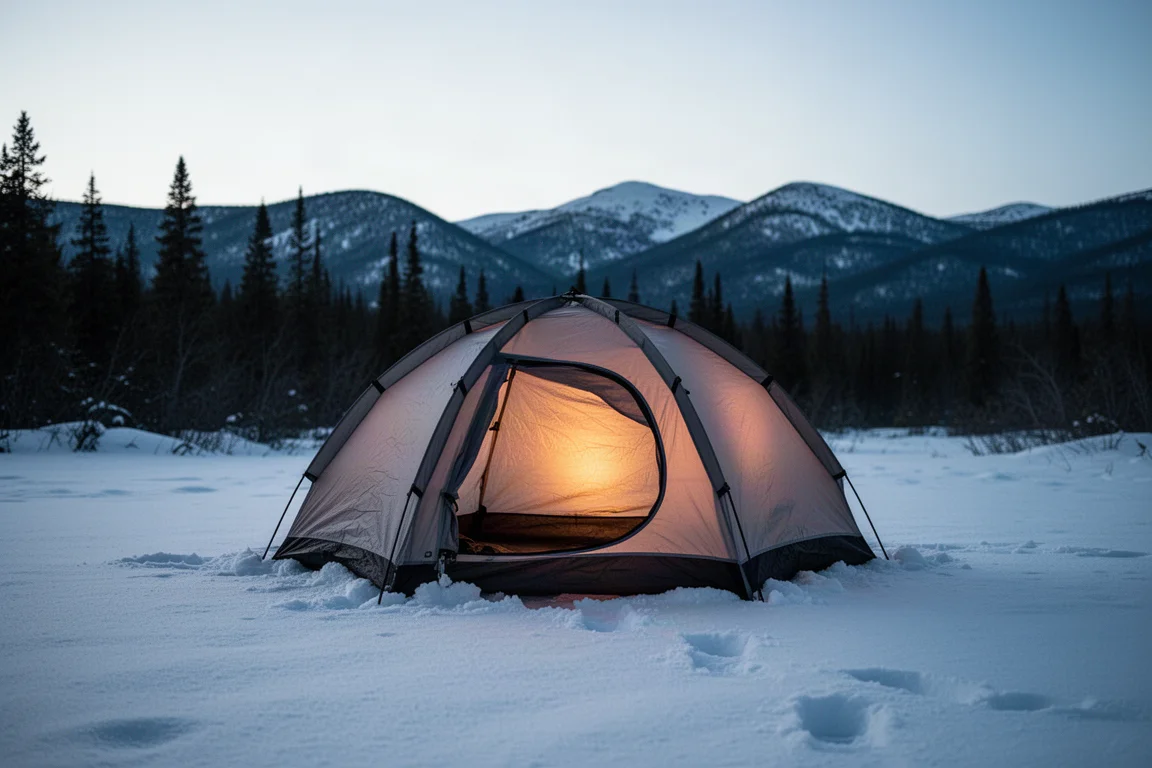
Every result below comes from that single cold night, which is worth keeping in mind. One overnight is enough to expose a serious weakness, as it did here, but it is not the same as a full season of testing in mixed conditions.
Durston X-Dome 1+ Solid Inner: Warmth for 65 Grams
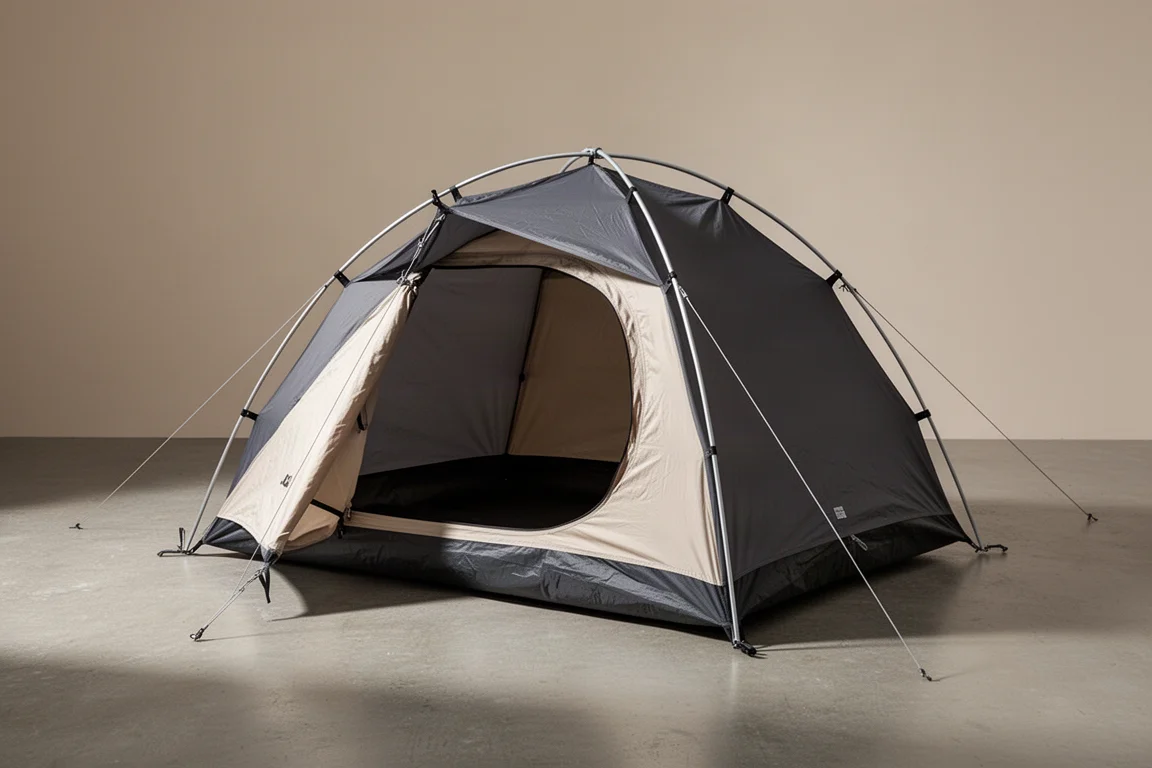
The X-Dome 1+ can be configured with a mesh inner or a solid inner, and the solid version is aimed squarely at cold conditions. It is claimed to add warmth, cut drafts, and reduce the amount of snow blown inside the sleeping area. The trade is small: the solid inner costs $20 more than the mesh version and adds 65 g.
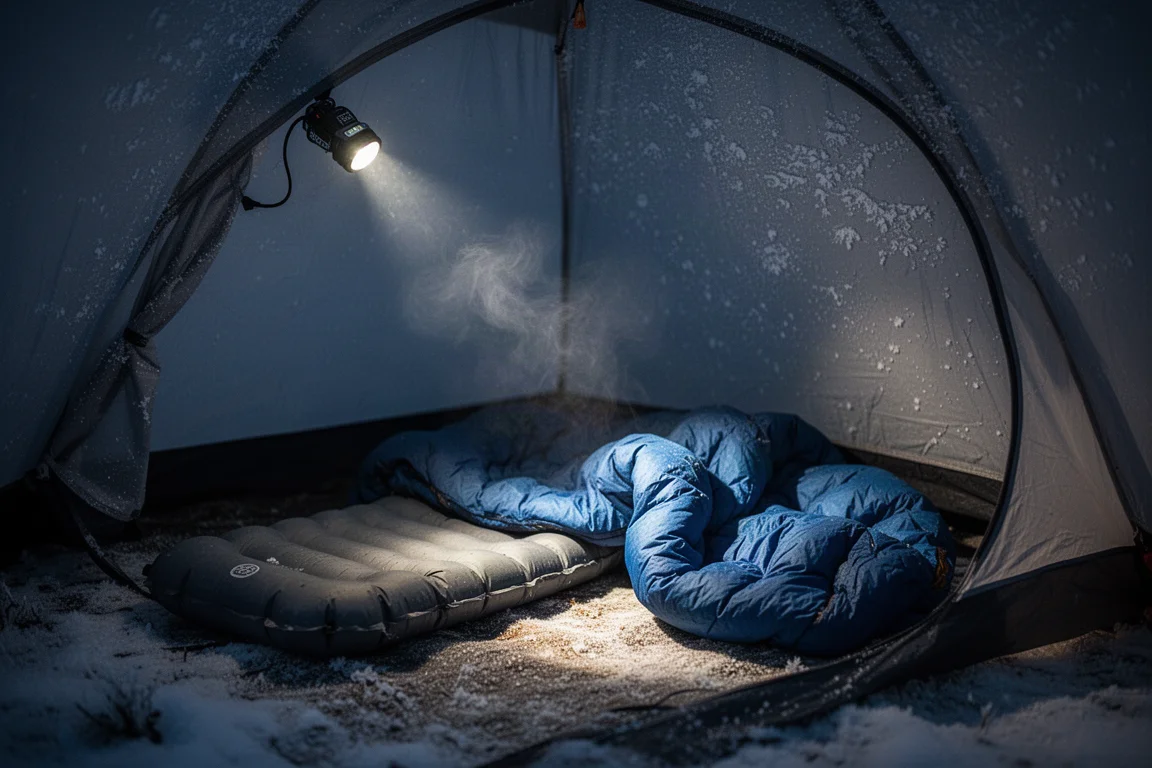
The temperature difference it produced was larger than expected. With the air at -8 °C outside, the inside of the tent sat at 0 °C, a gap of 8 degrees. As the night cooled toward -20 °C, that gap narrowed to 5 degrees, with -15 °C inside. The smaller number still mattered a great deal, because it was the difference between a workable night and deploying every backup measure available.
Frost was the other question, since a solid inner can hold moisture that a mesh inner would pass straight to the fly. There was some frost, but less than feared. The inner material appears to breathe well, so moisture moved through to the fly and could be shaken out in the morning instead of being scraped off the inner. For anyone already running this tent, the solid inner is a sensible winter addition.
Neve Feather Tail Quilt: Draft-Free Warmth Down to Its Rating
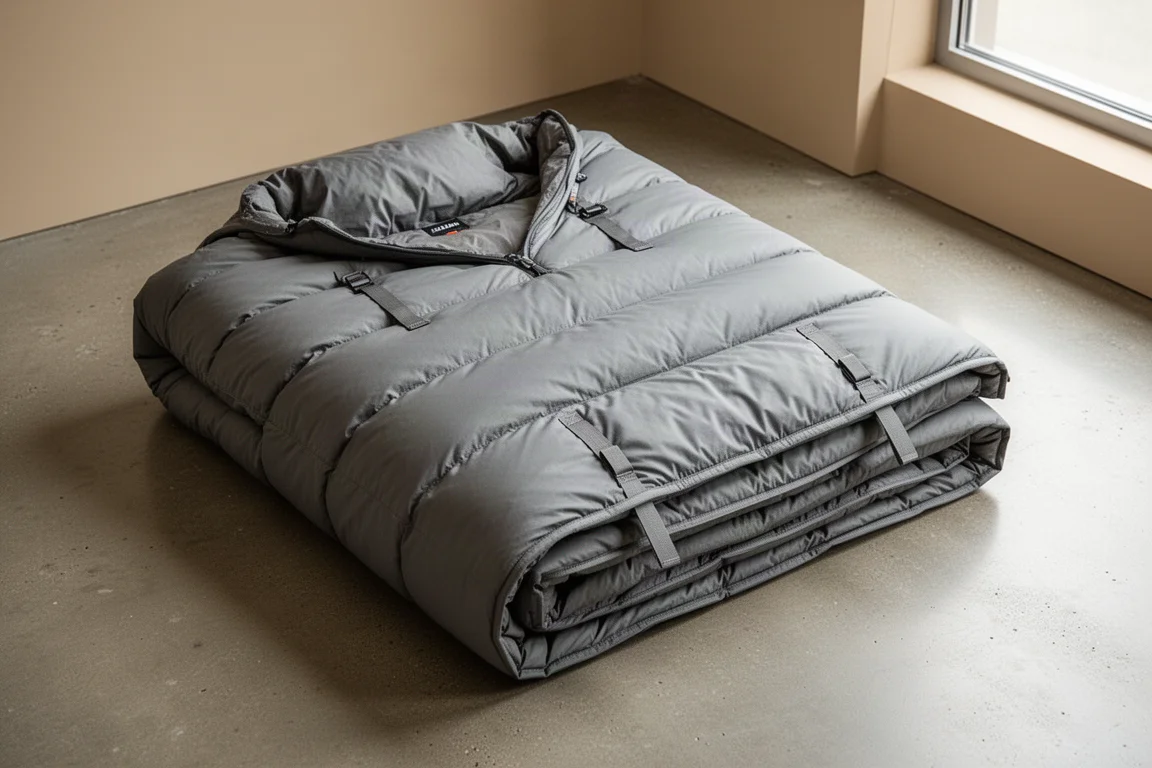
The Feather Tail is a down quilt with a -12 °C comfort rating, priced at $300 and weighing 867 g on the scale. The claim is that it is heavily overfilled and sleeps warmer than its stated rating. The draft system is the genuinely interesting part: the tabs that connect to the pad straps sit slightly above the quilt edge, leaving a strip of material that locks the quilt down onto the pad. A draft collar and a neck cinch complete the seal around the shoulders.
Drafts were not a problem. Shifting positions and rolling side to side produced no cold spots along the sides, which is the usual weak point of quilt sleeping. The remaining weak spot is higher up, in the area between the top strap and the top of the quilt, where a cold neck can start. Moving those strap points upward and closing the foot box slightly would tighten the system further.
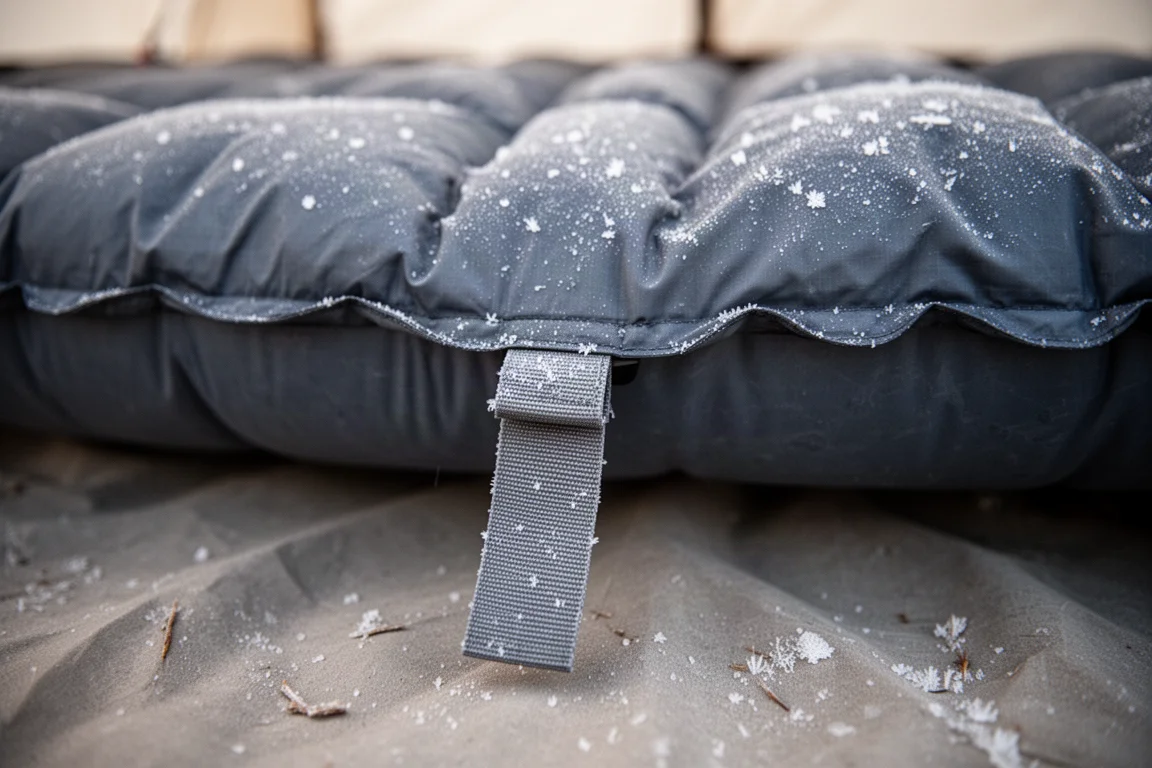
Warmth held until the inside of the tent reached -12 °C, which matches the stated comfort rating, and the quilt was used with only mesh base layers at that stage. Adding a fleece mid layer extended comfortable warmth to roughly -15 °C inside the tent. Humidity was high at around 80 percent outside, which likely added moisture to the down and cost some performance, so drier conditions should sleep warmer. The honest summary is that -12 °C is the working limit unless you plan to add a mid layer.
Rockfront Snorkel Down Hoodie: Face Warmth Without a Balaclava
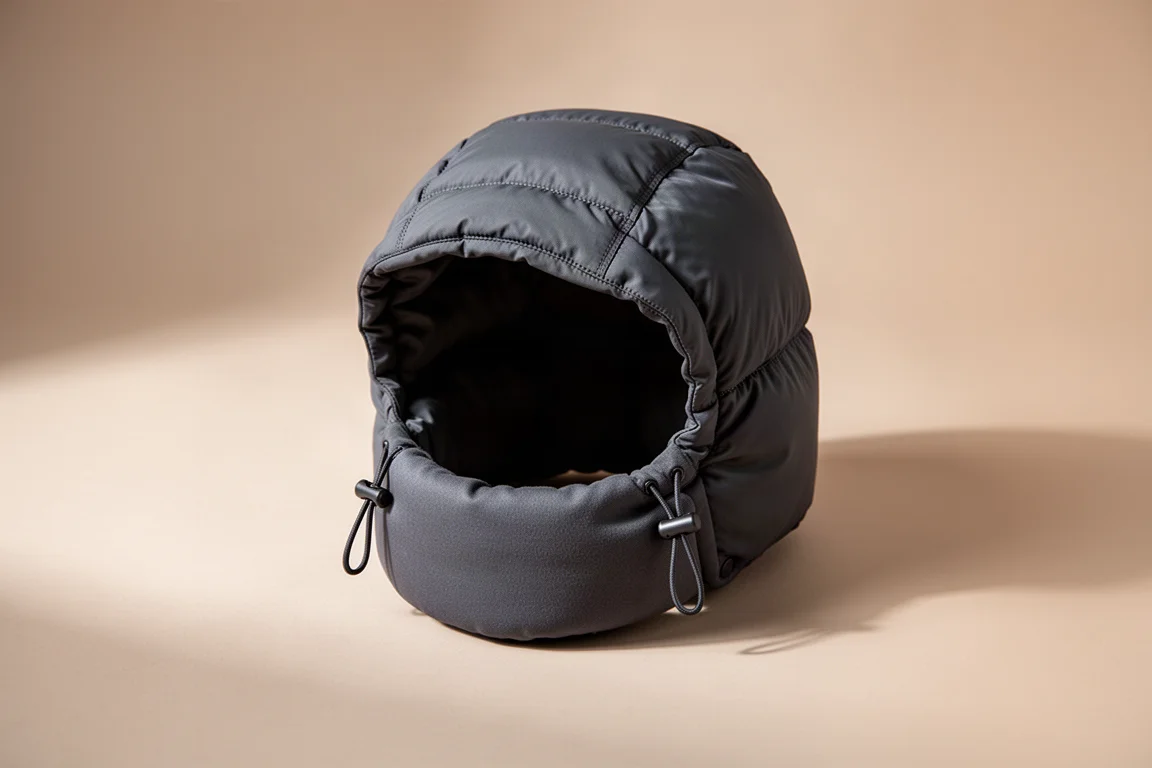
At $85 and 101 g, the Snorkel hood is the smallest and cheapest item in this group. The claim is that, combined with an appropriate quilt and sleeping pad, it keeps you warm down to -20 °C. Its distinguishing feature is a synthetic tube around the face, made from a material called Climate Shield, with cinches that let you shape it into a tunnel over the mouth and nose. Box baffle construction and a generous amount of down fill the rest of the hood.
That tube does two things. It traps a pocket of warm air in front of the face, so a thick balaclava becomes unnecessary, and it holds moisture from your breath, which makes dry winter air easier to breathe through the night. Because the tube is synthetic, it does not absorb that moisture and turn wet. A useful side effect was less moisture collecting around the shoulders and neck, where dampness normally undermines the insulation of a quilt.
In use, the hood stayed warm all the way down to -20 °C with no hat or neck warmer needed, and the enclosed face area never felt claustrophobic. It is a little fiddly, mainly the straps running under the armpits and the two snorkel cinches, and that fiddliness increases when you want to add layers in the middle of the night. A rear cinch to lock the hood around the head would reduce the need for those armpit straps. Even so, nothing else here does quite the same job, and the hood met its own rating in the conditions tested.
Nortent Torv 7 Sleeping Pad: Where the Rating Fell Short
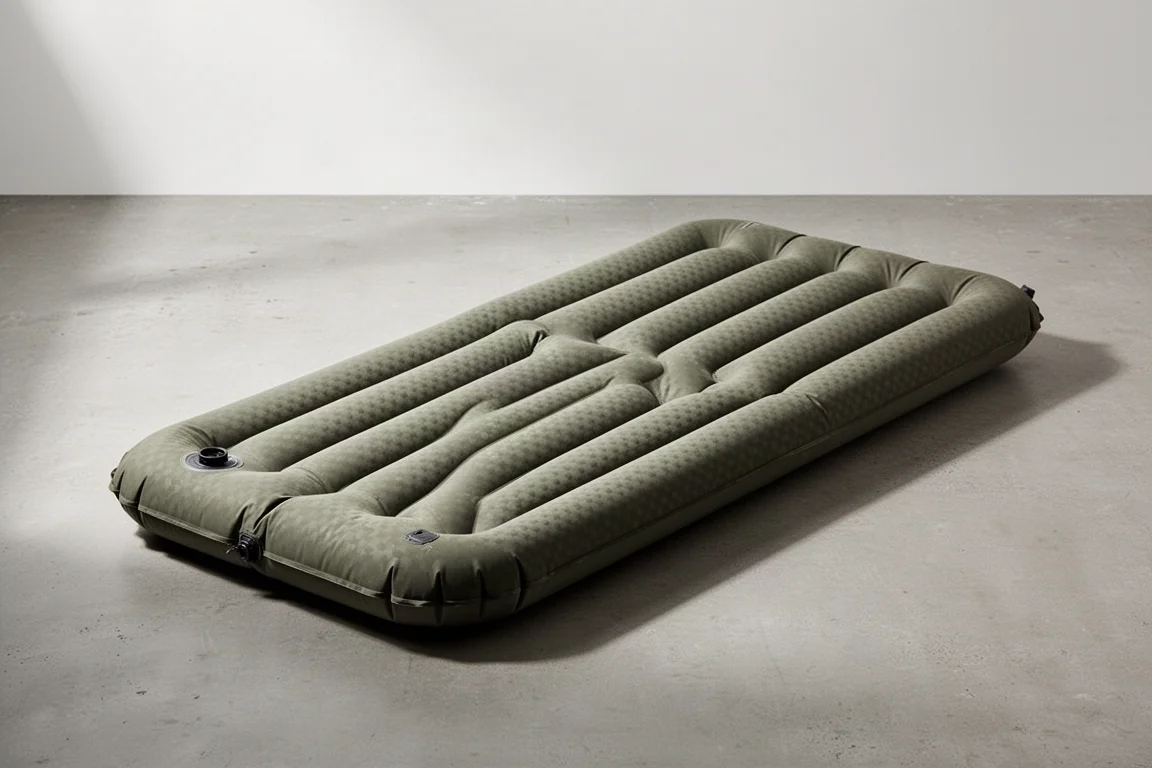
The Torv 7 is the most affordable item in this group at $119, weighs 737 g, and carries an advertised R value of 7. The design uses four suspended layers of mylar film to reflect heat back to the sleeper, vertical baffles with a subtle dimpling pattern, and a 3D construction with sidewalls that makes the pad sleep wider than a tapered design.
Comfort was promising. The baffle pattern felt supportive, the width helped, and the surface was comfortable for the time spent on it. Warmth was a different story. After roughly two hours on the pad, with the air inside the tent at -6 °C, it was simply too cold to continue, and a warmer backup pad was swapped in. The change was immediate: the replacement pad reflected noticeable heat back and the entire sleep system became dramatically warmer. Heat was escaping through the Torv 7 quickly enough that a full night on it would have meant getting progressively colder.
The wider issue is not limited to this pad. R value testing measures insulation with a cold plate and a hot plate at room temperature, tracking how much energy is needed to keep the hot plate warm. That method says very little about air temperature, and a large, thick pad with plenty of surface exposed to cold air can sleep considerably colder than its rating suggests. Treat any R value as one input rather than a guarantee.
What the Cold Night Revealed About Winter Ratings
Ratings behave differently depending on the product. The sleeping pad was rated R value 7 but lost heat fast at -6 °C inside the tent, a gap wide enough to end the test early. The quilt’s -12 °C comfort rating proved accurate with thin mesh base layers and extended to about -15 °C with a fleece mid layer, which shows how much the layer underneath changes the effective limit. The hood met its -20 °C claim with no extra head insulation at all.
The tent inner was the most predictable of the four. Its benefit was largest at the start of the night, an 8 degree gap between outside and inside, and it shrank to 5 degrees as the air cooled. That shrinking margin is worth remembering: an inner tent helps most in moderate cold and helps least when conditions get genuinely severe, which is exactly when the margin feels most valuable.
Buying Advice for Winter Sleep Systems
Start with the pad. In this test, swapping the pad changed the warmth of the whole sleep system more than any other single change, and it is the one component that cannot be compensated for by adding layers on top of yourself. A pad that loses heat to cold air underneath will keep losing it all night.
Build the rest around your habits. A quilt with a proper draft system, like the tab arrangement on the Feather Tail, removes the fiddly feeling that puts many people off quilts entirely, but plan on the stated comfort rating rather than the marketing claim above it. A light down hood with a face tube is an inexpensive way to protect the head and face, which matters most when sleeping under a quilt rather than a bag. A solid inner tent is a modest upgrade at 65 g and $20 over the mesh version, and it delivered a measurable temperature buffer along with manageable frost.
Finally, read ratings as claims rather than promises. The most reliable way to judge cold-weather gear is to test it on a short, low-risk trip with warm backup equipment within reach, which is exactly how the weak link in this group was found before it could cause a problem.
Conclusion
Three of the four pieces tested here earned their place in a winter pack. The solid inner tent added a real temperature buffer for very little weight, the down quilt held its comfort rating with no drafts along the sides, and the snorkel hood stayed warm to -20 °C while making dry winter air easier to breathe.
The sleeping pad did not hold up. It was comfortable and light, but it lost heat quickly at -6 °C inside the tent, and a warmer pad transformed the whole system the moment it was swapped in. That is the practical lesson: cold-weather ratings describe laboratory conditions, and the only way to know how a piece behaves on snow is to use it in the cold with a safe fallback nearby.
Further reading
Related Reviews
Winter Camping Gear
Affordable Winter Camping Gear: Six Budget Pieces Tested Below Freezing
Three reflective sleeping pads, an updated down jacket, a titanium pot and a $25 winter stove, assessed on frozen ground at around minus 12 degrees Celsius.
Winter Camping Gear
Best Winter Camping Gear 2026: Seven Pieces Worth Packing
A practical look at seven winter camping items, from an insulated parka rated to minus 20 degrees Celsius to a titanium stove built for cold canisters.
Winter Camping Gear
Ultimate Winter Camping Gear List: Proven Essentials for Cold-Weather Adventures
A curated list of winter camping gear that has proven itself in freezing temperatures, from shelter and sleep systems to cooking and safety essentials.