Winter Camping Gear
Winter Camping Gear: Seven Pieces Worth Packing for Cold-Weather Comfort
Seven winter backcountry picks, from a deep-cold synthetic parka to a 135-gram titanium stove, with the strengths and trade-offs that matter before you buy.
Introduction
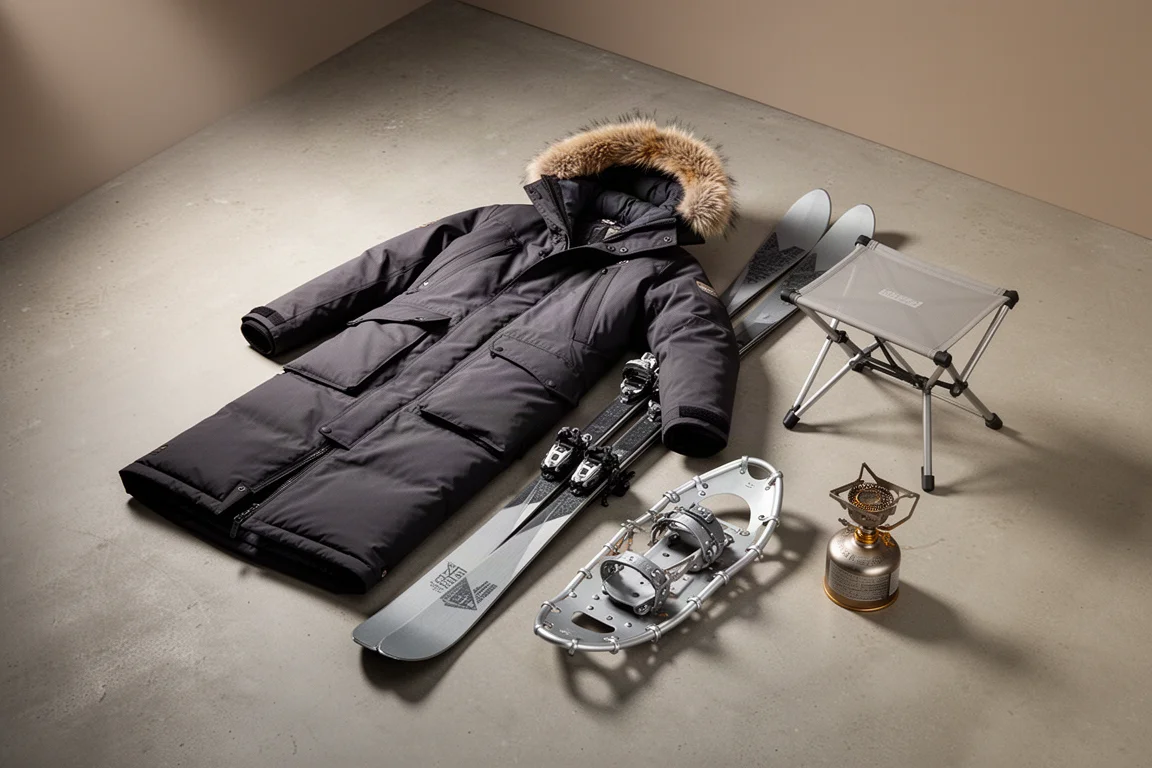
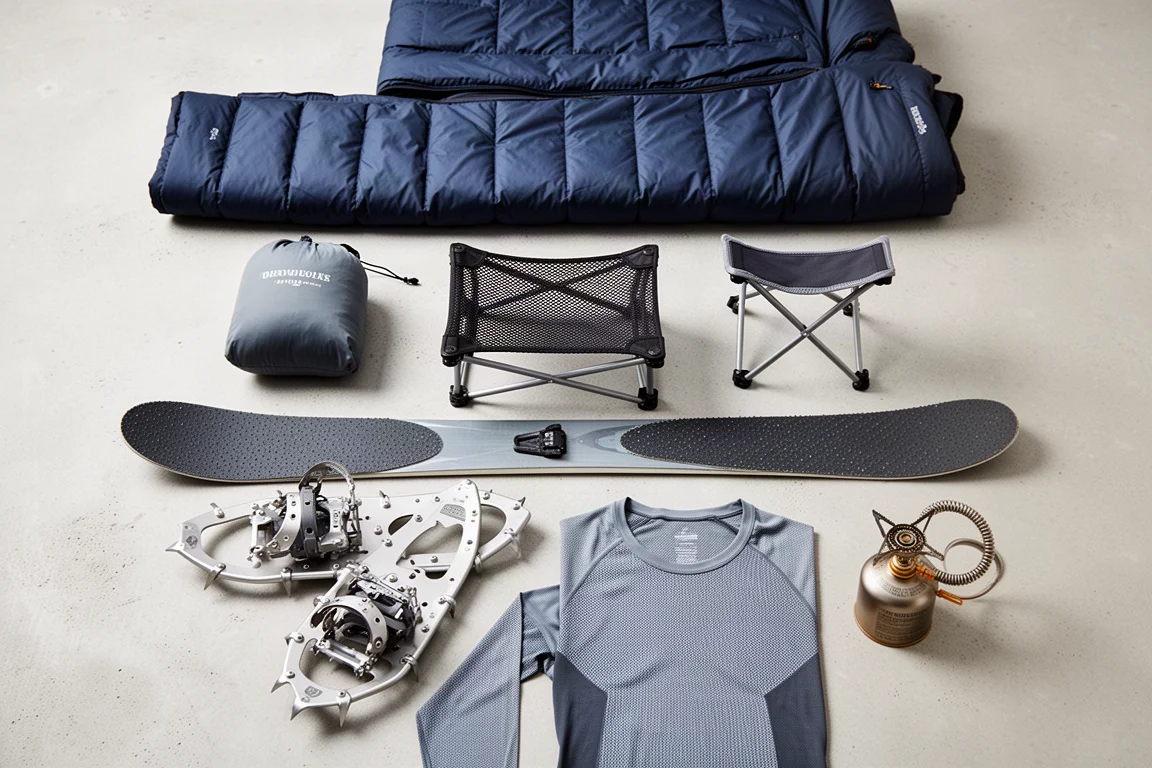
Cold-weather comfort comes down to a handful of decisions: how much insulation you carry, how small it packs, and whether your gear still works once the temperature drops below freezing. The seven pieces below cover that whole range, from a long synthetic parka built for deep cold to a 135-gram titanium stove designed to keep fuel flowing in sub-zero conditions.
Each pick earns its place for a specific job. Some are for standing around camp, some are for covering ground on flat or rolling terrain, and one is a layer that only makes sense when you are working hard enough to generate your own heat.
How These Seven Pieces Fit Together
The picks were chosen around four practical questions: how much warmth a piece delivers for its weight, how small it packs, whether it still functions in genuinely cold conditions, and what it costs.
That last point matters more than usual in winter gear. Two of the strongest picks here are the least expensive: a synthetic parka at $170 and a pair of down trousers at under $50. The most expensive item, a short backcountry ski at $470, is also the most specialised, and it only makes sense if you spend real time on untracked snow.
Weight and bulk are the trade-off running through the whole list. The warmest jacket here is also the heaviest, and the lightest items are the ones with the narrowest use cases.
Decathlon SH500U Warm Winter Jacket: Claimed Warmth to Minus 20 Degrees
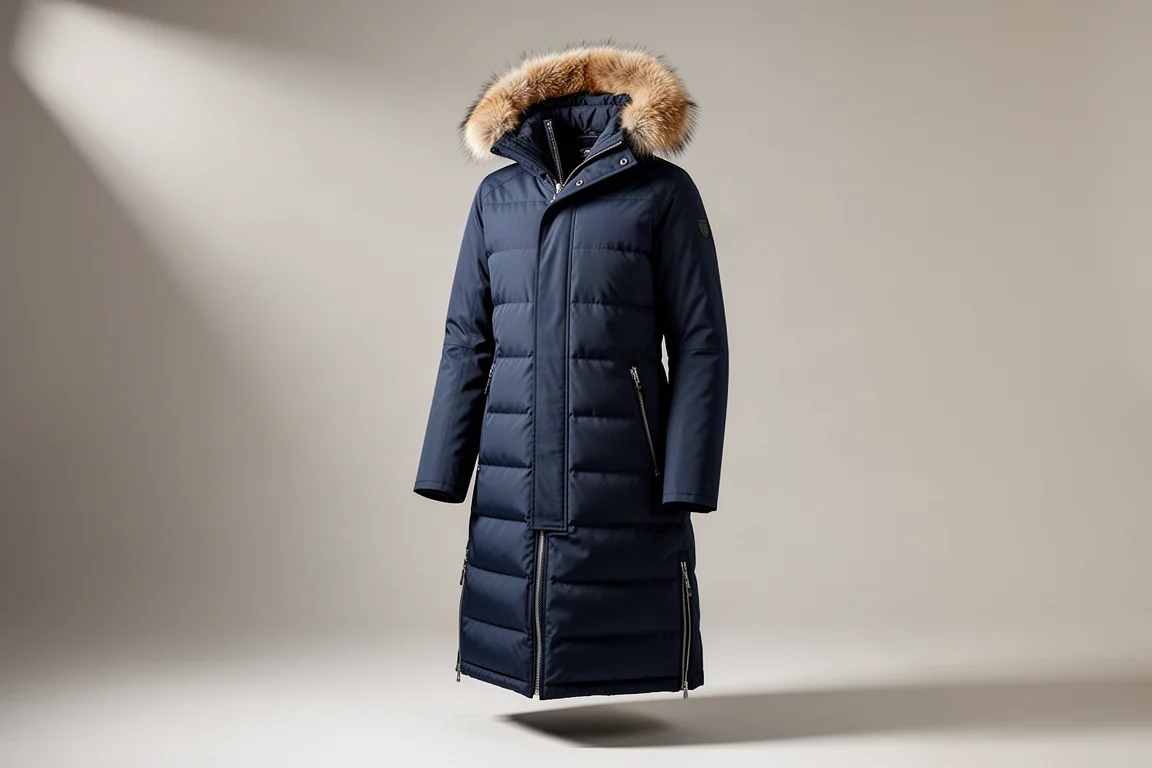
This is the warmest and heaviest piece on the list. Decathlon rates the jacket for temperatures down to minus 20 degrees Celsius, and the insulation is distributed to match: 400 grams per square metre of synthetic fill through the core, and 200 grams per square metre in the arms, which keeps the sleeves from feeling bulky while the body stays warm.
The hood is the detail that stands out first. Its fur lining blocks wind and holds a pocket of warm air around the face, which is the kind of thing you notice immediately on an exposed and breezy day. The shell is rated to a 2,000 mm water column and every seam is taped, so wet snow and sleet are not a concern.
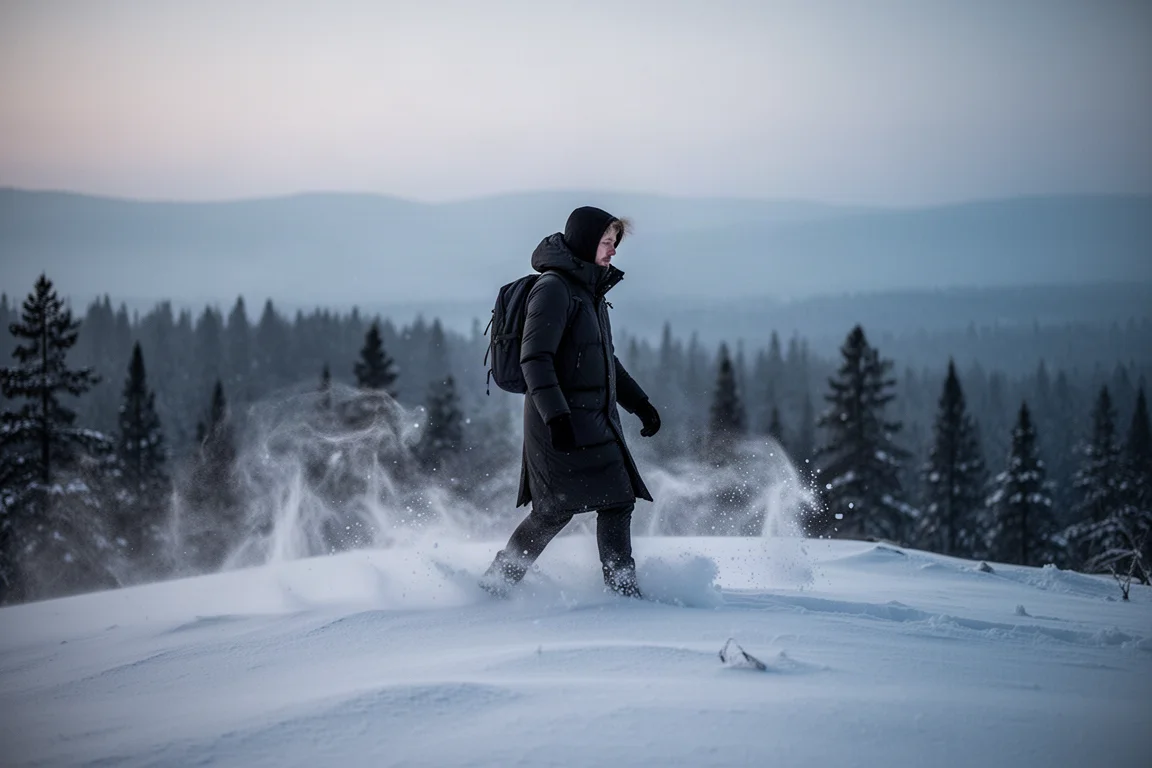
The cut is deliberately long, covering the seat and upper legs, and two long side zippers let you open the hem when you need more stride length for snowshoeing or cross-country skiing. The trade-off is weight: about two kilograms, or over four pounds, in a size XL. On a mild, sunny day it is simply too much jacket, which is why it belongs in a pack for genuinely cold trips rather than daily wear. At $170, the warmth and technical features on offer are hard to argue with.
Naturehike Down Pants: Light Camp Layers That Pack Small
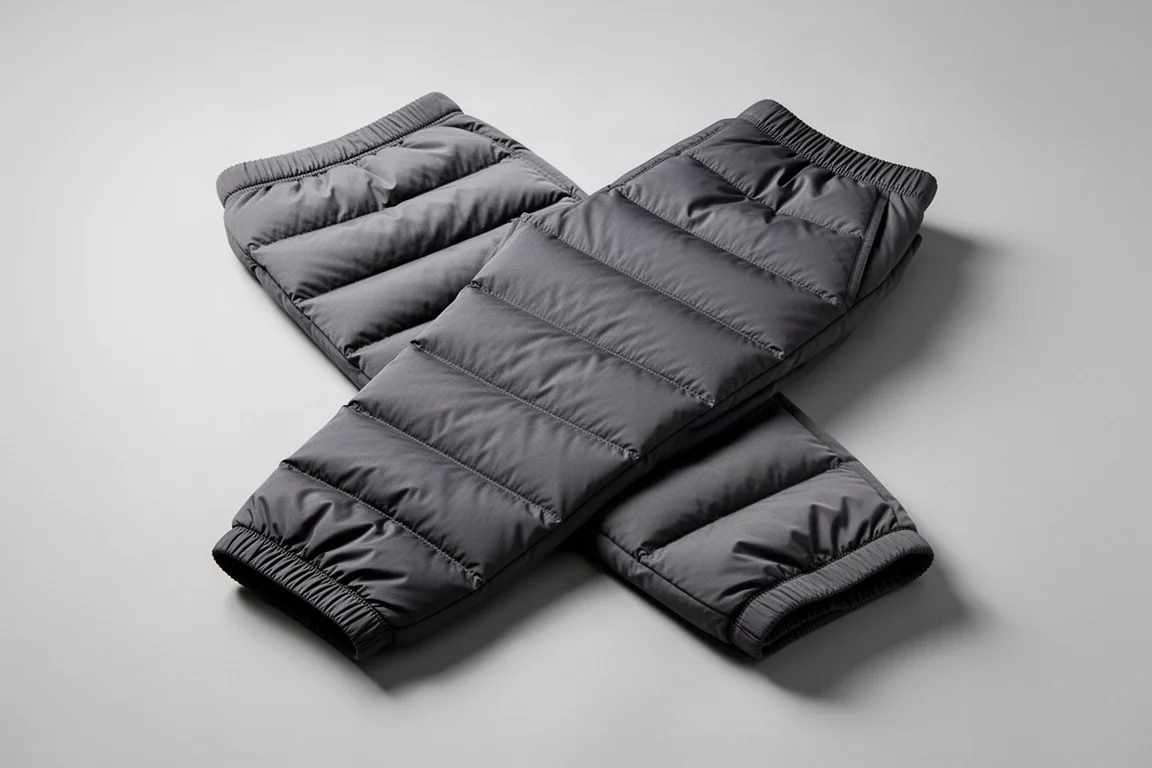
Where the jacket is heavy and bulky, these down trousers are the opposite. They use a 20-denier shell fabric over 800 fill power down, and the combination weighs under 250 grams while compressing down small enough to disappear into a pack. That is the point of them: they live in your bag all day and come out once you stop moving and the cold starts to bite.
Fit runs small, which is worth planning for. A size XL suited a 5 feet 10 inch, 185 pound frame comfortably, so sizing up is the sensible move for anyone near the top of a size bracket. Price is the other strong argument, at under $50.
Hillsound BTR Stool: Stable Seating on Snow
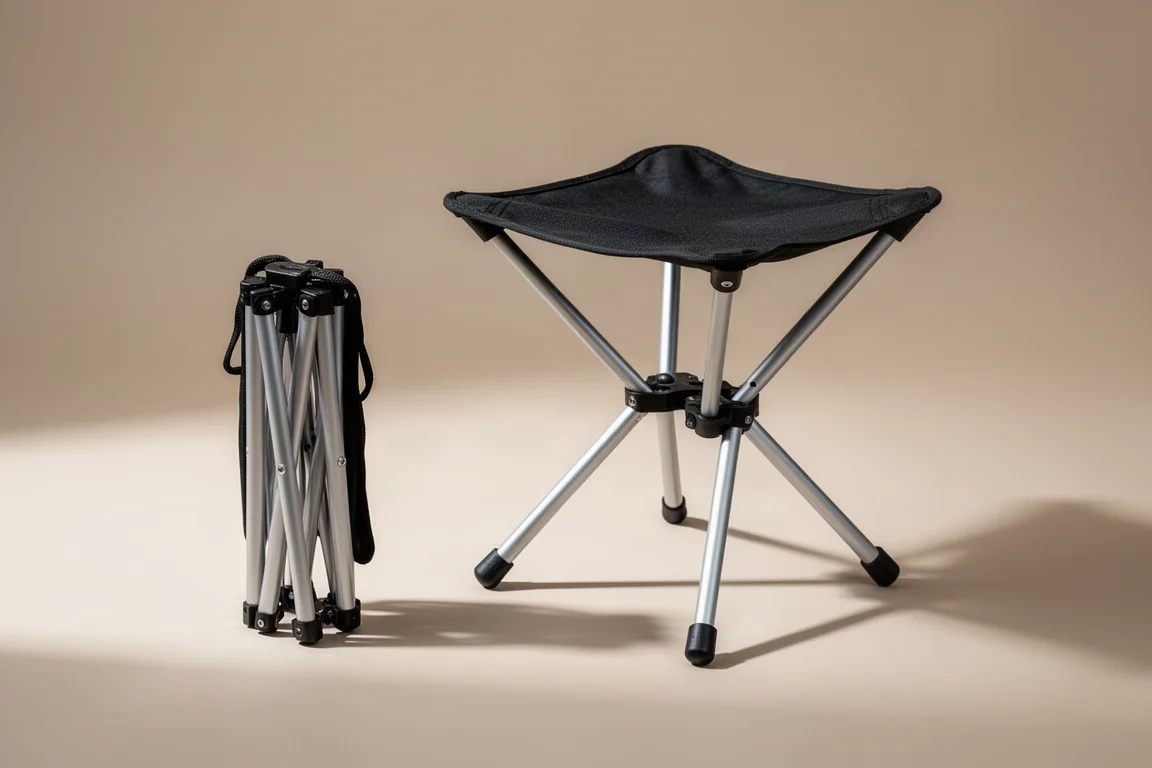
Sitting on snow is one of the small miseries of winter camping, and a stool solves it better than a foam pad or a bare log. The BTR weighs 399 grams, supports loads up to 240 pounds, and uses a 17-inch mesh seat, which is wide enough to be genuinely comfortable without adding much bulk.
The frame is aluminium, and the wider distribution of your weight makes it more stable on snow than sitting directly on the surface. Among the stools compared for winter camping use, this one came out as the lightest and most compact option available.
Black Diamond GlideLite Skis: Glide Forward, Grip Back
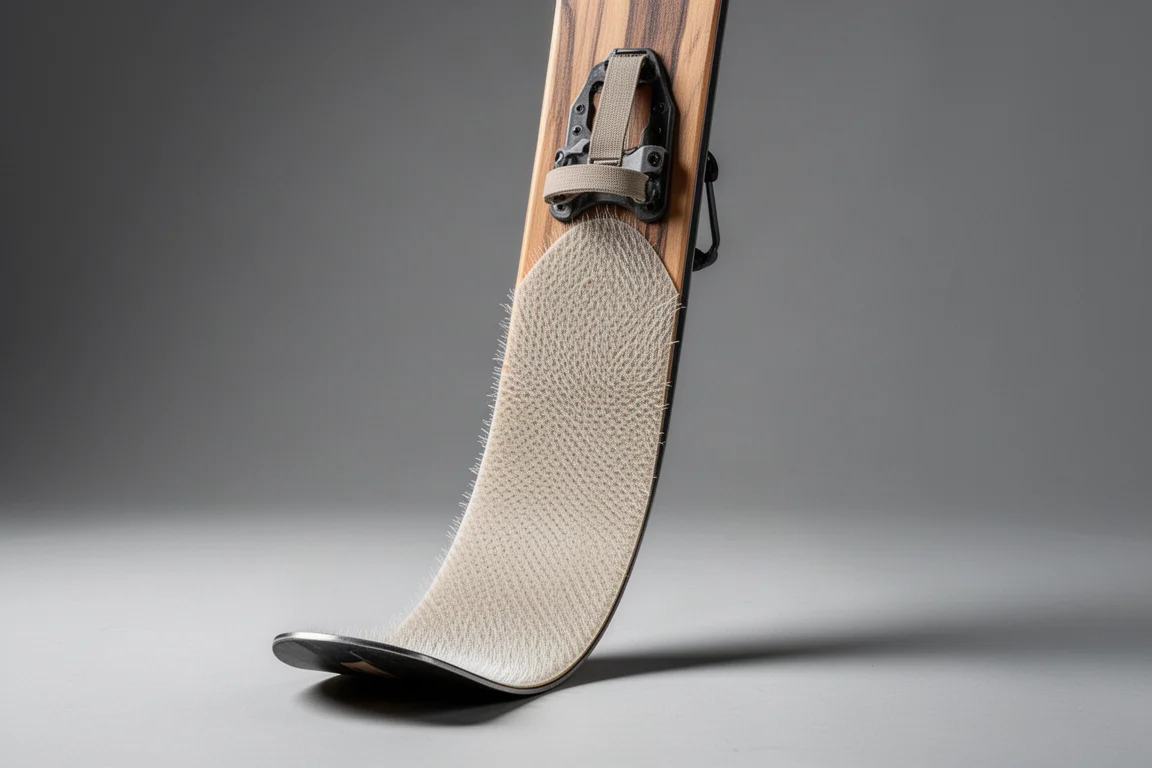
These are short and wide at 147 centimetres, with a built-in skin across the base. The hairs on that skin run in one direction, so the ski slides forward and grips when it tries to travel backwards. That single design choice is what makes them so effective on rolling and flat ground, where they covered ground roughly 50 percent faster than snowshoes or hiking boots.
The bindings are another practical touch. They accept standard winter or hiking boots, so there is no need for a dedicated ski boot, and the binding pivots like a cross-country ski so you can kick and glide in a normal walking rhythm.
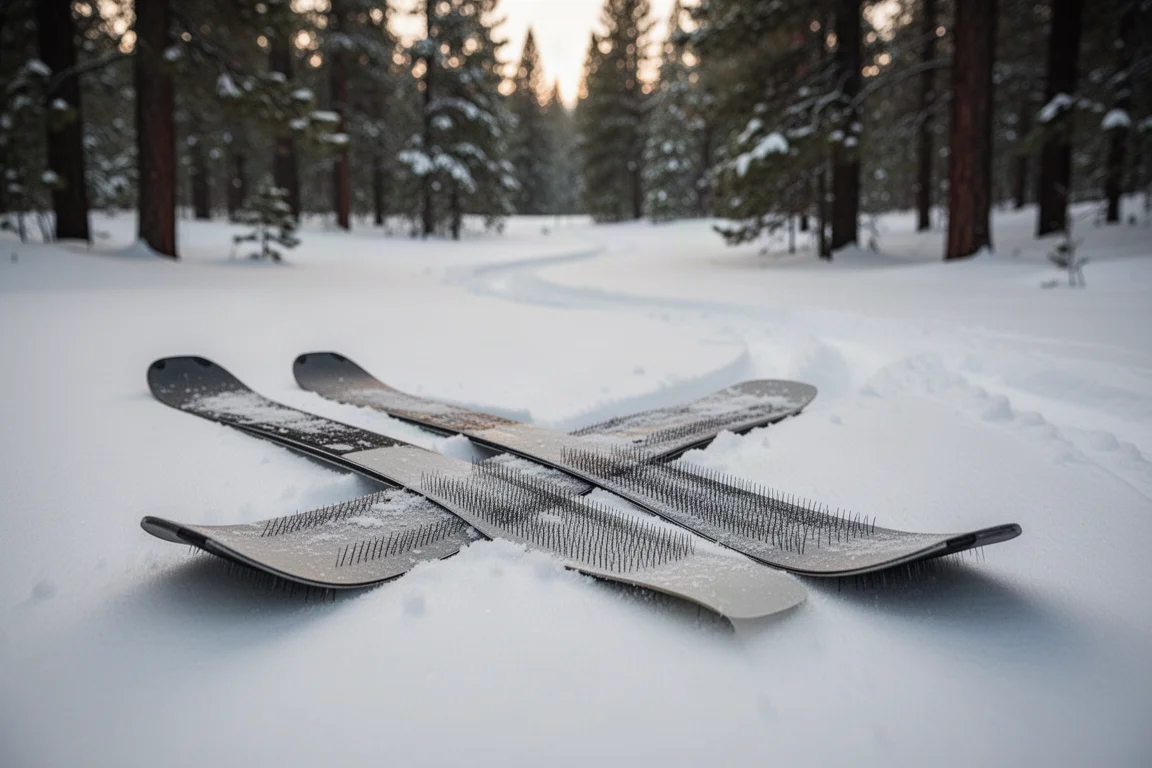
At $470 they are the most expensive item on this list, and the value depends entirely on how you use them. On untracked, rolling backcountry terrain they cover ground faster than snowshoes. On steeper ground that demands floatation and traction, snowshoes remain the better tool.
Decathlon SH520 Snowshoes: Budget Traction with a Heel Riser
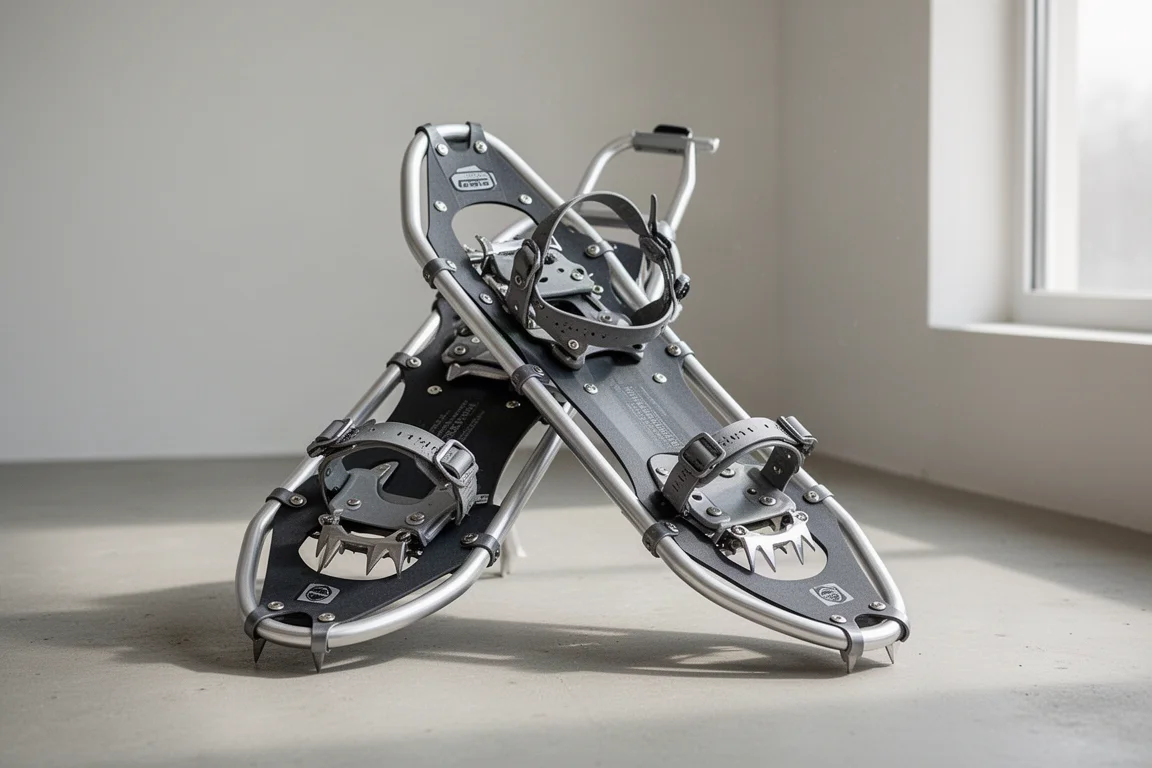
For steeper ground, these snowshoes cost just over $100 and still include features that usually appear on more expensive models. The heel riser snaps up under your heel on climbs, which takes strain off the calves and leg muscles, and there are crampons at both the toe and the heel for traction on harder snow.
They are larger than the other snowshoes in the current setup, which should help in deeper snow, and the build looks durable: metal rivets throughout and metal attachment points rather than plastic. That matters on long winter days, when a failed binding ends the trip early.
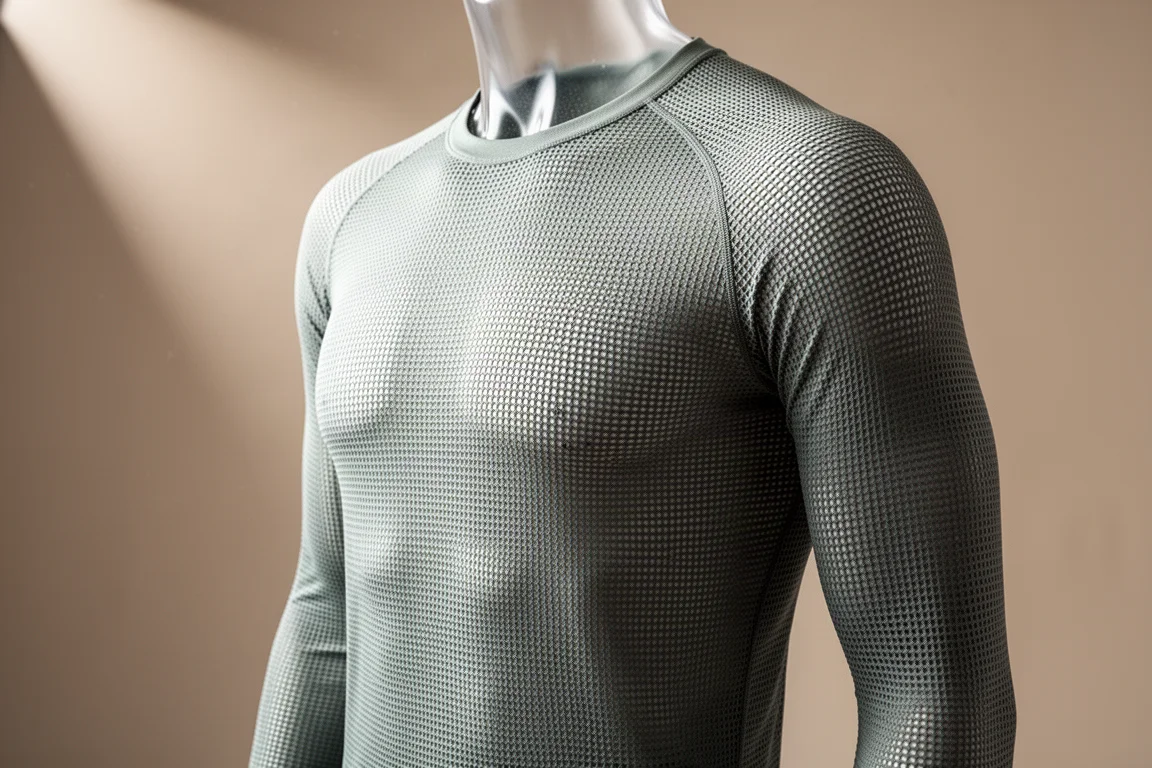
Mountain Hardwear AirMesh Shirt: Active Warmth at 150 Grams
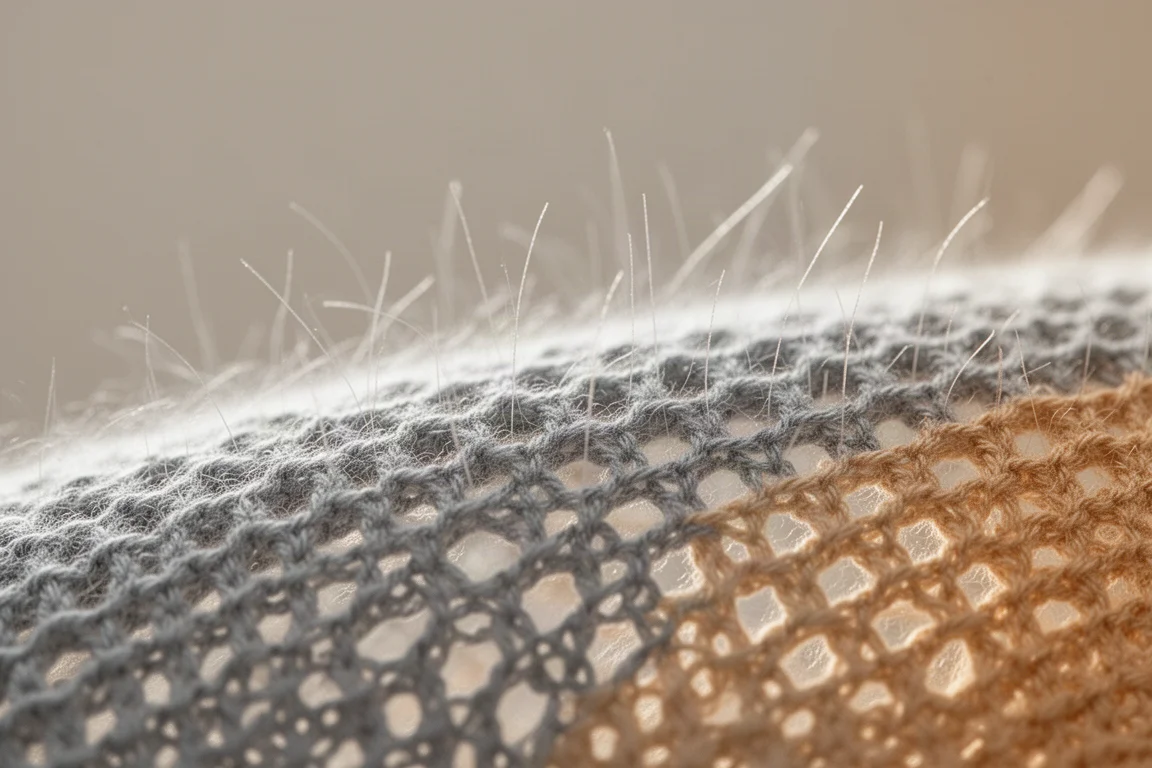
This shirt uses a knit structure with fine, hair-like fibres on the inside and an open mesh outer. The result is a 150-gram layer that stays warm well beyond what its weight suggests: it has been comfortable down to minus 5 degrees Celsius while active.
The mesh outer does more than vent heat. Wind passing through the fabric pulls sweat off the skin, so the shirt manages moisture without the phase-change chemistry a dedicated wicking fabric would need. That makes it a good match for high-output winter activity, where you warm up quickly and then cool down hard the moment you stop.
Fire Maple Blade 2 Titanium Stove: Cold-Weather Fuel Flow
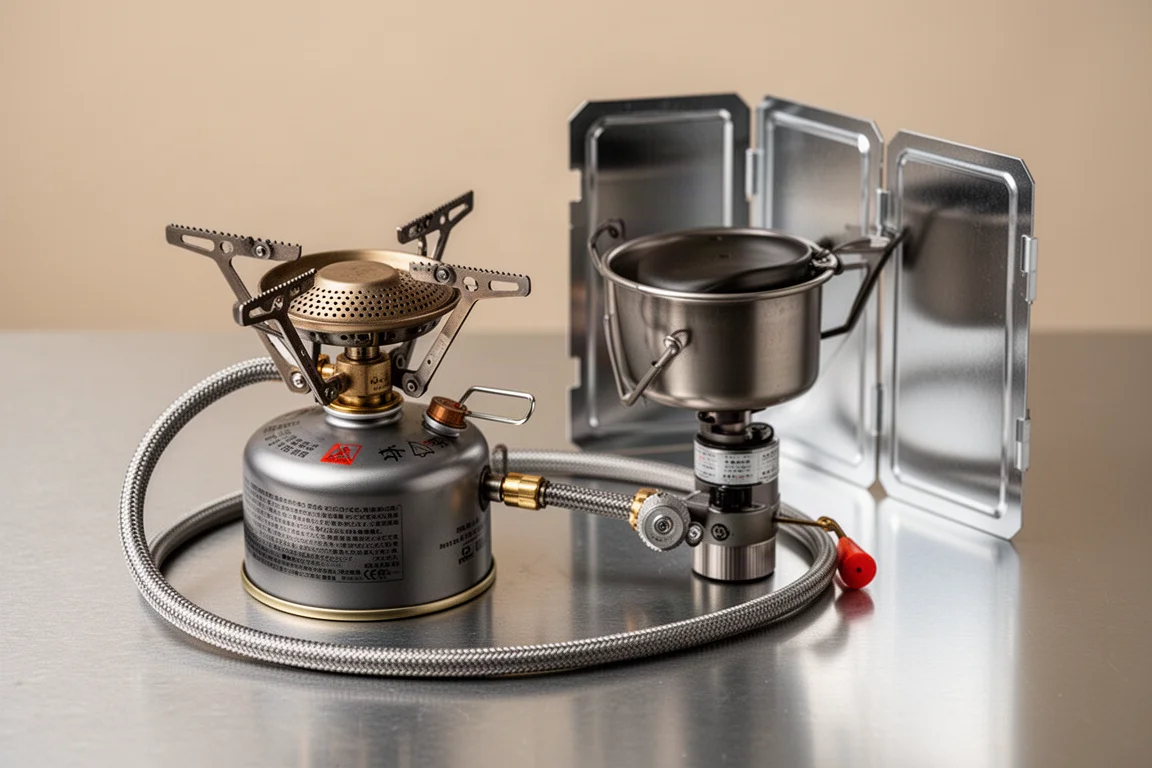
Cold is the enemy of canister stoves. Isobutane in a cold canister tends to sit as a liquid rather than a gas, which is why a preheating tube matters: fuel passes through the tube on its way to the burner and vaporises before it arrives. The Blade 2 is titanium, weighs 135 grams, and was the lightest remote-canister stove with a preheating tube found for this kit.
Remote-canister designs bring a second advantage. Because the burner sits away from the canister, the canister can be inverted to feed liquid fuel into the preheating loop. It is also far more compact than a classic white gas stove, and at $70 it is an inexpensive way to make winter cooking reliable.
Overall Buying Advice
Start with the conditions you actually expect, not the coldest temperature you can imagine. A deep-cold parka like the SH500U earns its weight only on genuinely cold trips, and it is the wrong choice for mild days or high-output movement. If most of your winter outings are day hikes on established trails, the snowshoes and a light active layer will cover more of your needs than the heaviest insulation on this list.
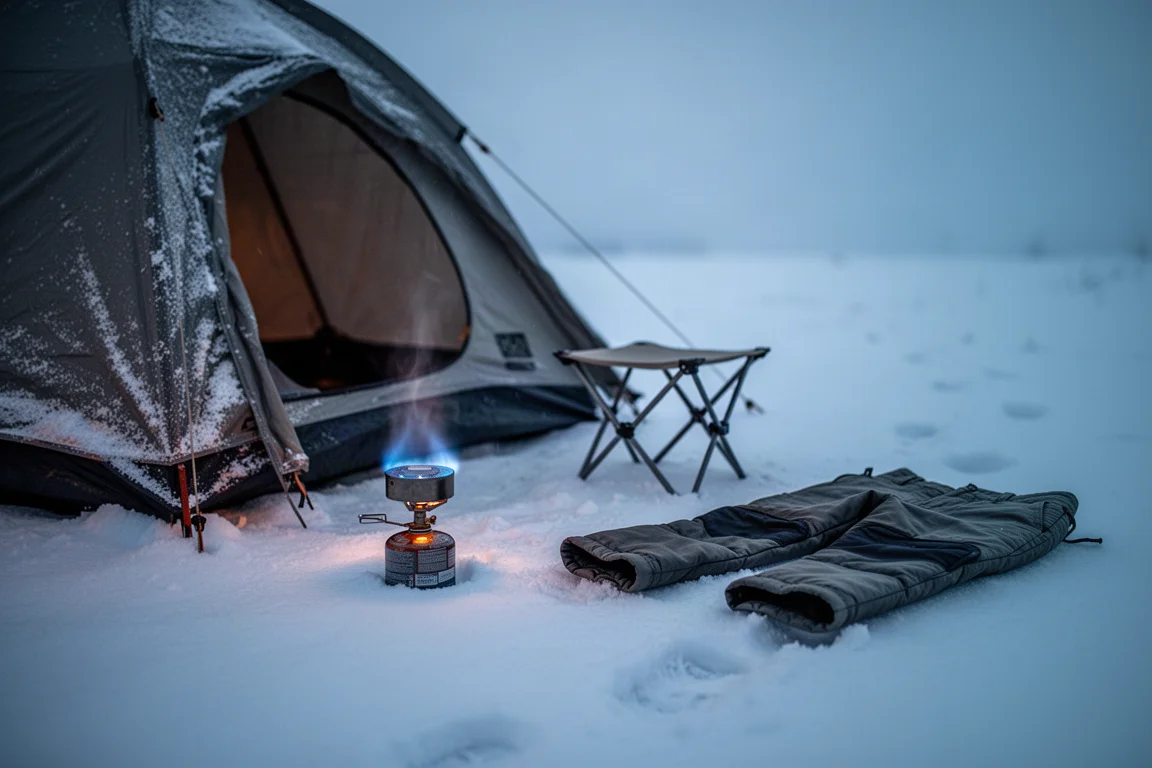
For most people building a winter kit, the sensible order is insulation for camp, traction for the terrain you travel, and then a stove you can trust in the cold. The down trousers and the stool are the cheapest comfort upgrades here, and both are small enough to live in a pack without being noticed. The skis are the one item worth waiting on until you know your terrain rewards them.
Conclusion
These seven pieces cover the full range of winter comfort, from a heavy parka that handles the coldest days to a 135-gram stove that keeps fuel flowing when temperatures drop. The down trousers and the snowshoes deliver the most value for their price, while the skis are a specialist tool for untracked, rolling terrain. Match each piece to a job you actually do, and the whole kit becomes easier to justify.
Further reading
Related Reviews
Winter Camping Gear
Affordable Winter Camping Gear: Six Budget Pieces Tested Below Freezing
Three reflective sleeping pads, an updated down jacket, a titanium pot and a $25 winter stove, assessed on frozen ground at around minus 12 degrees Celsius.
Winter Camping Gear
Best Winter Camping Gear 2026: Seven Pieces Worth Packing
A practical look at seven winter camping items, from an insulated parka rated to minus 20 degrees Celsius to a titanium stove built for cold canisters.
Winter Camping Gear
Ultimate Winter Camping Gear List: Proven Essentials for Cold-Weather Adventures
A curated list of winter camping gear that has proven itself in freezing temperatures, from shelter and sleep systems to cooking and safety essentials.