Winter Camping Gear
Winter Camping Gear Worth Packing: Seven Pieces That Earn Their Space
Seven winter camping and backcountry pieces with clear strengths, honest trade-offs, and practical notes on who each one suits.
Introduction
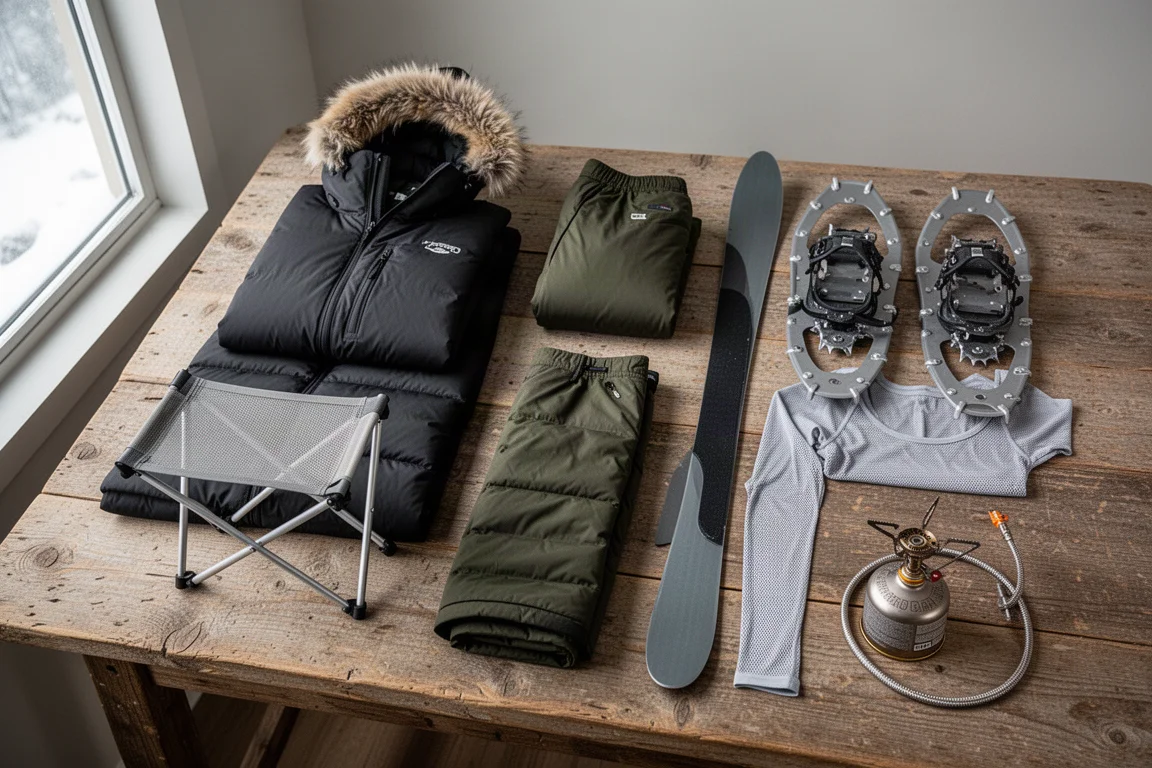
Winter camping gear earns its place in a pack by doing two things at once: keeping you warm and staying light enough to carry. The seven pieces below cover the main problem areas of a cold-weather trip, from standing around camp in deep frost to melting snow for water on a freezing morning. Each one has a clear job, a real trade-off, and a price that reflects what it actually delivers.
What to Look For in Winter Camping Gear
Three factors matter more than any specification sheet: warmth-to-weight ratio, packability, and how the gear behaves once temperatures drop below freezing.
Warmth-to-weight is the headline number. A jacket that keeps you comfortable at -20°C is only useful if you are willing to carry it, and a base layer that weighs 150 g is only useful if it genuinely insulates while you move. Packability matters just as much at camp, where a pair of down pants that compresses into a corner of your pack can turn a cold evening into a comfortable one.
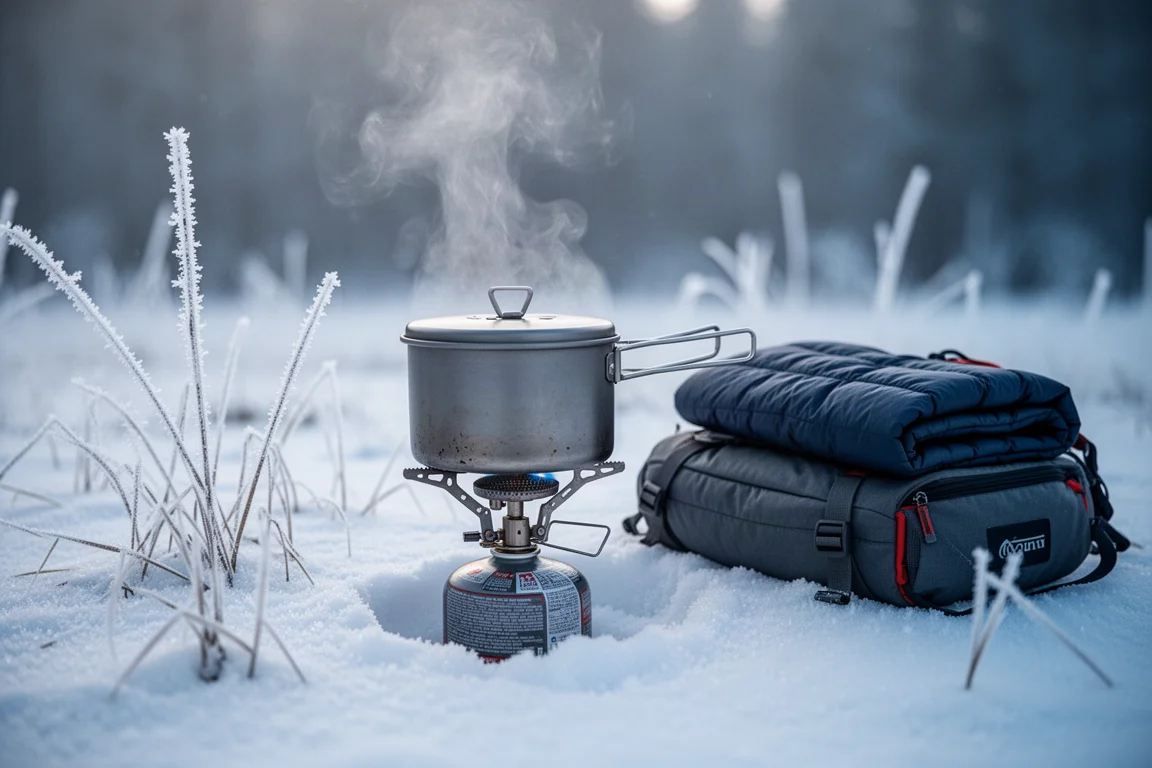
Cold-weather fuel handling is the third factor, and it is the one most often overlooked. Canister fuel behaves differently below freezing, so a stove with a preheating tube or an invertible canister design can make the difference between a hot meal and a frustrating one.
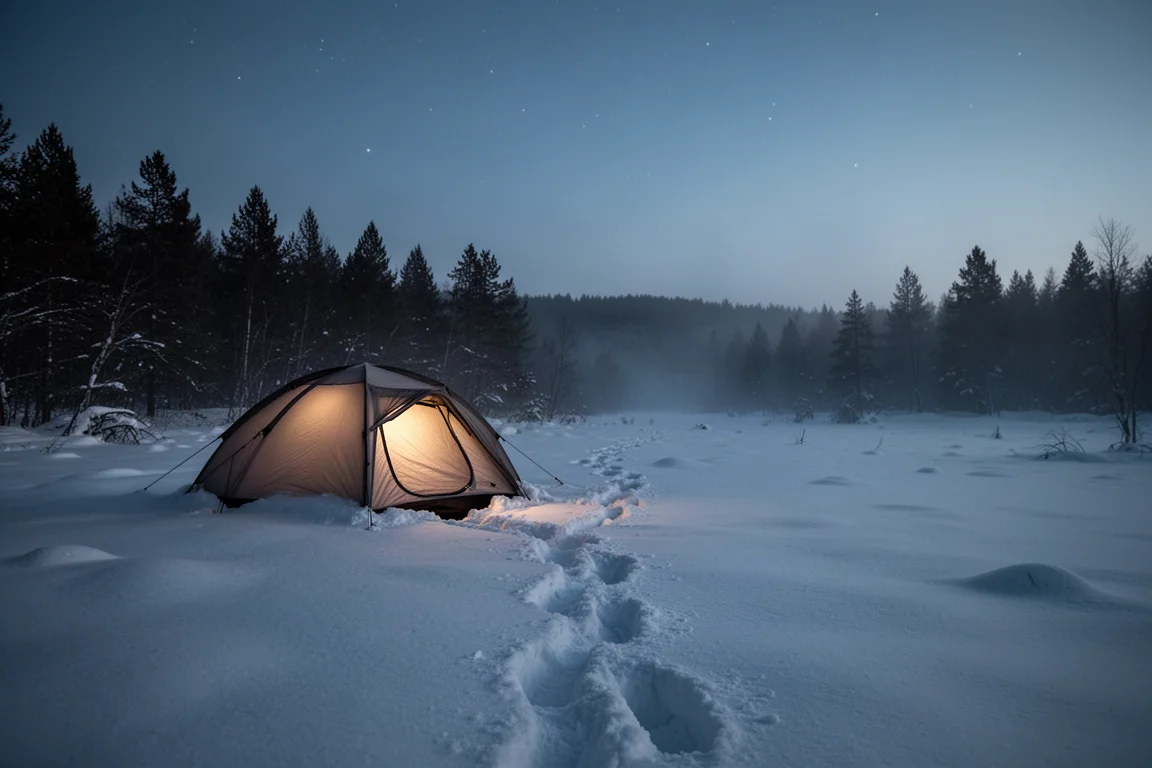
Price does not have to mean compromise either. Several of the pieces here sit well below what comparable technical gear usually costs, which makes them worth a closer look if you are building a winter kit from scratch.
Decathlon SH500U Warm Winter Jacket
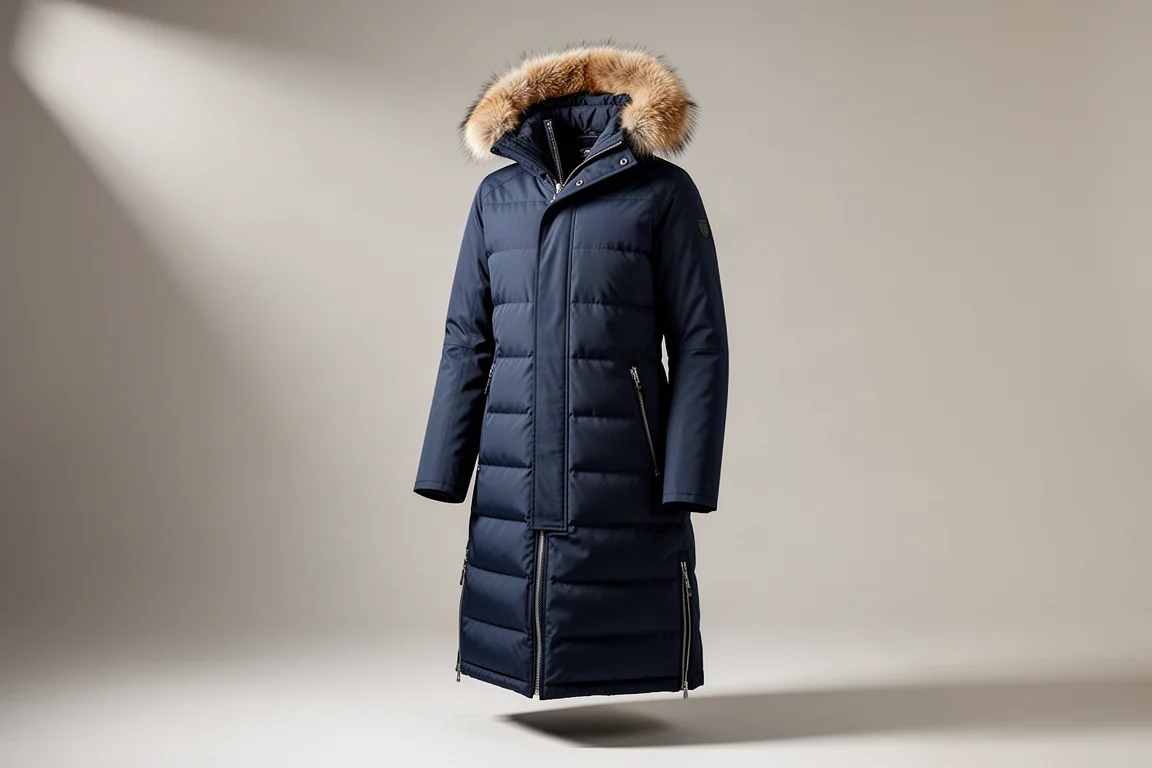
The SH500U is built for the coldest, least active parts of a winter trip. It is rated for temperatures down to -20°C, and the construction backs that up: 400 g/m² of synthetic insulation through the body and 200 g/m² in the arms, so the core stays warmer while the sleeves avoid unnecessary bulk.
The hood is the standout detail. A fur lining around the opening blocks wind and traps a pocket of warm air around your face, which is the difference between a comfortable walk and a miserable one on an exposed trail. The jacket uses a 2,000 mm water column with fully taped seams, so rain and wet snow stay outside.
The cut is long, covering the seat and upper legs, and side zippers let you open the hem for a longer stride when you are snowshoeing or cross-country skiing. The trade-off is weight. In size XL it comes in at roughly 2 kg, which is heavy for a jacket and warm enough to feel like too much on a mild, sunny day. At around $170, though, it delivers a lot of warmth and technical detail for the money.
Naturehike Down Pants
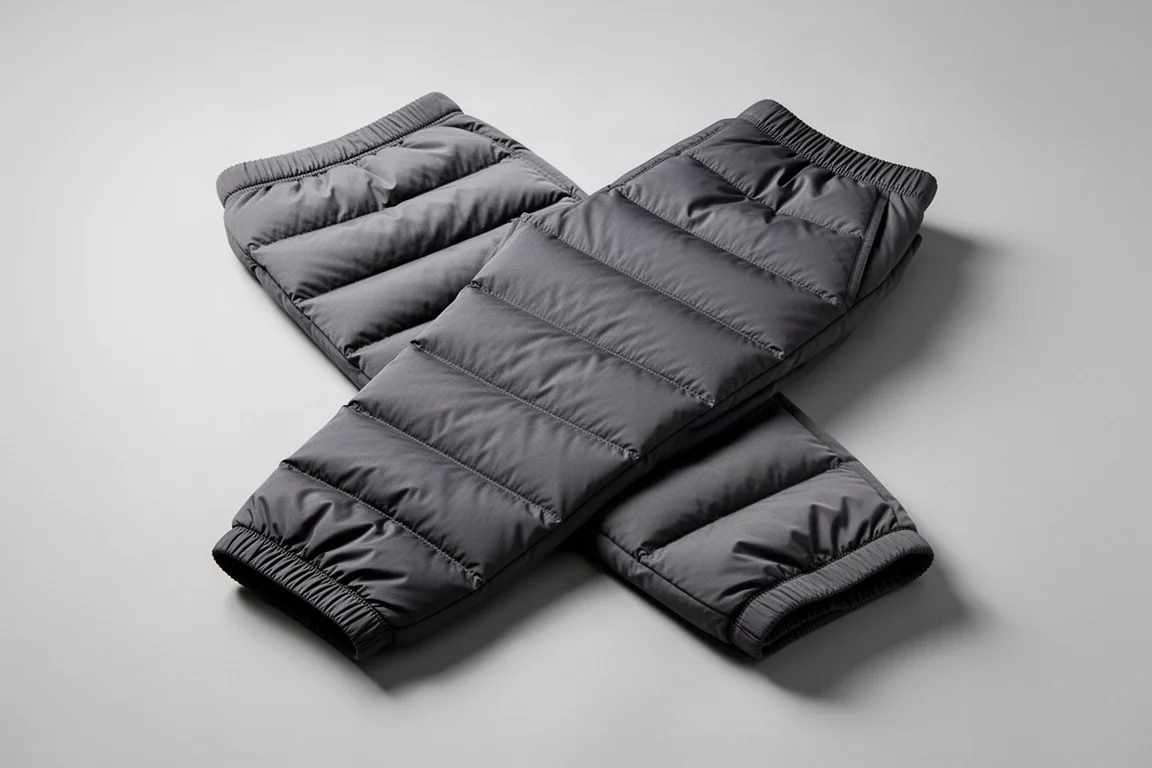
Down pants solve a specific problem: the moment you stop moving at camp and your legs go cold. These use a 20-denier shell over 800 fill power down, weigh under 250 g, and compress small enough to disappear into a pack, which makes them easy to bring along even when you are not certain you will need them. At under $50, they are an inexpensive way to add a meaningful layer of warmth.
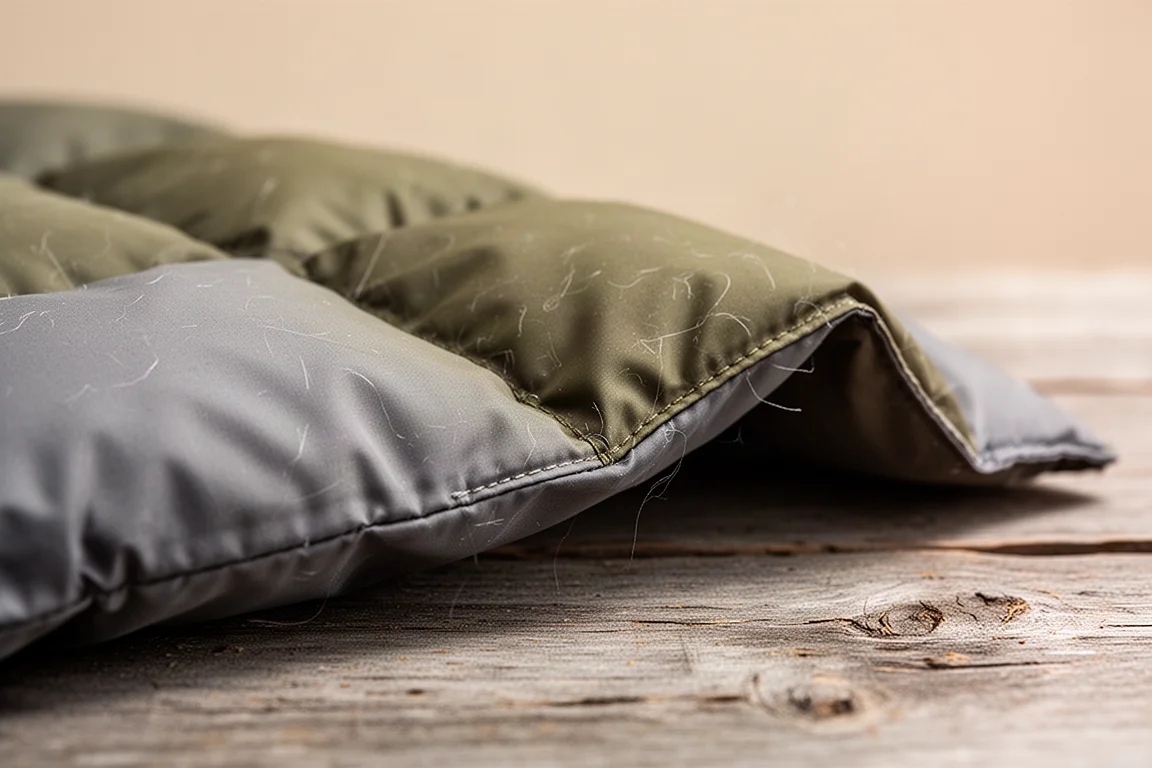
Sizing runs small, so it is worth going up a size. An XL fits a 5’10”, 185 lb frame well, which suggests the listed sizes sit closer to a trim fit than a generous one.
Hillsound BTR Stool
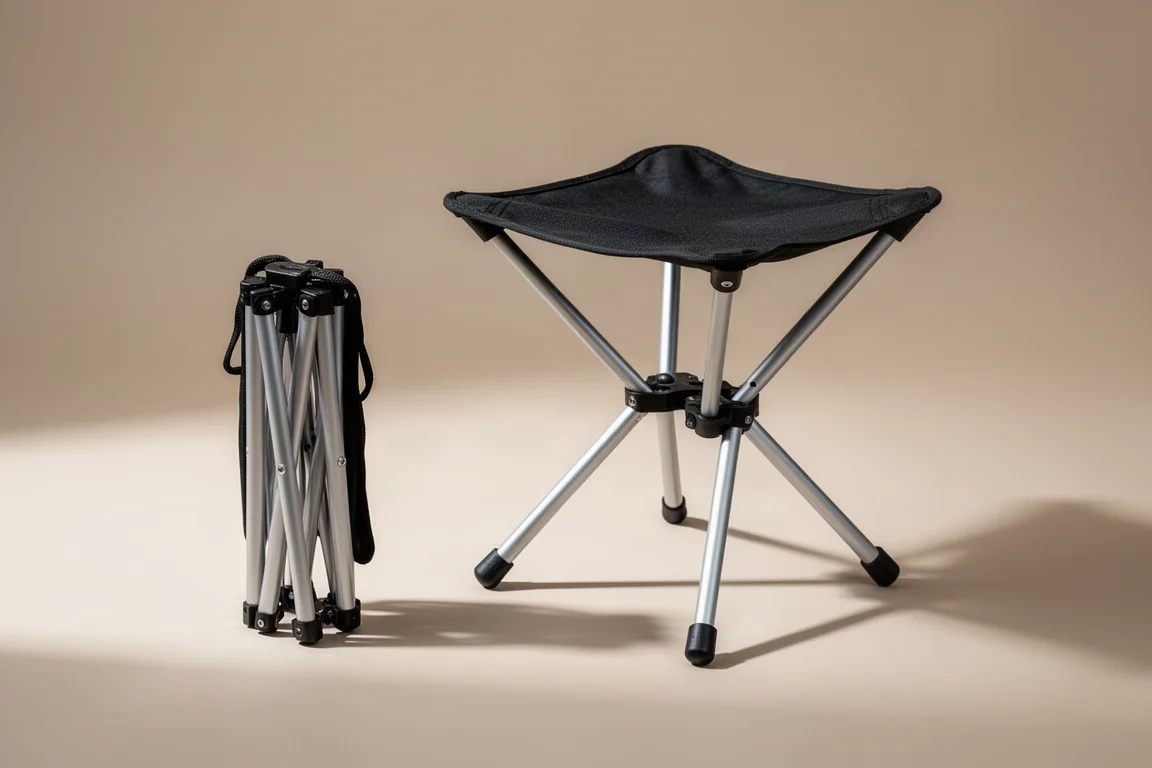
A stool is a small luxury that pays off in winter, because spreading your weight across a wider seat is more stable on snow than balancing on a log or a snow bank. The BTR weighs 399 g, carries up to 240 lb, and uses a 17-inch mesh seat with aluminium legs. It packs down small enough to travel in a pack without a second thought, and among the compact camp stools available it stands out for how little space and weight it asks for.
Black Diamond GlideLite Skis
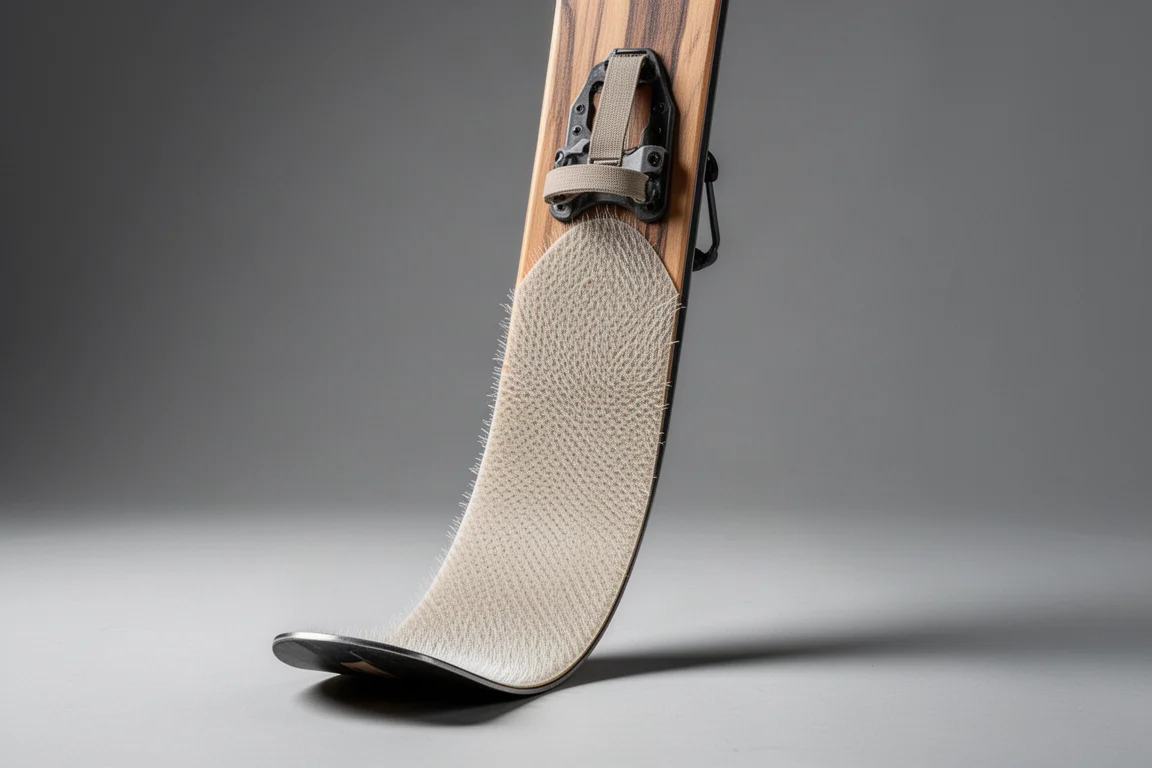
GlideLite skis are short and wide at 147 cm, with an integrated skin on the base. The skin hairs run in one direction, so the ski glides forward and grips when you try to slide backwards. On rolling or flat ground that combination is roughly 50 percent faster than snowshoes or hiking boots.
The bindings accept standard winter or hiking boots and pivot like a cross-country binding, so you can kick and glide without specialist footwear. They are not cheap at $470, and steeper terrain that demands the traction of snowshoes is still snowshoe terrain. On long, untracked backcountry routes, though, the glide changes how much ground you can cover in a day.
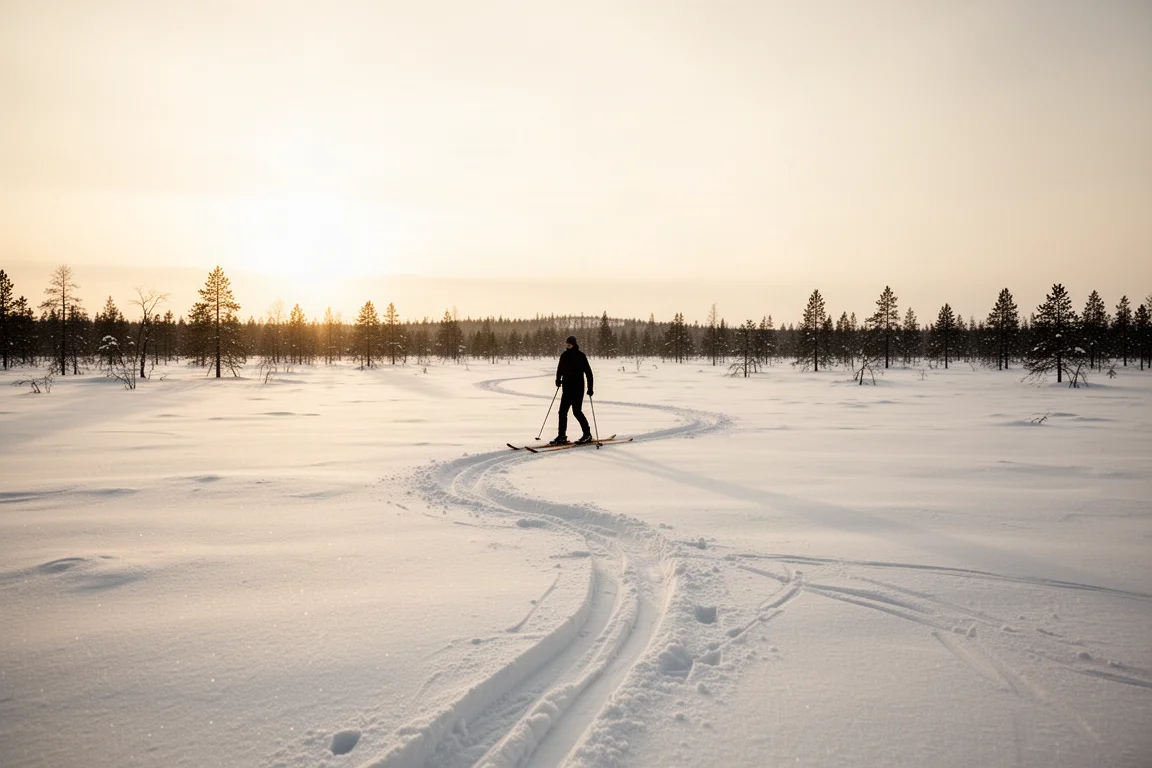
If your winter trips involve a lot of distance over gentle terrain, that speed advantage is the reason to consider them. If your routes climb, a snowshoe remains the more practical tool.
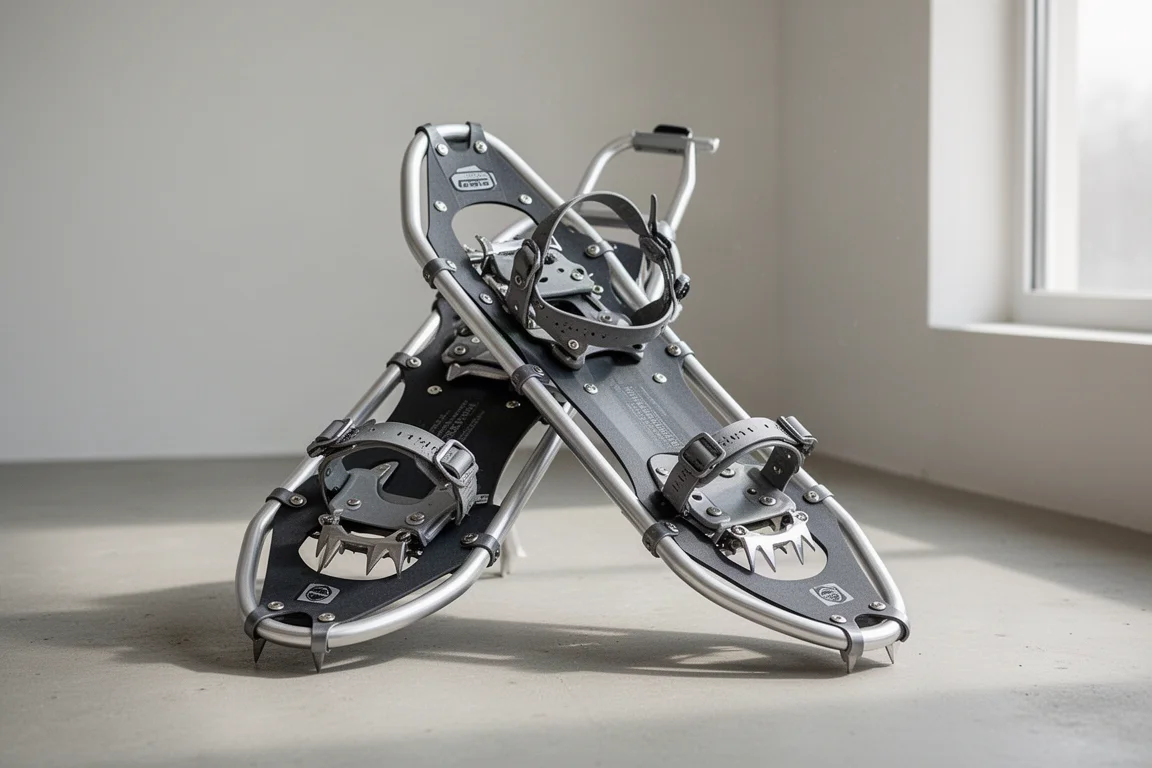
Decathlon SH520 Snowshoes
The SH520 costs just over $100 and still includes features usually reserved for more expensive snowshoes. A heel riser snaps up to ease climbing and reduce calf fatigue, and crampons at the toe and heel provide traction on hardpack and ice. The platform is larger than a compact trail snowshoe, which helps with float in deeper snow.
Build quality looks reassuring, with metal rivets and metal attachment points throughout. Durability over a full season is the open question. Decathlon also offers a smaller, less technical snowshoe for under $100 for established trails where a bigger platform is not needed.
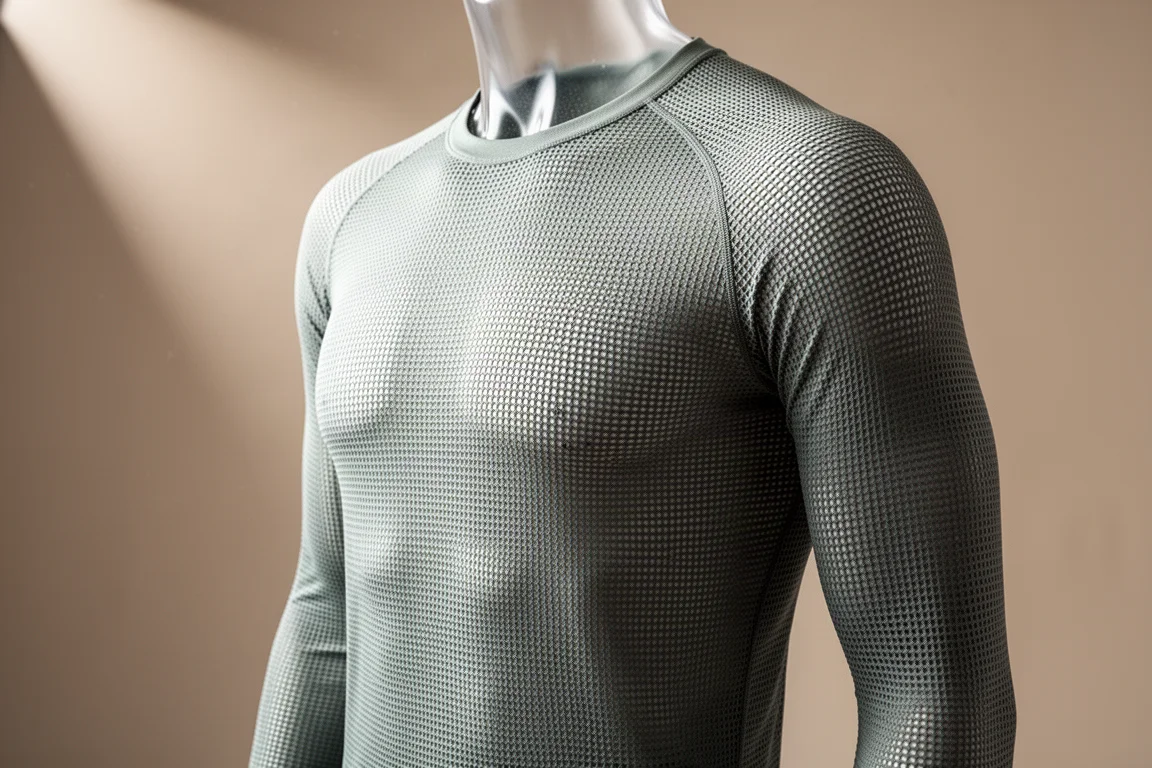
Mountain Hardwear AirMesh Shirt
The AirMesh shirt uses a mesh construction with fine hair-like fibres on the inside, and it is remarkably warm for its 150 g weight. It has been comfortable down to -5°C during active use, and it regulates temperature well because moving air pulls sweat away from the skin rather than letting it sit there.
That makes it a strong choice as an active layer on climbs and fast winter walks, where a heavier fleece would leave you overheated. For standing still in the cold, it is best treated as part of a layered system rather than the whole answer.
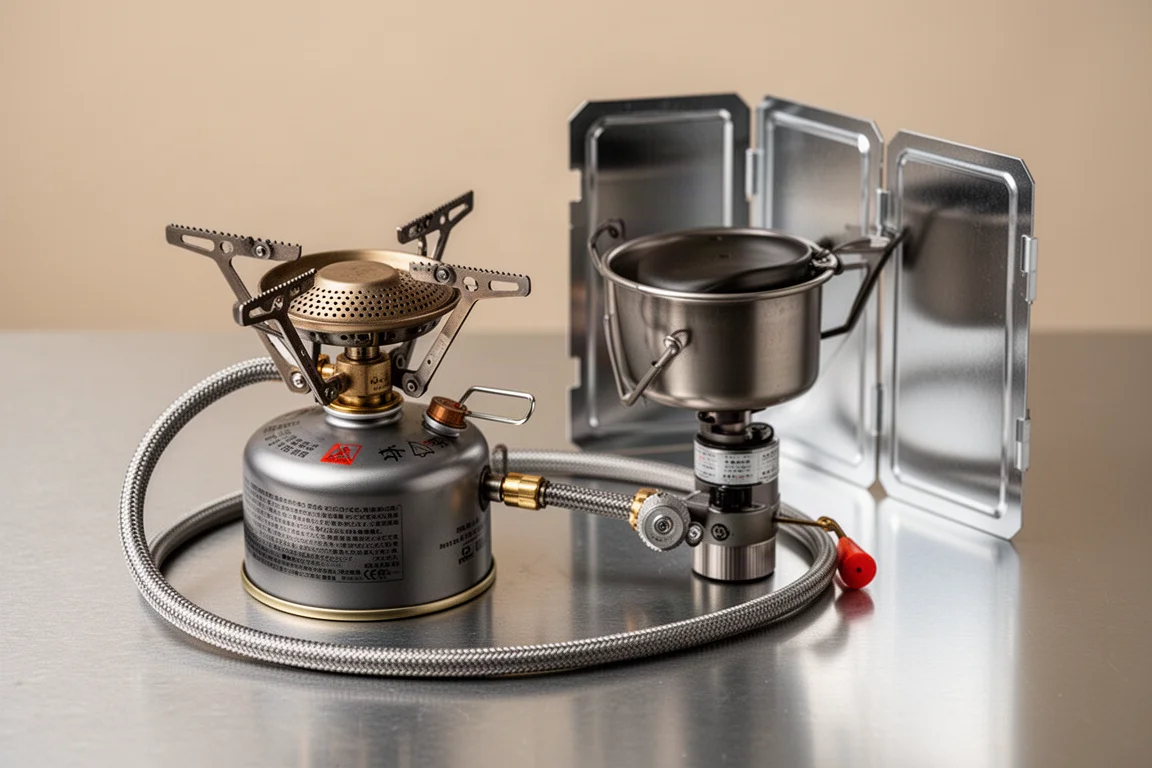
Fire Maple Blade 2 Titanium Stove
Cold weather is hard on canister stoves because the isobutane inside can remain liquid instead of vaporising. The Blade 2 addresses that with a preheating tube, which turns liquid fuel into gas before it reaches the burner. The remote canister design also lets you invert the canister to feed liquid fuel directly into the stove, a setup that performs more reliably in freezing conditions.
It weighs 135 g and packs down smaller than a classic white gas stove, and at around $70 it is an affordable way to get cold-weather fuel performance. Among remote-canister stoves with a preheating tube, it is one of the lightest options available.
Overall Buying Advice
The right winter kit depends on how you spend your time outside. If you stand around camp in deep cold, the insulated jacket and the down pants deliver the most comfort per dollar. If you cover distance, the skis and snowshoes decide how efficiently you travel, and the base layer decides how comfortable you stay while doing it.
Price is not a reliable guide to usefulness here. The down pants, the snowshoes, and the stove all sit in the affordable end of the market while solving real cold-weather problems, and the jacket offers a level of warmth that usually costs considerably more. The skis are the one premium purchase in the group, and they justify it only if your terrain suits them.
Conclusion
These seven pieces cover the core of a comfortable winter kit: insulation for standing still, a packable layer for camp, a stable seat, efficient travel over snow, an active base layer, and a stove that keeps working when the temperature drops. Match them to the way you actually use the outdoors, and each one earns its place in the pack.
Further reading
Related Reviews
Winter Camping Gear
Affordable Winter Camping Gear: Six Budget Pieces Tested Below Freezing
Three reflective sleeping pads, an updated down jacket, a titanium pot and a $25 winter stove, assessed on frozen ground at around minus 12 degrees Celsius.
Winter Camping Gear
Best Winter Camping Gear 2026: Seven Pieces Worth Packing
A practical look at seven winter camping items, from an insulated parka rated to minus 20 degrees Celsius to a titanium stove built for cold canisters.
Winter Camping Gear
Ultimate Winter Camping Gear List: Proven Essentials for Cold-Weather Adventures
A curated list of winter camping gear that has proven itself in freezing temperatures, from shelter and sleep systems to cooking and safety essentials.