Winter Camping Gear
Winter Camping Gear List: 19 Pieces for Subzero Backpacking
A practical winter backpacking gear list covering pack, shelter, cook system and sleep setup, with the trade-offs worth knowing before you buy.
Introduction
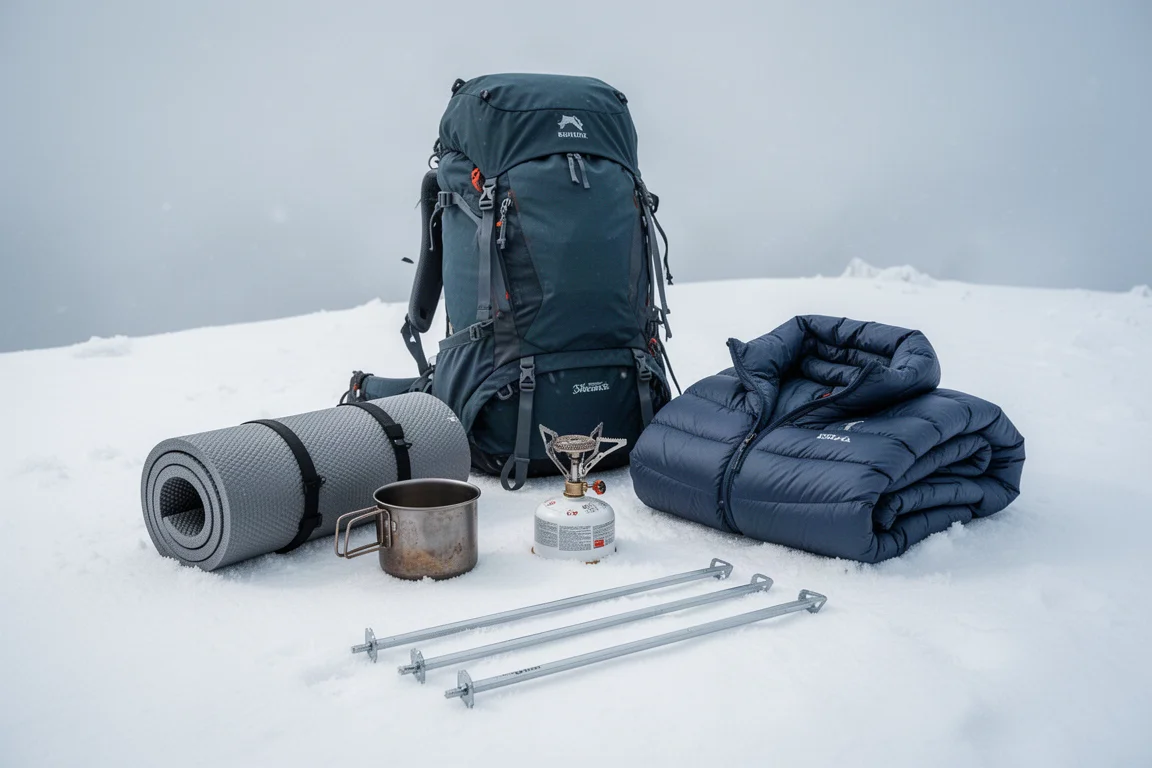
Winter camping gear has one job that outranks everything else: keeping you warm and safe when the temperature drops well below freezing. The kit below has been used on winter backpacking trips in conditions from just below zero down to minus 40 Celsius, and every piece was chosen around the same tension between warmth, reliability and the weight you have to carry on your back.
That trade-off shows up in every category. A heavier pack carries a heavy load better. A multi-fuel stove takes more effort to light but performs in deep cold. A thicker sleep system is warmer but bulkier. This list follows the way the gear is packed, starting with the big three, moving through the cook system, and finishing with everything that keeps you warm at night.
The Pack: Mountain Hardwear AMG 75
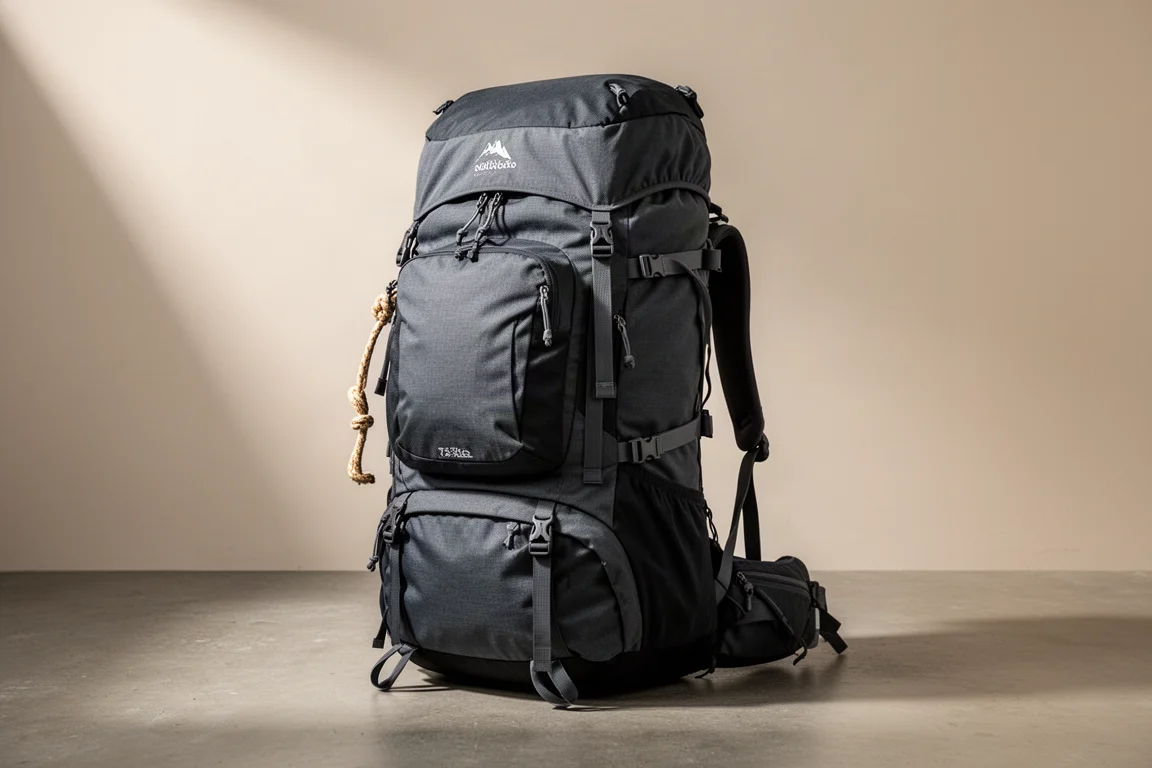
A winter pack has to swallow a lot: a sleeping bag, a pad, a shelter, fuel, food and spare layers. The AMG 75 is sized for multi-day backcountry trips, with a front pocket for avalanche gear, several pockets in the lid and plenty of straps for lashing items to the outside.
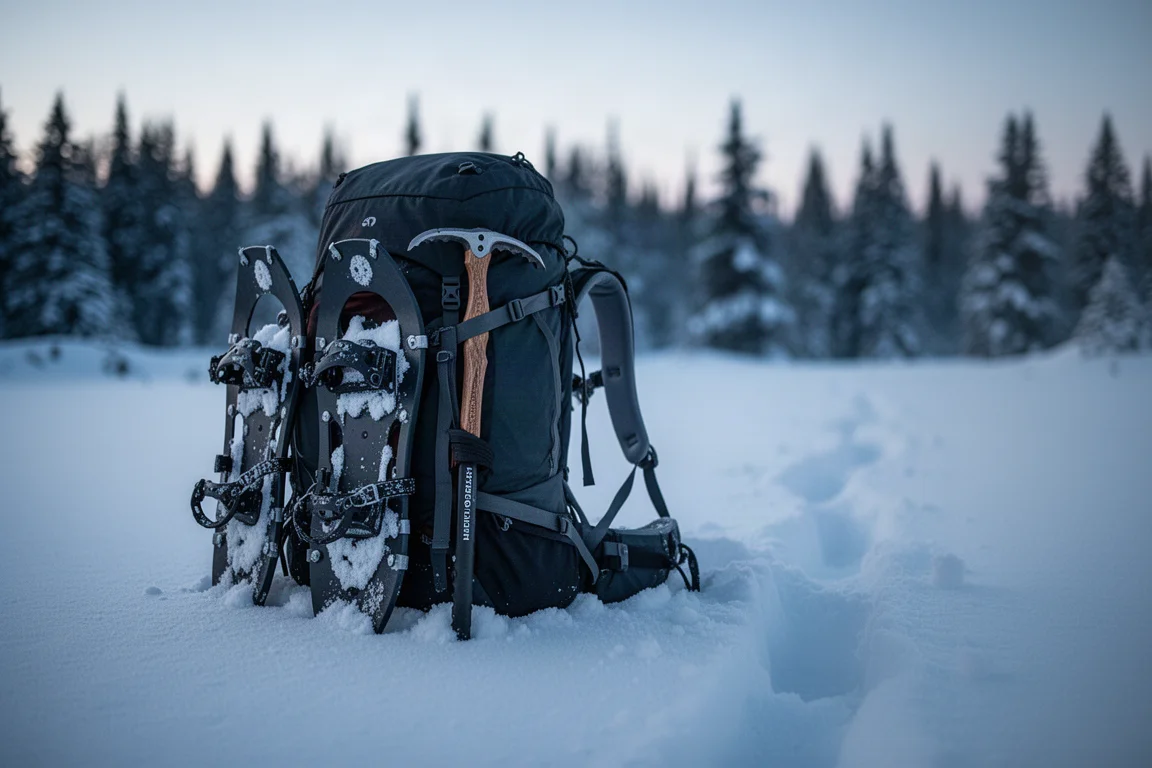
Two details matter more than the pocket count. The adjustable torso lets you dial in the fit, which is what makes a heavy load bearable, and the pack carries 40 to 50 lb without complaint. The trade-off is weight. It comes in over 2 kg, which is heavier than most packs need to be.
Shelter: Durston X-Mid 1 Plus
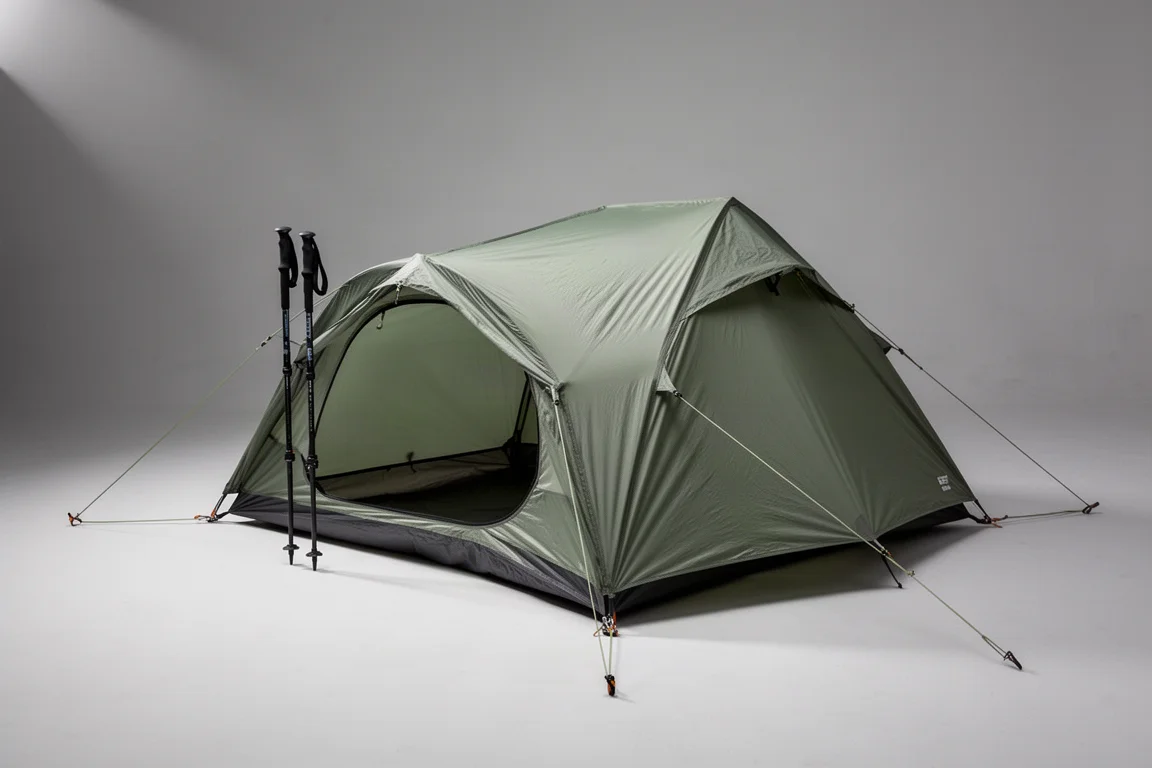
The X-Mid 1 Plus is marketed as a three-plus season tent, but it handles winter conditions well as long as the site is reasonably sheltered. Its standout feature for cold weather is that it pitches without stakes, which makes setup far easier on sugary snow or frozen ground.
Inside, the one-plus person interior gives you room to lay out gear and change clothes, and the vestibule is a usable size for anything you want to keep outside the tent. With two trekking poles installed at either side and the tent fully guyed out, it has handled winds of 60 km per hour. The trade-off is exposure. This is not a tent for alpine blizzards or sustained winds above roughly 70 km per hour.
Heavy-Weather Shelter Alternative: Samaya 2.0
When the forecast points to genuinely severe weather, the Samaya 2.0 is the shelter to take instead. It has been used in winter and in high winds, and it handles whatever conditions are thrown at it. It is the specialist option here, reserved for exposed camps rather than sheltered ones.
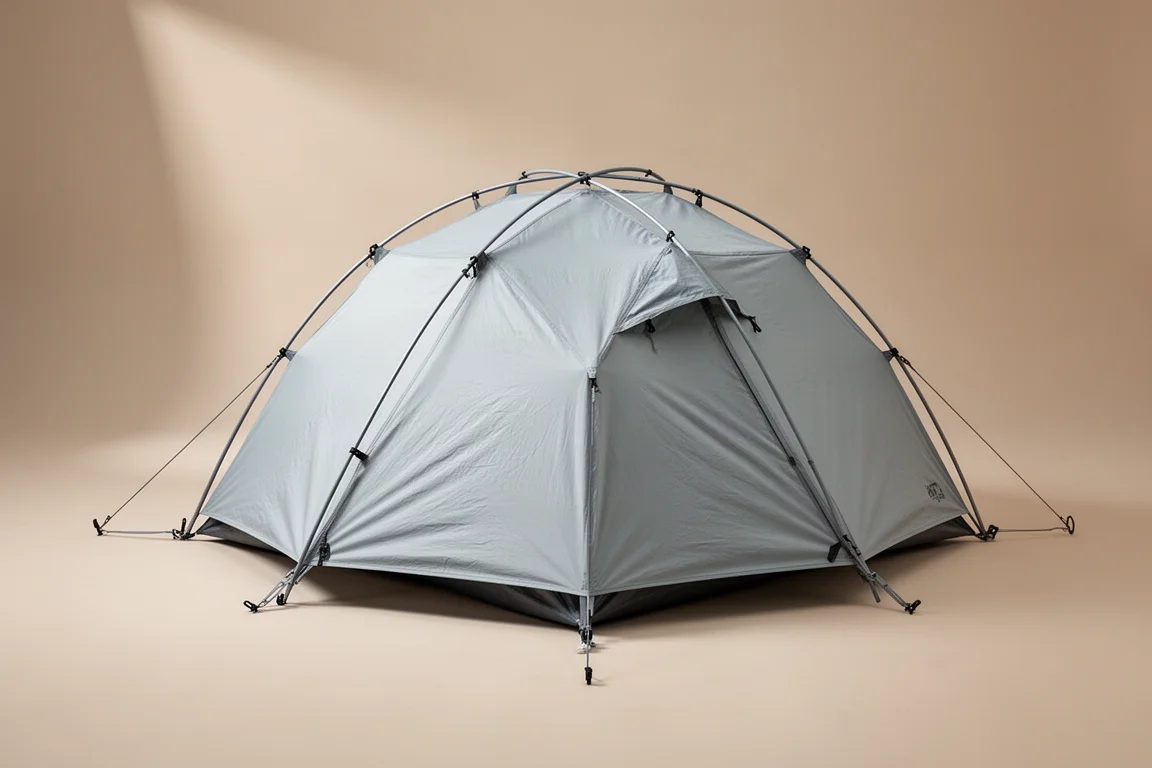
Power in the Cold: Nitecore Summit 10000
Batteries lose capacity in the cold, which is why the Summit 10000 earns its place in a winter pack. It provides heat to itself so it keeps operating in low temperatures, with advertised operation down to minus 20 Celsius.
The trade-off is that the included pouch is part of the design. It provides insulation, and using it is what gets the most out of the heating.
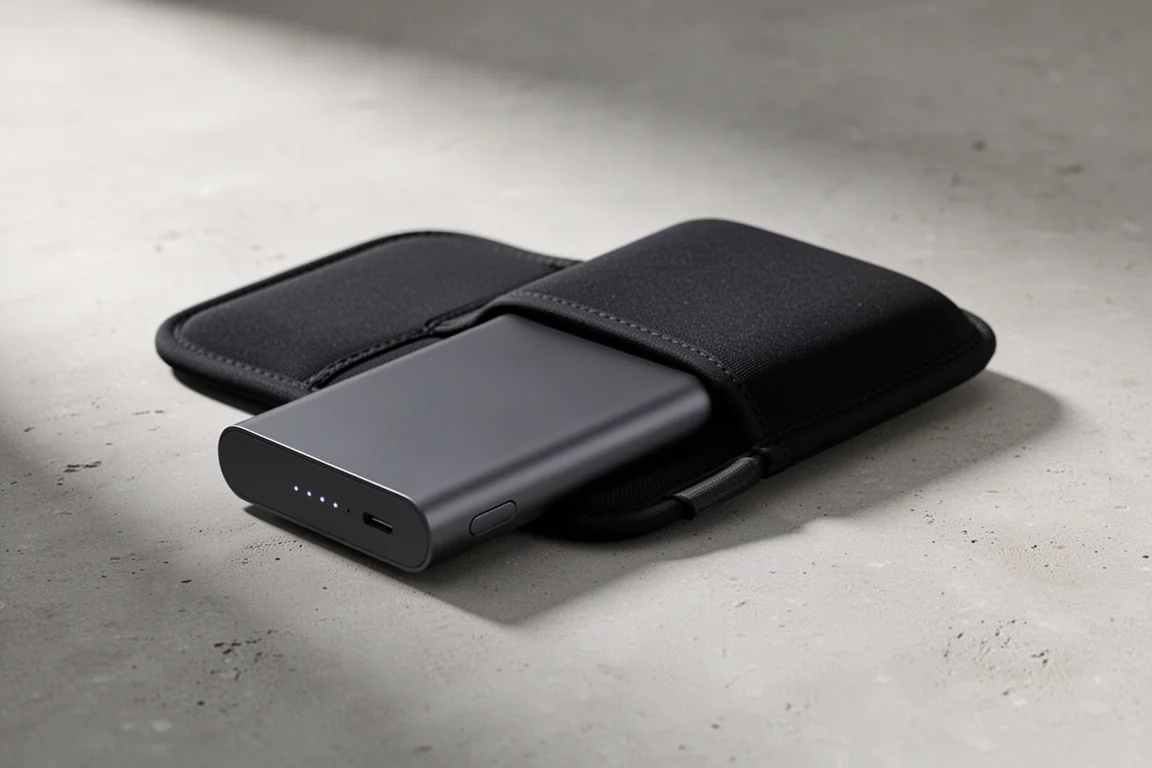
Lighting: Nitecore NB10000
Long winter nights need a light that is bright and easy to carry. The NB10000 is very lightweight and puts out plenty of light, which makes it a good fit for evenings that start early and end late. The trade-off is runtime. For long nights of hiking or backpacking, battery life becomes the limiting factor.
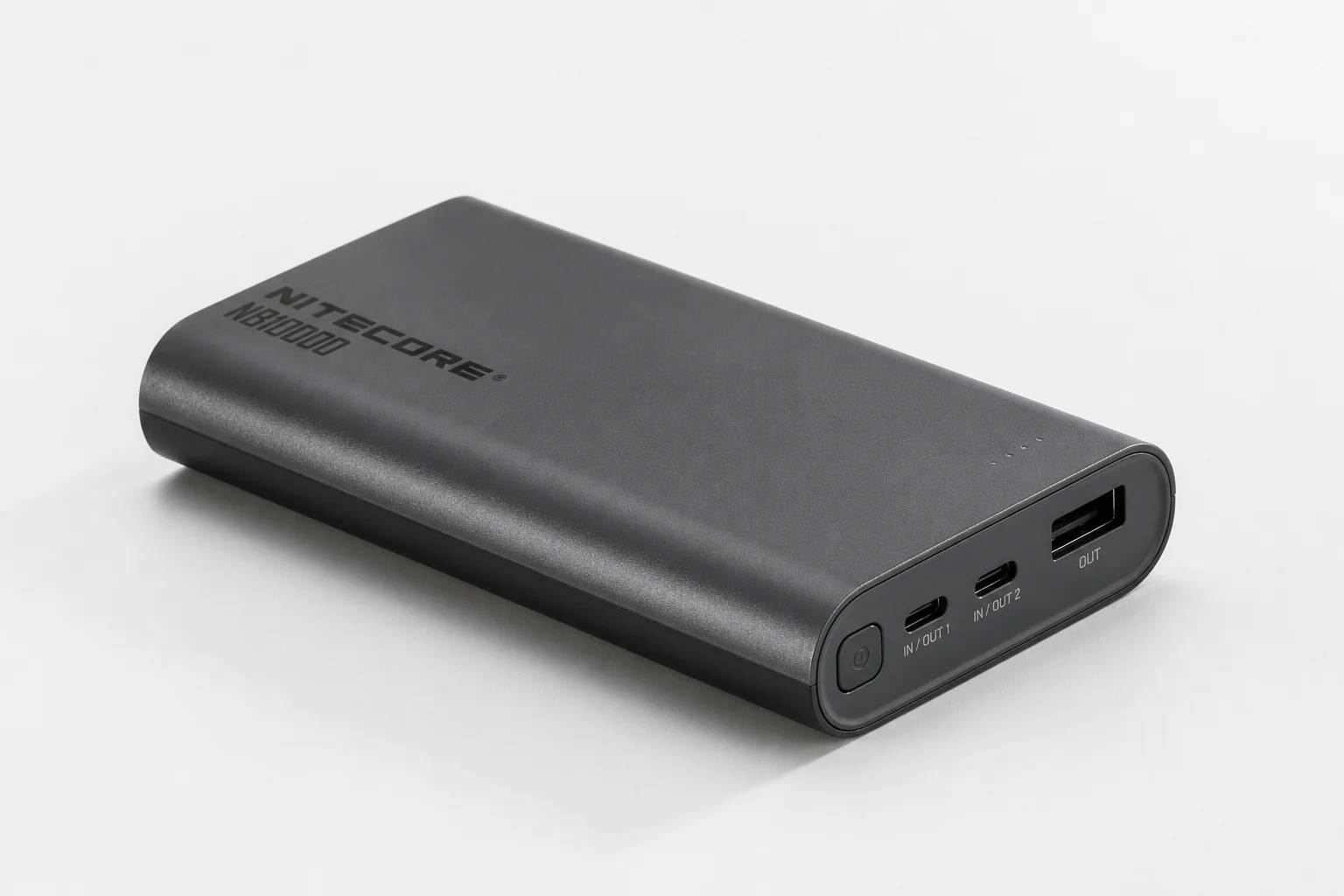
Cook System: Toaks 2L Titanium Pot
Outside of insulation, the cook system is the piece of winter gear most likely to make or break a trip, because melting snow is the only reliable way to get water. The Toaks 2L titanium pot is light for its size and holds just the right volume to melt snow, rehydrate a freeze-dried meal and still leave water to drink.
The folding handle locks over the top to keep the kit compact and folds out for lifting the pot off the stove, and the spout on one side makes pouring straightforward. Its strength is volume, so it is built around snow melting rather than minimalist solo cooking.
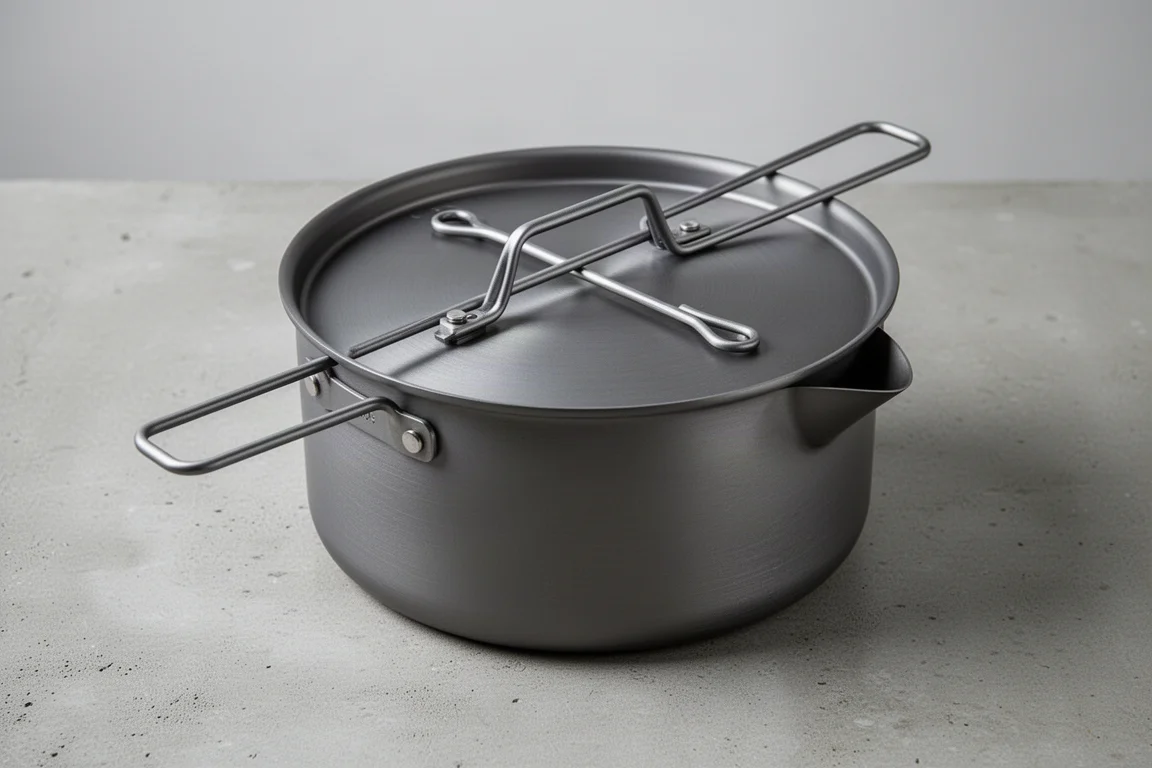
Stove: MSR WhisperLite
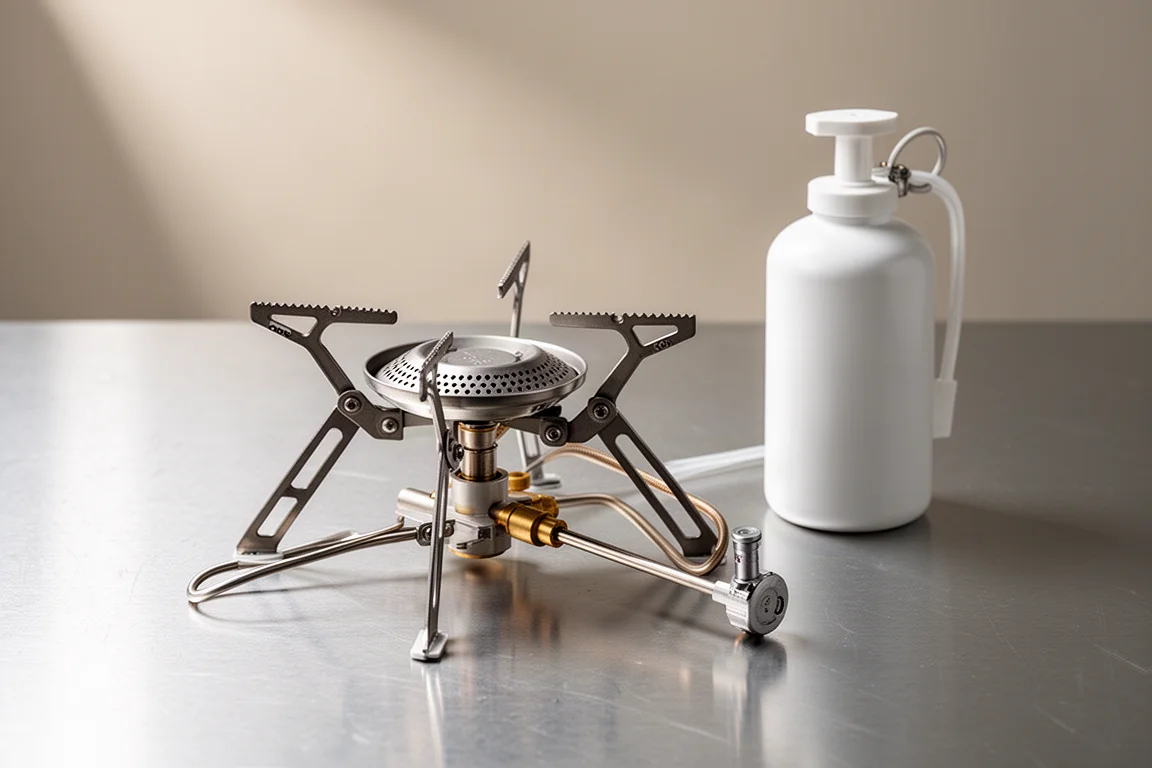
The WhisperLite runs on multiple fuel types, including canisters and white gas. White gas is the better choice in deep cold, and it lets you carry only the fuel you need rather than committing to a full canister.
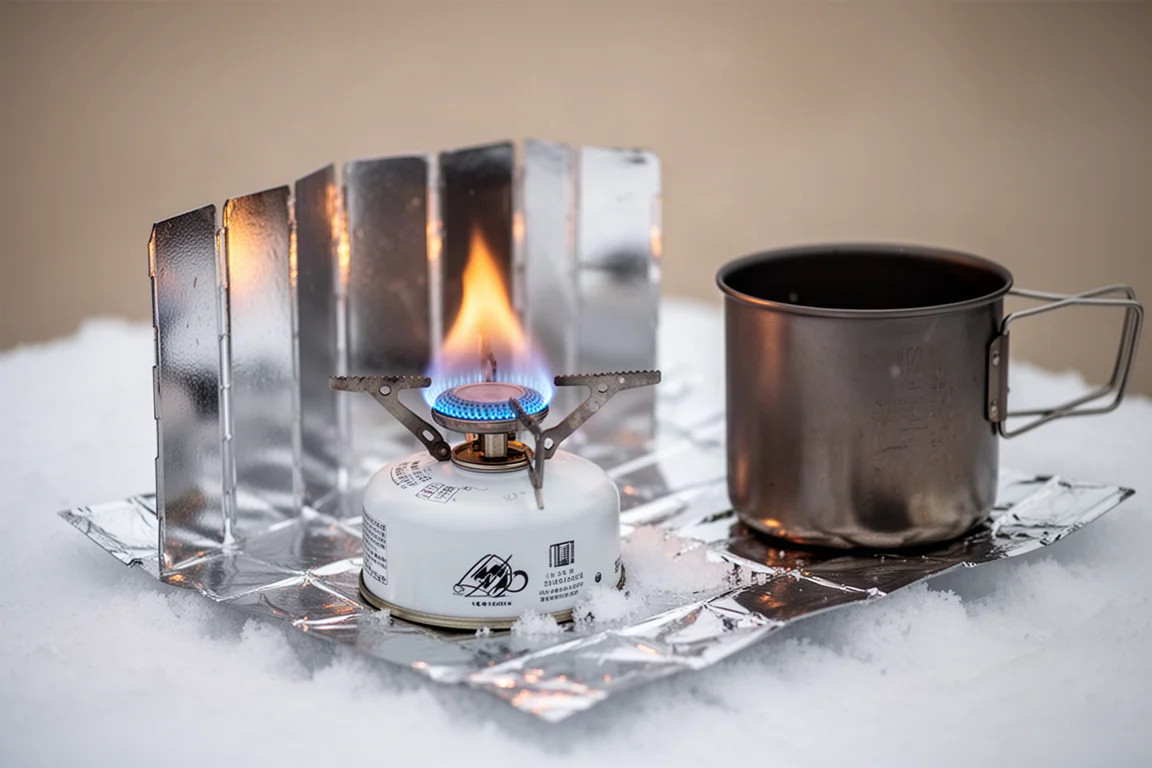
The trade-offs are weight and complexity. It is heavier than some stove systems, and it takes a pump inserted into the fuel bottle plus a preheating step before it will light. Once that routine is familiar, it performs far better in cold conditions than simpler options.
Water Storage: Nalgene HDPE Bottle
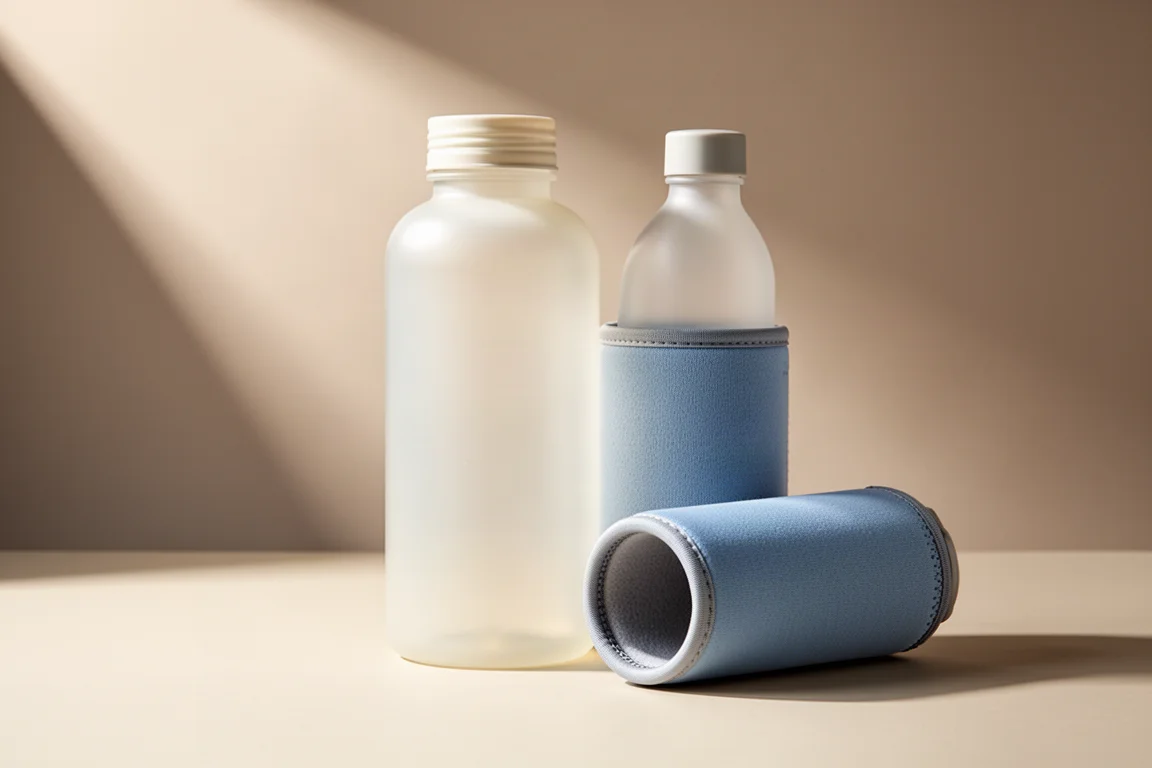
Melted snow needs somewhere to live, and a Nalgene holds up better than a disposable bottle. The HDPE version is a little lighter than the version made with Tritan material. The trade-off is a softer material, which can start to warp if the bottle is not filled right to the top.
An insulated sleeve with a reflective lining keeps the bottle from freezing. At minus 20 Celsius it will hold water liquid through the night, which matters when every drop had to be melted.
Tent Stakes: MSR Blizzard Tent Stakes
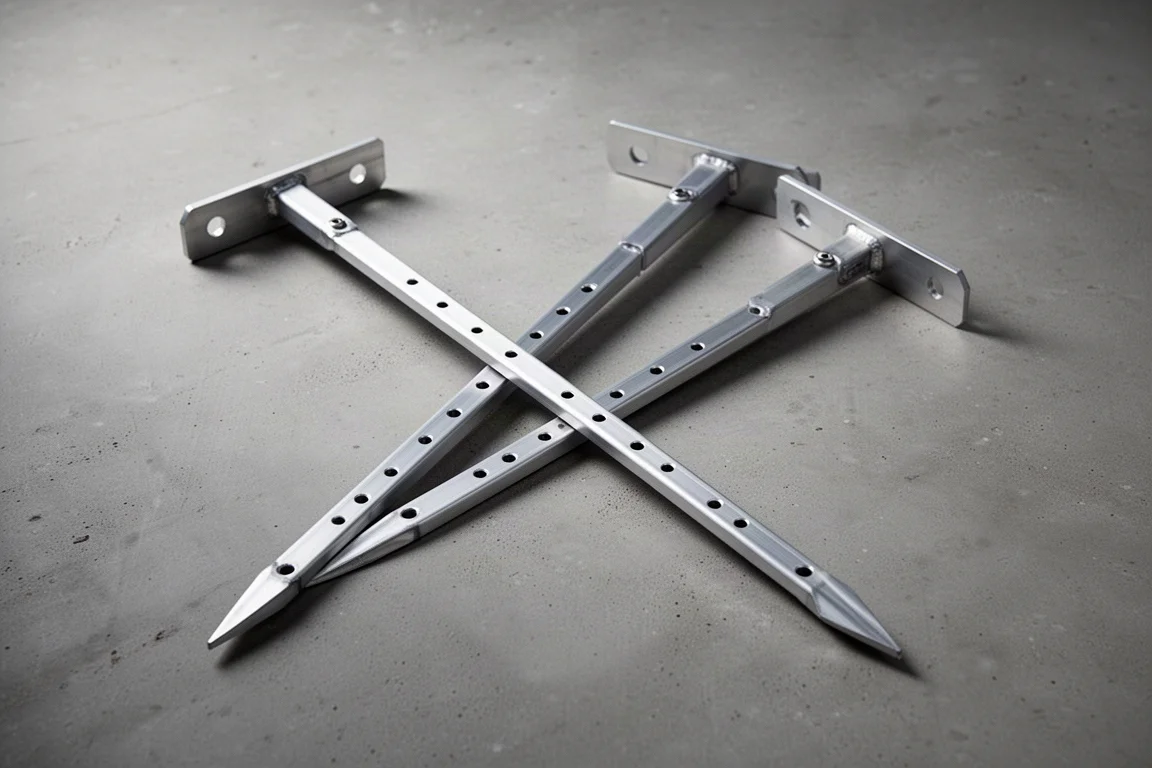
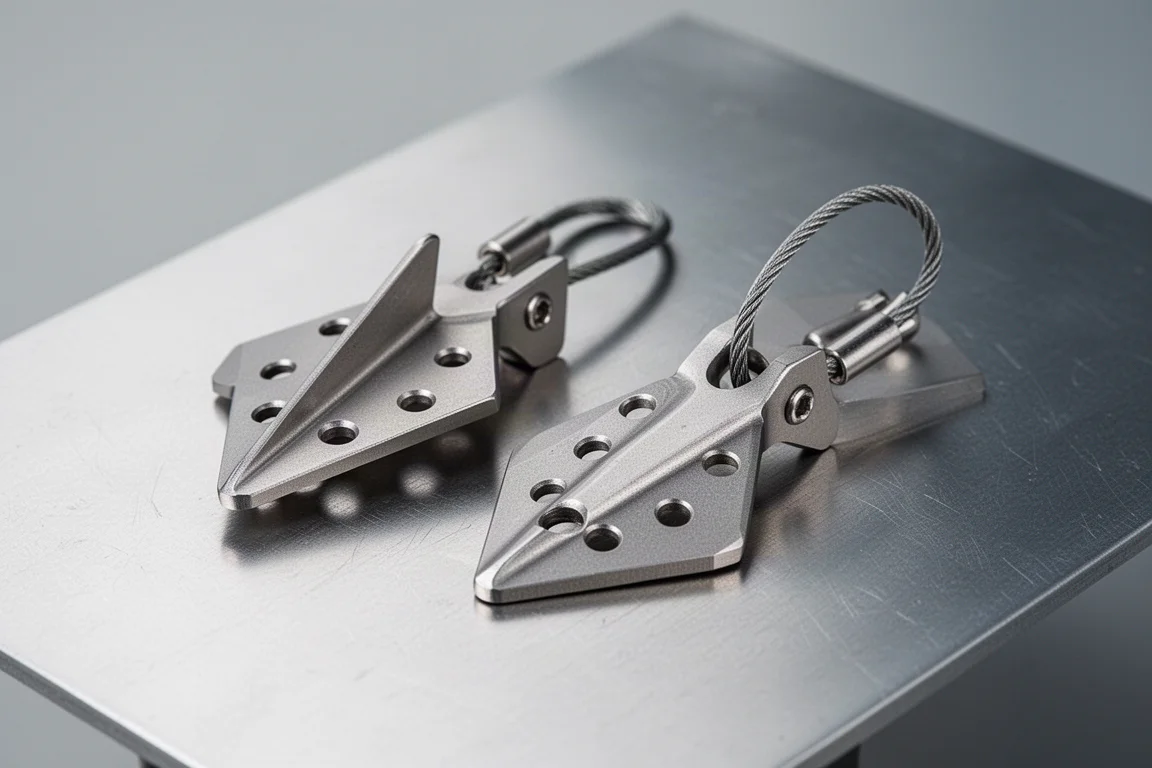
Winter anchoring needs more than one tool. The Blizzard stakes are long snow stakes made from strong aluminium, which means they can be hammered into frozen ground without bending when snow cover is thin, and they hold well when there is plenty of snow to bury them in.
Snow Anchors: Suluk 46 Titanium Flukes
The titanium flukes from Suluk 46 work differently from conventional snow stakes, and they develop extreme holding power once they start getting buried. Used together with the Blizzard stakes, they cover almost any ground condition you are likely to meet. The trade-off is weight: they are noticeably heavier than standard three-season stakes.
Camp Footwear: MEC Expedition Booties
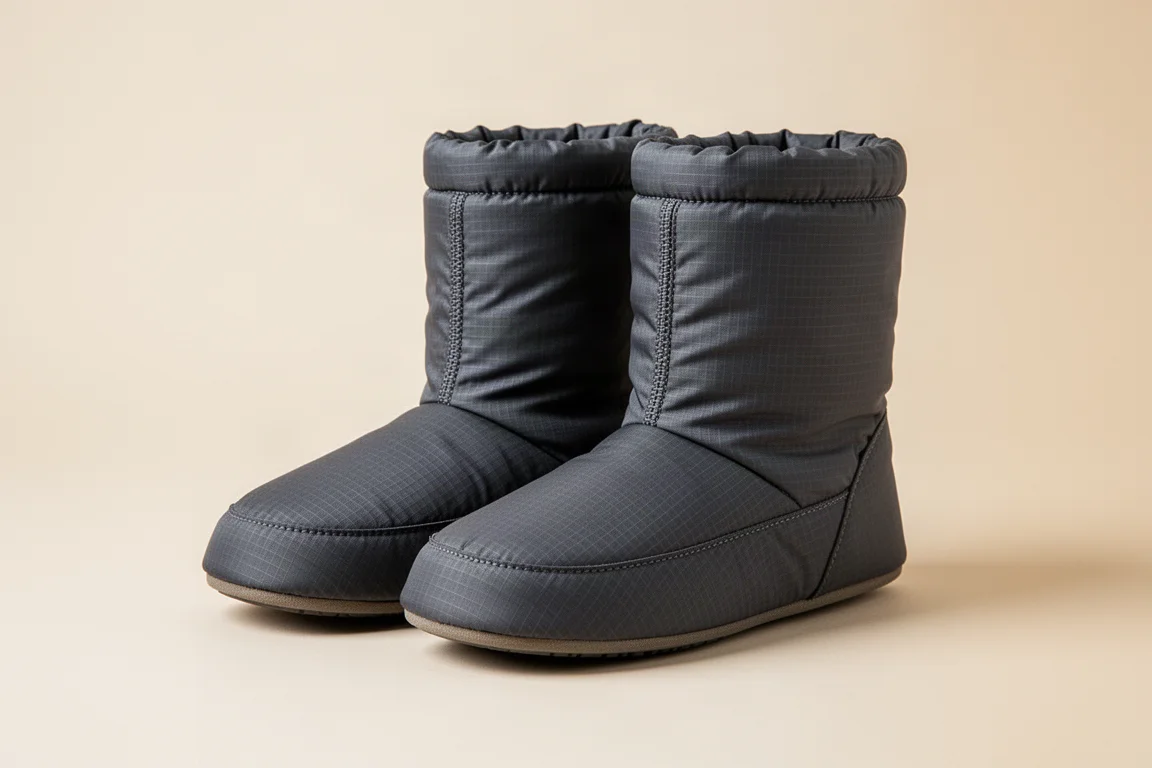
Camp booties matter more than they look. This pair has a cuff that extends well up the ankle, so they stay useful when you are walking through deep snow, and they are warm around the foot. The one thing to plan for is the insole, which is thin. Adding a thermal insole, or standing on a sit pad, makes a real difference on cold ground.
Down Insulation: Rab Mythic G
Down gives the most warmth for the least weight, and the Mythic G is an extreme example of that. It is very light and very warm, comfortable for sitting around camp in subzero temperatures.
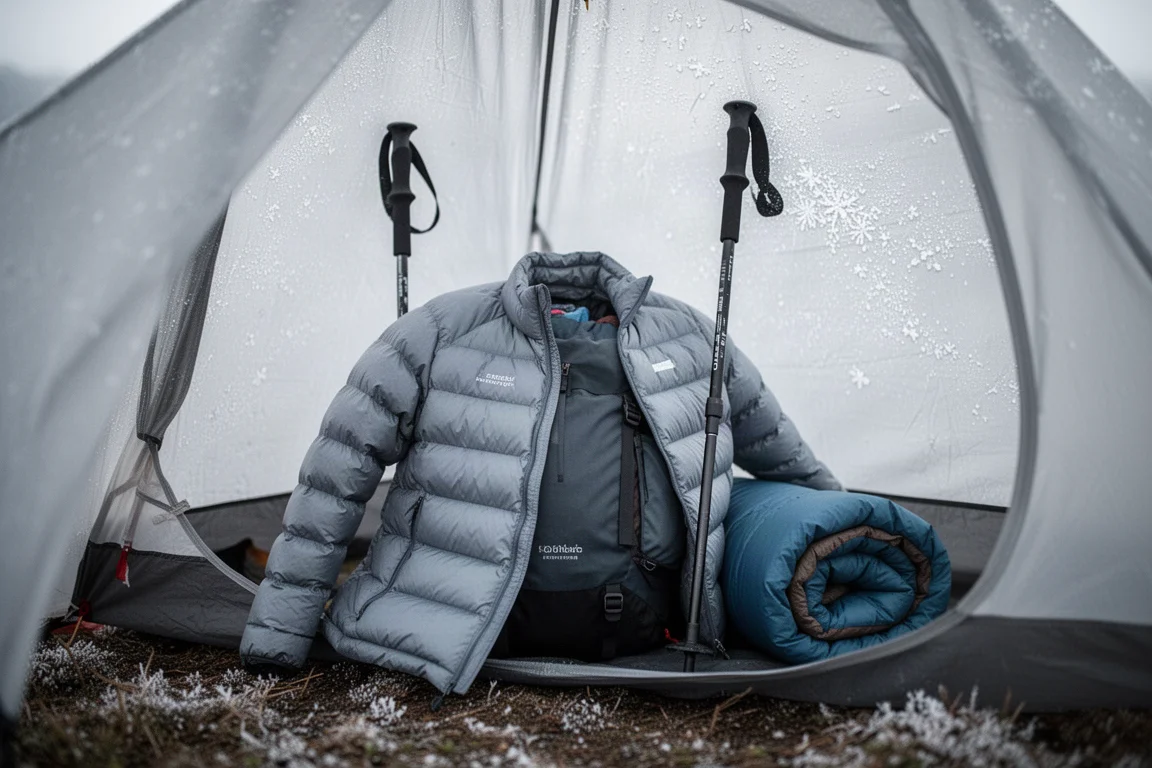
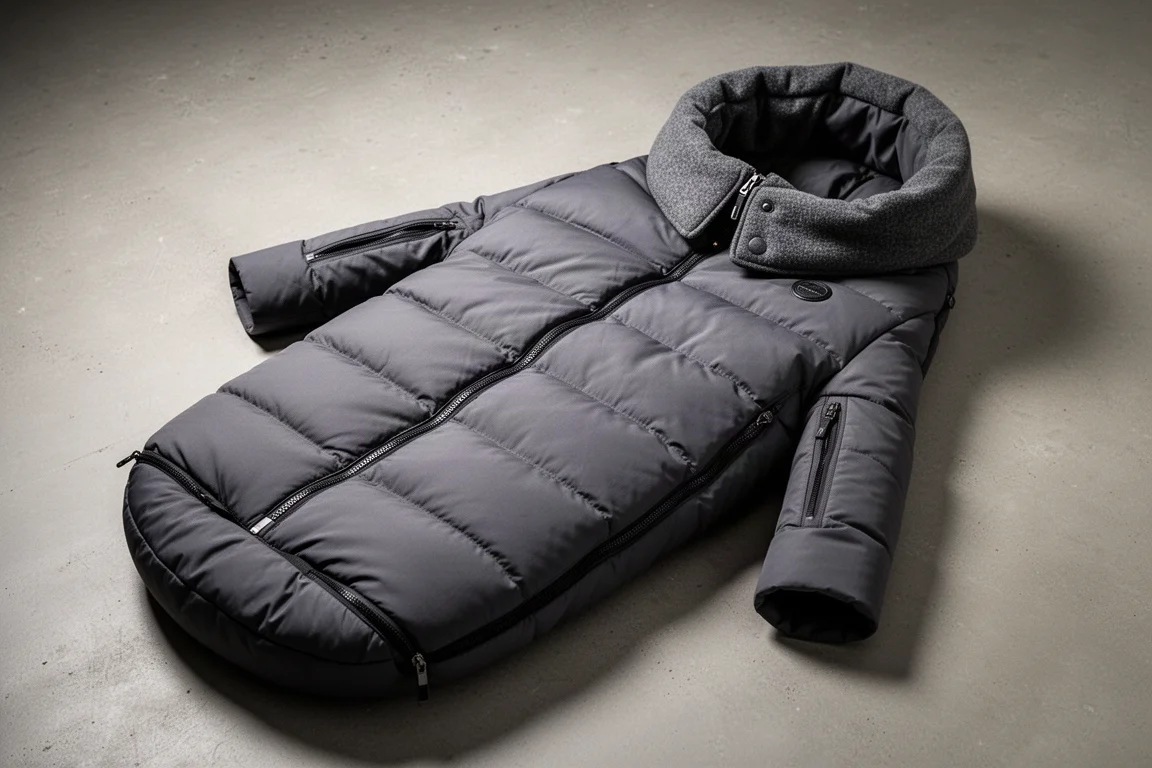
The trade-off is cost. This is an expensive jacket, and a heavier, considerably cheaper alternative covers the same role for camp insulation.
Budget Down Alternative: Decathlon Simond Parka
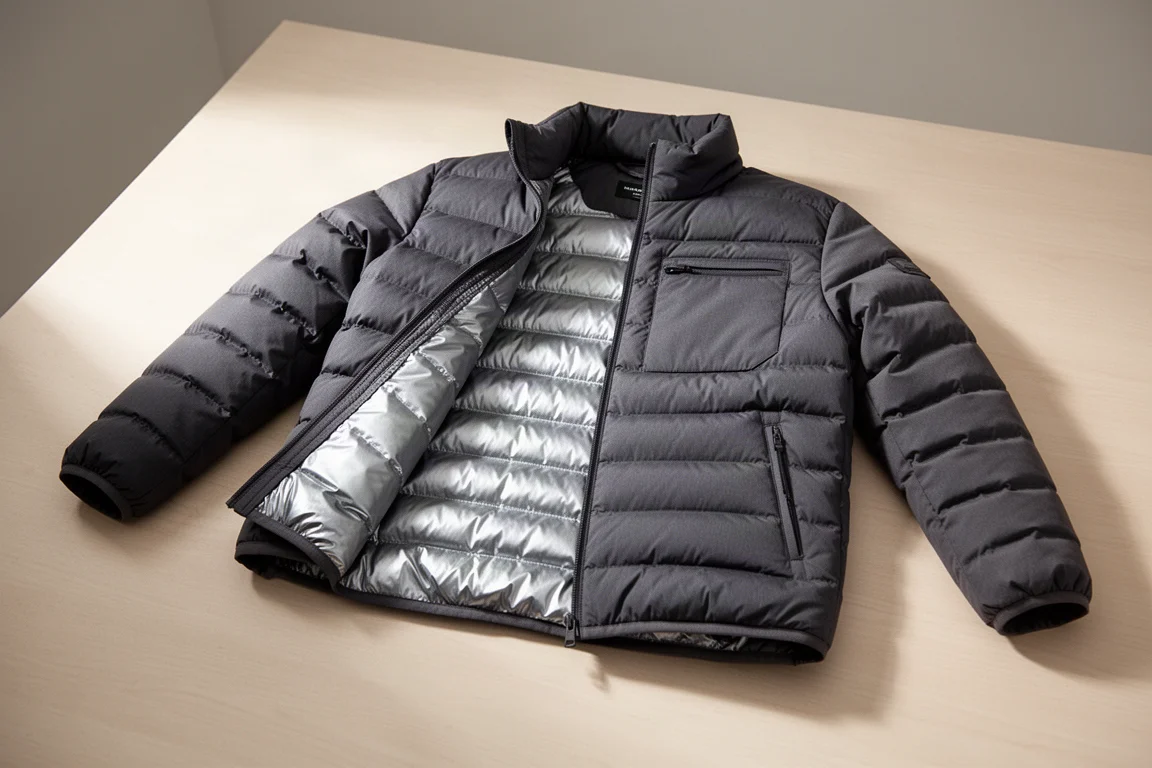
The Simond parka is the value pick for camp insulation. It is at least as warm as the lighter jacket above, and quite a bit less expensive. The compromise is weight: it is heavier to carry, which matters on longer approaches.
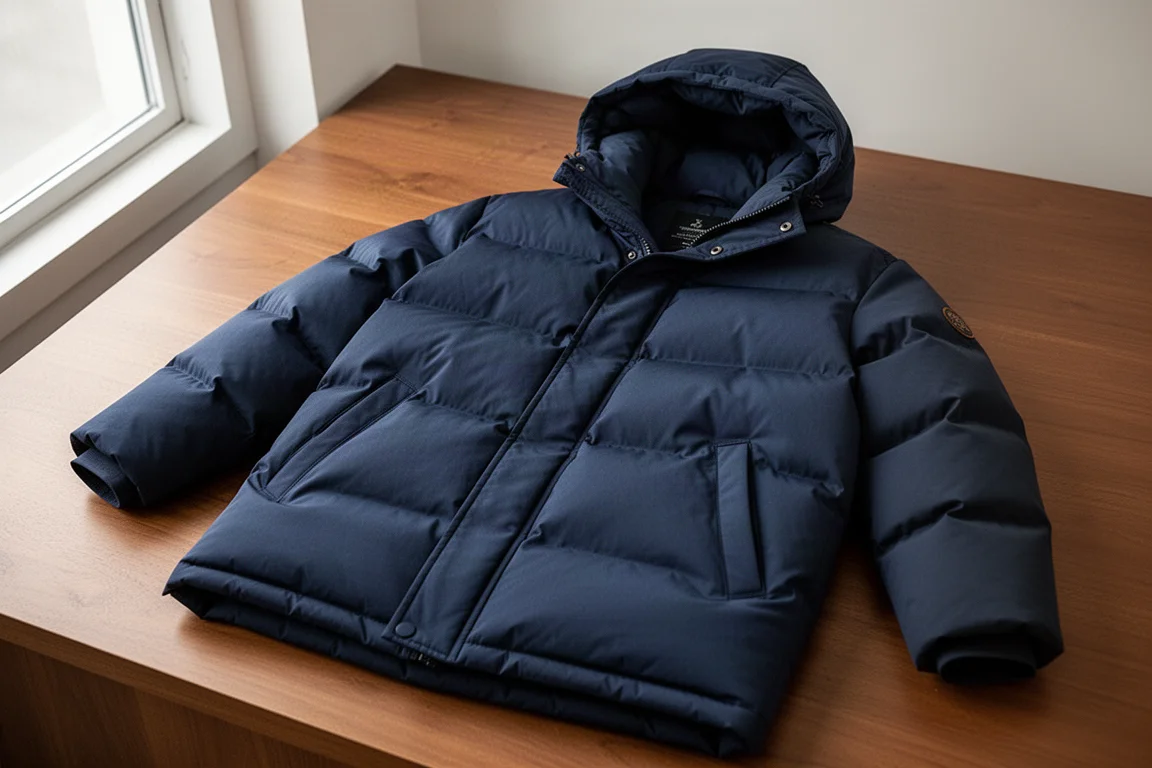
Leg Insulation: Naturehike Down Pants
Down pants for the legs are one of the easiest warmth upgrades to justify, because they are inexpensive and pack down small. The Naturehike pair is surprisingly warm and very cheap. The limitation is loft. They are not as puffy as a proper winter jacket, so they work best as one layer in a wider system.
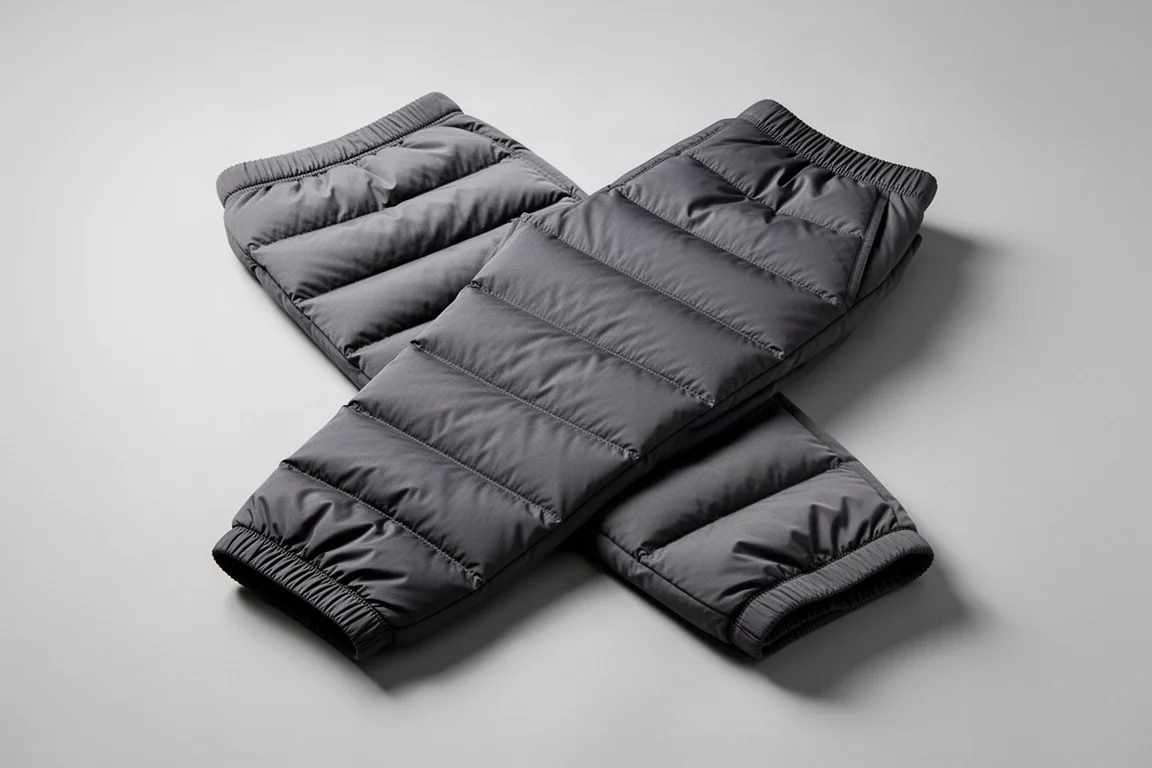
Sleeping Pad: Therm-a-Rest XTherm
The XTherm is the pad to trust when the temperature really drops. It is light, it packs down small, and it is the one pad that has proven reliable for warmth in serious cold. The trade-offs are price and comfort: it is expensive, and it is not the most comfortable pad to sleep on.
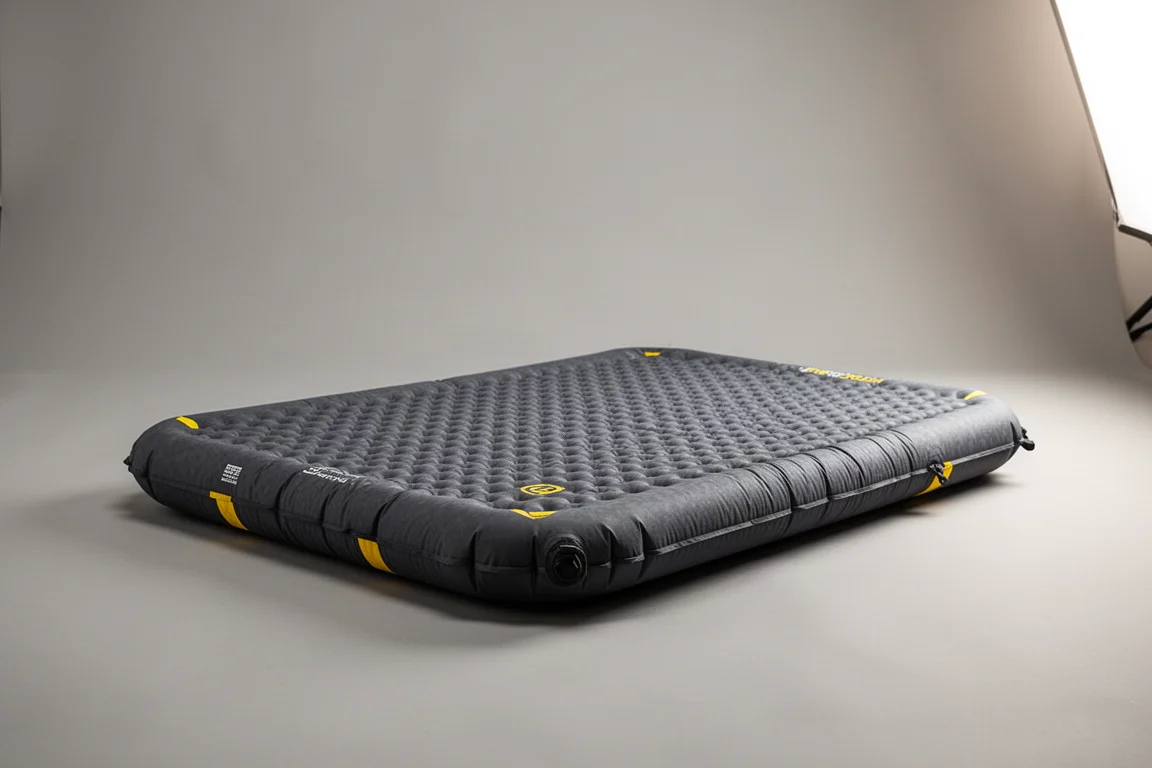
Pillow: Hikenture Pillow
A pillow sounds trivial until you are inside a big winter bag with a hood pulled over your face. The Hikenture has a strap that locks it onto the sleeping pad, so it stays where you put it. It also has a light layer of insulation on top, which helps if you sleep under a quilt or a hoodless bag.
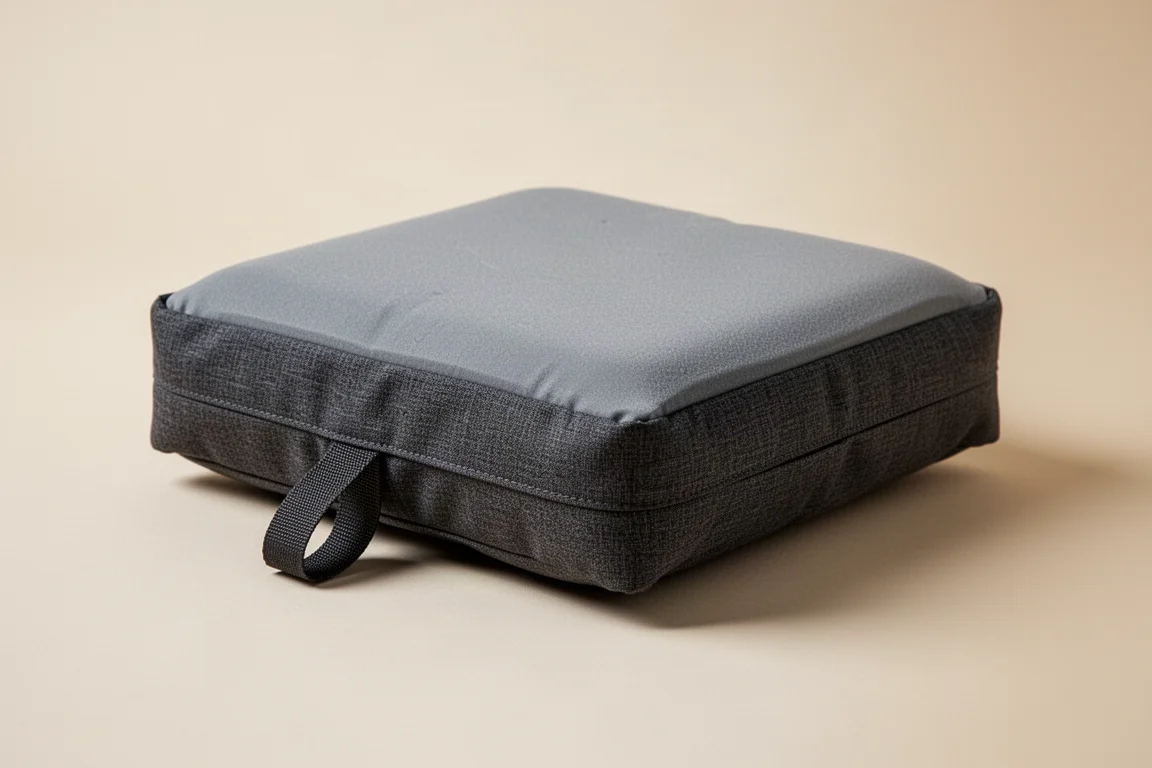
Backup Ground Insulation: Nemo Switchback
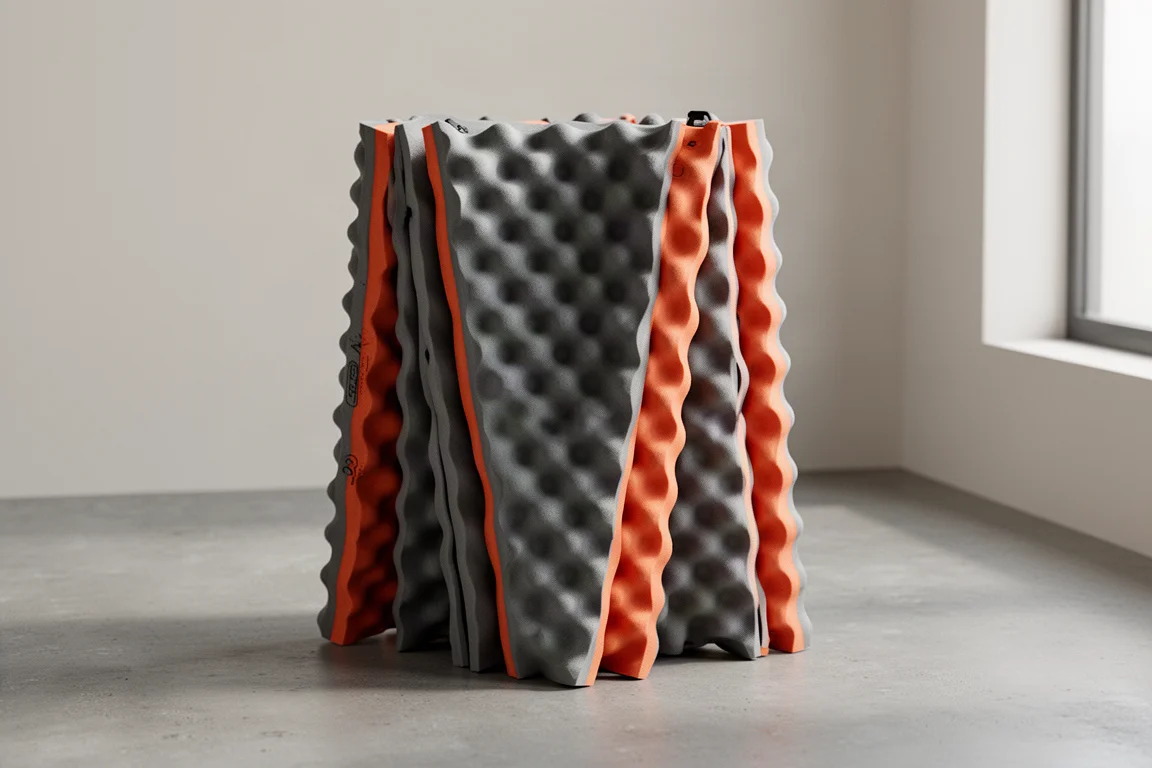
The Switchback is a closed-cell foam pad that earns its place three times over. It adds insulation underneath the inflatable pad, it acts as a backup if the inflatable punctures or gets a hole, and it doubles as a sit pad at camp so you are not sitting directly on snow. The cost is bulk in the pack.
Sleeping Bag: Therm-a-Rest Polar Ranger
The Polar Ranger has been used down to minus 30 on its own, and it is fairly light for how warm it is. Two features stand out in winter. Arm holes let you reach out and do things around the tent without leaving the bag, and the snorkel at the head end traps a pocket of warm air around your face while directing moisture away from the bag.
The trade-off is deliberate: there is less insulation on the back, on the assumption that your sleeping pad provides warmth from below. That means you need to sleep on your back and stay there, because shifting onto your side exposes the thinner back panel.
Overbag: Enlightened Equipment Synthetic Quilt
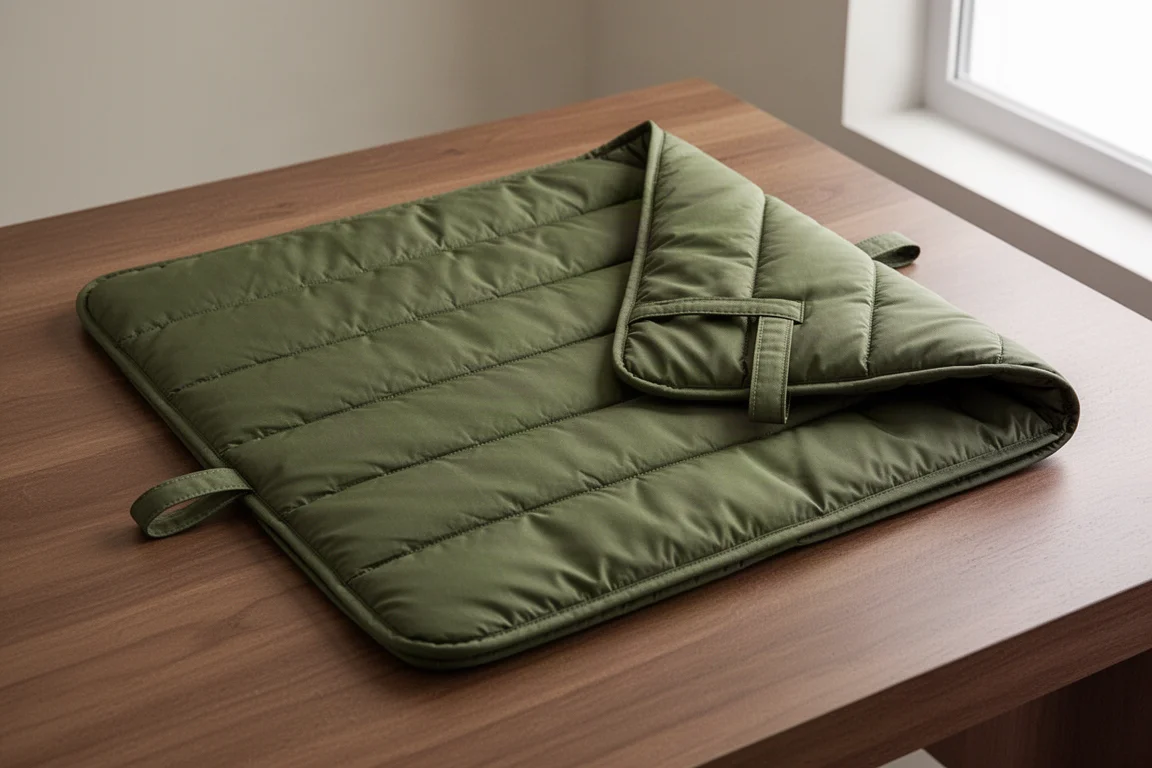
The synthetic quilt is the second half of the sleep system, and it does three jobs. It adds insulation, and the 50 degree version compresses small enough to stay convenient, while a 40 degree version is there for the coldest trips. Its pad straps let you move around without opening up cold spots.
The third job is moisture management. Vapour from your body moves outward through the sleeping bag and can condense inside the down, so a synthetic layer on the outside deals with that moisture better and keeps working even when it is damp. Combined with the pad, the bag and a solid clothing system, this setup has been used at minus 50 Celsius.
Overall Buying Advice
Prioritise in this order: the sleep system, the cook system, then the shelter, then everything else. A pad and bag that keep you warm at the temperatures you actually expect are non-negotiable, and so is a stove that will reliably melt snow when it is cold and windy. Shelter comes next, and that decision is about exposure. A trekking pole tent that pitches without stakes is excellent for sheltered sites, while a dedicated four-season tent is the right call for exposed terrain and high winds.
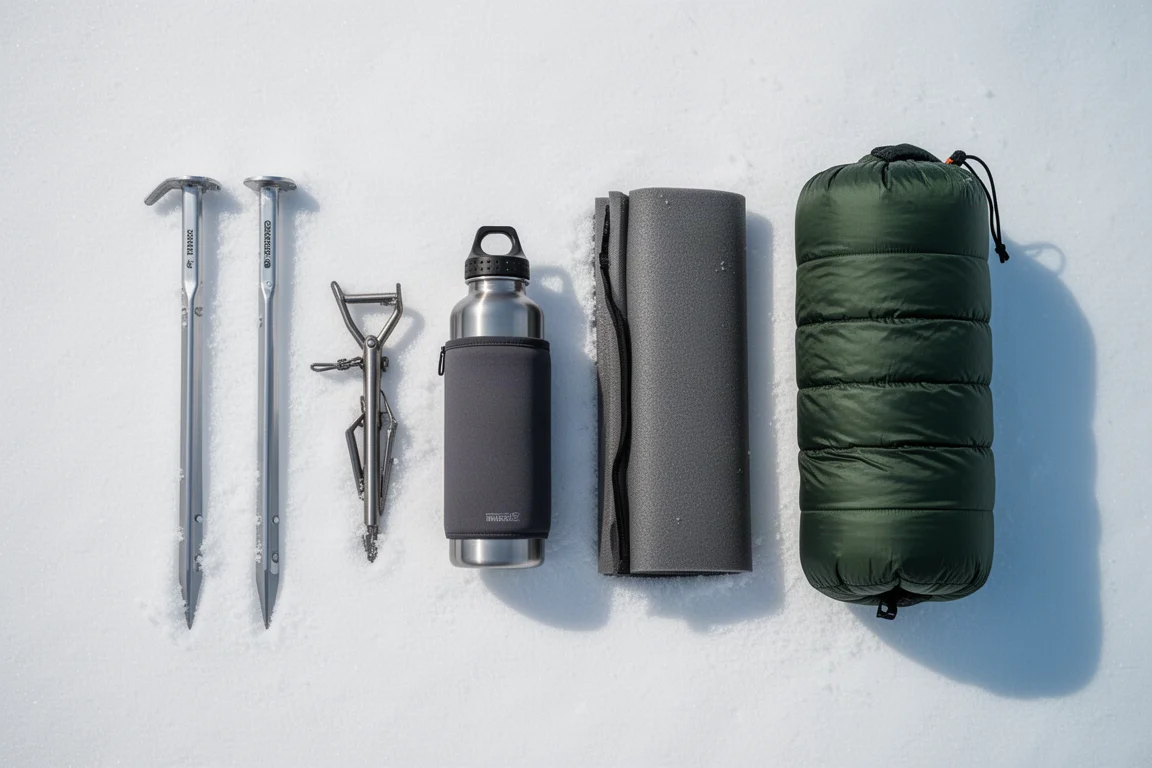
Weight is the second filter. Every heavy item in this list earns its weight somewhere: the pack carries 40 to 50 lb comfortably, the multi-fuel stove runs on white gas in deep cold, and the stake combination holds in both frozen ground and deep snow. If a piece of gear is heavier than the alternative, it should be because it solves a problem the lighter option cannot.
Finally, budget. Down is the most expensive way to buy warmth, and there are cheaper routes to the same comfort. A heavier down parka, inexpensive down pants and a foam pad under an inflatable all add warmth for far less money. Buy the light version where you will feel the weight, and the budget version where you will not.
Conclusion
This kit answers one question: what keeps you warm and safe at the temperatures you are actually going to meet? The shelter decision comes down to exposure, the cook system comes down to reliable snow melting, and the sleep system is where the real warmth lives. Get those three right and the rest of the list becomes a matter of trimming weight where you can and spending where it counts.
Further reading
Related Reviews
Winter Camping Gear
Affordable Winter Camping Gear: Six Budget Pieces Tested Below Freezing
Three reflective sleeping pads, an updated down jacket, a titanium pot and a $25 winter stove, assessed on frozen ground at around minus 12 degrees Celsius.
Winter Camping Gear
Best Winter Camping Gear 2026: Seven Pieces Worth Packing
A practical look at seven winter camping items, from an insulated parka rated to minus 20 degrees Celsius to a titanium stove built for cold canisters.
Winter Camping Gear
Ultimate Winter Camping Gear List: Proven Essentials for Cold-Weather Adventures
A curated list of winter camping gear that has proven itself in freezing temperatures, from shelter and sleep systems to cooking and safety essentials.