Winter Camping Gear
Winter Camping Gear List: 9 Essentials for Extreme Cold
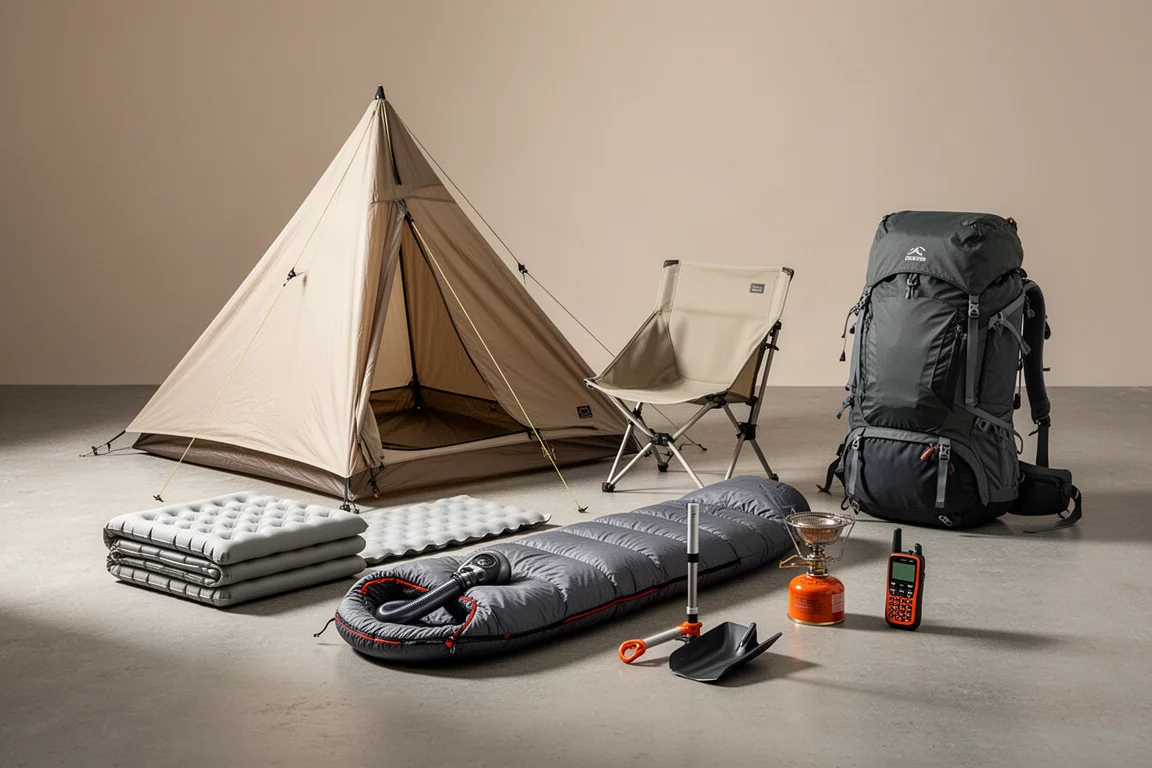
A complete winter camping system for deep cold, from the load-hauling pack and pyramid shelter to the sleep layers that hold warmth at -40°C.
Introduction
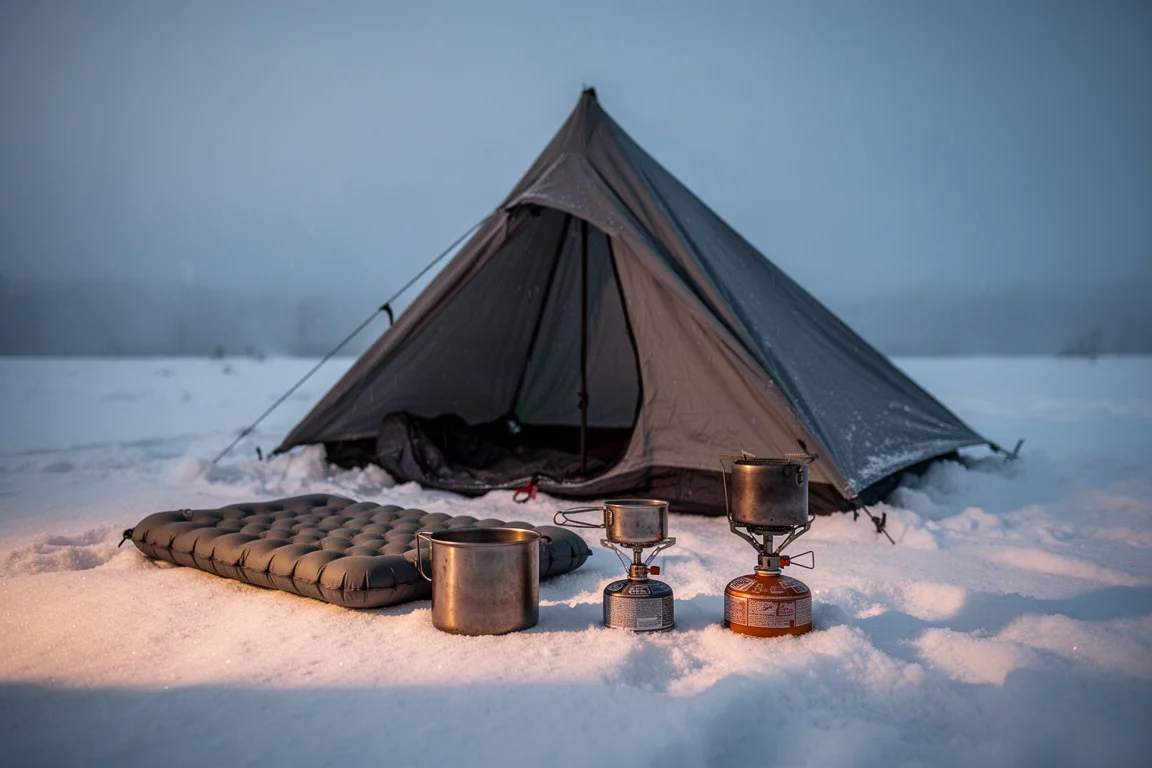
Winter camping is a systems problem. One weak link, a frozen canister, a battery that quits overnight, a sleeping pad that cannot hold heat, is enough to turn a beautiful night out into a very long one. The kit below is built around that idea. Every item earns its place by continuing to work well below freezing, and the sleep system in particular has been used in temperatures down to -40°C and beyond, with no fire and no external heat source.
The list follows the way the gear is actually used: the pack that carries everything, the shelter, the cooking system, the electronics, and finally the sleep layers that decide how warm the night turns out to be.
What Matters Most in Winter Camping Gear
Three questions separate genuine winter gear from three-season gear.
First, does it still function in the cold? Canister fuel, lithium batteries and foam all behave differently below -20°C, so the gear worth carrying is gear designed around that reality, whether through a preheating tube, an internal heater or a construction that keeps working when everything stiffens up.
Second, does it earn its weight? Winter packs get heavy fast, so warmth-to-weight ratio matters more than headline specs. A sleeping pad that is slightly heavier but dramatically warmer is usually the better trade.
Third, is there redundancy? When the consequences of a failure are serious, a second light source, a communication device with its own battery, and a shelter that pitches with or without trekking poles all reduce the chance that one small problem ends the trip.
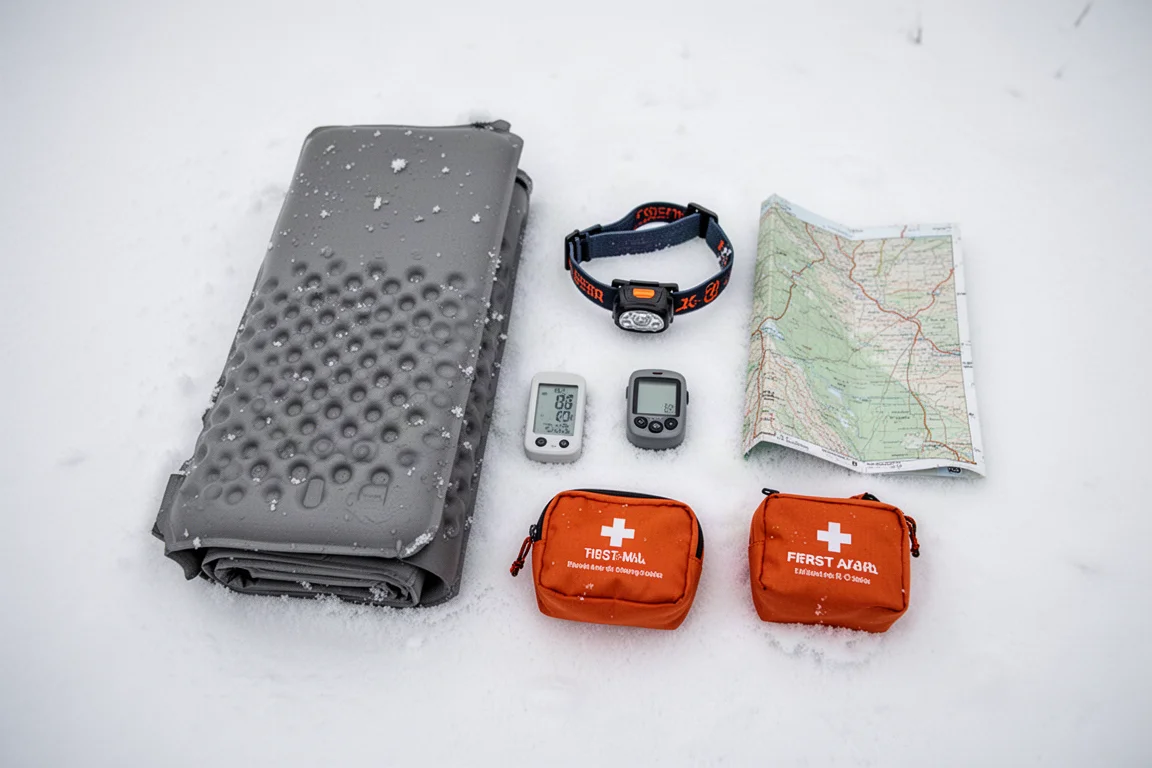
Everything below was chosen against those three questions. This is a system refined over several winters rather than assembled in a single shopping trip, and it is worth reading the sleep section last, because that is where the warmth is really decided.
Mountain Hardwear AMG 75: A Pack Built for Loads
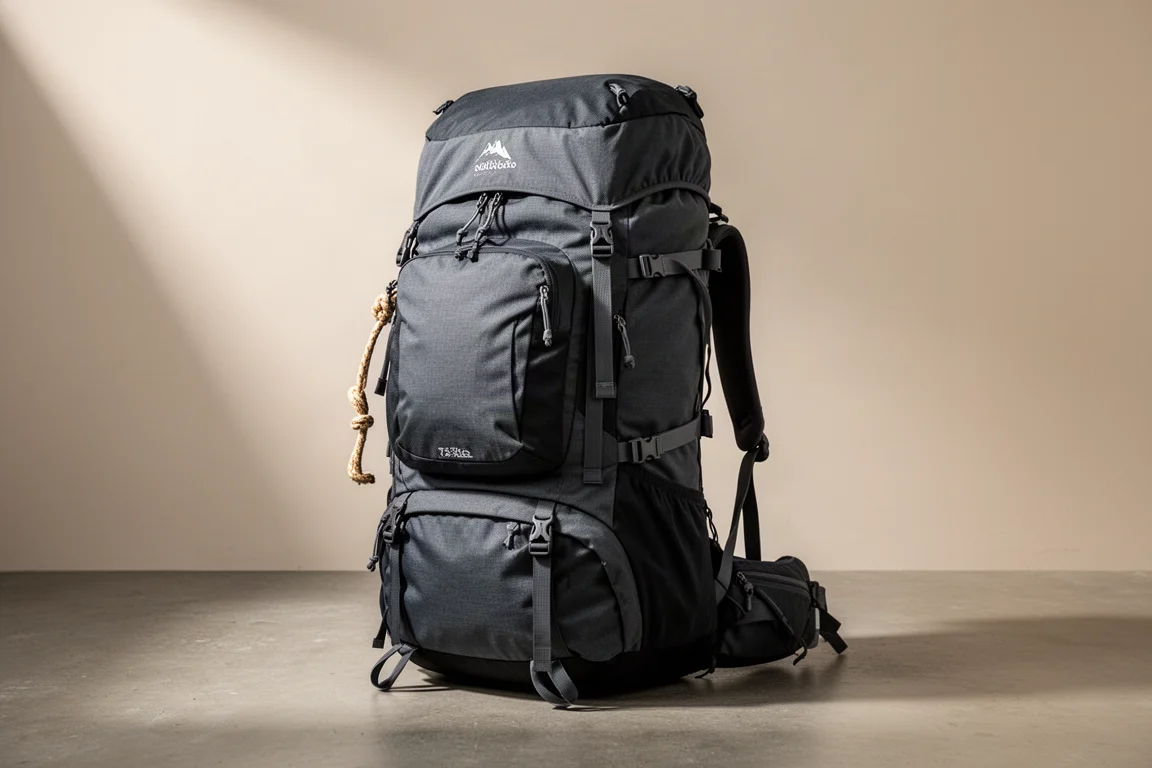
The AMG 75 has been the winter pack of choice for years, and the reason is capacity and carry comfort rather than low weight. At just over 2 kg it is not a lightweight design, but it swallows a full winter kit and still handles heavy loads. It has carried around 50 lb without becoming unmanageable, which is the kind of margin that matters when you are hauling a shelter, a stove, fuel and a deep-cold sleep system.
The feature set is genuinely winter-oriented. There are enough straps to lash snowshoes or other bulky items to the outside, a dedicated crampon pocket, and a zippered front pocket that keeps a down jacket or avalanche gear within easy reach when you stop. The lid has two pockets for smaller items and can be raised on its straps to stack extra gear underneath on longer trips.
Nemo Switchback: The Cheapest Warmth in the Kit
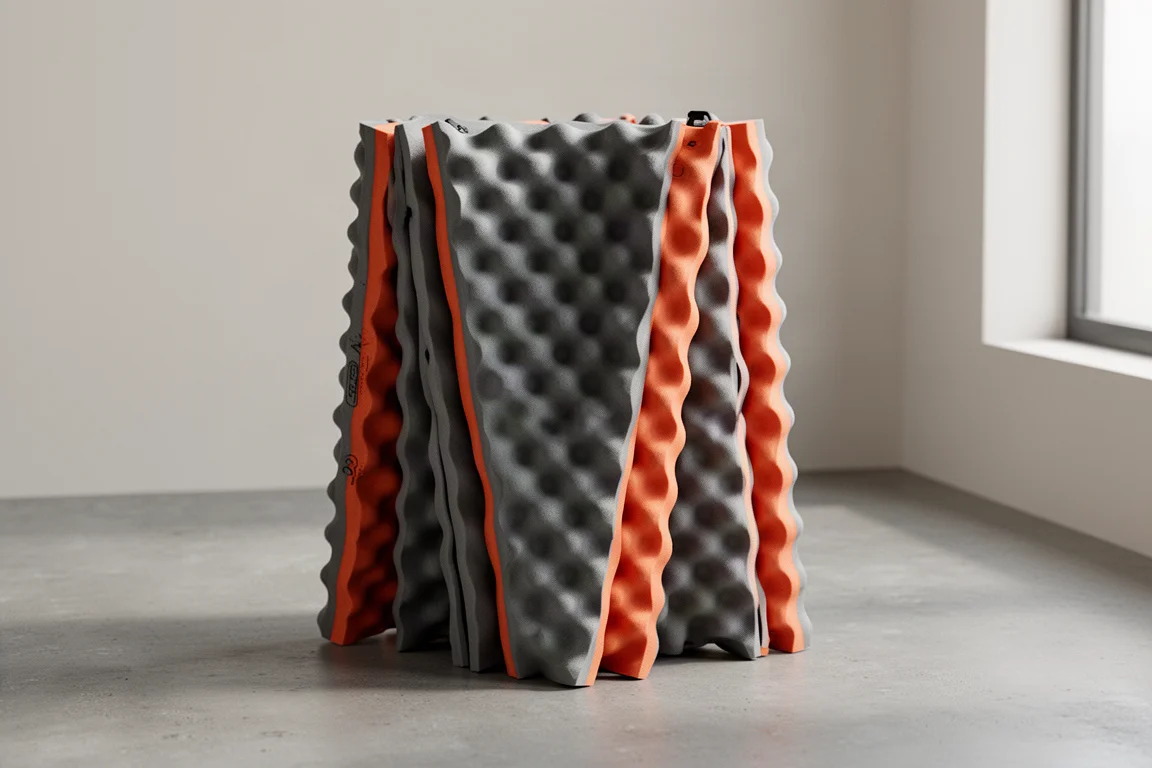
Few items in a winter kit deliver as much for as little. The Switchback is a closed-cell foam mat that goes underneath the inflatable pad, and because insulation values are additive it adds roughly 2 R of warmth to the entire sleep system. That is a substantial gain for a mat with no moving parts and nothing to puncture.
It also has a second life around camp. It works as a seat on a snow chair, as a barrier between you and cold snow, and as a dry surface for changing into camp clothes in front of the tent. In practice it is one of the most used items in the whole setup.
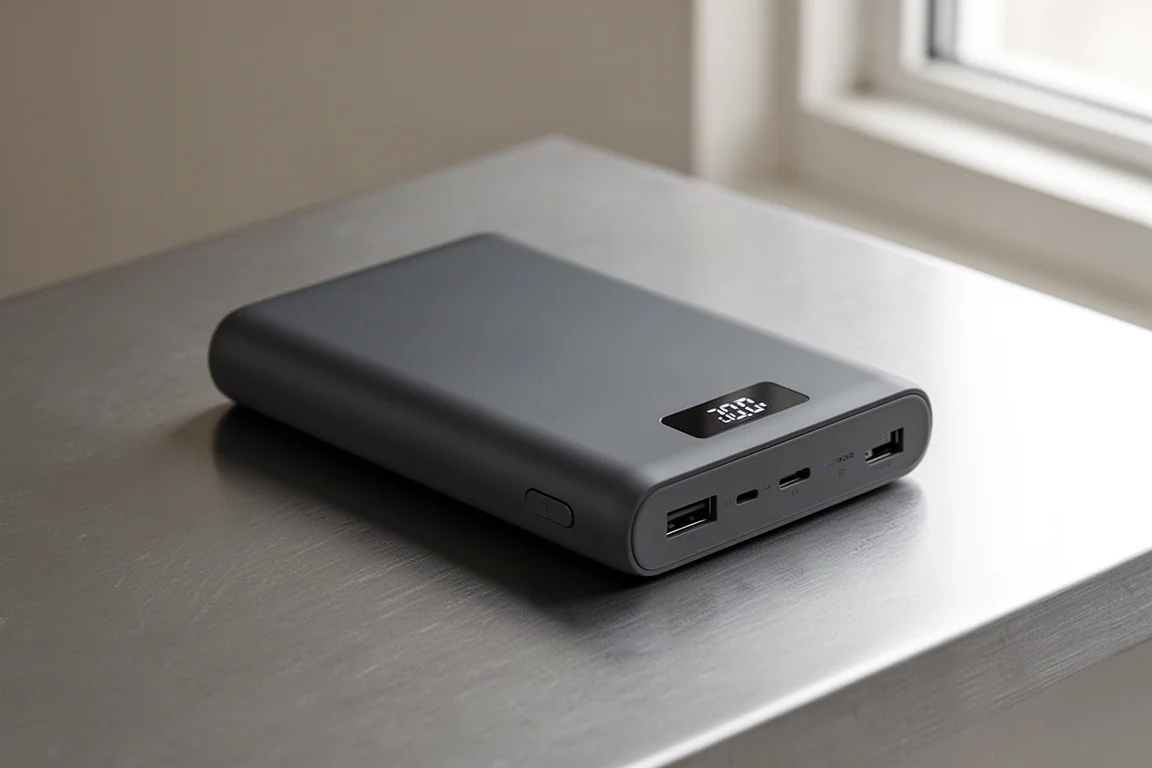
Nitecore Summit Series 10,000mAh: A Power Bank Rated for -40°C
Batteries are the quiet failure point of winter camping. A power bank that works perfectly at home can deliver a fraction of its capacity at -20°C, which is exactly when you need it most. The Summit Series 10,000mAh addresses this with a built-in heater that switches on once the temperature starts to affect battery performance, allowing it to operate down to -40°C.
For a phone, a headlamp or a satellite communicator, that is a meaningful safety margin rather than a convenience feature. It is the difference between a device that works on night three and one that has quietly given up.
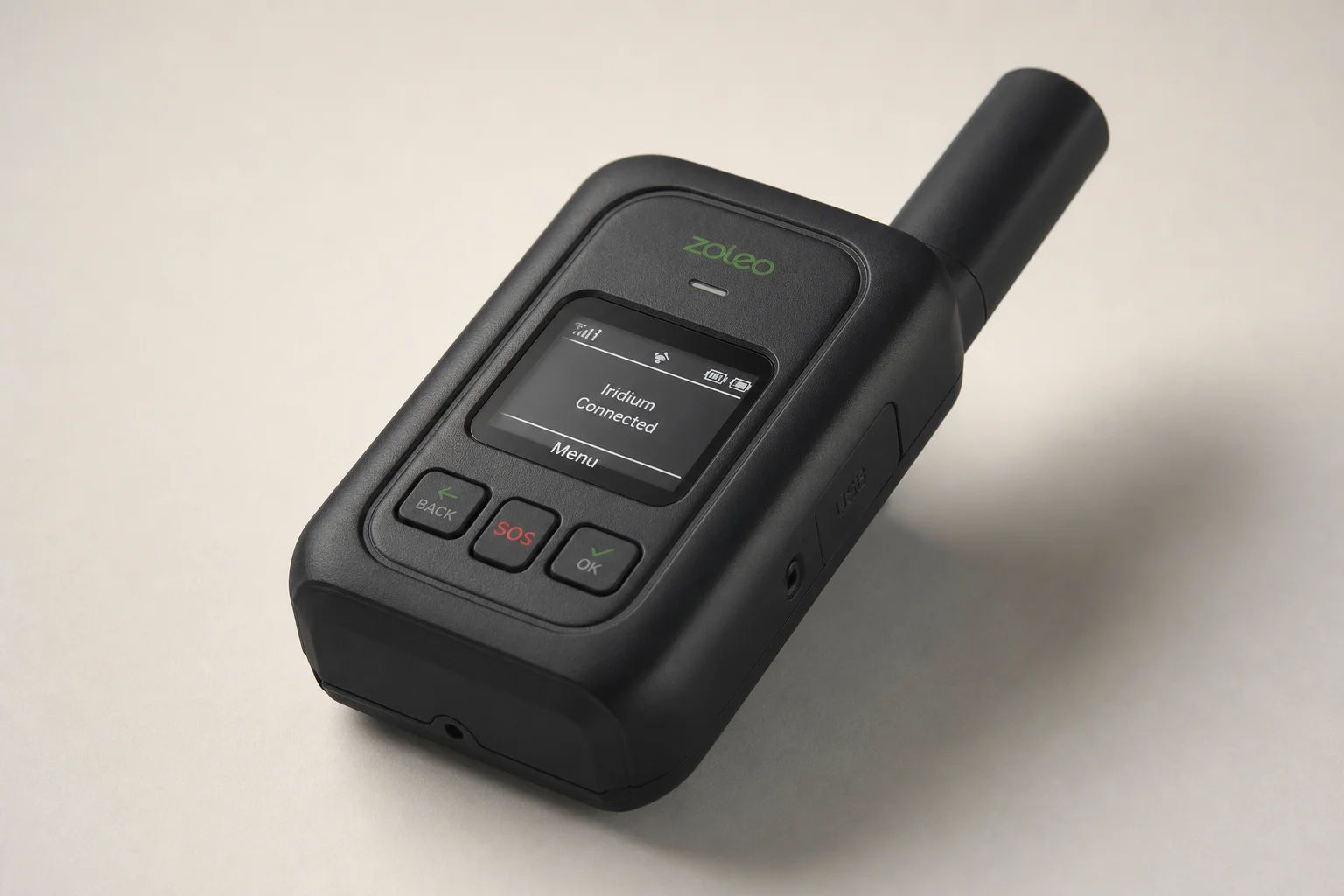
Garmin inReach Messenger: Satellite SOS With Reverse Charging
Satellite messaging is the one item you hope never to use, which makes reliability the only spec that matters. The inReach Messenger provides SOS communication and carries a larger battery than the inReach Mini 2, so it holds up over multi-day trips.
It also supports reverse charging, meaning it can top up a phone whose battery is struggling in the cold. That matters when you need a screen for navigation or messaging and the phone has drained faster than expected.
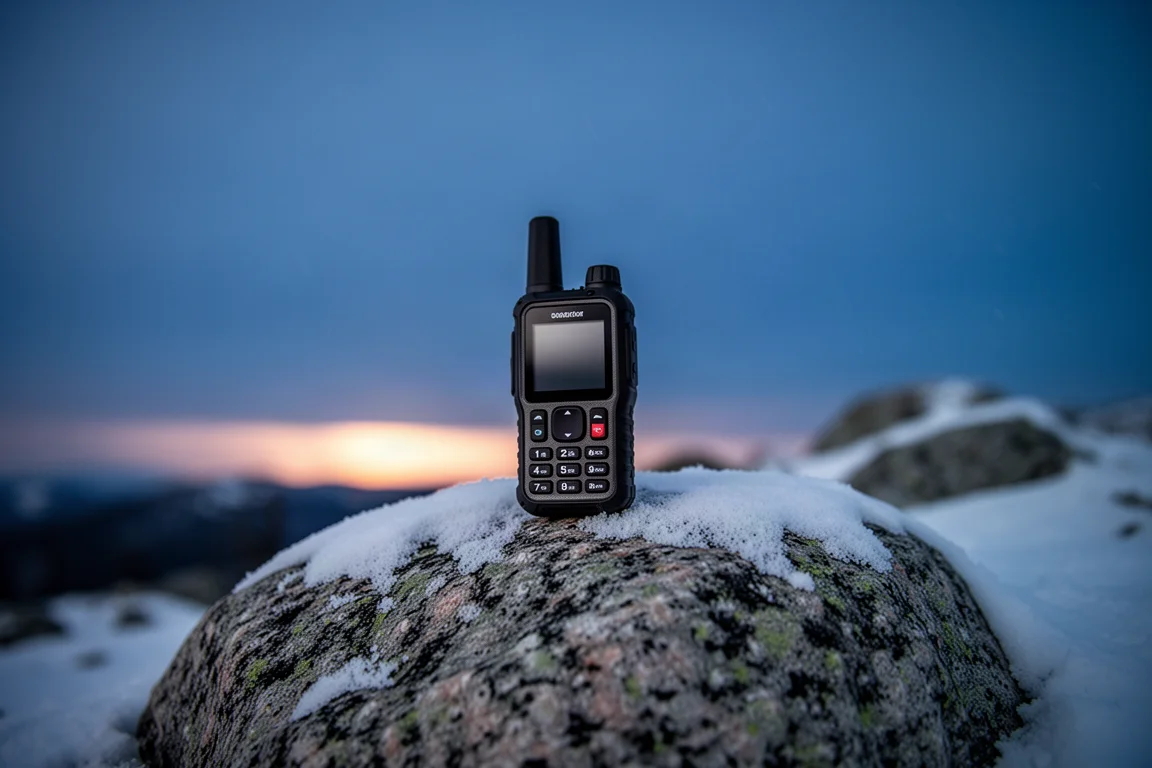
Between the larger battery and the reverse charging, the Messenger works as both a communicator and a small emergency power reserve. That kind of overlap is what keeps a winter kit light without cutting safety margins.
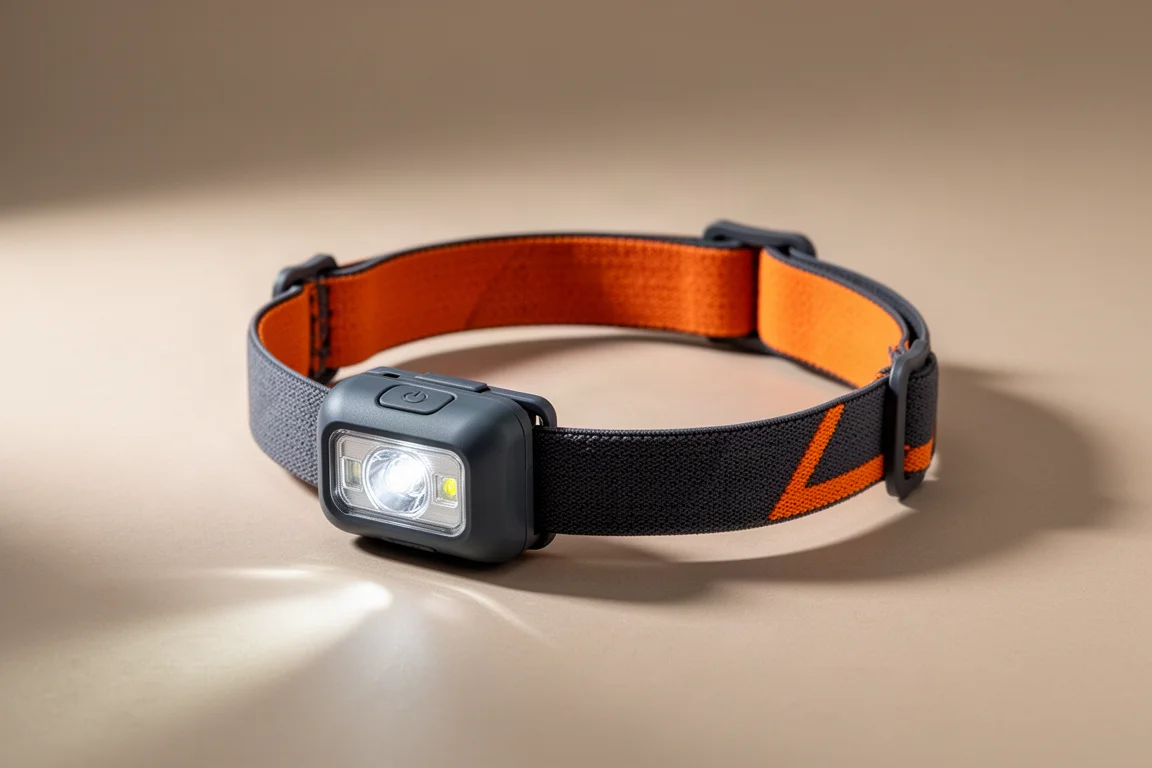
Black Diamond Deploy: Light, Bright and USB-C
A headlamp is non-negotiable in winter, when darkness arrives in the middle of the afternoon. The Deploy weighs very little, puts out 325 lumens and charges over USB-C, which keeps it consistent with the rest of a modern kit.
That consistency is worth more than it sounds. When the headlamp, phone, power bank and satellite messenger all charge from the same standard, a single short multi-tip cable with USB-A on one end and USB-C, micro-USB and Lightning on the other can cover every device in the pack, including older hardware you have not replaced yet.
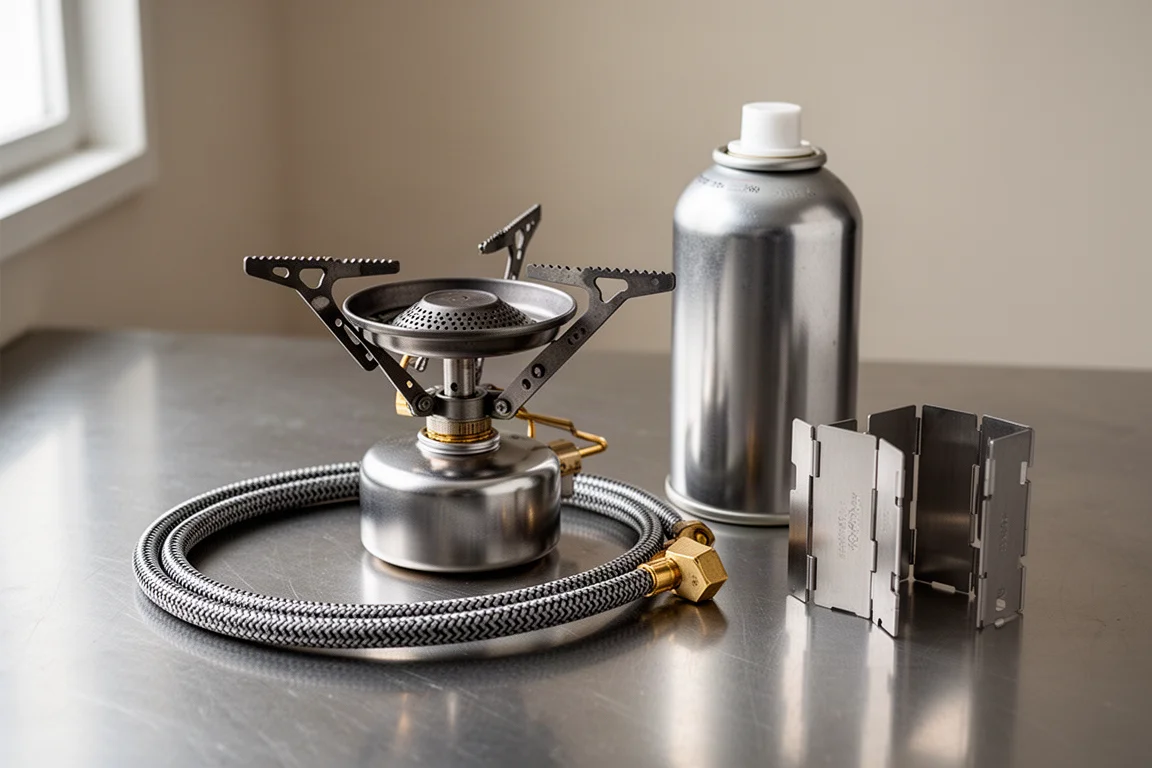
MSR WindPro II: A Canister Stove That Handles Deep Cold
Melting snow is the main cooking task of a winter trip, and it takes a lot of snow to produce a useful amount of water. That makes stove reliability and pot capacity more important than fine control. The WindPro II solves the cold-weather problem that affects ordinary canister stoves by allowing the remote canister to be inverted, so liquid fuel travels through a preheating tube and vaporises before reaching the burner.
Below roughly -20°C, that design is close to essential. The alternative, the MSR WhisperLite, remains an excellent cold-weather stove, but it is more stove than most trips require, and the WindPro II weighs close to half as much. The whole setup, including a folding stand for the inverted canister, a windscreen and a ground sheet, nests inside a 2 L titanium pot that provides enough capacity to melt meaningful amounts of snow in one go.
Black Diamond Mega Light 4: Pyramid Shelter at a Fair Price
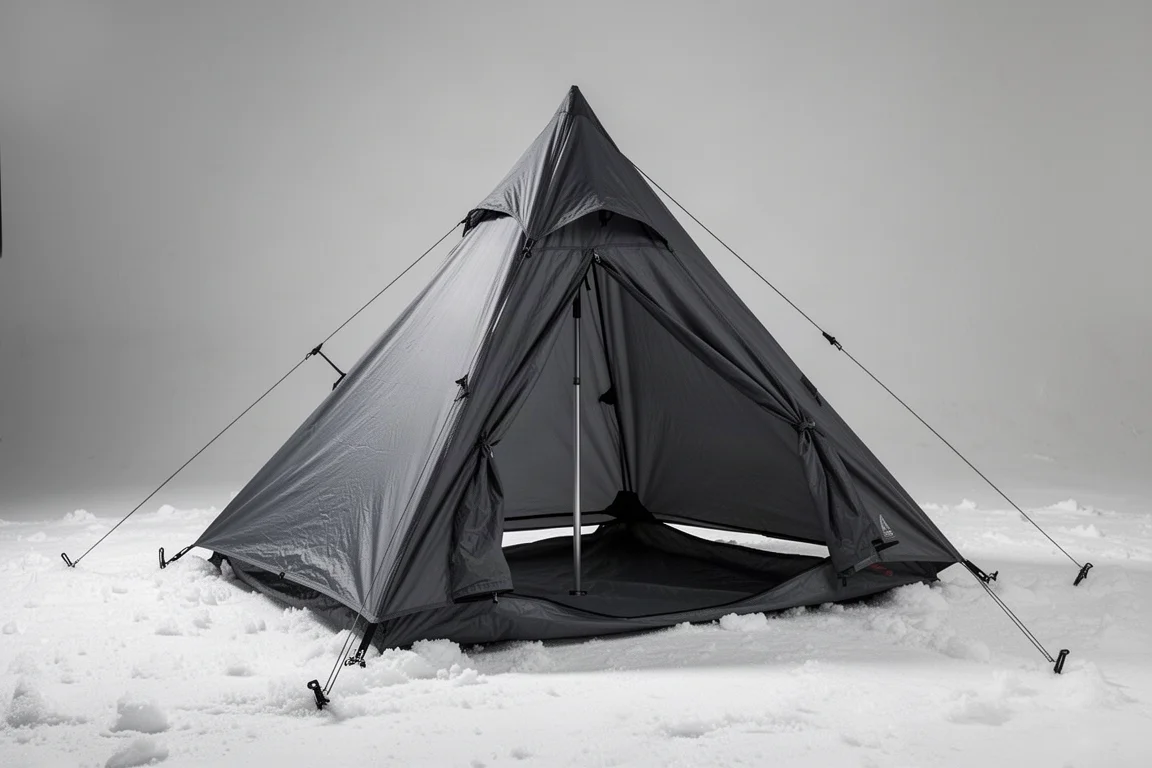
The Mega Light 4 is a pyramid shelter that costs around $400 USD including its carbon fibre centre pole, which is considerably less than the Hyperlite Mountain Gear Ultamid 4 it replaces in this kit, and not much is sacrificed in weight. It comes in at 813 g, with the carbon centre pole adding 320 g.
Two details matter in cold weather. The fabric is 30D polyester rather than nylon, so it does not stretch and sag when it gets wet or damp, which protects interior space on a shelter with this much surface area. And a dedicated centre pole means the shelter can be pitched without lashing trekking poles together when extra stability is wanted.
There is one large front door, a vent at the top, and enough room for two people with gear. It is sold as a four-person tent, but with sidewalls this steep it behaves as a generous two-person shelter in practice.
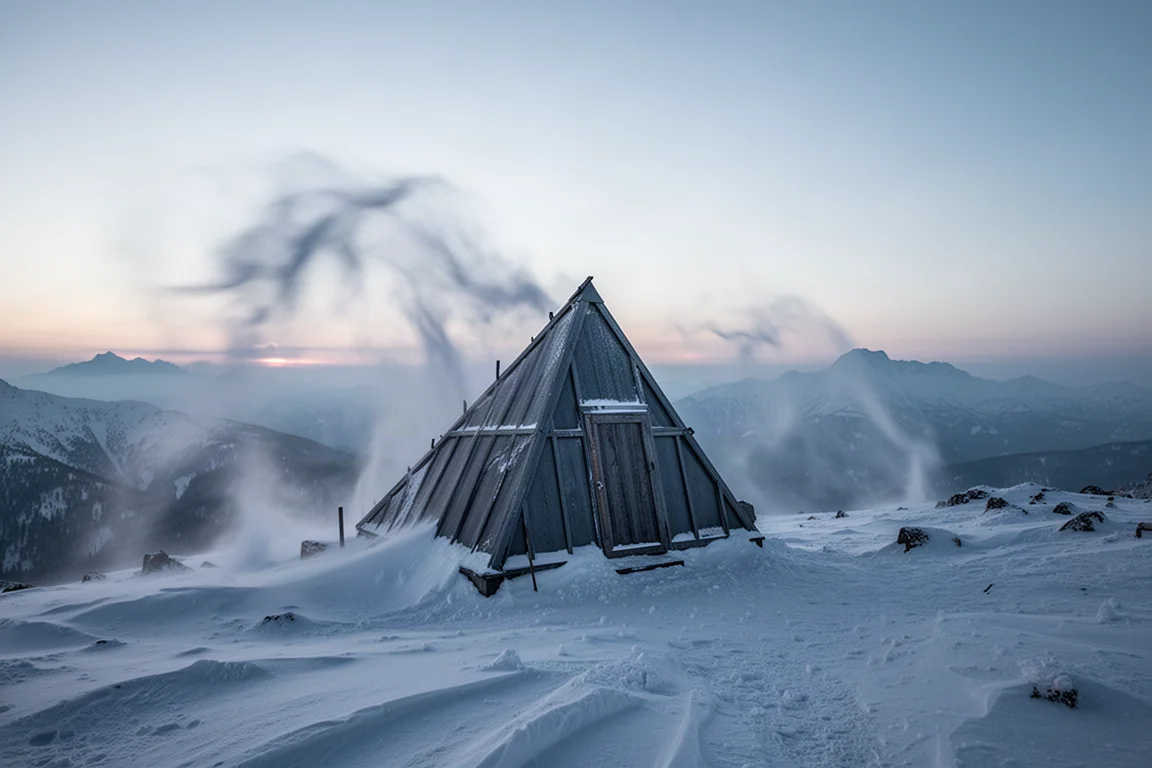
A pyramid design like this also sheds wind and snow well, and the top vent helps manage the condensation that builds up from breathing and cooking inside a single-wall shelter.
Therm-a-Rest XTherm: The Pad the Whole System Rests On
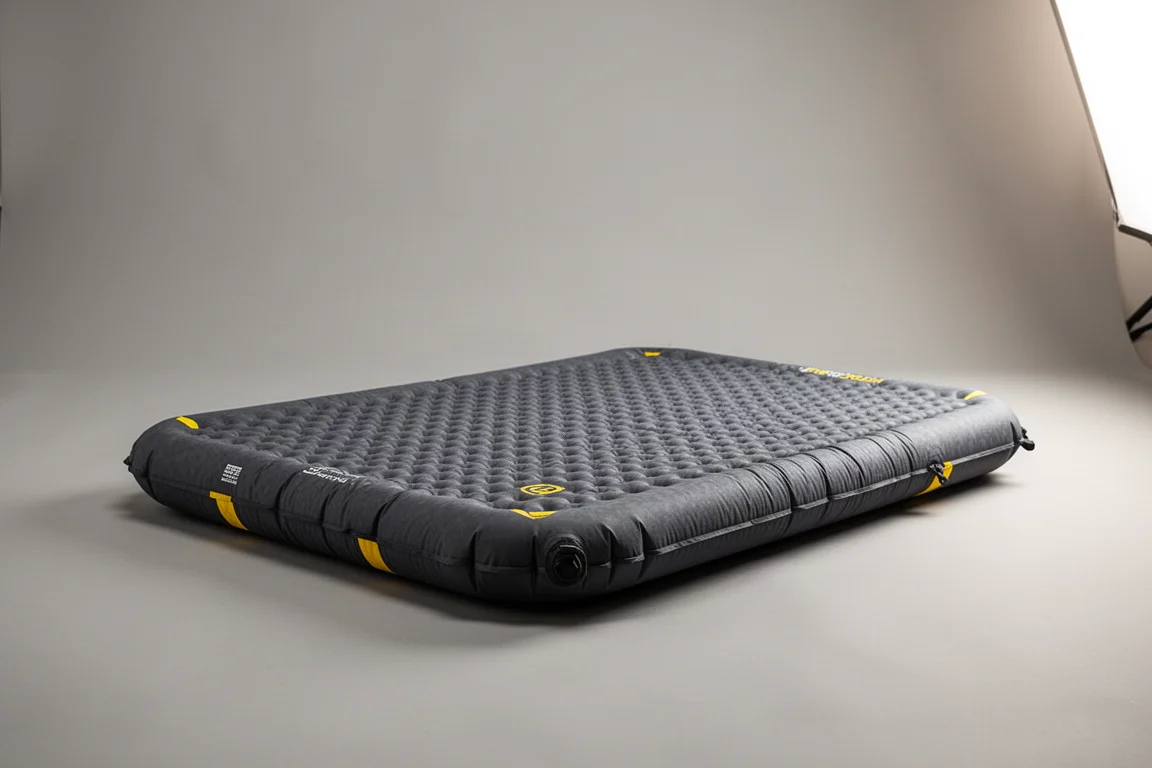
The sleep system starts with the foam mat and then the XTherm on top. It is an insulated inflatable pad with one of the best warmth-to-weight ratios available, and it is the pad this kit is built around for extreme conditions.
Inflating it with a small pump rather than by breath is worth doing, since warm moist air inside a pad can reduce performance over a long trip. The pump doubles as a tent lantern and a backup light source, which is a useful bonus in a kit where every gram is accounted for.
Therm-a-Rest Polar Ranger: A Sleeping Bag With Real Cold-Weather Features
With a -20°C comfort rating, the Polar Ranger is built for serious cold, and it sleeps warmer than its rating suggests thanks to internal draft tubes around the arm openings. Those armholes are the standout feature. They can be opened to vent heat on milder nights, and they let you read, adjust gear or reach for something without leaving the bag and losing all your warmth.
A snorkel hood keeps a pocket of warm air around the face and uses synthetic material to direct moisture away from the down, which protects loft across multiple nights. The bag is also light for how warm it is, which matters when the rest of the kit is already heavy.
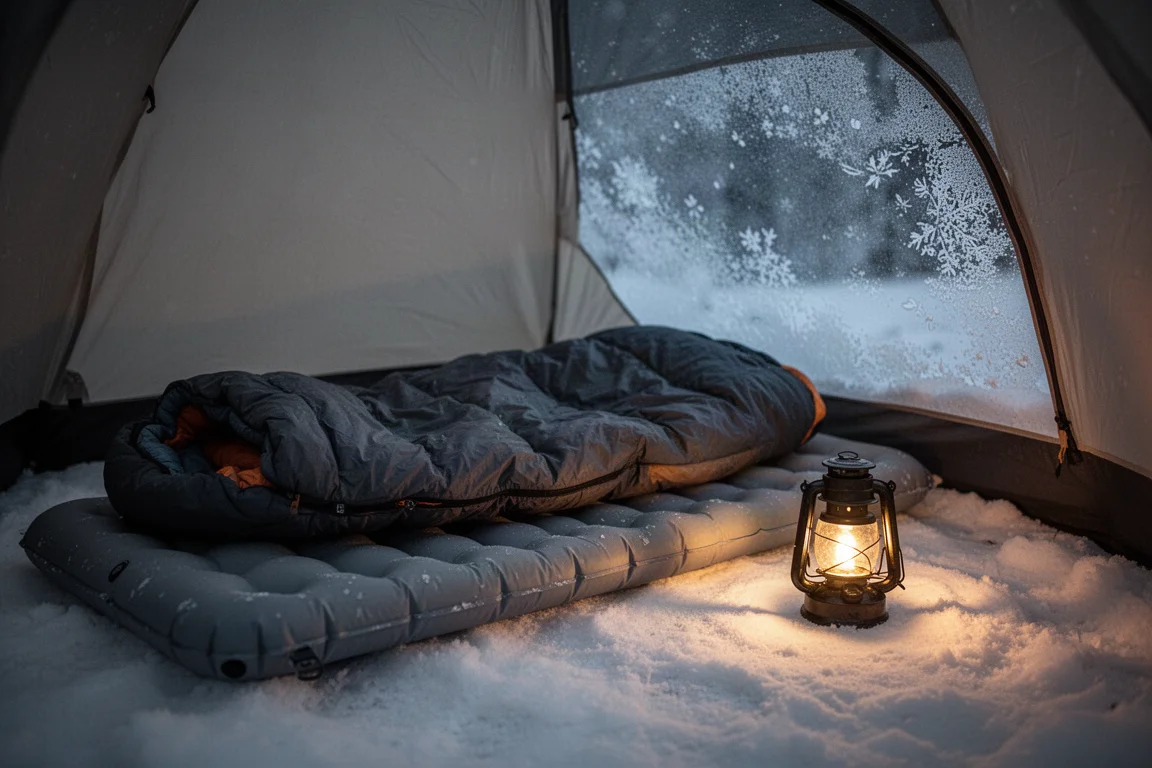
Above the sleeping bag sits a synthetic top quilt, and this layer is deliberate rather than optional. Water vapour from the body travels outward through the sleep system and eventually condenses, and it is far better for that to happen inside a synthetic quilt than inside a down bag, where moisture compromises the down and leaves you sleeping colder. A 40°F or 50°F Apex quilt is a good balance of bulk, weight and warmth, with the sleeping bag underneath adjusted to suit the conditions. Layered this way, the foam mat, the XTherm, the Polar Ranger and a synthetic top quilt form a system that has been used at -30°C and below.
Overall Buying Advice
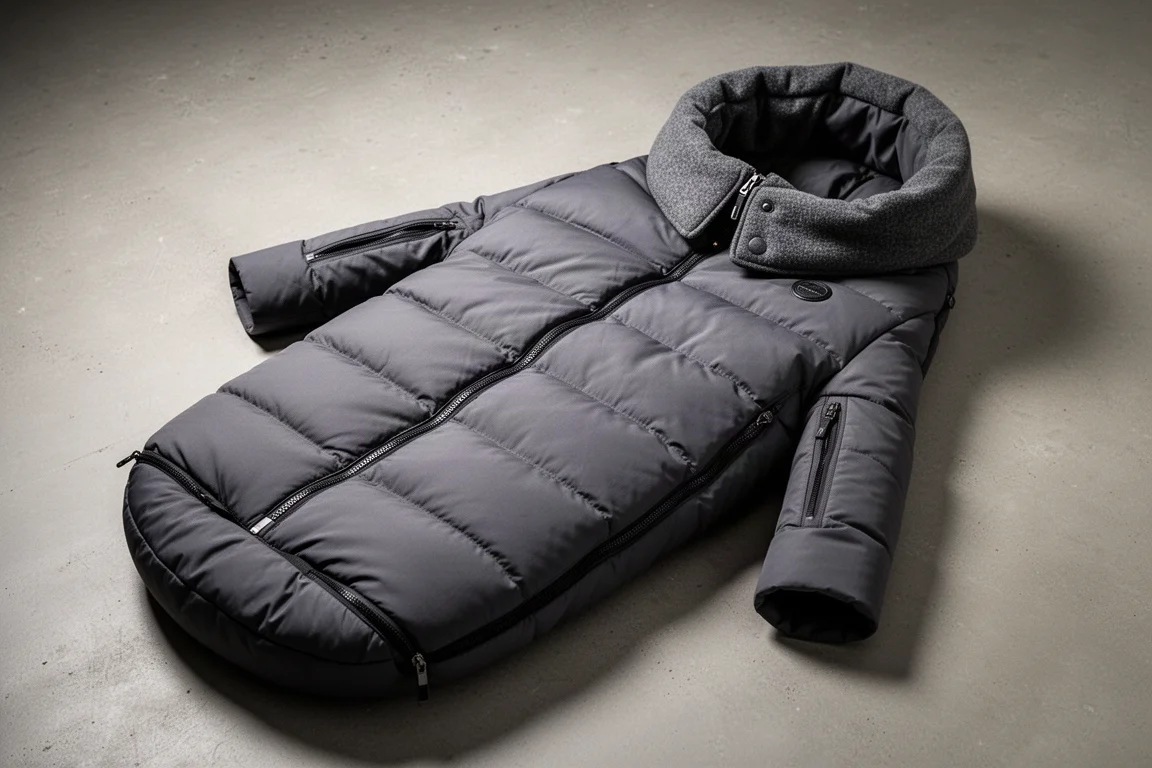
Spend where failure is most expensive. The sleep system, the shelter and the stove are the three areas where a compromise shows up immediately at -20°C, and they are worth prioritising over lighter, cheaper alternatives.
For anything battery powered, check the operating temperature before you buy. A power bank or headlamp that only performs at room temperature is a liability in winter, and cold-rated electronics are the single biggest upgrade most kits are missing.
Add the foam mat early. It is inexpensive, it adds roughly 2 R to the sleep system, and it has several secondary uses around camp, which makes it one of the best value items in the entire list.
Finally, treat redundancy as part of the purchase rather than an afterthought. A second light source, a satellite communicator with its own battery, and a shelter that pitches without trekking poles all reduce risk. Small additions such as insulated camp booties with a tall gaiter, a pillow with insulation on top, and a wide-mouth insulated bottle sleeve make a disproportionate difference to comfort once the sun goes down.
Conclusion
A winter kit works when each piece supports the others: a pack that carries the load, a shelter that stays taut and sheds weather, a stove that keeps running when canisters normally fade, electronics rated for the cold, and a layered sleep system that manages both warmth and moisture. Get those five things right and the temperature outside becomes a manageable variable rather than a threat.
Further reading
Related Reviews
Winter Camping Gear
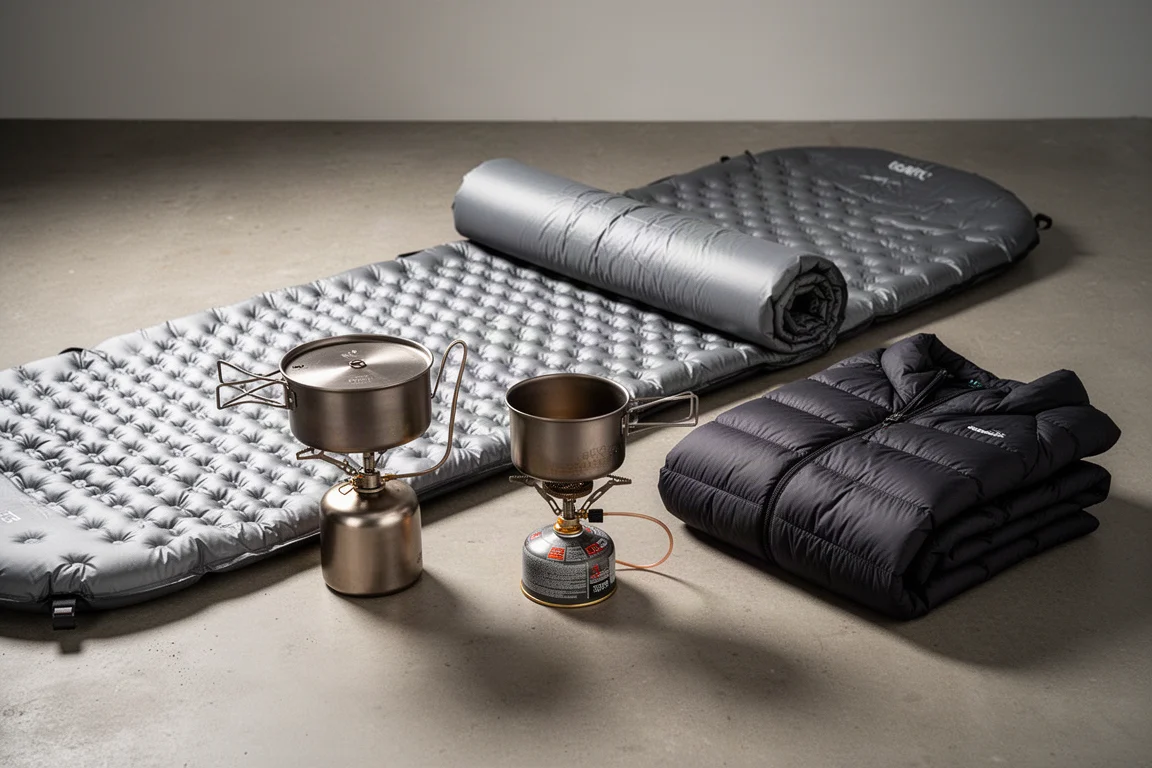
Affordable Winter Camping Gear: Six Budget Pieces Tested Below Freezing
Three reflective sleeping pads, an updated down jacket, a titanium pot and a $25 winter stove, assessed on frozen ground at around minus 12 degrees Celsius.
Winter Camping Gear
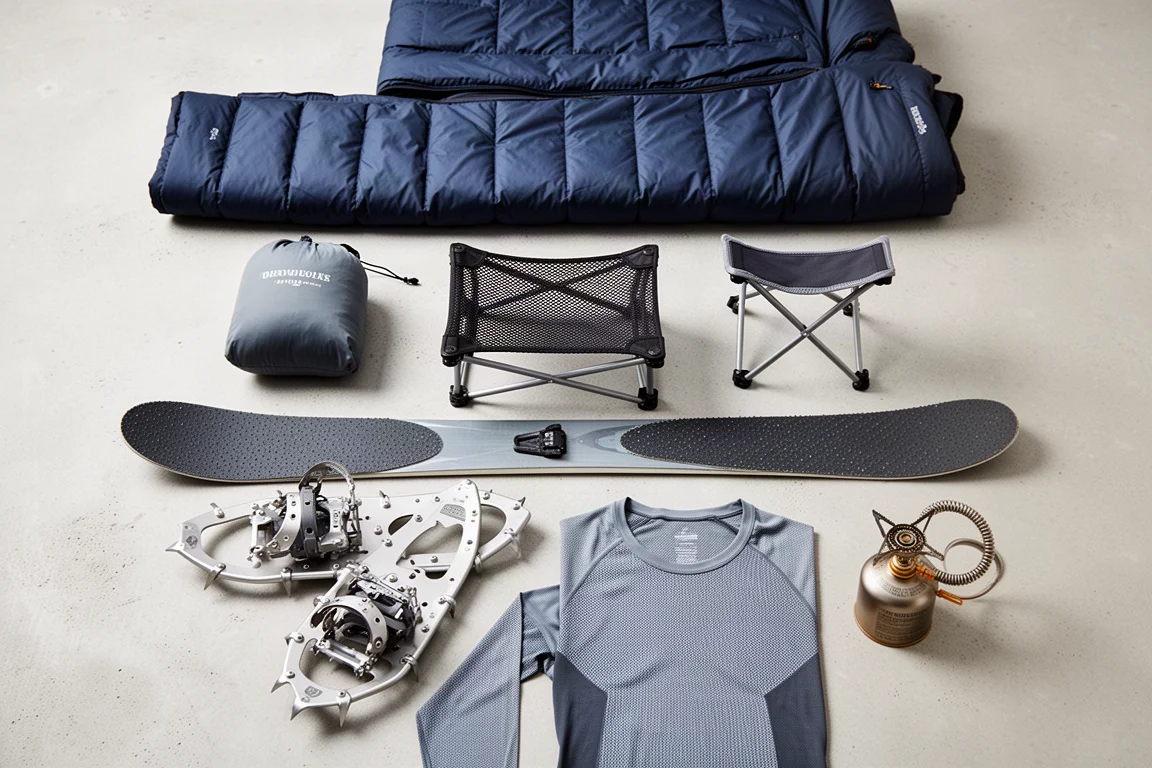
Best Winter Camping Gear 2026: Seven Pieces Worth Packing
A practical look at seven winter camping items, from an insulated parka rated to minus 20 degrees Celsius to a titanium stove built for cold canisters.
Winter Camping Gear
Ultimate Winter Camping Gear List: Proven Essentials for Cold-Weather Adventures
A curated list of winter camping gear that has proven itself in freezing temperatures, from shelter and sleep systems to cooking and safety essentials.