Winter Camping Gear
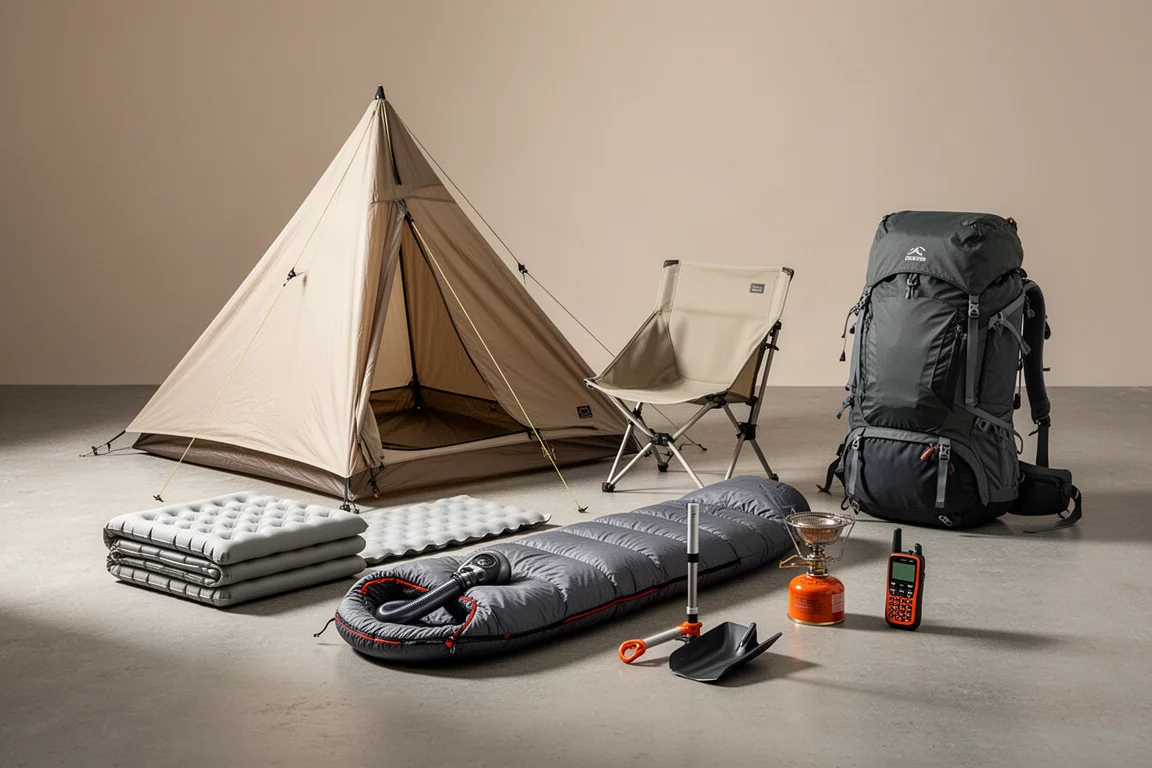
Winter Camping Gear List: Nine Comfort-First Picks for Cold Nights
A practical winter camping gear list built around comfort and warmth, covering pack, shelter, sleep system, cooking, electronics, and safety.
Introduction
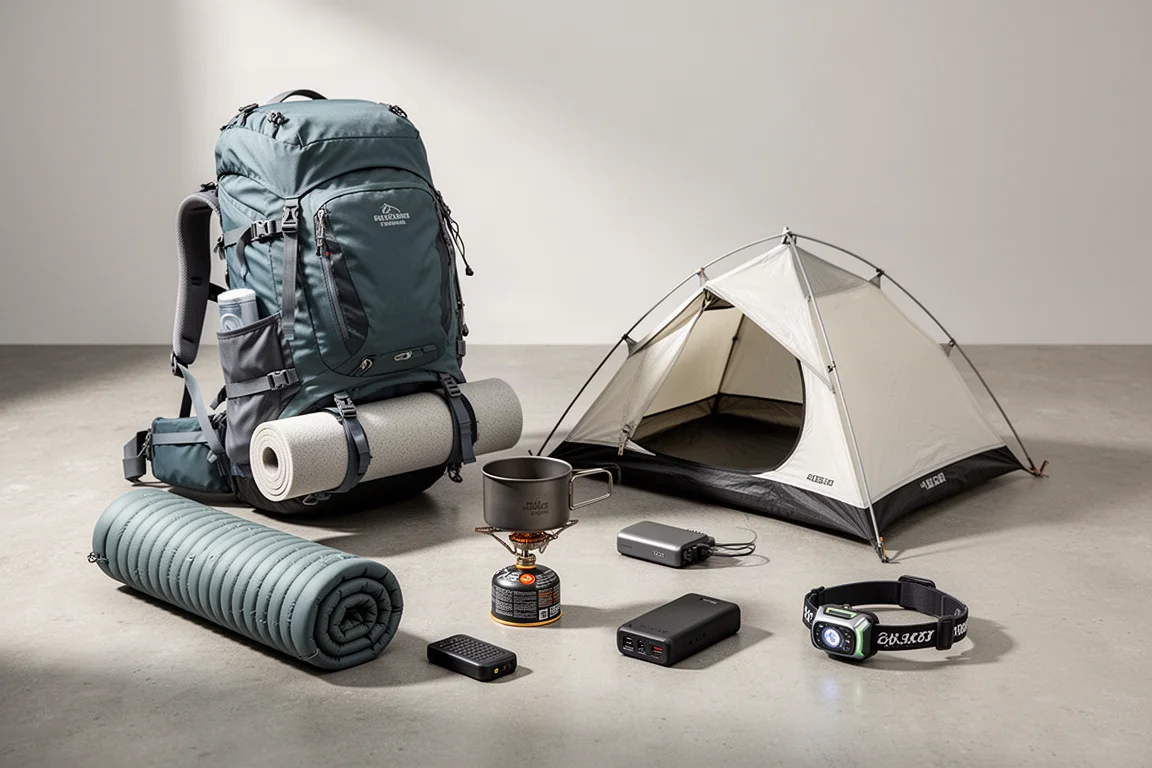
Winter camping asks a lot from your gear. The nights are long, everything you touch is either frozen or wet, and the margin for error is small. This list is built around a different goal: staying comfortable, not just surviving, at temperatures down to roughly -25 °C.
That target matters. Expedition-grade systems designed for -40 °C and beyond exist, and they are excellent, but they are also heavy, expensive, and more than most people need for a weekend of winter camping. The nine items below balance warmth, weight, and everyday usability in the cold.
What This Winter Camping Gear List Covers
Every item here was selected against a handful of practical criteria: how much warmth it delivers for its weight, how easy it is to use with gloves on or in fading light, how well it packs, and whether it adds redundancy where redundancy matters most, such as sleeping insulation and emergency electronics.
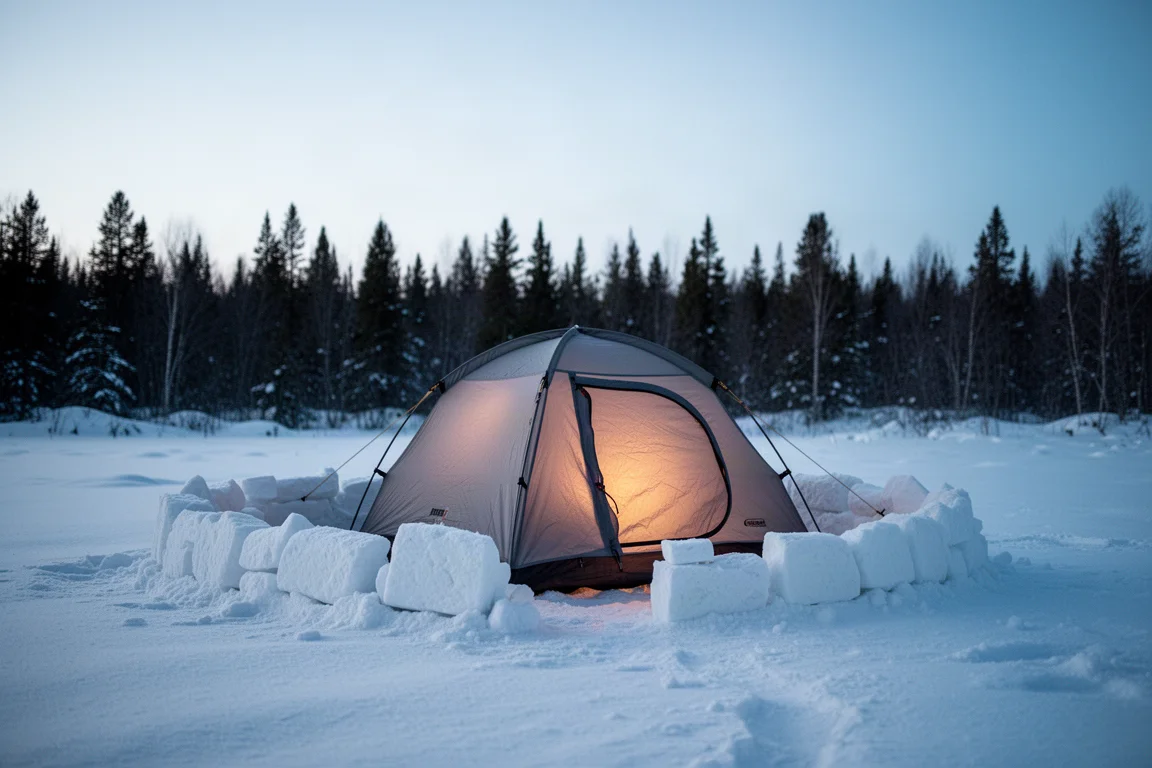
Packability carries extra weight in winter, since you are usually hauling bulkier insulation and more fuel. Redundancy is the other theme. A second insulating layer under your sleeping pad, a backup way to charge a headlamp, or a communication device that works when nothing else does can be the difference between a comfortable night and a very long one.
Pack: Seek Outside Divide 4800
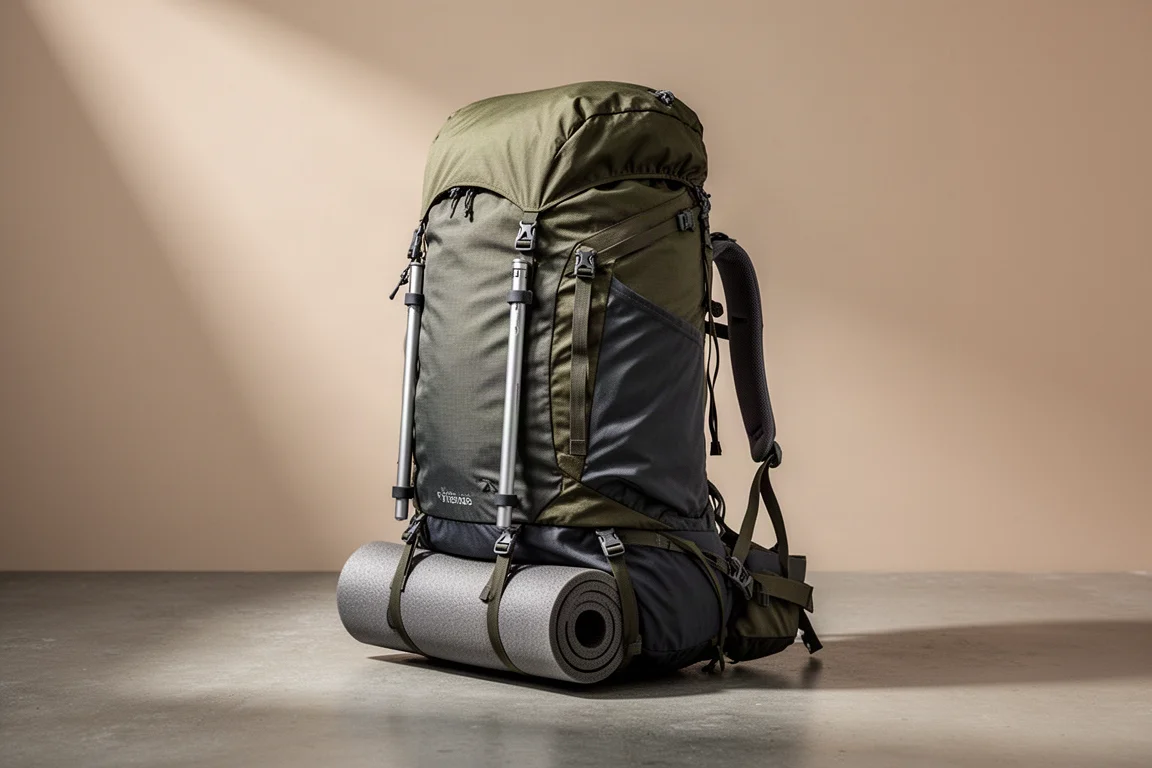
The Divide 4800 offers roughly 75 litres of internal volume, which is a lot of room for bulky winter insulation and a full cook system. Its frame system is notably robust and carries heavy loads without folding under them.
An adjustable torso lets you dial in the fit, which matters more than almost anything else once the pack is loaded. Modular strap points run along the sides and top, so bulkier items can be lashed outside, and a foam pad straps neatly to the bottom. The main omission is a dedicated avalanche pocket for a shovel and probe, which is worth noting if your trips take you into avalanche terrain.
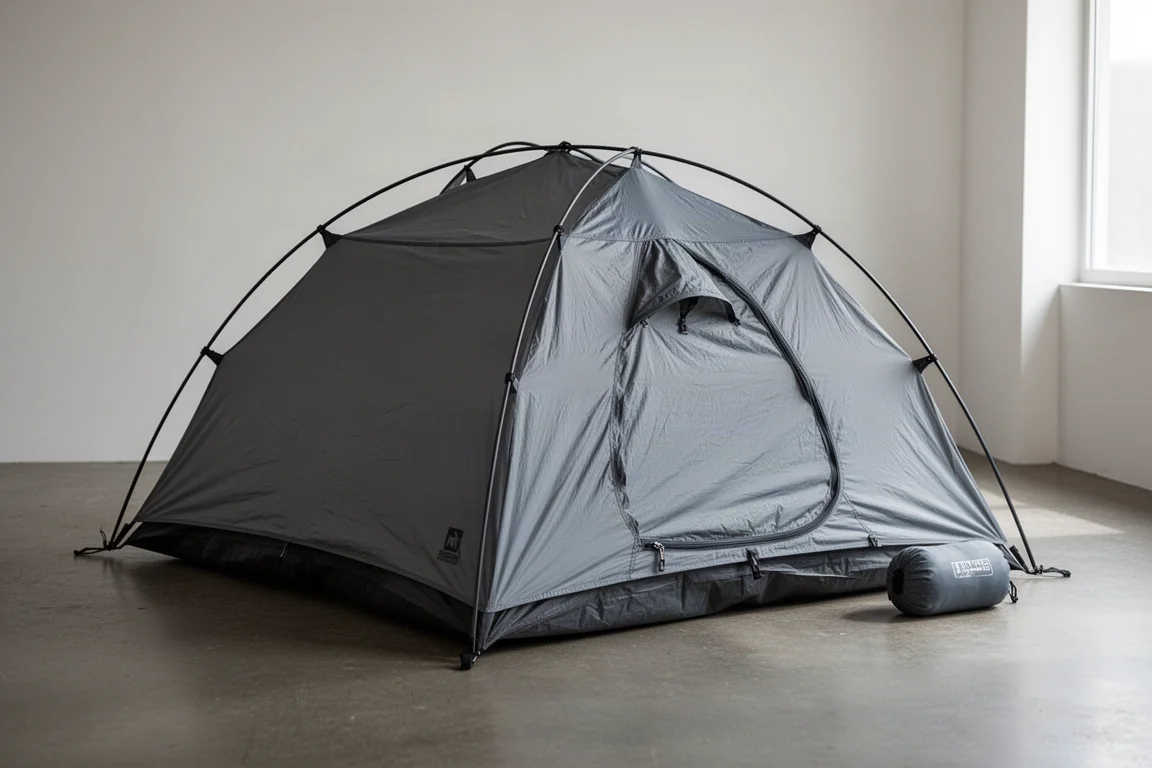
Shelter: Durston X-Dome 1+
The X-Dome 1+ is not technically a four-season tent, yet it holds up in strong ridgetop winds and handles meaningful snow load when it is pitched taut. With a solid inner, it adds roughly 5 °C of warmth compared with a mesh inner, which is a useful bonus rather than something to rely on.
Three traits stand out for winter use. First, it weighs under a kilogram, where most four-season tents sit closer to two. Second, it is tall and roomy, with space to sit up, change layers, and store gear inside, plus a vestibule for a pack. Third, it is freestanding and pitches all in one, so you are not fighting to set an inner first and wrestle a fly over it in the wind.
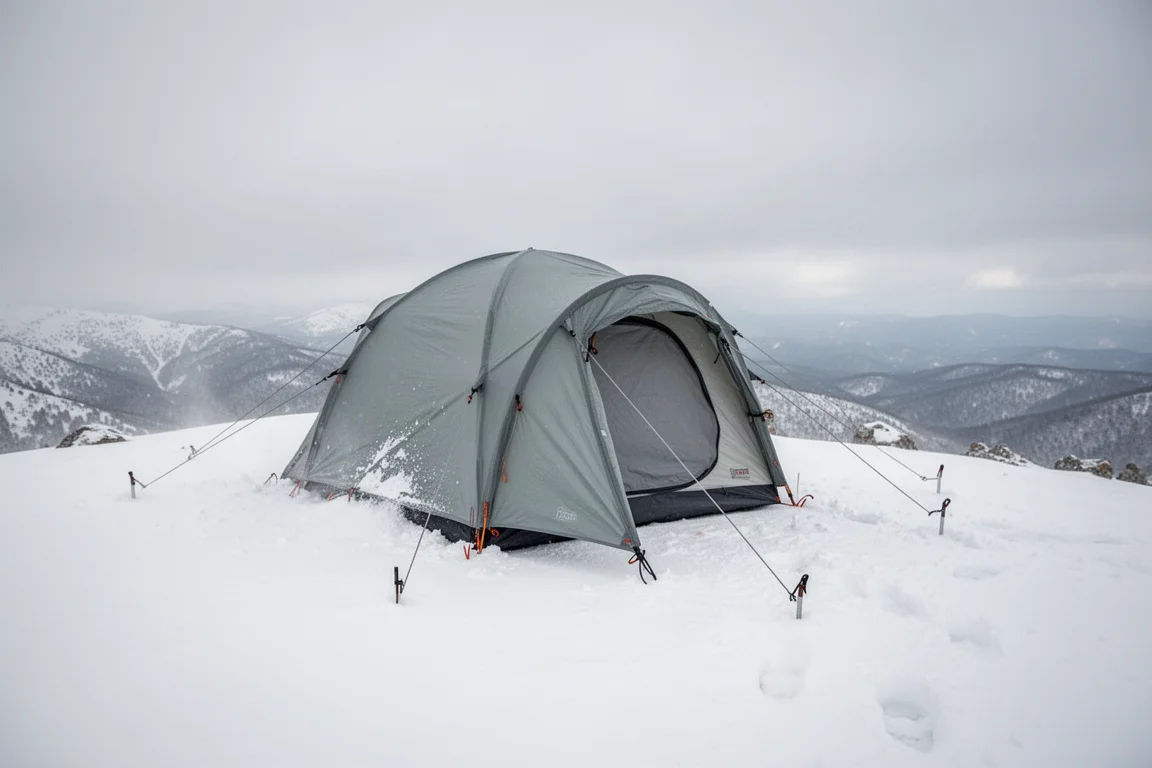
Snow loading and stakeout points are the two things to watch. Pitch it taut and clear snow off the roof during heavy falls, and you get a shelter that is far lighter than its winter performance suggests.
Sleeping Pad: Sea to Summit Ether Light XR Pro
This is not the warmest sleeping pad you can buy, but it is among the most comfortable options that genuinely works on snow at around -25 °C. Its dimpled baffle pattern distributes pressure better than flat baffles, which is why it stays comfortable through a long night.
Reflective insulation returns body heat, and the design is lighter and more compact than earlier winter pads from the same brand. If you want a little extra warmth and a safety margin, pair it with a closed-cell foam pad underneath.
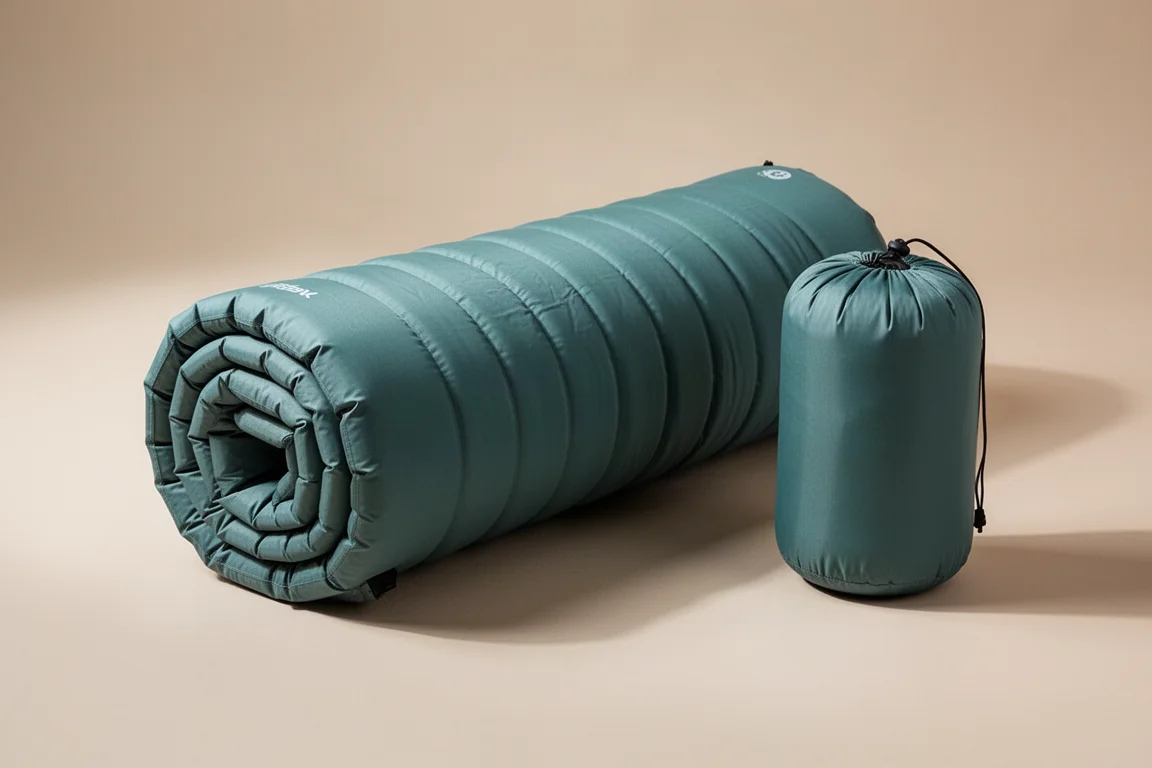
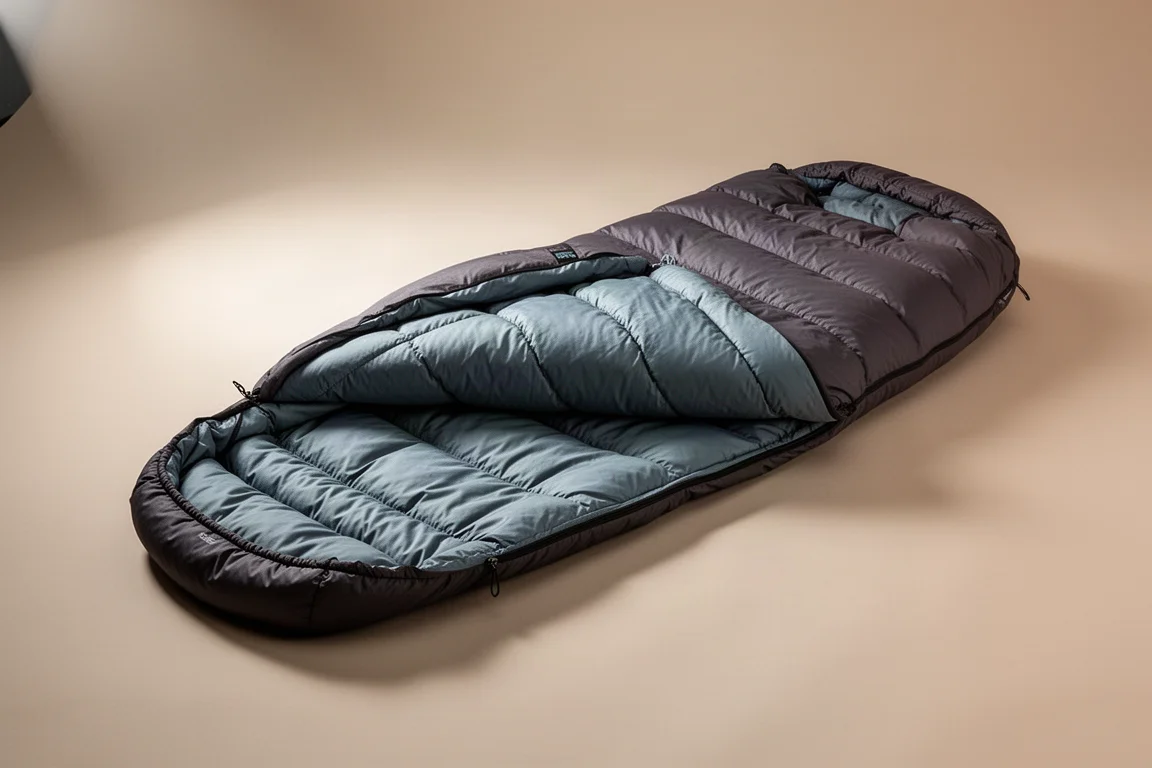
Sleep System: ZenBivy Winter Bed
This is a winter bed that has been tested down to -25 °C and kept its sleeper warm. It is a heavy bag with a lot of down inside, and that weight is the trade-off for genuine cold-weather comfort.
The shape is the real advantage. You sleep on top of the quilt rather than inside a restrictive mummy, so you can roll onto your side, stomach, or back without waking up. Draft walls along the sides stop cold air from creeping in, a hood keeps your head warm, and the soft top pillow includes a down topper that adds both comfort and warmth.
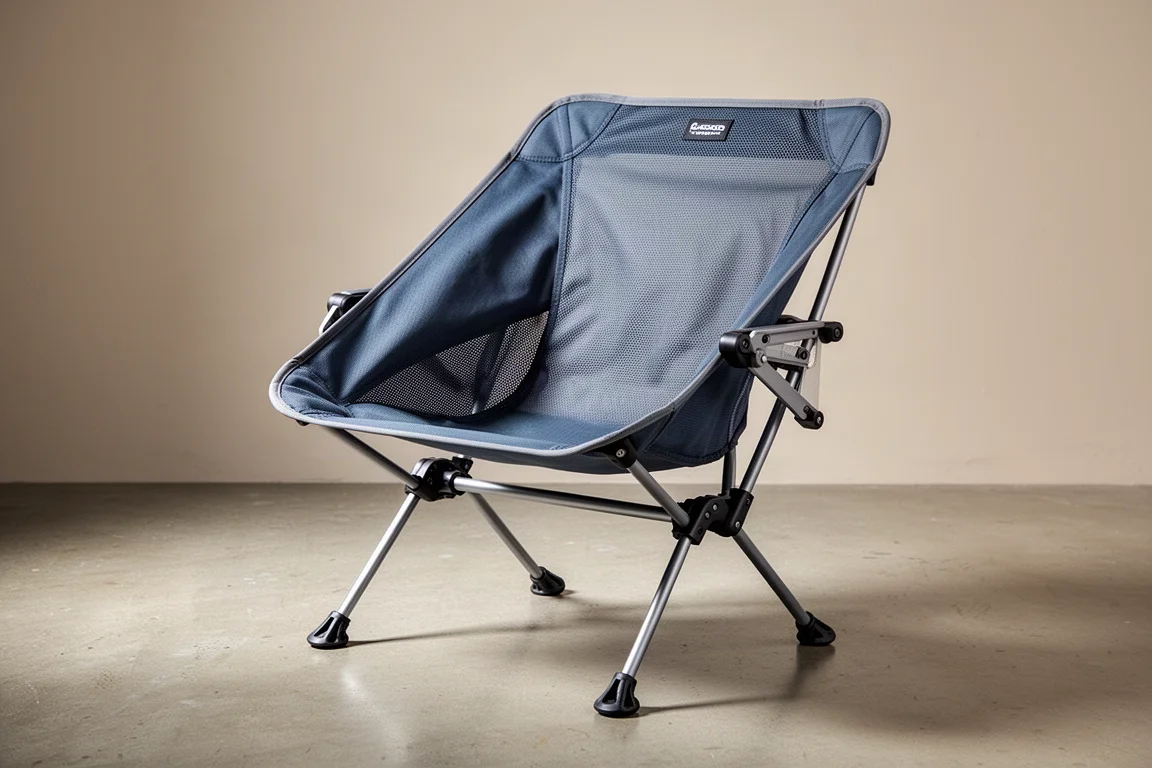
Camp Comfort: Nemo Moonlight Elite
Camp chairs are a luxury until you spend a long winter evening sitting on snow. The Moonlight Elite earns its place because a closed-cell foam pad sits neatly into the seat, adding insulation underneath you.
The carry case doubles as a footprint, which is more important than it sounds. Without one, chair feet sink into soft snow and you end up sitting on the ground.
Cook System: Primus Ulti
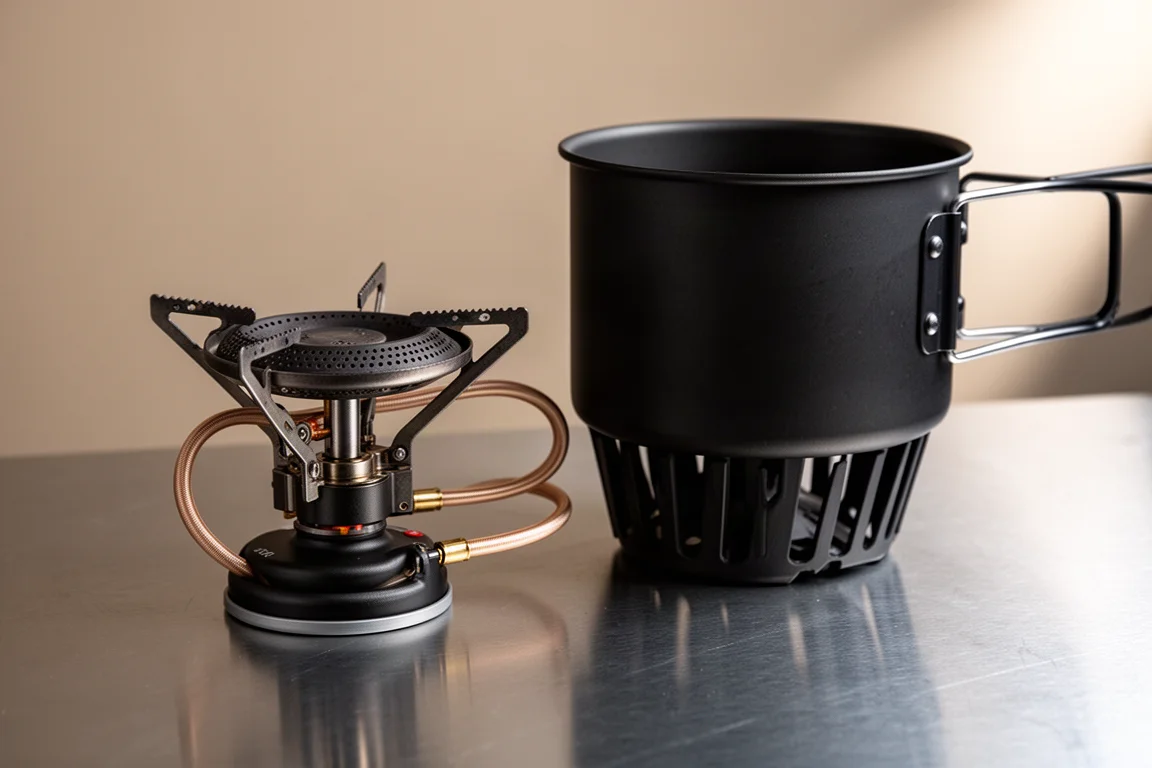
Melting snow for water is the core cooking job in winter, and it is where stove design really matters. The Ulti is a radiant burner inverted canister stove, and the inversion is the point.
Standard canisters are roughly 80 percent isobutane and 20 percent propane. Isobutane stops turning into gas at around -12 °C, while propane keeps going down to about -40 °C. Below -12 °C you need to invert the canister and feed liquid fuel, but stoves cannot burn liquid. The fix is a preheating tube: run the stove upright for a short while to heat the tube, then flip the canister so liquid isobutane passes through the hot tube and turns back into gas.
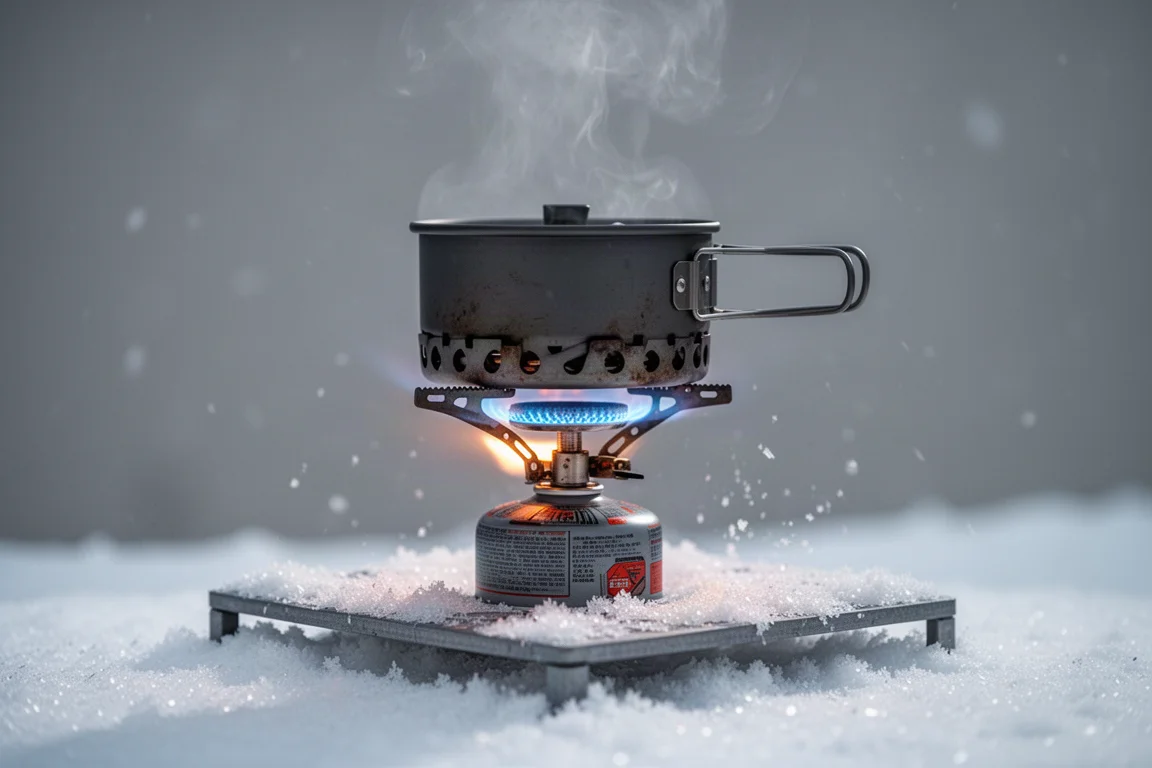
A radiant burner is quiet, frugal with fuel, and stable in wind, and the included heat-exchanger pot pushes efficiency further. The catch is cost. This is an expensive stove, and a cheaper remote-canister stove with a preheating tube will still get the job done, just with less efficiency.
Power: Nitecore Summit 10000
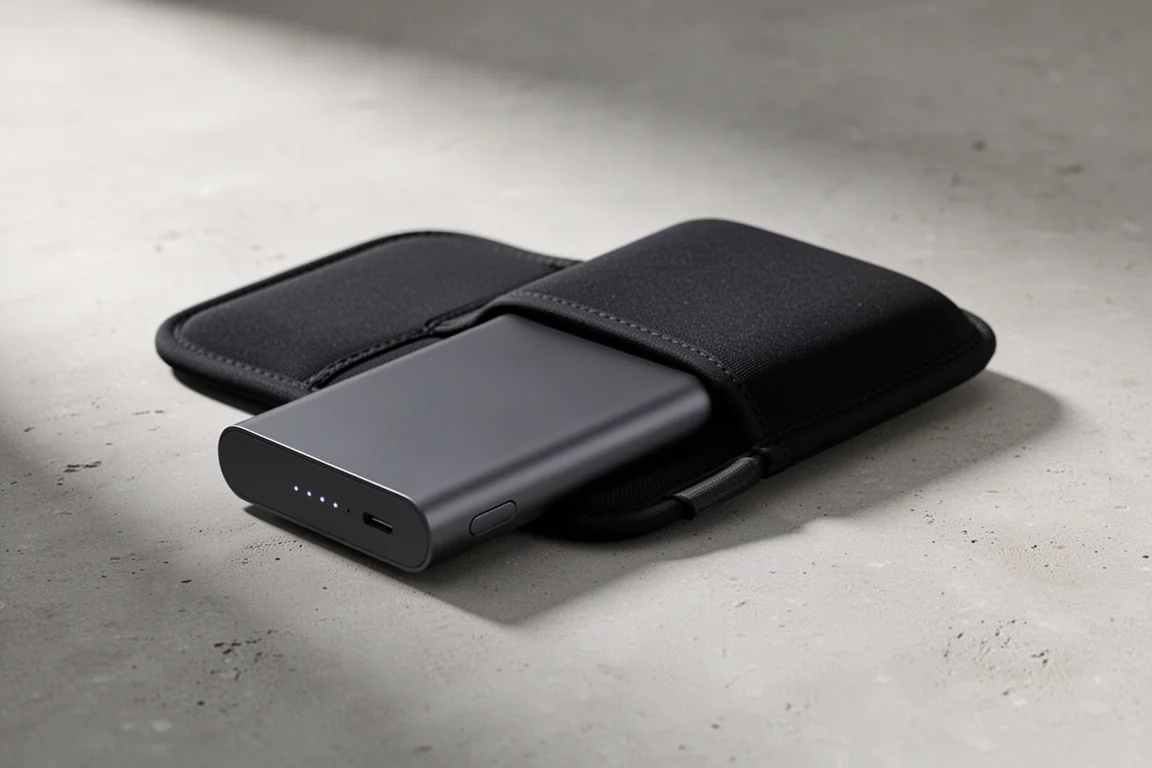
Cold weather drains batteries, and this power bank is built for it. It operates down to -20 °C thanks to an internal heater, which draws a small amount of its own power to keep the cells at an efficient working temperature.
That makes it a dependable way to keep a headlamp and an emergency communication device topped up. The one thing worth wishing for is a second USB-C port.
Headlamp: Petzl Swift RL
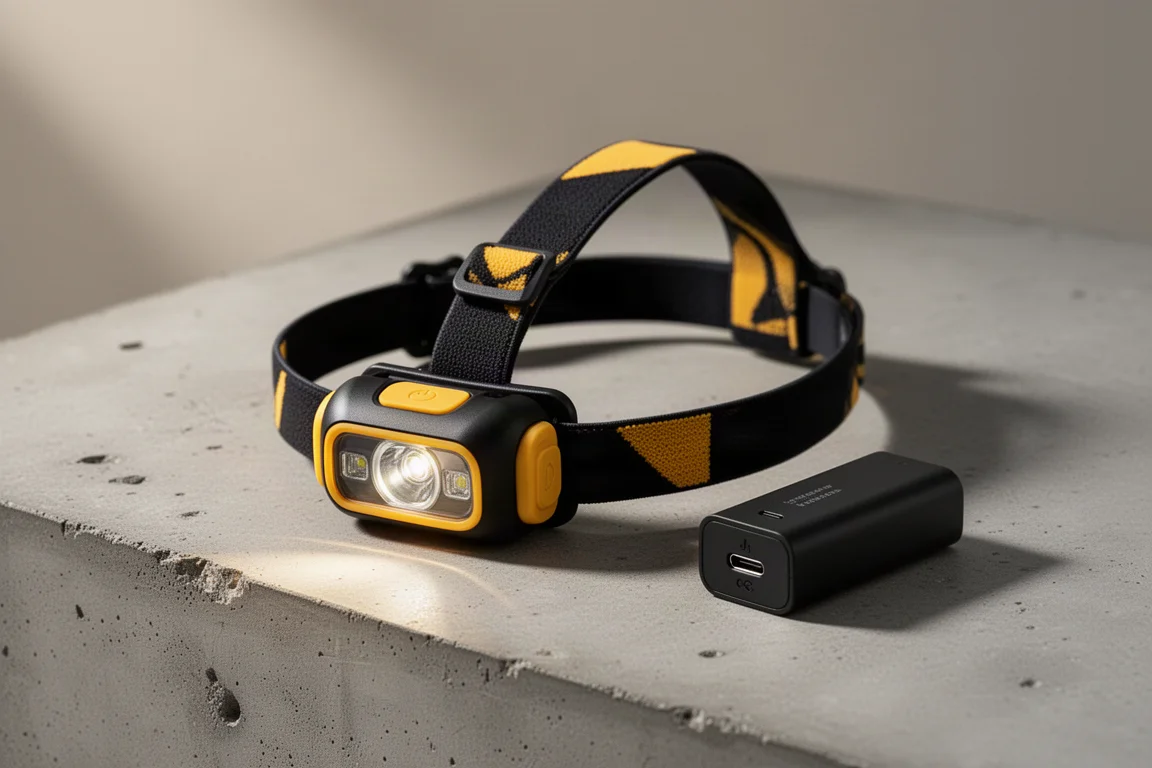
At around 100 grams, the Swift RL is light enough to forget, yet it reaches up to 1,000 lumens with adaptive brightness. The beam brightens when you look into the distance and dims when you look close, which stretches battery life without leaving you in the dark.
The battery is replaceable and has a USB-C port built right into it, so a spare can be charged and swapped in. The single button that controls both brightness and the white and red modes is the main frustration.
Communication and SOS: Garmin inReach Messenger Plus
For winter trips, the Messenger Plus is the better pick over the smaller inReach model purely because of battery capacity, and winter is hard on batteries. Reliability and feature set are why the inReach line stays in the kit.
The practical value is messaging. Being able to coordinate with the people you are out with, and having an SOS option as a last resort, is a meaningful safety layer when conditions make rescue difficult.
Buying Advice
Layering deserves as much thought as hardware. Polypropylene mesh base layers move moisture away from skin and trap warm air in their open structure while still letting you dump heat fast when you open a zip. Soft shell outer layers breathe and manage temperature better than waterproof breathable shells for active winter use, and mechanical ventilation, meaning pit zips and thigh vents, is worth prioritizing. Down insulation, whether a jacket or pants, is the warmest option per gram, though heavier and less expensive alternatives can be just as warm.
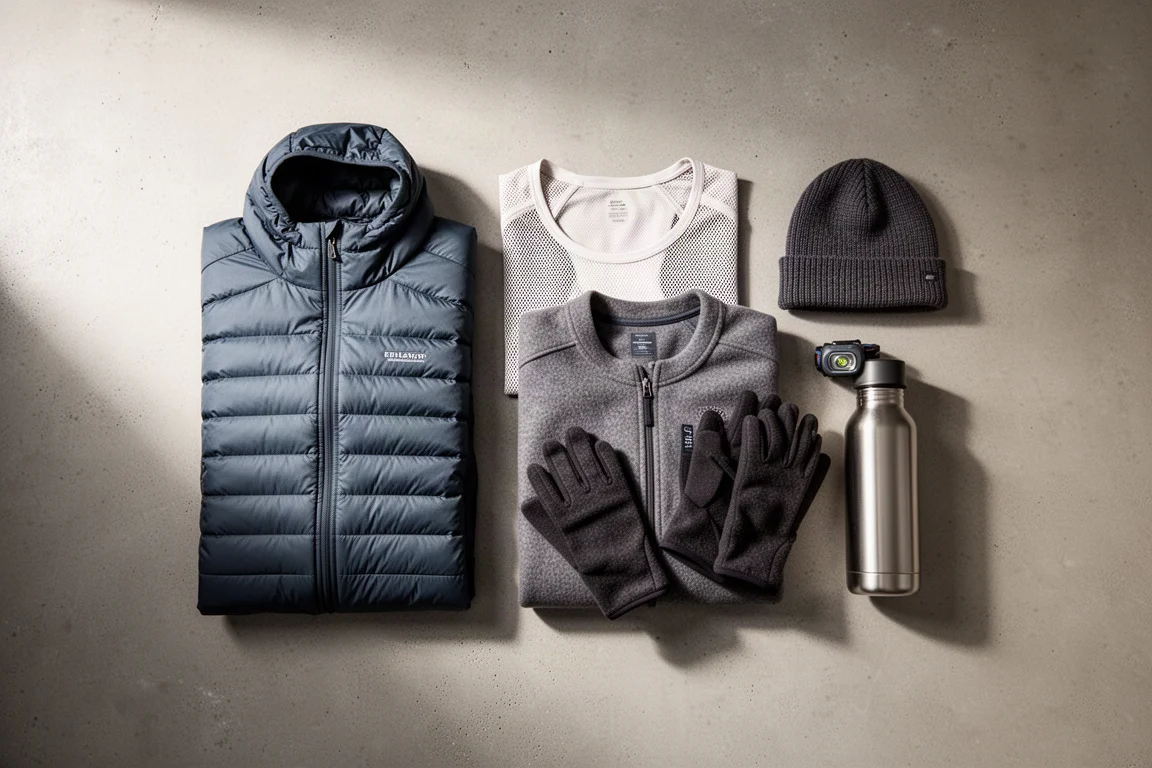
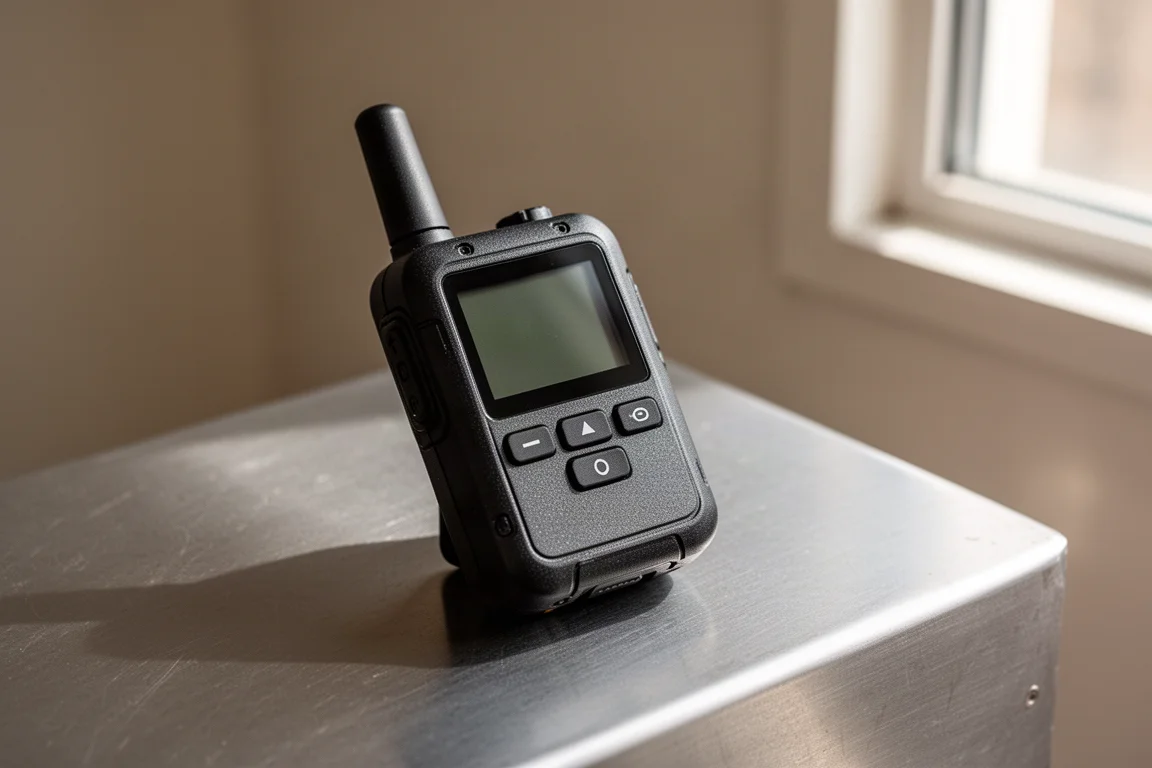
Small habits make a difference too. Fill an insulated bottle to the brim with boiling water and leave it in the tent, and it typically stays unfrozen down to about -20 °C. Filling it right to the top also prevents the bottle from warping as the contents cool. Below that threshold, it goes into the sleeping bag. A pump for inflating your sleeping pad avoids pushing warm, moist air into the pad, which would otherwise lose pressure as it cools. And on group trips, a simple, durable two-way radio is close to essential for staying in touch.
Conclusion
Comfort in winter camping comes from a handful of decisions rather than a single piece of gear: a pack that carries weight well, a shelter that is light but weather-worthy, a sleep system with real warmth and redundancy, and electronics that keep working when temperatures drop. The nine items here are chosen to hit that balance at around -25 °C, so the cold becomes something you plan for rather than something you endure.
Further reading
Related Reviews
Winter Camping Gear
Affordable Winter Camping Gear: Six Budget Pieces Tested Below Freezing
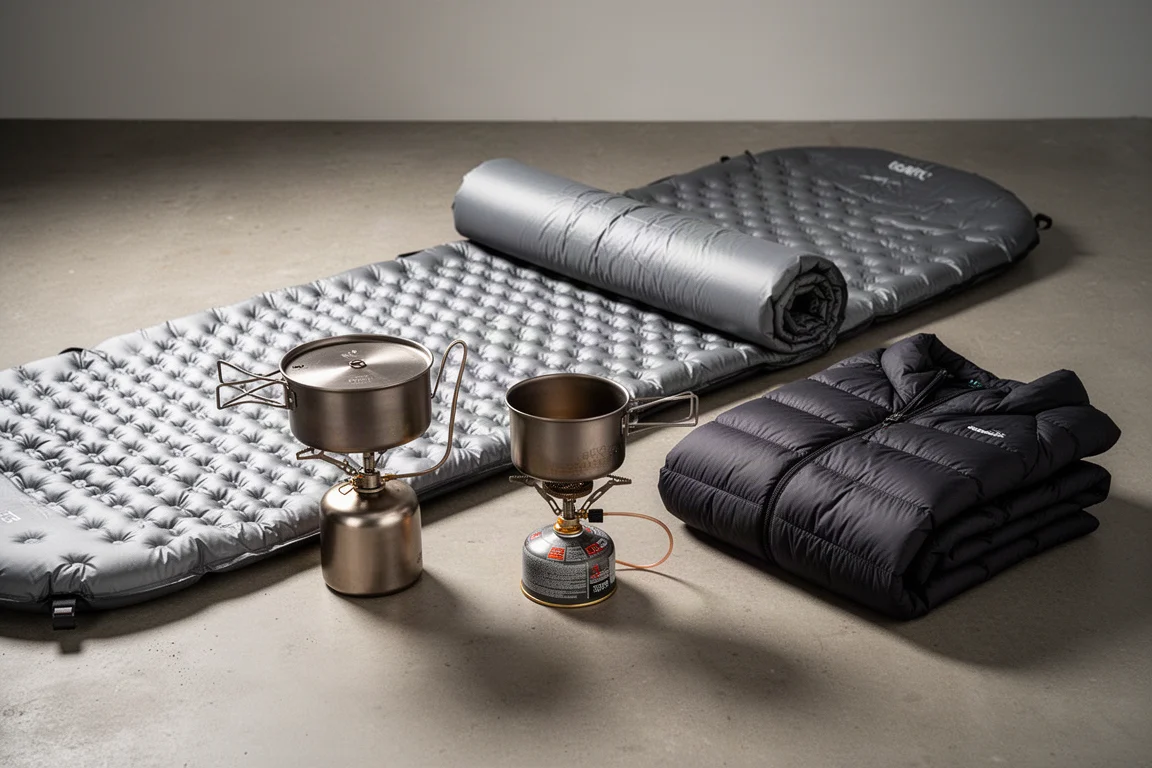
Three reflective sleeping pads, an updated down jacket, a titanium pot and a $25 winter stove, assessed on frozen ground at around minus 12 degrees Celsius.
Winter Camping Gear
Best Winter Camping Gear 2026: Seven Pieces Worth Packing
A practical look at seven winter camping items, from an insulated parka rated to minus 20 degrees Celsius to a titanium stove built for cold canisters.
Winter Camping Gear
Ultimate Winter Camping Gear List: Proven Essentials for Cold-Weather Adventures
A curated list of winter camping gear that has proven itself in freezing temperatures, from shelter and sleep systems to cooking and safety essentials.