Winter Camping Gear
Winter Camping Gear List: What a Four-Day Traverse in the Canadian Rockies Requires
Eight pieces of winter backcountry kit, from a 75-liter pack to a white gas stove, chosen for deep snow, heavy loads, and temperatures around minus 30 degrees Celsius.
Introduction
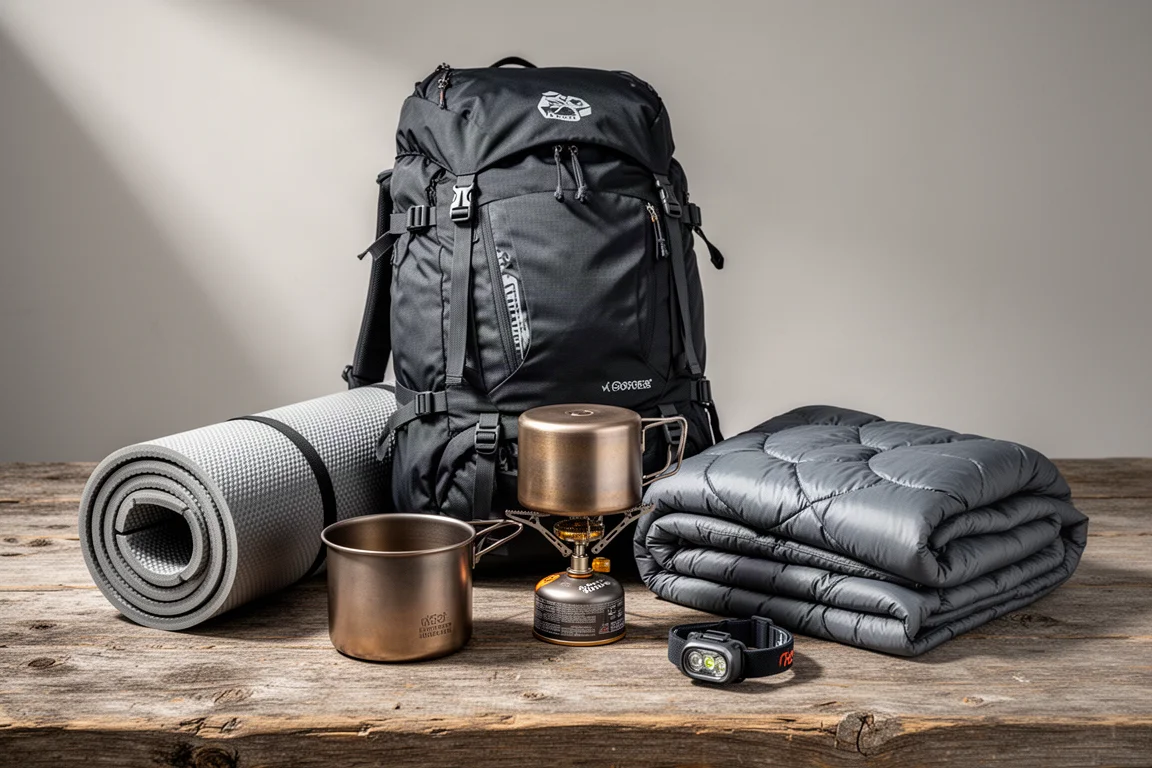
Four days of traversing mountain passes in the Canadian Rockies, in deep snow and temperatures forecast to reach around minus 30 degrees Celsius on the first night, is the kind of trip where gear stops being a preference and becomes a requirement. Skill and experience carry most of the weight, but a kit that cannot melt snow for water, keep a down bag dry, or light a stove in the cold will end a trip early.
This list covers the pieces that make up a roughly 40 lb winter load, food and water included, with notes on why each one earns its place and where the trade-offs sit.
Mountain Hardwear AMG 75: A Winter Pack That Carries Real Weight
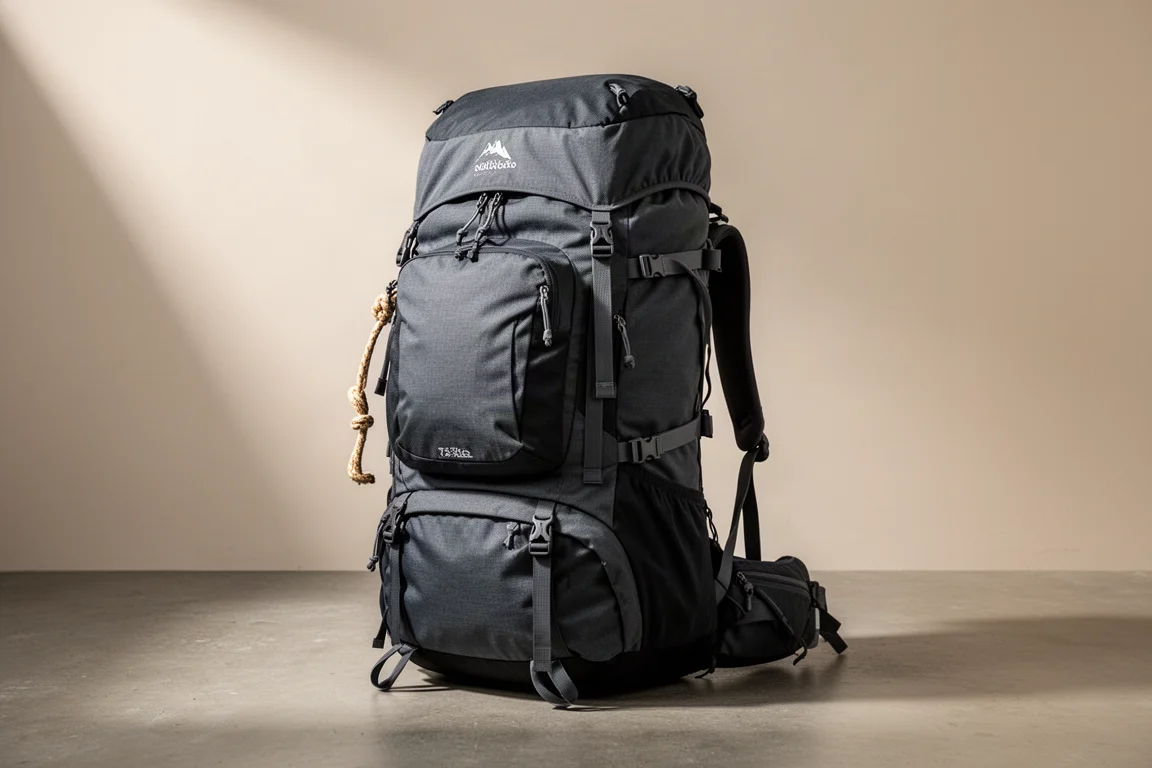
Once food, water, and a full winter kit are packed, the load lands around 40 lb. Carrying that comfortably over long approaches is the pack’s entire job, and it is why a winter-specific design makes more sense here than a summer pack. The AMG 75 is a 75-liter winter pack with the structure to manage that weight and the strap layout to handle bulky snow gear.
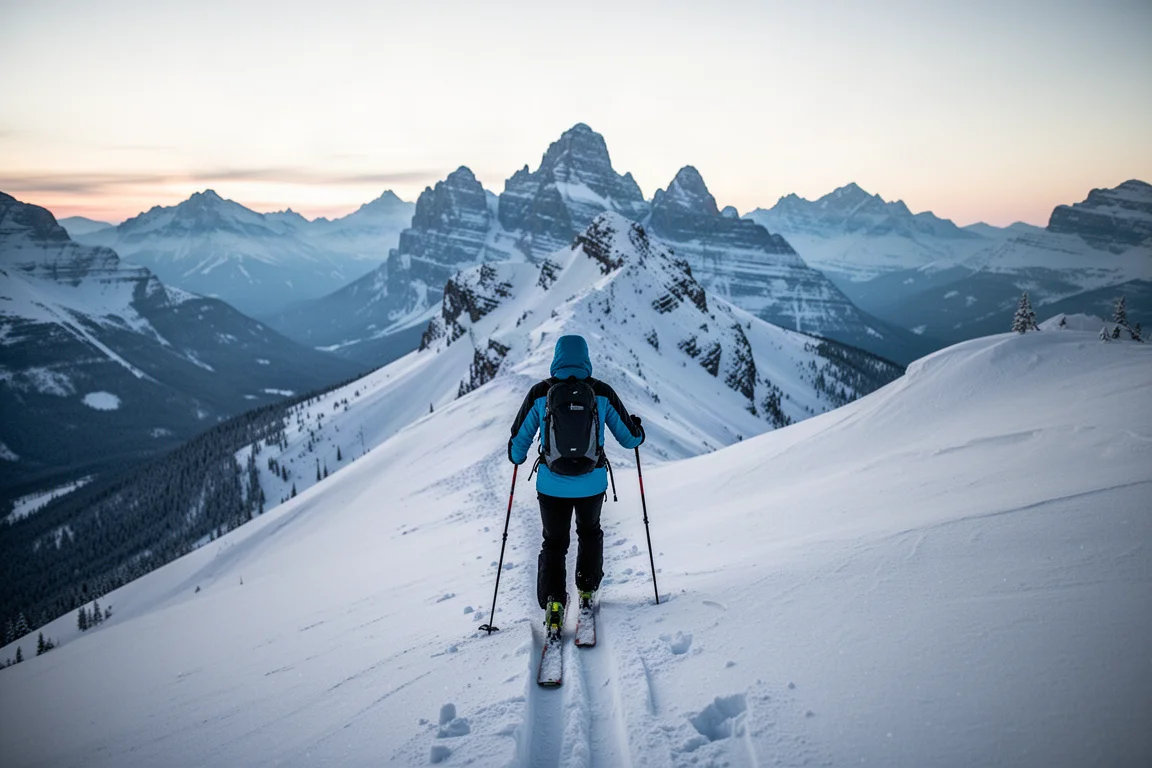
The most useful feature on avalanche terrain is the dedicated avalanche pocket, which keeps a probe and shovel reachable without unpacking the whole load. A generous set of external straps lets you lash on the rest of the kit so nothing shifts on the descent.
Outdoor Research Sky Tour Jacket: Breathable Protection for Ski Touring
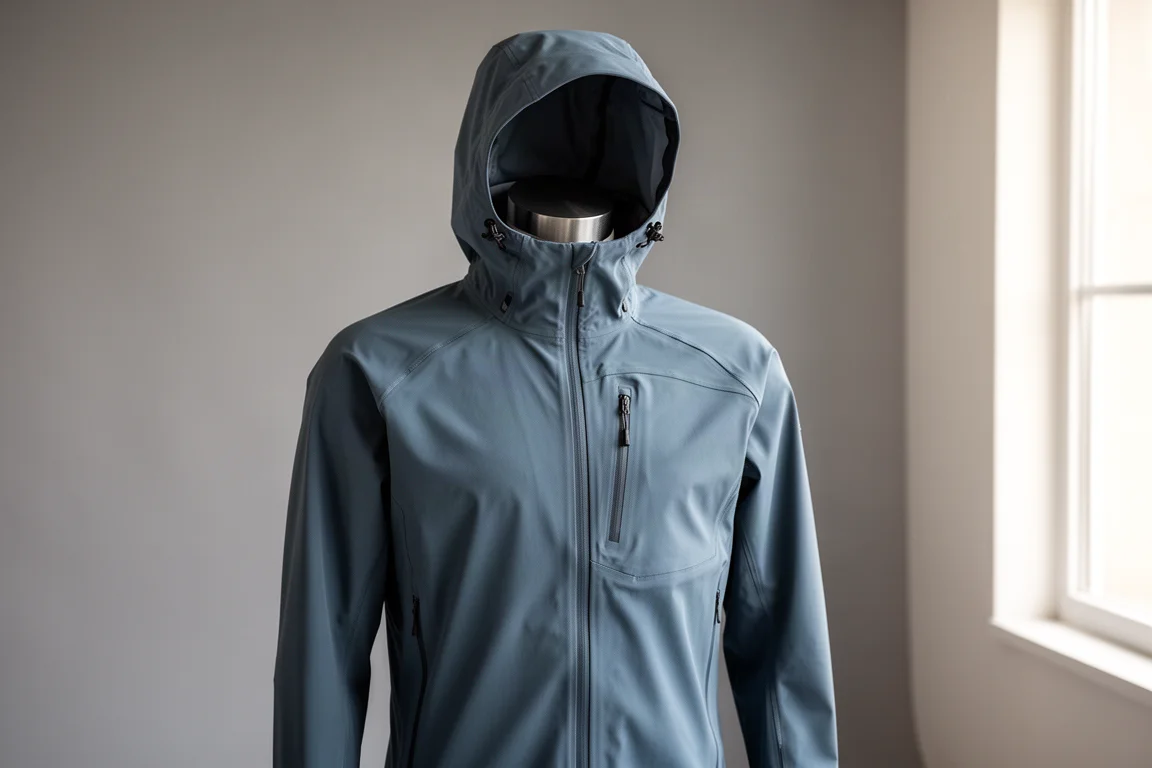
Ski touring alternates between hard effort on the climb and static cold at camp. The Sky Tour jacket handles the first part well, with fabric breathable enough to manage sweat on the uphill and a pocket set designed to keep small items warm against the body. The interior pocket holds a one-liter soft bottle, so water stays liquid through a subzero day instead of freezing solid. The matching Sky Tour pants follow the same breathable, pocket-focused approach, and the two work best as a single layering system rather than as separate pieces.
Nitecore NU25 Headlamp: Bright Light for Late Arrivals
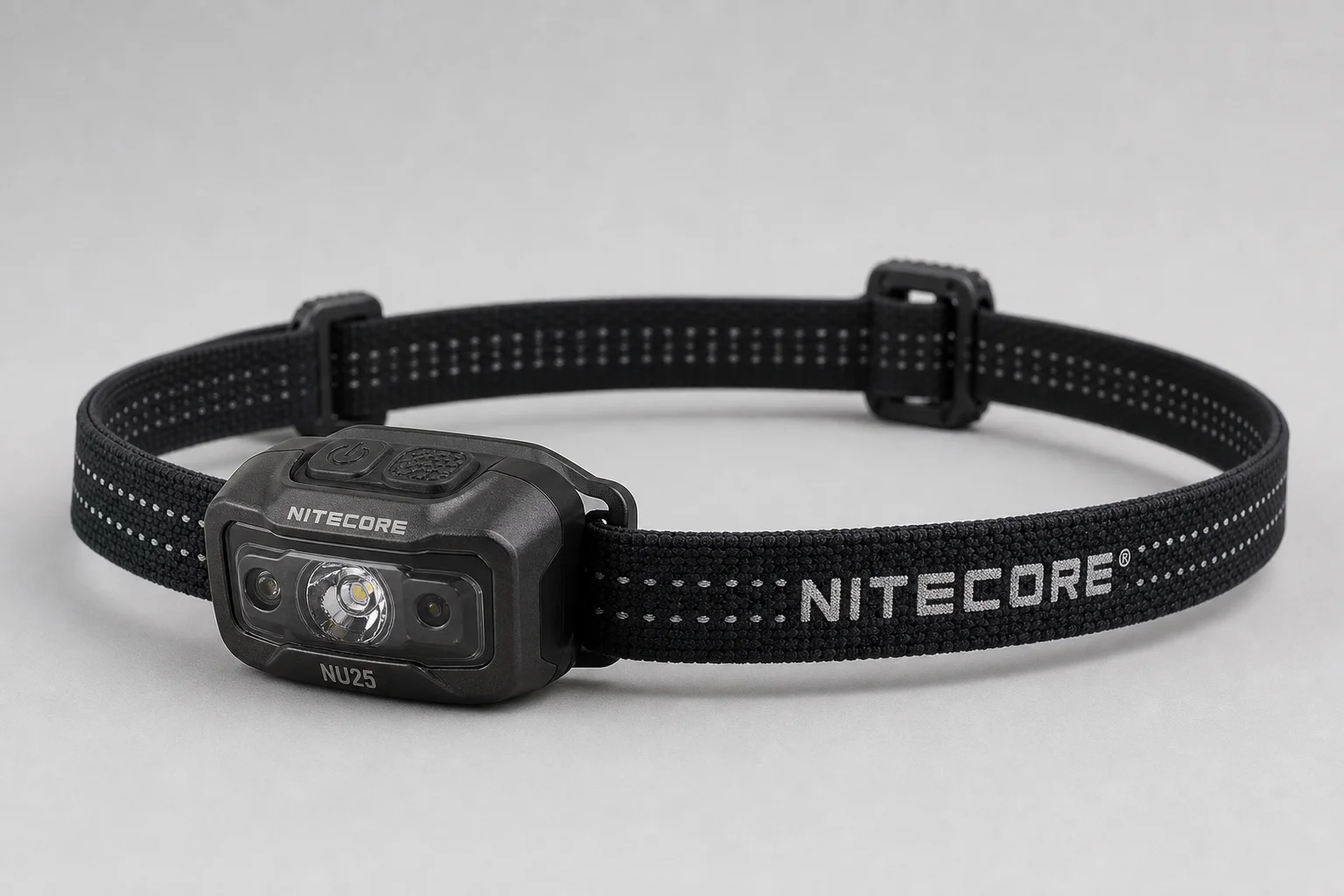
Winter daylight is short, and a late arrival at camp can mean skiing the last stretch in the dark. The NU25 was chosen over a lighter headlamp because it offers several brightness settings, including output high enough to travel by when the light goes. On a trip where the final hour of the day is often the most demanding, that extra brightness justifies the small weight penalty over minimalist options.
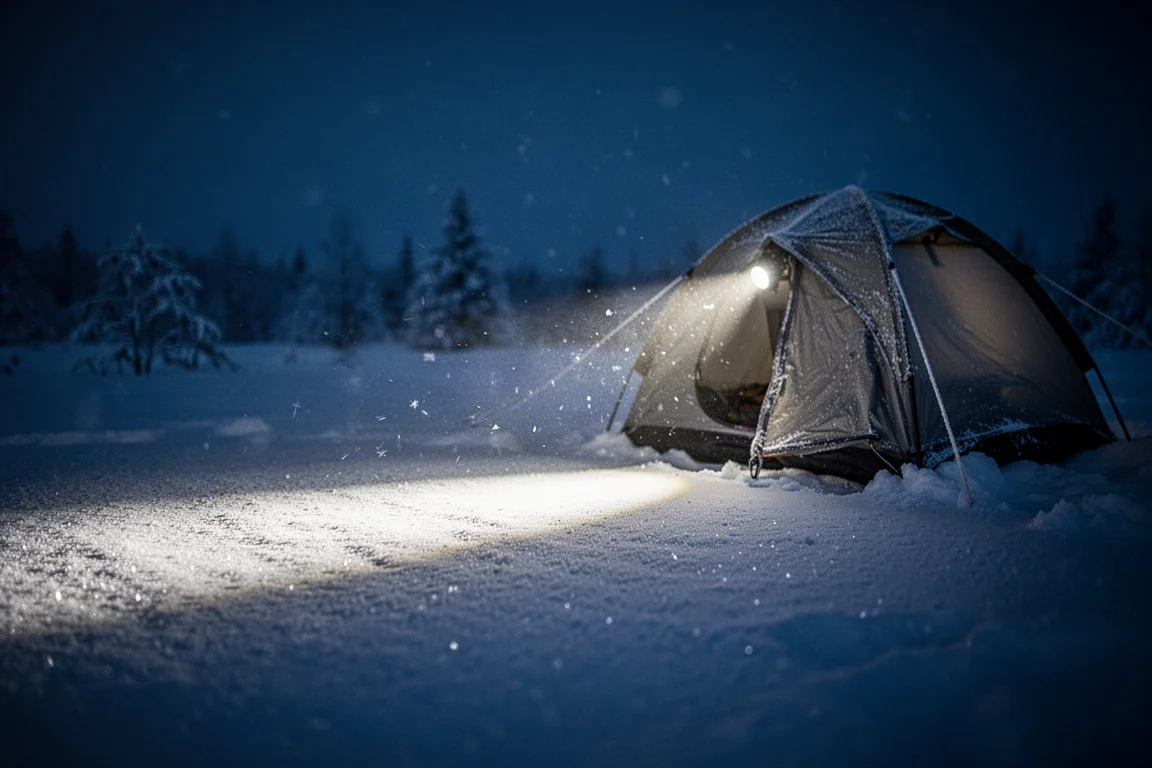
Adjustable output also helps with battery planning. Running a low setting around camp and reserving the brightest mode for navigation stretches a single charge across four cold days.
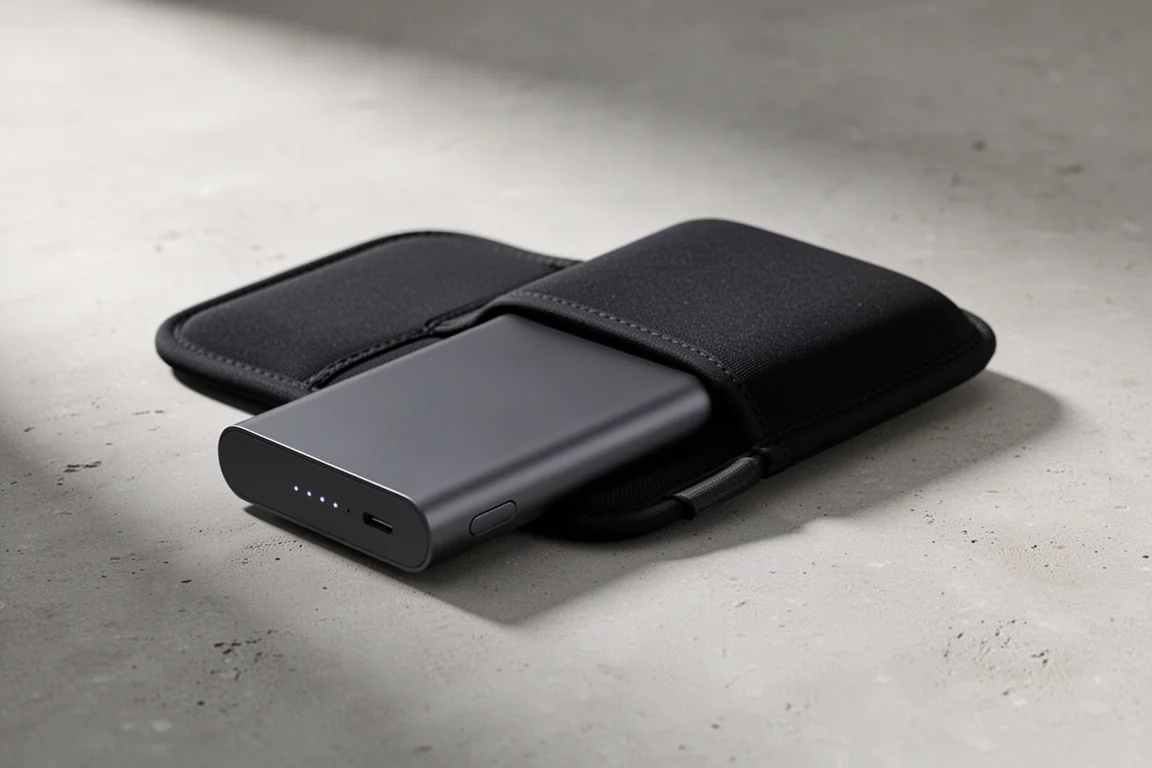
Nitecore Summit 10,000: A Power Bank That Warms Itself
Cold degrades lithium batteries quickly, and a standard power bank can lose most of its usable capacity in a pack pocket overnight. The Summit 10,000 is a 10,000 mAh battery with an internal heating element. When it detects conditions too cold for efficient operation, it warms itself so it can keep charging phones, headlamps, and other devices in temperatures around minus 20 degrees Celsius and below.
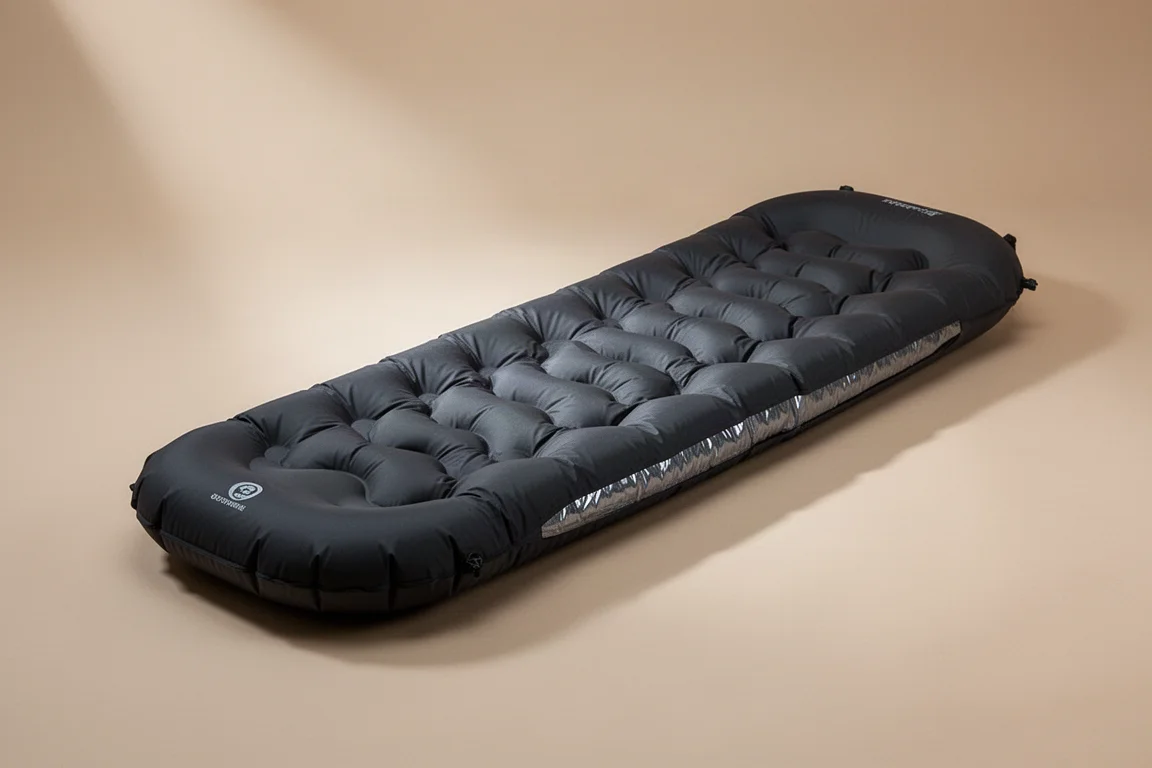
Nemo Tensor Extreme Conditions: A Sleeping Pad for Deep Cold
Recovery on a winter traverse depends on sleeping well, and that starts with insulation from the snow underneath. The Tensor Extreme Conditions has been tested in deep cold and stayed warm down to minus 35 degrees Celsius on snow, which is the range this kind of forecast demands. It is also a little more comfortable than the lighter alternative, at the cost of some weight. The Therm-a-Rest NeoAir XTherm saves roughly 100 g if you would rather trade comfort for a lighter pack.
Therm-a-Rest Polar Ranger: A Sleeping Bag With a Face Snorkel
The Polar Ranger is a winter sleeping bag built around a feature that makes sense the first time you spend a night at minus 30: a snorkel that creates a pocket of air around the face, keeping your nose and cheeks out of the coldest air. Combined with its overall warmth, that is what makes it a default choice for deep winter trips.
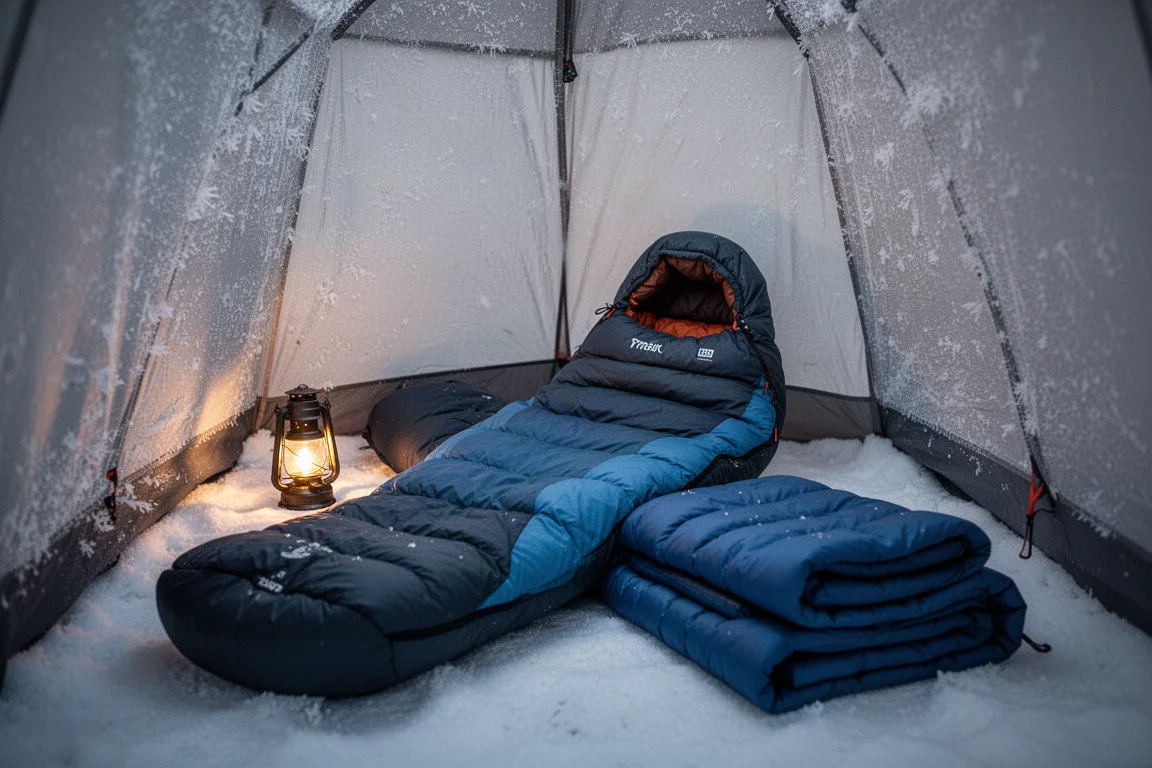
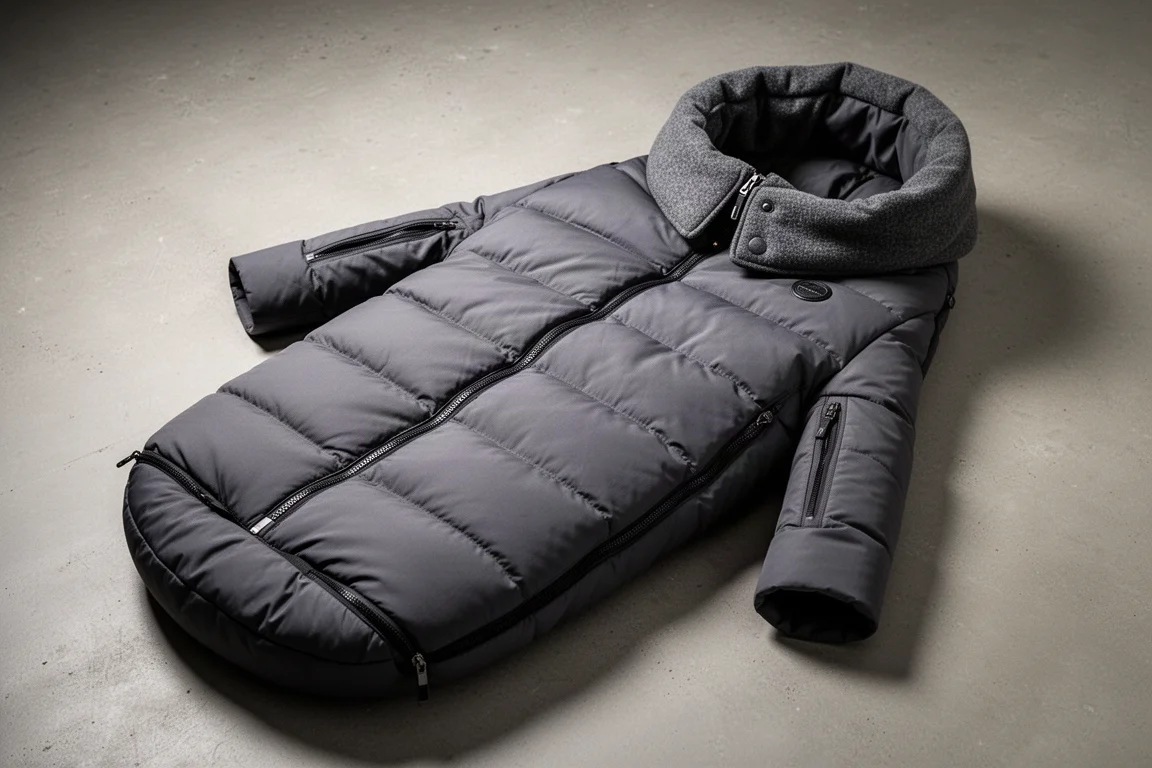
Down loses performance as it takes on moisture, and a multi-day trip pushes a lot of moisture into a sleeping bag. A synthetic over quilt using Apex insulation moves that moisture away from the down and manages it far better, which is why one is worth adding whenever down is your primary insulation below roughly minus 10 degrees Celsius.
MSR WhisperLite Universal: A Stove for Serious Cold
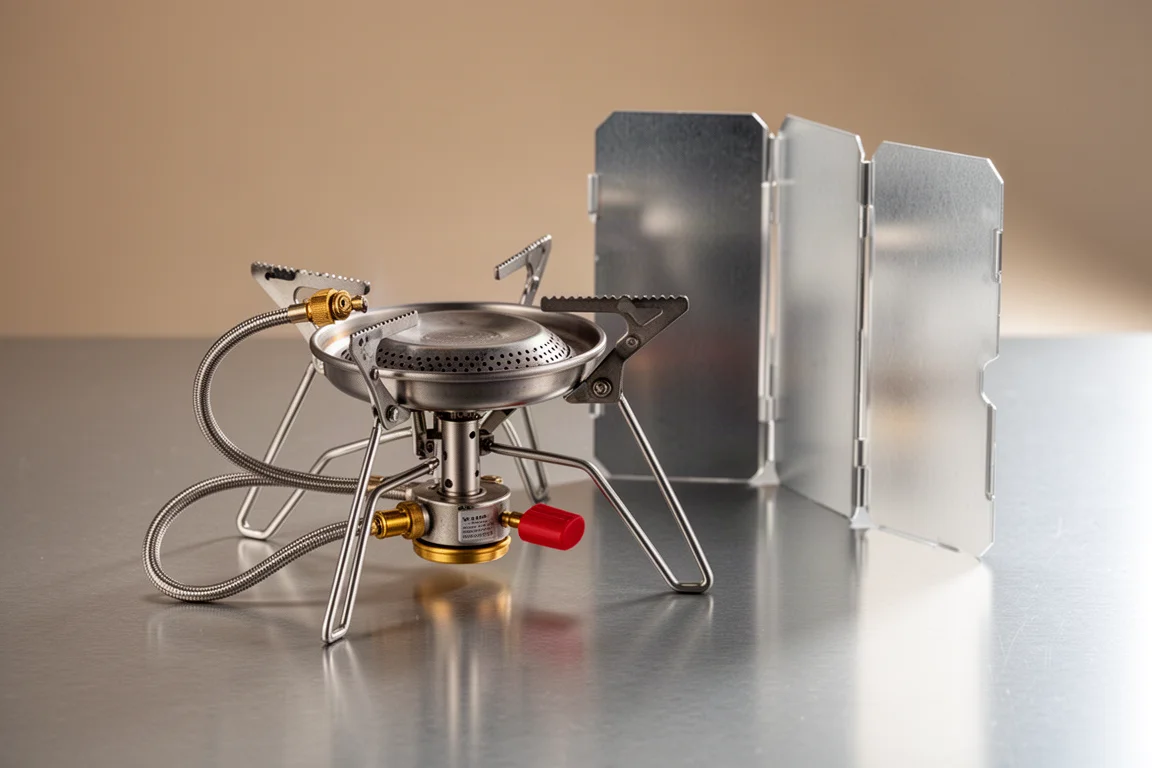
Stove choice on a trip like this comes down to fuel. Inverted canister stoves work well to about minus 20 degrees Celsius, sometimes a little colder, and then output falls off sharply. White gas keeps working at essentially any temperature, which is the deciding factor when the first night is forecast at minus 30.
The WhisperLite Universal is a multi-fuel stove that runs on white gas and, set up correctly, performs in any temperature you are likely to meet. Setup matters: gas is fed into the burner and lit to prime the preheating tube before the valve is opened, which produces a clean blue flame. An aluminium plate under the stove reflects heat back up from the snow, and a windscreen around the pot and burner protects the flame in exposed campsites. A 2-liter titanium pot sits on top to melt snow into drinking water for the group.
Samaya 2.0 Tent: Light Shelter for Deep Snow
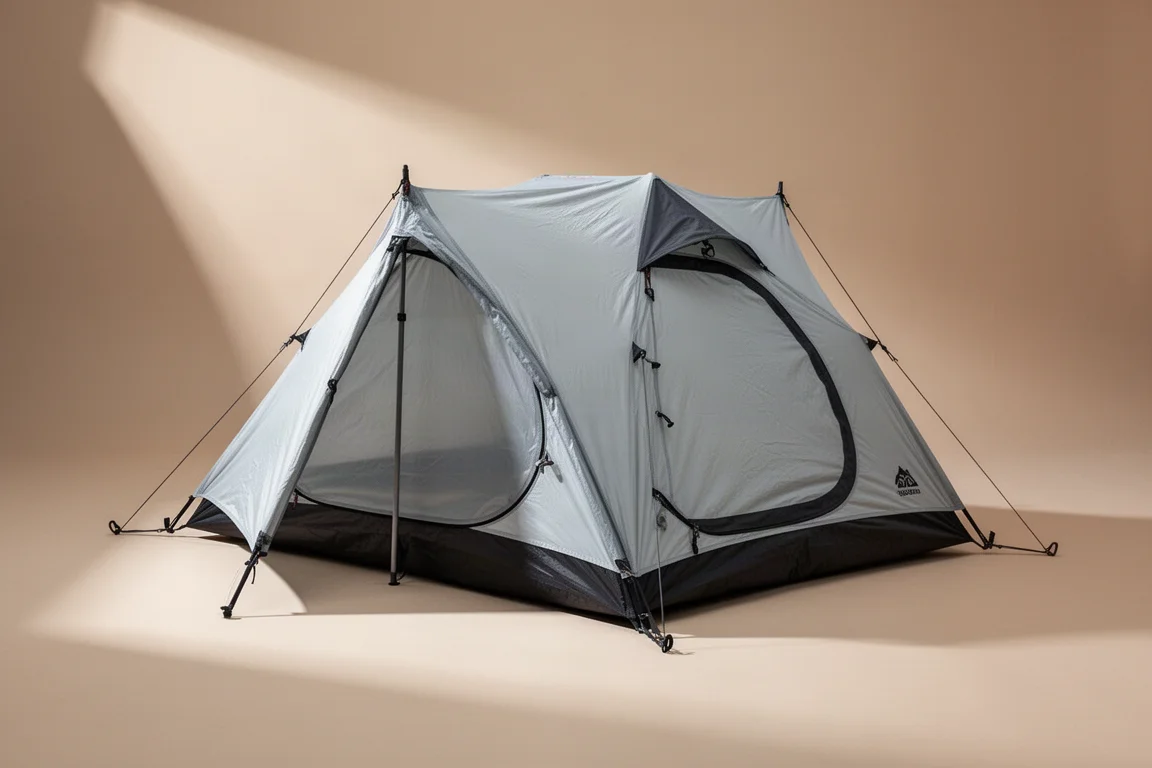
The Samaya 2.0 weighs just over 1,300 g and uses Dyneema with waterproof breathable fabric panels on the sides. For winter camping, the appeal is that combination of low weight and a structure that holds up to snow load and wind. The trade-off is interior space: there is no vestibule, so bringing boots and a pack inside makes it cramped, and on a group trip sharing a shelter can save carrying one at all.
Small Essentials and the Repair Kit
The small items are where a winter kit is won or lost. A Flextail Zero pump inflates the sleeping pad without pushing warm, moist breath into it, which is why the pad stays firm through the night. An InCharge 3-in-1 cable covers charging for every device with one lightweight cord. A Trekology 2.0 pillow and a one-liter Platypus SoftBottle round out camp comfort, with the bottle stored inside the jacket so it does not freeze. An insulated bottle sleeve does the same job for a hard bottle of boiling water, which is still lukewarm by the time camp is reached at the end of the day.
A Nemo Switchback foam pad does several jobs: extra insulation under the sleeping pad, a dry surface to stand on while changing layers, and a seat in the snow. A second thin foam pad goes underfoot in the sitting area, because feet get cold fast when they rest directly on snow. Insulated camp booties with a tall cuff let you get out of ski boots and warm your feet without snow working its way in.
The repair kit matters more than most people expect on ski touring gear, where bindings, boots, and skis all have moving parts. Zip ties, duct tape, a multi-tool, spare batteries for the avalanche beacon, a small light, and a length of wire cover most field fixes. A first aid kit handles the rest, and leukotape or duct tape doubles as blister treatment, which is a real risk with the friction of a touring boot. Cordage with line-lock hooks attaches to any guy point and deploys quickly when the wind picks up.
Toiletries are simpler than they look: a folding toothbrush and toothpaste tablets, which do not freeze the way toothpaste does at minus 20 or below. Freeze-dried meals go into a food bag with an insulating pouch, and a titanium spoon can be tucked into a sleeping bag so it is not icy at dinner. For hands, a synthetic touring glove paired with an insulated overmitt covers most of the temperature range, and waterproof fleece-lined over gloves add a final layer for breaks.
Buying Advice: Matching This Kit to Real Winter Conditions
The order of priority on a cold multi-day trip is sleep system first, then fuel, then everything else. A pad and bag that keep you warm at minus 30 are not the place to save weight, because a cold night costs more performance the next day than a heavier pack ever will. The sleeping pad decision is the clearest example: the Tensor Extreme Conditions is warmer and more comfortable, while the NeoAir XTherm trades some of that comfort for about 100 g of weight savings.
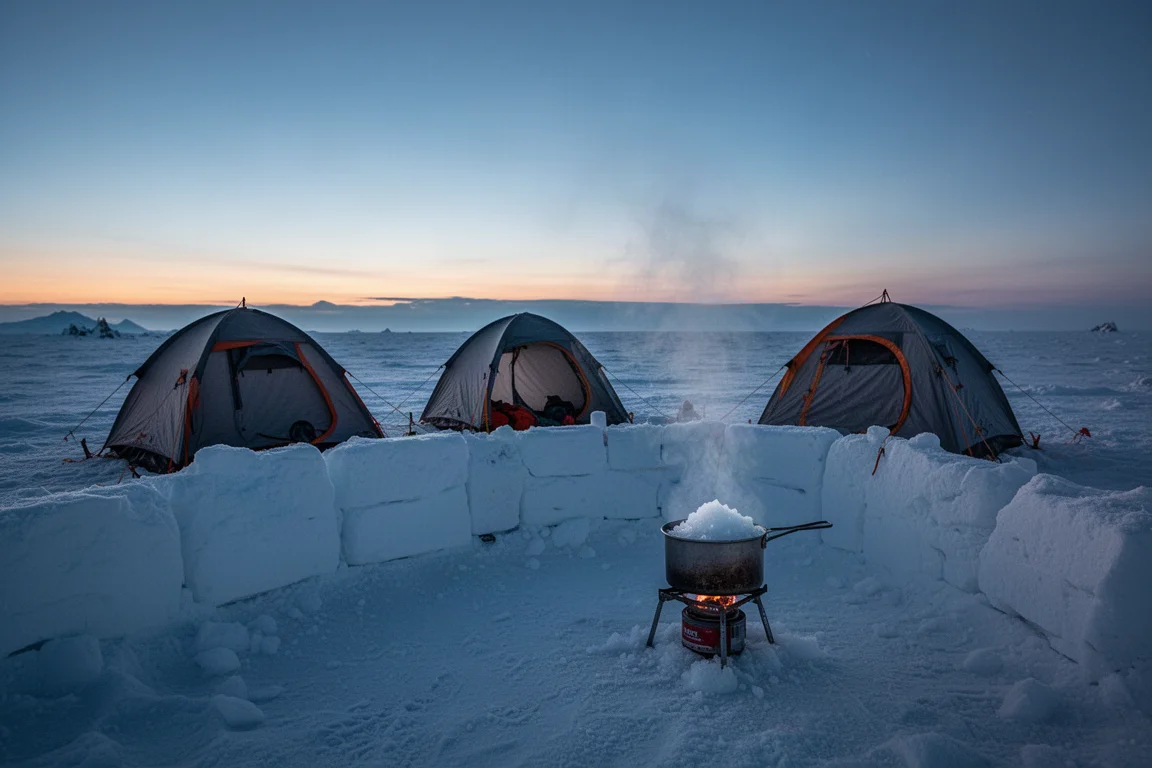
Fuel choice should follow the forecast rather than habit. If temperatures are expected to stay above roughly minus 20 degrees Celsius, a canister stove is simple and light. Once the forecast pushes past that, white gas is the safer bet, and the extra setup steps are worth learning before the trip rather than at a frozen campsite. The same logic applies to water: keep bottles against your body or inside an insulated sleeve, start the day with boiling water in a hard bottle, and plan on melting snow for the group at camp.
Weight is real, but so is margin. The pack needs to carry 40 lb without hurting, the shell needs to breathe on the climb, and the tent needs to stand up to wind and snow load. Where a piece of kit can be shared, sharing is the easiest weight to remove, which is exactly the calculation that makes a solo shelter optional on a group trip.
Conclusion
A four-day winter traverse in the Canadian Rockies rewards a kit that is boringly reliable. A 75-liter pack built for avalanche tools and heavy loads, breathable shell layers with pockets that keep water liquid, a sleep system proven at minus 35 degrees Celsius on snow, and a white gas stove that does not care how cold it gets: that is the core of the load. The rest is small items, repair spares, and the discipline to keep batteries, water, and fuel working in conditions that are designed to stop them.
Further reading
Related Reviews
Winter Camping Gear
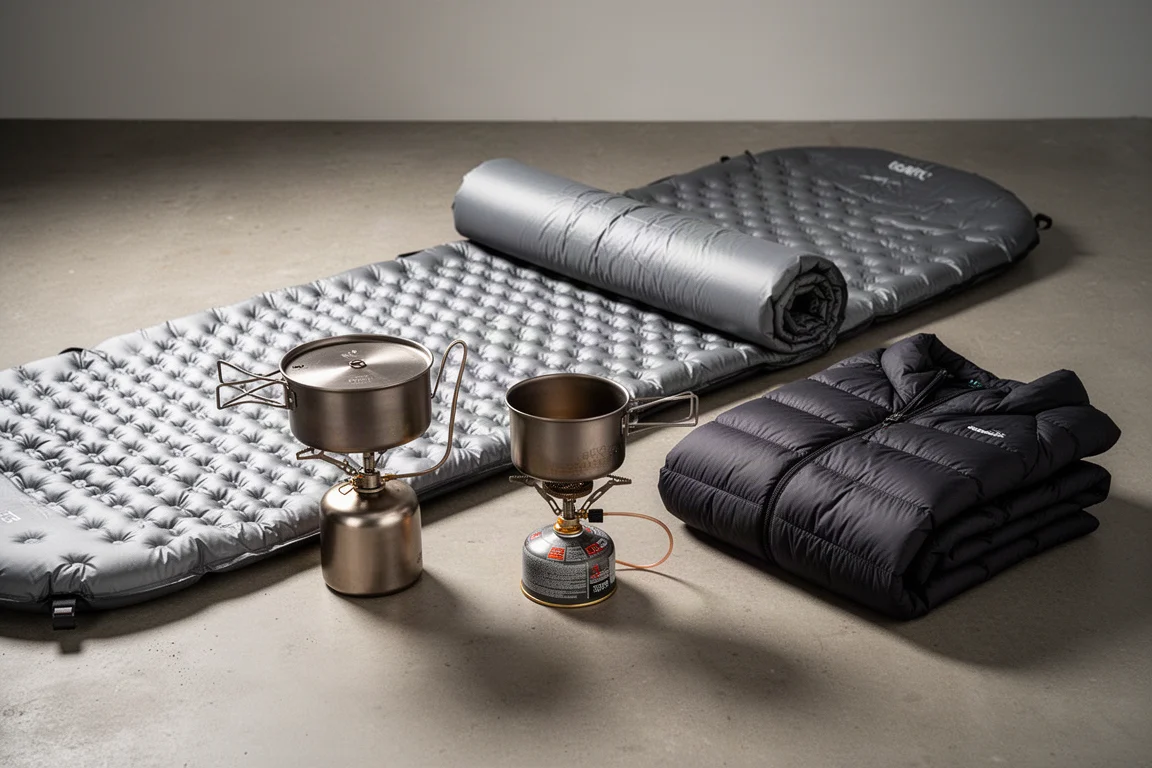
Affordable Winter Camping Gear: Six Budget Pieces Tested Below Freezing
Three reflective sleeping pads, an updated down jacket, a titanium pot and a $25 winter stove, assessed on frozen ground at around minus 12 degrees Celsius.
Winter Camping Gear
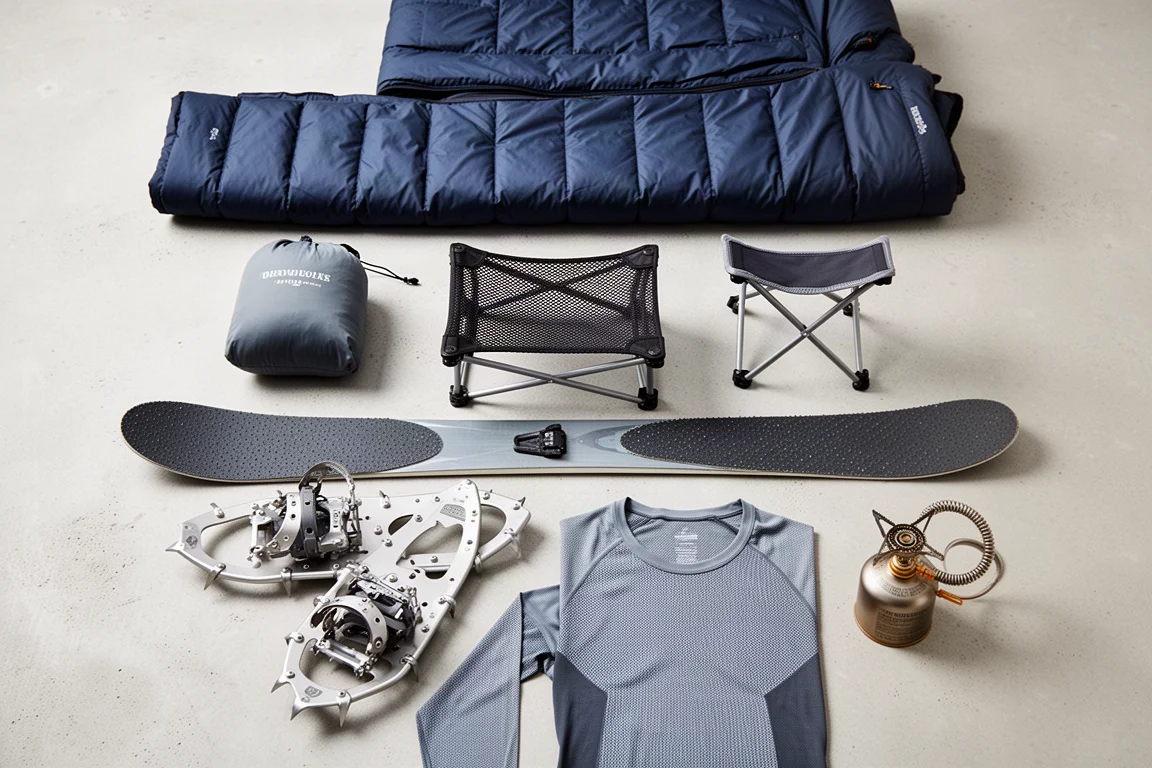
Best Winter Camping Gear 2026: Seven Pieces Worth Packing
A practical look at seven winter camping items, from an insulated parka rated to minus 20 degrees Celsius to a titanium stove built for cold canisters.
Winter Camping Gear
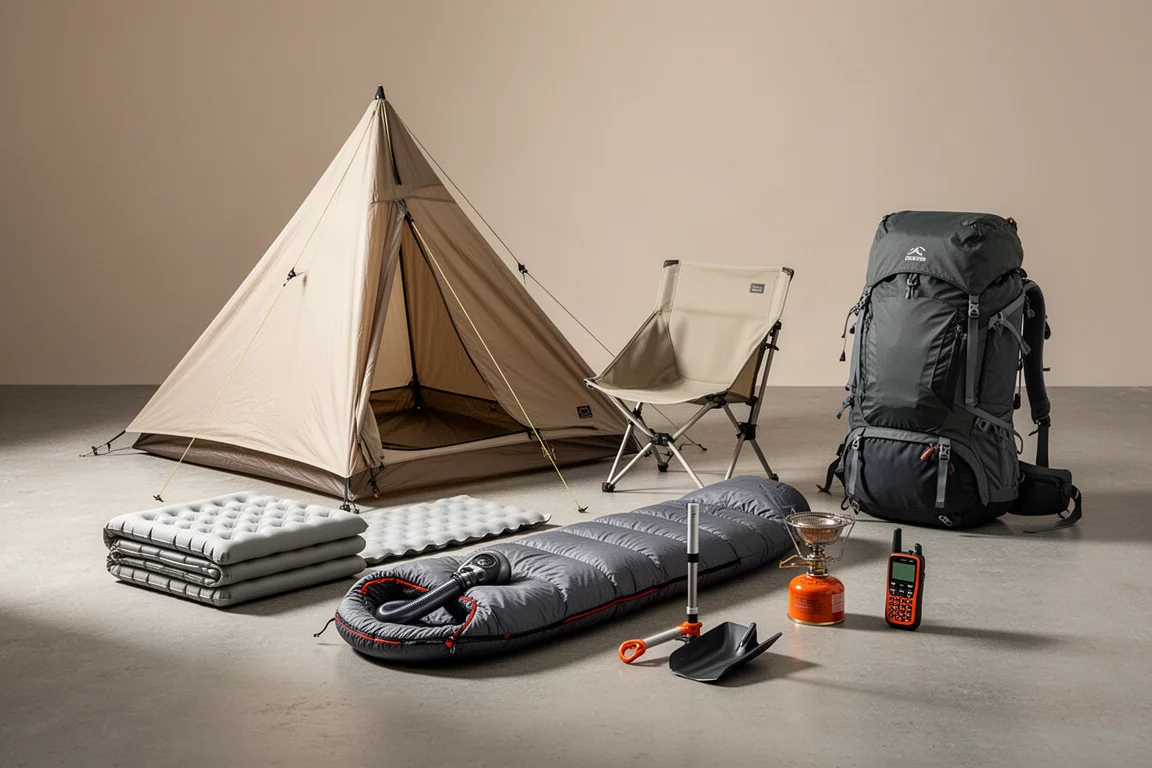
Ultimate Winter Camping Gear List: Proven Essentials for Cold-Weather Adventures
A curated list of winter camping gear that has proven itself in freezing temperatures, from shelter and sleep systems to cooking and safety essentials.