Winter Camping Gear
Winter Camping Gear List 2026: A Comfort-First Kit for About -25°C
A practical winter camping gear list built for comfort and warmth down to roughly -25°C, covering shelter, sleep system, cooking, water, electronics, and insulation.
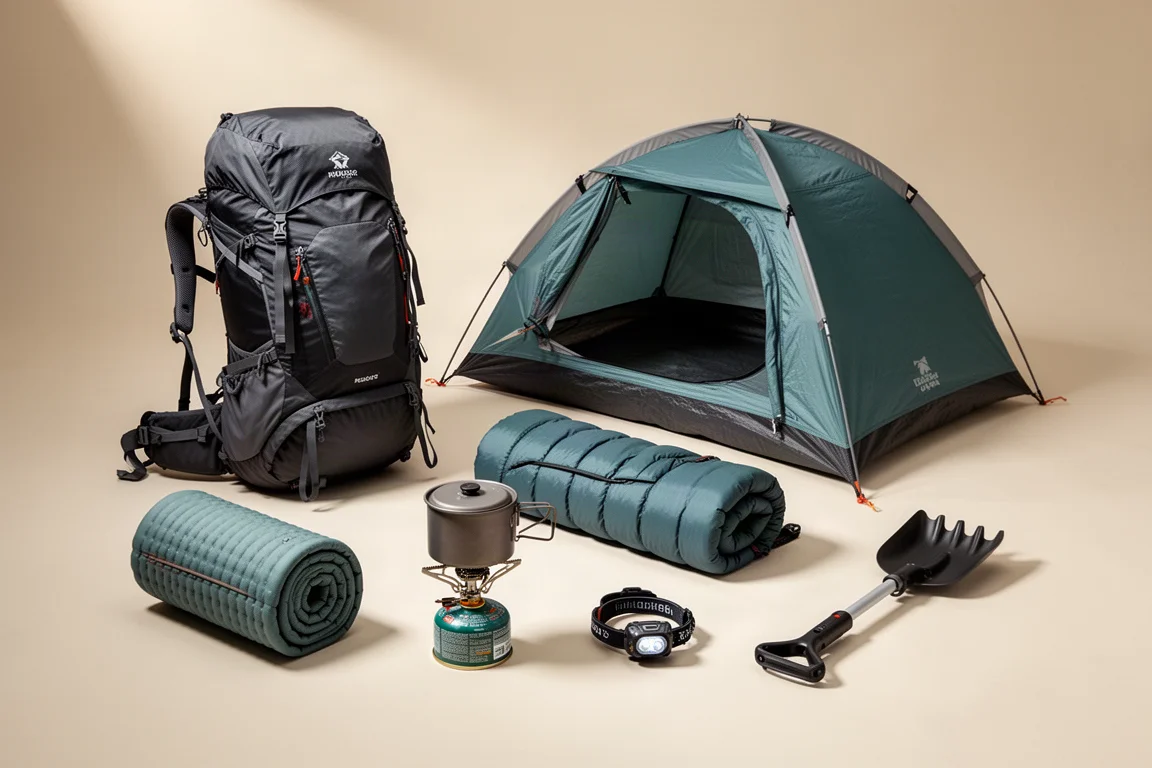
Introduction
Winter camping has a reputation for being cold, dark, and uncomfortable, and the gear list is usually where that reputation comes from. A kit that is only just warm enough turns every evening into a chore: you rush through camp tasks, you sleep badly, and you wake up cold.
This list takes a different approach. It is built around comfort as much as warmth, and it is aimed at temperatures down to roughly -25°C. That is cold enough to demand real winter gear, but it stops short of the extreme conditions that call for a much heavier and very different setup. For most people heading out for a night or two in the snow, this is the balance that makes winter camping genuinely enjoyable.
How This Winter Gear List Is Put Together
Three priorities shape every choice here. The first is warmth, because the sleep system and shelter decide whether the trip works at all. The second is comfort, because a warm but miserable night is still a bad night. The third is reliability, because winter is unforgiving of gear that fails, leaks, or refuses to work when it is frozen.
Redundancy matters too, in a targeted way. A closed-cell foam pad under an inflatable one adds warmth and provides a backup if the inflatable fails. A battery bank keeps emergency electronics topped up. Small overlaps like these are worth their weight.
Simplicity of setup is the other theme. Anything that can be pitched with gloves on, operated with one hand, or handed to a friend and understood immediately earns its place in a winter kit.
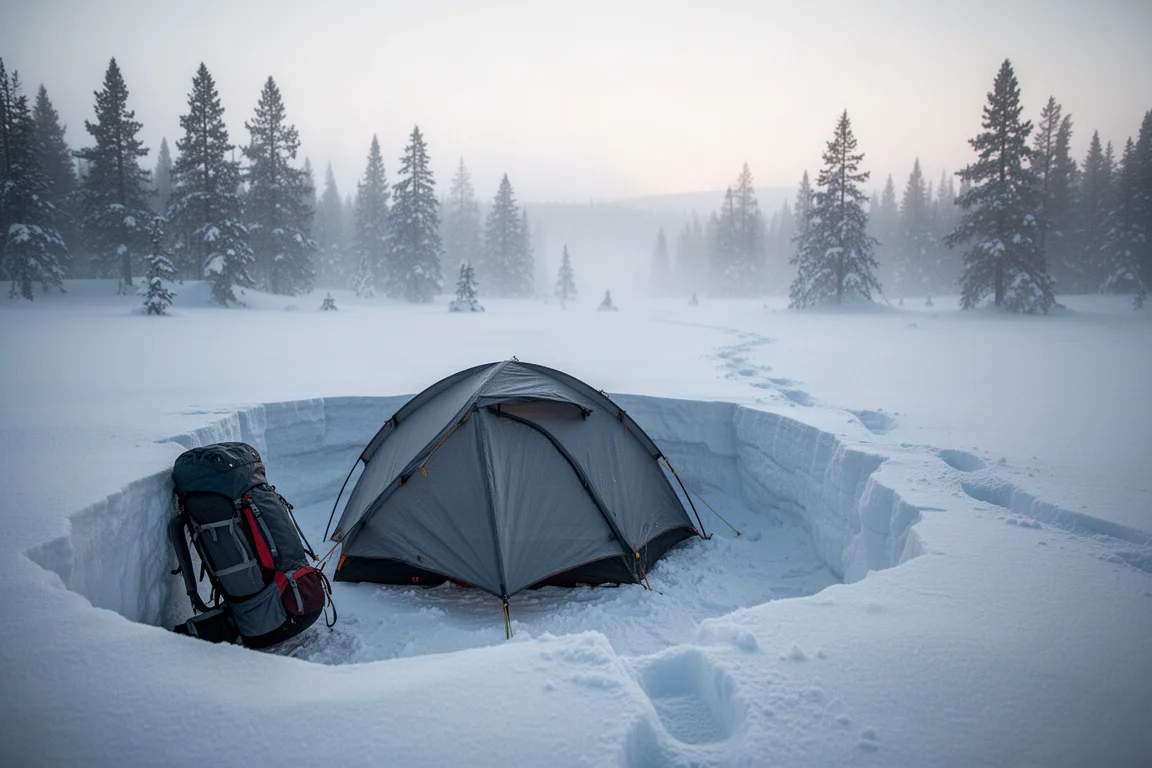
Weight still matters, but not at any cost. In winter, a heavier sleeping bag or a heavier insulated layer can be the difference between sleeping well and not sleeping at all, so the trade-offs below lean toward warmth where it counts and toward low weight everywhere else.
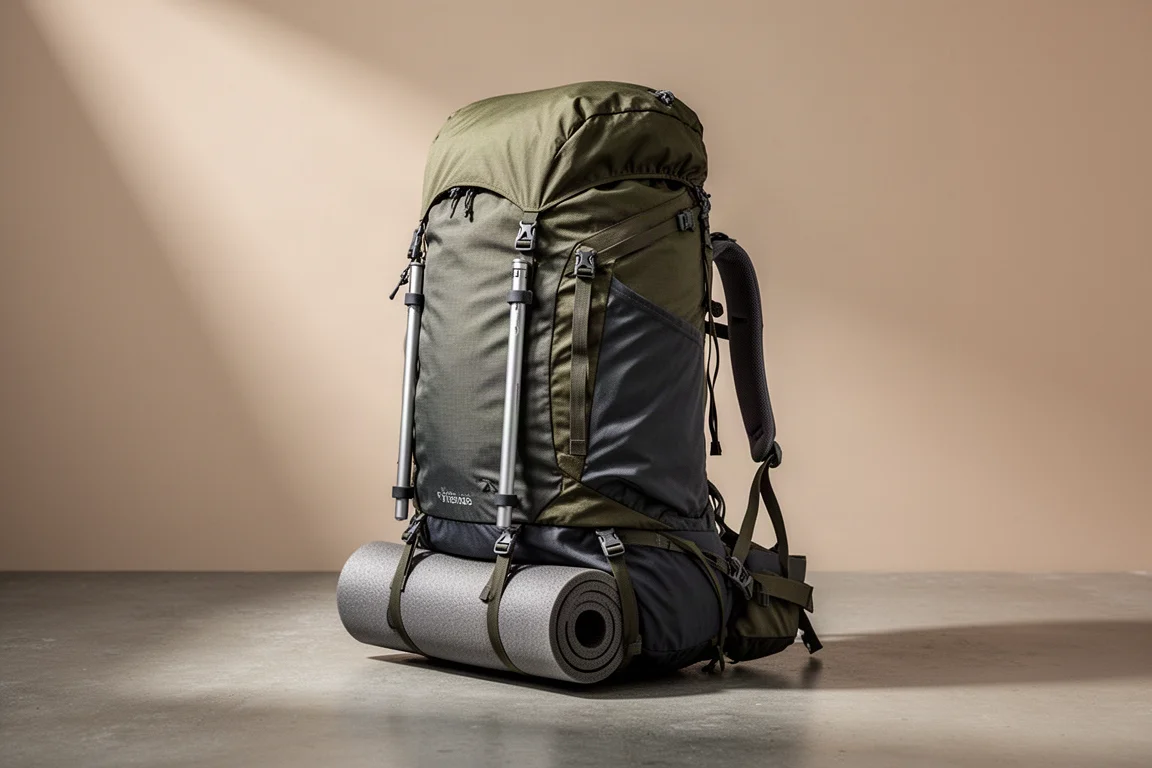
Pack: Seek Outside Divide 4800
Winter loads are bulky. A sleeping bag, a thicker pad, insulation, a stove, fuel, and a snow tool add up quickly, which is why the pack comes first.
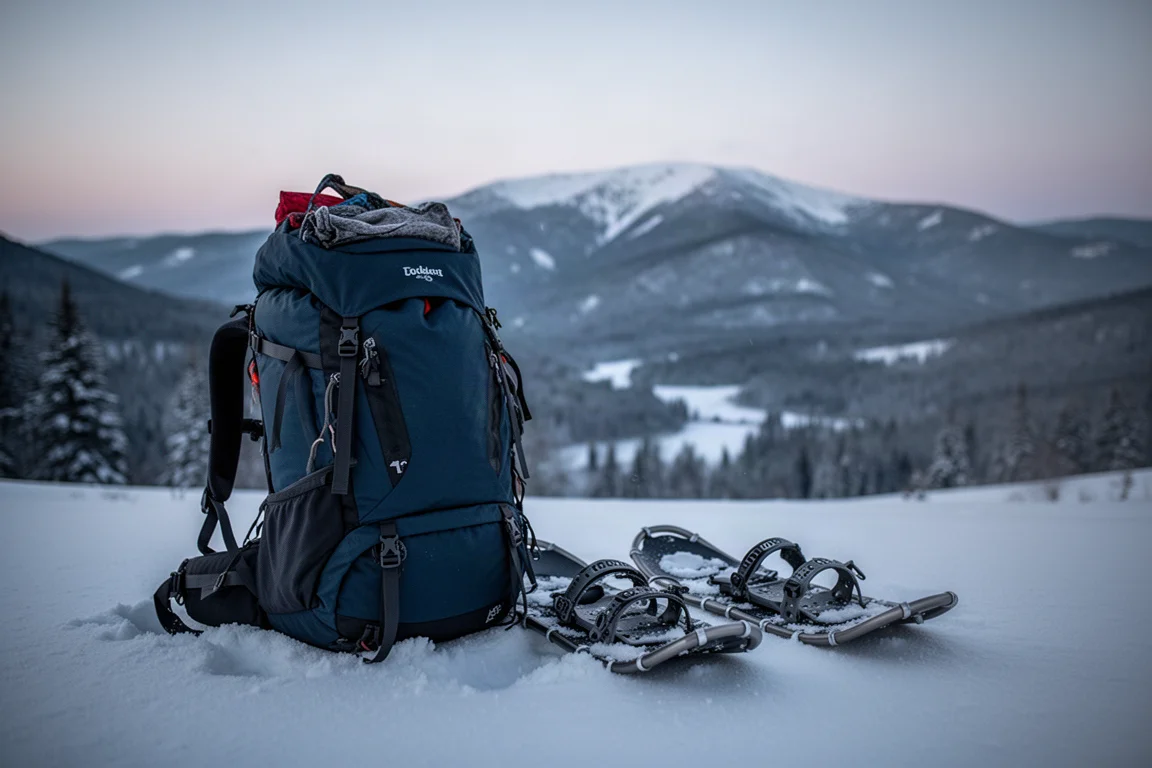
The Seek Outside Divide 4800 offers around 75 liters of internal volume, enough for a full winter kit with room to spare. The frame system is robust and carries weight well, and the adjustable torso lets you dial in the fit, which matters most when the pack is heavy. Modular strap points run along the sides and across the top, so bulky items can be lashed outside rather than crammed in, and a foam pad can be strapped underneath.
The one gap is a dedicated avalanche pocket for a shovel and probe, which would make it ideal for trips into avalanche terrain.
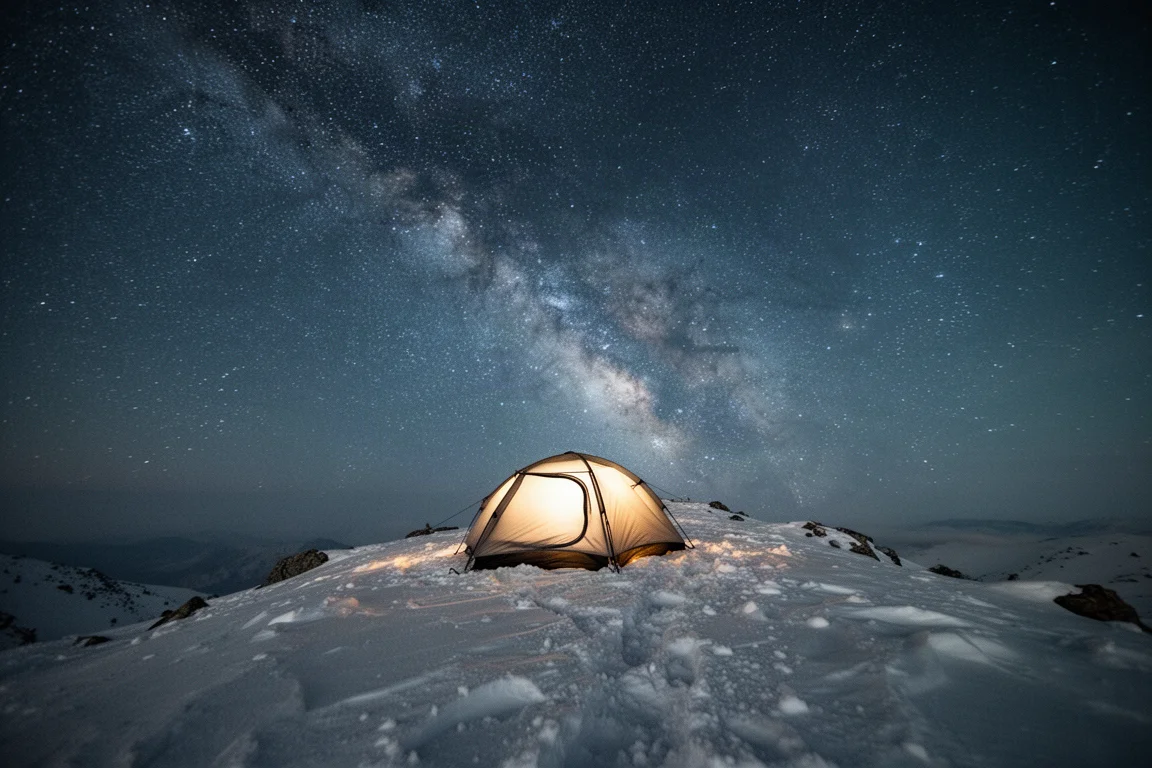
Shelter: Durston X-Dome 1+
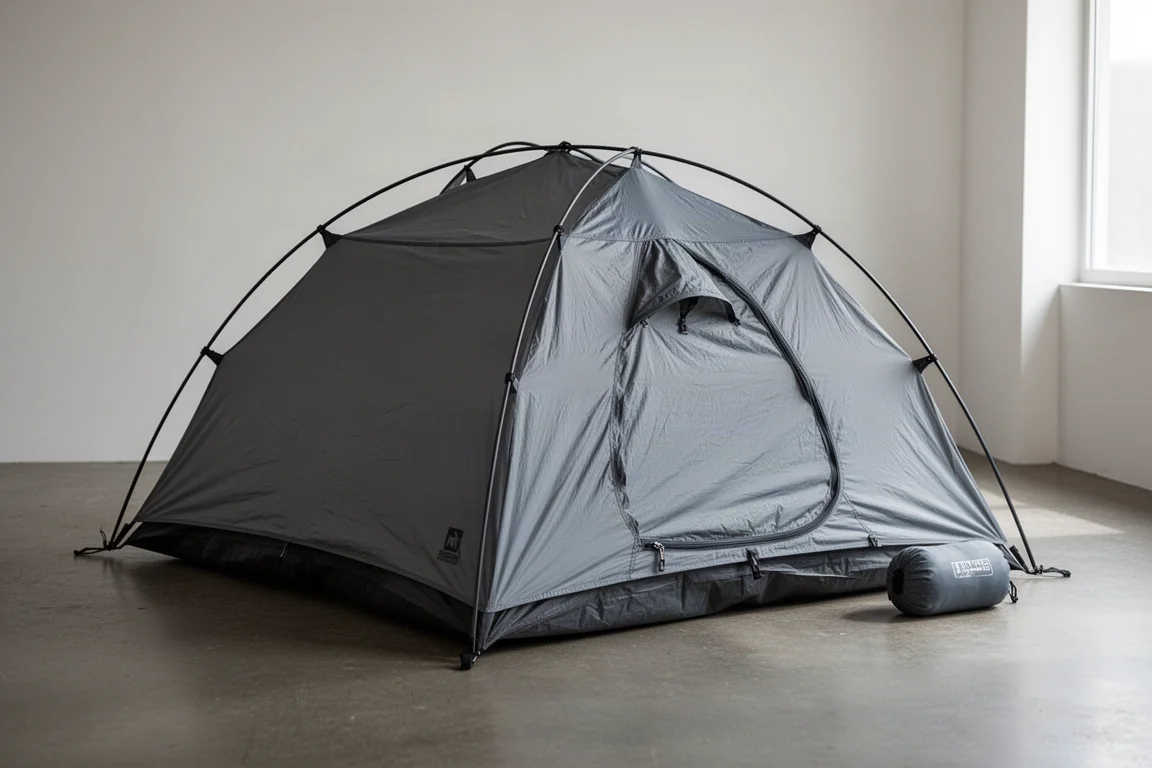
The X-Dome 1+ is not technically a four-season tent, and that is worth stating plainly. In practice it has handled winds of around 100 km/h on a ridgetop and a substantial snow load when it is fully pitched, which is more than most winter trips will ask of it. The optional solid inner adds roughly 5°C of warmth compared with a mesh inner, a welcome comfort bump rather than something to rely on for safety.
Three things stand out. It weighs under 1 kg, where most four-season tents approach 2 kg. It is tall and roomy enough to sit up, get changed, and put clothes on without a struggle, with internal storage for gear you want to keep inside and a vestibule for the pack. And it is freestanding with an all-in-one pitch, so you are not wrestling with an inner tent before adding the fly, and poor stakeout points are far less of a problem.
Sleeping Pad: Sea to Summit Ether Light XR Pro
This is not the warmest sleeping pad you can buy, but it is the most comfortable one that stays viable at around -25°C on snow. The dimpled baffling spreads pressure more evenly than flat channels, which is what makes the difference after a long day.
Reflective insulation returns body heat, and the design is lighter and more compact than earlier winter pads from the same line. Adding a closed-cell foam pad underneath is worthwhile: it adds warmth and redundancy, and it doubles as something to sit on when there is no chair.
Sleep System: Zen Bivy Winter Bed
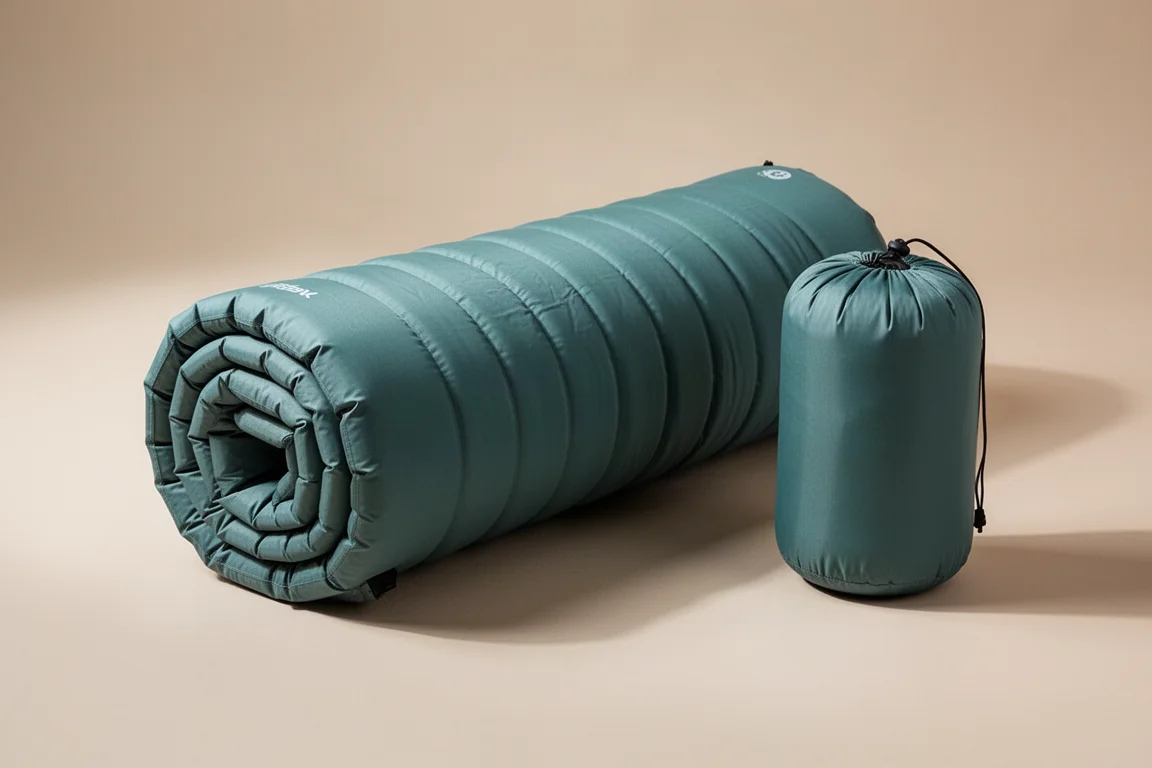
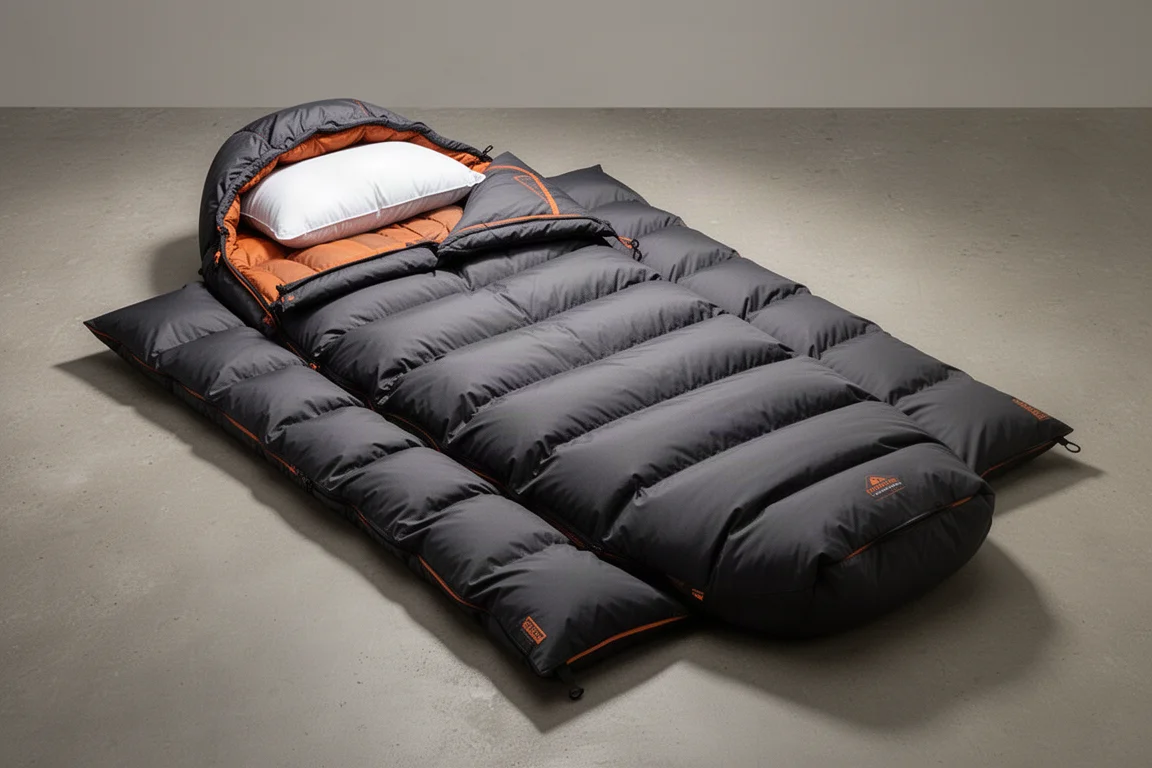
The Winter Bed is a quilt-style system that has been tested down to -25°C and kept its user warm. Part of the reason is simple: it is heavy, with a lot of down and a lot of material. For winter camping, that is a trade worth making, because sleeping warm and comfortably is the whole point of the trip.
The quilt layout means you can roll over underneath it freely and sleep on your side, back, or stomach without fighting the bag. Draft walls along the sides stop cold air from creeping in, the hood keeps your head warm, and the soft top pillow includes a down topper that adds both comfort and warmth.
Camp Chair: Nemo Moonlight Elite
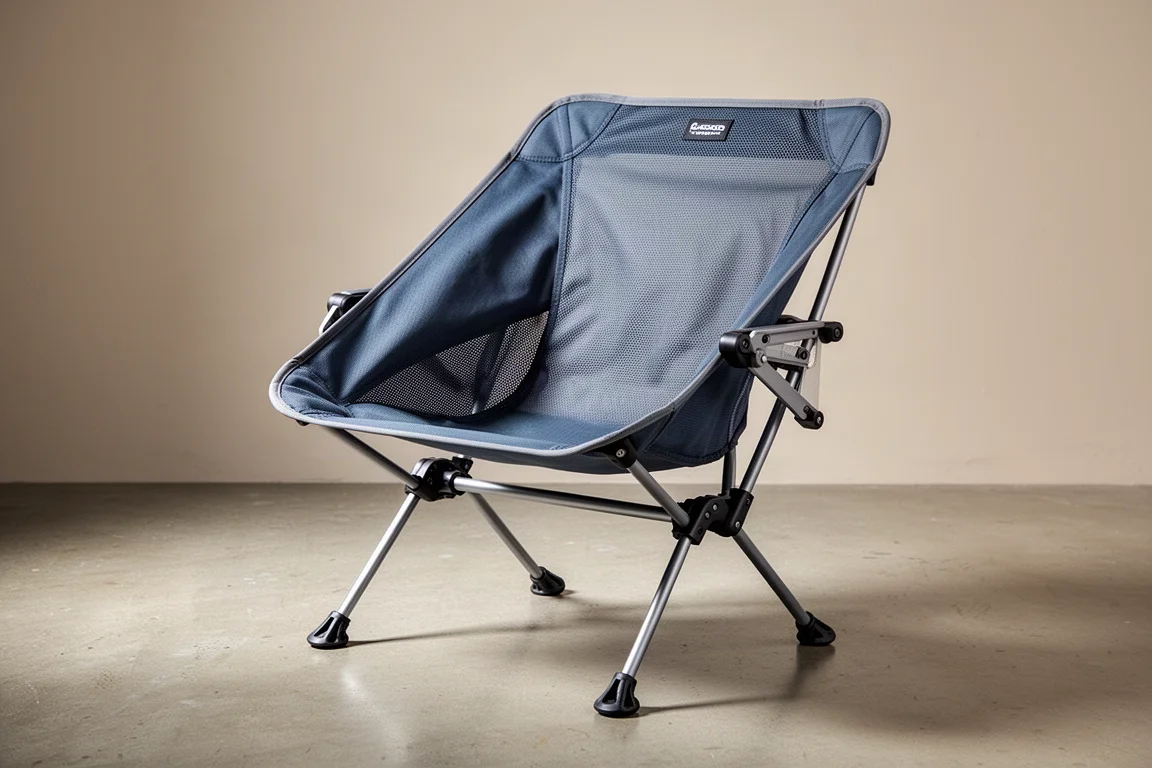
A chair is a comfort item, but in winter it changes how an evening feels. The Moonlight Elite has two details that make it well suited to snow.
First, the seat fits a closed-cell foam pad perfectly, so the pad you already carry doubles as chair insulation. Second, the chair’s carry case doubles as a footprint.
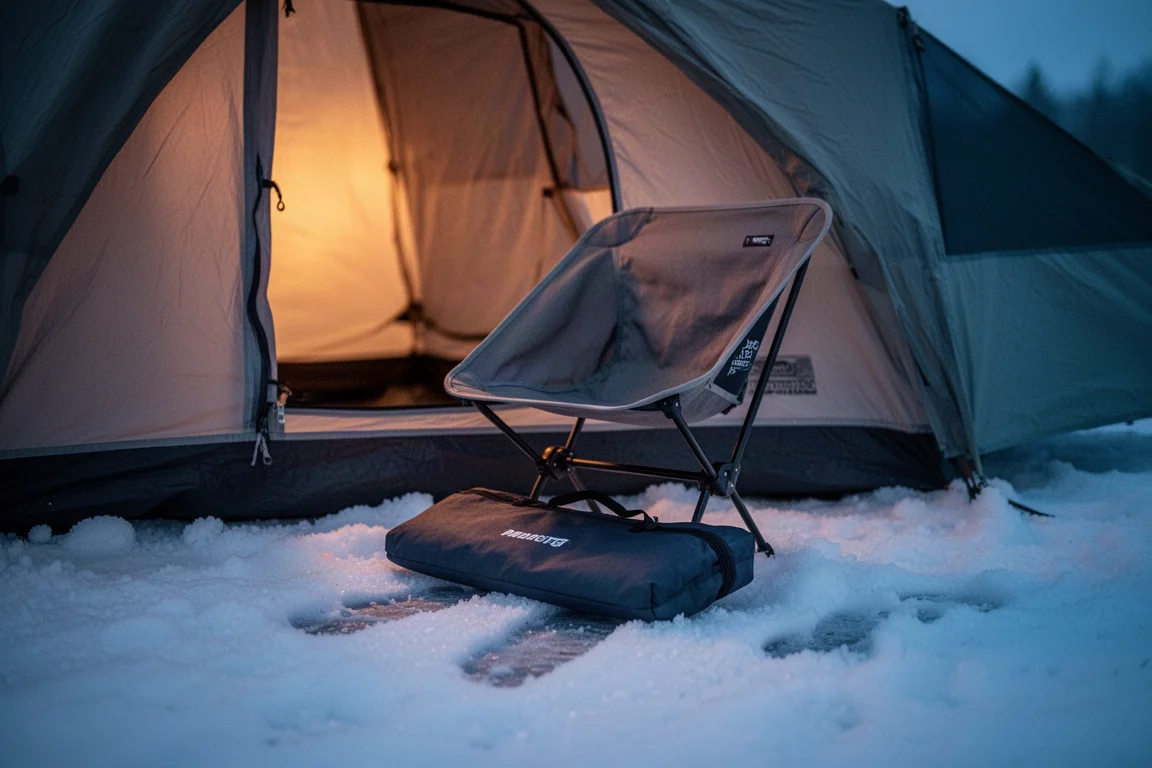
That footprint matters more than it sounds. On snow, chair feet sink and you gradually end up sitting on the ground. Spreading the load keeps the chair at a usable height and keeps you off the snow.
Snow Tool: Snow Claw
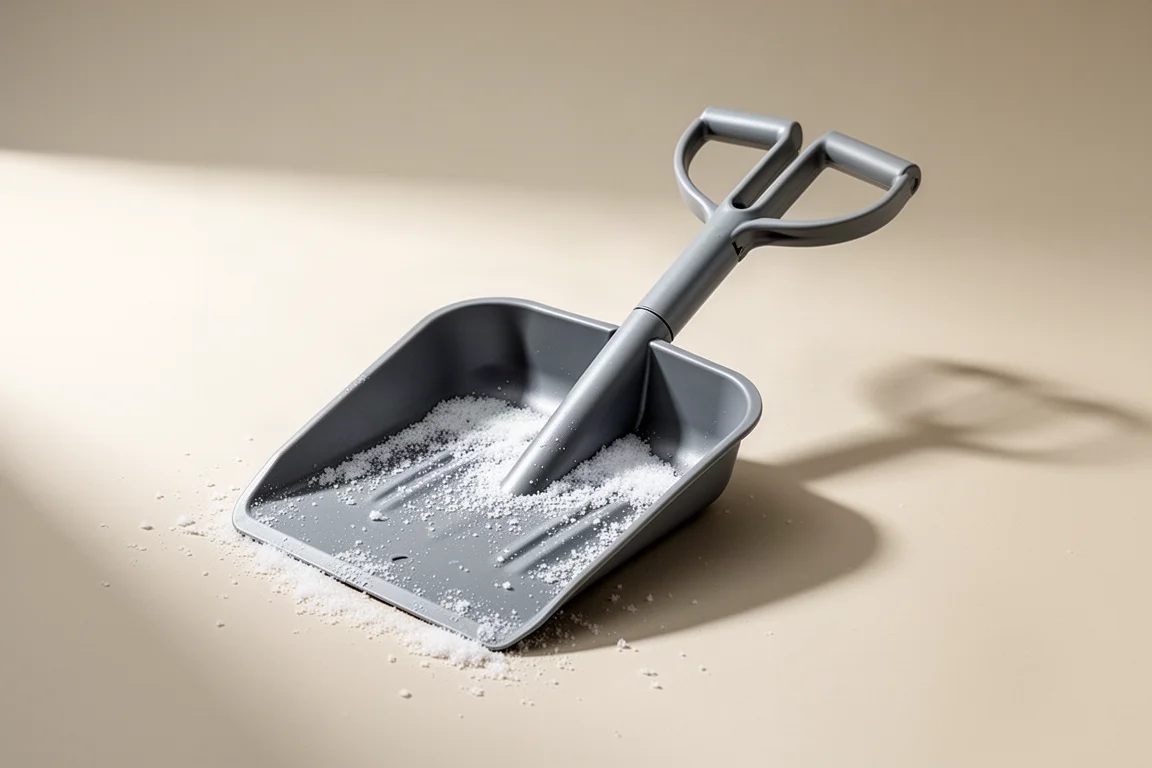
You do not always need a heavy-duty snow shovel. The Snow Claw is light, uses two handles, and moves a surprising amount of snow, which is enough for digging out a seating area, clearing a tent platform, or building a snow wall around camp.
For a lot of winter trips, that is all the snow tool you need.
Cook System: Primus Alti
In winter, a stove is not just for cooking. It is how you melt snow into drinking water, and running short on water is one of the fastest ways to have a bad trip.
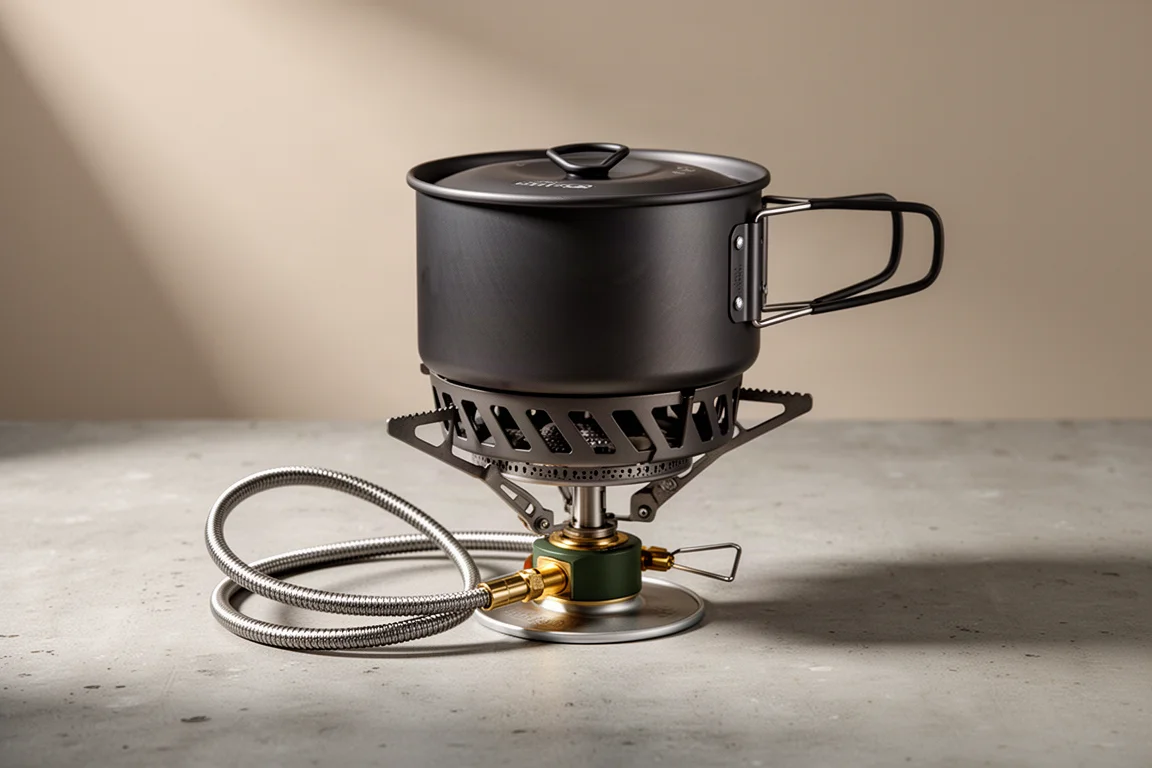
The Primus Alti is a radiant burner inverted-canister stove, and it is the first and currently only radiant burner inverted canister stove. The inversion is the part that matters in the cold. A good canister is roughly 80 percent isobutane and 20 percent propane. Isobutane stops being a gas at about -12°C, while propane keeps working down to around -40°C. Below -12°C, you need to invert the canister so the stove can draw liquid isobutane instead.
Stoves cannot burn liquid fuel, so a preheating tube converts it back into gas. You run the stove upright for a short time to burn propane and heat that tube, then flip the canister and send liquid fuel through it. The radiant burner adds three practical benefits: it is quiet, it is efficient, and it performs well in wind. Combined with the heat exchanger pot that comes with the stove, this is one of the most fuel-efficient setups available. The catch is the price, which is high.
Water Storage: Nalgene HDPE Bottle
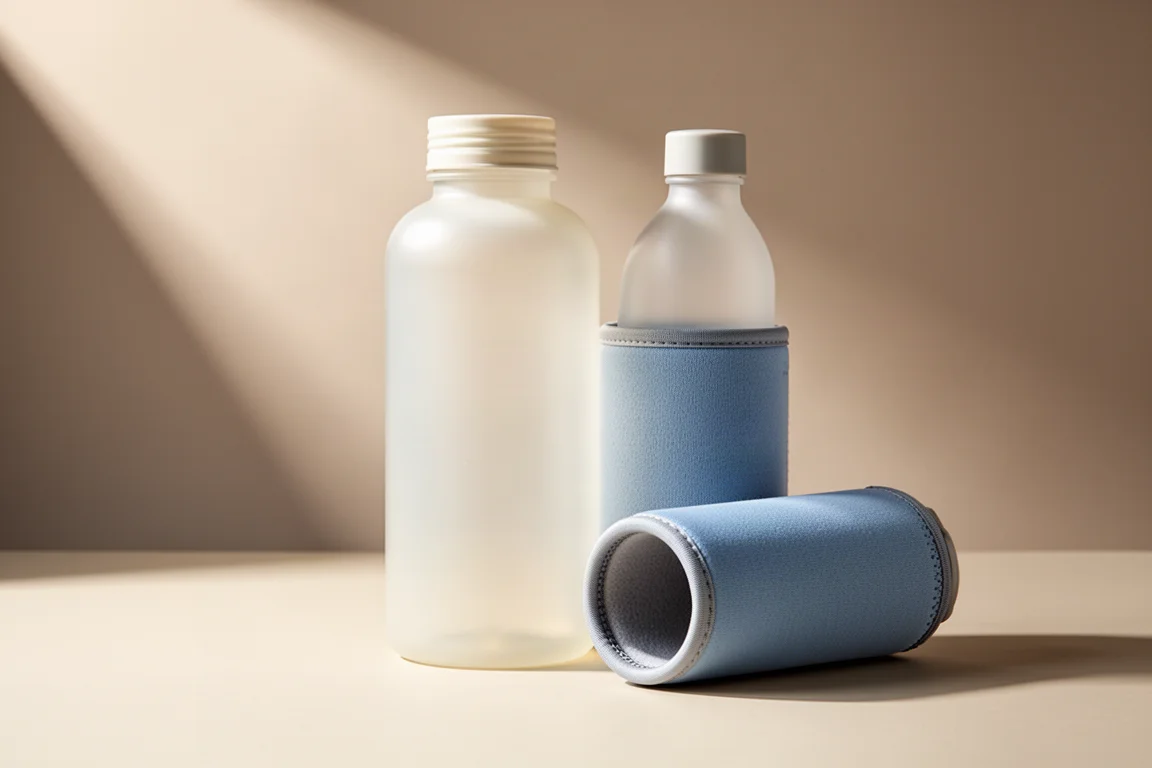
Boiling water poured into a bottle and slipped into an insulated sleeve will stay liquid overnight at about -20°C when it is kept inside the tent. Below that, the bottle needs to go into the sleeping bag with you.
The HDPE version of the classic wide-mouth bottle is noticeably lighter than the standard bottle and still handles boiling water. One useful habit: fill the bottle right to the brim before capping it, which prevents the bottle from warping as the contents cool and the air inside contracts.
Power: Nitecore Summit 10000
Winter is hard on batteries, and the electronics you least want to lose are the ones you rely on in an emergency: a headlamp and a satellite communicator. A power bank keeps them charged.
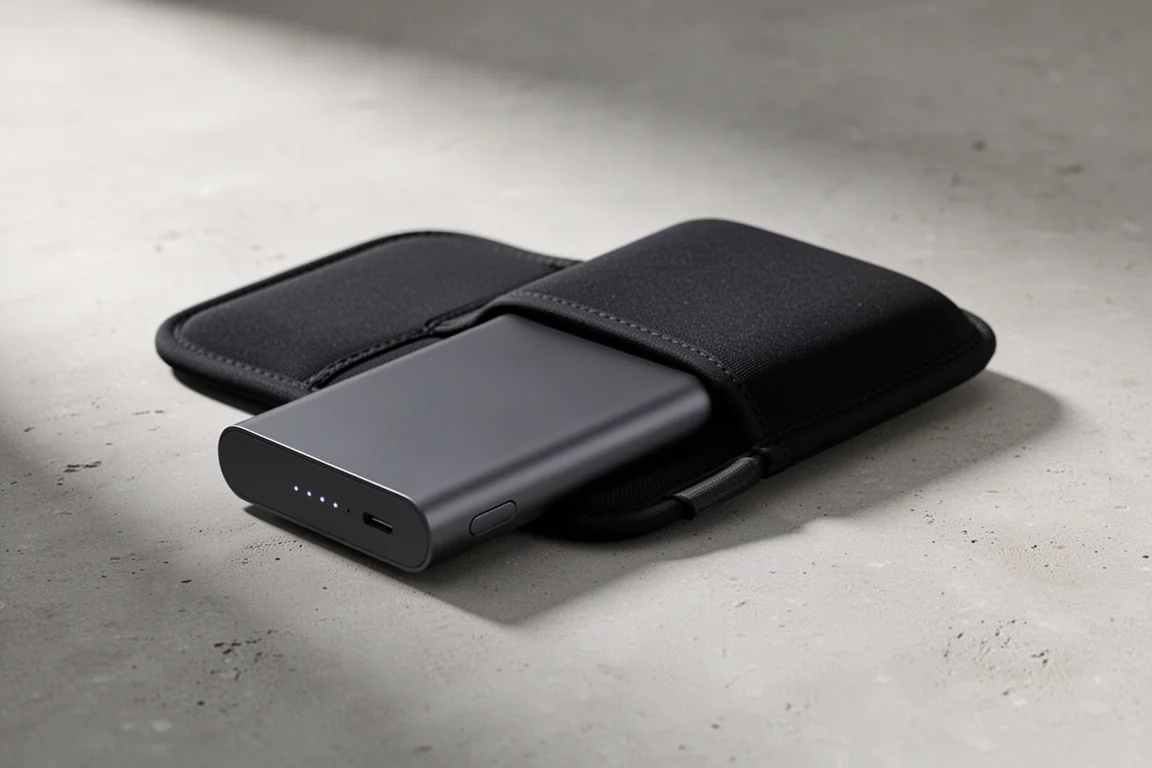
The Summit 10000 is built for cold weather and can operate down to about -20°C thanks to an internal heater, which draws a small amount of power to warm the cell so it delivers closer to its rated capacity in freezing conditions. That heating feature is the reason it comes along on winter trips. The main wish is for a second USB-C port.
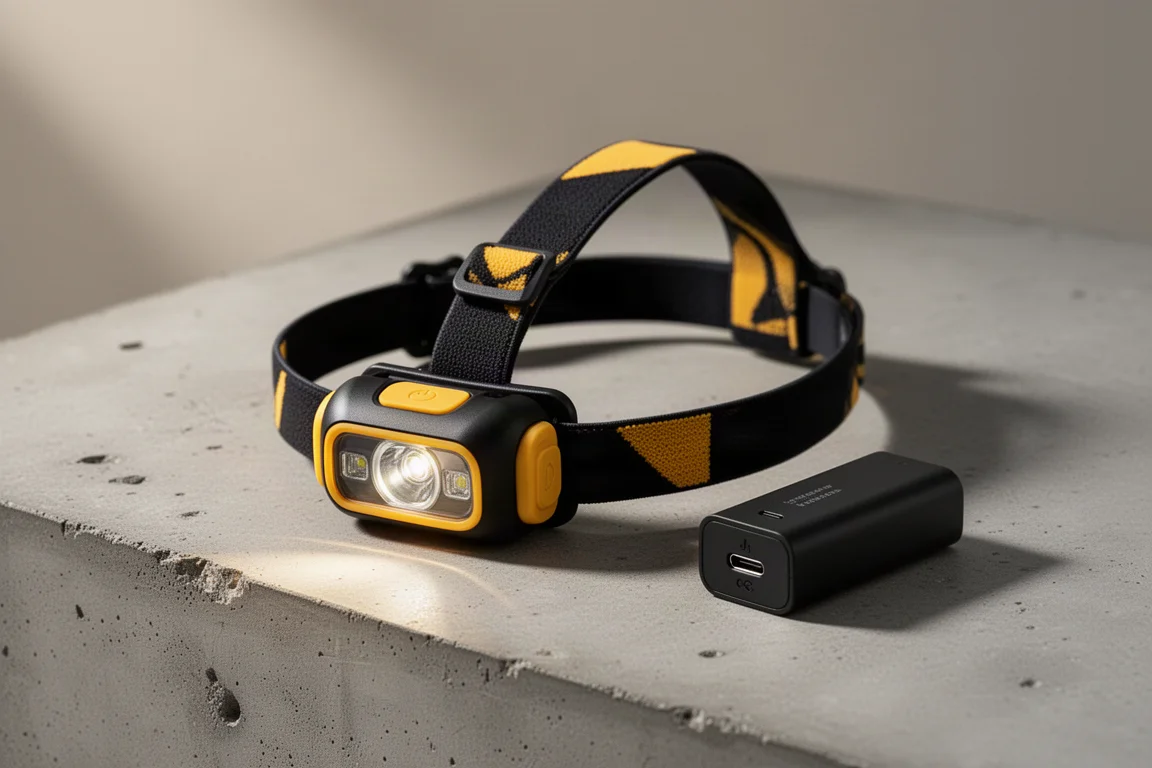
Headlamp: Petzl Swift RL
Long nights mean a headlamp gets used far more in winter than in summer. The Swift RL weighs about 100 g and reaches up to 1,000 lumens when the adaptive brightness mode is active, increasing output when you look into the distance and lowering it when you look at something close. That behavior stretches battery life without leaving you short of light.
The battery is replaceable and has a USB-C port built into it, so you can charge one cell while another is in use. The one frustration is the single button, which handles both brightness and switching between white and red light. Separate buttons for each would be easier with gloves on.
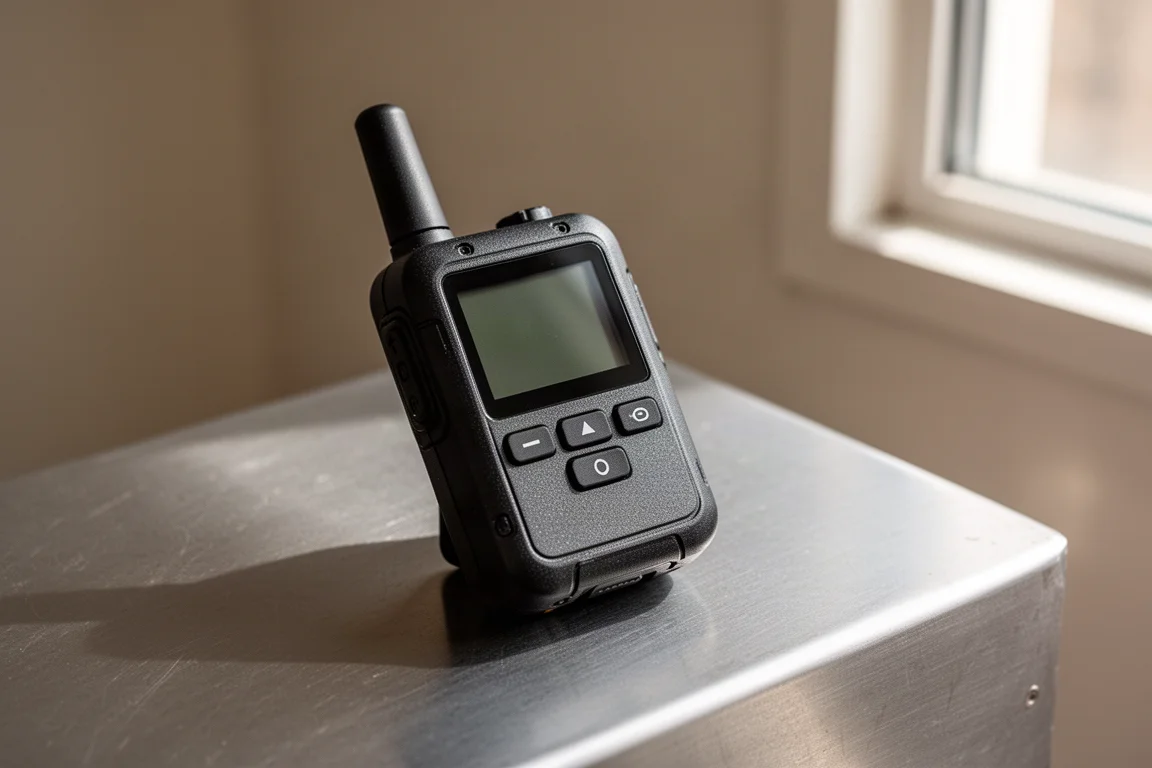
Satellite Communicator: Garmin inReach Messenger Plus
For winter trips, the Messenger Plus is the preferred option over the newer, smaller inReach because it has a better battery, and cold weather is unkind to batteries. Beyond that, the appeal is reliability and the feature set: messaging team members while out on a trip has proven genuinely valuable, and an SOS option is better than having none at all.
The value is easy to underestimate until something goes wrong. On one trip where temperatures dropped to -50°C, the oil in a vehicle froze solid, and the only way to arrange help was to send a message from the trail. The car started again once temperatures climbed back to a comparatively mild -20°C.
A communicator also changes how a trip feels for the people waiting at home. Being able to send a short check-in at the end of the day removes a lot of worry, and it costs very little battery if you keep the messages brief.
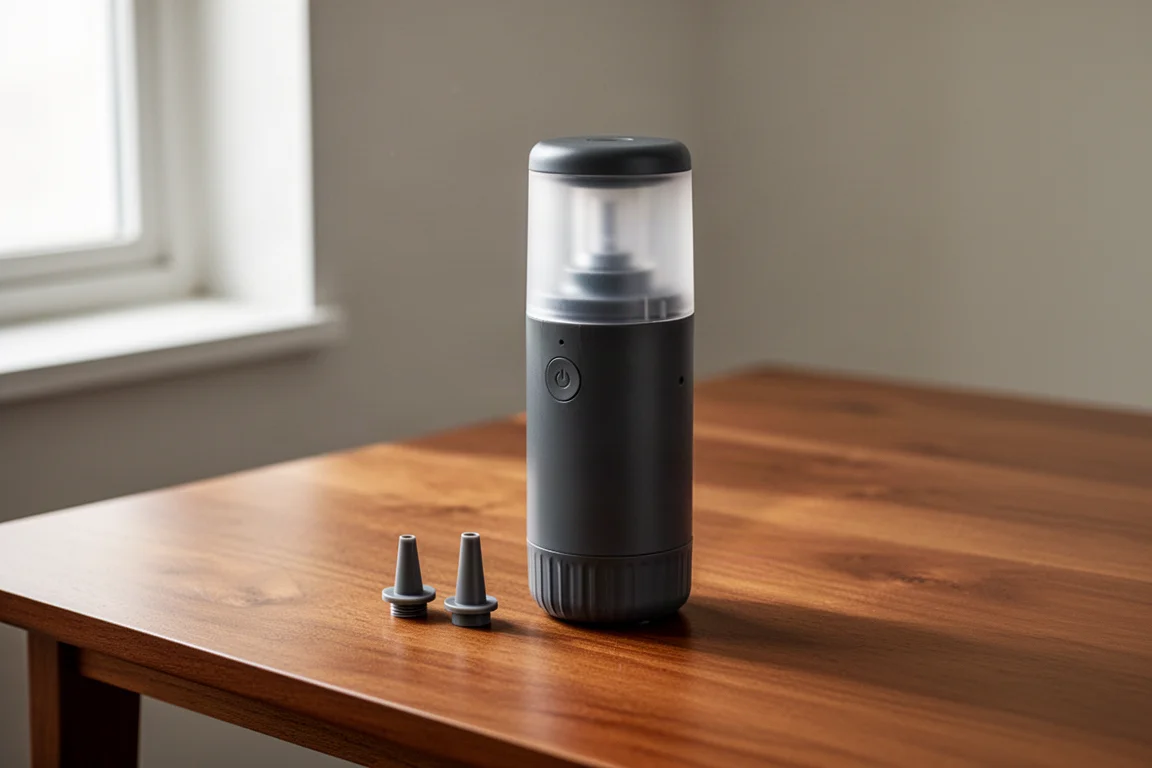
Air Pump: Flextail Max Pump 3
Inflating a sleeping pad by mouth pushes warm, moist air inside. As that air cools, the pressure inside the pad drops, and you end up topping it up repeatedly through the night. A pump avoids the problem entirely, and it is simply easier to use.
The Max Pump 3 also includes a lantern feature, which is a real benefit when the nights are long and you want light inside the tent without wearing a headlamp.
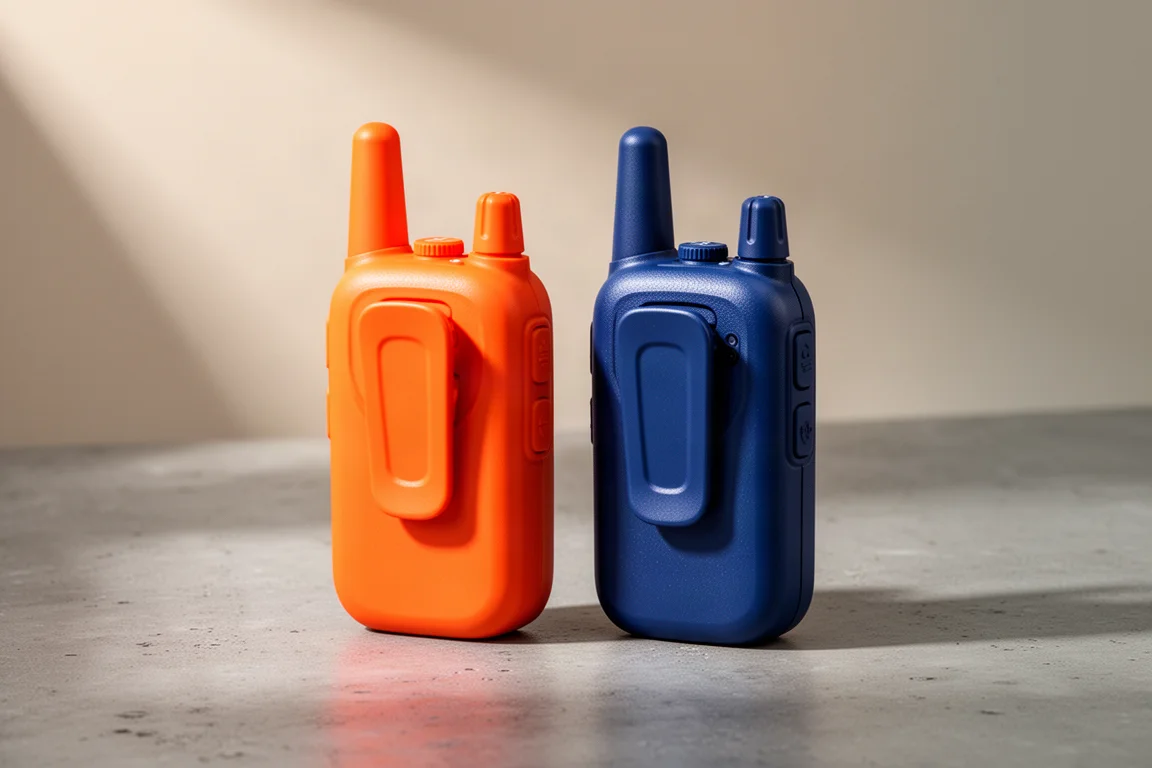
Two-Way Radios: Rocky Talkie
On a group trip, a radio is close to essential for staying in contact with the people you are traveling with. Solo trips do not need one.
The Rocky Talkie radios are durable, reliable, and easy to use. That last point is the reason they are worth more than cheaper radios with more functions: you can hand one to a friend and they can use it immediately, without a tutorial, in the cold, with gloves on.
Insulation: Rab Mythic Ultra
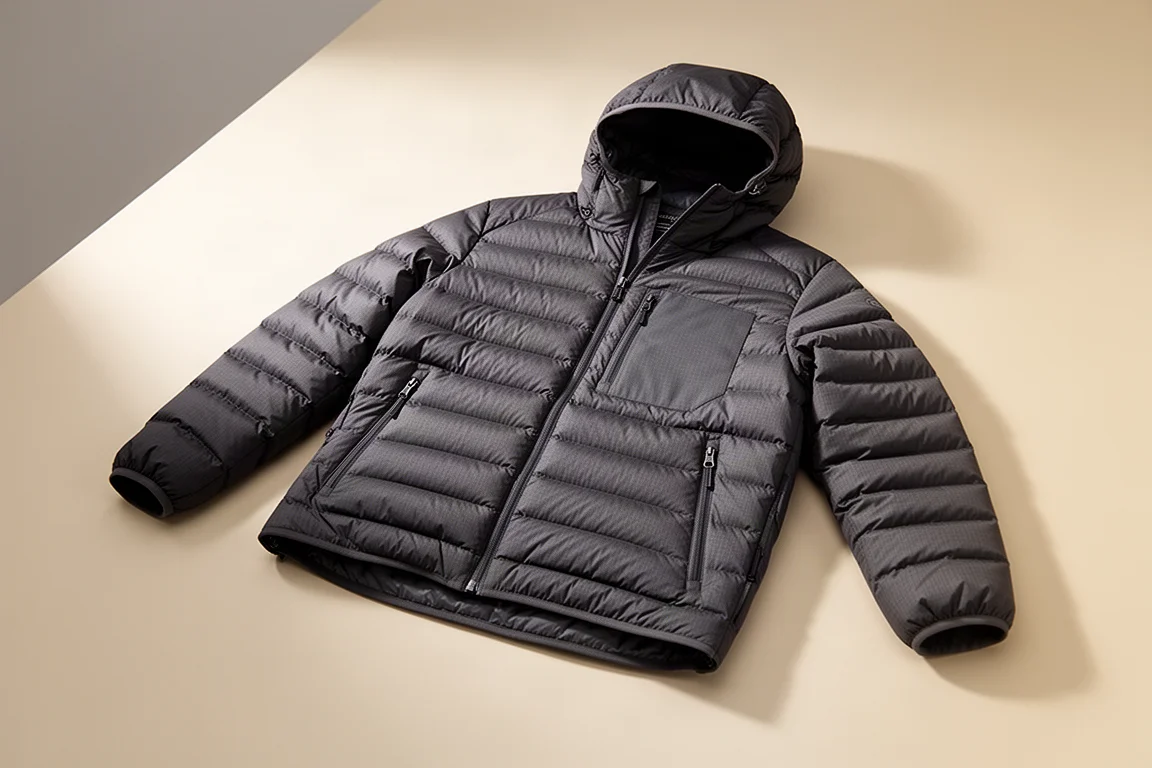
Down is the most efficient insulation for camp, and the Mythic Ultra has the best warmth-to-weight ratio in this kit. It is very light and very warm, with two hand pockets and a chest pocket sized for a phone. The downside is the price, which is high.
The layers underneath it matter just as much. Polypropylene mesh base layers do not hold moisture, so sweat does not sit against your skin and cool you down. Under a shell, the mesh traps pockets of warm air, and opening a zip disturbs those pockets and dumps heat quickly, which makes them easy to regulate. Soft shells manage temperature and breathe better than waterproof breathable shells, and an Octa fleece mid layer pairs a durable outer face with a fluffy inner for a strong warmth-to-weight ratio. Down pants complete the lower half.
Sleeping clothing follows the same logic. Mesh base layers alone are comfortable down to about -20°C inside a system like the Winter Bed, and adding fleece mid layers extends that to roughly -25°C to -30°C.
Footwear: Lems Bre
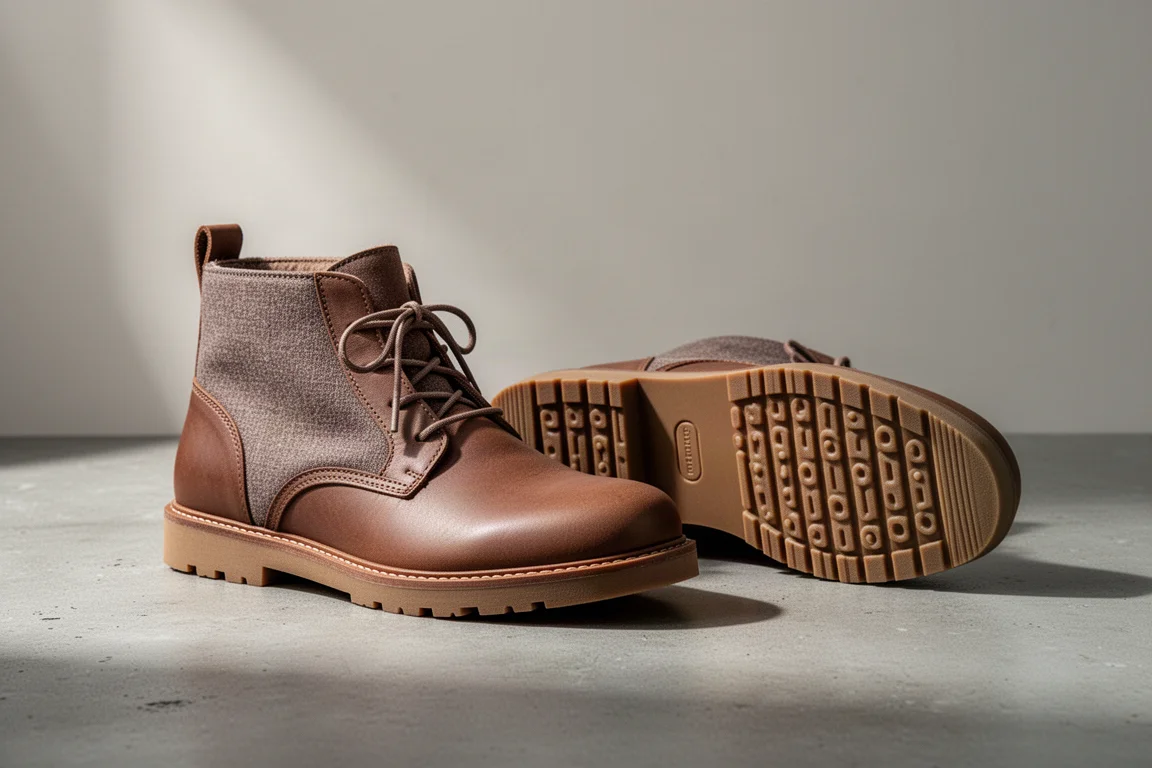
Minimalist footwear and winter boots have traditionally been two different things. The Bre is an attempt to combine them: a winter boot with the wide, natural fit and flat sole of a minimalist shoe, warm enough to hike in.
It is not as warm as a heavily insulated winter boot, and it is not meant to be. For hiking and moving around camp it is warm enough, and it keeps the benefits of minimalist footwear available through the winter rather than forcing a switch to something bulkier.
Buying Advice: How to Prioritize Your Winter Kit
If you are building this kit gradually, spend first on the sleep system and the shelter. Those two decide whether you sleep warm and whether the trip is enjoyable, and they are the hardest things to improvise in the cold.
Next comes carrying capacity. A pack with a strong frame and an adjustable torso makes a heavy winter load far more manageable, and the difference is felt on every climb. After that, prioritize the systems you cannot do without: a stove and bottle setup for melting snow into water, and electronics that stay reliable when temperatures drop.
Weight savings are worth paying for in the sleep system, where every gram of down earns its place. Elsewhere, accepting a little extra weight is a reasonable way to save money. A less expensive remote-canister stove can still get the job done in winter, and heavier insulation keeps you warm at a lower cost, as long as you are comfortable carrying it.
Finally, match the kit to the trip rather than to the worst case you can imagine. This list is tuned for roughly -25°C. If you are heading out in conditions well below that, the sensible move is to step up to a dedicated extreme-cold setup rather than stretching this one past its comfort zone.
Conclusion
Winter camping is at its best when the gear disappears into the background: the tent goes up quickly, the stove melts snow without fuss, the pad and bag are comfortable enough that you actually sleep, and the electronics still work in the morning. Every item here was chosen with that in mind, and the result is a kit that stays warm down to about -25°C without turning the trip into an endurance test.
Further reading
Related Reviews
Winter Camping Gear
Affordable Winter Camping Gear: Six Budget Pieces Tested Below Freezing
Three reflective sleeping pads, an updated down jacket, a titanium pot and a $25 winter stove, assessed on frozen ground at around minus 12 degrees Celsius.
Winter Camping Gear
Best Winter Camping Gear 2026: Seven Pieces Worth Packing
A practical look at seven winter camping items, from an insulated parka rated to minus 20 degrees Celsius to a titanium stove built for cold canisters.
Winter Camping Gear
Ultimate Winter Camping Gear List: Proven Essentials for Cold-Weather Adventures
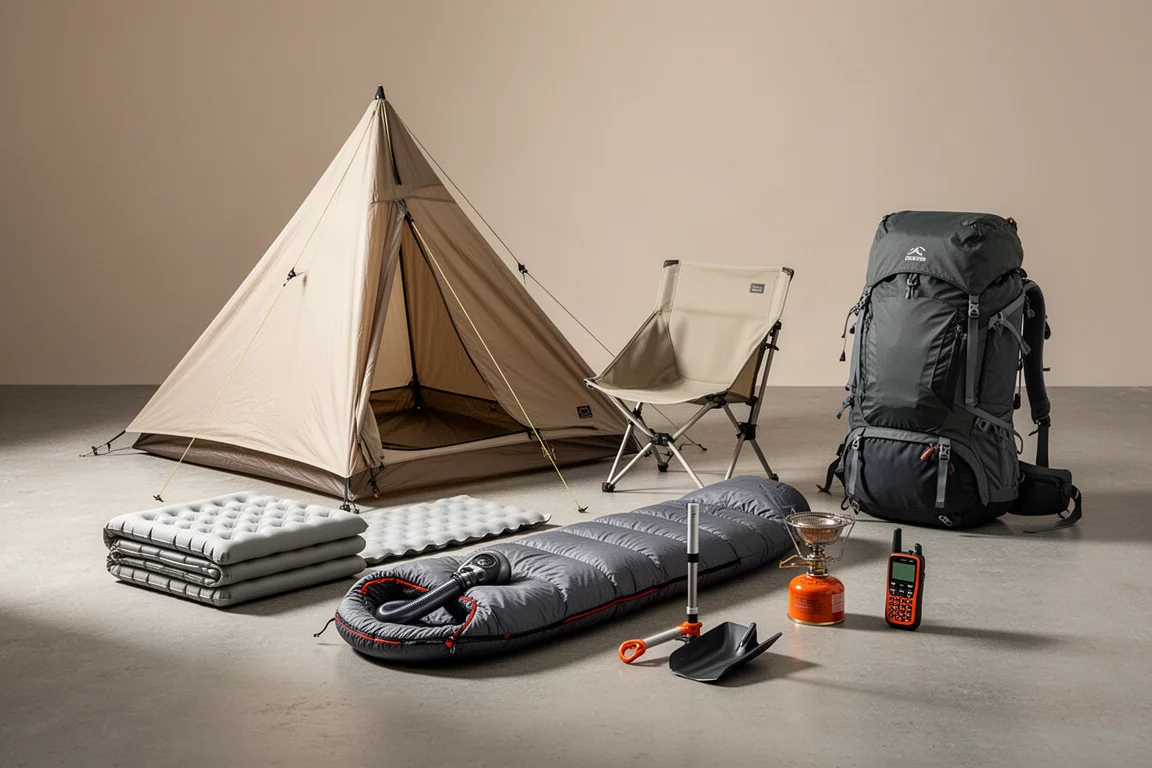
A curated list of winter camping gear that has proven itself in freezing temperatures, from shelter and sleep systems to cooking and safety essentials.