Winter Camping Gear
Winter Camping Gear Guide: 8 Essentials for Cold Backcountry Trips
A practical winter camping and backpacking gear list built around a load-hauling pack, a warm sleep system and stoves that keep working below freezing.
Introduction
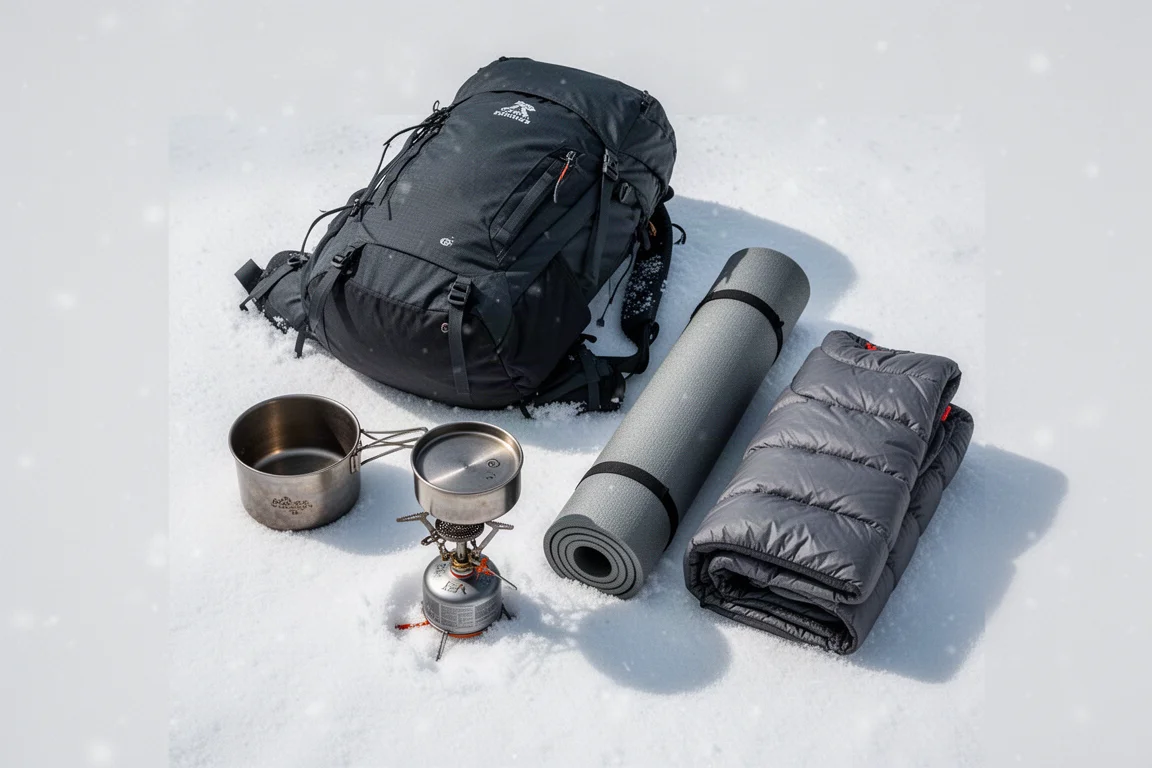
Winter camping and backpacking in the Canadian Rockies asks more of your gear than a summer trip ever will. Loads get heavier and bulkier, water freezes, batteries fade faster, and a stove that lights easily in July can turn stubborn at -30 °C. The kit below is built around those realities. It covers the pack, the layers, the sleep system and the cook setup that keep a cold-weather trip safe and comfortable, with notes on where a budget option makes sense and where spending more pays off.
What Matters Most in Cold Weather Gear
Three qualities separate winter gear that works from gear that merely survives a trip. Capacity comes first: warmer clothing, a bulkier sleeping bag and extra fuel all take up space, so a pack that carries weight well matters more than one that saves a few grams. Moisture management comes second: sweat and condensation are the biggest threats to a down sleep system, so anything that moves vapour away from insulation earns its place in the load. Reliability at low temperature comes third, because batteries, fuel lines and liquids all behave differently below freezing.
Redundancy is the fourth, quieter criterion. A closed-cell foam mat under an inflatable pad, a spare battery bank and a lightweight emergency shelter all exist for the moment something else fails.
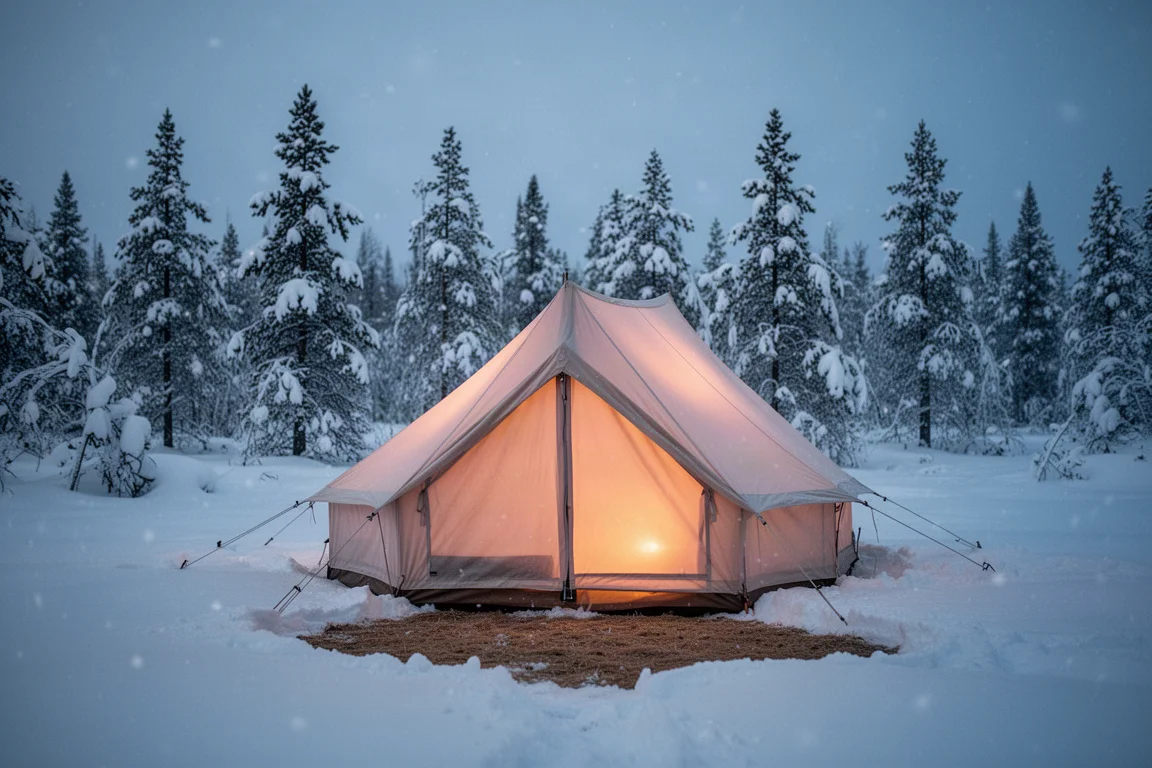
What follows is not a list of everything you could carry. It is the equipment that gets used on every cold trip, in the order that matters most: shelter and sleep first, then the kitchen, then the small tools that make camp life workable.
Mountain Hardwear AMG 75 Backpack
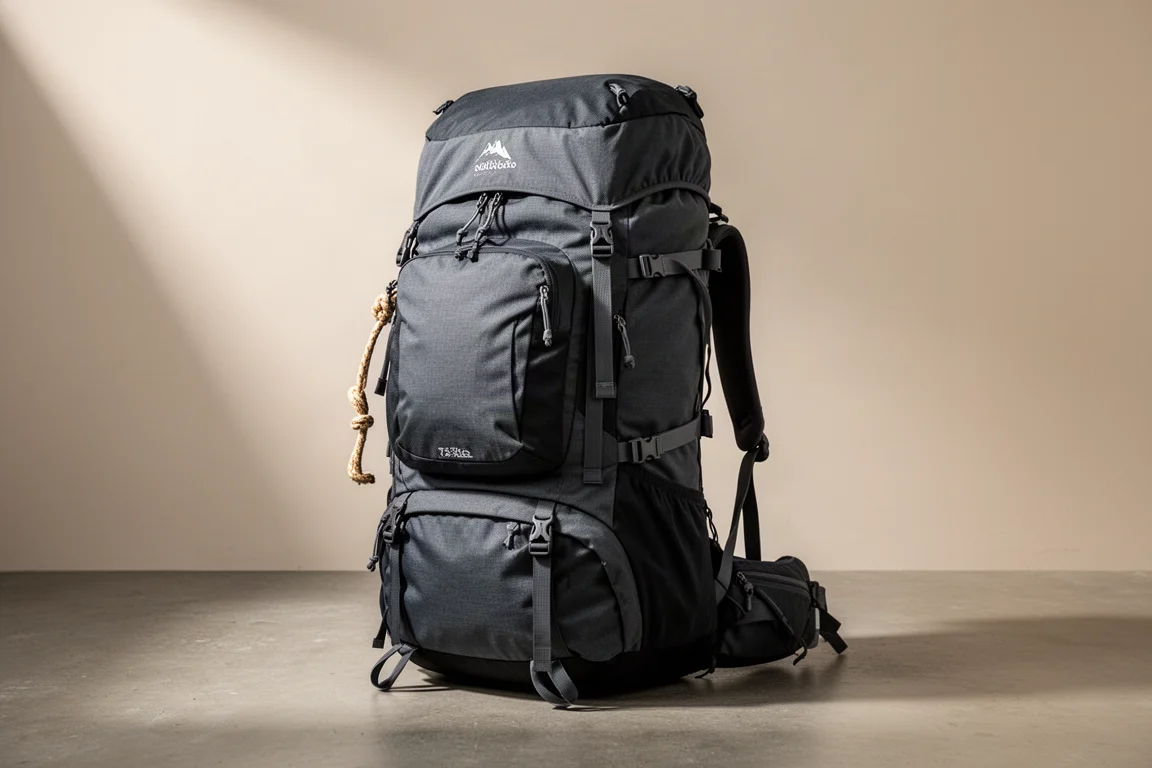
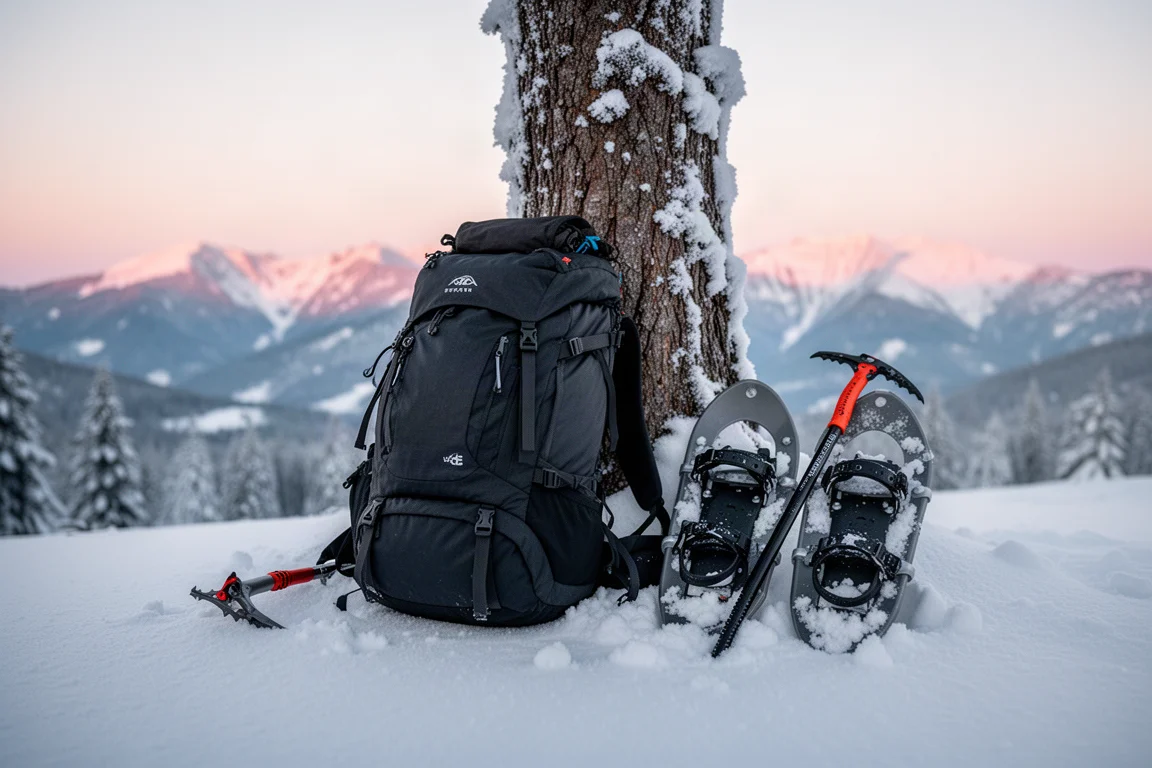
In summer, a 40 or 55 litre pack is usually enough. Winter changes the maths: insulation, a warmer sleeping bag and extra fuel add both weight and bulk, which is why a more robust pack is worth considering. The AMG 75 carries weight exceptionally well and has handled loads of up to 50 pounds.
Two details stand out for cold-weather use. A dedicated pocket holds avalanche gear such as a shovel and probe, and carabiner loops make the pack easier to work with on more mountaineering-style terrain. It is more pack than many people need, and plenty of hikers get by with their summer pack. For anyone carrying a genuinely heavy winter load, the capacity and the organisation are the point.
Outdoor Research San Juan Jacket
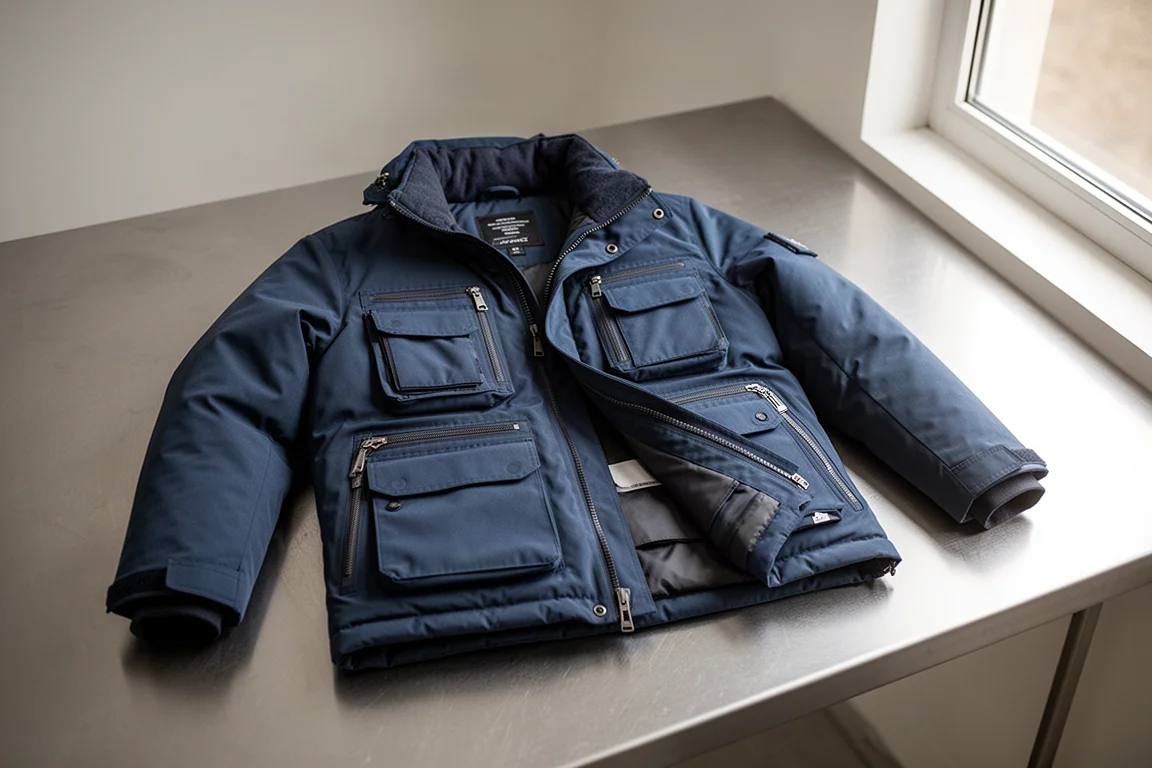
A winter jacket earns its place as much through pocket layout as through warmth. The San Juan is loaded with pockets, and that is exactly what makes it useful on the move. A battery bank rides in one pocket where body heat keeps it from draining as quickly, and that same bank can then recharge a phone or a satellite messenger. A satellite communicator and a headlamp live in other pockets, warm and within easy reach.
There are two internal pockets as well as mitten pockets, and a one litre soft bottle fits inside one of them. Keeping water against the body is one of the simplest ways to stop it freezing on the trail.
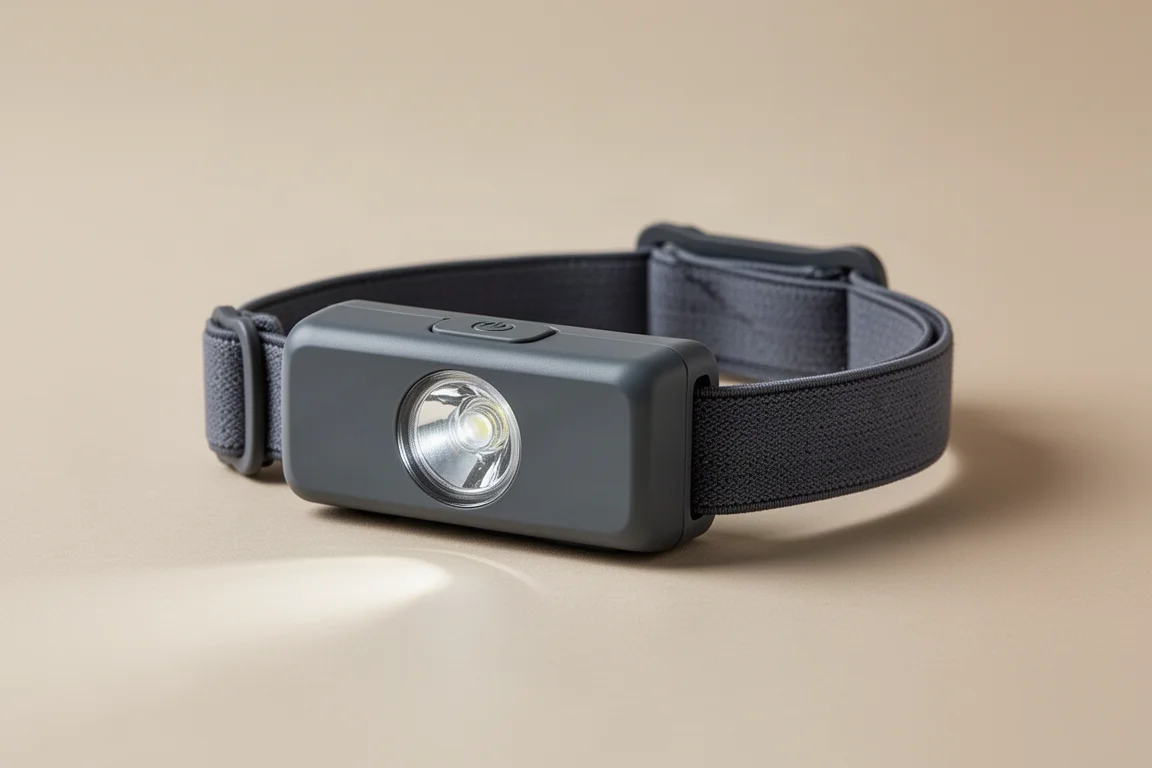
Nitecore NU25 Headlamp
A headlamp has to work every night of a trip, and the NU25 is bright, rechargeable and small enough to disappear into a jacket pocket. That last point matters in winter, when batteries drain quickly in the cold. A rechargeable light that can be topped up from a warm battery bank is a practical setup, and it keeps the number of spare cells you need to carry low.
Therm-a-Rest XTherm Sleeping Pad
The sleep system is what keeps a winter camper alive, and it starts from the ground up. The XTherm has an R-value of 6.9, which places it among the warmest sleeping pads available, and it has outperformed every other winter pad used in serious cold. It is warm, durable and light for what it does, which is why it is the pad that goes on every cold trip.
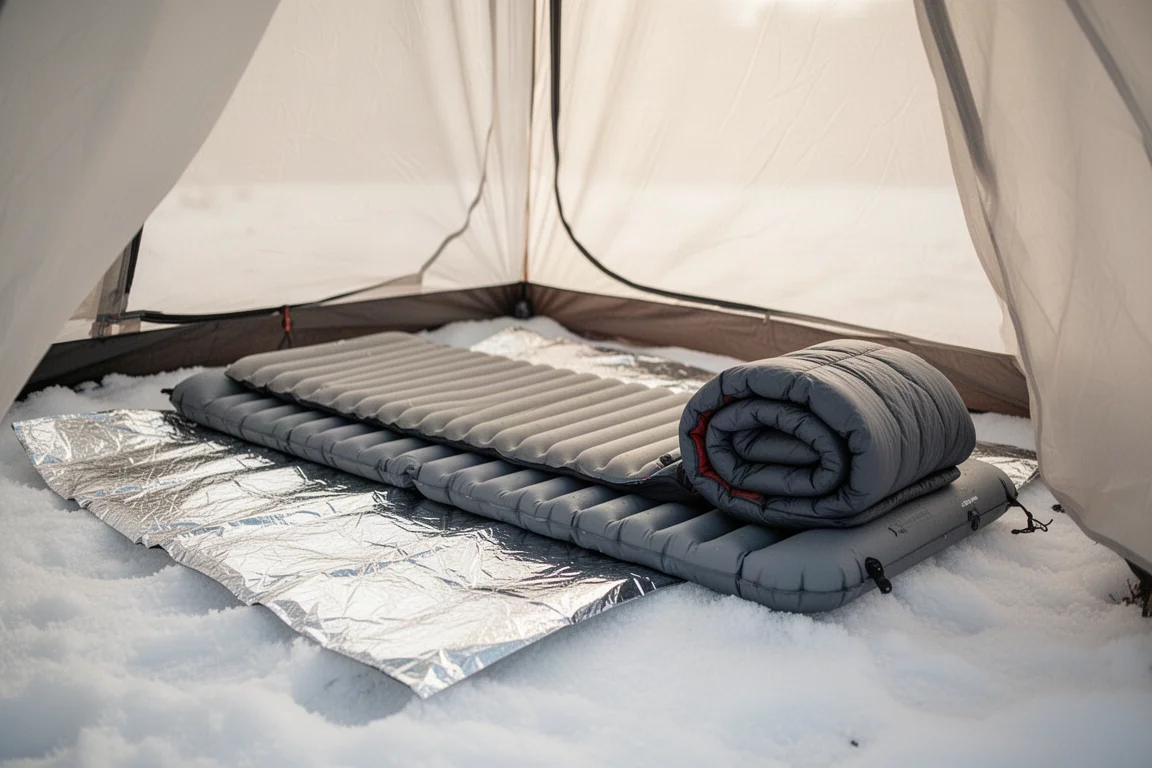
Underneath it sits a closed-cell foam mat with an R-value of 2. The foam adds meaningful warmth to the system, doubles as a sit pad around camp, and provides redundancy if the inflatable pad fails. A reflective ground sheet goes down first, widening the sleeping area slightly and giving loose items somewhere to sit. Inflating the pad with a pump sack or a small electric pump rather than by breath keeps warm, moist air out of the interior and reduces condensation inside the pad.
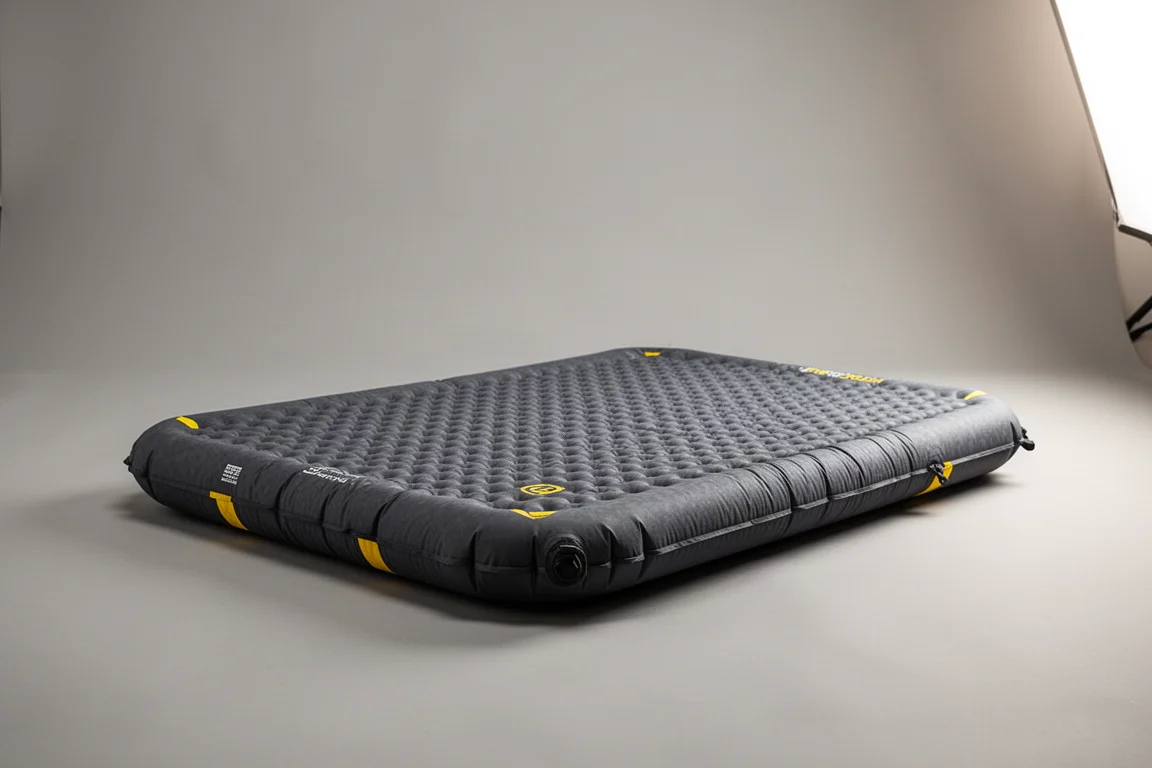
Therm-a-Rest Polar Ranger Sleeping Bag
For the bag itself, the Polar Ranger is built specifically for deep cold. It carries a comfort limit of -20 °C and a limit rating of -30 °C, and it has been used at -30 °C comfortably. Beyond the numbers, it is packed with winter-specific features that make a long night easier to manage.
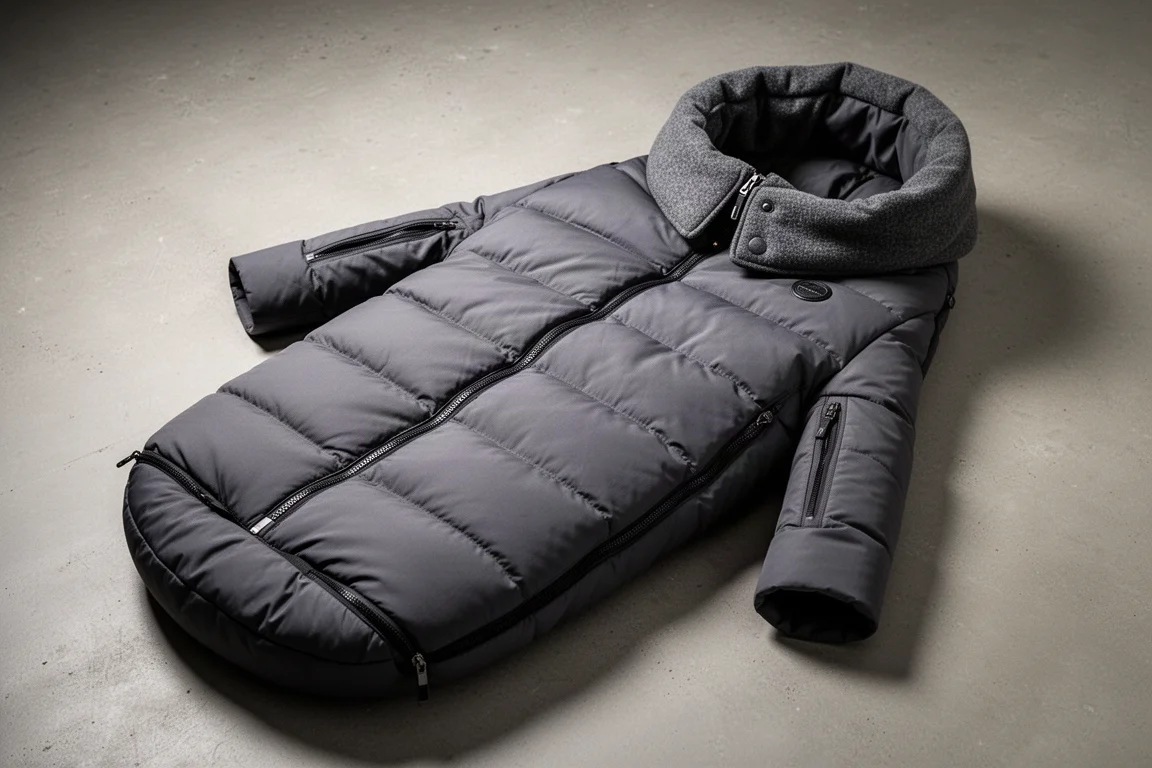
Enlightened Equipment Revelation Apex Quilt
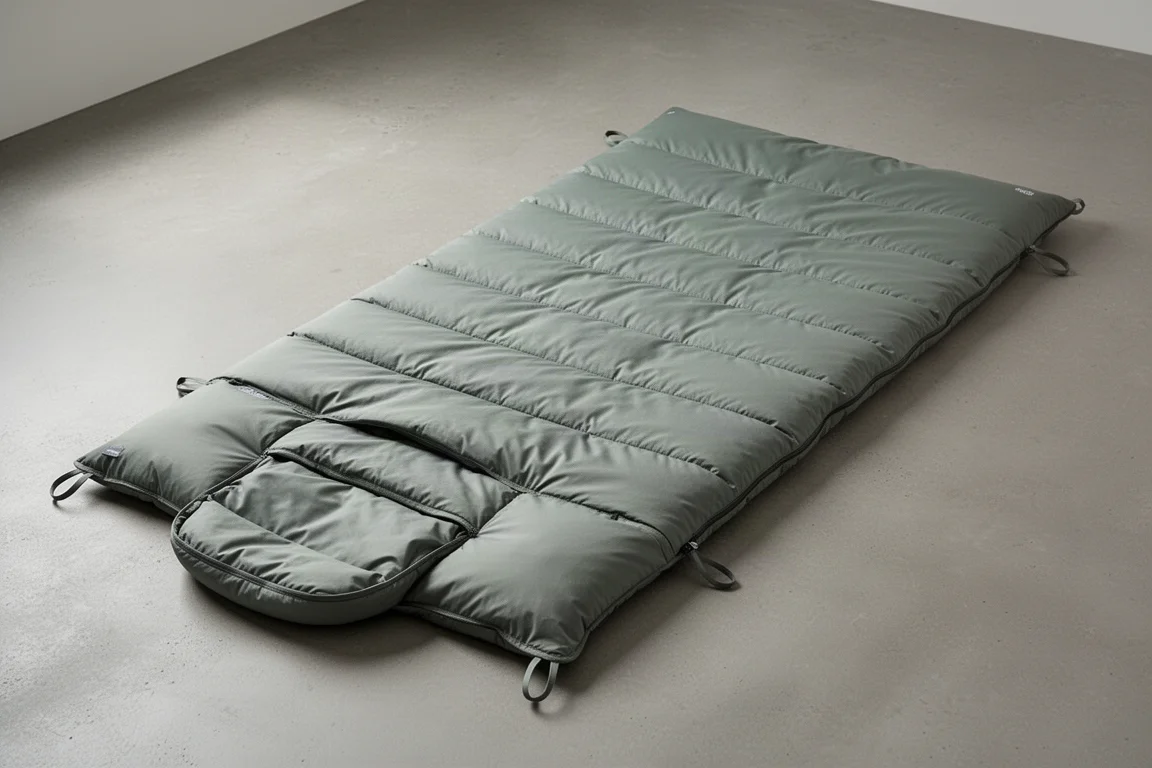
Layered over the bag, a synthetic quilt does two jobs at once. It adds warmth, and because the fill is synthetic, it manages the moisture that escapes from a sleeping body. Instead of that vapour condensing inside moisture-sensitive down, it moves into the synthetic layer, which handles moisture better and dries faster than down.
That layering approach is one of the more useful ways to extend a down bag in cold, damp conditions without buying a second sleeping bag.
MSR WhisperLite Stove
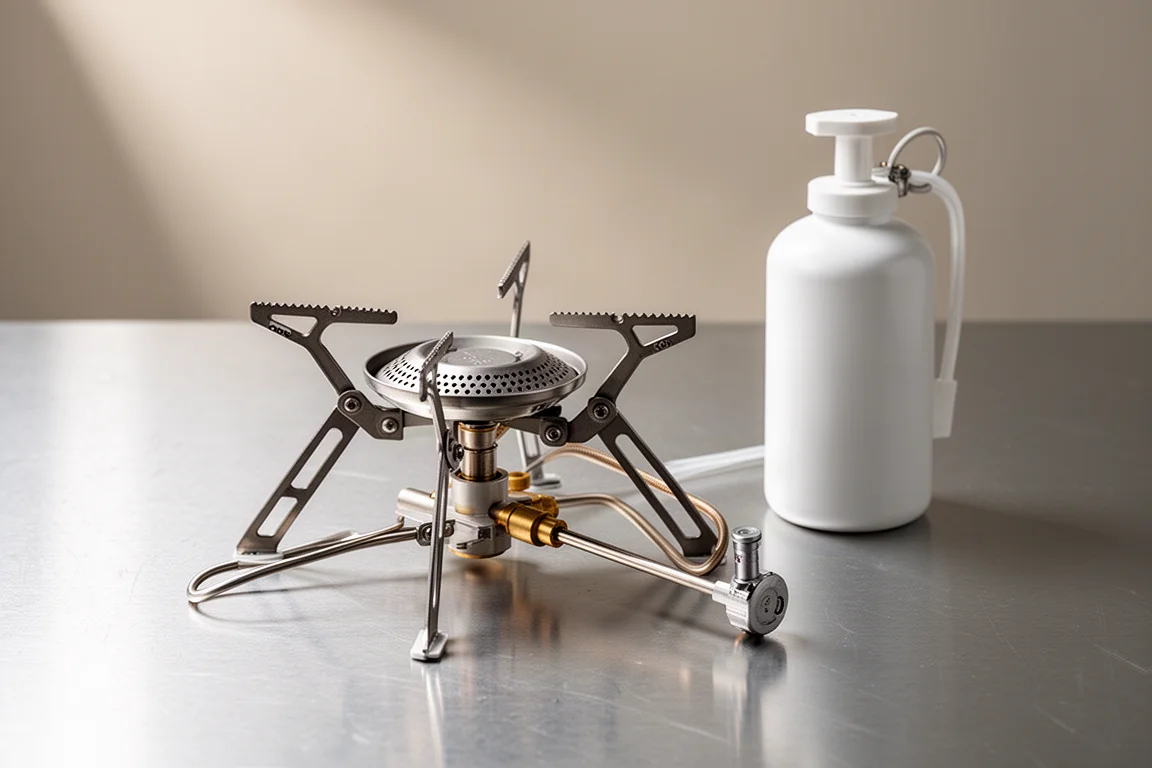
Cooking in winter is a different problem from cooking in summer. The WhisperLite is the stove to reach for when reliability matters most. It uses a remote canister setup with its own stand, and it pairs a large burner with generous pot supports and a substantial preheating tube. It has been used at -30 °C without a hiccup.
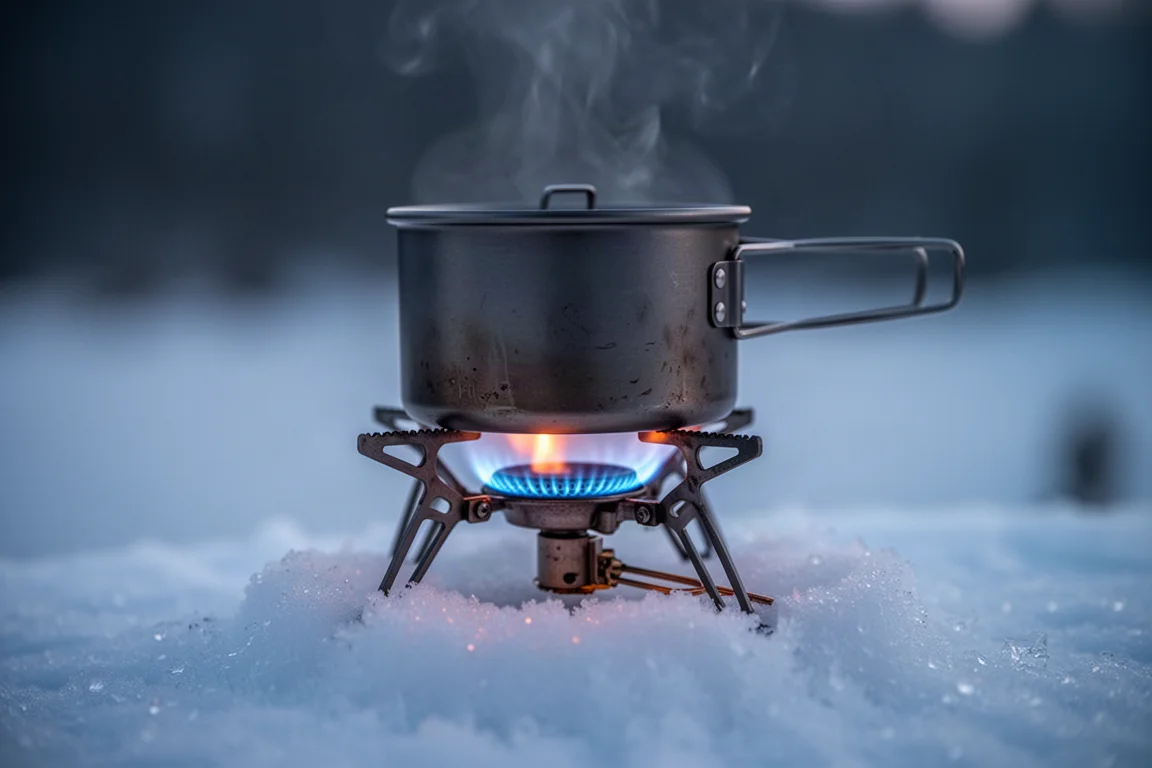
That combination is what makes it a good match for melting snow and boiling water for dehydrated meals in genuine cold, when a fussy stove can turn a simple dinner into a long, cold job. The trade-off is weight: a small titanium stove is lighter, but it gives up some of that all-conditions confidence.
Toaks 2L Titanium Pot
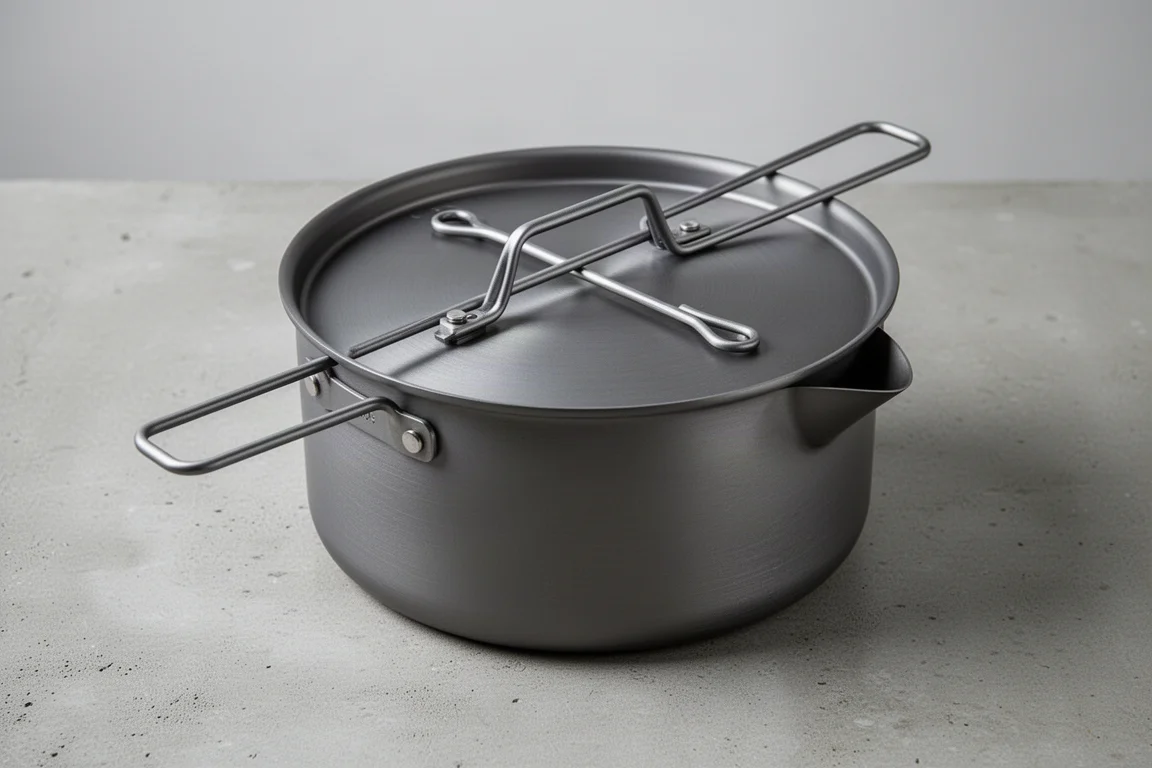
Pot size is really a snow-melting question. Two litres is a useful middle ground: enough snow goes in at once to produce a meaningful amount of water, and the titanium construction keeps the weight down. This is the pot that gets packed whenever the trip involves a group rather than a solo traveller.
Buying Advice
Not every item on this list needs to be bought at once. If you already backpack in summer, a summer pack will handle many winter trips, and small additions such as a closed-cell foam mat, a pump sack and a spare battery bank improve a winter setup without replacing it. Spend first on the pieces you depend on for survival: the sleeping pad, the sleeping bag or quilt, and the stove. Those are the items where a failure ends a trip.
Stove choice is worth thinking through before you buy. A lightweight titanium stove paired with a one litre pot is feasible for a solo traveller who has access to water and a little patience, while a larger pot and a heavier all-conditions stove make far more sense for groups and for trips where melting snow is the main source of water.
Tools are the easiest place to save money. A budget saw and a budget hatchet will still process firewood, and the difference shows up mainly in how quickly they cut and how well they hold an edge. Fire starters and small accessories are inexpensive, and carrying a couple of backups is cheap insurance. The same logic applies to camp comfort items such as a compact stool or a pillow: they add weight, but in winter the trade is usually worth it.
Conclusion
Winter camping gear is really a system rather than a shopping list. A pack that carries weight well makes everything else easier to manage. A warm pad, a properly rated bag and a synthetic quilt work together to hold heat in and move moisture away from down. A stove that lights reliably at -30 °C turns a cold evening into a comfortable one.
Build the system around the conditions you actually camp in, add redundancy where a failure would be serious, and the Canadian Rockies in winter becomes a far more enjoyable place to spend a night.
Further reading
Related Reviews
Winter Camping Gear
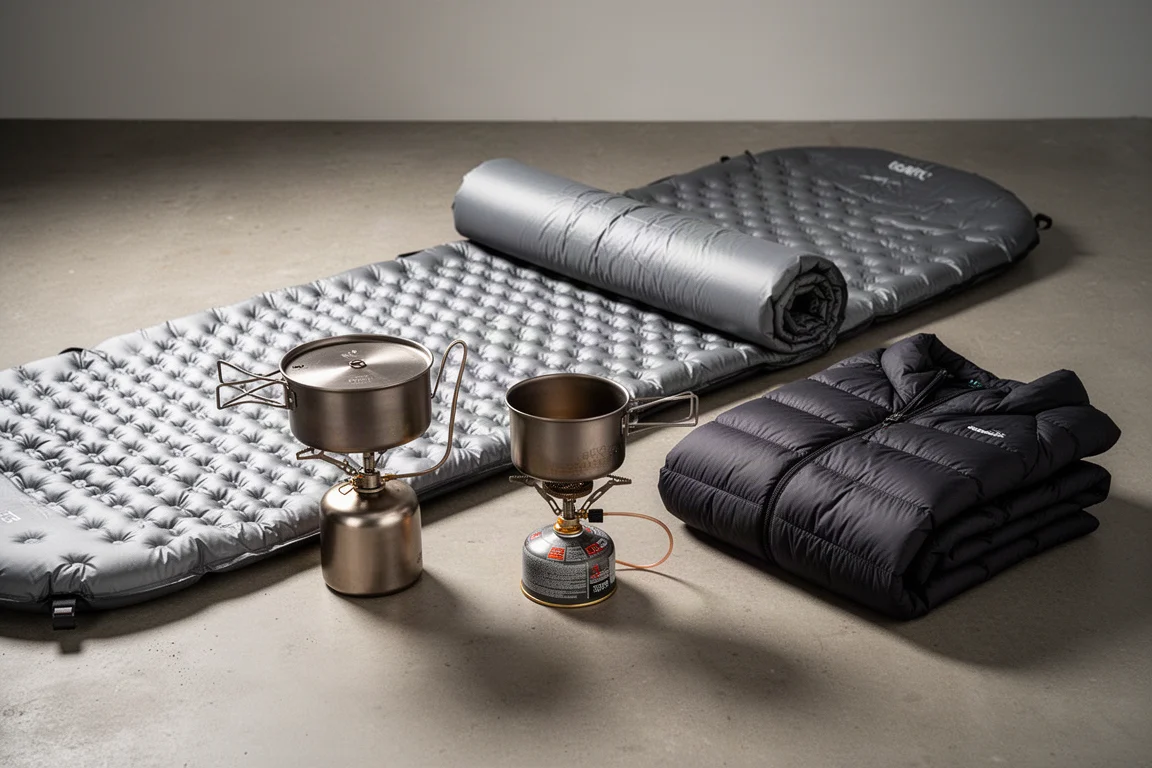
Affordable Winter Camping Gear: Six Budget Pieces Tested Below Freezing
Three reflective sleeping pads, an updated down jacket, a titanium pot and a $25 winter stove, assessed on frozen ground at around minus 12 degrees Celsius.
Winter Camping Gear
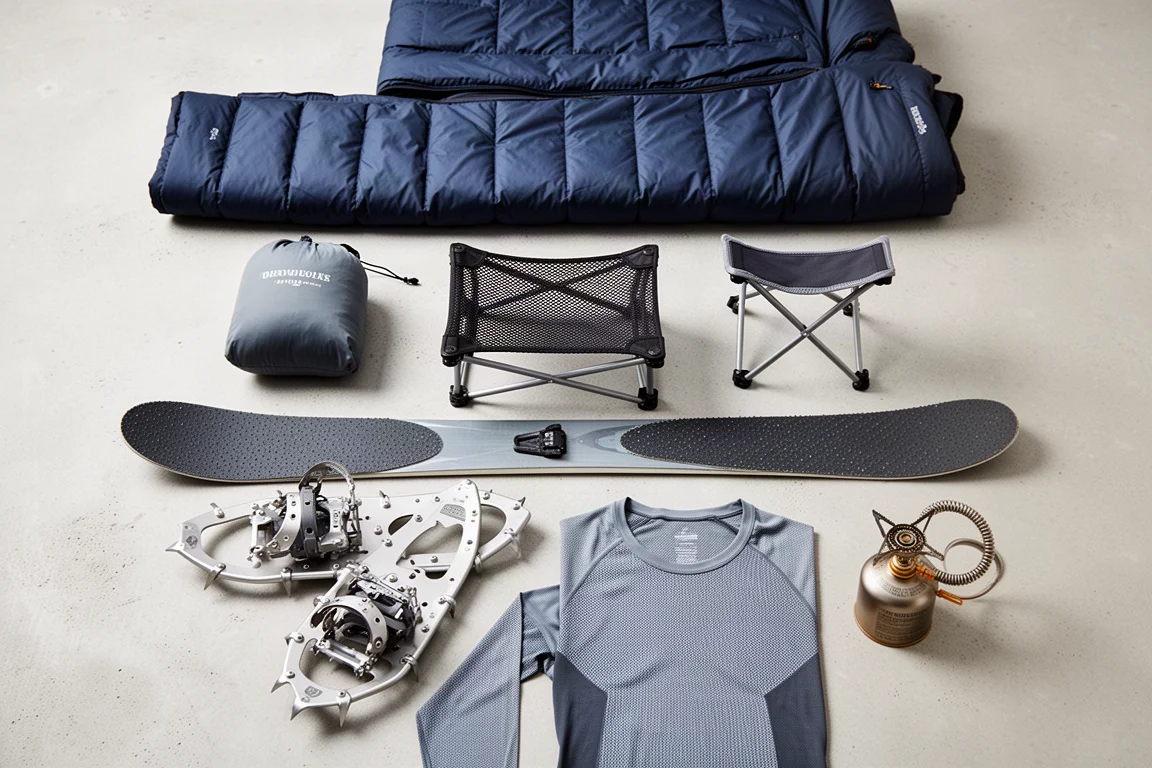
Best Winter Camping Gear 2026: Seven Pieces Worth Packing
A practical look at seven winter camping items, from an insulated parka rated to minus 20 degrees Celsius to a titanium stove built for cold canisters.
Winter Camping Gear
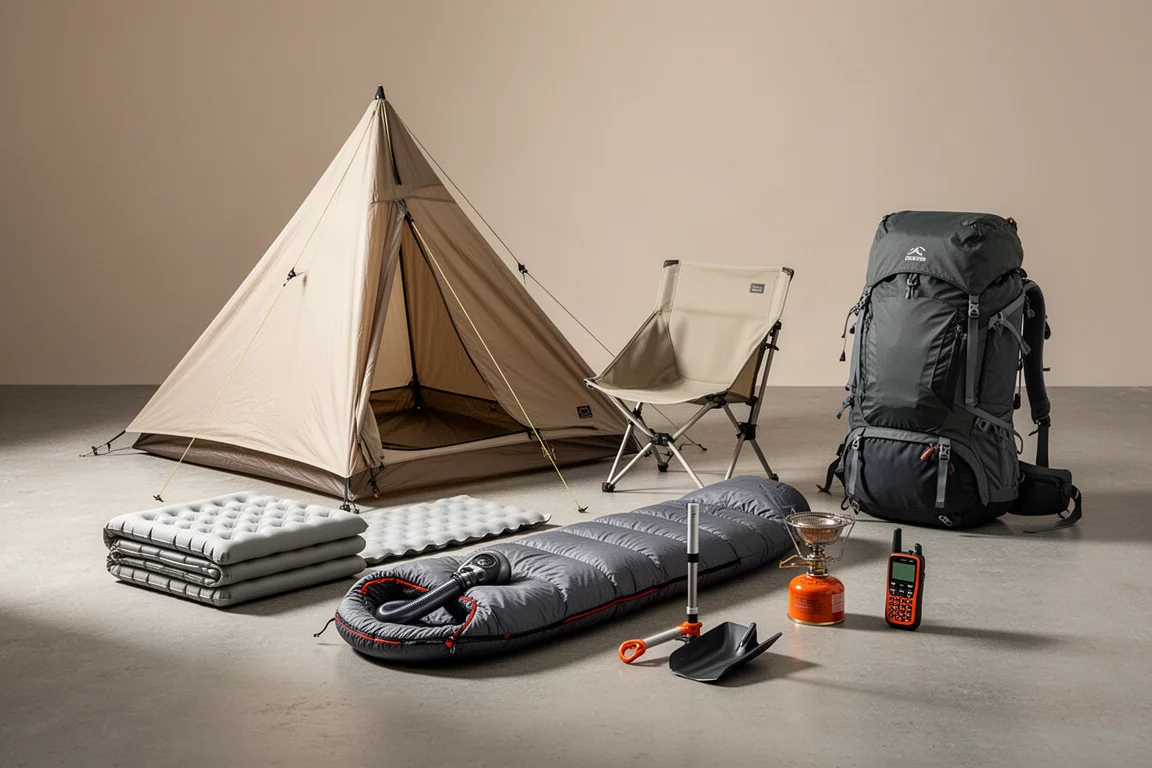
Ultimate Winter Camping Gear List: Proven Essentials for Cold-Weather Adventures
A curated list of winter camping gear that has proven itself in freezing temperatures, from shelter and sleep systems to cooking and safety essentials.