Winter Camping Gear
Winter Camping Gear Guide: 12 Essentials for Cold-Weather Backpacking
A practical guide to the winter camping gear that keeps you warm, safe, and comfortable in sub-zero conditions, from packs and sleep systems to stoves and tools.
Introduction
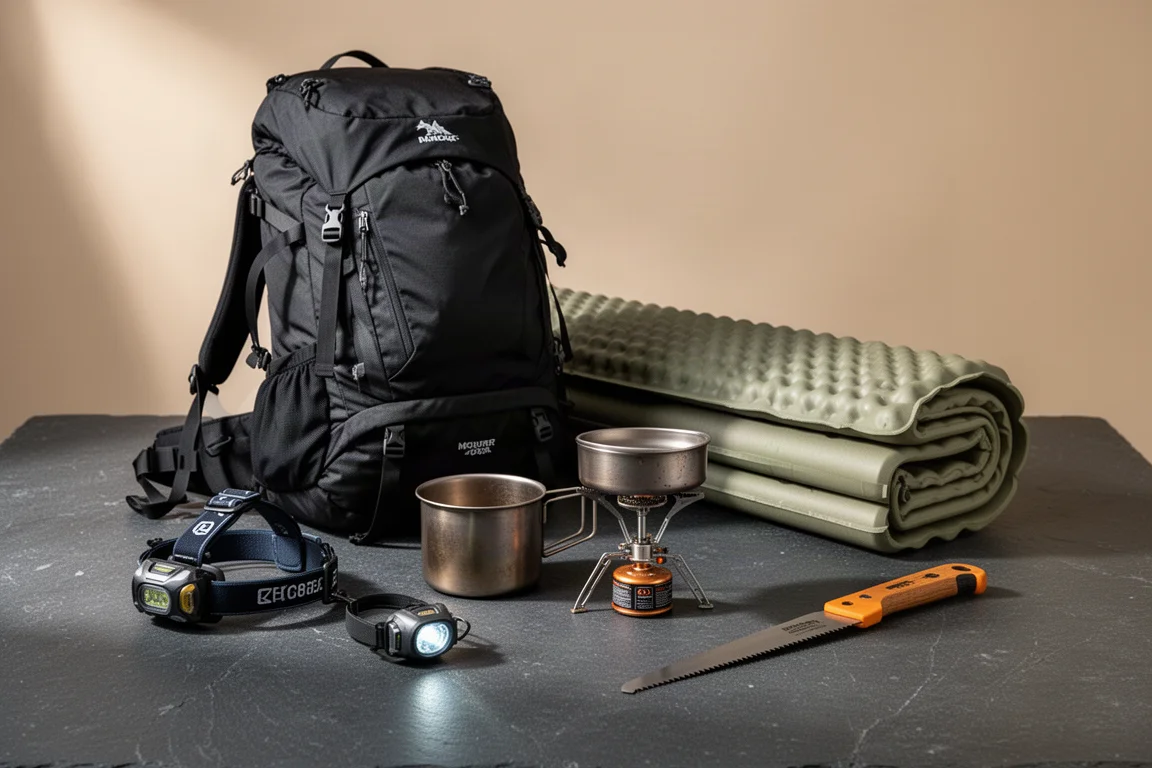
Winter camping in the Canadian Rockies demands gear that can handle extreme cold, deep snow, and unpredictable conditions. Whether you’re backpacking into a remote alpine basin or setting up a basecamp for a weekend of snowshoeing, the right equipment makes the difference between a comfortable adventure and a miserable one. This guide covers 12 essential items that have proven themselves in sub-zero temperatures, from the pack that carries the load to the sleep system that keeps you alive.
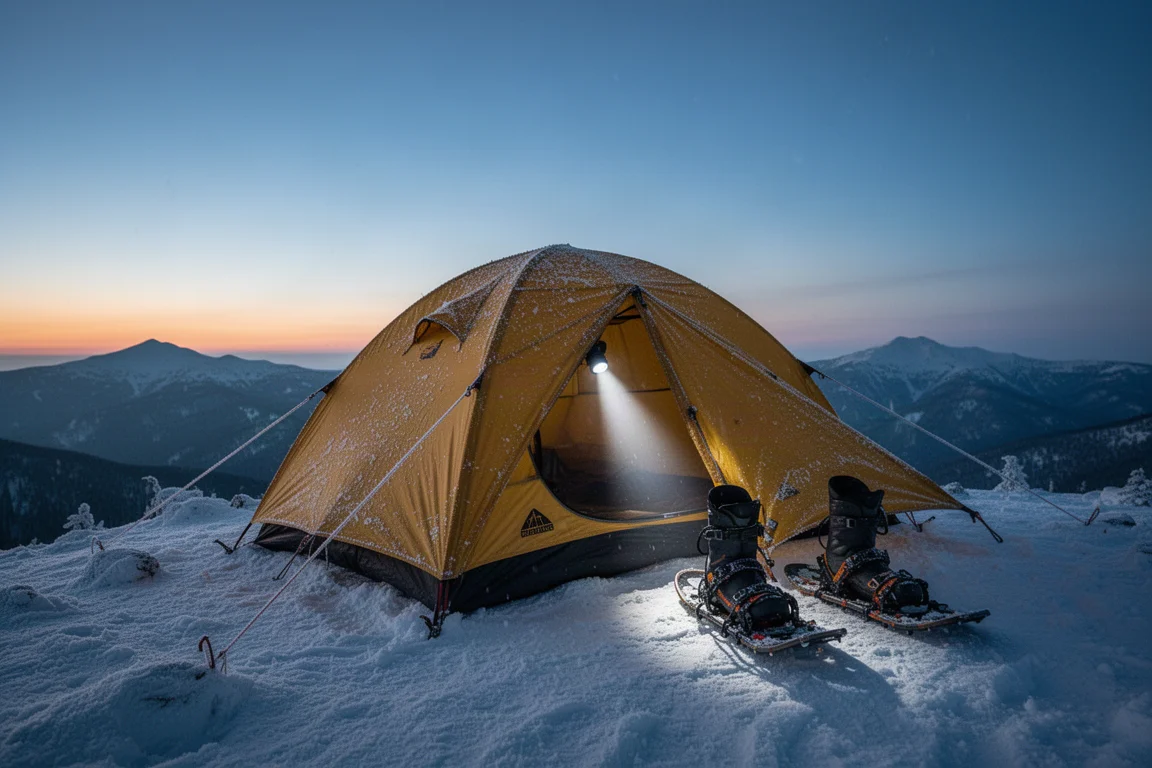
The gear here focuses on reliability and warmth rather than ultralight minimalism. In winter, a few extra ounces often translate to significantly more comfort and safety. Each item has been field-tested in temperatures well below freezing, and many have been used at -30°C.
How to Choose Winter Camping Gear
When selecting winter gear, prioritize warmth, durability, and reliability. Look for items with high R-values for sleep systems, stoves that perform in extreme cold, and packs that can handle bulky loads. Redundancy is also key: having a foam pad as a backup for your inflatable pad, or a synthetic quilt to manage moisture, can make a big difference.
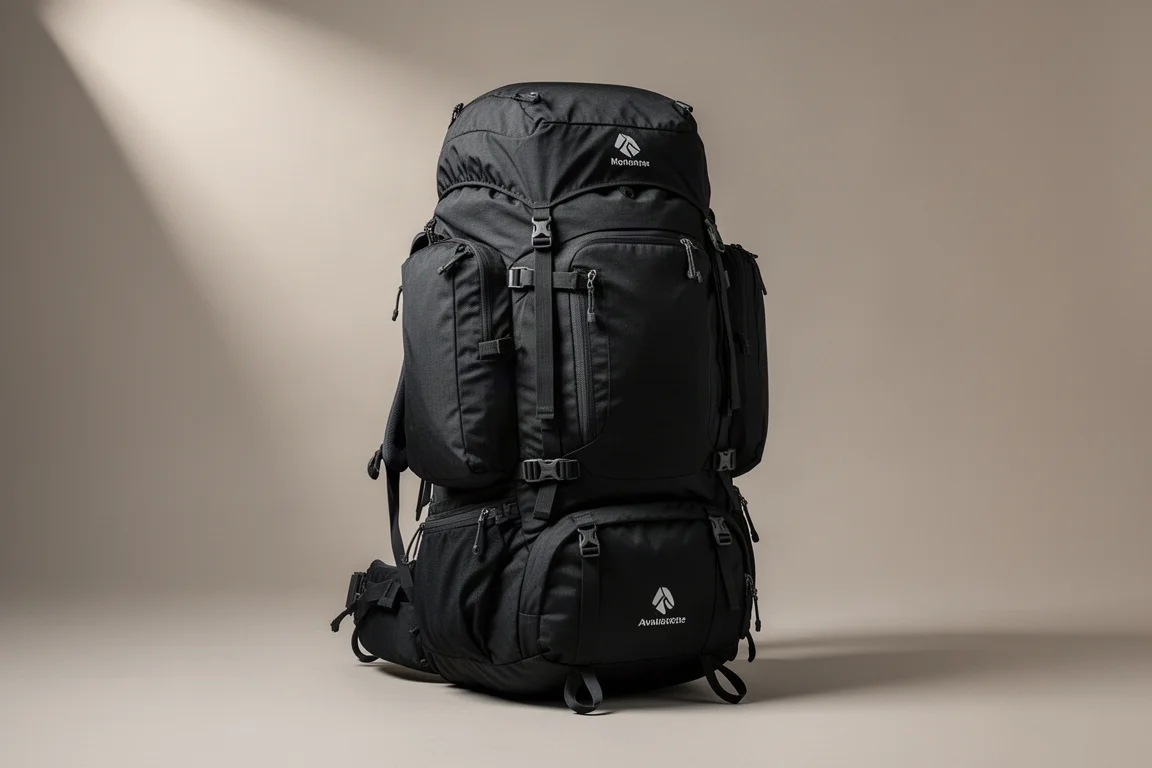
Mountain Hardwear AMG 75 Pack
For winter backpacking, a larger pack is often necessary because gear is bulkier and heavier. The Mountain Hardwear AMG 75 has become a go-to for cold-weather trips. It carries weight exceptionally well, having been tested with up to 50 pounds. Features like a dedicated avalanche gear pocket for a shovel and probe, plus carabiner loops for mountaineering tools, make it very practical. While it’s more pack than many people need, those who venture into serious winter terrain will appreciate its capability.
Outdoor Research San Juan Jacket
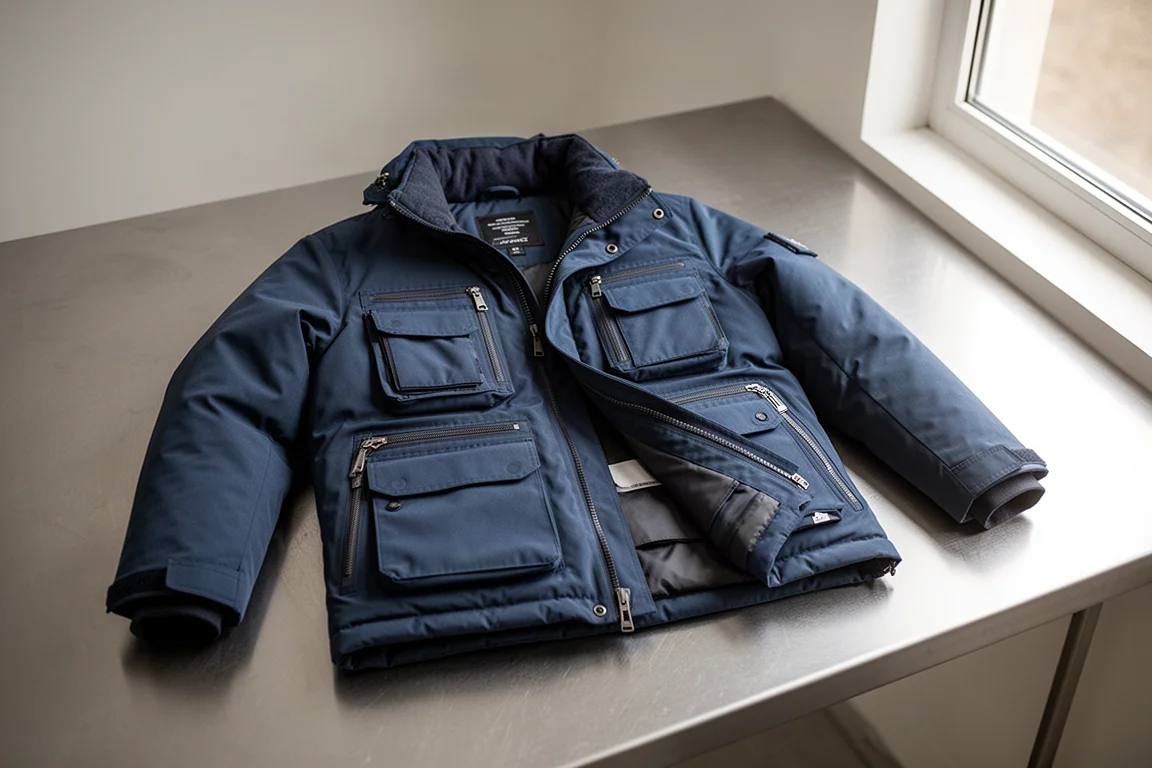
Keeping sensitive electronics warm is critical in extreme cold. The Outdoor Research San Juan jacket offers plenty of pockets for this purpose. An extra battery pack can be kept in one pocket to charge a phone and inReach device, while the inReach itself stays warm and accessible in another. A headlamp can be stored in a third pocket. The jacket also has internal pockets that fit a Platypus SoftBottle, keeping water from freezing.
Nitecore NU25 Headlamp
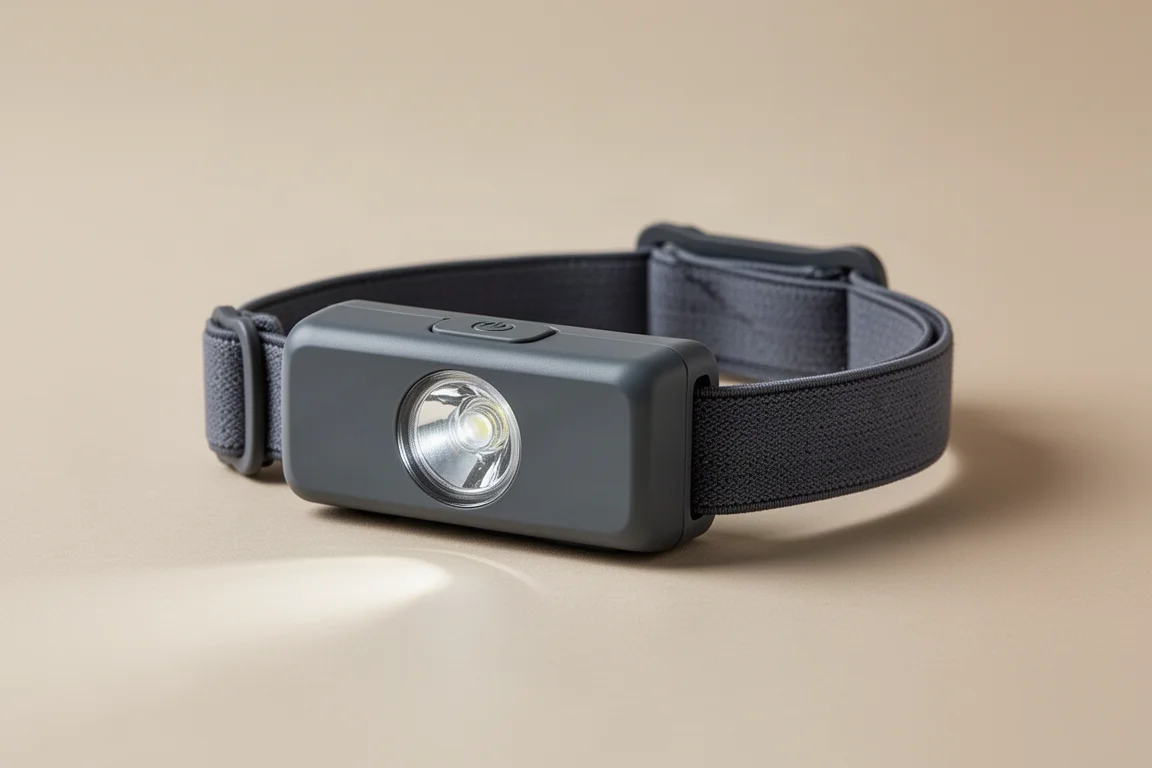
A reliable headlamp is essential for winter camping, where darkness arrives early. The Nitecore NU25 is bright and rechargeable, and it can be topped up from a battery pack kept warm inside a jacket. Its lightweight design makes it easy to carry as a backup or primary light source.
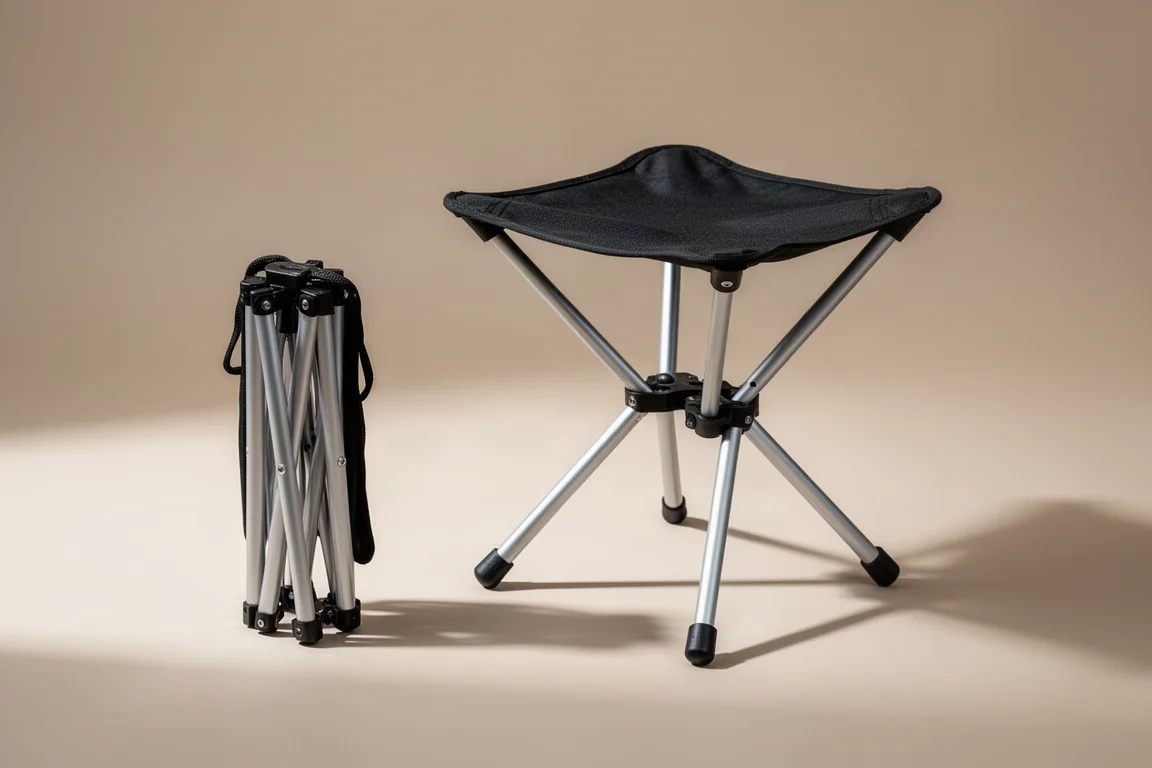
Hillsound BTR Stool
Sitting directly on snow drains warmth quickly. The Hillsound BTR Stool provides a lightweight, compact solution that gets you off the snow and distributes weight more evenly than a chair. It packs down small, making it easy to bring along without adding significant bulk.
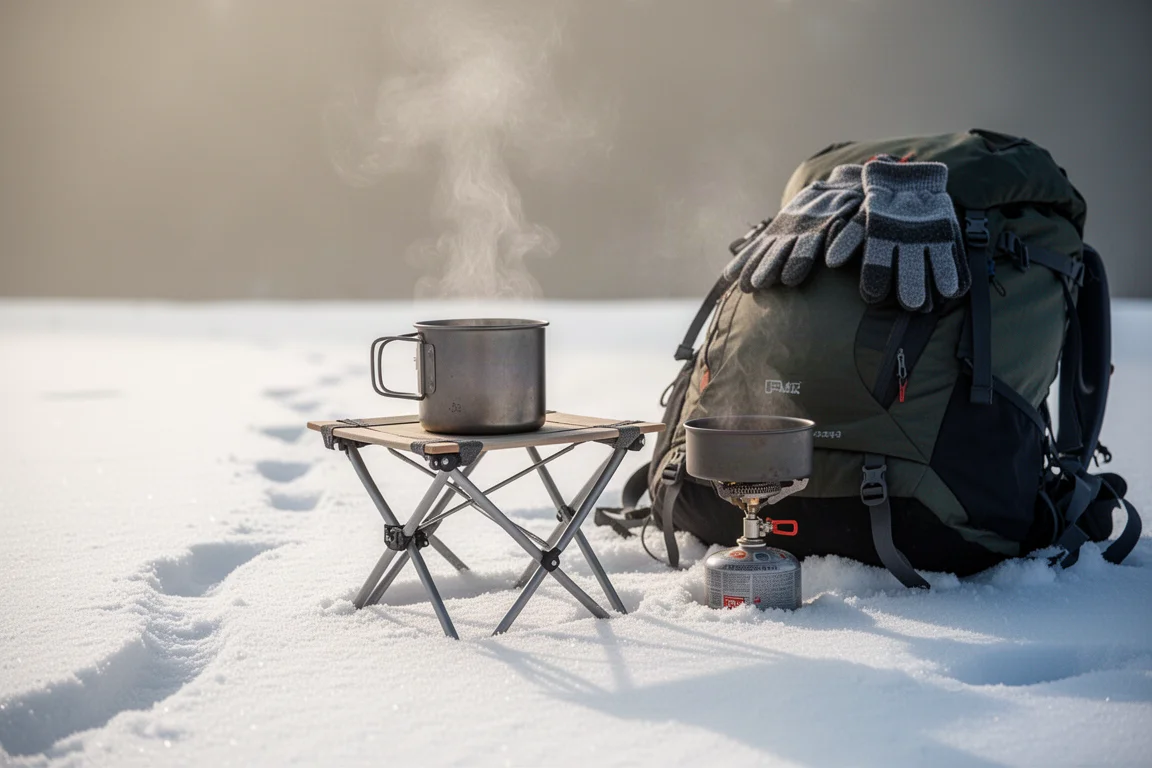
After a long day of hiking, having a comfortable seat around camp makes a noticeable difference in morale and warmth. The stool’s design also means you’re not balancing on a tiny seat, which can be precarious in deep snow.
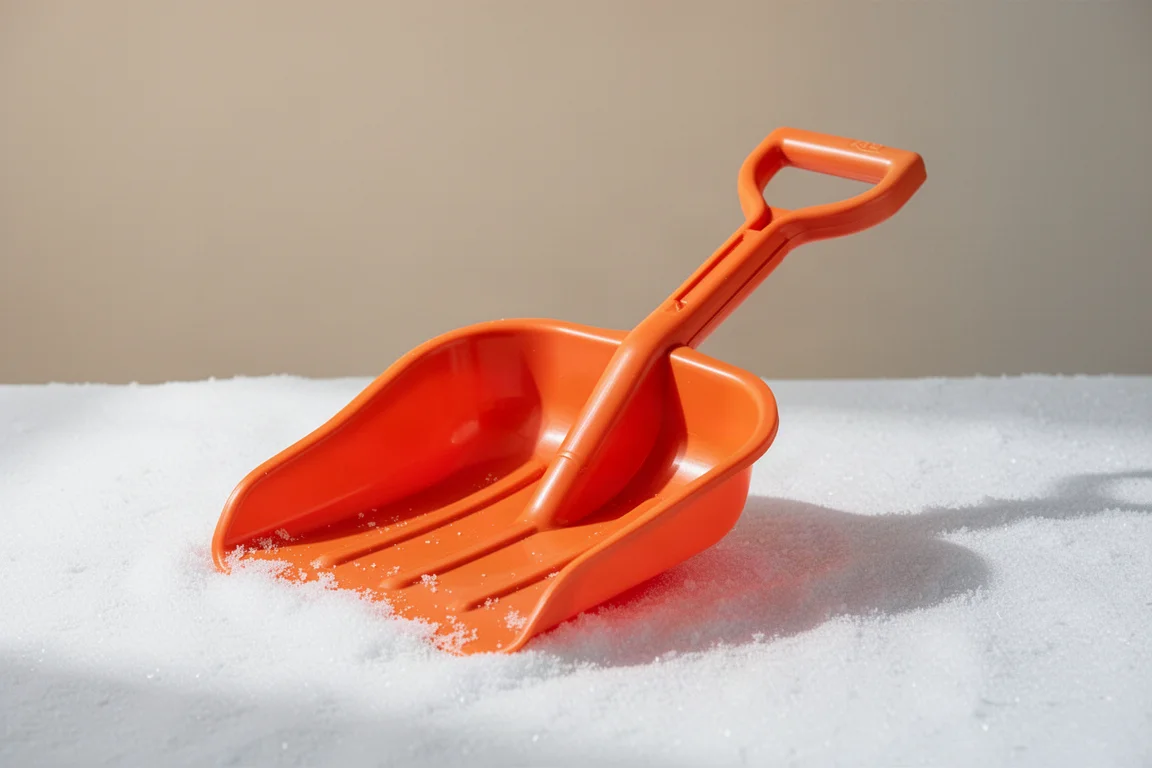
Snow Claw Shovel
Moving snow is a common task in winter camping, whether to level a tent site or build a windbreak. The Snow Claw Shovel is a lightweight plastic shovel that handles these jobs well. It digs down to the ground and moves snow efficiently, nearly as fast as an aluminum collapsible shovel, but at a fraction of the weight and packed size. It’s an underrated tool that earns its place in the pack.
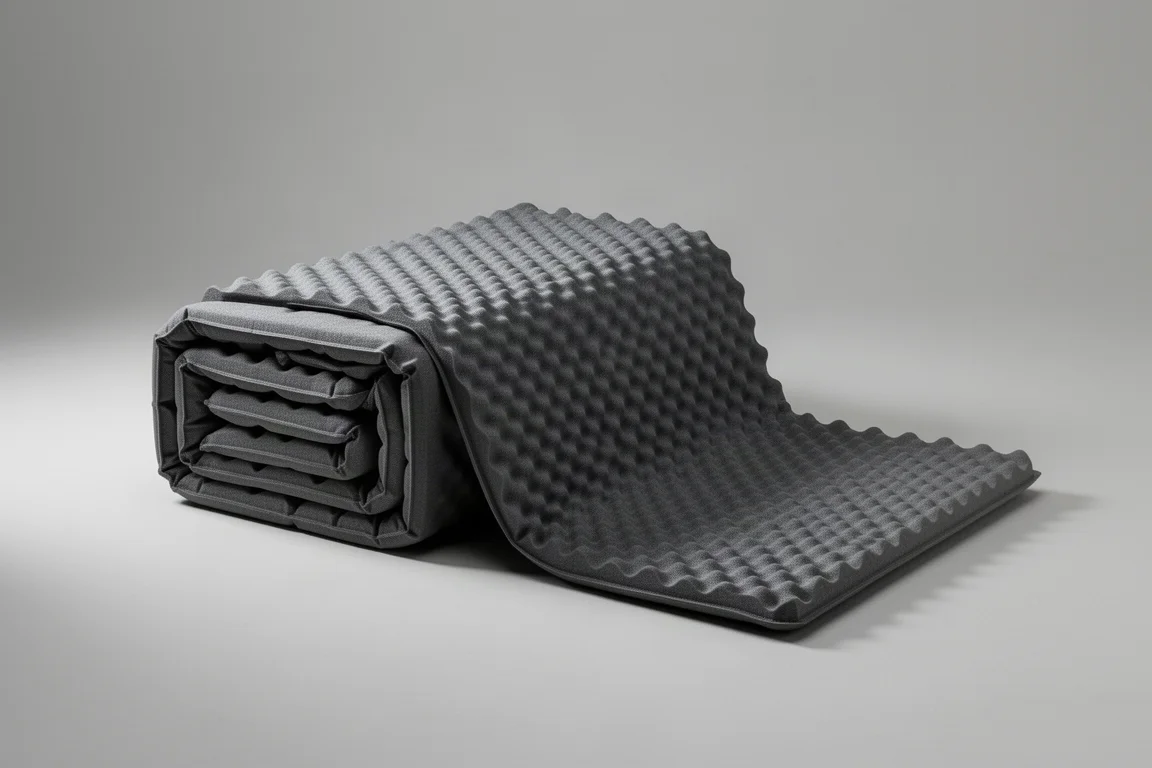
Nemo Switchback Foam Mat
A foam mat serves multiple purposes in winter. The Nemo Switchback has an R-value of 2, adding significant warmth when placed under an inflatable pad. It also works as a sit pad around camp and provides redundancy if the primary sleeping pad fails. Its accordion design folds compactly for transport.
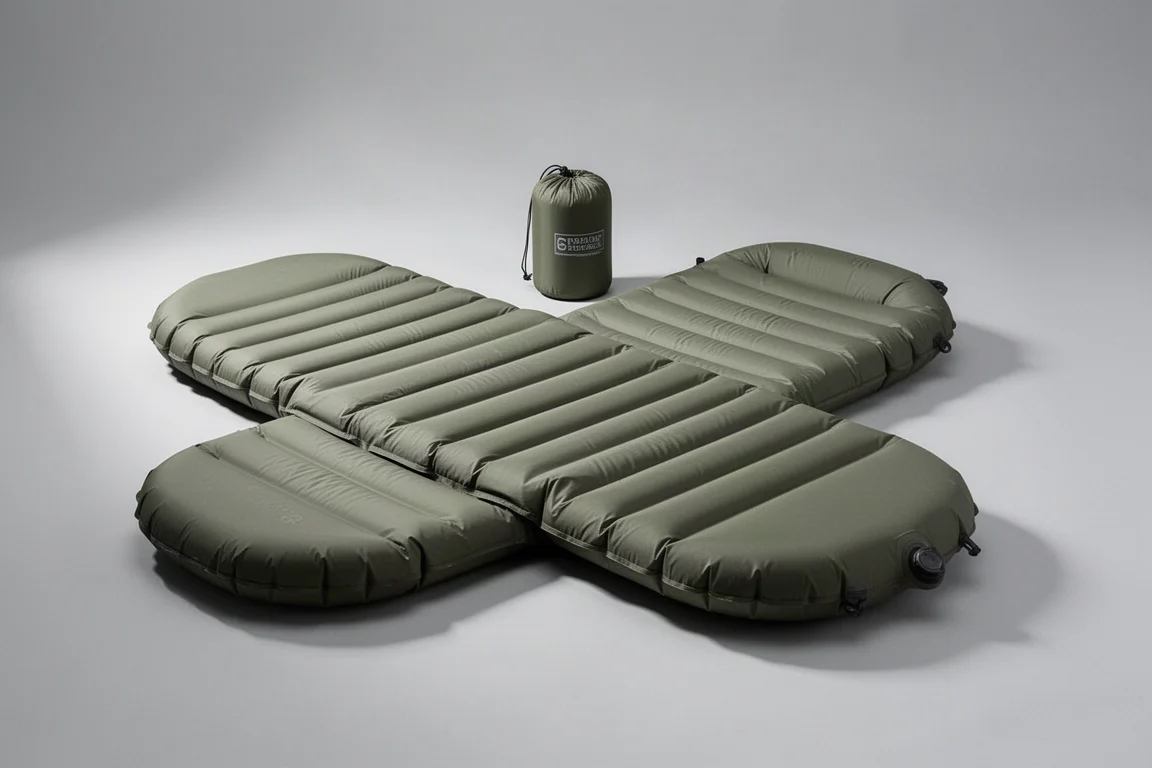
Therm-a-Rest XTherm Sleeping Pad
The sleeping pad is a critical component of any winter sleep system. The Therm-a-Rest XTherm boasts an R-value of 6.9, making it one of the warmest options available. It has proven to be the best-performing winter pad in testing, offering a durable, warm, and lightweight solution for sub-zero nights.
Therm-a-Rest Polar Ranger Sleeping Bag
For extreme cold, the Therm-a-Rest Polar Ranger is a top choice. It has a comfort limit of -20°C and a limit rating of -30°C. It has been used comfortably at -30°C. The bag includes numerous features tailored to winter camping, making it a reliable foundation for any cold-weather sleep system.
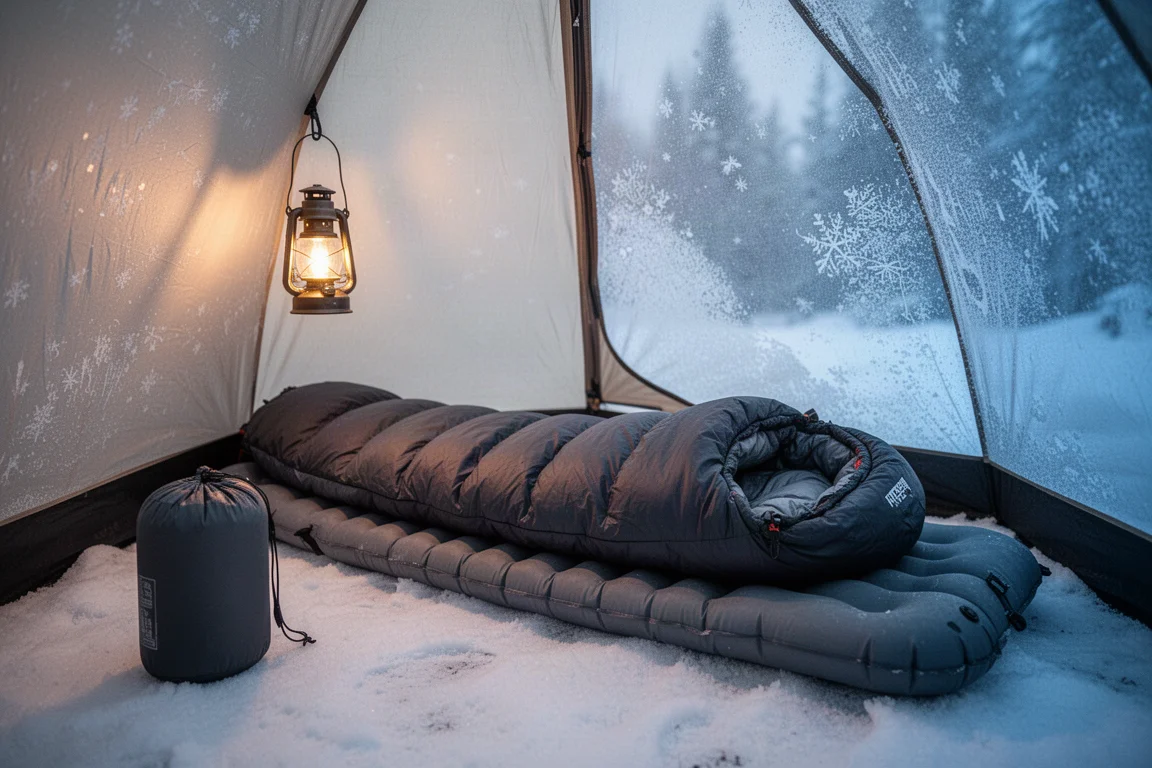
The Polar Ranger’s design focuses on warmth retention and ease of use in frigid conditions. Features like a draft collar and ample loft help seal in heat, while the bag’s construction minimizes cold spots.
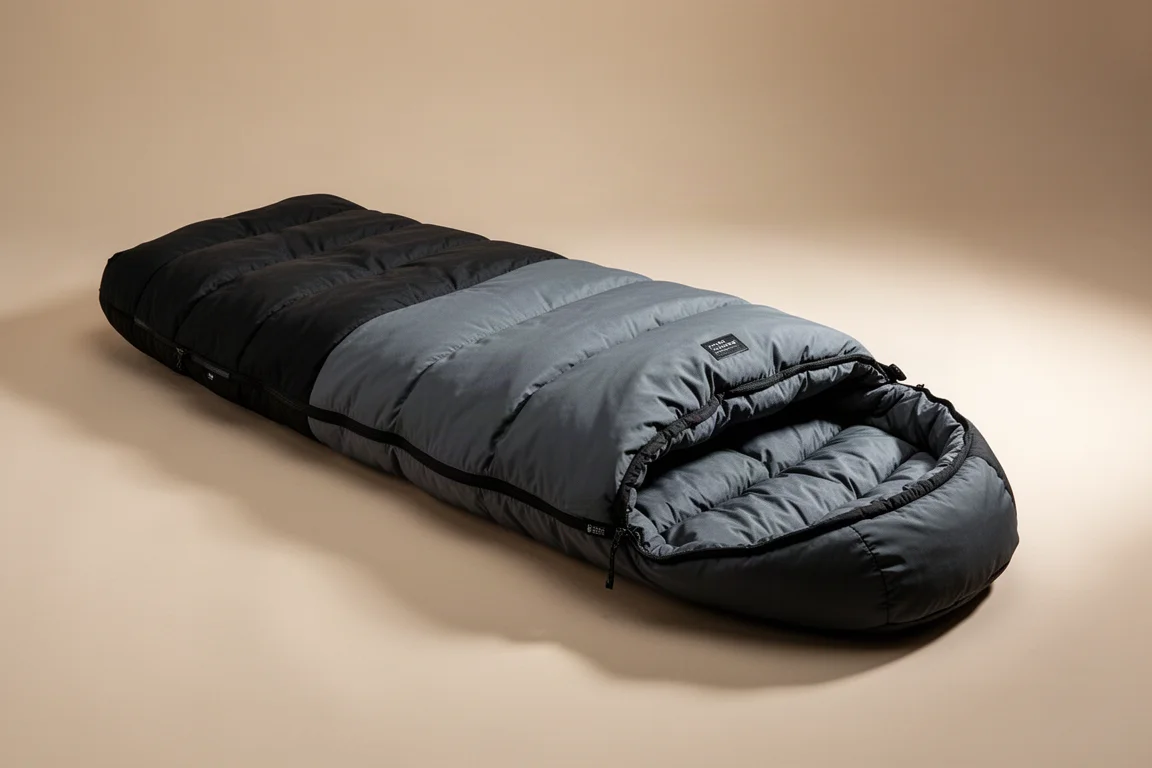
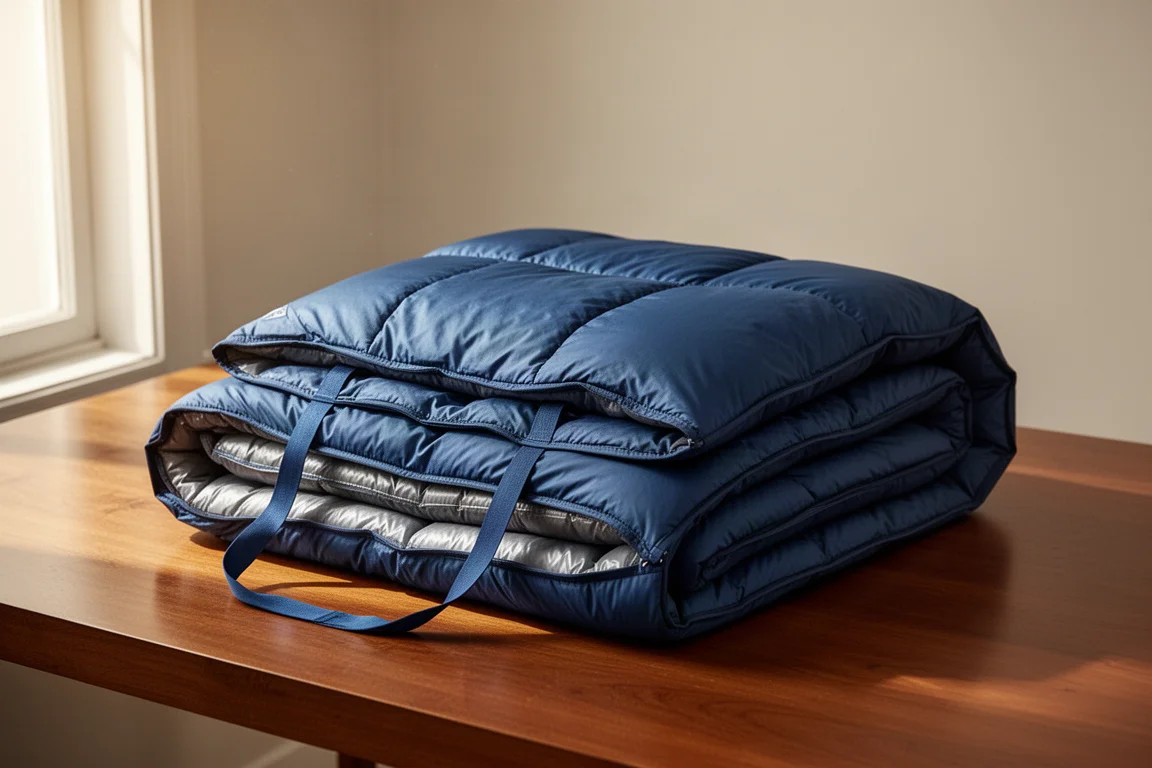
Enlightened Equipment Revelation Apex Quilt
Adding a synthetic quilt over a down sleeping bag can significantly improve moisture management. The Enlightened Equipment Revelation Apex is a synthetic quilt that provides extra warmth and moves moisture away from the down bag, where it can condense and reduce loft. Synthetic materials dry faster than down, making this a smart layering strategy for winter.
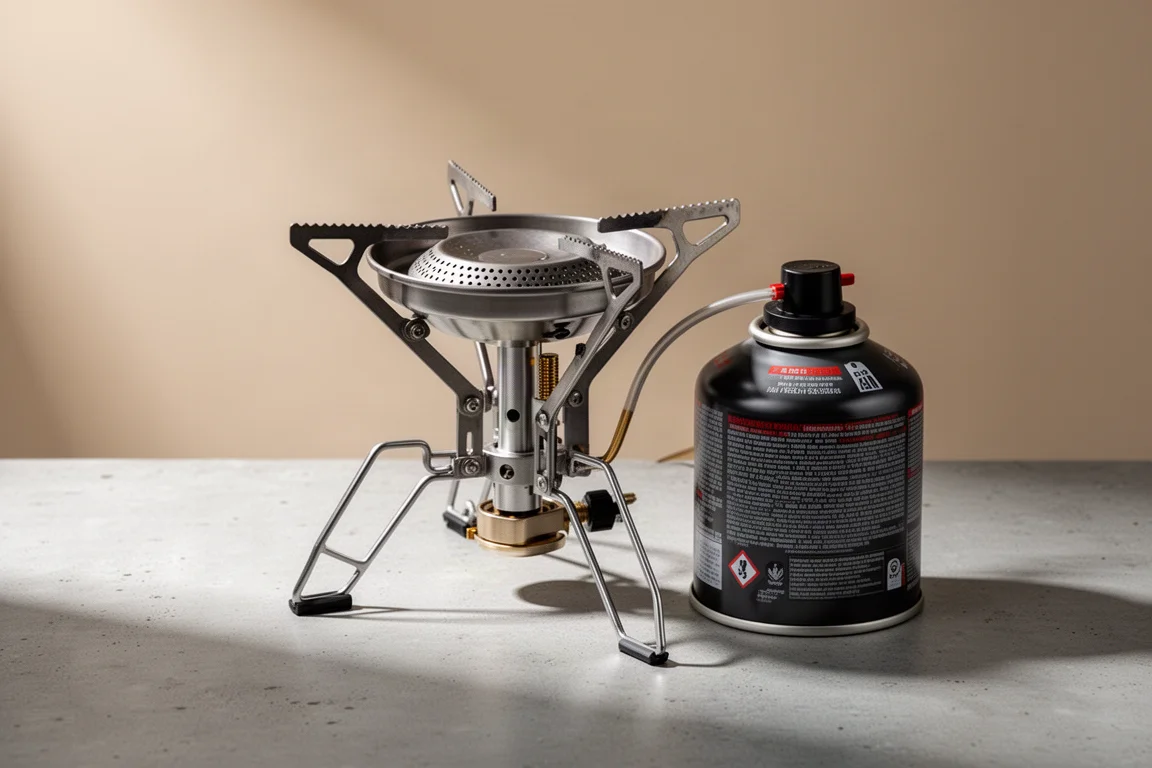
MSR WhisperLite Stove
Cooking in winter requires a stove that performs reliably in extreme cold. The MSR WhisperLite is a robust option with a remote canister system, a large burner, and a preheating tube. It has been used at -30°C without issue, boiling water efficiently for freeze-dried meals. Its stability and power make it a favorite for group trips.
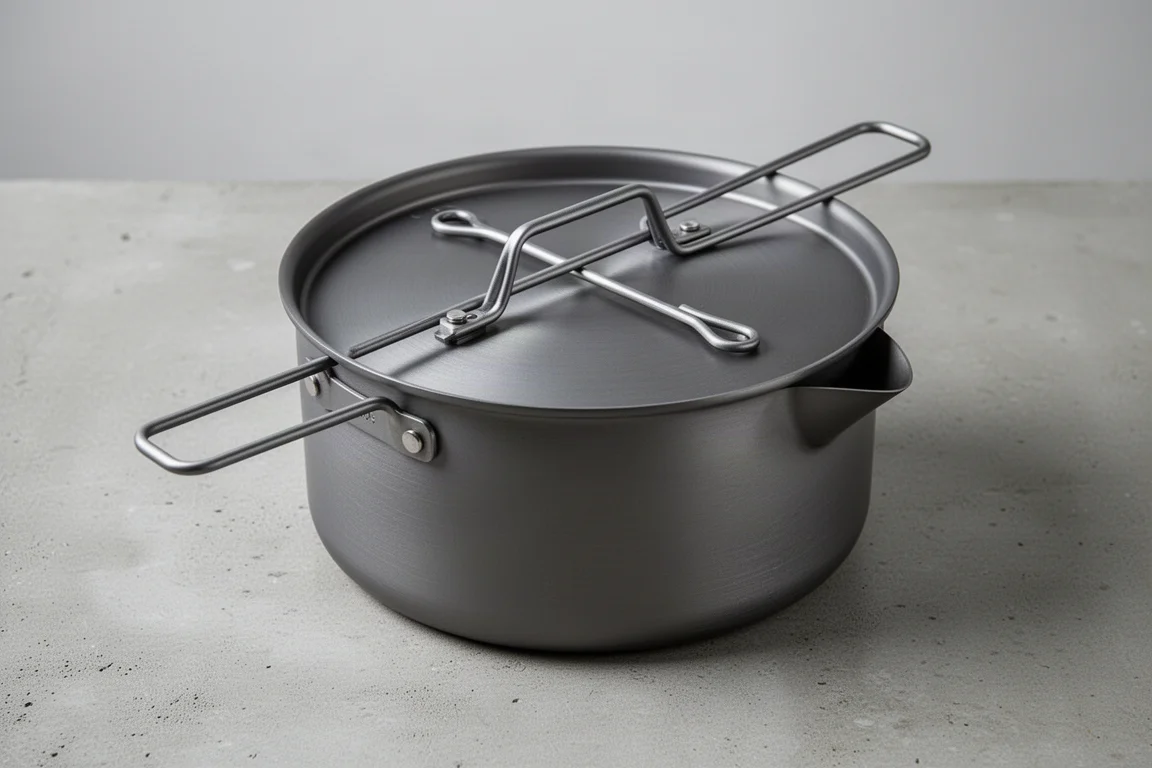
Toaks 2L Titanium Pot
Melting snow for water is a constant chore in winter. A large pot speeds this up. The Toaks 2L Titanium Pot offers a generous capacity for melting snow and is lightweight. It’s particularly useful for group trips where more water is needed.
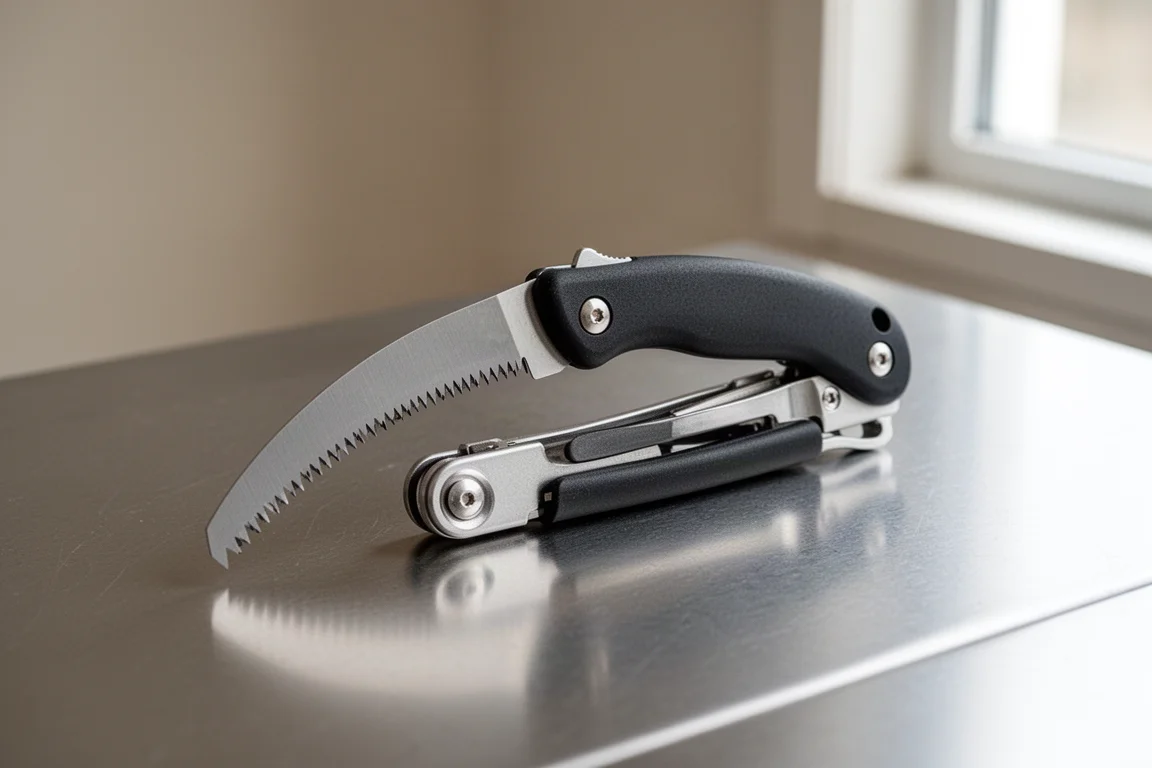
Silky Pocket Boy Saw
A saw is essential for processing firewood, especially when using a hot tent stove. The Silky Pocket Boy is a go-to saw that cuts through wood quickly and efficiently. It is more expensive than some alternatives, but its performance justifies the cost for those who rely on fires for warmth.
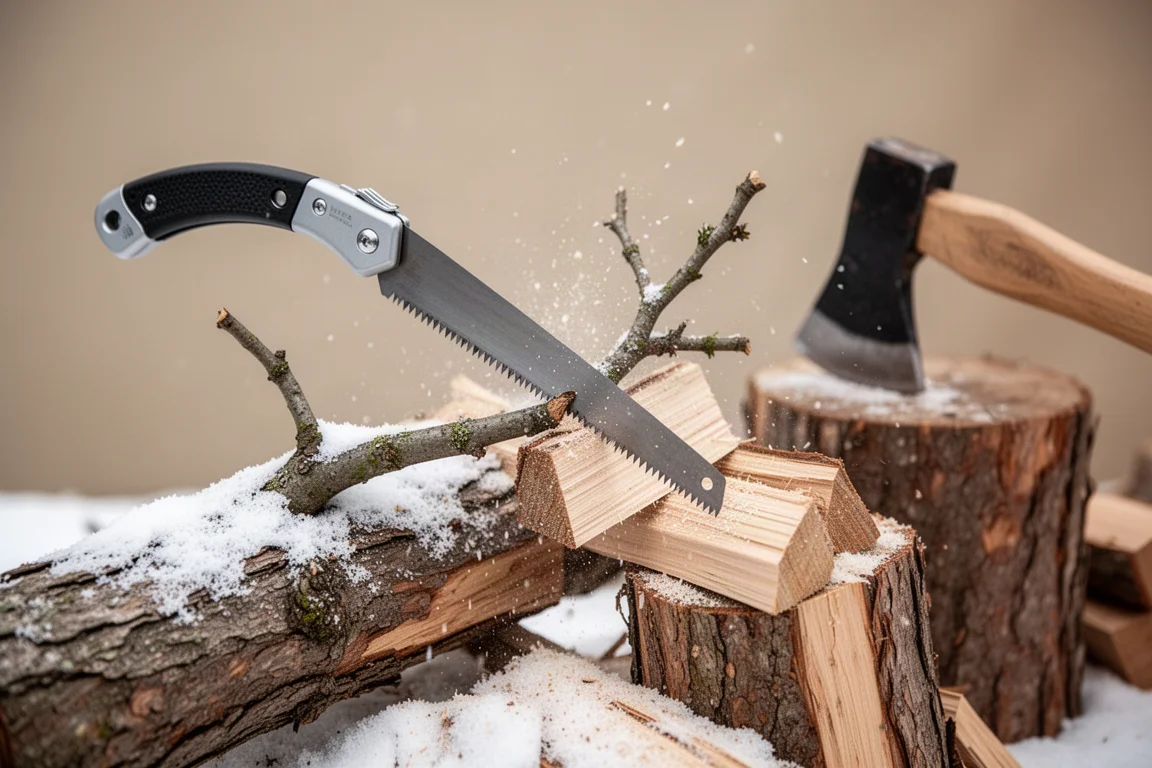
The saw’s sharp blade and ergonomic handle make quick work of branches and logs, reducing the effort required to gather fuel. Its compact size fits easily in a pack.
Buying Advice
When building a winter camping kit, focus on items that address the specific challenges of cold weather: insulation, moisture management, and reliability. Prioritize a high-R-value sleeping pad and a sleeping bag rated for the temperatures you expect. A pack that carries weight well and a stove that performs in extreme cold are also critical. Don’t overlook small items like a foam mat for redundancy, a synthetic quilt for moisture control, and a sturdy saw or shovel for camp chores. While some items are expensive, they often provide better performance and durability, which is crucial when safety is on the line.
Conclusion
Winter camping in the Canadian Rockies is rewarding but demanding. The gear in this guide has been tested in real sub-zero conditions and proven to keep adventurers safe and comfortable. From the load-carrying capability of the Mountain Hardwear AMG 75 to the warmth of the Therm-a-Rest Polar Ranger, each item earns its place in the pack. Choose gear that matches your specific needs and the conditions you’ll face, and you’ll be well-prepared for a memorable winter adventure.
Further reading
Related Reviews
Winter Camping Gear
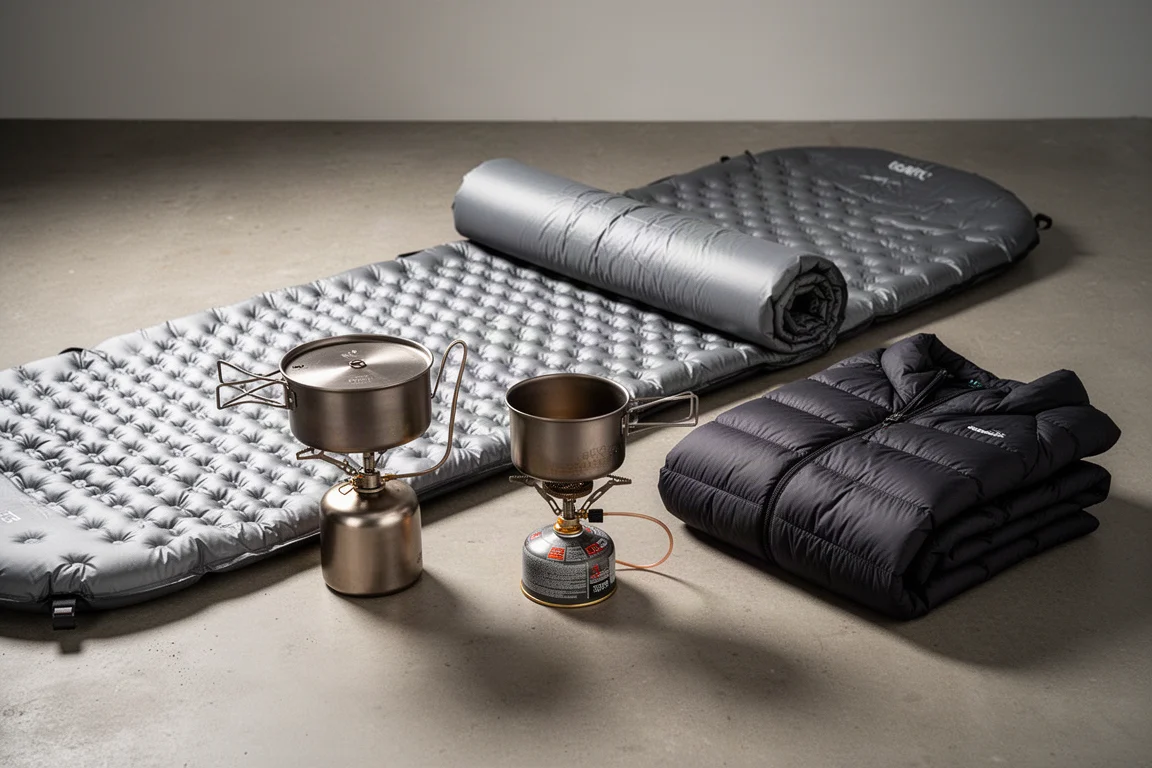
Affordable Winter Camping Gear: Six Budget Pieces Tested Below Freezing
Three reflective sleeping pads, an updated down jacket, a titanium pot and a $25 winter stove, assessed on frozen ground at around minus 12 degrees Celsius.
Winter Camping Gear
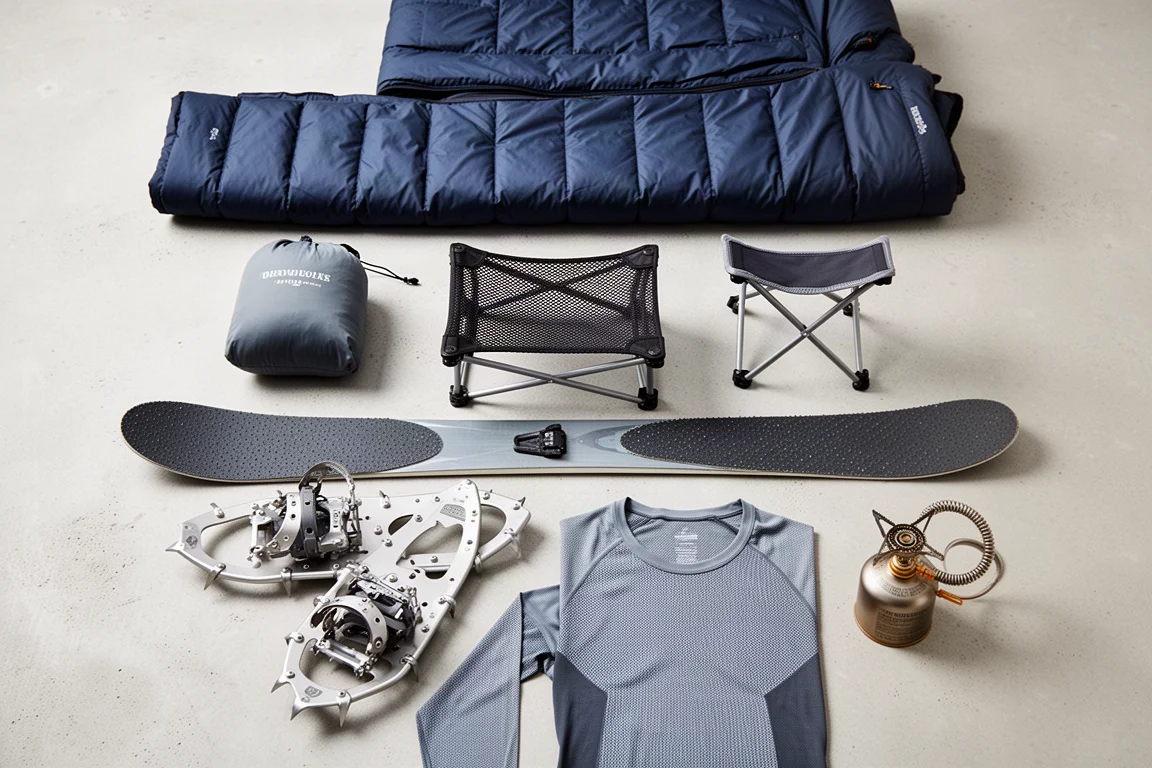
Best Winter Camping Gear 2026: Seven Pieces Worth Packing
A practical look at seven winter camping items, from an insulated parka rated to minus 20 degrees Celsius to a titanium stove built for cold canisters.
Winter Camping Gear
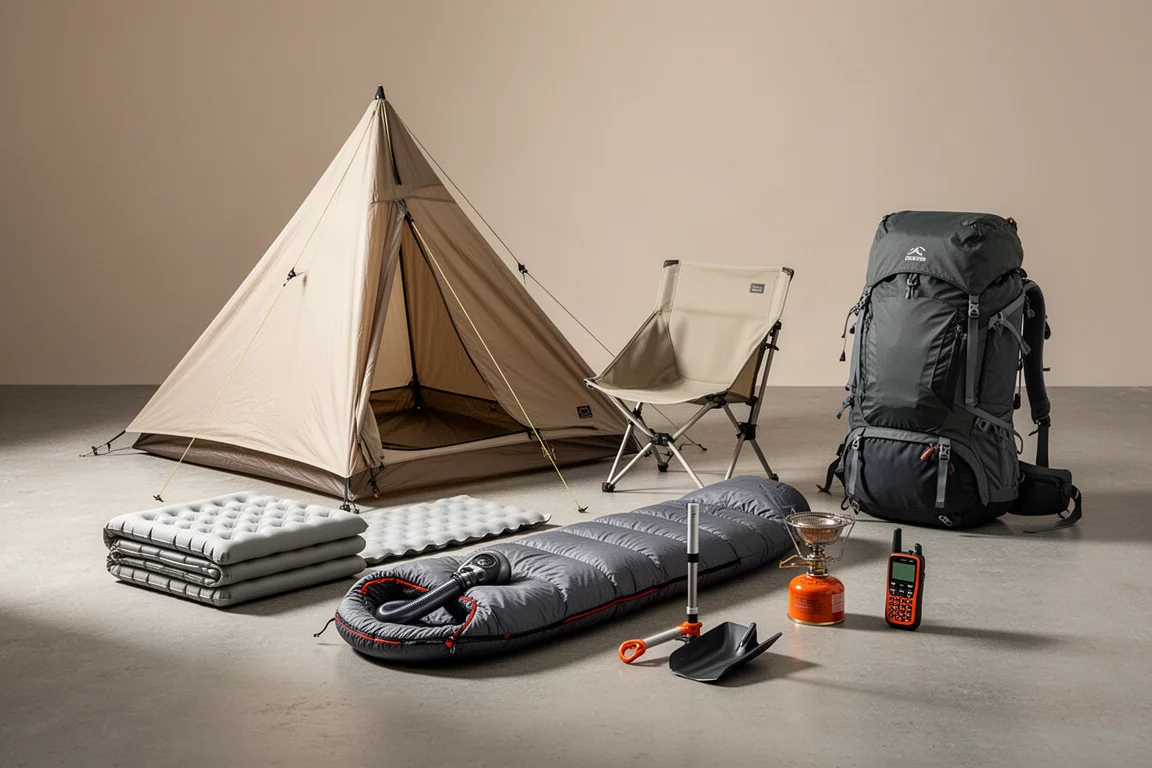
Ultimate Winter Camping Gear List: Proven Essentials for Cold-Weather Adventures
A curated list of winter camping gear that has proven itself in freezing temperatures, from shelter and sleep systems to cooking and safety essentials.