Winter Camping Gear
Winter Camping Gear for Deep Cold: A Practical Roundup
A practical roundup of winter camping gear for deep cold, from load-hauling packs and lightweight shelters to sleeping pads, bags, and a cook system that reliably melts snow.
Introduction
Winter camping gear has to do two jobs at once. It has to keep you warm and safe in genuinely cold conditions, and it has to stay light enough to carry on a multi-day backcountry trip. That balance rarely comes for free, and almost every item below involves a deliberate trade-off.
This roundup covers winter camping gear that has proven itself in conditions ranging from a few degrees below freezing down to roughly minus 40 degrees Celsius. The emphasis is on what each piece does well, and where it asks you to compromise.
How These Winter Camping Choices Were Evaluated
Three questions shaped this list. First, does the item still work when temperatures drop well below freezing, including the parts that are easy to overlook, such as fuel, batteries, and stored water. Second, does it carry comfortably over long distances, since winter pack weights can climb past 40 to 50 pounds. Third, is the trade-off acceptable, because a heavier or more complicated item can still be the right choice when reliability matters more than saving grams.
The result is a set of gear that prioritizes dependable performance in deep cold over ultralight numbers. Every entry below includes the compromise you should expect before you buy.
Mountain Hardwear AMG 75: A Pack Built for Heavy Winter Loads
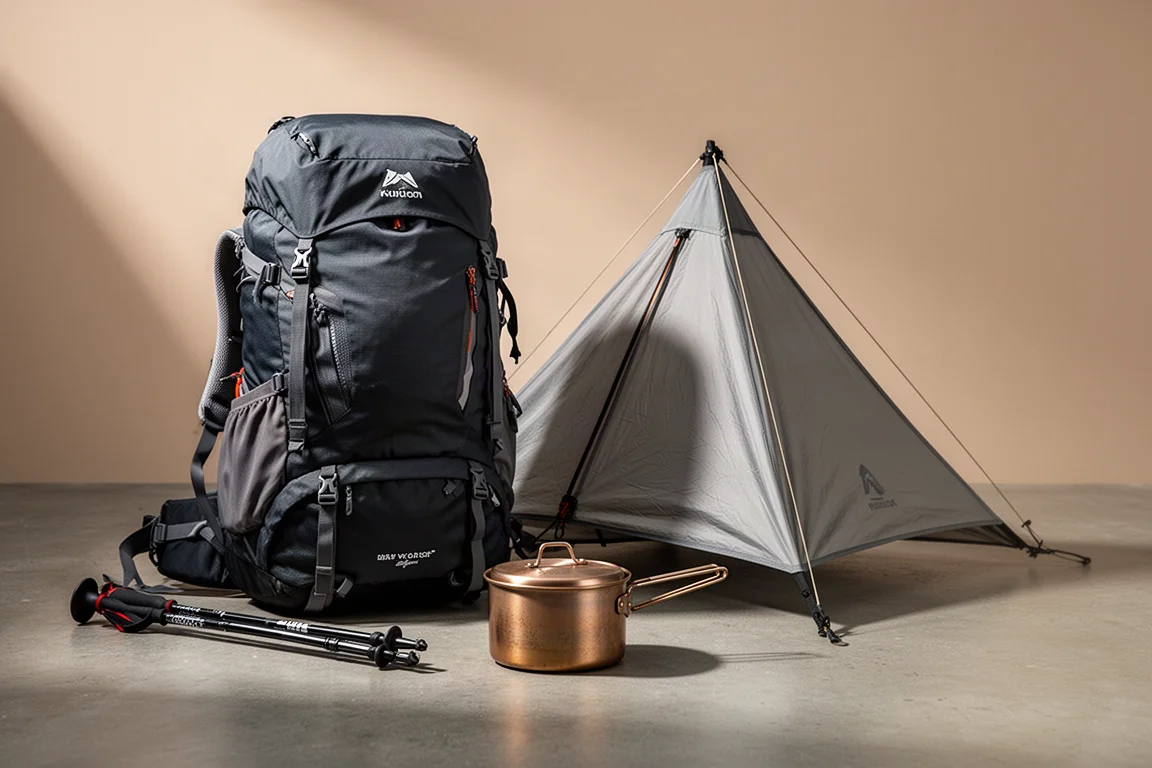
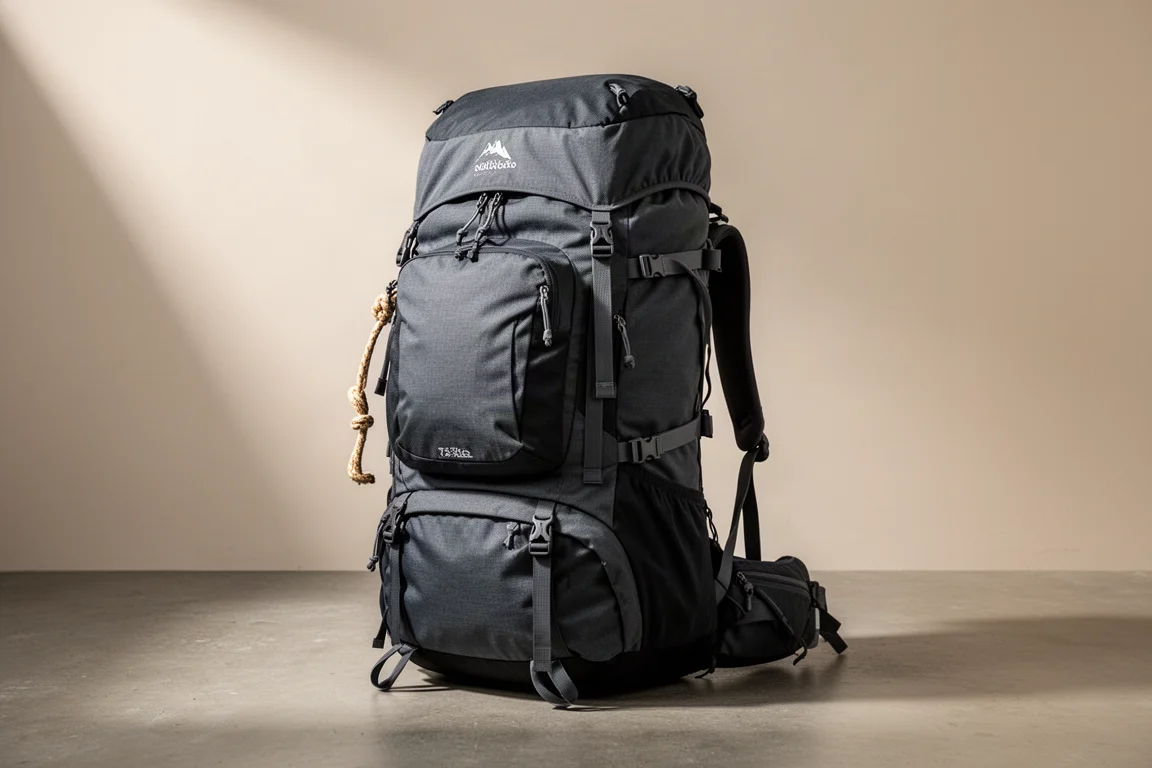
The AMG 75 was chosen for three reasons: organization, fit, and load carrying. It has a front pocket sized for avalanche gear, plenty of pockets in the lid, and a generous set of straps for attaching items externally. The volume is right for multi-day backcountry trips in winter.
An adjustable torso makes a real difference once you are carrying a lot of weight, because a dialed-in fit is what lets a heavy load sit comfortably. That matters when pack weight regularly reaches 40 to 50 pounds, which the AMG 75 handles without complaint.
The trade-off is weight. At over 2 kg, it is considerably heavier than ideal, and a lighter version with the same feature set would be a genuine improvement.
Durston X-Mid 1 Plus: A Shelter for Sheltered Winter Camps
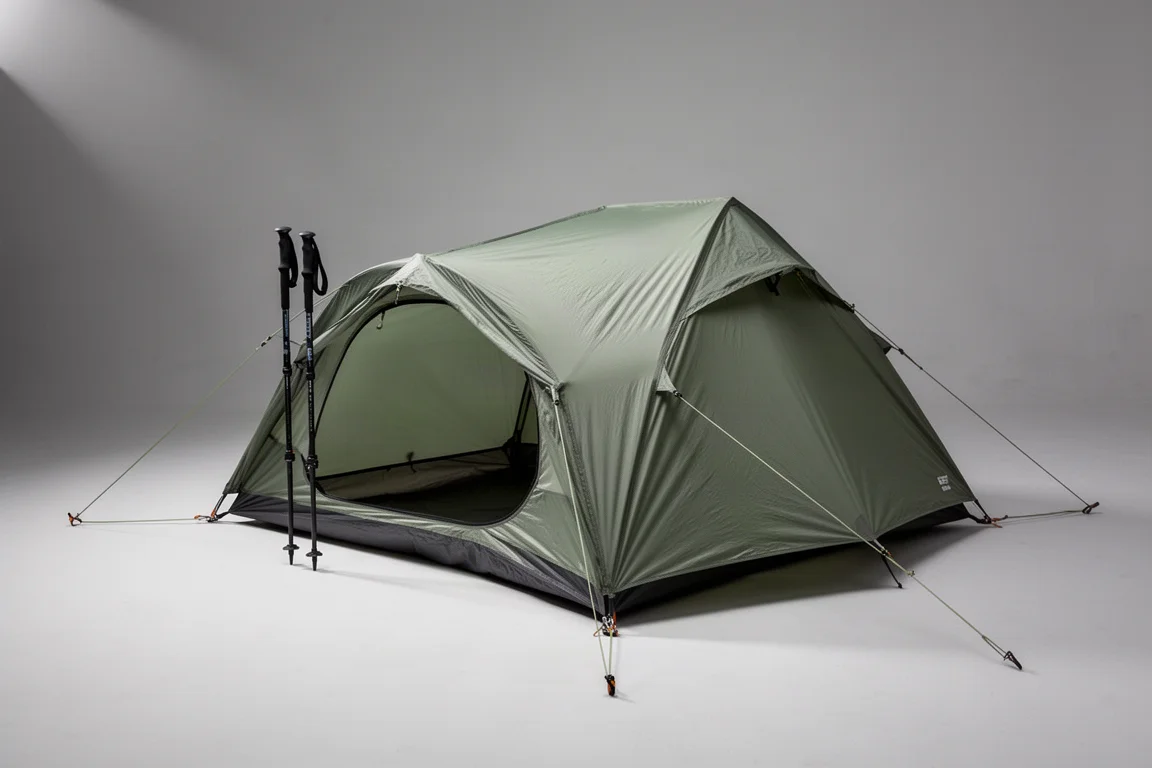
The X-Mid 1 Plus is sold as a three-plus season tent, and it handles winter well as long as you are not heading into exposed alpine terrain where blizzards and heavy snow are part of the picture. Kept in a relatively sheltered spot, it performs very well in cold conditions.
Two features stand out in winter. It can be pitched without any stakes at all, including for the vestibule, which makes setup far easier on sugary snow or frozen ground. Installing two trekking poles at either side of the tent adds meaningful structural support. Interior space is generous, so you can lay out gear and change clothes inside, and the vestibule is a good size for anything you want to keep out of the inner.
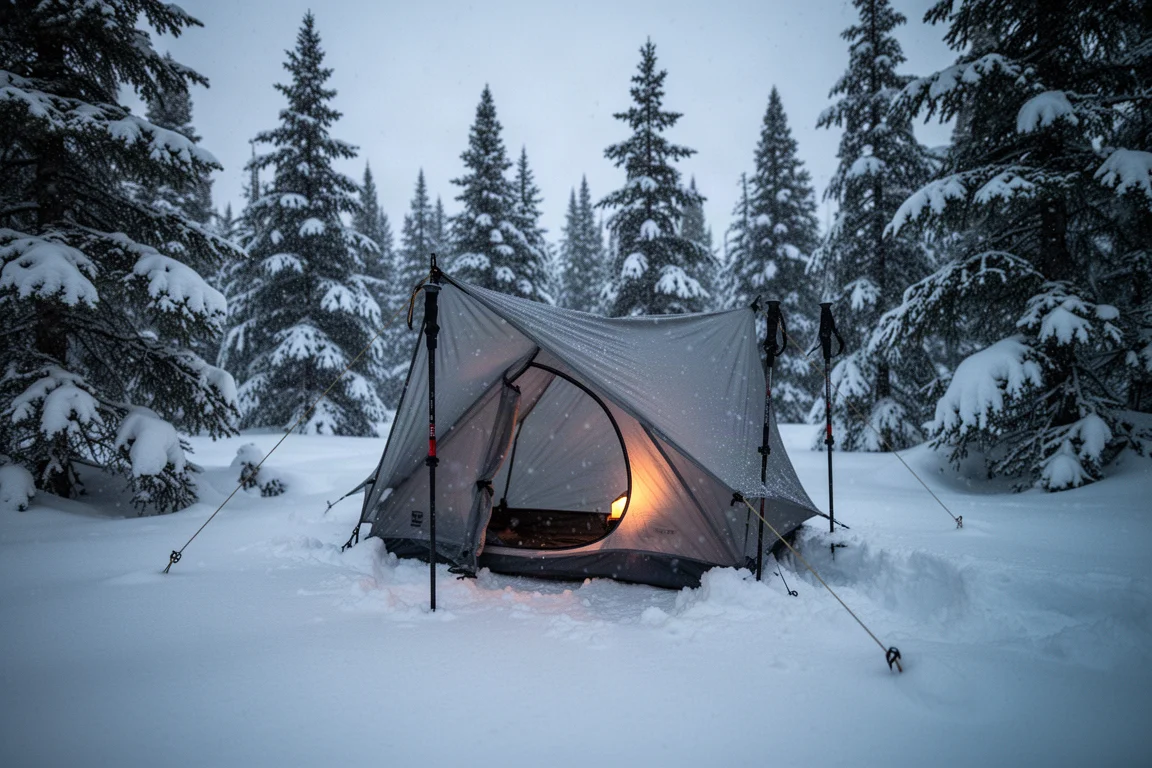
Storm worthiness is solid within its intended range, having held up in winds around 60 km/h when guyed out fully. Above that, in genuinely exposed alpine conditions, it is not the shelter to bring.
Nitecore Summit 10000: A Power Bank That Heats Itself
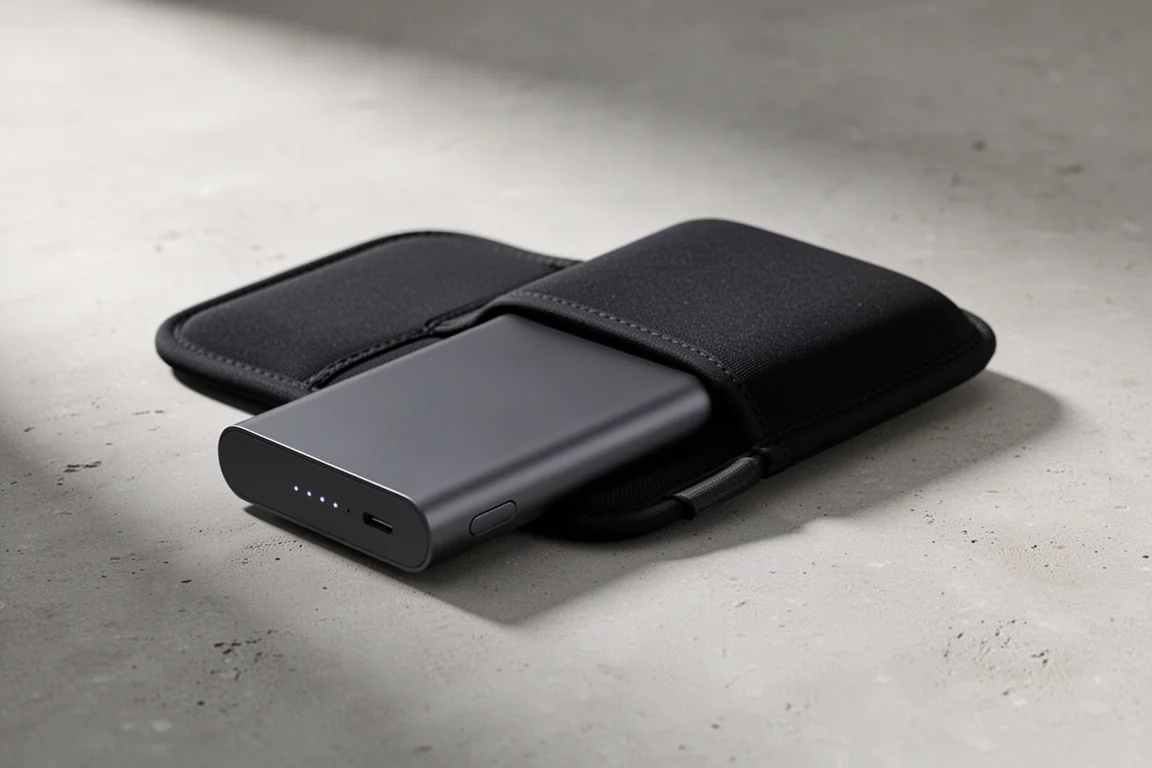
Cold is hard on lithium batteries, and the Summit 10000 addresses that directly by heating itself so it can keep operating at low temperatures. It is advertised to work down to minus 20 degrees Celsius, which covers most winter backcountry use.
The one catch is that the self-heating works best when you use the small insulating bag it ships with. Treat that bag as part of the system rather than an accessory, and the power bank behaves far more predictably on cold trips.
Toaks 2L Titanium Pot: The Right Volume for Melting Snow
In winter, the cook system does something different from the rest of the year. It is a water supply. Melting snow takes time and fuel, so pot volume matters more than it does in summer.
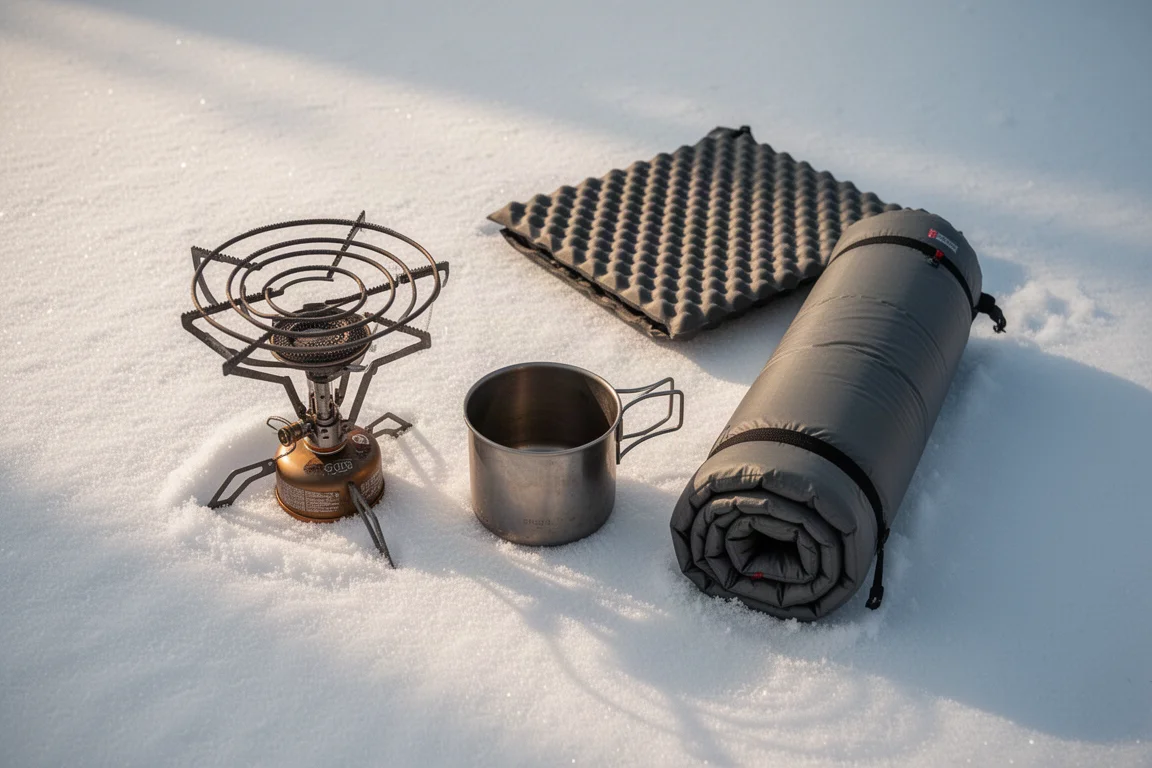
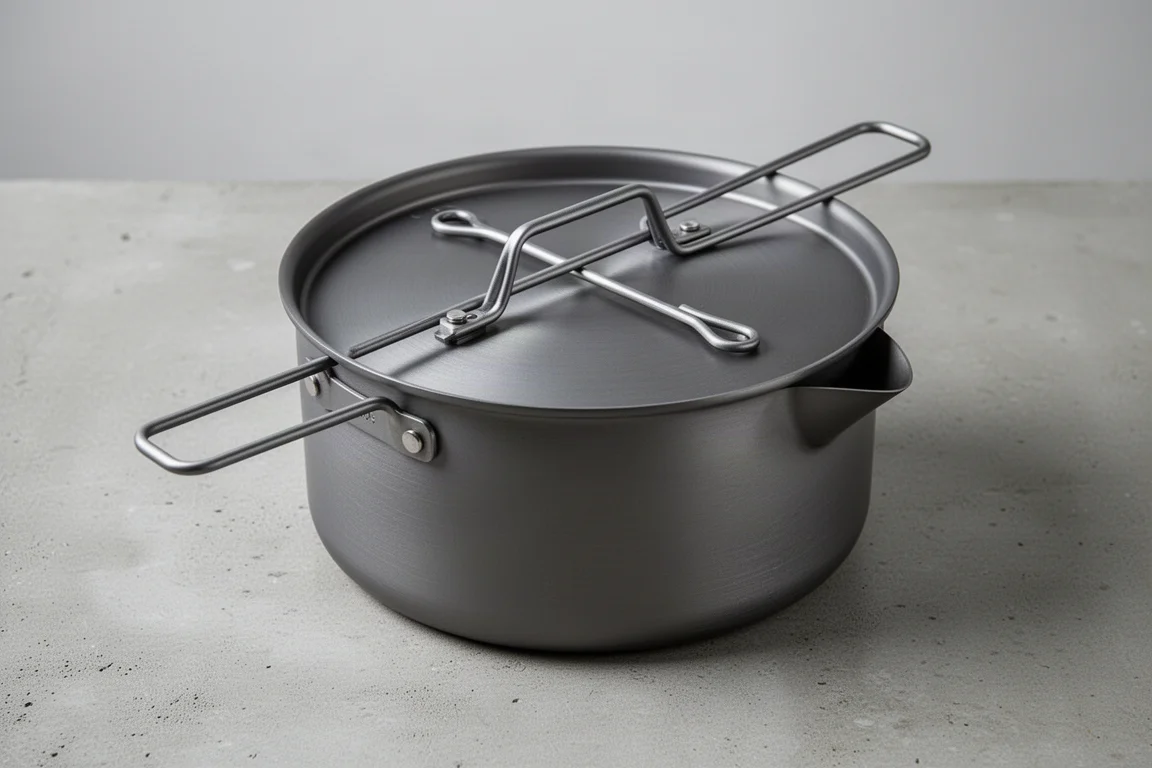
The Toaks 2L titanium pot is light and sized well for the job. It holds enough to melt snow for a freeze-dried meal, have something extra to drink, and refill a bottle in one session. The folding handle clamps over the lid to keep the pot and its contents together in the pack, then folds out so you can lift the pot off the stove and pour through the spout on one side.
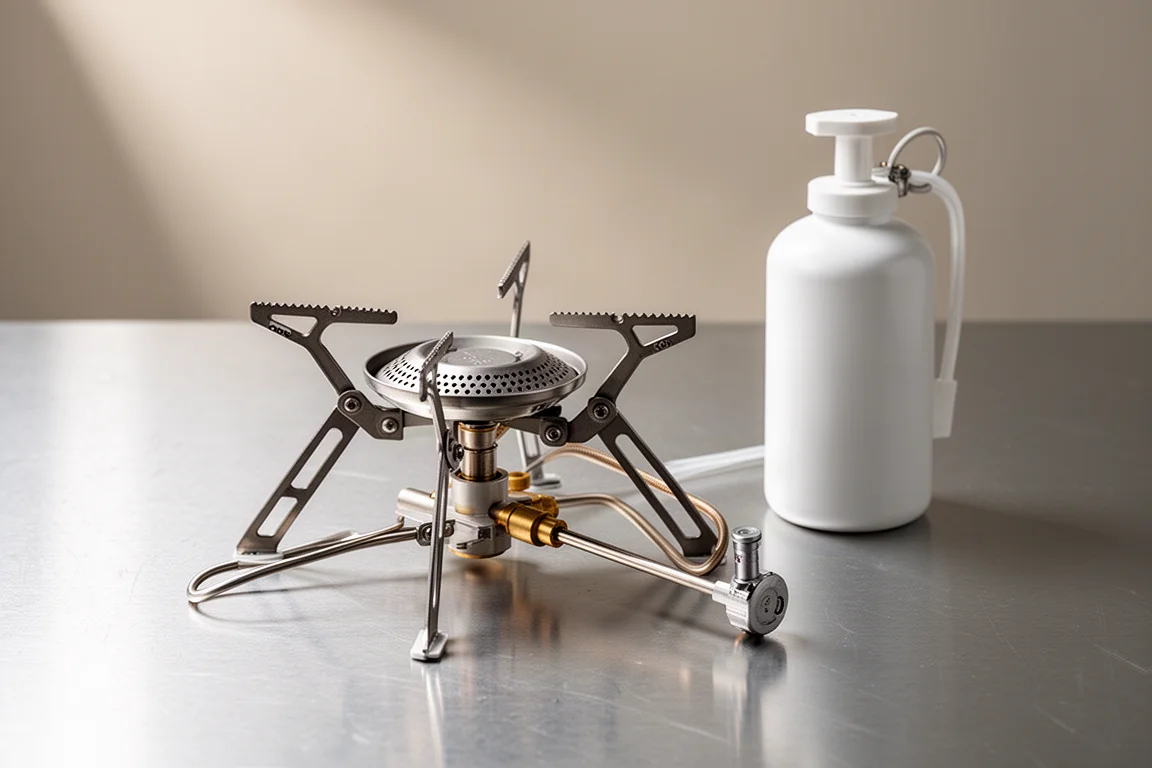
MSR WhisperLite: A Stove That Runs on White Gas
The WhisperLite stands out because it accepts more than one fuel type. It can run on canisters or on white gas, and white gas is the better performer in genuinely cold temperatures. It also lets you carry only the fuel you need rather than committing to a full canister.
That flexibility comes with complexity. The system is heavier than simpler stoves, and getting it running involves inserting a pump into the white gas canister, connecting it to the stove, and preheating the tube before ignition. It is more of a process, but one that becomes routine quickly. Paired with a windscreen and a ground reflector, it makes efficient use of the heat it produces, which matters when every melt of snow costs fuel.
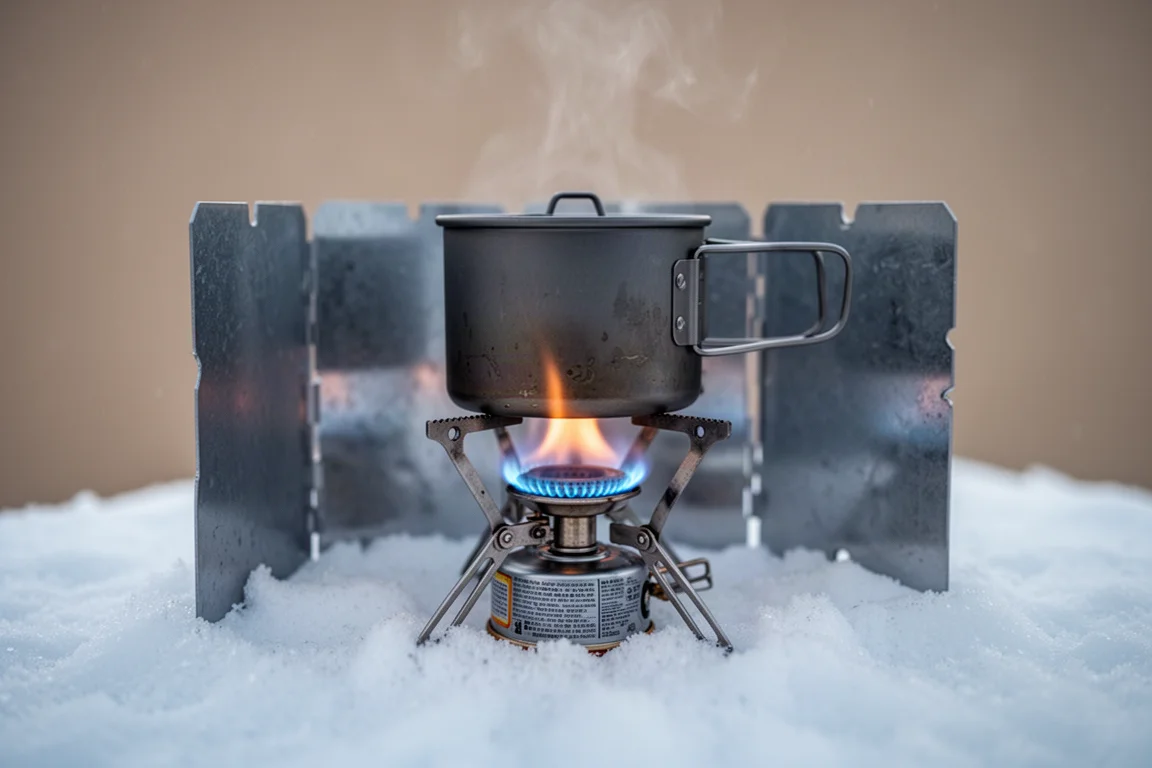
If you are melting snow for water on most winter trips, the extra effort is usually worth it.
Therm-a-Rest XTherm: The Sleeping Pad for Deep Cold
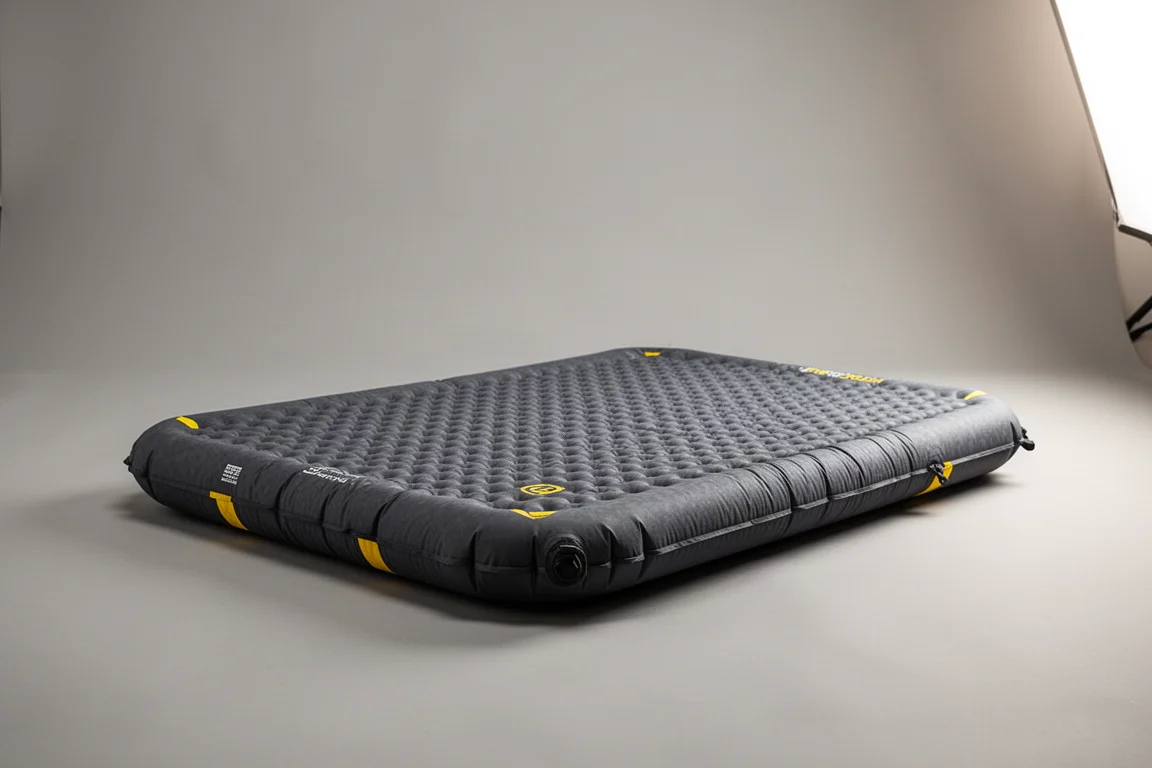
Ground insulation is where winter sleep systems are won or lost, and the XTherm is the pad to trust when it is genuinely cold. It combines serious warmth with low weight and a compact packed size, which is exactly the combination you want when you are already carrying a heavy winter load.
The compromises are comfort and cost. It is an expensive pad, and it is not the plushest option available, so expect to give up a little sleep comfort in exchange for warmth and reliability.
Therm-a-Rest Polar Ranger: A Sleeping Bag With a Face Snorkel
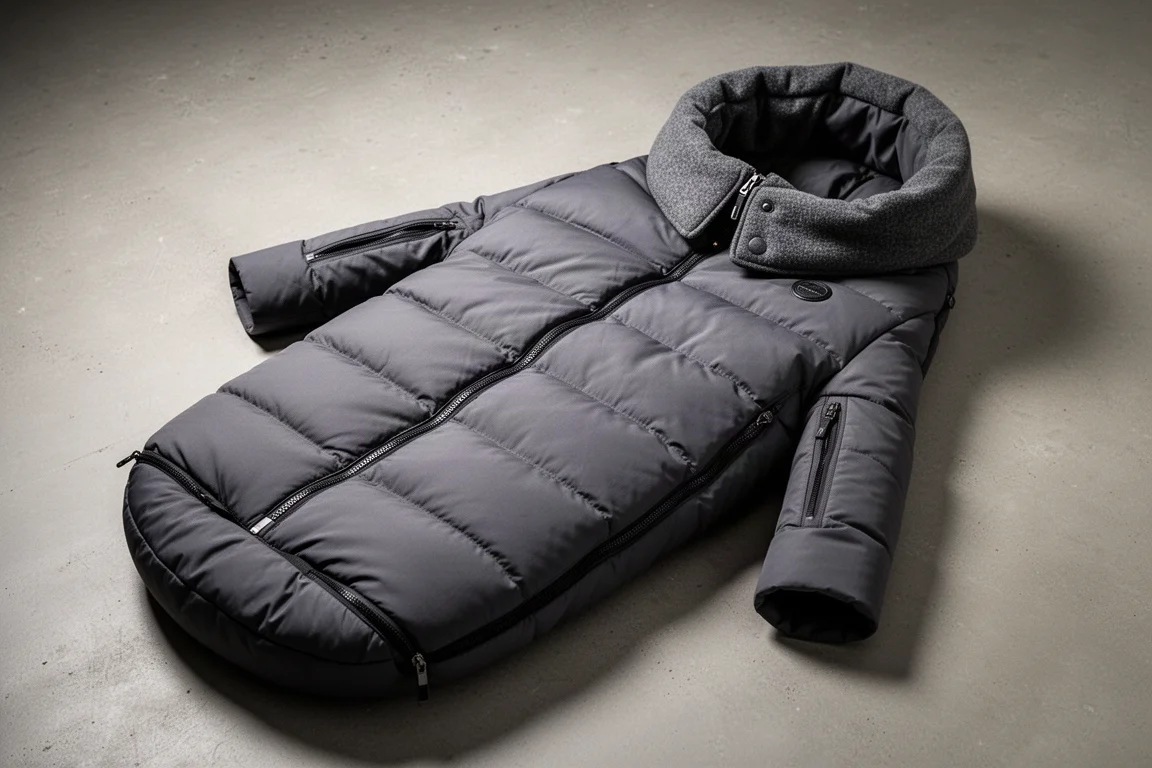
The Polar Ranger has been used comfortably down to around minus 30 degrees Celsius on its own. Two design details set it apart. Arm holes let you reach out and do things around the tent without leaving the bag, and a snorkel at the head end creates a pocket of warm air around your face while directing humid breath away from the top of the bag, which helps with moisture management.
For its warmth, it is reasonably light. The trade-off is deliberate: there is less insulation on the back, on the assumption that back insulation compresses anyway and most of your warmth comes from the pad underneath. The practical consequence is that you get the most out of the bag by sleeping on your back and staying there, since rolling onto your side exposes that thinner back panel.
Enlightened Equipment Synthetic Quilt: A Second Layer That Manages Moisture
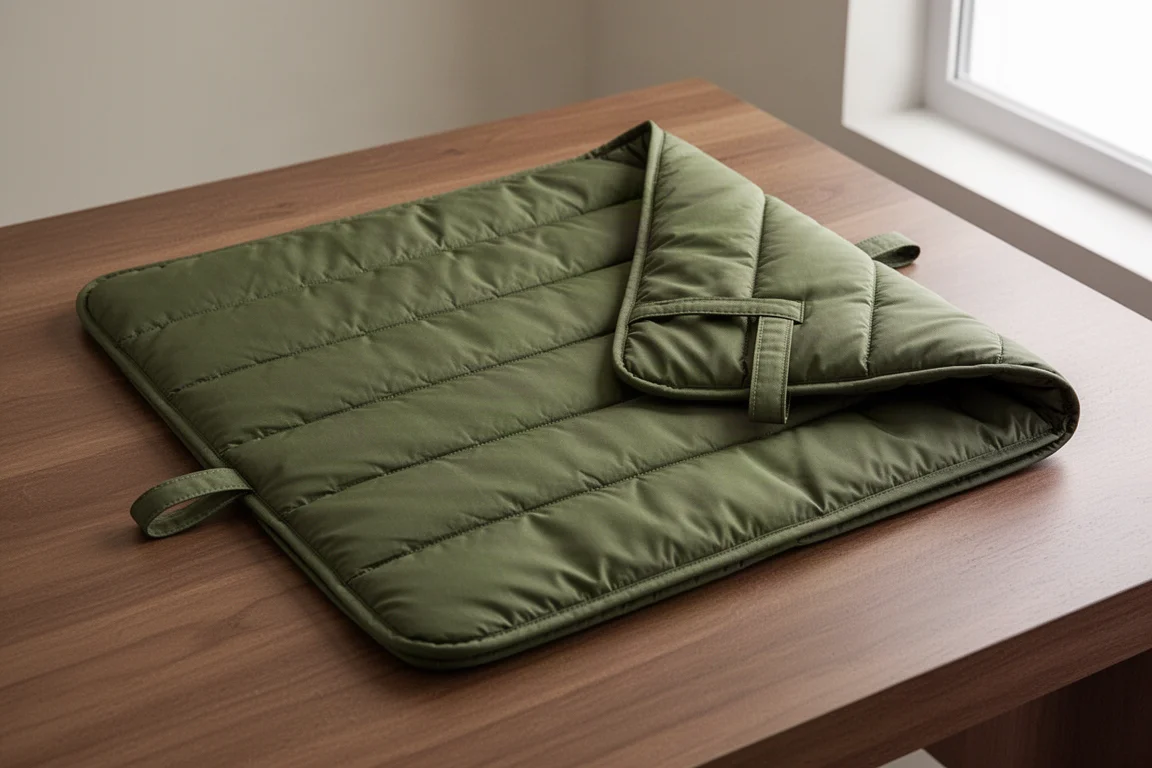
Adding a thin synthetic quilt over a down sleeping bag does three useful things in winter. It adds a little insulation, and because the version here is a 50 degree quilt it compresses small and stays out of the way. A warmer 40 degree quilt is the option for colder trips.
It also locks onto the sleeping pad with pad straps, which means you can toss and turn a bit more without exposing the compressed down areas of the bag and losing warmth. The third benefit is moisture. As you sleep, vapour moves outward through the bag and tends to condense where it meets cold air. A synthetic layer handles that moisture far better than down and keeps insulating even when some condensation forms inside it.
Buying Advice for Winter Camping Gear
Winter gear decisions come down to what you are actually doing. If your trips stay in sheltered terrain and you are watching pack weight, the lighter shelter and pad choices make sense. If you are heading into exposed alpine country or routinely camping below minus 25 degrees Celsius, weight becomes the wrong thing to optimize and reliability should win.
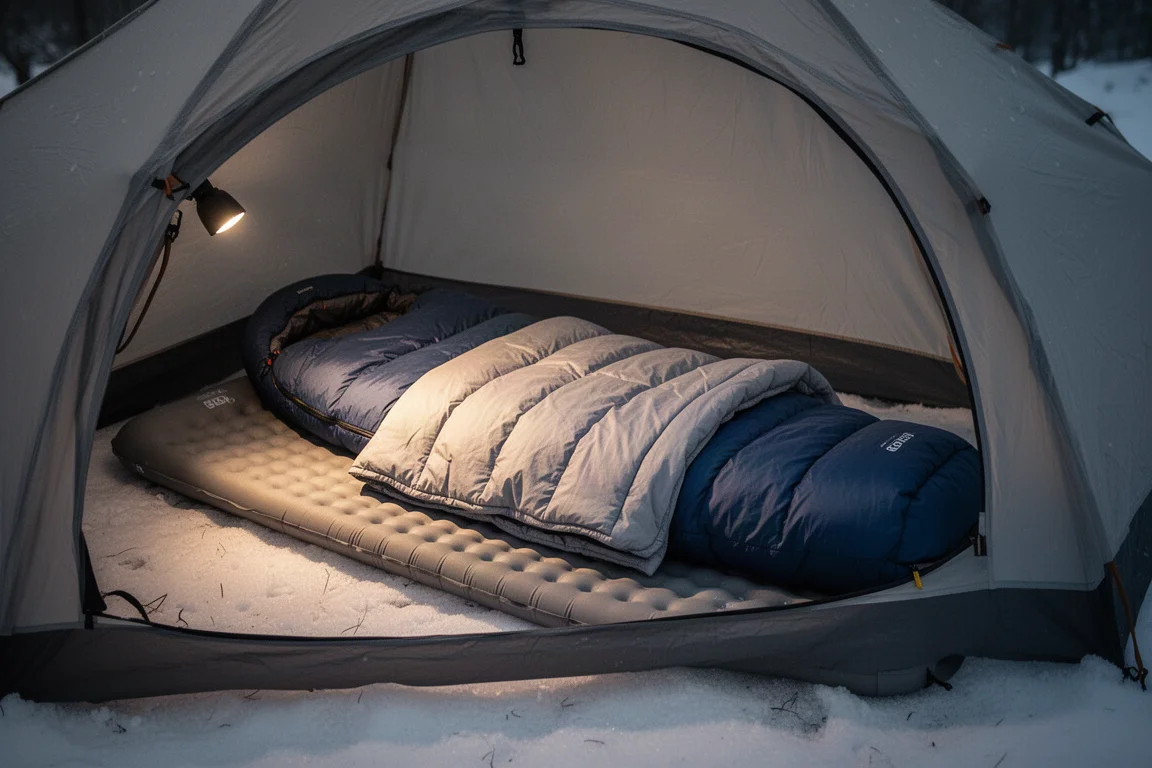
It also helps to think in systems rather than individual items. A sleeping pad, a sleeping bag, and an additional quilt work together, and layering is often warmer and more flexible than buying one very warm item. The same logic applies to the cook system: a pot sized for melting snow and a stove that performs on white gas are worth more in winter than lighter alternatives that struggle in the cold.
A final note on packing. Keeping insulation in a waterproof bag, storing water in an insulated sleeve, and choosing electronics that still function when frozen will do more for your comfort than shaving grams.
Conclusion
Winter camping gear is a study in trade-offs. The AMG 75 carries heavy loads well but weighs over 2 kg. The X-Mid 1 Plus pitches without stakes and handles sheltered winter conditions but is not built for exposed alpine storms. The Summit 10000 keeps working in the cold when you use its insulating bag. The Toaks pot and the WhisperLite stove together make melting snow reliable. The XTherm prioritizes warmth and low weight over comfort and price, the Polar Ranger rewards back sleepers, and the synthetic quilt adds warmth, mobility, and moisture management on top.
Choose the set that matches the conditions you actually camp in, and each piece will earn its place in the pack.
Further reading
Related Reviews
Winter Camping Gear
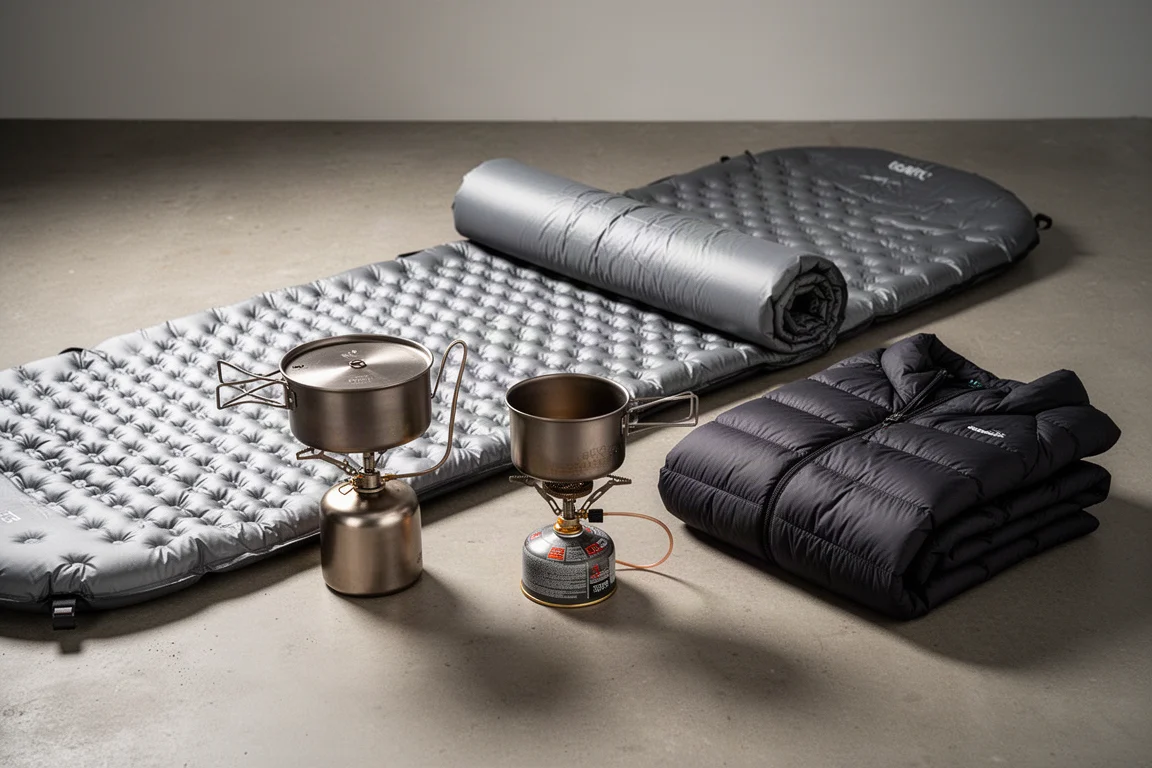
Affordable Winter Camping Gear: Six Budget Pieces Tested Below Freezing
Three reflective sleeping pads, an updated down jacket, a titanium pot and a $25 winter stove, assessed on frozen ground at around minus 12 degrees Celsius.
Winter Camping Gear
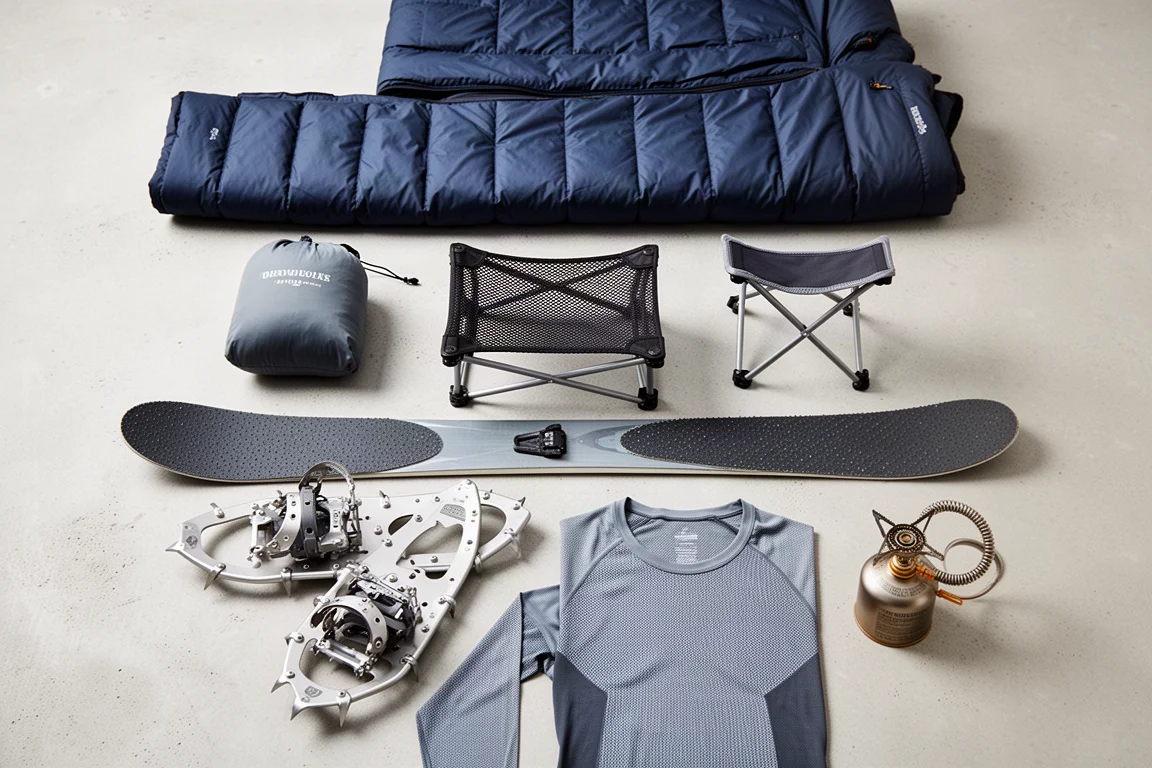
Best Winter Camping Gear 2026: Seven Pieces Worth Packing
A practical look at seven winter camping items, from an insulated parka rated to minus 20 degrees Celsius to a titanium stove built for cold canisters.
Winter Camping Gear
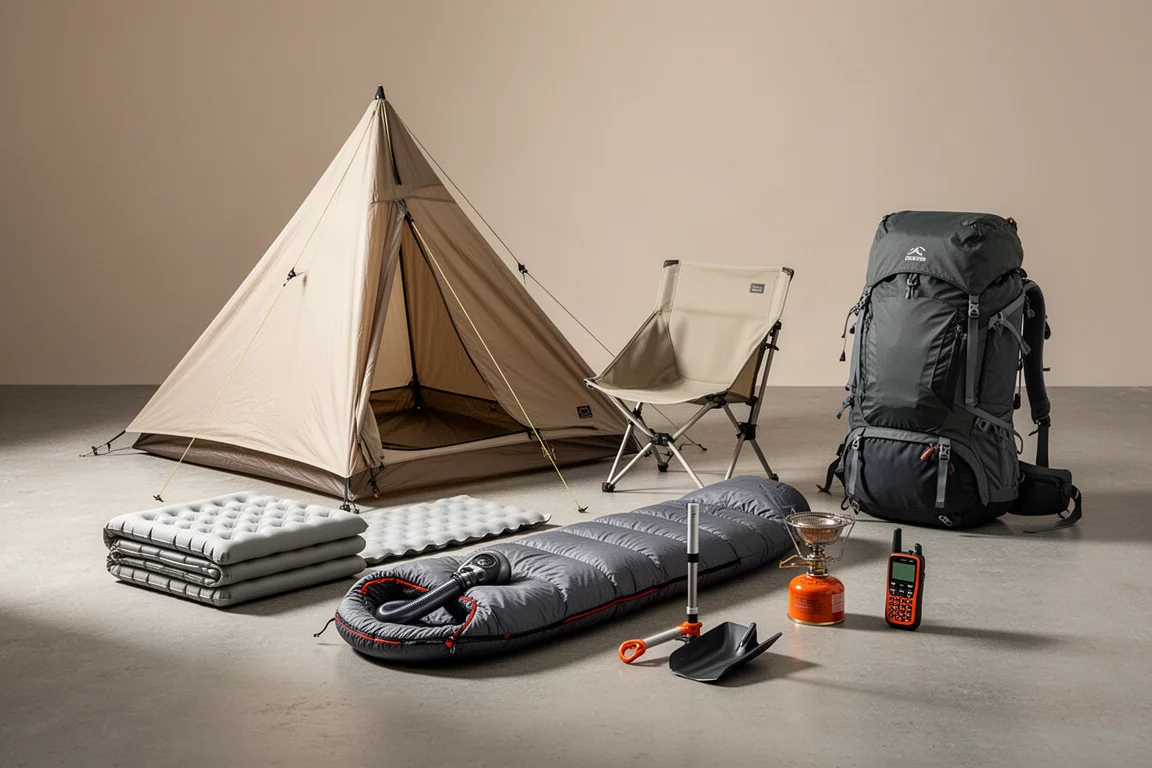
Ultimate Winter Camping Gear List: Proven Essentials for Cold-Weather Adventures
A curated list of winter camping gear that has proven itself in freezing temperatures, from shelter and sleep systems to cooking and safety essentials.