Winter Camping Gear
Winter Camping Gear: Five Field-Tested Picks for Cold-Weather Trips
A practical look at five winter camping essentials, from a 1.7 kg mountaineering tent to two very different sleeping pads and a value-focused down jacket.
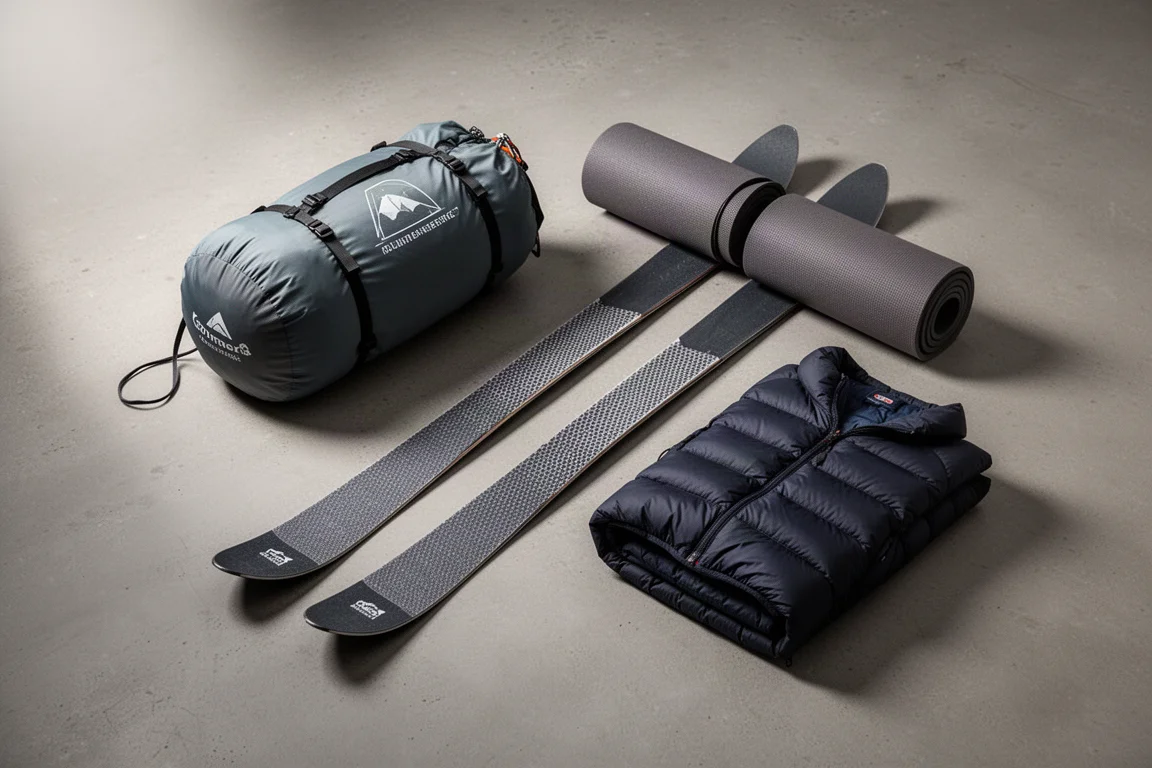
Introduction
There is a particular kind of anticipation that comes with new winter gear. You pack it, you carry it into the snow, and then you find out whether it actually works once the temperature drops.
This set of five pieces was tested on an overnight ski-in camp in the mountains, and the weather was not polite about it. The temperature moved from around minus 20 °C up to plus 10 °C and then back down to minus 25 °C over the course of the trip. A swing that wide exposes weak insulation quickly, and it separates gear that looks good on paper from gear that keeps you comfortable.
Some of these picks performed exactly as hoped. One raised real questions. One was genuinely disappointing in the cold. Here is what stood out.
How These Picks Were Evaluated
Warmth across temperature swings came first. A single cold number is easy to design for, but a night that moves 35 degrees in either direction is not, and the pads and jackets that hold steady across that range are the ones worth carrying.
Weight and packed bulk came second. Winter gear already fills a pack, so anything described as lightweight has to justify itself against the alternative you would otherwise bring.
Weather protection came next: how well a shelter blocks wind and blown snow, and whether the design keeps your gear dry without forcing everything inside the sleeping area.
Cold-weather usability mattered too. Zippers, pockets, pitch options and storage all become harder to manage with gloves on, and gear that stays simple in the cold earns its place in the pack.
Comfort and value rounded out the list. A product that is warm but miserable to sleep on, or that costs far more than a close alternative, is a harder recommendation to make.
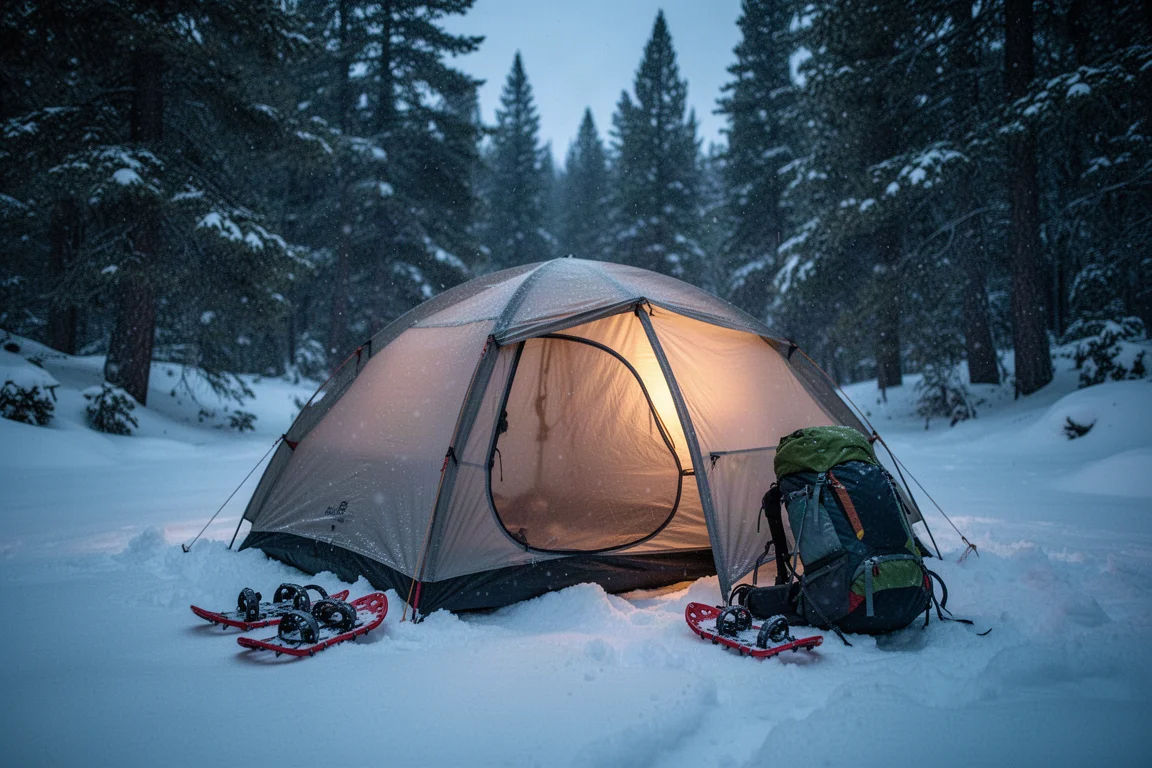
The final consideration was honesty about limits. Several of these products have a clear ceiling, and knowing where that ceiling sits is more useful than a blanket endorsement.
SlingFin Hot Box: A Compact Winter Mountaineering Tent
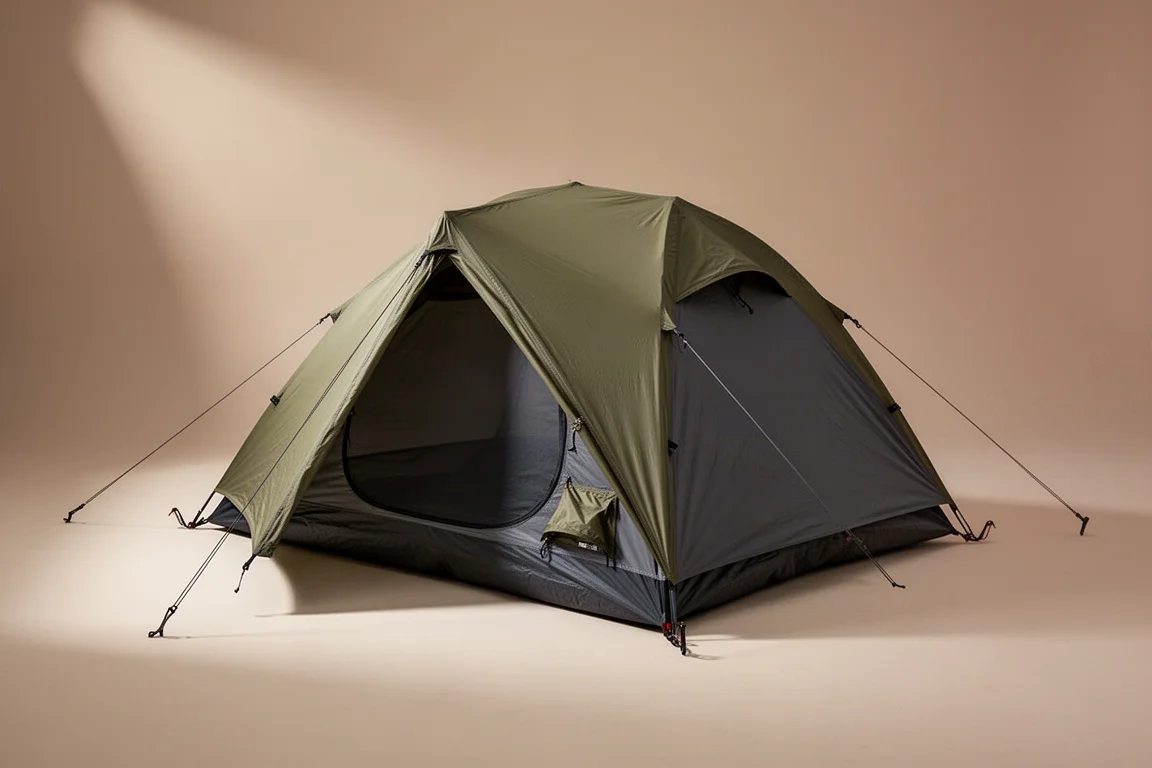
The SlingFin Hot Box is a mountaineering-specific tent that also works as an all-round option across winter and three-season trips. At 1.7 kg for a two-person shelter it is genuinely light, and the double-wall build is a large part of why it handles cold weather well: a solid fly on the outside and a solid inner on the inside, which together keep wind and blown snow away from the sleeping area.
The more unusual feature is a pair of small openings on either side that extend away from the tent. They are not full vestibules, but they work as sheltered storage for boots or a pack, so gear does not sit out under falling snow overnight. They also help anchor the tent. Inside, eight pockets make it easy to keep smaller items organised and off the floor.
Where the design separates itself from a classic pyramid tent is footprint. Pyramid shelters are light and roomy, but they demand a lot of flat, open ground. The Hot Box is compact enough to tuck into a tight spot on a mountainside, and it accepts a large number of guy lines when the weather turns. The trade-off is complexity: this is a tent with a lot of features, and it takes several trips to learn how to pitch and use it efficiently.
Black Diamond GlideLite Trekker: Skis That Beat Snowshoes
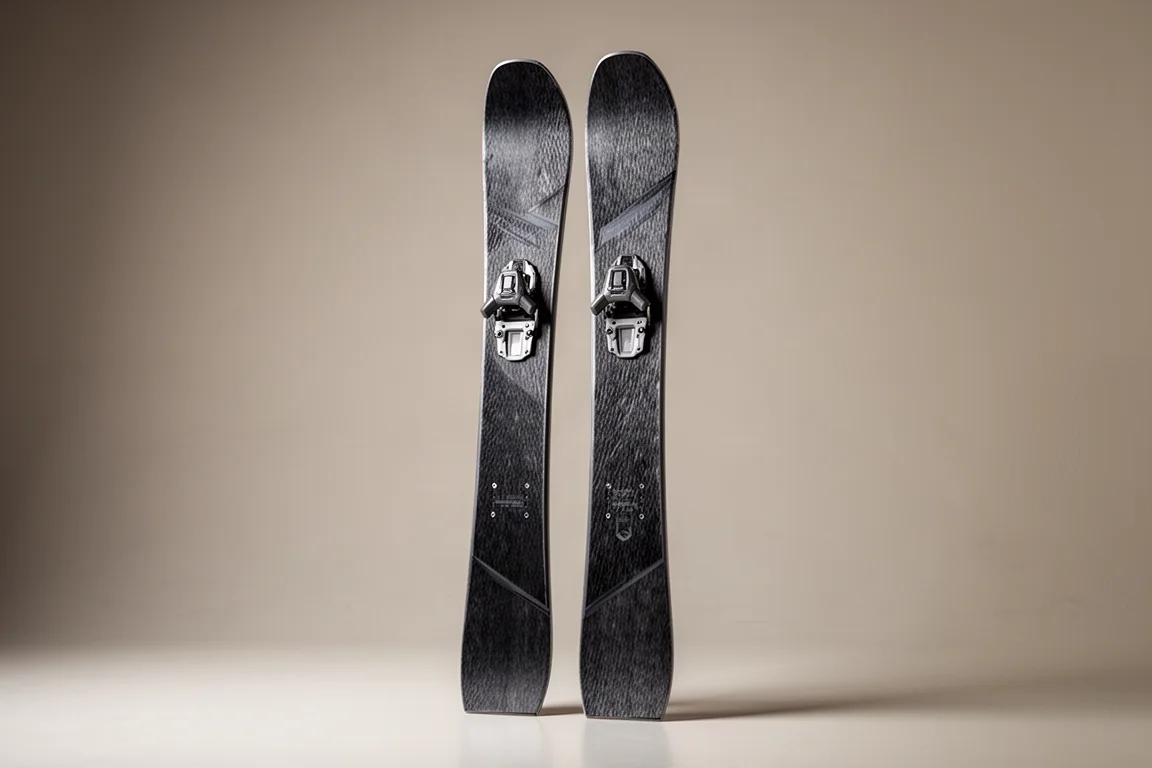
The Black Diamond GlideLite Trekker is a short, wide ski designed to work with standard winter hiking boots. The binding pivots at the toe, so the ski moves like a cross-country ski underfoot, only noticeably wider. A built-in skin on the base completes the equation: it glides forward and grips enough to stop you sliding backwards on a climb.
The practical result is speed. Travel on this format runs roughly 30 percent faster than moving on foot or on snowshoes, which turns a long approach into a considerably shorter one. Because the ski is shorter than a downhill model it stays manoeuvrable in tight terrain, and the width gives useful flotation on softer snow.
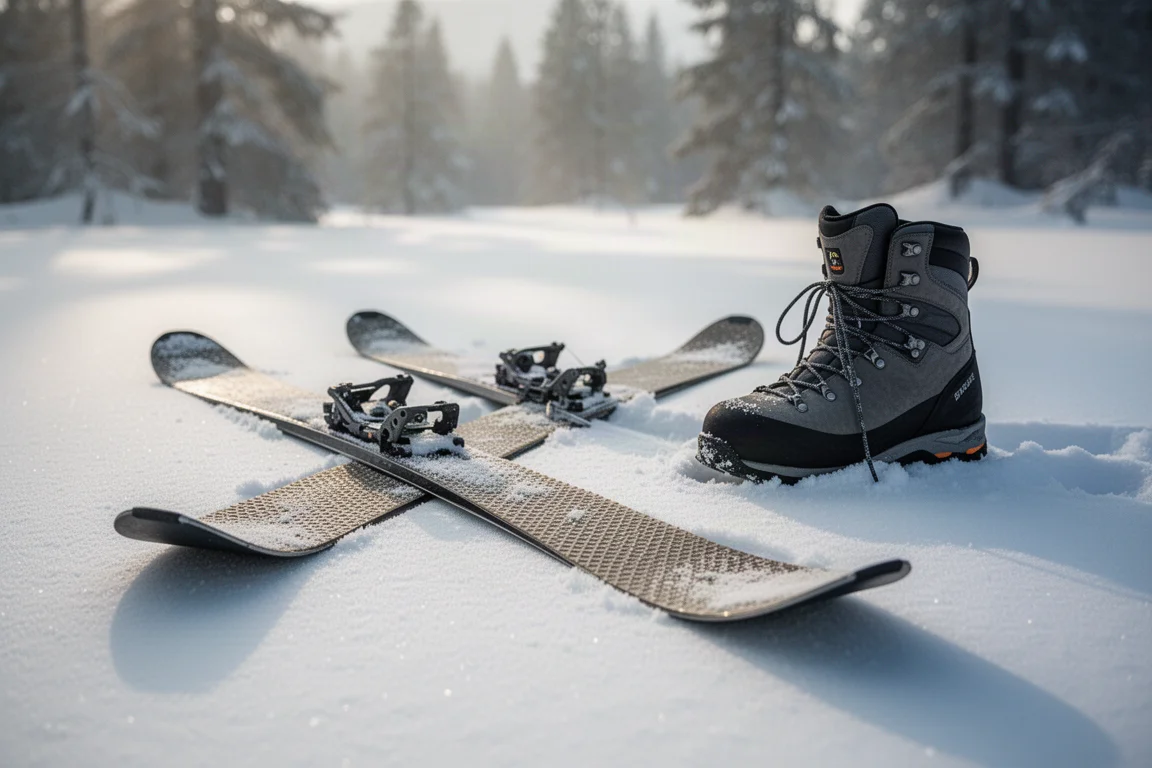
The limitation is descent performance. Steep hills feel sketchy on this kind of ski, and it is not a substitute for a proper downhill setup. Treated as a fast, efficient way to cover snowy ground on the way in and out of camp, it makes a great deal of sense. A more budget-friendly option in the same format is also available from Decathlon for anyone who wants to try the concept before committing further.
Exped Ultra 7R: Comfortable, But Cold in Big Swings
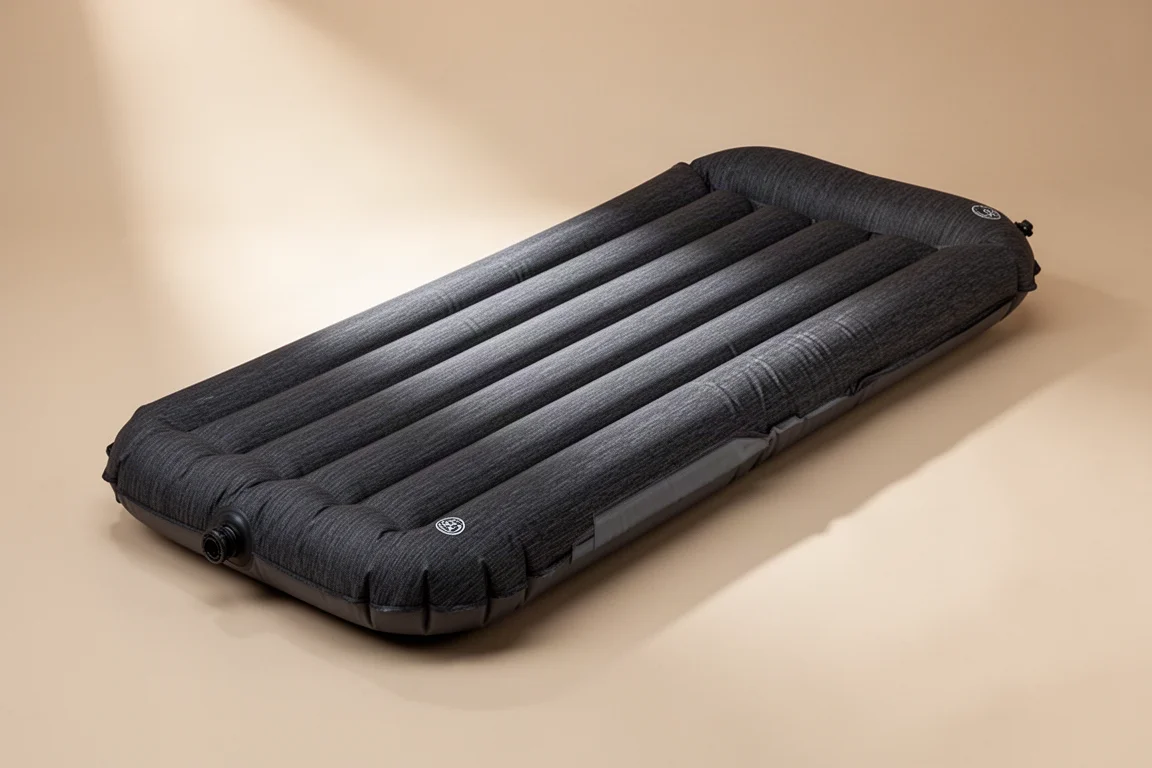
The Exped Ultra 7R is a down-insulated sleeping pad that was redesigned for this season. It is a large pad with vertical baffles running along its length rather than the horizontal baffles found on many winter pads, and in use that layout is very comfortable, arguably more comfortable than a horizontal design.
The problem was warmth. Through a night that swung from minus 20 °C to plus 10 °C and back to minus 25 °C, the amount of cold coming up through the pad changed noticeably, and those swings were felt in a way they would not be on a pad with a different insulation approach. The Ultra 7R uses down for insulation, so uneven distribution of the down inside the pad may be part of the explanation, and it is worth checking before writing the pad off entirely.
It is also bulkier and heavier than a lighter winter alternative, which is a reasonable trade for the extra comfort if the warmth question can be answered. As it stands, this is a comfortable pad that has not yet proven itself at the low end of winter temperatures.
Therm-a-Rest XTherm: The Dependable Winter Pad
The Therm-a-Rest XTherm remains the reference point for this comparison. It is warm, it is light, and it held steady through the same temperature swings that exposed the Ultra 7R. For winter use, that reliability is the whole point: you should not have to think about your sleeping pad at two in the morning.
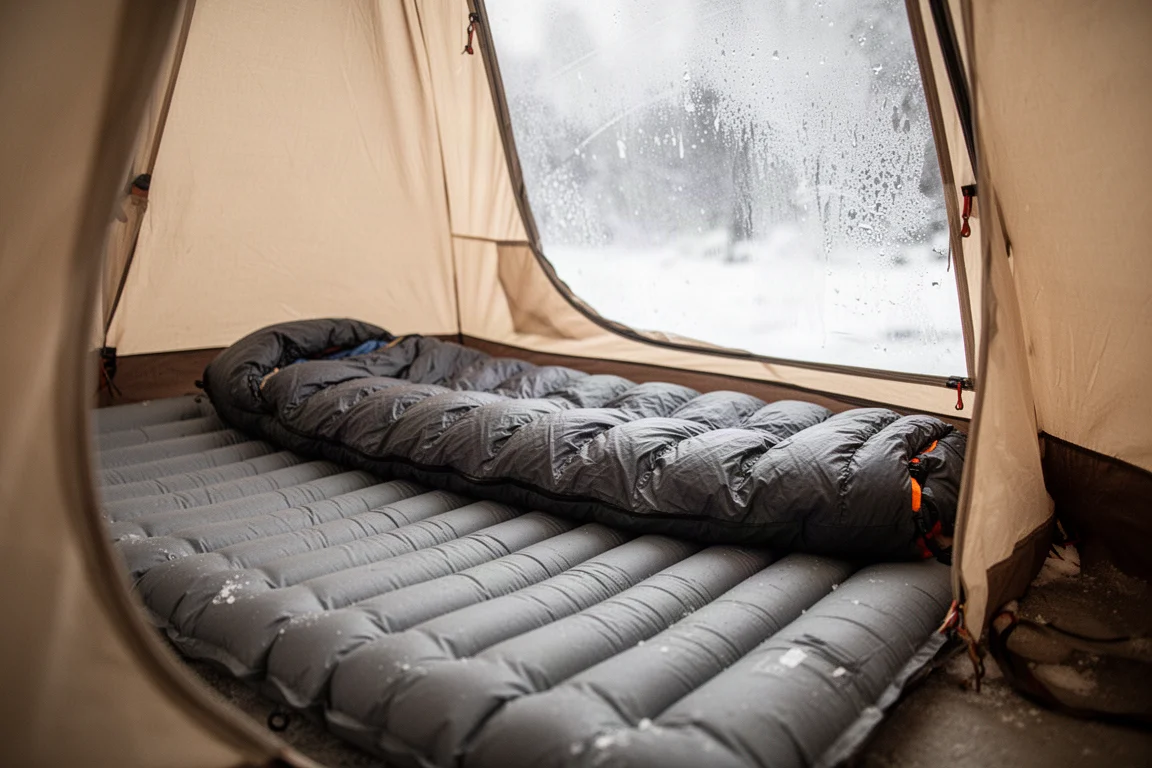
The compromise is the baffle layout. Horizontal baffles are less comfortable for some sleepers than the vertical design on the Exped, so the XTherm wins on warmth and packed weight while giving up a little on plushness. For anyone prioritising a predictable night’s sleep in real cold, that is usually the right trade to make.
Decathlon Trek 900: A Familiar Down Jacket
The Decathlon Trek 900 is the down jacket that has been the default choice for winter trips, and it remains a sensible one. It carries roughly the same amount of loft as a dedicated box-baffle down parka, which makes it a warm jacket by most standards.
The difference shows up in extreme cold. A box-baffle construction avoids sewn-through seams, so there are no thin points for cold to pass through, and that design was noticeably warmer at the lowest temperatures of the trip. The Trek 900 uses a more conventional sewn-through build, so it loses some warmth in those conditions even though the loft looks similar on paper.
For most winter trips this is a straightforward, dependable layer, and it packs down small enough to live in a pack all season. It is when the forecast heads well below minus 20 °C that a box-baffle parka starts to look like the better call.
Buying Advice: Matching Gear to Conditions
The most useful lesson from this set is that insulation performance matters most when the temperature is unstable. A pad that feels fine at a steady minus 20 °C can feel very different when the mercury climbs and falls through the night. If you sleep cold, prioritise a pad with a proven record across a wide range rather than one that simply feels comfortable in the shop.
For shelter, think about where you actually pitch. A compact double-wall tent with a solid inner and useful side storage is far more versatile than a large pyramid design if your campsites are tight, exposed or on a mountainside. The extra features take practice to master, but the added protection is worth learning them.
For travel over snow, the short-ski format is the fastest option here and a clear step up from snowshoes, provided you accept that steep descents will always feel like a compromise. For cooking, a canister stove stays easier and cleaner in most winter conditions, and a liquid-fuel stove only earns its place when temperatures drop towards minus 30 °C or below.
Conclusion
Two of these five pieces are easy to recommend without qualification: the SlingFin Hot Box for anyone who needs a light, protective shelter with a small footprint, and the Therm-a-Rest XTherm for anyone who wants a winter pad that behaves the same way all night. The Black Diamond GlideLite Trekker is a strong choice for covering snowy ground quickly, as long as steep descents are not part of the plan. The Decathlon Trek 900 remains a dependable jacket for typical winter conditions. The Exped Ultra 7R is the open question: comfortable enough to keep testing, but not yet warm enough to trust in deep cold.
Further reading
Related Reviews
Winter Camping Gear
Affordable Winter Camping Gear: Six Budget Pieces Tested Below Freezing
Three reflective sleeping pads, an updated down jacket, a titanium pot and a $25 winter stove, assessed on frozen ground at around minus 12 degrees Celsius.
Winter Camping Gear
Best Winter Camping Gear 2026: Seven Pieces Worth Packing
A practical look at seven winter camping items, from an insulated parka rated to minus 20 degrees Celsius to a titanium stove built for cold canisters.
Winter Camping Gear
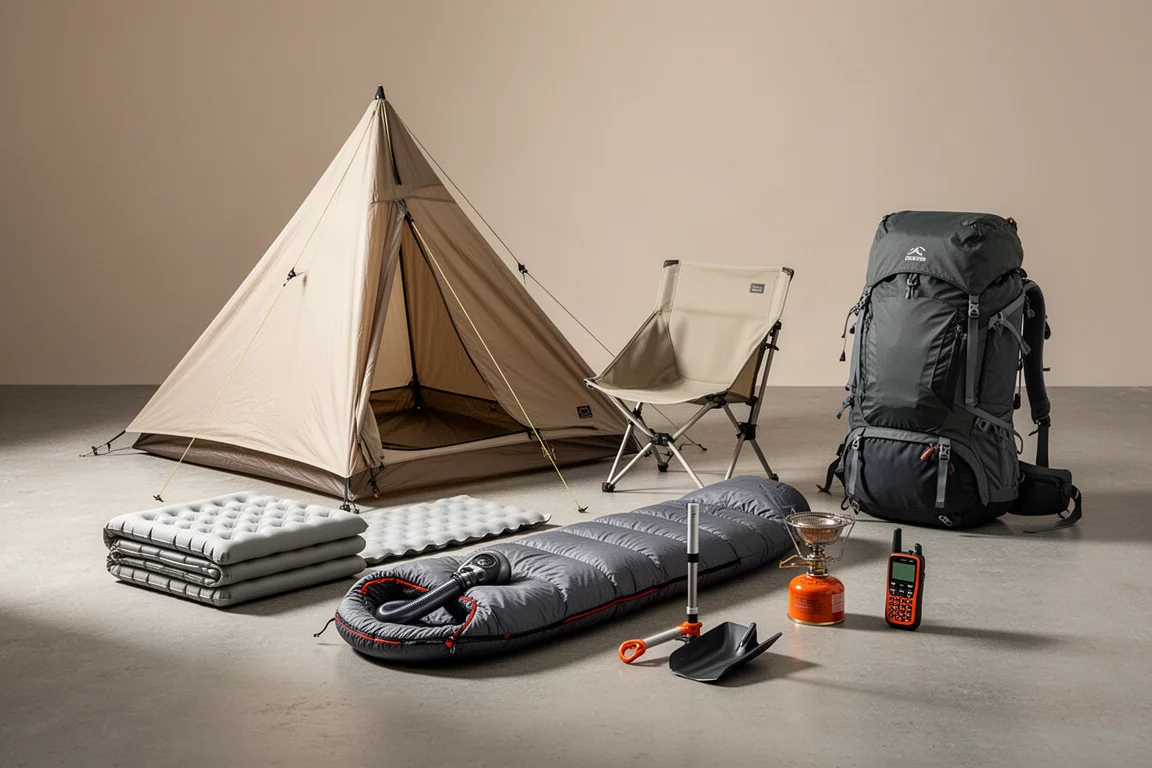
Ultimate Winter Camping Gear List: Proven Essentials for Cold-Weather Adventures
A curated list of winter camping gear that has proven itself in freezing temperatures, from shelter and sleep systems to cooking and safety essentials.