Winter Camping Gear
Winter Camping Gear: 8 Essentials for Sub-Freezing Backpacking
Eight pieces of winter backpacking gear that hold up well below freezing, from the pack and shelter to the sleep system, stoves and safety kit.
Introduction
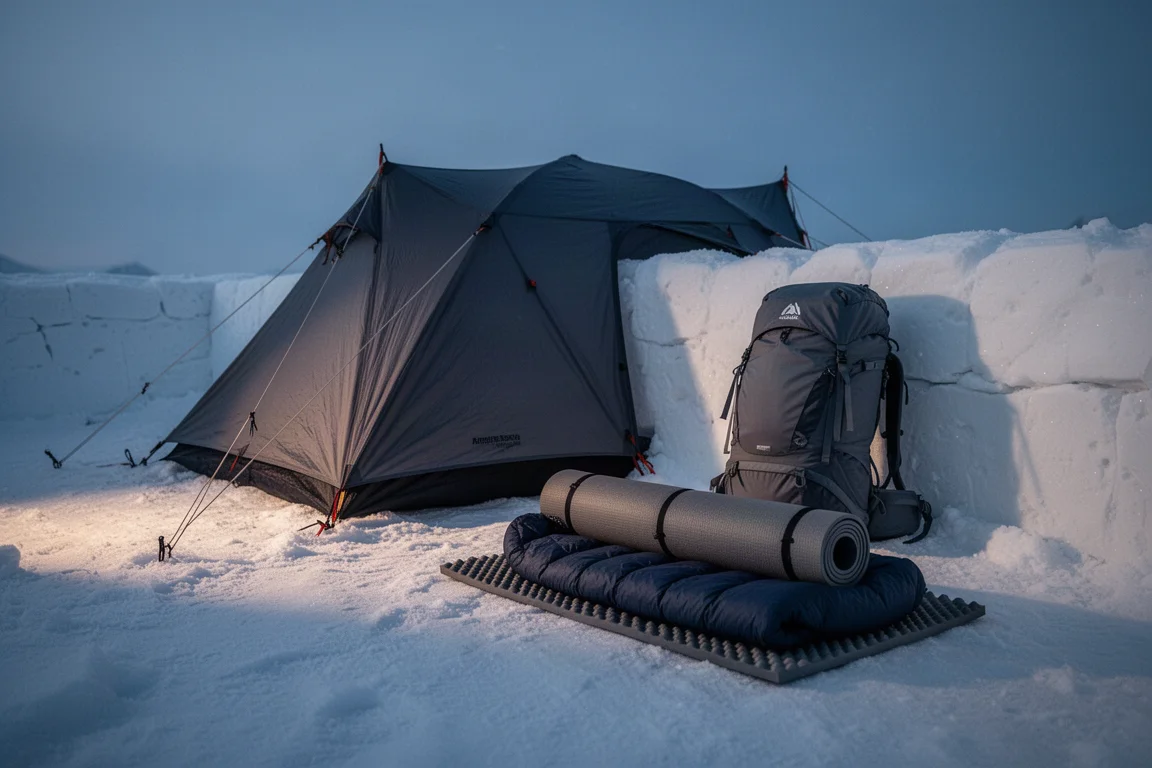
Winter backpacking asks more of every item you carry. Cold air makes insulation bulkier, batteries lose capacity, and a wet or failed piece of gear matters far more than it does in July. The eight items below form the core of a kit built for trips in the Rocky Mountains, where temperatures routinely fall well below freezing and the setup is intended to stay workable down to around minus 20 degrees Fahrenheit, and colder if you count survival ratings rather than comfort ratings.
This is not a list of everything worth owning. It is a list of the pieces that do the most work, what each one is genuinely good at, and where a cheaper option makes sense.
How This Winter Kit Was Chosen
Four things carried the most weight in this selection: warmth-to-weight, reliability in genuine cold, how well each item packs alongside the rest of the kit, and whether the item provides a safety margin if something else fails.
Packing strategy matters as much as the gear itself. In winter, a sleeping bag goes near the top of the pack rather than at the bottom, so it can be reached quickly if the trip goes wrong. Items that are sensitive to cold, such as a phone, a satellite messenger, a battery bank and a water bottle, are carried in inside jacket pockets where body heat keeps them functional.
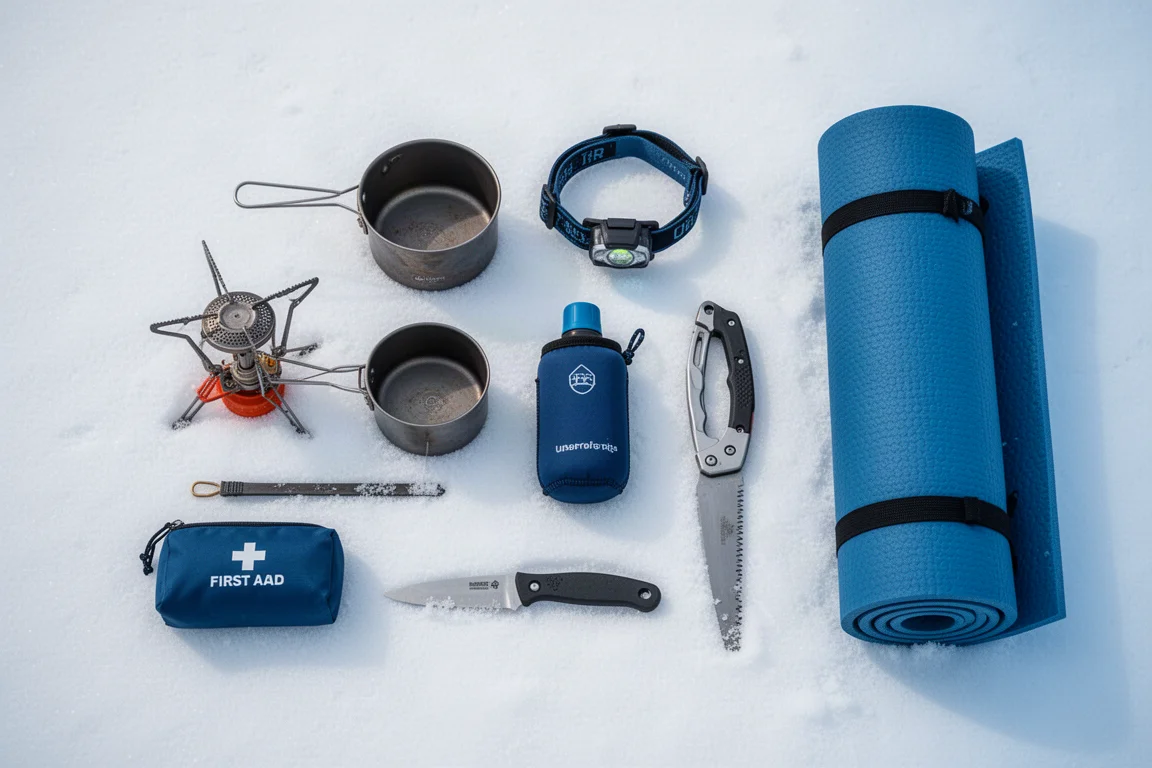
Cost is the honest trade-off. Technical winter gear sits at the expensive end of the market, and a single-wall tarp-style shelter can cost a fraction of a mountaineering tent while still shedding snow and wind well. Retailers also tend to run large sales at the end of November, which is a good window for buying cold-weather equipment.
Pack: Mountain Hardwear AMG 75
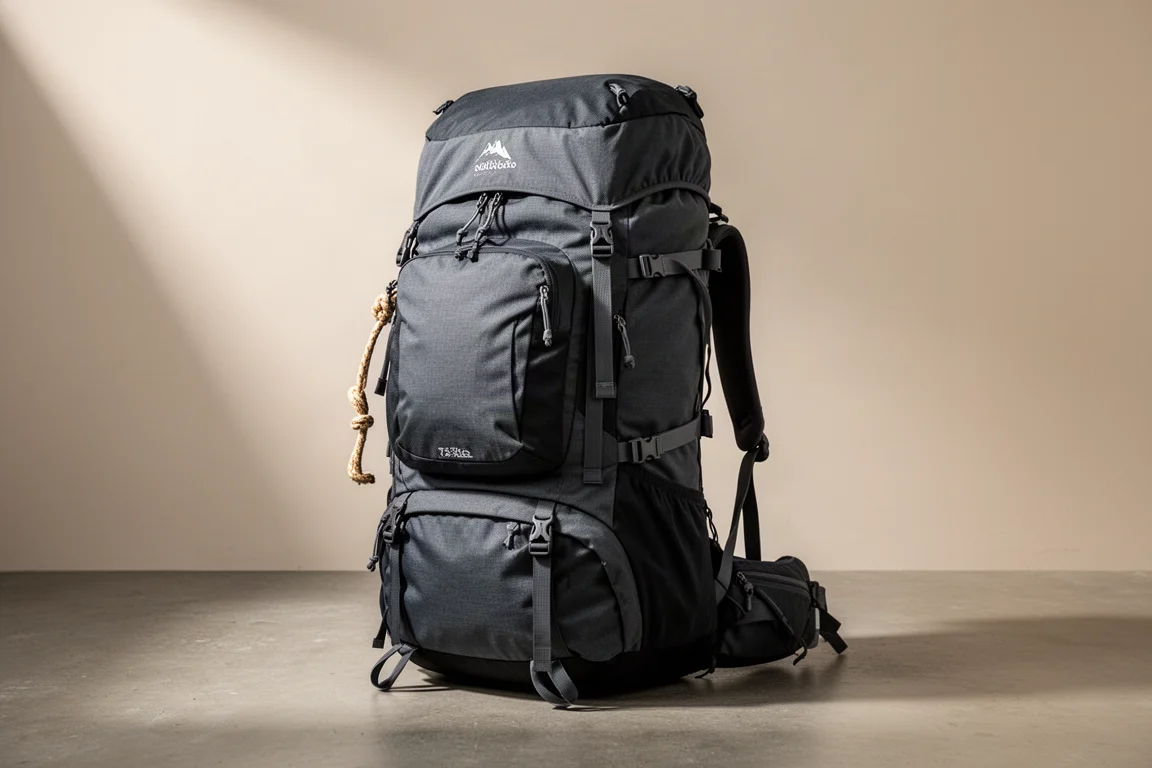
Summer trips often run a 40 or 55 litre pack. Winter adds volume because insulation is bulkier, and the AMG 75 is sized for that. It carries loads of roughly 40 to 50 pounds comfortably, which is more pack than most people need but useful when the kit is heavy and awkward.
For winter and alpine use, two details stand out. There is a separate pouch for avalanche gear, and the hip belt has loops for carabiners if the route involves glacier travel. A generous top pouch holds the smaller essentials: first aid, a headlamp, a fire-making kit and a spare battery bank.
Tent: Nemo Tenshi
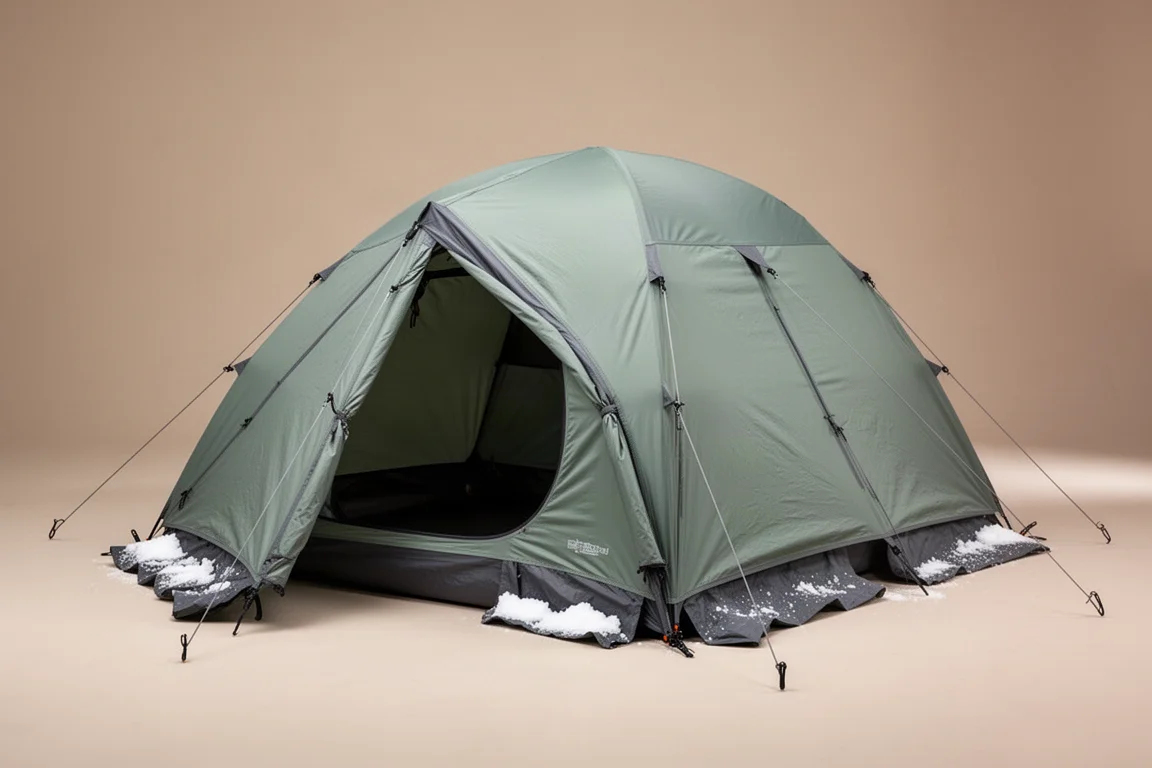
The Tenshi is a mountaineering tent built for exposed, windy campsites. The vestibule has snow skirts that stop wind from driving snow inside, and the poles are external, which makes the tent easier to pitch while wearing gloves in the cold. Guy-out points and a strong guy line system let you lock the shelter down when a storm rolls in.
The feature that is hardest to find elsewhere is a condensation curtain. It drops down at the head of the tent and separates your breath from the main body, keeping condensation concentrated in one area instead of spreading across the interior. In winter, that is a real comfort difference.
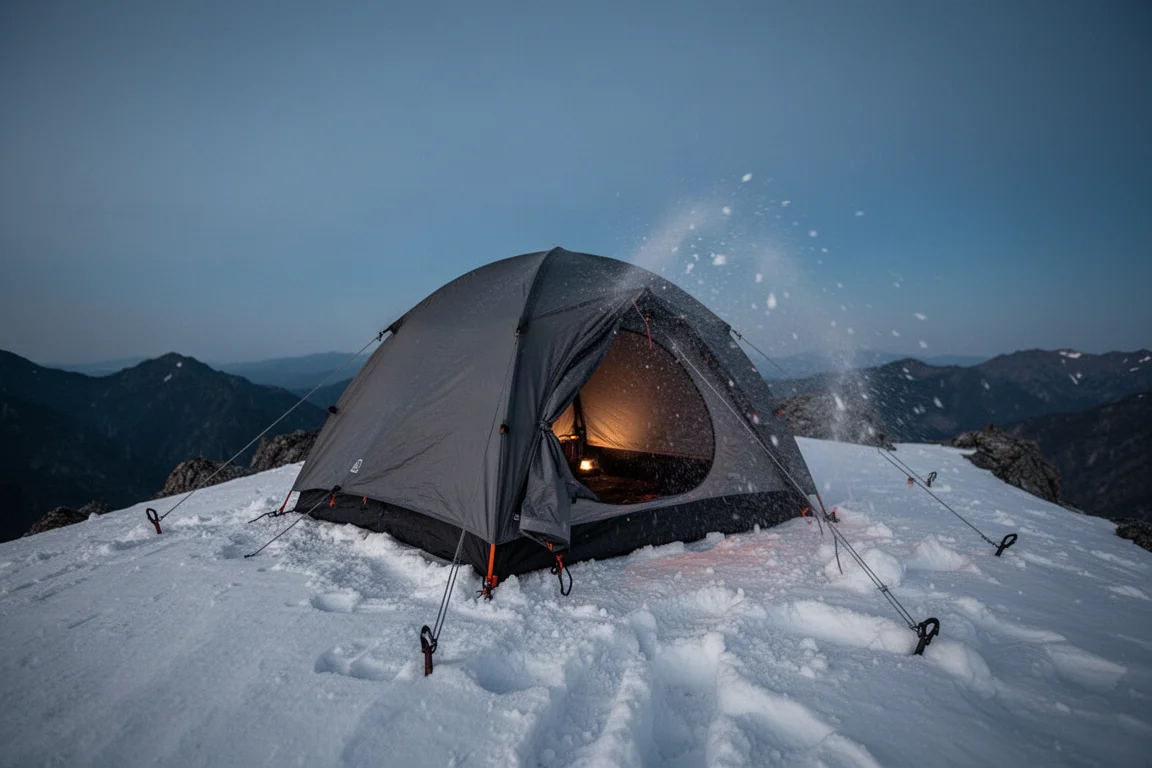
The trade-off is cost and weight. A single-wall tarp-style shelter costs a fraction of the price, sheds snow and wind well, and pitches from staked corners with a single centre pole. Its main drawback is that you sleep directly on the snow unless you bring a mat or ground sheet.
Sleep System: Therm-a-Rest Polar Ranger
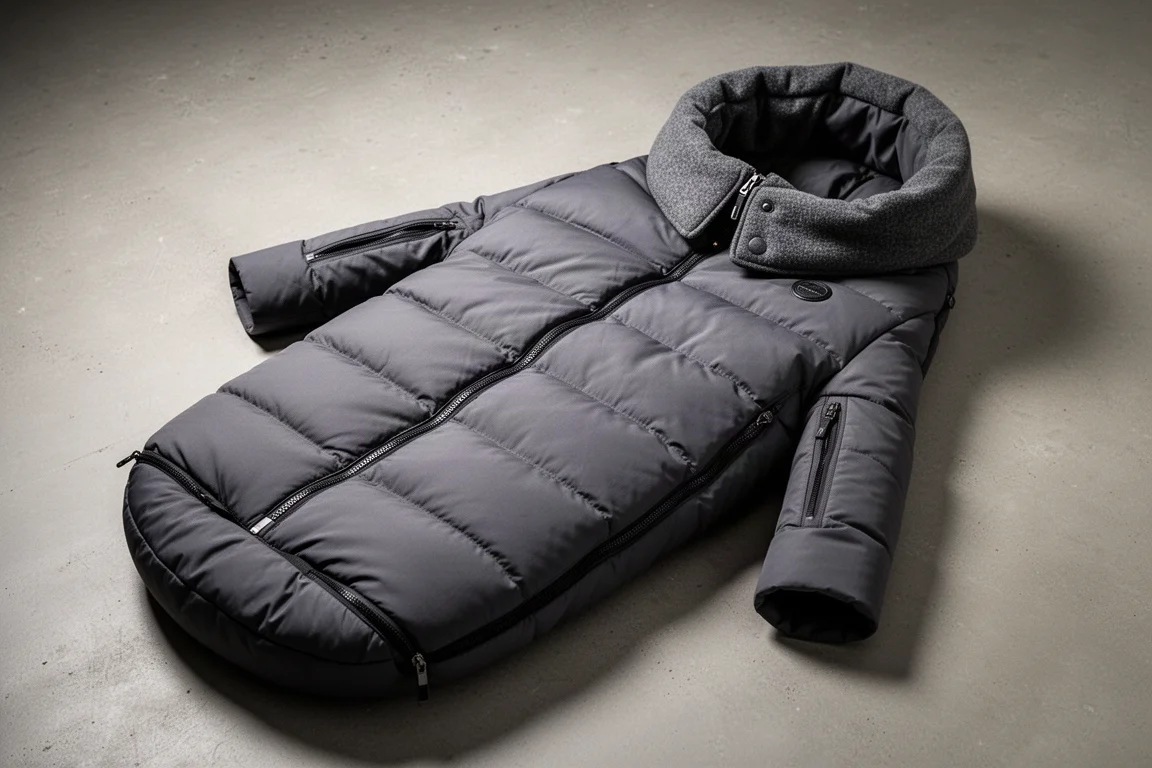
A sleeping bag is the single most important piece of winter gear. The Polar Ranger has a comfort rating of minus 5 degrees Fahrenheit and a survival rating of minus 30 degrees Celsius, and it has performed well in practice at around minus 20 degrees Celsius.
Two design features set it apart. Arm holes let you vent heat when you are too warm, and they also let you read or sort gear inside the tent without climbing out of the bag. Around the head, a synthetic snorkel extends outward to manage moisture and hold a pocket of warm air around your face on the coldest nights.
Sleeping Pad: Therm-a-Rest NeoAir XTherm
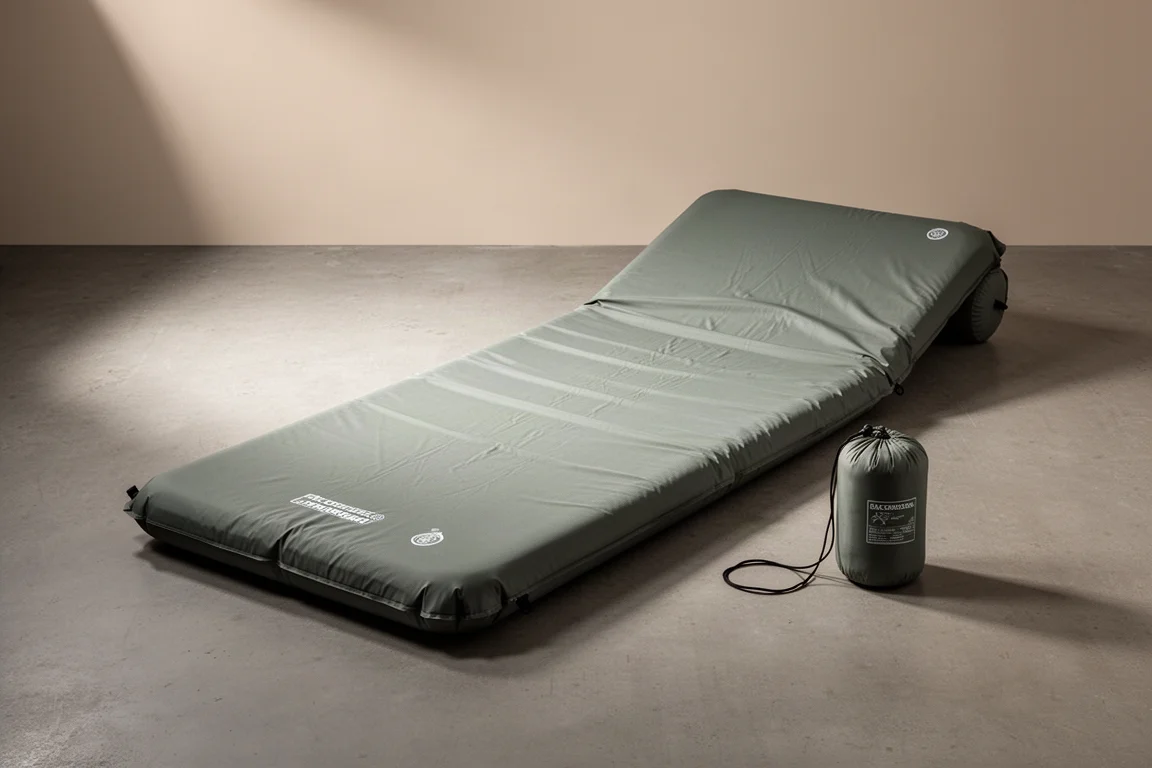
Ground insulation is what makes a bag’s rating achievable. The NeoAir XTherm has a 6.9 R-value, placing it among the warmest air pads available, and it stays light for the warmth it delivers. A large size adds room to move; a regular size trims weight and bulk.
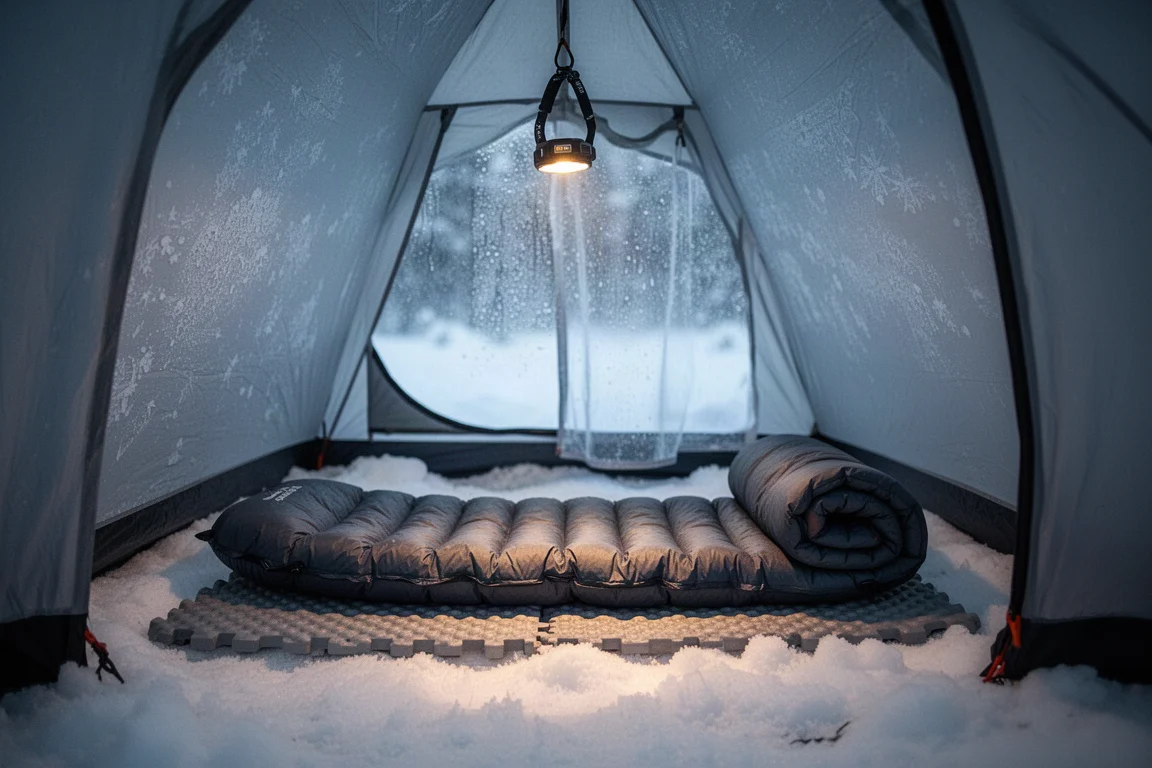
Pad redundancy is worth planning for. A closed-cell foam mat carried underneath the air pad adds insulation and, more importantly, keeps you off the snow if the air pad punctures or deflates. That single foam layer is inexpensive insurance on a cold trip.
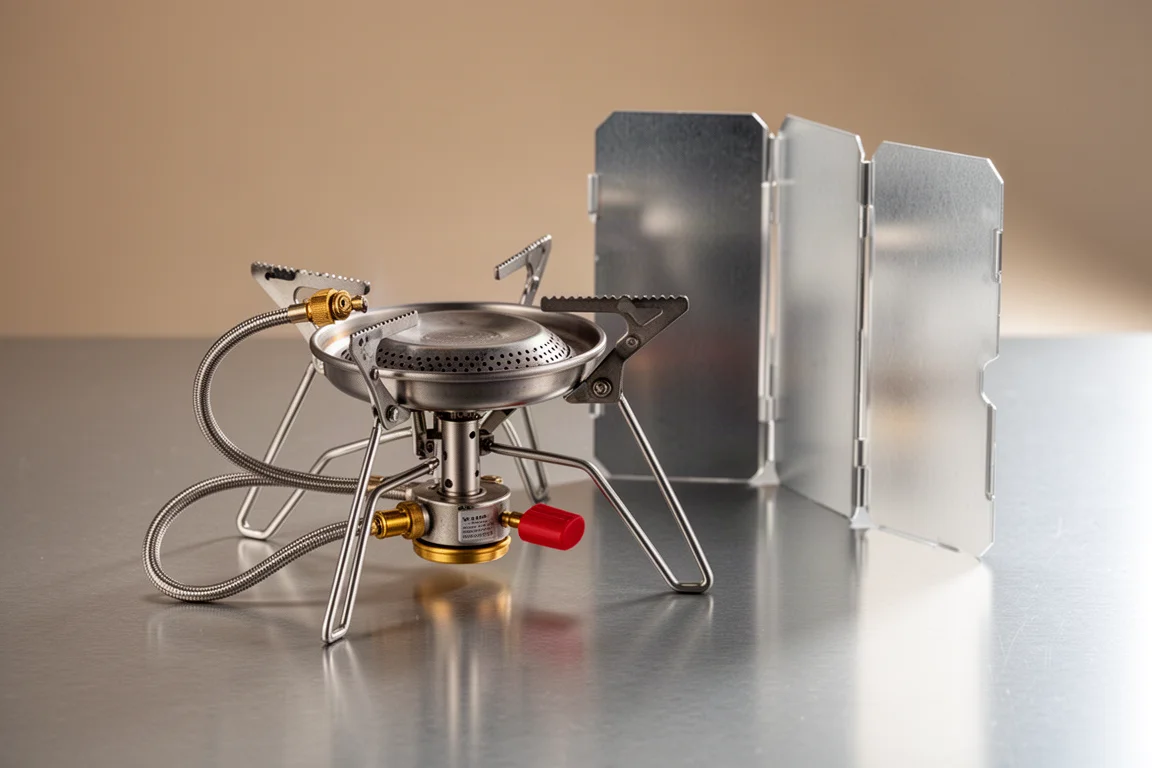
Stoves: MSR WhisperLite Universal
Canister stoves lose pressure in serious cold, and the WhisperLite Universal is designed around that problem. The canister mounts inverted on the stand so liquid fuel flows down the line instead of staying in the canister as a gas that will not vaporise. A heating coil then warms that liquid into gas, which burns as a cleaner and stronger flame.
It has run reliably down to minus 20 degrees Celsius, and it can also burn white gas, which performs well at very low temperatures and high elevation. If winter or altitude is the plan, this is the more capable of the two stoves here.
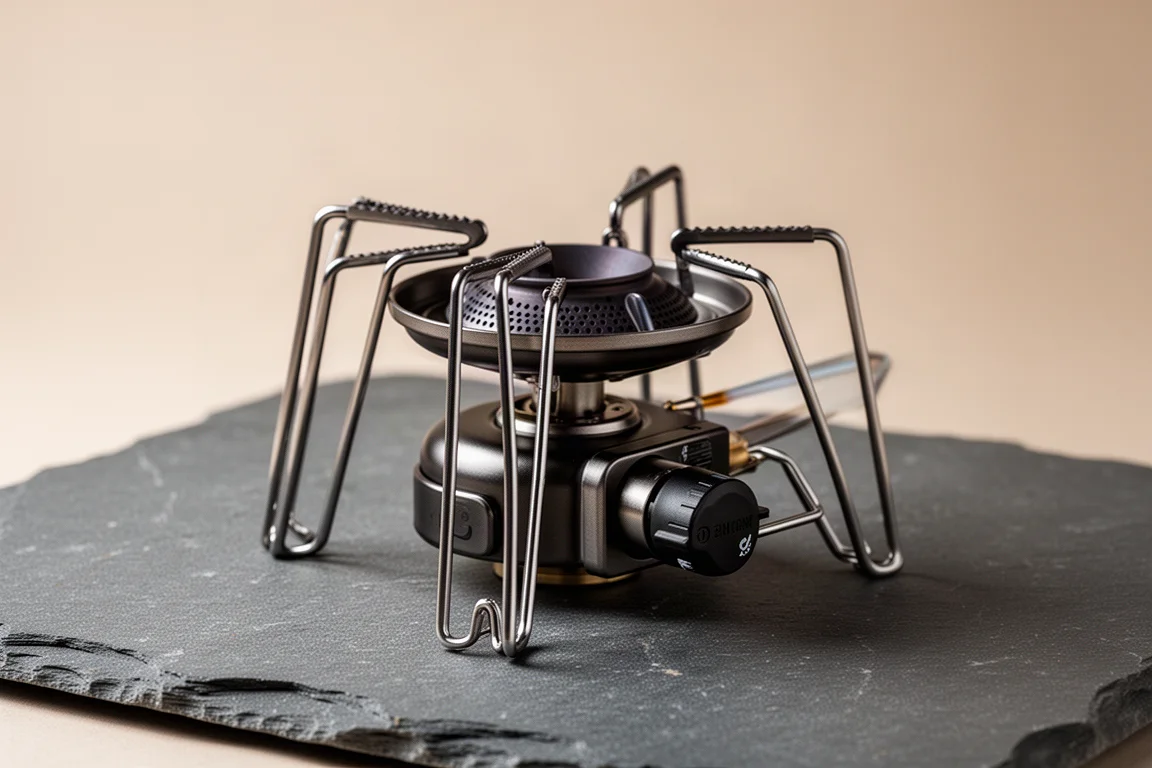
Stoves: MSR PocketRocket Deluxe
The PocketRocket Deluxe takes the opposite approach. It is compact, light and has a good burner, and its regulator helps it hold performance in cold conditions. It works well down to roughly minus 10 degrees Celsius. Below that, output drops off noticeably.
That makes it the right choice for trips that stay in that range, where the simpler setup and lower weight are worth more than extreme cold capability.
Safety: Garmin inReach Mini
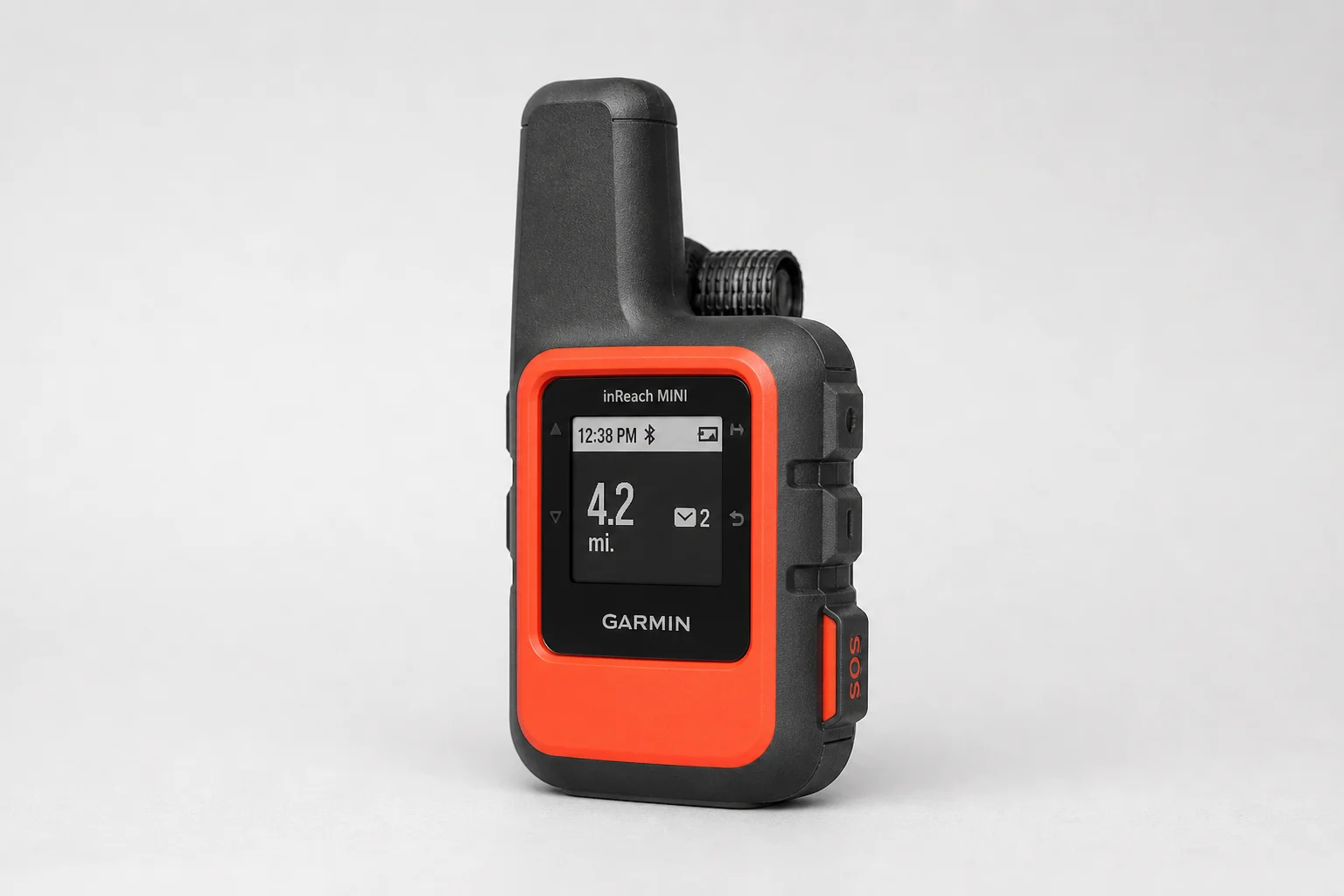
A satellite messenger is the piece of kit you hope never to use. The inReach Mini allows two-way messaging with people at home and has an SOS function for backcountry emergencies. Response can come within a couple of hours in good conditions, though poor weather can stretch that to a day or two.
Because cold drains batteries, the unit lives in an inside jacket pocket rather than an outside pouch, alongside a battery bank kept warm for the same reason.
Snow Tool: SnowClaw Shovel
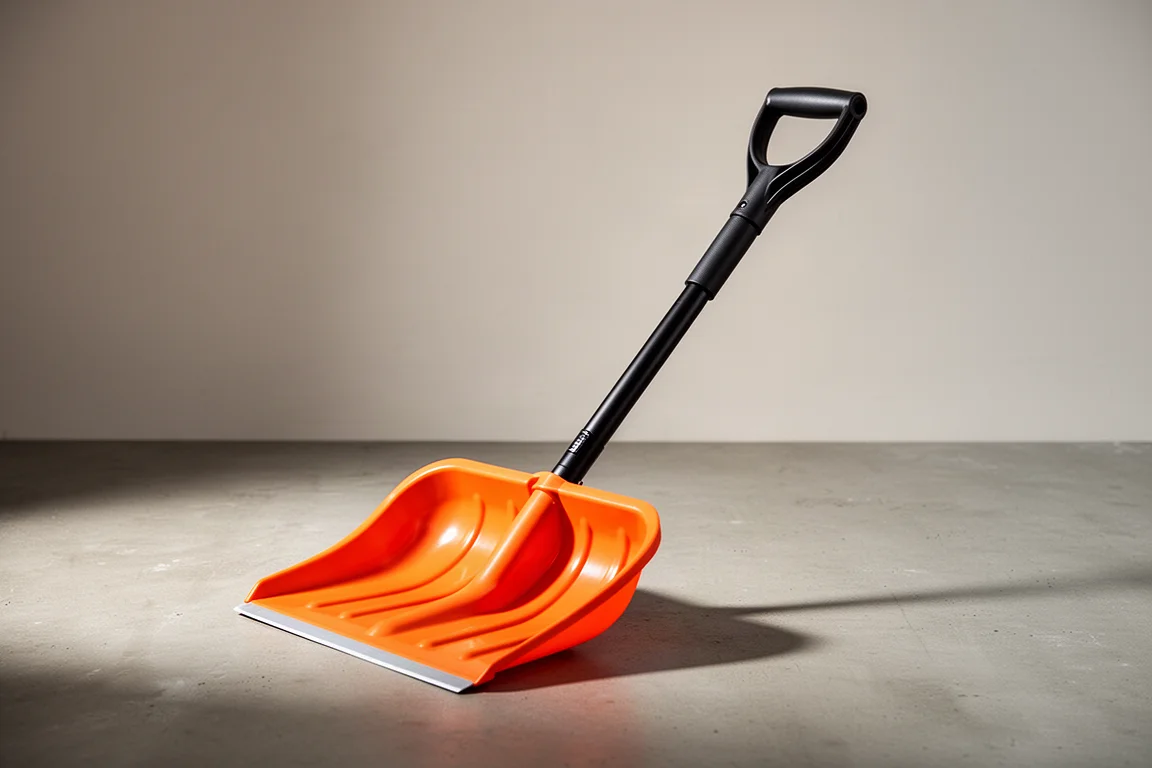
The SnowClaw is a small, bendable shovel that punches well above its packed size. It is effective enough to build snow walls around a tent, which cut wind and drifting, and to excavate down to the ground when a tent needs a level platform.
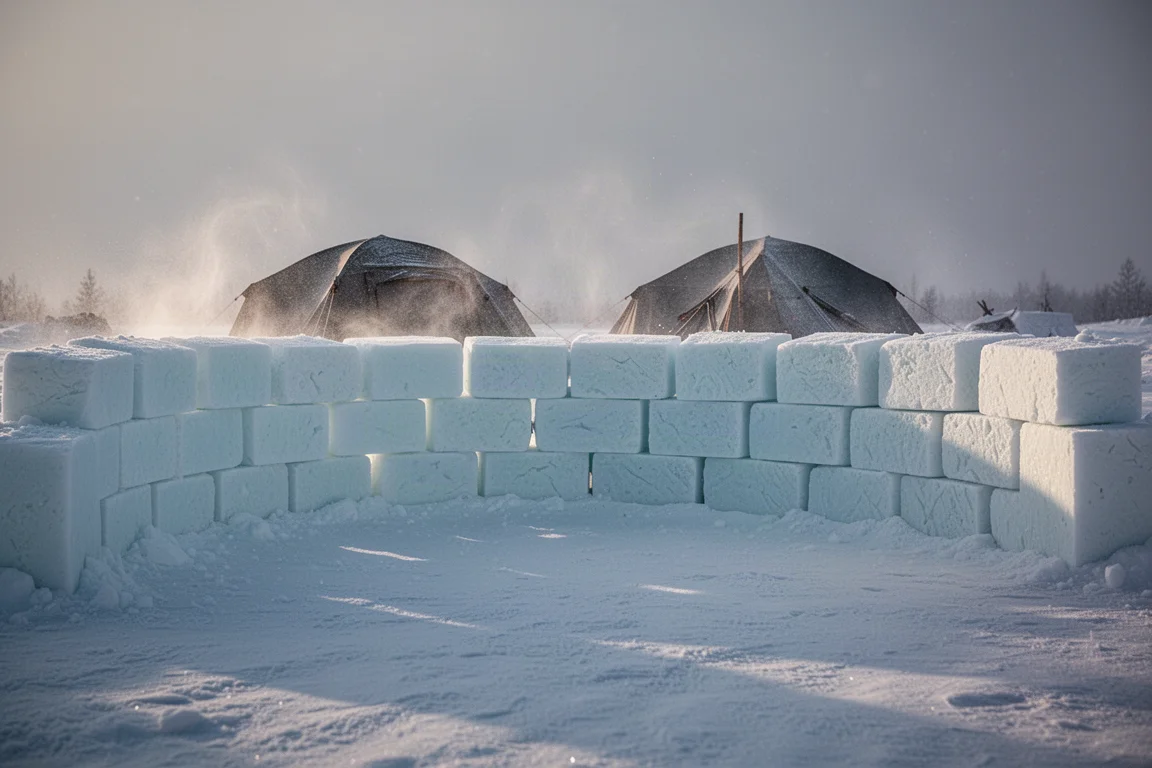
A shovel earns its place in a winter pack because camp is often built rather than found. Snow walls block spindrift, a dug-out platform keeps the shelter stable, and being able to move snow quickly makes the difference between a comfortable night and a miserable one.
Buying Advice
Spend first on the sleep system. A bag and pad combination that keeps you warm at the temperatures you actually expect is the foundation of every winter trip, and it is the hardest part of the kit to improvise. The shelter comes next, then the stove, matched to how cold your trips get. Safety equipment, meaning a satellite messenger and a fire kit, should be treated as non-negotiable rather than optional.
The AMG 75 is a good example of buying for the trips you take rather than the trips you imagine: it is more pack than most people need, and it makes sense for heavy winter loads and avalanche terrain. The two stoves illustrate the same logic in reverse. The PocketRocket Deluxe is the simpler, lighter option if your trips stay near minus 10 degrees Celsius, while the WhisperLite Universal is the one to choose when temperatures drop further or the route climbs high.
Late November is generally a good time to buy cold-weather gear, since retailers tend to run their largest sales then.
Conclusion
A winter kit is a system, not a shopping list. The pack carries the bulk, the shelter handles the weather, the sleep system keeps you warm through the night, the stove keeps you hydrated and fed, and the safety items cover the scenarios you cannot plan around. Get the sleep system and shelter right first, then build outward from there.
Further reading
Related Reviews
Winter Camping Gear
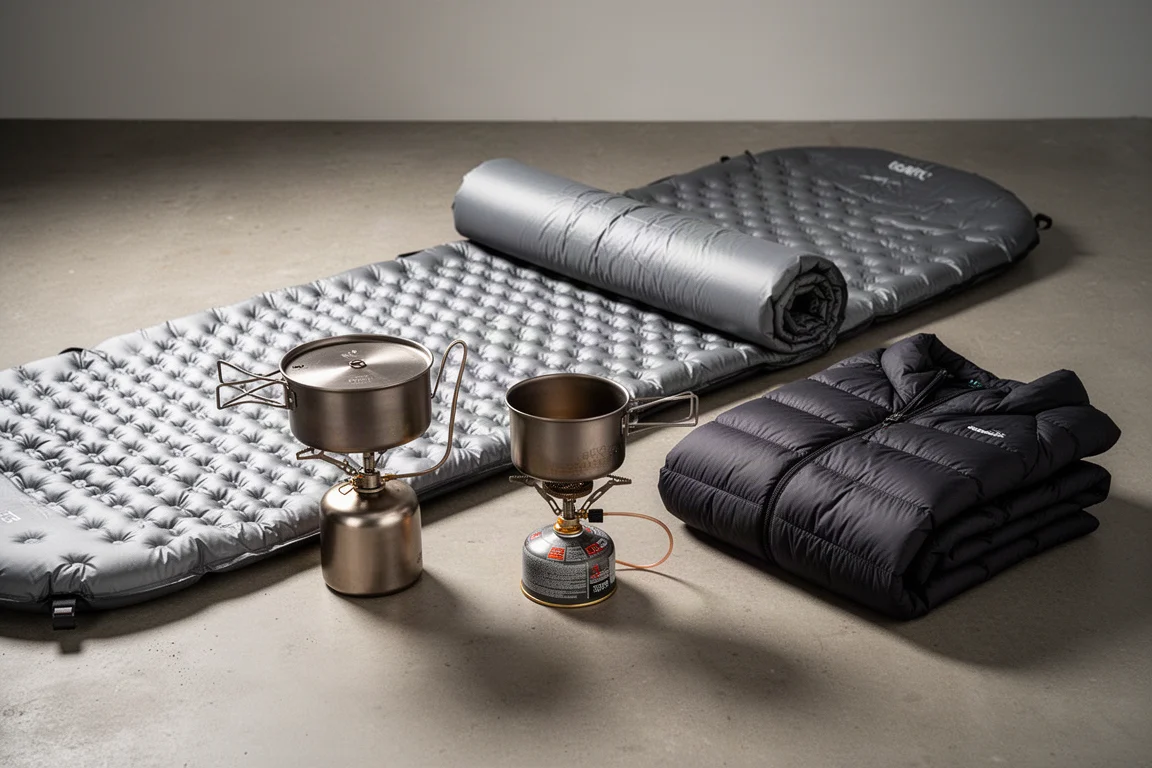
Affordable Winter Camping Gear: Six Budget Pieces Tested Below Freezing
Three reflective sleeping pads, an updated down jacket, a titanium pot and a $25 winter stove, assessed on frozen ground at around minus 12 degrees Celsius.
Winter Camping Gear
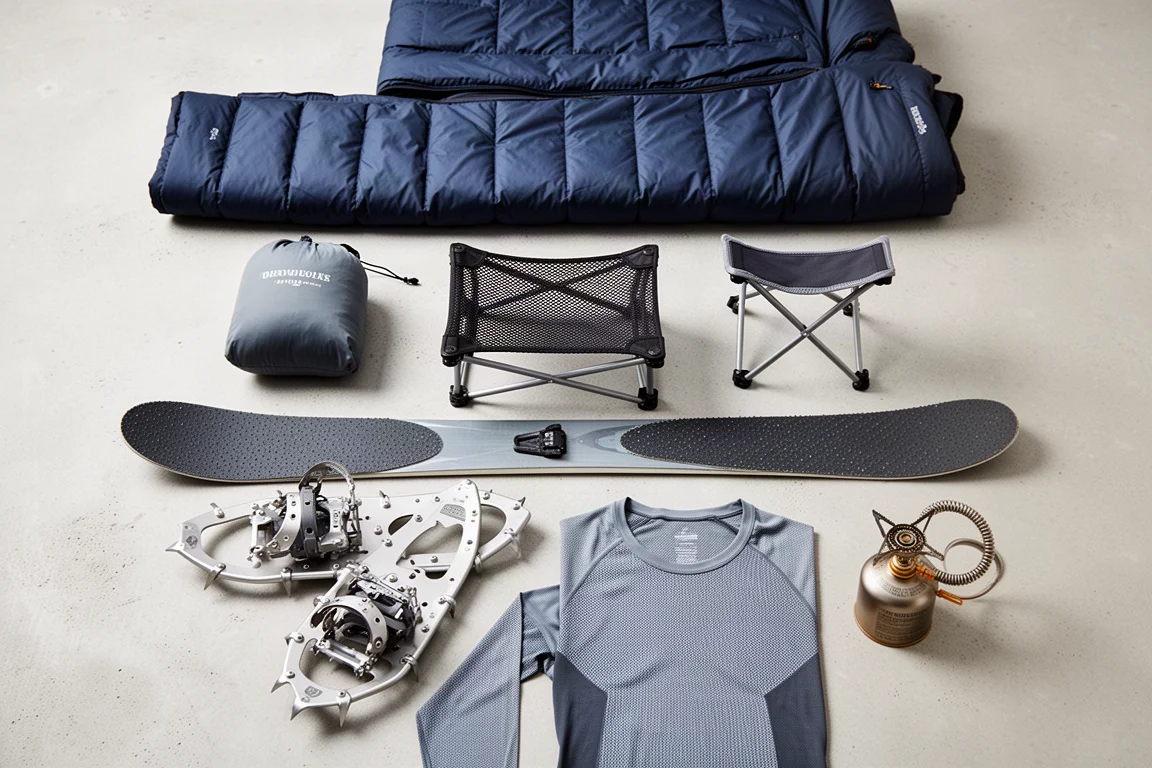
Best Winter Camping Gear 2026: Seven Pieces Worth Packing
A practical look at seven winter camping items, from an insulated parka rated to minus 20 degrees Celsius to a titanium stove built for cold canisters.
Winter Camping Gear
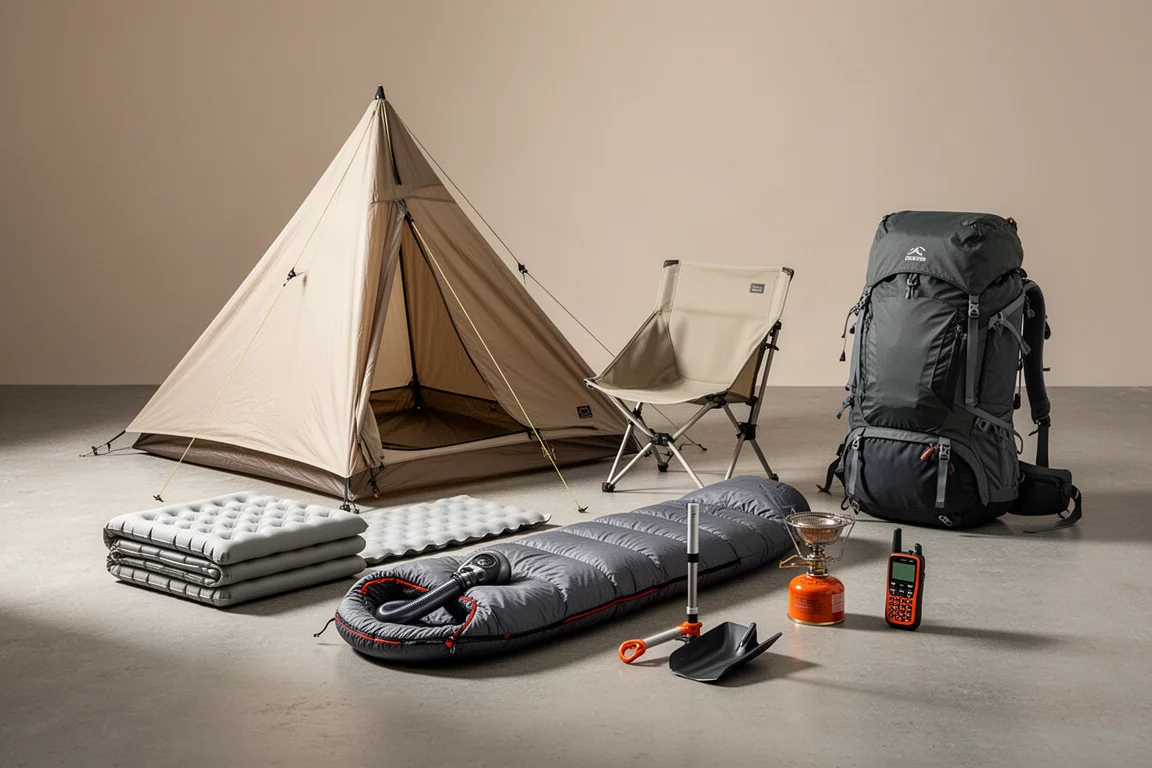
Ultimate Winter Camping Gear List: Proven Essentials for Cold-Weather Adventures
A curated list of winter camping gear that has proven itself in freezing temperatures, from shelter and sleep systems to cooking and safety essentials.