Winter Camping Gear
Winter Camping Gear for Deep Cold: Four Pieces Tested Overnight
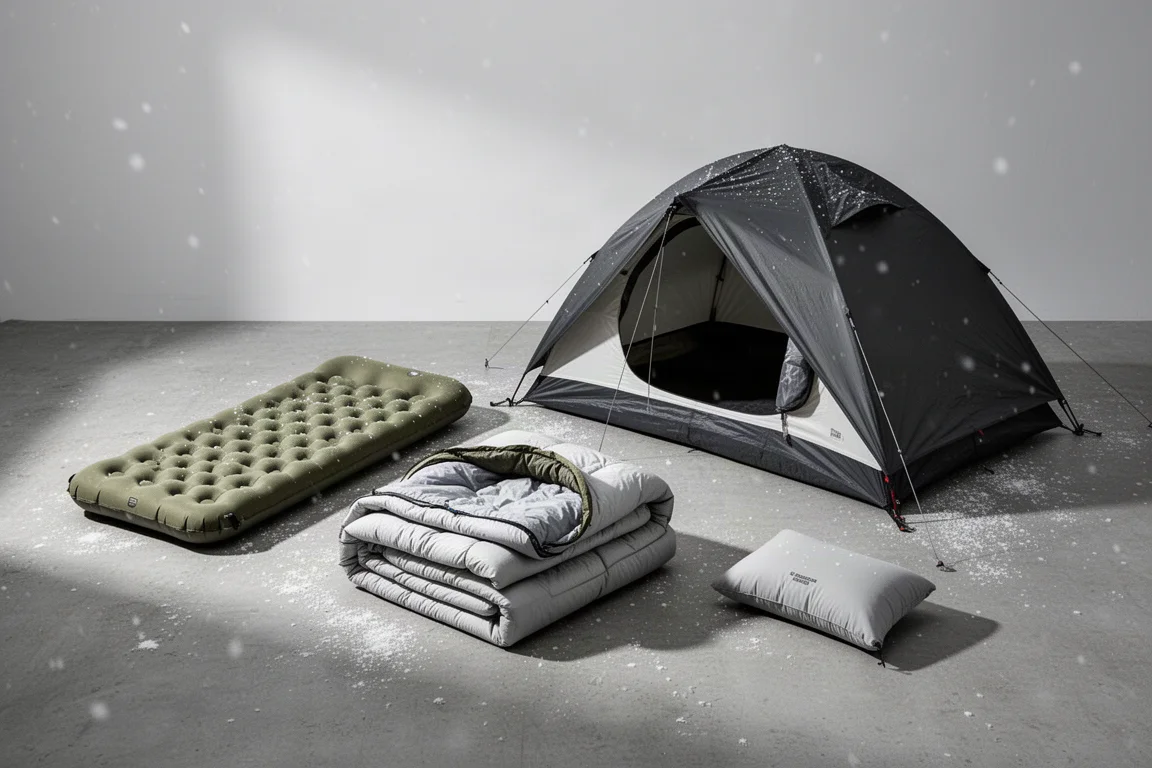
A sleeping pad, a quilt-based sleep system, a two-person winter tent, and a lightweight down pillow, tested through a night that dropped to minus 22 degrees Celsius.
Introduction
Winter camping comfort usually comes down to a handful of details that are easy to overlook until the temperature drops. On a recent overnight trip in the Canadian Rockies, four pieces of gear were put through a test that ended up colder than forecast, with temperatures falling to roughly minus 22 degrees Celsius.
The goal was straightforward: find out whether newer materials and design features can make a night on snow warmer and, just as importantly, more comfortable. The previous setup had a habit of producing soreness and numb limbs, and a conventional sleeping bag felt too restrictive for changing position during the night.
The four items under test were a Sea to Summit EtherLite XR Pro sleeping pad, a ZenBivy Light Bed Winter Edition sleep system, a Tarptent ArcDome tent, and a Sea to Summit down pillow. Each one addresses a different part of the problem, and each came with a specific question worth answering before recommending it to anyone else.
What Matters Most in Winter Camping Gear
Two things matter more than anything else once the temperature falls below freezing: warmth and comfort. Warmth is usually described by a pad’s R value or a bag’s temperature rating, but real-world performance depends on how effectively a system reflects heat back toward the sleeper and how thoroughly it seals out drafts. Even a small gap around the neck or shoulders can drain a surprising amount of heat when the air is well below freezing.
Comfort is the harder variable to judge. Pressure relief, the height of a pad’s baffles, and the ability to roll from one side to the other without waking up all play a part. A pad can look excellent on paper and still leave a side sleeper sore by morning.
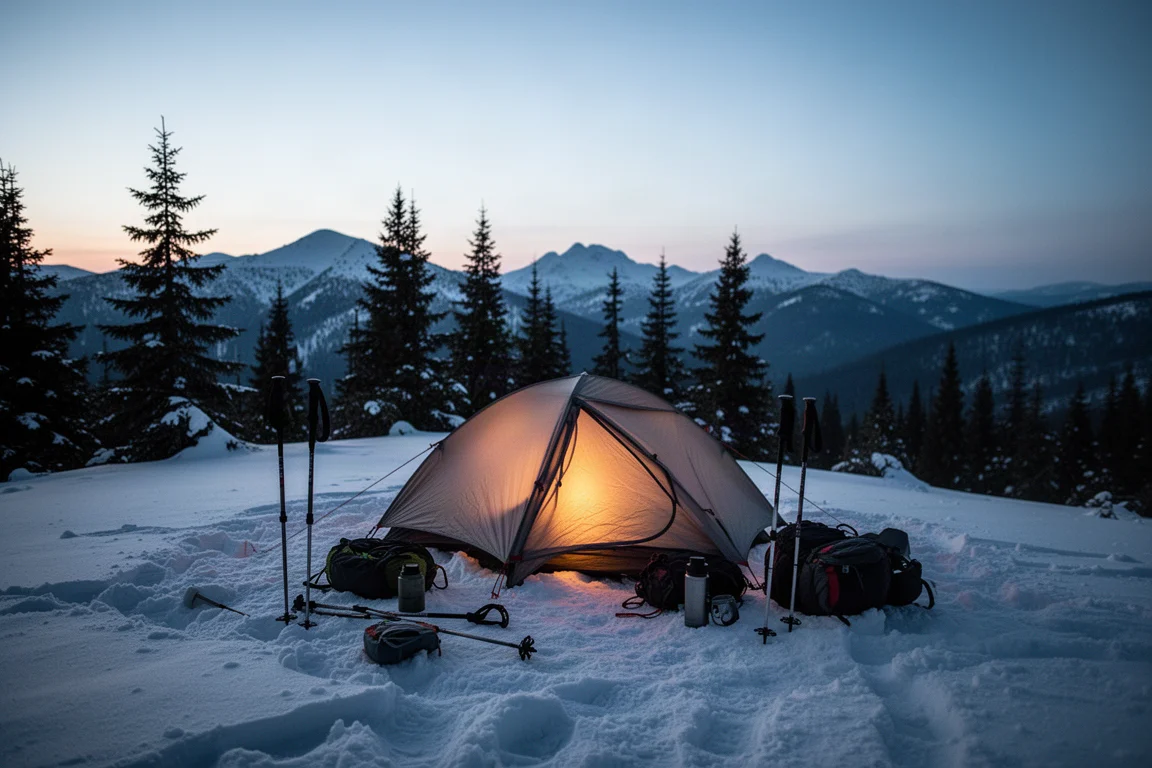
For shelter, the priorities shift toward structural stability and snow loading. A tent that shrugs off strong wind, sheds snow, and still fits two wide pads side by side is a very different proposition from a lightweight summer shelter. Weight matters too, but not at the cost of holding up when the weather turns.
Sea to Summit EtherLite XR Pro: Warmth at a Reasonable Weight
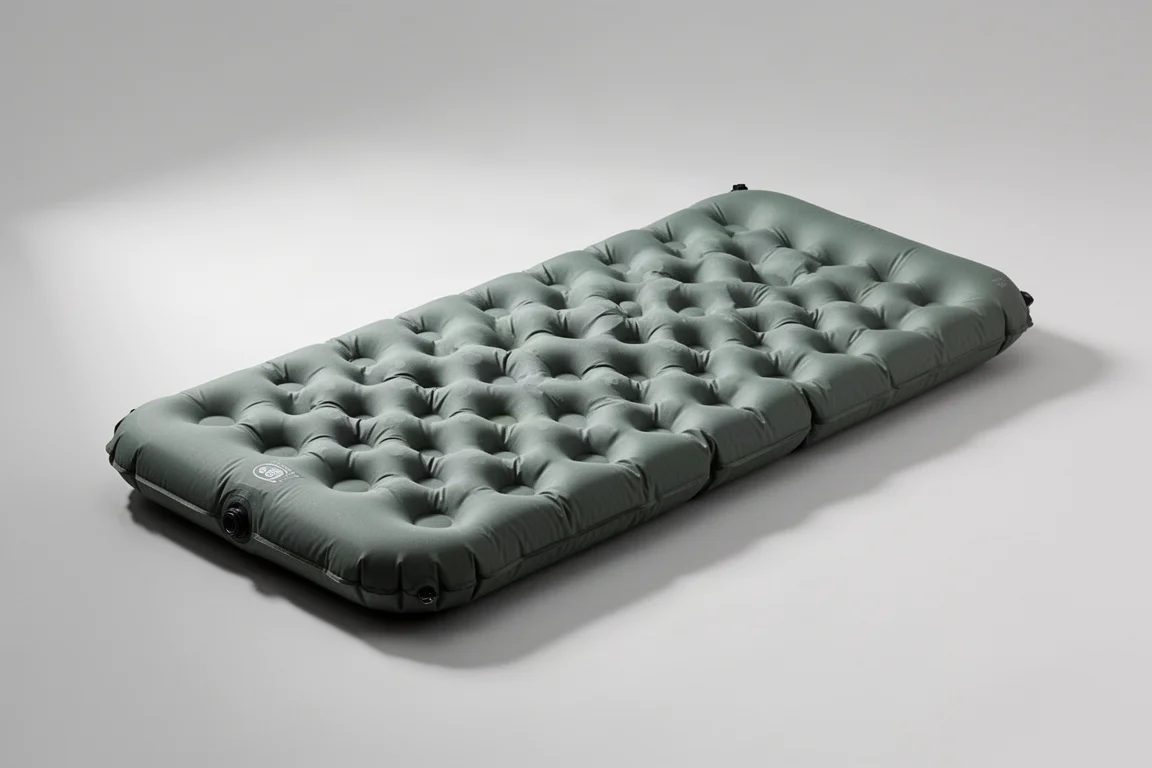
The EtherLite XR line is Sea to Summit’s update to the EtherLite XT, a pad that many users found exceptionally comfortable but that had known weaknesses in warmth and long-term durability. The XR version claims to address both. Insulation changes are said to make the pad sleep warmer and closer to its rated R value in real conditions, while durability improvements include a thicker internal TPU layer, the film that keeps the pad airtight, and oval-shaped weld points that increase surface area at the joints.
The Pro model carries an R value of 7.4, which places it in genuine winter territory. Its dimpled baffle pattern uses raised sections as air springs for pressure relief, and additional reflective layers are used to bounce heat back toward the sleeper. That reflective approach works well on some pads and poorly on others, so the overnight test was the real measure.
On the first night the pad initially felt like it was losing some heat, then warmed up and stayed comfortable for most of the night. Once temperatures reached minus 22 degrees Celsius, two things changed: the pad lost some inflation, so the sleeper sank in further, and the effective R value dropped, which produced noticeably more heat loss in the early morning hours. The pad’s lower limit for warmth appeared to sit around the minus 20 degree mark. It is not as warm as a Therm-a-Rest XTherm, and in practice it looks closer to something like a Nemo Tensor Extreme Conditions. It was used over a closed-cell foam pad, which is standard practice for winter trips.
Comfort was less impressive than hoped. Side sleeping did not deliver the pressure relief the design promises, and back sleeping was also less comfortable than expected, possibly because the raised areas are not as tall as on the earlier XT. More testing will be needed to confirm that, but the warmth result was better than anticipated for a pad that is neither heavy nor bulky.
ZenBivy Light Bed Winter Edition: Quilt Freedom With Bag Warmth
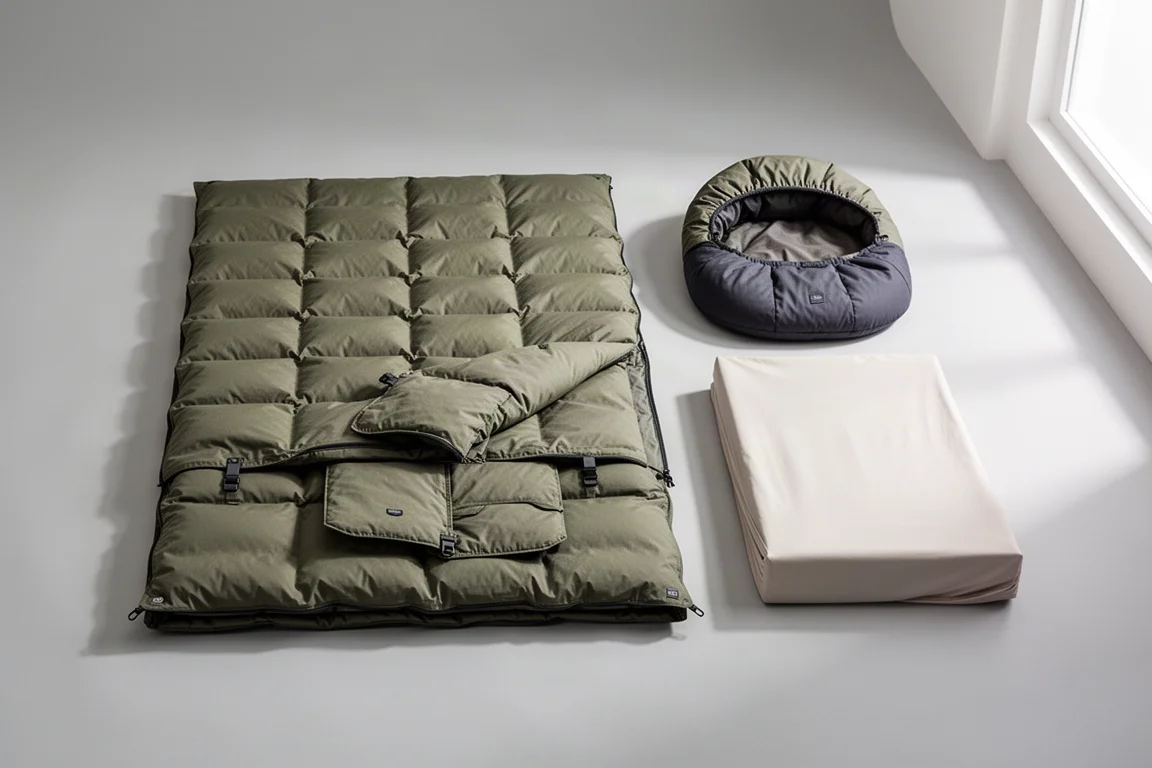
ZenBivy’s bed systems are designed to combine the draft-free warmth of a sleeping bag with the freedom of a quilt. The Winter Edition is comfort rated to 5 degrees Fahrenheit and limit rated to minus 5 degrees Fahrenheit. The system consists of a full-length sheet that covers the sleeping pad, an insulated hood attached to the sheet that holds a pillow in place, and a large down quilt that locks onto the sheet with a flap and clips. The quilt only connects along the top half, while the bottom half is fully enclosed like a conventional bag or quilt.
That connection is what eliminates drafts, and it also raised the questions worth testing: whether the hood would keep a head warm, whether the neck cinch could seal off the shoulders, and whether the whole system would hold up at the cold end of its range.
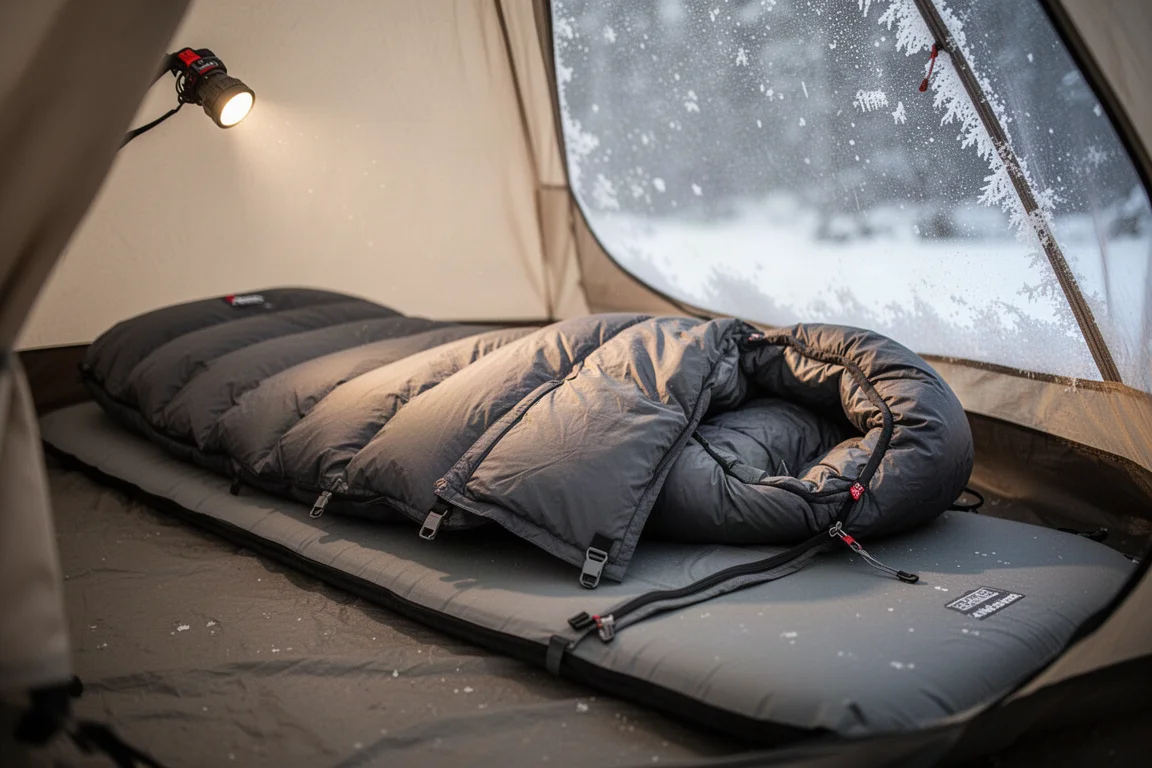
At minus 8 degrees Celsius, with base layers plus an alpha direct layer and fleece on top, the system felt very warm, close to too warm. Temperatures later fell to minus 22 degrees Celsius, colder than the limit rating. That is where the weak points appeared. Heat loss around the head was noticeable, possibly because the hood is very large and allows air to circulate, or because it carries less insulation than the rest of the quilt. The neck and shoulder area also leaked heat: the cinch tightens things down, but there is no snap at the corners, so the seal never fully locks. Changing position in the coldest hours introduced small drafts. Down to about minus 18 degrees Celsius the sleeper could move freely and stay warm; below that, staying still was the better strategy. Even so, the system was never freezing, the night was manageable, and it performed better than expected at that temperature.
Tarptent ArcDome: A Stormworthy Two-Person Shelter
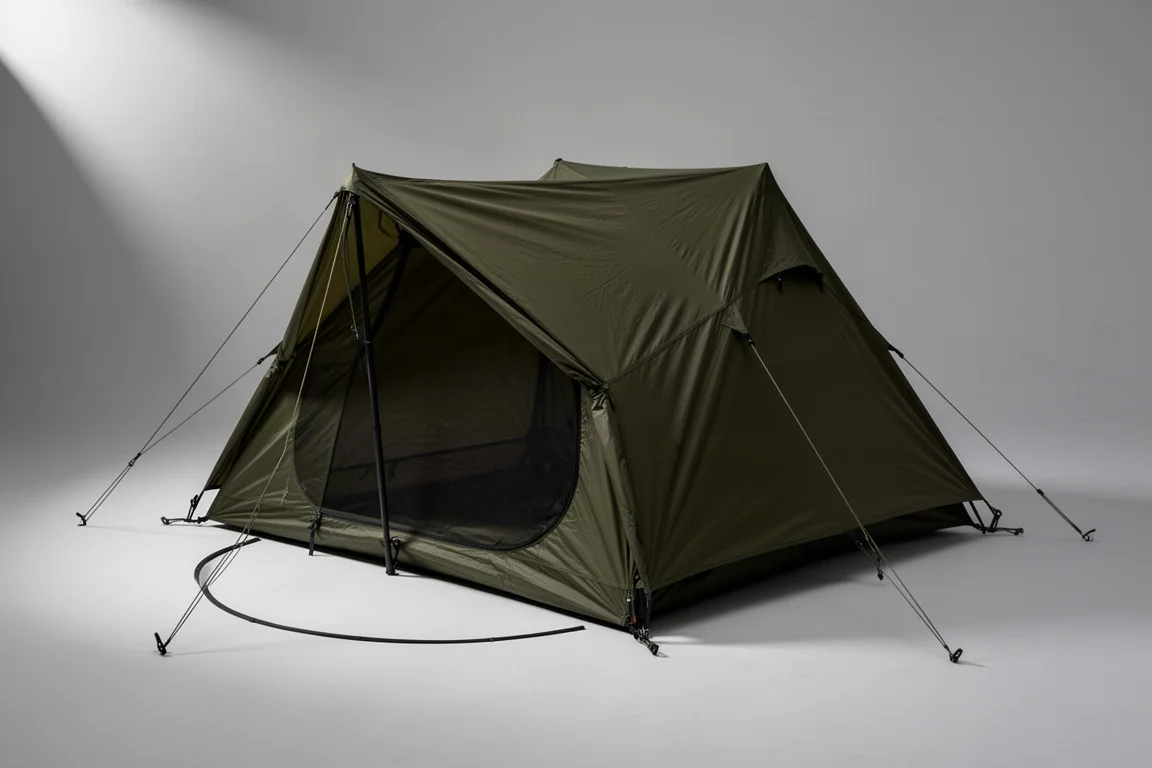
The ArcDome is positioned as a stormworthy four-season tent, and its headline claim is that it is a true two-person shelter: it fits two 25-inch wide pads side by side with a little room left in the corner for gear, while weighing roughly half as much as much of the competition. Its double-wall design pairs a fly with an inner that can be specified as solid or mesh. Because everything is attached, the tent goes up in a single pitch, which keeps the interior dry in rain or snow. The inner can be left at home entirely, turning the fly into a very large three or four-person shelter for anyone willing to sleep on the snow.
Storage is handled well for winter use. Two pockets sit high near the ceiling and two larger pockets are positioned at either end, above the floor, which matters when two people and their gear are sharing a small footprint.
Storm performance comes from several elements working together. The fly uses Ultra TNT, a rigid and highly durable fabric, over a sleeved cross pole structure in which large aluminum poles run through fabric sleeves that add support. The cross pole geometry sheds wind while staying structurally sound. Sixteen guy points reinforce the frame: two on each pole sleeve, one in the middle of each large side panel, and one at the foot end. Fully guyed out, the tent feels locked down. In calmer conditions it is a true freestanding design, so as few as four stakes, or none at all, can be enough.
Real-world wind performance has been strong. In one outing the tent handled gusts near 100 kilometres per hour. In a separate comparison of six tents in winds up to 73 kilometres per hour, it performed the best of the group. Snow loading also looks solid: pressing down on the roof with the door open, the structure barely moved.
A few things could be better. The door is small and low, which makes entry awkward for larger users, and the fly zipper sits higher than the inner zipper, so closing up from inside means reaching up and around the door, which is difficult with gloves in the dark. At the corners, the guyline loops are too narrow for snow stakes as delivered, so the knots have to be undone and retied. The pole sleeves are narrow and the pitch is tight, making it hard to feed and bend poles into place in the cold even with everything loosened. Finally, Ultra TNT cannot simply be stuffed into a sack the way silnylon can, so it has to be folded and rolled, which is fiddly when the fabric is cold and crinkly.
Overall, the ArcDome lands just short of a perfect score. It is nonetheless one of the best, and possibly the best, true two-person winter tents available: very few shelters at this weight fit two 25-inch pads, and fewer still handle the conditions this one has handled.
Sea to Summit Down Pillow: Light Insulation for Cold Nights
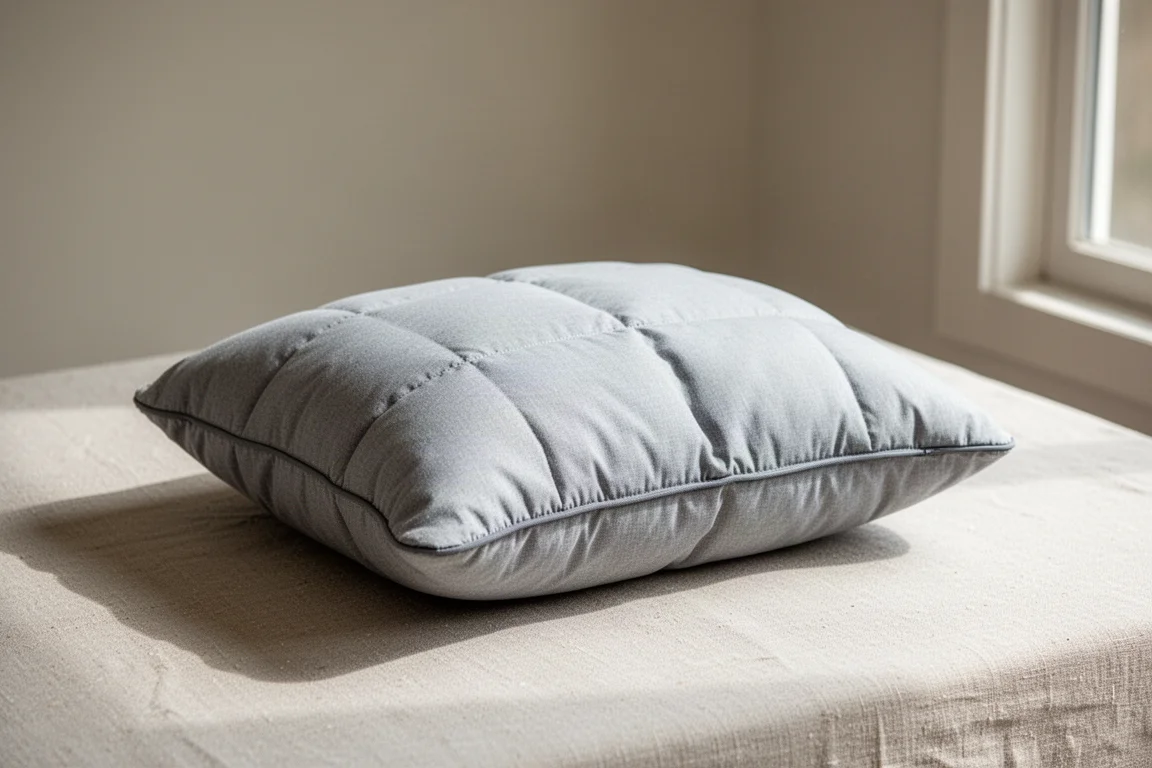
At under 100 grams, the Sea to Summit down pillow is a small addition that puts a little insulation under the head. It is thin, with limited height, so it is not the most comfortable pillow on its own, and it may suit sleeping bag users who gain some height from their bag’s hood. It also lacks the curved notch found on some other Sea to Summit pillows, which helps side and back sleepers settle into place.
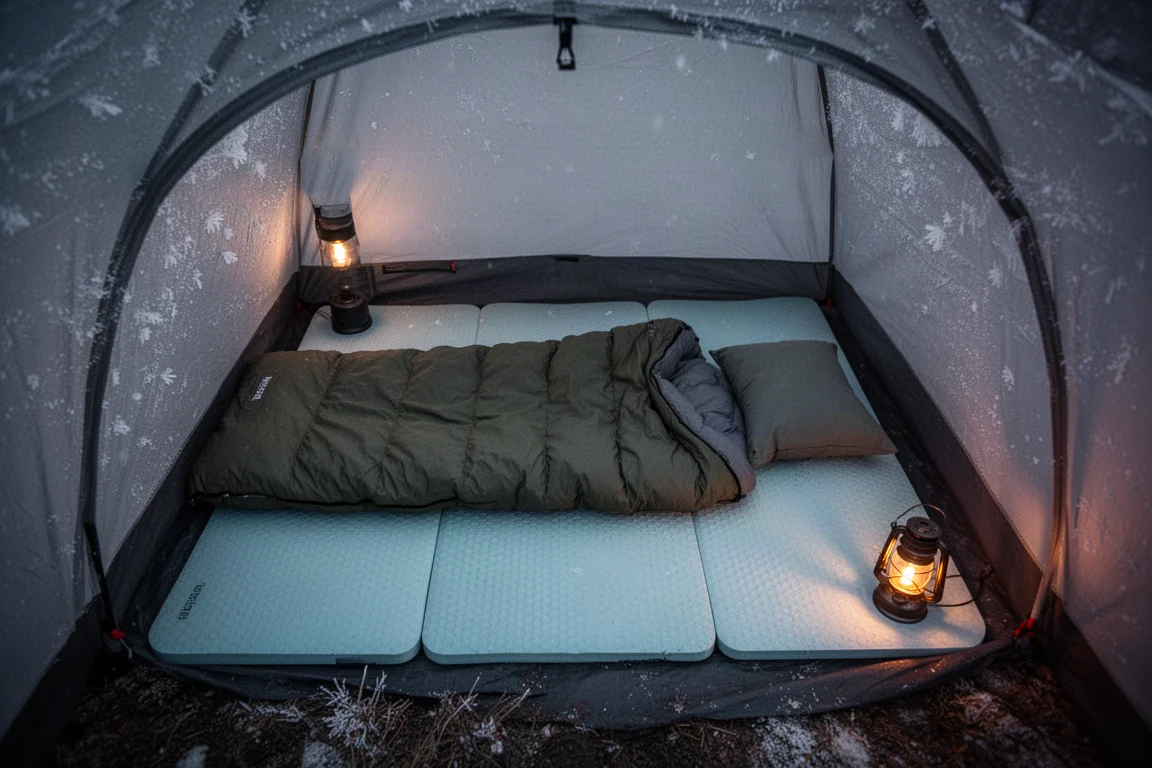
Because the head compresses the down, some heat is lost through the pillow, but the fill still provides a modest amount of warmth. Paired with Sea to Summit pillow lock stickers, it can be attached securely to a sleeping pad, which makes it a practical option for anyone using a bag without a pad strap.
What the Overnight Test Revealed
Taken together, the sleep system performed better than expected in conditions colder than the forecast. The pad held usable warmth to roughly minus 20 degrees Celsius before its inflation and effective R value began to slip. The ZenBivy system stayed comfortable for movement down to about minus 18 degrees Celsius and remained survivable below its limit rating, although heat loss around the hood and shoulders became noticeable. A synthetic quilt layered over the top would likely extend the usable range further for trips that regularly go colder.
The tent was the least surprising part of the test, in the best way. Wind performance was already proven, and the structure showed very little deflection under hand pressure on the roof, which suggests it can carry a serious snow load. The main friction points were all small and user-facing: the door, the corner hardware, the tight pole sleeves, and the fabric that refuses to be stuffed.
Overall Buying Advice
Matching each piece to the conditions you actually camp in matters more than chasing the lowest weight or the highest rating.
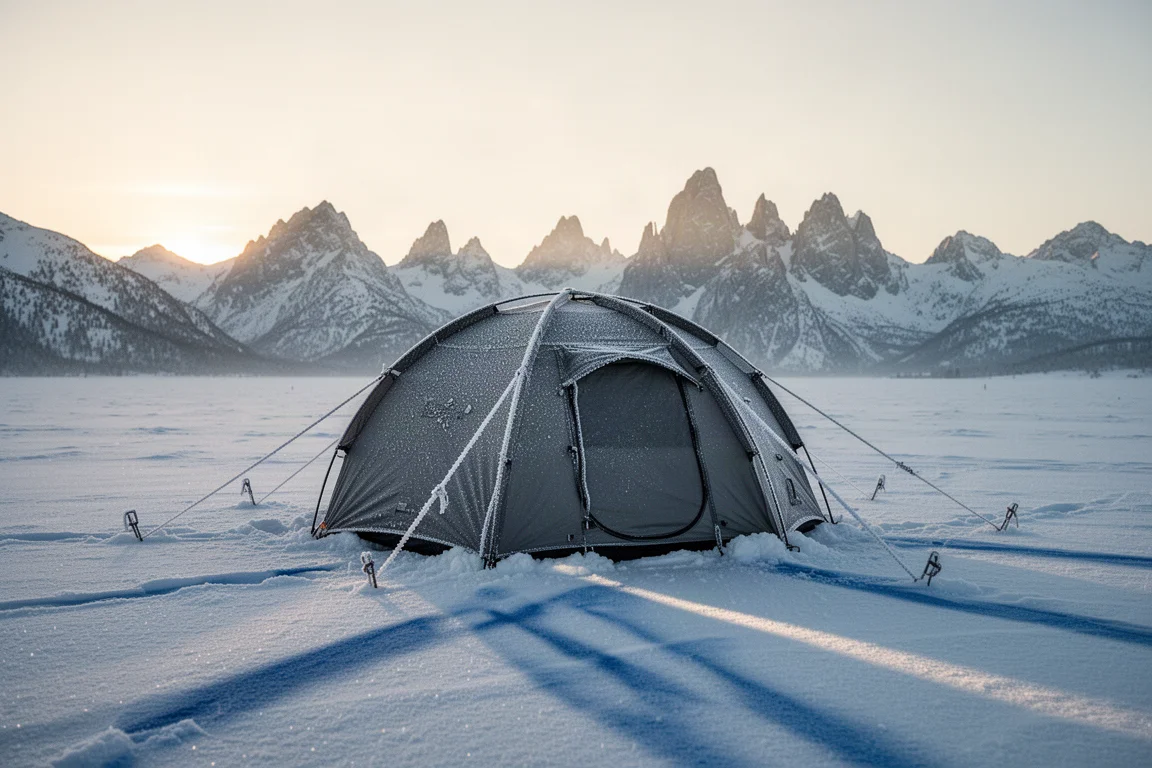
The EtherLite XR Pro makes sense for anyone who wants a genuine winter pad without the bulk and weight of older high-R-value designs, and who is willing to accept a comfort trade-off. The ZenBivy Light Bed Winter Edition suits sleepers who dislike mummy bags and want to change position during the night; if your trips regularly drop below minus 18 degrees Celsius, plan for extra layers or a supplemental quilt. The Tarptent ArcDome is the strongest choice here for two-person winter trips where wind and snow are expected and pack weight still matters, provided you are comfortable with a small door and a tight pitch. The down pillow is a low-cost, low-weight add-on that works best for sleeping bag users who need a way to keep a pillow in place.
None of these items is a compromise-free purchase, but each one solves a specific winter problem that cheaper or older gear often does not.
Conclusion
Deep cold exposes weak points quickly, and this set of gear came through the test with clear strengths and equally clear limitations. The pad delivers real winter warmth at a reasonable weight, the ZenBivy system offers quilt-like freedom with bag-like draft control down to its limit rating, and the ArcDome is about as capable a two-person winter shelter as you will find at its weight. For anyone rebuilding a winter kit, these four pieces are worth a serious look, as long as you match them to the temperatures and conditions you actually expect to meet.
Further reading
Related Reviews
Winter Camping Gear
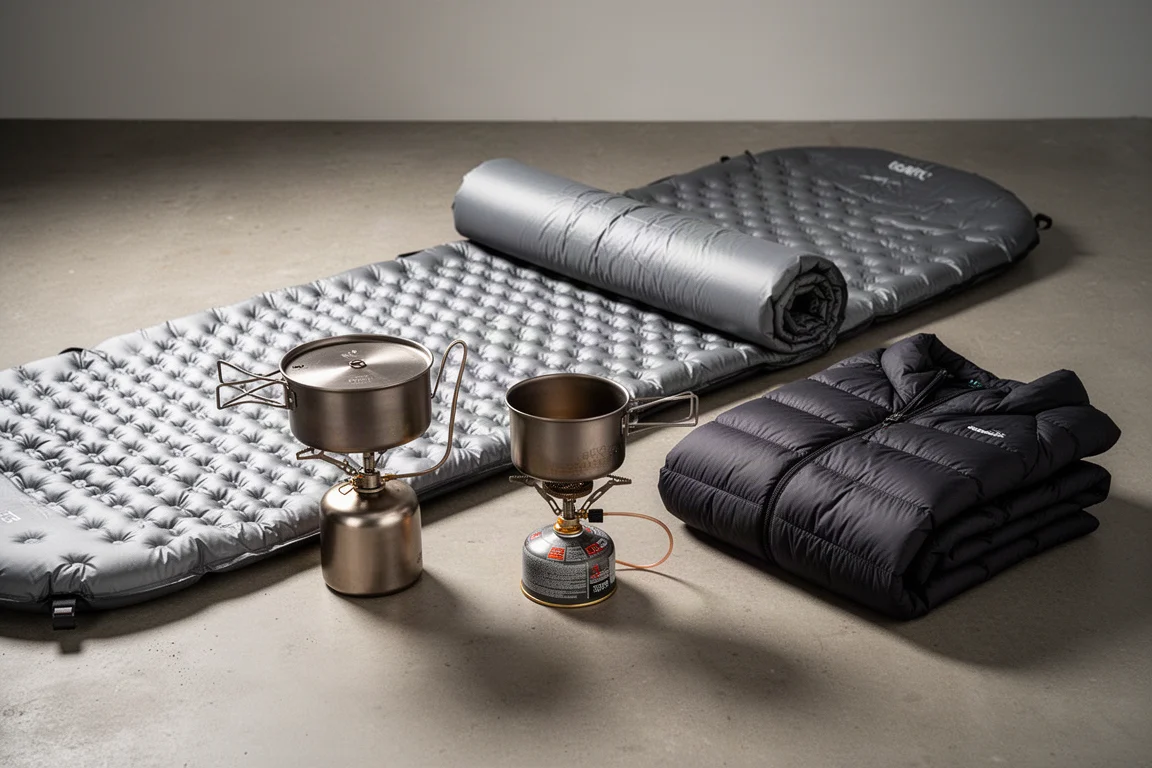
Affordable Winter Camping Gear: Six Budget Pieces Tested Below Freezing
Three reflective sleeping pads, an updated down jacket, a titanium pot and a $25 winter stove, assessed on frozen ground at around minus 12 degrees Celsius.
Winter Camping Gear
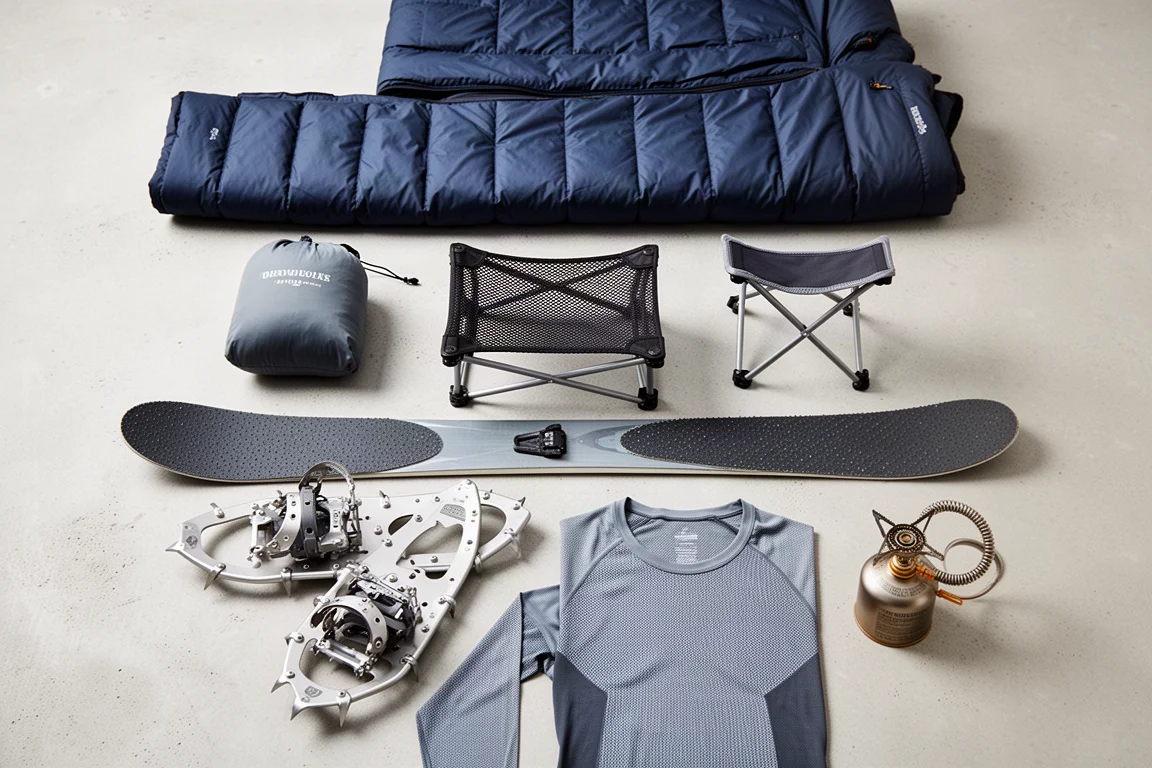
Best Winter Camping Gear 2026: Seven Pieces Worth Packing
A practical look at seven winter camping items, from an insulated parka rated to minus 20 degrees Celsius to a titanium stove built for cold canisters.
Winter Camping Gear
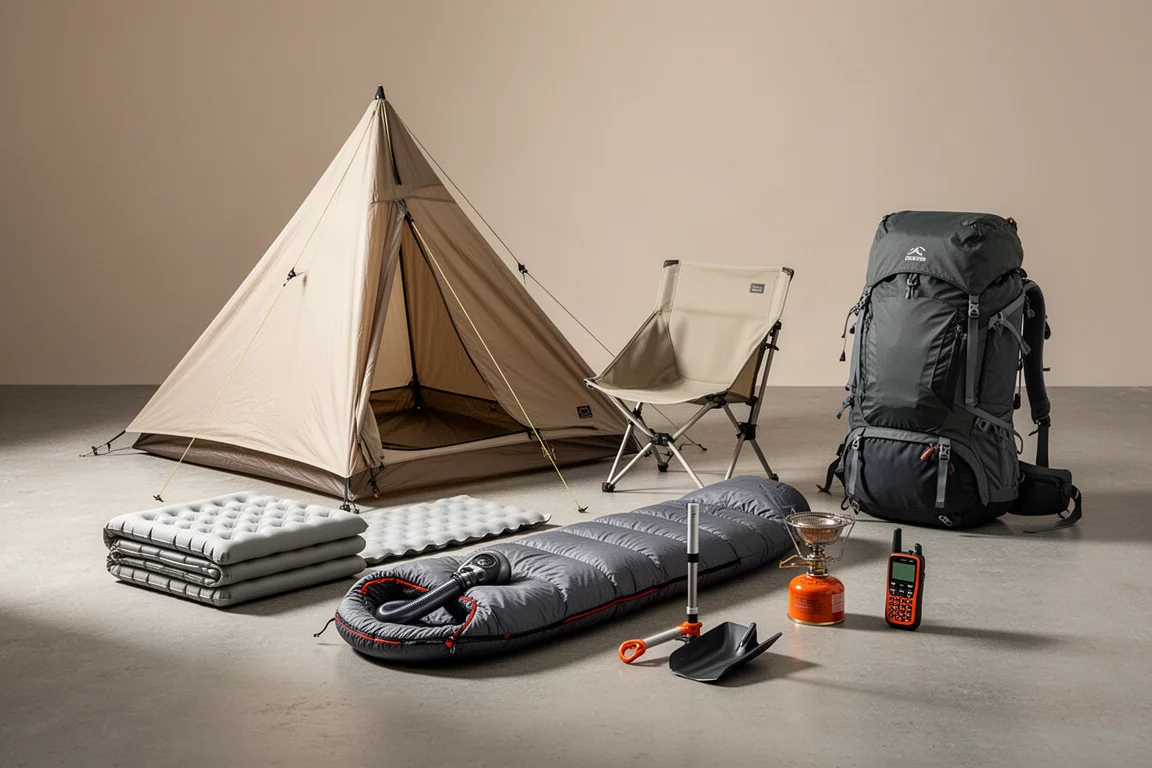
Ultimate Winter Camping Gear List: Proven Essentials for Cold-Weather Adventures
A curated list of winter camping gear that has proven itself in freezing temperatures, from shelter and sleep systems to cooking and safety essentials.