Winter Camping Gear
Winter Camping Gear for Cold Overnights: A Lightweight Tent and Three Sleeping Pads
A sub-kilogram freestanding winter tent and three winter sleeping pads, compared on warmth, comfort, weight, and how they hold up on real cold-weather nights.
Introduction
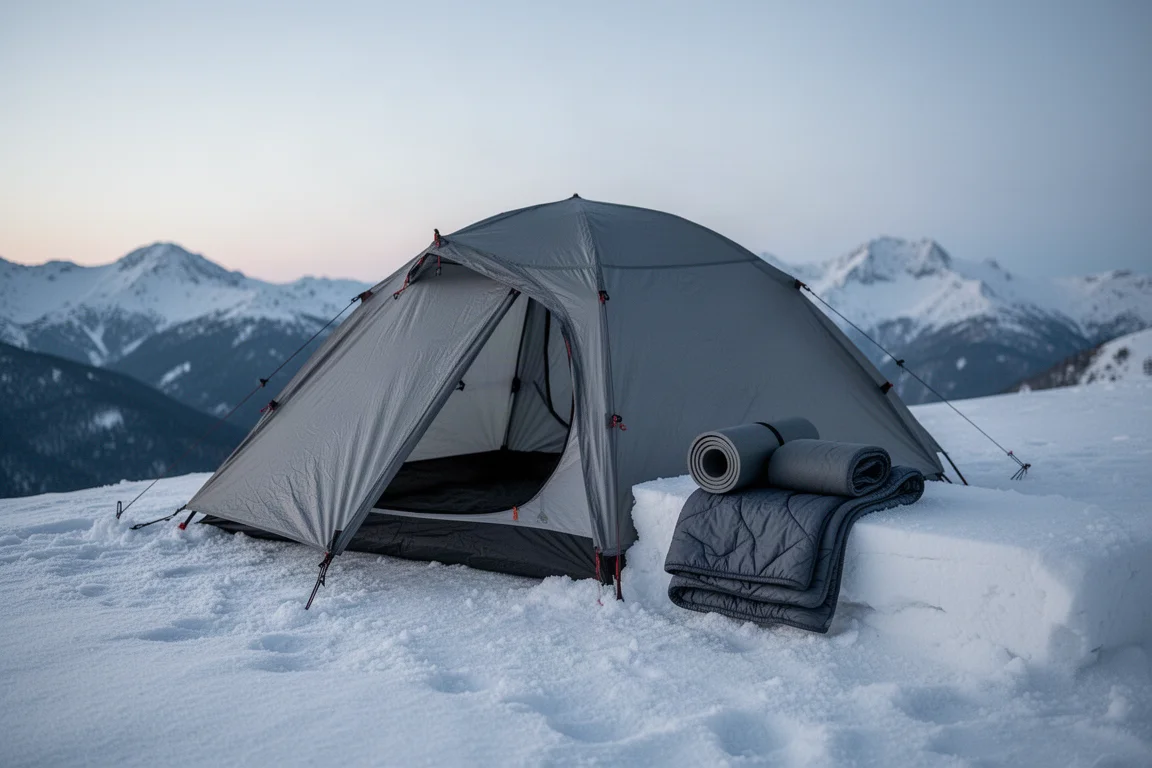
Winter camping asks gear to do more than it does in summer. A shelter has to shed wind and hold up on snow, a sleeping system has to keep you warm through a long night, and everything you carry has to justify its weight. On a recent cold-weather trip, overnight temperatures dropped well below freezing and the ground was a mix of packed snow, ice, and exposed ridge line.
The items below were put to work in exactly those conditions. Two of them anchor the sleep and shelter system, and two serve as the warmth benchmarks that any winter sleeping pad has to be measured against. What follows is a practical look at what each one does well, where it leaves room for improvement, and which kind of camper it suits.
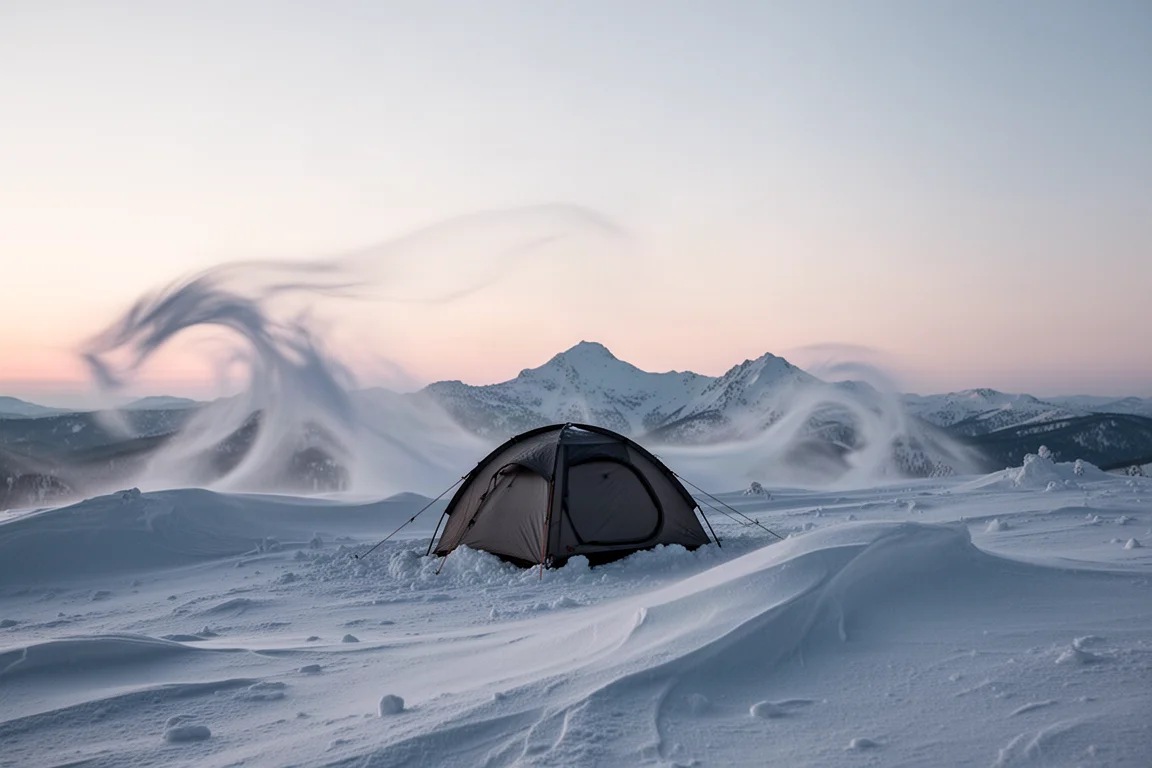
None of this gear is perfect, and that is the useful part. The notes here focus on the details that actually change how a night out feels, from pole inserts that fight you when you are wearing gloves to the question of whether a comfortable pad can also be a warm one.
How These Items Were Evaluated
Four things decide whether winter gear earns a place in the pack: warmth, comfort, weight and packed bulk, and how the item behaves when conditions turn. Ease of use matters more in winter than in any other season, because thick gloves make small tasks difficult and cold hands make them slower. Durability matters too, since gear is often used night after night on the same trip.
The trip also covered a compact 650 ml pot, a mesh base layer system, and vapor barrier bags worn inside boots, which are handled separately from the shelter and sleep items discussed here.
Shelter was judged on wind handling, snow load, and how much solid fabric stands between the occupant and the weather. Sleeping pads were judged on warmth under real overnight lows, comfort in different sleeping positions, and whether the insulation stays where it should.
X-Dome Tent: A Lightweight Freestanding Shelter
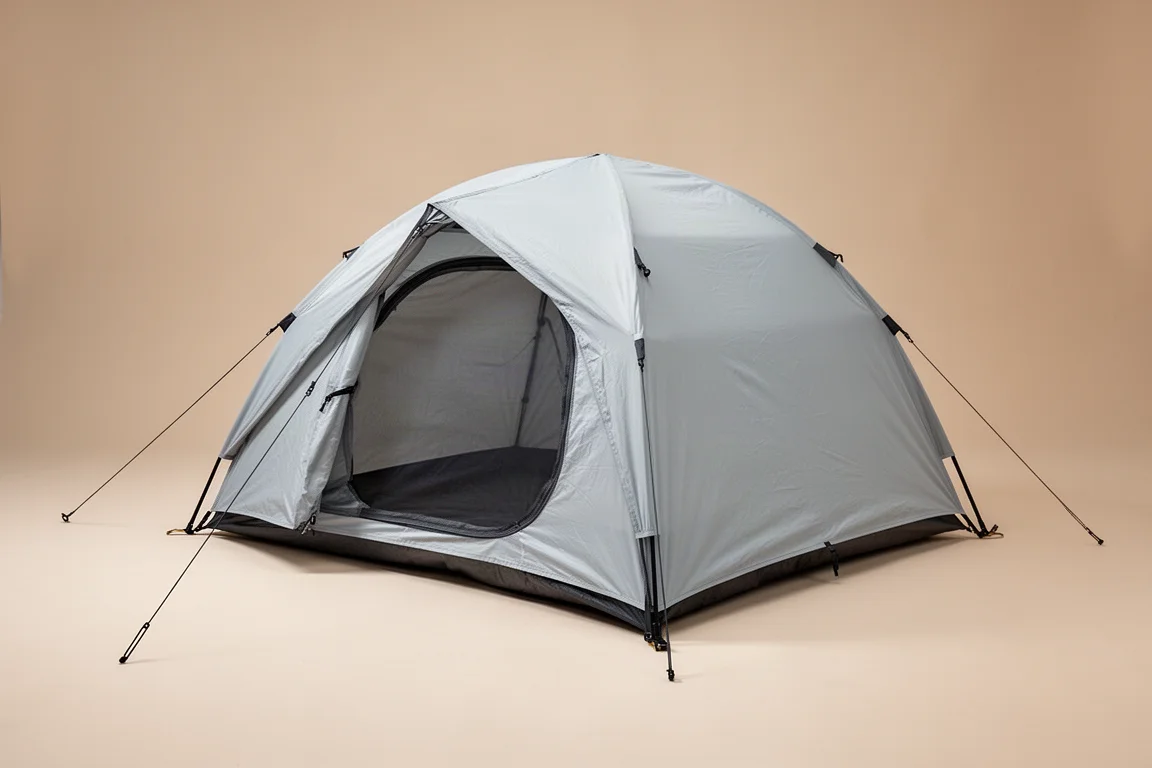
Freestanding tents have a real advantage in winter. They pitch on sugary snow, on rocky ground, and in places where there is not enough snow to bury a deadman anchor. The usual cost is weight and bulk, and many winter-specific freestanding designs are heavy enough that the convenience stops feeling worth it.
The X-Dome takes the opposite approach. It weighs under a kilogram while keeping the structure needed for winter conditions. It has already come through 65 km/h winds, and on this trip a 35 lb pack was placed on top of the pitch to see how it handled a snow load.
Wind management comes down to how the tent is pitched. The inner uses a fair amount of mesh, particularly around the door, but there is a meaningful amount of solid material running up the sides. Piling snow around the outside blocks much of the airflow that would otherwise creep underneath and through the mesh, and orienting the side opposite the door into the wind gives better structural stability. A guy-out loop wraps around the pole to add support at a key point, and trekking poles can be added on the broad sides for extra bracing.
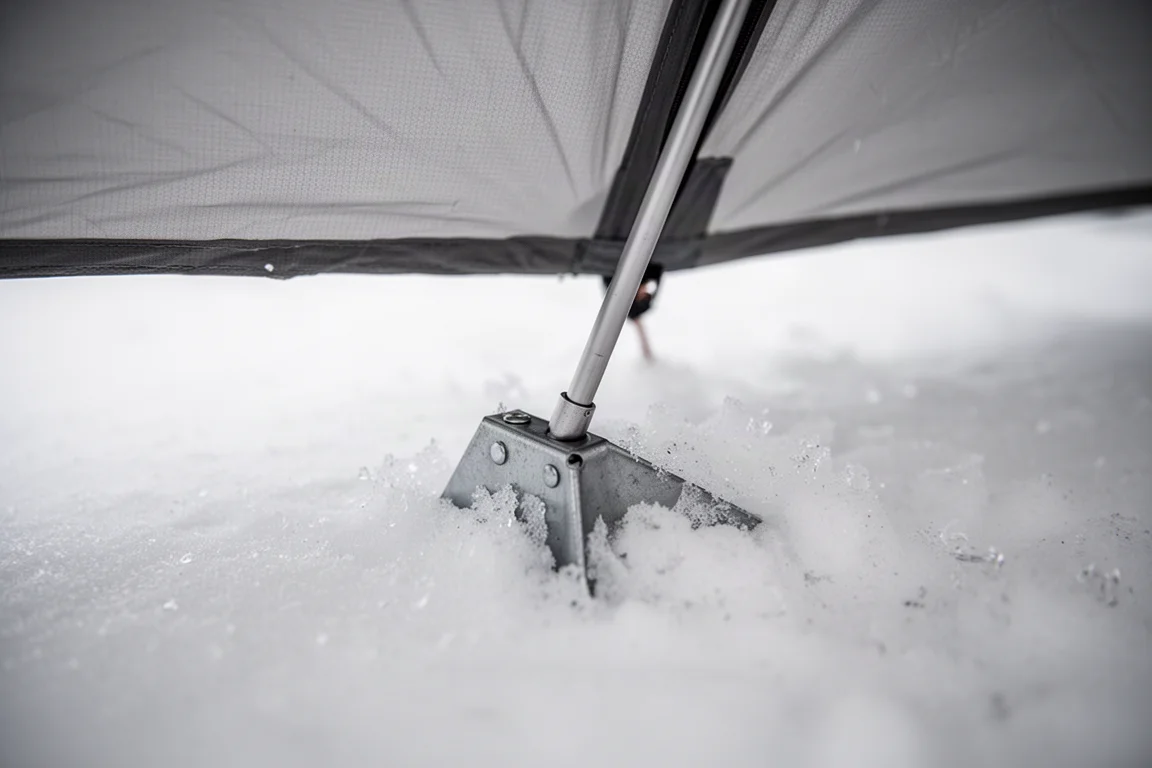
The main frustration is at the corners. Each pole end seats into a metal foot that has two slots, which allows the tent to be pitched either inner first or as a single unit. Getting the poles into those feet is fiddly, and it becomes genuinely difficult with gloves on in freezing conditions. The inserts at the end of the poles are also not fixed in place, so they tend to pop out when the pole is shaken apart. That design choice exists for a reason: the inserts can be removed so an individual pole segment can be replaced if it bends or breaks. The practical fixes are simple enough, either taping the connection point or using a glue that softens with heat so the insert can still be pulled out for repairs.
A second suggestion concerns the door side, where extending the solid fabric roughly a third of the way up would add wind protection without meaningfully affecting ventilation. That is the kind of change that would make the tent more useful in blowing sand or on exposed ground where there is no snow to pile up around the edges.
Exped Ultra 7R: Comfort First, Warmth in Question
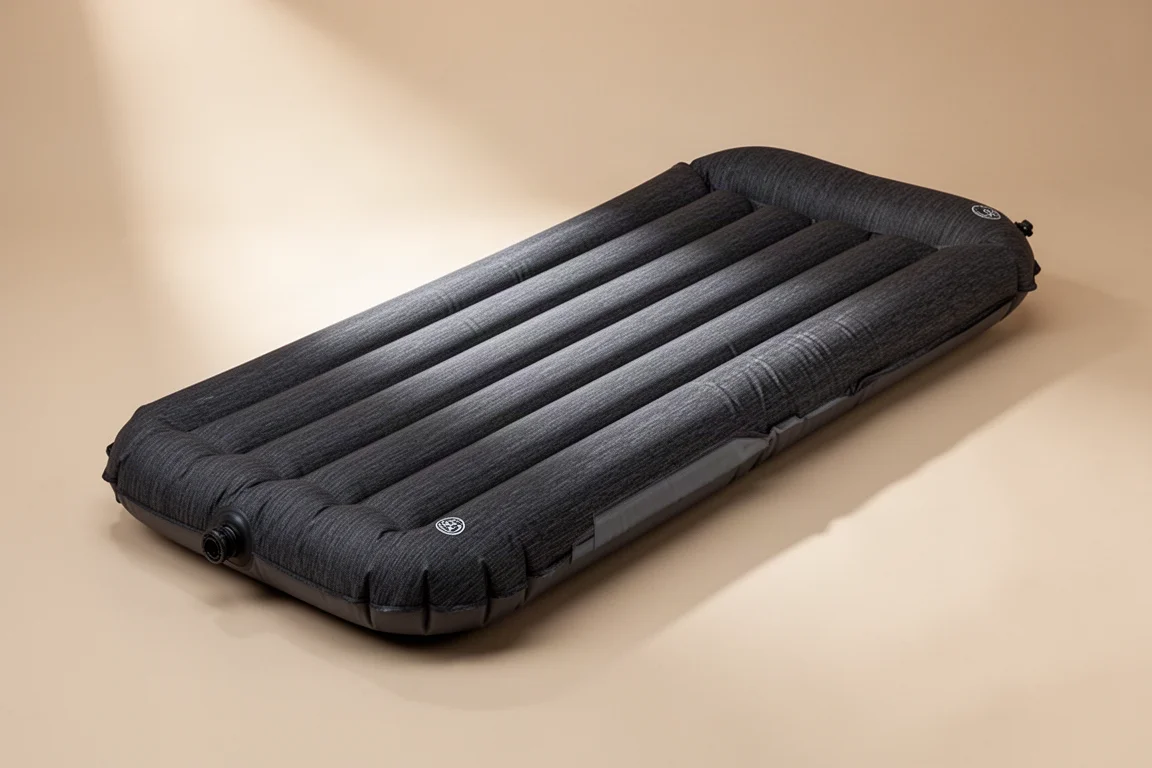
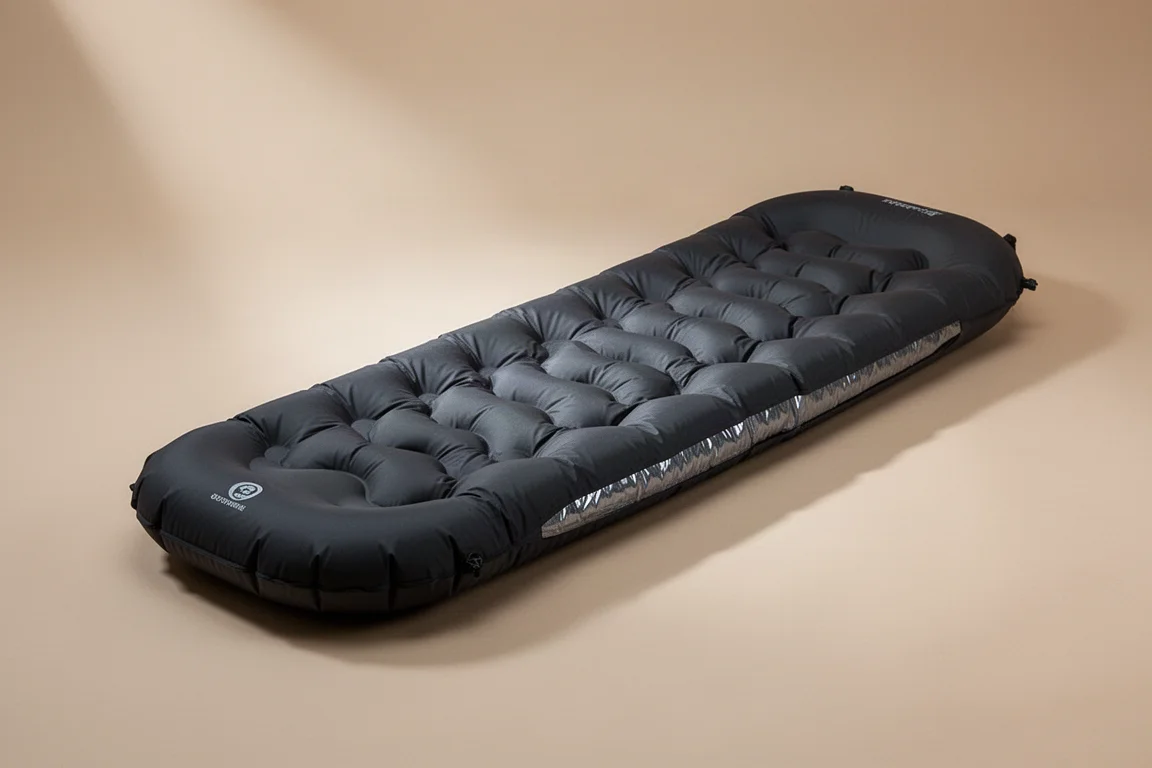
The Ultra 7R uses vertical baffles and loose down insulation inside each one. That construction is a departure from the synthetic insulation used in other pads in the same family, where the fill is pulled between the top and bottom layers to create the insulating layer.
Comfort is where the pad delivers. The vertical baffles make side sleeping noticeably more pleasant, and it is the most comfortable of the winter pads discussed here. That matters on long winter nights, when changing position is one of the few things you can do to stay comfortable.
Warmth is the open question. On a night with an overnight low of -7°C, the pad slept cold, and heat loss was noticeable even at around -10°C when going to bed. Shaking the pad before sleep and again during the night, to loosen down that may have clumped inside the baffles, did not resolve it. It is possible that the specific unit was not performing as intended, and that question remains open rather than settled. The comfort advantage is clearest when compared with the other winter pads in this guide, which put warmth first and are less pleasant to lie on, especially on your side.
Therm-a-Rest XTherm: A Proven Warmth Benchmark
The XTherm is the pad that other winter pads get compared against, and warmth is the reason. It is built to keep a sleeper warm on cold ground, and in that role it is a dependable reference point for anyone heading out in serious cold.
The trade-off is comfort. Lying on it, particularly on your side, is less pleasant than lying on the Ultra 7R, and that is the compromise that comes with a warmth-first design.
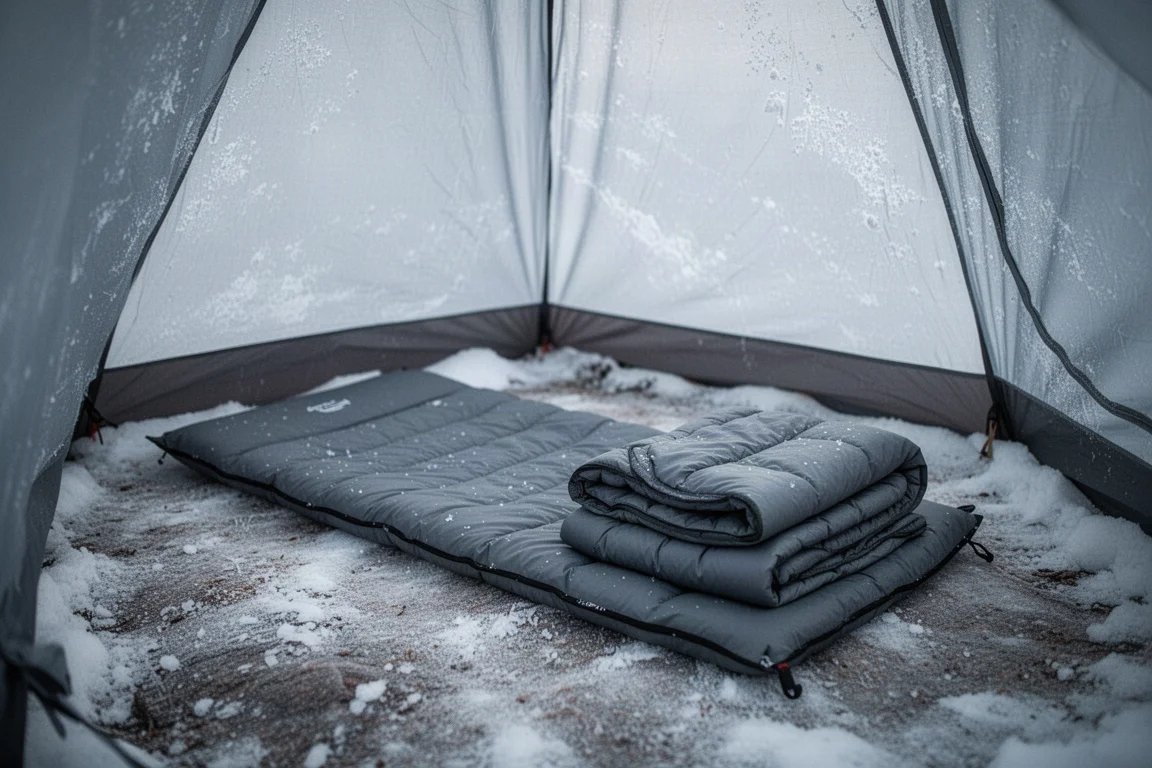
For campers whose priority is staying warm on the coldest nights, that is a reasonable trade to make. The pad makes the most sense when the trip is cold enough that warmth outweighs how the pad feels, or when it is paired with a quilt system that already handles comfort and lets you shift position freely.
Nemo Tensor Extreme Conditions: Warmth-Focused Alternative
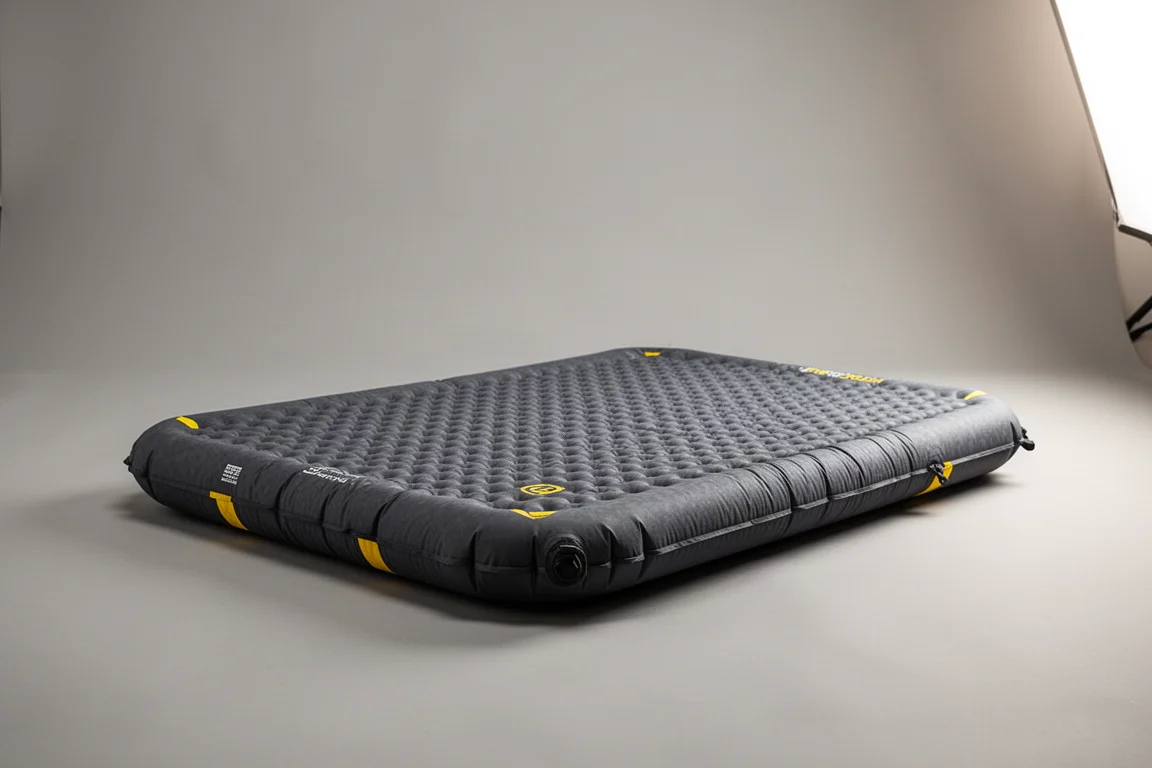
The Tensor Extreme Conditions occupies much the same territory as the XTherm. It is a winter pad that puts warmth at the top of the list, and it holds up as a serious cold-weather option for trips where overnight temperatures drop hard.
Comfort is again the compromise. It is not as pleasant to lie on as the Ultra 7R, especially for side sleepers, and that is the cost of the warmth-first approach. For campers who sleep on their back more often than their side, that trade is easier to accept.
Buying Advice: Matching Gear to the Trip
The right choice depends on which problem is costing you the most sleep. If pitching a tent on rocky ground or sugary snow is the recurring headache, a freestanding shelter that weighs under a kilogram is a genuinely useful answer, and the X-Dome fits that brief, with the caveat that the corner feet take some practice and the pole inserts may need a simple home remedy.
If comfort is what keeps you awake, the Ultra 7R is the most comfortable of the pads here, but its warmth performance in this test was inconsistent and worth confirming before committing to deep-cold trips.
If warmth is the priority, the XTherm and the Tensor Extreme Conditions are the established options, and the comfort trade-off is the price of that priority.
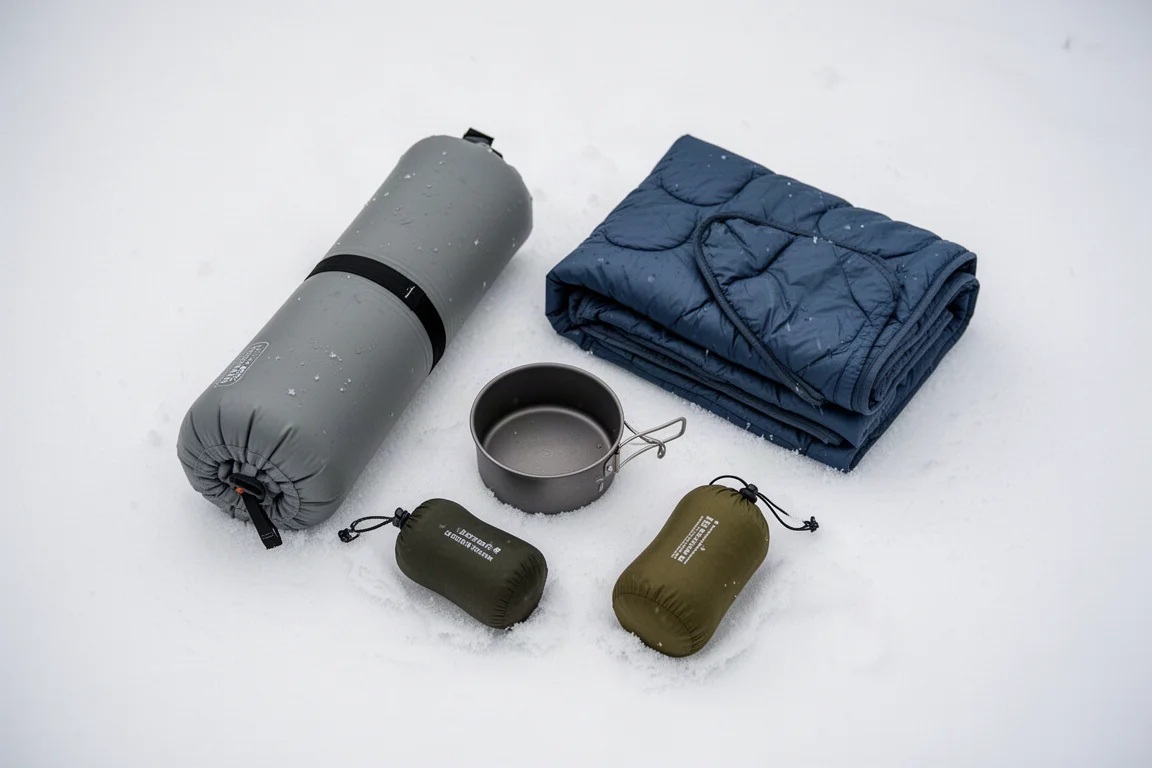
One practical point applies to any sleeping pad: warmth ratings and real-world performance do not always line up, and a single cold night is a signal to check the pad rather than a verdict on the model. Pairing a pad with a quilt system also changes the equation, since quilts avoid the down compression that sleeping bags suffer when you roll onto your side.
Weight is the other variable worth weighing honestly. A shelter that comes in under a kilogram and a pad that stays comfortable through the night both reduce the effort of getting to camp, which is often the difference between a trip that works and one that does not.
Conclusion
The X-Dome shows what a light freestanding winter tent can do: it handles wind, takes a snow load, and stays packable, provided you are willing to work around the pole feet and consider a small modification to keep the inserts in place. On the sleep side, the Ultra 7R is the most comfortable pad of the group, while the XTherm and the Tensor Extreme Conditions remain the warmth-first references. Match the gear to the problem you actually have, and a cold overnight stops being a test of endurance.
Further reading
Related Reviews
Winter Camping Gear
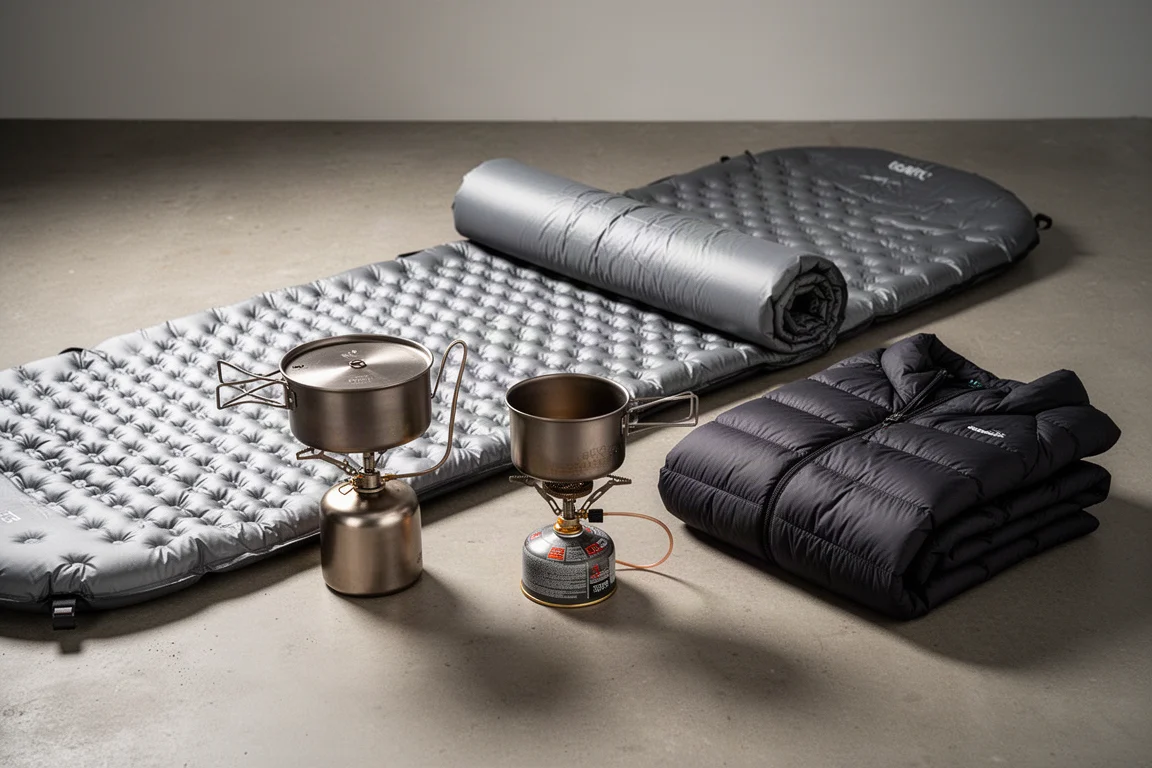
Affordable Winter Camping Gear: Six Budget Pieces Tested Below Freezing
Three reflective sleeping pads, an updated down jacket, a titanium pot and a $25 winter stove, assessed on frozen ground at around minus 12 degrees Celsius.
Winter Camping Gear
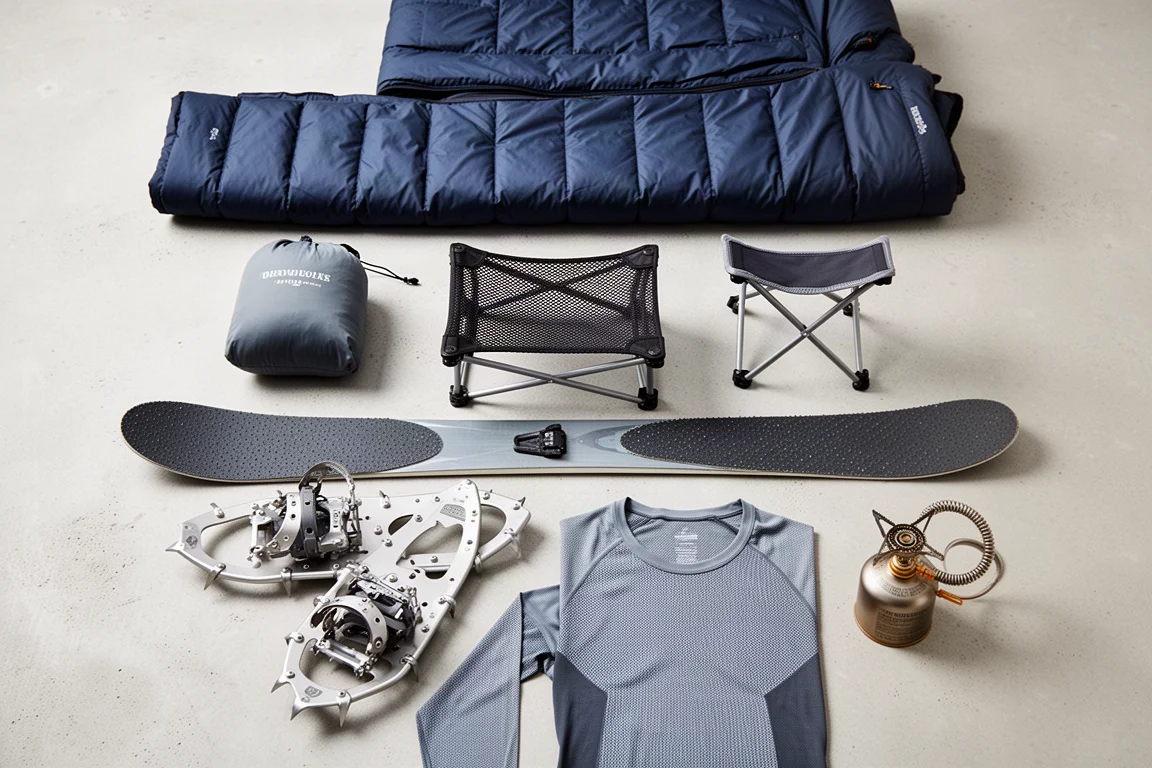
Best Winter Camping Gear 2026: Seven Pieces Worth Packing
A practical look at seven winter camping items, from an insulated parka rated to minus 20 degrees Celsius to a titanium stove built for cold canisters.
Winter Camping Gear
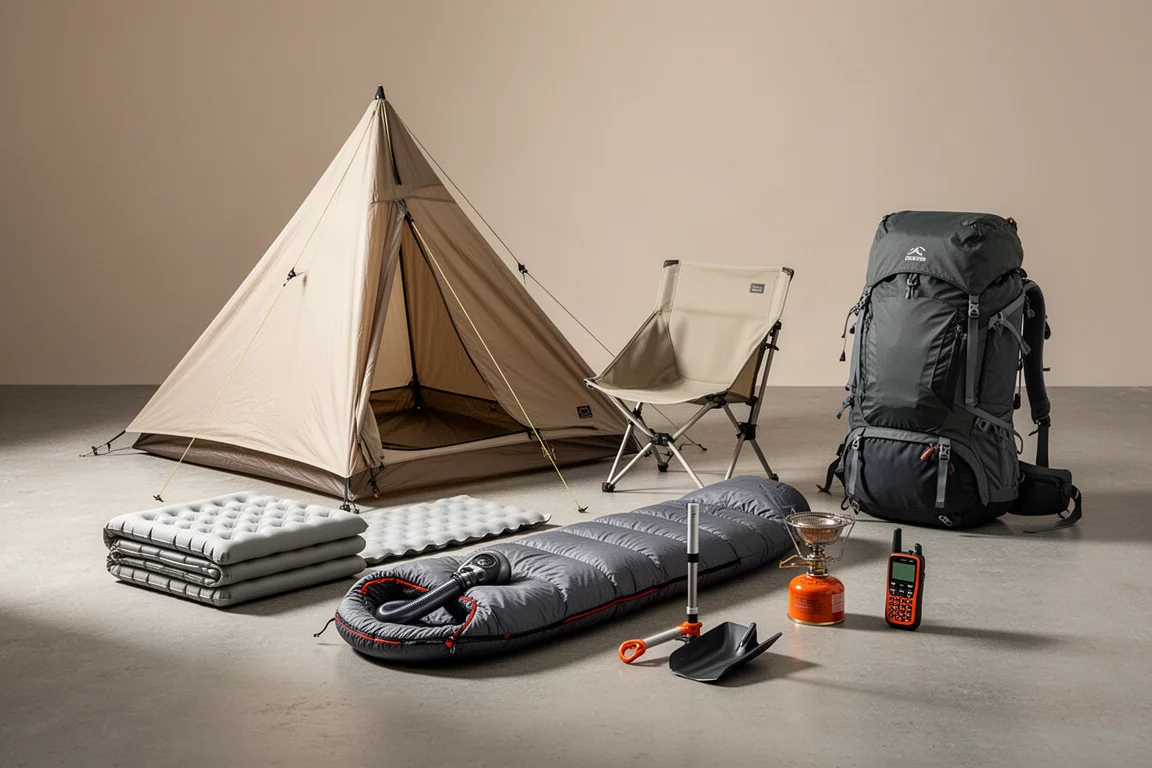
Ultimate Winter Camping Gear List: Proven Essentials for Cold-Weather Adventures
A curated list of winter camping gear that has proven itself in freezing temperatures, from shelter and sleep systems to cooking and safety essentials.