Winter Camping Gear
Winter Camping Gear Checklist: 8 Essentials for Cold Backcountry Trips
A practical winter camping gear list built around the items that carry the most weight in deep cold: pack, insulation, sleep system, and cook kit.
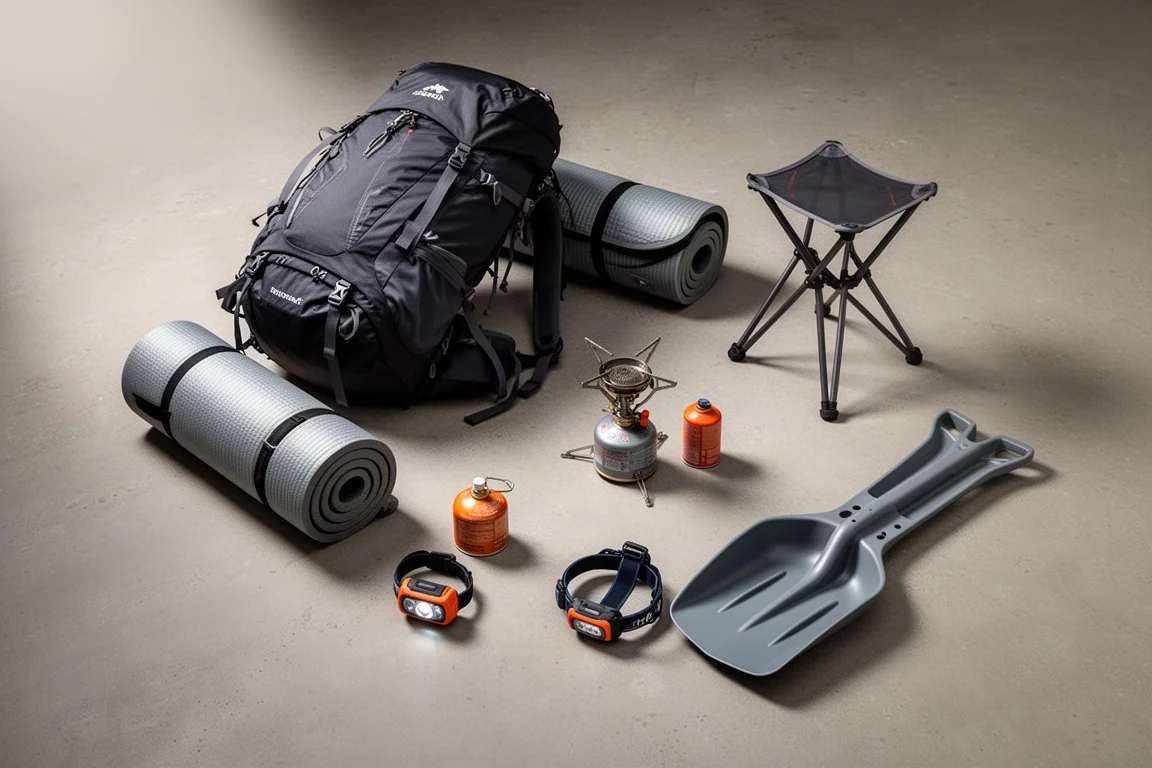
Introduction
Winter camping in the Canadian Rockies means deep cold, wind-loaded snow, and long nights. Gear that works well in summer often falls short, and the consequences of a failed sleep system or a frozen water bottle are more serious in January than they are in July.
This list covers eight pieces of gear that do the heaviest lifting on a cold-weather trip, plus the smaller items that quietly make winter travel safer and more comfortable. Together they cover the full chain: carrying the load, keeping electronics and water warm, sleeping warm, and melting snow for drinking water.
What Matters Most in Winter Gear
Cold-weather kit differs from summer kit in four practical ways.
Weight and bulk go up. Insulation is thicker, sleep systems are warmer, and fuel and food are heavier, so packs get larger and suspensions get stronger.
Redundancy matters more. A foam backup pad under an inflatable pad, a spare battery bank, and an emergency bivvy are not luxuries when a failure means a very cold night.
Moisture management decides how warm a sleep system actually feels. Vapour that condenses inside a down bag or an inflatable pad reduces loft and insulation, which is why inflation bags and small pumps are preferred over blowing into a pad by mouth, and why a synthetic layer over a down bag helps move moisture away from the down.
Anything that can freeze eventually will. Powdered soap, toothpaste tabs, and insulated bottles solve problems that liquid alternatives create at -30°C.
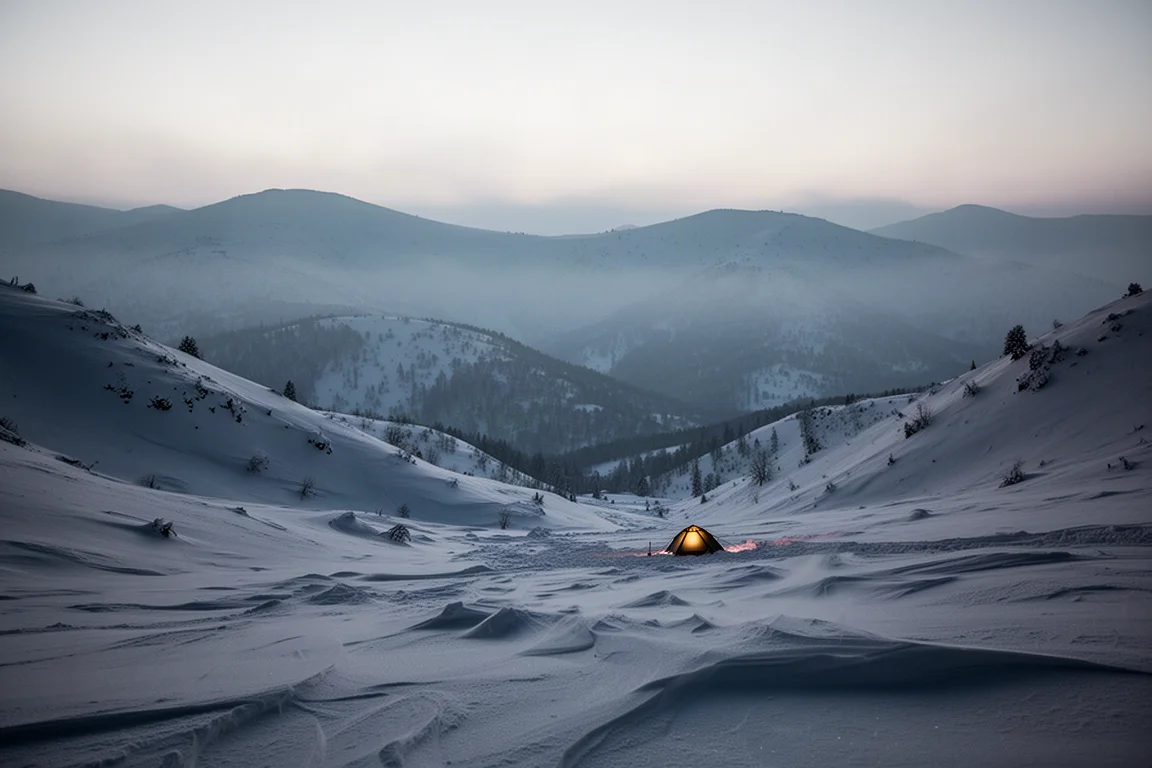
A final point: capability beats a spec sheet. A shelter that sheds snow and wind, a stove that lights in deep cold, and a pad with enough warmth are worth more than a lighter setup that has to be babied. The gear below is chosen with that in mind.
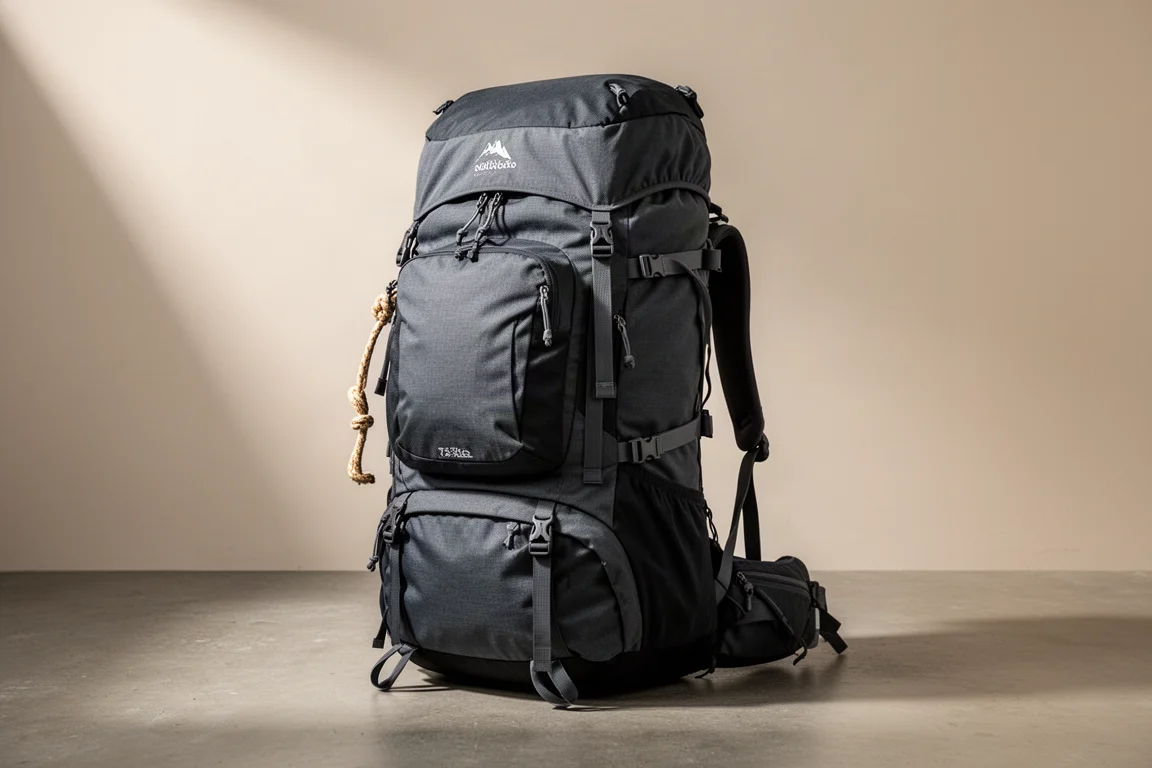
Pack: Mountain Hardwear AMG 75
In summer, a 40 or 55 litre pack usually covers a backpacking trip. Winter changes the maths: insulation is bulkier, food and fuel are heavier, and the result is a load that a summer pack was not built to carry.
The Mountain Hardwear AMG 75 is a winter-specific option that carries weight exceptionally well, with loads up to around 50 pounds handled without complaint. It also adds features that matter in snow: a dedicated pocket for avalanche gear such as a shovel and probe, and carabiner loops for mountaineering terrain.
It is more pack than most people need, and plenty of winter travellers get by with the same pack they use in summer. For anyone regularly carrying a heavy, bulky cold-weather load, though, the AMG 75 is a capable and feature-rich choice.
Insulation and Pocket Storage: Outdoor Research San Juan Jacket
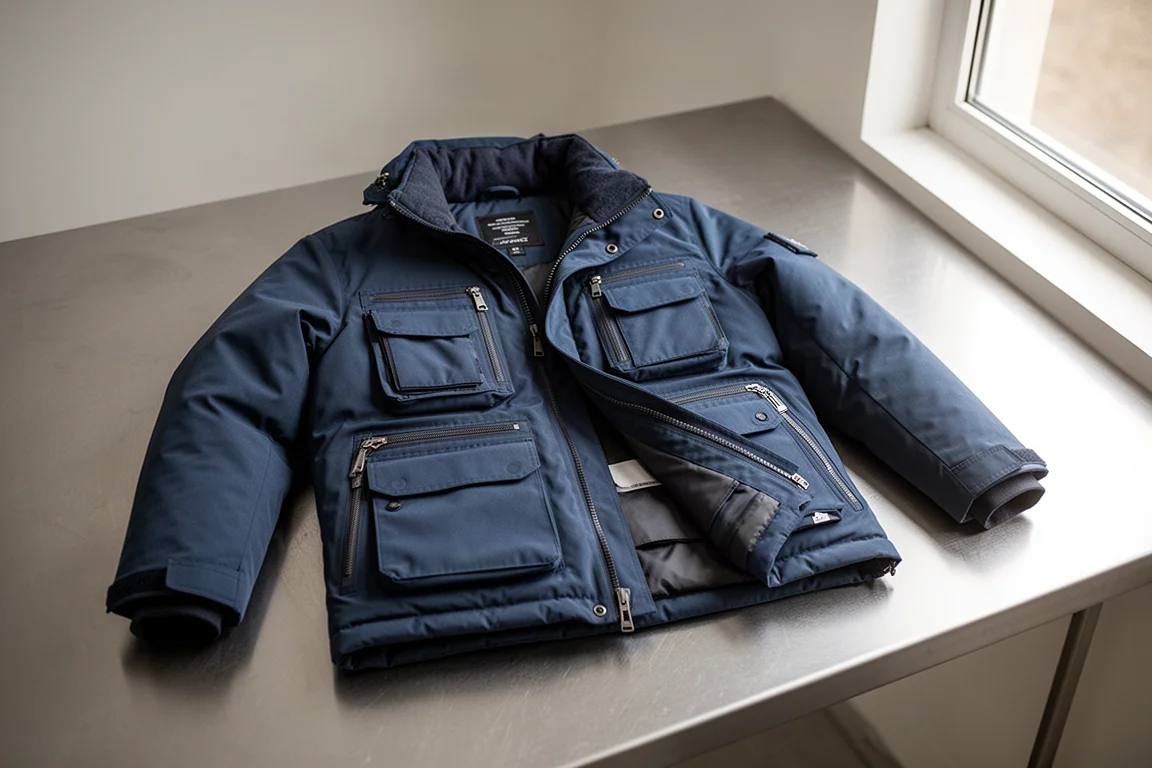
A winter jacket earns its place through pocket layout as much as through warmth. The Outdoor Research San Juan has enough pockets to keep cold-sensitive items close to the body, which is exactly where they need to be.
A battery bank rides in one chest pocket, keeping a phone and a satellite messenger charged and limiting the capacity loss that comes with cold cells. A satellite messenger sits in the opposite pocket, warm and immediately reachable. Two interior pockets hold a one litre soft water bottle, so water stays liquid and can be sipped without stopping to dig through a pack.
Lighting: Nitecore NU25 Headlamp
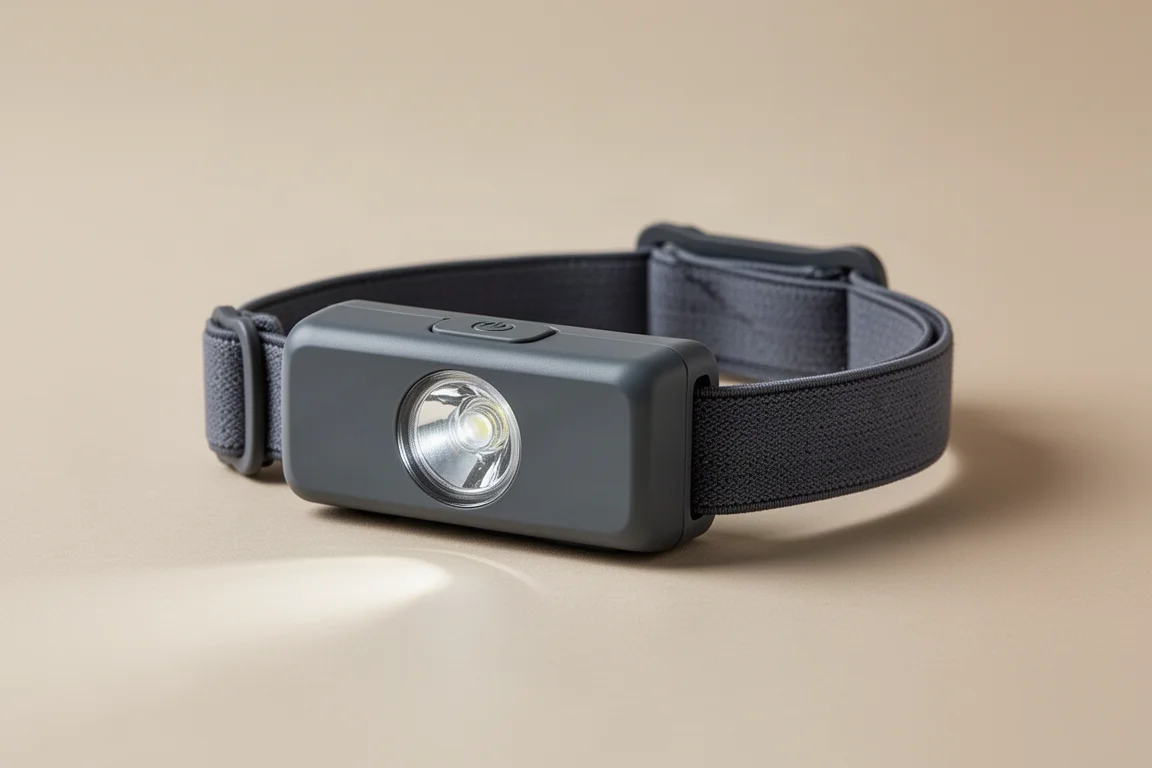
The Nitecore NU25 is bright, compact, and rechargeable, which makes it a natural pairing with the battery bank carried in a jacket pocket. Cold drains batteries quickly, so a headlamp that tops up from the same power source as everything else keeps the kit simple.
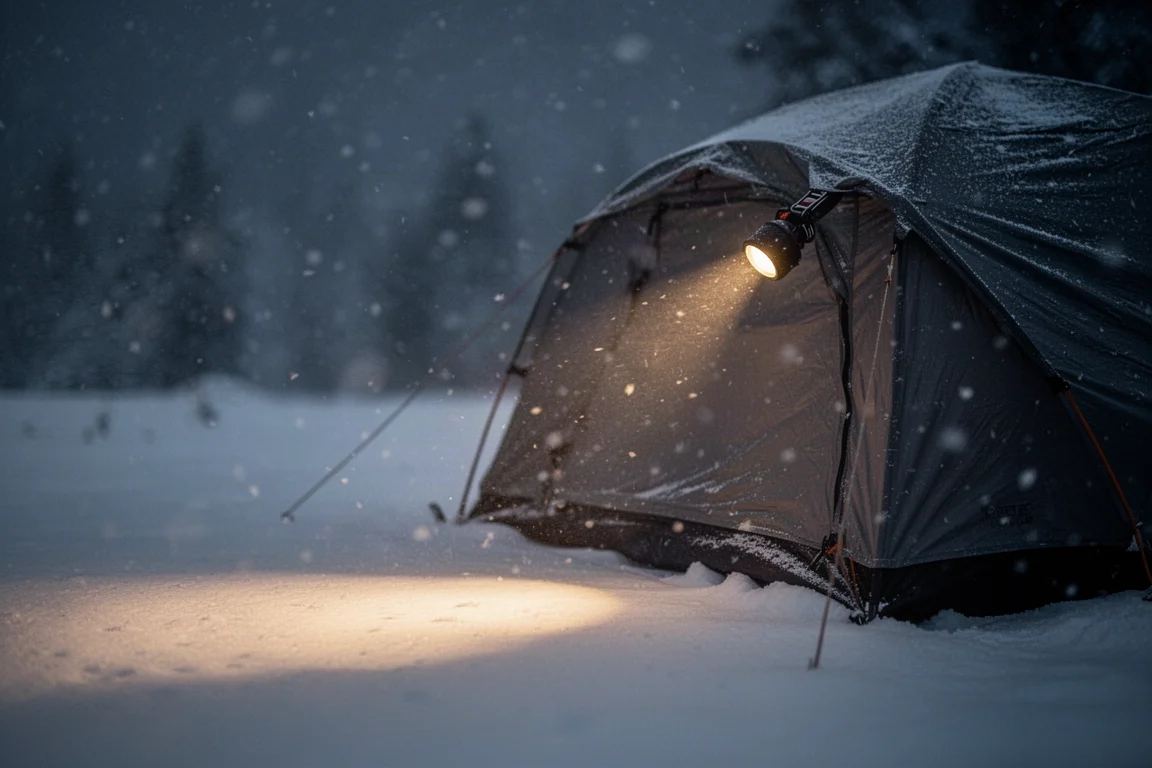
Keeping the headlamp warm and accessible matters more in winter than in summer. A light that lives in an outer pocket is ready for a midnight check on the tent or a short walk away from camp, without a search through a frozen pack.
Camp Comfort: Hillsound BTR Stool
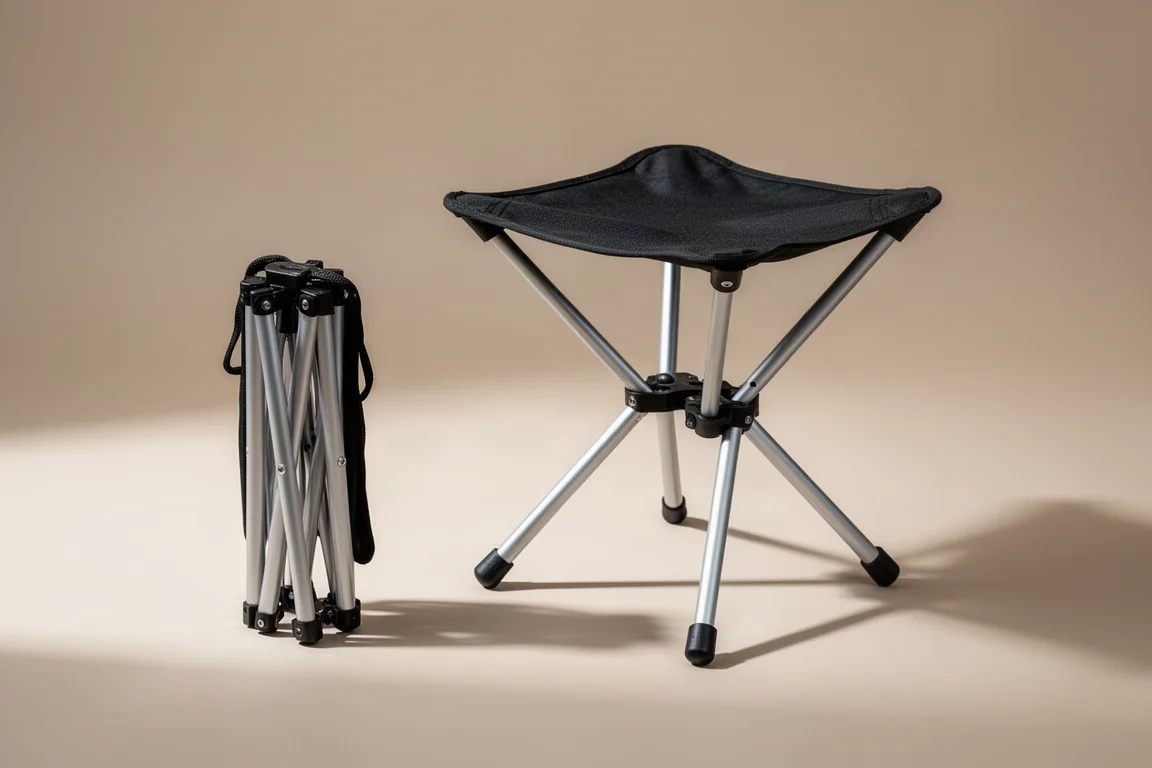
Sitting directly on snow pulls heat out of the body fast. A stool solves that, and a stool rather than a chair spreads the sitter’s weight more evenly, which helps in soft snow.
The Hillsound BTR stool is light and packs down small, which is the main reason it travels well in winter. Heavier, bulkier stools exist, but they are harder to justify when every item in the pack is already competing for space.
Snow Tool: Snow Claw Shovel
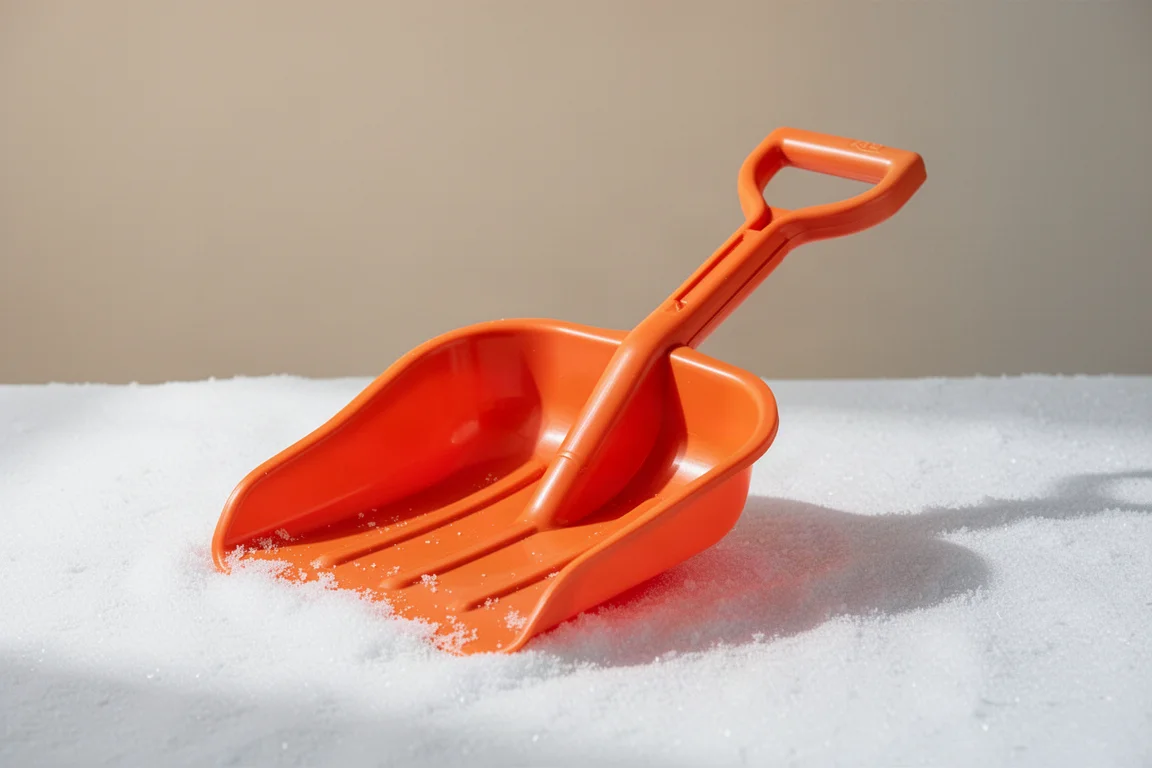
A shovel is one of the most useful tools on a winter trip, and it does not have to be a heavy one. The Snow Claw is a moulded plastic shovel that handles both of the jobs that matter: digging down to bare ground when pitching a shelter, and moving snow to build a wind barrier around camp.
In side-by-side use, it moves snow at a pace that is not far off an aluminium collapsible shovel, while being noticeably lighter and more compact. For most winter campers, that combination is the right trade.
Sleeping Pad: Therm-a-Rest NeoAir XTherm
The sleep system is the part of the kit that keeps a trip safe, and it starts from the ground up. The Therm-a-Rest NeoAir XTherm has an R-value of 6.9, making it one of the warmest sleeping pads available and the best-performing winter pad in this setup. It is durable, warm, and light for the insulation it provides.
It is rarely used alone. A reflective mat goes underneath, providing a wider surface in a floorless shelter and a place to keep small items off the snow. On top of that sits a NEMO Switchback foam pad with an R-value of 2, which adds warmth, doubles as a sit pad around camp, and serves as a backup if the inflatable pad fails.
Inflation is handled by a Flextail Tiny Pump X rather than by breath. The pump weighs about the same as the inflation bag that ships with the pad, fills it quickly, and keeps warm, moist air out of the interior where it would condense. It also has a built-in light that becomes a small tent lantern when hung up. A larger version is available for group trips where several pads need inflating. A Trekology 2.0 pillow completes the setup.
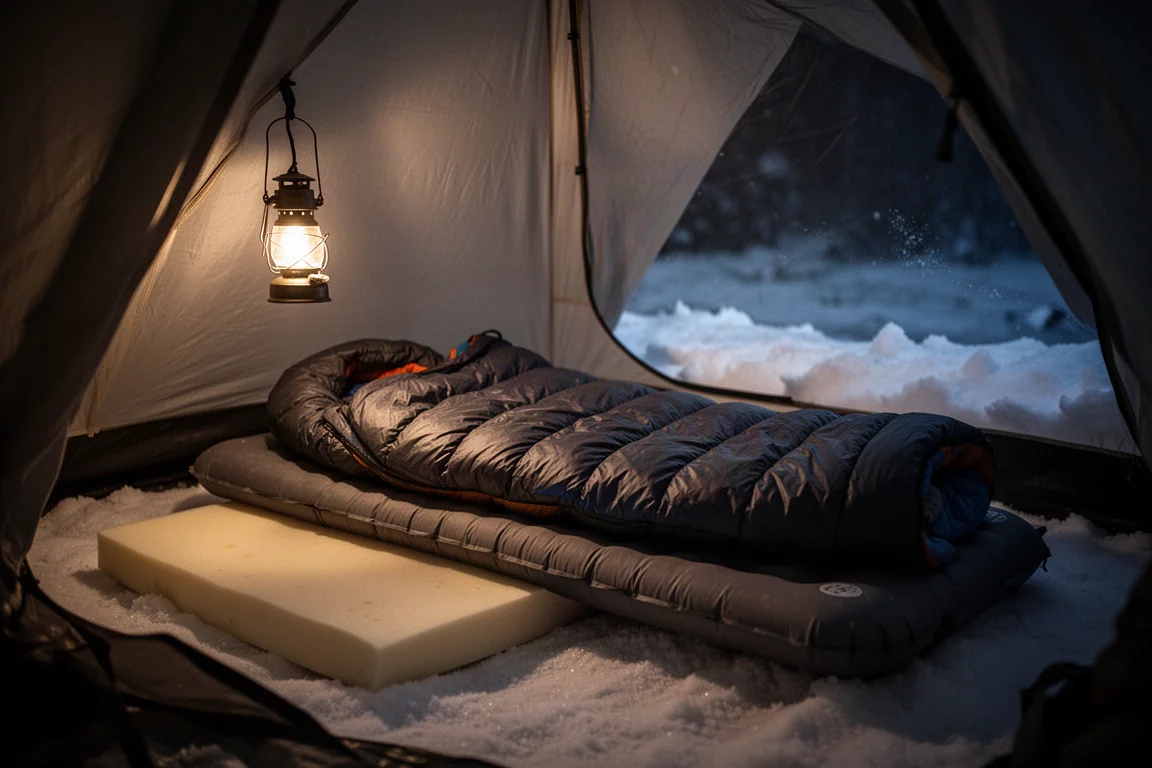
Stacking a foam pad, a reflective mat, and a high-R inflatable pad adds a little weight, but it buys warmth, comfort, and a fallback if anything punctures. On a long winter night, that is a fair exchange.
Sleeping Bag: Therm-a-Rest Polar Ranger
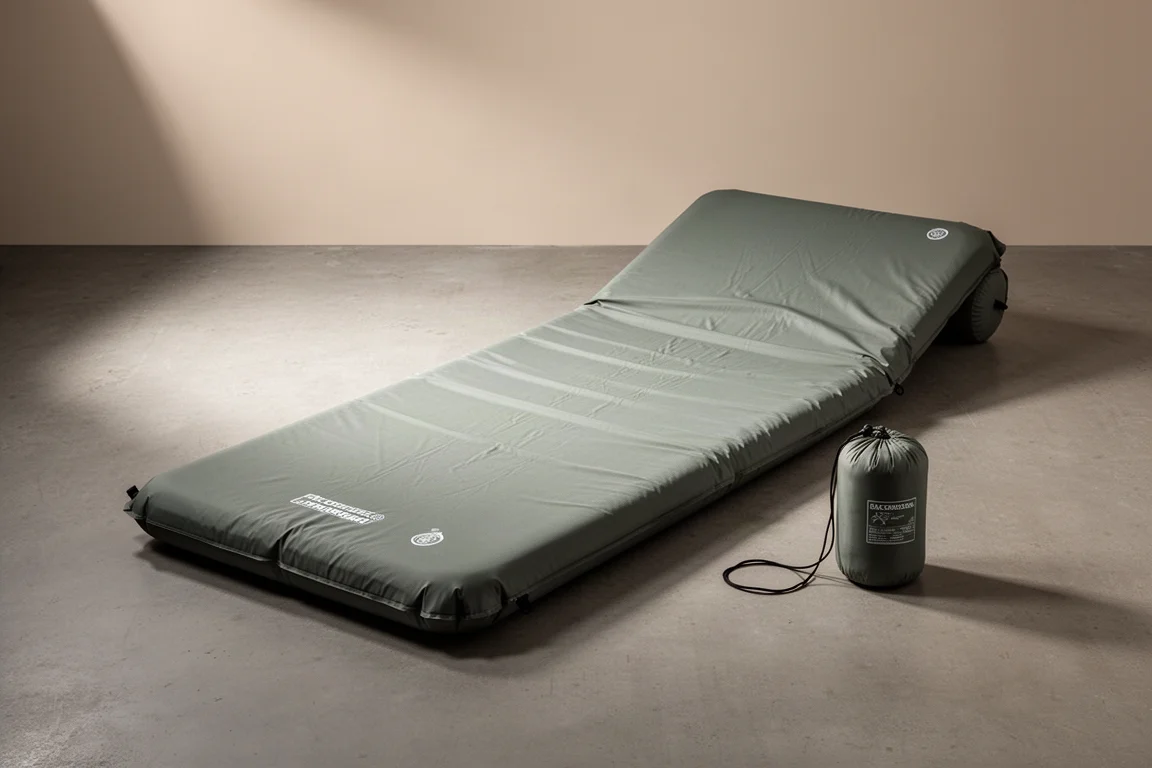
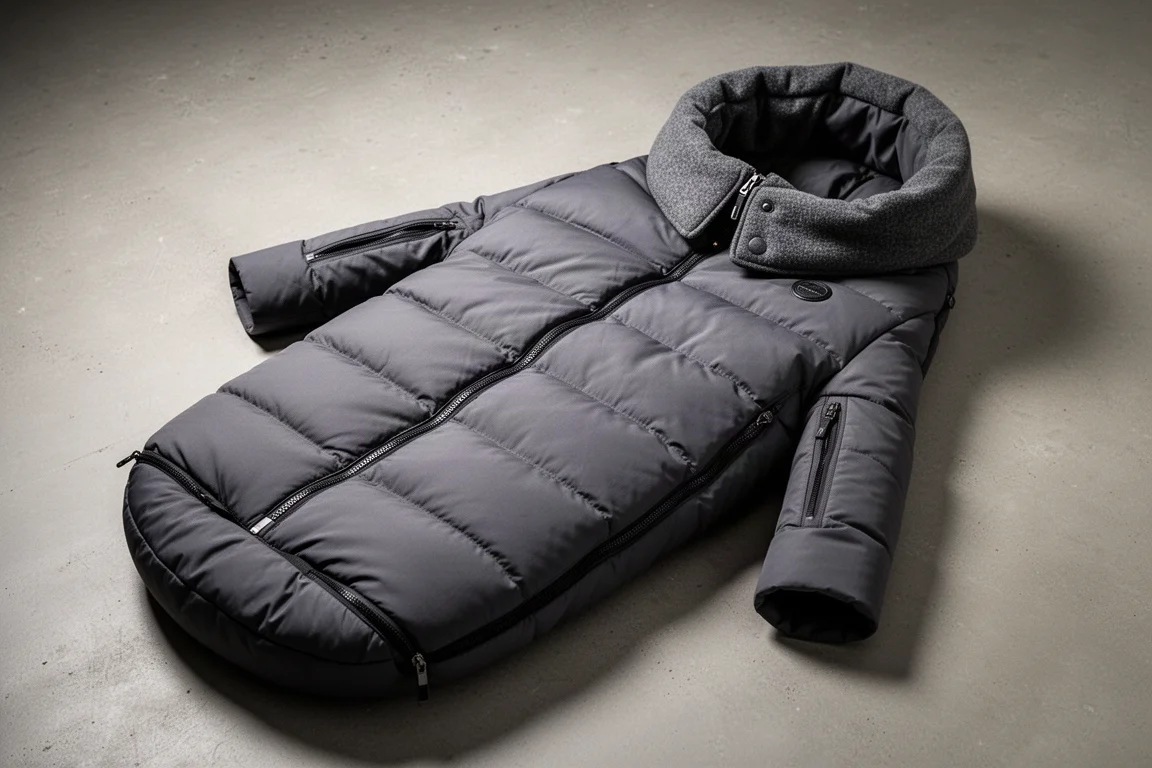
The Therm-a-Rest Polar Ranger is built specifically for cold weather, with a comfort limit of -20°C and a limit rating of -30°C. It has been used at -30°C and remained comfortable, and its feature set is aimed squarely at winter use.
On top of the bag goes an Enlightened Equipment Revelation Apex synthetic quilt. The quilt adds warmth, but its second job is moisture management: vapour escaping from the body condenses in the synthetic layer instead of inside the down of the sleeping bag, and synthetic insulation handles moisture and dries faster than down.
Cook System: MSR WhisperLite Stove
Cooking in winter is a different discipline. Snow has to be melted for drinking water, which takes time, fuel, and patience, and stoves that work fine in summer can struggle in deep cold.
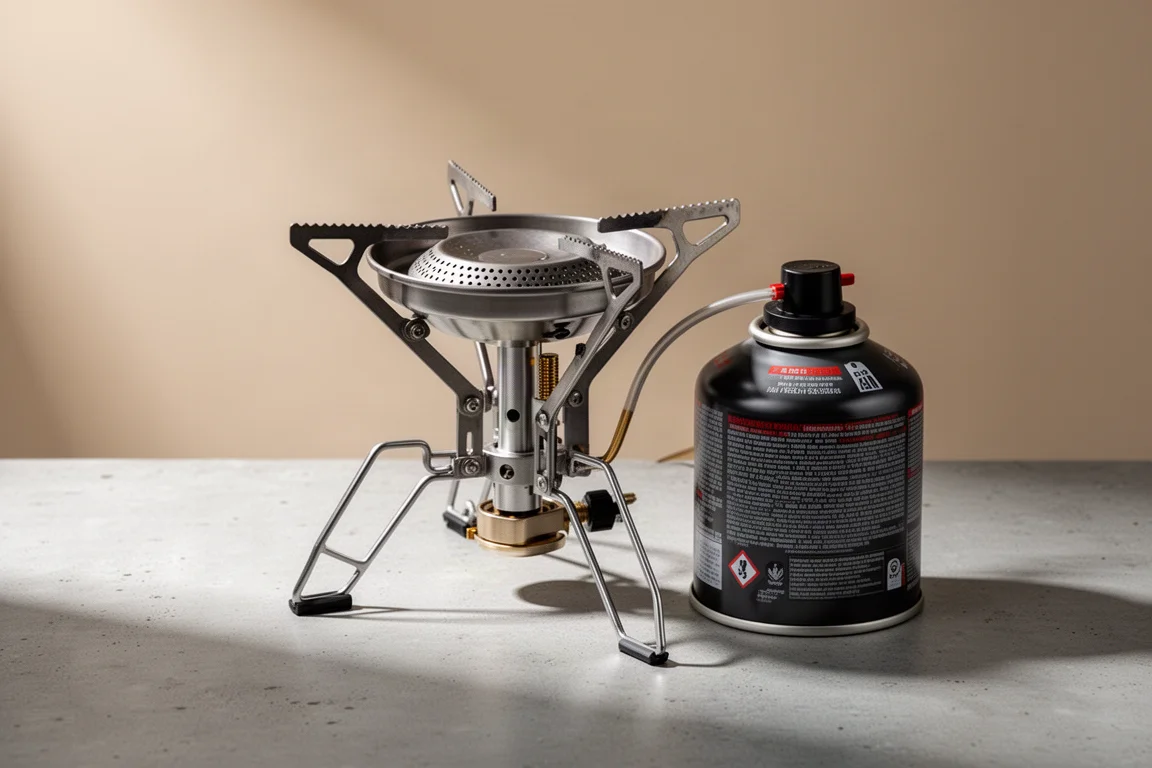
Two systems cover different trips. The light option pairs a one litre Evernew titanium pasta pot with a Fire Maple Blade 2 titanium stove, which is the lightest winter-specific stove in this kit. The pot is small, so it only makes sense for a solo traveller with the patience to melt snow in small batches. The heavier option pairs a two litre Toaks titanium pot with an MSR WhisperLite stove. Two litres melts a useful amount of snow per cycle, and the WhisperLite adds a remote canister system with a canister stand, a large burner, wide pot supports, and a large preheating tube. It has run at -30°C without hesitation and is the stove to bring for group trips.
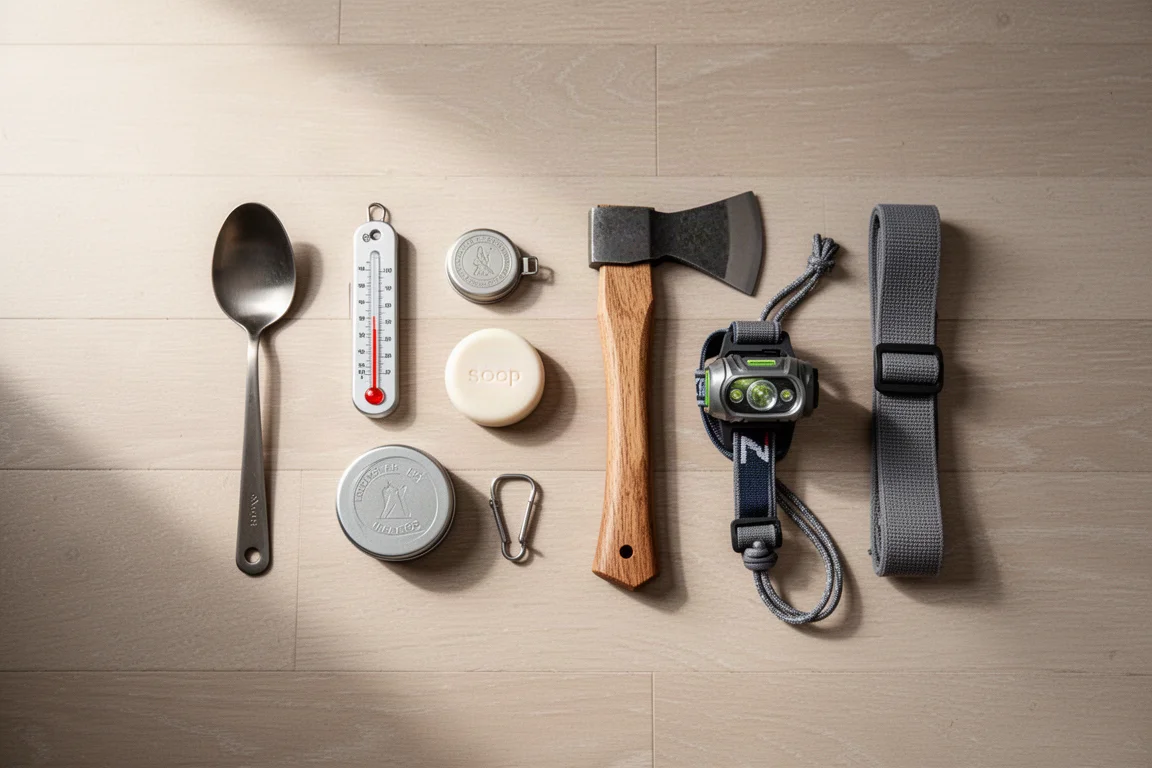
Meals are simple: freeze-dried options from Bushka’s Kitchen rehydrate in about three minutes, and the pouch goes into a reflective koozie to stay warm while it rehydrates. A Toaks titanium spoon with a polished bowl is the small detail that makes eating from a pouch more pleasant.
Food storage depends on where the trip is. In areas with a storage locker, or outside bear country, a Hilltop Packs dyneema bag carries everything. In bear country, an Ursack bear-resistant bag is the safer choice, since bears do emerge from hibernation during winter and will investigate food smells.
Rounding Out the Kit
Fire tools do more than start a campfire. They feed a hot tent stove and provide an emergency heat source. A Silky Pocket Boy saw cuts wood quickly and is the premium choice, while a budget folding saw costing around $15 covers the same job for far less. For splitting, a Fiskars X7 14 inch hatchet splits well and stays light; the Lexa Bond V14 is a more affordable 14 inch hatchet with a better blade guard, though its steel does not hold an edge as well and it does not split as cleanly. An Opinel No. 7 knife handles kindling and shavings, and Bigfoot Bushcraft FireStars, small wax and cotton tubes, ignite from a single spark off a ferro rod. A few of those fire starters also live in the first aid kit.
Shelter is a personal call. A budget floorless shelter with a stove jack covers a lot of ground: it is roomy enough for two, sheds snow and wind well, carries a snow load, and can run a hot tent stove. The trade-off is refinement, and the zipper needs care, especially with gloves on.
Water and hygiene items are small but decisive. A Nalgene bottle inside an insulated koozie keeps water unfrozen down to about -20°C overnight, and the bottle can be filled with boiling water without melting. A one litre Platypus soft bottle rides inside the jacket for drinking on the move, and a HydraPak collapsible 750ml bottle is a good option for overnight use. Powdered soap from Pika Outdoors and toothpaste tabs do not freeze, which liquid soap and toothpaste will.
Safety items round out the load: a first aid kit, a spare battery bank, earplugs, lip balm, a small thermometer for tracking overnight temperatures, and a SOL Escape Lite bivvy. The bivvy breathes better than a standard emergency bivvy and provides a way to stay warm inside a sleeping bag if an injury makes pitching a shelter impossible.
Buying Advice
Spend first on the sleep system and the shelter. Warmth, moisture control, and a reliable pitch are what make a winter night survivable, and a cold sleeper will notice a cheap pad long before they notice a cheaper stove. A high-R inflatable pad with a foam backup, a bag rated for the conditions, and a shelter that handles snow load are the three places where money translates directly into comfort and safety.
Save on the items where the function is simple. A budget folding saw, a moulded plastic snow shovel, a lightweight stool, and a plastic bottle all do their jobs without premium materials. A spare battery bank and freeze-proof toiletries are inexpensive and prevent problems that would otherwise end a trip early.
Then test the kit close to home. A single overnight in a familiar area, in real cold, reveals what is missing faster than any list. Adjust from there, and the gear list becomes personal rather than theoretical.
Conclusion
A winter camping kit is a system, not a collection of items. The pack carries the weight, the jacket keeps batteries and water alive, the sleep system keeps the body warm, and the cook kit turns snow into drinking water. Get those four parts right, add the small freeze-proof and safety items, and cold backcountry trips become far more comfortable than the temperature suggests.
Further reading
Related Reviews
Winter Camping Gear
Affordable Winter Camping Gear: Six Budget Pieces Tested Below Freezing
Three reflective sleeping pads, an updated down jacket, a titanium pot and a $25 winter stove, assessed on frozen ground at around minus 12 degrees Celsius.
Winter Camping Gear
Best Winter Camping Gear 2026: Seven Pieces Worth Packing
A practical look at seven winter camping items, from an insulated parka rated to minus 20 degrees Celsius to a titanium stove built for cold canisters.
Winter Camping Gear
Ultimate Winter Camping Gear List: Proven Essentials for Cold-Weather Adventures
A curated list of winter camping gear that has proven itself in freezing temperatures, from shelter and sleep systems to cooking and safety essentials.