Winter Camping Gear
Winter Camping Gear 2026: Five Pieces Worth Packing
A practical look at five winter camping pieces, from a lightweight mountaineering tent to two sleeping pads, a down parka, and glide skis for faster snow travel.
Introduction
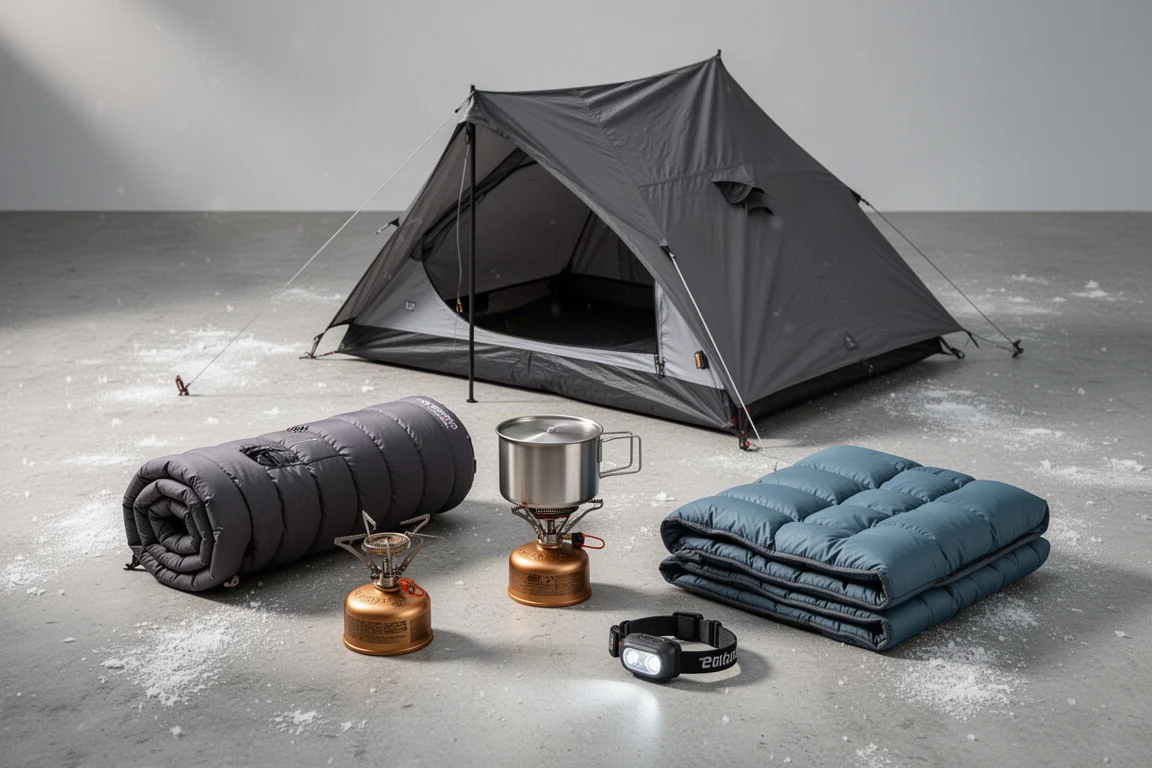
Winter camping rewards gear that keeps working when temperatures drop and the weather turns. The five pieces below cover the core of a cold-weather kit: a shelter, two sleeping pads with very different insulation approaches, a down parka, and a pair of glide skis for covering ground on snow.
Some of these earned their place immediately. Others are still proving themselves, and one raised real questions about warmth overnight. That mix is useful in itself, because it shows exactly where the trade-offs sit before you commit money to a full winter setup.
What to Look for in Winter Camping Gear
Weight and packed size matter more in winter, because you are usually carrying extra insulation, more fuel, and bulkier layers. A two-person mountaineering tent that comes in around 1.7 kilograms leaves meaningful room in the pack for the rest of the system.
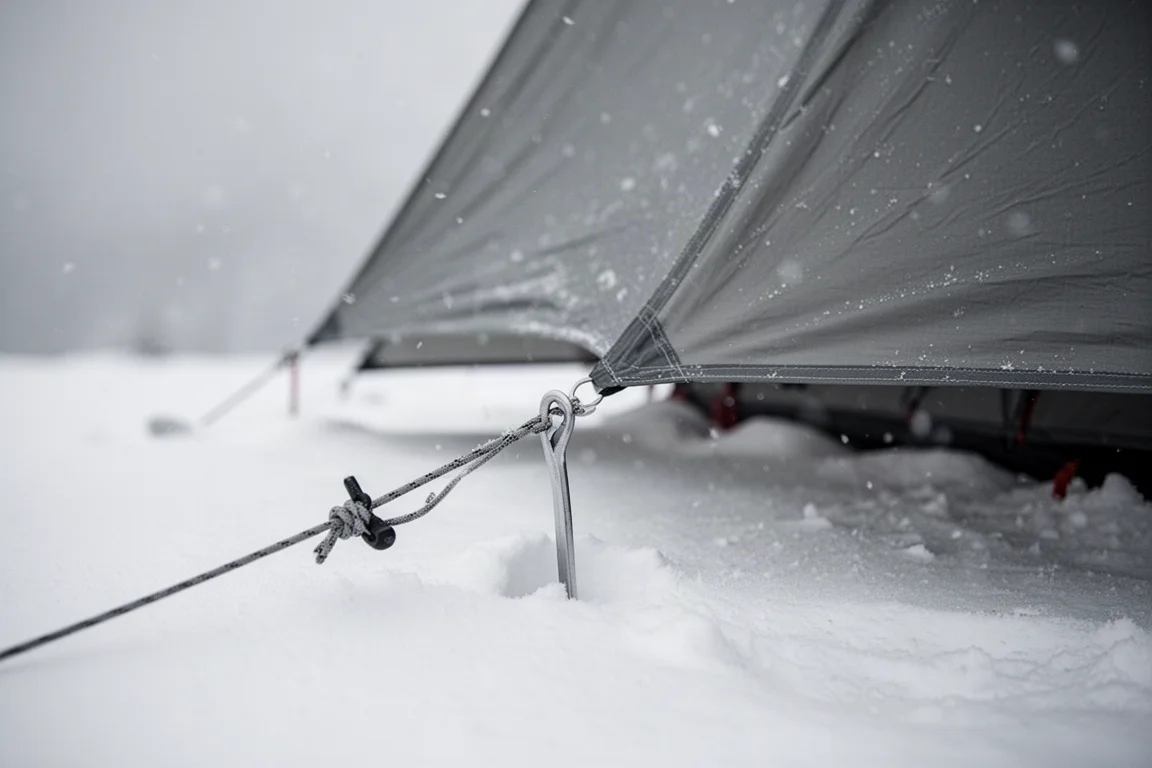
Wind and snow management is the second factor. Solid inner walls, plenty of guyline attachment points, and a compact footprint let you tuck a tent into a sheltered spot instead of exposing it on an open ridge.
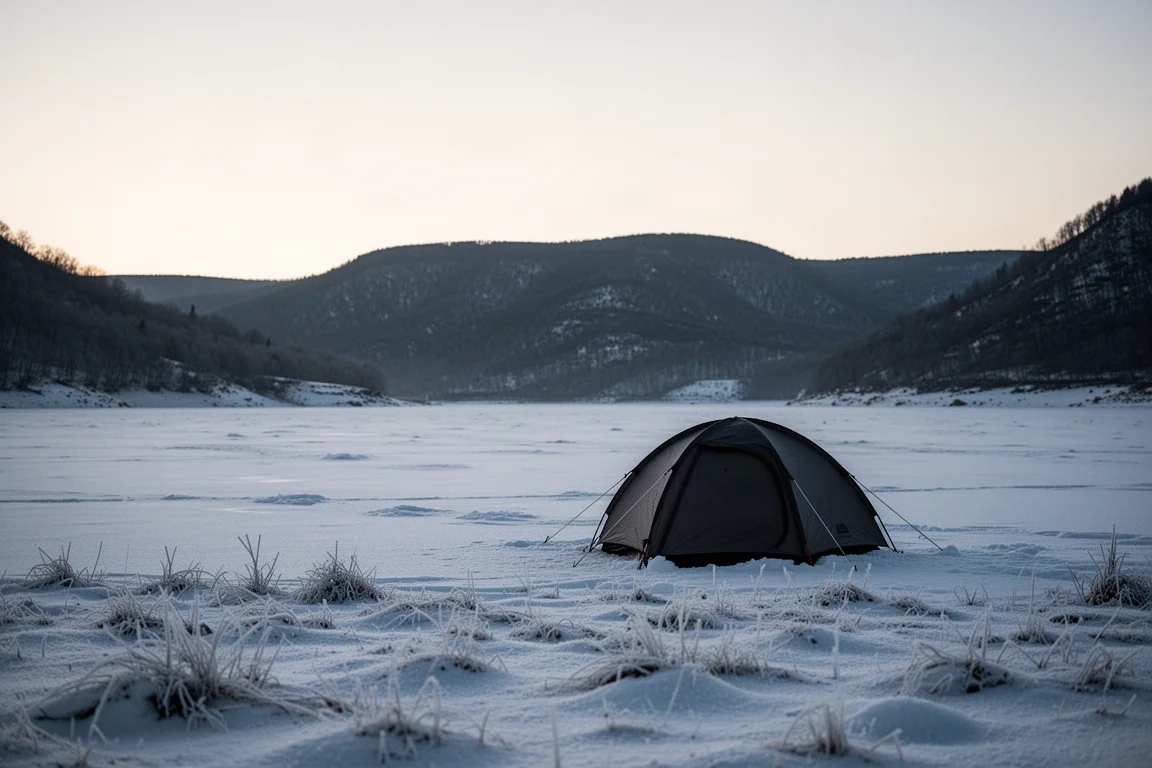
Sleep insulation deserves the closest look. Pad construction, baffle orientation, and the type of insulation inside all change how a pad feels across a long night, especially when temperatures swing hard between evening and dawn. A pad that feels fine at one temperature can feel very different a few hours later.
Slingfin Hot Box: A Lightweight Mountaineering Tent
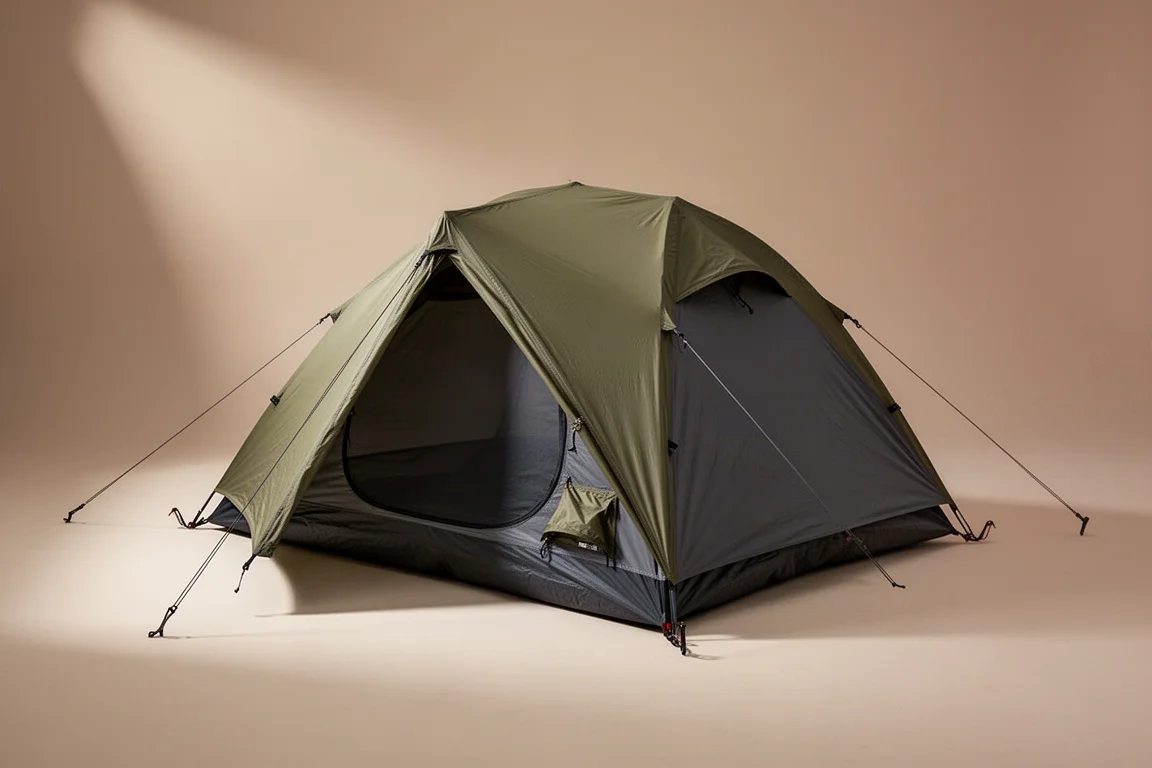
The Slingfin Hot Box is built for mountaineering use but works as an all-round shelter for winter and three-season trips. At 1.7 kilograms it is light for a two-person tent, and the double-wall design pairs a solid fly with a solid inner. That solid inner is the important part in winter, because it blocks wind and blowing snow instead of letting it settle on you.
Two side openings extend outward from the main body like small flaps. They help anchor the tent and give you a place to store boots or a pack so they stay out of the snow overnight, which keeps wet gear out of the sleeping area.
Inside, eight pockets make organization straightforward for two people. The tent also accepts a large number of guylines, so it can be pinned down properly when the weather builds.
The main trade-off is complexity. There are a lot of features to learn, and pitching it efficiently takes practice. The payoff is a compact footprint that fits into tight, sheltered spots where a large pyramid tent would take up far too much real estate.
Exped Ultra 7R: Comfort First, Warmth Second
The Exped Ultra 7R uses down insulation and vertical baffles instead of the horizontal baffles found on many pads. That change makes a noticeable difference to comfort. The vertical layout supports the body more evenly and feels considerably more comfortable across a full night.
Warmth is where it gets more complicated. On a night with sharp temperature swings, this pad felt cold at times in a way that a warmer reference pad did not. Down insulation needs to be distributed evenly through the pad to work as intended, and uneven distribution is one plausible explanation for the cold spots.
It is also bulkier and heavier than a lighter, warmer alternative, so it suits campers who are willing to trade some pack space for comfort. Anyone sleeping on it in serious cold should take a moment to spread the down fill before settling in.
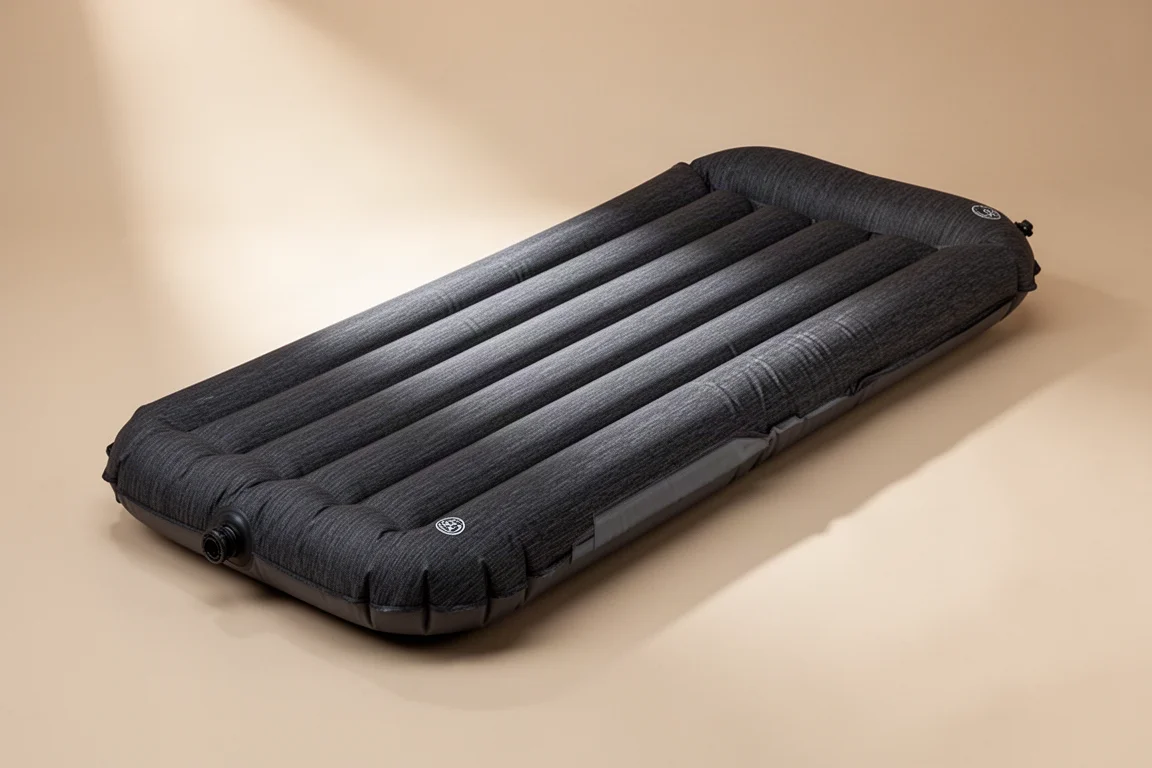
Therm-a-Rest XTherm: The Cold-Weather Reference
The Therm-a-Rest XTherm remains the pad that cold-weather sleepers measure everything else against. It is very warm and very light, and it holds up through nights that would leave many pads struggling.
Its limitation is comfort rather than performance. The horizontal baffles do not support the body the way vertical baffles do, so the pad feels firmer and less forgiving over a long night. For campers who prioritize warmth and low weight above all else, that is usually an acceptable trade.
Paired with a cover that converts the pad into a chair, it also becomes a comfortable place to sit around camp, which is a small but genuinely useful detail when the ground is frozen.
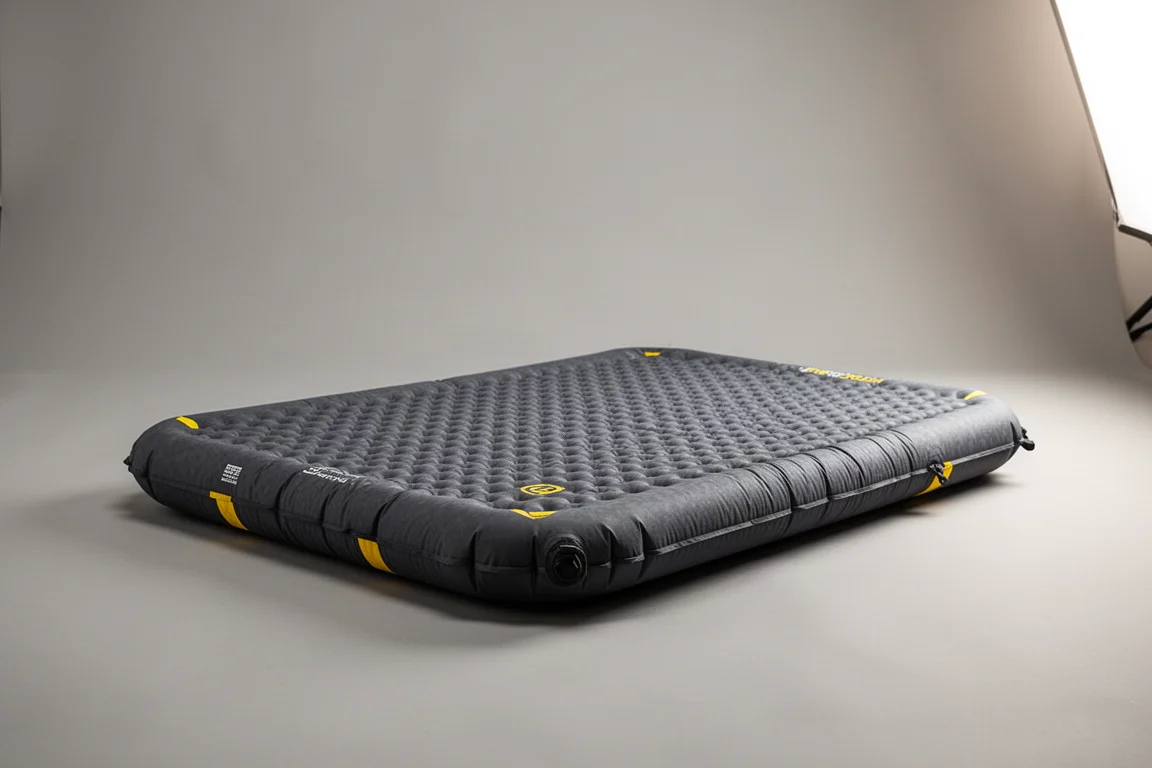
Decathlon Trek 900: Dependable Warmth
The Decathlon Trek 900 is the down jacket that tends to travel on every cold trip, and it earns that role through straightforward warmth and predictable performance. It carries roughly the same amount of loft as a heavier-duty box baffle parka, but it is not as warm.
The reason comes down to construction. A box baffle design removes the sewn-through seams that create cold spots, so a jacket can use a similar amount of fill and still hold heat more effectively. The Trek 900 uses conventional construction, which keeps it lighter and more packable but slightly less protective in extreme cold.
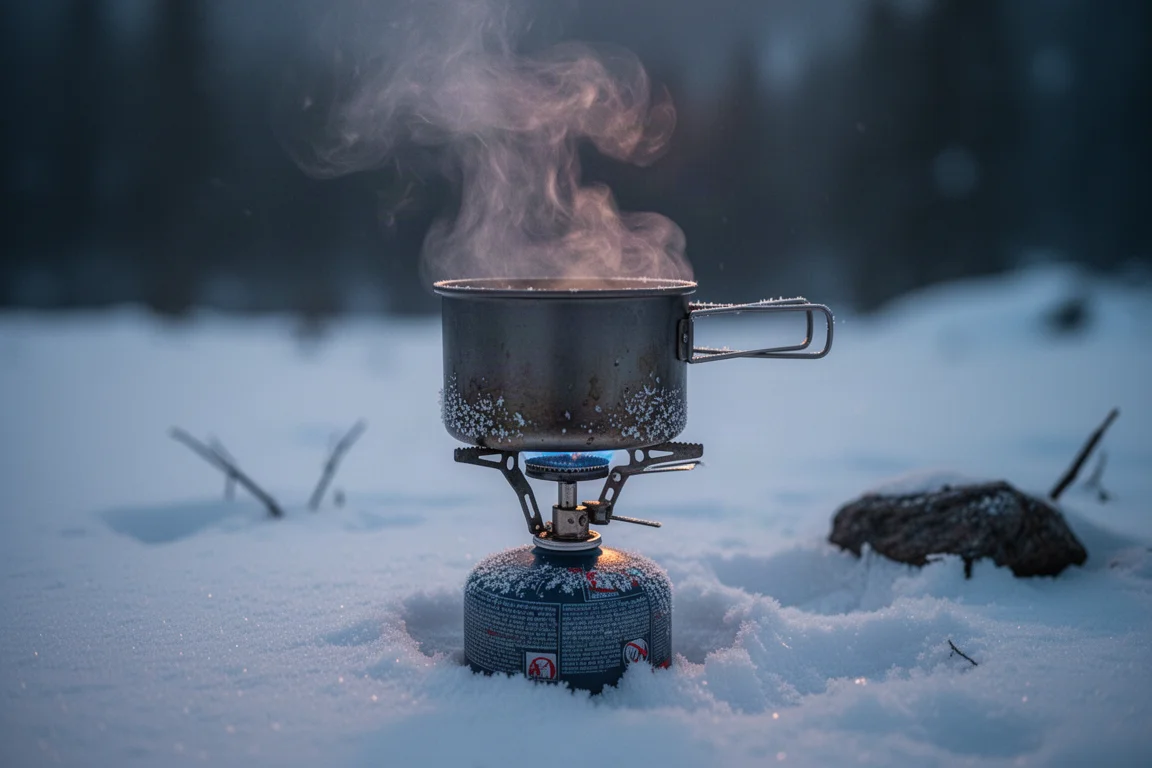
For most winter trips it is the more versatile choice: warm enough for typical conditions, easy to layer, and simple to live with. It becomes a compromise only when temperatures drop well below what most trips encounter.
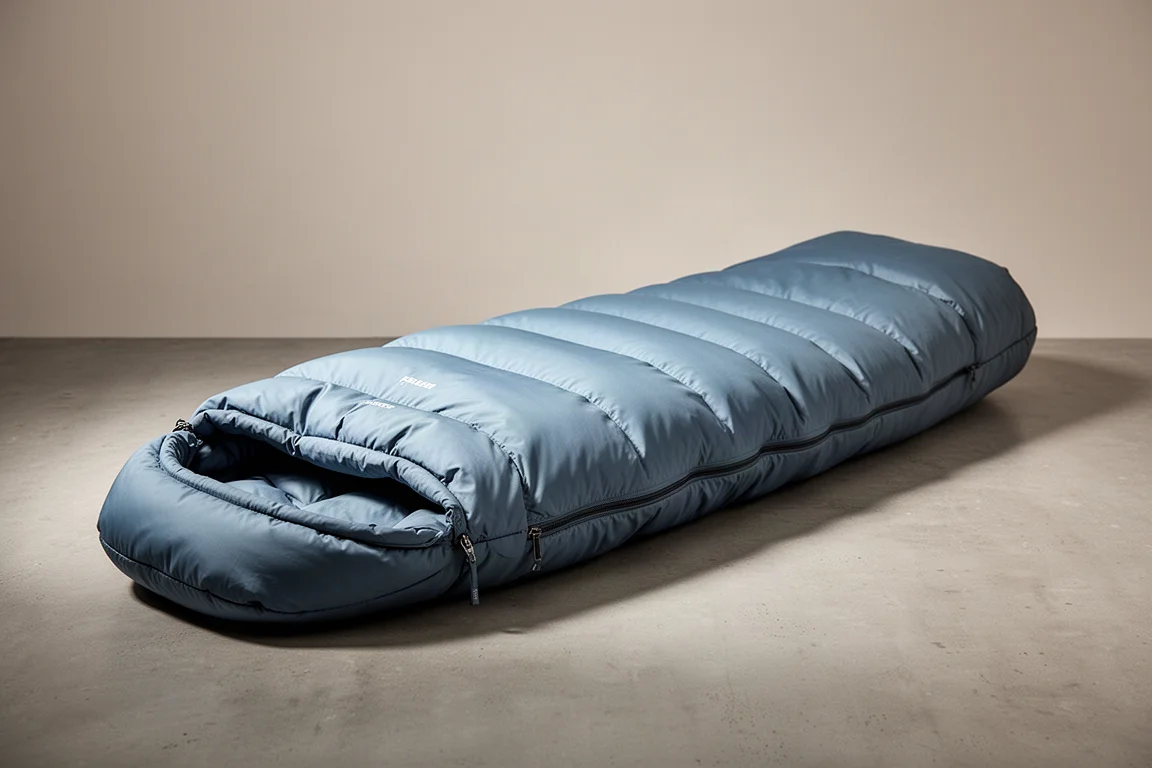
Black Diamond Glide Light Trekker: Faster Winter Travel
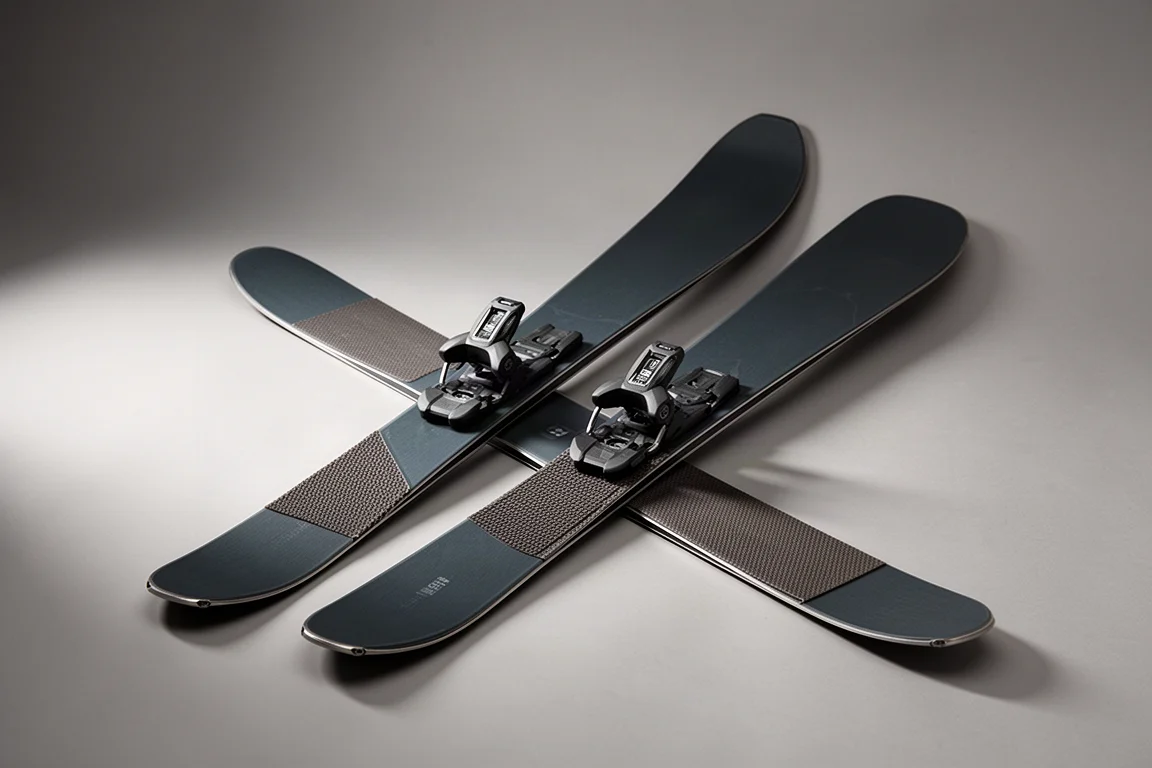
The Black Diamond Glide Light Trekker is a ski that works with standard winter hiking boots. The binding rotates at the toe, so the ski behaves like a cross-country ski but with a much wider platform. A built-in skin on the base lets you glide forward while providing enough grip to stop you sliding backwards.
That combination makes it considerably faster than walking or snowshoeing, with roughly 30 percent quicker travel on snow. The width adds flotation, and the shorter length than a downhill ski keeps it maneuverable in tighter terrain. A metal edge gives some bite when you need to hold a line.
Steep descents are the weak point. The ski is manageable on moderate ground, but it feels sketchy once the gradient gets serious, so it suits rolling and undulating terrain better than committed downhill lines.
Budget-conscious buyers have an alternative here. A similar glide ski from Decathlon costs less and delivered solid performance on snow, with much the same trade-off on steep descents.
Buying Advice
Match each piece to the conditions you actually camp in. If you sleep out in deep cold, prioritize a pad with proven warmth and accept a firmer feel. If comfort matters more than the last degree of warmth, a vertical baffle pad is easier to sleep on, provided you take the time to distribute the insulation properly before bed.
For shelter, a compact mountaineering tent is the safer choice when you cannot guarantee a wide, open pitch. For travel over snow, glide skis are a strong upgrade over snowshoes on rolling terrain, though they are not a substitute for downhill gear.
One practical note on fuel: canister stoves are cleaner and easier to manage, and white gas only makes sense when temperatures fall to around minus 30 to minus 40 degrees Celsius.
Conclusion
These five pieces form a coherent winter kit, and the honest picture is that each one trades something away. The Slingfin Hot Box gives you a compact, well-featured shelter that takes practice to pitch well. The Exped Ultra 7R is the more comfortable pad but the less reliable one in a hard temperature swing. The Therm-a-Rest XTherm stays the benchmark for warmth and weight. The Decathlon Trek 900 covers most winter days without fuss. And the Black Diamond Glide Light Trekker turns flat and rolling snow travel into something genuinely fast.
Buy around the conditions you meet most often, not the coldest night you can imagine, and this group of gear will serve you well.
Further reading
Related Reviews
Winter Camping Gear
Affordable Winter Camping Gear: Six Budget Pieces Tested Below Freezing
Three reflective sleeping pads, an updated down jacket, a titanium pot and a $25 winter stove, assessed on frozen ground at around minus 12 degrees Celsius.
Winter Camping Gear
Best Winter Camping Gear 2026: Seven Pieces Worth Packing
A practical look at seven winter camping items, from an insulated parka rated to minus 20 degrees Celsius to a titanium stove built for cold canisters.
Winter Camping Gear
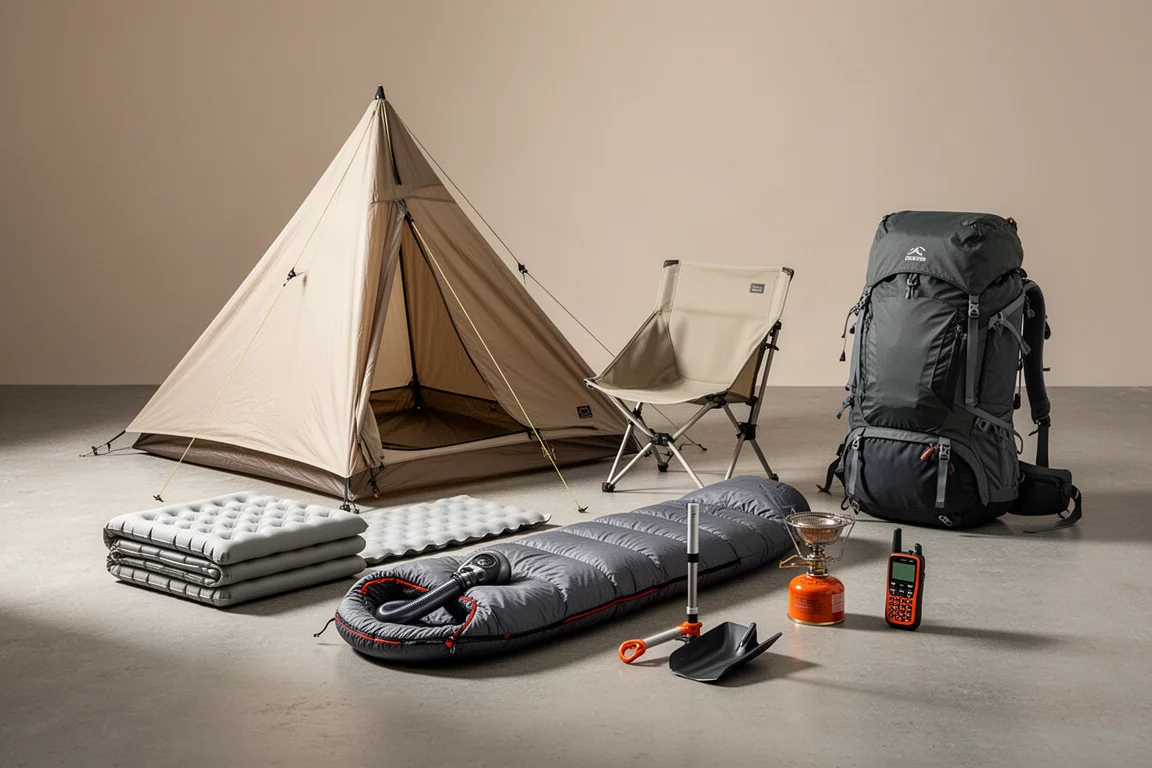
Ultimate Winter Camping Gear List: Proven Essentials for Cold-Weather Adventures
A curated list of winter camping gear that has proven itself in freezing temperatures, from shelter and sleep systems to cooking and safety essentials.