Winter Camping Gear
Winter Camp Clothing System: 5 Layers That Keep You Warm at Camp
A practical layered clothing system for winter camping, from merino base layers and liner gloves to down insulation and deep-snow camp booties.
Introduction
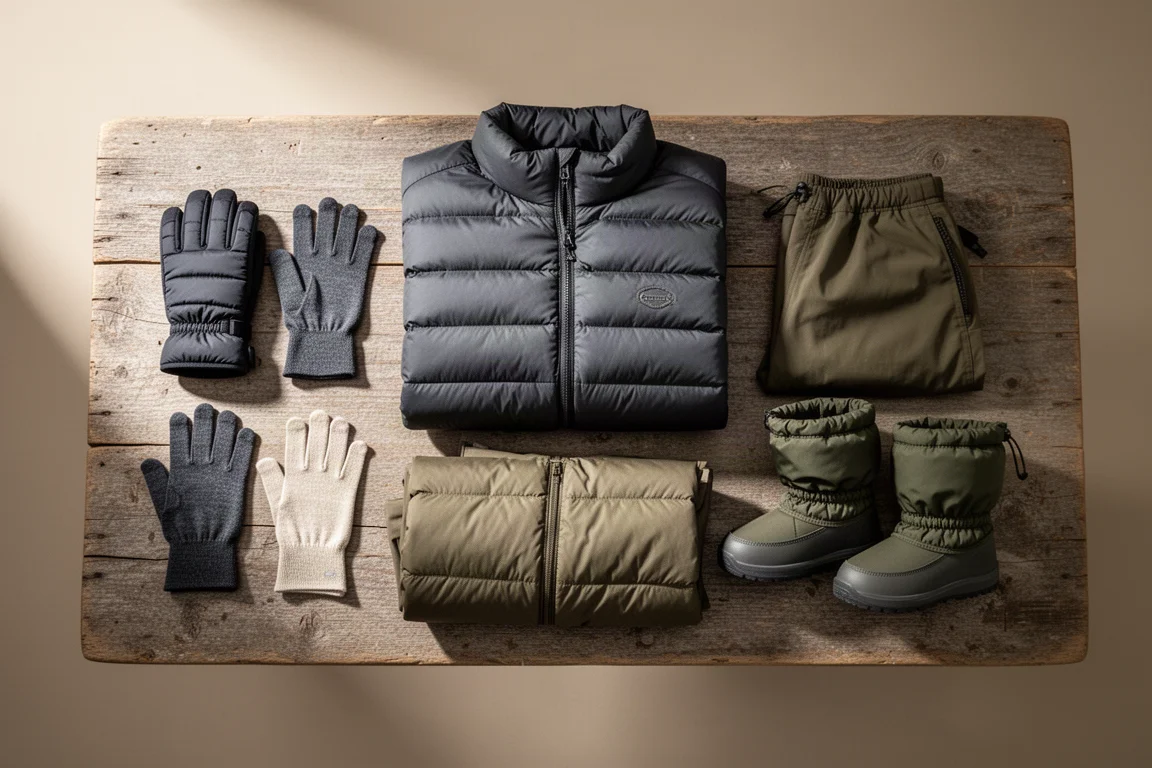
Winter camping has one reliable problem: the moment you stop moving, your body stops producing heat. By the time the tent is up and camp chores are finished, temperatures have often dropped well below freezing, and everything you do for the rest of the evening depends on what you are wearing.
A well-chosen camp clothing system does more than keep you comfortable. It means you can cook, melt water, gather firewood, and actually enjoy the evening instead of climbing into a sleeping bag at 5 pm out of desperation. The pieces below form a layered system intended to keep a camper warm down to roughly -20 °C (-4 °F), and each one is chosen for a specific job.
What a Winter Camp Clothing System Needs to Do
Two principles shape the whole system: moisture management and material choice.
The change out of travel clothes and into camp clothes happens only after camp chores are done. Collecting firewood and water is the sweatiest part of the evening, and any moisture that works its way into camp clothing makes those layers colder later on. Camp clothing is deliberately not as quick drying as travel clothing, because it trades drying speed for warmth.
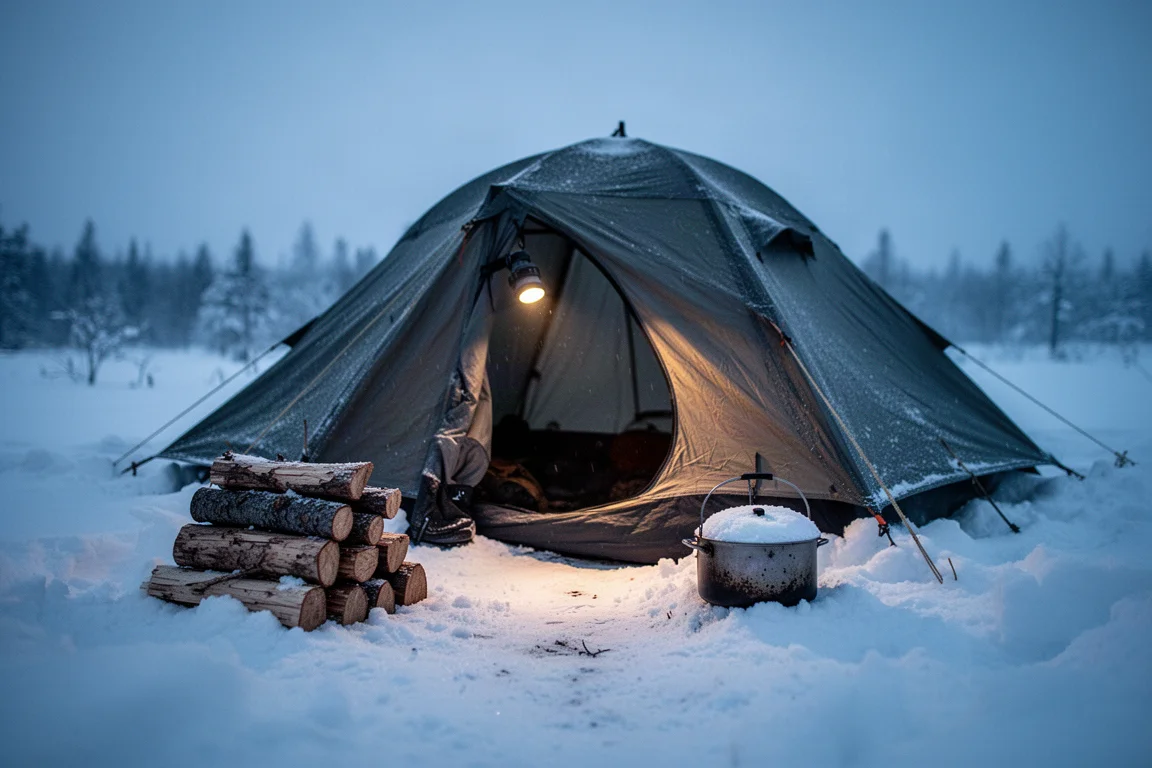
Materials matter just as much. Merino wool, polyester, and nylon cover most of the system. Merino wool is the base layer of choice because it feels best against the skin and does not feel clammy when you sleep in it. Down handles the insulation duties thanks to its warmth-to-weight ratio, with one important caveat: down holds onto moisture, so it needs a waterproof shell in rain or wet snow.
Mountain Equipment Co-op Surprise Gloves: Packable Hand Warmth
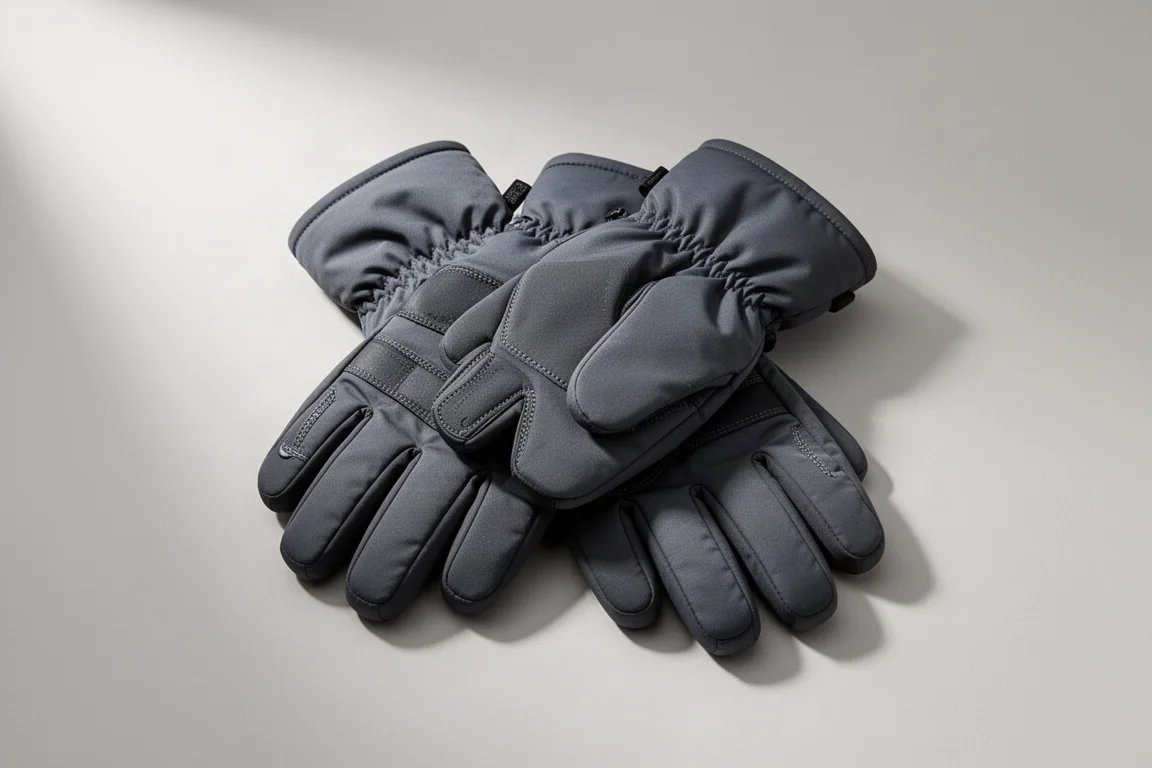
Hands are the first thing to suffer at camp, so the primary glove has to balance warmth, packability, and weather resistance. The Surprise Gloves from Mountain Equipment Co-op hit all three. They squish down very small in a pack, use synthetic insulation that keeps insulating even when damp, and add a water-resistant shell.
That combination is harder to find than it sounds. Lightweight, water-resistant, and genuinely warm gloves are a rare mix, and these came out ahead of the alternatives. They are also an affordable pair. Mountain Equipment Co-op is essentially the Canadian equivalent of a large outdoor co-op retailer, and it ships internationally, so the gloves are reachable from most countries.
Gloves rather than mitts make sense around camp because they preserve dexterity for cooking, adjusting a stove valve, and packing up a tent in the morning.
Outdoor Research Merino Wool Liner Gloves: Dexterity Underneath
Underneath the insulated gloves sits a thin merino wool liner. The point of a liner is not extra warmth alone. It lets you peel off the outer glove and still have full use of your hands without exposing bare skin to freezing air.
The Outdoor Research liner gloves add touch capability on the thumb and forefinger, which makes them useful for reading or using a phone while lying in a sleeping bag. They count as a base layer in this system, and every base layer here is merino wool for the same reasons: comfort against the skin, no clammy feeling overnight, and a fabric that stays pleasant to wear for days.
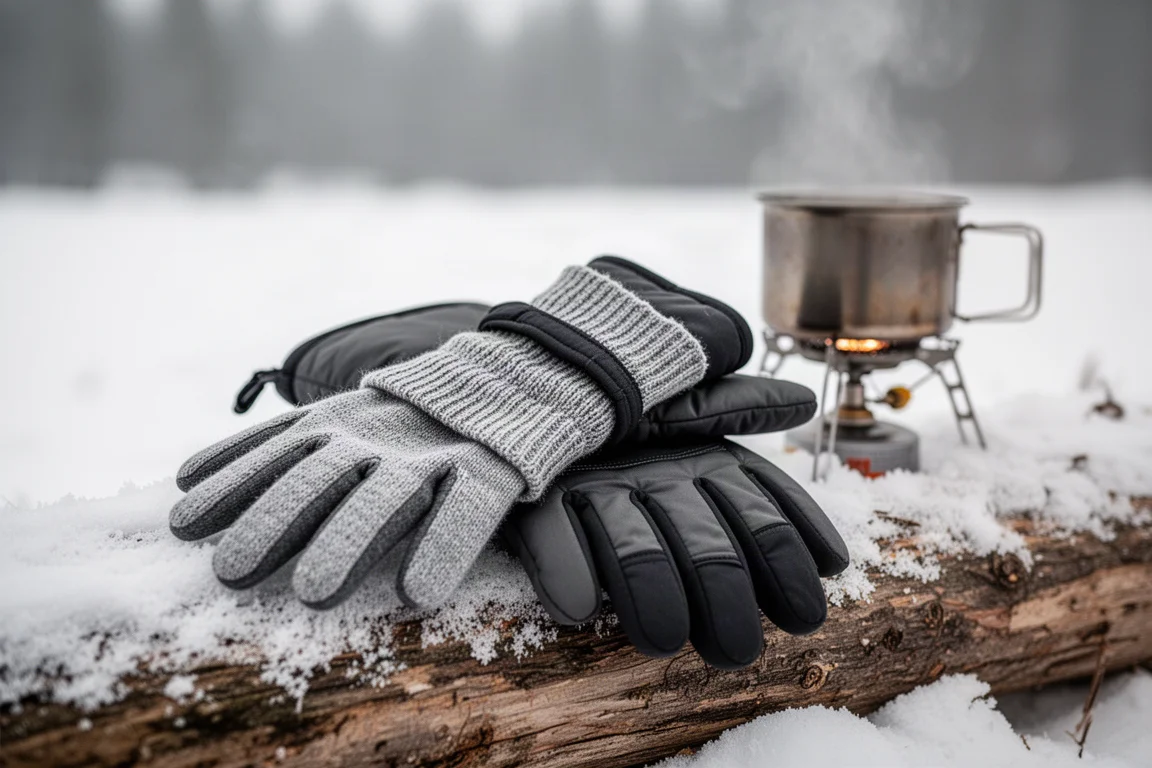
A liner glove is a small item with an outsized effect on how pleasant a cold evening feels, especially when you are handling the fiddly tasks that bulky gloves make clumsy.

Decathlon Trek 900 Down Jacket: Affordable Core Warmth
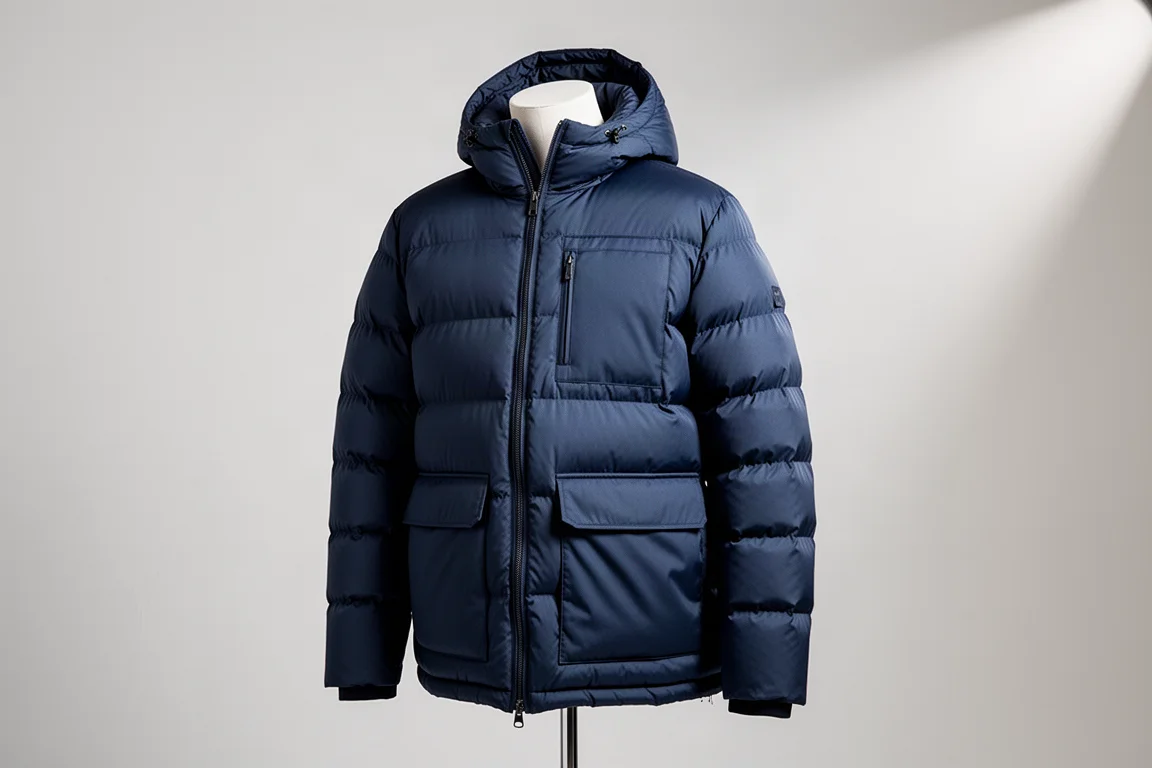
The upper body outer layer is a down puffy, and the Decathlon Trek 900 is a strong example of the category at just over $100. It is very warm for winter conditions and carries the feature set you want from a jacket that only ever gets worn around camp.
Down remains the insulation of choice for winter camping because it offers one of the best warmth-to-weight ratios available. Layered over a merino base layer and a fleece mid layer, a jacket like this is what keeps you comfortable while you sit still in the cold.
The trade-off is moisture. Down holds onto water, so if the forecast includes rain or heavy wet snow, the down jacket belongs under a waterproof shell rather than on its own.
The North Face Summit L3 Down Pants: Premium Leg Insulation
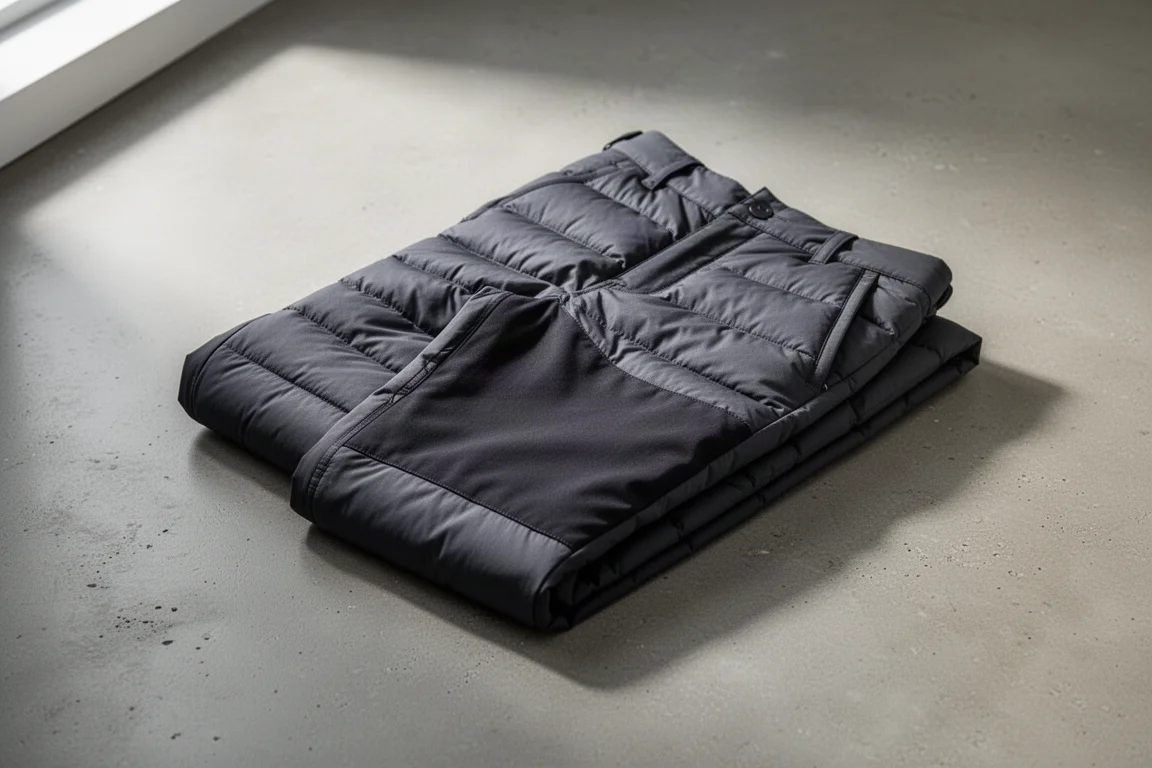
Legs follow the same layering logic as the torso: merino wool long johns against the skin, fleece pants over them, and down insulation on top for camp. The Summit L3 Down Pants from The North Face are the aspirational version of that final layer. They pair down insulation with waterproof panels at the seat and knees, a detail that matters when you are sitting on snow or kneeling to tend a stove, and they are warmer than basic down pants.
Because they are down, the same wet-weather rule applies. In rain or wet snow, a waterproof shell over the top protects the insulation. For most campers this is an upgrade to consider rather than a first purchase, but for cold, static evenings around camp the extra warmth and the reinforced panels are genuinely useful.
Mountain Equipment Co-op Expedition Booties: Built for Deep Snow
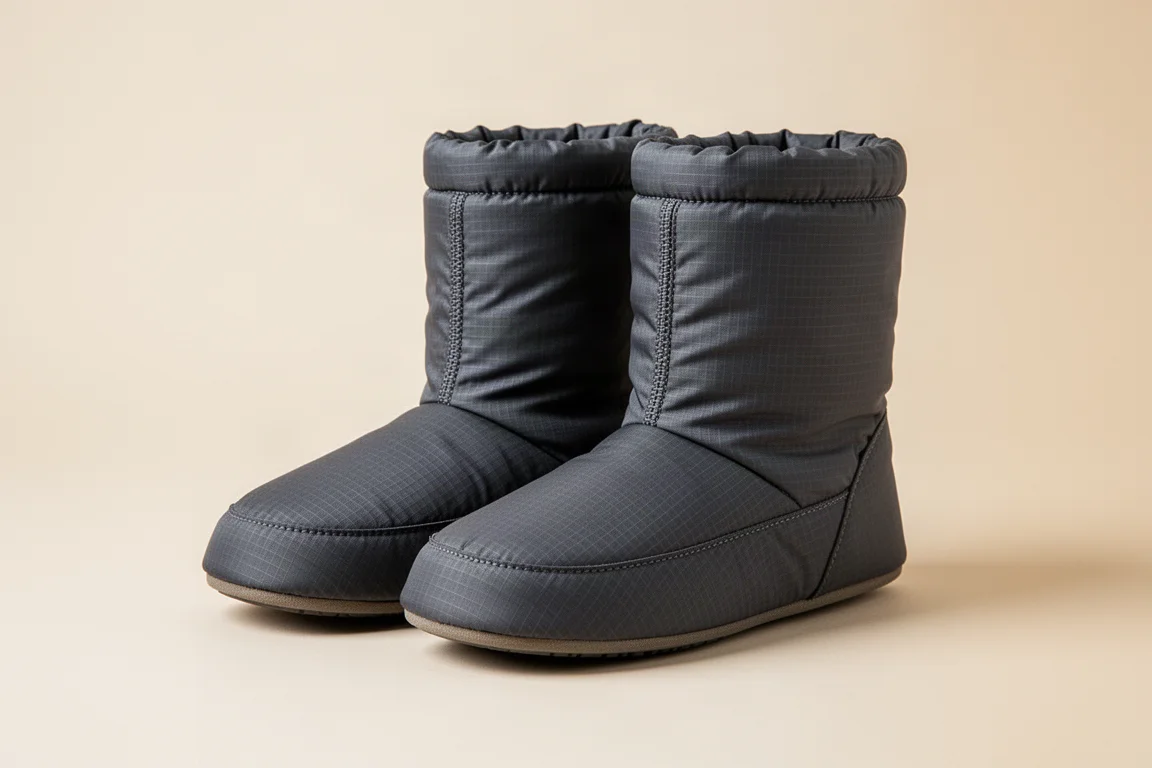
Camp footwear is where a winter kit can quietly fall apart. Warm feet are often just a matter of one thick pair of wool socks if your circulation runs warm. If your feet run cold, a liner sock or a pair of down booties worn over socks inside the sleeping bag helps a great deal.
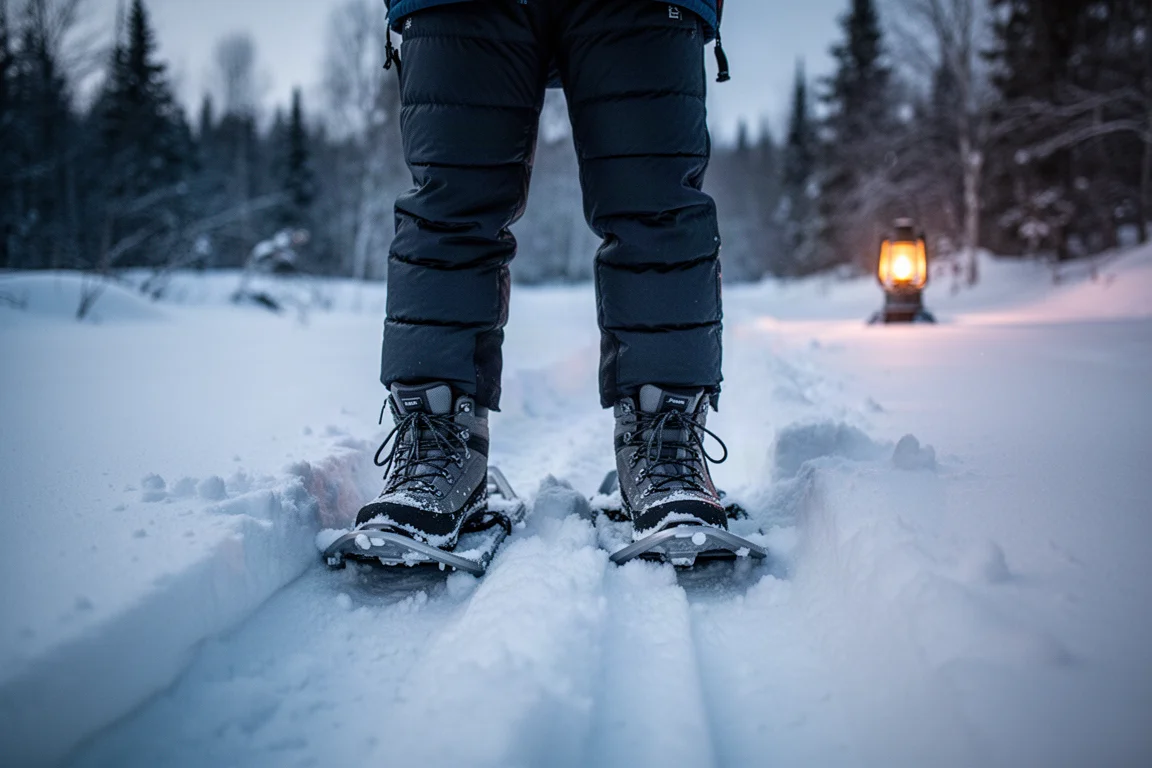
The Expedition Booties from Mountain Equipment Co-op go further. They use synthetic insulation, a water-resistant shell, and a proper sole for walking around camp. The standout detail is a gaiter cuff that pulls up over the pants and cinches at the top, keeping snow from finding its way into the bootie. That feature is unusual on mainstream camp booties and makes a real difference in deep snow.
They are a more expensive option, but they are warm, comfortable, and well suited to camps where the snow piles up.
Building Your Own Winter Camp Clothing System
You do not need to copy a kit item for item. Build the system in layers and let the coldest conditions you expect decide how far you go.
Start with merino wool base layers: a shirt, long johns, and liner gloves. Add fleece mid layers for the torso and legs, and keep a second fleece in reserve if you run cold. Finish with down insulation for the torso and legs, and remember that every down piece needs a waterproof shell in rain or wet snow.
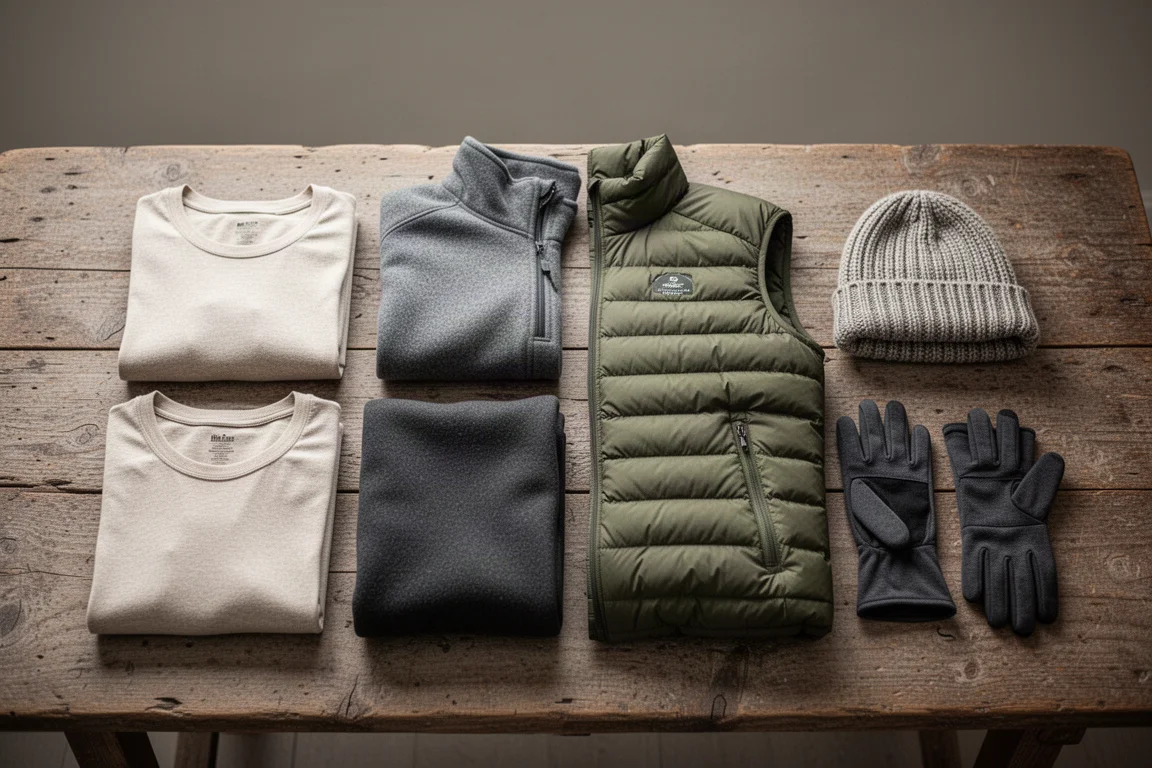
Then handle the details. Change out of travel clothes only after camp chores are done, so sweat never reaches the layers you will sleep in. Choose gloves over mitts if dexterity around camp matters more to you than maximum warmth. And if your trips involve deep snow, insulated camp booties with a gaiter cuff solve a problem that socks alone cannot.
Conclusion
Staying warm at camp in winter comes down to a small number of well-chosen layers used in the right order. Merino wool against the skin, fleece for mid layer warmth, down for insulation, and a waterproof shell for the wet days. Add packable insulated gloves, a liner for dexterity, and insulated booties if the snow is deep, and the evening stops being something to survive.
That is the whole idea: a system that keeps you comfortable enough to enjoy camp in temperatures near -20 °C instead of retreating to a sleeping bag before dinner.
Further reading
Related Reviews
Winter Camping Gear
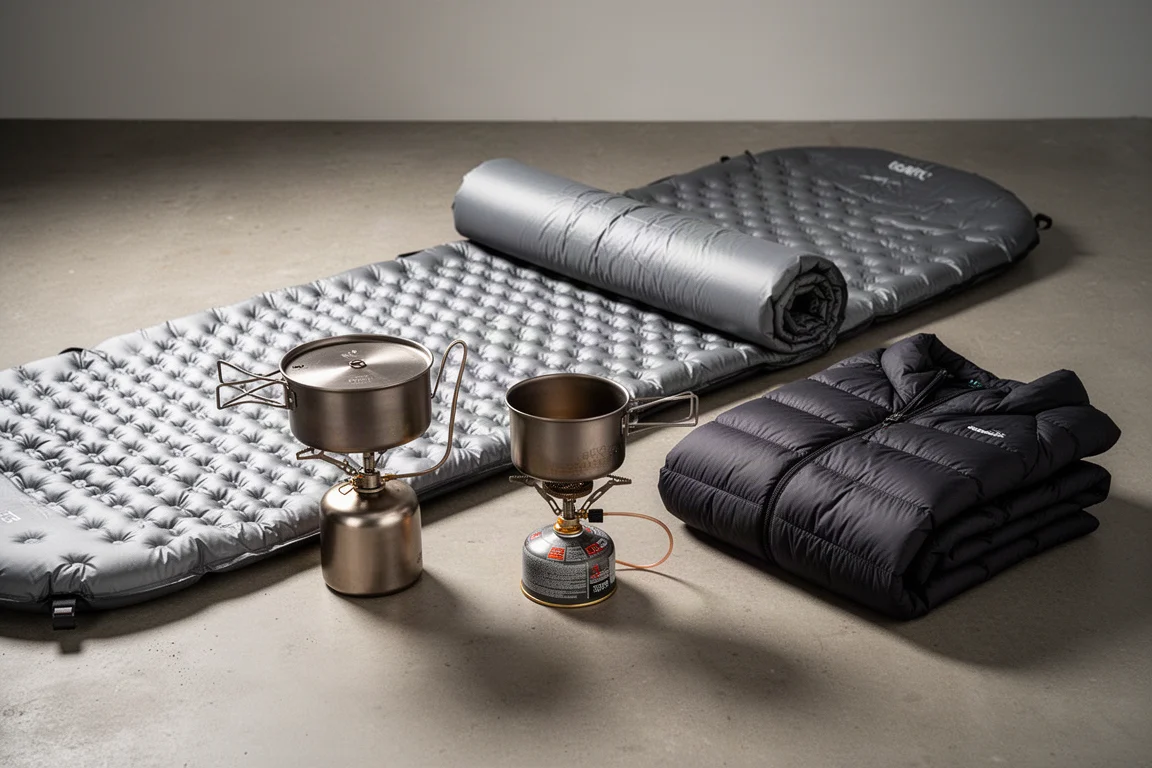
Affordable Winter Camping Gear: Six Budget Pieces Tested Below Freezing
Three reflective sleeping pads, an updated down jacket, a titanium pot and a $25 winter stove, assessed on frozen ground at around minus 12 degrees Celsius.
Winter Camping Gear
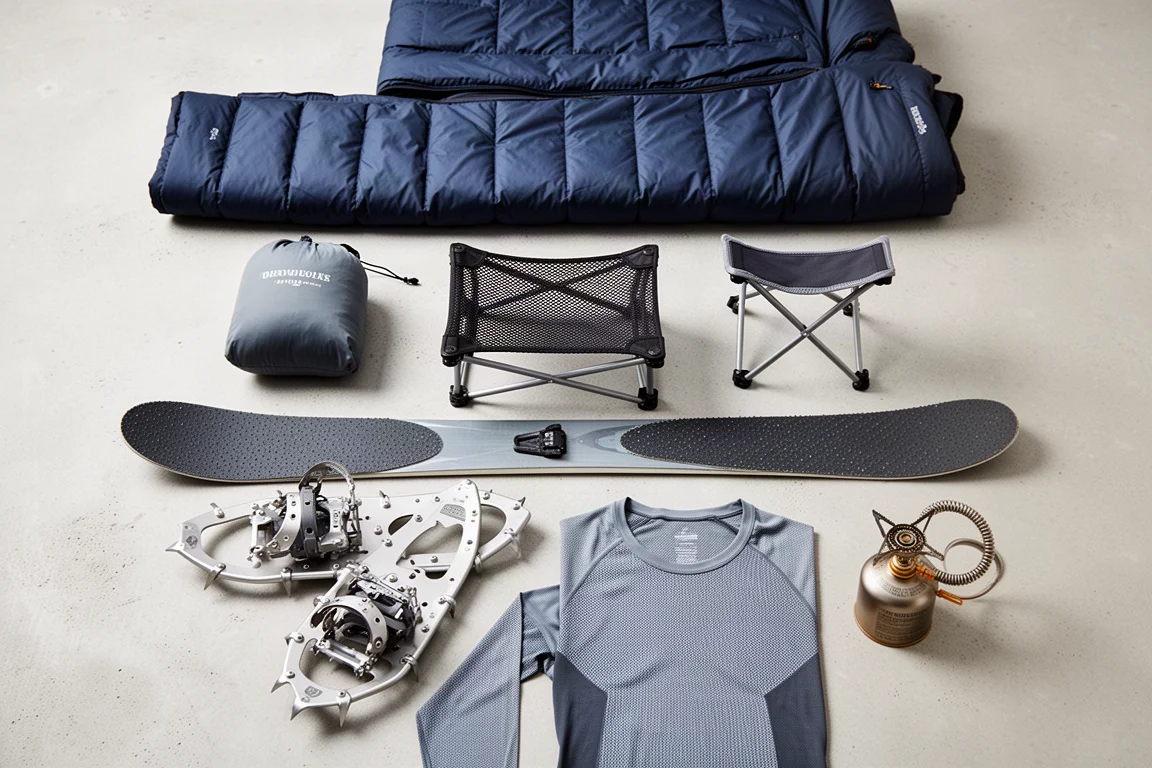
Best Winter Camping Gear 2026: Seven Pieces Worth Packing
A practical look at seven winter camping items, from an insulated parka rated to minus 20 degrees Celsius to a titanium stove built for cold canisters.
Winter Camping Gear
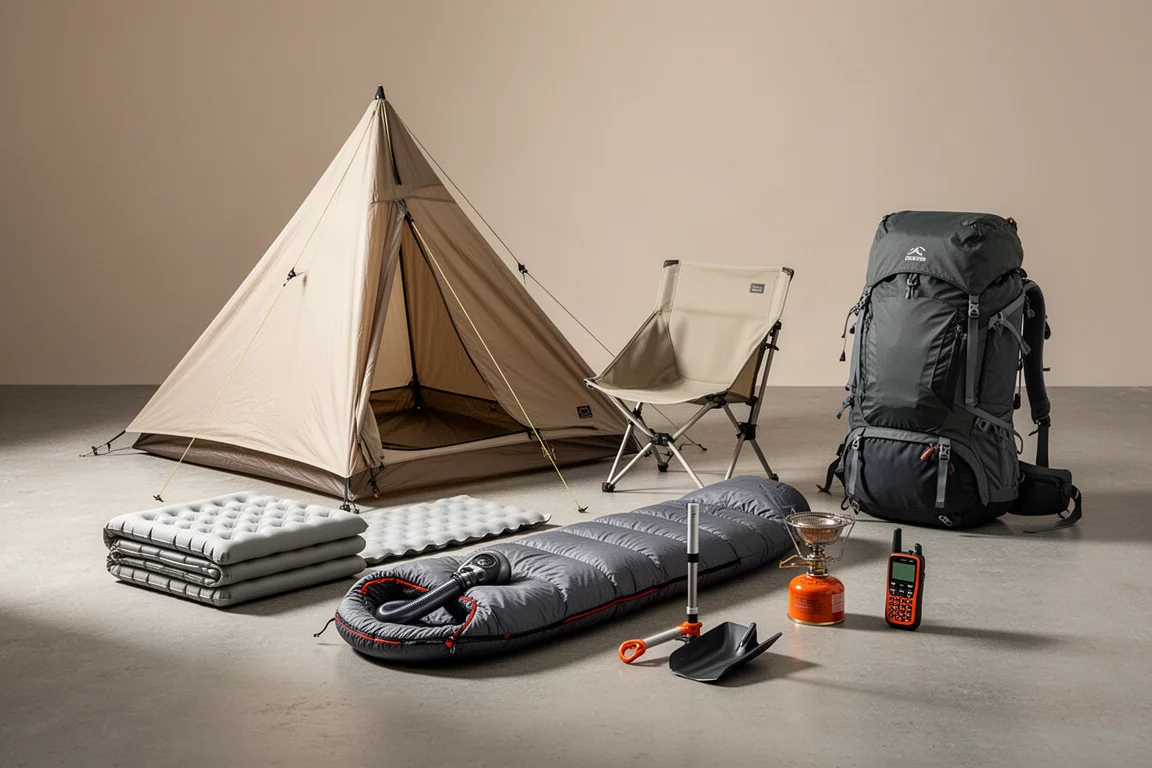
Ultimate Winter Camping Gear List: Proven Essentials for Cold-Weather Adventures
A curated list of winter camping gear that has proven itself in freezing temperatures, from shelter and sleep systems to cooking and safety essentials.