Winter Camping Gear
Winter Backcountry Gear List: 10 Essentials for a Four-Day Rockies Traverse
A cold-weather gear list built for four days of ski touring in the Canadian Rockies, covering packs, repair kit, sleep system, shelter, and cooking at subzero temperatures.
Introduction
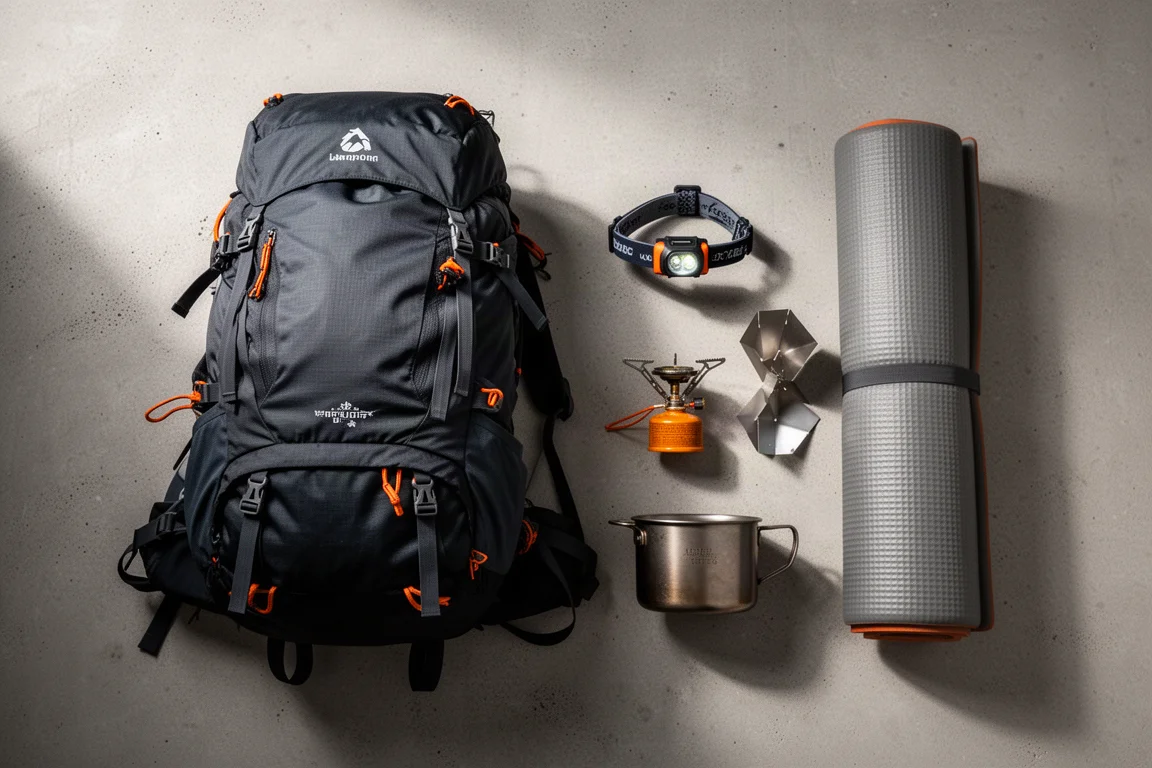
Four days of ski touring through remote mountain passes in deep snow, with overnight temperatures forecast near -30°C, is as much a gear problem as a fitness problem. At that temperature a lot of ordinary three-season equipment stops behaving the way it should: batteries fade, toothpaste freezes solid, and stoves lose output just when you need them most.
The ten items below carry the most weight in that decision, from a winter-specific pack and a proper repair kit through to lighting, power, a sleep system with genuine cold-weather margin, and a stove that does not care how low the mercury drops.
What Matters Most on a Four-Day Winter Traverse
Weight and warmth are the obvious variables on a trip like this, but they are not the only ones. Moisture management matters just as much. Sweat that soaks into insulation on the climb leaves you cold at camp, and warm, moist breath pushed into a sleeping pad can leave it flat by morning.
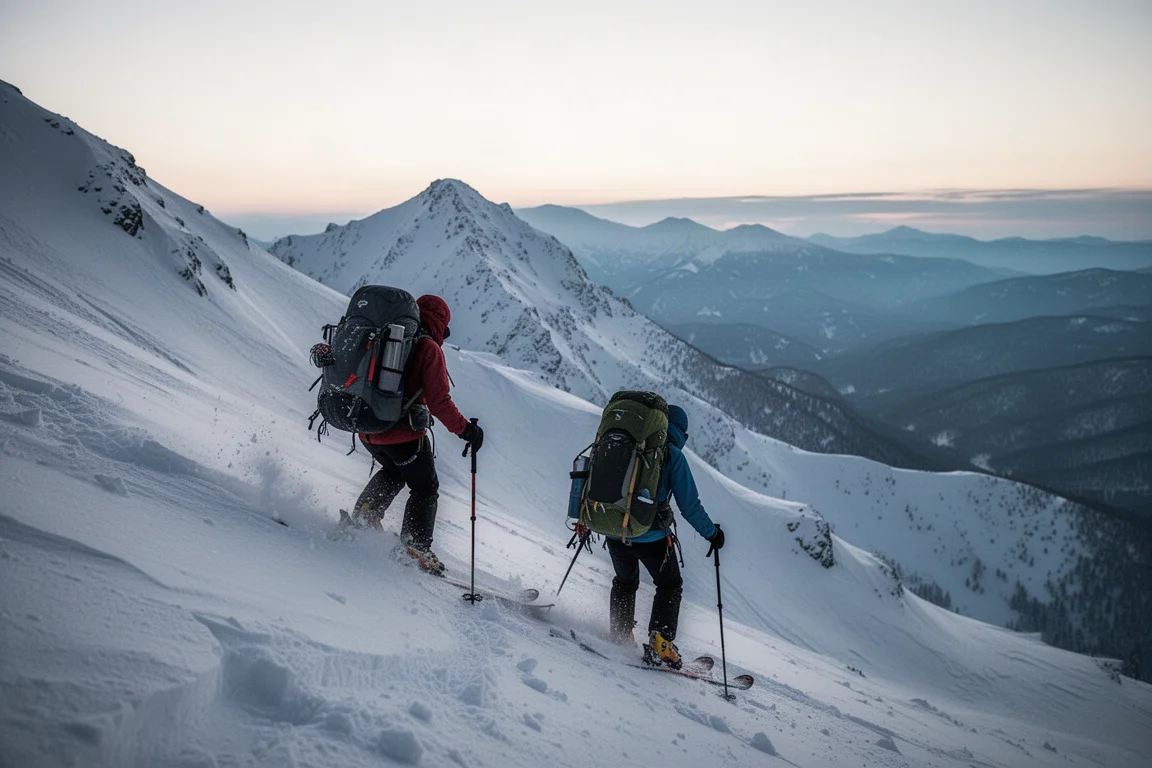
The second theme is failure points. Alpine touring skis, boots, and bindings involve a lot of moving parts, and any of them can break in a remote area where there is no easy way out. Cold also changes how electronics behave, which is why the lighting and power choices below are specific rather than generic. Everything here is selected to solve a problem that shows up in deep winter, not simply to be comfortable in mild weather.
Best Winter Pack: Mountain Hardwear AMG 75
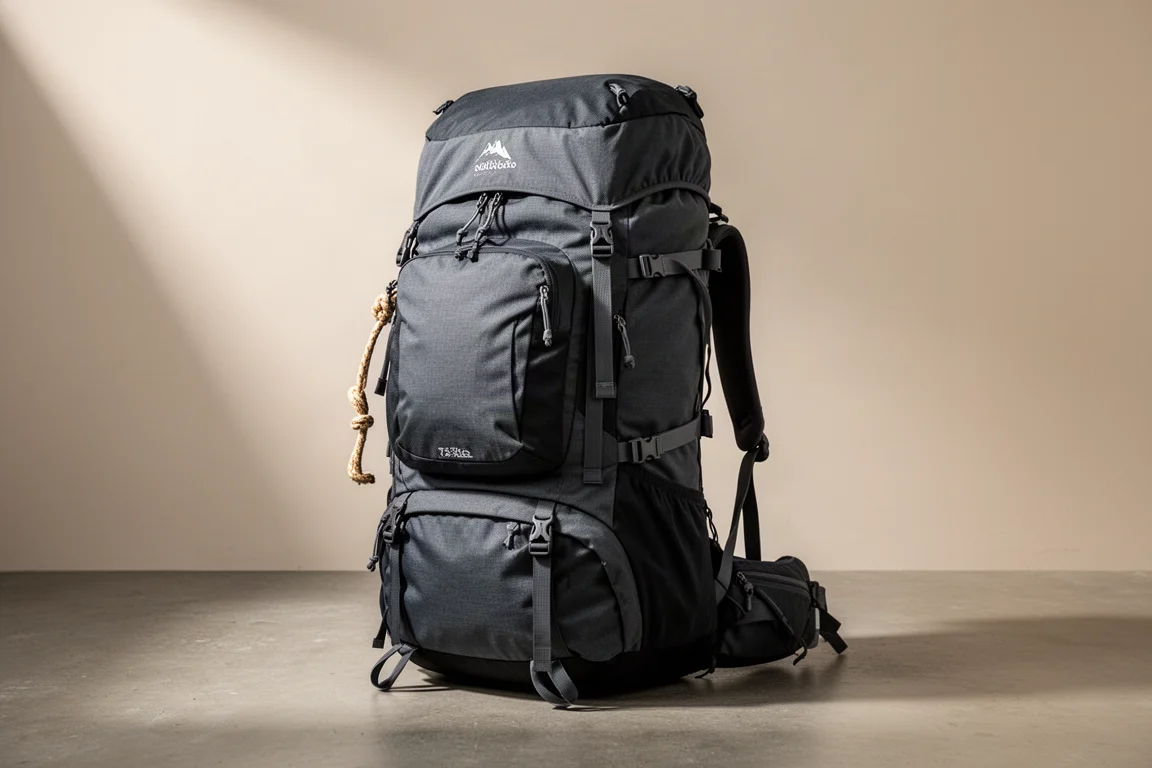
The AMG 75 is a winter-specific pack, and the details show it. An avalanche pocket keeps a probe and shovel organised and quick to reach, and a wide set of external straps lets you lash bulky items to the outside. With food and water included, the full load for this trip comes to roughly 40 lb, so the pack needs real carrying capacity and the structure to handle that weight without complaint.
Repair Kit Essential: Leatherman Skeletool
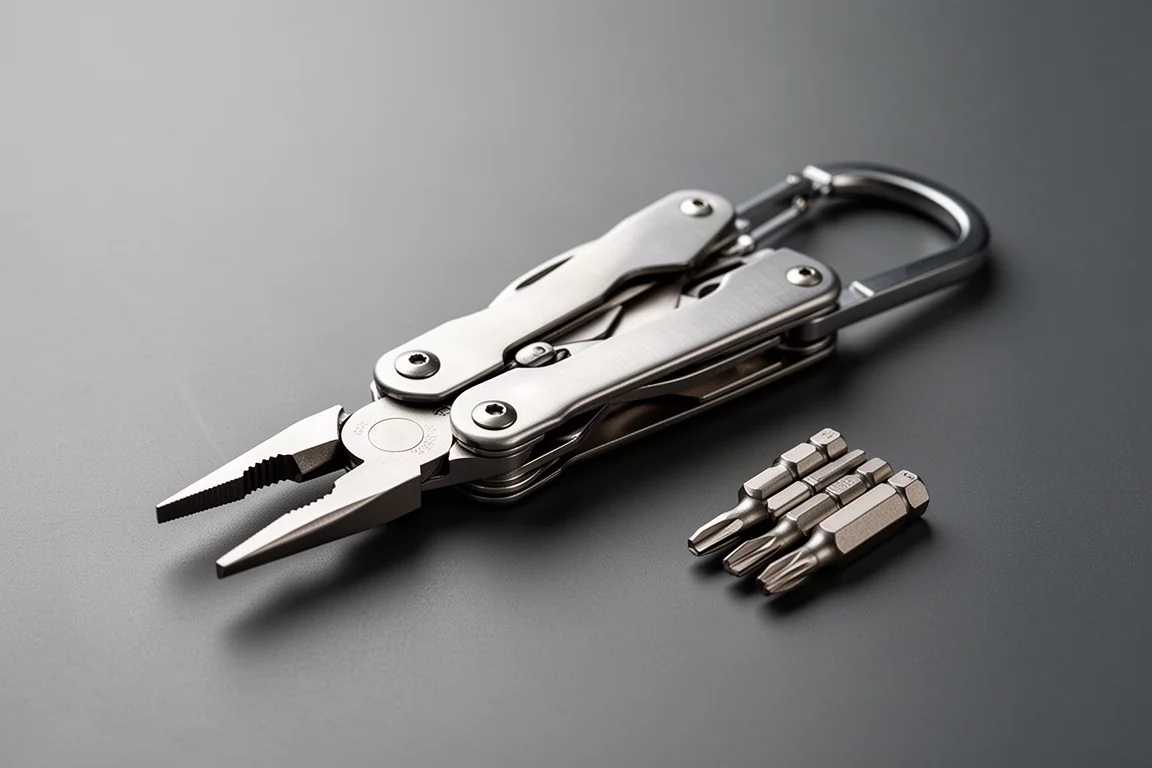
The repair kit is the part of the load that only matters on the day it matters. It carries zip ties, duct tape, and a length of chicken wire for patching skis, spare batteries for an avalanche beacon, a small light, and a multi-tool. The Skeletool is the hand tool at the centre of it, compact enough to live in the top pocket of the pack and useful for the kind of field fixes that touring hardware occasionally demands.
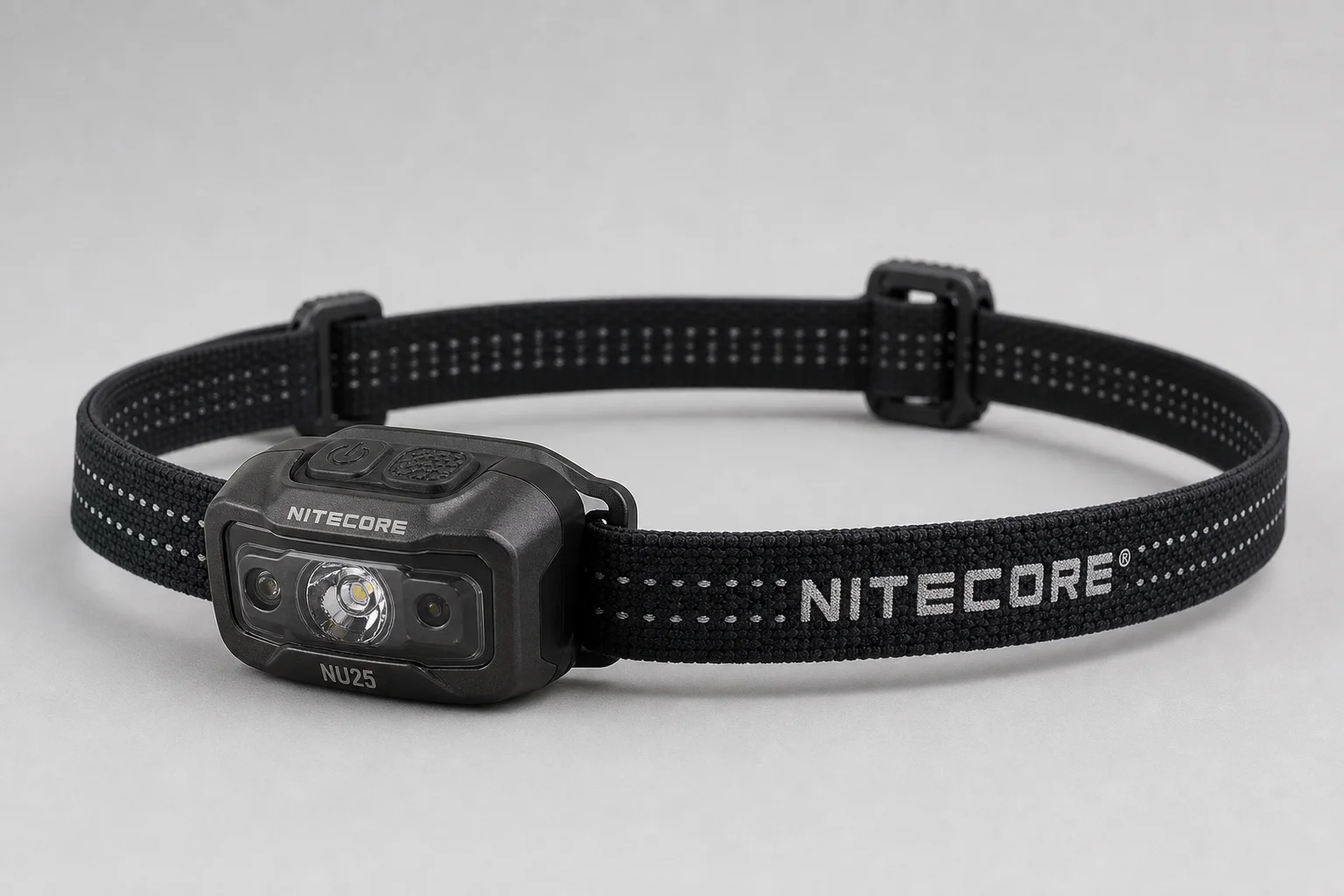
Best Headlamp: Nitecore NU25
Headlamp choice comes down to brightness on a trip like this. The NU25 was picked over a flashlight and over lighter headlamps because of its high output, which matters if a descent runs long or a group rolls into camp well after dark. A bright beam makes it easier to sort out tent guylines, check bindings, and move safely on snow at night.
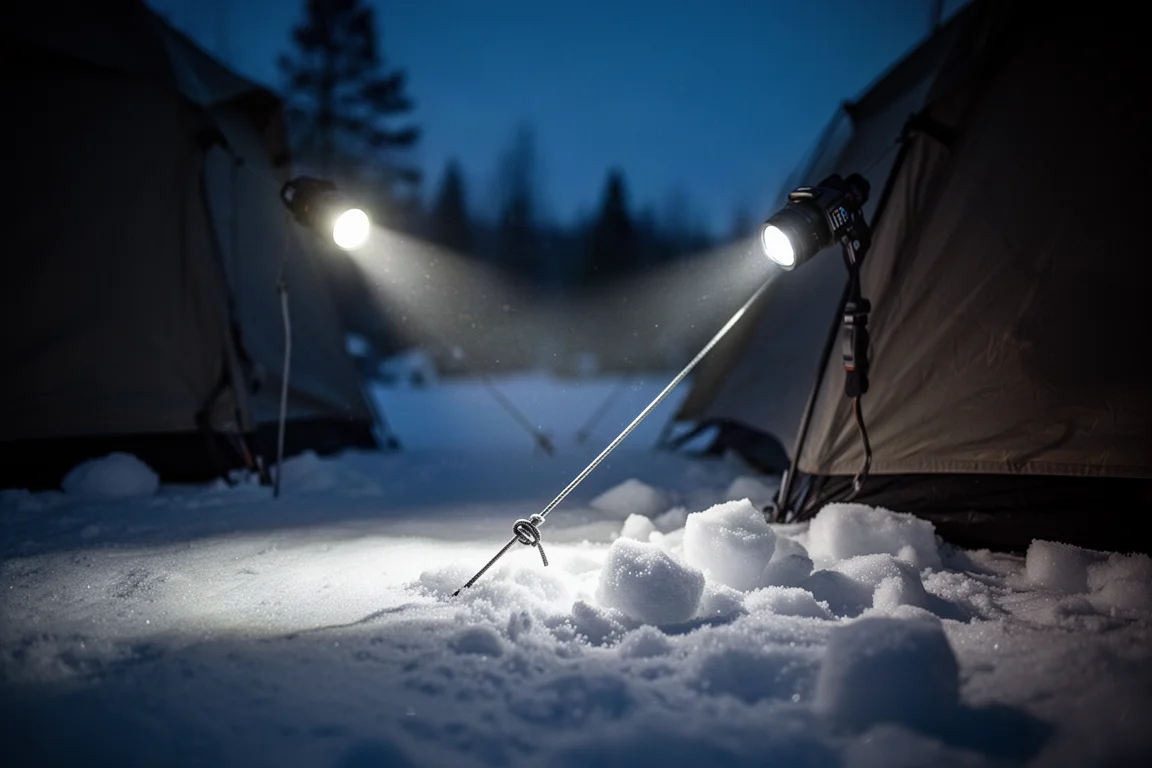
For winter use the practical argument is simple. You want enough light to work with both hands and to read the terrain ahead of you, and you want it in a package light enough to forget about during the day. Rechargeable lighting also pairs naturally with a power bank that can cope with the cold.
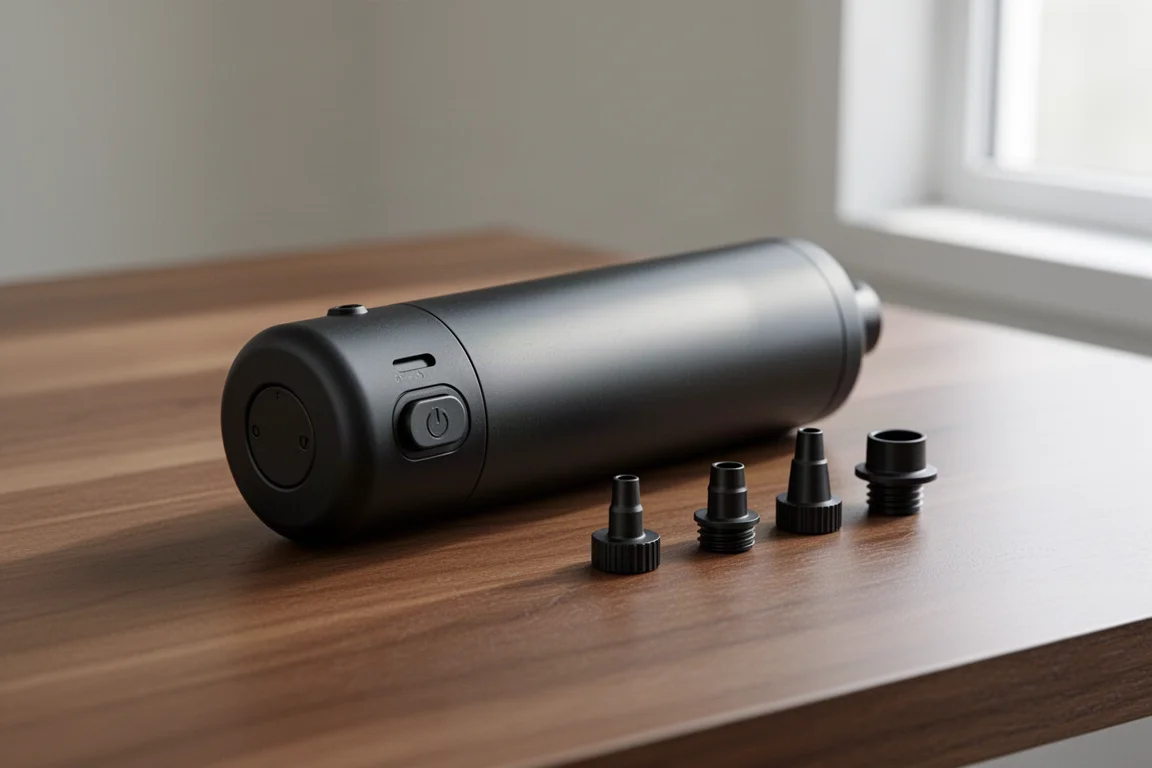
Sleeping Pad Inflation: Flextail Zero Pump
Inflating a sleeping pad by breath pushes warm, moist air inside it, and that trapped moisture can cause the pad to lose performance over the course of the night. A small electric pump such as the Flextail Zero Pump avoids the problem entirely, and it is also a genuine convenience after a long day of climbing under a heavy pack.
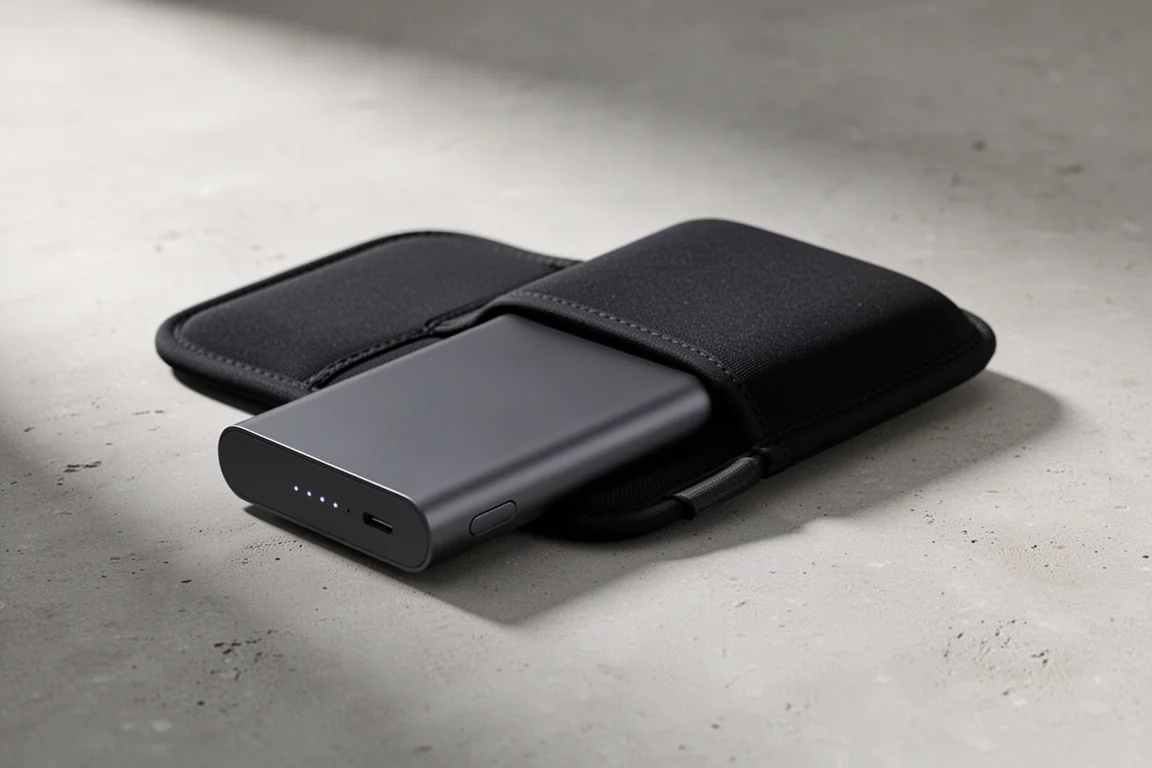
Cold-Weather Power: Nitecore Summit 10000
Cold is hard on batteries, and the Summit 10000 addresses that directly. It is a 10,000 mAh power bank with an internal heating element: when it senses that conditions are too cold for the cells to operate efficiently, it warms them so the battery keeps delivering power. It is designed to work in temperatures down to roughly -20°C and lower, which covers the nights on this itinerary.
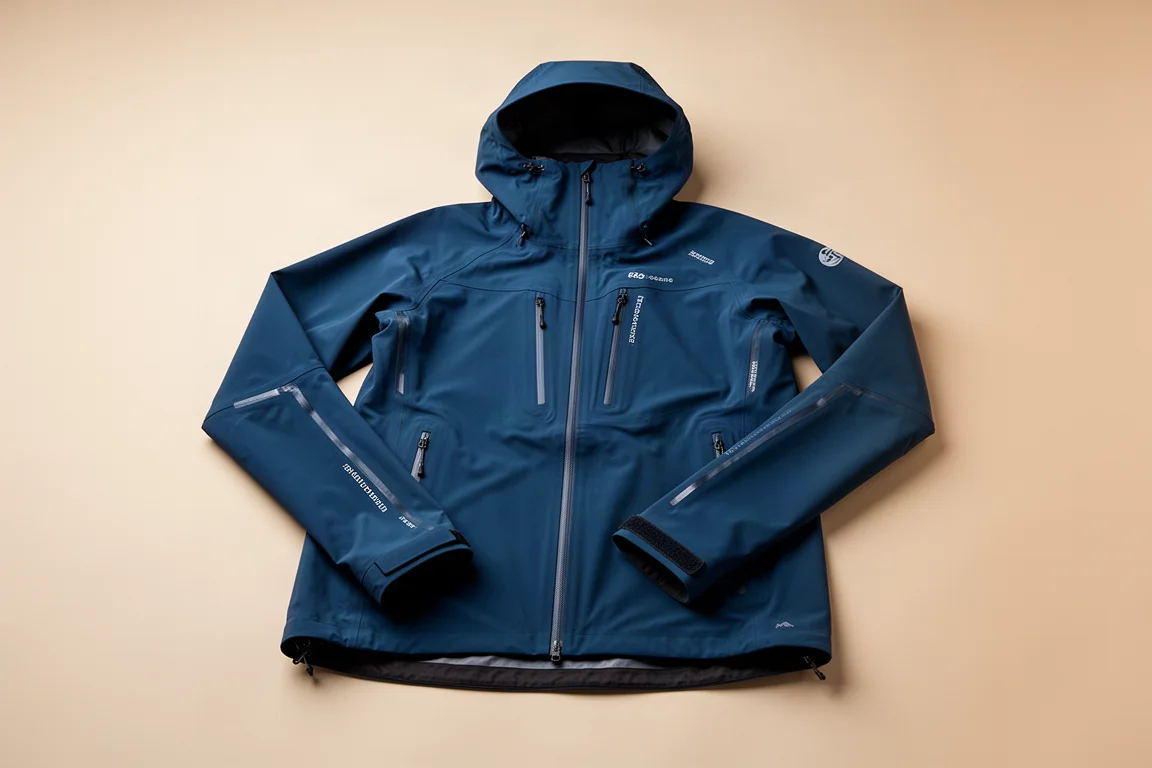
Breathable Shell: Outdoor Research Skytour Jacket
Ski touring generates a lot of heat on the way up and loses it fast on the way down, so the shell has to breathe. The Skytour jacket and its matching pants are built for exactly that pattern, with a highly breathable fabric, plenty of pockets, and features aimed at touring traverses rather than lift-served days.
The most useful detail in cold weather is the pocket layout. A one-litre soft bottle tucked into the inner pocket stays close to the body, so water does not freeze solid through the day, and the same principle applies to a phone or a beacon that needs to stay warm and reachable.
Best Sleeping Pad: Nemo Tensor Extreme Conditions
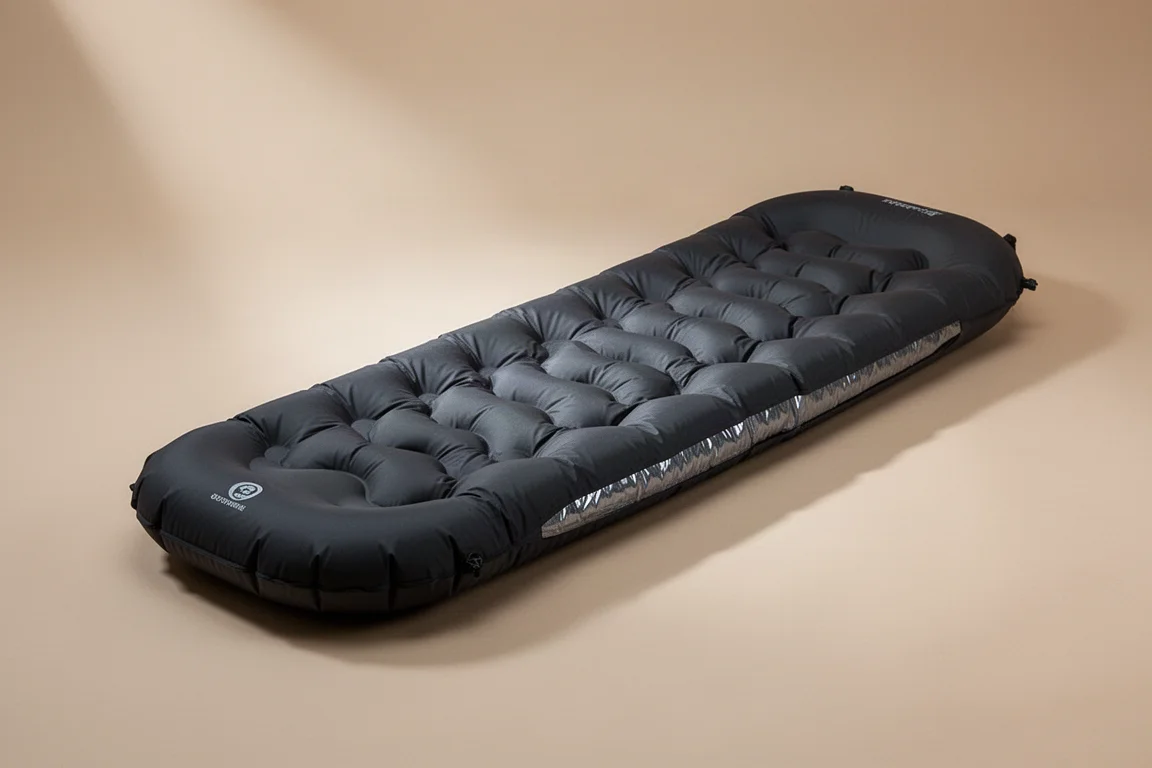
Sleeping pad choice is a straight trade between warmth, comfort, and weight. The Tensor Extreme Conditions has been tested as warm down to -35°C on snow, and it is the more comfortable of the two options under consideration for this trip. The alternative saves about 100 grams but gives up some of that comfort.
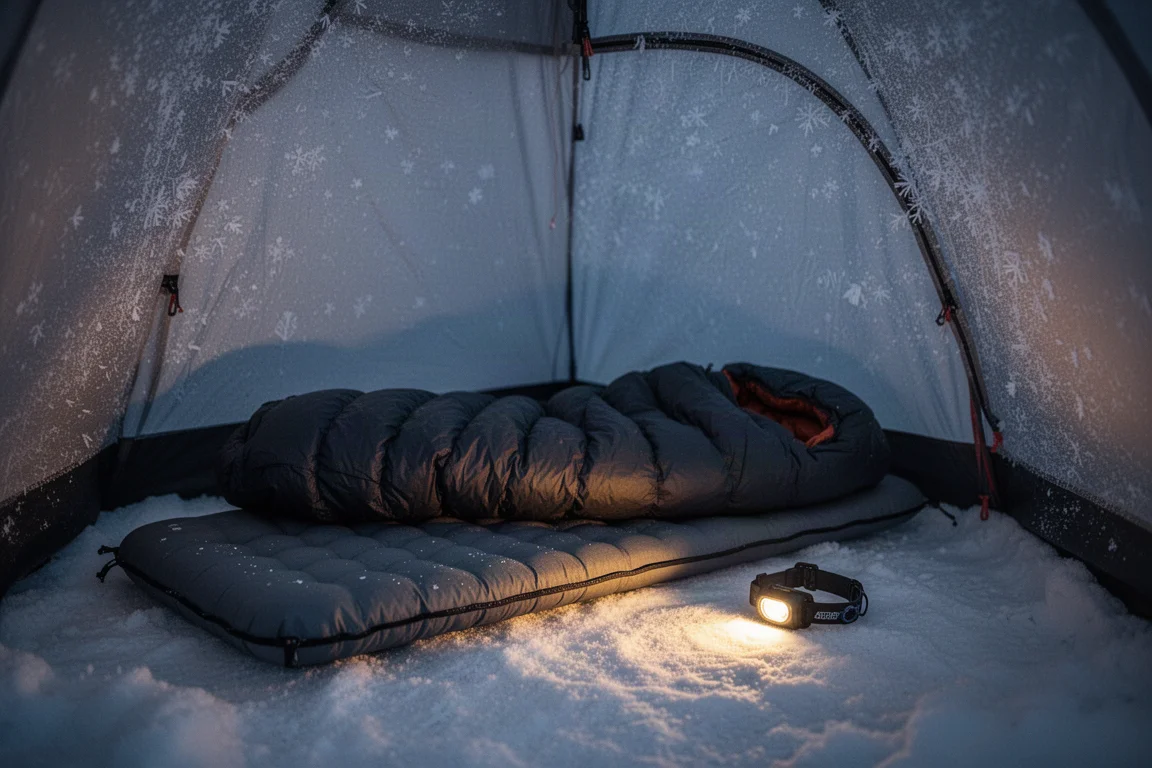
On a four-day traverse with significant elevation gain, 100 grams is a real consideration, but so is sleeping well at -30°C. The pad that performs reliably on snow is the safer default when the forecast is uncertain.
Best Winter Sleeping Bag: Therm-a-Rest Polar Ranger
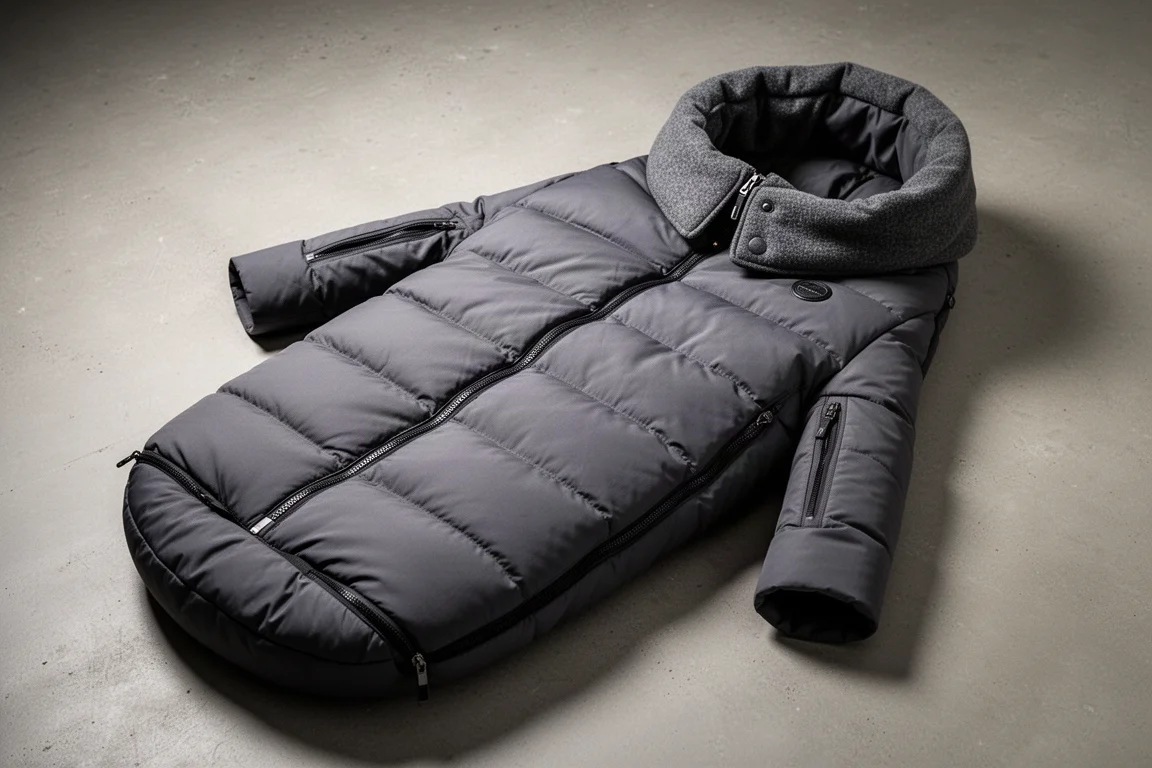
The Polar Ranger is a dedicated winter bag, and its standout feature is a snorkel that creates a pocket of air around the face, so exposed skin does not get cold when temperatures drop further than expected.
Paired with it is a synthetic over quilt made with Apex insulation. Below roughly -10°C, when down is the primary insulation in a sleep system, a synthetic layer on top moves condensation away from the down and manages moisture far better than down alone can. That combination is what makes the bag dependable night after night on a humid winter trip.
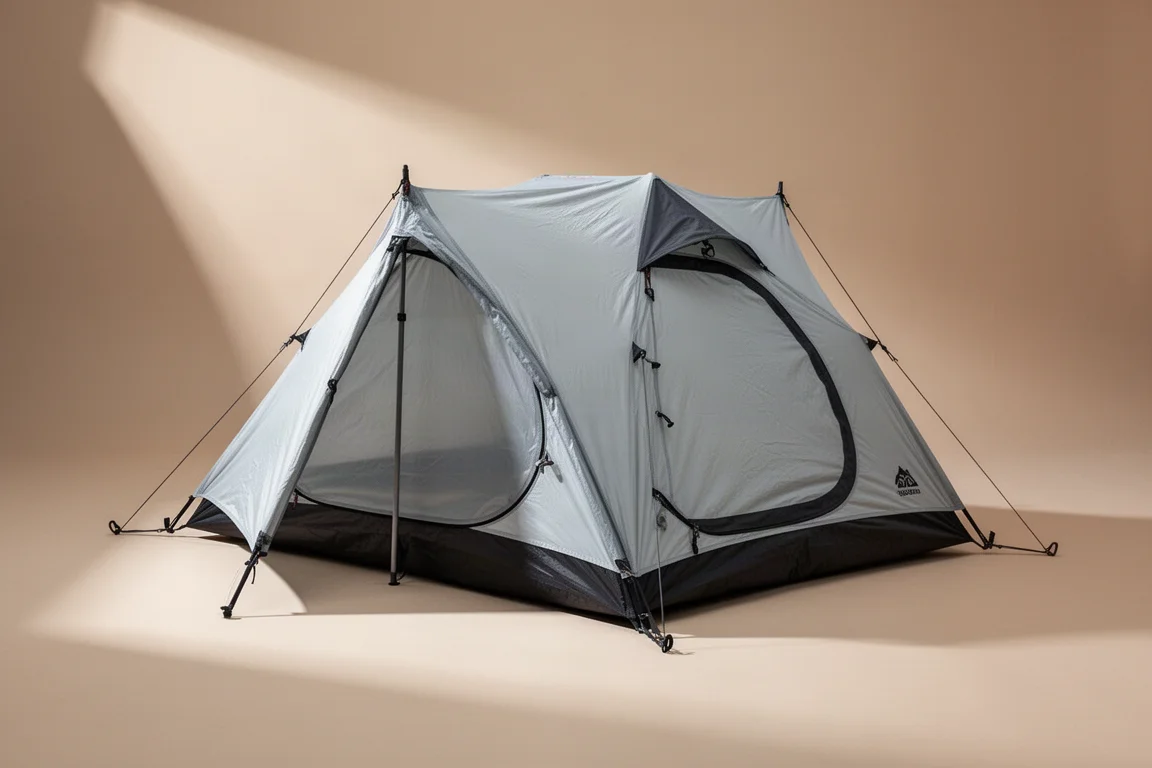
Lightweight Winter Shelter: Samaya 2.0 Tent
The Samaya 2.0 weighs just over 1,300 grams and uses Dyneema along with waterproof breathable fabric on the sides. For winter camping that combination is appealing: it is light enough to justify carrying, and it is structurally sound enough to hold up to snow load and wind.
The trade-off is interior space. The tent has no vestibule, so bringing boots and a pack inside quickly makes it cramped, and on a group trip there is always the option of sharing a shelter and saving that weight altogether. That is the decision still open for this trip.
Cold-Weather Cooking: MSR WhisperLite Universal
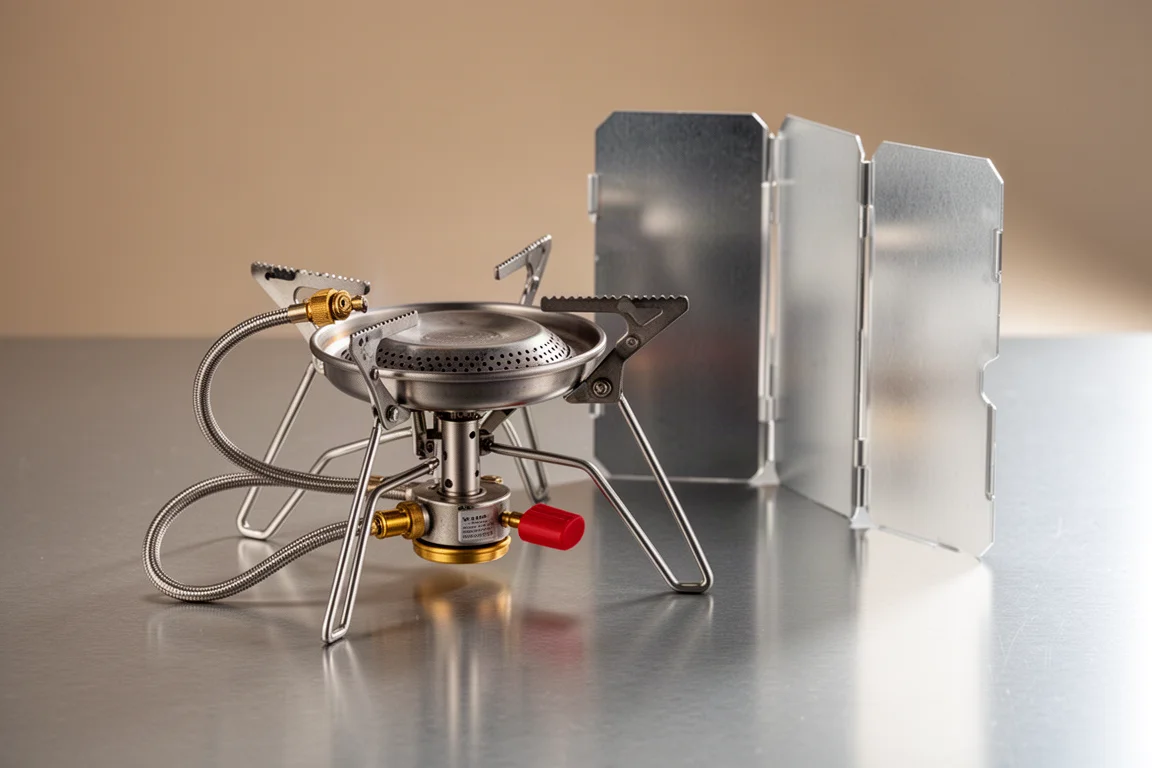
Fuel choice for a winter group trip comes down to temperature. Inverted canister stoves work well to about -20°C and then fall off sharply in performance, while white gas keeps working well at essentially any temperature. With -30°C forecast for the first night, white gas is the safer call, which is why the MSR WhisperLite Universal is packed.
The stove is robust and works in basically any temperature when it is set up correctly, including priming the preheat tube so the flame burns clean and blue. A small aluminium plate under the stove reflects heat upward, and a windscreen wraps around the pot and stove to protect the flame. A 2-litre titanium pot goes on top to melt snow into drinking water.
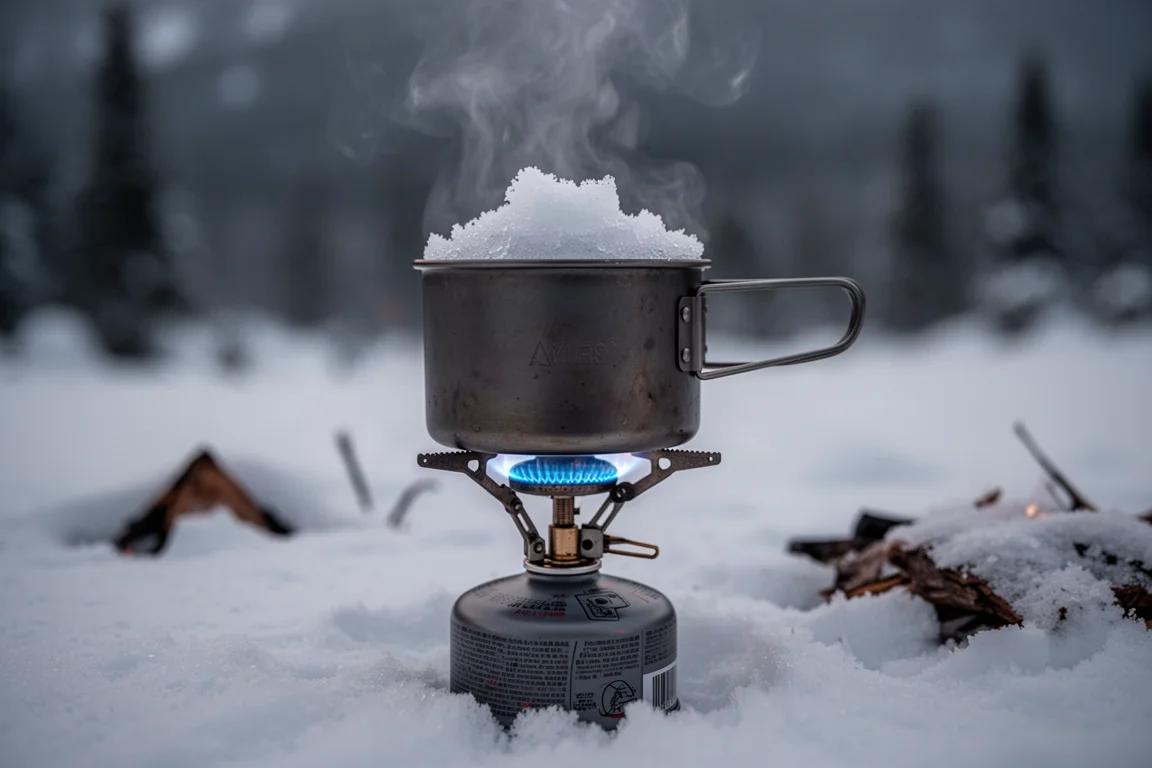
The lesson from earlier trips is that setup matters as much as the stove itself. Converting the WhisperLite Universal between canister and white gas fuel takes care, and getting it wrong means no hot meal at the end of a cold day. Tested and primed before departure, it is one of the most dependable pieces in the kit.
Buying Advice: Matching Gear to Conditions
Start with the coldest night in the forecast, not the average. A stove, a sleeping pad, and a battery bank all need to work at the low end of the range, because that is where a trip stops being comfortable and starts being difficult.
Build the list around moisture as much as temperature. Warm, damp air inside a sleeping pad, condensation inside a down bag, and sweat trapped in a base layer are the three most common reasons a winter sleep system underperforms. A pump instead of breath, a synthetic over quilt, and a breathable shell all attack that problem directly.
Plan redundancy for anything that can strand you. A repair kit with a multi-tool, zip ties, duct tape, and patching wire weighs very little and covers the failures that touring bindings and skis are most likely to produce. Spare batteries for an avalanche beacon belong in the same pocket.
Finally, respect the weight budget. Around 40 lb including food and water is a realistic figure for four days, and it is the number the pack has to be chosen around. A shelter that can be shared, a pad that trades 100 grams for comfort, and a stove chosen for the coldest night rather than the average one are all decisions that get easier once the load is written down.
Conclusion
A four-day traverse through the remote Canadian Rockies in deep snow and subzero temperatures rewards gear chosen for specific problems rather than general comfort. The pack has to carry a heavy load, the repair kit has to cover the moving parts that fail, the sleep system has to stay warm and dry through the coldest hours, and the stove has to light and run when everything else has slowed down.
Get those four things right and the rest of the list falls into place. The items above are the ones that make the difference between a hard trip and a memorable one.
Further reading
Related Reviews
Winter Camping Gear
Affordable Winter Camping Gear: Six Budget Pieces Tested Below Freezing
Three reflective sleeping pads, an updated down jacket, a titanium pot and a $25 winter stove, assessed on frozen ground at around minus 12 degrees Celsius.
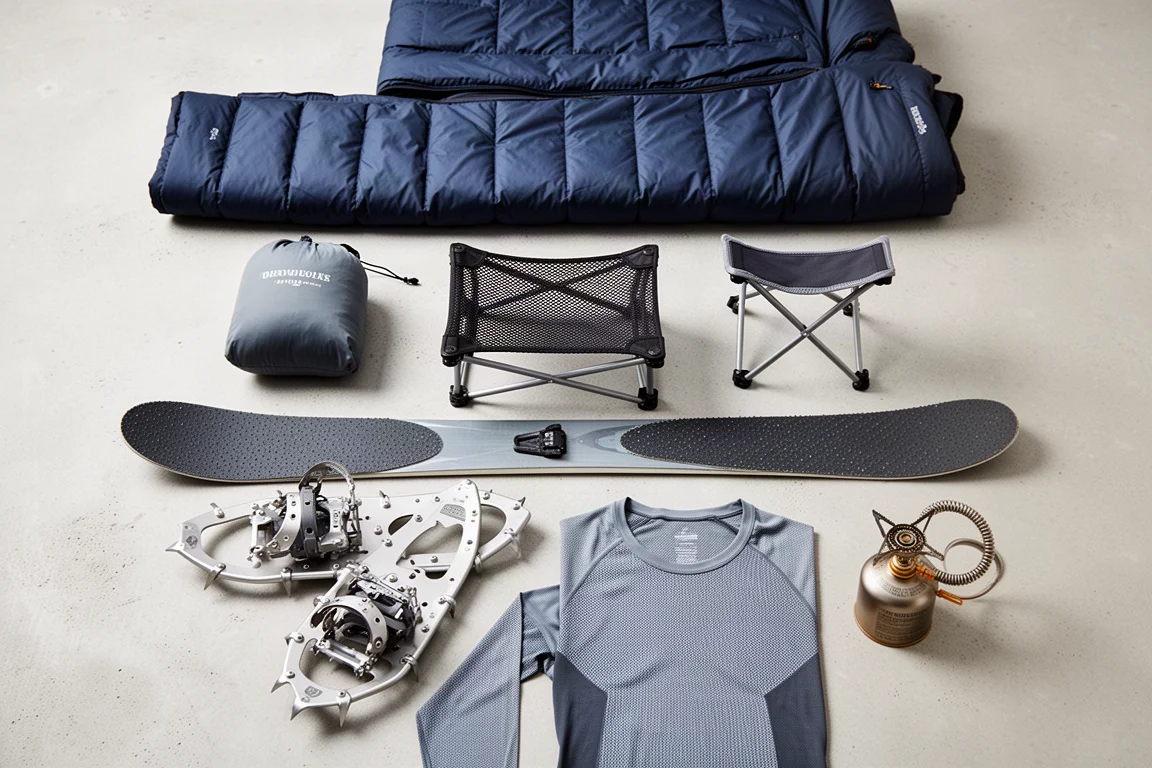
Winter Camping Gear
Best Winter Camping Gear 2026: Seven Pieces Worth Packing
A practical look at seven winter camping items, from an insulated parka rated to minus 20 degrees Celsius to a titanium stove built for cold canisters.
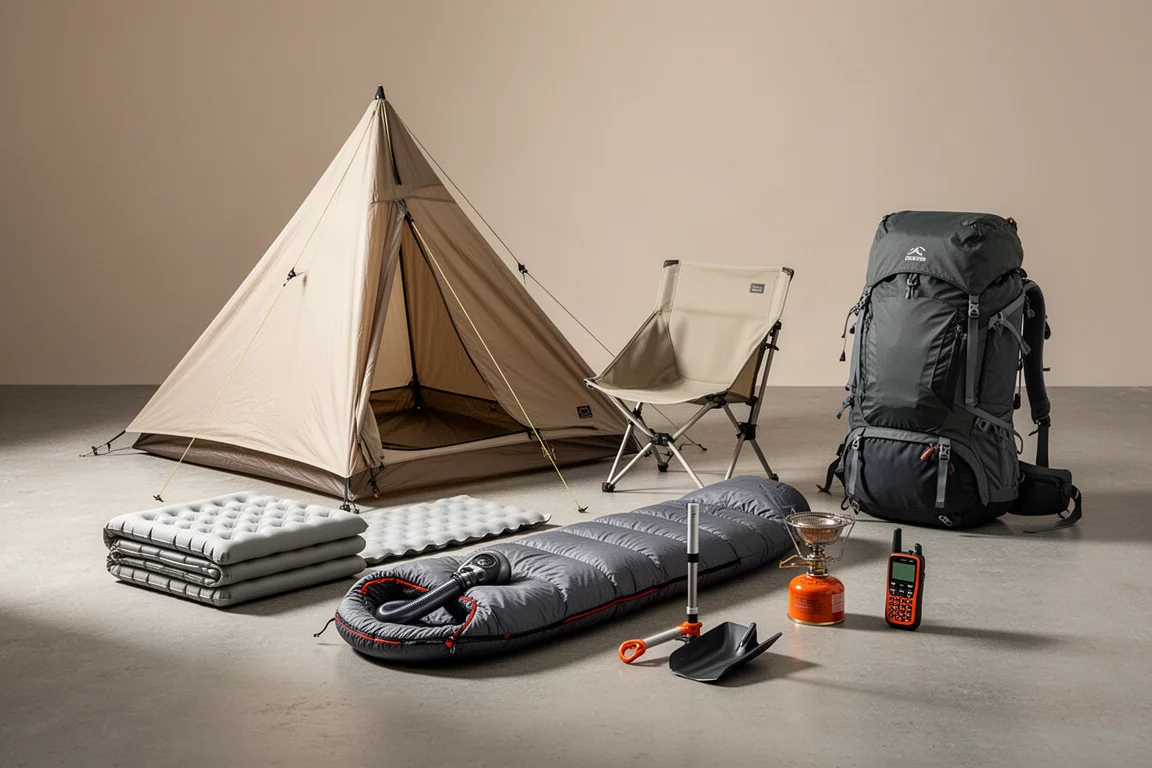
Winter Camping Gear
Ultimate Winter Camping Gear List: Proven Essentials for Cold-Weather Adventures
A curated list of winter camping gear that has proven itself in freezing temperatures, from shelter and sleep systems to cooking and safety essentials.