Tube Amplifiers
Wilsonton R300 Review: An Affordable 300B Integrated Tube Amplifier
A close look at the Wilsonton R300, a single-ended 300B integrated tube amplifier with a sweet top end, a warm midrange, textured bass, and roughly 8 watts of Class A power.
Introduction
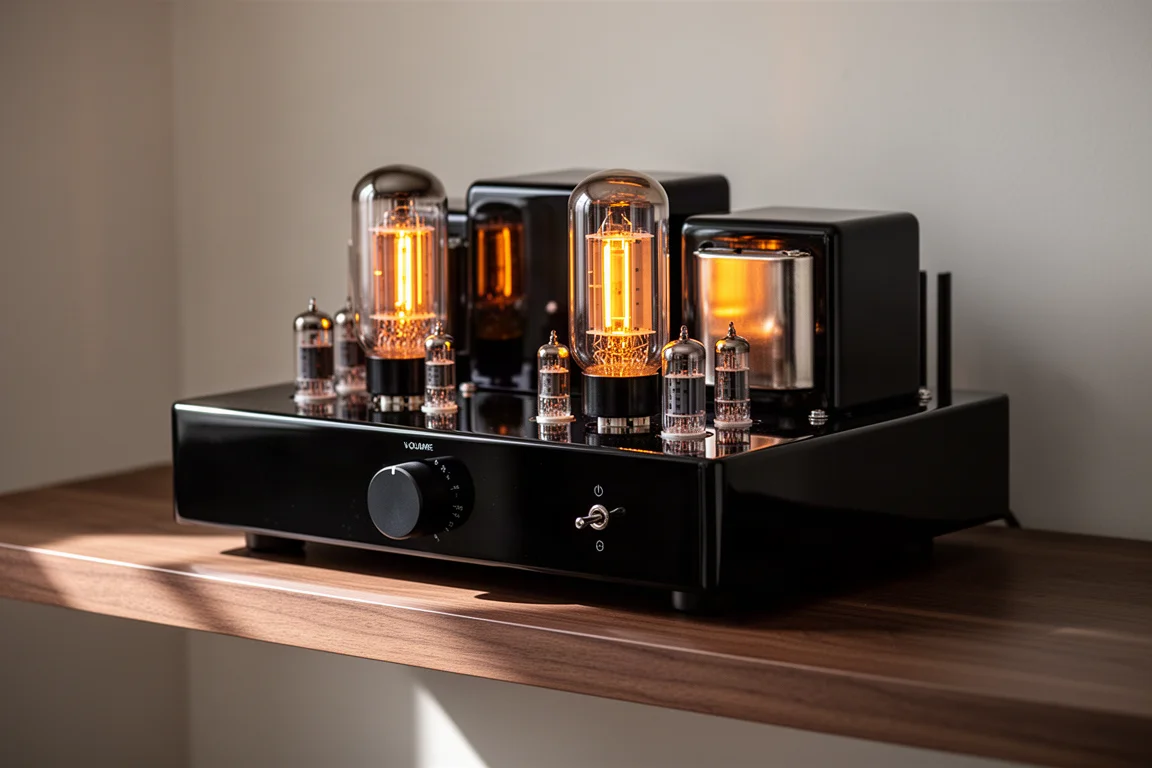
The Wilsonton R300 is an integrated tube amplifier built around 300B output tubes, and it arrives at a price that is rare for that design. It sits close to the Wilsonton R8, the brand’s earlier affordable integrated, but takes a different route. The R8 uses KT88 or EL34 tubes in a push-pull configuration, while the R300 goes single-ended with 300B output tubes and roughly 8 watts of Class A power.
Pricing lands just under $1,000 from direct import listings, or about $1,500 including shipping through Amazon. For a 300B amplifier, that counts as affordable, and it makes the R300 one of the more accessible ways to hear what a single-ended triode design does differently.
This article covers what the R300 does well, where it asks for care, and which listeners will get the most out of it.
Who the Wilsonton R300 Is For
The R300 suits listeners who own reasonably sensitive speakers, roughly 87 to 88 dB and above, and who listen in a small or medium room. With that combination, the 8 watts on tap go considerably further than the number suggests, and high-sensitivity designs around 92 dB are an easy match.
It is also a natural fit for anyone who values tone and texture over raw output. The 300B character is about how high frequencies are rendered and how the midrange opens up, not about sheer volume.
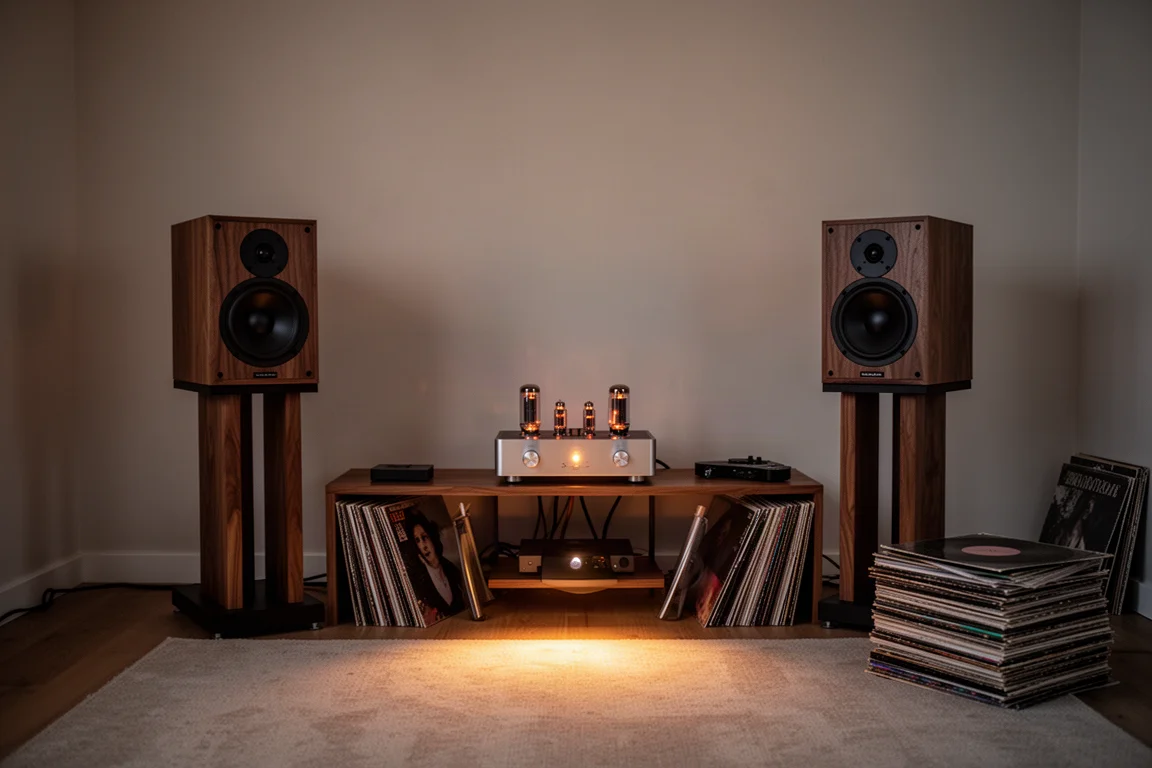
Listeners who need to drive low-sensitivity speakers, or who want to fill a large room at high volume, should consider a push-pull design instead. The Wilsonton R8 offers considerably more power and tighter bass for a similar outlay.
Sound Character: Sweetness, Midrange, and Bass
The defining trait of a 300B design is what listeners usually describe as sweetness at the top end. It is not brightness, and it is not a rolled-off, overly smooth treble either. It is a presentation where detail arrives with air around it, sparkling without turning aggressive. That balance is difficult to achieve with KT88, EL34, or 6550 tubes, which is the main reason people seek out 300B amplifiers in the first place.
The R300 delivers that character. It is not as refined at the very top as far more expensive 300B designs, but the sweetness is present and easy to enjoy.
The midrange is neutral with a touch of warmth. It is holographic, with a wide soundstage that opens up speakers which otherwise sound a little flat. Tone and nuance are strong, and there is a slight grain compared with a clean solid-state amplifier. That grain is part of what gives the presentation its body: music sounds full and enveloping rather than lean, which makes long listening sessions comfortable rather than tiring.
Bass is where 300B designs traditionally fall short, and it is where the R300 does better than expected. It is not as quick or as tight as a solid-state amplifier, but the gap is small at this price. What it offers instead is smooth, textured low end that stays pleasant over time. On very bass-heavy material paired with low-sensitivity speakers, the amplifier can run out of steam, while more sensitive speakers let it hold together without clipping.
Main Strengths
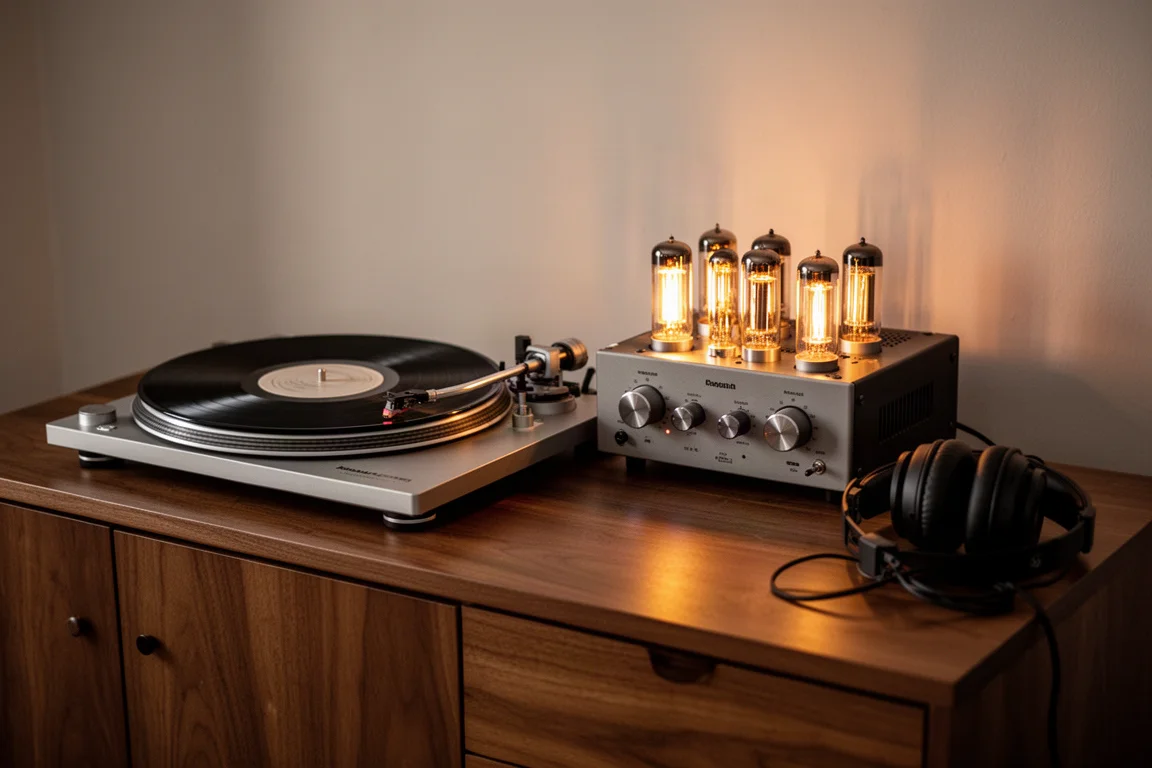
Build quality is the first surprise. The chassis wears a deep lacquer finish, and a well-made metal cage is included for households with children or pets. Inside, the components are sensible rather than exotic, which is a reasonable and even generous choice at this price.
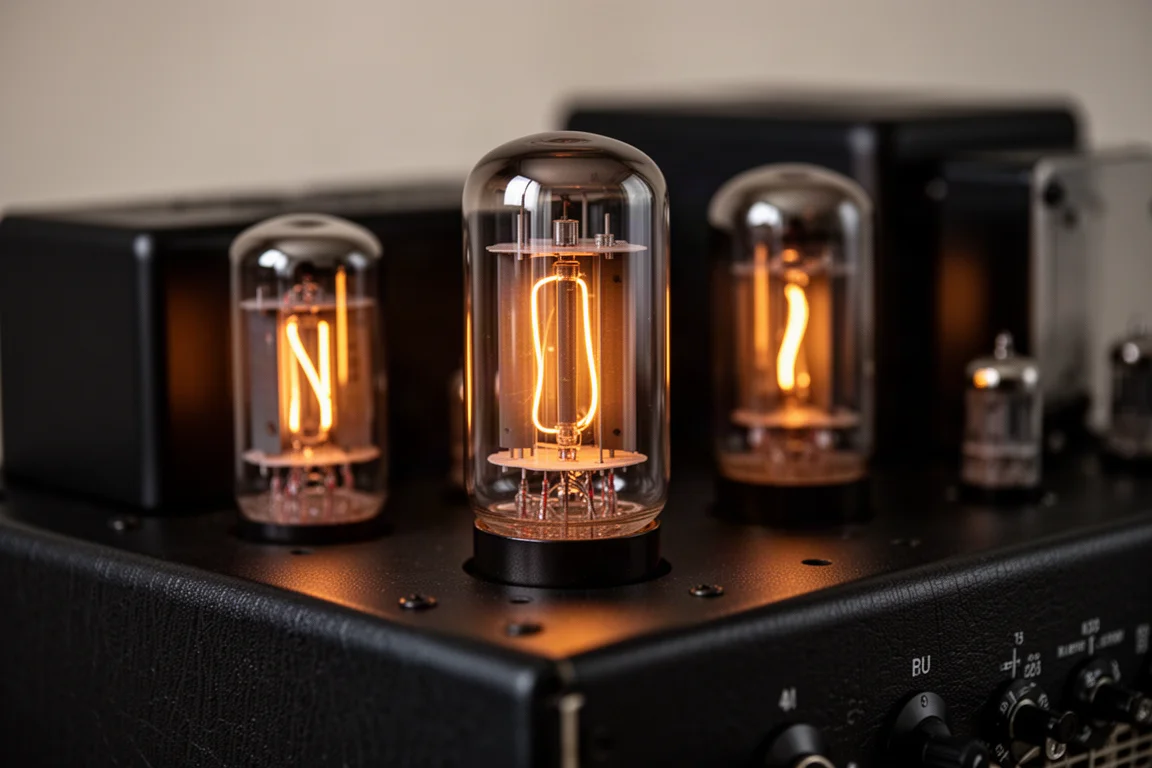
The tuning is the second strength. The amplifier leans into what 300B tubes do well and works to reduce their usual weaknesses, particularly bass extension and grip. Compared with the R8, the R300 trades power and slam for a warmer, friendlier presentation: smoother bass, a fuller midrange, and that sweet top end. The R8 remains the cleaner, cooler, snappier of the two, with tighter bass and more headroom, and the choice between them comes down to power needs and preferred signature.
Soundstaging and imaging are similar across both models, and both hold their own against considerably more expensive tube integrated amplifiers. The R300 in particular sounds well judged from the very first note.
Things to Consider Before Buying
Power is the main consideration. Eight watts will not drive every speaker, and low-sensitivity models will only ever be enjoyable at moderate levels rather than at their full capability.
Tube handling deserves attention as well. Skin oils are best kept off tube glass, so a soft cloth or a pair of gloves is worth keeping nearby when installing or swapping tubes.
The included cage is optional in normal use, and many owners will leave it off to show the tubes. It is worth keeping for households with children or pets.
Finally, the stock tubes are decent and the amplifier already sounds good as delivered. Upgrading is a choice rather than a requirement.
Speaker Matching and Room Size
Speaker sensitivity matters more than any other variable here. Designs around 87 to 88 dB and above will work well, and higher-sensitivity models give the amplifier more room to breathe. In a small or medium room, even demanding tracks stay comfortable.
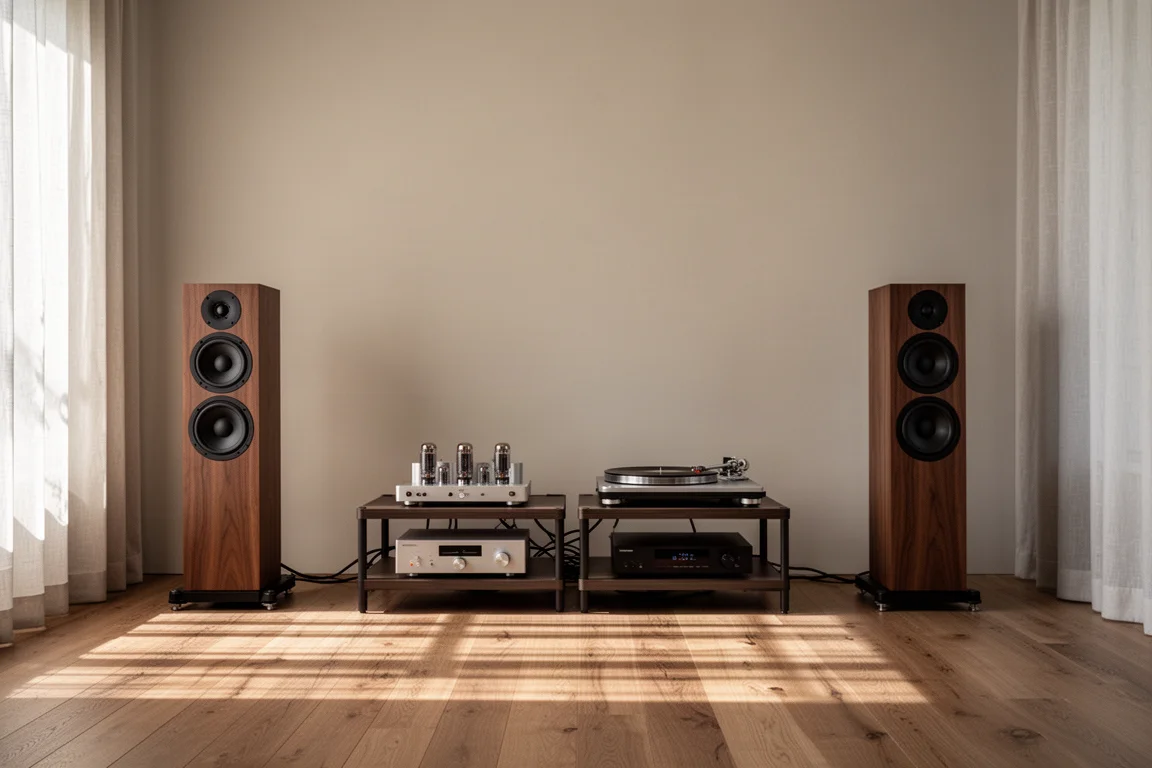
In a large room, the R300 will still work at reasonable levels with a sensitive speaker, but it can run out of headroom when pushed loud, particularly with bass-heavy music. Matching the amplifier to the room is the practical way to avoid that, and it is the single most useful decision a buyer can make before ordering.
Tube Rolling and Long-Term Ownership
The R300 responds well to upgraded 300B tubes. Swapping the stock pair for Psvane Western Electric 300B tubes brings more smoothness, a more liquid and velvety character, and a noticeably larger, more enveloping soundstage, without rolling off any detail.
The original vintage Western Electric 300B remains the benchmark for many listeners, and it is priced accordingly. The Psvane version comes close to that sound for a fraction of the cost, which makes it a sensible long-term upgrade rather than an impulse buy. It is worth saving for instead of working through a series of inexpensive alternatives, since the stock tubes already perform well.
Buying Advice
Buy the R300 if your speakers are reasonably sensitive and your room is small to medium. Buy it if you want a warm, sweet amplifier that stays enjoyable across long sessions and you are willing to trade some power and ultimate bass grip for tone.
Skip it if you need to drive low-sensitivity speakers, want maximum slam, or listen at high volume in a large room. In that case the Wilsonton R8 or another push-pull design is the better answer. For everyone else, the R300 is one of the most affordable ways to hear what a 300B amplifier does well.
Conclusion
The Wilsonton R300 earns its place by delivering the characteristic sweetness, warm midrange, and textured bass of a 300B design at a price that is low for the category, wrapped in a chassis that looks and feels far more expensive than it is. It asks for sensitive speakers and realistic expectations about power, and it rewards listeners who meet it halfway. For anyone drawn to single-ended tube sound, it is a confident place to start.
Product link
View more details for Wilsonton R300
This product is mentioned in the review. Check the specifications, options, and compatibility before buying.
View more details for Wilsonton R300Further reading
Related Reviews
Tube Amplifiers
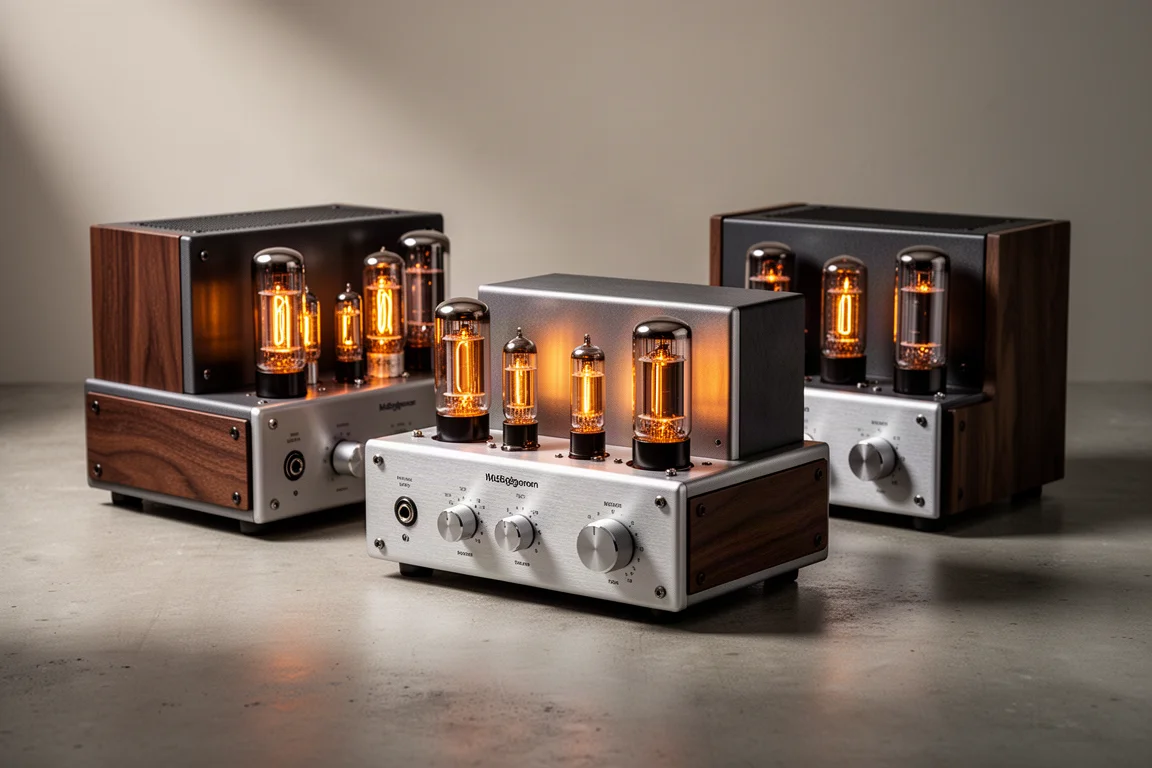
Three Standout Tube Amplifiers: Marantz 8B, Decware ZMA, and Convergent Audio JL2
A close look at three tube amplifiers with distinct strengths, from vintage sweetness to modern mid-range refinement and heavyweight bass authority.
Tube Amplifiers
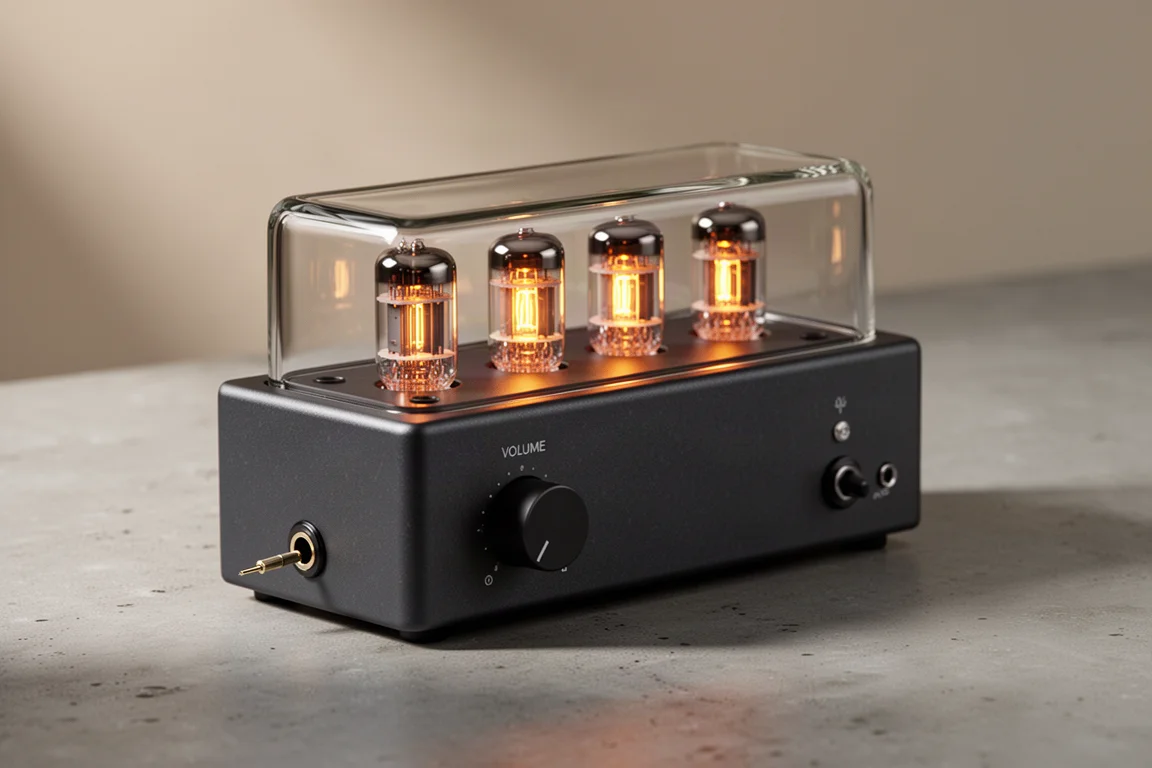
Black Ice Audio FX10 Review: A Real Tube Amplifier at a Realistic Price
The Black Ice Audio FX10 pairs EL84 tubes with a glass enclosure and a $625 price tag. Here is what it does well, what to check first, and who should consider it.
Tube Amplifiers
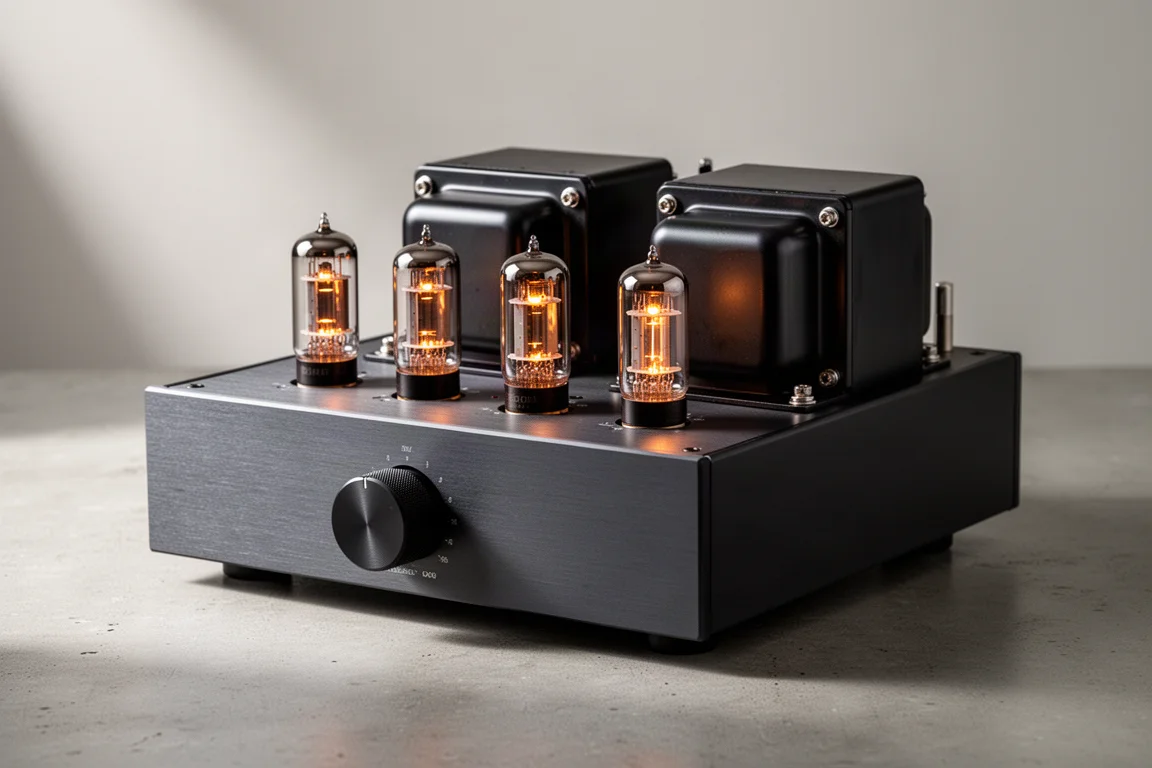
Brunoco Terra Integrated Amplifier Review: 20 Watts of Vintage RCA Character
A purist 20W tube integrated amplifier built in Korea around vintage RCA circuit ideas, with a musical, expansive sound and a few practical trade-offs.