Tube Amplifiers
Black Ice Audio FX10 Review: A Real Tube Amplifier at a Realistic Price
The Black Ice Audio FX10 pairs EL84 tubes with a glass enclosure and a $625 price tag. Here is what it does well, what to check first, and who should consider it.
Introduction
Tube amplification carries a lot of baggage. It gets described as warm and holographic, and just as often as fussy, expensive, and short on power. The Black Ice Audio FX10 lands at $625, which is not pocket change, but the number reads differently once you look at what the money actually buys.
This is a genuine tube amplifier rather than a tube buffer feeding a Class D output stage. It runs two 12AX7 signal tubes and four EL84 power tubes, and it is rated at 10 watts continuous with 12 watts peak. It is available in black or silver, ships and is serviced in the United States, and includes a 45-day in-home trial.
Who the FX10 Is For
The FX10 makes the most sense for listeners building a small system, a second system in a study or bedroom, or a first step into tubes without a large commitment. The footprint is modest, the tube complement is common, and the trial period means a skeptical buyer can live with it for weeks before deciding.
It is not aimed at anyone who needs to fill a large room at high volume, or who runs inefficient speakers and listens loud. Ten watts goes a long way with the right speakers, but it is a ceiling worth respecting.
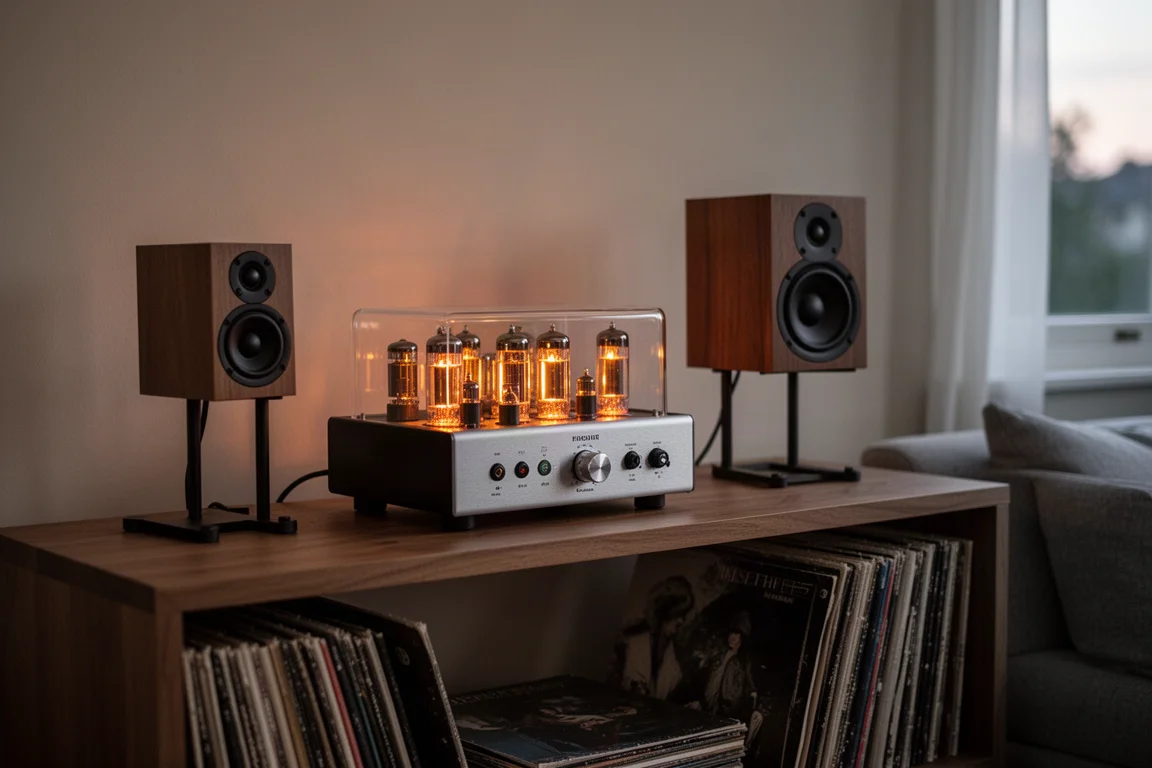
The strongest case is for listeners who already have a main solid-state amplifier and want a second option for quieter, more intimate sessions. The FX10 works well in that role because it does not demand much space or much fuss to get running.
Design, Tubes, and Connectivity
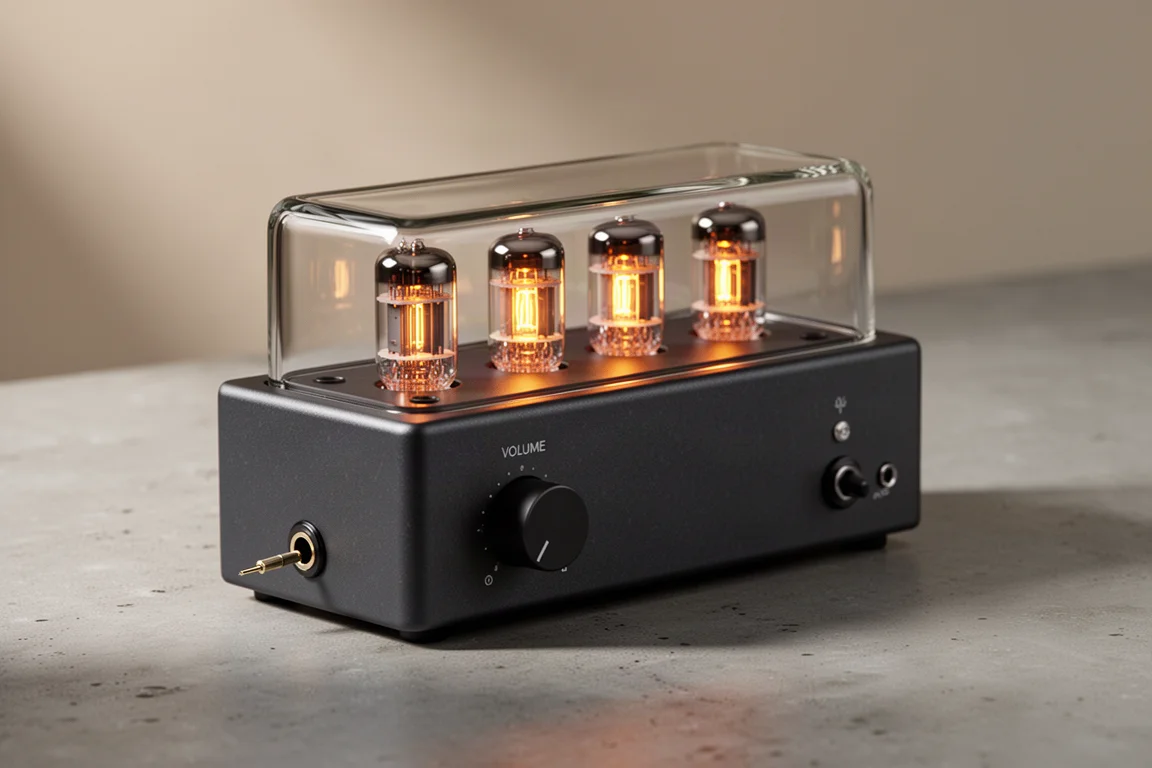
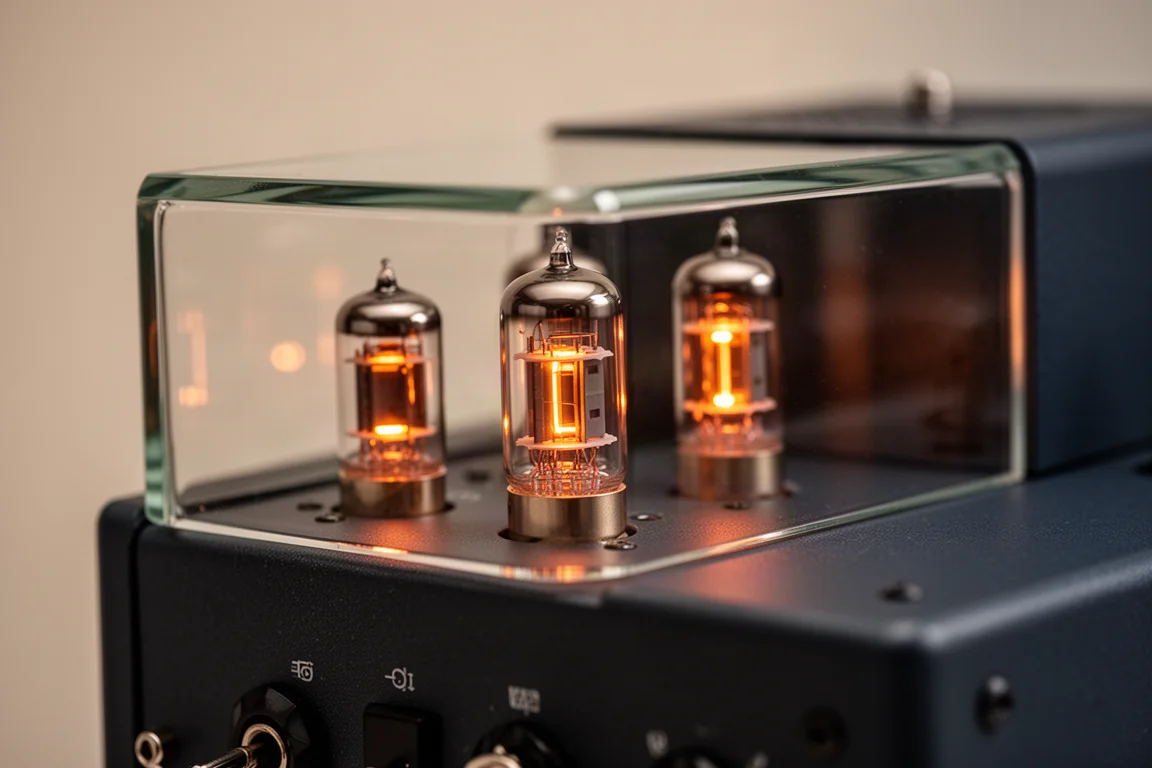
The most distinctive design choice is the glass enclosure. Ventilation runs along the top and underneath, and the glass cover lifts off entirely. Four long screws are included so the amplifier can be run without the cover at all, which is a thoughtful alternative to the wire cages found on many tube amplifiers.
Around the back there are two RCA inputs, labelled CD and AUX, and either can accept whatever source you prefer, including a DAC or a streamer. On the front there is a 3.5mm jack, a volume control, input switching, and a standby switch.
Two 12AX7 signal tubes and four EL84 power tubes sit inside. Both types are common, which makes tube rolling straightforward, though different 12AX7 equivalents can have different gain characteristics, so matching matters.
Main Strengths
The sound has real character. Bass shows up with more weight than expected on familiar material, and the layering that tube owners talk about is genuinely present. Vocals and acoustic arrangements come across particularly well, with singer-songwriter material and quieter electronic tracks landing as the strongest matches.
Imaging is a standout. With the Ascent Acoustics AE100 Mark II the amplifier produced a wide, well-defined centre image, and the sense of instruments occupying distinct space in the room was easy to hear.
Practical ownership points add to the appeal. The tube types are widely available, the amplifier can be upgraded further down the line, and the 45-day trial lowers the risk of trying something unfamiliar. The price is also reasonable in context: comparable tube amplifiers often land at or above this figure once shipping is factored in.
Things to Consider Before Buying
The upper midrange sits forward. On some recordings that adds presence and clarity, and on others it pushes vocals and guitars closer than some listeners will want. The bottom end is leaner than a solid-state amplifier of similar price, which suits acoustic and vocal material better than dense, aggressive rock.
Genre range is therefore worth thinking about. Well-recorded albums sounded excellent, while heavier material was more of a mixed result. Most speakers do not flatter every track, but this one has a clearer preference than most.
The remote control is the least impressive part of the package. It is a thin, credit-card sized unit that handles input switching, volume, mute, and standby. It works, and at this price some concessions are expected, but it is not the kind of remote that feels good in the hand.
Heat is also part of tube ownership. The amplifier runs warm in use, which is normal for the design and worth planning around if it will sit in a closed cabinet.
Setup and Speaker Pairing
Pairing changed the character of the amplifier noticeably. The Ascent Acoustics AE100 Mark II delivered the better imaging of the two speakers tried, but its upward-angled driver made the forward upper midrange more pronounced. The Wharfedale Denton 80th Edition was the more comfortable tonal match, at some cost to image precision.
Neither speaker is especially efficient, and both were driven into the low to mid 80s dB SPL without distortion. That is louder than most listeners use day to day. The manufacturer states the amplifier can drive speakers rated at 89 dB sensitivity, and real-world use with 86 dB and 87 dB speakers stayed within comfortable limits.
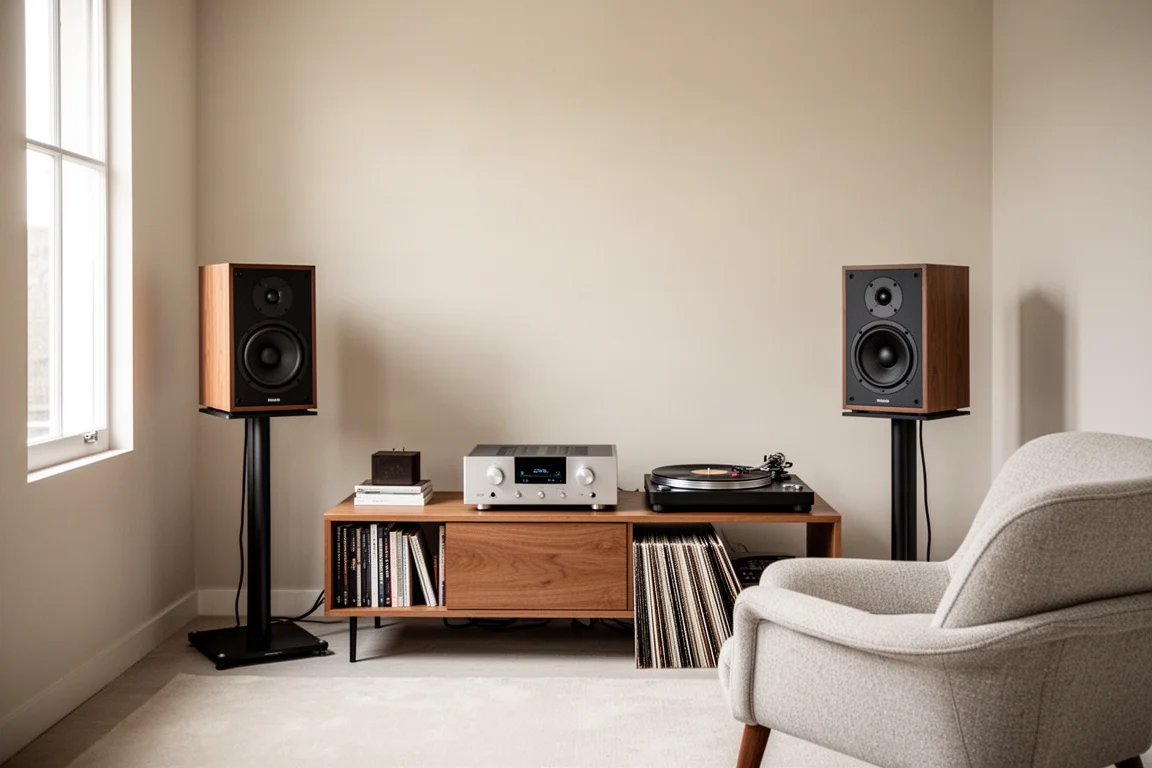
Practically, this means the FX10 rewards a little experimentation. A slightly warmer, less forward speaker tends to balance the amplifier’s upper midrange emphasis, and a speaker with strong imaging makes the most of its spatial strengths.
Buying Advice
At $625, the FX10 is a sensible entry point rather than a compromise purchase. It is a real tube amplifier with a common tube complement, a compact chassis, and support handled domestically, and the 45-day in-home trial gives buyers a genuine window to decide whether tube sound suits their room and their music.
Anyone with a solid-state amplifier already in place should treat the FX10 as a complement rather than a replacement. It is the kind of component that earns its place when you want to hear familiar recordings differently, and it is far more convincing than the cheap tube amplifiers that sit below it in price and build quality.
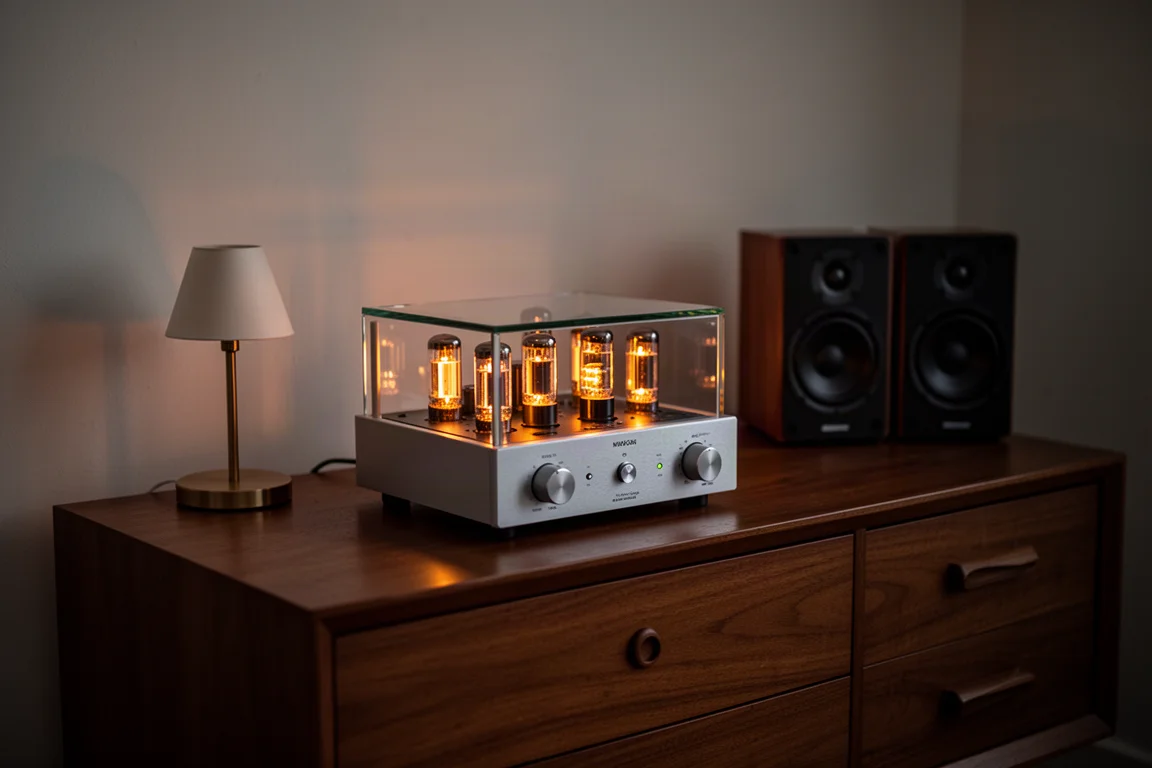
If tube curiosity is the motivation, the trial period and the upgrade path make this an easy one to try. Buyers who need high volume, deep bass slam, or a single amplifier to do everything should look at higher-powered designs instead.
Conclusion
The Black Ice Audio FX10 gets closer to the tube sound people describe than most affordable tube amplifiers manage. It images well, handles vocals and acoustic material beautifully, and comes with practical ownership benefits: a common tube set, domestic shipping and service, and a 45-day trial.
Its upper midrange forwardness and lean bottom end mean it will not suit every listener or every genre, and the remote is forgettable. Weighed against the price, the footprint, and the character on offer, it remains an easy recommendation for anyone tube-curious and willing to pair it thoughtfully.
Product link
View more details for Black Ice Audio FX10
This product is mentioned in the review. Check the specifications, options, and compatibility before buying.
View more details for Black Ice Audio FX10Further reading
Related Reviews
Tube Amplifiers
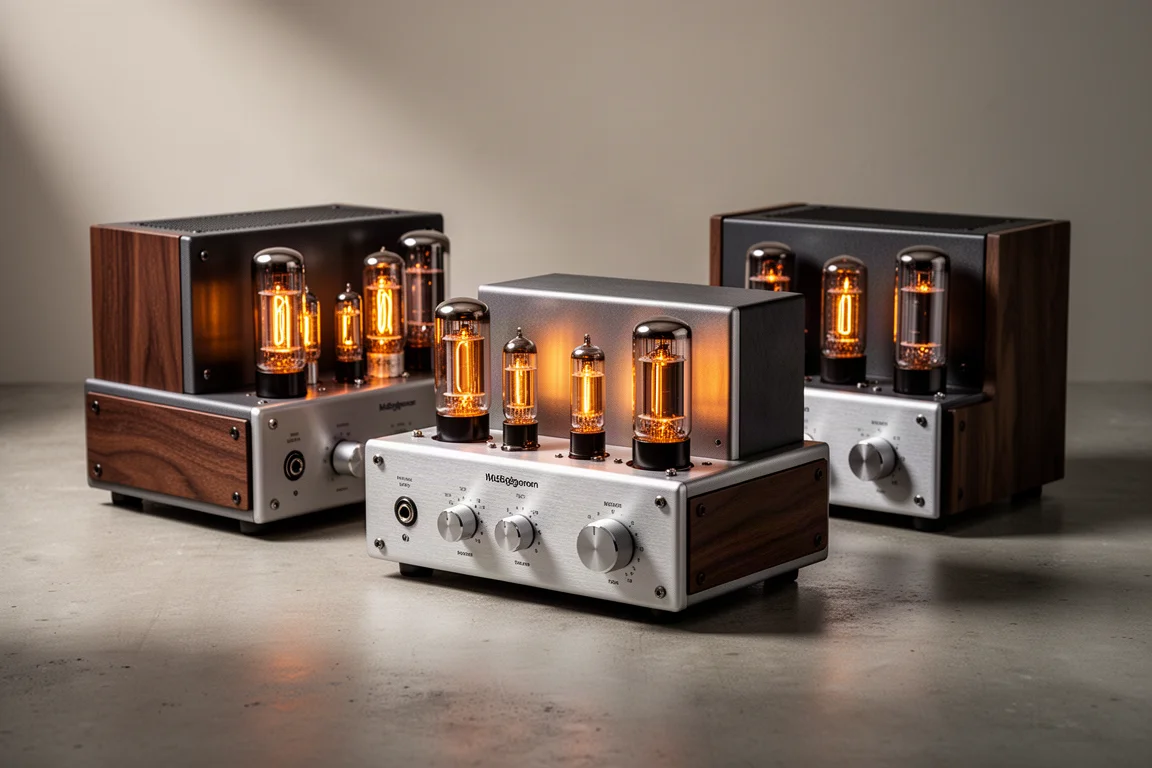
Three Standout Tube Amplifiers: Marantz 8B, Decware ZMA, and Convergent Audio JL2
A close look at three tube amplifiers with distinct strengths, from vintage sweetness to modern mid-range refinement and heavyweight bass authority.
Tube Amplifiers
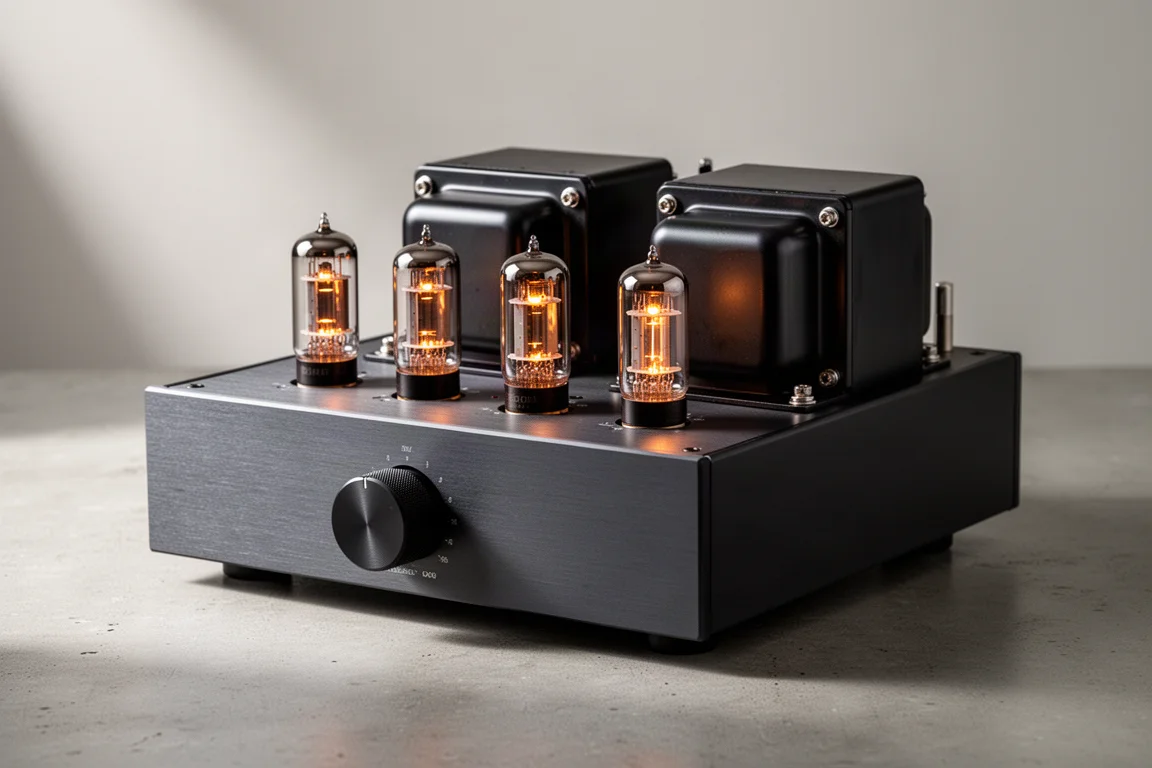
Brunoco Terra Integrated Amplifier Review: 20 Watts of Vintage RCA Character
A purist 20W tube integrated amplifier built in Korea around vintage RCA circuit ideas, with a musical, expansive sound and a few practical trade-offs.
Tube Amplifiers
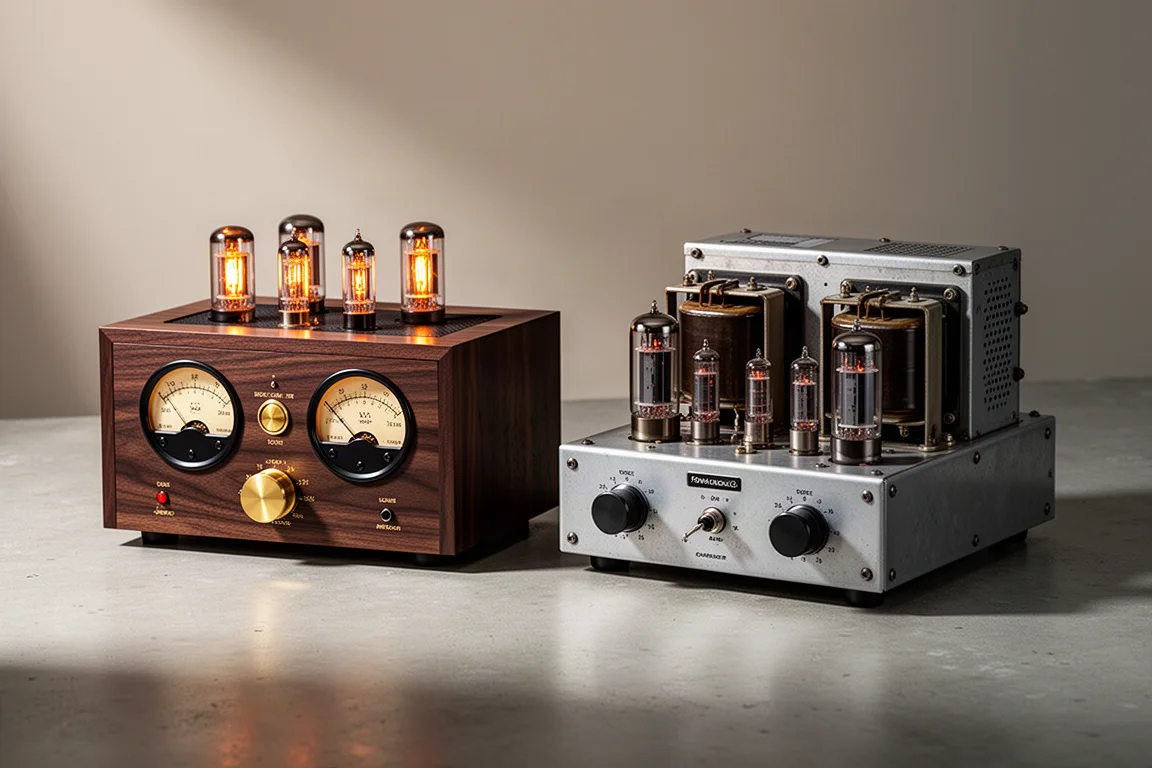
Decware ZMA Review: A Handmade Tube Amplifier Benchmarked Against the Marantz 8B
A detailed look at the handmade Decware ZMA tube amplifier, from its no-compromise parts list to its vintage-leaning sound, plus how it compares with the collectible Marantz 8B.