Tube Amplifiers
Three Standout Tube Amplifiers: Marantz 8B, Decware ZMA, and Convergent Audio JL2
A close look at three tube amplifiers with distinct strengths, from vintage sweetness to modern mid-range refinement and heavyweight bass authority.
Introduction
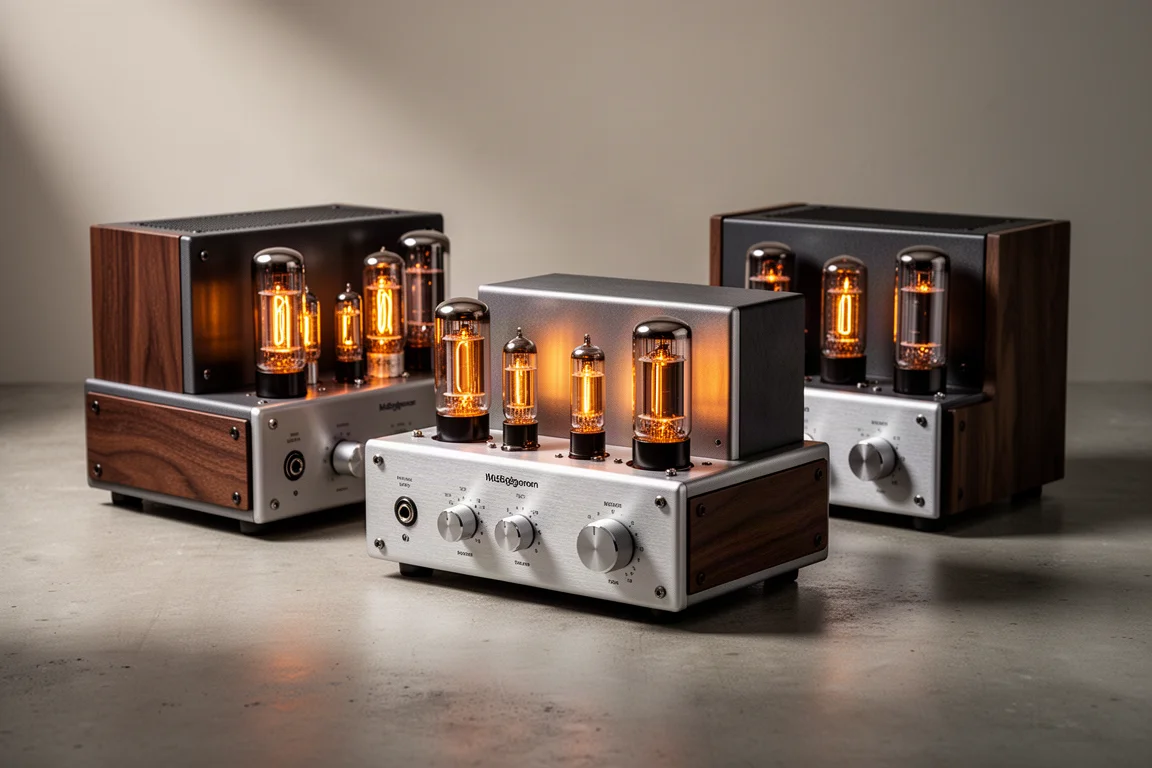
Tube amplifiers remain one of the most rewarding ways to shape the character of a hi-fi system, and the three models here each take a different route to the same destination. One is a vintage classic that defined what many listeners mean by sweetness in the treble. One is a modern hand-built design that refines that same character with today’s parts and engineering discipline. One is a heavyweight monoblock that delivers bass authority rarely associated with tube designs.
The common thread is time spent listening. Each of these amplifiers has been lived with long enough in a real system, paired with real loudspeakers, to understand its sound signature rather than judge it on a brief encounter. That matters, because tube gear reveals itself slowly, and first impressions are often misleading.
What Makes These Three Worth Knowing
All three are EL34 or tube-based designs built around a shared priority: a rich, dimensional mid-range and a top end that stays sweet rather than bright. They differ in how much bass weight they bring, how much maintenance they demand, and how easy they are to live with day to day.
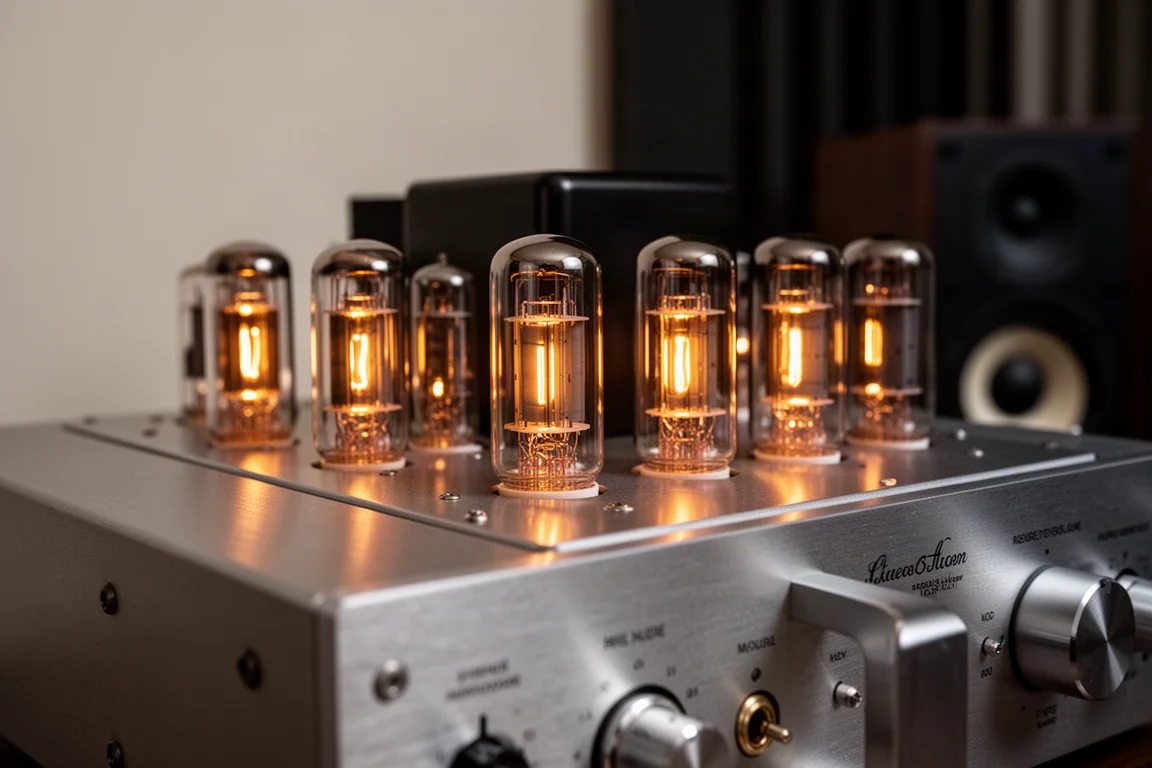
One important caveat applies across the board. Bass performance in any tube amplifier depends heavily on the tubes fitted and the gear around it, so the low end is the most adjustable part of the equation. A subwoofer or a change of tubes can shift the balance considerably without touching the amplifier’s fundamental character.
Marantz 8B: Vintage Sweetness Done Right
The Marantz 8B is an EL34-based amplifier with a reputation that has outlasted the era it was built in. Paired with vintage JBL and Altec loudspeakers, it opened up the high frequencies in a way that was genuinely surprising, delivering sparkle and sweetness without the brightness that had made those same speakers fatiguing on solid state amplification.
The experience was not immediate. After sitting unused for a long period, the amplifier needed careful waking, brought up gradually on reduced voltage rather than switched straight on, and then it took roughly 200 hours of play before it truly came to life. Once it did, the result was spacious and holographic, with vocals that felt intimate and vivid while the soundstage stayed large. Listeners reported hearing details behind them for the first time.
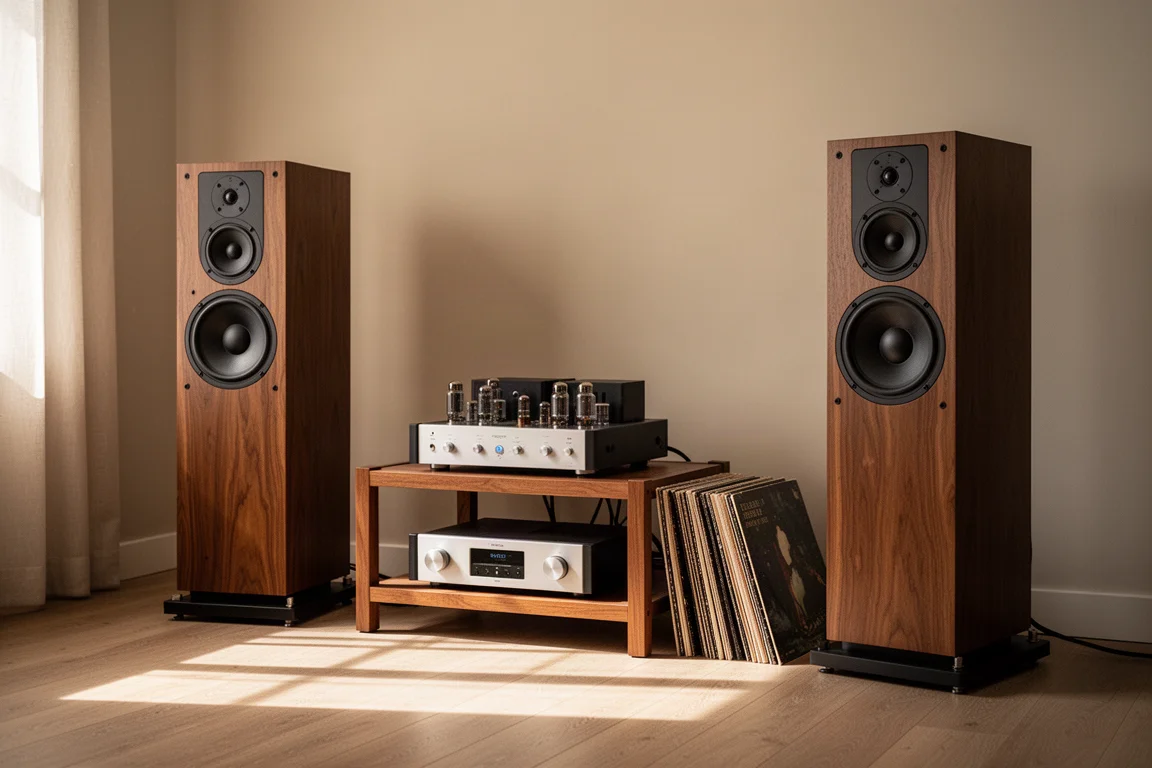
The bass was on the lean side, which is typical for this kind of design, and it mattered less when the partnering speakers were not shy in the low end themselves. For anyone chasing that classic mid-range glow, the 8B remains a reference point.
Decware ZMA: Modern Refinement With a Vintage Soul
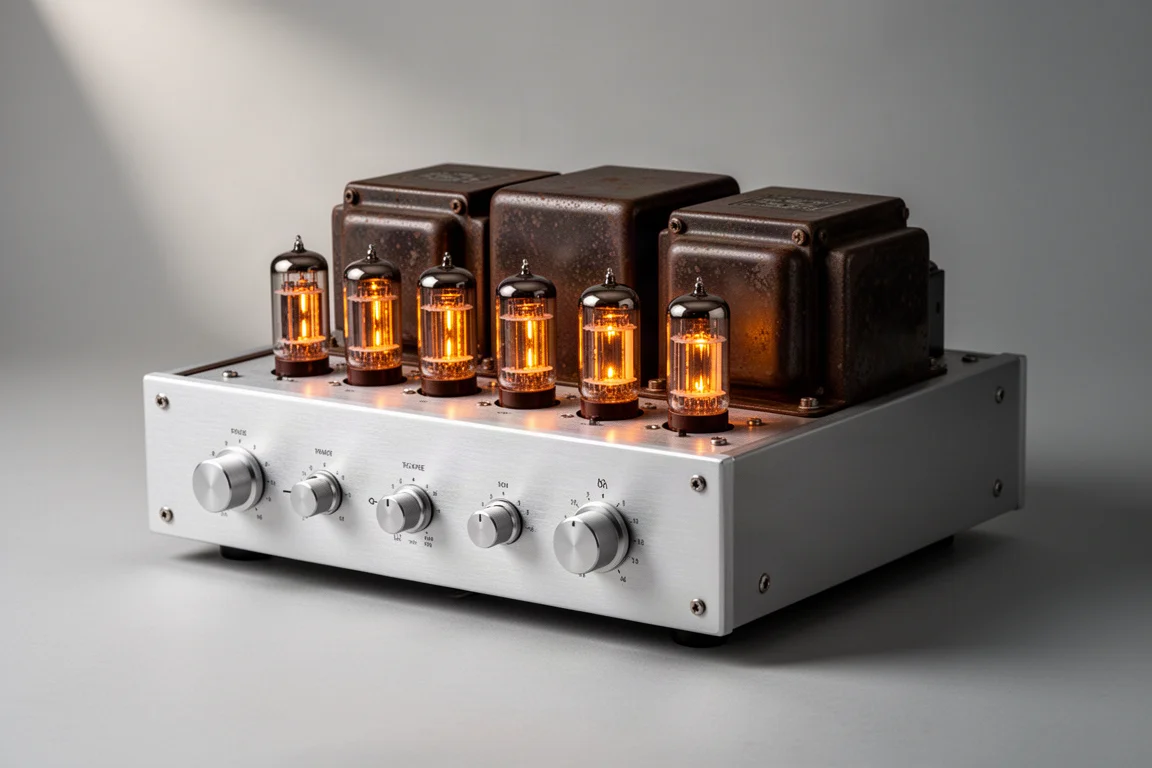
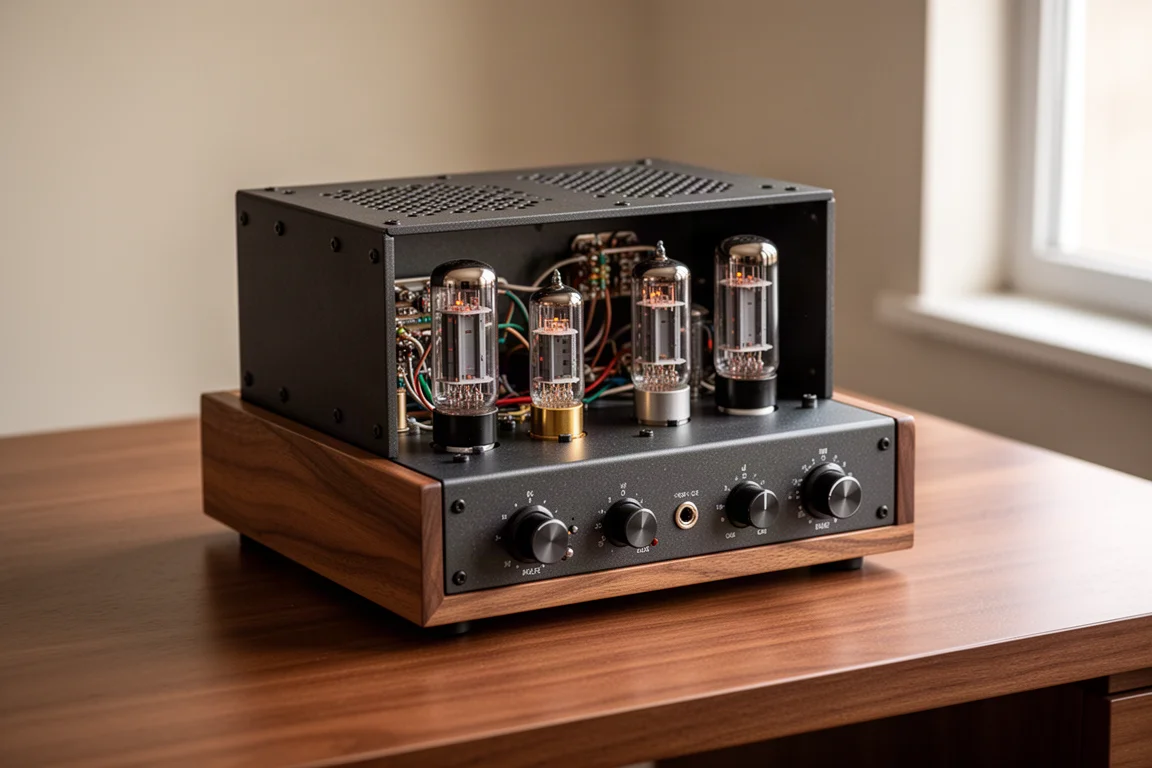
The Decware ZMA takes the same fundamental character and pushes it further. The mid-range and high frequencies here are exceptional, silky and full of nuance, and arguably a step beyond the Marantz 8B. The clearest way to describe it is as a vintage design reimagined by a capable engineer working with today’s understanding and today’s parts.
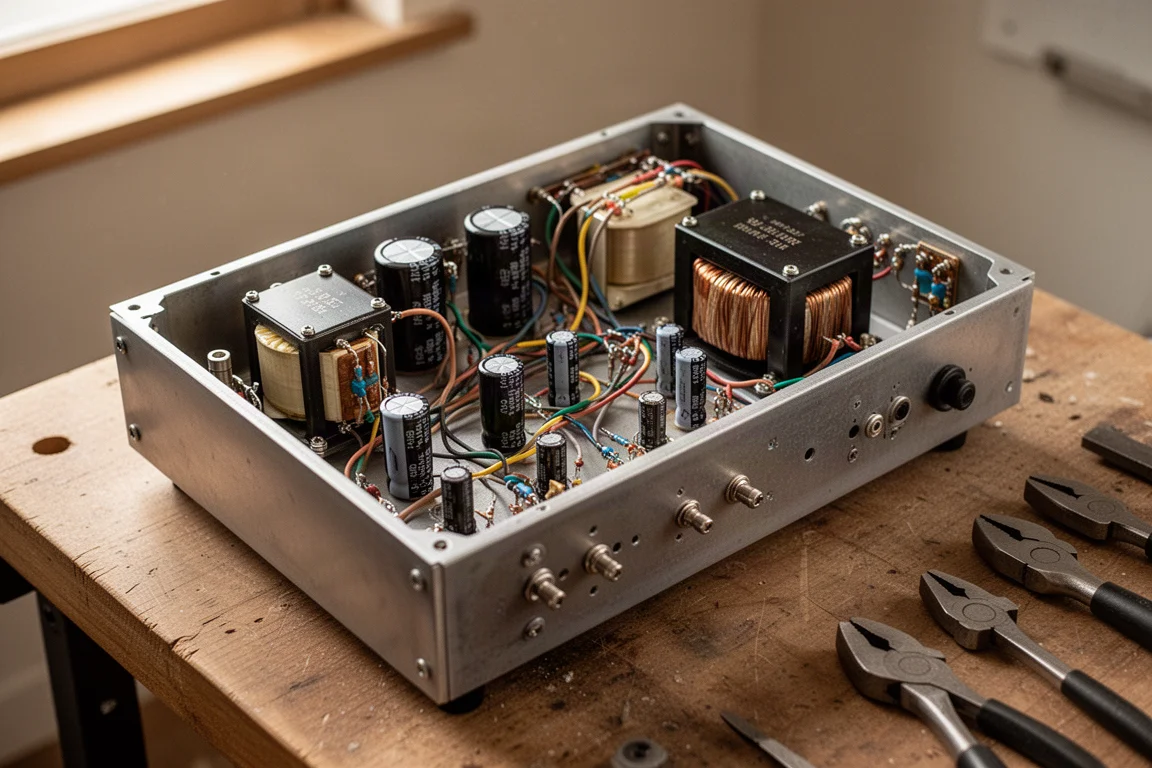
Construction follows a traditional approach, with point-to-point wiring and quality components, which gives the amplifier a hand-built feel that matches its sound. Bass is again the softer area, and again it is largely a matter of tube choice and system matching rather than a fixed limitation.
That mid-range and treble performance is so compelling that the instinct is to leave the amplifier exactly as it is rather than experiment. Adding a subwoofer is a straightforward way to fill in the low end without disturbing what makes the ZMA special.
Convergent Audio JL2: Weight, Power, and Bass Authority
The Convergent Audio JL2 is a monoblock design and by far the heaviest of the three, with each unit weighing in the region of 200 to 300 pounds. That mass translates into a physical presence that is genuinely difficult to move, and it is also the most expensive of the group, though used examples can be found for around 8,000 US dollars depending on the deal.
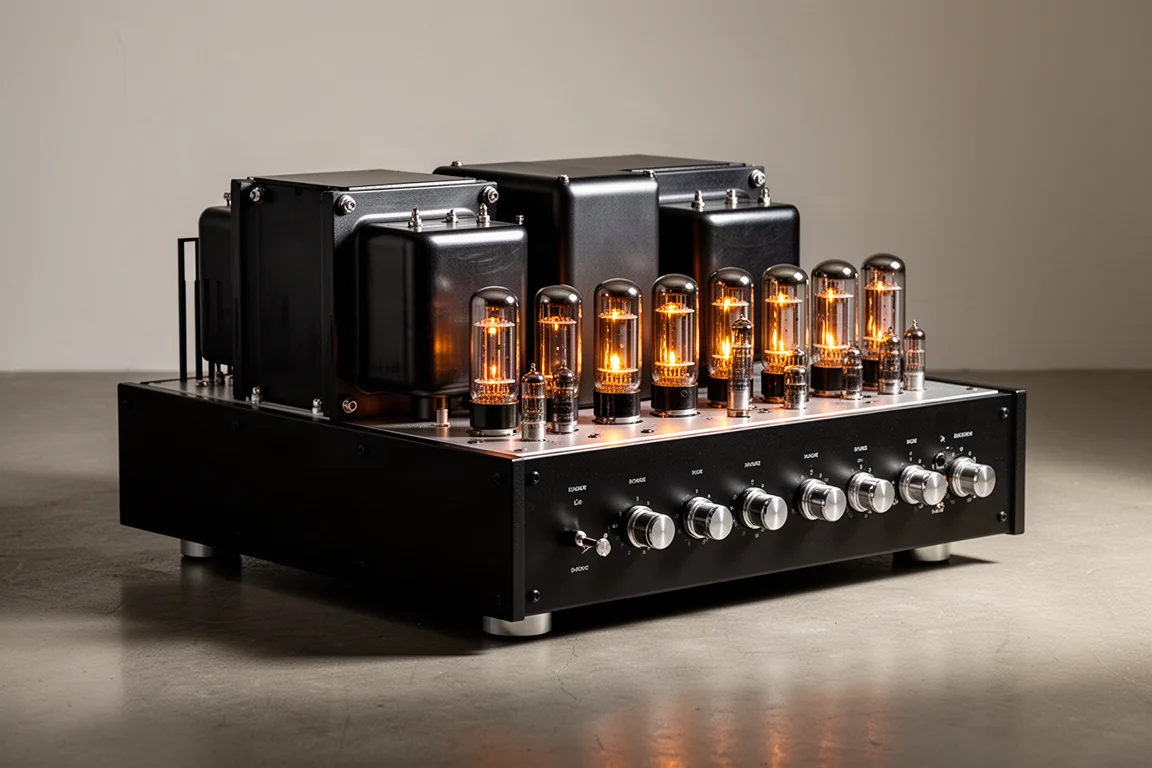
Its sound is defined by scale and headroom. The mid-range and high frequencies are thick and silky, slightly more defined than the ZMA and the 8B, with a large soundstage and real power behind it. The bass is the standout: a tube amplifier with this kind of low-frequency weight and punch is a rarity, and it remains unmatched in that respect among the amplifiers discussed here.
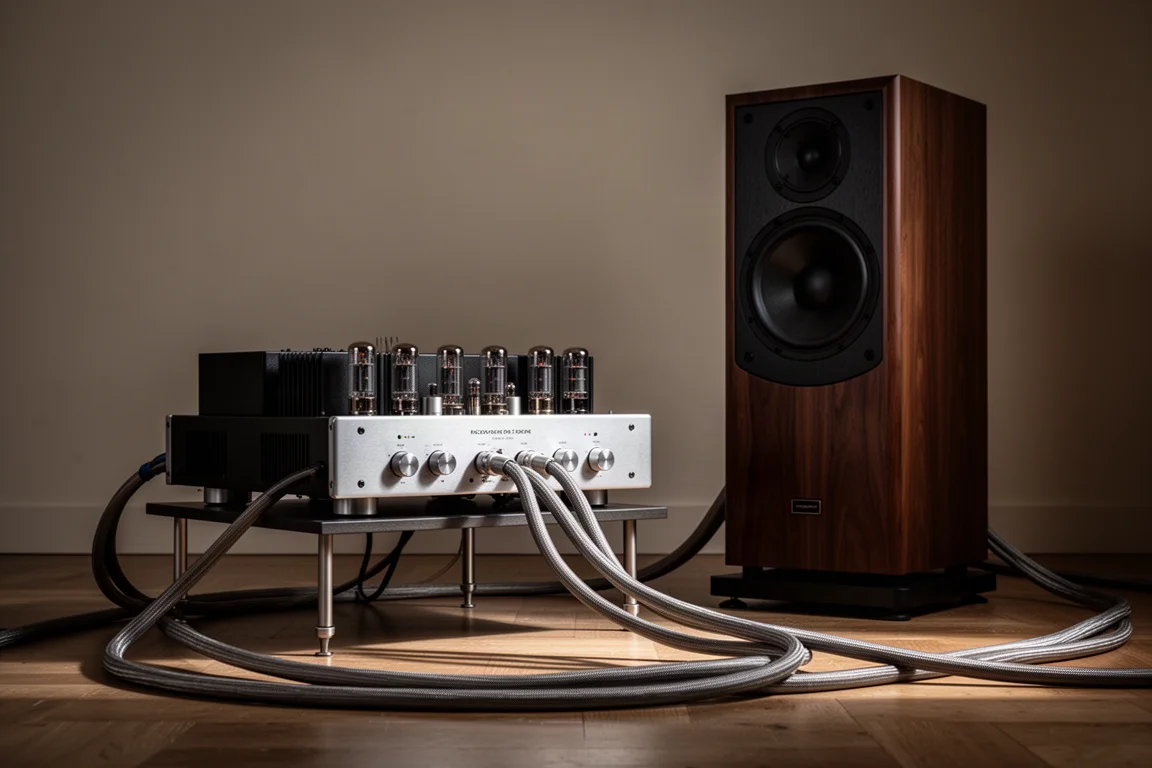
The trade-offs are practical rather than sonic. The JL2 uses a large number of tubes, so any fault can mean a costly replacement job, and its size will dominate a listening room. One unit went in for repair and came back sounding even better than before, which says something about how much headroom the design has.
How to Choose Between Them
The decision comes down to priorities rather than ranking. The Marantz 8B suits listeners who value vintage character, a holographic mid-range and a sweet top end, and who are comfortable with modest bass weight and the care that older equipment requires.
The Decware ZMA is the choice for anyone who wants that same silky mid-range and treble in a modern, hand-built package, with the option of a subwoofer to handle the low end. It is the most refined of the three in the upper frequencies.
The Convergent Audio JL2 is for listeners who want scale, headroom and genuine bass authority and who can accommodate a very large, very heavy monoblock pair. Tube maintenance costs should be factored in from the start.
Conclusion
Three amplifiers, three distinct personalities, and no wrong answer among them. The Marantz 8B offers vintage sweetness, the Decware ZMA delivers modern refinement with a traditional build, and the Convergent Audio JL2 brings weight and low-frequency authority that few tube designs can match. Matching any of them to the right loudspeakers and giving them enough time to settle in is the surest path to a system worth keeping.
Further reading
Related Reviews
Tube Amplifiers
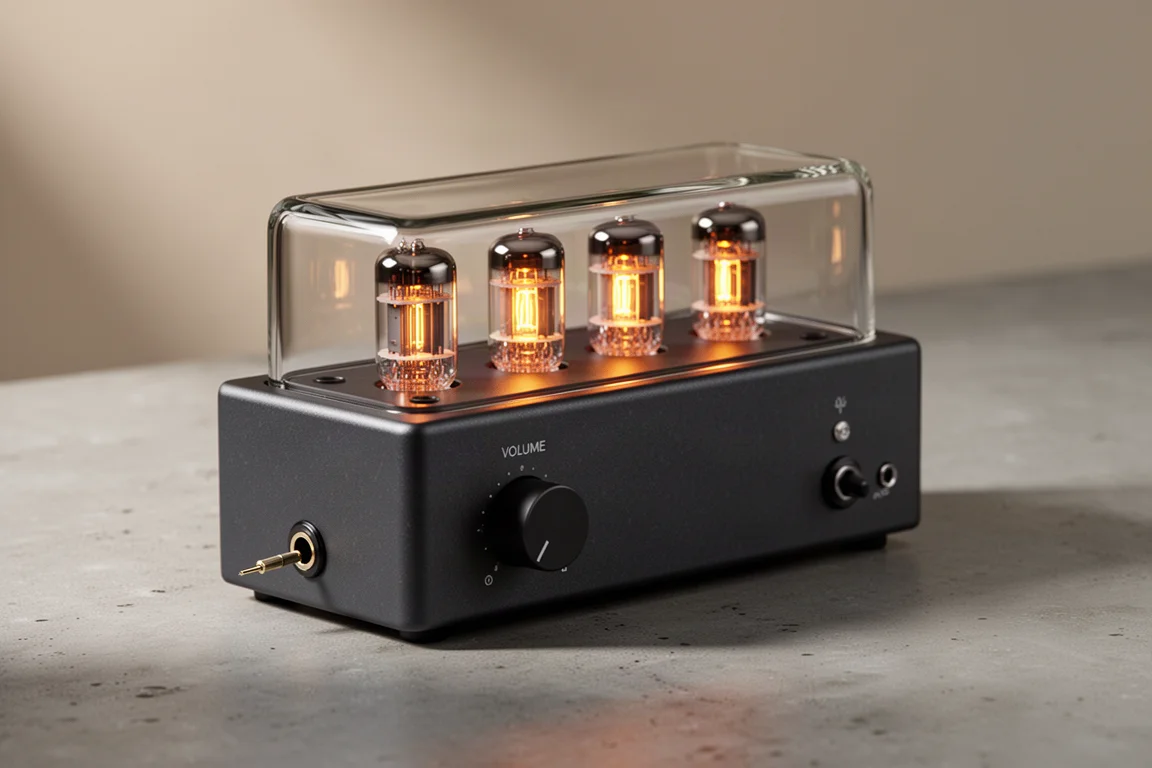
Black Ice Audio FX10 Review: A Real Tube Amplifier at a Realistic Price
The Black Ice Audio FX10 pairs EL84 tubes with a glass enclosure and a $625 price tag. Here is what it does well, what to check first, and who should consider it.
Tube Amplifiers
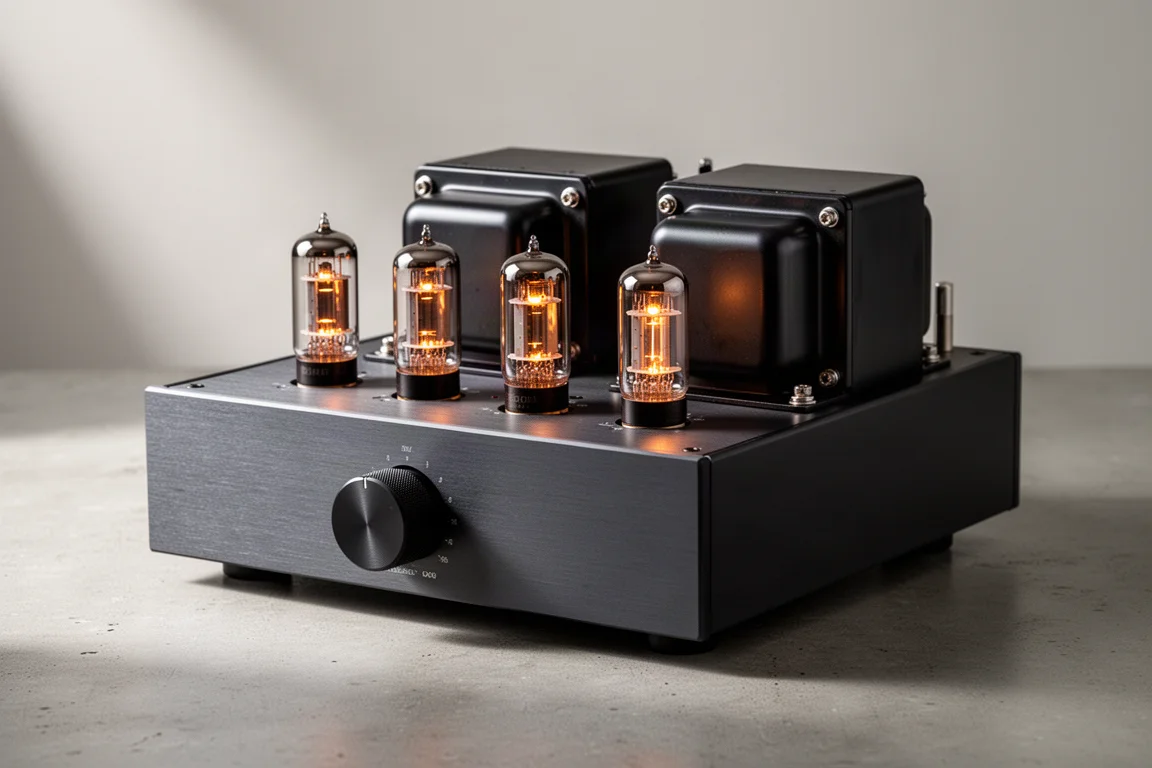
Brunoco Terra Integrated Amplifier Review: 20 Watts of Vintage RCA Character
A purist 20W tube integrated amplifier built in Korea around vintage RCA circuit ideas, with a musical, expansive sound and a few practical trade-offs.
Tube Amplifiers
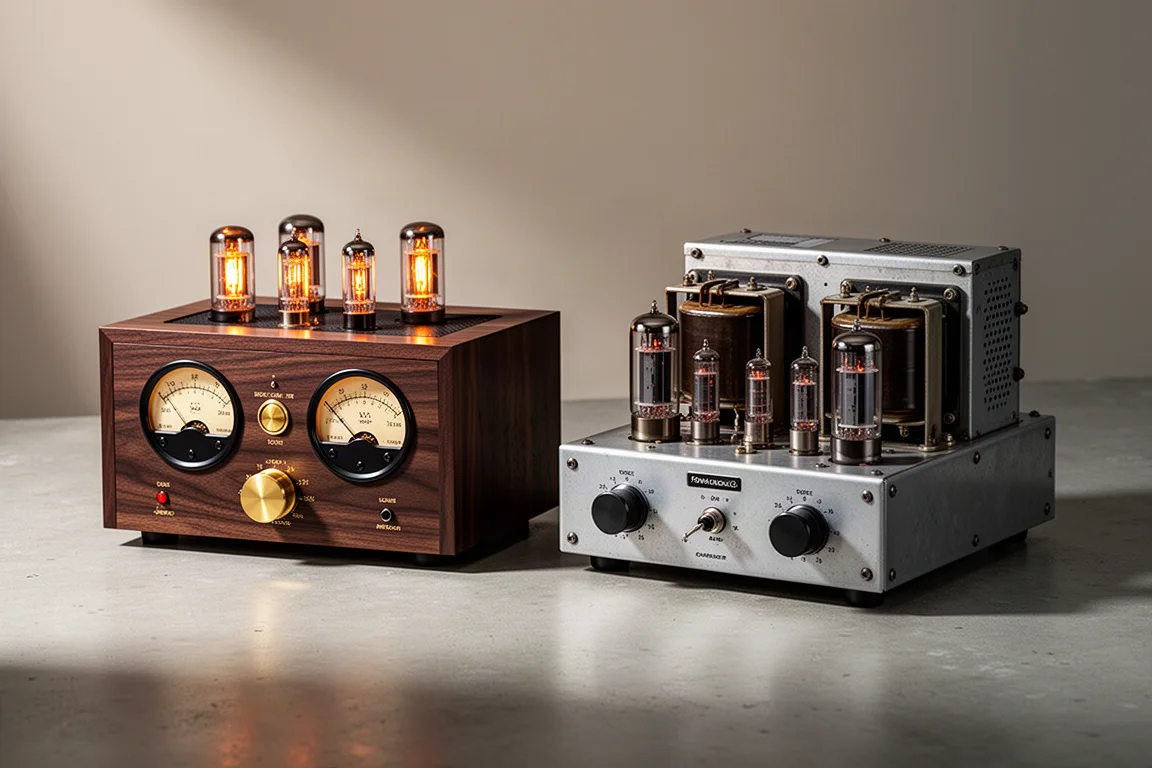
Decware ZMA Review: A Handmade Tube Amplifier Benchmarked Against the Marantz 8B
A detailed look at the handmade Decware ZMA tube amplifier, from its no-compromise parts list to its vintage-leaning sound, plus how it compares with the collectible Marantz 8B.