Tube Amplifiers
Willsenton R8 Review: Tube Rolling with Psvane KT88-T2 and CV181-T2 Tubes
A close look at the Willsenton R8 tube integrated amplifier in stock form and with Psvane KT88-T2 and CV181-T2 tube upgrades, plus how it compares with the Exposure 2510.
Introduction
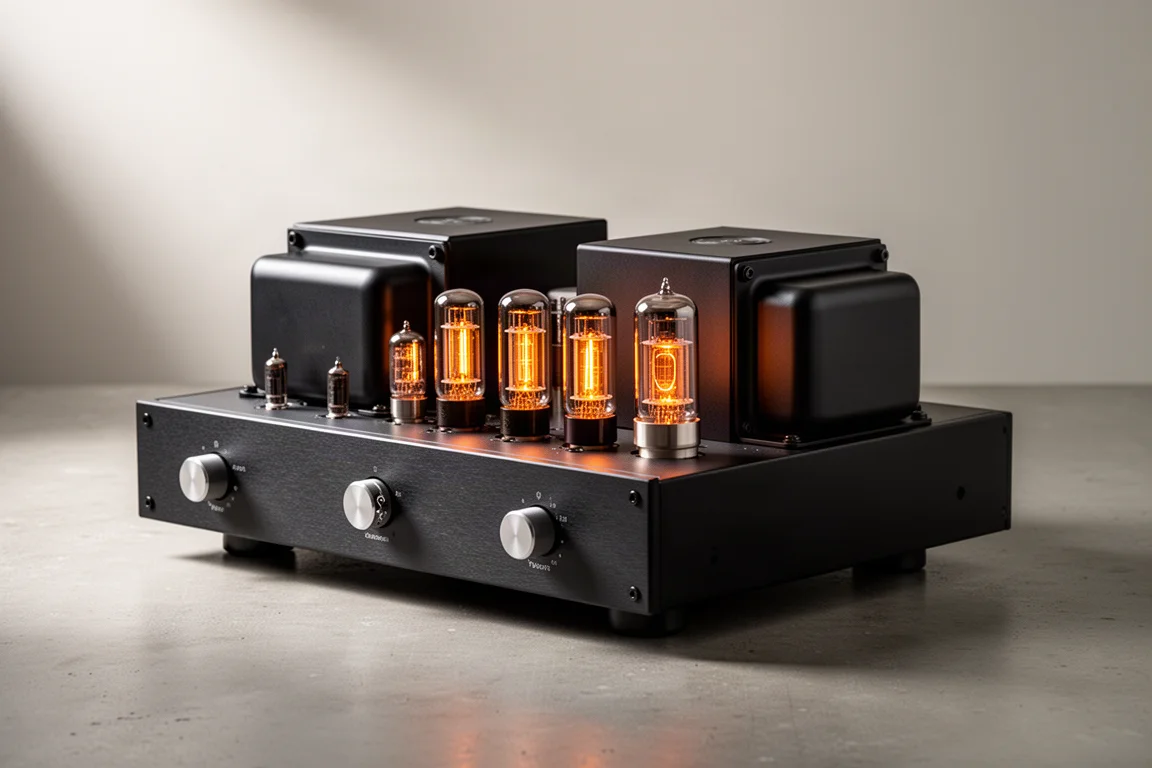
The Willsenton R8 is a tube integrated amplifier that has built a strong reputation among listeners who want the texture and body of valve amplification without moving into the high four figures. In stock form, running KT88 power tubes, it is the most impressive amplifier at around £1,000, and it came close to taking a 2021 amplifier of the year award before losing the top spot to the Exposure 2510 on scalability.
This review covers what the R8 does well as delivered, what actually changes when the stock tubes are replaced with Psvane KT88-T2 and CV181-T2 tubes, and where the amplifier still sits relative to the Exposure 2510.
Who the Willsenton R8 Is For
The R8 is a three-stage amplifier, and each stage has its own character.
The first stage handles voltage gain through a pair of 6SL7 dual triode tubes. There is no factory upgrade path for this pair, so they stay as they are.
The second stage is the driving stage, built around two 6SN7 dual triode tubes. These are electrically similar to the 6SL7 but deliver less voltage gain, and they can be replaced with the Psvane CV181-T2 Collection.
The third stage produces the amplifier’s output, and this is the part most owners think about first. The R8 can be specified with Psvane EL34 tubes, but the KT88 is the more compelling option. The EL34 adds a little more of that classic valve warmth at a real cost to clarity, dynamics and definition, and the same trade-off shows up in triode mode. The KT88, particularly the Psvane KT88-T2 from the T2 Collection, is the configuration that shows the amplifier at its best.
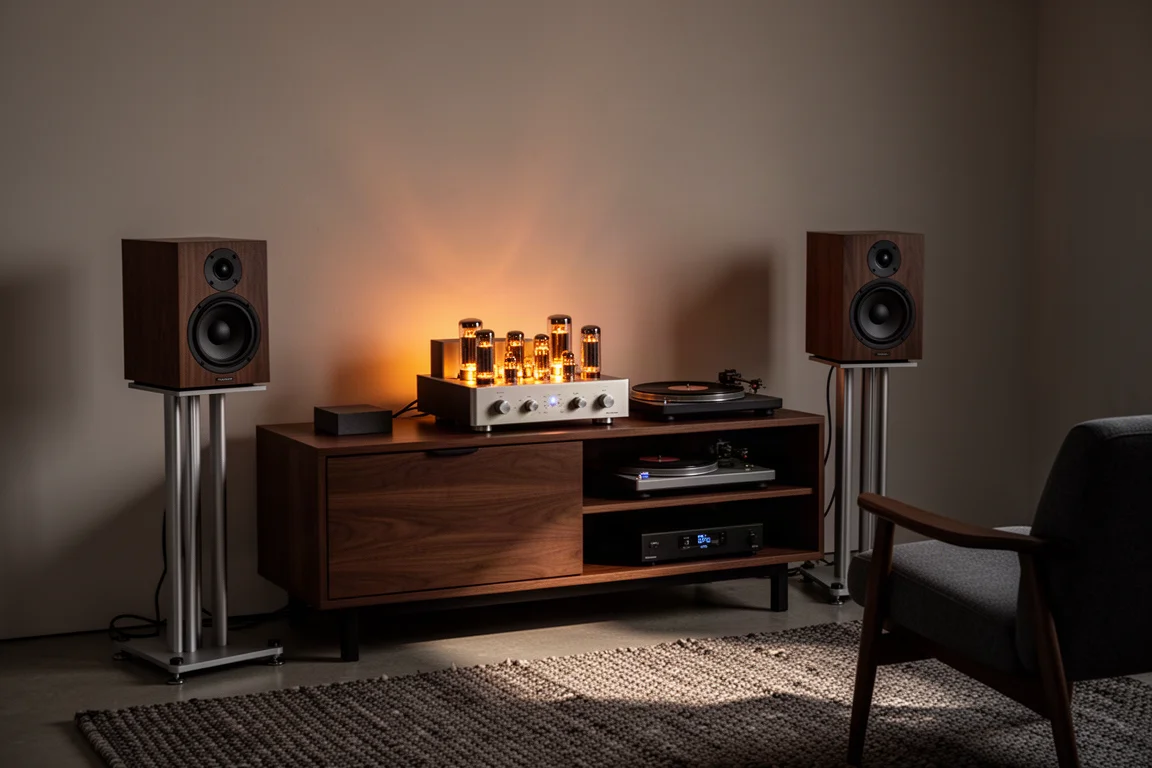
This makes the R8 an easy recommendation for listeners assembling a system at a sensible total budget. Paired with a DAC in the £550 to £700 bracket and a capable pair of standmount speakers, a complete setup lands somewhere between £2,500 and £3,000, and at that level it is close to class leading. The amplifier is also straightforward to live with once you understand its bias routine, which is covered further down.
Main Strengths
The R8’s strongest quality is its sense of scale. It has clarity, a muscular and dynamic presentation, and a tonal balance that stays even across the frequency range rather than leaning on one part of the spectrum.
That combination is what makes it so competitive. In a moderately priced system it sounds terrific, and it is only when the rest of the chain improves that its limits become visible. Compared with considerably more expensive and better-sorted amplifiers, it cannot quite reproduce the finest low-level detail, keep dynamics under total control, or recover the last layer of textural and tonal information. Those are the qualities that separate a very good amplifier from one that makes the hairs on the back of your neck stand up.
It is worth noting that even in stock form the R8 handles dynamic swings better than the Exposure 2510. The Exposure counters with refinement and a lightness of touch that means owners are less likely to be reaching for an upgrade as the rest of their system improves.
Swapping the Power Tubes
Conventional advice is to start with the power output tubes, because they have the greatest influence on the sound. The Psvane KT88-T2 Collection is the natural first step, listed at £29 plus shipping and taxes.
It is worth being realistic about what a better tube can and cannot do. In theory, a better-made valve should offer lower distortion, lower noise and improved linearity. In practice, the result depends on how the tube interacts with the amplifier, because plate voltage and biasing conditions can flatter one tube and hold back another. Spending more is not automatically the answer, and the R8 rewards a little care rather than blind swapping.
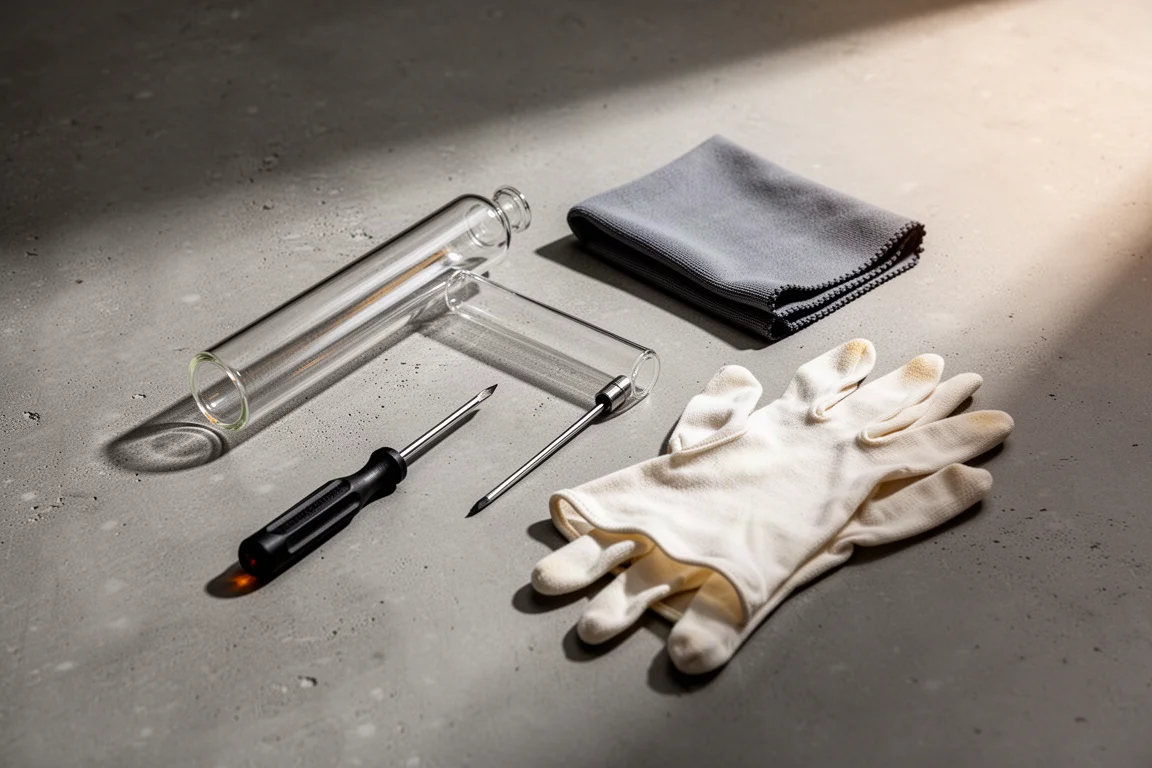
Handling is simple but worth doing properly. Power tubes run warm, so let them cool before removal. Apply gentle upward pressure and rock them purposefully side to side rather than forcing them. When refitting, line the pins up before pressing down, and always re-bias the power tubes after a change so they run optimally and last as long as possible. Re-biasing is a small job: a flathead screwdriver in the adjustment point, flick the toggle switch, and turn until the needle sits in the centre of the display.
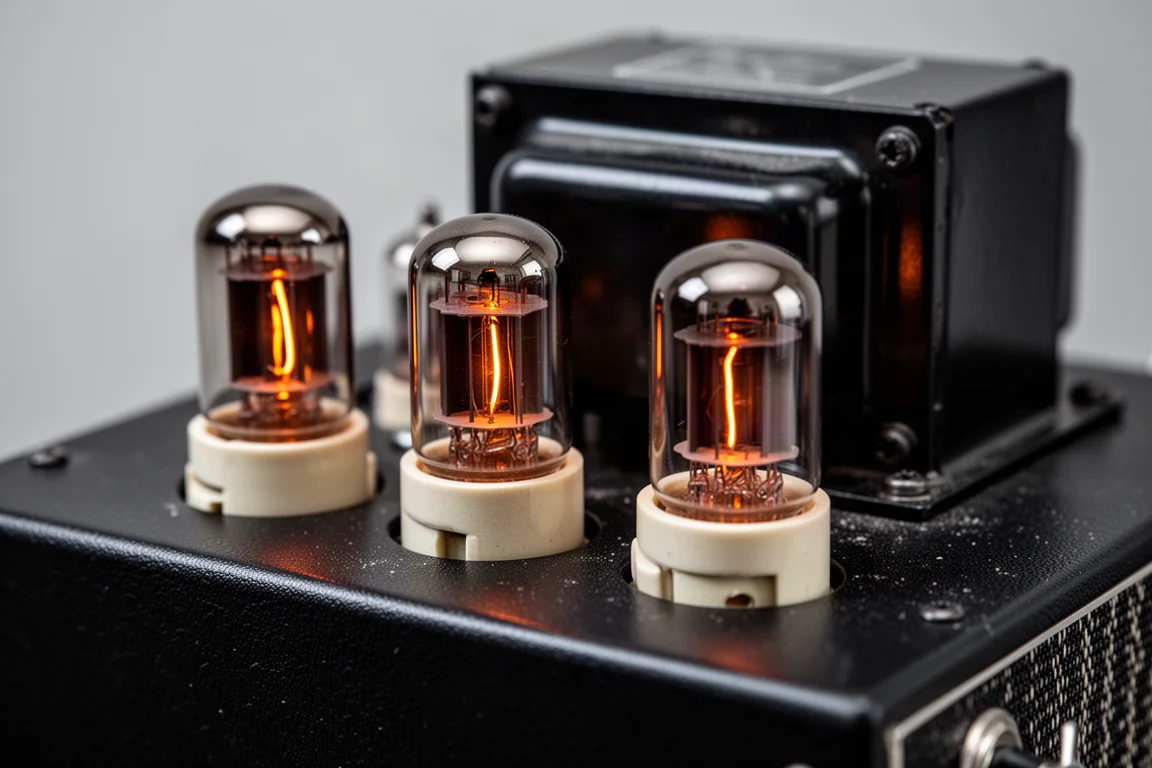
The audible change is more than a subtle shift. The stock R8 has a gentle smile-shaped tonal presentation with the bass and treble lifted at the extremes. Fitting the Psvane power tubes removes that, and the balance becomes noticeably warmer.
Dynamics stay roughly the same, but bass is better controlled, with more agility at low frequencies and less bleed into the midrange, which cleans up clarity through the middle of the spectrum. Refinement improves too, and the slight glassy quality in the upper midrange disappears. The high frequencies are the one area likely to divide opinion. The stock amplifier is a touch boosted up top, and with the power tubes swapped the treble becomes slightly recessed, so the airiness is less prominent than it is in standard form.
Adding the Driver and Rectifier Tubes
The CV181-T2 Collection changes three valves at once: two for the driving stage and one for rectification, which converts incoming AC power into DC. It is sold as a pack of three at $220 plus shipping and taxes, and it produced a bigger improvement than expected.
With Psvane tubes on the power stage, the driving stage and rectification, the tonal balance shifts from warm to neutral in a way that sounds natural rather than clinical. Dynamics do not change much, largely because bass performance stays about the same, but the soundstage opens up dramatically, particularly left to right. Instrument separation improves, and the decay of instruments, which is always a little curtailed in stock form, becomes properly realised.
The high frequencies benefit most. In a highly revealing system the stock R8 can sound a little bright, fitting the power tubes alone makes it sound slightly recessed, and adding the CV181-T2 tubes lands it just right, with an openness, airiness and sibilance control that rival the best amplifiers below £2,000.
How the Willsenton R8 Compares with the Exposure 2510
With both tube sets fitted, the R8 and the Exposure 2510 end up at a similar total outlay once shipping and taxes are accounted for, which makes the comparison a fair one.
The Exposure remains a very accomplished amplifier, and there are still good reasons to choose it. It is a touch more detailed and refined, and living with valves is genuinely more involved. Tubes do not last forever, they cost money to replace, they run hot, and switching the amplifier off when it is not in use is the sensible way to extend their life. Listeners who want a maintenance-free ownership experience will be happier with the Exposure.
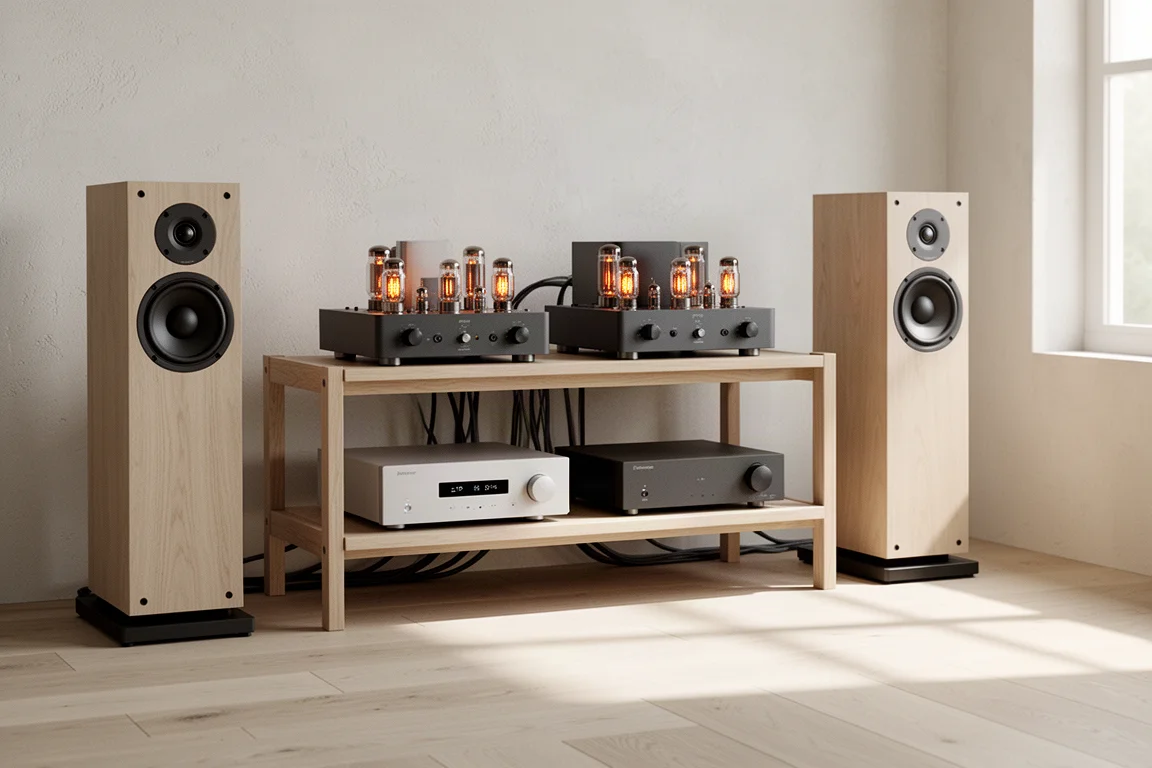
For all-round performance, though, the R8 is right there with it. If it trails on detail and refinement, it trails by a whisker. In acoustic body, tonal richness, scale and dynamics, the Willsenton R8 moves ahead.
Things to Consider Before Buying
Tube ownership is a commitment as much as a preference. The output tubes in the R8 run warm, so they need to cool before you handle them, and they wear out over time, which is an ongoing cost rather than a one-off. Leaving the amplifier switched off when it is not in use is the simplest way to prolong tube life.
Every time the power tubes are changed, the amplifier needs re-biasing. It is a quick routine rather than a technical chore, but it is not optional if you want the tubes running optimally.
Budget also matters. Choosing both upgrade paths, the CV181-T2 set on the driving stage and rectification, plus KT88-T2 or EL34 tubes on the output stage, adds roughly 50 percent to the overall cost of the amplifier. That is significant relative to the price of the R8 itself, so it is worth deciding in advance whether you want the stock amplifier or the upgraded version. Start with the power tubes if you only intend to change one set, since they have the greatest influence on the sound.
Buying Advice
The R8 in stock form, running KT88 tubes, is the best amplifier available for around £1,000. The upgrade path is what makes it interesting over the longer term: with Psvane KT88-T2 tubes on the output stage and the CV181-T2 Collection handling the driving stage and rectification, it becomes the best amplifier this side of £2,000.
If you are building a system at a modest total budget and want the most performance per pound, the stock amplifier already delivers. If you are prepared to spend a little more and want the extra soundstage, separation and treble control that the Psvane tubes bring, the upgraded configuration is the version to aim for. Either way, the R8 makes sense for listeners who value body, scale and tonal richness and are comfortable with the maintenance that valves require.
Conclusion
Very few amplifiers at this price combine this much clarity, dynamic range and tonal evenness. In standard form with KT88 tubes, the Willsenton R8 is an outstanding amplifier. With the Psvane KT88-T2 and CV181-T2 tubes fitted, it keeps everything that made it compelling and adds a more natural tonality, a wider soundstage and better-controlled high frequencies.
The Exposure 2510 remains the more refined and lower-maintenance choice, and it is the better option for anyone who would rather not think about tubes at all. For listeners who enjoy the process, and who want the richer acoustic body and scale that valves bring, the Willsenton R8 is the more rewarding amplifier.
Product link
View more details for Willsenton R8
This product is mentioned in the review. Check the specifications, options, and compatibility before buying.
View more details for Willsenton R8Further reading
Related Reviews
Tube Amplifiers
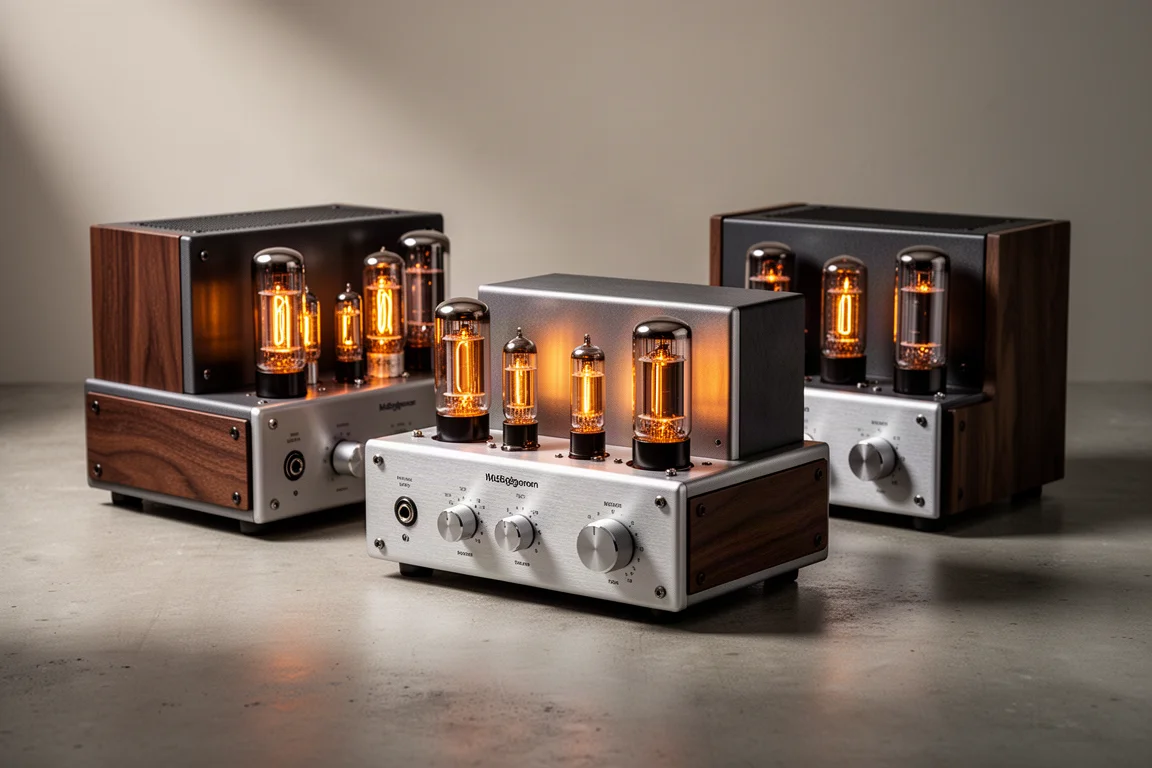
Three Standout Tube Amplifiers: Marantz 8B, Decware ZMA, and Convergent Audio JL2
A close look at three tube amplifiers with distinct strengths, from vintage sweetness to modern mid-range refinement and heavyweight bass authority.
Tube Amplifiers
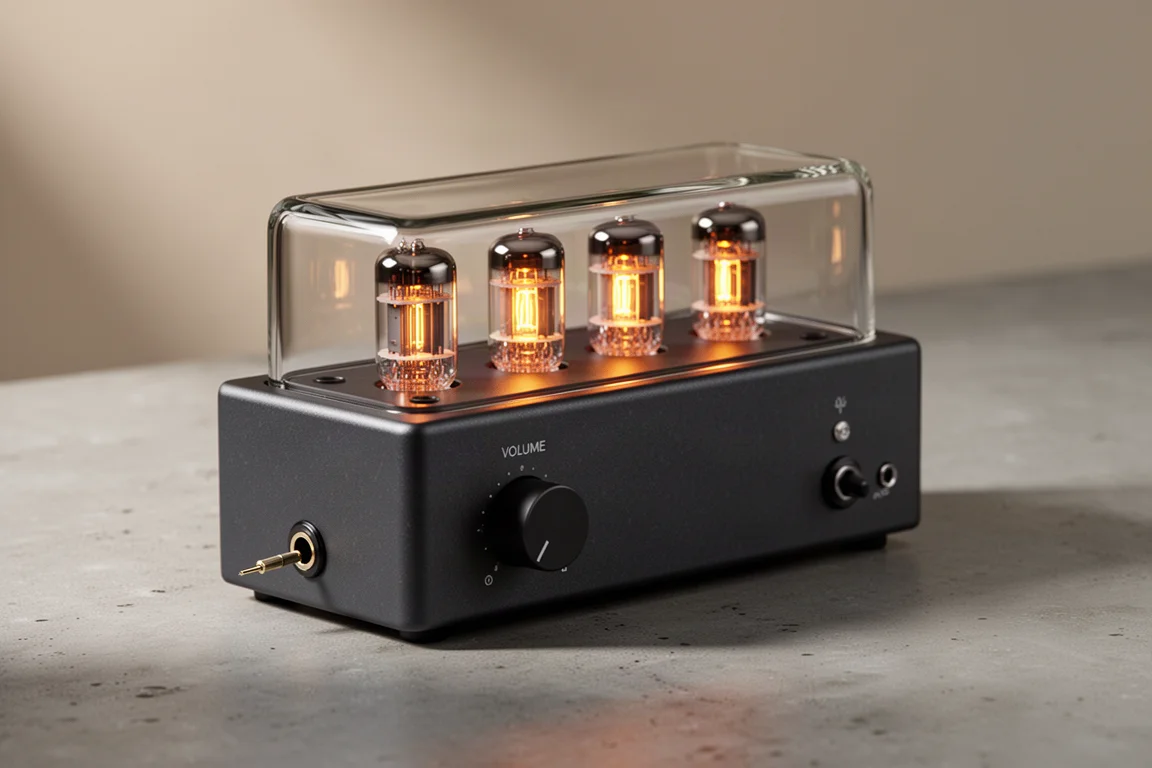
Black Ice Audio FX10 Review: A Real Tube Amplifier at a Realistic Price
The Black Ice Audio FX10 pairs EL84 tubes with a glass enclosure and a $625 price tag. Here is what it does well, what to check first, and who should consider it.
Tube Amplifiers
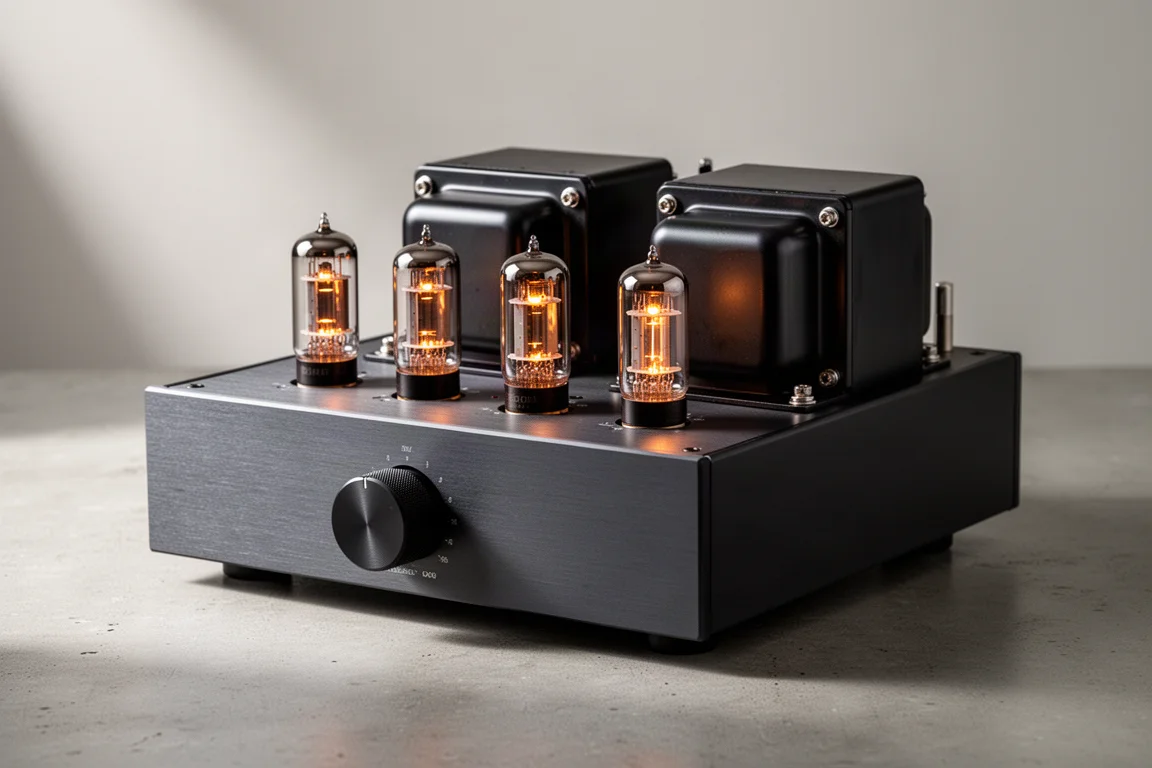
Brunoco Terra Integrated Amplifier Review: 20 Watts of Vintage RCA Character
A purist 20W tube integrated amplifier built in Korea around vintage RCA circuit ideas, with a musical, expansive sound and a few practical trade-offs.