Road Bikes
Wilier Verticale SLR Review: A 6.87 kg Climbers Bike With One Big Compromise
A very light carbon climbing bike with a smooth ride and rapid handling on its stock wheels, held back by a narrow one-piece cockpit and early-sample paint finish.
Introduction
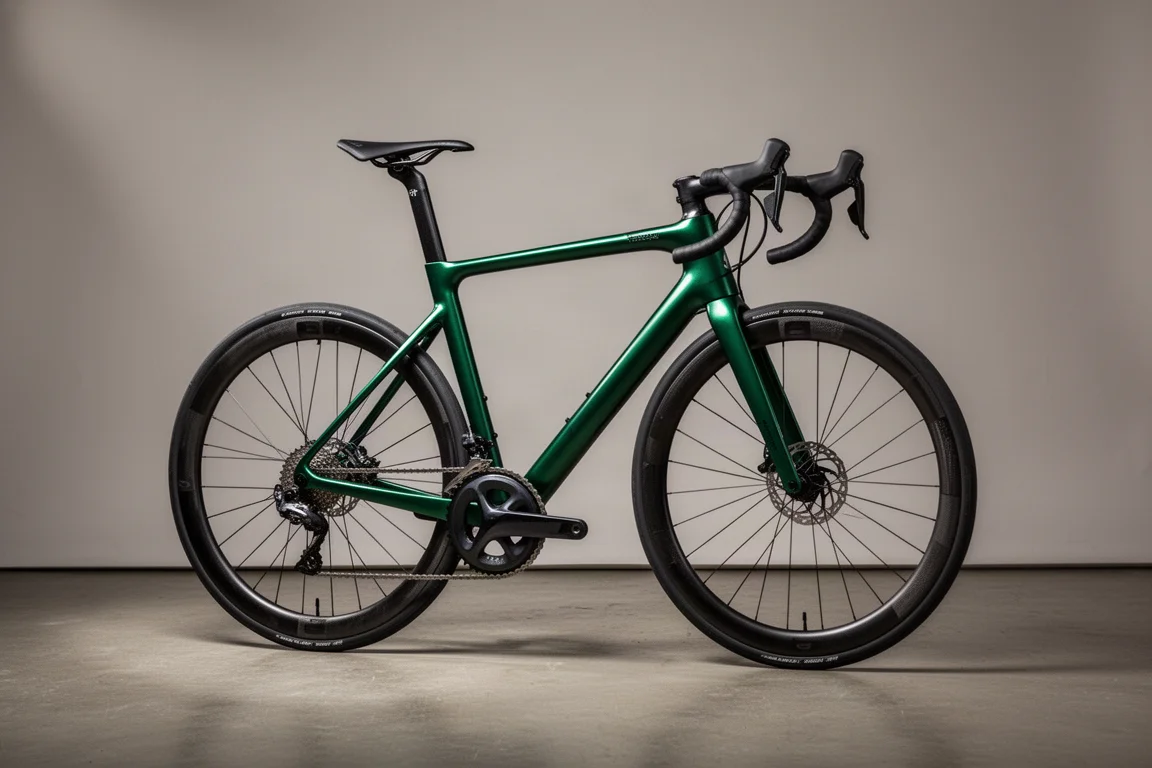
Wilier has added a new model to its range. The Verticale SLR is positioned as the replacement for the Zero SLR, an out-and-out climbers bike, and the company describes it as the lightest disc frameset it has ever made. The bike featured here is a size small with the top-end carbon frame finished in Hulk green, built with Shimano Dura-Ace 12-speed, a 160 mm front rotor, a 140 mm rear rotor, 30 mm Vittoria Corsa Pro tyres, carbon wheels with CeramicSpeed bearings, a Prologo Nago carbon saddle, an out-front mount, and a seat post with a magnetic light attachment.
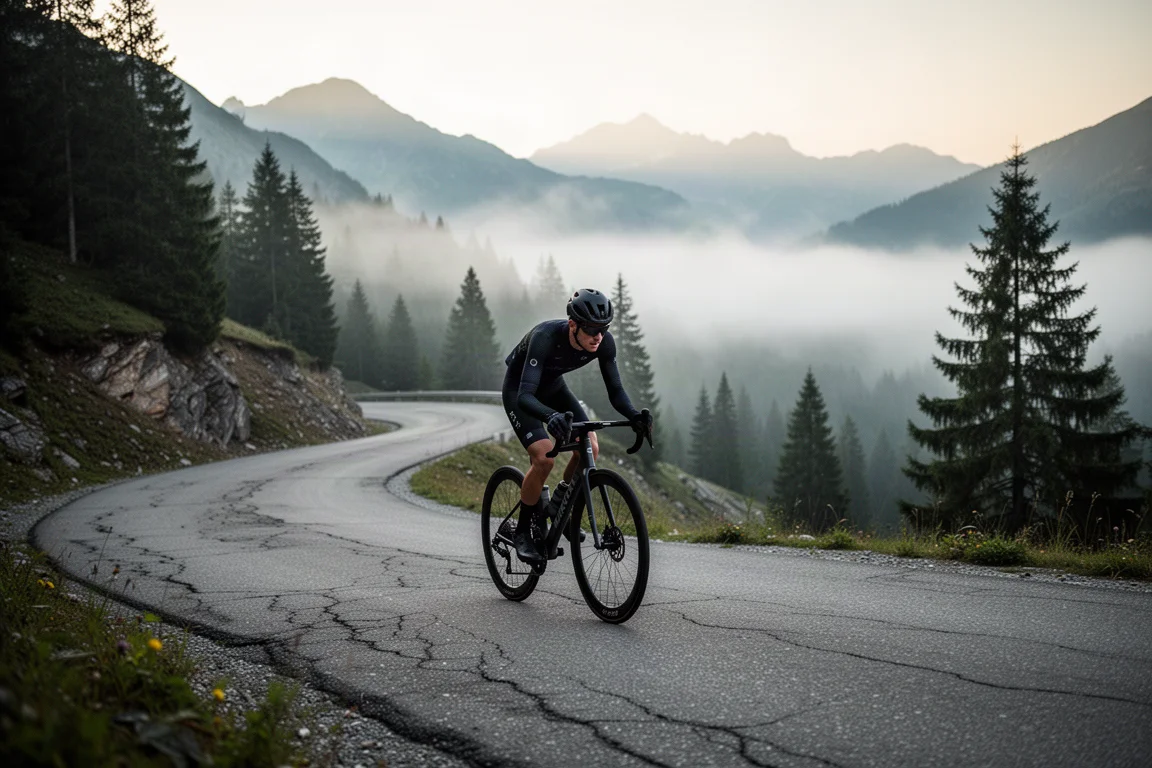
On the scales it weighed 6.87 kg with a Garmin mount, a single bottle cage, and the integrated seat post light fitted. That is genuinely light for a disc road bike, and the figure includes a few practical extras rather than representing a stripped-back show build.
Who this product is for
Pricing sets the audience clearly. The cheapest build comes in at €9,900 with SRAM Force, and the range climbs to a Campagnolo Super Record build at €13,400, with a Dura-Ace Di2 version sitting between the two. That puts the Verticale SLR in the spend-serious-money bracket.
It is aimed at the performance-hungry rider, the professional racer, the hill climb specialist, and the rider who simply wants a very light machine with a paint job that stands out from the group. The Estana World Tour team is expected to race it in the coming season, which tells you where the design priorities sit.
Main strengths
Weight is the headline. At 6.87 kg as measured, the Verticale SLR belongs among the lightest disc road bikes you can buy, and Wilier has shaved grams in a wide spread of places across the frame and cockpit rather than relying on one trick.
Ride quality with the right wheels is the second strength. Fitted with the stock carbon wheels, the bike is rapid and reactive. It feels quick to respond to input and covers ground fast. Fitted with a more modest aluminium wheelset, it remains smooth and comfortable, and the position on the bike is genuinely excellent, but it stops feeling exciting. The wheelset you run on this frame matters enormously.
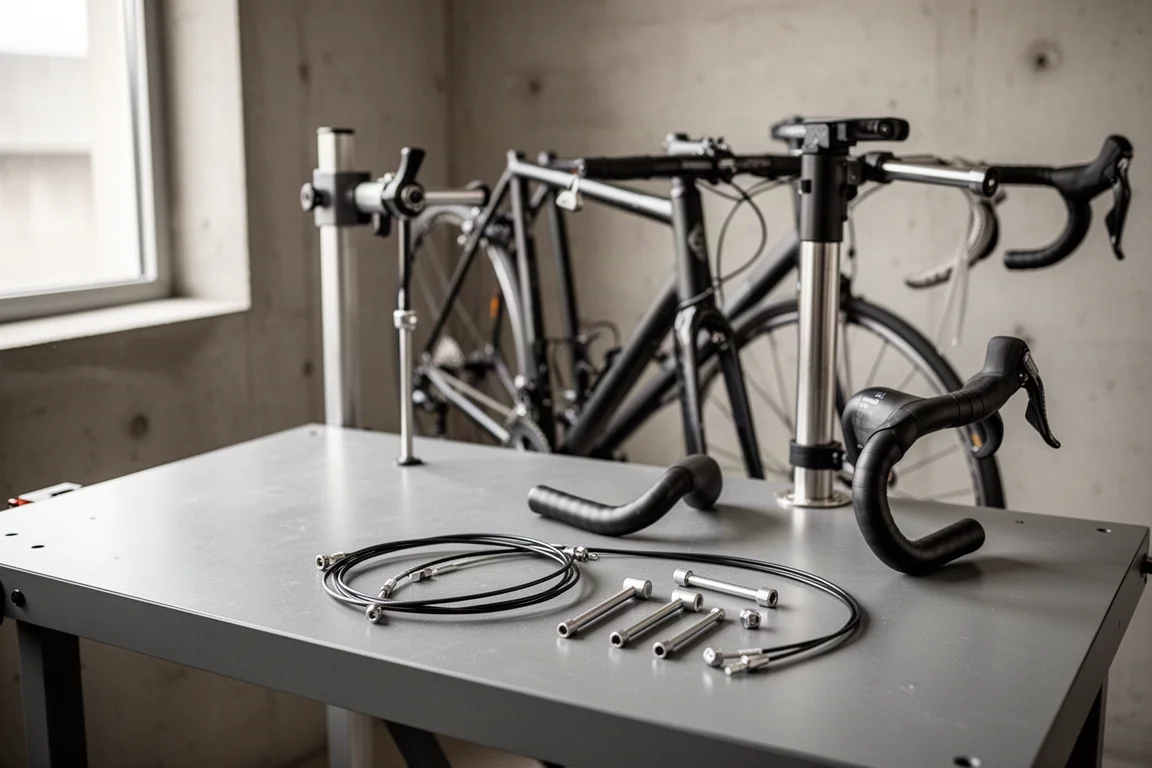
Livability is better than the aero-race-bike norm. Assembly was quick and straightforward: the headset uses a regular expander bung, the bars slide on with two 4 mm bolts, the top cap sets the preload, and the stem bolts finish the job. That earns it 8 out of 10 for ease of use, with two points deducted because a small seat post part can drop inside the frame during fitting and has to be rattled back out.
Design details also deserve credit. The frame lines are clean and smooth, and the angular seat post clamp that spoiled an earlier Wilier design has been fixed, which is a genuine improvement for anyone who remembers it.
Frame, geometry and fit
The Verticale SLR is longer and lower than the Filante and the Zero SLR. It is an aggressive racing platform, so if your current bike is an endurance model, expect the handlebar to sit noticeably further away. The size small here has a top tube of around 52 cm, so the size labels are about right.
What stands out is that this bike rides quite small. It is a size small that still feels compact under a rider who often chooses a small, which is interesting given how much longer road bikes have become in general. That combination means sizing deserves real attention before you commit.
Bar sizing is narrower than the numbers suggest. Wilier offers 40 cm and 42 cm widths with a range of stem lengths, but the bars measure much smaller at the hoods. The 40 cm bar fitted here measured 35 cm at the hoods, against a claim of 37 cm. The bars feel very good at the hoods, but riders who need a wide bar are not well catered for. Older Filante and Zero bars fit the frame, which opens up a more traditional shape, though a replacement bar costs around €800 extra.
Things to consider before buying
The one-piece bar and stem is the main compromise. The tops feel skinny and uncomfortable, and the drop shape is awkward: the sections step outward rather than flaring, so your hands end up wider on the drops, and there is a raised nub in the way of a flush grip. It is a personal preference, but it is a preference many riders share, and because the bar and stem are integrated you cannot simply rotate the bar to a flatter angle without swapping the whole unit.
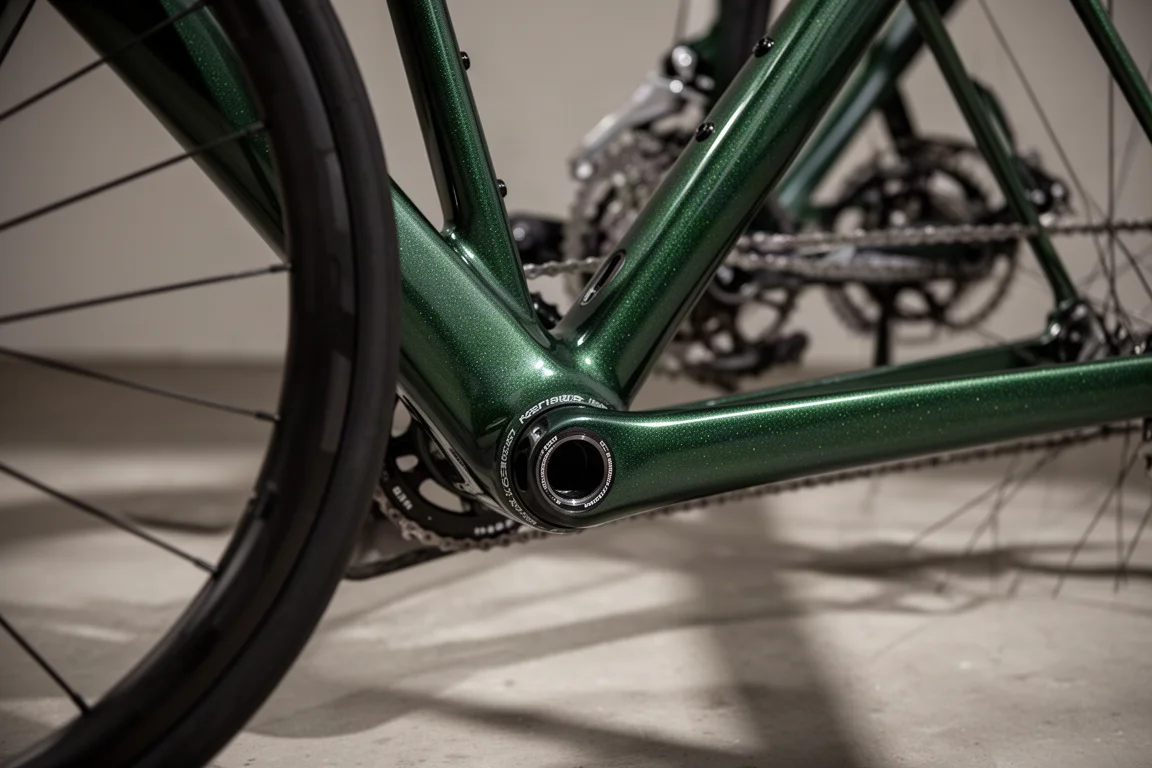
Paint finish is the second thing to check. On this early sample the quality around the edges is not what the price suggests, with lumpy and bobbly areas where multiple layers of gloss and matte paint and a chrome base meet. Wilier stated that this is one of the very early samples, that the new green tone requires an artisan painting process still being refined, and that these samples were produced quickly for a media deadline. That is a plausible explanation, but it is worth inspecting the finish on any bike you are actually buying rather than judging from photographs.
Setup of the seat post needs care. It is oval rather than round, and unlike most non-round posts it can be inserted slightly off-centre, which leaves the saddle wonky until you line it up properly and then tighten. Routing the Di2 cables, inserting the expander while tilting the bike forward, and doing up the expander from inside the frame all add steps to the process.
Finally, consider the category. This is a very light traditional climbing bike, and that is a type fewer riders are buying today. Its closest rival is the Specialized Aethos, with similar pricing, similar specification and similar weight, though the Aethos is officially a little lighter.
Value and build options
The build ladder is straightforward: €9,900 with SRAM Force, a Dura-Ace Di2 build above that, and €13,400 with Campagnolo Super Record. None of those figures is casual spending, so the decision really comes down to which groupset and wheelset you want and how long you plan to keep the bike.
The wheels deserve their own line in the budget. With the stock carbon wheels and CeramicSpeed bearings, the Verticale SLR feels fast and alive. With a cheaper aluminium set, it becomes smooth, comfortable and a little dull. If you buy the frame and plan to swap wheels later, be aware that this frame rewards expensive wheels in a way that is easy to feel and hard to ignore.
Buying advice
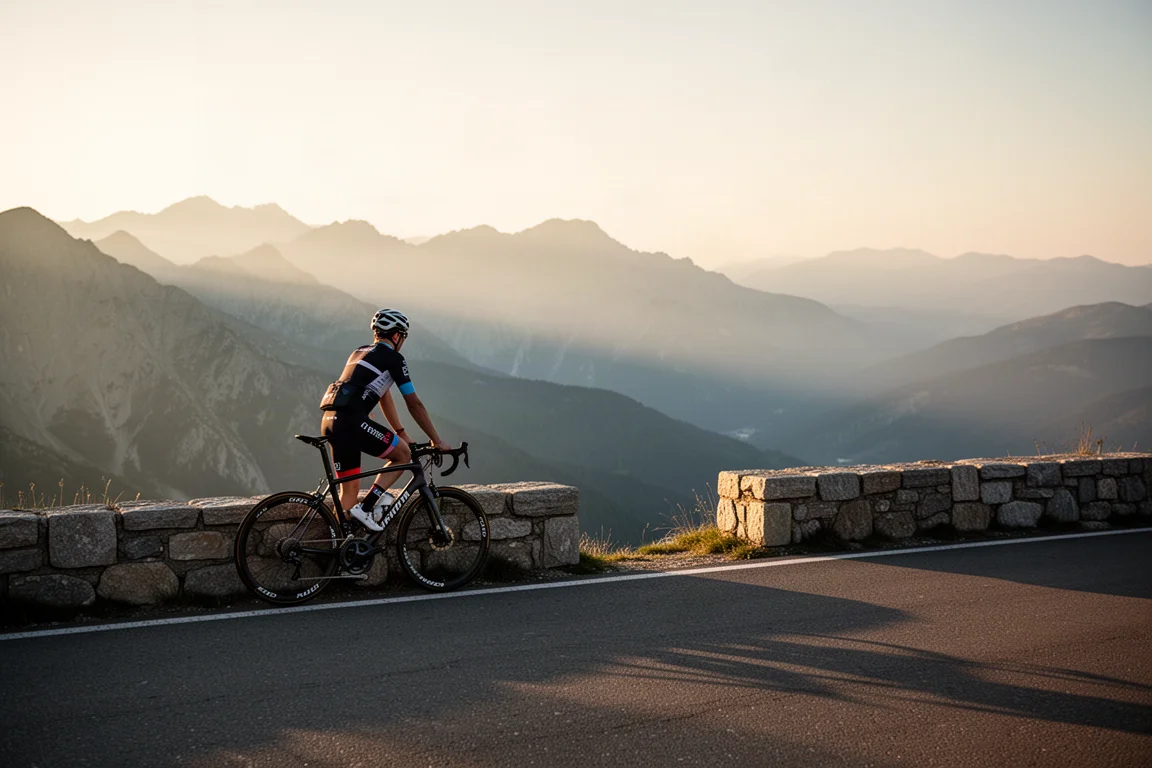
If you are shopping for a climbing bike and weight is your priority, the Verticale SLR delivers on the core promise. It is light, it is smooth, and with proper wheels it is genuinely quick. The question is whether the cockpit and the price suit you.
Check three things before you buy. First, ride the size you are considering, because this bike runs small and the geometry is long and low. Second, decide on the handlebar before you order, since the stock one-piece unit is narrow and divisive, and a different bar adds cost. Third, inspect the paint finish in person if you can, and ask about production timing.
There is also a straightforward argument for patience. If the shape of the cockpit does not suit you and you would rather run a traditional bar, budget for the swap up front and treat the bike as a frameset purchase with your own finishing kit. Riders who want a light, comfortable, fast road bike and who get on with the narrow integrated bar will be very happy. Riders who do not will find the cockpit the most expensive compromise on the bike.
Conclusion
The Wilier Verticale SLR is a beautiful-looking, impressively light climbing bike that rides smoothly and, on the right wheels, very quickly. The frame is clean, the position is excellent, and the assembly process is friendlier than most modern race bikes.
It is not perfect. The narrow one-piece cockpit is uncomfortable on the drops for some riders, the early-sample paint finish does not match the price tag, and the long, low geometry demands a careful sizing decision. It also lands in a category that fewer riders are choosing today, against a close rival that is officially a touch lighter.
Buy it for the weight and the ride, and go in with your eyes open about the cockpit. Do that, and it is a rewarding bike to own.
Product link
View more details for Wilier Verticale SLR
This product is mentioned in the review. Check the specifications, options, and compatibility before buying.
View more details for Wilier Verticale SLRFurther reading
Related Reviews

Road Bikes
10 New Road Bikes Worth Watching: Aero, Titanium, Steel and Endurance Standouts
A practical roundup of 10 new road bikes, from aero flagships chasing single-watt gains to titanium, steel and endurance platforms built for real roads.
Road Bikes
2026 Tour de France Road Bikes: Six Race Machines Worth a Closer Look
Six race bikes from the 2026 Tour de France grid, reviewed for paint, silhouette, wheels and the specification details that matter to buyers.
Road Bikes
3T Strada Italia Review: A Radical Aero Road Bike That Rides Smooth
A made in Italy carbon aero road bike with a deep head tube, wide tire clearance and a genuinely comfortable ride. Here is what to know before buying.