All-Road Bikes
Wilier Rave Review: An All-Road Bike That Stretches Into Gravel
The Wilier Rave uses one frameset across its all-road and gravel builds, so tires, gearing, and cockpit decide how it rides. Here is what to know before buying.
Introduction
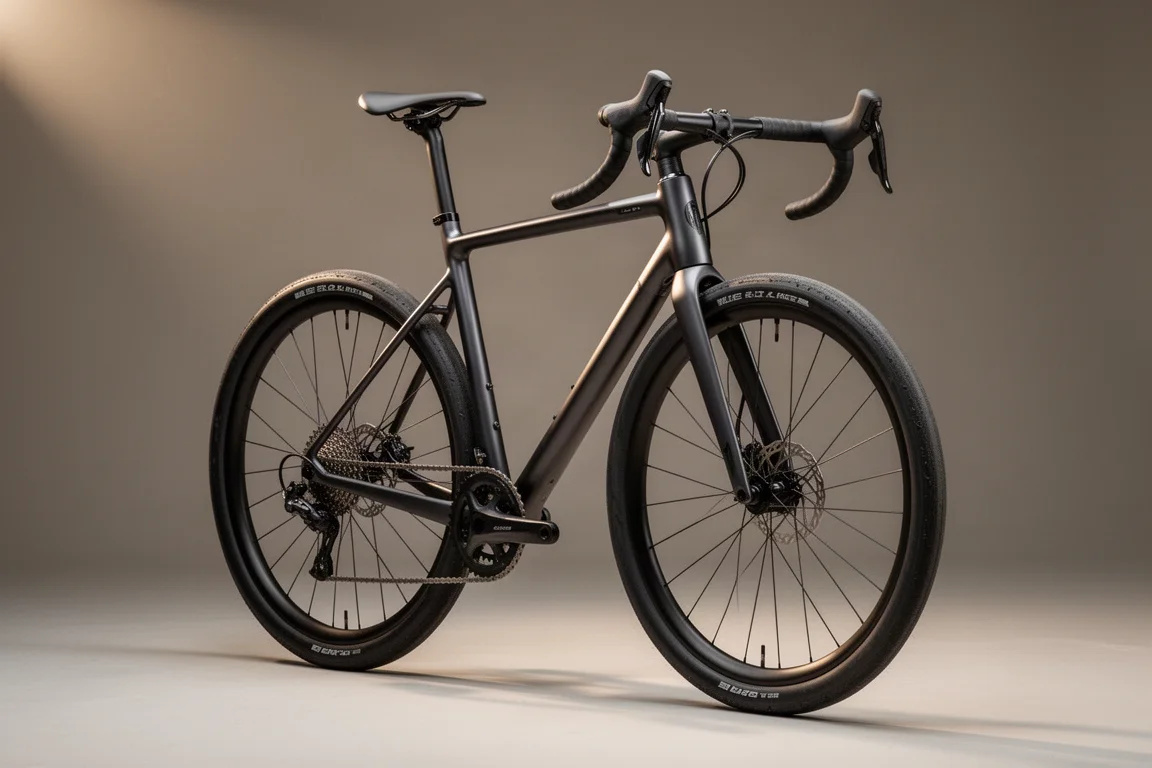
All-road bikes and gravel bikes have grown so close together that the difference between them is often just a specification sheet. The Wilier Rave makes that overlap unusually plain to see. The all-road build and the gravel build share exactly the same frameset, and what separates them comes down to three things: tires, gearing, and riding position, with the position set by a different handlebar and stem.
That raises a fair question for anyone shopping. If the frame underneath is identical, what does a gravel bike actually do differently from an all-road bike? The useful answer is that the Rave sits at the fast end of both categories, and the way it is specified decides which side of the line it lands on.
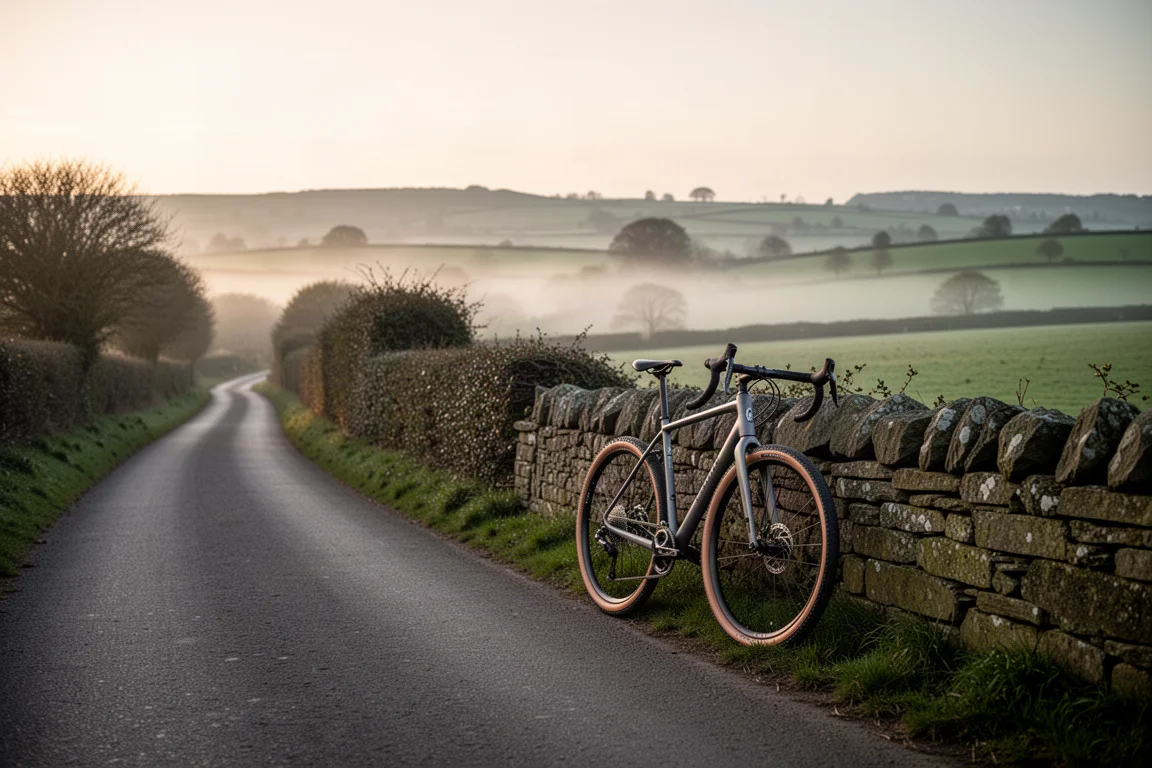
The frame itself is the constant. Wilier builds it to take more punishment than a pure racing machine, and the same platform happily accepts either a road-oriented build or a gravel-oriented one. For a buyer, that is the central appeal: one bike that can be tuned toward speed or toward rough-surface capability depending on which tires and gearing you choose.
Who the Wilier Rave Is For
The Rave suits riders who want a fast, versatile road bike with wider tires and a broader range of gearing, plus the option to venture away from tarmac. It is also a sensible choice for someone who mostly rides gravel at the quicker end of the spectrum and wants the option of fitting thinner road tires when the mood changes.
It is less suited to riders who want a dedicated race machine with razor-sharp handling, and less suited to those planning heavily loaded off-road touring. The Rave is a fast bike first, and its off-road ability is a bonus rather than a full conversion.
Main Strengths: Fast, Versatile, and Confident
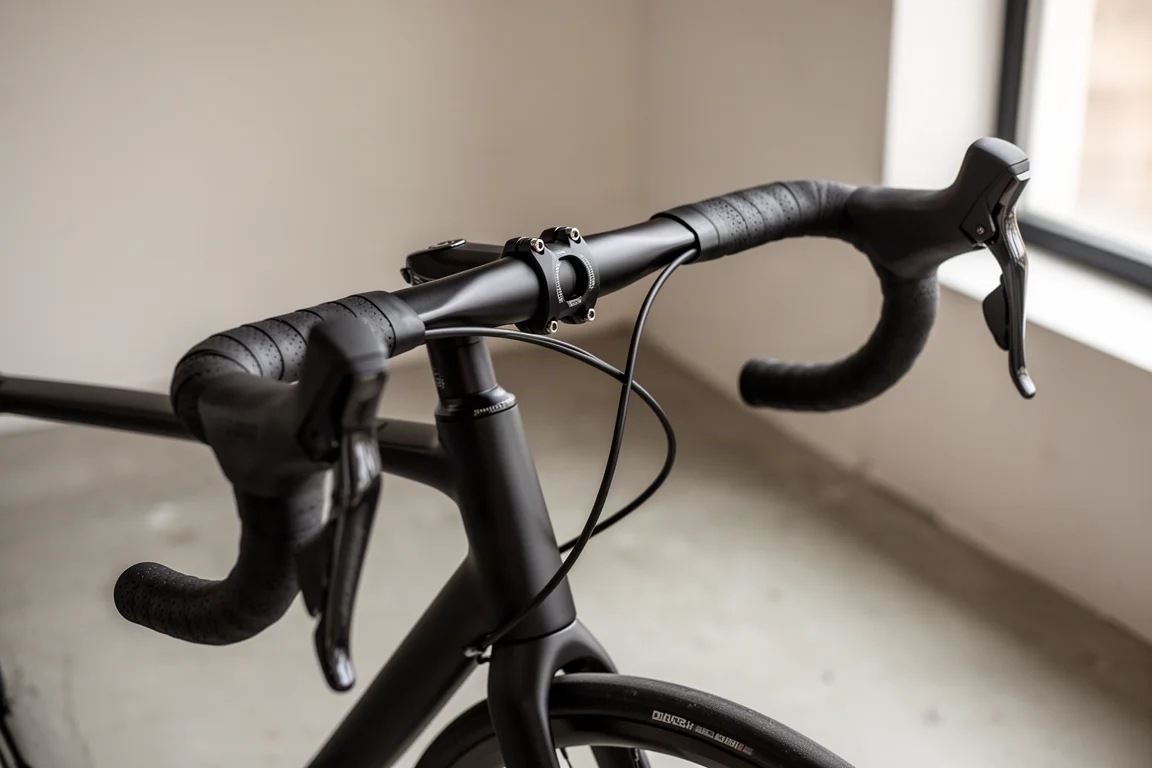
The Rave is not an out-and-out aero bike, but versatility does not come at much cost in speed here. There is nothing on the bike that holds a rider back on tarmac, and the all-road build uses a one-piece monocoque handlebar and stem with internal cables, which trims a small amount of drag for riders who care about that.
Compared with Wilier’s Filante, a super-fast road model, the Rave frame carries roughly 70 g of additional material to handle rougher surfaces. In performance terms that is a fraction of nothing, and it buys a frame that stands up better to mixed terrain.
Tire clearance is where the platform really opens up. Back when all-road bikes first appeared, 28 mm counted as wide. Disc brakes pushed that boundary upward, and something around 35 mm is now a rough industry norm. The Rave can go bigger still, which is what allows the same frame to be built up as a gravel bike. The all-road version ships with 32 mm tires, and on a suitable rim there is little aerodynamic penalty compared with a narrower tire. With slightly lower pressure, wider rubber often rolls faster in real-world conditions and adds confidence when the surface turns rough.
All-Road vs Gravel: One Frameset, Two Builds
Because the two builds share a frame, the practical differences come down to the contact points and the drivetrain. The all-road version keeps a road-oriented position through its handlebar and stem, runs narrower tires, and uses gearing aimed at tarmac speed. The gravel version moves the rider into a slightly more relaxed position, fits wider treaded tires, and spreads the gear range to cope with steeper, looser climbs.
Neither approach changes what the frame can physically do. Swap the wheels and the cockpit, and the character of the bike shifts noticeably in either direction. That flexibility is the whole point of the design, and it means the buying decision is less about the frame and more about the riding you actually do most often.
Handling and Tire Clearance in Practice
Handling on the Rave is deliberately a little less razor sharp than a traditional road bike, and that is a benefit more often than it is a compromise. The bike feels more stable and less nervous, which means descents do not feel as fast as they are, and riders can often carry more speed down them as a result.
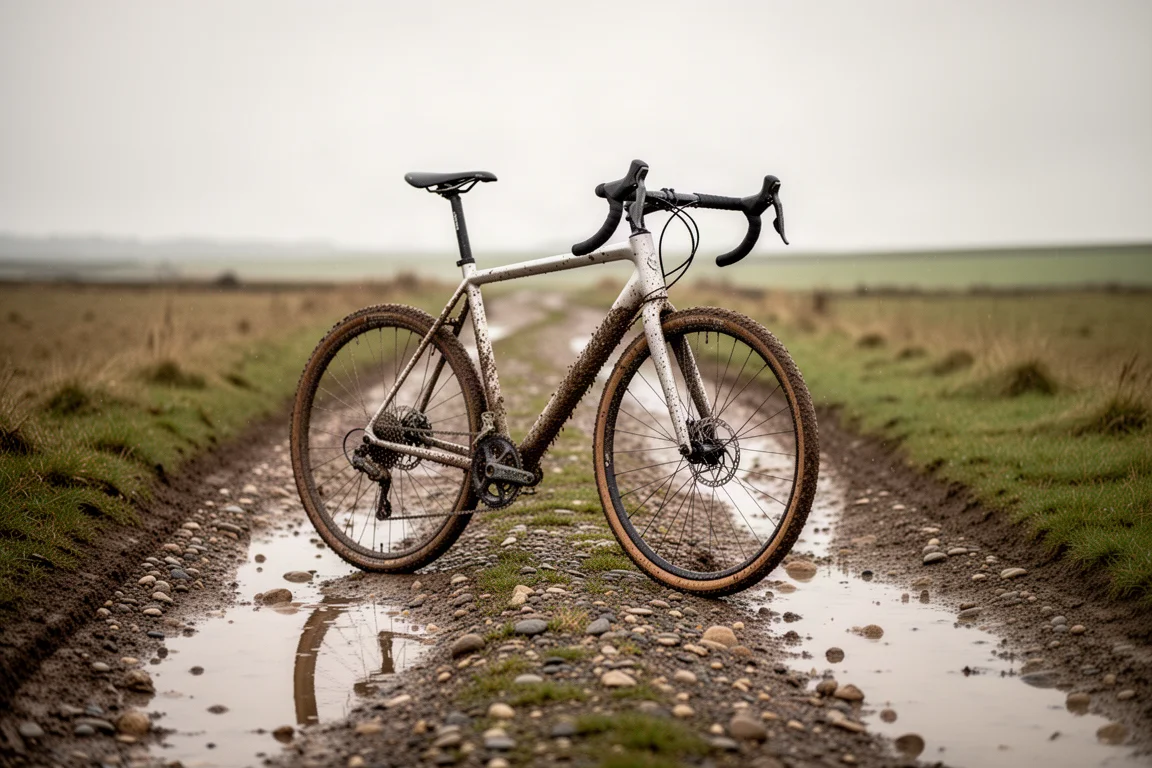
On mixed surfaces, the frame and wheels take the knocks that a lightweight race bike would rather avoid. It is worth being clear about what slows a ride down off tarmac, though. The surface itself, whether gravel, rocks, or a bit of mud, is the main factor, along with the tires fitted. Larger volume treaded tires that are brilliant off-road will feel slightly squirmy and slower on tarmac, while narrow slicks that fly on the road will struggle in mud. Neither is a fault of the frame.
Things to Consider Before Buying
The first thing to think about is how much mud you realistically ride in. On damp, muddy tracks, 32 mm slicks will have you picking careful lines and losing time, and there may be sections where you are better off walking. If your local off-road riding is regularly wet, the gravel build or a second set of treaded tires makes far more sense.
The second consideration is gearing. A wider range suited to gravel will not hurt you on the road, but it does change how the bike feels on fast tarmac sections. The third is position. The difference in handlebar and stem between the two builds is small on paper but noticeable over a long ride, so it is worth deciding whether you want the road-oriented setup or the slightly more relaxed one before you commit.
Buying Advice
The Rave is best understood as one bike with two personalities, so the smart approach is to buy the build that matches most of your riding and plan for a second wheelset rather than a second bike. If tarmac dominates and you occasionally stray onto smooth gravel, the all-road build with 32 mm tires is the more efficient starting point. If your off-road riding is frequent and often soft underfoot, the gravel build is the better foundation.
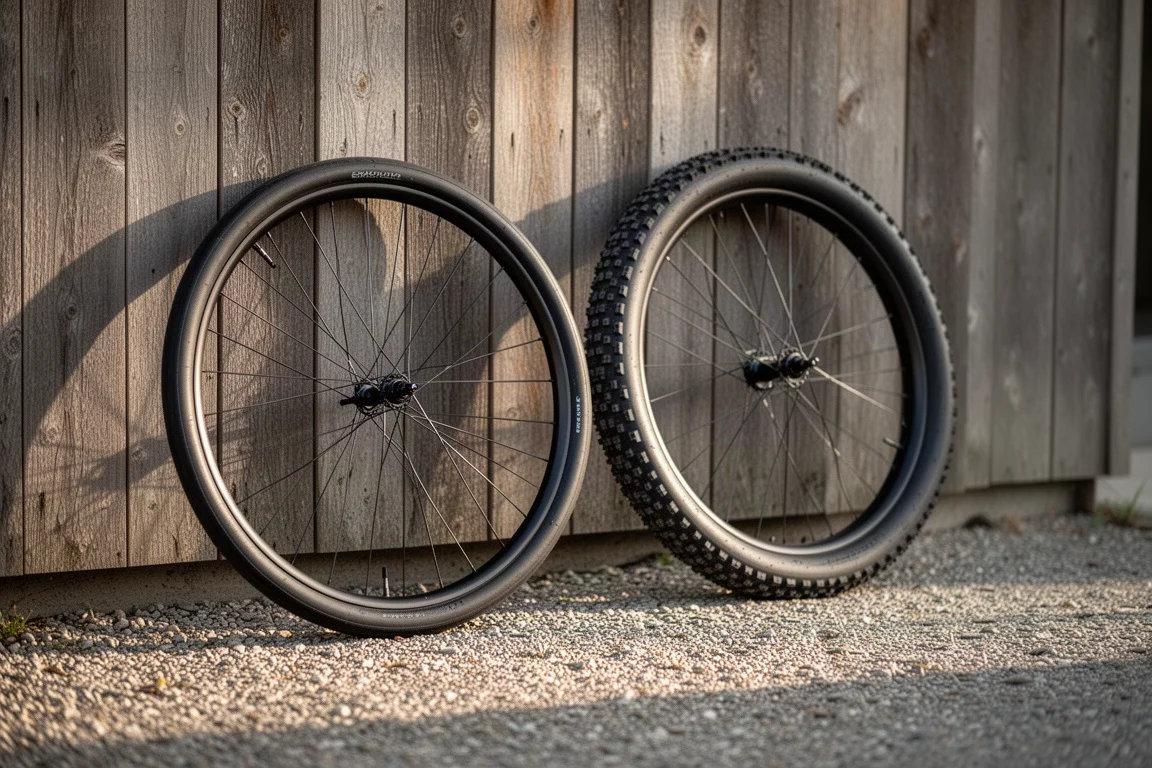
Because tire clearance on this frame extends beyond the usual norm, both builds leave room to experiment later. Riders who want to keep things simple can run one set of wider tires at lower pressure and accept a small penalty on fast road sections. Those who want the best of both worlds can keep a road wheelset and a gravel wheelset and change the bike’s character in a few minutes.
Conclusion
The Wilier Rave makes a convincing case that the all-road and gravel categories have effectively merged at the fast end of the market. One frame, two builds, and a healthy amount of tire clearance mean the bike can be whatever your riding needs it to be, whether that is a quick road spin, a mixed-surface loop, or a muddy track on a wet afternoon.
If you want a single versatile drop-bar bike and you are willing to think about tires as the tuning tool they are, the Rave is a strong place to start.
Product link
View more details for Wilier Rave
This product is mentioned in the review. Check the specifications, options, and compatibility before buying.
View more details for Wilier RaveFurther reading
Related Reviews
All-Road Bikes
Fara Allroad Review: A Road-First Carbon Bike for Rough Tarmac and Long Days
A carbon all-road bike from a small Norwegian brand, built for rough roads, wide tires, and bikepacking. Here is how it rides and what to check before buying.
All-Road Bikes
Ridley Griffin RS with Classified PowerShift and Shimano Di2: An All-Road Bike Review
An all-road bike that pairs a relaxed endurance geometry with virtual front shifting from the Classified PowerShift two-speed hub and Shimano Di2 integration.

All-Road Bikes
Ridley Griffin RS Review: An All-Road Bike With Classified PowerShift and Shimano Di2
A practical look at the Ridley Griffin RS, an all-road bike with 42mm tire clearance built around the Classified PowerShift two-speed hub now fully integrated with Shimano Di2.