All-Road Bikes
Ridley Griffin RS Review: An All-Road Bike With Classified PowerShift and Shimano Di2
A practical look at the Ridley Griffin RS, an all-road bike with 42mm tire clearance built around the Classified PowerShift two-speed hub now fully integrated with Shimano Di2.
Introduction
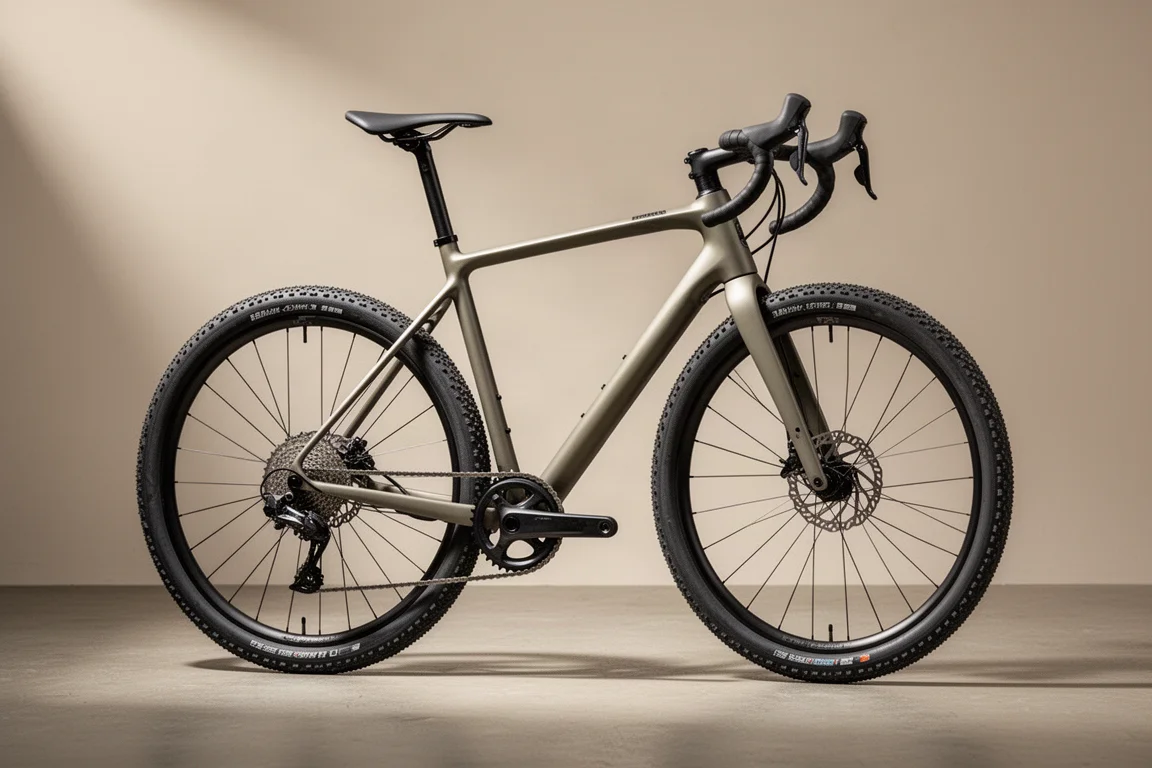
The Ridley Griffin RS is an all-road bike with clearance for 42mm tires, which places it in the space between a fast road bike and a dedicated gravel machine. It is built around the Classified PowerShift two-speed hub, a system that has existed for several years and that now gains full integration with Shimano Di2. The result is virtual front shifting operated from the same levers as the rest of the gears, which removes the separate thumb shifter that earlier PowerShift setups relied on.
That combination is what makes the Griffin RS interesting. It aims to deliver the simplicity of a single chainring together with the range and cadence spacing normally associated with a two-by drivetrain. Whether it genuinely replaces a conventional setup is a fair question, and the answer depends on how and where the bike is ridden.
Who the Ridley Griffin RS Is For
This is a bike for riders who want one machine that handles country lanes and smooth, dry dirt without feeling compromised on either. The geometry is more relaxed than a race bike and closer to an endurance platform, so it suits long days rather than short, sharp efforts. It is lightweight, stiff and comfortable, and the 42mm tire clearance leaves room to move between surfaces.
It is not aimed at riders chasing marginal gains. The setup makes the most sense for people who ride for pleasure and enjoyment, want dependable gearing everywhere, and would rather not think about chainring changes on a rolling route.
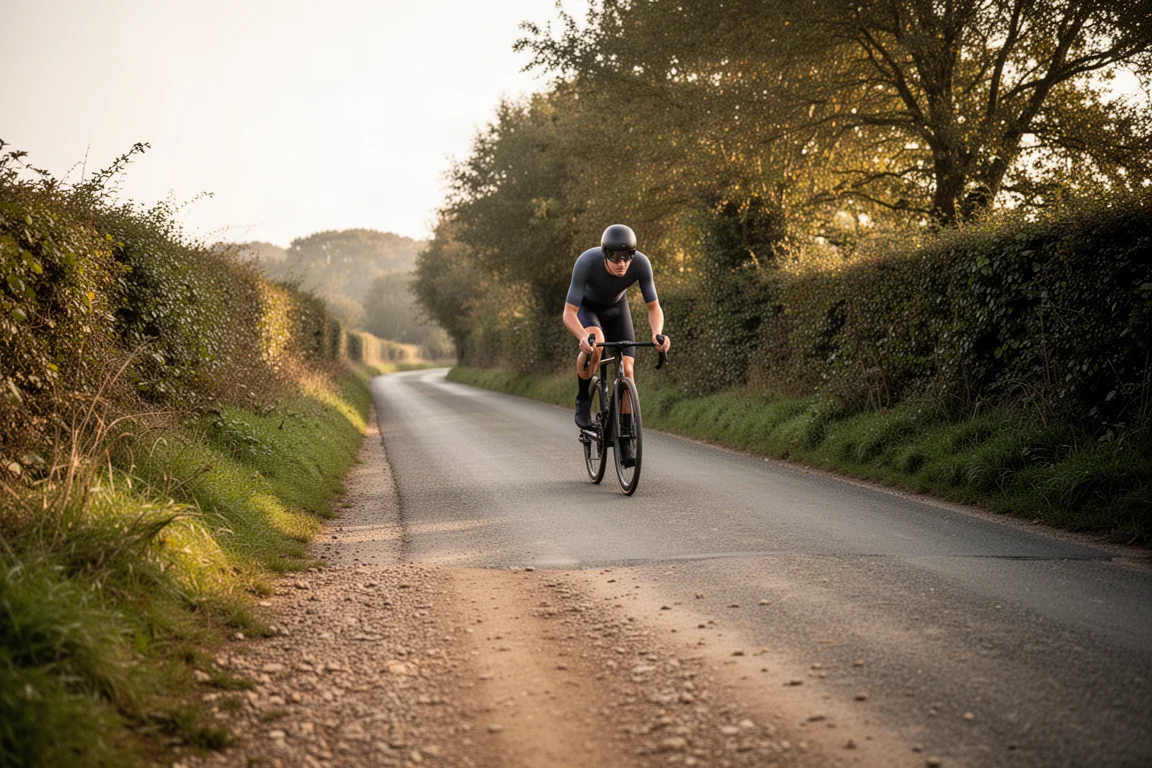
Riders who race or who want the sharpest possible road feel may still prefer a narrower tire and a more aggressive position, and the Griffin RS can accept 30mm or 32mm rubber for that purpose. The frame is happy to be pushed, it is simply not built around that single goal.
Main Strengths
The headline strength is the drivetrain. A 48-tooth chainring paired with an 11-34 cassette, combined with two virtual chainrings inside the hub, covers a wide spread of terrain. On the road at normal riding speeds, in what amounts to the virtual big ring, the bike behaves like a conventional two-by. Gear steps feel incremental and predictable.
The hub also shifts under full load, and it can change gear when the cranks are not turning at all. That matters on technical climbs where a conventional front derailleur struggles at walking pace. There is no risk of a dropped chain and no mis-shift, which is a meaningful reliability advantage over a mechanical front change.
On top of that, the bike rides well on its own terms. It is light, stiff enough to feel direct, and comfortable over longer distances.
Road and Gravel Riding Impressions
On smooth dirt and quiet country lanes the Griffin RS feels settled and easy to live with. The 38mm gravel tires fitted here handle dry, hard-packed surfaces without drama, and the relaxed geometry keeps the ride comfortable rather than nervous.

The difference between the two virtual chainrings corresponds closely to the jump between the big and small ring on a typical gravel two-by setup, which makes the transition feel familiar rather than strange. For steady road riding and light gravel, the bike simply works.
Drivetrain and Shifting Behaviour
Integration with Shimano Di2 is the significant change here. It works with any current Classified hub and with Shimano 11-speed and 12-speed Di2 road or GRX groups, so existing owners are not left behind. Shifting through the Di2 levers is far more ergonomic than the previous thumb-operated control, and the improvement is immediately noticeable.
The behaviour is not identical in both directions. Changes up to the virtual small ring are very quiet, while changes down are noticeably noisier. Shifting is also not instantaneous, with a small delay and a little crank rotation before the gear engages, though it remains quicker than a conventional front derailleur change.
Efficiency is the harder question. In the virtual big ring the system feels normal, and no difference is apparent on the road or on smooth gravel. On steep gradients in the smaller gears, the drivetrain becomes more audible and feels slightly draggier than a simpler single-ring setup. The sensation is subtle and difficult to describe precisely, and it has not been verified through back-to-back power meter testing.
One current limitation is that the system cannot use Shimano’s synchronized shift mode, which would otherwise let the groupset manage virtual front shifts automatically.
Frame Details and Practicality
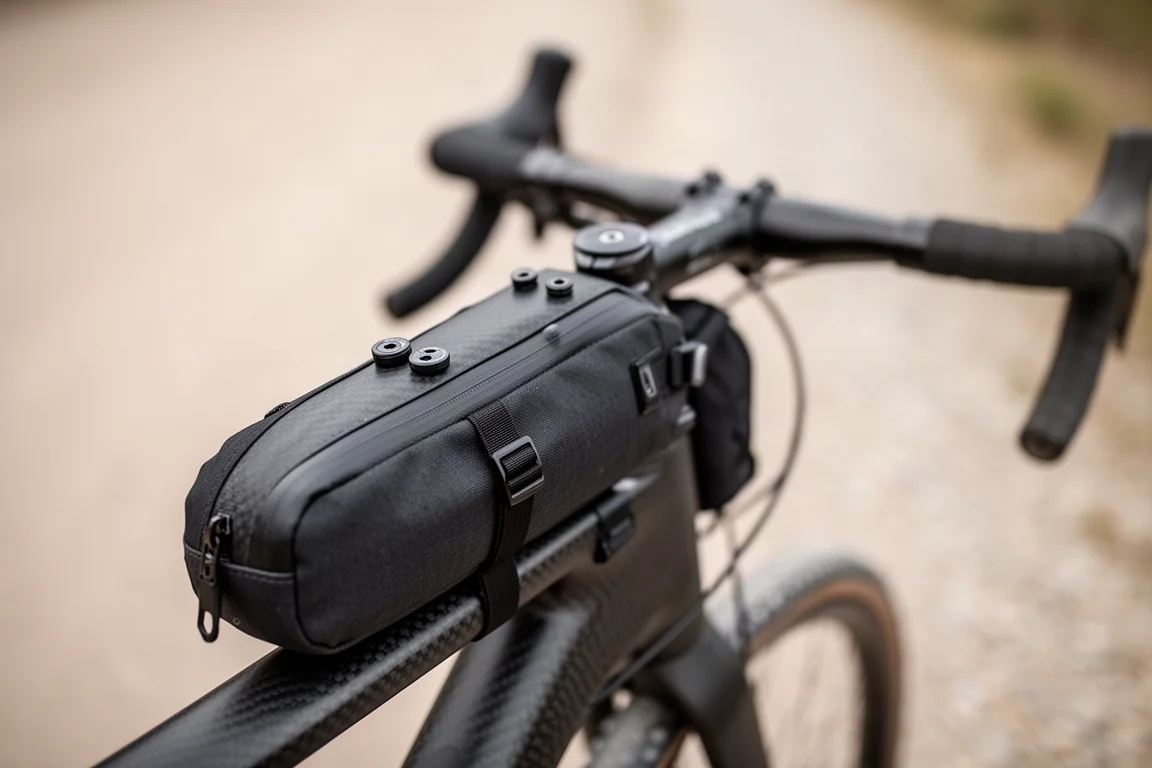
There is no down tube storage on the Griffin RS, but there are top tube mounts for a bento bag if snacks and small items need to be within reach. Tire clearance tops out at 42mm, so the bike can be set up for rougher surfaces than the 38mm tires fitted here.
The main practical trade-off is wheel compatibility. Because the two-speed mechanism lives in the rear hub, the bike needs a Classified wheelset, so swapping in a spare wheel from a conventional Shimano or SRAM bike is not an option. Riders who like to rotate between multiple wheelsets should weigh that carefully.
Things to Consider Before Buying
The first consideration is the open question of long-term durability. The hub and its electronics have not been proven over multiple seasons, so reliability beyond the short term remains unknown.
The second is the learning curve. With a conventional two-by drivetrain, a glance down tells the rider which chainring is engaged. With virtual chainrings there is nothing to see, and it is easy to lose track of which of the two ratios is active. That is a habit issue rather than a flaw, but it takes time to adjust to.
The third is whether the system is genuinely better than the alternatives. It offers clear advantages over a 1x13 setup for riders who want tighter cadence spacing and more range, and it removes the front derailleur while keeping two ratios. Against a well-sorted 2x12 road or gravel groupset the case is less clear, and a fully internal gearbox would be a more convincing vision of the future than a hub combined with a rear derailleur.
Buying Advice
The Griffin RS makes the most sense for a rider who wants one bike for road and light gravel, values range and smooth cadence, and is willing to accept a hub-specific wheelset in exchange for front shifting that works under load and at very low speed.

If the priority is outright speed, or the freedom to share wheels between bikes, a conventional two-by or a modern 1x13 build will be simpler to own and live with. If the priority is a single bike that covers a wide range of surfaces with dependable gearing, the Griffin RS is a genuinely appealing option, and the Di2 integration makes the drivetrain far easier to use than earlier versions of the system.
Conclusion
The Ridley Griffin RS is a well-rounded all-road bike that handles road and dry gravel convincingly, and the Classified PowerShift hub paired with Shimano Di2 delivers the strongest argument yet for virtual front shifting. It is quiet and normal-feeling in the virtual big ring, noisier and slightly draggier in the small one, and it cannot yet use synchronized shifting. For riders who want one capable bike rather than a quiver, that trade-off is worth serious consideration.
Product link
View more details for Ridley Griffin RS
This product is mentioned in the review. Check the specifications, options, and compatibility before buying.
View more details for Ridley Griffin RSFurther reading
Related Reviews
All-Road Bikes
Fara Allroad Review: A Road-First Carbon Bike for Rough Tarmac and Long Days
A carbon all-road bike from a small Norwegian brand, built for rough roads, wide tires, and bikepacking. Here is how it rides and what to check before buying.
All-Road Bikes
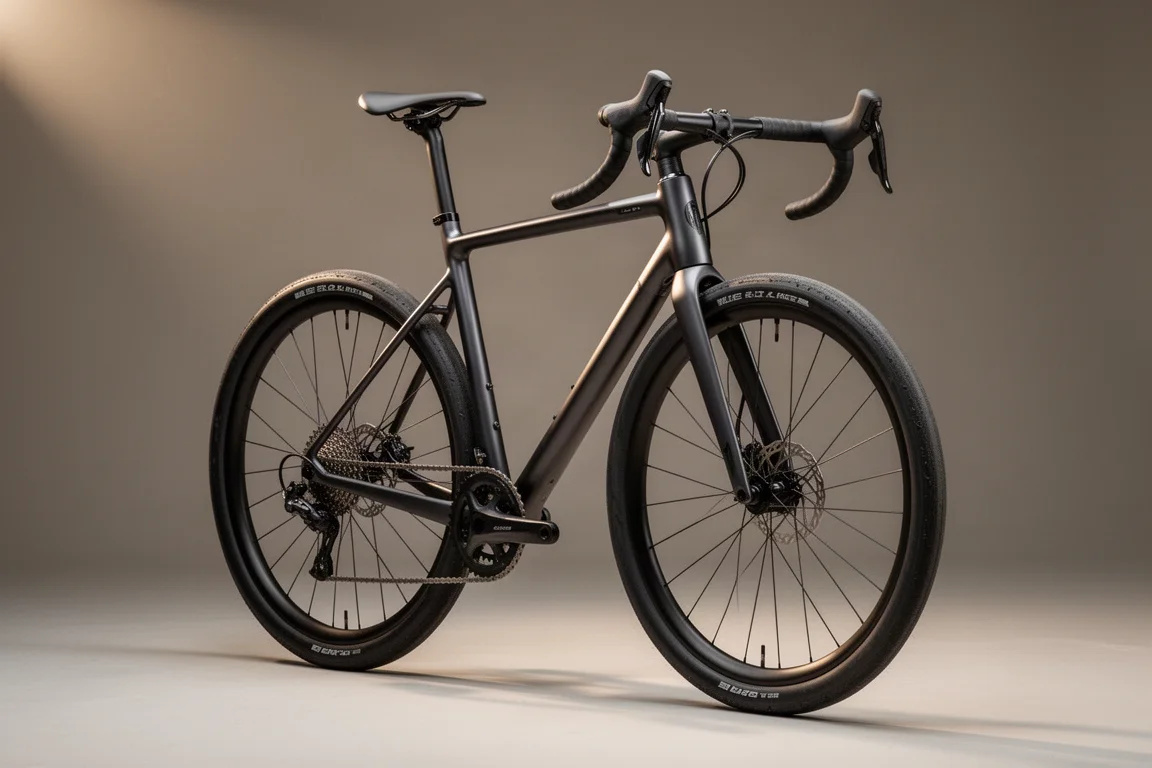
Ridley Griffin RS with Classified PowerShift and Shimano Di2: An All-Road Bike Review
An all-road bike that pairs a relaxed endurance geometry with virtual front shifting from the Classified PowerShift two-speed hub and Shimano Di2 integration.
All-Road Bikes
Wilier Rave Review: An All-Road Bike That Stretches Into Gravel
The Wilier Rave uses one frameset across its all-road and gravel builds, so tires, gearing, and cockpit decide how it rides. Here is what to know before buying.