Endurance Road Bikes
Wilier Gran Turismo SLR Review: Race Bike Looks With Endurance Comfort
An endurance road bike that carries race bike DNA, a compliant rear end, and a price tag to match. Here is what the Wilier Gran Turismo SLR gets right and where it asks for compromise.
Introduction
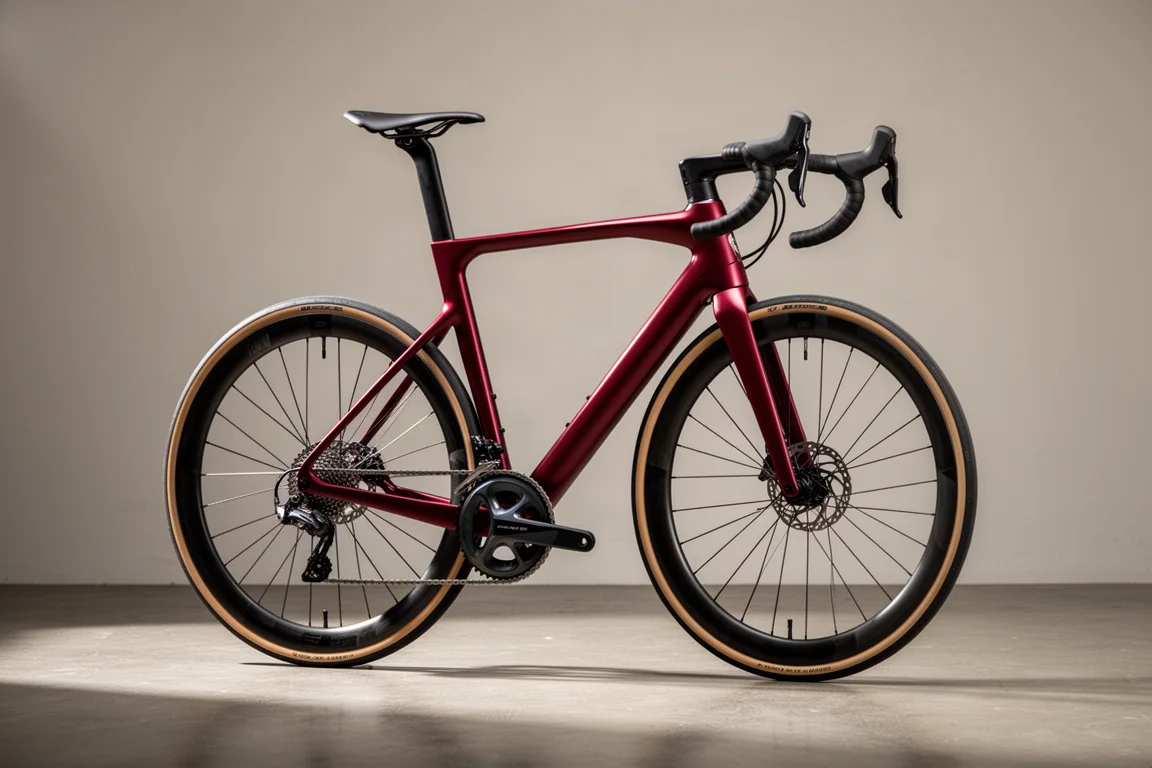
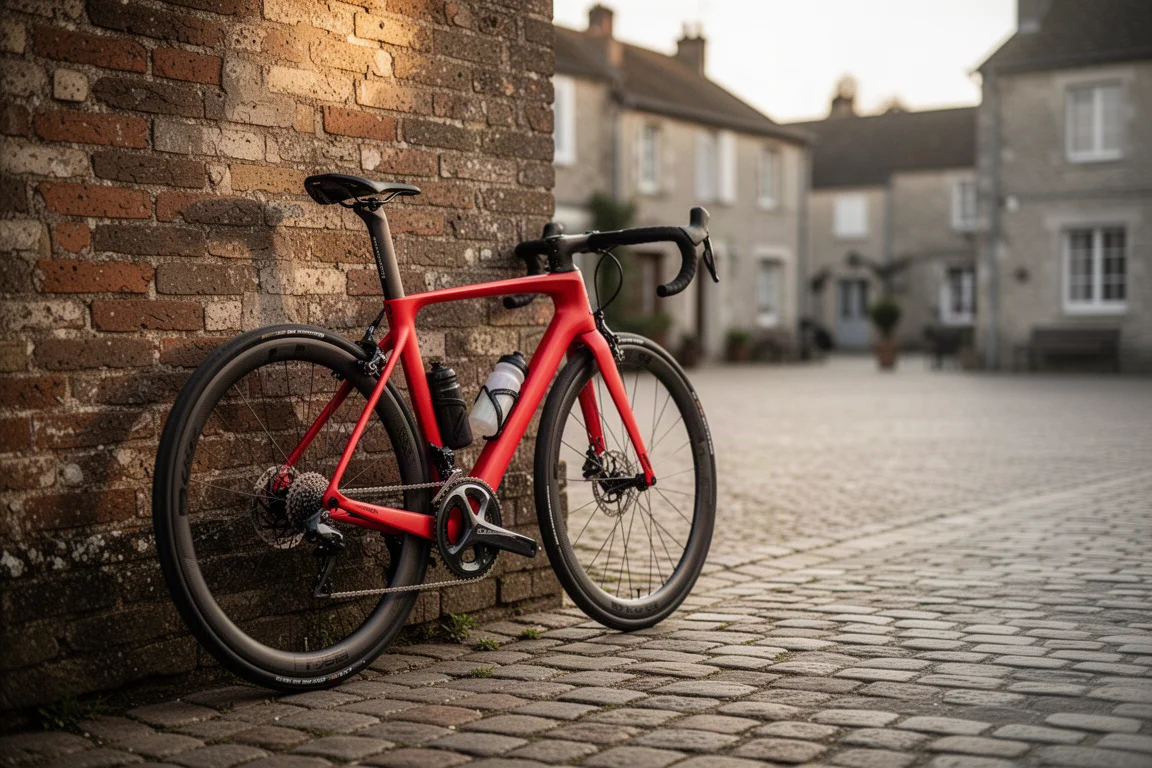
The Wilier Gran Turismo SLR is an endurance road bike that borrows heavily from the Italian brand’s race platforms. Its frame inherits tube profiles and a carbon layup from the Filante SLR and Zero SLR, so the silhouette reads like a race machine even though the geometry and the ride character are tuned for long days rather than short, aggressive efforts. It arrives in a deep Ferrari red finish with fully internal routing and a one-piece carbon handlebar and stem carried over from the Zero SLR.
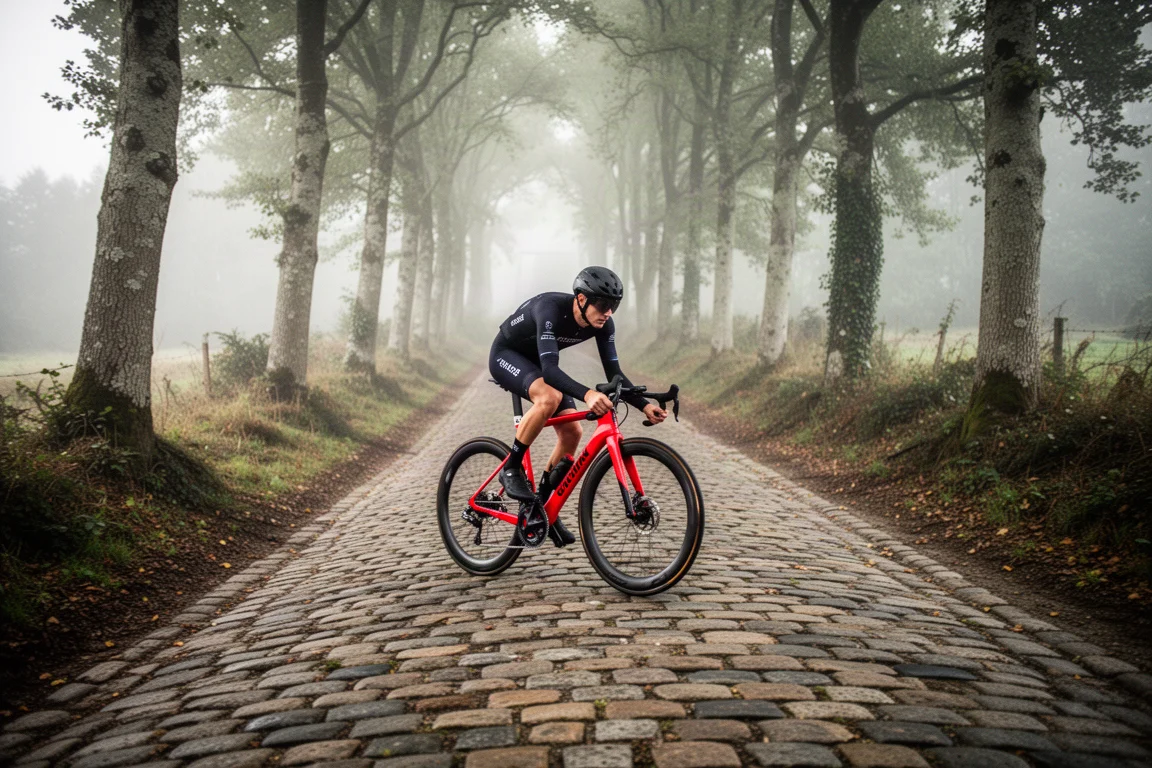
That combination shapes the entire proposition: the presence and speed of a race bike, with the fit and compliance of an endurance model. The riding for this review covered the cobbles and climbs of Flanders in Belgium, which is about as honest a proving ground as an endurance bike can face, from smooth run-ins to steep, broken stone.
Who this product is for
This is a bike for riders who want race bike speed without the very low, aggressive front end that pushes so many owners into a tall stack of spacers. A taller head tube and a shorter top tube bring the bars closer and higher, which makes the drops genuinely usable on long rides instead of something to avoid unless you happen to be extremely flexible. Riders who used to race and still like to ride fast, but who now place more value on comfort, are the clearest fit.
It also suits fast group riders who want to stay efficient on rough tarmac and cobbles without crossing over into all-road or light gravel territory. It is less suitable for anyone who needs mudguards for winter training or who wants the option of very wide tires.
Main strengths
The defining feature is what Wilier calls Actiflex 2.0. A small elastomer sits at the seat cluster, and the seat stays wrap around the seat tube rather than joining it, which adds compliance over rough surfaces. It works: the bike is noticeably smoother over cobbles and broken tarmac, and there is no discernible side to side flex when you stamp on the pedals or grind up a cobbled climb. The overall balance from front to rear is good, with saddle comfort on a par with the smoothest endurance bikes on the market, although the front end is not quite as insulated as the plushest options out there.
The handling work is equally deliberate. A slacker head angle and seat angle calm the bike on rough roads, while a short wheelbase keeps the agility and responsiveness you would expect from a race bike. Climbing feels efficient, with the weight not holding the bike back and no flex undermining hard efforts. Descending is controlled and confident, you can still get aero on fast roads, and the steering responds quickly. The extra comfort translates into genuine confidence at speed on poor surfaces, which is exactly the point of this category.
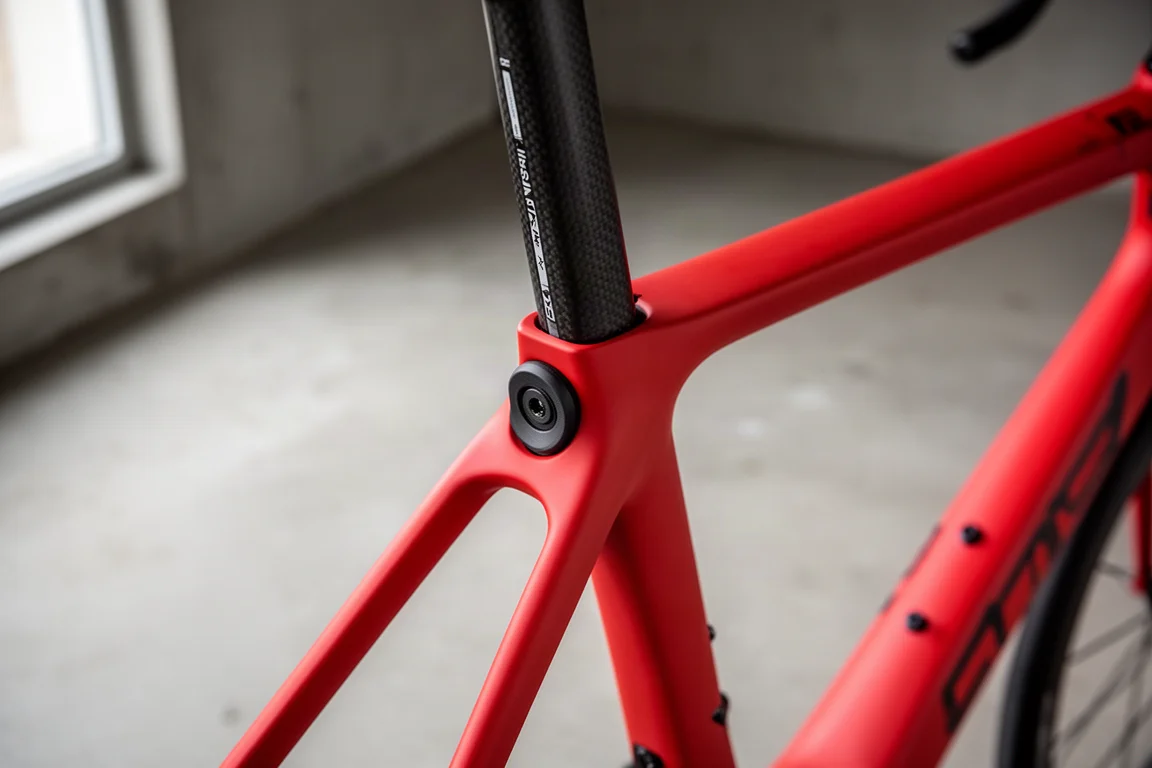
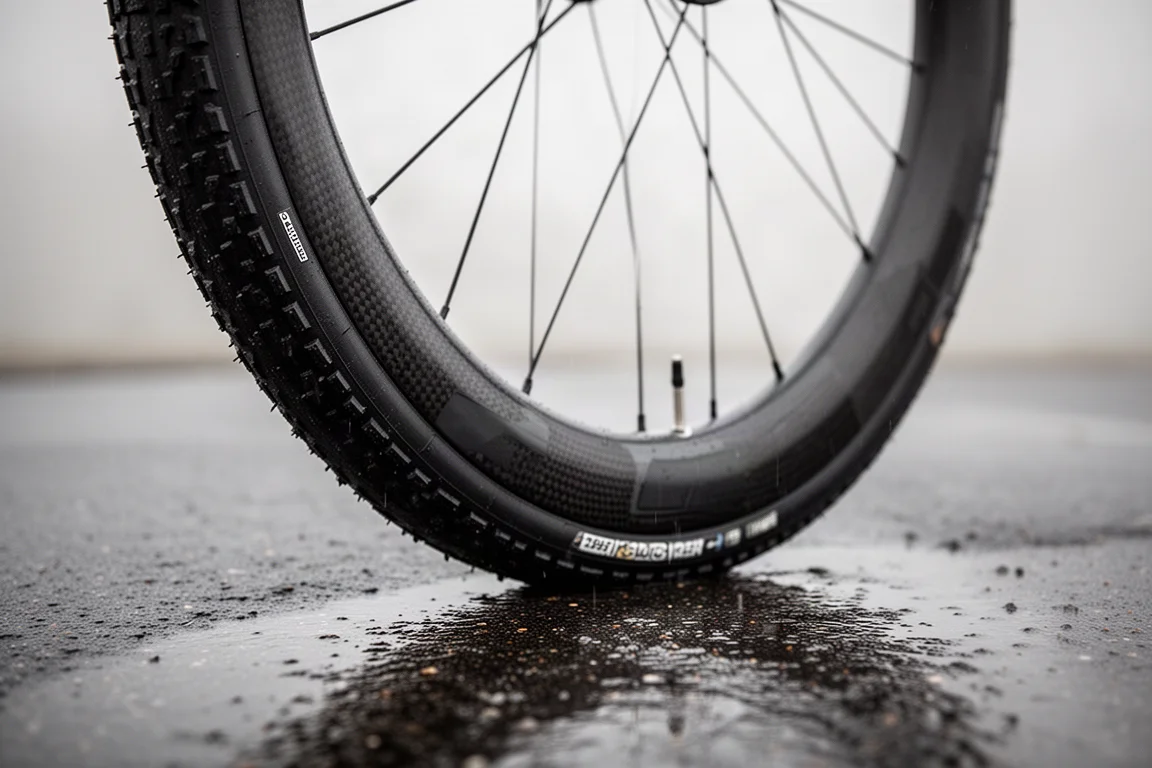
Component choices support the ride. The Shimano Ultegra Di2 12-speed groupset shifted flawlessly during testing, with impressive precision and brakes that inspire confidence. The 32 mm Continental Grand Prix 5000 S TR tires, set up tubeless on Wilier’s own carbon wheels, work well on cobbles and add comfort over a narrower race setup. The one-piece carbon bar and stem looks sharp and feels good in the hands, thanks to a smaller diameter section that is easy to wrap your fingers around on rough roads. A size large build weighed 8.3 kg without pedals.
Things to consider before buying
Tire clearance is the most obvious limitation. The frame accepts up to a 32 mm tire, which is generous next to a pure race bike but conservative next to endurance rivals that will take a 35 mm or, in some cases, a 38 mm tire. Wilier has clearly chosen to keep this a racy, performance-focused endurance bike rather than drift toward all-road or light gravel capability.
There are no mudguard mounts at all. In climates where winter riding means wet roads and spray, that removes a practical advantage that several endurance bikes still offer, and it narrows how versatile the bike can be across a full season.
Two smaller points are worth noting. The saddle did not suit every tester, so it is worth budgeting for a swap if you are particular about contact points. And the price sits firmly at the top of the endurance market, which makes the value calculation depend heavily on how much you value the race bike feel.
Buying advice
The Gran Turismo SLR sits at the top of Wilier’s range, and the pricing reflects that. The range runs from roughly 7,400 euros up to nearly 12,000 euros depending on build, and the Ultegra Di2 12-speed version with Wilier’s own carbon wheels comes in at 8,400 euros. That is a significant outlay, and a cheaper SL variant would broaden the appeal considerably if one arrives.
If your priorities are speed, a comfortable but still purposeful riding position, and a ride that feels closer to a race bike than most endurance bikes manage, this is a coherent and well-executed choice. If you need wide tire options, mudguard mounts, or maximum all-season versatility, an endurance bike with a broader brief will serve you better. Buyers who simply want a confident, fast, comfortable road bike for long distances and are happy to accept the narrower remit will find a lot to like here.
Conclusion
The Wilier Gran Turismo SLR succeeds at the balance it sets out to strike. It looks and rides like a fast bike, gives you more comfort than a dedicated race machine, and keeps enough urgency that it never feels lazy. It asks you to accept limited tire clearance, no mudguard mounts, and a premium price in return. For riders who want race bike energy with endurance manners, that trade is a reasonable one.
Product link
View more details for Wilier Gran Turismo SLR
This product is mentioned in the review. Check the specifications, options, and compatibility before buying.
View more details for Wilier Gran Turismo SLRFurther reading
Related Reviews
Endurance Road Bikes
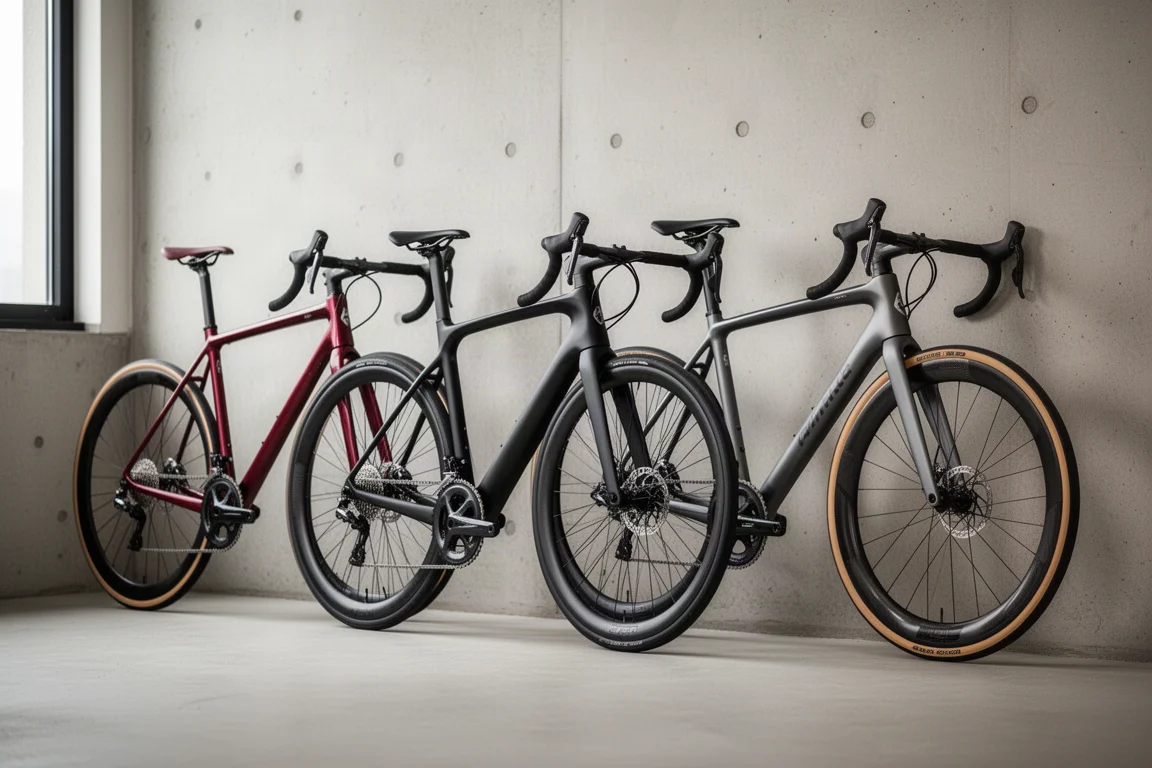
Best Endurance Bikes Compared: Merida Scultura Endurance, Cervélo Caledonia and Vitus Venon Evo RS Aero
Three endurance road bikes tested on long, wet road loops: relaxed classic comfort, sporty road pace, and an all-road machine with genuine gravel room.
Endurance Road Bikes
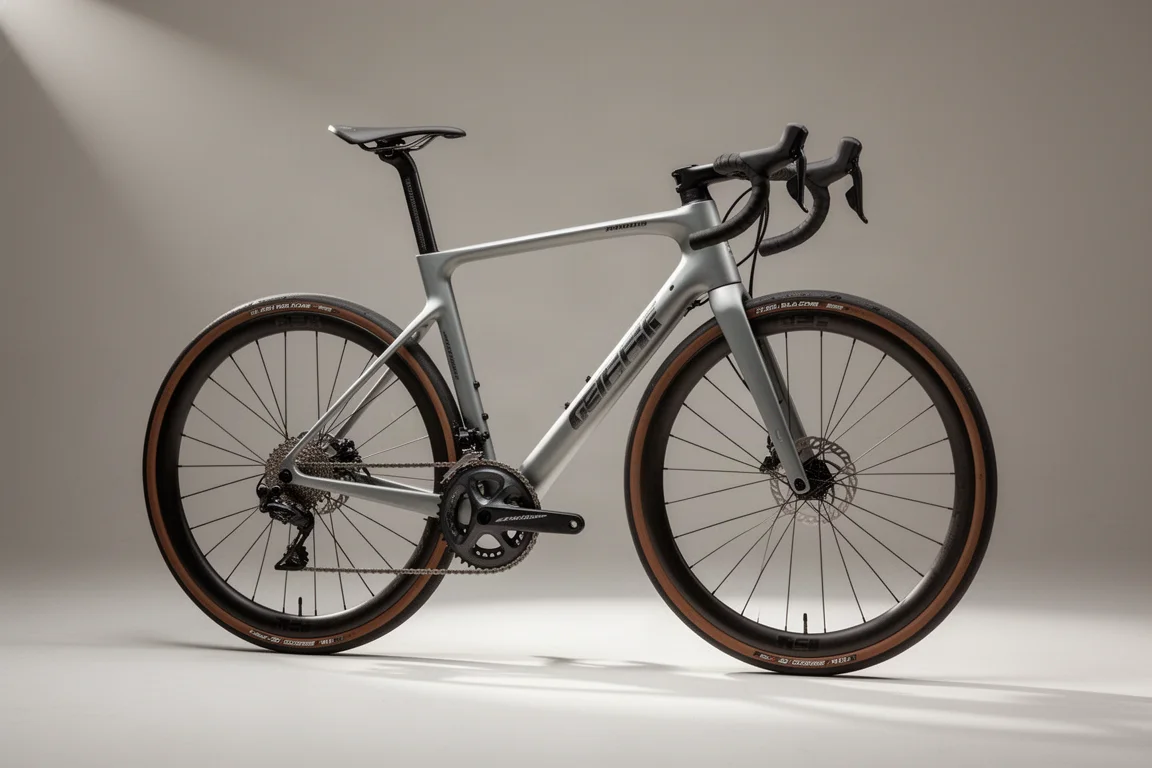
Best Endurance Road Bikes: Eight Comfort-Focused Picks for Speed and Stability
Eight endurance road bikes compared on fit, comfort features, tire clearance, storage and value, from the smoothest carbon options to steel and titanium alternatives.
Endurance Road Bikes
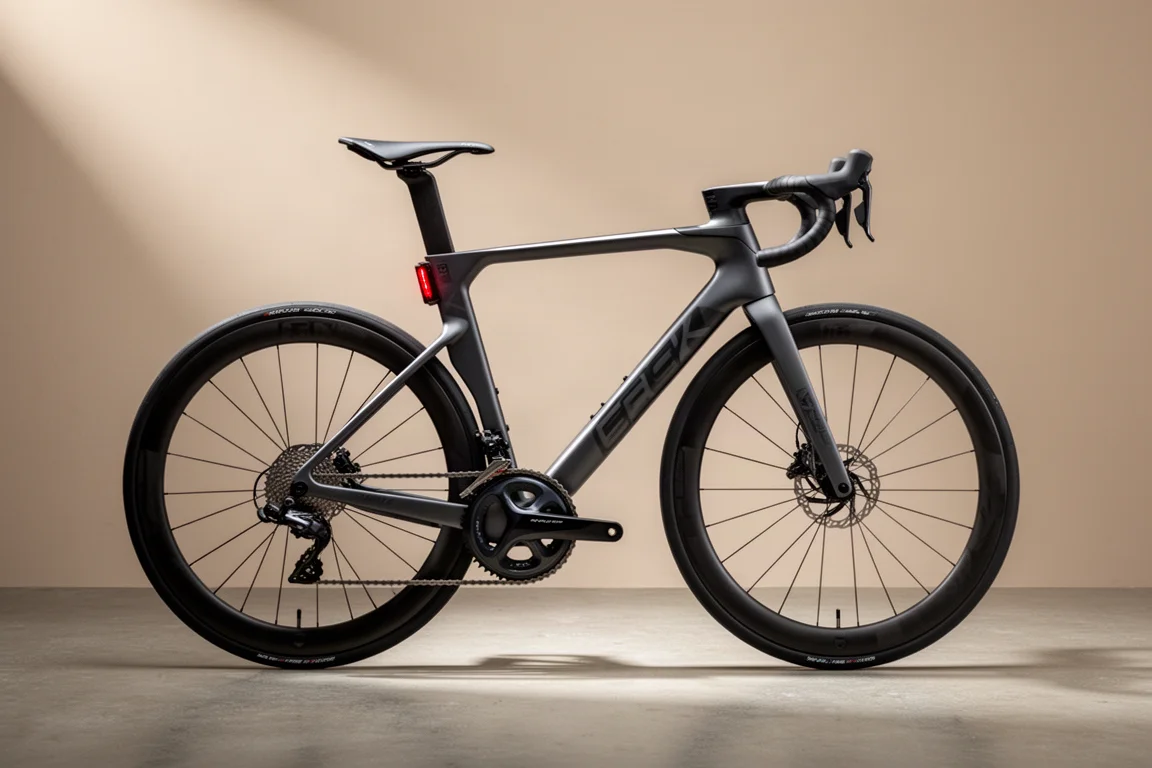
BMC Roadmachine Review: An Endurance Road Bike Built Around 40mm Tires
A closer look at the updated BMC Roadmachine, from its 40mm tire clearance and down tube storage to the trade-offs of its integrated rear light.