Endurance Road Bikes
Best Endurance Road Bikes: Eight Comfort-Focused Picks for Speed and Stability
Eight endurance road bikes compared on fit, comfort features, tire clearance, storage and value, from the smoothest carbon options to steel and titanium alternatives.
Introduction
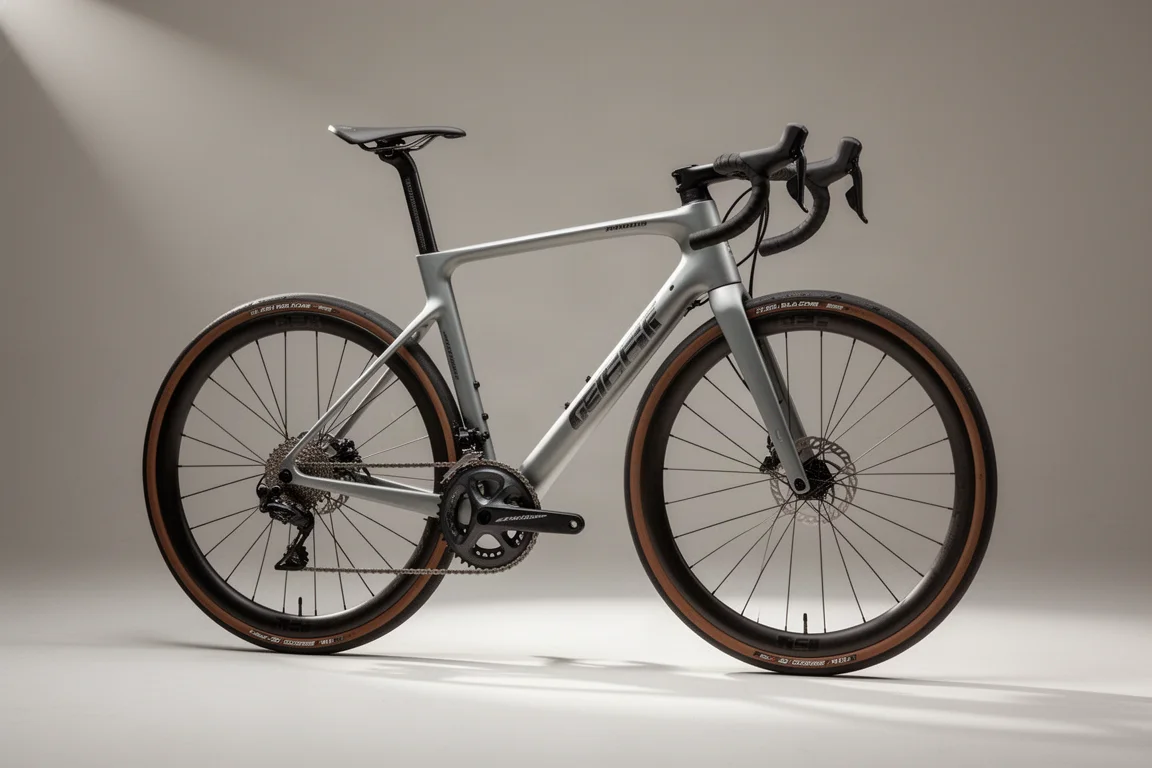
Endurance road bikes are built around a simple idea: keep most of the speed of a race bike while making the position and the ride easier to live with. Compared with a race machine, they use a more relaxed geometry and fit, a more upright handlebar position that is not as aggressive or slammed, and a longer wheelbase with slacker angles for stability at any speed. The result is a bike that feels less twitchy than a race bike without giving up too much pace.
If you are not racing and you want a blend of speed and comfort, this is the category to look at first. The catch is that endurance bikes are far from identical. Some sit closer to a race bike, some sit closer to a gravel bike, and they differ in versatility, tire clearance and whether they include down tube storage. The eight bikes below cover that spread, so you can match the bike to the riding you actually do.
What Sets Endurance Road Bikes Apart
Geometry is the starting point. Every bike here is more relaxed than a race bike, with a higher handlebar position and a shorter reach, plus a longer wheelbase and slacker angles that add stability at speed. How far a brand pushes that idea varies enormously. The Specialized Roubaix SL8 sits at the upright, comfort-first end of the scale, while the Giant Defy, FiftyOne Seeker and Cervélo Caledonia stay noticeably sportier.
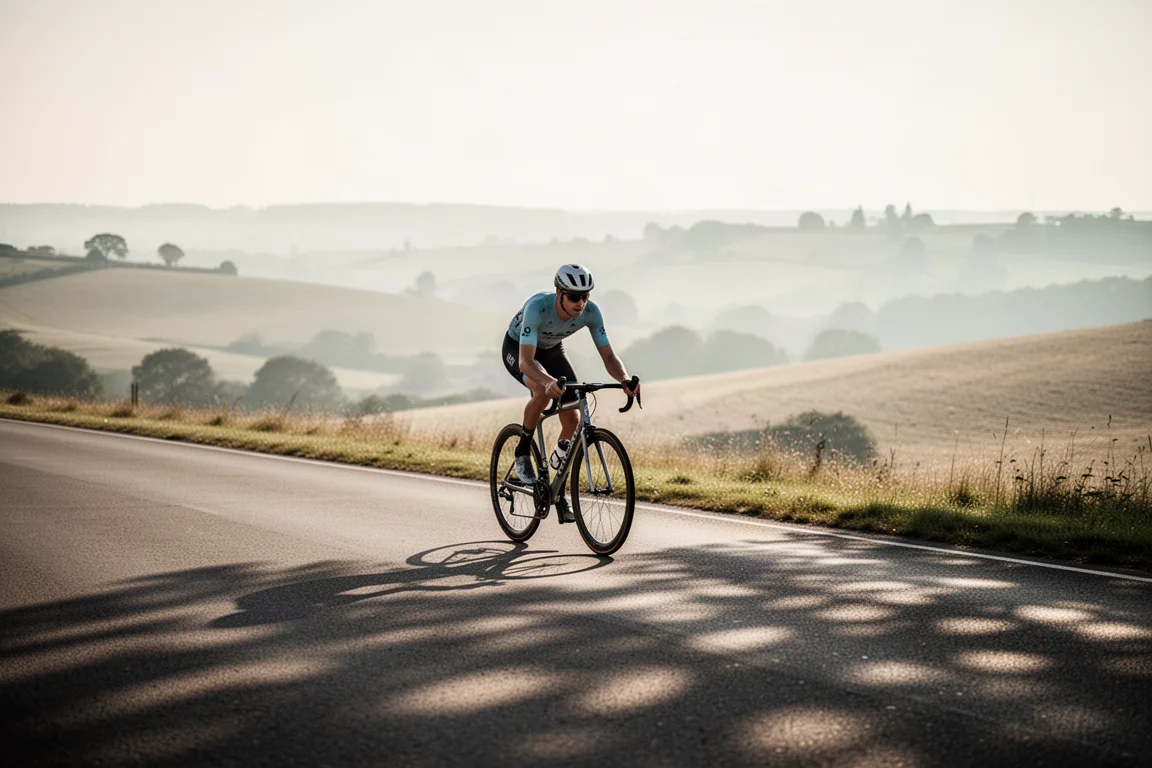
Tire clearance is the second variable. Wide rubber is the simplest comfort upgrade there is, and 40 mm clearance has become a common benchmark in this category, appearing on the Roubaix SL8, Giant Defy, ENVE Fray, FiftyOne Seeker and BMC Roadmachine. The Fairlight Strael takes up to 36 mm, while the Cervélo Caledonia runs narrower tires and still delivers good comfort.
Comfort features then separate the bikes further. Some rely on engineered flex, such as the D-shaped handlebar and seatpost on the Giant Defy, or a seatpost that is allowed to flex inside a large seat tube on the Roubaix SL8. Others add a suspension element: the Future Shock on the Roubaix SL8 is a spring inside the head tube that isolates the handlebar, and therefore your upper body, from the bumps and vibrations that normally make a ride jarring, and it can be tuned and switched on or off.
Practicality matters too. Down tube storage, where tools and spares live inside the frame away from mud and rain, features on the ENVE Fray, BMC Roadmachine and Cervélo Caledonia, but not on every bike here. Mudguard mounts are similarly uneven. Material is the last big fork in the road: carbon is the default for low weight and tunable stiffness, while steel and titanium suit riders who want something more distinctive or more durable over many seasons.
Specialized Roubaix SL8: The Comfort Benchmark
The Roubaix SL8 is the bike to look at if comfort is the priority. Three features do most of the work. First, the Future Shock, a spring inside the head tube that isolates the handlebar from the bumps and vibrations that make a rough road jarring, and which can be tuned and turned on or off. Second, the seatpost is allowed to flex a lot inside the large seat tube, which takes the edge off for your lower back. Third, there is room for 40 mm tires, a key trend in this category.
The geometry is among the most relaxed you will find: a high handlebar position and a short reach, a long way from the slammed front end of a race bike. Put together, that combination creates a bike that floats along even the worst road surface you would choose to ride. If you want the smoothest, most comfortable ride here and you are happy to trade a little sharpness for it, this is the one.
Giant Defy: The Best Value Endurance Road Bike
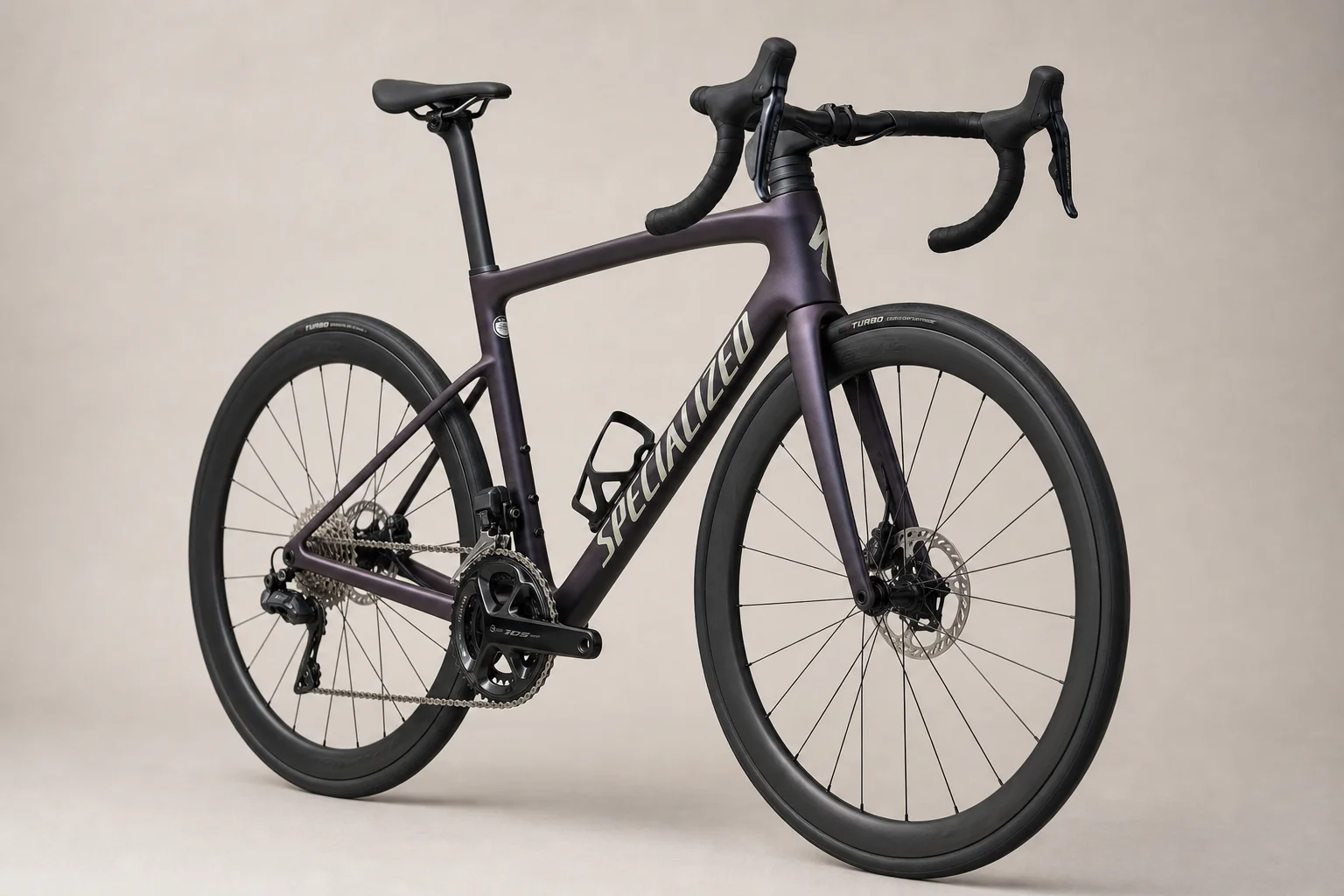
The Defy is the value pick, and it is also one of the best-riding bikes in this group. It is sold in three levels, Advanced, Advanced Pro and Advanced SL, and the Advanced Pro is the sweet spot in terms of weight, frame features and price.
The fit is the reason it stands out. It is closer to a race bike than the Roubaix SL8, more relaxed than a race bike, but not as upright and short at the front. If you are coming from a race bike, the Defy will feel more familiar than the Roubaix. Comfort comes from D-Fuse technology, a D-shaped handlebar and seatpost that flex when you hit a bump or a hole in the road, and there is clearance for 40 mm tires.
Value is strong as well. You get good groupsets, carbon wheels from Giant’s own SLR range with Cadex higher up the line, and good finishing parts, plus the reassurance of dealers and shops in most parts of the world.
ENVE Fray: When Budget Is Not the Limit
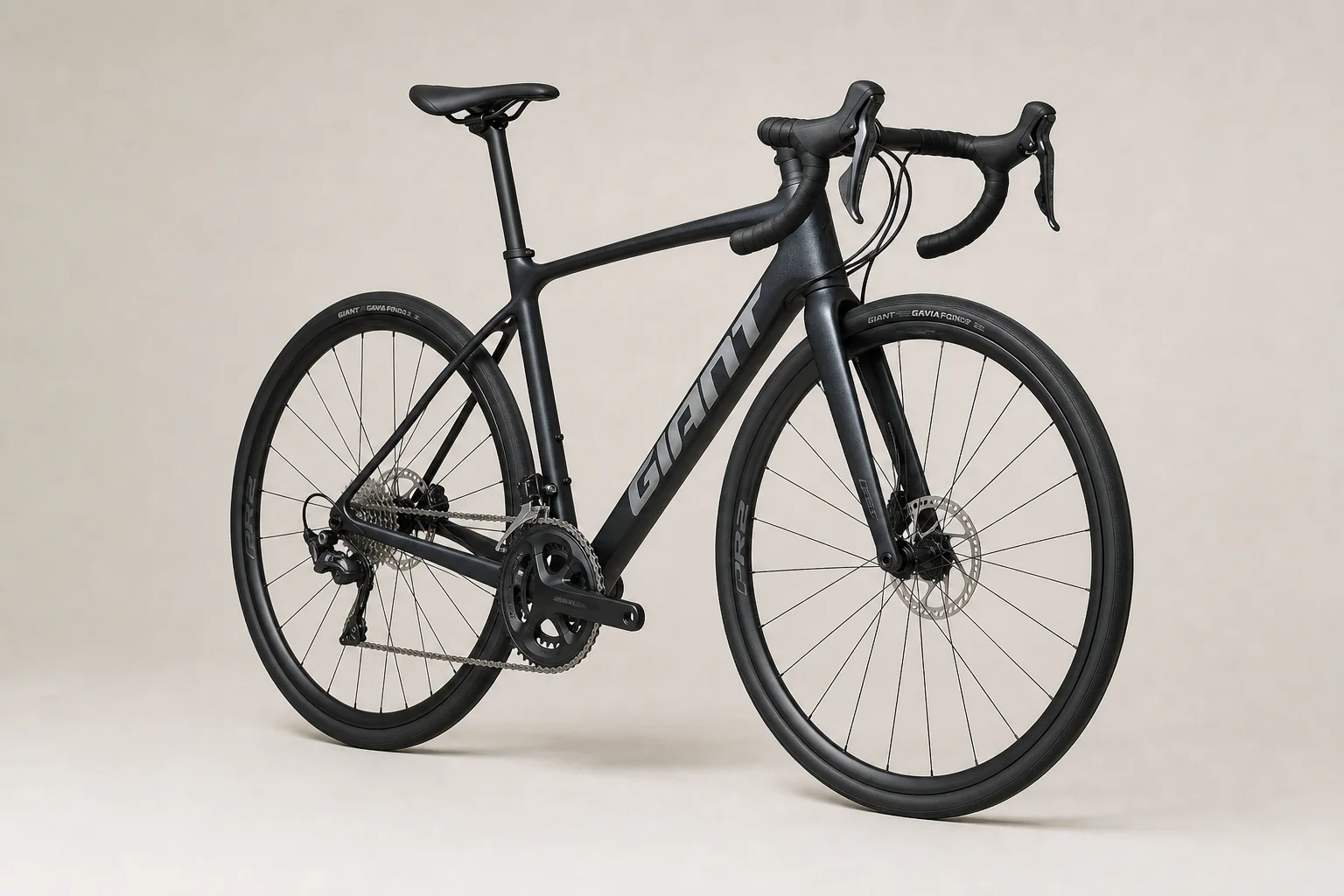
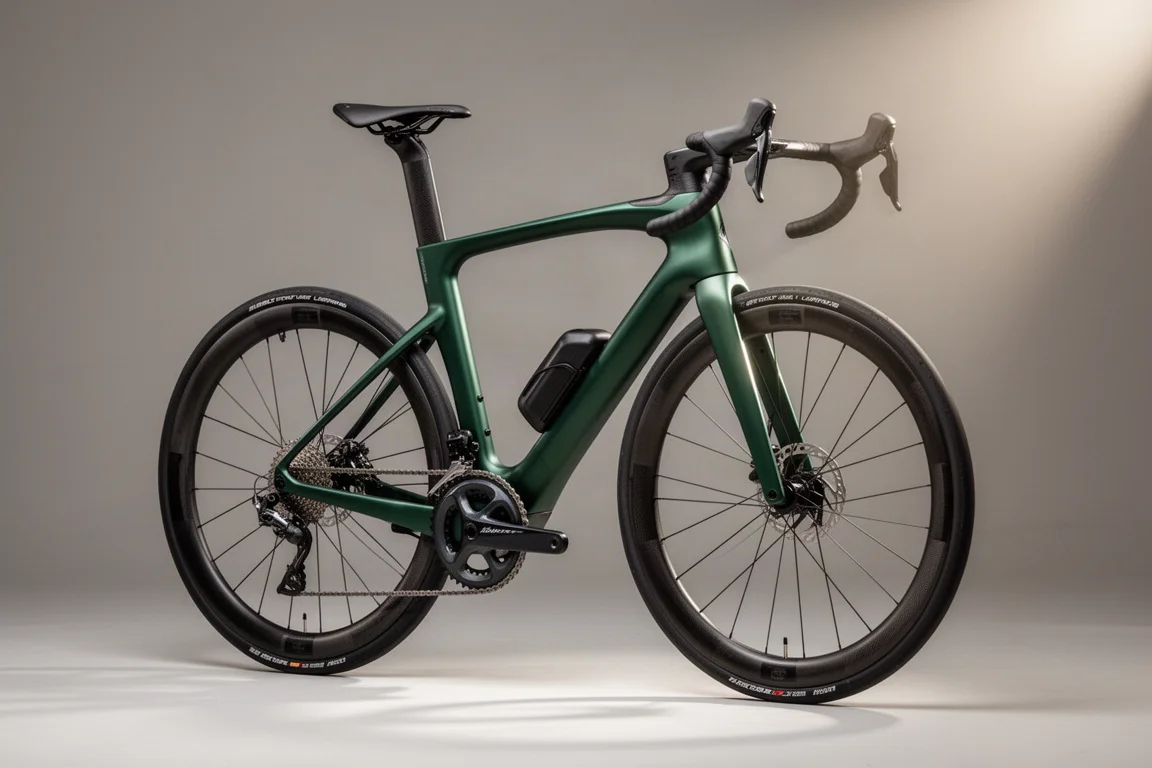
The ENVE Fray is the money-no-object option, and it is a very complete endurance bike. It is sleek and aero-looking, inheriting much of its tube profile and aerodynamic character from the brand’s Melee race bike, so it is a fast bike that looks fast, and in practice quicker than the more comfort-focused bikes here.
It is also practical for a premium machine. Cables run internally, there is down tube storage for tools and spares so they stay inside the frame and away from mud and rain, there is room for 40 mm tires, and mudguard mounts are included.
The obvious caveat is price. A complete Giant Defy costs roughly what the ENVE Fray frameset does, and the performance gap is not enormous. The Fray is a wonderful bike, but the gains over the best value options are incremental rather than transformative.
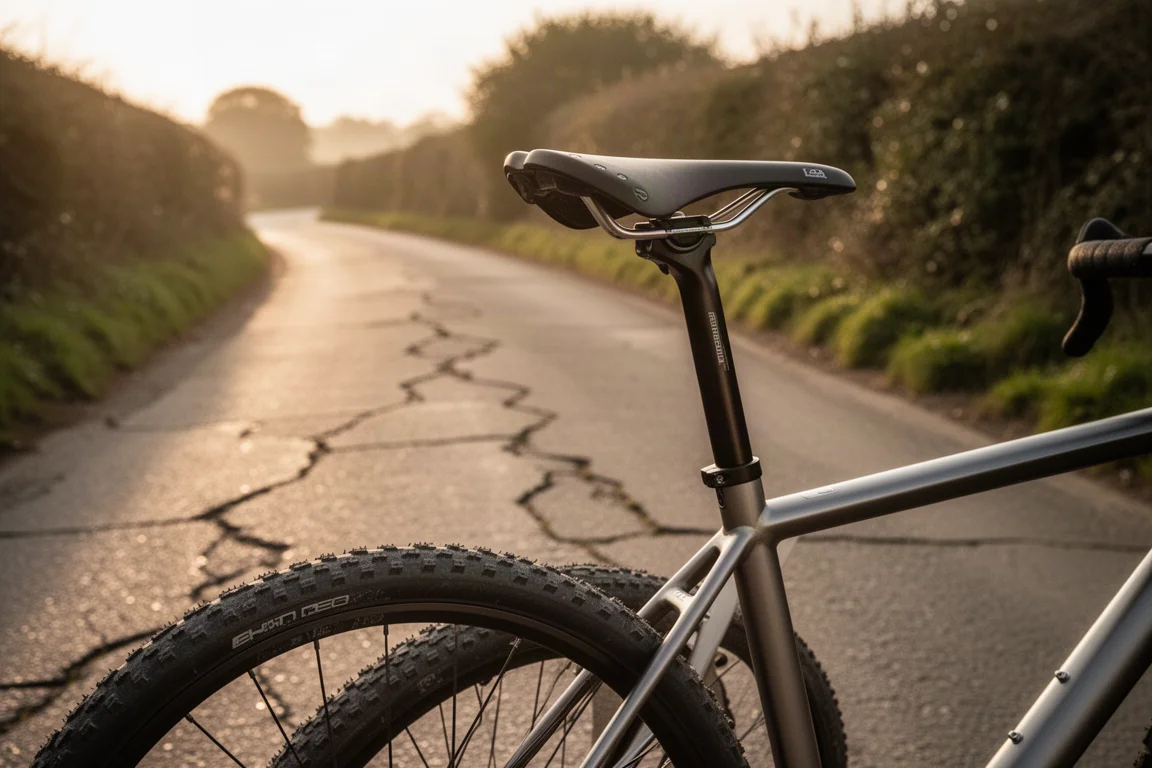
This is a bike built for hard, long days on rough surfaces, from cobbled climbs to long coastal routes, and it holds up in both settings. If you want one bike that is fast, comfortable and neatly finished, and budget is not the deciding factor, the Fray is easy to recommend.
Fairlight Strael: Steel with Real Character
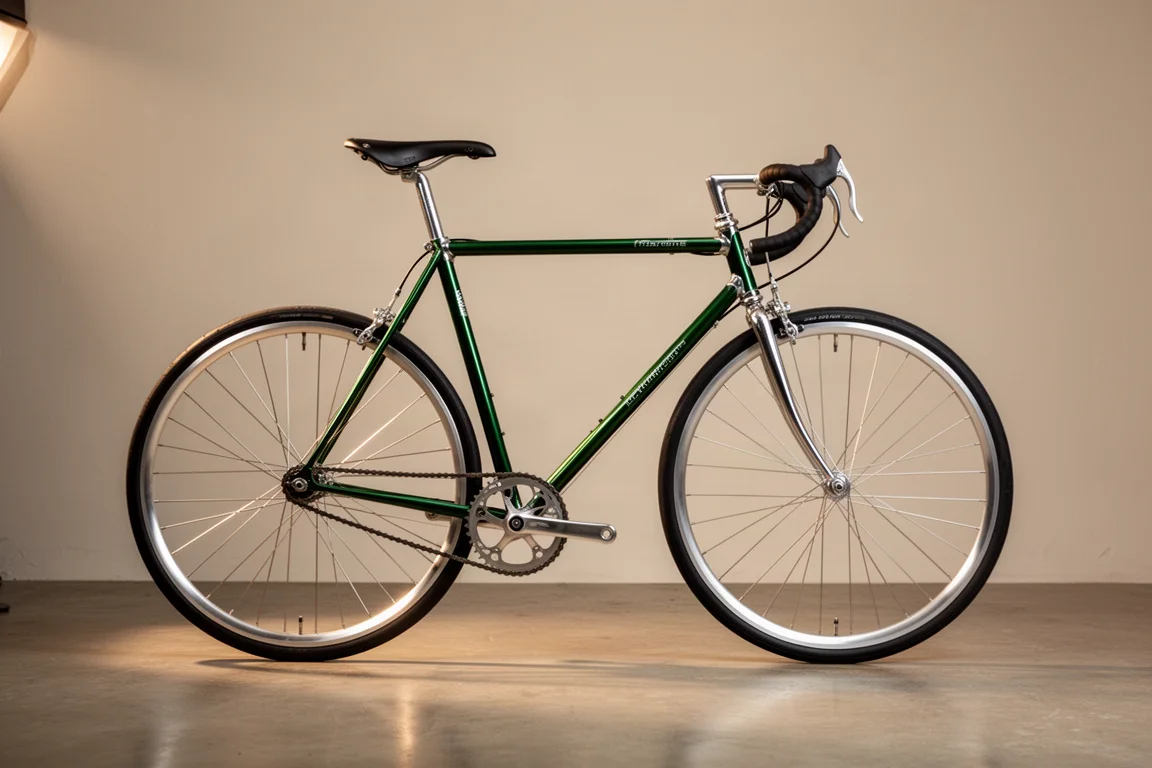
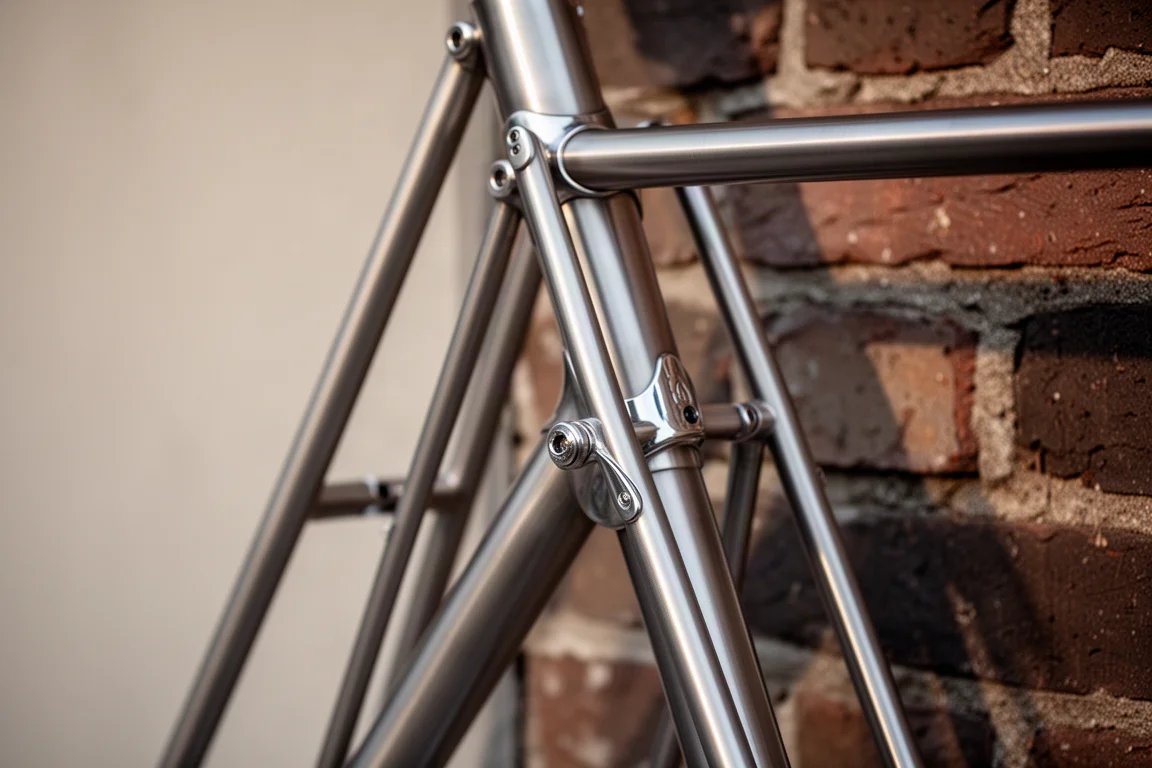
Carbon is the default material for a road bike because it is light, stiff and tunable, but steel and titanium remain compelling alternatives, particularly if you want something a little different. The Fairlight Strael, now in its fourth version, is the steel option here, built around a Reynolds 853 main frame with some of the most elegant detailing in this group: shaped rear stays for clearance and compliance, neat inserts for the brake mount and dropouts, and modular cable ports around the frame.
The slender tube profiles and proportions of a steel bike are a big part of the appeal if you prefer that look to the fat aero carbon shapes common today, and the frame is available in a range of colors. The clever part is the fit. Every size comes in two stack options, a regular and a taller version, so you can raise or lower the front end without dropping a frame size and then compromising your reach with a longer or shorter stem.
Practicality is good too, with plenty of mounts for mudguards and a bike that works as a four-season road bike. Tire clearance runs to 36 mm, which is less generous than the 40 mm on several bikes here. If you want more room, the brand’s Secan is essentially the same bike with a modified geometry and a longer wheelbase for bigger tires, and it still rides well on the road even though it is labeled a gravel bike.
J. Laverack R Jack: Titanium for Four-Season Riding
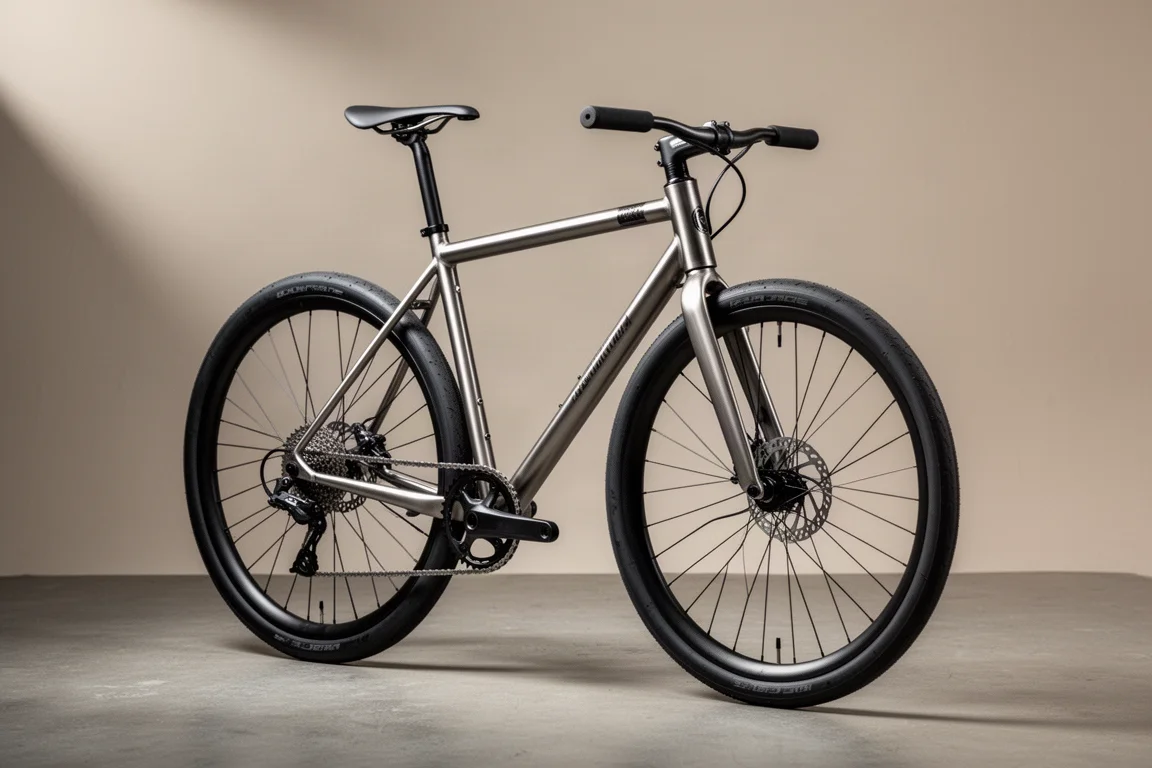
The J. Laverack R Jack has been around since 2015 and is a good example of a titanium four-season endurance road bike. Titanium’s headline advantage is that it does not rust, so corrosion is not a concern in wet winter conditions. It is lighter than steel but not as light as carbon, and it is offered in a timeless raw grey finish, or in polished or painted versions if you prefer.
Ride quality is where titanium earns its reputation. Material is not everything, since geometry, tube profiles and wall thickness matter just as much, but titanium frames tend to feel a little more energetic and lively than steel, with more get-up-and-go and a character closer to a good carbon bike.
There are other titanium options worth knowing about, including Firefly, Enigma and Moots, all very good. The R Jack is the one with the longest track record here and a straightforward recommendation for riders who want a durable, distinctive bike for year-round road riding.
FiftyOne Seeker: The All-Road Alternative
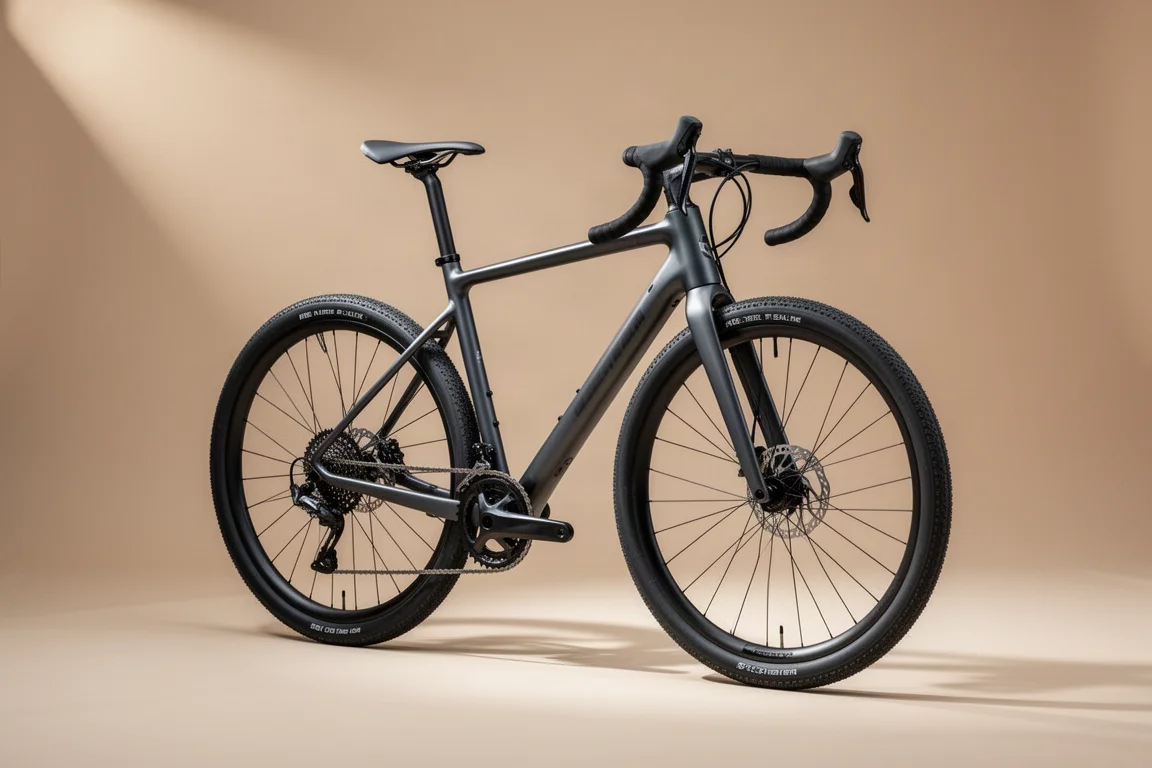
The FiftyOne Seeker is the most interesting bike in this group because it does not fit the usual endurance template. It is the first off-the-shelf road bike from a Dublin-based brand that has spent about a decade building bespoke carbon frames, and it reflects the way many riders actually ride: mostly tarmac, sometimes dirt.
Tire clearance runs to 40 mm, matching the Giant Defy, the ENVE Fray and the Roubaix SL8. The geometry is more laid-back than a race bike, but it is not the classic high-stack, short-reach endurance shape either. It sits somewhere in between and leans sporty, along the lines of the Giant Defy, and it still feels like a race bike to ride.
It is also genuinely light. The frame weighs around 700 g, and a top-end build with SRAM Red comes in at roughly 7 kg, as light as a race bike. There is plenty of stiffness for sprinting, the position is sporty rather than sit-up-and-beg, and it is not too racy for long-distance days, including long rides with a light bikepacking setup.
For riders who want one bike for fast road riding with the option of wider tires and a little off-tarmac capability, the Seeker covers a lot of ground.
BMC Roadmachine: Nimble Handling with Useful Storage
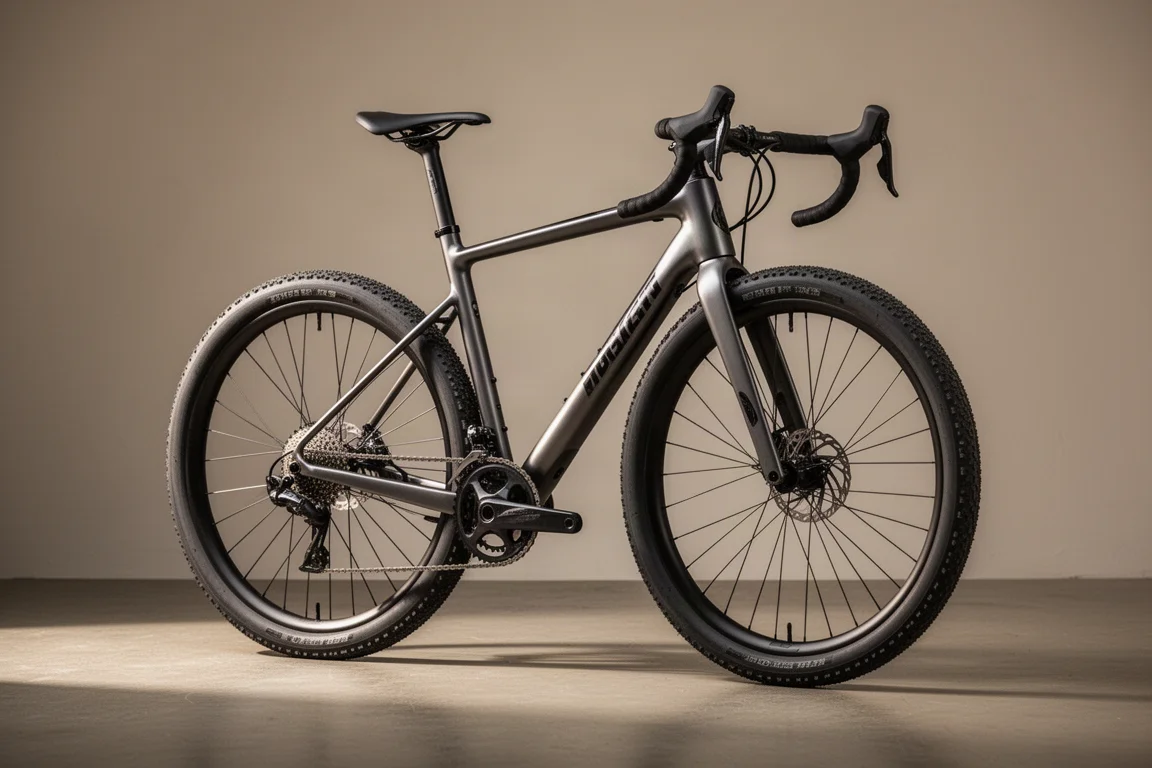
The BMC Roadmachine received a significant update that brought it in line with where endurance bikes now sit, most importantly with room for 40 mm tires so you can fit the rubber you want. It also uses down tube storage, a weather-sealed compartment for tubes and spares that keeps them out of the elements and avoids a saddle bag swinging under the saddle. Not everyone likes that solution, but on a long-distance bike it makes a lot of sense.
Handling is a highlight. It is nimble and sprightly through corners with a distinct race bike flavor, while the higher handlebar position keeps your shoulders and back relaxed over long rides. Comfort from the seatpost and frame design is good, and the bike is light: a build with a Dura-Ace Di2 groupset comes in at around 7 kg, so it is stiff, responsive and fun to ride.
Cervélo Caledonia: Race Bike Looks with Endurance Manners
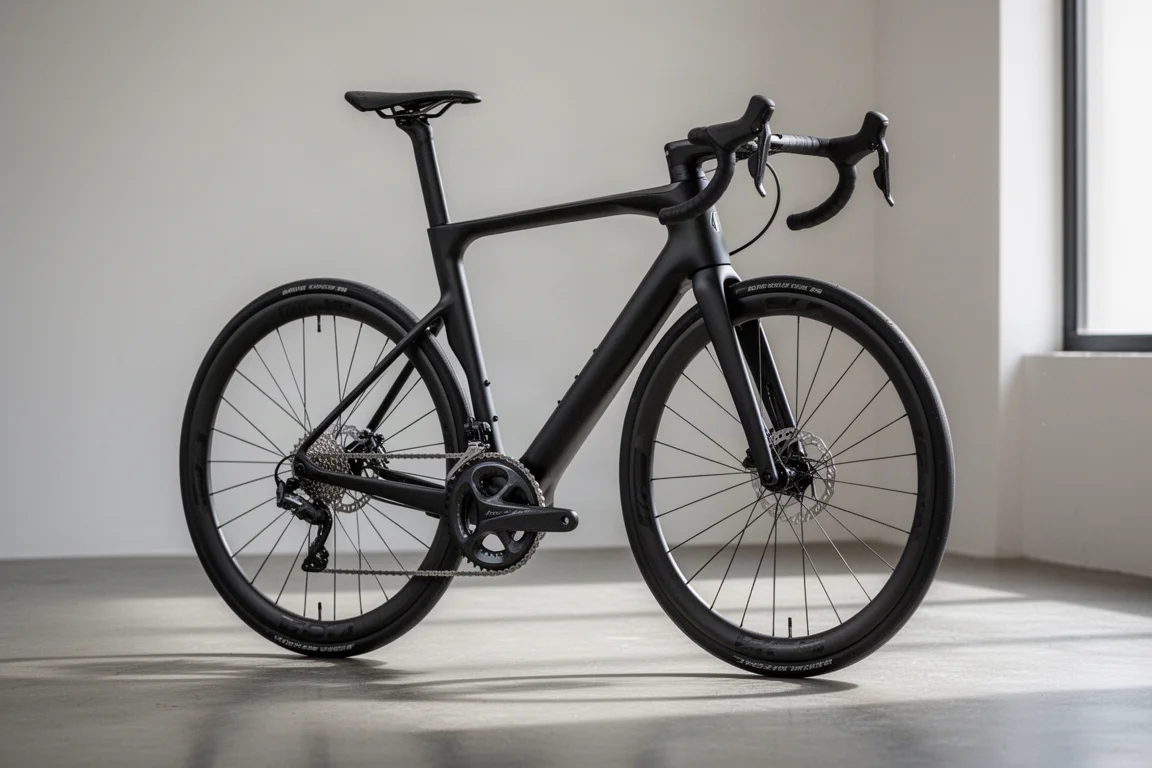
If you want an endurance bike that looks like a race bike, the Cervélo Caledonia is the obvious candidate. It comes in two versions: the regular Caledonia with external routing, and the Caledonia-5 with fully internal routing that uses a neatly executed two-piece aero handlebar and stem. The handlebar itself is a highlight.
Like several bikes here, it has down tube storage and mudguard mounts. It is sleek and aero-optimized, and one of the sportier bikes in this roundup, closest in character to the ENVE Fray and the Giant Defy. The balance is well judged: stiff enough for responsive sprinting and confident cornering, comfortable enough for long days, even on the 30 mm tires fitted to the build described here.
Buying Advice: Matching the Bike to Your Riding
Start with fit, because it changes the feel of a bike more than any component. If you want the most upright, most comfortable position, the Roubaix SL8 is the natural choice, helped by its Future Shock and 40 mm tire clearance. If you are coming from a race bike and want something that still feels familiar and sporty, the Giant Defy, FiftyOne Seeker and Cervélo Caledonia are the closest matches, with the Defy also being the strongest value in the group.
Material is the next decision. Carbon remains the best material for a road bike: light, stiff and easy to tune for comfort and aerodynamics. If you would rather have something different and durable, the Fairlight Strael offers steel with exceptional detailing and a two-stack sizing system that makes a semi-custom fit realistic, while the J. Laverack R Jack delivers titanium’s rust-free four-season appeal with a livelier ride than steel.
Then think about what you need the bike to do beyond fast road rides. Down tube storage on the ENVE Fray, BMC Roadmachine and Cervélo Caledonia keeps tools and spares inside the frame, and mudguard mounts on several bikes make them viable year-round machines. If you want the widest possible range, 40 mm clearance appears on the Roubaix SL8, Giant Defy, ENVE Fray, FiftyOne Seeker and BMC Roadmachine, while the Fairlight Secan takes the same steel platform further in that direction.
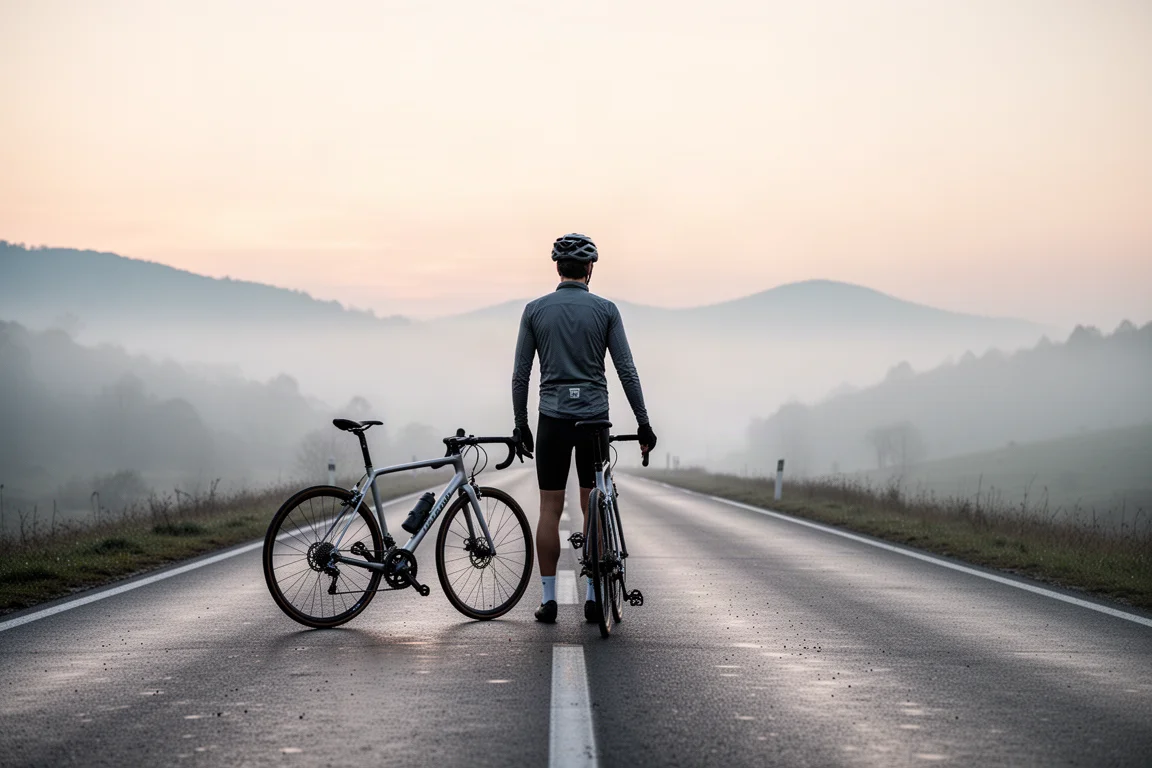
A couple of popular models are not on this list. The Canyon Endurace impresses on value, looks and its one-piece carbon handlebar and stem, but that same one-piece cockpit limits how far you can adjust the fit, tire clearance is more limited than on the bikes here, there are no mudguard mounts, and the top tube storage compartment is small compared with the generous down tube compartments on the ENVE Fray or Cervélo Caledonia. The Trek Domane is a versatile, well-rounded package, and the previous generation was notable for comfort thanks to its IsoSpeed decoupler, down tube storage and wider tire clearance, though it carried more weight. The latest version takes a useful amount of weight out of the frame and is worth watching.
Conclusion
Endurance road bikes make sense for the majority of riders who want speed without a punishing position, and the range of options is wide. The Specialized Roubaix SL8 is the comfort benchmark, the Giant Defy is the value and all-rounder pick, and the ENVE Fray is the premium choice when budget is not a constraint. Steel and titanium fans have the Fairlight Strael and the J. Laverack R Jack, while the FiftyOne Seeker, BMC Roadmachine and Cervélo Caledonia cover sporty all-road riding, practical storage and aero looks respectively. Match the fit, tire clearance and features to the riding you do most, and any of these bikes will serve you well for years.
Further reading
Related Reviews
Endurance Road Bikes
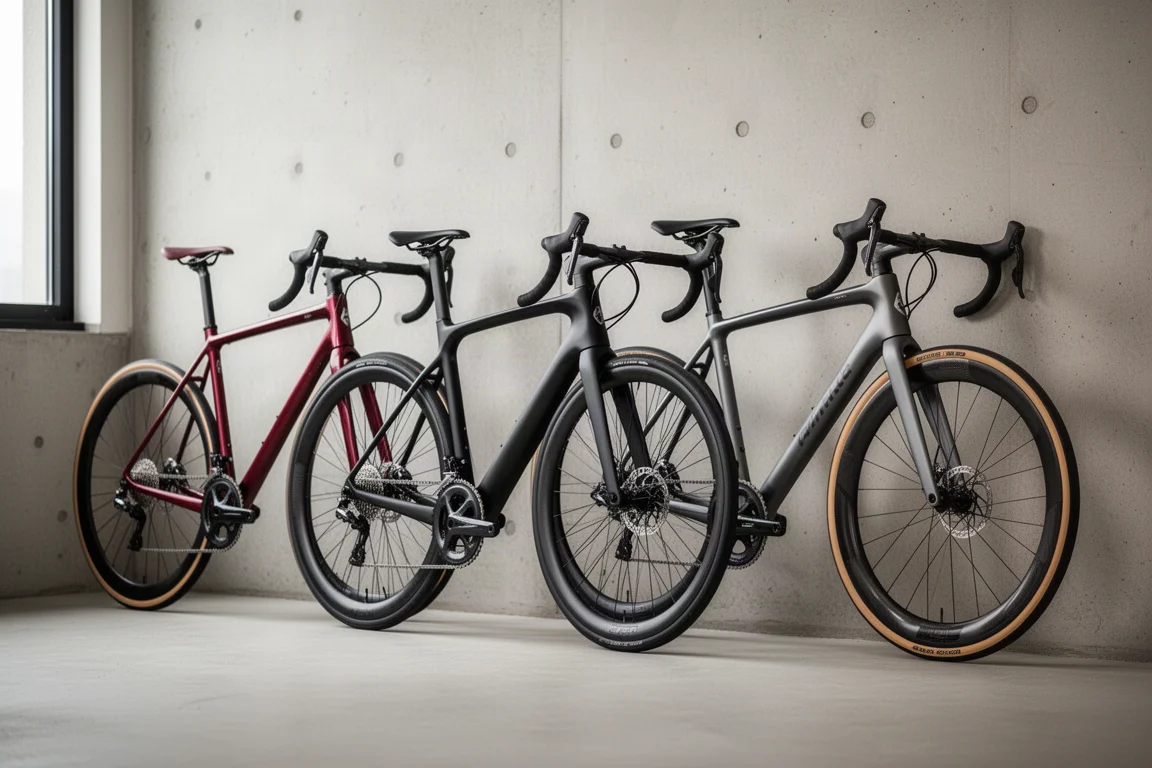
Best Endurance Bikes Compared: Merida Scultura Endurance, Cervélo Caledonia and Vitus Venon Evo RS Aero
Three endurance road bikes tested on long, wet road loops: relaxed classic comfort, sporty road pace, and an all-road machine with genuine gravel room.
Endurance Road Bikes
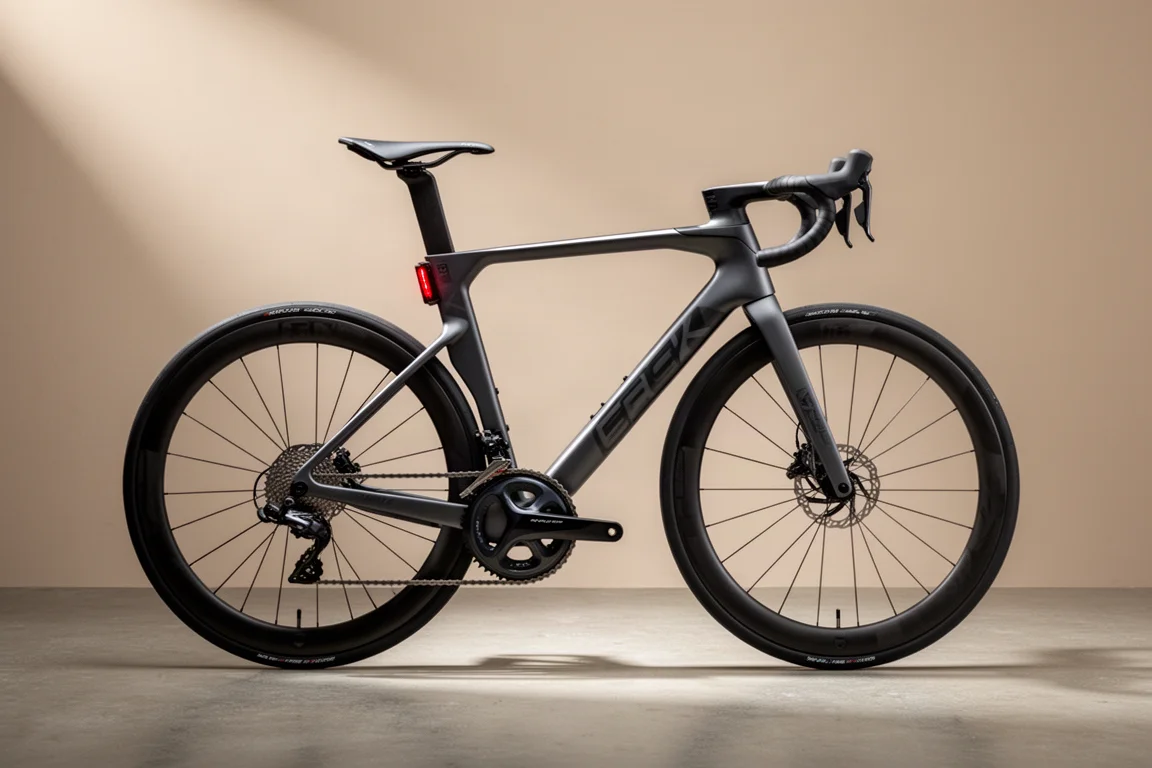
BMC Roadmachine Review: An Endurance Road Bike Built Around 40mm Tires
A closer look at the updated BMC Roadmachine, from its 40mm tire clearance and down tube storage to the trade-offs of its integrated rear light.
Endurance Road Bikes
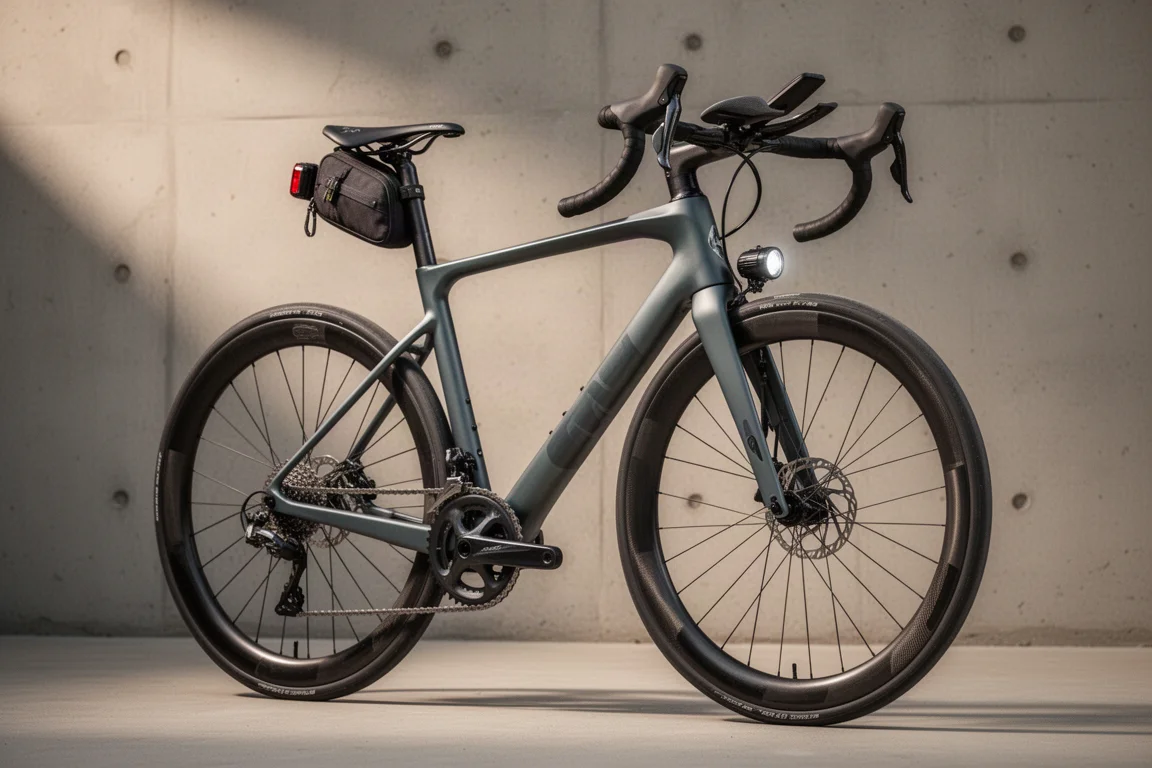
Cannondale Synapse 4 Review: An Endurance Road Bike Built for Ultra Distance
A close look at the Cannondale Synapse 4 as an ultra-distance endurance road platform, covering wide tire clearance, gearing for loaded climbing, contact point choices, and the lighting and luggage setup for a 1,000 km route.