Endurance Road Bikes
Best Endurance Bikes Compared: Merida Scultura Endurance, Cervélo Caledonia and Vitus Venon Evo RS Aero
Three endurance road bikes tested on long, wet road loops: relaxed classic comfort, sporty road pace, and an all-road machine with genuine gravel room.
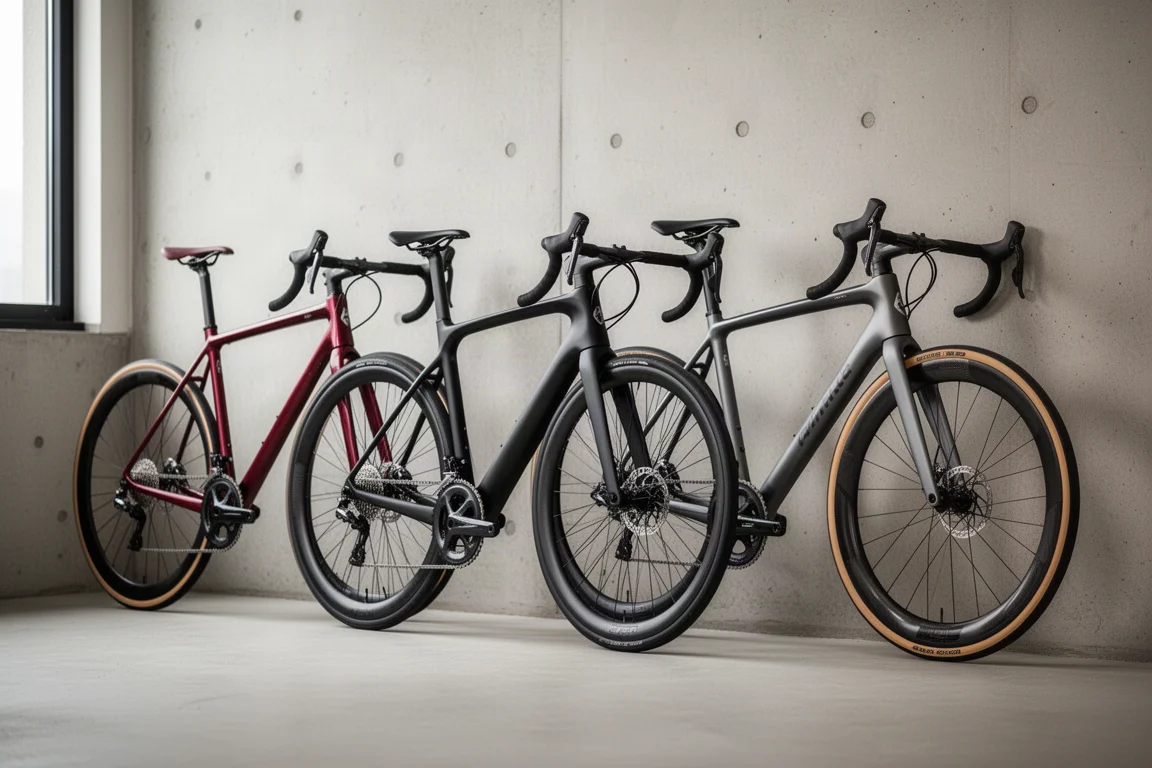
Introduction
Endurance road bikes have drifted in two directions. Some now lean toward relaxed race geometry, while others have moved closer to tamed gravel bikes with generous tyre clearance. The brief for this comparison was straightforward: find bikes that stay comfortable through the toughest long days in the saddle without becoming boring, and that remain efficient and fun when the pace rises.
Three machines made the final cut. The Merida Scultura Endurance, the Cervélo Caledonia and the Vitus Venon Evo RS Aero each represent a different reading of the category. Every bike was ridden repeatedly over familiar road loops, with shorter and steeper climbs added to the mix. Testing also ran through an exceptionally wet stretch of weather, which proved useful: machines that still felt composed in those conditions had clearly earned their place.

The shortlist spans a traditional endurance template, a pure road machine with racing DNA, and an all-road bike with genuine gravel room.
How These Endurance Bikes Were Evaluated
Every bike was assessed against the same priorities. Ride position came first, because endurance geometry is the main reason riders choose this category rather than a race bike. Tyre clearance was next, since it is the simplest way to add comfort and control without changing the frame. Frame and fork weight, compliance through the frame, steering behaviour at speed, and specification value completed the picture.
Wet roads and long distances exposed differences that a short spin would hide. Bikes that felt quick on a dry climb could feel nervous on a greasy descent, and frames that seemed stiff in the car park could turn harsh after three hours. Each of the three finalists was ridden multiple times so that no verdict rested on a single good or bad day.
Merida Scultura Endurance: The Classic Endurance Template
The Scultura Endurance stays close to the traditional endurance blueprint. A taller stack and a shorter reach produce the most relaxed riding position of the three, and the frame keeps a conventional diamond shape rather than adopting dropped seat stays. Merida claims the same compliance can be achieved through material choices, layup and the shaping of the seat stays, seat tube and carbon seat post.
The frame is claimed at 1,124 grams in a medium size, painted and with all mounts and bolts in place, while the fork is claimed at 411 grams with an uncut steerer. That is not the lightest endurance platform around, but it is certainly no heavyweight. The most interesting frame detail is the flat-mount disc arrangement, which pairs the calipers with CNC alloy cooling fins that Merida says reduce brake operating temperatures by up to 35 degrees.
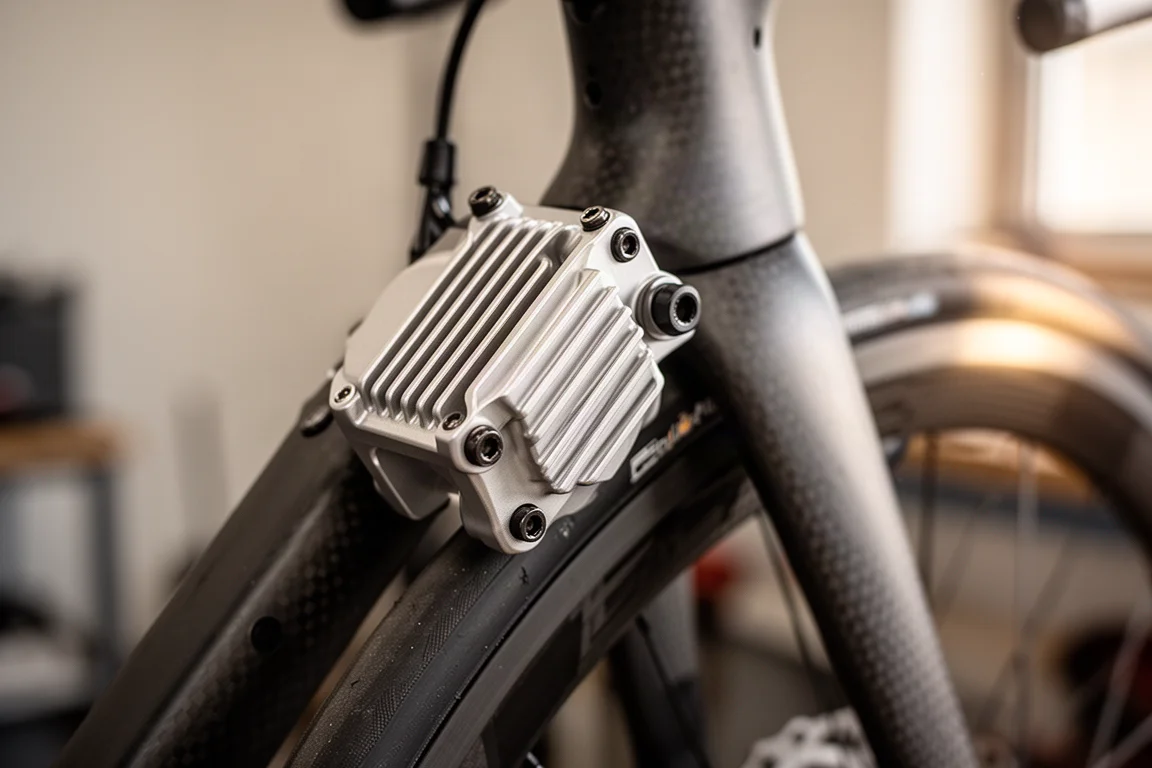
Aero touches are subtle: full internal routing, a hidden seat clamp, and a seat tube that cuts away to shield the rear wheel. Tyre clearance reaches 35mm, dropping to 32mm if you run full-length mudguards. The build uses SRAM Rival AXS with 48/35 chainrings and a 10-36 cassette, alloy wheels, a solid alloy cockpit, a carbon-shafted seat post and a short saddle. Complete weight is 9.14kg and the bike is priced at around £3,400.
On the road, the upright position stays comfortable for hours, yet a steep head angle keeps the steering lively, so it feels almost race-bike responsive to hard pedalling inputs. It climbs well and actively rewards effort, which makes it more entertaining than its classic looks suggest. Riders who want a slightly more relaxed endurance bike, plus a strong value story, will find plenty to like here.
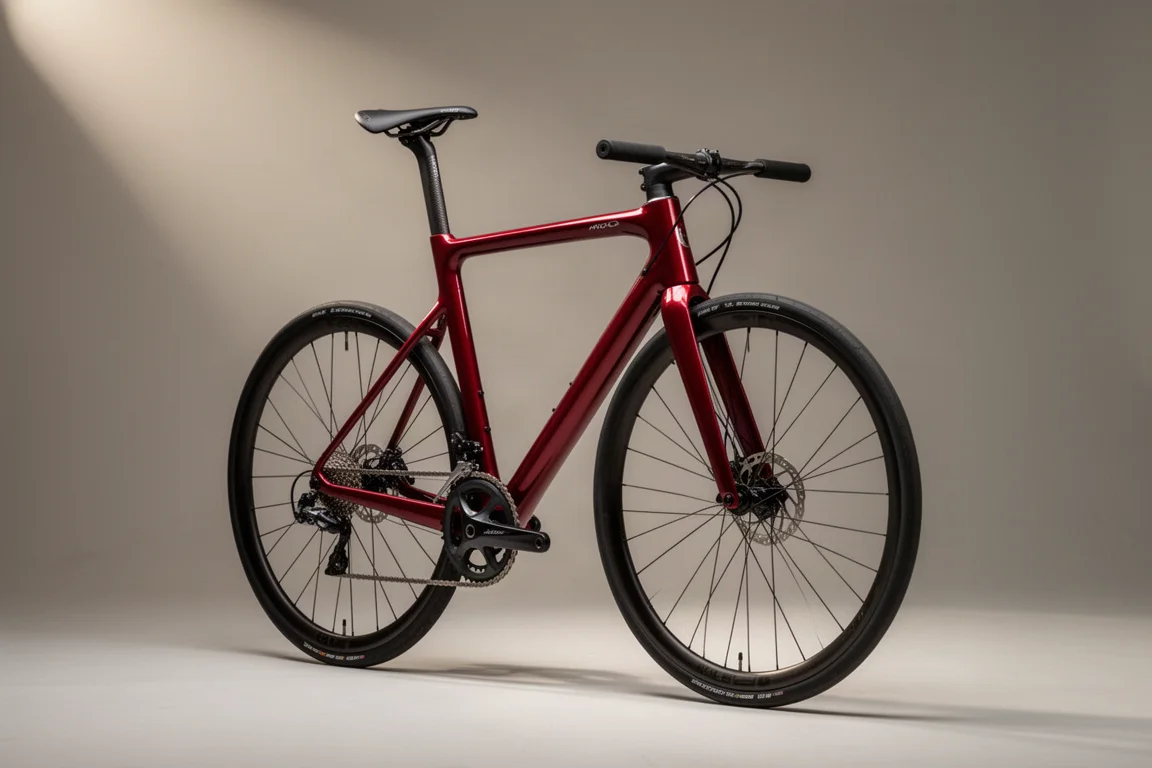
Cervélo Caledonia: Sporty Road Manners
Cervélo’s endurance offering nods clearly to the brand’s racing heritage. The frame is claimed at 1,031 grams and the fork at 432 grams, with small-profile aero tube shapes drawn from the R Series, dropped seat stays, and an aero head tube and top tube. This is the raciest ride position of the three, matched to a nimble wheelbase and steering that edges toward stability at higher speeds.
Practicality is built in. A standard round seat post replaces the dedicated post used on the top specification, and the cables route outside the head tube, which makes maintenance simpler, arguably more practical, and definitely cheaper. Tyre clearance is 35mm, or 31mm with full-length mudguards, which is still a good result for a road-focused frame.
The drivetrain is SRAM Rival AXS with 48/35 chainrings and a 10-36 cassette. DT Swiss Endurance LN alloy wheels bring rims a little over 30mm deep with a wide 22mm internal width, and they weigh 1,780 grams, which places them squarely in the middleweight road category. They are fitted with 30c Vittoria Zaffiro Pro V G2 tyres and are tubeless ready. The alloy cockpit is solid and serviceable, and the well-padded short saddle suits long rides, though an alloy seat post is a fair criticism at this price point.
Total weight is 8.87kg and the price is around £4,800. Downhill, the Caledonia swallows descents confidently, reacting to unexpected obstacles without drama, and it feels noticeably more vibrant under hard acceleration than a classic endurance frame. It is the most road-focused bike of the three, with no all-road dilution, and riders who never intend to leave tarmac will respect that clarity of purpose.
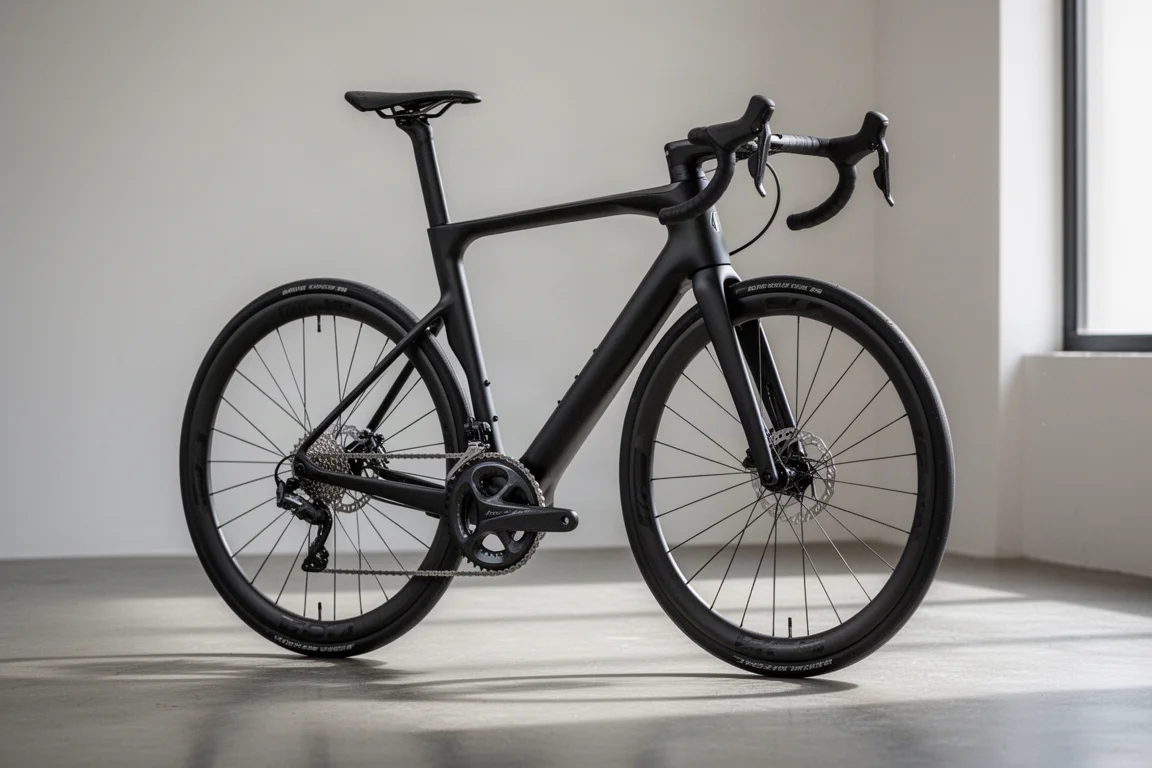
Vitus Venon Evo RS Aero: The Versatile All-Rounder
The Venon Evo RS Aero sits between the other two in concept but ahead of both in versatility. Its frame combines more than a dozen aero tube profiles with a blend of unidirectional T700, T800 and T1000 carbon, tuned for stiffness through the head tube and bottom bracket while allowing compliance in the seat stays, seat tube and top tube.
The ride position is sporty, and the geometry pairs a long wheelbase with a short trail. On paper that combination sounds unlikely to work on the road, but in practice it delivers stability and quick steering at the same time. The bike reacts with real enthusiasm when you turn in, and twisty descents become something to seek out rather than survive.

Tyre clearance is the headline figure at 45mm, enough to run the bike as a gravel machine if you want to. The build sits a tier above its rivals here, with SRAM Force AXS, 46/33 chainrings and a 10/33 cassette that gives a one-to-one lowest gear for steep slopes while keeping plenty of top-end speed. Prime Primavera 44 wheels use hookless carbon rims 44mm deep with a 23mm internal width, and they weigh 1,530 grams for the pair including valves and tape. Michelin Power Cup 28c tyres measure 30.9mm once fitted to those rims.
The finishing kit really stands out: a great stem, a carbon bar, quality bar tape, a slick all-carbon seat post and a comfortable saddle. Mudguard mounts add year-round usability, and at 8.19kg this is the lightest bike in the group. Priced at around £4,699, it undercuts most rivals with a comparable specification. It took top honours as the best endurance bike in this comparison and was also named the overall road bike of the year.
Specification and Value Compared
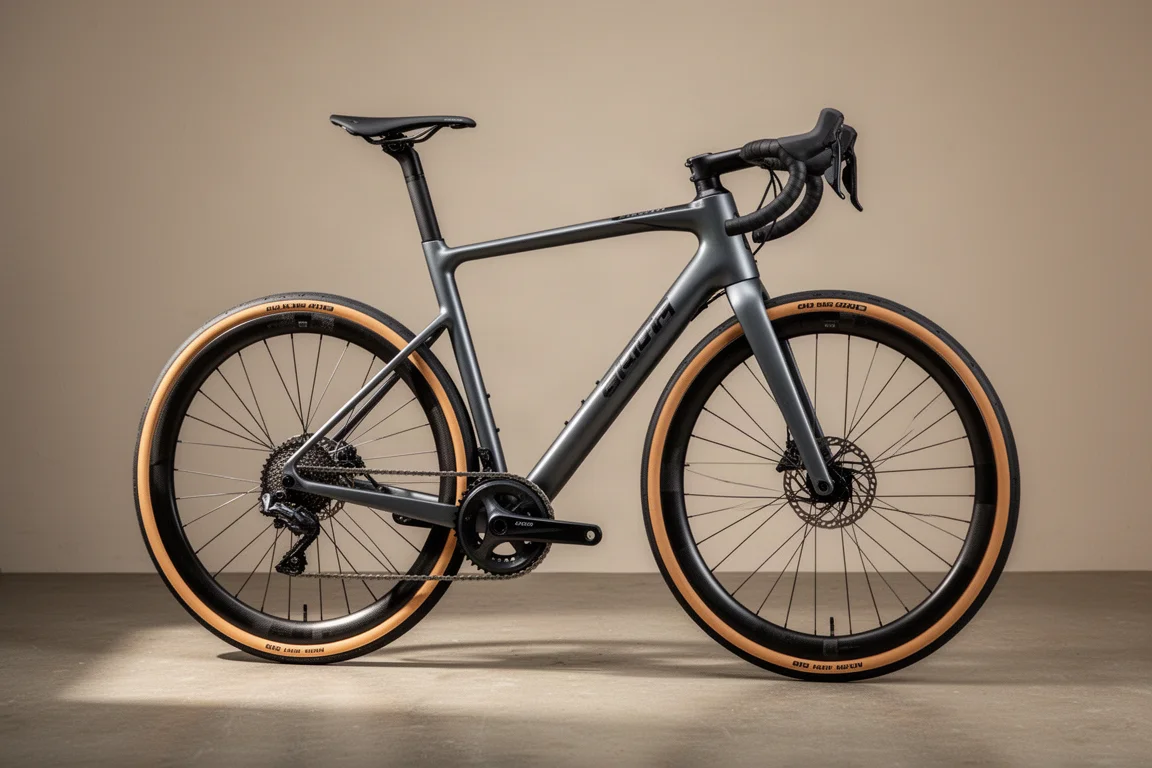
The numbers tell a clear story. The Merida is the heaviest at 9.14kg and the cheapest at around £3,400, and it earned its place by beating far pricier bikes, so its value is hard to argue with. The Cervélo sits at 8.87kg and around £4,800, the most road-focused of the three with the raciest position. The Vitus is lightest at 8.19kg and around £4,699, and it carries the highest-tier groupset, the only carbon wheelset and by far the widest tyre clearance.
Gearing splits along similar lines. Rival AXS appears on the Merida and the Cervélo, both with 48/35 chainrings and a 10-36 cassette. The Vitus moves up to Force AXS with 46/33 chainrings and a 10/33 cassette, which gives a one-to-one lowest gear for steep slopes while still offering plenty of speed potential. Wheels differ just as sharply: alloy on the Merida and the Cervélo, carbon on the Vitus, and the Vitus is also the only one of the three with room for 45mm rubber.
Comfort and compliance are close enough that personal fit will matter more than the spec sheet. The Merida feels smooth and stiff in equal measure, the Cervélo feels more vibrant, and the Vitus balances both traits while adding the lightest overall package.
Buying Advice
Start with the position you actually want, because it shapes everything else. If you prefer a more relaxed, taller front end for very long days, the Merida Scultura Endurance delivers that along with quick steering and strong value, and its £3,400 price leaves room for upgrades later if you want to bring the weight down.
If your riding is almost entirely on tarmac and you want the sharpest, most race-like feel of the group, the Cervélo Caledonia is the natural choice. The external cable routing and round seat post make it easier and cheaper to live with over time, and the sporty geometry keeps it rewarding at speed.
If you want one bike to cover road rides, winter training and light gravel, the Vitus Venon Evo RS Aero is the obvious pick. Its 45mm clearance, mudguard mounts, carbon wheelset, higher-tier groupset and lowest weight make it the most versatile and the best-specified bike here, and it does all of that at a price few rivals can match for the specification.
Whichever you choose, all three handled a long, unusually wet testing period without complaint, and each one is comfortable enough to make big days feel shorter than they are.
Conclusion
This group shows how broad the endurance category has become. The Merida Scultura Endurance is a brilliant mile-eating machine with smart specification choices, the Cervélo Caledonia is a superb modern pure-road endurance bike with racing manners, and the Vitus Venon Evo RS Aero blends comfort, stiffness and versatility into one of the fastest and most practical endurance bikes available.
If you want the single most convincing all-rounder, the Vitus takes it. It is serious fun, fast yet forgiving, and it can serve as a road bike, a winter bike and a light gravel bike without ever needing an upgrade. For riders who would rather match a bike to one clear purpose, the Merida and the Cervélo each make a very strong case on their own terms.
Further reading
Related Reviews
Endurance Road Bikes
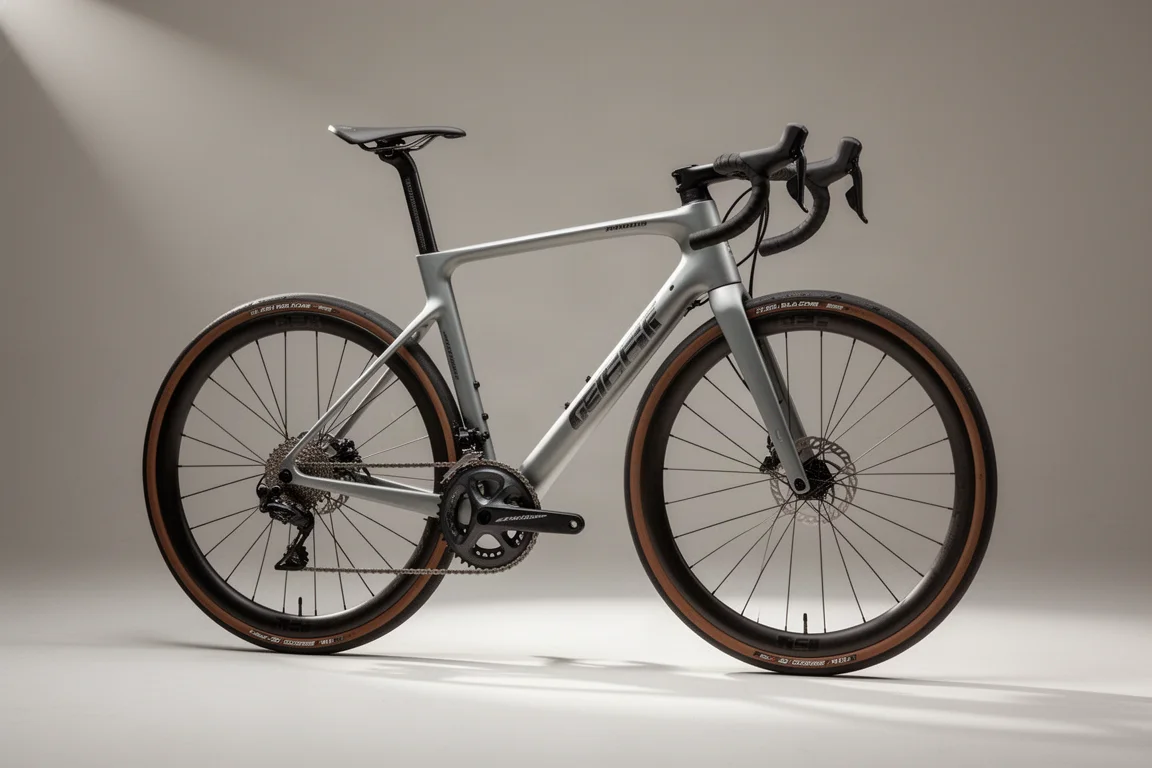
Best Endurance Road Bikes: Eight Comfort-Focused Picks for Speed and Stability
Eight endurance road bikes compared on fit, comfort features, tire clearance, storage and value, from the smoothest carbon options to steel and titanium alternatives.
Endurance Road Bikes
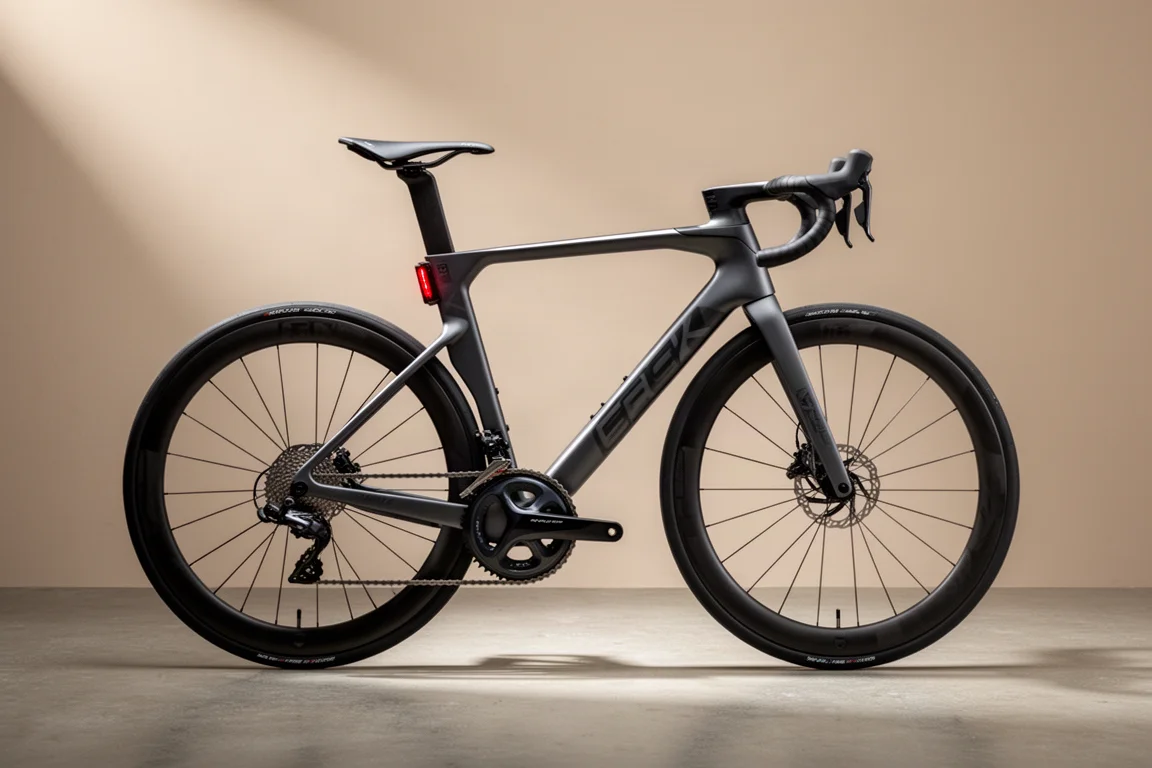
BMC Roadmachine Review: An Endurance Road Bike Built Around 40mm Tires
A closer look at the updated BMC Roadmachine, from its 40mm tire clearance and down tube storage to the trade-offs of its integrated rear light.
Endurance Road Bikes
Cannondale Synapse 4 Review: An Endurance Road Bike Built for Ultra Distance
A close look at the Cannondale Synapse 4 as an ultra-distance endurance road platform, covering wide tire clearance, gearing for loaded climbing, contact point choices, and the lighting and luggage setup for a 1,000 km route.