Road Bikes
Wilier Filante SLR ID2 Review: A Measured Aero Update Worth Considering
A closer look at the Wilier Filante SLR ID2, covering its aerodynamic claims, narrower cockpit, aero bottle system, ride character, and pricing.
Introduction
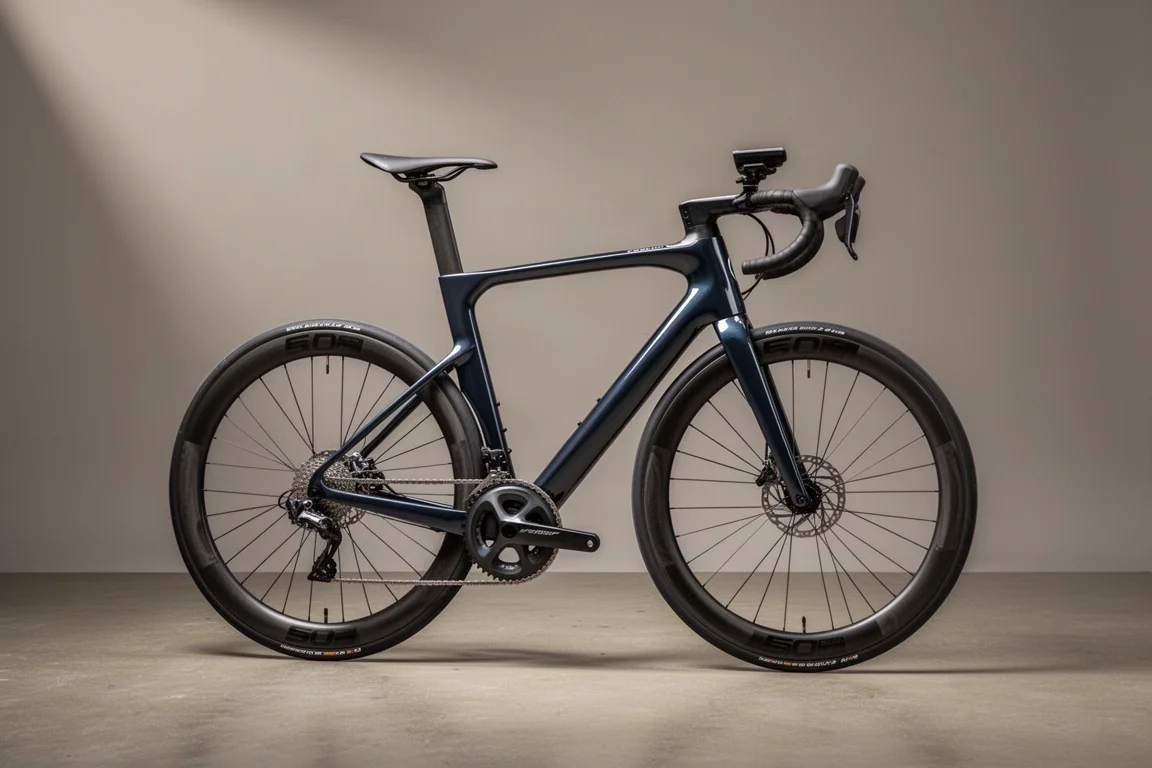
The Wilier Filante SLR ID2 lands roughly five years after the original Filante SLR, and the headline is aerodynamics rather than a ground-up redesign. Wilier has kept the overall silhouette close to the outgoing model, which preserves one of the more elegant shapes in the aero race category. Weight stays broadly the same, stiffness rises slightly, and most of the engineering effort has gone into reducing drag, developed alongside the Groupama FDJ team. Much of the frame thinking also carries over from the Rave SLR gravel bike.
Two changes dominate the update: a new handlebar and a new aero bottle system. Wilier treats rider-and-bike interaction as a central part of the aerodynamic package, which explains the narrower cockpit and the hydration solution reshaped to sit flush against the frame. Everything else is a careful series of refinements rather than a new design language, and that restraint is arguably the most interesting thing about this bike.
Who This Bike Is For
This is a race bike for riders who want speed without the extreme, wind-first look of the most aggressive aero machines on the market. It suits riders who value a smooth ride, a clean front end, and a shape that still reads as a conventional road bike rather than a concept piece.
It also suits riders who are willing to adapt. The narrow handlebar is a deliberate part of the aerodynamic package, and if you have spent years on wider bars it will feel different for the first few rides. Riders who already run narrower cockpits, or who have moved toward a more forward position over the bottom bracket, will feel at home quickly. The bike is available in six sizes, and the handlebar width scales with frame size rather than staying constant across the range.
Finally, it is aimed at riders who are confident in their own priorities. Wilier does not publish the names of the rival bikes it benchmarked against, so the aero story here is one of claimed gains rather than a transparent, independent comparison.
Main Strengths
The core claim is a 13.6 percent reduction in drag for the bike alone, or 4.5 percent for the rider on the bike, measured at 50 km/h. Wilier also states that on a 70 km course at an average output of 290 W, the new bike saves around 1 minute 45 seconds compared with the previous model. Those numbers are aimed squarely at racing speeds, and they reflect how much of this category is built around professional athletes rather than everyday riding.
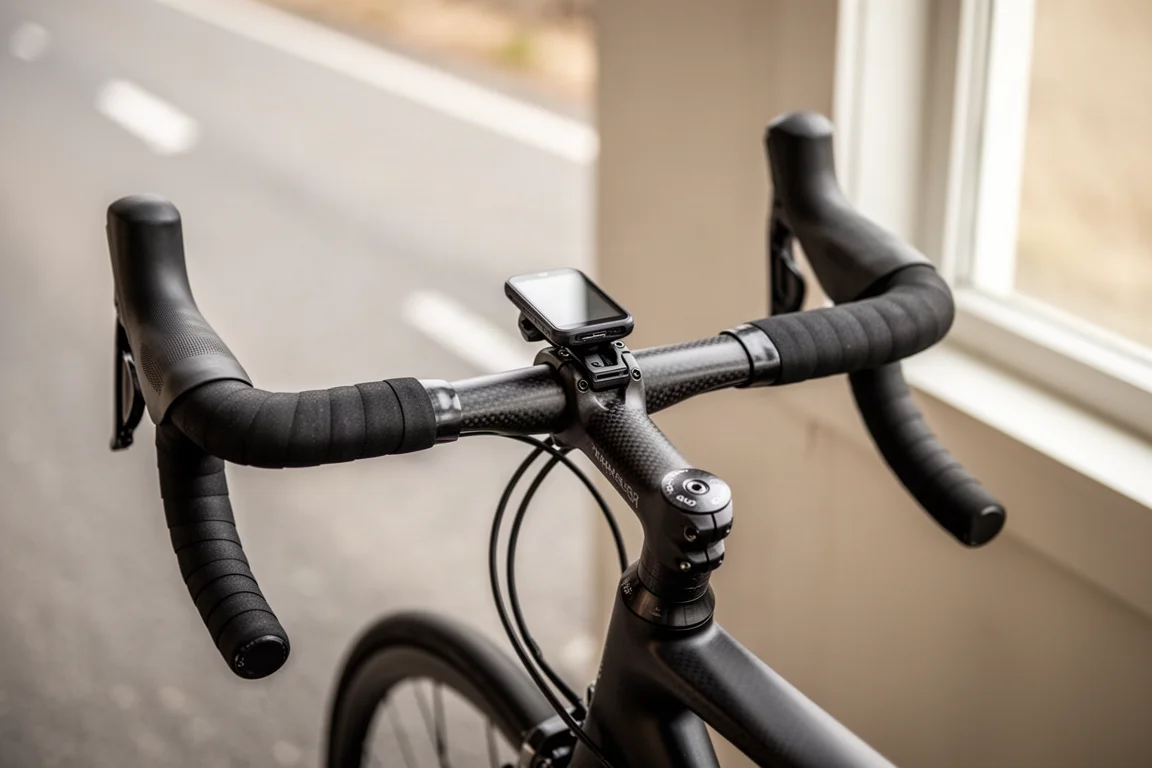
The new handlebar is the most tangible change. It is narrower than before, pushing right up to current UCI limits, with 37 cm tops and 40 cm drops on most sizes, narrowing to 35 to 38 cm on the smallest frame and widening to 39 to 42 cm on the largest. Wilier also fits a new F bar with a cleaner profile and a properly integrated computer mount, a small detail that matters on a bike at this price. Narrow bars are now specified across the size range, following the direction taken by several other brands.
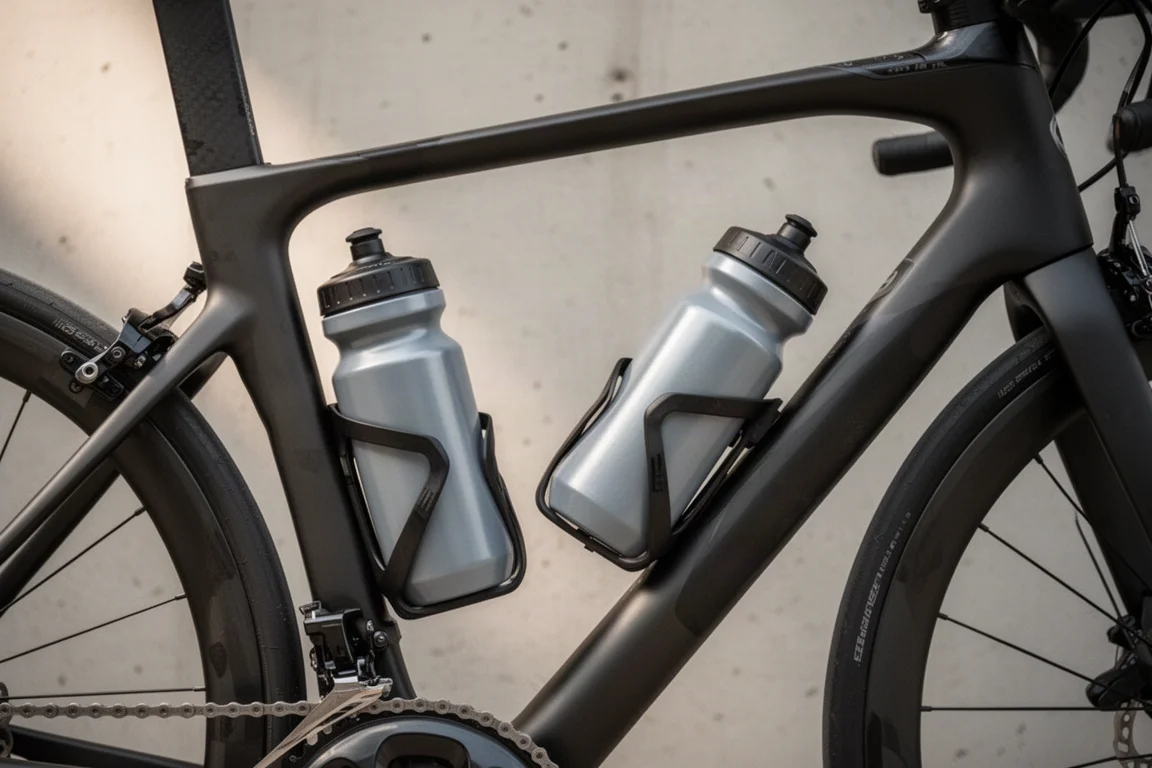
The aero bottle system, developed with Elite, is the other headline item. The shaped bottles and cages blend into the frame and provide 1,100 ml of total capacity. Regular round bottles still fit, though they are limited to 550 ml on the down tube and 750 ml on the seat tube, so riders who prefer standard bottles will carry less water.
Frame Details and Integration
The refinements continue through the frame. The stem is recessed into the top tube with a cutout to lower the handlebar and reduce frontal area. The head tube is pinched and narrow, the fork blades have been reprofiled, and a new aero seatpost sits above rear stays that are angled for a cleaner rear profile. The Di2 battery now lives inside the bottom of the frame, and the drive-side through-axle openings are covered for a smooth finish.
Tire clearance has grown to 34 mm, a useful step up from the 32 mm that is common on race bikes. An in-line seatpost is now standard, based on feedback from professional riders chasing a more forward position, with a 50 mm offset post available as an option. Frame weight is unchanged from the previous generation.
Things to Consider Before Buying
The most important thing to know is that this update does not chase grams. Wilier was satisfied with the existing weight, so the frame stays where it was, and riders who want the lightest possible aero platform may find the ID2 less compelling than its aerodynamics suggest. Stiffness is only slightly increased, and the bottom bracket feels a touch firmer rather than dramatically different.
The aero bottles take some adjustment if you are used to round bottles, which most riders are. They work well once you adapt, but they are a behavior change, not just a spec change.
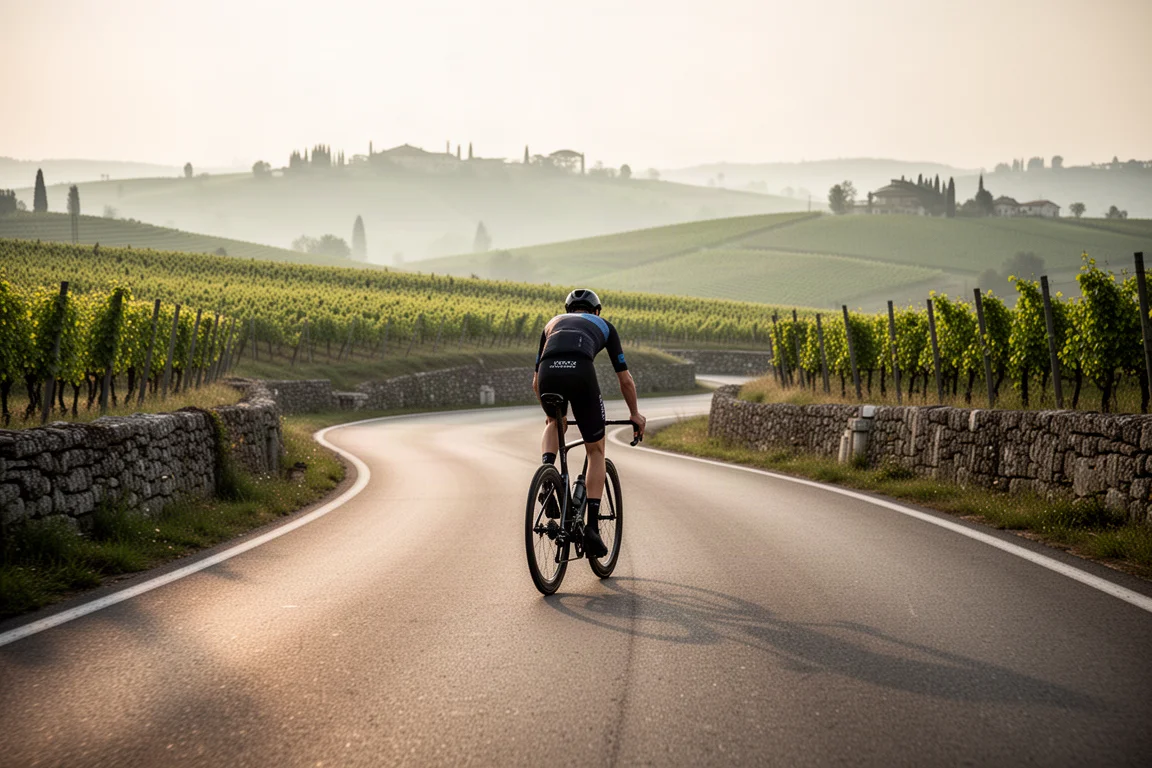
Ride character is reassuringly familiar. On rough, patched roads the bike stays composed and supple, suggesting it retains the smoothness that made the original Filante one of the more comfortable aero race bikes. Steering through corners, response to sprints, and climbing pace all feel close to the outgoing model. It is a quick bike with a stable, planted feel rather than a nervous one, and it is not the most explosive under hard acceleration. A first ride on northern Italian roads covered a large size, roughly a 56 cm frame, which suited a 181 cm rider well.
Wheels, Pricing, and Value
Wilier now owns Miche and specifies the Kleos RD 50 wheelset across the entire range, a 50 mm deep rim paired with wide 30 mm tires. The combination works well, with a reasonable weight and an internal width that suits the wider rubber. Crosswind stability seemed well balanced in the conditions available, though there was not enough exposure to draw firm conclusions.
Pricing sits firmly at the top of the market. A frameset is 5,800 euros, complete bikes start from just under 10,000 euros with Shimano Ultegra Di2, and the range tops out at over 13,000 euros with a Campagnolo Super Record wireless groupset. The computer mount and the aero bottle kit are included, and several builds come with a power meter, which is not guaranteed at this price point elsewhere. Even so, the starting prices are high, and value is not the strongest argument for this bike.
Buying Advice
Buy the Filante SLR ID2 if you want a fast aero race bike that still looks and rides like a road bike, and if you are comfortable paying Italian flagship pricing for it. The smoothness, the clean front end, and the narrower cockpit are the reasons to choose it, not a claim to be the outright fastest option in the category.
Pay attention to fit before anything else. The handlebar is narrow by design, and the in-line seatpost pushes the riding position forward, so confirm your saddle position and reach on a real test ride rather than trusting a geometry chart alone. If you normally ride a medium, the large here corresponds to roughly a 56 cm frame, and the size-specific bar widths mean your choice of frame size also sets your cockpit width.
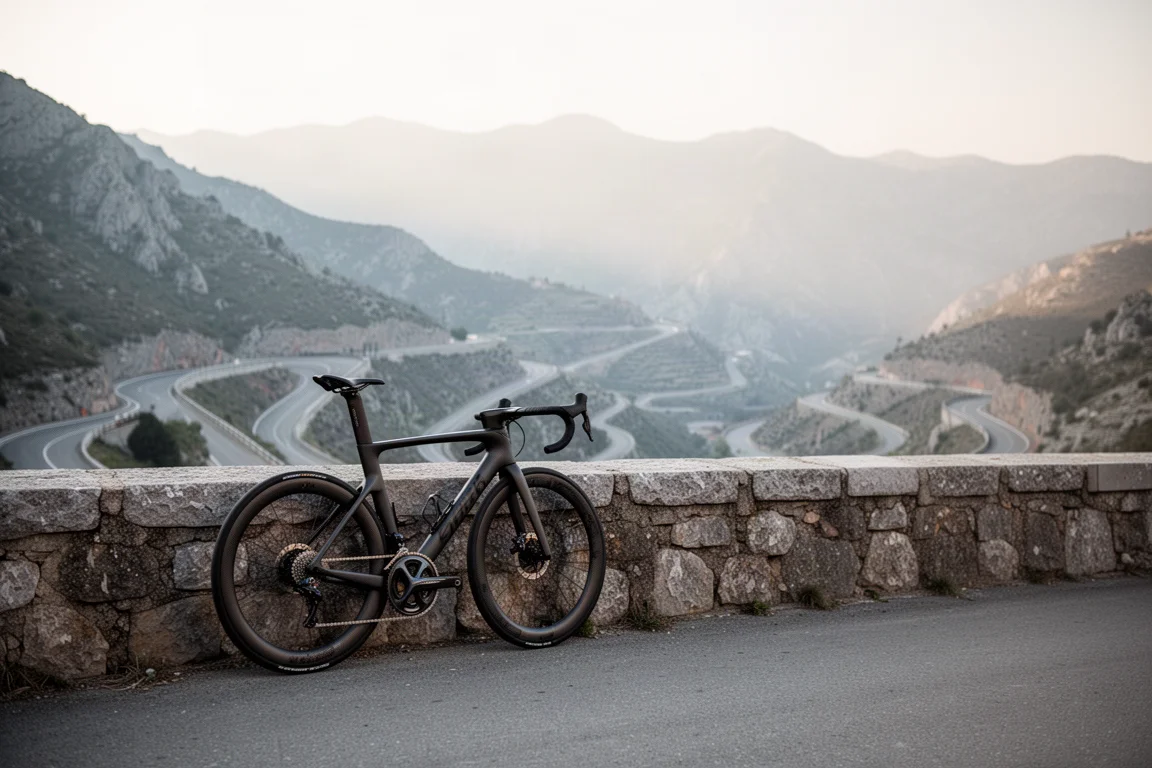
Consider your priorities honestly. If you want the lightest aero bike you can buy, or the most extreme aero shape, this is not the obvious pick. If you want a composed, quick, genuinely comfortable race bike with a design that will still look good in five years, the ID2 makes a strong case. It is a substantial financial commitment, so treat the aero gains as a bonus on top of a bike you actually enjoy riding.
Conclusion
The Filante SLR ID2 is a modest but well-chosen update. Wilier focused on aerodynamics, refined the cockpit and hydration package, tidied the frame details, and left the weight and overall character alone. The result is a fast, smooth, beautifully finished aero race bike that feels instantly familiar to anyone who liked the original.
It is not the cheapest route into a flagship aero frame, and it is not the most extreme option either. For riders who want speed without the wildest shapes, and who value comfort and composure as much as claimed drag savings, it remains a genuinely relevant choice.
Product link
View more details for Wilier Filante SLR ID2
This product is mentioned in the review. Check the specifications, options, and compatibility before buying.
View more details for Wilier Filante SLR ID2Further reading
Related Reviews

Road Bikes
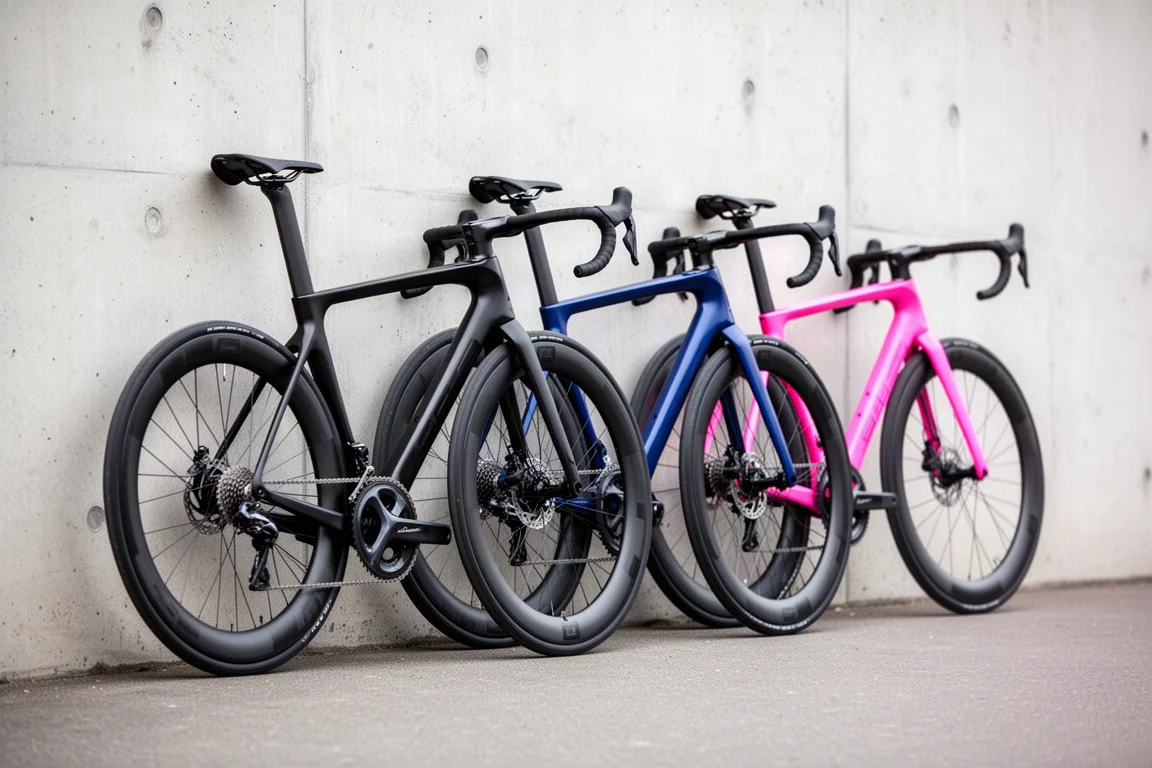
10 New Road Bikes Worth Watching: Aero, Titanium, Steel and Endurance Standouts
A practical roundup of 10 new road bikes, from aero flagships chasing single-watt gains to titanium, steel and endurance platforms built for real roads.
Road Bikes
2026 Tour de France Road Bikes: Six Race Machines Worth a Closer Look
Six race bikes from the 2026 Tour de France grid, reviewed for paint, silhouette, wheels and the specification details that matter to buyers.
Road Bikes
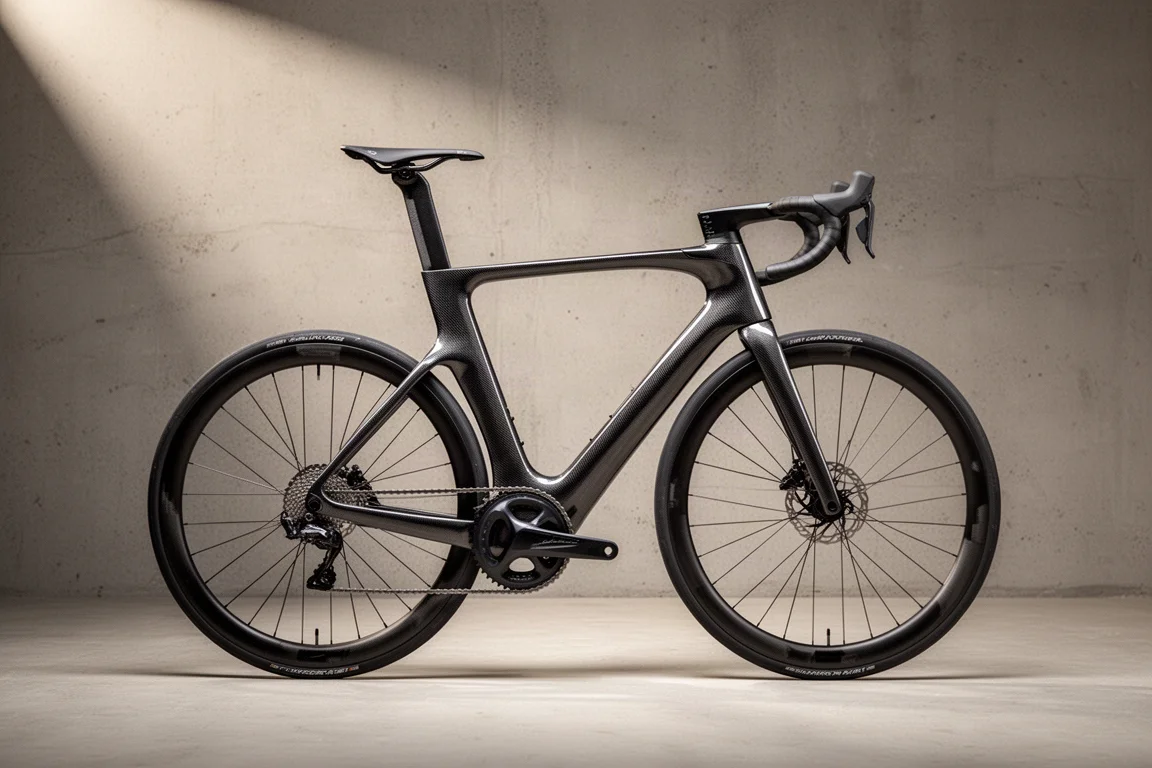
3T Strada Italia Review: A Radical Aero Road Bike That Rides Smooth
A made in Italy carbon aero road bike with a deep head tube, wide tire clearance and a genuinely comfortable ride. Here is what to know before buying.