Tents
Wild Country Huli II Review: A Spacious Two-Person Tunnel Tent for Backpacking
A close look at the Wild Country Huli II, a three-season two-person tunnel tent with a generous porch, a quick pitch, and a few trade-offs worth knowing before you buy.
Introduction
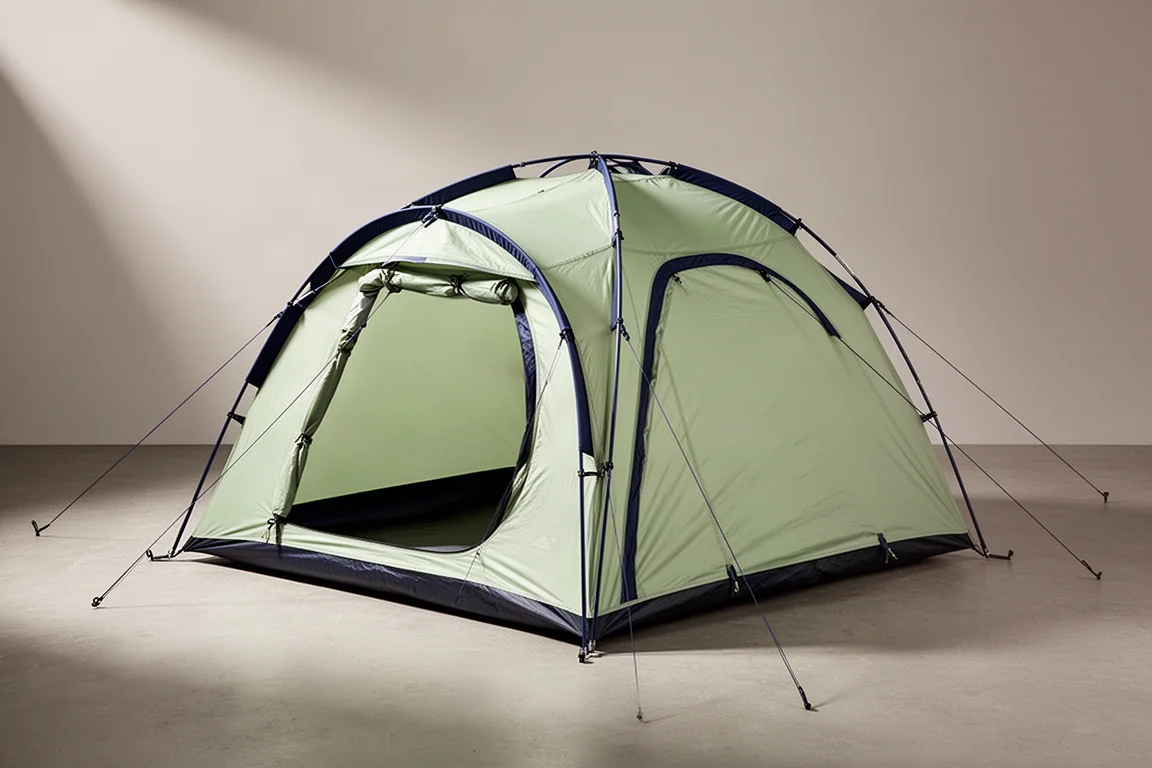
The Wild Country Huli II is a two-person tunnel tent built for backpacking and multi-day expeditions. It is a three-season shelter, so it is intended for use from spring through autumn, and the design keeps things deliberately simple: two alloy poles, a wide porch, and a large amount of usable interior space for the weight and price.
At around 2.45 kg and with a retail price of £220, the Huli II sits in the mid-range of the entry-level backpacking market. It is not the lightest tent in its class, and it is not the cheapest either, but the weight splits sensibly between two people, and the interior volume is the part that stands out most.
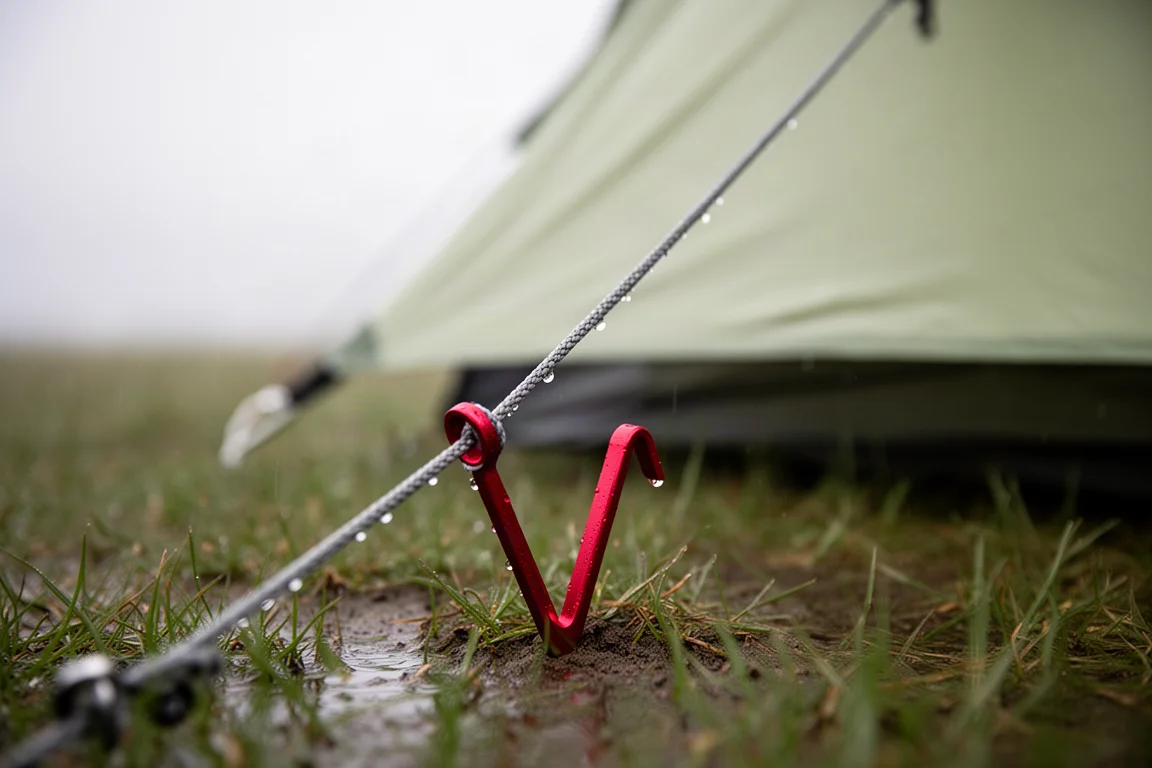
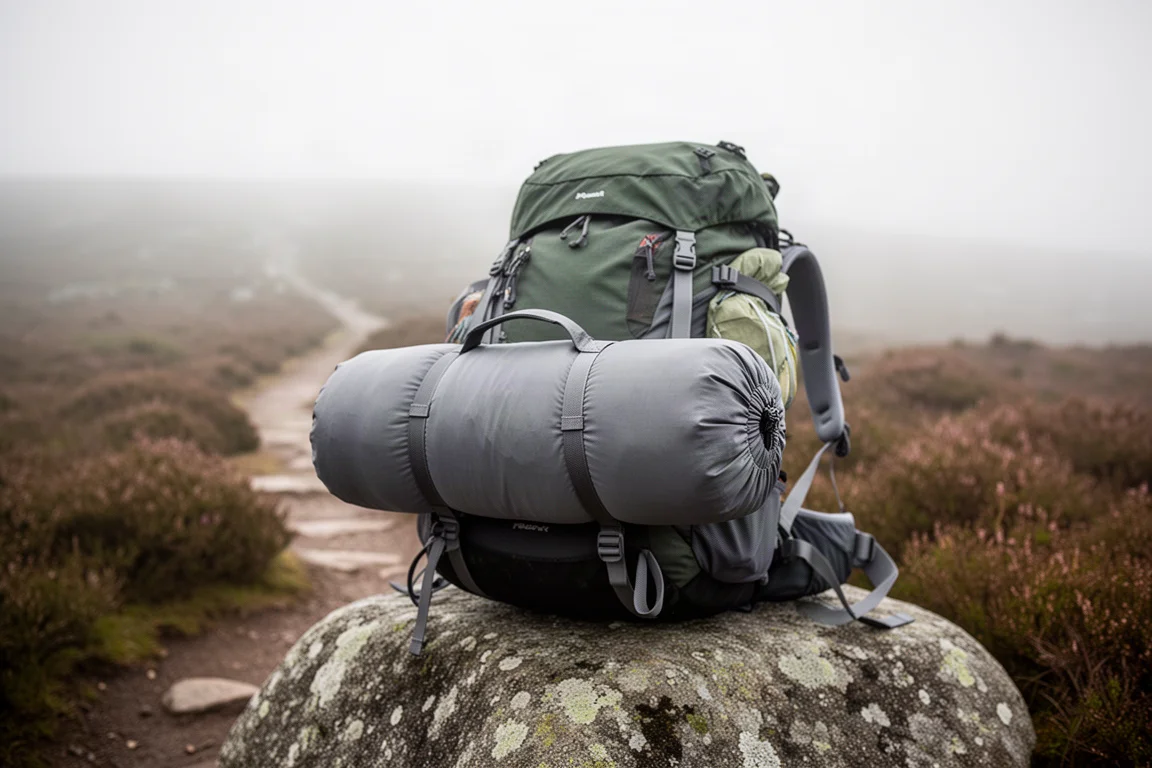
The tent arrives in a large roll-top stuff sack with a carry handle and a compression strap, which makes packing it away at the end of a trip straightforward. It ships with 15 alloy V-shaped pegs, a pole splint for emergency repairs, and a small owner’s manual covering pitching technique and general care.
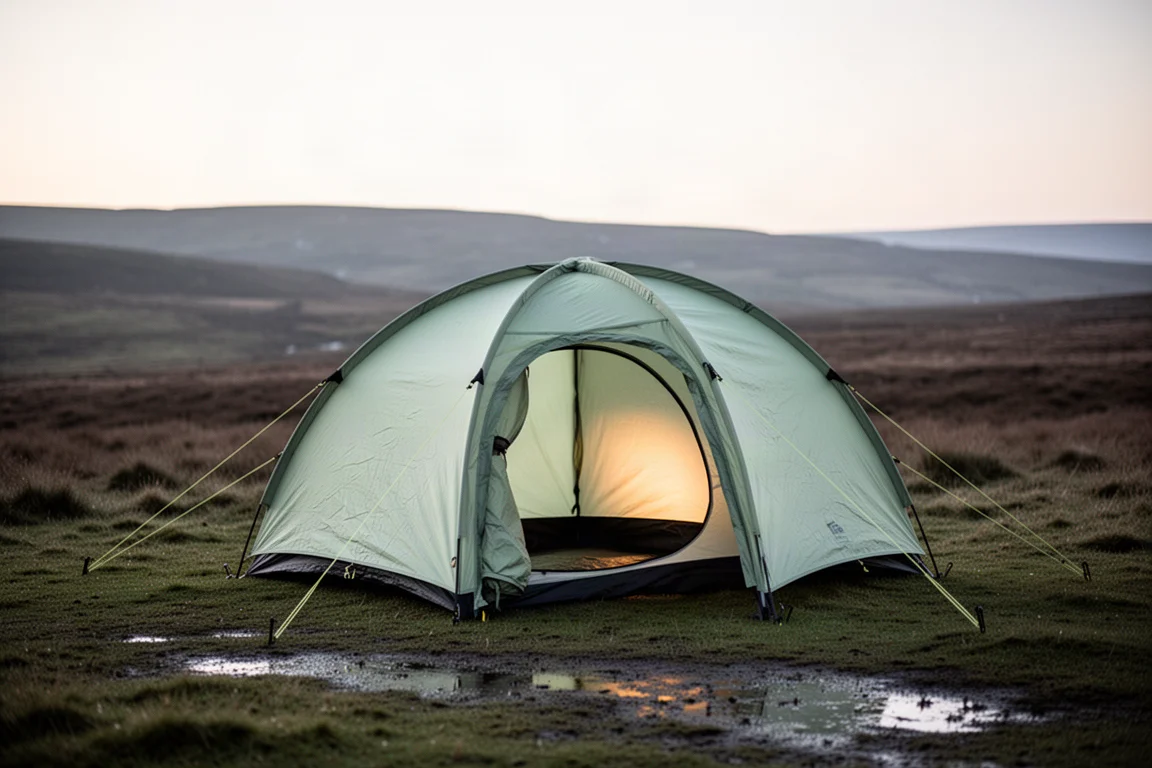
Pitching is quick and undemanding. Both poles slide through their sleeves, the two ends of the tent are pegged out and pulled tight, and the guy lines can be added or left off depending on the conditions. The inner and outer pitch together as one unit, and the fly can also be pitched on its own when you want a lighter shelter or a quick lunch stop.
Who this product is for
The Huli II is aimed at backpackers who want a comfortable two-person shelter for three-season trips rather than the lightest possible setup. It fits expedition-style use, including multi-day routes in the UK, and the straightforward tunnel pitch makes it a reasonable first backpacking tent for anyone moving up from borrowing gear or camping with heavier equipment.
It also works well for two people sharing the load. One person can carry the tent body while the other takes the poles and pegs, which softens the impact of the 2.45 kg packed weight. Solo hikers who want a small, fast shelter are likely to find the Huli II more tent than they need, but couples and pairs on longer routes get a lot of living space in return.
Wild Country also offers the Huli II in a three-person version, and a footprint is available separately for anyone who wants an extra layer of protection under the groundsheet.
Main strengths
Living space and porch
Space is the headline feature here. Inside, two sleeping mats sit side by side with a clear gap between them, and there is usable room at both the head and foot ends of the tent. A six-foot sleeper can lie down with a little room to spare, and it is possible to sit up without pressing against the flysheet, which makes the interior feel far less enclosed than the tunnel shape might suggest.
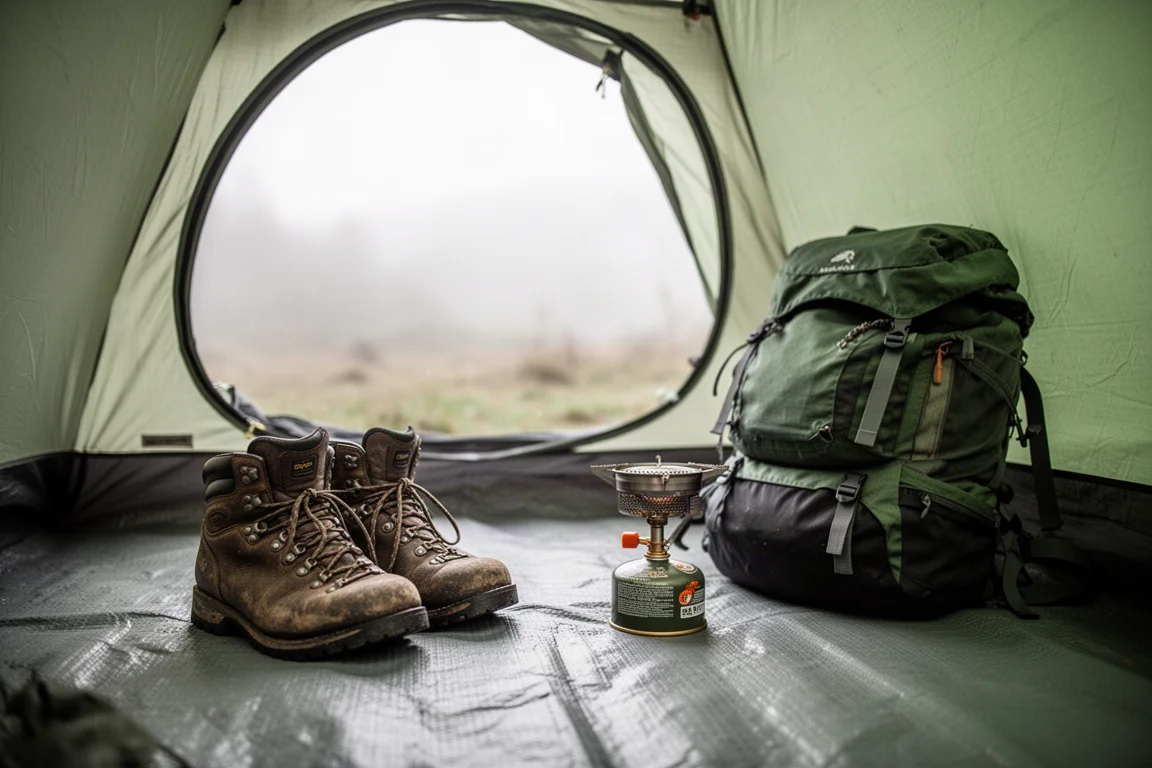
The porch is genuinely generous. There is room for a rucksack on one side and cooking kit on the other, with boots and a food bag alongside, and you can sit inside the porch rather than crouching at the entrance. The large oval door zips right around and can be tied back with toggles, so you can leave it open and look out at the view while you cook or sort gear.
Two large mesh pockets, one on each side of the inner, hold a useful amount of kit and keep small items off the floor. The flysheet is held to the poles with a ring of clips, and every clip can be tensioned individually, so it is easy to pull the fabric taut around the front and the back rather than living with sagging panels.
Pitching and weather protection
Two dark blue alloy poles form the tunnel, and each end of the tent has a second pole attachment point. Moving the poles to the inner position doubles them up and stiffens the structure when conditions turn rough. A pole splint is included for repairing or reinforcing a pole that bends or cracks, and it also helps when threading a replacement pole through the sleeve.
Rigidity comes from the guy line layout as well as the poles. There are 10 guy line tie-off points plus two pegging points at each end, which gives plenty of options for tightening the shelter in wind. You do not have to use every point in calm weather, but the extra anchors are there when you need them, and the fabric stays tight once the lines are set.
Interior details and ventilation
Ventilation is handled by a rear vent, a second vent tucked under a guy line, and the mesh panel at the top of the door. The side walls also stop short of the ground, which allows some airflow underneath the flysheet, and leaving the top of the door open helps move damp air out.
It is fair to describe the venting as modest rather than generous. In still, damp conditions you should expect condensation inside the fly, and there is no additional unzippable opening at the back of the tent to clear it. The upside is that the interior volume and the adjustable fly tension give you room to manage it, and keeping the door partly open makes a noticeable difference.
Things to consider before buying
Weight and packed size are the first things to weigh up. At around 2.45 kg the Huli II is not a light three-season tent, and the stuff sack is noticeably bulky, which is the trade-off for the space and the durable fabrics. The fly uses Storm XP 4000 fabric and the groundsheet uses Storm XP 5000, which are built for regular use rather than gram counting.
The guy line tensioners are the other point worth noting. They are the traditional plastic slider type rather than a quick-release design, which makes them fiddly to adjust with cold or gloved hands. Moving the peg further out is often the faster way to tighten a line, and that is not always possible on stony ground.
There is also no repair kit included with the tent, so a small patch kit is worth adding yourself if you plan on remote trips.
Condensation is the detail most likely to shape how you use the tent. Planning to leave the door top open overnight, choosing a pitch with airflow, and carrying a cloth for wiping down the fly will keep the interior comfortable. Adding the optional footprint gives the groundsheet extra protection on rough or wet ground.
Buying advice
The Huli II makes the most sense for two people who value living space and a simple, fast pitch over minimum weight. Splitting the tent between two packs removes most of the weight concern, and the porch and interior volume are the payoff on longer trips where you spend real time inside the shelter.
If you regularly hike solo, the packed weight and bulk are harder to justify, and the three-person version is the better choice for anyone who wants the same layout with more room for a third person or a dog. Check that the large pack size fits your rucksack setup before committing, since the stuff sack is designed to strap to the outside of a pack rather than disappear inside it.
For beginners, the pitch is forgiving enough to learn on, and the owner’s manual covers the basics of pole placement, zip care, and spares. For more experienced backpackers, the decision comes down to whether the space and the price matter more than the weight on the scale.
Conclusion
The Wild Country Huli II is a spacious, straightforward three-season tunnel tent for two. It pitches quickly, holds its shape well thanks to the clip system and the many guy line points, and offers a porch and interior that feel far roomier than the price and weight suggest.
The compromises are clear and manageable: a heavier pack weight, a bulky stuff sack, a fiddly guy line system, and ventilation that needs a little help in damp weather. Buyers who want maximum space for their money and are happy to share the load will find the Huli II a comfortable and dependable base for spring-to-autumn adventures.
Product link
View more details for Wild Country Huli II
This product is mentioned in the review. Check the specifications, options, and compatibility before buying.
View more details for Wild Country Huli IIFurther reading
Related Reviews
Tents
Black Dog Instant Setup 5 to 8 Person Tent Review: Fast Pitch, Serious Weather Problems
A quick-pitching Black Dog tent that goes up in seconds, but wet-weather testing revealed seam leaks, an overstated capacity claim, and awkward doors.
Tents
Lightfighter Dragoon Review: An Eight-Person Four-Season Military Shelter
The Lightfighter Dragoon is a 57-pound, eight-person expedition tent built for extreme weather. Here is what its materials, size, and setup demands mean for real buyers.
Tents
Lone Rider Motorcycle Tent Review: A Big Shelter That Stays Dry
A double-wall motorcycle tent with two large awnings, two entry points, and enough interior height to stand up, plus the pack size trade-off to weigh first.