Audio Streaming
WiiM Mini vs WiiM Pro: Which Affordable Network Streamer Is Right for You?
A practical comparison of the WiiM Mini and WiiM Pro, covering streaming protocols, connectivity, sound quality and where each one makes the most sense.
Introduction
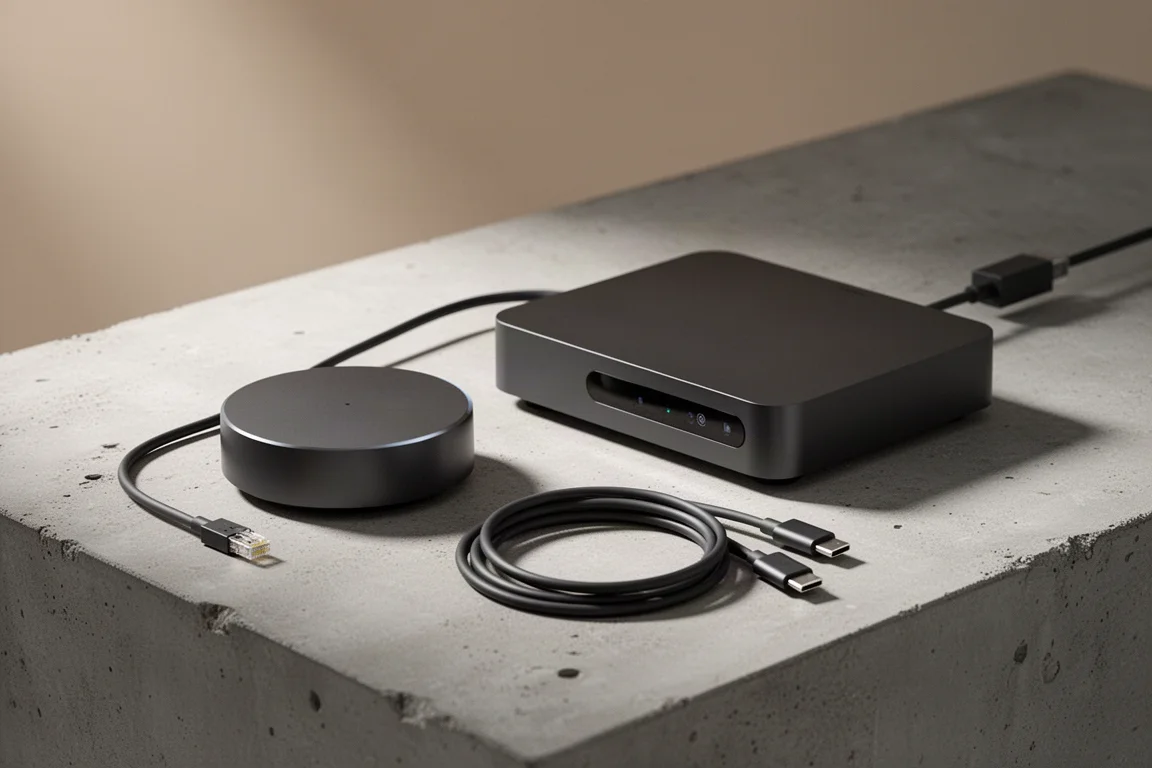
WiiM has built a reputation for putting serious streaming features into small, inexpensive boxes. The WiiM Mini arrived at the end of 2021 as a puck-sized network streamer selling for around $100, and the WiiM Pro followed as a larger, better-connected sibling priced at $150. Both run the same WiiM Home app, and both are aimed at listeners who want to add streaming to an existing hi-fi system without spending a lot of money.
The two models share more than they differ. The Mini concentrates on the essentials in the smallest possible chassis, while the Pro trades that tiny footprint for wired networking, extra digital connections and a few features the Mini simply does not offer.
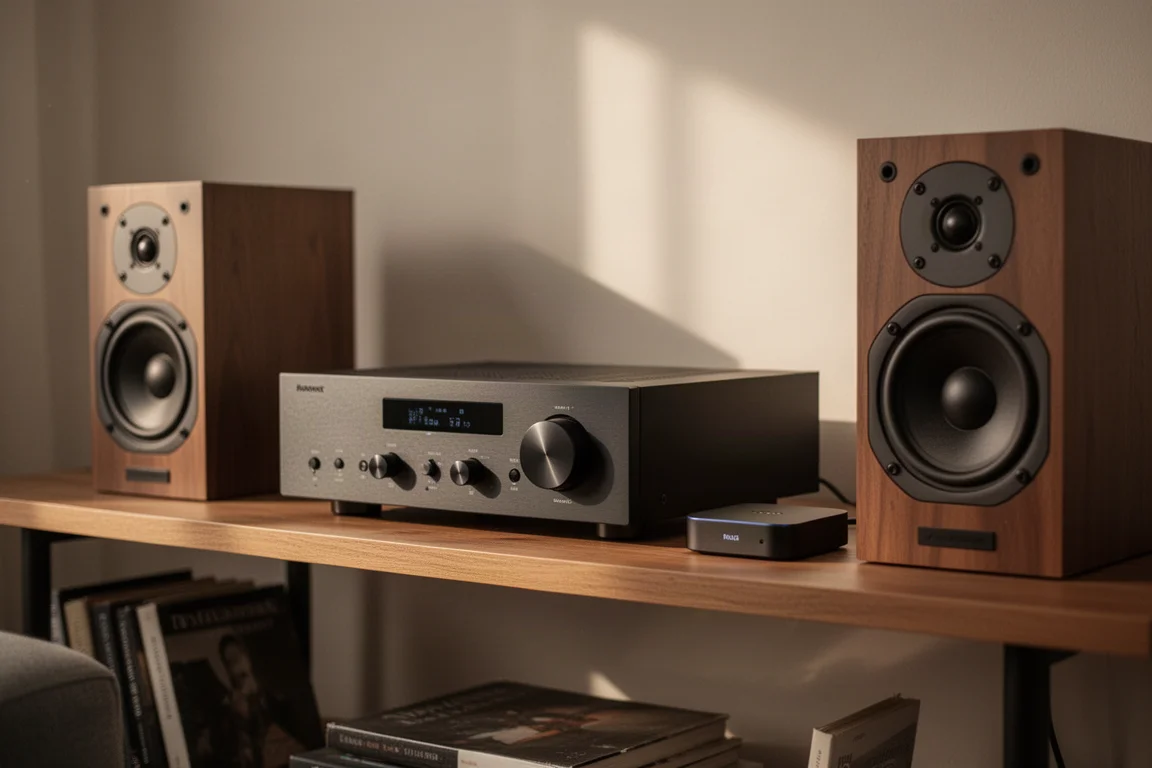
Neither device is a high-end component, and neither is meant to be. The appeal lies in the combination of a fast, well-designed app, broad streaming protocol support, and a price that undercuts almost everything comparable. This guide covers what each model does well, where the compromises sit, and which one is likely to suit your system.
What to Look For in an Affordable Network Streamer
Protocol support is the first thing to check. A streamer at this price should handle Bluetooth, Apple AirPlay 2, Tidal Connect and Spotify Connect. If a device is missing one of those, it is not really offering the same level of functionality, however cheap it may be.
App quality matters just as much. A streamer is only as good as the software that controls it, and a slow or confusing app quickly undermines otherwise capable hardware.
Then there is the question of how you will connect it. At this price point, feeding an external DAC through a digital output tends to deliver better results than relying on a built-in analog stage, so the number and type of digital sockets on the back of the unit deserves more attention than the analog output.
WiiM Mini: Small, Cheap, and Surprisingly Capable
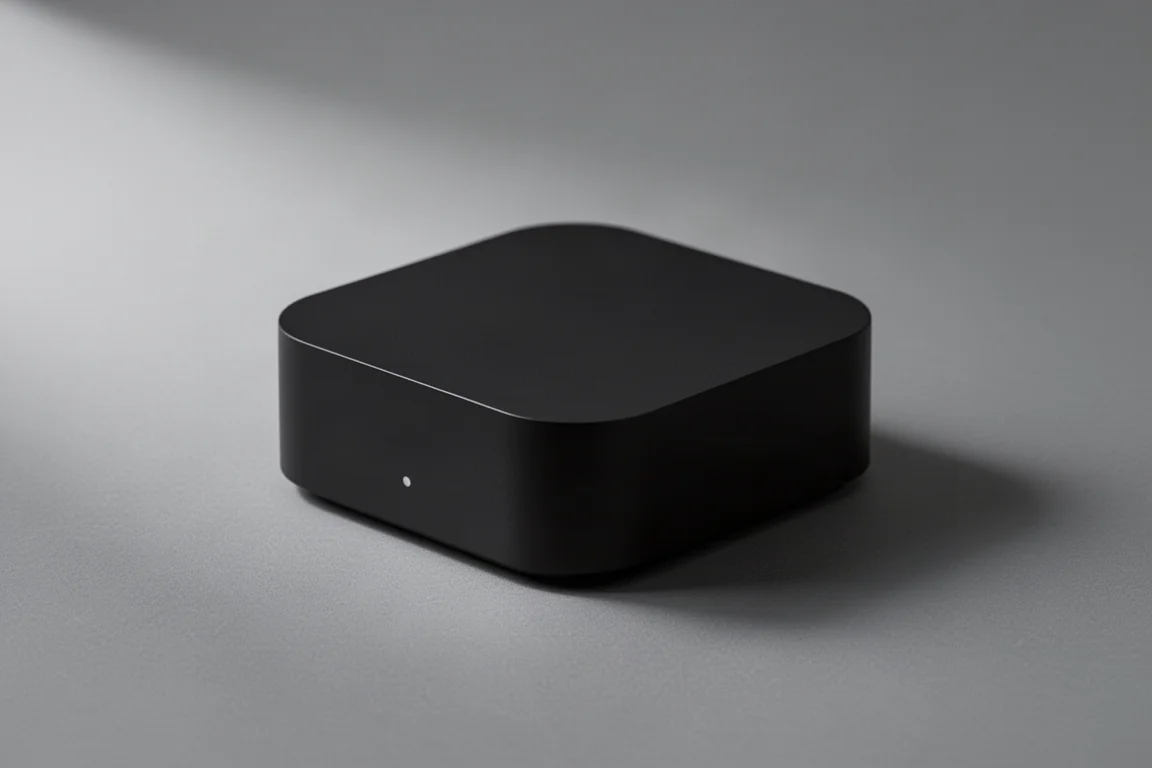
The WiiM Mini is a puck-shaped device, small enough to be tucked out of sight behind a shelf or inside a cabinet. Around the back you get USB-C for power, a 3.5mm analog output and an optical output for feeding an external DAC. On top sits a small touch panel with volume up, volume down and play/pause controls.
Wireless support covers Bluetooth, Tidal Connect, Spotify Connect and Apple AirPlay 2. The unit is Wi-Fi only, with no Ethernet socket, which is worth knowing if you prefer a wired network connection.
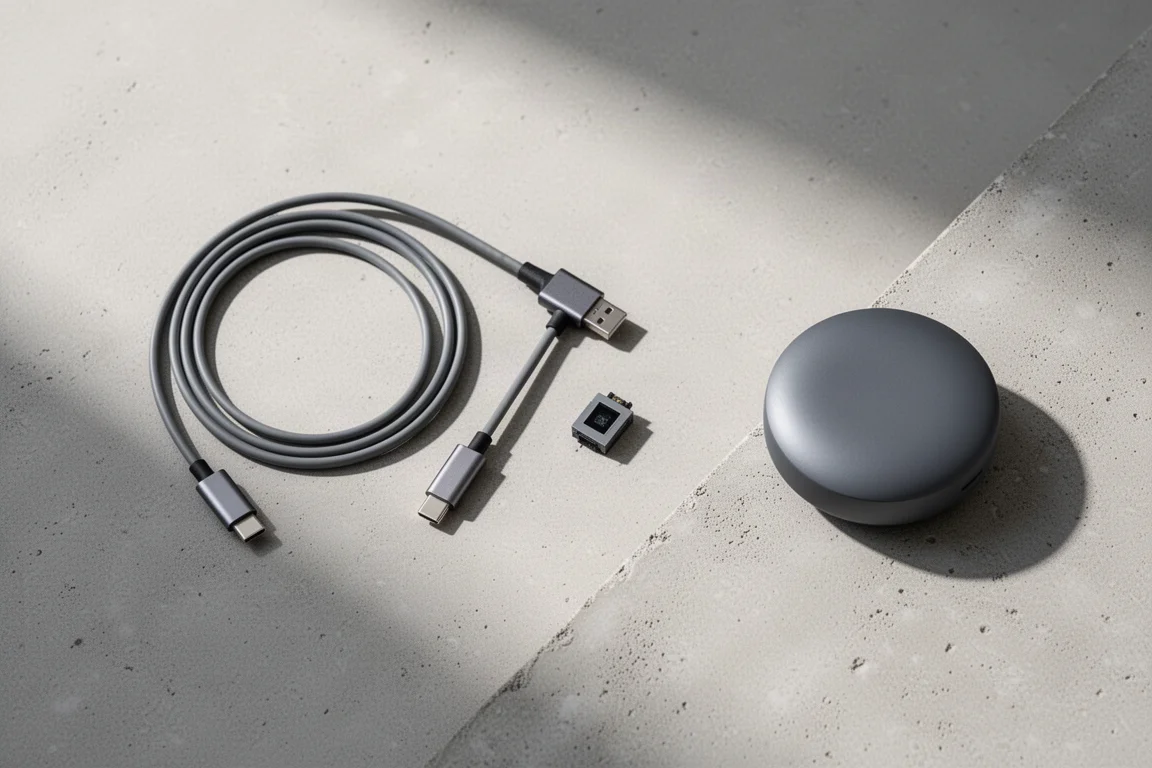
Sound quality through the 3.5mm analog output is the Mini’s weakest point. The internal DAC is not terrible, but it is not especially impressive either, and running the optical output into a separate DAC is clearly the better way to use the device. That appears to be how most owners run it, treating the Mini as a network transport rather than a complete source.
At roughly $100, the Mini is remarkably cheap for what it offers, and WiiM has continued to add functionality through software updates since launch.
WiiM Pro: More Connectivity in a Bigger Box
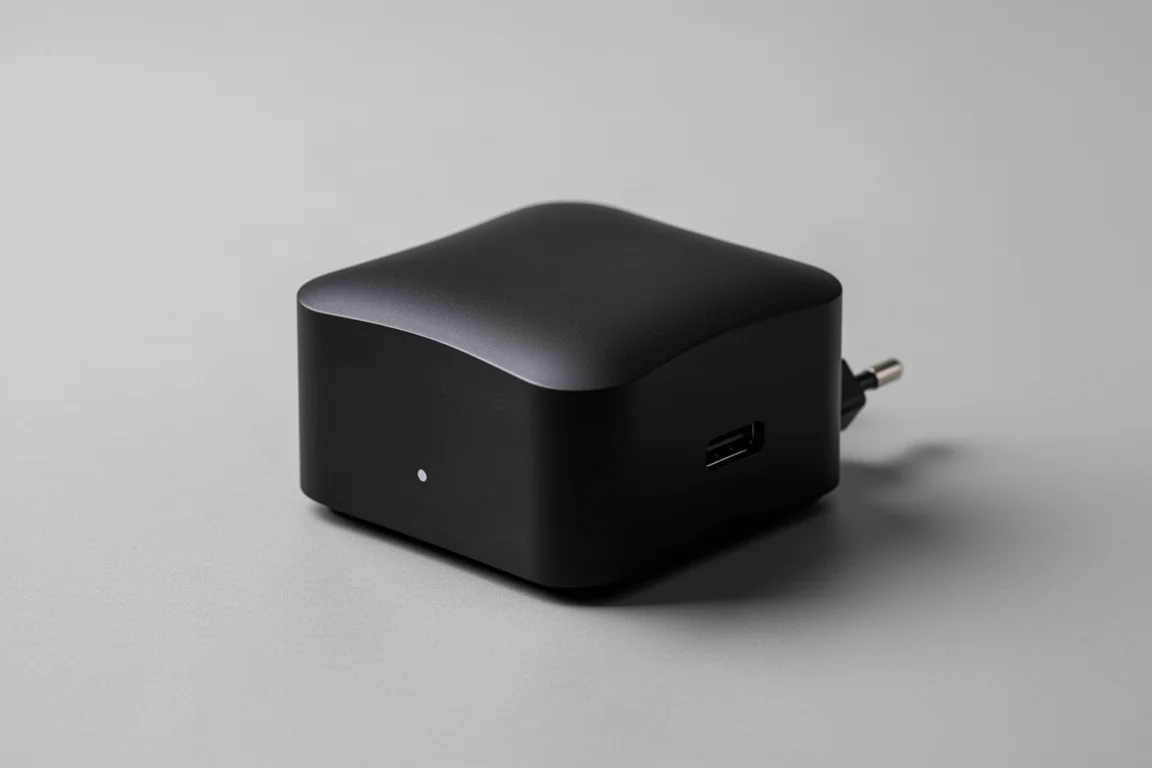
The WiiM Pro is a considerably larger unit, closer in size to a small set-top box than to a puck. It is much harder to hide away, and the touch controls that sat on top of the Mini have moved to the front panel, which is less convenient if the device lives low in a rack.
The extra space buys real connectivity. The Pro adds an Ethernet socket, a coaxial output alongside the optical output, and an optical input so a television or another digital source can feed into it. The optical and coaxial outputs support PCM up to 24-bit/192kHz and are bit perfect, provided that setting is enabled in the WiiM Home app. There is no DSD support.
Streaming support covers Bluetooth, Tidal Connect, Spotify Connect and Apple AirPlay 2, and the Pro adds Google Chromecast. A pair of RCA analog inputs lets an analog source be fed into the unit, which then digitizes it and makes it available to stream to another WiiM device elsewhere in the house.
The Pro uses the same DAC circuit as the Mini, so its analog output is similarly unremarkable and an external DAC remains the sensible choice for music playback. Roon Ready support is on the development roadmap. The WiiM Pro is priced at $150, and both models are available in North America and the UK.
The WiiM Home App and Streaming Support
The WiiM Home app is a genuine strength of both models. It is quick, clearly laid out and easy to understand, and it handles gapless playback properly.
Bit perfect output is switched on from within the app, which is worth remembering if you plan to feed an external DAC and want the digital signal passed through untouched.
One caveat applies to Chromecast on the Pro. Roon playback over Chromecast is no longer gapless, and the same applies to other apps that connect over Chromecast. For Roon users, the AirPlay input is the better route into either device.
Using Either WiiM as a Transport for an External DAC
Both models are best thought of as network transports. Their internal DACs are the same, and neither impresses for music playback through even a modest hi-fi system: the presentation comes across as a little dull and flat next to what a dedicated external DAC can achieve.
The Pro’s bit perfect optical and coaxial outputs make it straightforward to hand the digital signal to a separate DAC, and the Mini’s optical output serves the same purpose. If you already own a DAC with an optical or coaxial input, either WiiM will slot into your system as a source without much fuss.
That single decision, pairing a WiiM with an external DAC, has more effect on sound quality than any other choice discussed here. Neither device is trying to replace a high-end digital-to-analog converter, and both work best when they are not asked to.
WiiM Mini or WiiM Pro? Buying Advice
If you do not need Ethernet, a coaxial output, an optical input or Chromecast, the WiiM Mini is the better buy. It costs about $50 less and delivers the same core streaming experience, and it is small enough to disappear into a system. For many listeners it counts among the best value network streamers available, and it is now cheaper than assembling a Raspberry Pi based streamer yourself, particularly given how difficult Raspberry Pi boards have been to find at sensible prices.
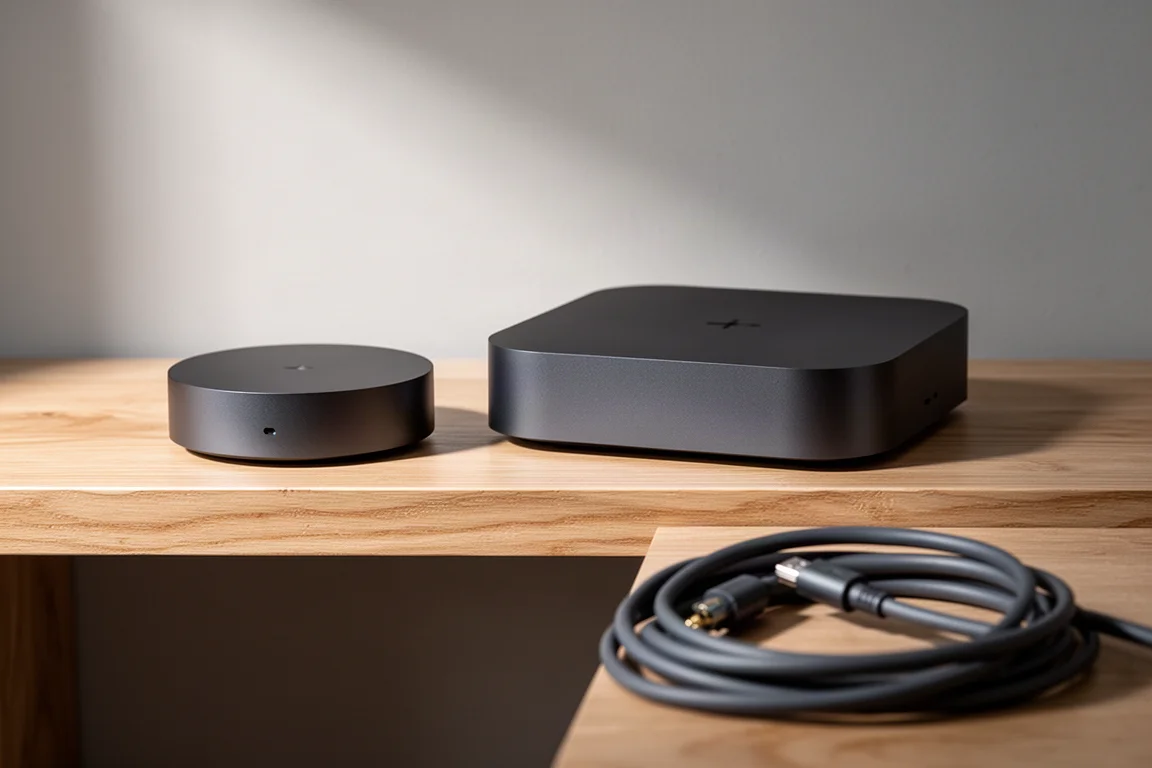
The WiiM Pro makes sense if you want wired networking, a coaxial digital output, an optical input for a television, or Chromecast support. It also carries the analog inputs for sending a source to another WiiM device in the house. The trade-offs are a larger chassis, a front-mounted control panel and the same modest internal DAC.
Whichever you choose, an external DAC is the upgrade that will make the biggest difference to sound quality, and both devices are clearly designed with that kind of setup in mind.
Conclusion
The WiiM Mini and WiiM Pro cover the same streaming ground from two different directions. The Mini strips things back to a tiny, inexpensive box that handles the essentials well. The Pro adds the wired and digital connections some systems need, in a chassis that is easier to place in a rack but harder to hide.
Choose the Mini if value and size matter most. Choose the Pro if you need Ethernet, a coaxial output, an optical input or Chromecast. In both cases, budget for an external DAC to get the most out of the platform.
Further reading
Related Reviews
Audio Streaming
Eversolo DMP-A10 Review: A Flagship Streamer, DAC and Preamp
The Eversolo DMP-A10 moves the company upmarket with a 6.5-inch touchscreen, dual linear power supplies, an ESS ES9039 Pro converter, dual subwoofer outputs and built-in room correction.
Audio Streaming
WiiM Mini, Bluesound Node, and Chord Mojo 2: Three Ways to Improve Streaming Sound
A practical look at three affordable streaming upgrades: the $99 WiiM Mini, the feature-packed Bluesound Node (2021 Edition), and the Chord Mojo 2 DAC that lifts the Mini's sound quality.
Audio Streaming
WiiM Mini Review: A Puck-Sized Network Streamer With Serious Value
The WiiM Mini packs AirPlay 2, Bluetooth, TIDAL Connect, Spotify Connect and a full-size optical output into a streamer that costs around $100.