Cycling Tires
Wide Road Tires Compared: Pirelli P Zero Race vs René Herse Barlow Pass
A 40 mm Pirelli P Zero Race meets a René Herse Barlow Pass in a real-world comparison of speed, power, grip, and comfort, and the results show where going wider stops paying off.
Introduction
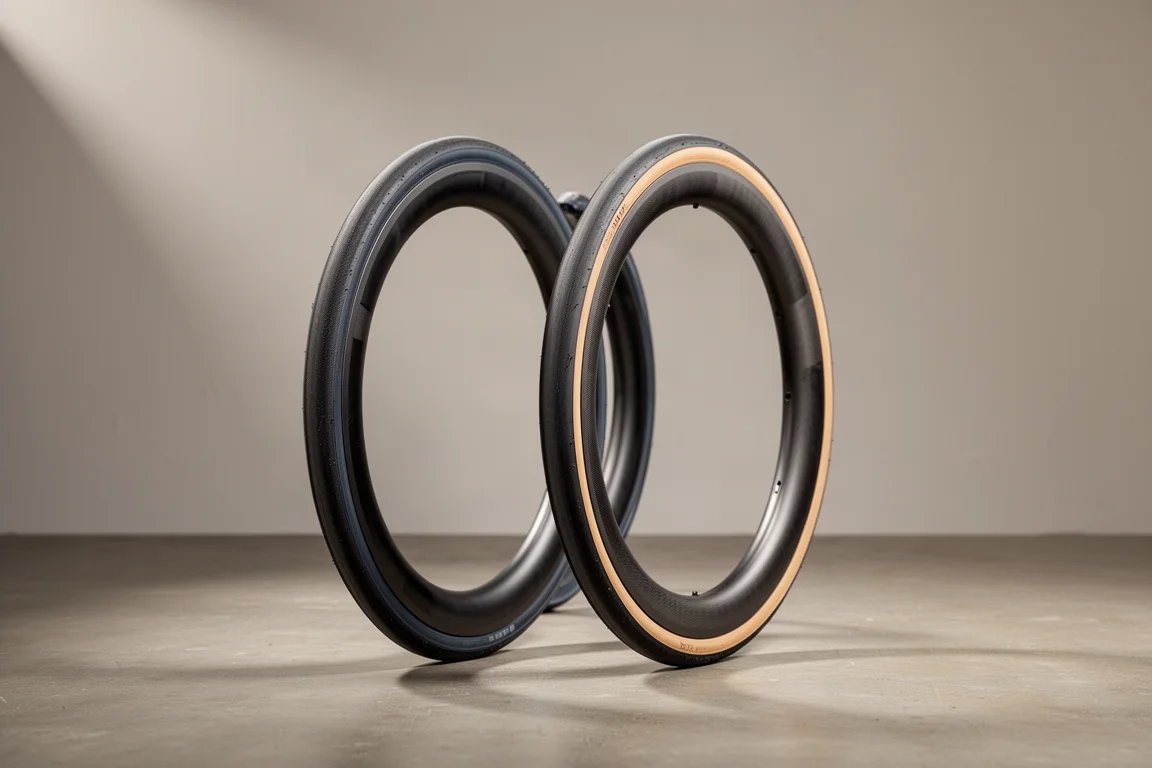
Road tires have grown steadily wider over the past few years, and the Pirelli P Zero Race range now runs all the way to 40 mm. That raises an obvious question for anyone shopping for tires: does a 40 mm slick actually make you faster, or does it simply make the ride smoother? This comparison sets a 40 mm Pirelli P Zero Race against a René Herse Barlow Pass, a 38 mm tire built around a very supple ride, and looks at what each one gives up in return.
Why Tire Width Matters on Modern Road Bikes
Wider tires generally deliver more comfort and more traction, especially in rain, mud, and on broken surfaces. On rough roads, a wide tire run at low pressure can roll with less resistance than a narrow one, because the tire is effectively the only suspension a road bike has. The same suspension principle helps cars, motorcycles, and even Formula 1 cars travel faster over uneven ground.
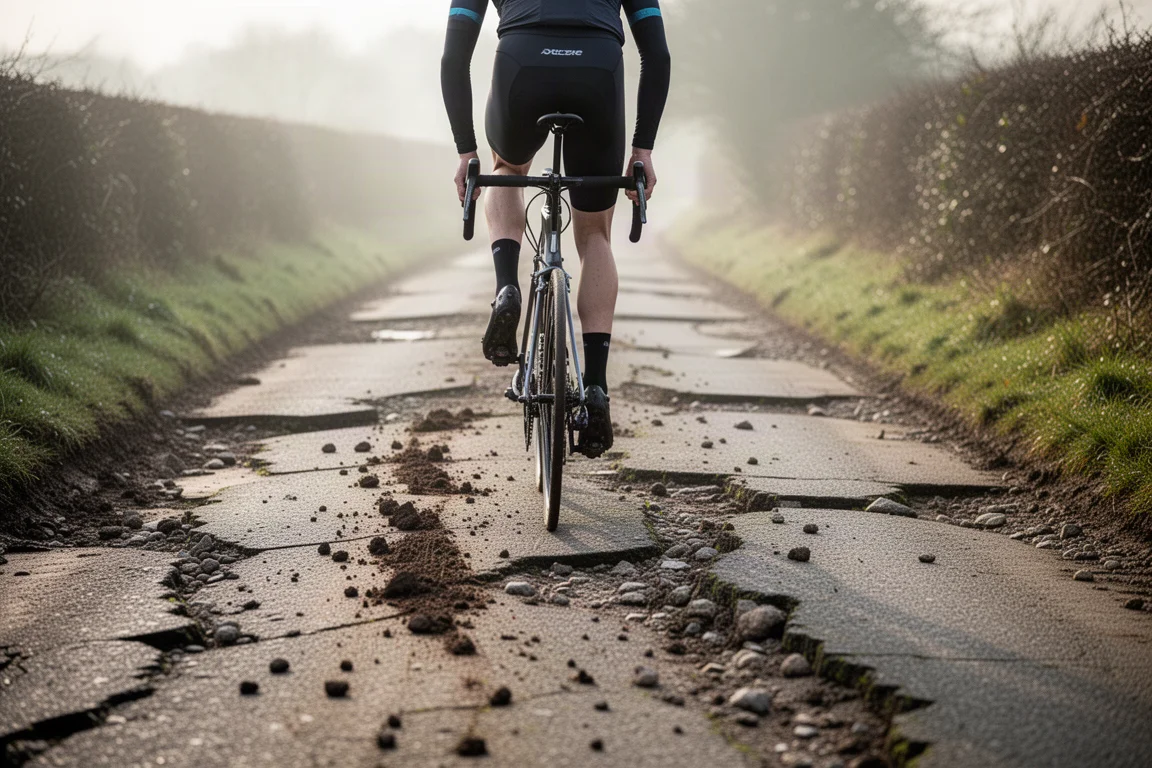
There is a limit to how far this goes. Mountain bike tires expanded to 2.6, 2.8, and even 3.0 inches before the category settled back around 2.4 inches as a practical sweet spot, which shows that wider is not automatically better at every step.
Frame clearance sets the real ceiling on the road. Race bikes commonly accept up to 32 mm, some up to 35 mm, while endurance and all-road bikes launched in the past year often take up to 40 mm. Gravel bikes go to 50 mm and beyond.
Pirelli P Zero Race: A 40 mm Slick With a Familiar Formula
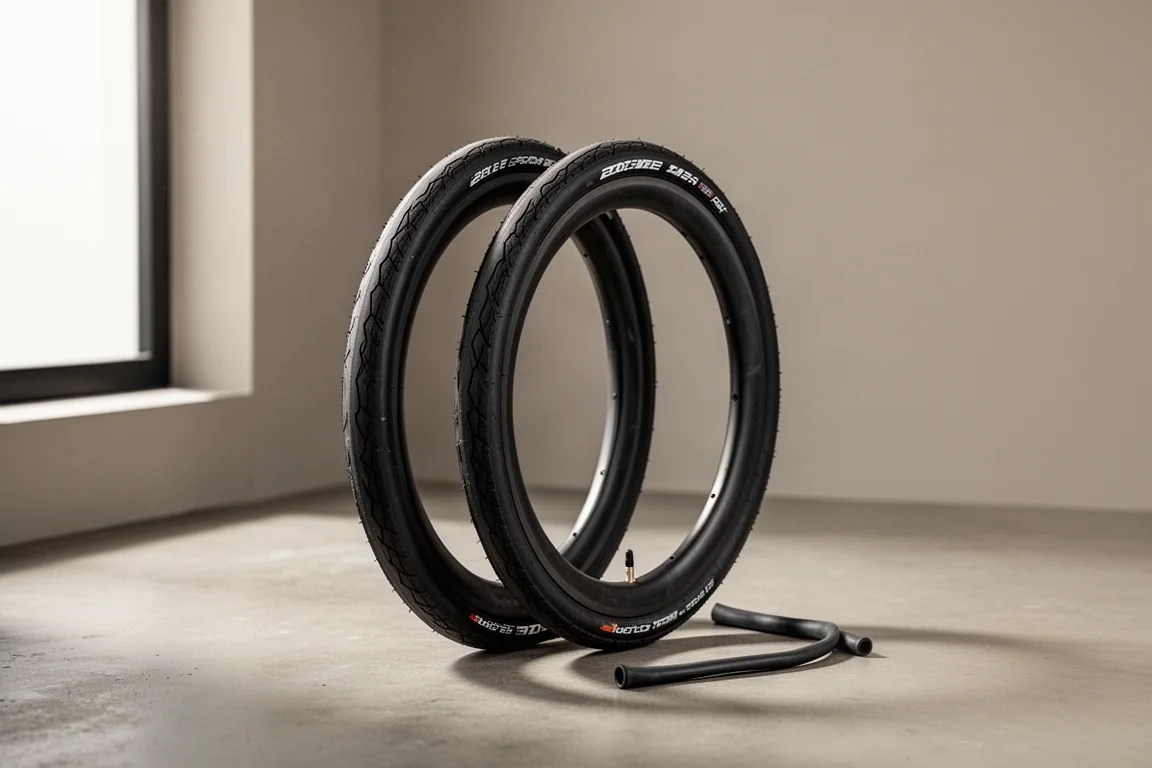
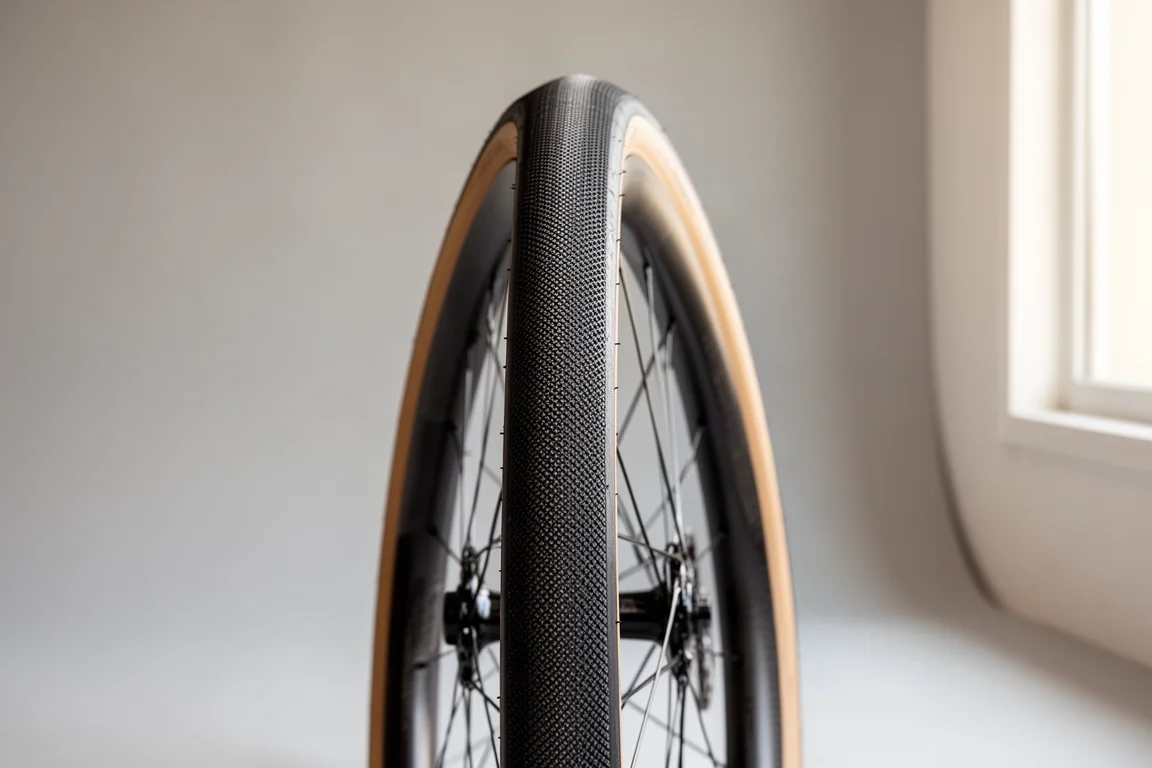
The 40 mm P Zero Race is the existing tire scaled up rather than a new design. It uses the same 120 TPI construction, the same tread compound, the same tread pattern, and the same bead design as the rest of the range, which spans 26 mm to 40 mm and includes 28, 30, and 32 mm options.
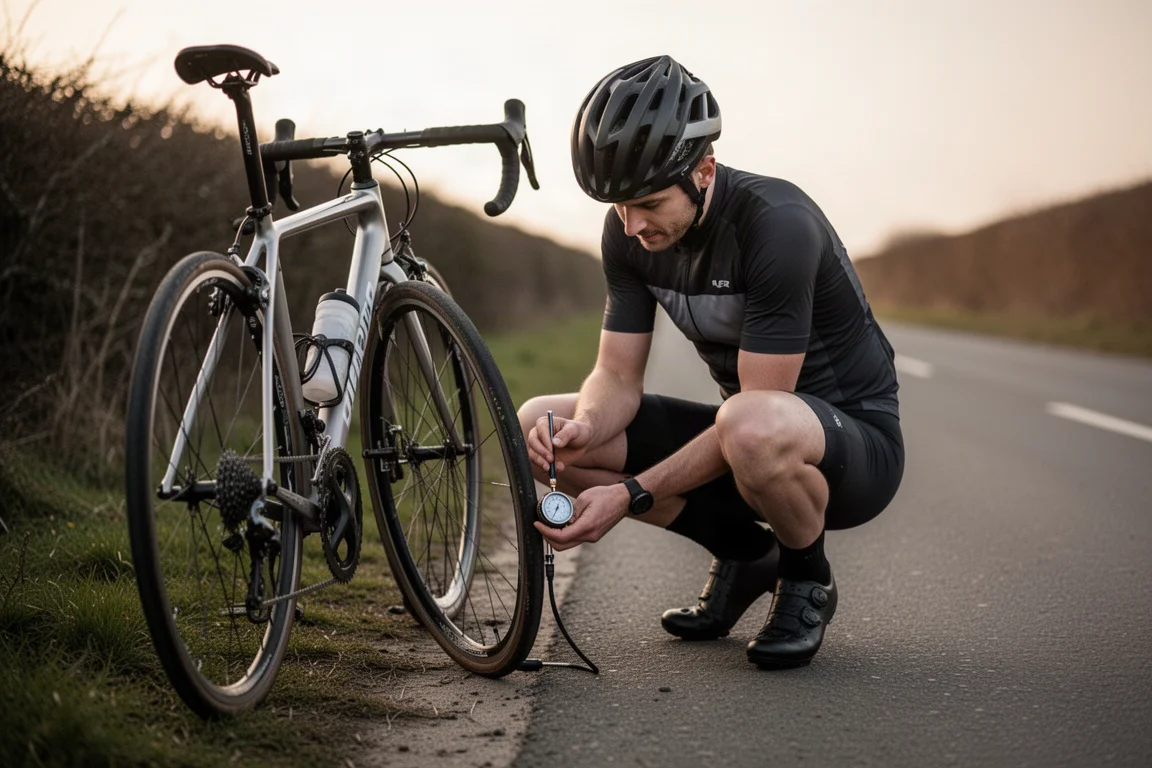
Weight is the clearest trade-off. The 40 mm version measured 462 g, a significant step up from a 28 or 30 mm tire. Setup, however, is a genuine strength: it mounted with an ordinary track pump and no fuss, which is what tubeless installation should feel like.
René Herse Barlow Pass: Supple, Light, and Expensive
The Barlow Pass measures 38 mm and is the more supple of the two tires on the same roads, conforming to rough surfaces in a way that feels closer to riding on a magic carpet. Choosing the extra-light casing also brings its weight down compared with the chunkier Pirelli.
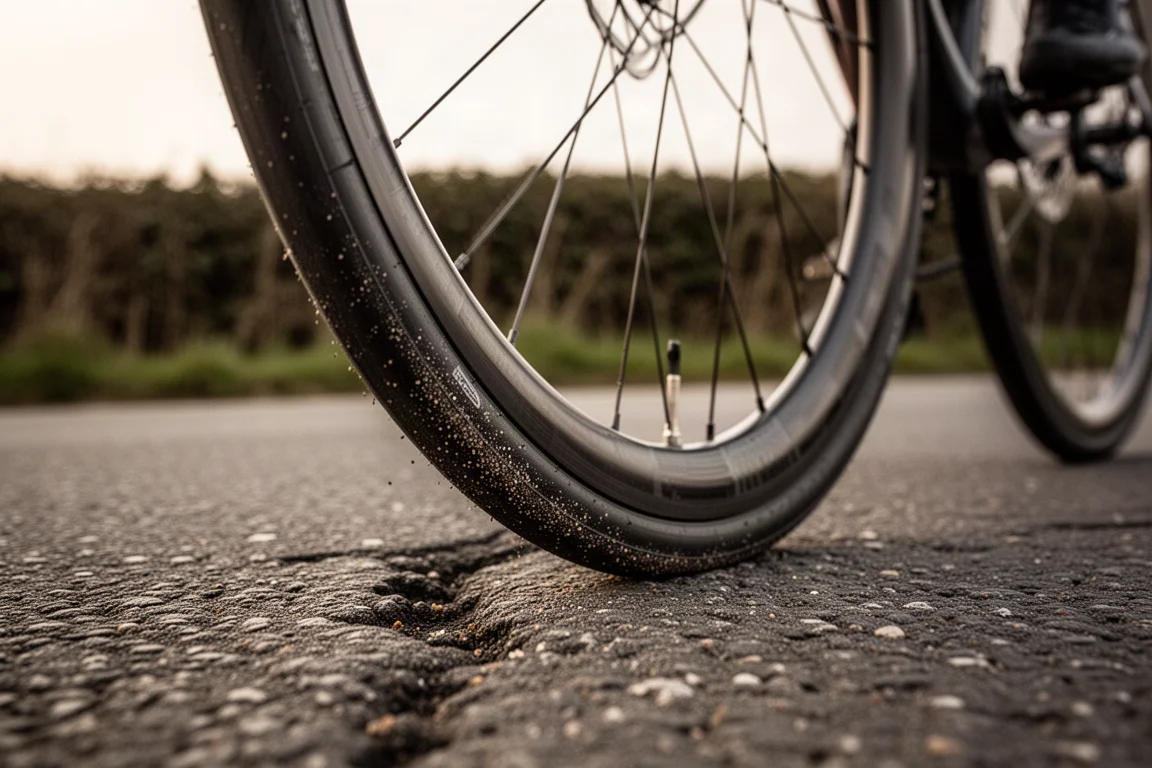
The trade-offs are clear. It is very expensive, more fragile, and more puncture prone than the Pirelli, and its very loose beads make tubeless installation difficult.
The Comparison Ride: What the Power Numbers Showed
The test route was 11.36 km long, and both runs finished in 21 minutes and 45 seconds at an average speed just over 31 km/h. The power required was not the same: 205 W on the 30 mm setup and 217 W on the 40 mm P Zero Race, a difference of 12 W.
That gap is substantial. Holding the same speed on the wider tire took noticeably more effort, which matches the impression that the 40 mm tire felt harder to keep up to pace.
Aerodynamics are part of the explanation. A front tire that is 10 mm wider pushes more air, and the tire and rim interaction matters as well. On a wheel with a 25 mm internal width, a 40 mm tire takes on a light bulb profile, which is unlikely to help the aerodynamic performance of the tire and rim as a system.
Grip, Comfort, and Confidence on Rough Roads
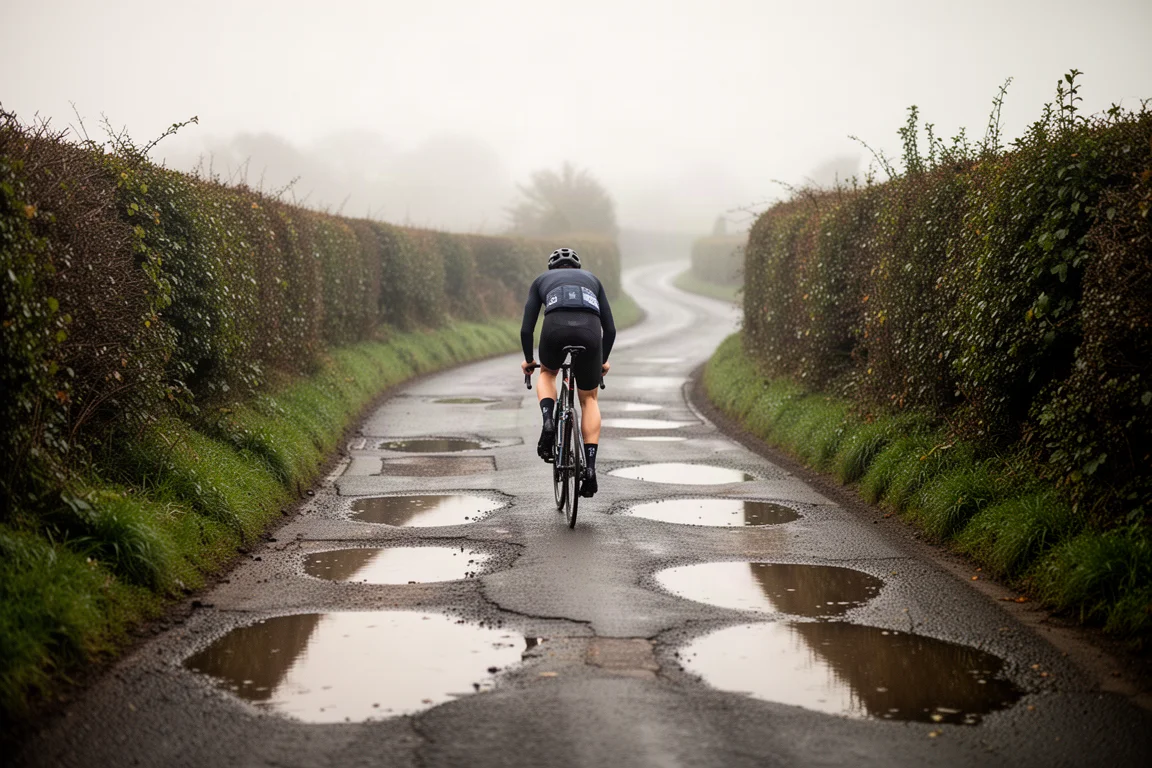
The first laps on the 40 mm tires were a stark change from the 30 mm setup. The wider tire felt smoother, isolated road buzz and bumps more effectively, and gave a plusher ride overall. Through twisty sections full of potholes and standing water it also felt more planted, making it easier to carry speed with confidence.
By contrast, the 30 mm tire felt fast, responsive, and agile from the first pedal stroke. For anyone accustomed to narrower rubber, that familiarity is a genuine part of the appeal.
Weight, Setup, and Alternatives
Weight and installation deserve a place alongside ride feel in the decision. The 40 mm P Zero Race is a chunky tire at 462 g, while the Barlow Pass can be built lighter with its extra-light casing but demands more patience during tubeless setup.
Other options exist in this width. Slick gravel tires from brands such as Panaracer, Schwalbe, and WTB fall into a similar category, and some add shoulder tread for more rugged durability on gravel.
A 40 mm tire can also work as a second set on spare wheels, turning a gravel bike into something closer to a road bike for faster rides.
Overall Buying Advice: Is 40 mm the Limit?
If speed and weight matter most, a 28 or 30 mm tire is probably the better choice. It feels quick, the data supports that impression, and it needs less power to hold the same speed.
If comfort, grip, and control matter more than outright pace, and the frame has room for the extra width, a 40 mm tire is a sensible option. On the evidence of this comparison, 40 mm looks close to the practical limit of what extra width can offer, and wider is not automatically faster.
These conclusions come from an initial set of comparison rides, so longer-term impressions may shift with more time on the wider tires.
Conclusion
Wider road tires bring real gains in comfort, traction, and confidence, but they are not free. The 40 mm Pirelli P Zero Race traded 12 W at the same speed for a smoother, more planted ride, and its easy tubeless setup is a genuine advantage. The René Herse Barlow Pass counters with a more supple feel and a lighter build when specified with the extra-light casing, at a much higher price and with more fragility. Choosing between them comes down to whether speed or comfort sits at the top of your list, and whether your frame has the clearance for 40 mm in the first place.
Further reading
Related Reviews
Cycling Tires
Best All-Season Road Bike Tires 2026: 9 Tested Options for Year-Round Riding
A practical guide to nine all-season road tires, from fast and supple to tough and durable, based on thousands of kilometers of real-world riding.
Cycling Tires
Best All-Season Road Tires: Nine Tubeless Picks for Grip, Speed and Durability
A practical guide to nine all-season road tires, from supple race-bred options to hardier models built for winter mileage and puncture protection.
Cycling Tires
Best Road Tubeless Tires 2026: Five Fast Options Compared
A rolling resistance lab test plus real world fitting and ride notes on five premium road tubeless tires, from the fastest to the ones with clear trade-offs.