Cycling Tires
Best All-Season Road Tires: Nine Tubeless Picks for Grip, Speed and Durability
A practical guide to nine all-season road tires, from supple race-bred options to hardier models built for winter mileage and puncture protection.
Introduction
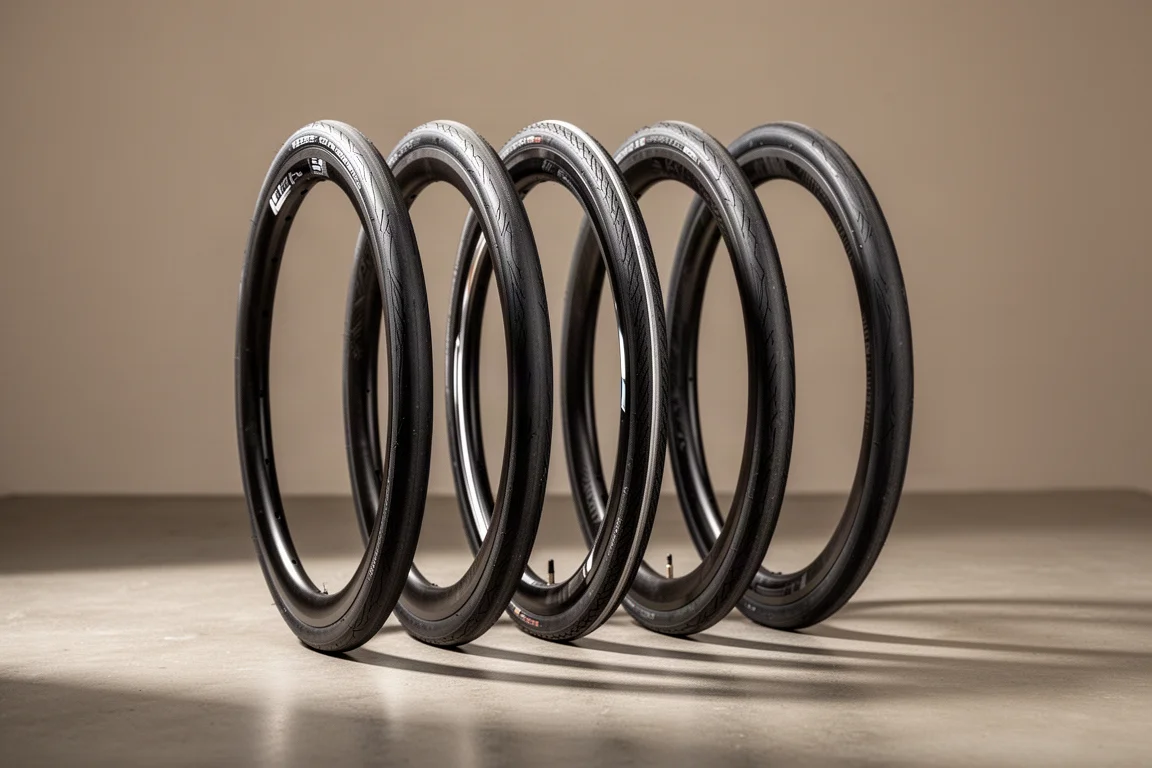
All-season road tires exist to solve a simple problem: you want the speed and ride feel of summer rubber, but you do not want to spend half the winter at the side of the road fixing punctures. The category has improved enormously. Compounds and treads are now tuned for mixed conditions, so they hold grip better than racier tires in the cold and the wet, and some models add genuinely useful touches such as reflective sidewall strips.
Tubeless construction is where most development is heading, and tubeless all-season tires are generally built a little sturdier than tube-type equivalents because they need to hold air without a tube inside. Whether you run them tubeless or with tubes is a personal call. Running a tubeless all-season tire with a tube inside is a perfectly reasonable choice: you get the tougher casing without the mess of a failed tubeless seal or the hassle of carrying a repair kit. Any small rolling resistance penalty matters less in changeable weather, when you are rarely pushing at full race pace.
The tires below are split into two groups. The first five lean toward speed, suppleness and low weight. The final four put puncture protection and longevity first. Both approaches are valid, and the right answer depends on the roads you ride and how much you dislike fixing flats.
How These Tires Were Evaluated
The findings here come from thousands of kilometers of real-world riding across a wide mix of roads and conditions, built up over a couple of years. The reference setup was 28 mm tires run at around 75 to 80 PSI, which is roughly 5.1 to 5.5 bar. Most tires were ridden both tubeless and with tubes.
This is not laboratory testing, so conditions were not identical from one ride to the next. The assessment focused on what actually matters on the road: how much grip the casing and compound transmit through the bike, how the tire behaves in cold and wet weather, how well it resists cuts and punctures, how accurately it inflates to its nominal width, how easy it is to mount, and how quickly the tread wears.
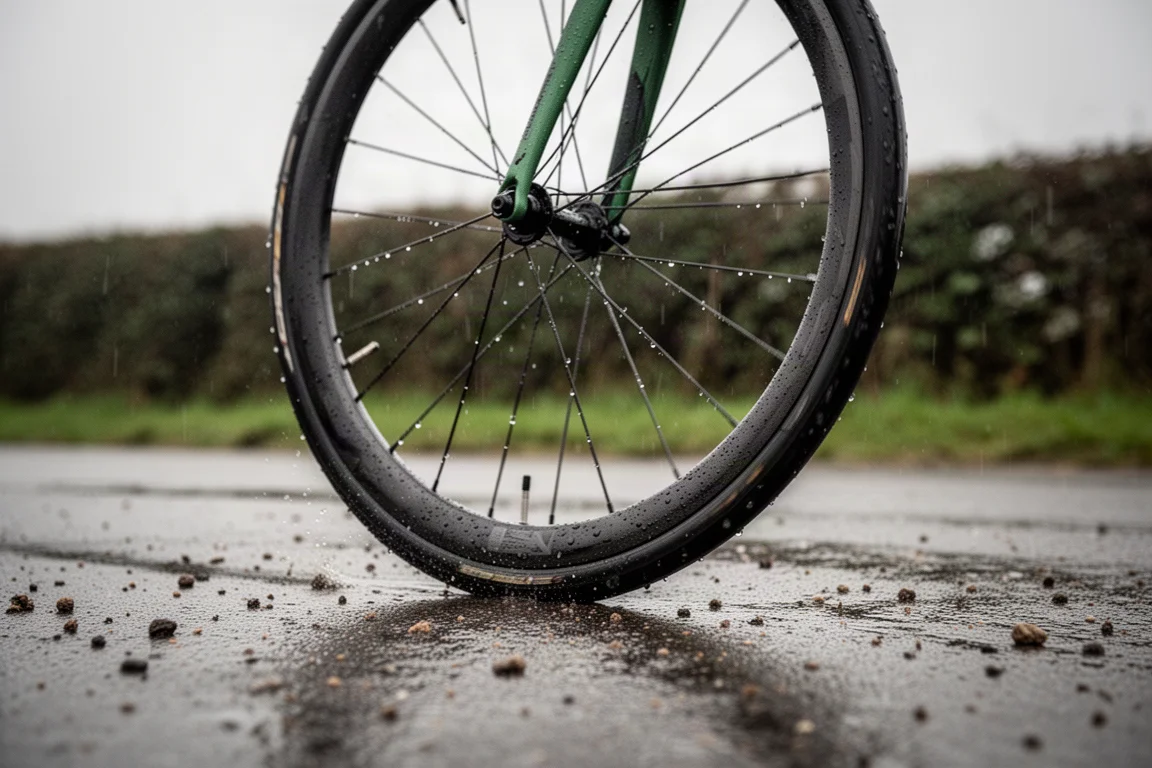
Weight and suppleness were recorded too, since those two attributes explain most of the difference in feel between a racy all-season tire and a hardier one. Where a tire was ridden for a long period after the initial assessment, that longer-term experience is noted in the sections below.
Vittoria Corsa Pro Control
The Corsa Pro Control is the tire to choose if suppleness and ride feel matter most to you. Its 320 TPI cotton casing is four to five times denser than the casing found in some all-season tires, and it is the same construction used on the brand’s Corsa Pro race tires. That casing lets the tire mold itself into the road surface, which translates into a clearer sense of the grip available beneath you, especially when conditions are less than perfect.
The compound is made a little thicker here, which helps keep punctures at bay, but there is no dedicated puncture protection layer. The flexible sidewalls that make the tire so comfortable are arguably its weak point, even though no punctures were experienced on this set. At 314 g for a 28 mm tire it is genuinely light, and the flexible construction makes it a little more difficult to install than average. Fit will vary from wheel to wheel, so it is worth bearing the installation point in mind. Once mounted, it is a lot of fun to ride.
Panaracer Agilest Duro
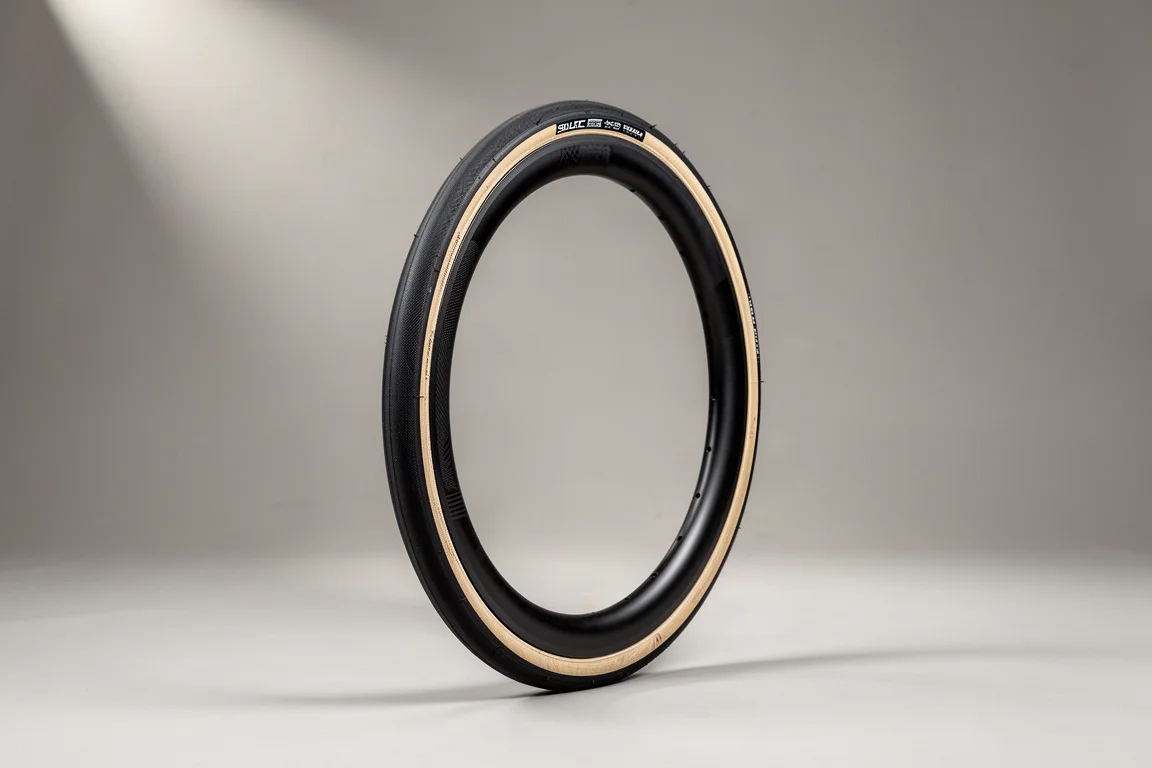
The Agilest Duro follows a similar philosophy: supple, fast and light. It weighs a scant 290 g in a 30 mm size and uses a near-slick tread pattern. The top-level ZSG compound grips well in the wet, and it transitions smoothly over the shoulder of the tire, which gives a strong sense of confidence when leaning into a corner.
Puncture resilience has been impressive for a tire this light, with no bulk to hide behind. The main caveat is sizing. A 30 mm tire measured just 29.1 mm wide on a 21 mm rim, which is narrower than expected. That smaller volume can make the tire feel a little less insulating from rough road surfaces than some alternatives, though sizing up is a straightforward way to compensate if everything else about the tire appeals.
Pirelli P Zero Race TLR 4S
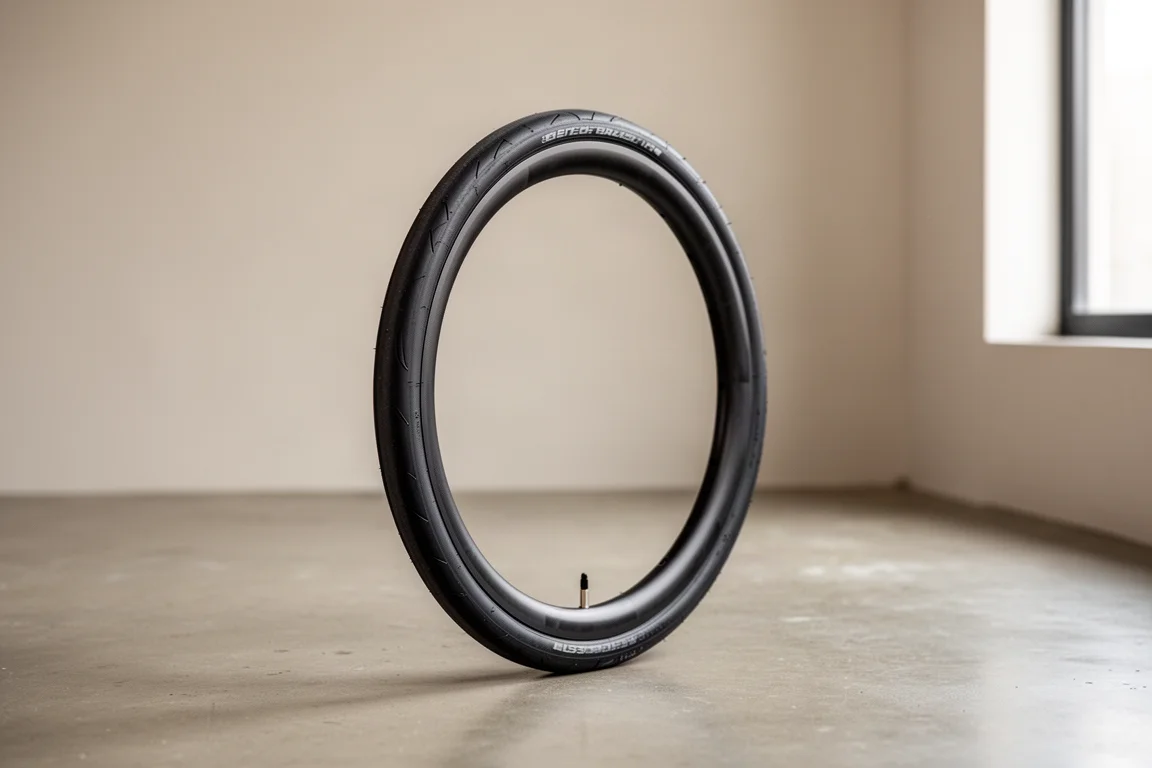
The P Zero Race TLR 4S borrows the same 120 TPI casing as the brand’s race TLR tire, but swaps in a silica-infused compound that is said to be less hydrophobic than the rubber used in its very fastest tires. The result is better grip in wet weather, and the tire has felt confident in the grip it offers across all conditions.
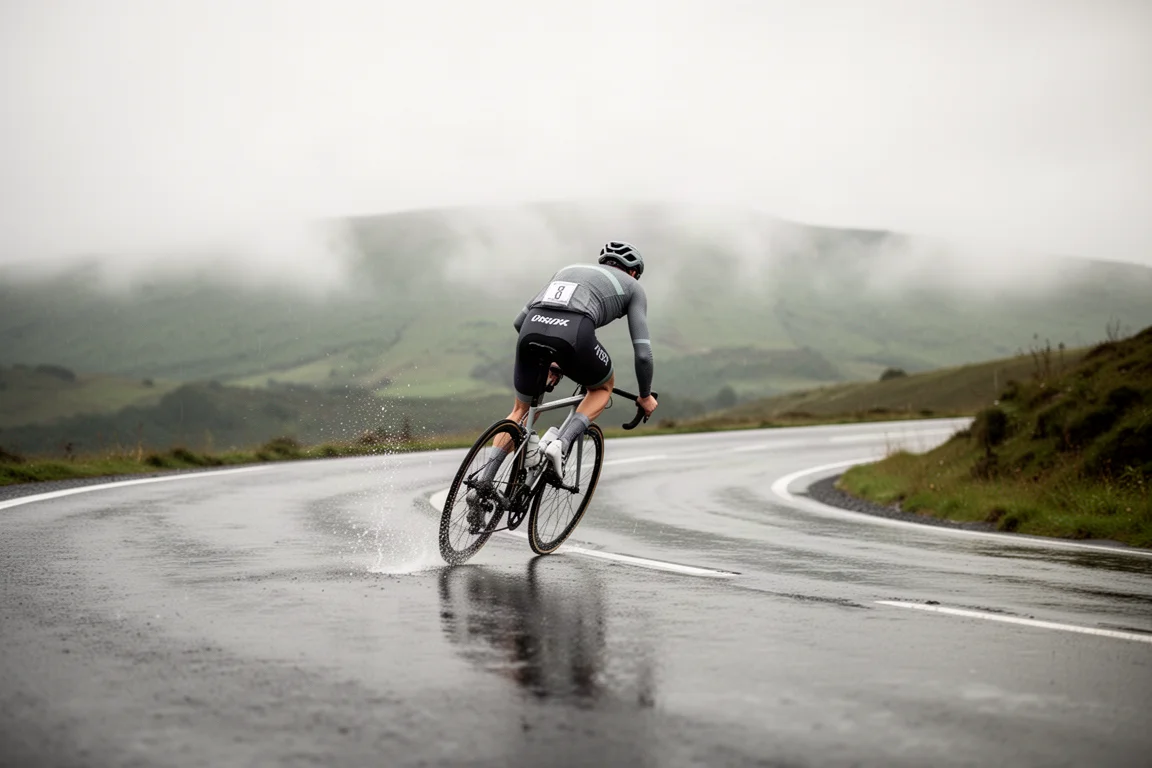
Durability of the compound has also stood up well. It was used through most of the winter of 2023 after the initial assessment and held up strongly. The compound is said to arrange microscopic rod-shaped particles to help keep sharps out, and while those particles are obviously invisible, the tire has shrugged off road debris effectively. It rolls quickly, and like some others here it inflates a little narrower than advertised. Those are small concerns in an otherwise racy-feeling all-season tire.
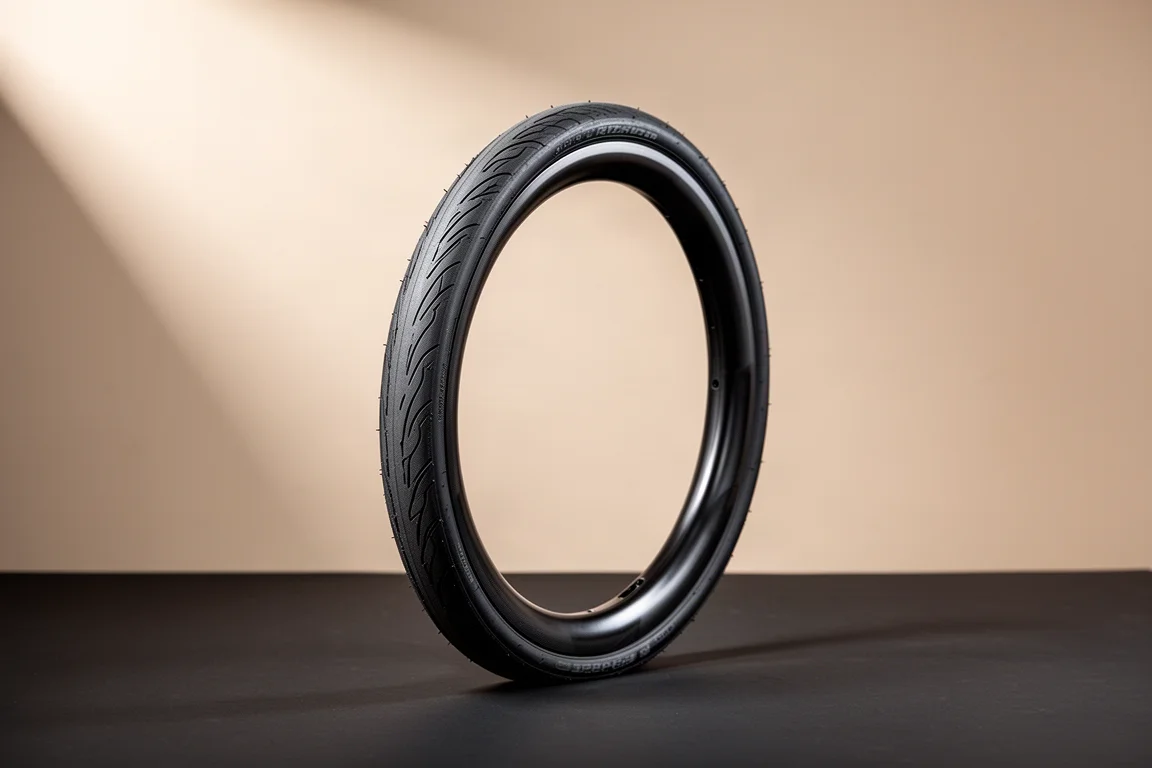
Continental Grand Prix 5000 AS TR
The Grand Prix 5000 AS TR is a racy all-season tire, so it skips the puncture protection belt found in the brand’s four-season clincher. Instead, its 110 TPI carcass is laid up with four layers where three is the norm. That extra layer does some of the work a protection belt would do, but it should be better for suppleness and speed as well.
The trade-off is wear. The Black Chili compound wears down a little quicker than some rivals, and the original set from early 2023 had cut up a little more than average by the time it was replaced. Riders who tend to avoid the very worst weather will find this a great performance-oriented option. It is also available with a reflective band for visibility. That band began peeling away on the original test set, though other sets have been fine.
Specialized S-Works Mondo
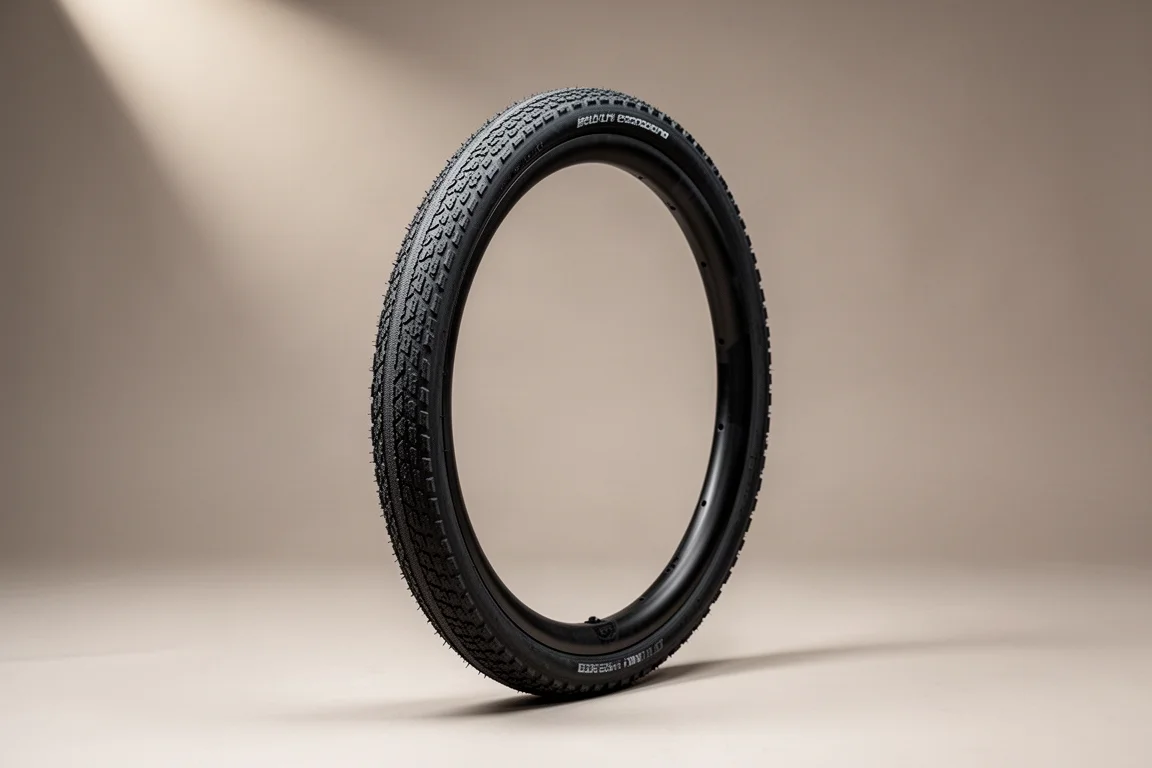
The S-Works Mondo is something of a magic trick: it has all the hallmarks of a fast, premium all-season tire, yet it costs a solid 30 or 40 less than many rivals. It uses two compounds, a faster-rolling one down the center of the tread and a grippier one on the shoulders. The texture on the shoulders grips about as well as any tire tested, and the model has been raced on the cobbles of Paris-Roubaix, which is about as tough a proving ground as exists.
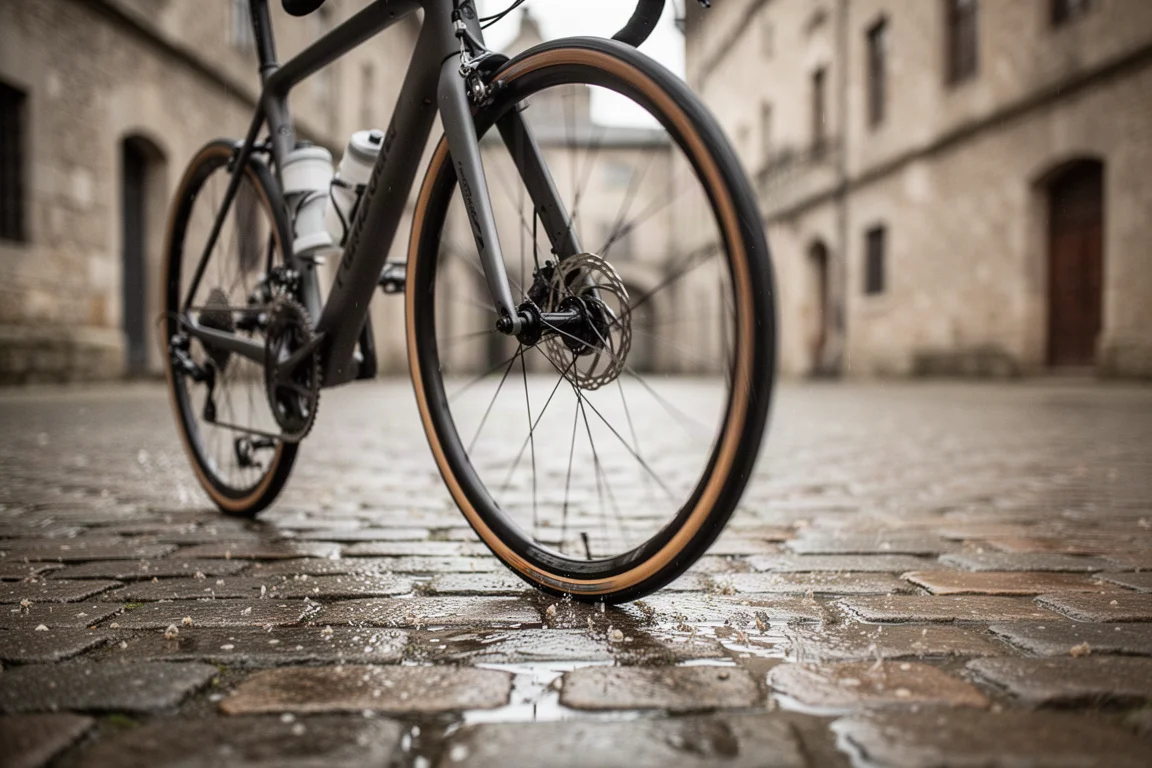
Rolling resistance is decently competitive as well. It mounts to test wheels as easily as a flexible race tire, which makes setup simple, and at 317 g for a 28 mm tire it is on par with the supple Vittoria Corsa Pro Control and beaten only by the Panaracer Agilest Duro. The faster central compound can cut up a little more than average; a couple of nicks appeared in the rubber fairly quickly, though the tire was run through genuinely awful conditions at the time.
Schwalbe One 365
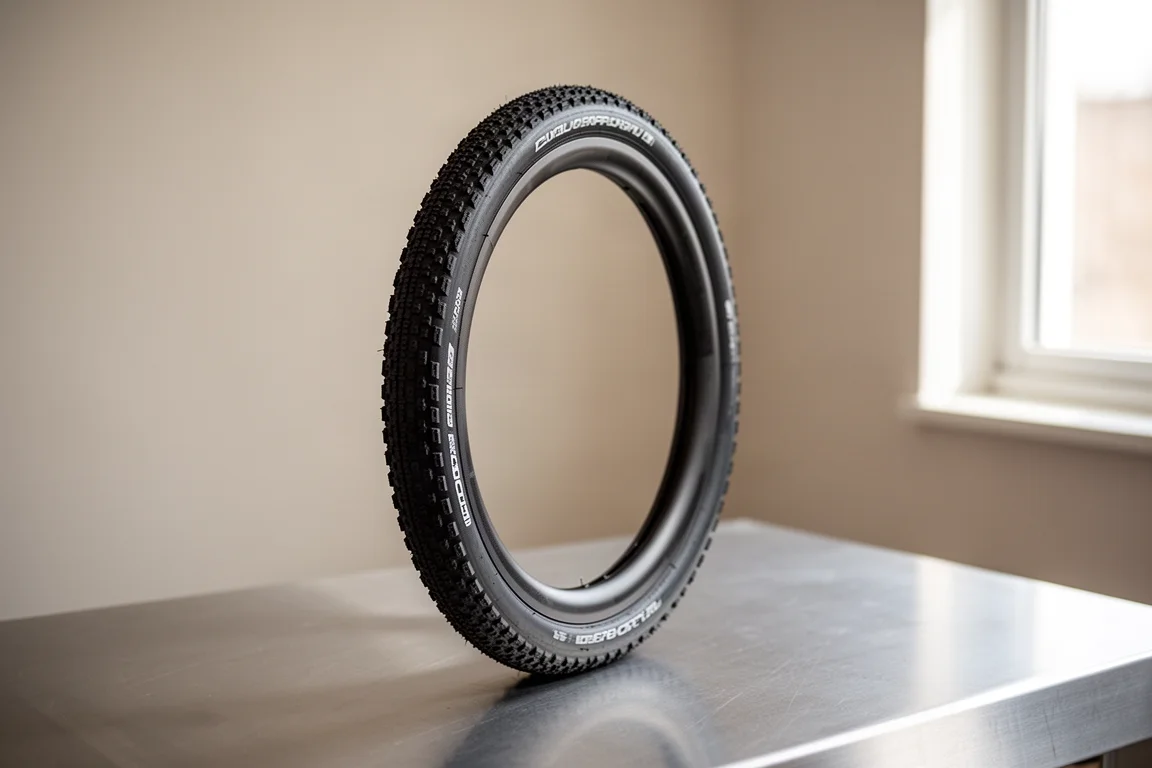
The One 365 sits at the tougher end of the spectrum. Its tubeless version comes with a reinforced 67 TPI carcass and a nylon puncture protection belt running under the central tread and the shoulders. That is reassuring on roads covered with grit and sharp flint pieces, and the rubber has proved resilient to insertions.
The flip side is a lack of suppleness. The construction is tougher than average, and the result is that you do not get quite the same level of feel through the bike as you do from racier tires. A reflective strip on the sidewall helps side visibility in the dark. It feels firmer and possibly duller than the tires above, which makes it a good choice for reliable winter commuter duty or for riders who are not intending to race about. It also sizes up a little wider than most on the same rims, which is no bad thing for comfort provided you have the clearance. Sizes are limited to 28 mm and 32 mm; a nominal 30 mm or 35 mm option would be welcome.
Teravail Telegraph
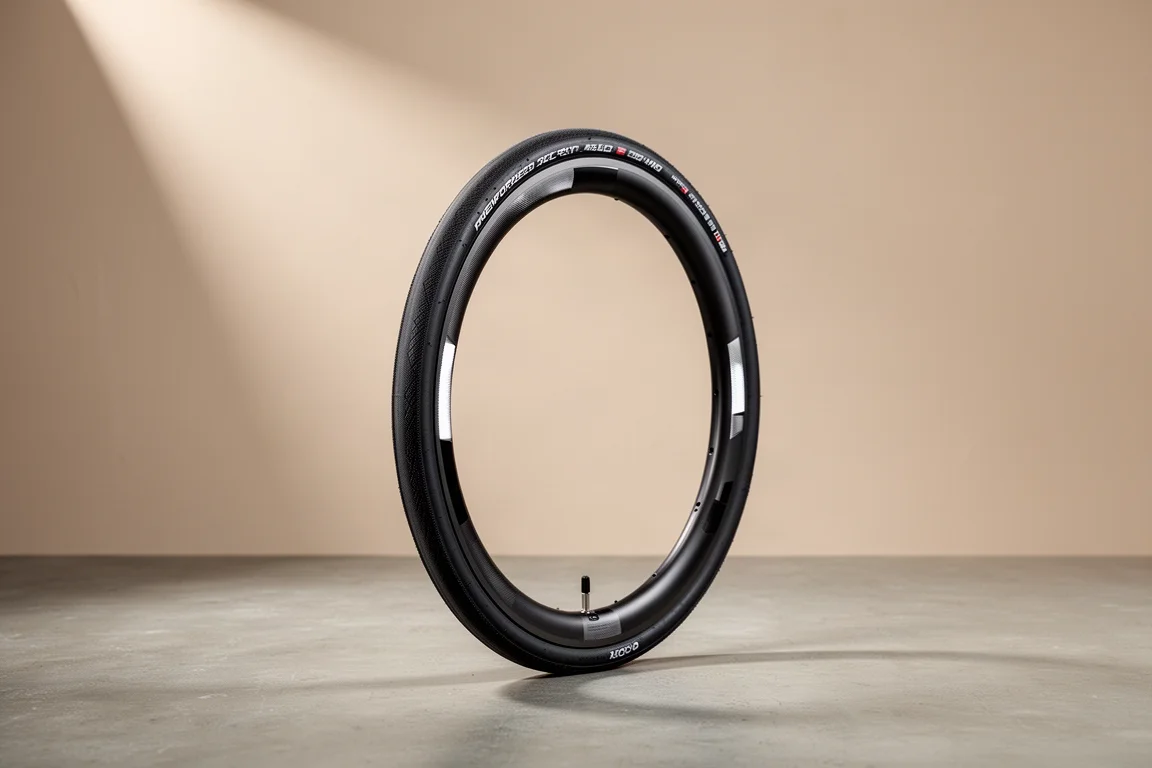
Teravail is not a brand that immediately springs to mind for most road riders, but the Telegraph is a strong performer. It comes in two versions: a durable one with a nylon puncture protection belt, and a light and supple one without. Prices have risen since the tire was first assessed, but it remains on a par with, or just below, most of the tires in this guide on cost.
The 120 TPI casing feels transmissive enough that you keep a good sense of the grip conditions, and the sidewalls are reinforced. With a 364 g weight in a 28 mm size, though, it is best viewed as a hardier option for steadier winter miles. Racier all-season tires tend to sit nearer 300 g. It is not the heaviest tire around, but it is heavy enough to notice.
Michelin Power Protection TLR
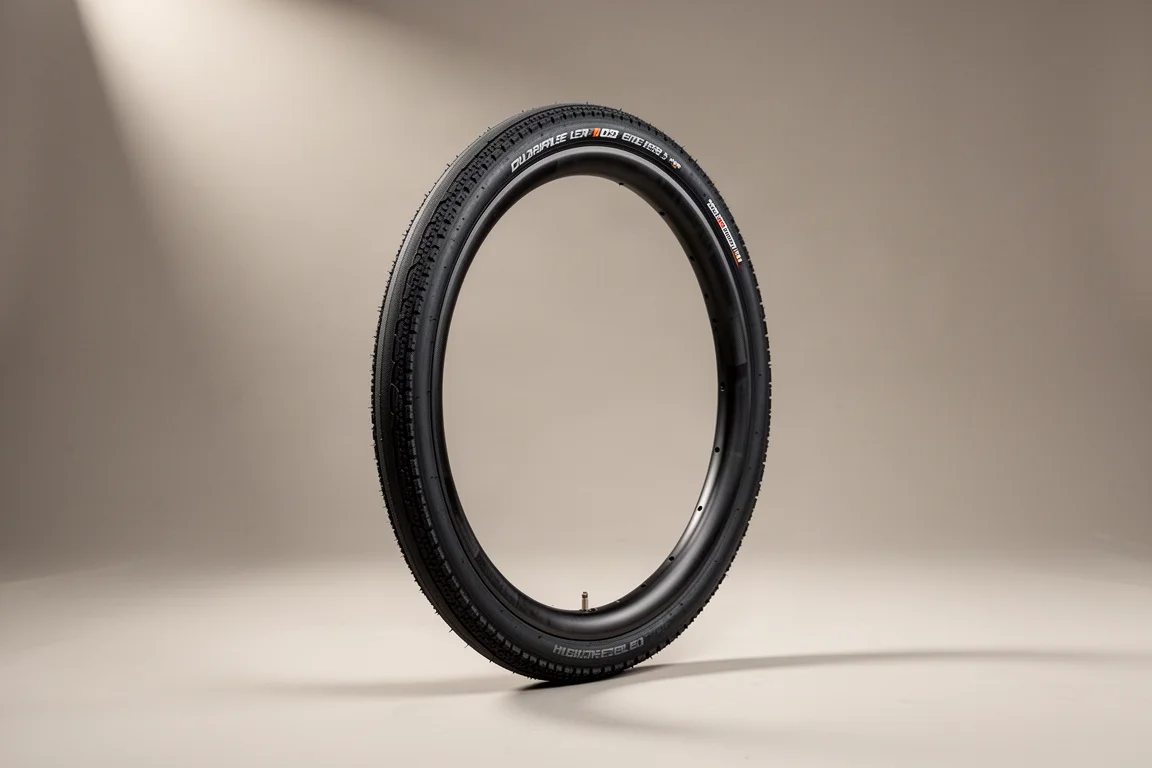
The Power Protection TLR is a lighter take on the tougher formula. It has a puncture protection layer running from bead to bead, yet weighs just 322 g per tire in a 28 mm size. That puts it right up there with the racier alternatives and helps it feel lively on the road.
There is no compromise in the carcass material on paper: it is 120 TPI, and it feels decently supple despite the isolating belt underneath. The compound and tread are oriented toward grip in changeable weather rather than low rolling resistance, so riders chasing outright speed should look at the racier tires earlier in this guide. As a practical bonus, the tire is really easy to fit and unseat, which is a genuine advantage if you ever have to fit a tube at the roadside.
Hutchinson Challenger TLR
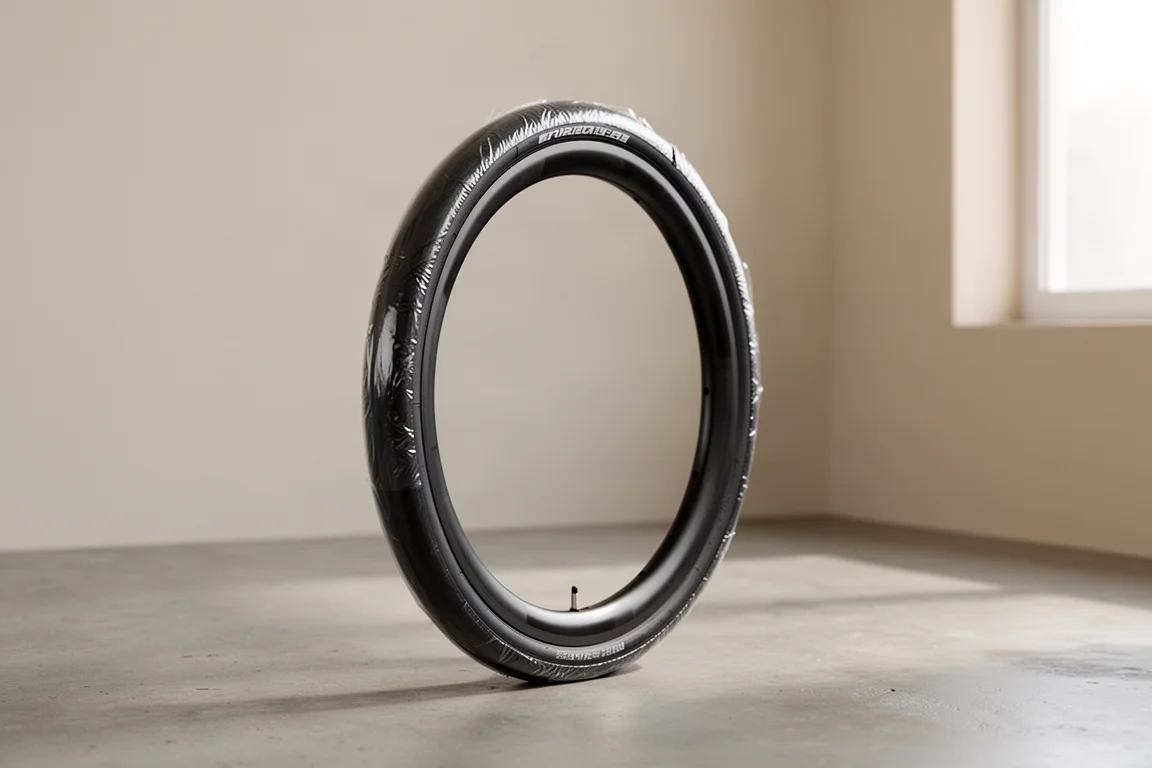
The Challenger TLR is worth considering if mileage above all else is your priority. Its compound is said to be good for 10,000 km of riding, and the signs are encouraging: after around a third of that distance, very little wear was visible. That is a far cry from racier all-season tires, which wear through much faster.
Two puncture protection layers are used, one made of polyamide and the other of tougher aramid fibers. There is also an inner layer designed to ensure an airtight seal without tubeless sealant. Sealant is still advisable for plugging unlucky holes, and in practice getting a seal without it was trickier than the marketing suggests, but the layer is a reassuring feature if you run them tubeless and want strong air retention. The downside is weight: close to 400 g each in a 28 mm size, which strays into dedicated winter tire territory. All-weather grip is a further strength and is as confidence-inspiring as almost any tire tested, making this a great option for steady winter coffee rides.
Buying Advice: Choosing Your Point on the All-Season Spectrum
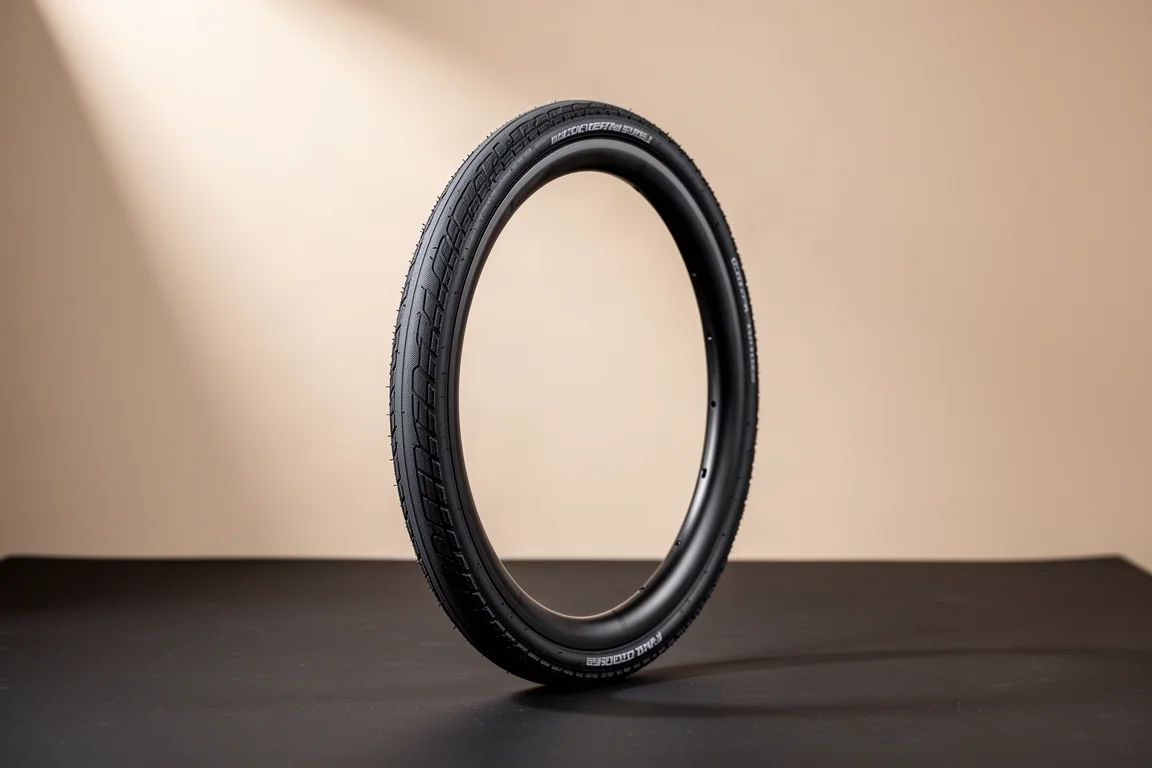
If you want something hardier than a summer tire for the rest of the year but do not want to go all the way to a dedicated winter tire, the real decision is where on the all-season spectrum you want to sit.
At the racy end, the Vittoria Corsa Pro Control and Panaracer Agilest Duro lead on suppleness and low weight, with the Specialized S-Works Mondo offering a similar feel for less money, and the Pirelli P Zero Race TLR 4S and Continental Grand Prix 5000 AS TR rounding out the performance-focused choices. At the tougher end, the Schwalbe One 365, Teravail Telegraph, Michelin Power Protection TLR and Hutchinson Challenger TLR trade some feel and some weight for extra protection and, in the Hutchinson’s case, exceptional mileage.
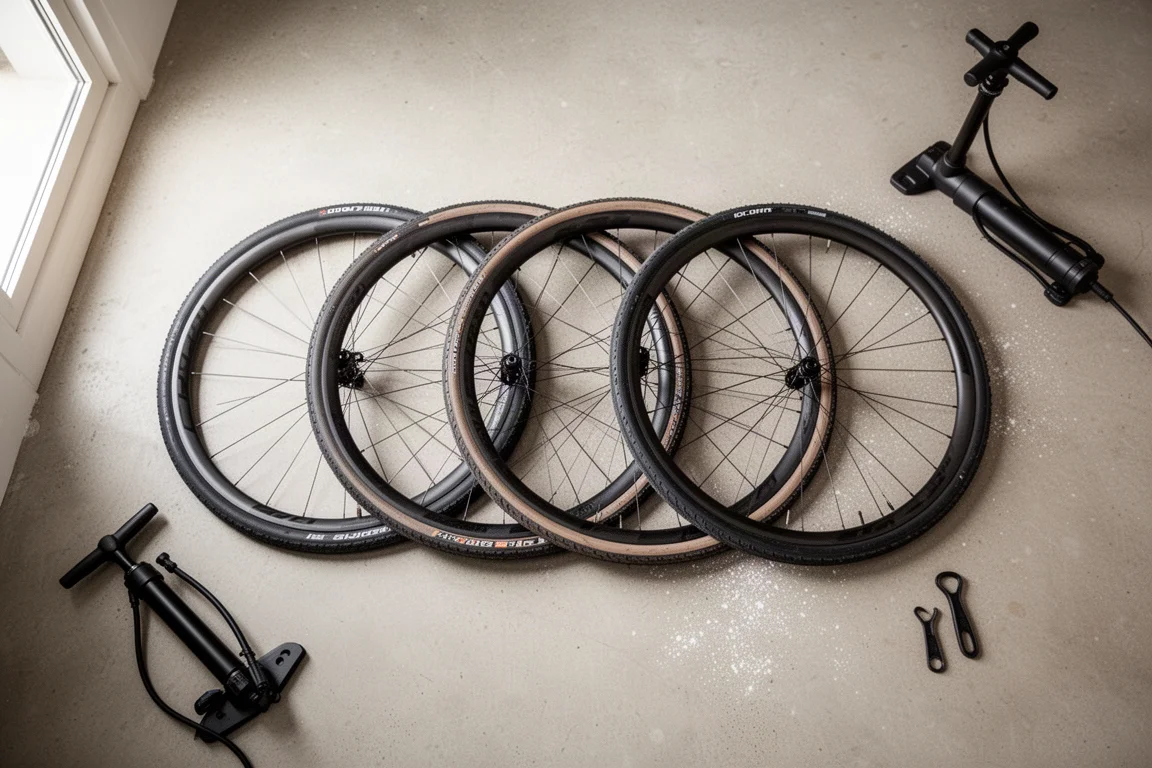
Practical points are worth weighing alongside ride feel. Check sizing first: several tires here inflate narrower than their nominal width, so a 30 mm or 32 mm option may be the better fit if you want a given volume. Consider installation difficulty, particularly if you run tubes and may need to fit one at the roadside. And think about whether reflective sidewall details matter for the low-light hours you actually ride in, since the Continental and Schwalbe options include them.
Conclusion
There is no single right answer here. If you cannot do without race-tire suppleness and speed, the racier half of this list will serve you well, with the Vittoria Corsa Pro Control at the top for feel and the Panaracer Agilest Duro close behind on weight. If your priority is confidence that you will not be fixing a puncture in the cold, the tougher options deliver exactly that, and the Hutchinson Challenger TLR adds long service life on top.
Match the tire to the roads you actually ride and the conditions you are willing to go out in, and any of these nine will make a sensible all-season choice.
Further reading
Related Reviews
Cycling Tires
Best All-Season Road Bike Tires 2026: 9 Tested Options for Year-Round Riding
A practical guide to nine all-season road tires, from fast and supple to tough and durable, based on thousands of kilometers of real-world riding.
Cycling Tires
Best Road Tubeless Tires 2026: Five Fast Options Compared
A rolling resistance lab test plus real world fitting and ride notes on five premium road tubeless tires, from the fastest to the ones with clear trade-offs.
Cycling Tires
Continental GP 5000 S TR Review: A Lighter, Hookless-Ready Tubeless Road Tire
Continental's new tubeless road tire drops weight, adds hookless compatibility, and fits by hand, but seating the bead may need more than a floor pump.