Cycling Tires
Best Road Tubeless Tires 2026: Five Fast Options Compared
A rolling resistance lab test plus real world fitting and ride notes on five premium road tubeless tires, from the fastest to the ones with clear trade-offs.
Introduction
Tires are one of the most consequential parts on any road bike, and the number of credible tubeless options has grown quickly. Rolling resistance figures get quoted constantly, but they rarely tell the whole story of what a tire is like to live with.
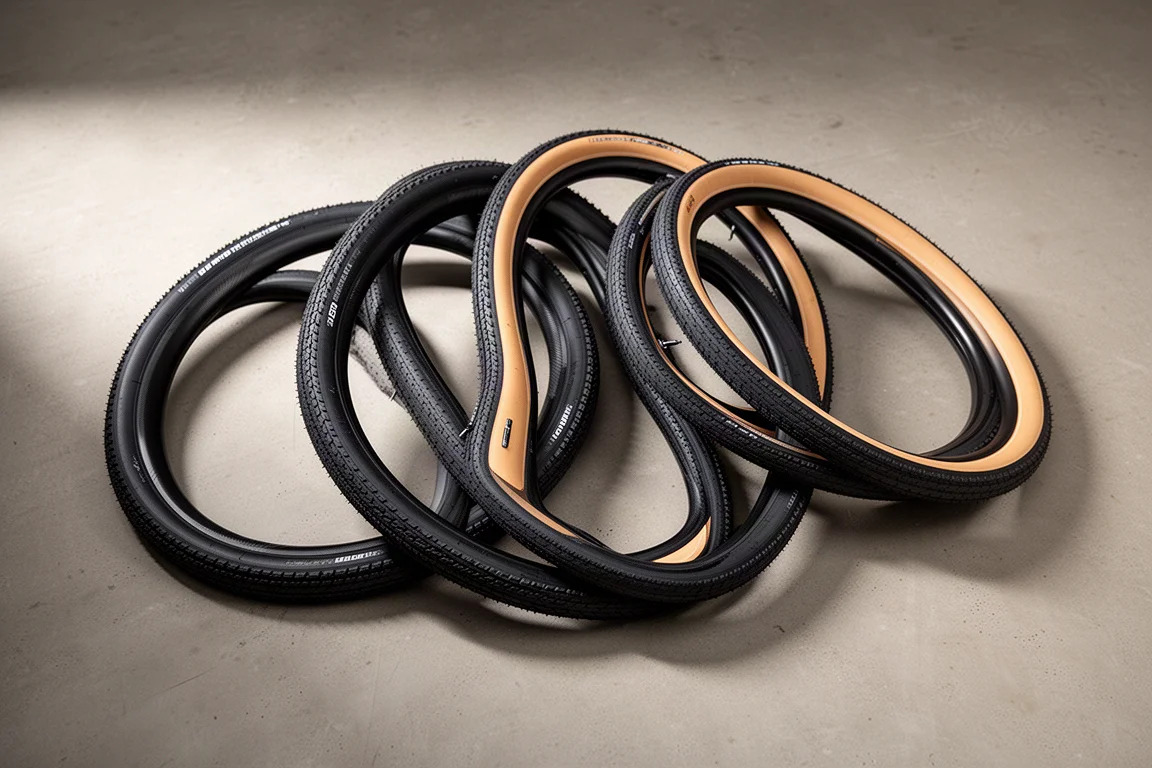
A group of eight high-end all-round road tubeless tires went through a rolling resistance laboratory test at the Silverstone Sports Engineering Hub, followed by installation work, tubeless setup and real road riding on local roads. This guide covers five of the models from that group, covering where each one shines, where it gives something away, and who it suits.
How the Rolling Resistance Testing Worked
The laboratory uses a bicycle-specific rig built around an oversized motor-driven roller. A wheel is pressed against that roller with a vertical mass applied to simulate the load of a rider, deforming the tire much as it would under a real rider. A torque meter then measures the power required to turn the roller at a given speed, both with and without the tire in contact. All else being equal, a tire that loses fewer watts to rolling resistance should be faster in the real world, because more of the energy going through the pedals is turned into forward motion.
Each tire was mounted to the same carbon wheel using a latex inner tube rather than a tubeless setup. That choice kept test time manageable, removed air retention as a variable so pressure stayed consistent across every run, and avoided the mess of repeated sealant installs. Research ahead of the session indicated that a latex inner tube has roughly the same rolling resistance as around 20 ml of tubeless sealant, so it should not have skewed the results.
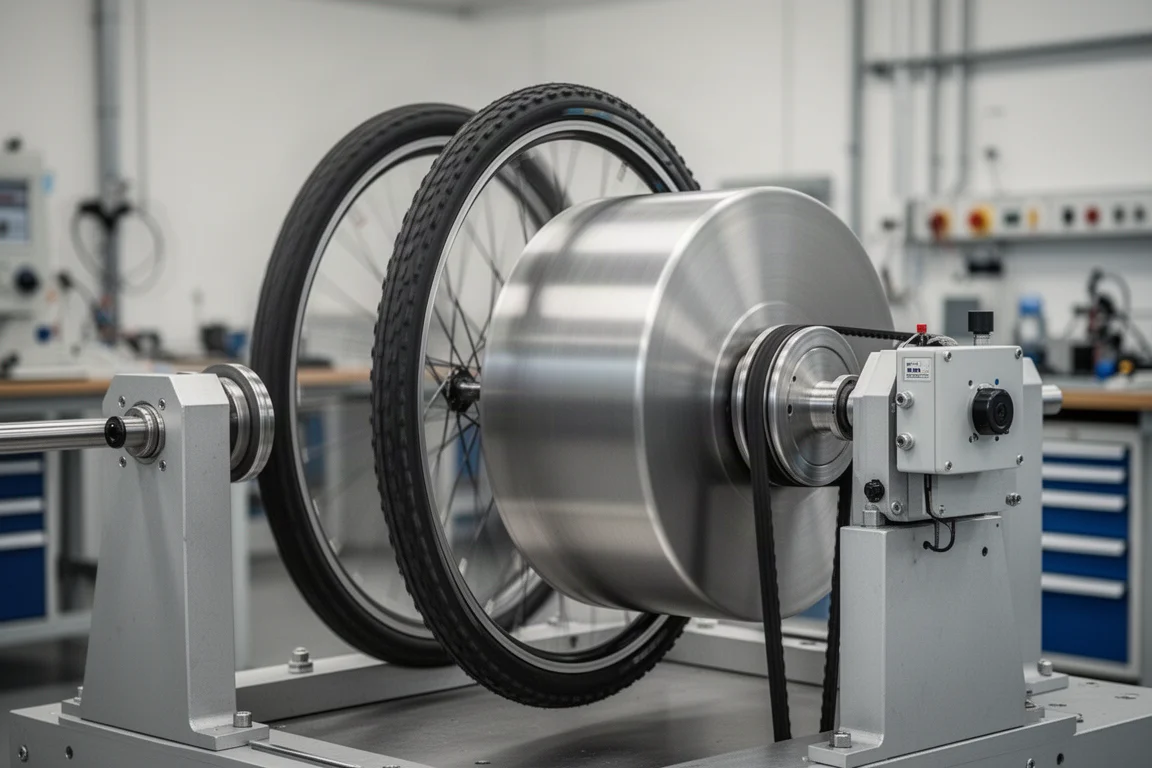
Every tire was inflated to 80 psi, or 5.5 bar, with a contact patch load of 40 kg and a test speed of 30 km/h. All were 700x28c except the Challenge Criterium RS, which was tested in 700x27c, the closest size available. The 28c size was chosen because it represents a sensible sweet spot for most road riders, balancing speed, weight, grip and comfort, and because most modern road bikes can accommodate it and many current road wheels are optimized around it.
The fastest and slowest tires in the group were clearly separated, but the spread between the top seven was less than 2.5 watts per tire, which most riders would struggle to detect out on the road. That context matters when weighing lab numbers against fitting effort, cost and puncture protection.
Pirelli P Zero Race TLR: The Most Efficient Tire on Test
The Pirelli P Zero Race TLR was the most efficient tire in the group, requiring just 11.86 watts per tire to overcome rolling resistance on the rig. That was the standout figure of the whole test.
Ride quality was excellent during real world riding, and the tire was easy to install and straightforward to set up tubeless. The main trade-offs are weight and inflated width. It is a little heavier than average, and it did not measure quite as wide as expected once mounted and inflated.
For riders who want the fastest all-round option in this group and can live with a modest weight penalty, this is the obvious starting point.
Vittoria Corsa Pro TLR: Superb Feel, Slower in the Lab
At 16.68 watts per tire, the Vittoria Corsa Pro TLR was the least efficient tire in the group. That result sits awkwardly against a tire with such a strong racing record.
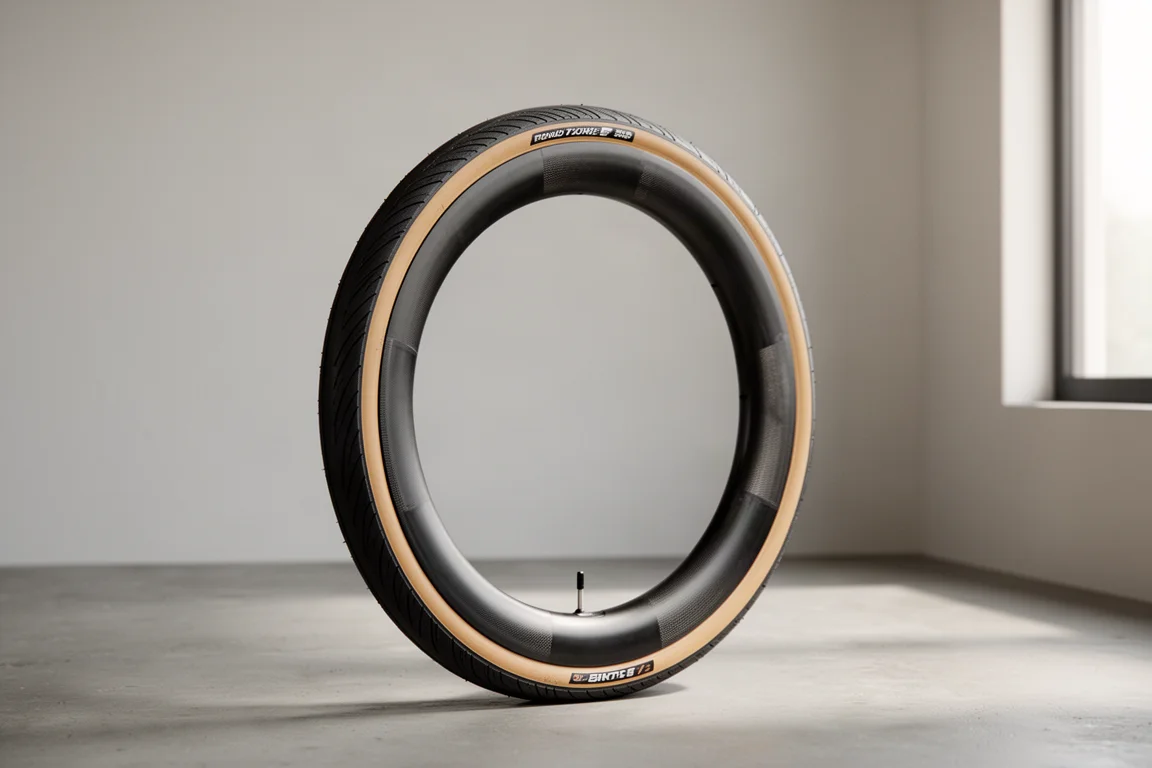
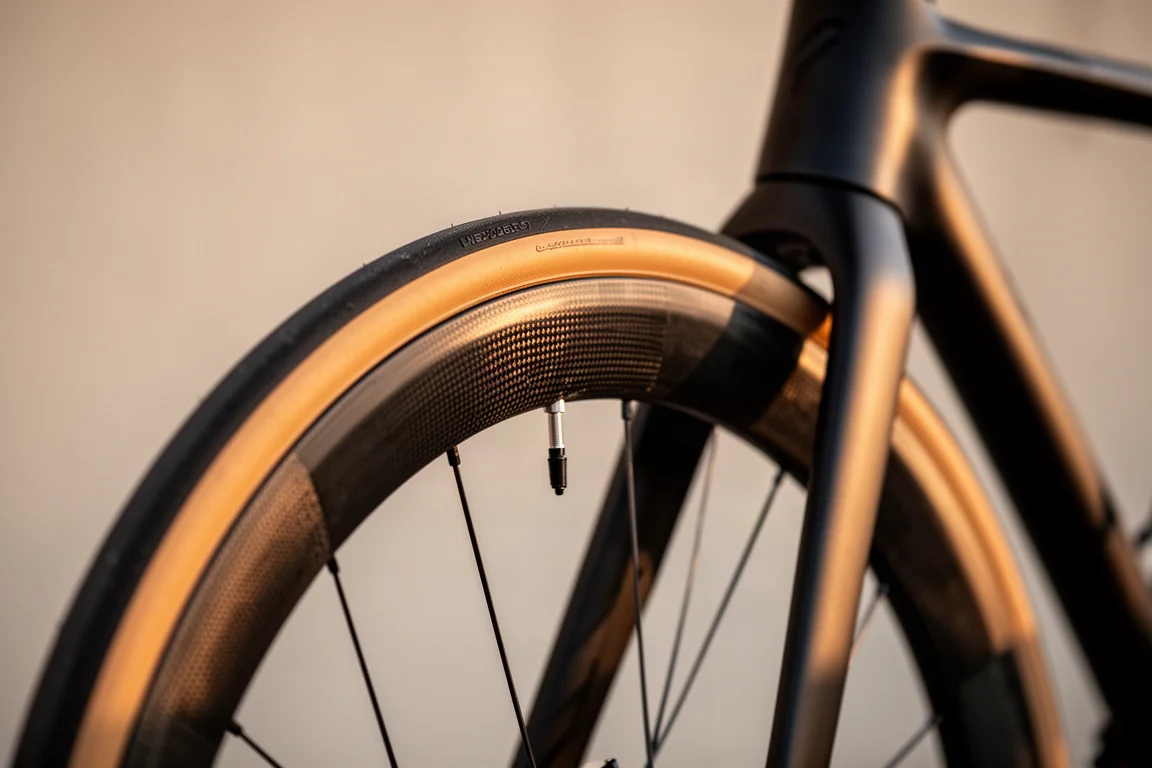
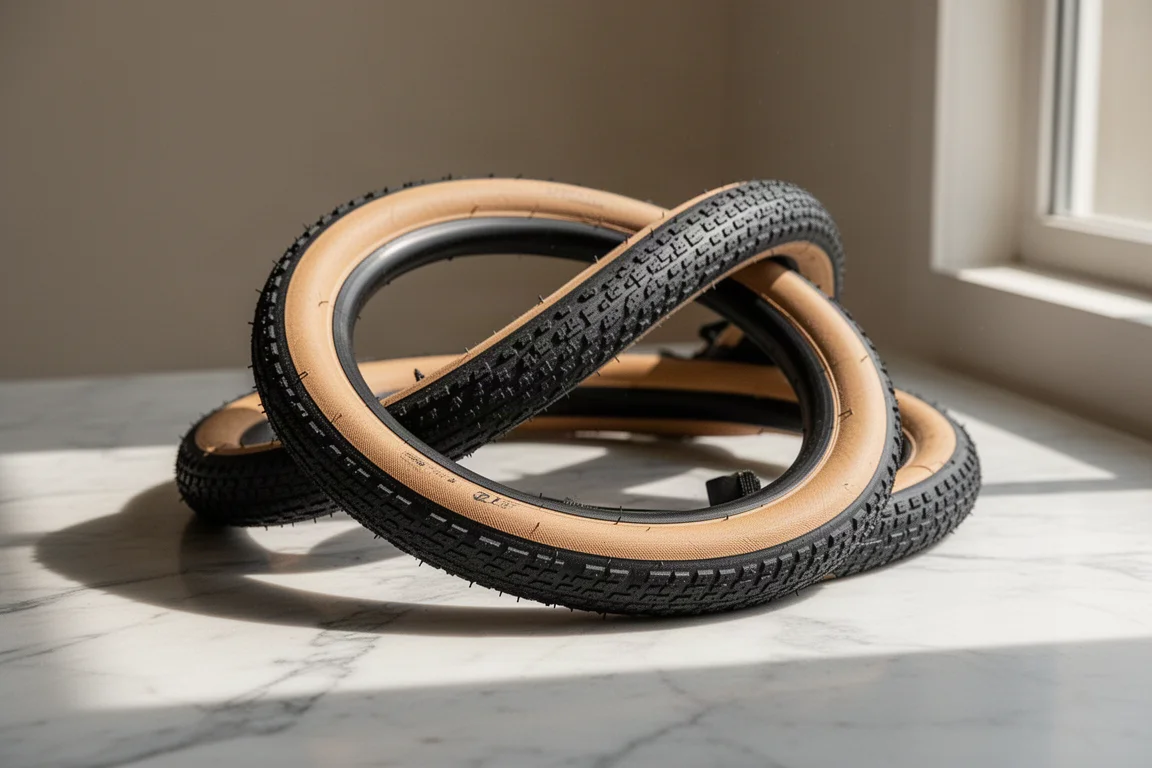
Rolling resistance aside, there was a great deal to like. Ride feel was fantastic, grip was excellent, and it was among the easiest tires in the group to set up tubeless. The classic tan sidewalls also make it one of the best-looking options here.
The result was queried with the laboratory engineers during the session and everything was double-checked without any issue being found, and the sample used was brand new out of the box. It remains possible that an unrepresentative sample was tested. At around £90 or $100 per tire, though, the lab gap is difficult to overlook if outright efficiency is the priority.
Challenge Criterium RS: Fast but Fiddly to Fit
On rolling resistance the Challenge Criterium RS was excellent, finishing just fractions of a watt behind the Pirelli. Its 350 TPI casing is super supple, ride quality is excellent and grip on the road is strong.
Fitting was the problem. The tire was extremely tight on the test rims, and getting the beads to pop onto the rim shelf proved very difficult. No amount of technique got the beads to seat with a standard track pump, and a dedicated tubeless inflator was needed to finish the job.
Every tire in this group is a premium model with good ride quality, excellent grip and a supple casing once pressures are dialled in. A tire that is roughly a watt less efficient but far easier to live with is the more sensible choice for most riders, which is why this one is hard to recommend over the alternatives despite its pace.
Specialized S-Works Turbo 2VR: Slower on Paper, Strong on the Road
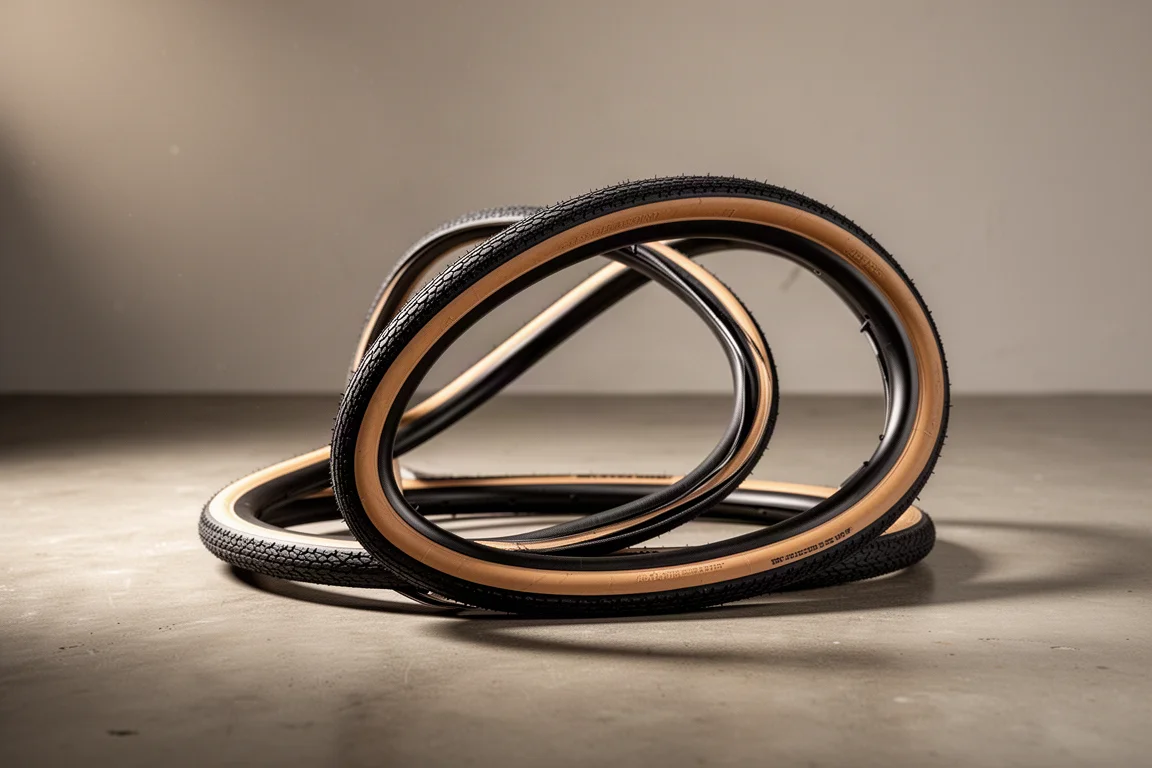
The Specialized S-Works Turbo 2VR was one of the slower tires in the lab group, but it made a much stronger impression on the road. Nominally it is a tougher cobbled Classics tire rather than a pure race model, and that character came through in a planted, confident feel.
It also costs a little less than several of the other tires in the group, which makes the on-road performance easier to justify.
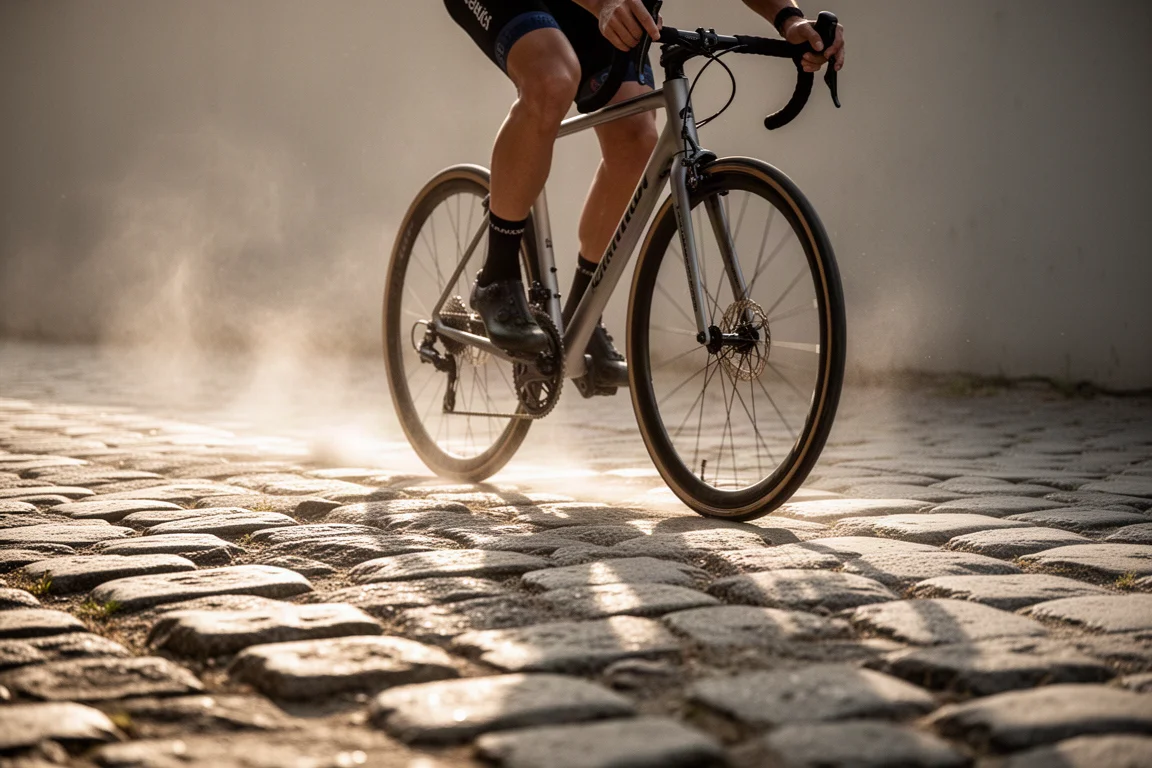
If your priorities lean towards grip and a sense of toughness rather than the last watt or two of efficiency, this is a sensible option to shortlist. It is a useful reminder that the lab leader is not automatically the best tire for every rider or every road surface.
Schwalbe Pro One: Still Competitive
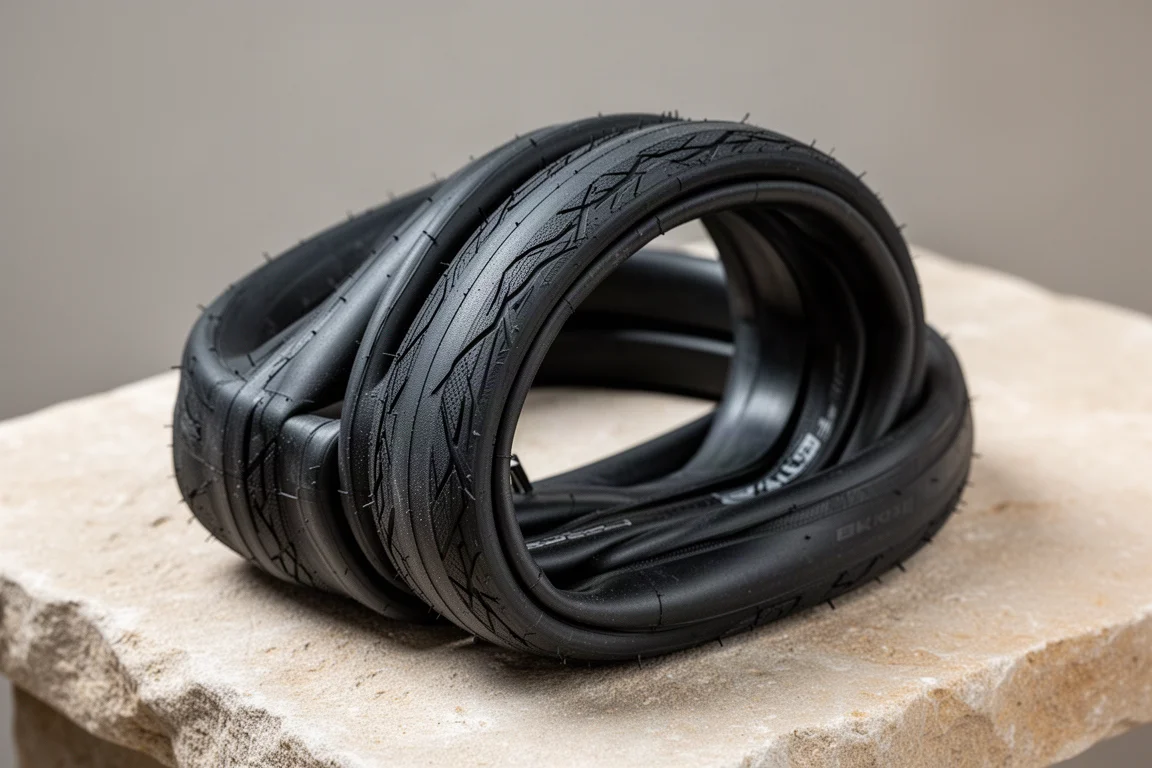
The Schwalbe Pro One performed well in the lab test, confirming that this long-established tire remains competitive on rolling resistance. It is a model with a great deal of accumulated road miles behind it and very little to complain about.
With the top seven tires separated by less than 2.5 watts per tire, the Pro One sits comfortably inside a group where the differences are small enough that most riders would not notice them on a typical ride. That consistency is exactly what makes it an easy tire to keep coming back to.
Overall Buying Advice
If you already run any of these tires, there is no reason to take them off the bike. The differences measured in the lab are real, but they are small, and confidence in your tires matters more day to day than a watt or two.
Ease of setup, cost and puncture protection shape everyday ownership more than lab numbers do. Time trial specific tires offer even lower rolling resistance than anything here, but they are generally too delicate for anything beyond short races on good roads and they wear out quickly. For all-round road riding, the five tires covered here are closely matched, and the right pick comes down to how you weigh efficiency against fitting effort, price and the ride feel you prefer.
Conclusion
The Pirelli P Zero Race TLR leads this group on rolling resistance and pairs that with easy installation and excellent ride quality, which makes it the most complete package here. The Schwalbe Pro One and the Specialized S-Works Turbo 2VR are strong alternatives for riders who value proven all-round behaviour or a slightly lower price over the final fraction of a watt. The Vittoria Corsa Pro TLR still delivers superb feel and grip despite its lab result, and the Challenge Criterium RS is fast and supple but demands patience at the workstand.
Whichever way you lean, all five are premium tubeless tires capable of being raced at the highest level. Matching one to your priorities, rather than to a single number, is the decision that will actually make you faster and happier on the road.
Further reading
Related Reviews
Cycling Tires
Best All-Season Road Bike Tires 2026: 9 Tested Options for Year-Round Riding
A practical guide to nine all-season road tires, from fast and supple to tough and durable, based on thousands of kilometers of real-world riding.
Cycling Tires
Best All-Season Road Tires: Nine Tubeless Picks for Grip, Speed and Durability
A practical guide to nine all-season road tires, from supple race-bred options to hardier models built for winter mileage and puncture protection.
Cycling Tires
Continental GP 5000 S TR Review: A Lighter, Hookless-Ready Tubeless Road Tire
Continental's new tubeless road tire drops weight, adds hookless compatibility, and fits by hand, but seating the bead may need more than a floor pump.