Cycling
Are Wide Road Tires the Future? Orbea Terra Race, Orbea Orca and Pirelli P Zero Race Compared
A practical look at wide road tires and the bikes built around them, covering the Orbea Terra Race, the Orbea Orca, and the Pirelli P Zero Race.
Introduction
Road tire widths have changed more in the past fifteen years than in the decades before them, with tire and rim dimensions roughly doubling. Performance road tires now reach 40 mm, and that shift has created a genuinely new kind of fast bike: a gravel race frame running slick, wide rubber. This guide looks at three products at the center of that trend, what each one does well, and how to decide whether a wide-tire setup suits the roads you actually ride.
Why Wider Road Tires Are Getting Attention
At the same inflation pressure, a wider tire shows lower rolling resistance than a narrower one, a result that Pirelli’s own testing supports. That single finding has driven much of the change in tire and rim design, and it gives manufacturers a clear reason to build fast, wide tires rather than the heavy touring and commuting tires of earlier decades.
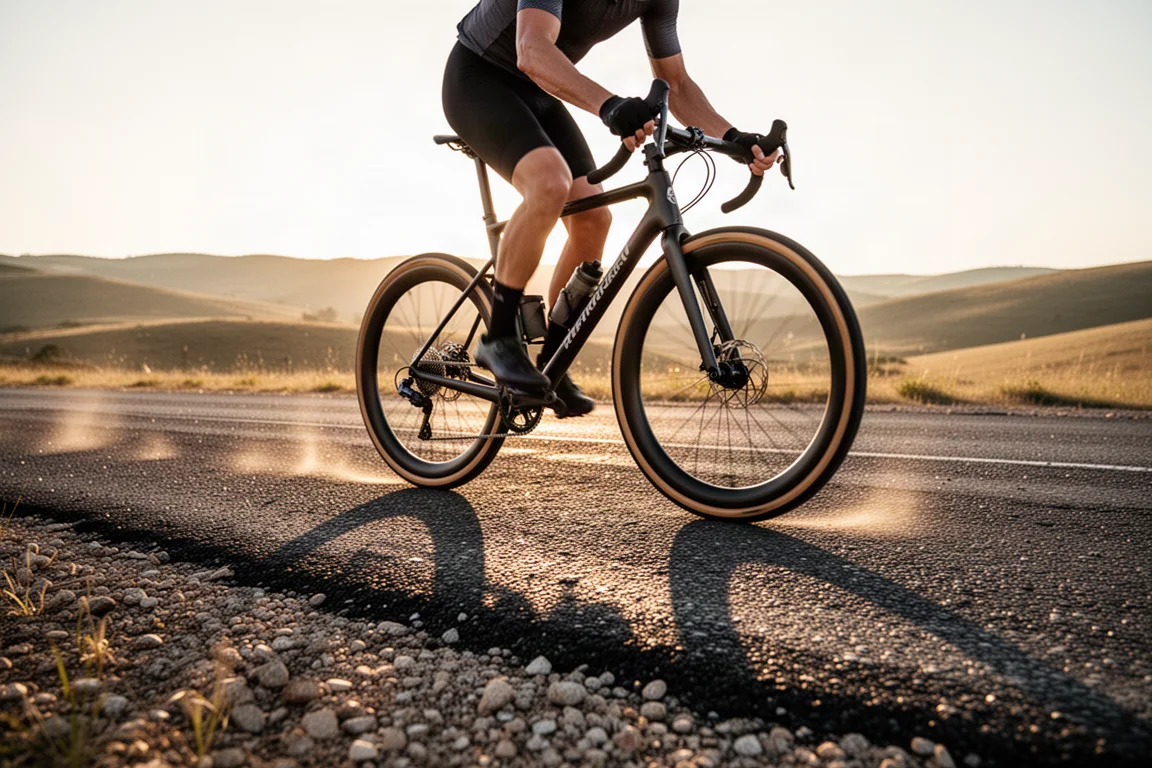
Comfort is the benefit riders notice first. Wider tires can be run at lower pressures, which adds cushioning and makes rough roads and potholes far less punishing. Greater air volume also makes impact punctures less likely, and a wider casing is harder for debris to pierce. Grip improves as well, in wet and dry conditions alike, though on oil or ice no tire can do much to help.
The One-Bike Idea: Gravel Frames With Slick Tires
The catch is clearance. Not many road bikes accept tires this wide today, though more are arriving, and the ones that do are typically newer endurance models. Gravel bikes almost always have the room, which is why aggressive aero gravel race frames have become the practical route to a single bike that covers gravel and most of what a road bike does.
Orbea Terra Race: A Gravel Race Bike on Road Duty
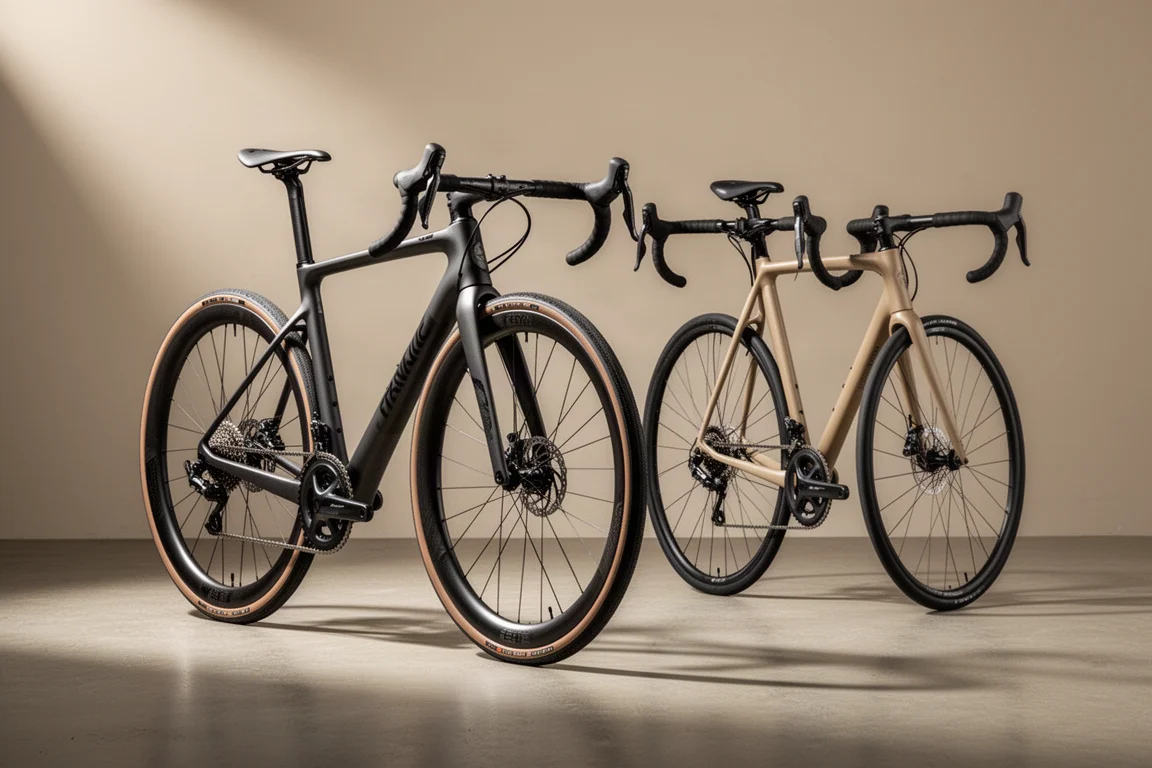
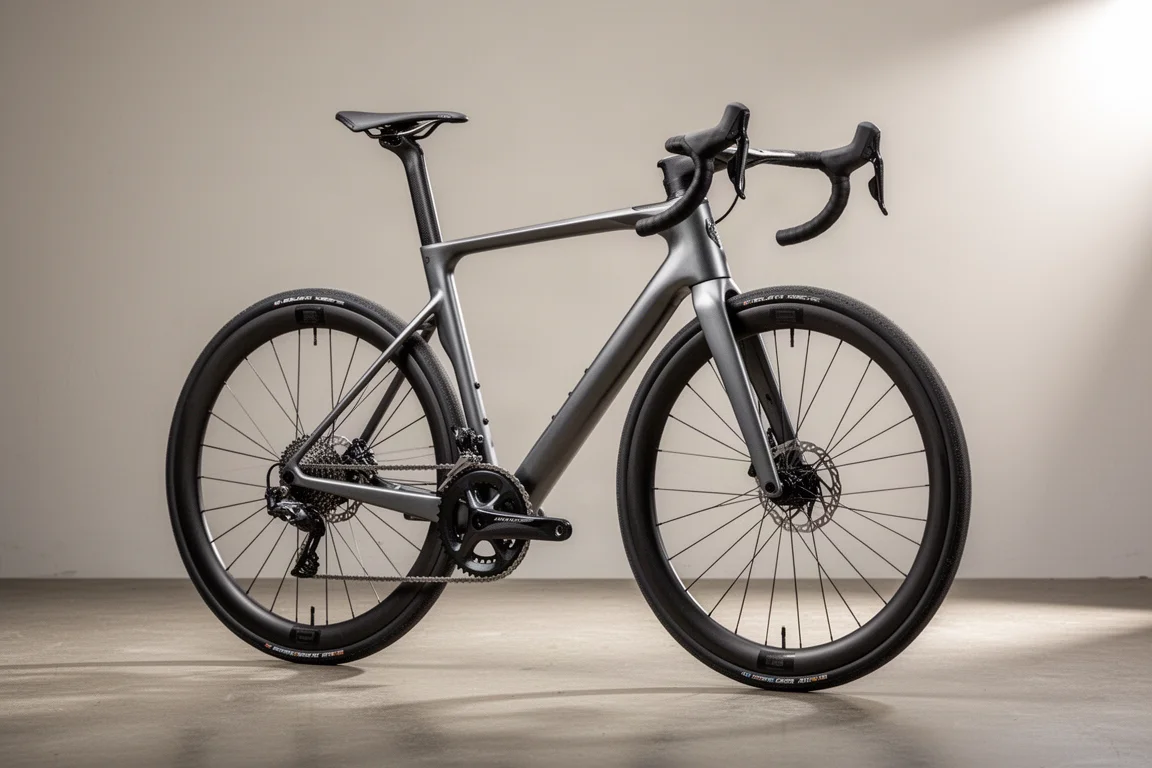
The Orbea Terra Race is a gravel race bike with the clearance for 40 mm tires, and it has been run as a road bike with Pirelli P Zero Race rubber fitted. It looks fast even standing still, and the position is aggressive enough that the road bike comparison holds up out on the road rather than only on paper. The extra tire weight shifts the handling a little, but it does not change what the bike is for.
Pirelli P Zero Race: What a 40 mm Performance Tire Changes
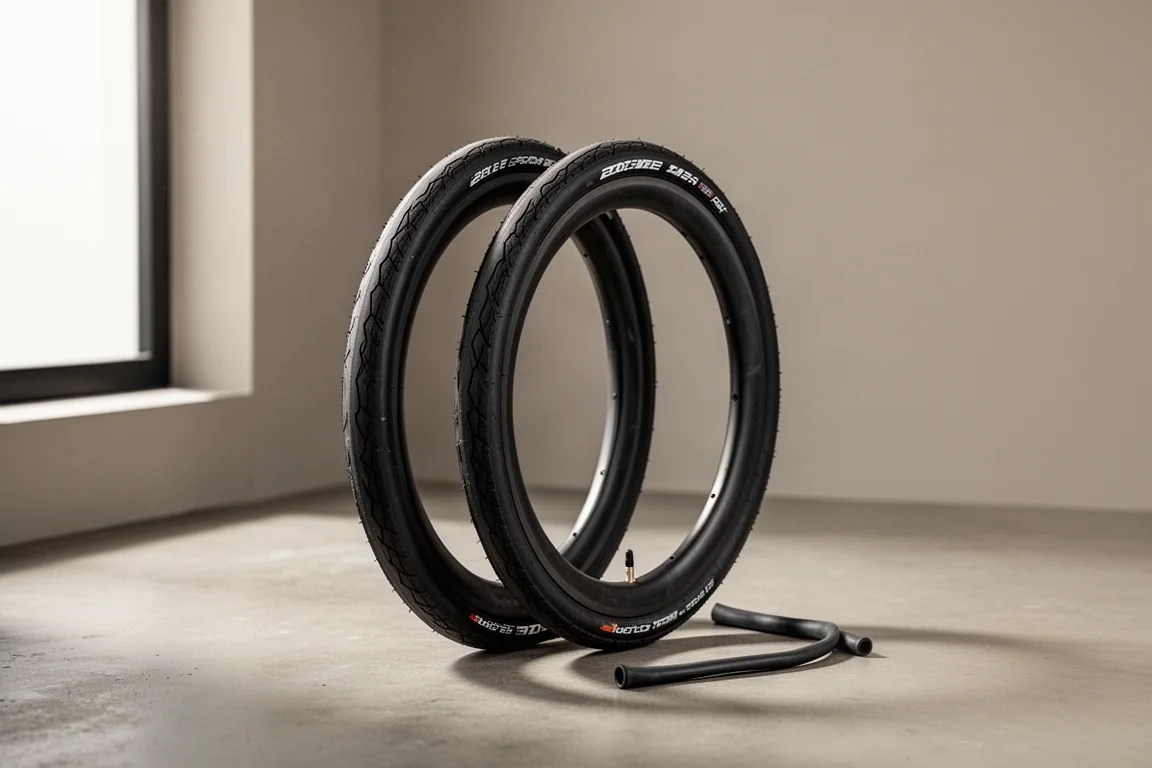
The Pirelli P Zero Race is built in a 40 mm width, putting it at the leading edge of performance road tires. In matched-pressure testing it posts lower rolling resistance than a 28 mm equivalent. In the real world, riders run the wider tire at lower pressure, which brings rolling resistance roughly level rather than clearly ahead.
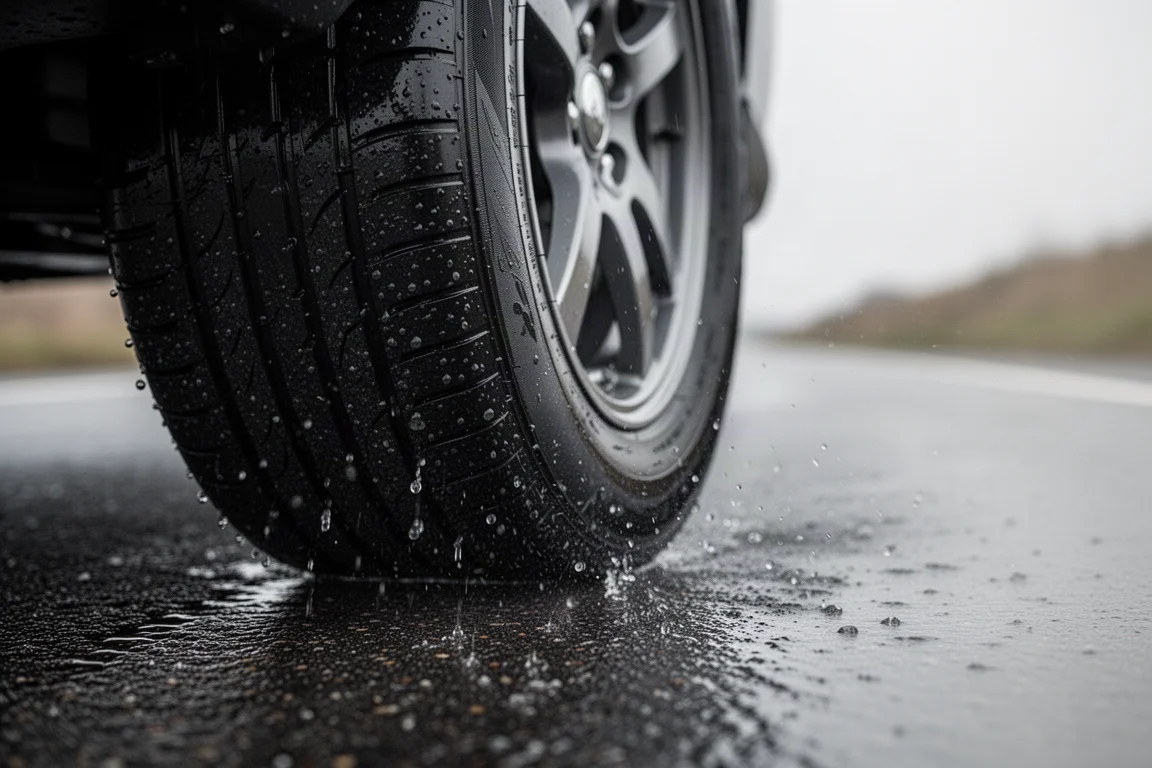
That is where the surface matters most. On smooth tarmac the two widths come out close, but the rougher the road, the more the wider tire gains, because lower pressure absorbs vibration and reduces impedance losses. On broken surfaces and chip seal, the wider option is often the quicker one.
The Trade-Offs: Weight, Aerodynamics, and Rolling Resistance
There is a weight cost of roughly 150 g per wheel when moving to a wider tire. That is enough to alter handling characteristics slightly, though at around 75 kg of rider weight it is not enough to affect performance in any meaningful way. Smaller, lighter riders may find the difference more noticeable.
Aerodynamics are the other consideration. A 40 mm tire carries roughly a 4 watt penalty at 30 km/h compared with a 28 mm tire, rising to about 12 watts at 45 km/h. It is a modest number on its own, but over a long ride it accumulates.
Orbea Orca: The Case for a Dedicated Road Bike
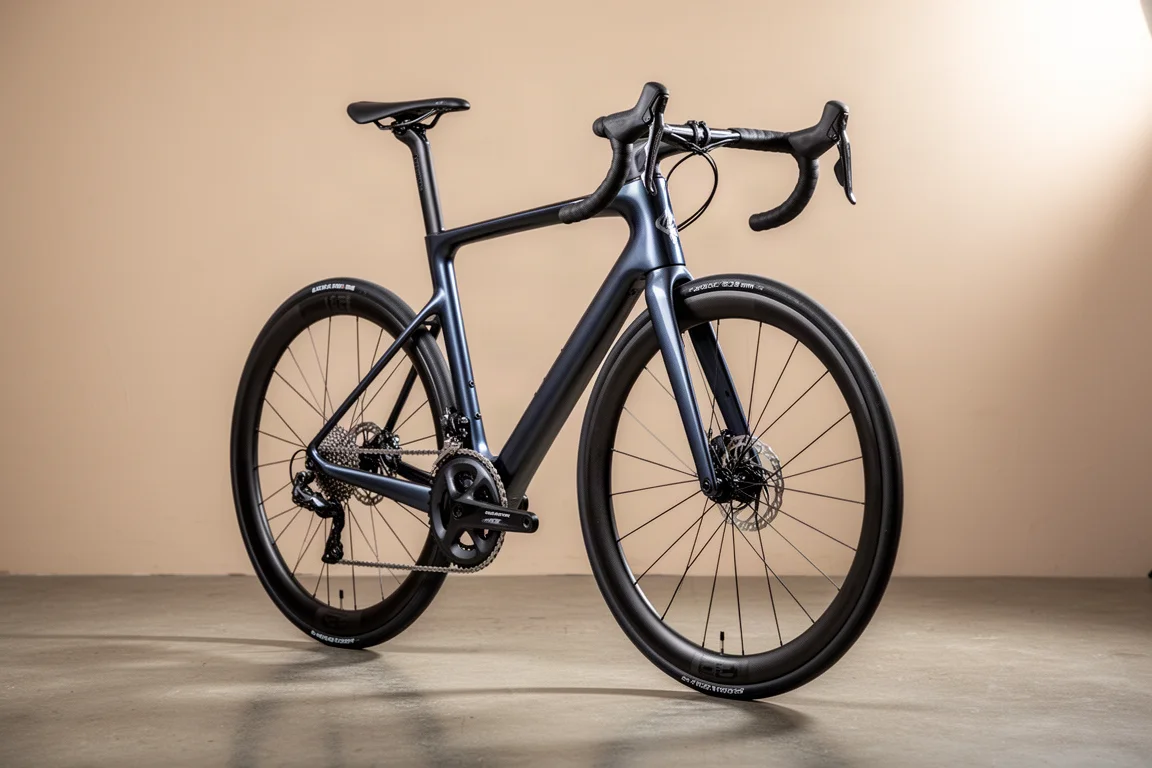
The Orbea Orca shows what a dedicated road bike still offers. The first pedal strokes feel flighty, almost nervous, and within a couple of minutes that settles into a responsive, addictive character. Narrower tires are lighter, they feel faster, and they are faster, which is a large part of why a road bike feels the way it does. Road geometry has been refined over many years into a blend of agility and stability that makes every corner and out-of-the-saddle acceleration feel rewarding.
How Frame Geometry Changes the Ride
Wider tires are also taller tires, which lifts the pedals further from the ground. That gives a designer room to lower the bottom bracket relative to the wheel axles without increasing the risk of a pedal strike while pedaling through a corner. The Orca runs 8 mm less bottom bracket drop than the Terra Race, and the bigger difference is wheelbase: the Orca is 5 cm shorter in the same size, with 1 cm coming from shorter chainstays and the rest from a steeper head angle and less fork rake. A shorter wheelbase helps a bike change direction more quickly.
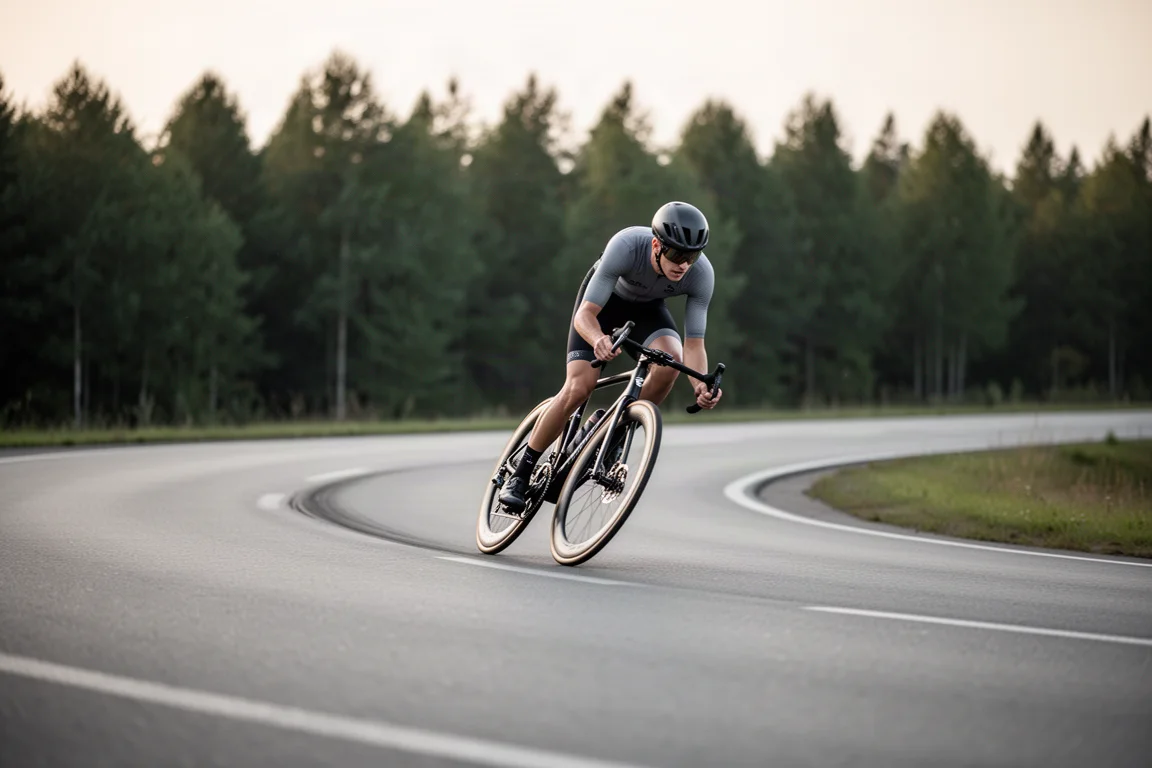
The effect on feel is subtle but real. Sitting lower in relation to the wheel axles makes a rider feel more planted and more resilient, which encourages a more aggressive style. Steering can then be tuned to keep the bike lively rather than dull, so the result is a machine that feels playful and confidence inspiring, especially for a less experienced rider.
Buying Advice: Matching the Bike to Your Roads and Your Size
There is no single answer, and the sensible framing is that both categories can coexist comfortably. A rider who can keep two bikes will find that a dedicated road bike and a wide-tire gravel bike each do something the other cannot.
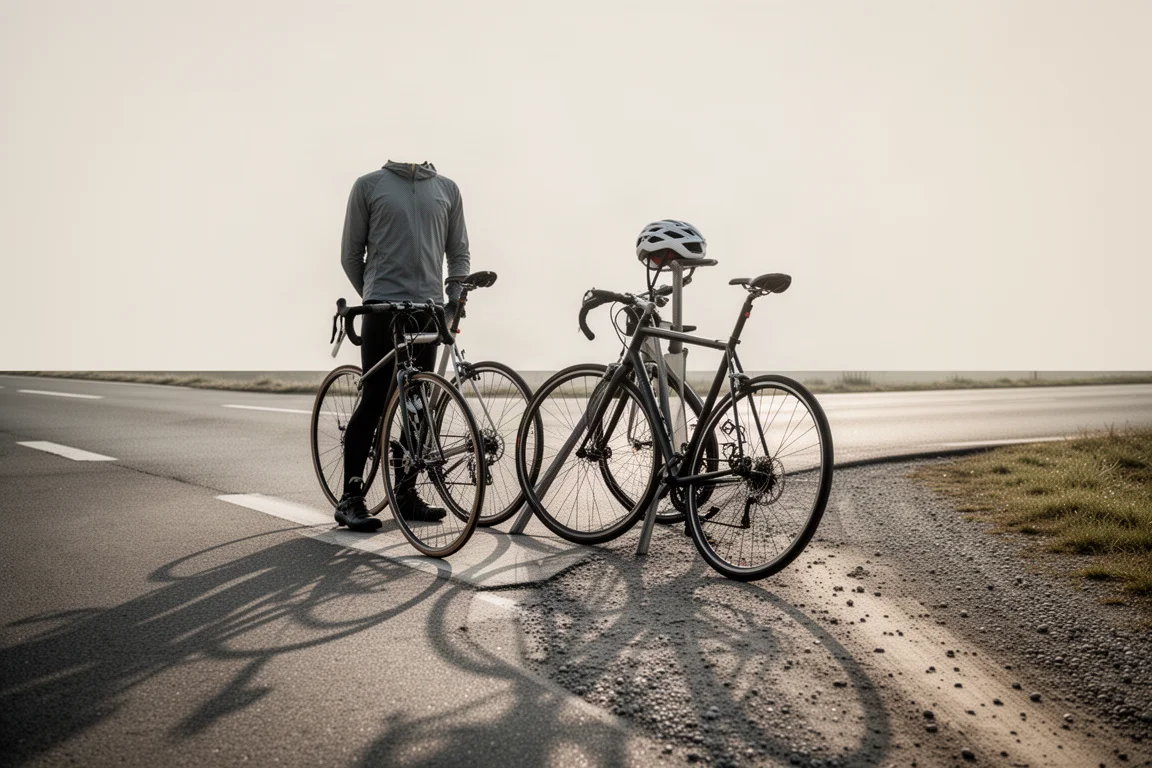
Start with where you ride. Smooth tarmac favors a dedicated road bike, because the weight and aerodynamic advantages of narrower tires are always working in your favor. Rougher roads, cobbles, mud, dirt, and gravel shift the balance toward a frame like the Terra Race, where extra volume and lower pressure pay back in comfort, grip, and speed over imperfect surfaces.
Rider size is the second filter. For bigger riders, wider road tires make clear sense, and the small weight penalty matters less. Smaller, lighter riders will generally still get more from narrower tires. If a single bike has to cover everything, the compromise is real but workable, and the deciding factor should be the surface you spend most of your miles on.
Conclusion
Wide road tires are not a passing curiosity. The rolling resistance, comfort, and durability arguments are supported by testing, and gravel race frames give riders a practical way to run them on the road today. At the same time, a dedicated road bike remains the sharper tool on smooth tarmac, and its shorter wheelbase and lower bottom bracket drop keep it rewarding in a way a wide-tire setup cannot quite match. For most riders the honest answer is that both have a place, and the right choice comes down to the roads outside your door and the rider on top of the bike.
Further reading
Related Reviews
Cycling
2026 Bike of the Year and the Cycling Gear Worth Watching
A drop bar roundup for 2026 covering the Ridley Kanzo Fast 2.0, Shimano Dura-Ace Di2 R9300, Trek Checkpoint ALR Gen 3, Specialized Tarmac SL9, Garmin Fenix 9 and Insta360 X6.
Cycling
Best All-Road Bikes 2026: Six Versatile Endurance Road Bikes Worth Considering
A practical look at six all-road and endurance road bikes, from lightweight carbon speed machines to steel all-rounders and comfort-focused mile eaters.
Cycling
Best All-Road Bikes 2026: 8 Endurance Bikes for Road and Light Gravel
Eight all-road bikes that blur the line between endurance road and light gravel, compared on tire clearance, ride character, practicality, and value.