Road Tires
Wide Road Tires: Is 35 mm the New Sweet Spot?
Why 35 mm road tires have become the practical middle ground between speed and comfort, and how Pirelli's wide Cinturato and P Zero options fit into the picture.
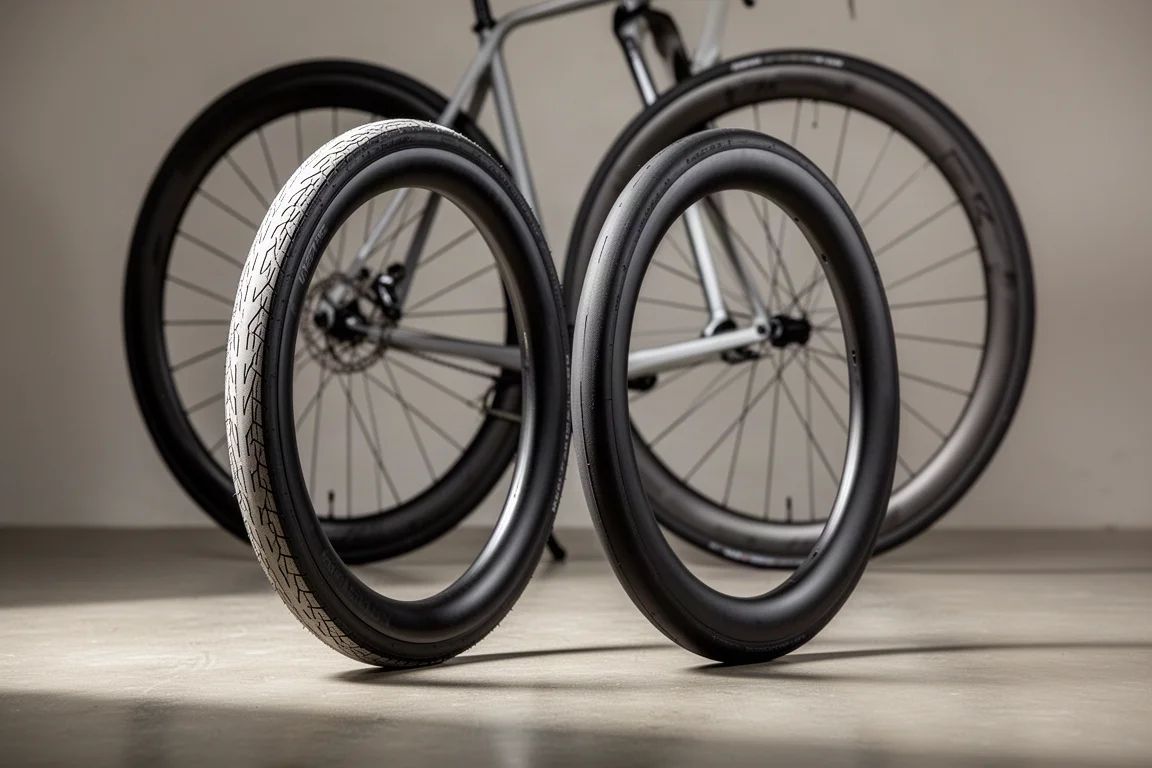
Introduction
For years, 23 mm was the default width on a road race bike. Then 28 mm became the new normal, and now 30 mm and 32 mm are common on bikes that have nothing to do with racing. That raises an obvious question: at what point does wider stop being faster, and could 35 mm be the new sweet spot?
Across a broad spread of widths from 28 mm up to 40 mm, 35 mm keeps standing out as a sensible middle ground for general road riding. It no longer feels excessive on a modern bike, it feels composed, and it rolls surprisingly well.
Why Wider Road Tires Are Gaining Ground
Most riders do not ride on perfectly smooth tarmac. Potholes, patched repairs, loose gravel and wet surfaces are the reality of everyday road riding, and the gap between a narrow tire at high pressure and a wider one at lower pressure becomes obvious over distance.
Better tire construction, disc brakes and wider rims have made wide tires far more usable than they once were. The benefits are easy to describe: more comfort, more traction, more control, and far less bouncing around over rough surfaces. A narrow tire at high pressure often feels quicker simply because it transmits more vibration through the bike, but that feeling is misleading. Vibration that makes a bike feel lively is energy that is not moving you forward, and rolling resistance tends to suffer as a result.

There is also a fatigue argument that only shows up over long distances. The constant chatter from rough tarmac travels through the handlebars and saddle into the rider, and on a ride that stretches past seven or eight hours, that accumulated vibration makes a real difference compared with a narrower tire. On the first mile the difference is subtle. Many hours in, it is not.
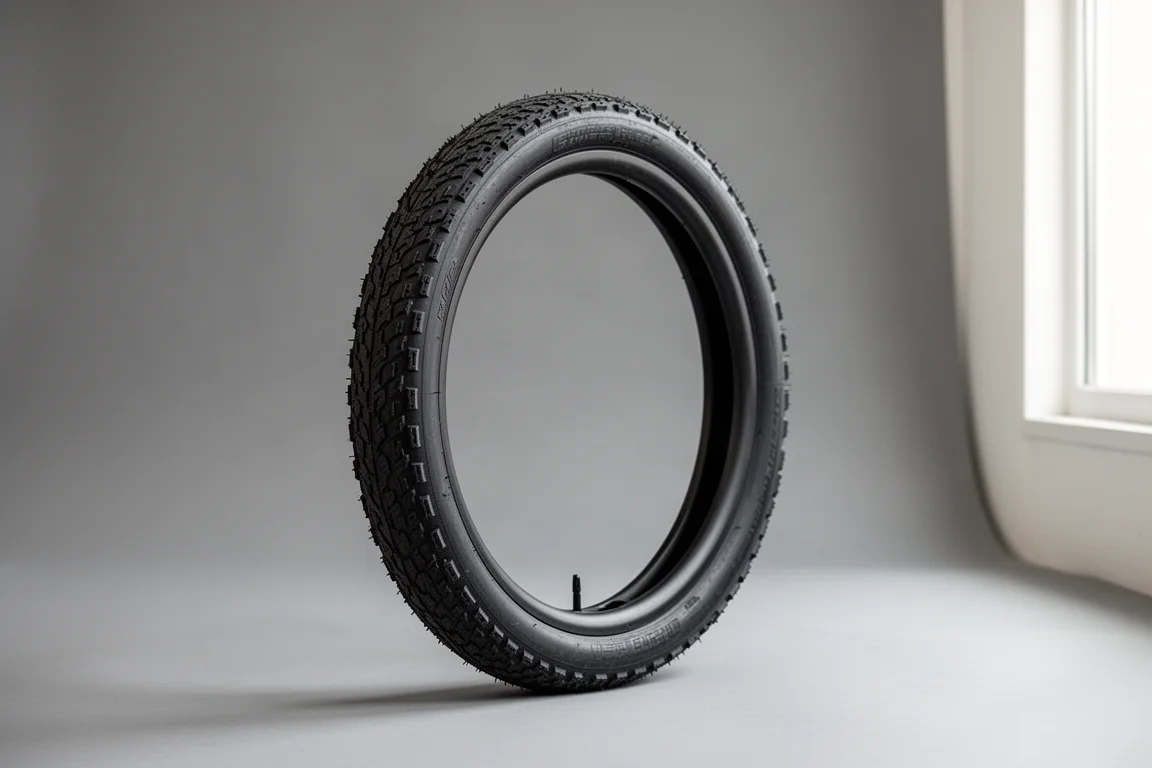
Pirelli Cinturato: Wide Rubber for Comfort-Led Riding
Pirelli has been notably progressive about offering a broad range of widths across its road tires, with sizes running up to 40 mm. The Pirelli Cinturato is part of that wider range, and it delivers the classic wide-tire strengths: a smooth ride over broken surfaces, dependable grip in damp conditions, and noticeably less road buzz reaching the rider.
In its widest sizes, though, the trade-offs are real. The tire carries extra weight, gives away some aerodynamic efficiency, and once speeds push past roughly 20 mph the added resistance becomes easier to feel. At low pressure it can also start to feel vague and squishy under hard efforts, particularly when climbing out of the saddle or sprinting. Ridden at a relaxed cruising pace over mixed surfaces, those drawbacks fade into the background and the comfort advantages take over.
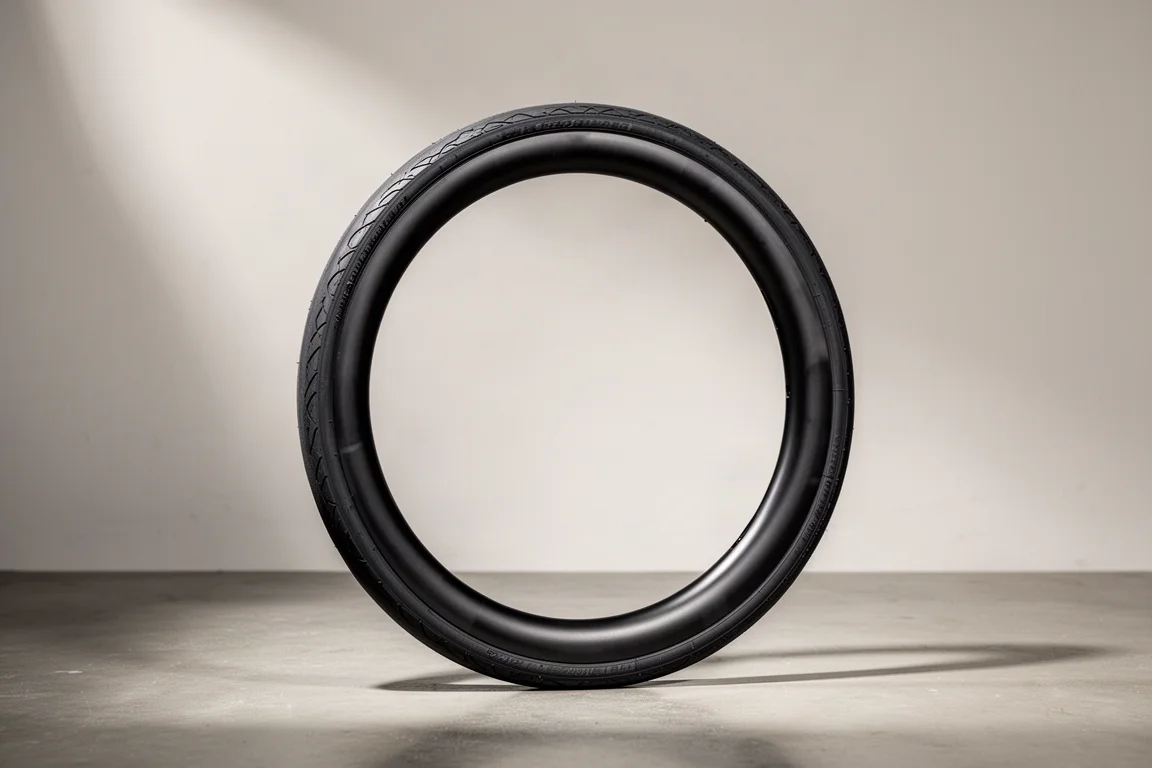
Pirelli P Zero: The Race Line That Goes Wide
The Pirelli P Zero is a race-oriented line, and Pirelli has extended it into genuinely wide territory with sizes up to 40 mm. That matters because it shows how far race tire design has moved: widths that were once reserved for gravel and touring bikes are now part of a performance range.
Riding the widest version of this line, the same pattern appears. It is perfectly usable at low speeds, but as pace rises the tire feels heavier, drags more, and gives away speed to a narrower alternative. It is not a slow tire so much as a tire that makes its case at lower speeds and over rougher ground rather than in a fast group. A 35 mm version of the same range sits much closer in feel to a 30 mm or 32 mm tire than it does to the 40 mm size.
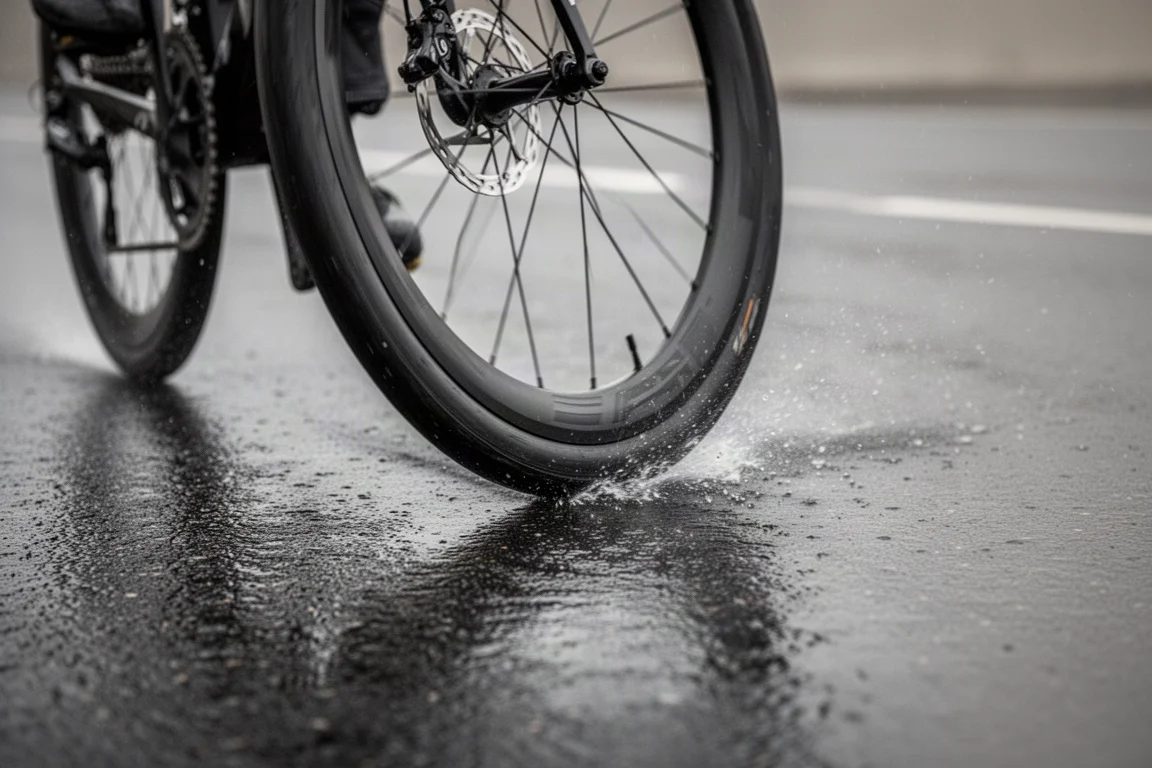
For riders who prioritize outright speed, that is a meaningful distinction. For riders who want a smoother, grippier ride and are not chasing average speed, the wide end of the P Zero range is far more appealing than its reputation as a race tire might suggest.
How Width Affects Comfort, Speed, and Aerodynamics
Comfort is the most immediate difference. A wider tire at lower pressure mutes road buzz, small chatter and the sharper vibrations from coarse tarmac, which leaves hands and body fresher over long rides. The bike simply feels smoother, and it still feels smoother at the end of a long day than it did at the start.
Speed is where the picture gets more complicated. Independent rolling resistance data supports what riders notice on the road: a 35 mm tire measures much closer to a 30 mm or 32 mm tire than to a 40 mm one. There is a penalty, but it is a modest one, and it applies mostly at higher speeds.
Aerodynamics is the clearest argument for going narrower. At racing pace, somewhere around 35 to 40 km/h, a 28 mm or 30 mm tire is genuinely more aerodynamic than a 35 mm, and it is lighter as well. For riders cruising at more modest speeds and focusing on distance and enjoyment rather than average speed, that aerodynamic gap matters far less than it does in a race.
Where 35 mm Sits Between 30 mm and 40 mm
The interesting thing about 35 mm is how little it feels like the widest tires and how much it feels like the mid-width ones. In rolling resistance and overall feel, 35 mm lands closer to 30 mm and 32 mm than to 40 mm, which makes it a genuine compromise rather than a step into sluggish territory.
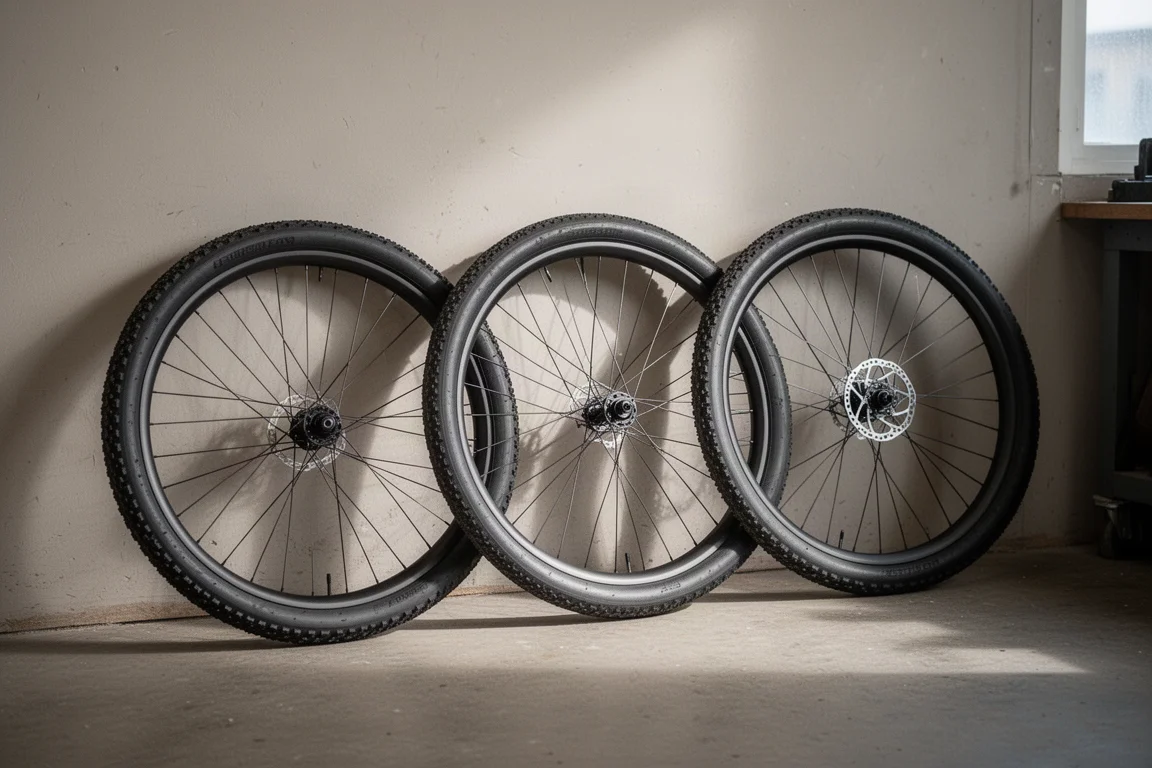
That balance is likely to improve. Tire development is moving quickly, and more brands are entering the 35 mm space. Continental and Vittoria now offer wide options in that region, with Schwalbe potentially joining as well, which should push rolling resistance down and choice up.
Buying Advice
The right width depends almost entirely on what you want from a ride.
If you race, chase average speed or spend most of your time in fast groups, stay narrow. A 28 mm tire on a race bike remains an excellent setup, and 30 mm or 32 mm is a strong middle ground that keeps most of the aerodynamic and weight advantages while adding comfort.
If you ride for distance, enjoyment and comfort on imperfect roads, 35 mm is the width to look at first. It gives you most of the smoothness and traction of a much wider tire without the heavy, draggy feel of a 40 mm. The 40 mm size is best treated as a niche choice for riders prioritizing maximum comfort at lower speeds.
What to Consider Before Switching Widths
Give a wider tire time before you judge it. A single ride is not enough, because the muted feel can read as slow at first. Ride the same local routes across different conditions and different times of year, and the long-run advantages become clear. Once you are used to the smoothness, going back to a narrow tire can be a genuinely unpleasant surprise.
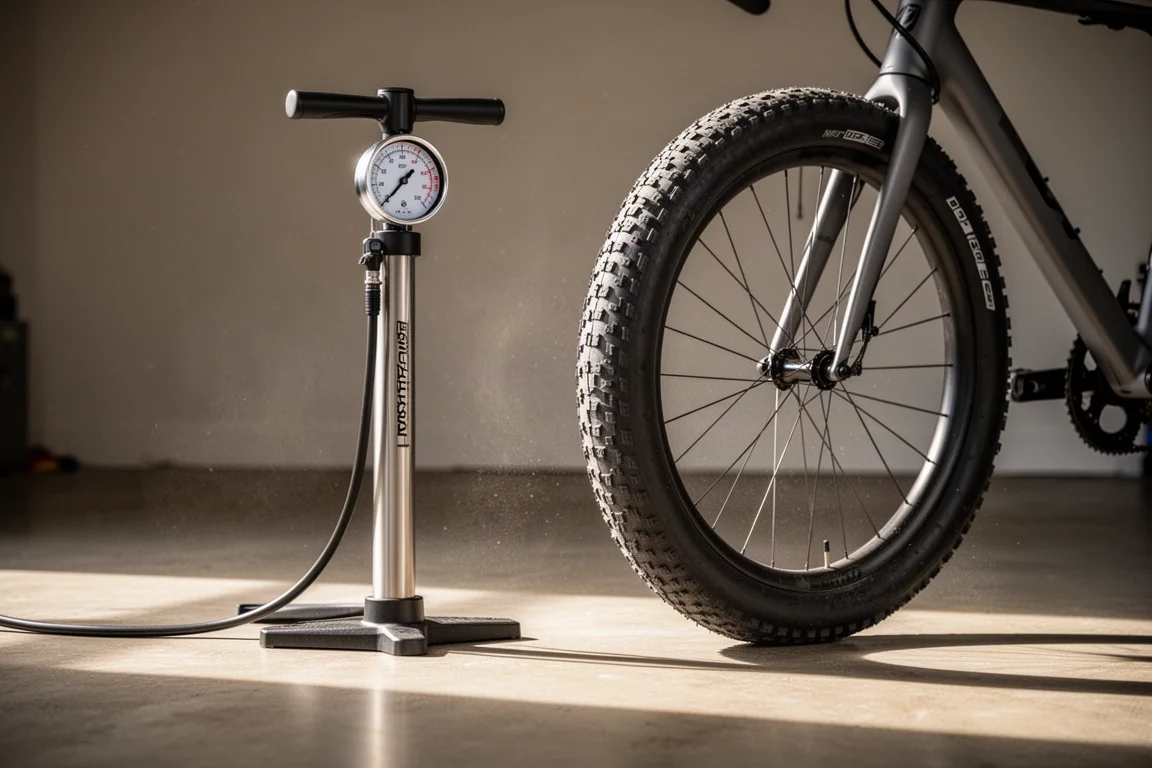
Check the practical side as well. Frame and fork clearance, rim internal width and tire pressure all shape how a wide tire behaves on your bike. Modern frames and wide rims suit wide tires well, and a wide tire on a wide rim on a frame built with the space for it looks purposeful rather than out of place. Set pressure deliberately rather than defaulting to what you used on narrower tires, and adjust it for surface quality and load.
Conclusion
Wider is not automatically faster, and it is not automatically slower either. For riders who value comfort, traction and control over marginal aerodynamic gains, 35 mm road tires make a convincing case as the current sweet spot, delivering a smoother ride and dependable grip with only a small speed penalty compared with 30 mm or 32 mm.
Riders chasing outright pace still have good reason to stay at 28 mm to 32 mm, and the 40 mm end of the range remains the right answer only for those who put comfort first. With more brands and better construction arriving in the 35 mm space, that middle ground is only going to get more compelling.
Further reading
Related Reviews

Road Bikes
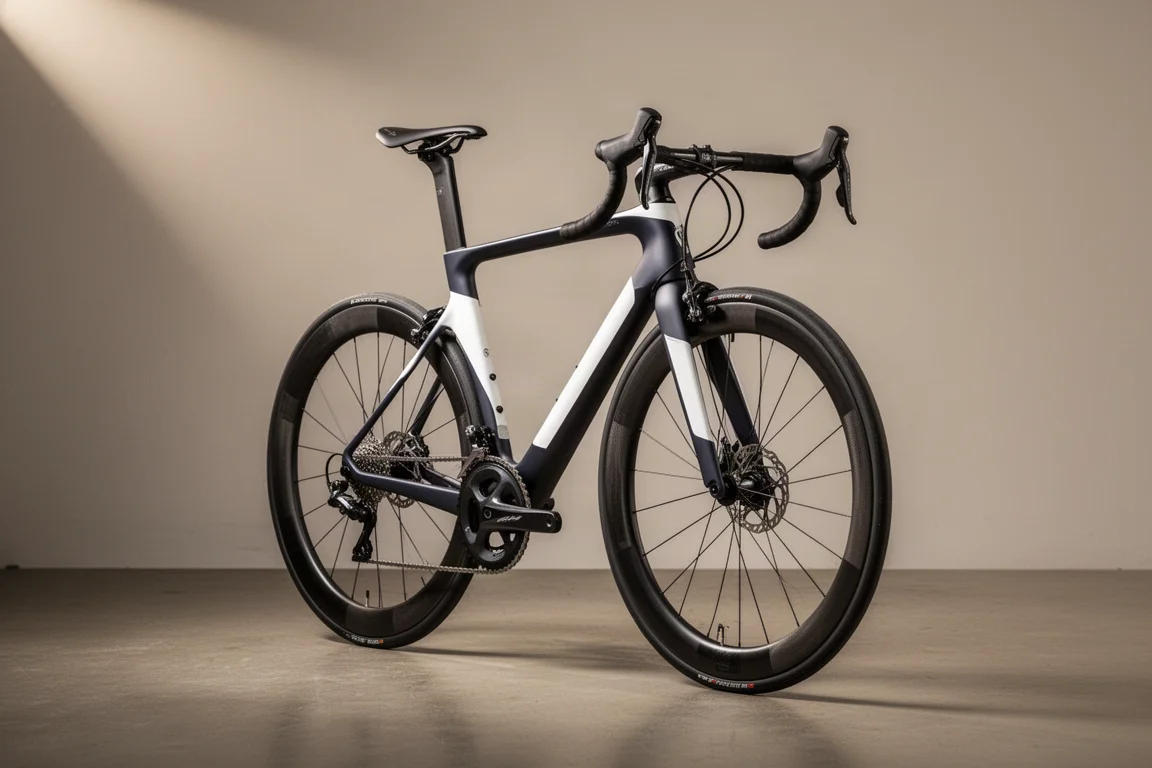
10 New Road Bikes Worth Watching: Aero, Titanium, Steel and Endurance Standouts
A practical roundup of 10 new road bikes, from aero flagships chasing single-watt gains to titanium, steel and endurance platforms built for real roads.

Saltwater Aquarium Setup
10 Questions About Cycling a Saltwater Aquarium: What You Need to Know
Essential questions and answers for cycling a reef tank or saltwater aquarium, from biome building to light management and bacterial supplements.
Cycling Components
A 20,000-Mile Budget Race Bike Build: Five Parts Worth Knowing
A rim brake race bike assembled from low-cost components and ridden for 20,000 miles. Here is what delivered real speed, what caused problems, and what to weigh before copying the formula.