Cycling Tires
Wide Road Bike Tires Compared: Pirelli P Zero Race, Rene Herse Barlow Pass, and Schwalbe G-One
Three wide road and gravel-leaning tires compared, with real test data on what a 40mm slick costs in power and what it gives back in comfort and grip.
Introduction
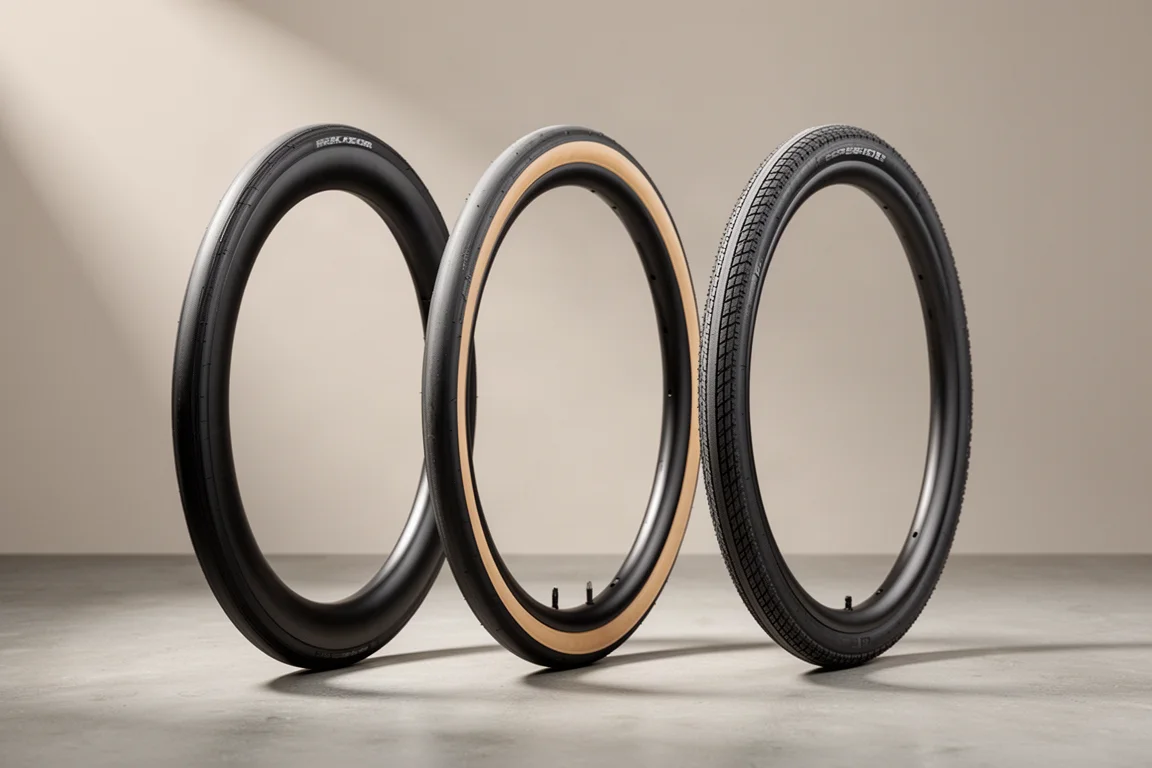
Road bike tires have grown wider for years, and most riders have made peace with that. The more interesting question is where the growth stops. A 40mm slick is now a genuine option on endurance and all-road bikes, and it sits a long way from the 23mm tires that were once considered the fast choice.
To find out what the extra volume actually delivers, a controlled comparison was run over an 11.36 km course with a 30mm tire and a 40mm tire, matching average speed and measuring average power. The result was a clear split. The wider tire was smoother, calmer over broken surfaces, and noticeably more confident in the wet, but it needed 12 watts more to hold the same pace.
This guide covers three tires that occupy that wide, fast-rolling space, what each one does well, and which riders are most likely to be happy with them.
How Tire Width Changes the Ride
Wider tires bring more comfort, more traction in rain and mud, and a larger contact patch that adds confidence when the surface turns poor. On rough roads, a wide tire run at low pressure can also roll faster than a narrow one, because the tire itself acts as suspension. On a road bike that tire is the only suspension you have, and it does the same job suspension does on a car or a motorbike: it lets the vehicle travel faster over uneven ground by absorbing vibration instead of passing it up through the frame and into the rider.
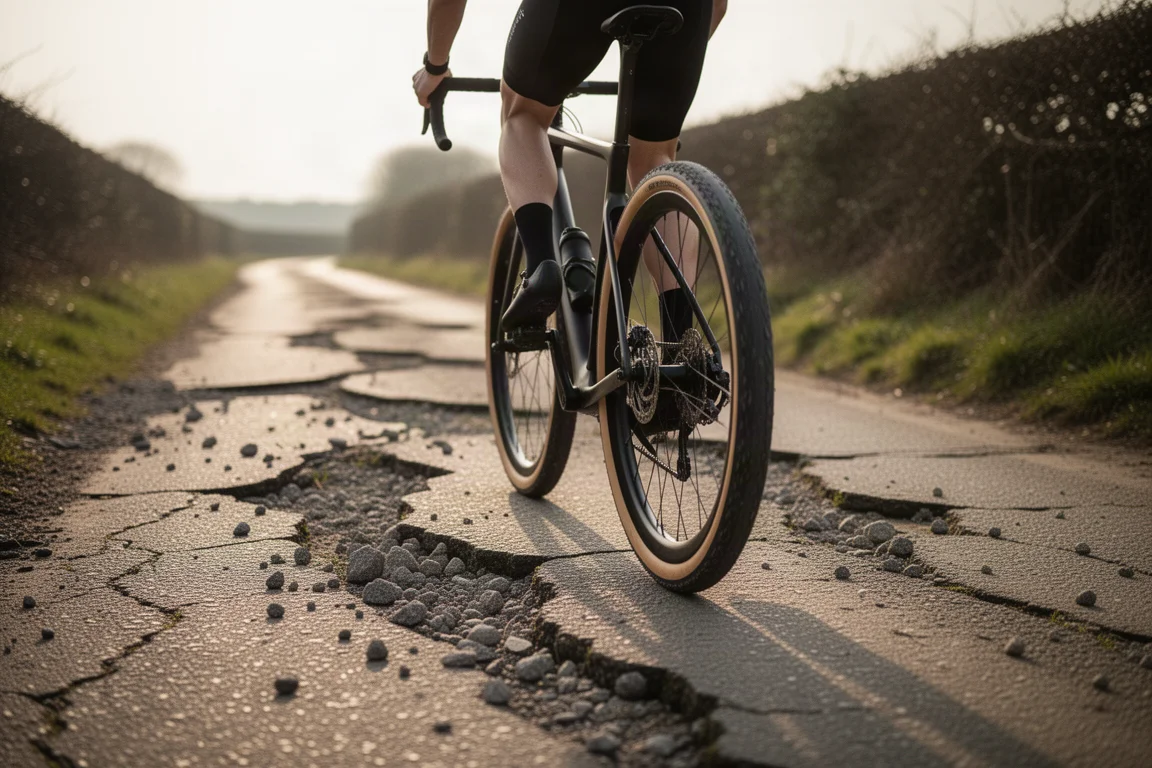
There is a limit to that logic, though. Mountain bike tires went through the same experiment a few years ago, pushing from 2.4 inches up to 2.6, 2.8, and even 3.0 inches before settling back around 2.4 as the sweet spot for trail and cross-country riding. Wider was generally better, but only up to a point, and the same pattern looks likely on the road.
The practical gate is frame clearance. Modern race bikes now accept up to 32mm, some up to 35mm, while the endurance and all-road bikes launched over the past year typically clear 40mm. Gravel bikes go further still, up to 50mm and beyond. Without a frame that has room for them, a 40mm tire is not an option at all.
Pirelli P Zero Race: The 40mm Benchmark
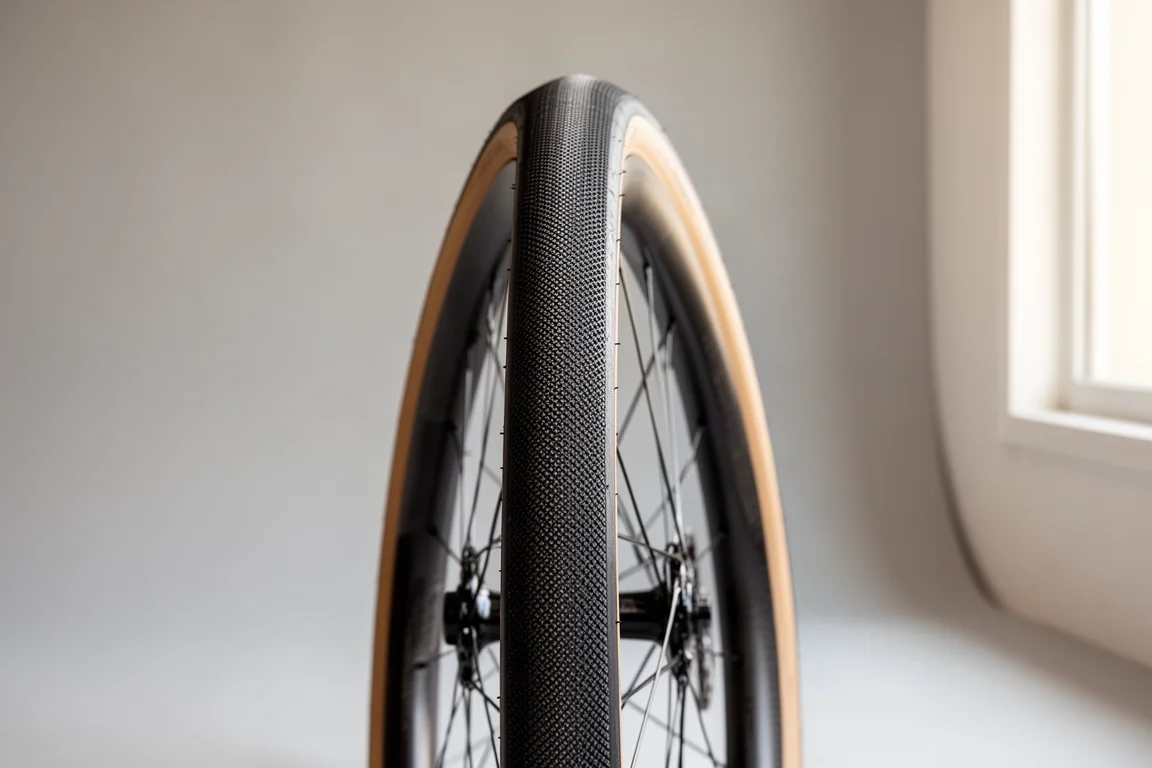
The 40mm P Zero Race is the newest addition to a range that runs from 26mm to 40mm, with 28, 30, and 32mm already established. It keeps the same 120 TPI construction, the same tread compound, the same tread pattern, and the same bead design as the narrower sizes, so it is essentially the same tire scaled up.
That scaling has a cost. At 462 g on the scales, it is substantially heavier than a 28mm or 30mm equivalent, and the extra weight is easy to feel. On the positive side, it mounts with a standard track pump and no drama, which is exactly how a tubeless tire should behave.
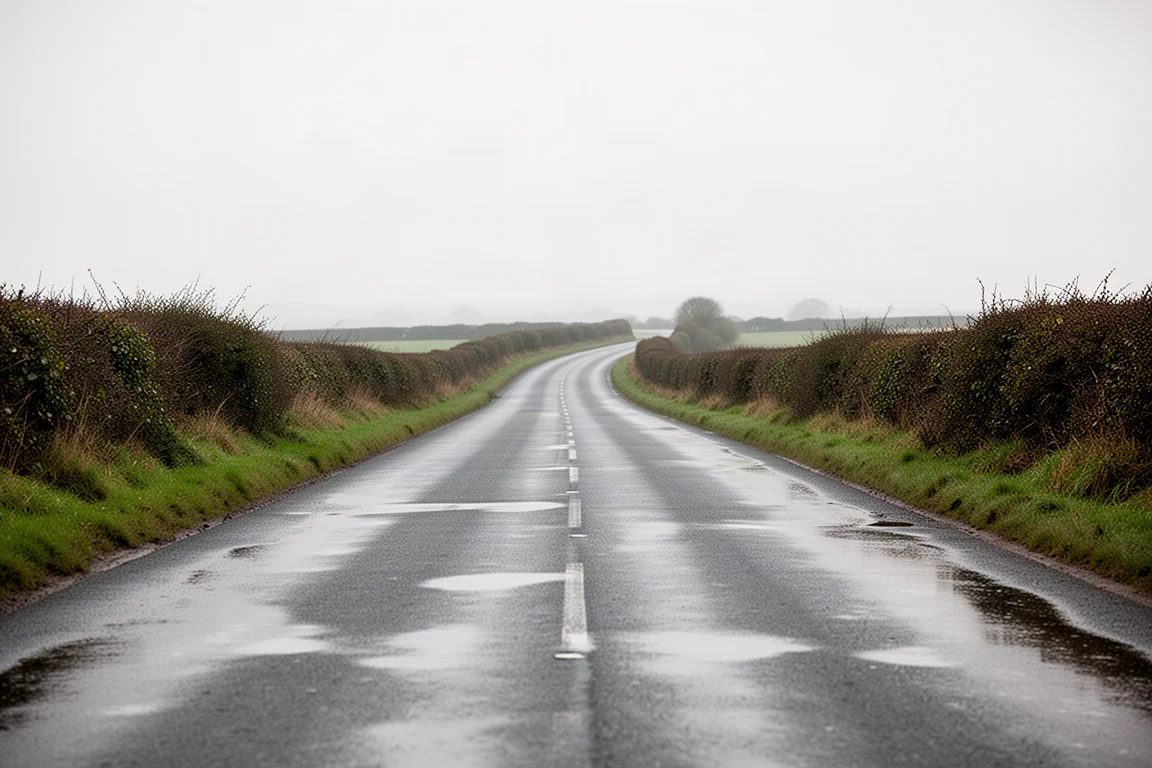
On the road the difference is immediate. The 40mm version isolates bumps far better and feels plusher and more planted, and through a twisty section scattered with potholes and standing water it carried speed with noticeably more confidence. It also felt harder to keep at 30 to 32 km/h, and the effort required was higher. Aerodynamics play a part here. A 10mm wider front tire pushes more air, and on a 25mm internal rim width the casing takes on a light bulb profile that works against the tire and rim as a system.
Rene Herse Barlow Pass: The Supple Alternative
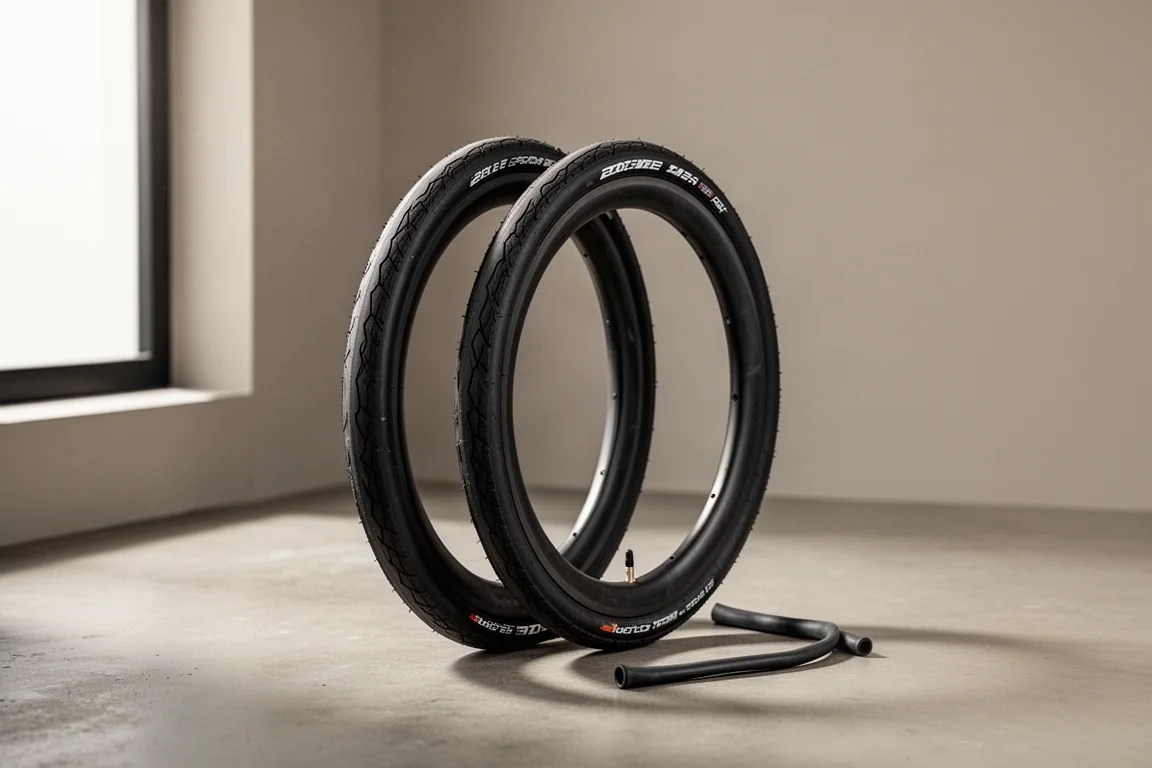
The Barlow Pass measures 38mm and is a lighter proposition than the 40mm P Zero Race when it is specified with the extra light casing. It is also the most supple of the three on the same roads, conforming to the surface in a way that feels almost frictionless, while the P Zero Race feels harder by comparison and does not follow the road as closely.
That ride quality comes with real trade-offs. The Barlow Pass sits at the expensive end of the wide tire market, it is more fragile and more puncture prone than the alternatives, and its very loose beads make tubeless installation difficult.
For riders who put ride feel first and are willing to accept the extra care and the higher cost, it remains a reference point for what a supple wide tire can feel like.
Schwalbe G-One: The Gravel-Leaning Option
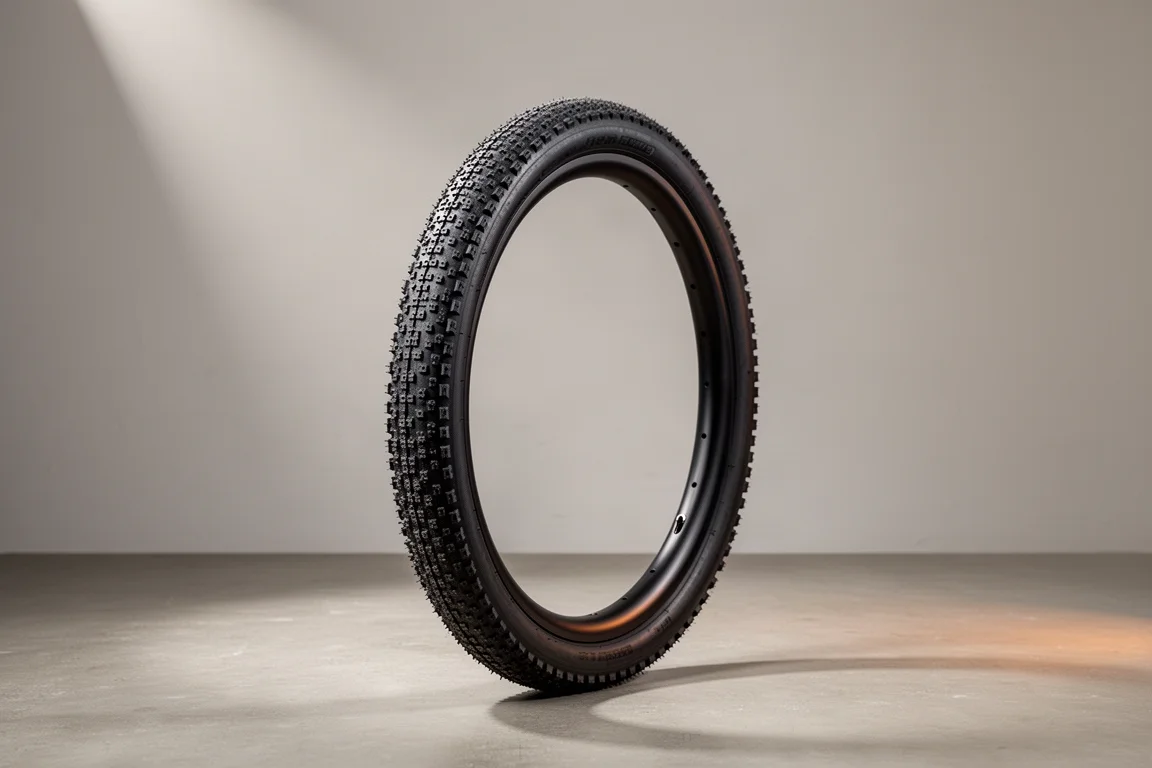
The G-One is a 40mm slick gravel tire with a little shoulder tread. In that width it is quick on tarmac, and the shoulder tread plus a more rugged build gives it an advantage once the surface turns to gravel. It is a useful middle ground for riders whose routes mix sealed roads with loose surfaces, and the extra durability makes it a sensible choice for rougher terrain than a pure road slick would enjoy. Panaracer and WTB also make slick gravel tires in this category, so there is some choice if the G-One is not quite the right fit.
What the Test Data Suggests
The comparison used an 11.36 km course, ridden at the same average speed of just over 31 km/h, with both runs finishing in 21 minutes and 45 seconds. The 30mm tire averaged 205 watts. The 40mm tire averaged 217 watts. That 12 watt gap is the headline number, and it is a meaningful difference for anyone chasing speed over a longer ride.
It is also worth treating the figure as a starting point rather than a final verdict. The number comes from an early ride on the wider tire, and impressions of comfort and speed often shift as a rider adapts to a new setup over weeks and months.
Who Should Consider a 40mm Tire
A 40mm slick makes most sense on a frame designed around it. Endurance and all-road bikes have the clearance, and gravel bikes can run a 40mm tire on a spare wheelset to turn an off-road bike into something much closer to a road bike for the winter months.
Riders who care about speed and weight are likely to be better served by a 28mm or 30mm tire, which feels quick, measures quick, and needs less power to hold the same pace. The 40mm option is for riders who value comfort and control above all, and whose bikes can accommodate the width.
Buying Advice: Matching Width to Your Riding
Start with clearance, because nothing else matters if the tire will not fit. Check the frame and fork rating rather than guessing, and remember that a wider tire also needs more room for mud and debris in wet conditions.
Rim width is the next consideration. A wide tire on a narrow rim can distort into a light bulb shape, which hurts the aerodynamics of the tire and rim as a system. Matching a wide tire to a rim with a wider internal width keeps the profile closer to optimal.
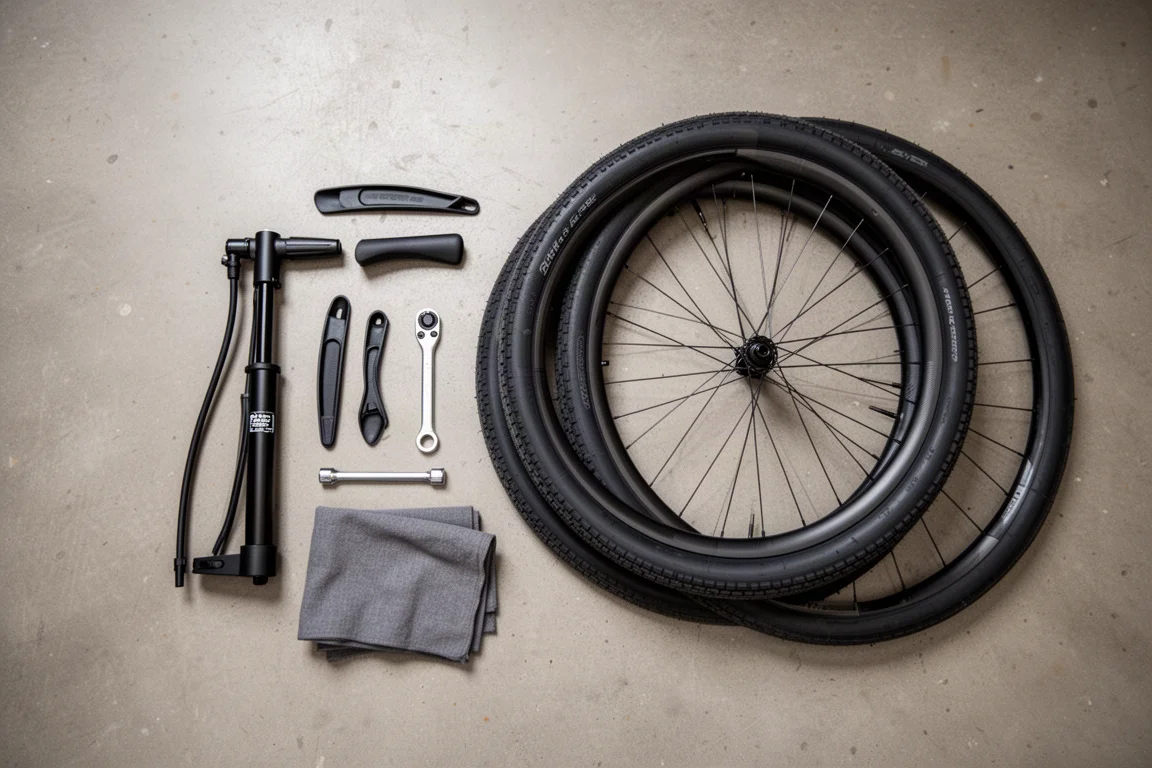
Installation is worth planning for as well. Some wide tires mount easily with an ordinary track pump, while others have loose beads that make tubeless setup frustrating. If you change tires often, that difference matters more than it sounds.
Finally, weigh the tire against your priorities. A 40mm slick can add significant rotating weight compared with a 28mm or 30mm tire, and that weight is felt on every climb.
If comfort, traction, and confidence on rough roads are what you want, the P Zero Race is the most straightforward of the three, with easy installation and a construction shared with the rest of its range. The Barlow Pass is the choice for riders who want the most supple ride available and will accept premium pricing and more maintenance. The G-One suits riders who split their riding between tarmac and gravel and want a 40mm tire with a bit of shoulder tread.
Conclusion
Wider is not automatically faster. This comparison suggests that 40mm is close to the practical limit of the gains, and that a 28mm or 30mm tire remains the better pick for riders who prioritise speed and low weight. For riders who want a smoother, more planted ride and have the clearance to run them, a 40mm slick is a genuinely appealing option, particularly on endurance and all-road bikes where comfort and traction are the whole point.
Further reading
Related Reviews
Cycling Tires
Best All-Season Road Bike Tires 2026: 9 Tested Options for Year-Round Riding
A practical guide to nine all-season road tires, from fast and supple to tough and durable, based on thousands of kilometers of real-world riding.
Cycling Tires
Best All-Season Road Tires: Nine Tubeless Picks for Grip, Speed and Durability
A practical guide to nine all-season road tires, from supple race-bred options to hardier models built for winter mileage and puncture protection.
Cycling Tires
Best Road Tubeless Tires 2026: Five Fast Options Compared
A rolling resistance lab test plus real world fitting and ride notes on five premium road tubeless tires, from the fastest to the ones with clear trade-offs.