Stationery
Why Japanese Binders Are Better: 9 Products That Show the Difference
Innovative ring designs, smarter paper, and useful accessories: nine Japanese binders and binder supplies that outclass standard options.
Introduction
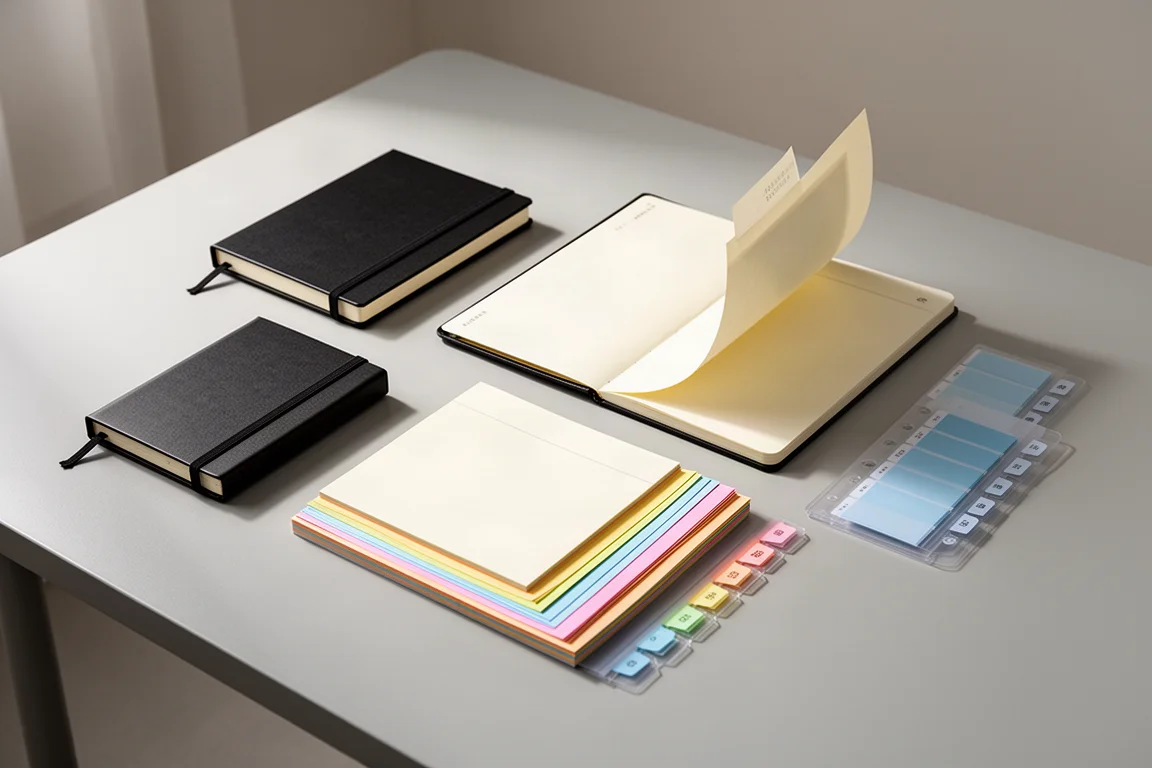
Japanese binders take a product most people have used since school and quietly fix everything wrong with it. Instead of metal rings that pinch fingers and eventually break, they use clever plastic ring mechanisms. Instead of paper that tears out under stress, they use loose leaf with more holes that spreads the load. Add a deep ecosystem of dividers, card files, and purpose-built binder styles, and the difference becomes hard to ignore. Here are the products that show why.
Rings That Do Not Fight Your Fingers
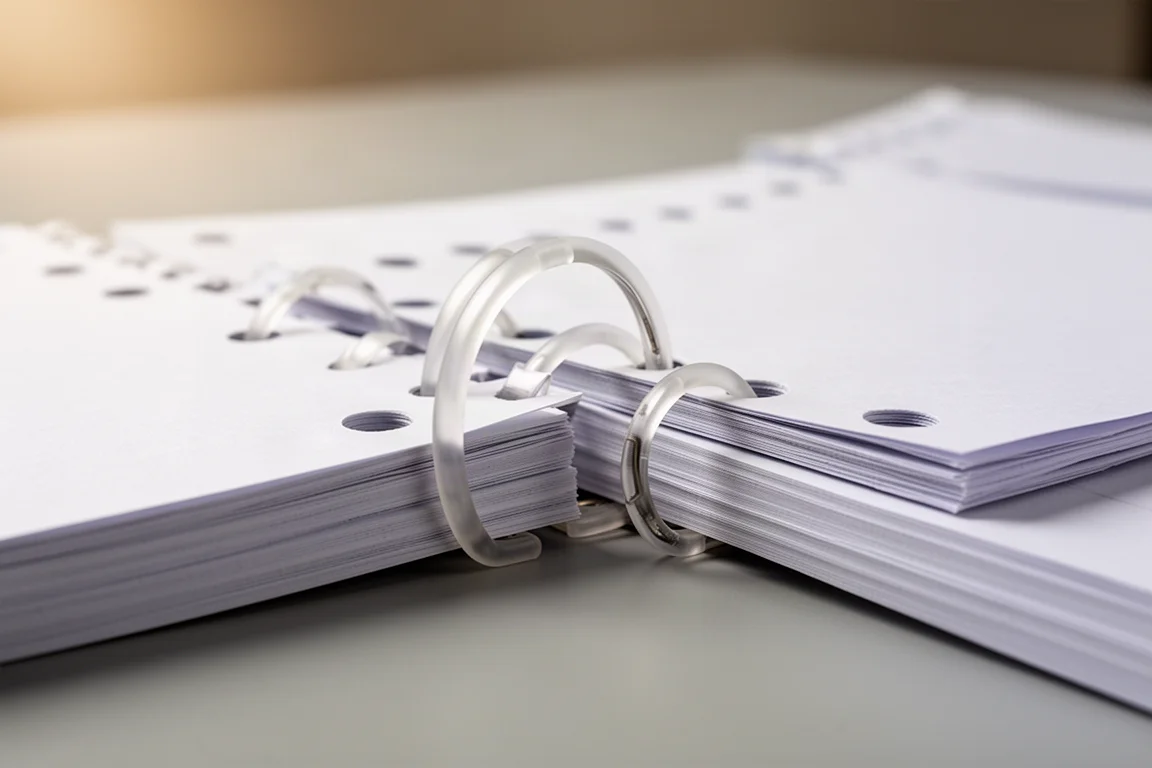
Traditional binders rely on metal rings that pinch, snag, and wear out over time. Japanese binders approach the same problem differently. Their plastic rings keep pages secure without breaking down or trapping fingers, and they open in several ways: some pull open with a tab, some unhook and slide apart, and some separate with a pinch.
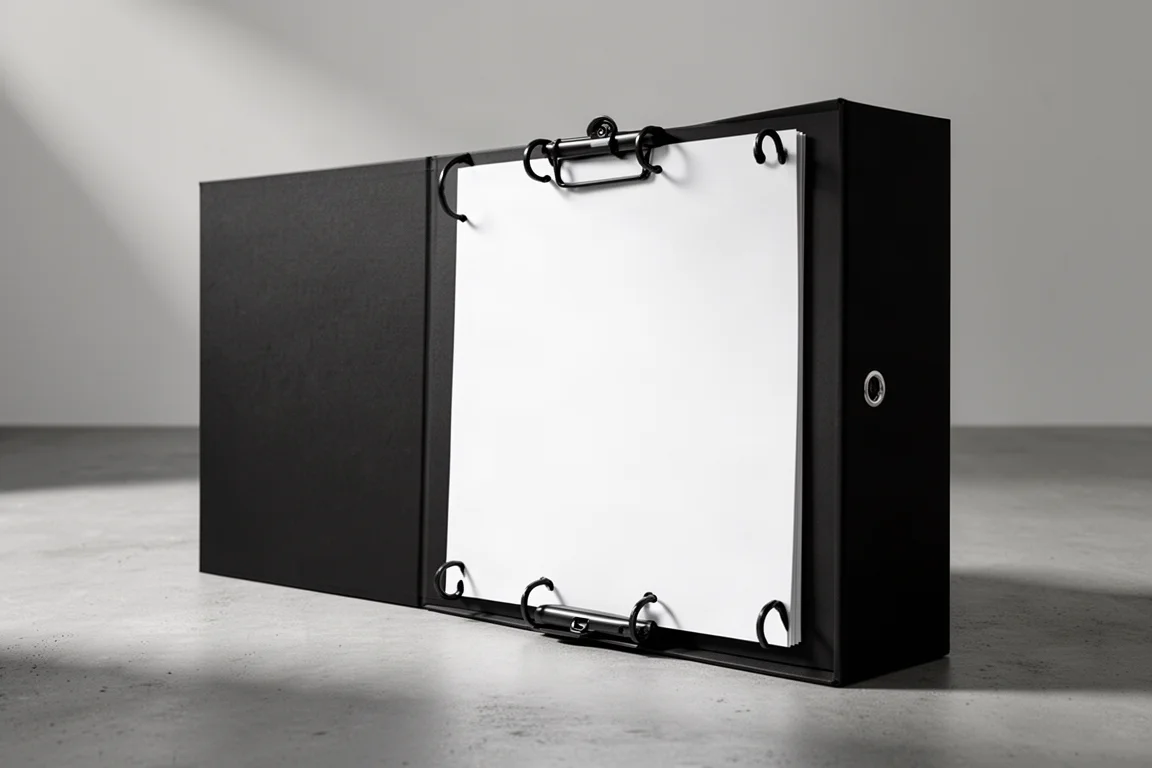
The King Jim Tefrenu takes a particularly thoughtful approach, using rings only at the top and bottom of the page. That leaves the middle free, so you can write comfortably whether you are left-handed or right-handed.
Paper Is Where the Difference Starts
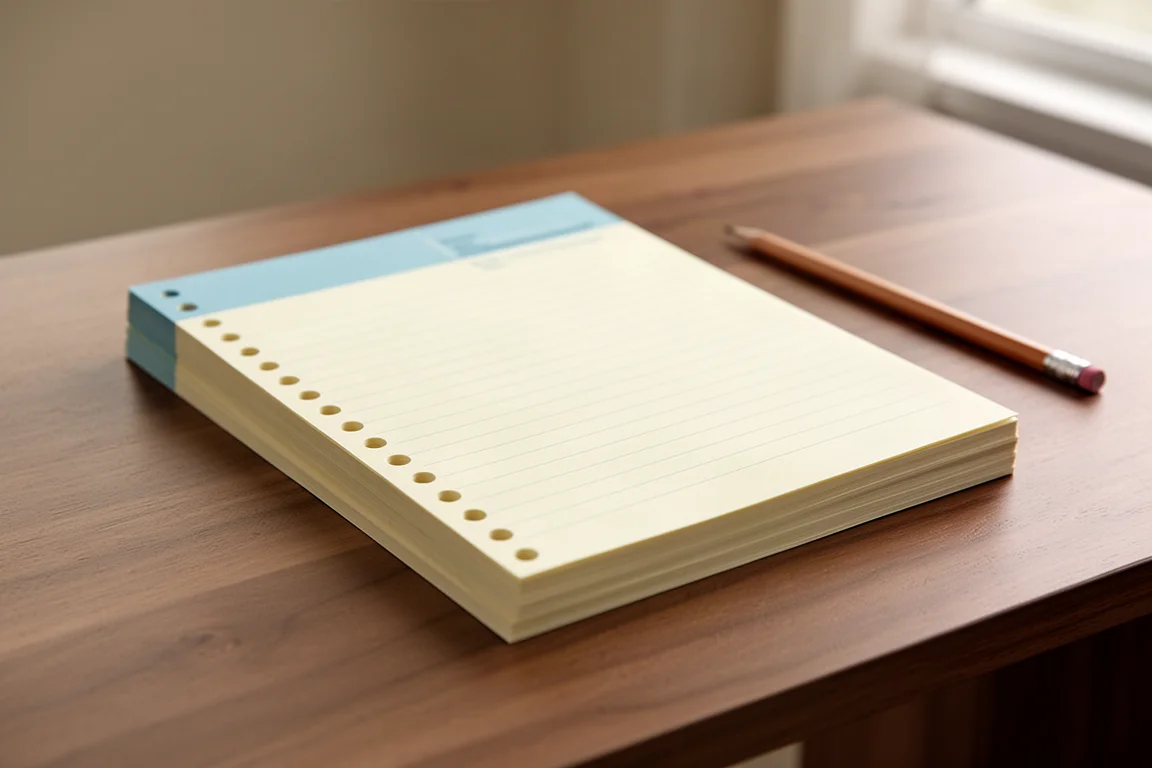
If you have ever noticed that Japanese loose leaf paper has more holes than standard paper, that is deliberate. Spreading the ring stress across more holes means fewer tears, and even a damaged sheet does not depend on just one or two holes to stay in the binder.
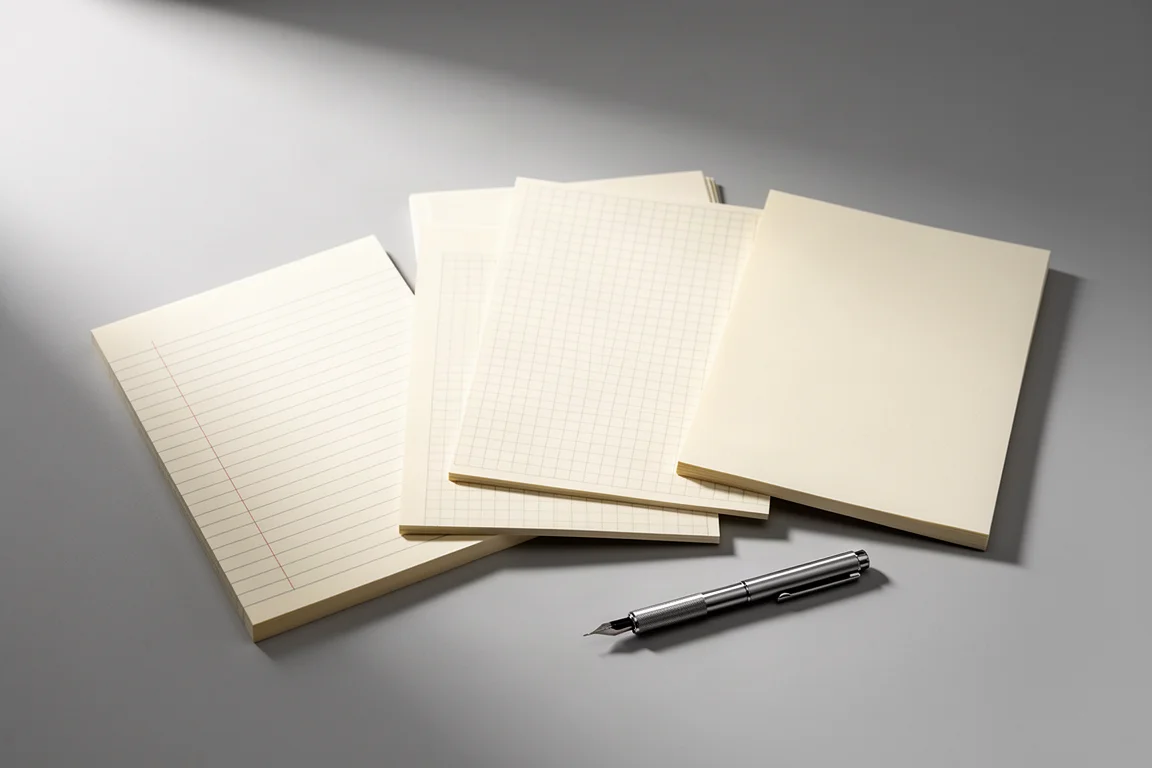
The Kokuyo Campus line is geared toward students but works for anyone. Study Planner paper helps you stay on top of your schedule, while Clean Erasing paper keeps graphite notes and drawings neat.
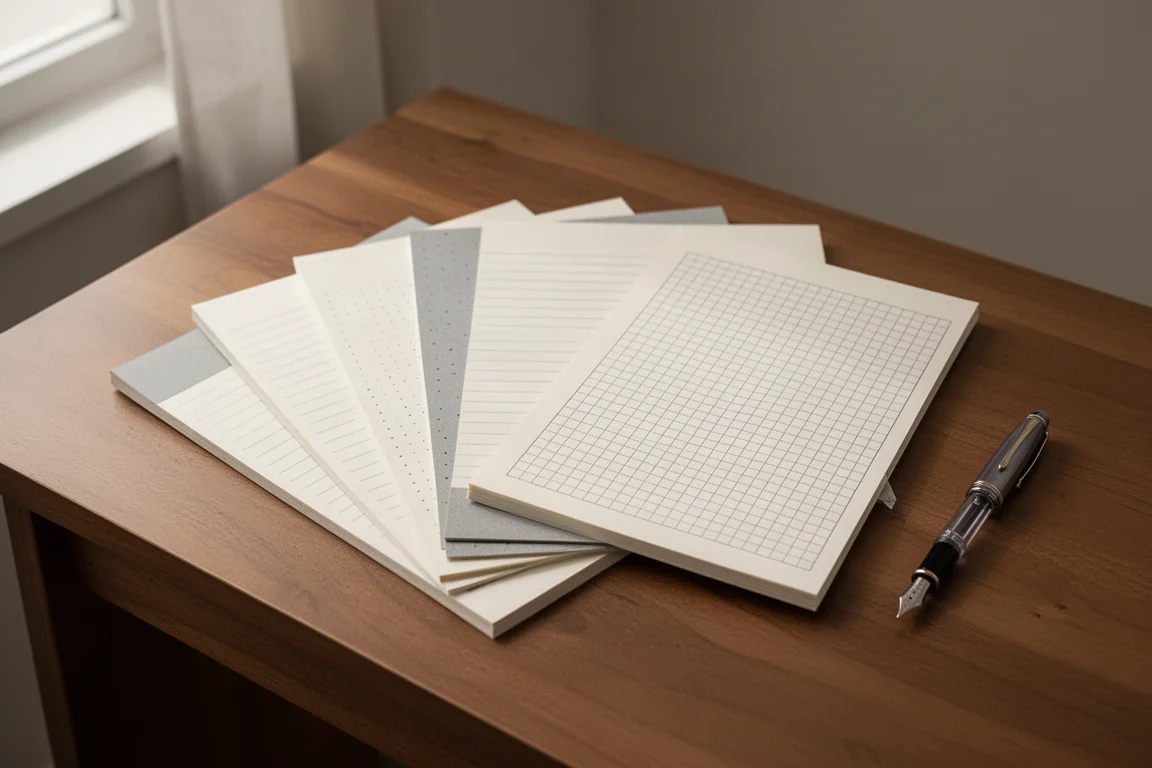
Maruman’s Loose Leaf lineup offers its own variety: Smart Review paper built for memorization, Easy to Write paper designed for color-coding, and Croquis paper for artists who like to sketch on the go.
Accessories That Actually Make a Difference
Because the binders themselves are well designed, it should come as no surprise that the accessories are equally impressive. They let you customize a binder for almost any purpose, whether you are a student juggling multiple classes or a foodie collecting recipes.
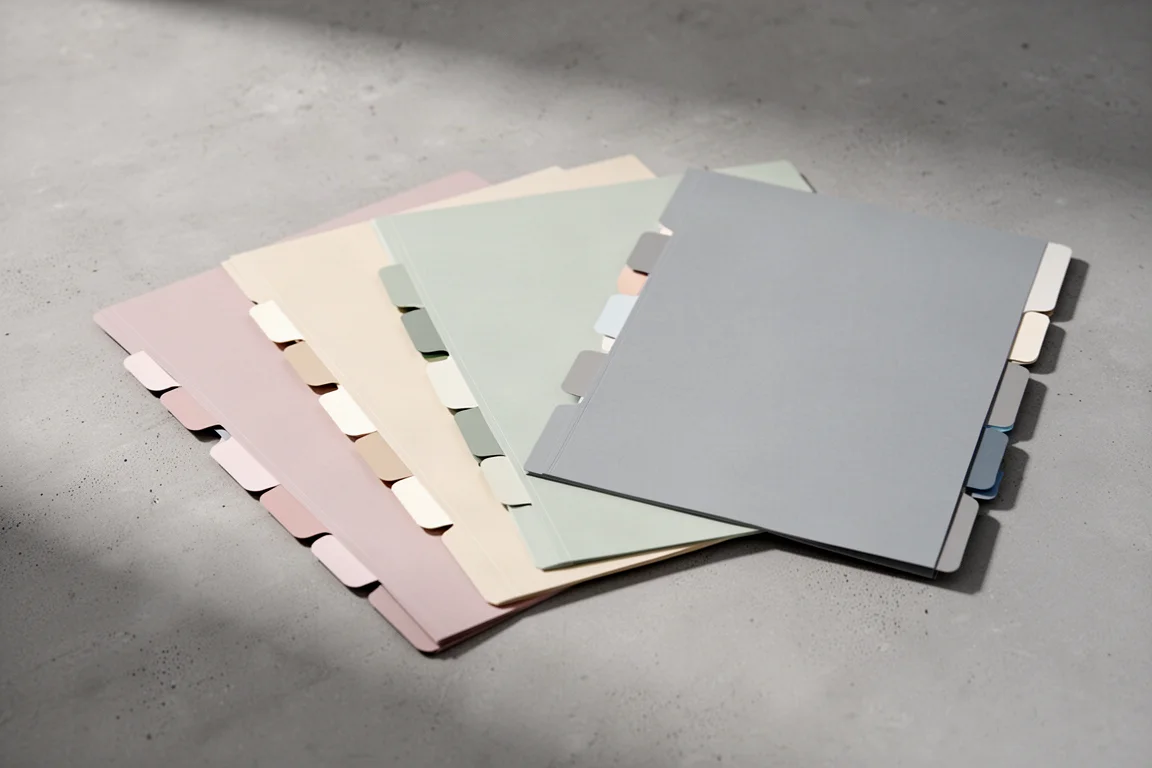
These B5 Maruman Dividers include two index tabs per section, making it easy to separate notes and homework, budgets and expense trackers, or plant schedules and care instructions.
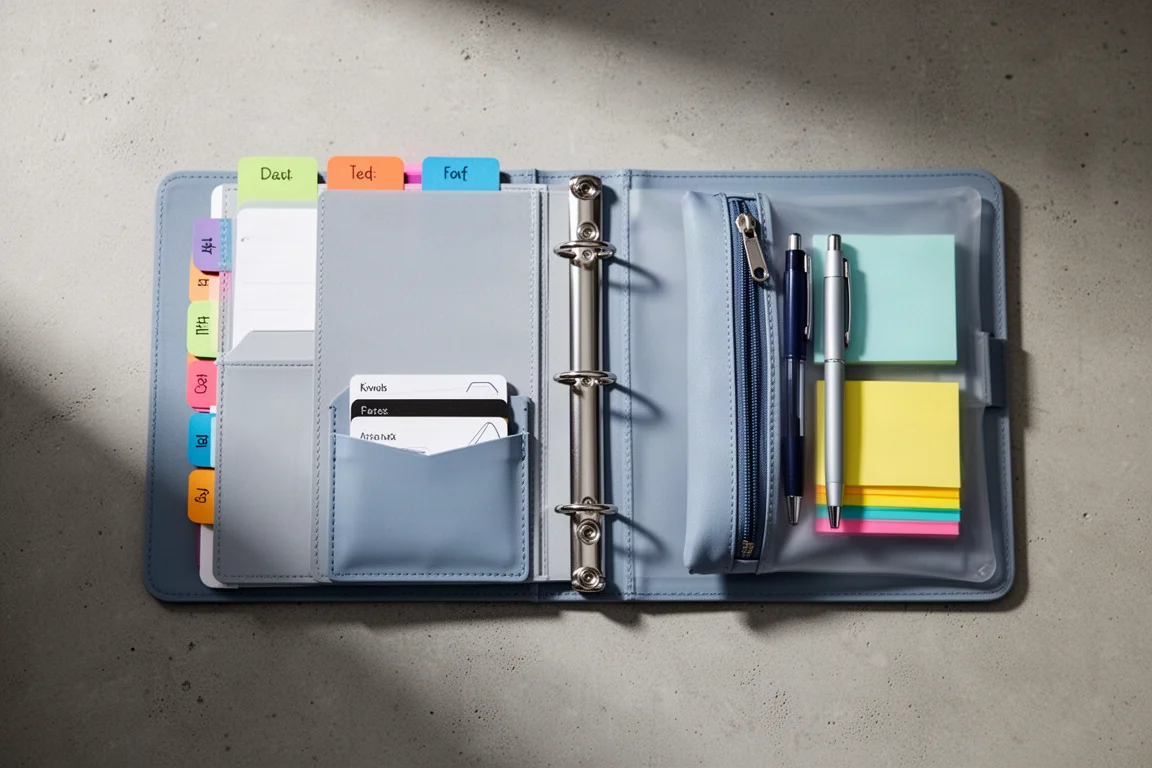
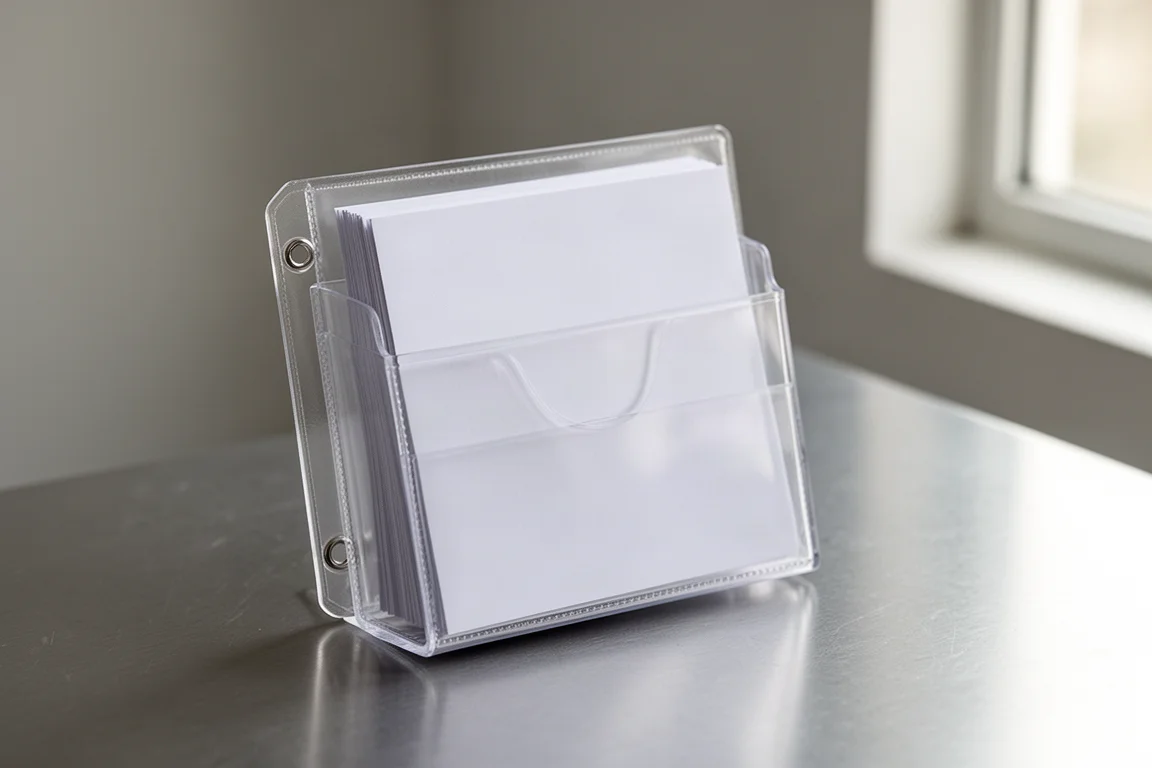
Some binders also support dedicated files for membership cards and photos. The Kokuyo Novita Alpha Card File is a favorite for storing fountain pen ink swatches, and it works just as well for cards you want to keep organized. For small essentials like pens, thumb drives, and sticky notes, binder zipper pockets do the job, though it is worth avoiding overstuffing them or the binder becomes excessively bulky.
A Binder Style for Everyone
American binders tend to be student-focused and do not always meet wider needs. Japanese binders come in many styles and serve a much broader range of purposes.
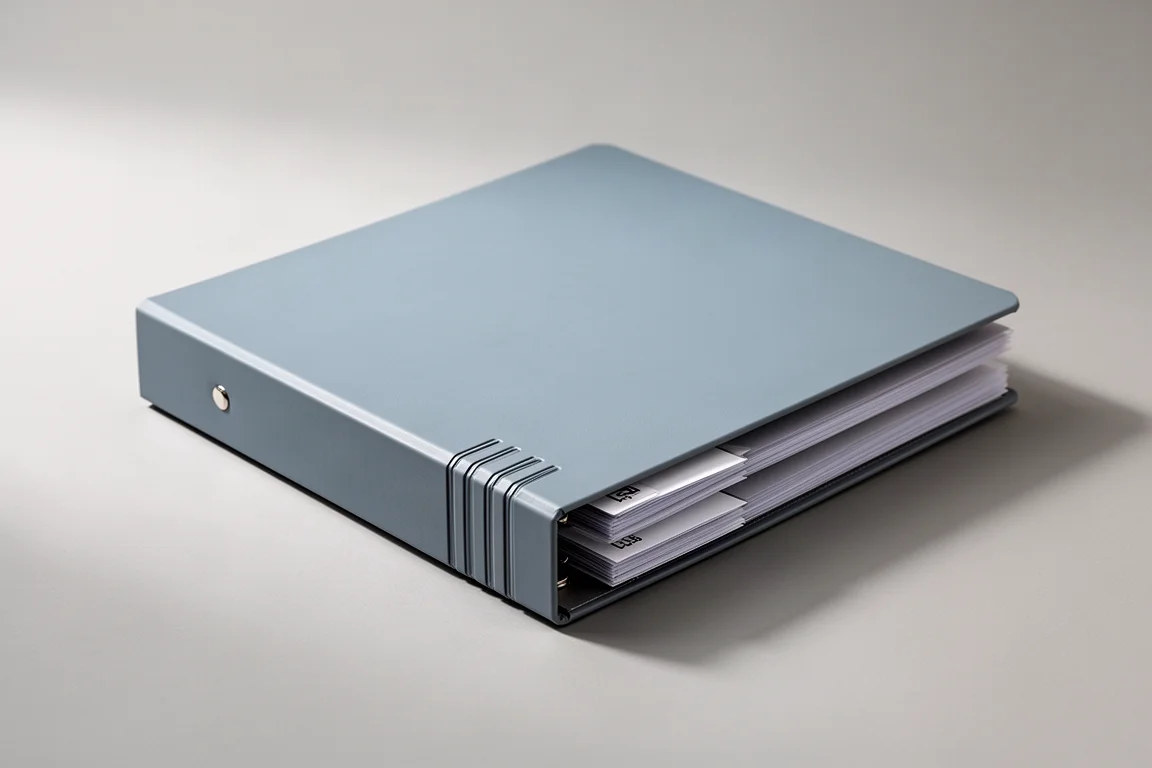
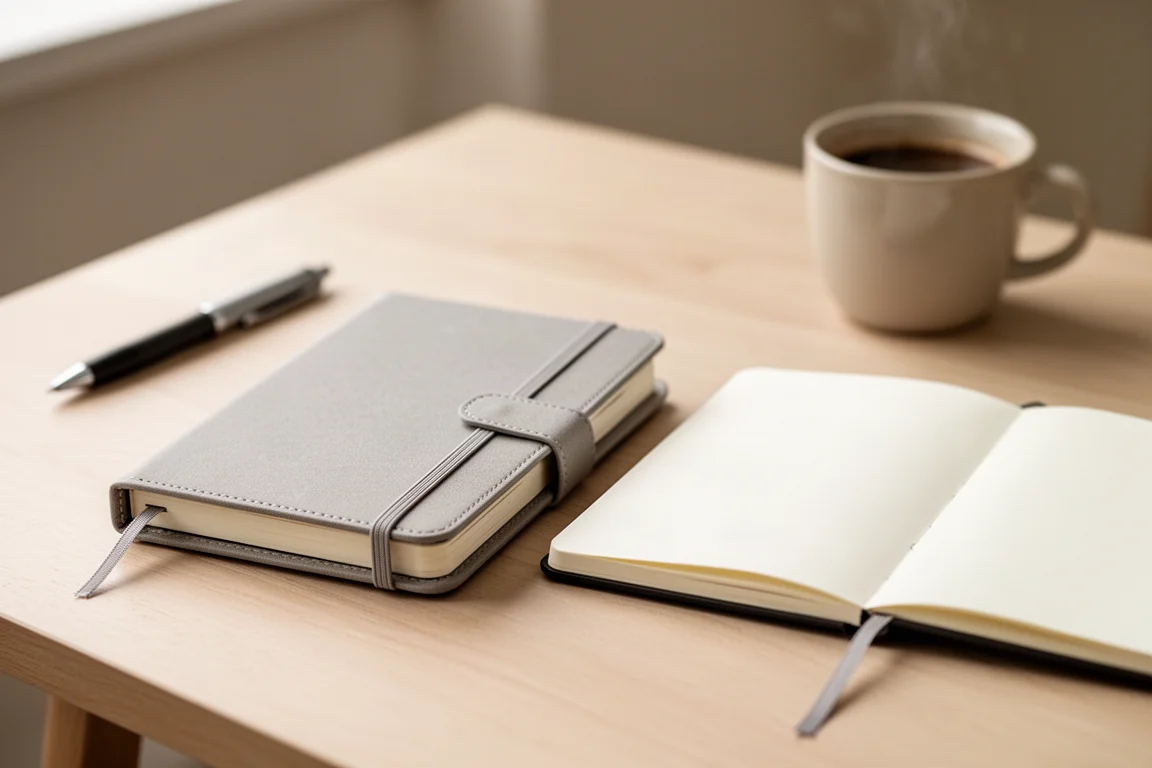
For cramped spaces or fieldwork, binder notebooks combine the ability to rearrange pages with a slim notebook form factor. Their covers fold back to provide a more stable writing surface, and they take up far less room than a standard binder.
The Kokuyo Novita Alpha Expandable Binder removes the hole punch entirely. Mix and match its Files to organize recipes, documents, or notes, and slide them into the grooves of the binder’s spine.
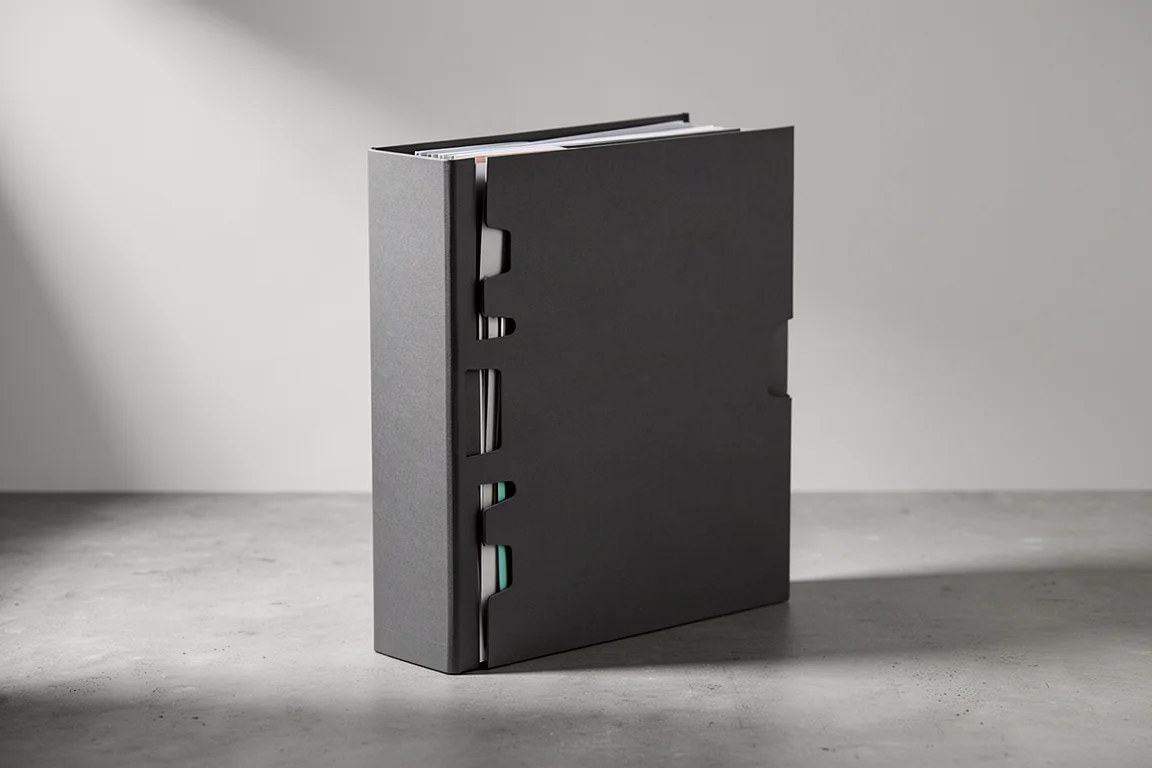
Professionals who plan projects will appreciate Maruman 5 Chart Binders. Small cutouts give you access to the dividers without opening the cover, so marking progress or jotting down next steps is quick and easy. For schedule organization, Mark’s System Planner Binders offer undated monthly and weekly calendars with plenty of room for appointments and tasks, with no risk of wasting pages.
The Humble Mini Binder
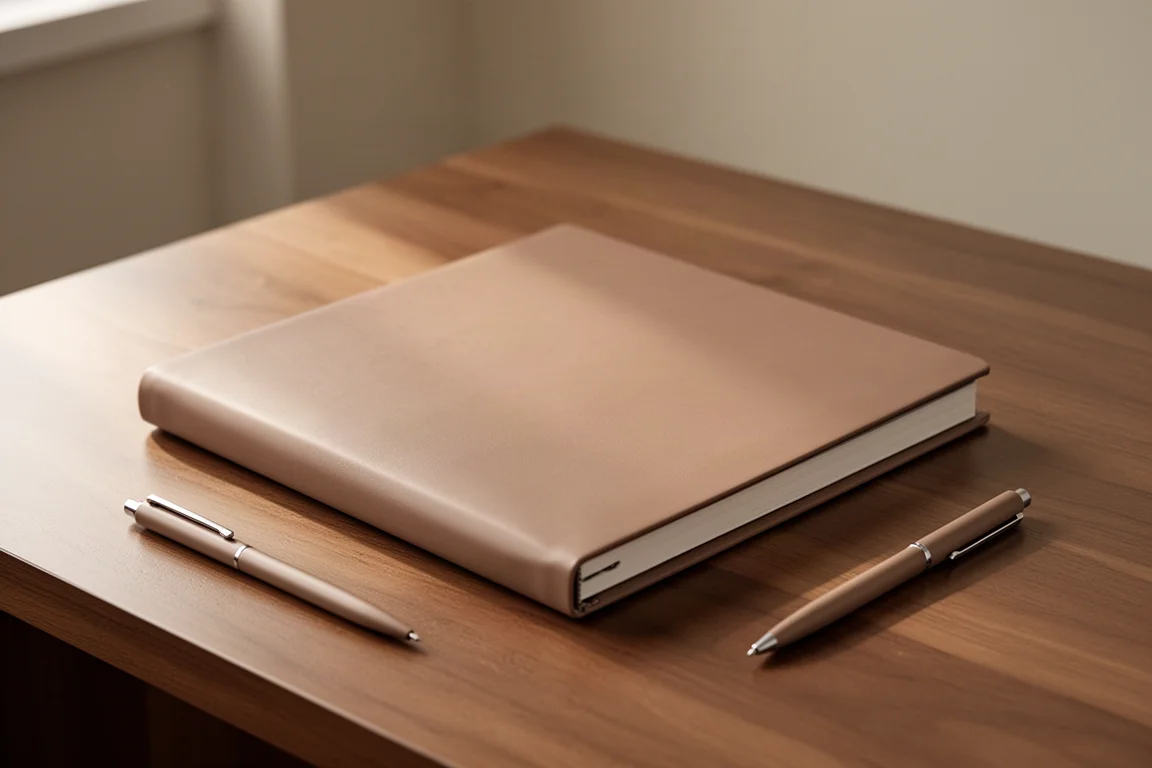
Japanese mini binders are equal parts versatile and portable. They keep study notes, grocery lists, and more close at hand without adding bulk.
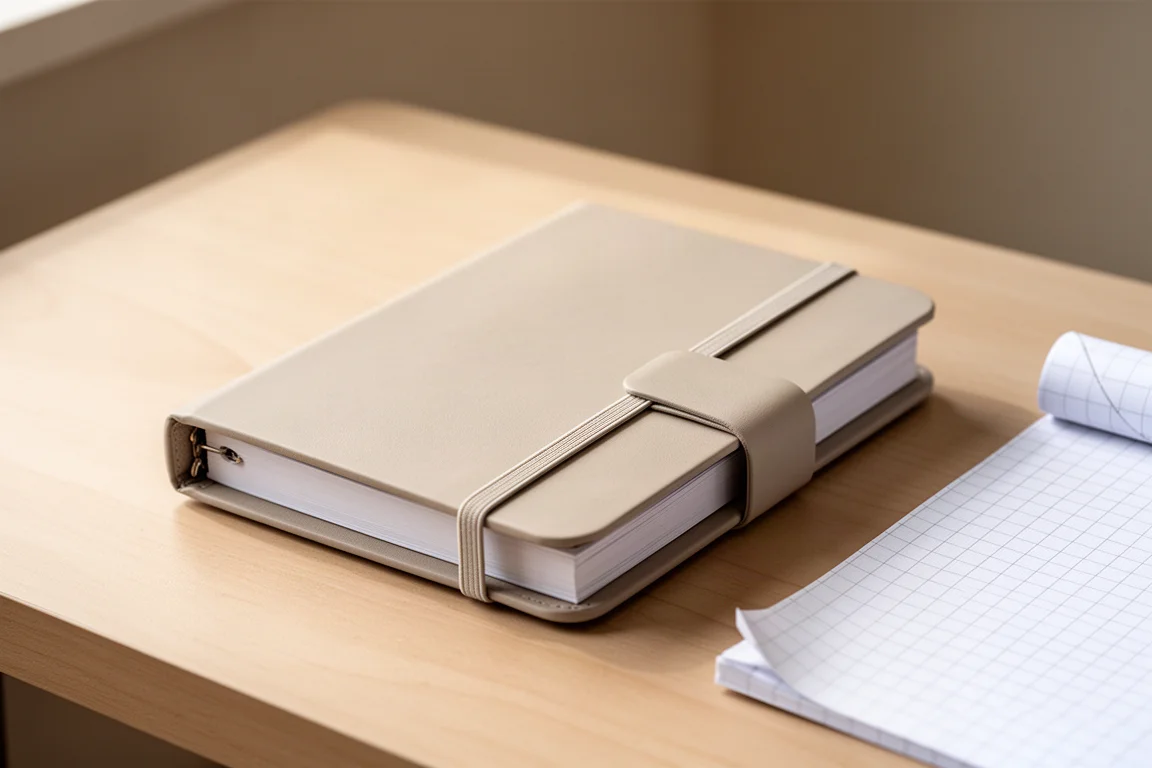
We are especially fond of the Maruman Into-One+. It comes ready to use with twenty sheets of graph paper, three dividers, and one zipper pocket, and its elastic band closure keeps pages from getting crumpled in a bag. It is a simple way to bring the whole Japanese binder system down to pocket-friendly size.
Buying Advice
The best entry point depends on your main use case. Students and note-takers should start with quality loose leaf, such as the Kokuyo Campus or Maruman ranges, since paper upgrades pay off in every binder. If finger pinches and broken rings are your main complaint, a King Jim Tefrenu or a slim binder notebook is the most direct fix. Project planners and professionals get the most value from the Maruman 5 Chart or Mark’s System Planner, while the Maruman Into-One+ is the easiest low-commitment way to try the format for lists and everyday notes.
Conclusion
Japanese binders improve on the standard design at every level: gentler ring mechanisms, more resilient paper, genuinely useful accessories, and form factors for users beyond students. Pick the one that matches your workflow, and the difference becomes obvious within the first week.
Further reading
Related Reviews
Stationery
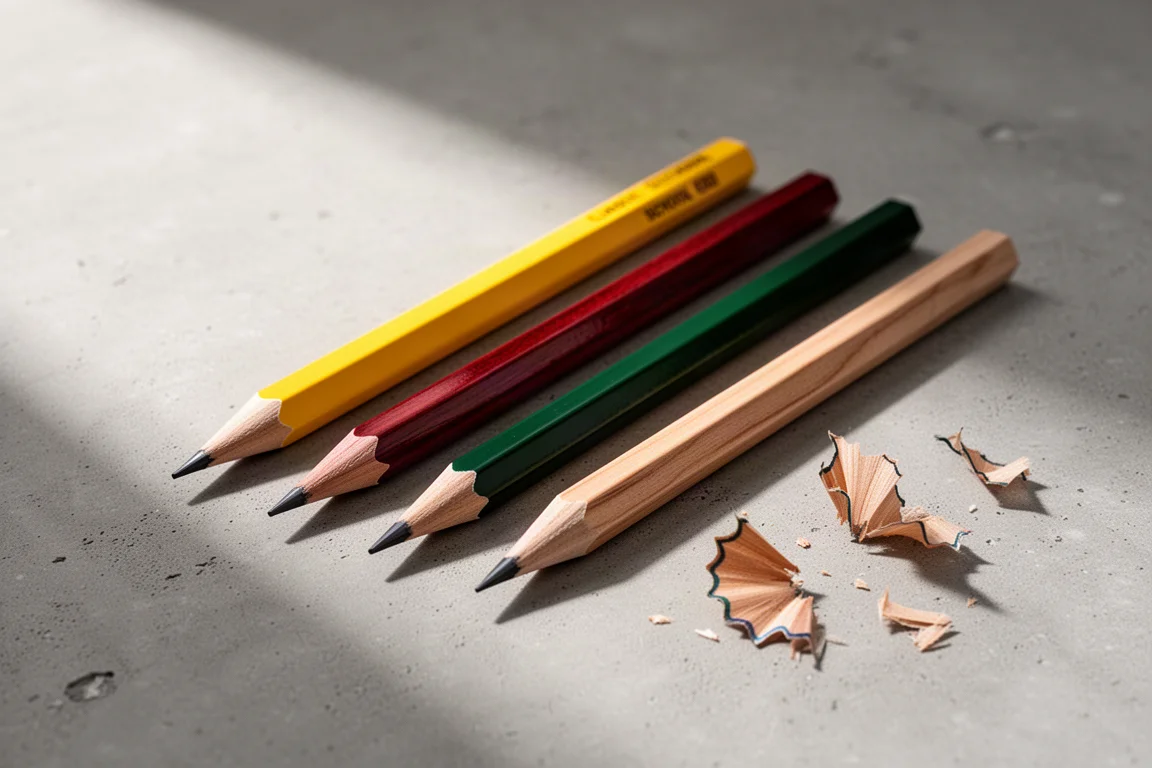
Musgrave Pencils Review: Four Classic Pencils from Tennessee's Last Pencil Factory
We put four Musgrave pencils to paper, from the classic Harvest to the Unigraph 1200 drawing pencil, to see what a century-old Tennessee workshop can still do.
Stationery
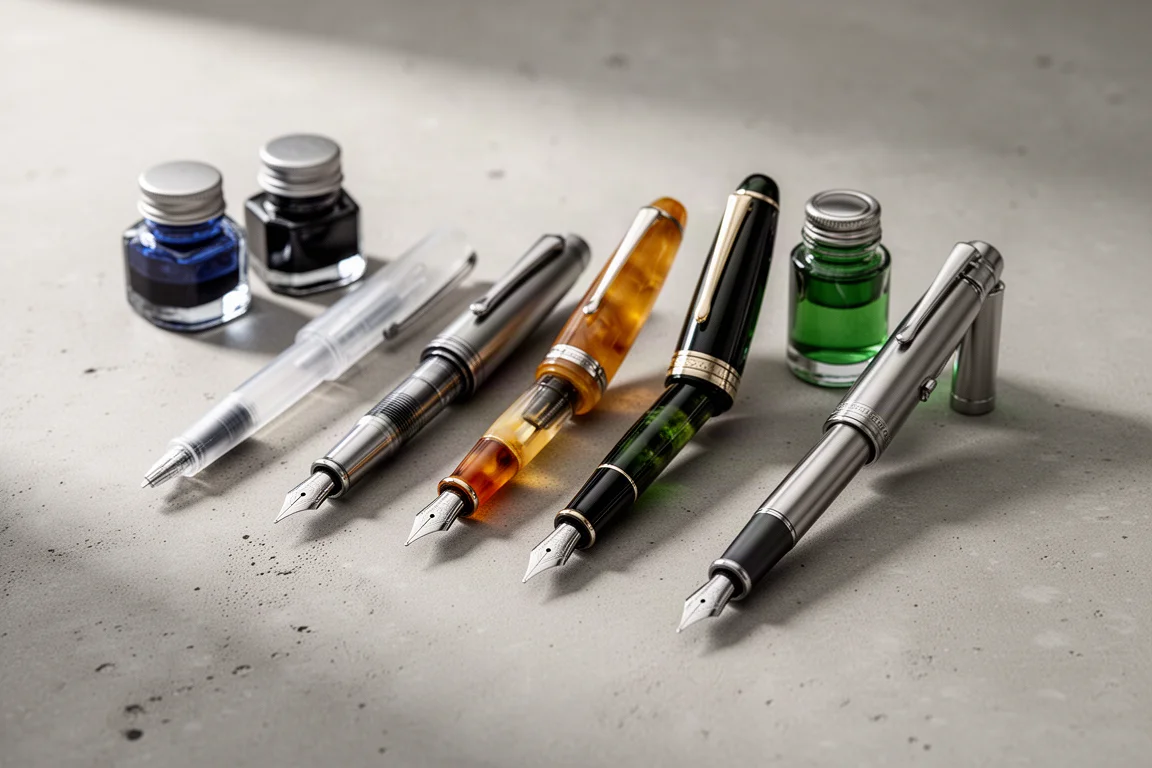
Fountain Pen Tiers Explained: From Starter Pens to Luxury Grails
A practical overview of the different levels of fountain pens and inks, from a sub-$20 starter setup to Italian piston fillers and retractable gold-nib everyday carries.
Stationery
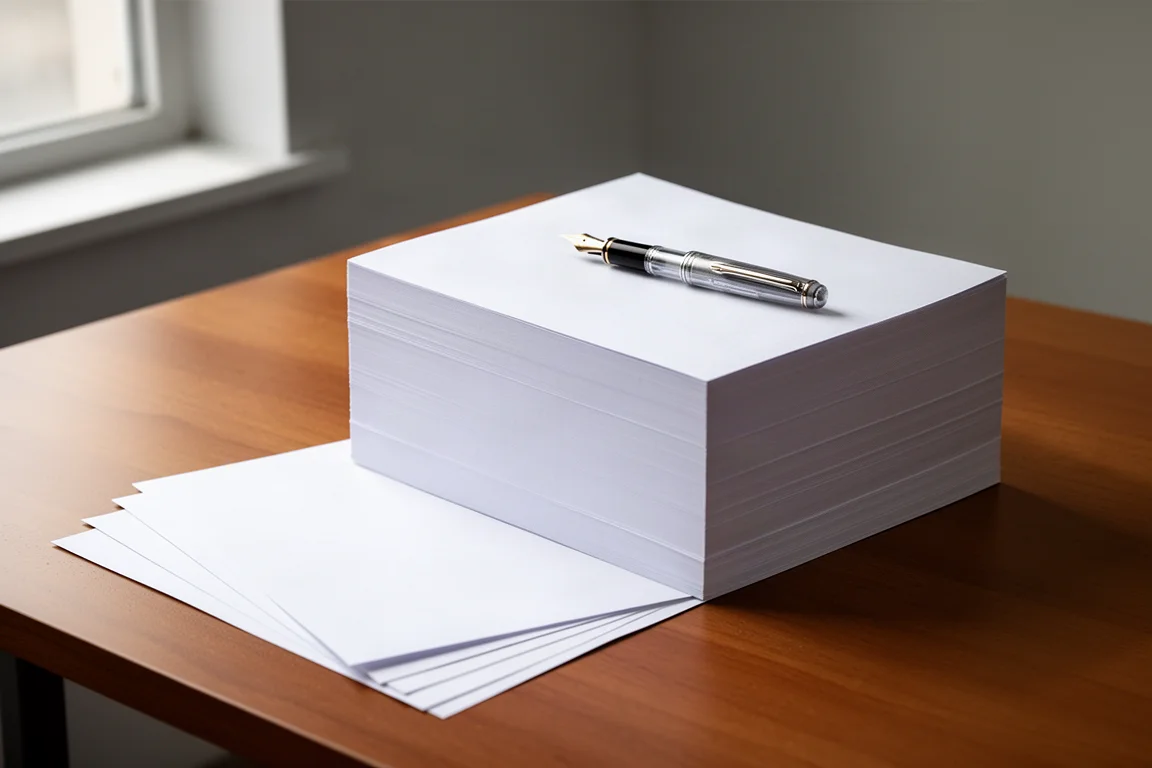
HP Premium 32 lb Copy Paper Review: A Fountain Pen Friendly Everyday Printer Paper
A heavy, smooth 120 GSM copy paper that handles fountain pens far better than standard printer stock, with only minor trade-offs in shading and sheen.