Cycling
Why Bikes Cost More Now: Best Value Road and Mountain Bikes to Buy
Bike prices have climbed, but inflation tells a more nuanced story. Here are the road and mountain bikes that still deliver strong value at every budget.
Introduction
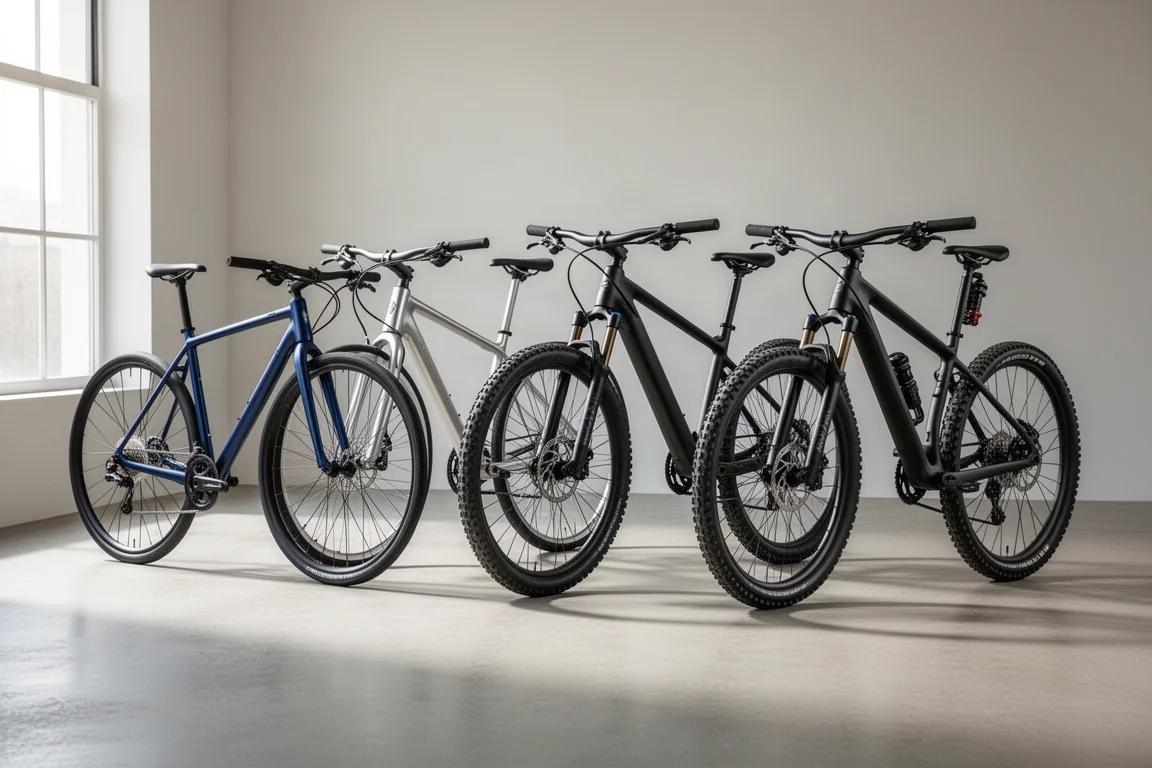
Bikes are expensive, and it is easy to assume the situation is only getting worse. The headline figures support that feeling. Five-figure price tags on halo models have become routine, both from mainstream manufacturers and from brands that have always traded on exclusivity.
Look more closely, though, and the picture is more nuanced. A flagship road race bike today is more aerodynamic, stiffer, shifts better, stops better thanks to disc brakes, frequently includes a power meter, and offers tyre clearance that would have been unthinkable on a road race bike a few years ago. It is almost certainly lighter as well.
The interesting question is what has happened at the sensible end of the market, where most riders actually buy. That is where value is easiest to judge, and where some genuinely strong bikes are still available.
How Bike Prices Have Changed
Several forces have pushed prices upward at the same time. Modern mountain bikes are longer than they used to be, and the extra material costs money. The amount per frame looks small, but multiplied across a production run it adds up quickly.
Packaging and freight compound the effect. Bigger bikes need bigger boxes and more packaging, fewer units fit into a single shipping container, and a batch therefore needs more containers. Raw material costs have risen, shipping costs have risen, and wages have risen too, with manufacturers employing more people than they once did. None of these factors is dramatic on its own. Together they explain a meaningful share of the increase at the till.
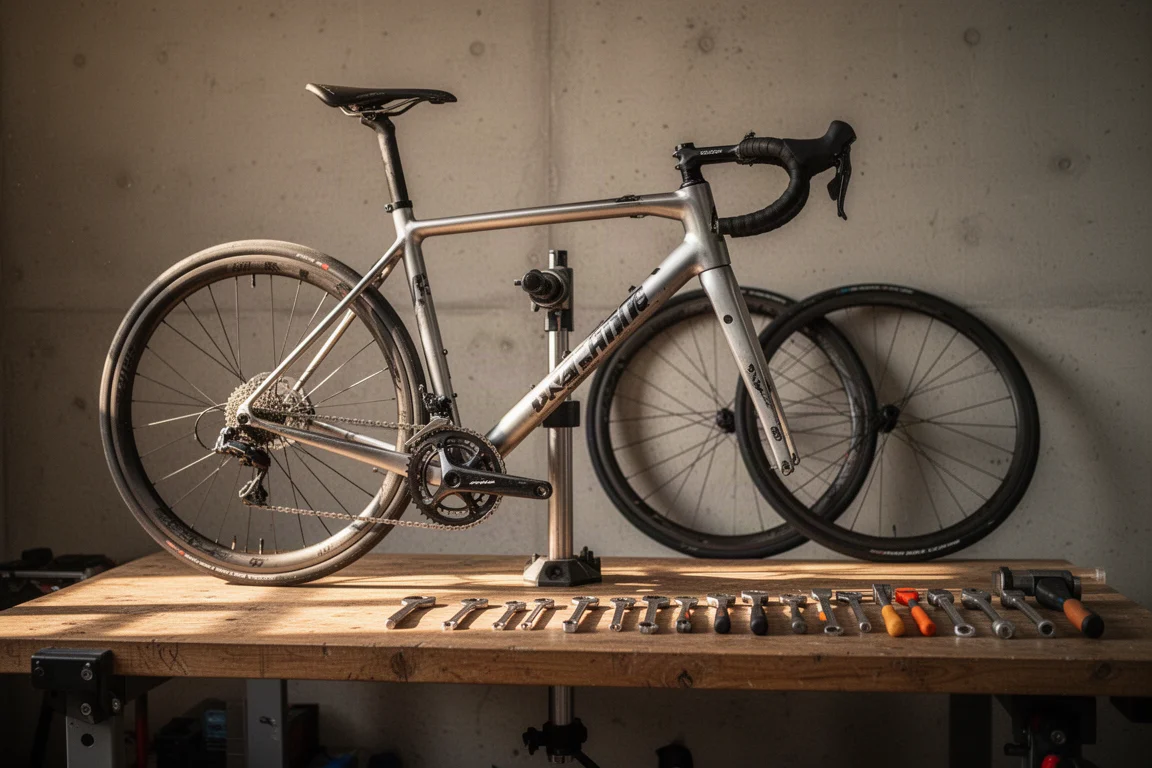
Design complexity plays a part as well, but its effect is uneven. At the top end, the improvements are real and substantial. Lower down the range, the trade-offs are less clear-cut. Judged purely on inflation-adjusted figures, newer bikes do not always represent a clear step forward. Choosing disc brakes often means dropping at least one level down the groupset hierarchy, and weights have stayed broadly similar on rim-brake models or increased on models that moved to discs.
Best Budget Road Bike: Triban RC120
Triban, Decathlon’s in-house brand, makes one of the best budget road bikes on the market. The RC120 costs a penny under £400, which is remarkable value for a starter road bike, and a disc-brake version is available for a modest additional cost.
For anyone testing whether road riding is for them, or for a commuter that needs to be dependable without being precious, that price changes the maths considerably. It is the lowest-risk way into the sport in this guide.
Best Value All-Rounder: Vitus Razor
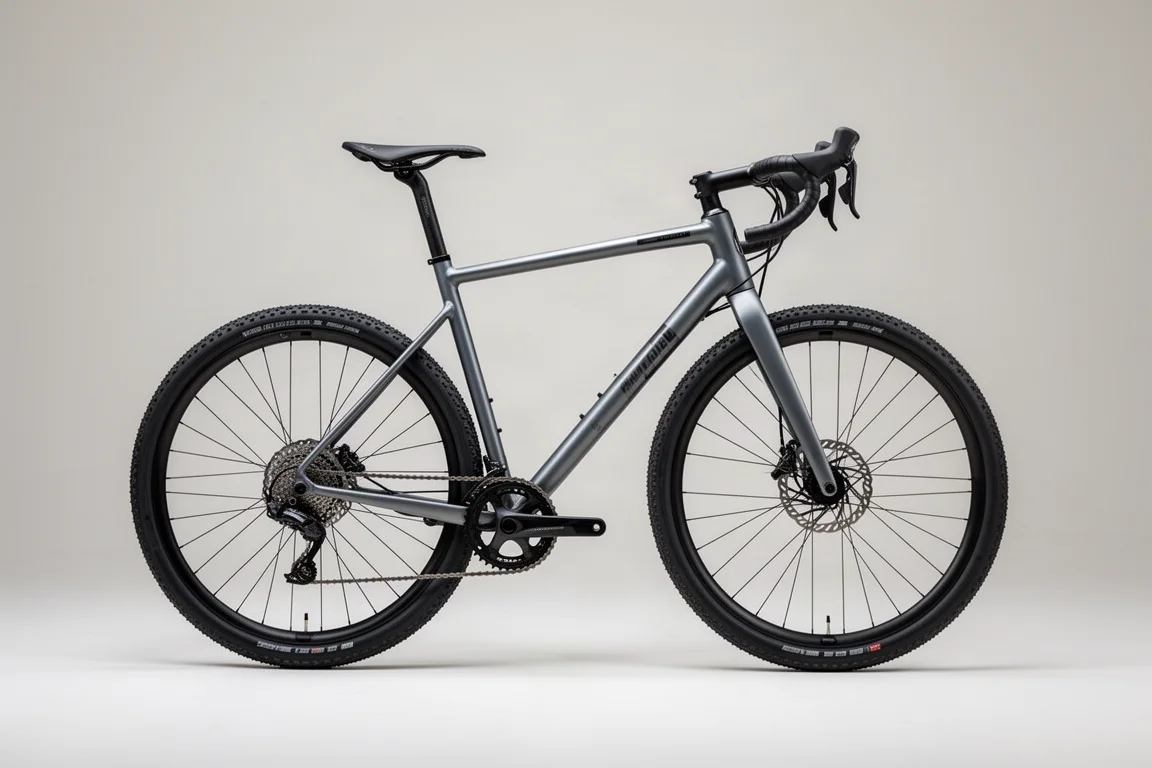
At £700, the Vitus Razor is a sensible and unfussy package. The specification is well judged for the money, and the wide tyres give it a smoother ride than a narrow-tyre race bike, which makes longer days and rougher surfaces more comfortable than the price suggests.
It suits riders who want a dependable road bike without spending mid-range money, and who would rather have comfort and usability than a race position they will rarely use.
Best for Group Rides and Sportives: Giant Contend 2
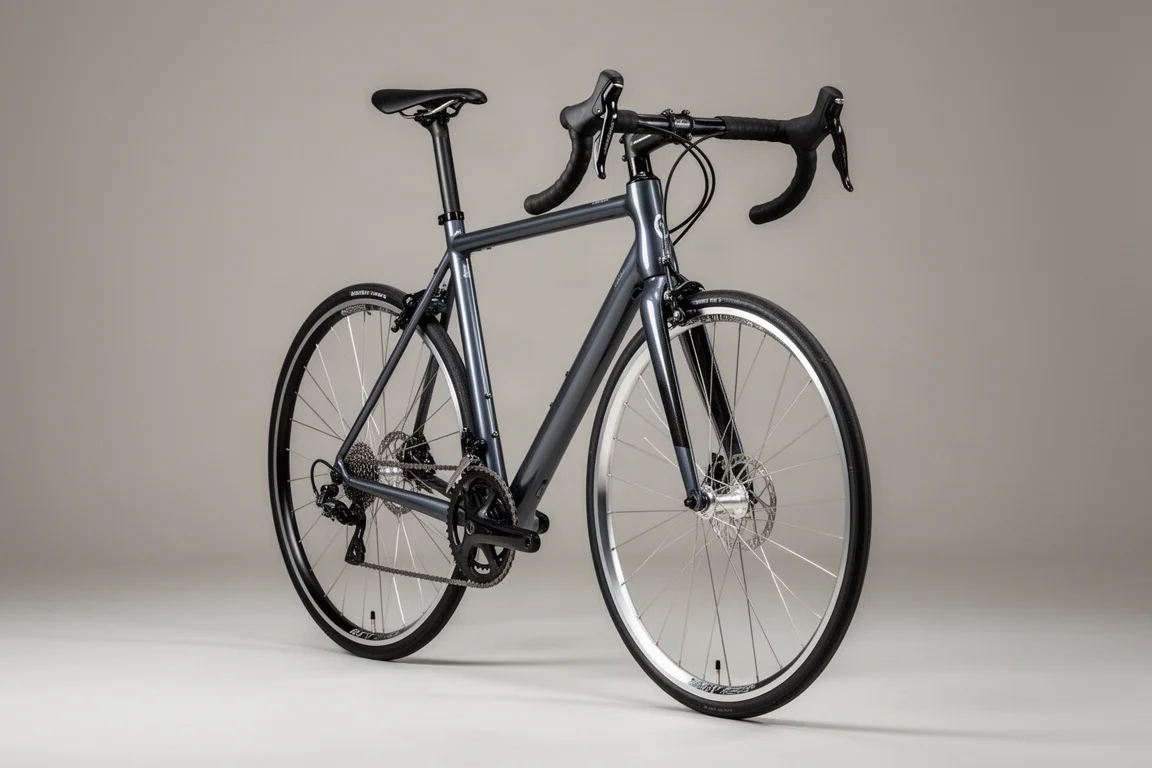
The Giant Contend 2 comes in at £879 in the UK. It is a bike that will have you sorted for group rides and sportives, and it is worthy of upgrades as you move through your riding journey, which gives it a longer useful life than a machine you grow out of in a single season.
That upgrade potential is the main argument in its favour. Rather than replacing the whole bike as your ambitions grow, you can improve it progressively.
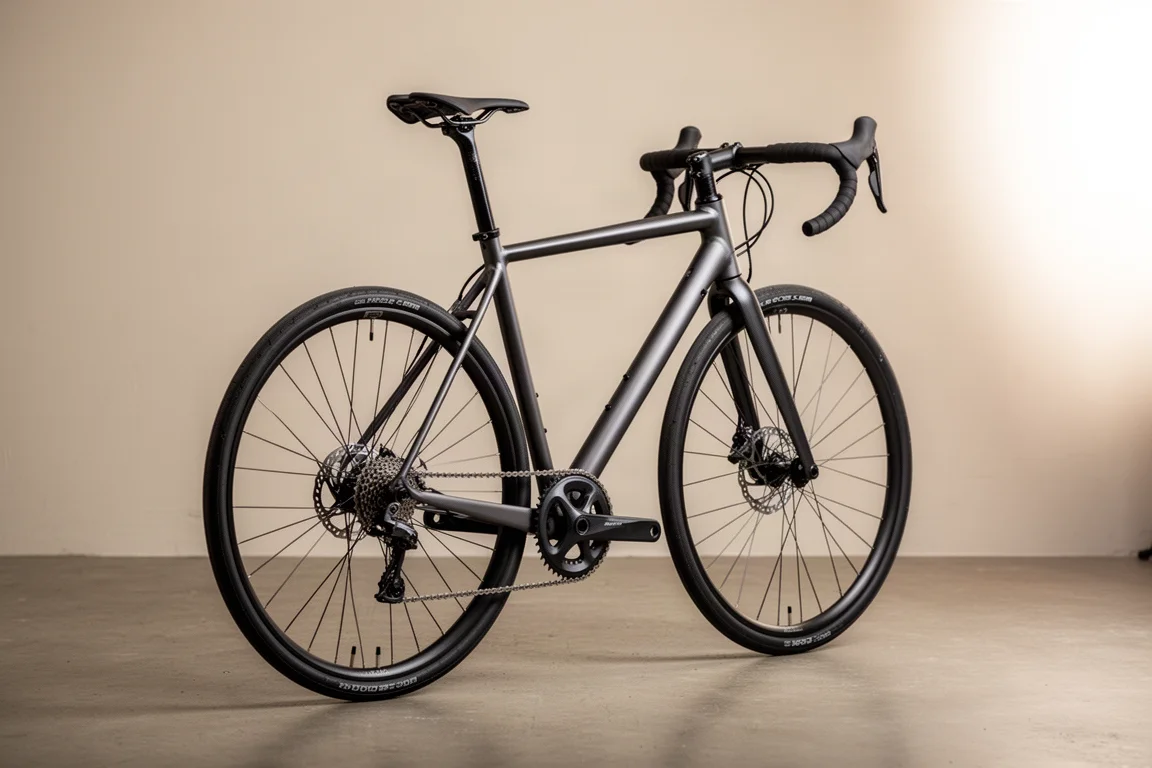
Best US Entry Point: Giant Contend 3
In the US, the Contend 3 is priced at $950 and offers a lower entry point into the same family of bikes. It sits below the racier Contend 2 in the range, but it covers the essentials for steady group riding and sportives, and it leaves room to upgrade over time.
For riders in the US who want a recognised brand with a clear upgrade path, this is the most accessible option here.
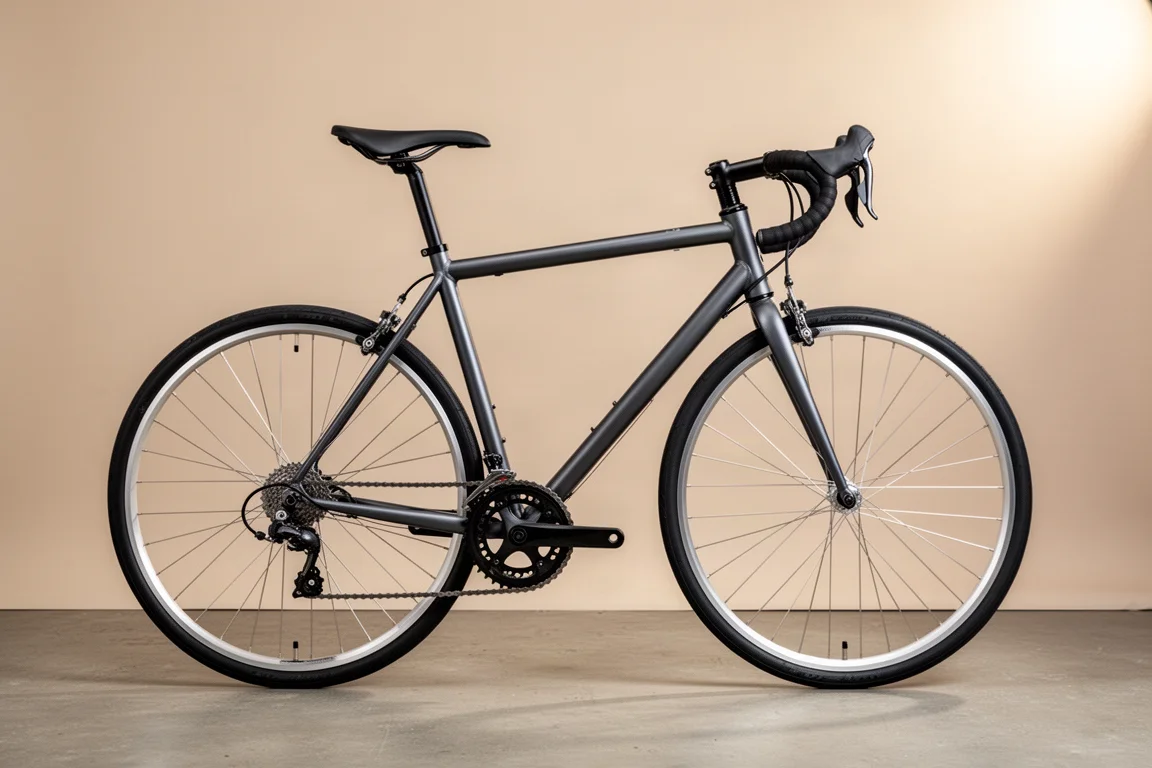
Best Endurance and Commuting Bike: Trek Domane AL 2
Trek’s entry-level Domane AL 2 is built for endurance riding and commuting, priced at £775 in the UK or $1,100 in the US. Its endurance focus suits long days in the saddle and daily commutes alike, and the positioning makes it one of the more versatile bikes at this price.
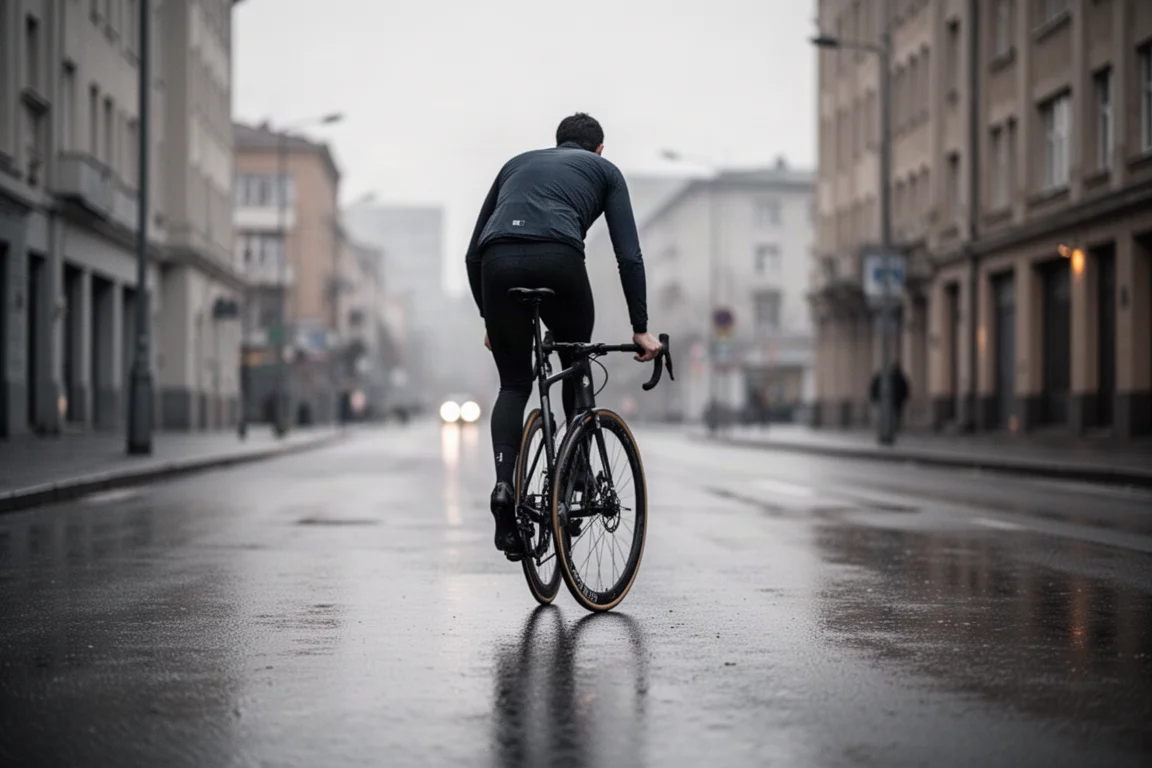
For riders who want a single bike to cover the commute, weekend distance rides and everything in between, an endurance platform is usually the more comfortable choice than a race-focused frame. The Domane AL 2 sits at the accessible end of that category, which keeps the cost of entry low.
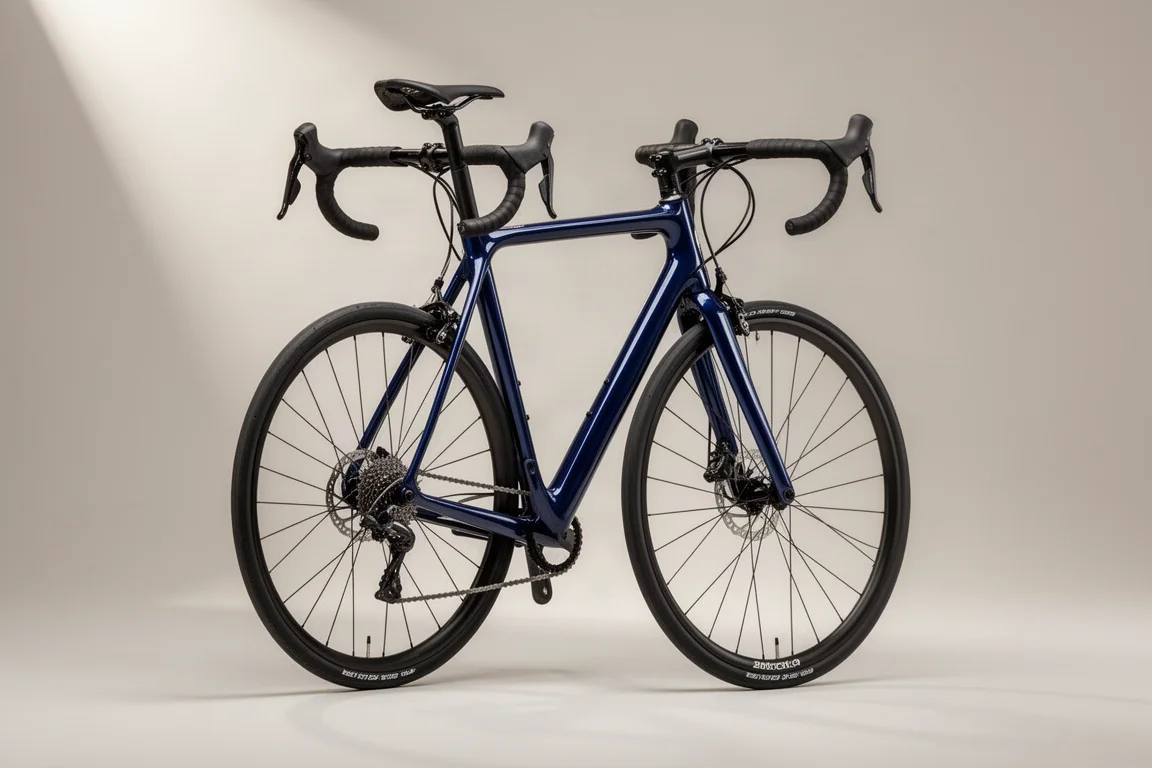
Best Performance Upgrade: Giant TCR Advanced 2
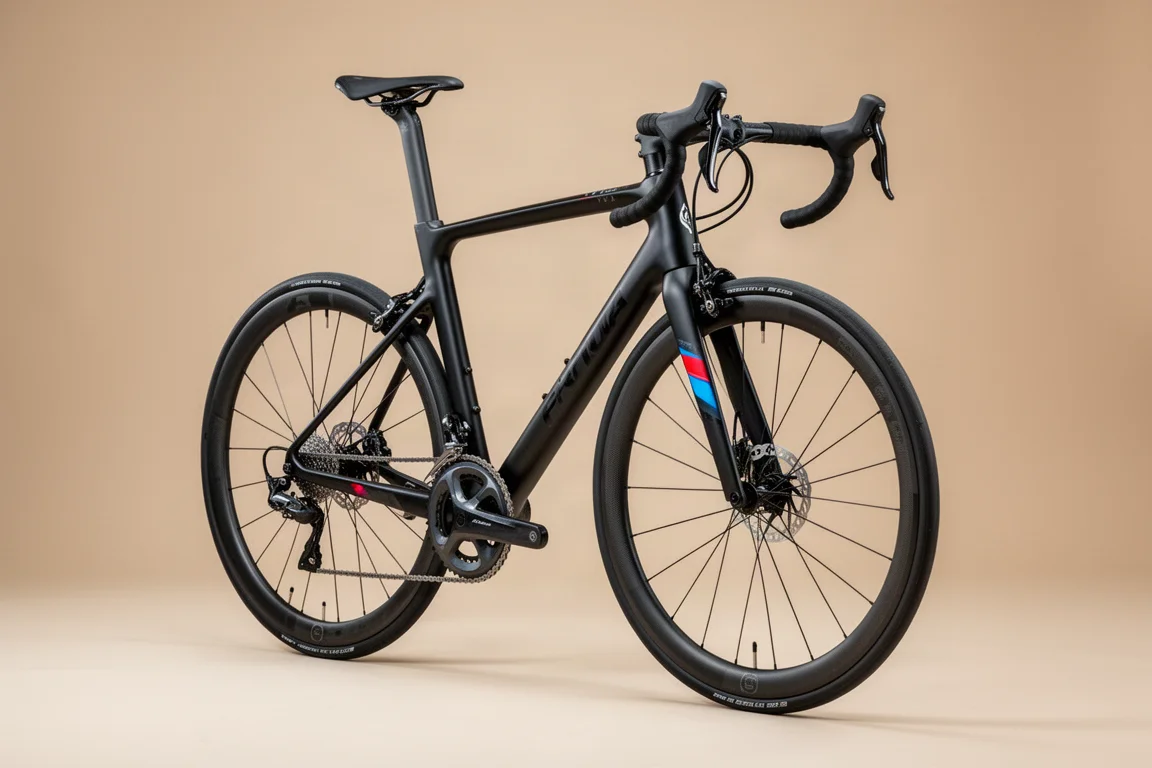
For riders who want a proper race bike without a halo price, the TCR Advanced 2 is the natural step up. It costs £2,249, and it is a more capable machine than the equivalent bike of a decade ago, with better brakes, better shifting, better wheels, a frame that has benefited from years of development, and more gears.
The comparison is instructive. In 2010, a Giant TCR 4 road racer cost £1,650 and came with a full Shimano 105 groupset, a carbon frame and Mavic CXP 22 wheels. Adjusted for inflation, that same bike would cost around £2,436 today. The closest equivalent now, the TCR Advanced 2, undercuts that figure at £2,249. A version with Shimano 105 and hydraulic disc brakes sits higher at £2,699, so there is a premium for the disc-brake specification, but the core race bike has not become more expensive in real terms.
That is the most reassuring finding in this guide: at the performance end, buyers are getting more bike for less money than they were thirteen years ago.
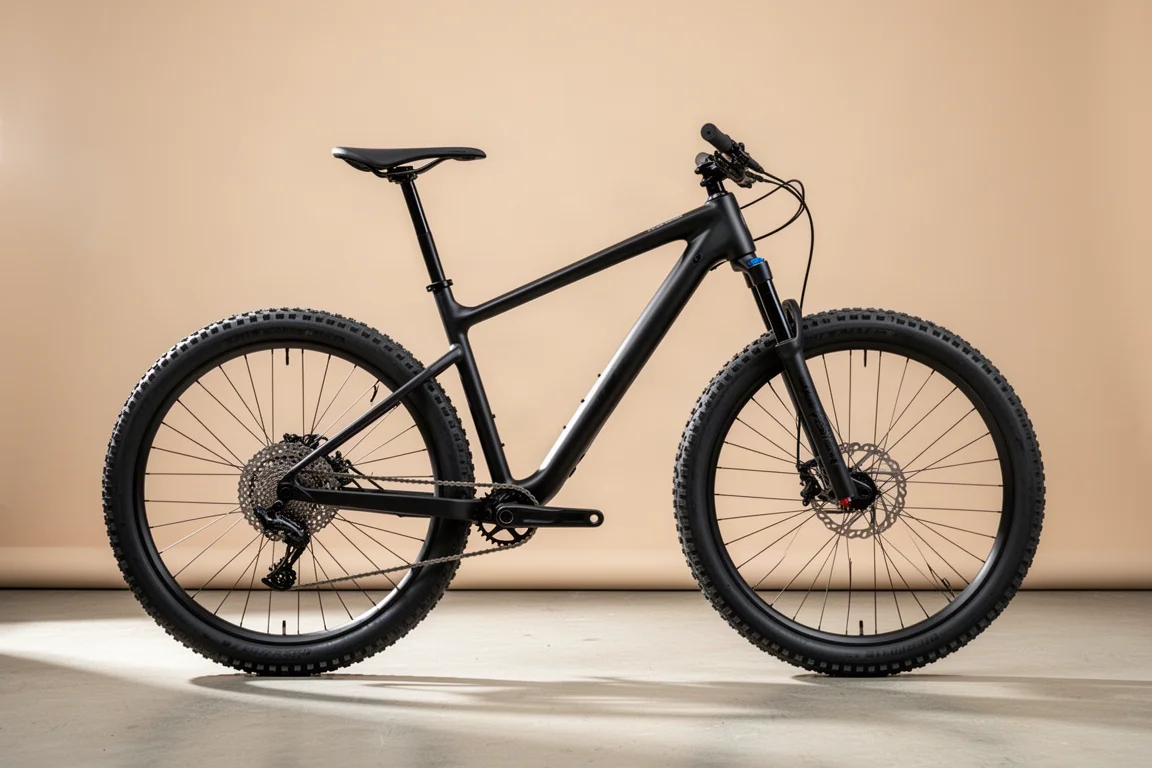
Best Budget Hardtail: Calibre Rake
The Calibre Rake is a hardtail that costs just £550, and the specification at that price is genuinely surprising. Hydraulic disc brakes and a decent suspension fork are both included, and the only obvious omission is a dropper post.
That combination is enough to ride almost anywhere with a bit of skill, which is rare at this price point. It is a strong first mountain bike, and a sensible choice for riders who want to try trail riding without committing to a large outlay.
Best Budget Full Suspension: Calibre Bossnut
Calibre also builds the Bossnut, which has long been a favourite among riders who want full suspension without moving into premium territory. It is the more capable option in the range for rougher trails, and it keeps the brand’s value-focused approach intact.
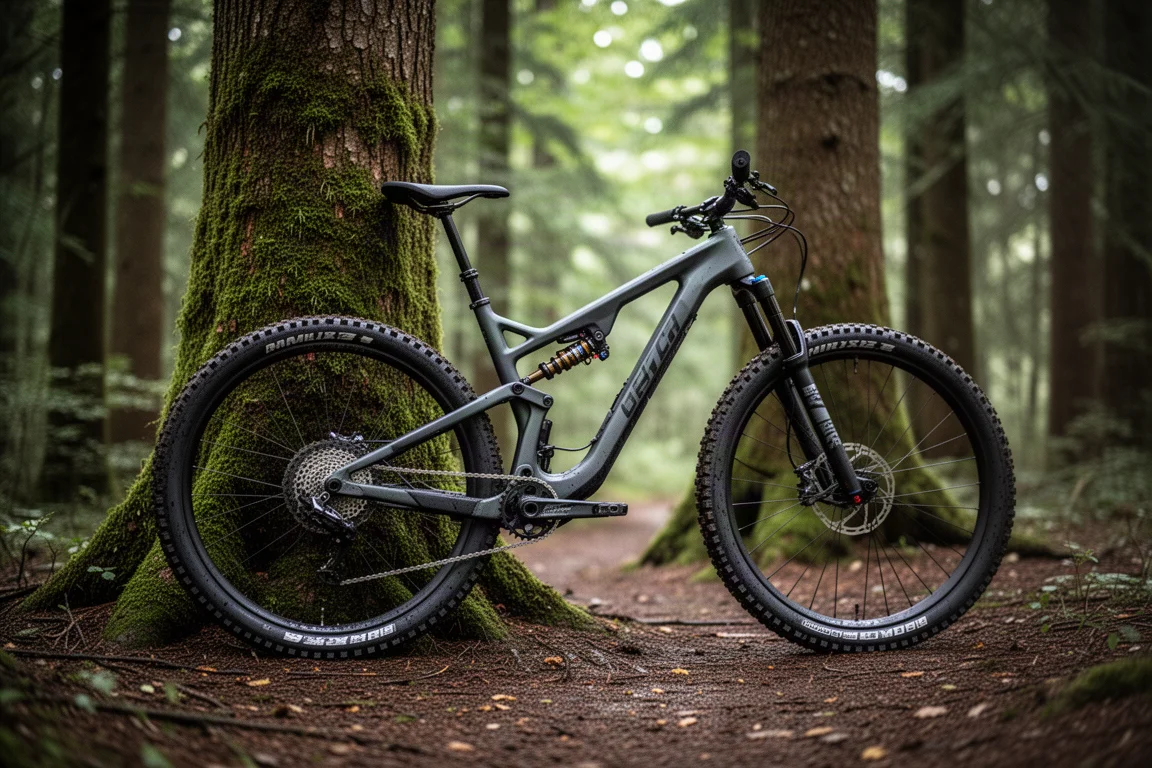
For riders moving from a hardtail, this is one of the more accessible routes into full suspension. The addition of rear suspension changes how the bike behaves on rough ground, and it makes longer descents less punishing than a hardtail allows.
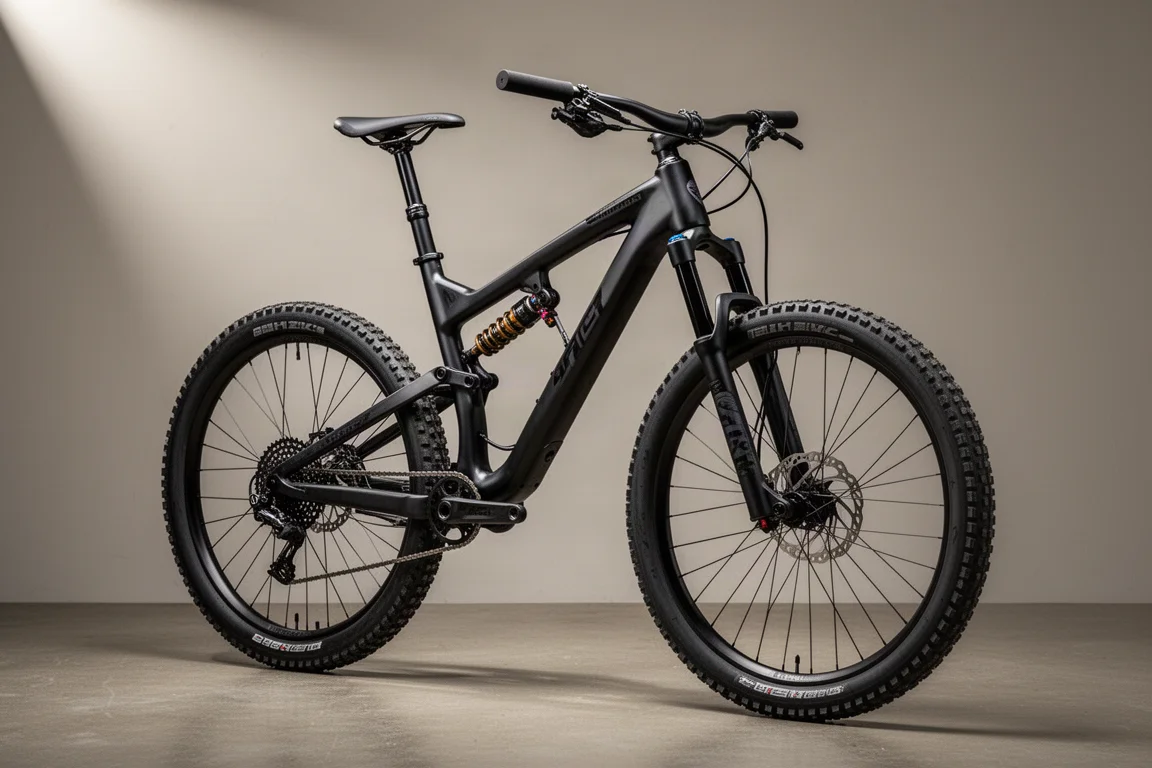
Best Premium Trail Bike: Ibis Mojo
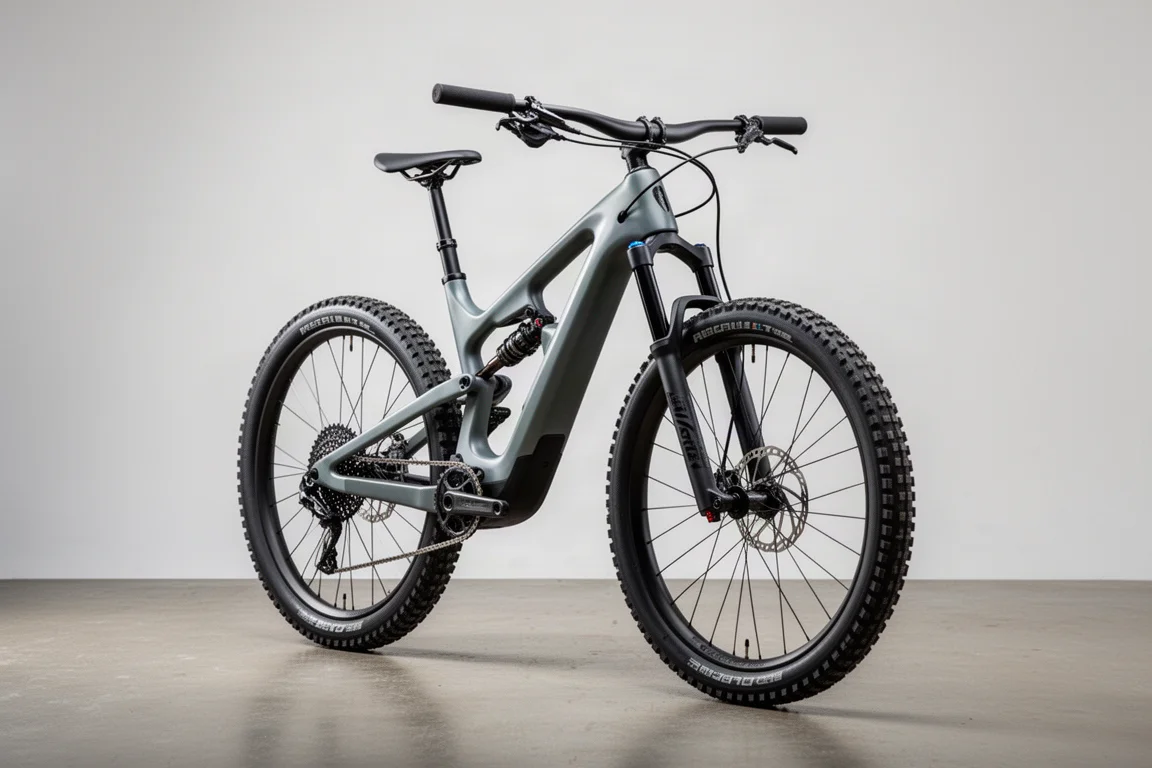
At the other end of the scale, the Ibis Mojo is a £6,799 bike in a Shimano XT build with top-of-the-line Fox suspension. That is a lot of money in absolute terms, and it is worth putting in context before dismissing it.
In 2010, a comparable Mojo build cost around £4,000. Adjusted for inflation, that figure would be roughly £5,900 today, so the gap between the two is around £800 rather than the doubling that is sometimes assumed. The current bike is far more modern in its geometry and suspension, and it carries the same XT drivetrain and premium suspension that made the original attractive in the first place.
Buying Advice
The most useful conclusion from all of this is that value is not evenly distributed. At the top of the market, prices have risen but so has capability, and in inflation-adjusted terms the increase is smaller than the sticker price suggests. At the entry level, the trade-offs are more visible: disc brakes often mean a step down in groupset, and rim-brake models remain lighter.
For most buyers, the sensible approach is to start with the riding you actually do. A budget road bike between roughly £400 and £700 covers commuting, fitness and first sportives. A mid-range road bike between roughly £775 and £950 adds a platform that is worth upgrading over time. Around £2,200 buys genuine race performance without halo pricing. On the mountain bike side, £550 buys a capable hardtail, the Bossnut covers full suspension, and premium trail bikes such as the Mojo sit at the very top.
It is also worth knowing that the industry is under pressure. In 2022, UK mechanical bike volumes fell 22% to an estimated 1.88 million units, which was 27% below 2019 levels. Shimano reported a 28% year-on-year revenue decline, and Giant’s European revenue fell 12% in the first half of 2023. Brands may have over-ordered during the pandemic cycling boom, and household budgets are squeezed by cost of living pressures. Clearance pricing has been a feature of the market as a result, so it is worth checking current prices before committing.
Conclusion
Bikes do cost more than they did, but the increase is driven by real changes in materials, freight, labour and design rather than by pricing alone. Once inflation is accounted for, the modern equivalents of older bikes are often better value than they appear, and the entry-level market still offers remarkable machines for very little money. Matching the bike to the riding you actually do remains the most reliable way to spend well.
Further reading
Related Reviews
Cycling
2026 Bike of the Year and the Cycling Gear Worth Watching
A drop bar roundup for 2026 covering the Ridley Kanzo Fast 2.0, Shimano Dura-Ace Di2 R9300, Trek Checkpoint ALR Gen 3, Specialized Tarmac SL9, Garmin Fenix 9 and Insta360 X6.
Cycling
Best All-Road Bikes 2026: Six Versatile Endurance Road Bikes Worth Considering
A practical look at six all-road and endurance road bikes, from lightweight carbon speed machines to steel all-rounders and comfort-focused mile eaters.
Cycling
Best All-Road Bikes 2026: 8 Endurance Bikes for Road and Light Gravel
Eight all-road bikes that blur the line between endurance road and light gravel, compared on tire clearance, ride character, practicality, and value.