Wearables
Whoop 4.0 Review: Deep Recovery Data With Real Trade-Offs
A screenless health band focused on strain, recovery, and sleep. Strong coaching concepts, solid sleep tracking, and some hardware accuracy compromises worth knowing about before you subscribe.
Introduction
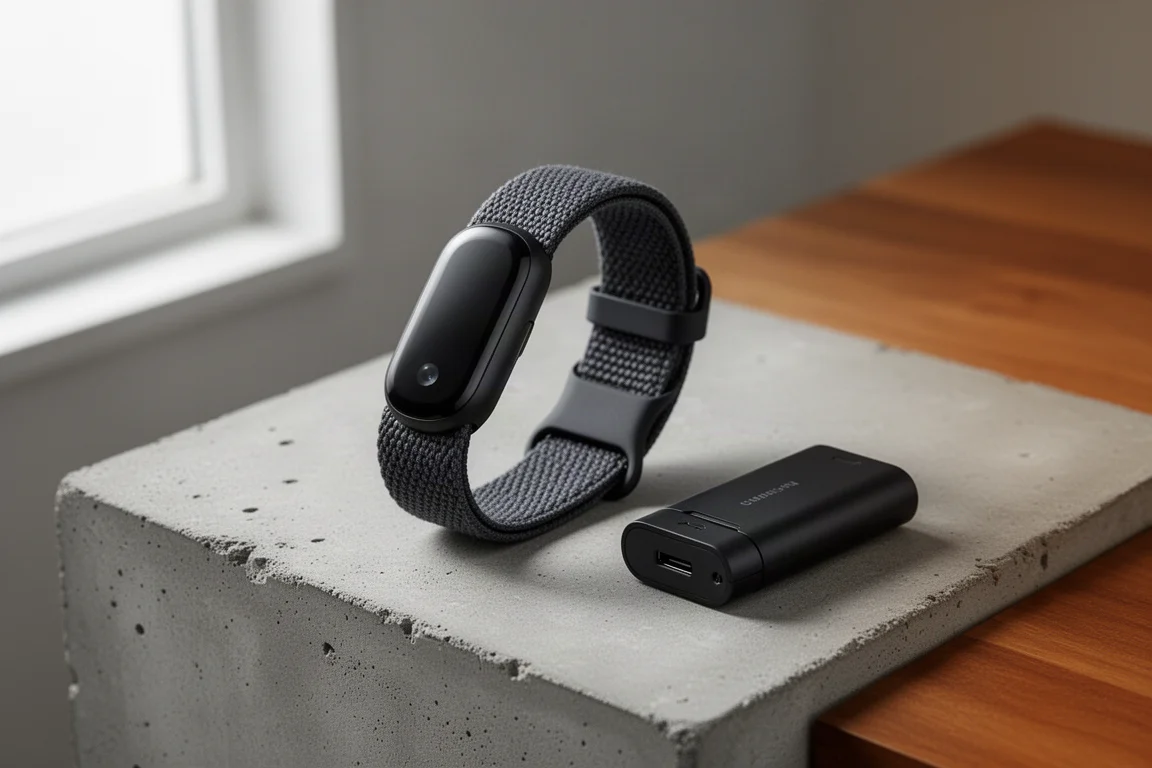
The Whoop 4.0 is one of the more interesting devices in sports tech wearables, precisely because of what it leaves out. There is no display, no GPS, no floors climbed tracking, no smartwatch features, and you cannot even tell the time with it. What you get instead is a small screenless pod on a soft strap that quietly collects health data around the clock and turns it into two core concepts: strain, which measures the effort you put out based on heart rate, and recovery, which is calculated from multiple factors including heart rate variability and sleep.
This review is based on an extended testing period with plenty of real workout and sleep data, covering the hardware, sensor accuracy across several activities, the subscription pricing model, and whether the whole package justifies its cost.
Who this product is for
The hardware itself is minimal. The Whoop 4.0 is a small pod with an upgraded optical heart rate sensor that carries more LEDs than the previous generation 3.0, plus an SpO2 sensor, respiration rate tracking, and a temperature sensor that aids sleep tracking. A double tap shows a general battery indication through four color-coded ranges, and exact battery percentage lives in the smartphone app.
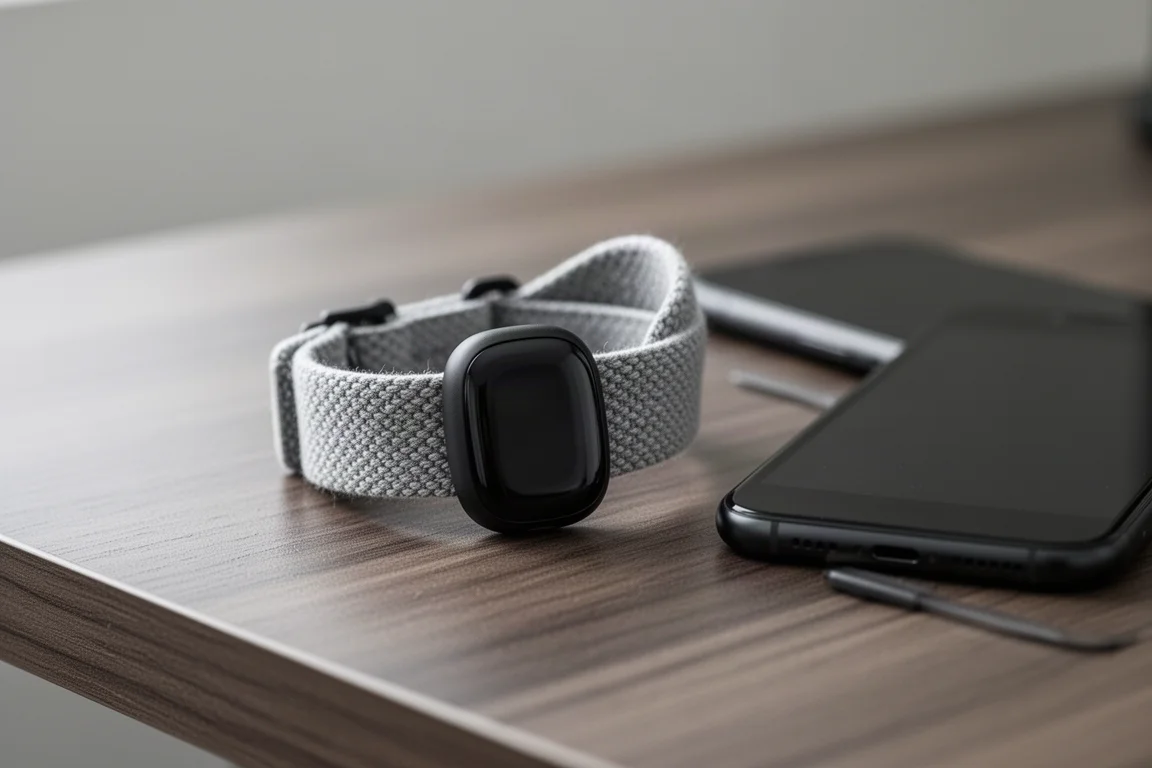
It is designed to be worn on the wrist, but the pod is detachable and works with accessories for wearing it on other parts of the body, including a bicep strap. That detail matters later in this review, because where you wear it has a real impact on accuracy.
If you want a device that simplifies effort, recovery, and readiness into actionable daily guidance, and you do not mind giving up a watch face entirely, this is squarely your product. If you want notifications, navigation, or on-wrist workout stats, look elsewhere.
Main strengths
Where the Whoop 4.0 genuinely shines is data collection and presentation. The app tracks your strain throughout the entire day automatically, since it is always monitoring heart rate. It detected workouts automatically in testing, popping up a notification after heart rate settled post-exercise, and it correctly identified activities like mountain biking and running on its own.
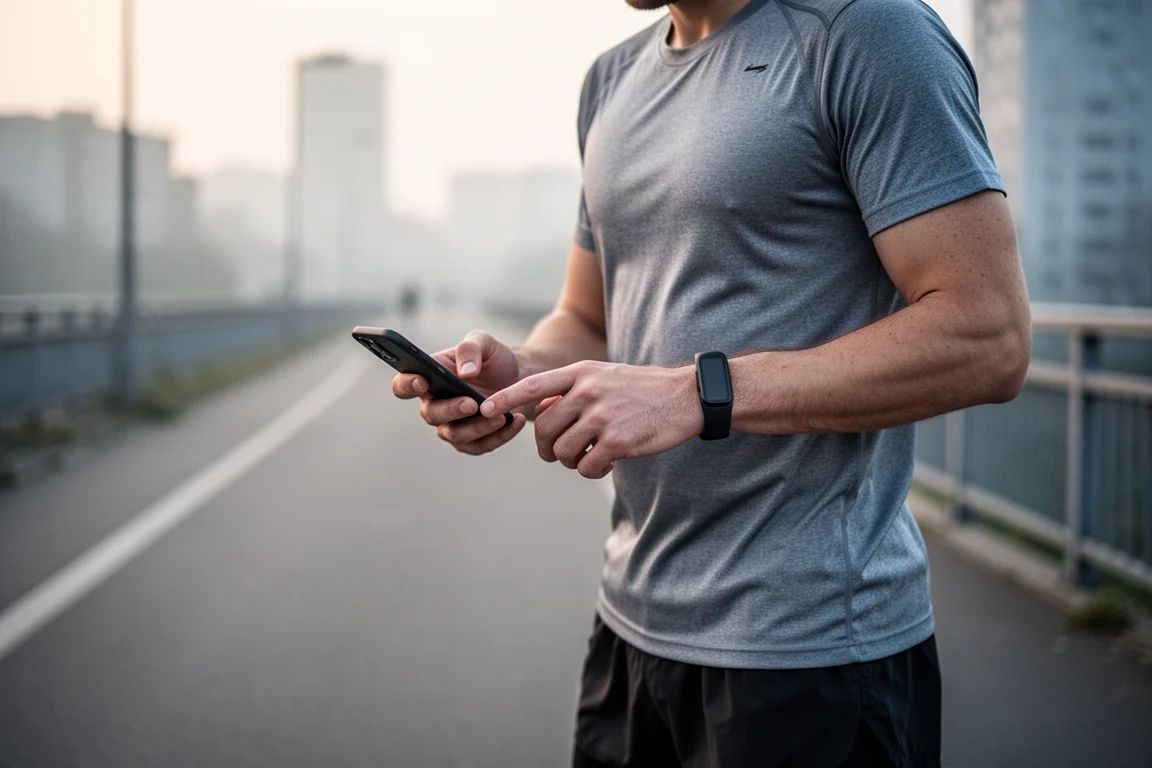
Automatic workout time detection was impressively accurate in testing, matching a manually tracked session to the half minute. If detection misses something, such as the occasional indoor cycling session that went unflagged, you can still log the activity manually with start and end times. Weight training is a known weak spot for automatic detection, since muscular strain does not always elevate heart rate enough to trigger recognition.
Sleep tracking is a genuine highlight. It consistently nailed bedtimes, restless moments, wake times, and sleep stages, and it is smart enough to reprocess your night automatically if you go back to bed after waking, adjusting your recovery score accordingly. Sleep performance is compared against suggested sleep need, and the sleep coach suggests bedtimes based on your recovery and accumulated strain, with goal options like peak, perform, or get by.
The recovery score is where things get nuanced. It is based on heart rate variability, resting heart rate, respiratory rate, and time slept, with HRV weighted heavily. That means you can have a poor night of sleep and still score high recovery, which happened repeatedly in testing, including an 81 percent recovery after under five hours of sleep simply because HRV was optimal. The app is upfront about this behavior, but it does not always match how you actually feel, and that is worth understanding before you buy. Long-term trends are handled very well, with weekly assessments and monthly reports that make the extended commitment genuinely valuable.
Things to consider before buying
Battery life is advertised at up to five days, but realistic results in testing landed closer to three to three and a half days. An early issue that limited battery to a day and a half was resolved through support, which handled the problem well through normal channels without any special treatment.
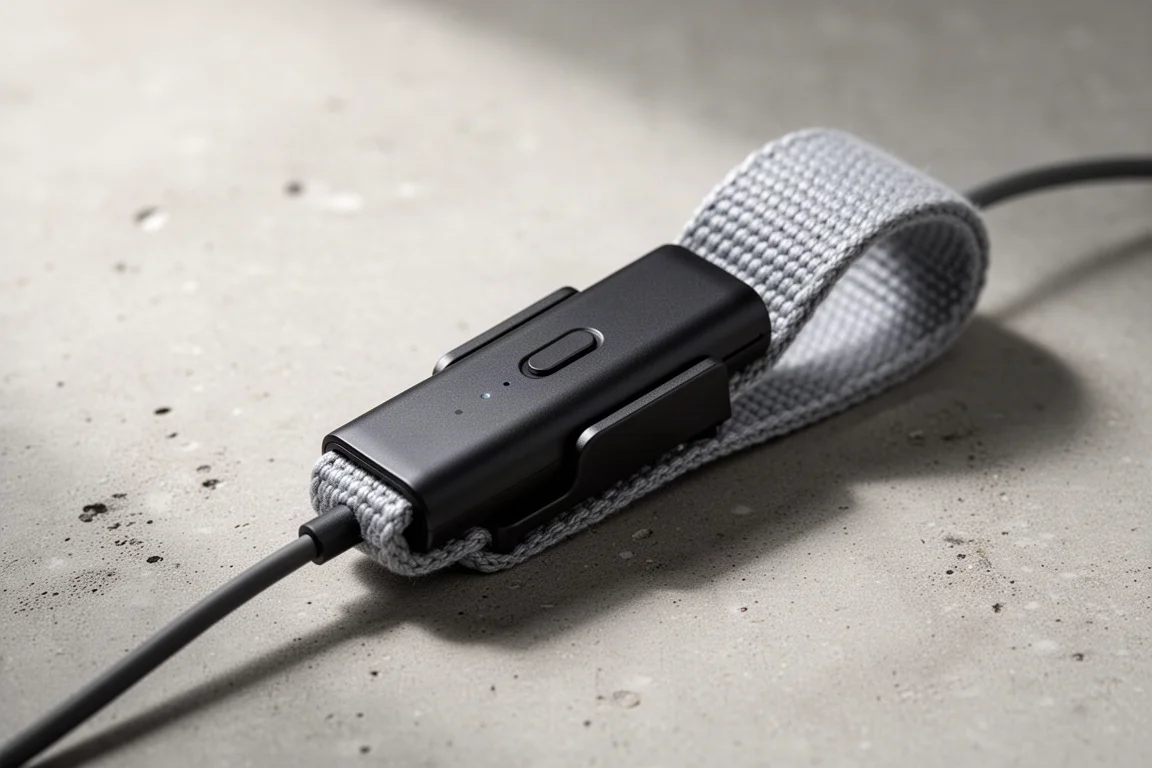
Charging is handled by a clever battery pack that slides onto the strap, so you never need to take the band off, and it is IP68 water resistant so you can shower while charging. It charges via USB-C with a compact, robust cable. The recurring frustration: in testing, the battery pack stopped charging short of 100 percent after 20 to 30 minutes and had to be unclipped and reattached two or three times to reach a full charge. A replacement pack showed the same behavior, even after firmware updates. Not a dealbreaker, but annoying at this price.
Finally, the pricing model. You do not buy the device outright; you subscribe, and the device comes with it. A year paid upfront costs $300, month by month costs $360 for the year, and a longer-term plan saves more. The best value plan works out to $720 for three years but requires a four-year commitment, while three years on the annual membership costs $900. New devices arrive free with an active subscription, though it took roughly two and a half years between the 3.0 and 4.0. Over three years, you are looking at $700 to $900, which buys a pretty capable sports watch that likely does more overall, even if it presents recovery data less elegantly.
Heart rate accuracy
Accuracy varied considerably by placement and activity. On the wrist during indoor cycling, results were okay for a static indoor workout, with occasional dropouts where heart rate flatlined for a minute or so, but compared against other wrist-based optical sensors it ranked fairly low.
Road cycling outside introduced vibration and bumps, and results were noticeably worse. Mountain biking, weight training, and rowing were particularly challenging on the wrist: the Whoop struggled to track quick heart rate changes during weight training sets and had clear dropouts during rowing sessions, even though its light, low-bounce design should in theory help.
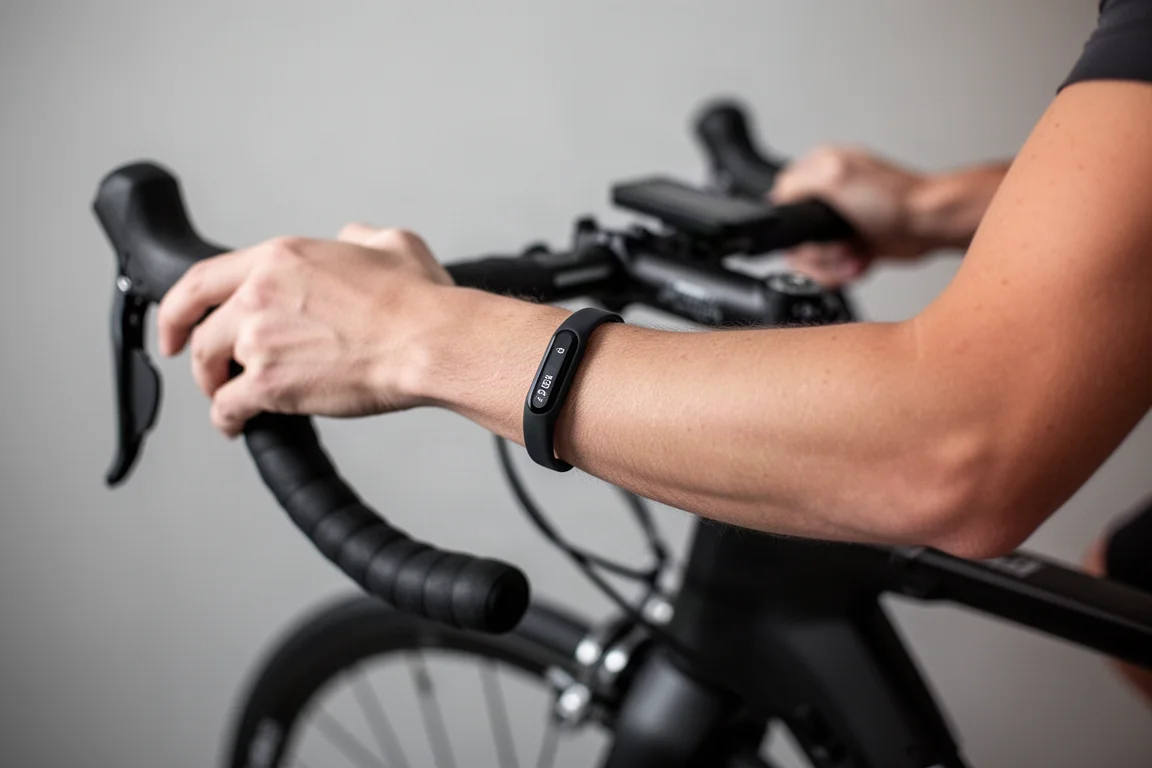
The bicep strap changed the picture significantly. Worn on the arm, with more flesh for the optical sensor to work with, results improved across the board. Road rides were largely usable, mountain biking produced pleasing results for the majority of a ride, and running settled nicely after an initially high first eight minutes. Weight training was better but still lacking detail on high-intensity intervals. If you want any semblance of heart rate accuracy from this device, the bicep strap is the way to go.
One mitigating factor: if you only care about the strain score, the dropouts matter less than you might expect. The fluctuations seen in testing are unlikely to drastically change your daily strain number.
Buying advice
The strain and recovery concept delivers on its promise for the most part, and the feedback is largely actionable. Sleep tracking is excellent, automatic activity detection works well for cardio, and the long-term trend reporting is genuinely impressive. On the hardware side, wrist-based heart rate accuracy is disappointing compared with sensors worn in similar locations, the charging pack quirk persists, and the subscription requires a meaningful commitment at a premium price. If the hardware matched the software ambition, this would be an easy recommendation. As it stands, it suits data-focused athletes who value recovery coaching above all else and who will wear it on the bicep for training.
Conclusion
The Whoop 4.0 is a well-executed recovery and strain coaching system wrapped around hardware with real limitations. Love the concept, appreciate the sleep tracking and trend reporting, but temper expectations for wrist heart rate accuracy and be ready for the subscription math. If a simpler pricing model, closer to $20 a month, ever materialized, this would be much easier to recommend without hesitation.
Product link
View more details for Whoop 4.0
This product is mentioned in the review. Check the specifications, options, and compatibility before buying.
View more details for Whoop 4.0Further reading
Related Reviews
Wearables
Apple Watch Ultra 3 vs Garmin: Which Training Watch Wins for Athletes
A practical head-to-head comparison of the Apple Watch Ultra 3 and Garmin for serious training, covering GPS accuracy, data tracking, usability, and recovery metrics.
Wearables
Apple Watch vs Garmin for Running: A Year of Training Compared
After a year training for marathons with both devices, here's what actually matters when choosing a running watch.
Wearables
Apple Watch Ultra 3 vs Garmin Fenix 8 Pro: Satellite Messaging Compared
A practical comparison of satellite messaging on the Apple Watch Ultra 3 and the Garmin Fenix 8 Pro, covering connection methods, messaging workflows, coverage, and running costs.